Feeds:
Posts
Comments

Posts Tagged ‘nature’

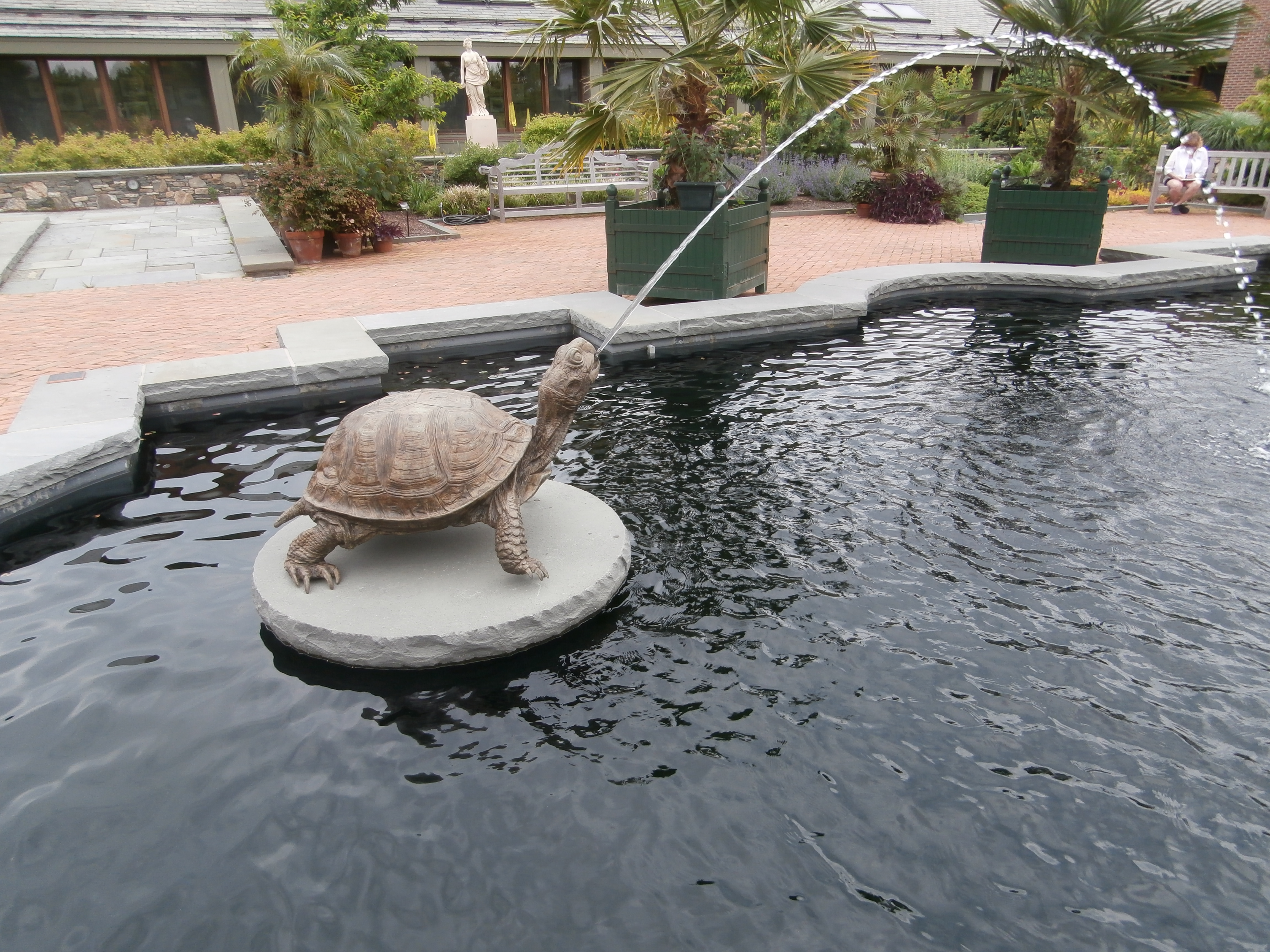
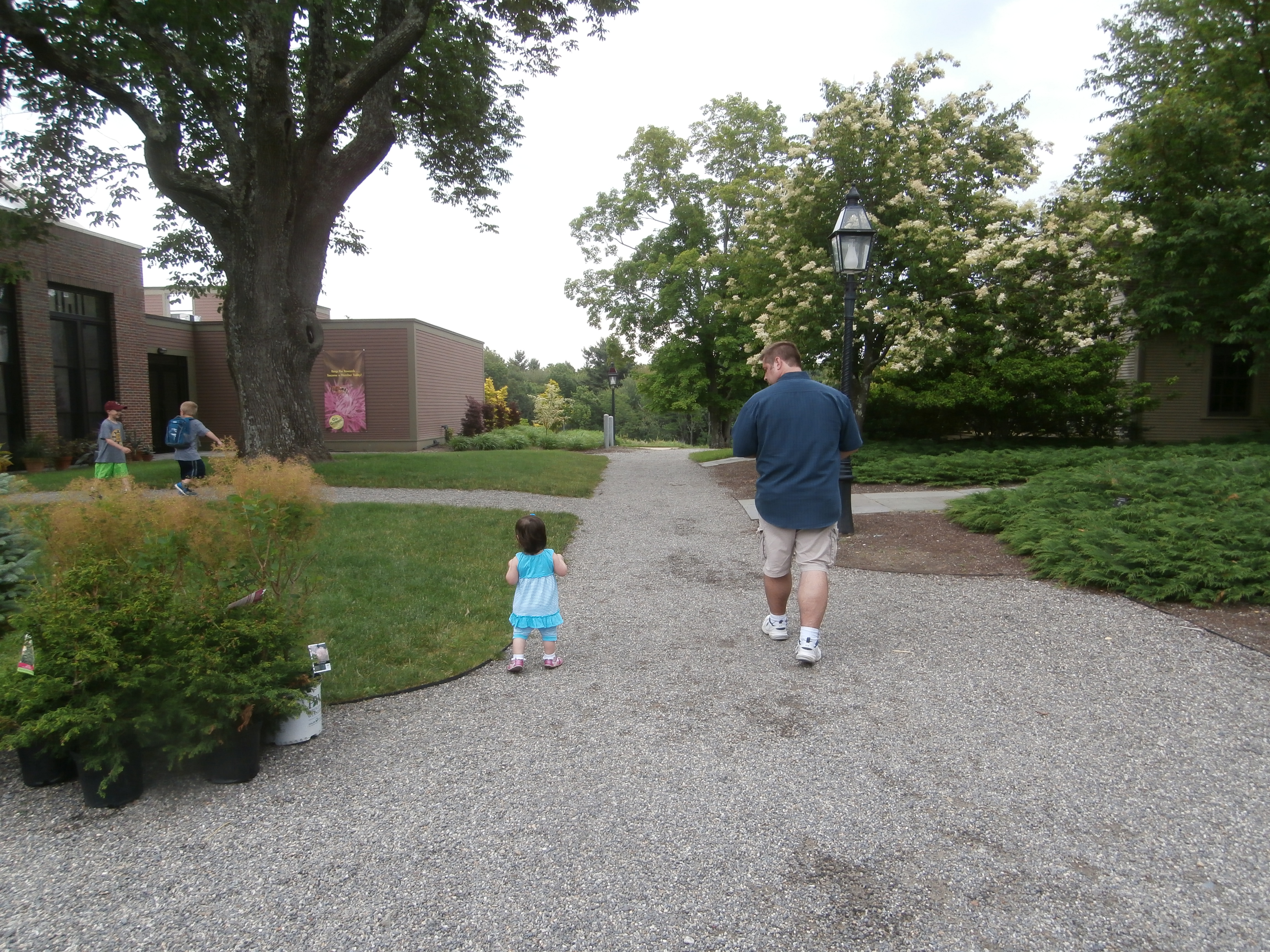
My husband suggested we go to Worcester County Horticultural Society’s Tower Hill Botanic Garden today. When we got there, we learned that this weekend, the admission is free for fathers.

All the flowers and trees have labels, so it’s another way to get your plants identified (besides MisterSmartyPlants). There were lots of plants. Lots of families, too. A curious thing: In spite of the crowds and the absence of trash cans, I did not see one single piece of litter.

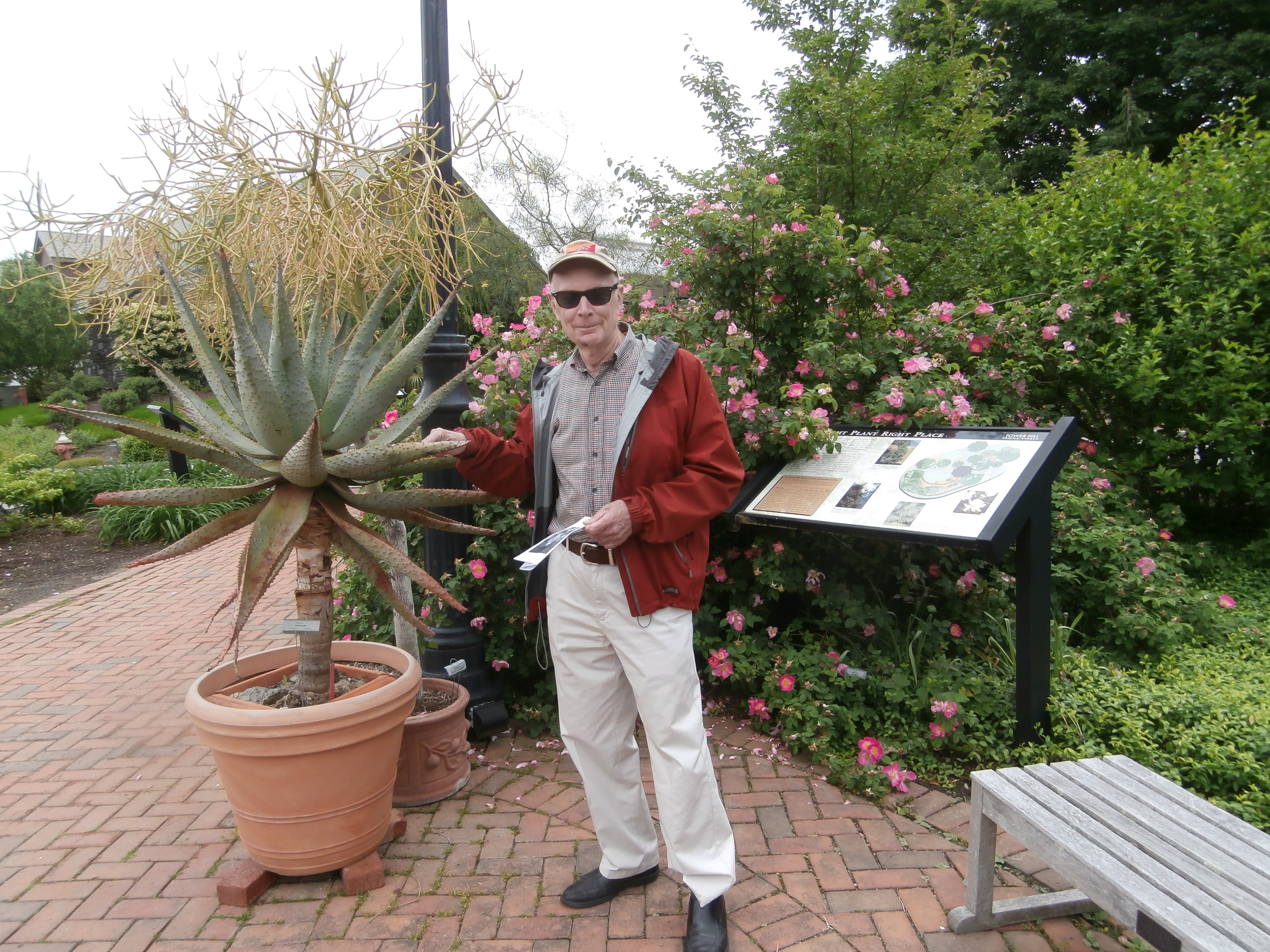
My husband chose to pose by a large aloe. Borrowing a line from A Raisin in the Sun, he said the aloe “expresses me”: prickly and healing. 🙂

grandpa-with-aloe

morfar-gets-greetings

tower-hill-fountain

tower-hill-tortoise

tower-hill-hippo

tower-hill-dad-day

Read Full Post »

At Public Radio International’s “The World,” David Leveille has a story on research at Ellesmere Island in northern Canada.  There, University of Alberta biologist Catherine La Farge is finding that some frozen plants are able to begin growing again after 400 years on ice.

“Cold as it may be during the winter,” writes Leveille, “it’s a part of the world where glaciers are melting and ice sheets are breaking up due to climate change.

“One glacier there is called the Tear Drop glacier. As it has melted, some interesting plant life was exposed.”

La Farge’s results, published in the Proceedings of the National Academy of Sciences “suggest that bryophytes, representing the earliest lineages of land plants, may be far more resilient than previously thought, and likely contribute to the establishment, colonization, and maintenance of polar ecosystems.” Who knows what else is under the glacier and about to be thawed out.

More.

Photo: Catherine La Farge
In vitro culture of Aulacomnium turgidum regenerated from emergent Little Ice Age plants beneath the Tear Drop Glacier, Sverdrup Pass, Ellesmere Island, Nunavut.


Read Full Post »

The plant-identification site Mister Smarty Plants, which I first blogged about here on May 23, 2011, just keeps getting better.

One innovation from the past year has been rounding up tweets containing photos of flowers and plants that people around the world want help identifying and bringing them to the site to be identified by the growing number of readers.

I used to get a lot of identifications right, but Mister Smarty Plants queries are quite exotic now, which makes the site both exciting and challenging.

Today, John announced a new design with special features like kudos to the week’s most successful plant identifiers.

The Smarty Plants concept has always been that the more people who come to the site with their questions, the more who will be available to identify plants. John has been persistent about finding new ways to reach the folks who need the service.

Even if you think you don’t know much about plants, check it out. It’s almost like playing a game, and believe it or not, there are people in other parts of the world who don’t know what a dandelion is.

MisterSmartyPlants

Read Full Post »

Do you remember the scene in War and Peace (I know, I read it a long time ago, too) in which Prince Andrei, lying wounded on the field of Austerlitz, looks up at the sky and experiences a kind of awakening?

Well, there’s an organization that hopes we will all connect with the sky with that sort of attention and feel renewed.

“It began with a cryptic e-mail from an unfamiliar source,” writes Jan Brogan at the Boston Globe.

“ ‘Look at the sky as often as you can — for about 21 days. I’ll contact you again in 3 wks.’ It included a link to a website with clouds.

“Signing off with ‘More Light,’ this guy could have been a total whack job. But something about the writing said this had nothing to do with UFO sightings. I clicked in.

“The website was ForSpaciousSkies.com. The man who sent the e-mail, Jack Borden, a former Boston television reporter, had had an epiphany as he looked up from a meadow one day in the mid-1970s and saw the sky as if for the first time. He has been on a mission to educate people about sky awareness ever since.

“ ‘When we are unconscious in regard to our surroundings, we are irresponsible to them,’ says Borden, speaking of that mission now.

“It began with a series of televised man-on-the-street interviews. Borden stopped pedestrians, covered their eyes, and asked what the sky looked like. Most had no clue. They were rushing through their lives without ever looking up.” More.

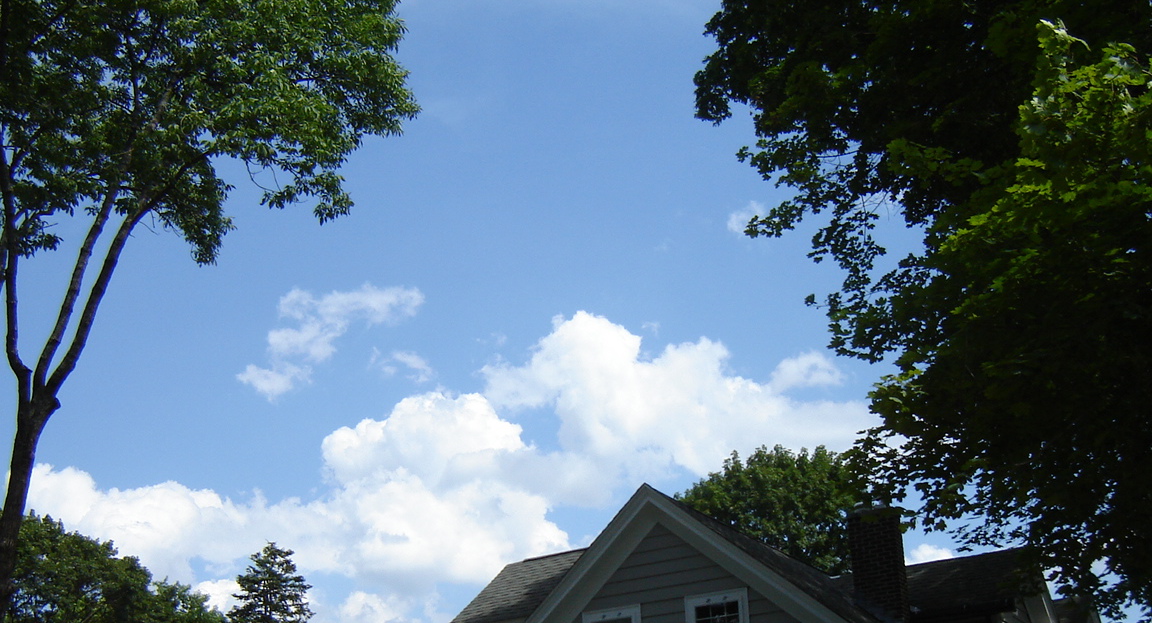
I want to take up the challenge, pay more attention to the sky. I’m good about this when I go out early in the dark for my walk and take a deep breath of the moon and stars, but I should be more attentive more often during the day. I think my hiking and skiing and sailing friends must get sky vitamins  all the time. They probably don’t even think about it.

I include a couple pictures from times I did pay attention during the day.

042912_Japanese_Maple_3

063012_clouds (2)

Read Full Post »

Every couple weeks, it seems, I read another story about young people taking up farming. It is not an easy thing to do.

This photographer couple is getting started by attending Farm School in Athol, Mass. They also are recording their progress on a website called Plough & Stars.

“Dina Rudick has worked as a staff photographer and videographer for the Boston Globe for 10 years. … Dina is also an adjunct faculty member at Boston University’s School of Journalism and has worked as a media consultant and media trainer … Her work can be seen at www.dinarudick.com.

“Erik Jacobs is also an award winning photographer …  A selection of his editorial work can be seen at www.JacobsPhotographic.us.

“Together, Erik and Dina also run a boutique video production company called Anthem Multimedia.”

But they want to be farmers.

Here is a bit of their blogging about Farm School:

“We’re six weeks into life at Maggie’s and already we’ve established steady working relationships with the all animals on our farm.  We lead cows to fresh pasture daily and pull fresh eggs out from under broody hens.  We try to our best to keep the peace with Mr. Marbles the pushy ram and I’ve even grown accustomed to the regular mouse fiestas inside my bedroom walls.” You can follow their adventures here.

A blog is not exactly run of the mill when written by award-winning photographers. Their pictures are fantastic.

P.S. Here is a past post I wrote on the young-farmer trend.

Photograph at http://ploughandstarsproject.com/we-are/

Read Full Post »

It should be obvious that being out in nature is good for us, but today it often seems like a foreign concept.

“Take Two Hours of Pine Forest and Call Me in the Morning” is a lovely article, coming to you from Outside magazine. (I got the link from Andrew Sullivan’s blog.)

“These days, screen-addicted Americans are more stressed out and distracted than ever. And nope, there’s no app for that. But there is a radically simple remedy: get outside. [Outside magazine’s] Florence Williams travels to the deep woods of Japan, where researchers are backing up the surprising theory that nature can lower your blood pressure, fight off depression, beat back stress —  and even prevent cancer. …

“If the Japanese embrace of forest therapy can be attributed to one man, it’s [Yoshifumi] Miyazaki, a physiological anthropologist and vice director of Chiba University’s Center for Environment, Health, and Field Sciences, located just outside Tokyo.

“Miyazaki believes that because humans evolved in nature, it’s where we feel most comfortable, even if we don’t always know it. …

“Miyazaki has taken more than 600 research subjects into the woods since 2004. He and his colleague Juyoung Lee, also of Chiba University, have found that leisurely forest walks, compared with urban walks, yield a 12.4 percent decrease in the stress hormone cortisol, a seven percent decrease in sympathetic nerve activity, a 1.4 percent decrease in blood pressure, and a 5.8 percent decrease in heart rate. On subjective tests, study participants also report better moods and lower anxiety. …

“The science is so convincing that other countries are following Japan’s lead in studying and promoting nature as a cure. Lee just got hired away by the South Korean government, which is pouring more than $140 million into a new National Forest Therapy Center, expected to be completed in 2014. Finland, an empire of boreal spruce and pine, is also funding numerous studies. ‘Japan showed us that there could be cooperation between forestry and medical fields,’ says Liisa Tyrvainen of the Finnish Forest Research Institute” More.

Apart from just feeling better when I step outside for my walk and breathe the outdoors air, I note that a couple of my hero writers (Dickens and Asakiyume) are known for ruminating on long walks. Nature nourishes creative thought. P.S. Asakiyume also takes great pictures on her walks and posts them on her blog.

May 27, 2013, update from John: Mononoke creator Hayao Miyazaki on how he thinks about his art, here.

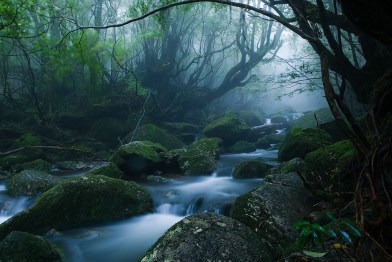
Photograph: Casey Yee
Mononoke forest, Yakushima Island, a
long the Kusugawa Trail. This is the forest that inspired Ghibli studio’s “Princess Mononoke.”
[University of Chiba‘s Yoshifumi Miyazaki] believes that because humans evolved in nature, it’s where we feel most comfortable, even if we don’t always know it. “Throughout our evolution, we’ve spent 99.9 percent of our time in natural environments,” he says. “Our physiological functions are still adapted to it. During everyday life, a feeling of comfort can be achieved if our rhythms are synchronized with those of the environment.”

To prove it, Miyazaki has taken more than 600 research subjects into the woods since 2004. He and his colleague Juyoung Lee, also of Chiba University, have found that leisurely forest walks, compared with urban walks, yield a 12.4 percent decrease in the stress hormone cortisol, a seven percent decrease in sympathetic nerve activity, a 1.4 percent decrease in blood pressure, and a 5.8 percent decrease in heart rate. On subjective tests, study participants also report better moods and lower anxiety.

Read Full Post »
Shawn and Laura Sears were touched by inner-city kids with too many strikes against them and invited a few for an outdoor camping experience. The outing was so satisfying all around that they just kept doing it.

Marilyn Jones has the story at the Christian Science Monitor.

“Leaving college with liberal arts degrees – his in psychology, hers in geology – Shawn and Laura applied to Teach for America and were eventually placed to teach in one of the poorest regions in the country.

“Today, celebrating 14 years together (getting married along the way in 2004), they’ve seen the seeds sown during their experiences in Mississippi grow to fruition in the founding of Vida Verde Nature Education, a nonprofit outdoor education camp they’ve now run for 11 years.

“Located on northern California’s spectacular coast between San Francisco and Santa Cruz, this free camp for children from low-income families has served more than 7,000 kids from the inner cities of Oakland, East Palo Alto, San Francisco, and San Jose.

” ‘We help them let go of much of the negativity they often carry,’ Shawn says. ‘It’s nonstop fun, and they get to just be kids for a few days. Three days later, they’re transformed.’ ”

Read more.

Tony Avelar/Special to the Christian Science Monitor
Laura and Shawn Sears founded Vida Verde to give groups of students three days of exposure to and hands-on experience in the outdoors.

Read Full Post »
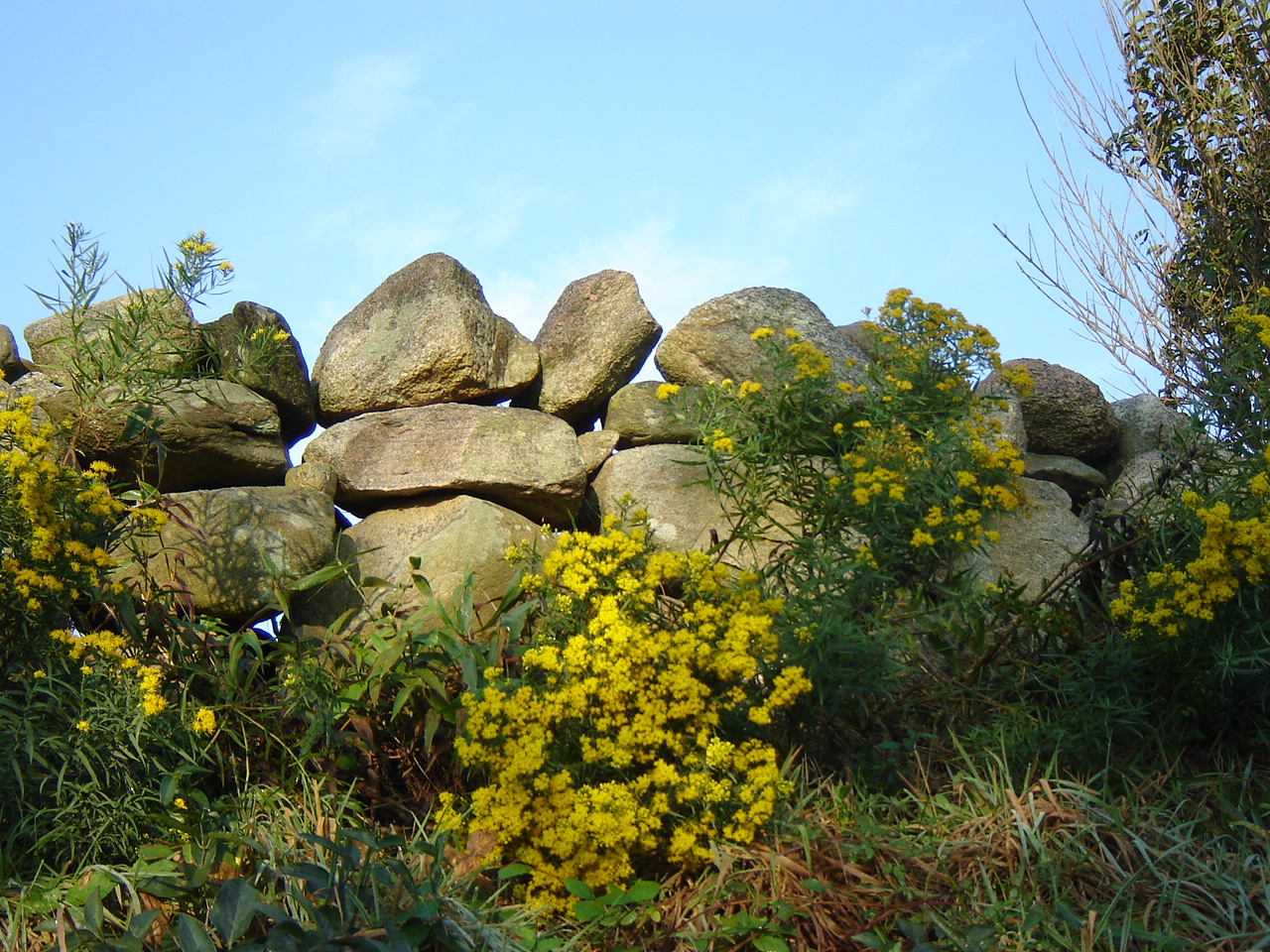
Here are new pictures. They invite questions.

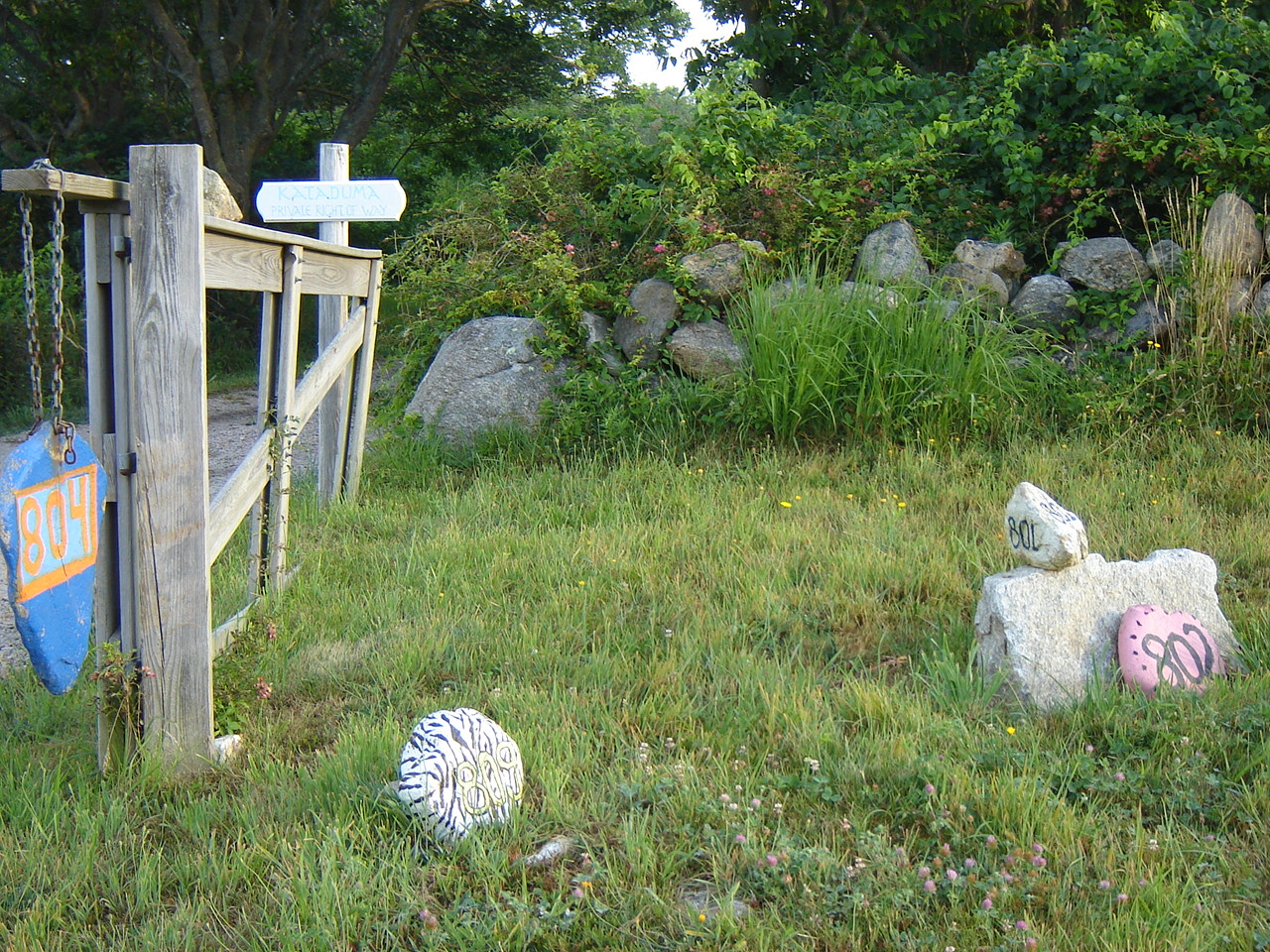
Who lives in the small house? Is the hole in the wall an entrance or an escape route? Why are the tree trunks yellow? Who put a new house number on an overgrown foundation? And where has that car been?

Hypotheses welcome.

Read Full Post »
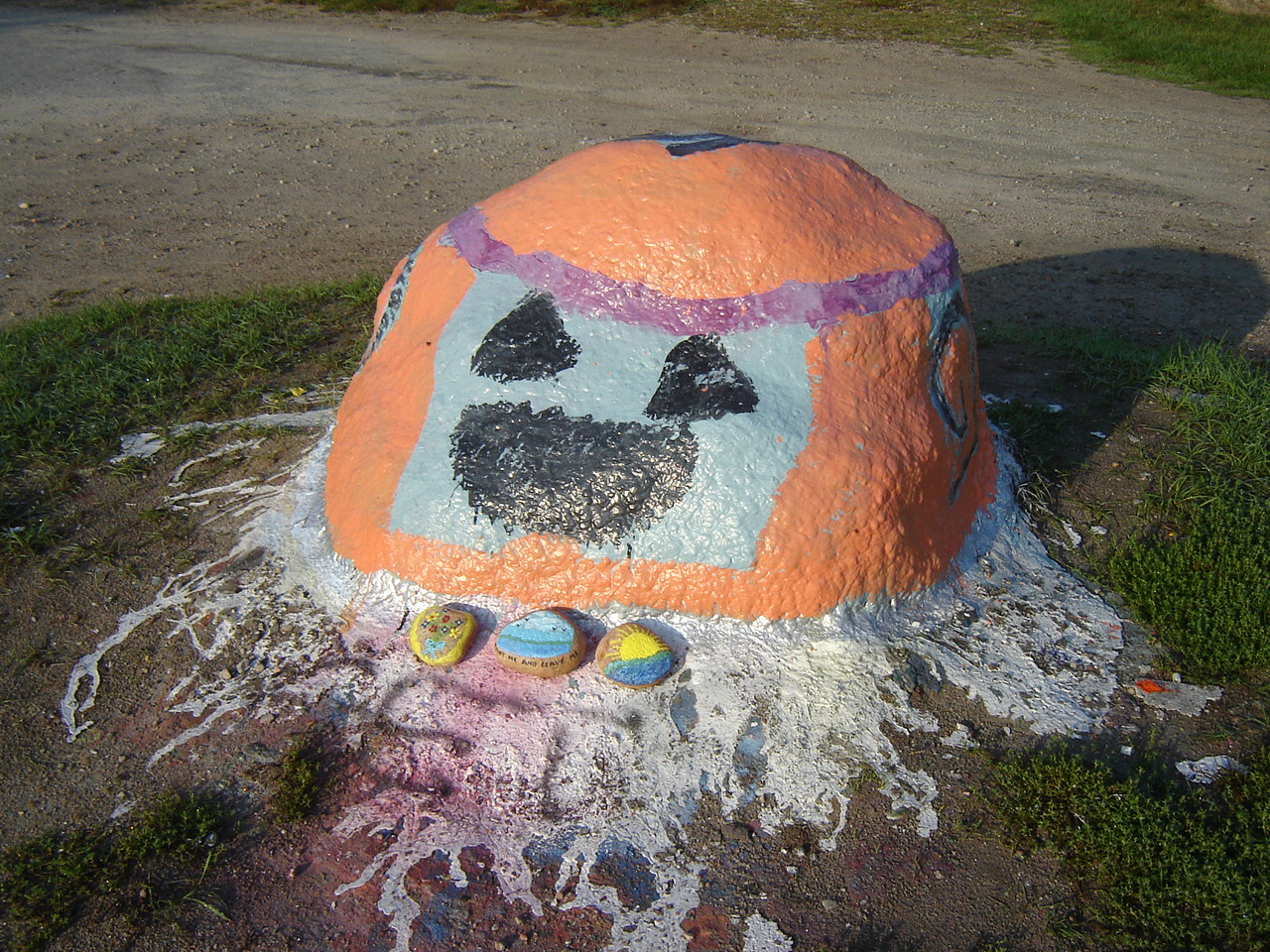
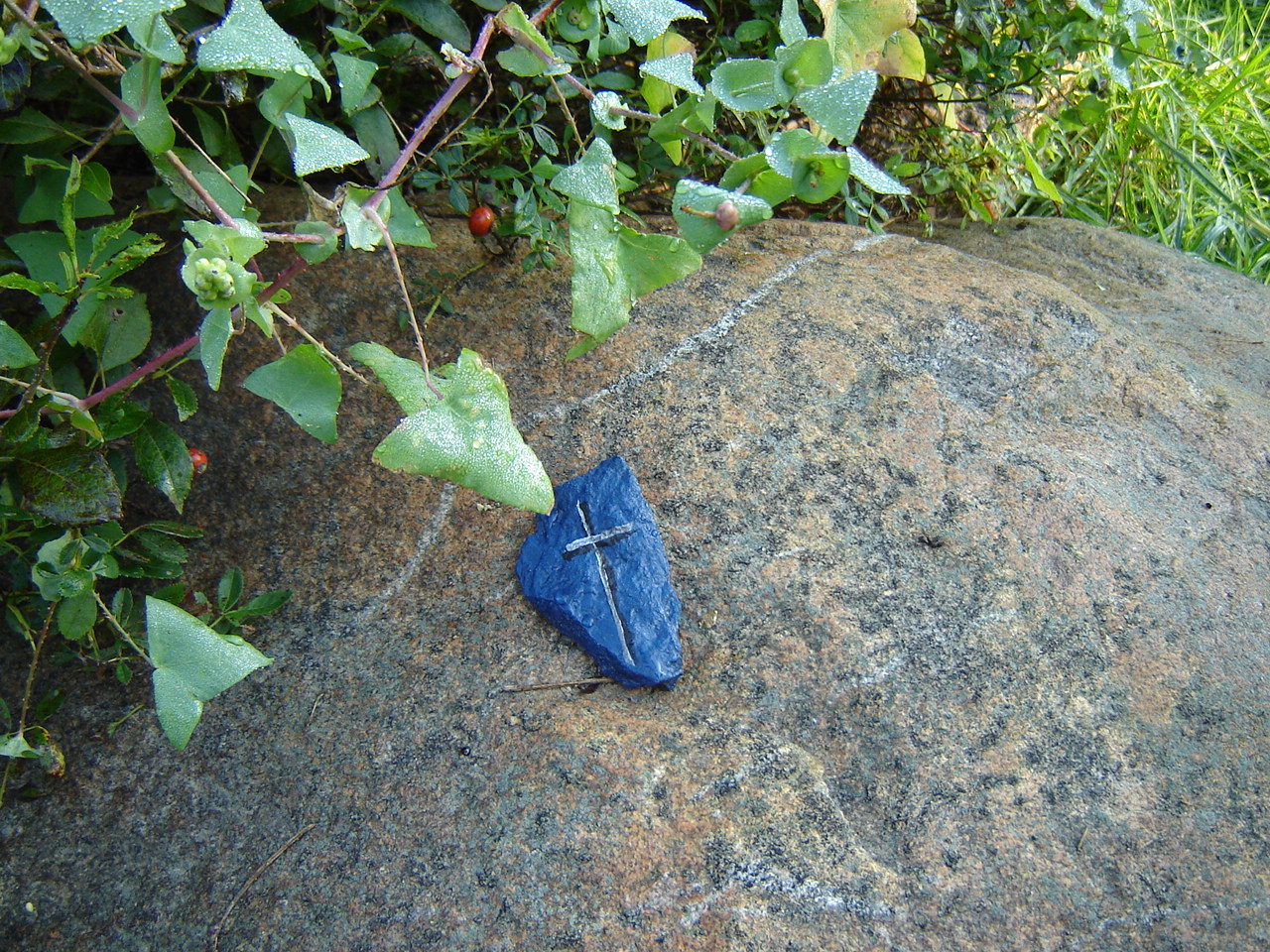
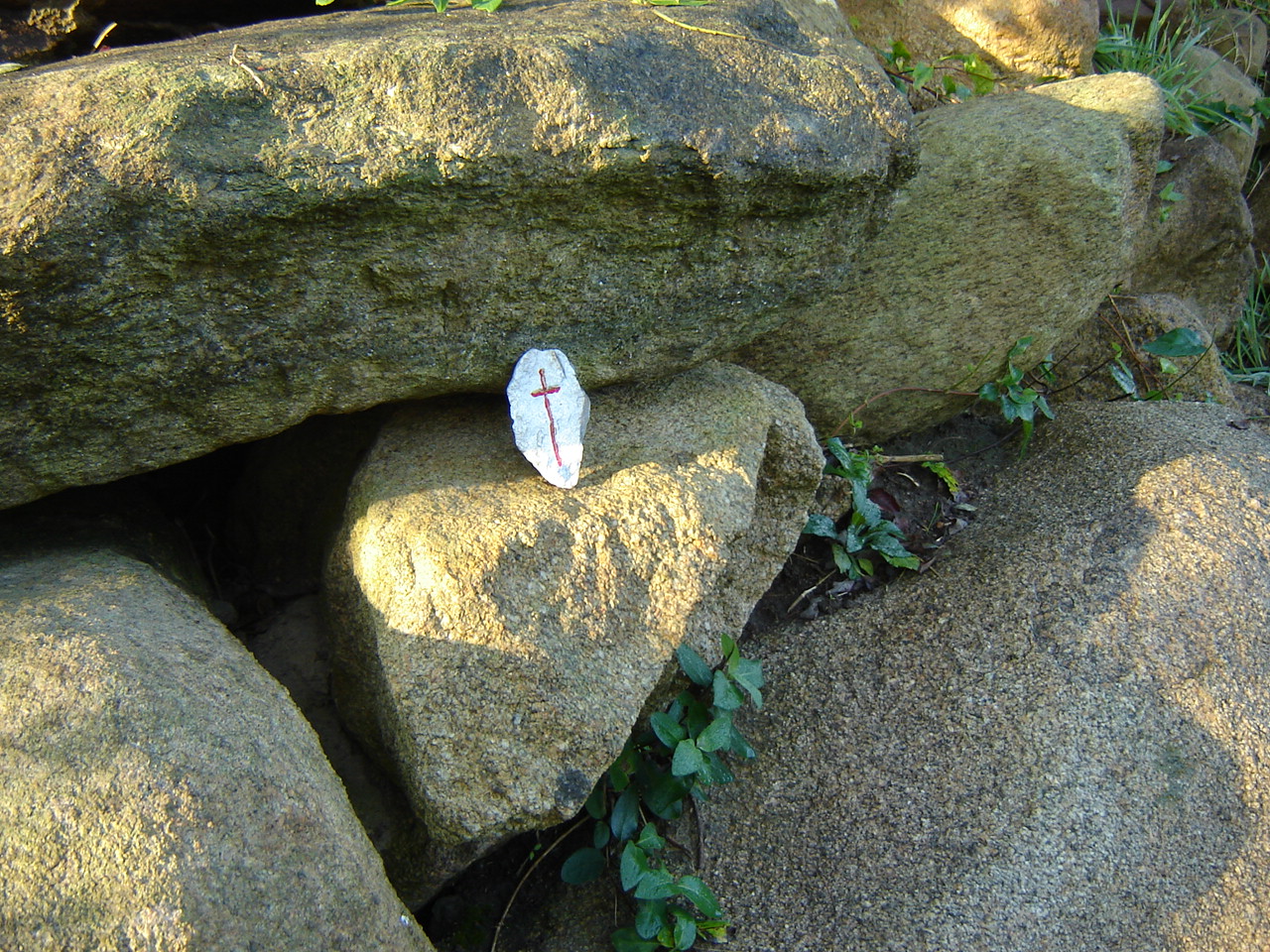
I noted the little blue talisman but didn’t stop, walking on toward the path. Then I turned back. “Asakiyume would take a picture,” I thought. On the way back up the path I saw the little white talisman.


Read Full Post »
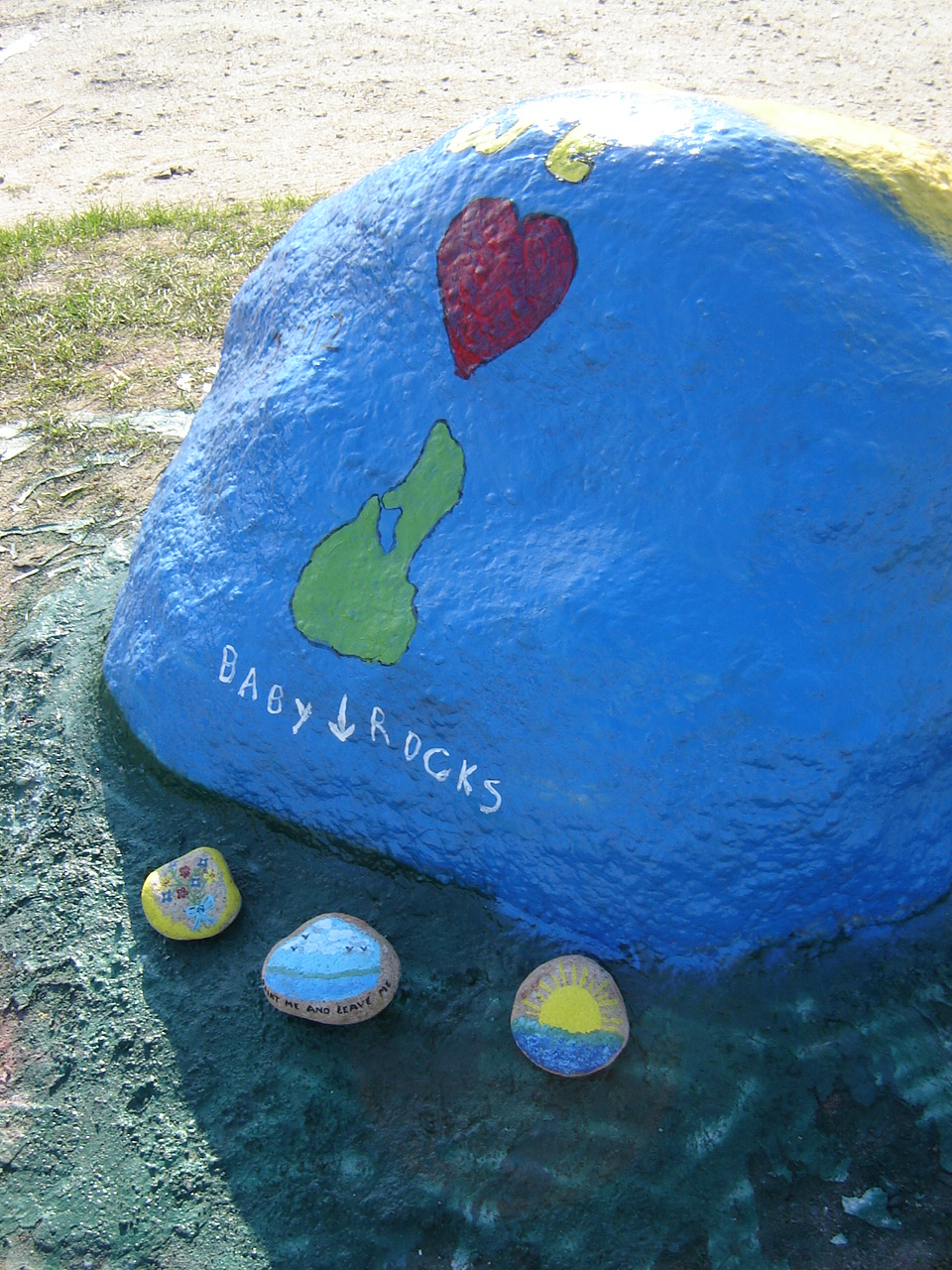
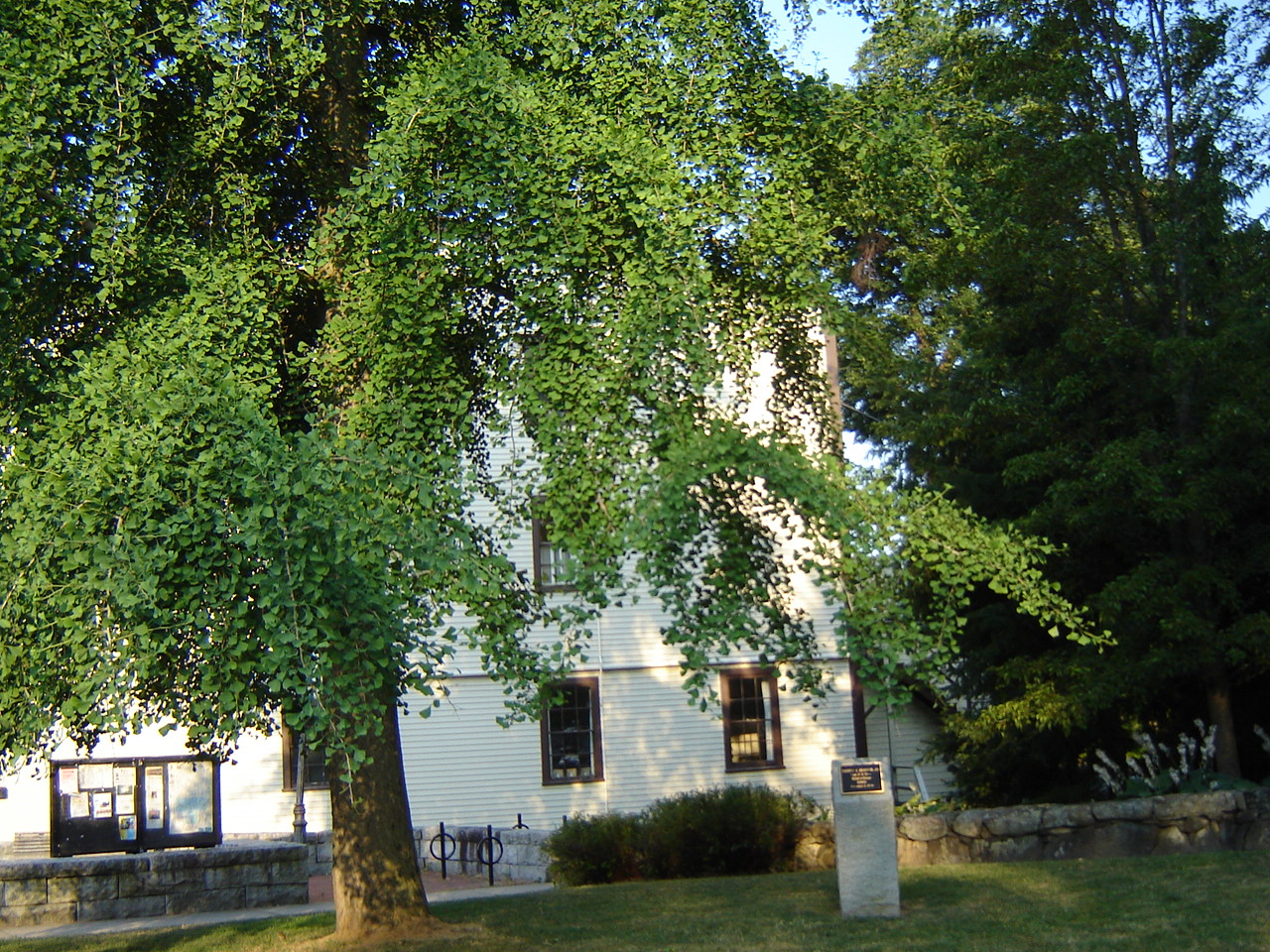
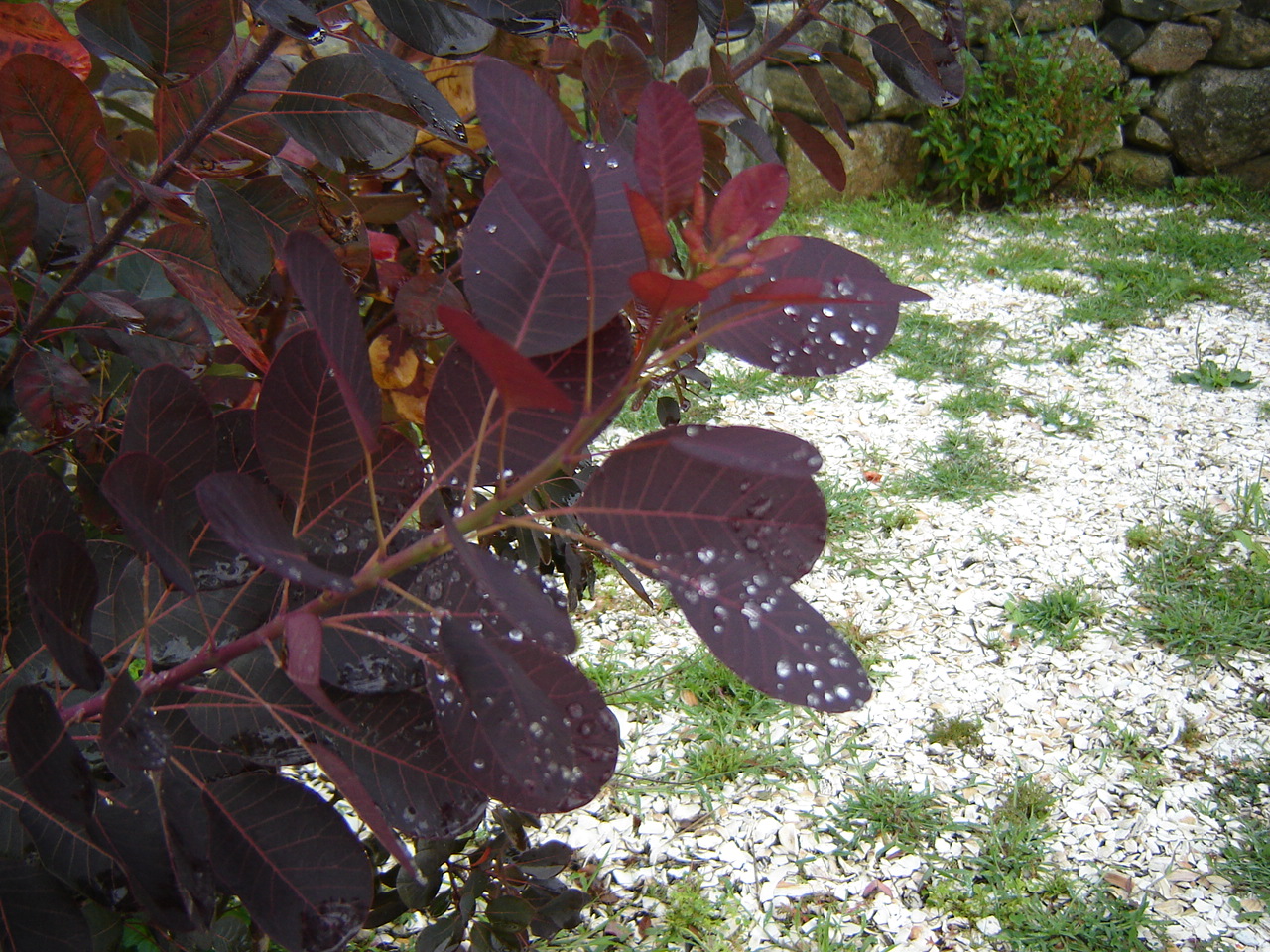
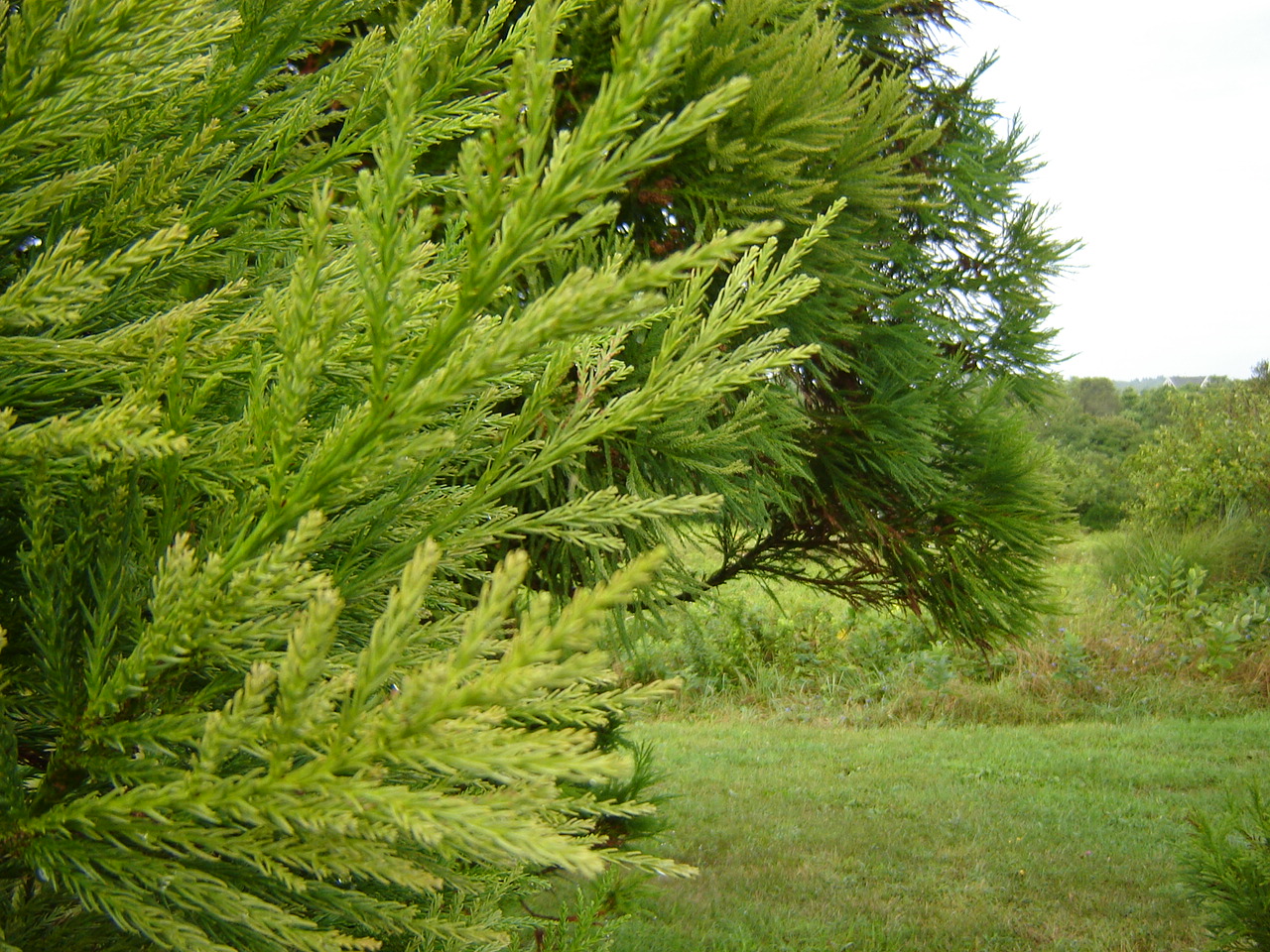
Today I’m sorting through pictures I’ve been taking of leaves. I think I can identify most of them, although I will have to check in with plant-identification site MisterSmartyPlants for the soft needles (larch?).

I’m especially fond of the lacy ginkgo leaf. The purple leaf I believe to be smoke tree. The thistle leaf says, “Approach at your own risk.” The wild grape clusters are a giveaway for the broad leaves drooping over the pond.

By the way, if you like identifying plants, it’s fun to see how many you can help people with at MisterSmartyPlants.

Read Full Post »

Photograph: South End Knitters

Today I am thinking about the South End Knitters, the stealth street artists who wrap their knitting around parking meters and fire hydrants and telephone poles.

Writes Linda Matchan in the Boston Globe, “The South End Knitters’ weekly meetings at a Washington Street cafĂ© seem innocuous, but don’t be fooled. Over knitting needles and yarn at the long table they’ve commandeered, they are contemplating something far more mischievous than a sweater. They’re graffiti knitters, and they’re plotting their next target. …

“As with graffiti, no two tags in the yarn-bomber subculture are alike. They range from sleeves on parking meters to tubes on tree limbs to sweaters on statues: A recent high-profile example is the neon pink sweater that the New York street knitter Olek crocheted in December for the 16-foot ‘Charging Bull’ statue on Wall Street.”

What put me in mind of the South End Knitters was an extraordinary post at the WordPress blog Pickled Hedgehog Dilemma, which describes a crochet effort that is drawing a lot of attention to the plight of vanishing corals.

Concerned about the effect of global warming on reefs, Margaret Wertheim and her twin sister got an idea that involved “crocheting corals. They used a crocheting technique invented by mathematicians in 1997 to model hyperbolic shapes called hyperbolic crocheting. … This ended up being a perfect technique for producing coral reproductions. …

“They crocheted a lot of corals,” continues Pickled Hedgehog, ” then they did something to change the world. They shared their corals with art museums. They got a community in Chicago to crochet with them. Then the crafting became a movement and groups all over the world started to crochet corals.”

Read Pickled Hedgehog Dilemma’s illustrated summary here. And if you have the time, this TED talk is super.

Pickled Hedgehog Dilemma

Read Full Post »
Whenever I walk by this field, I think of the Andrew Wyeth painting “Christina’s World.” But Christina doesn’t live in the house. An old woman does, visited by her son, who lives nearby.

One day, I suspect, the field will be sold and summer cottages will sprout there to take in the view of the pond.

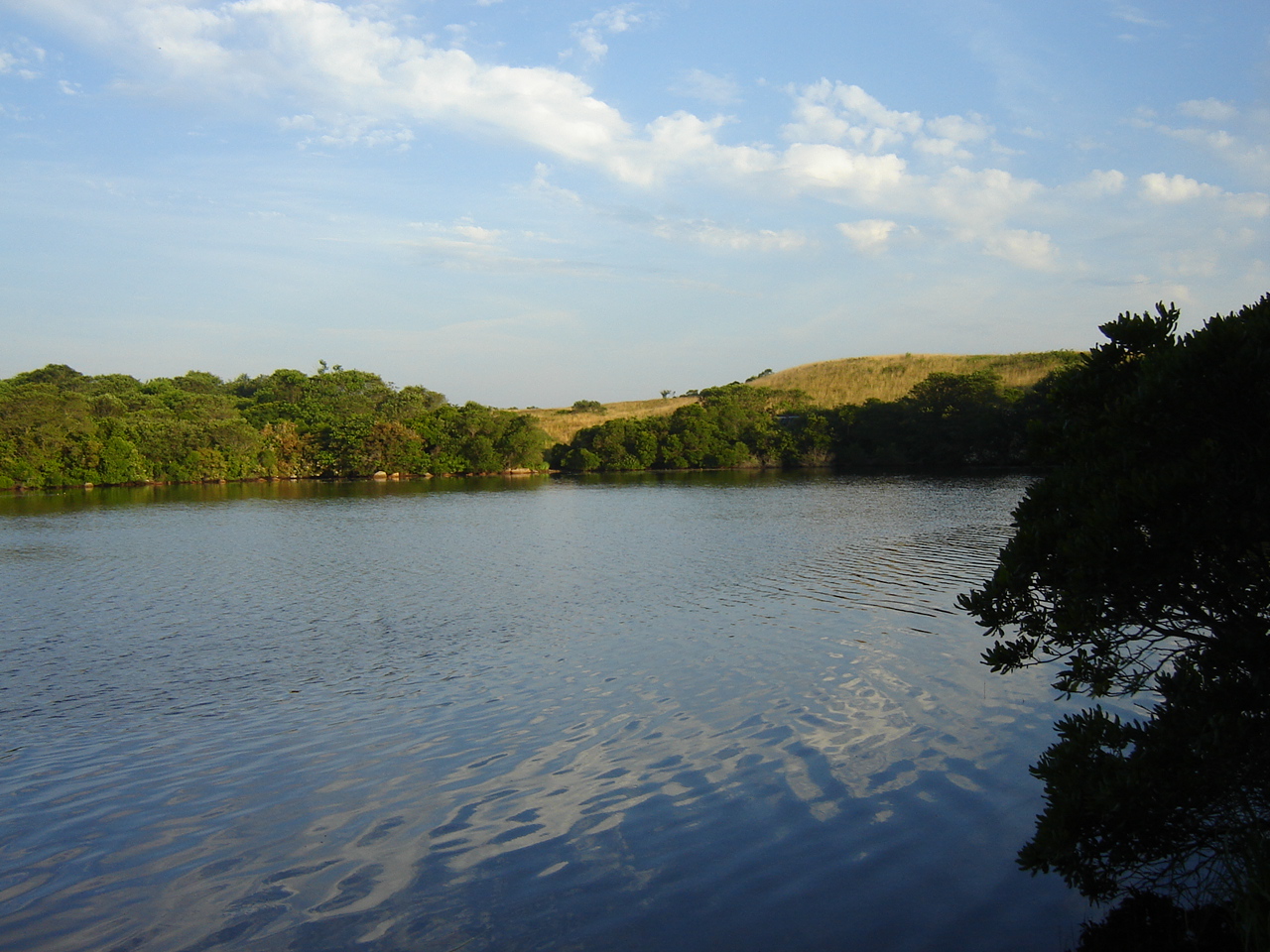
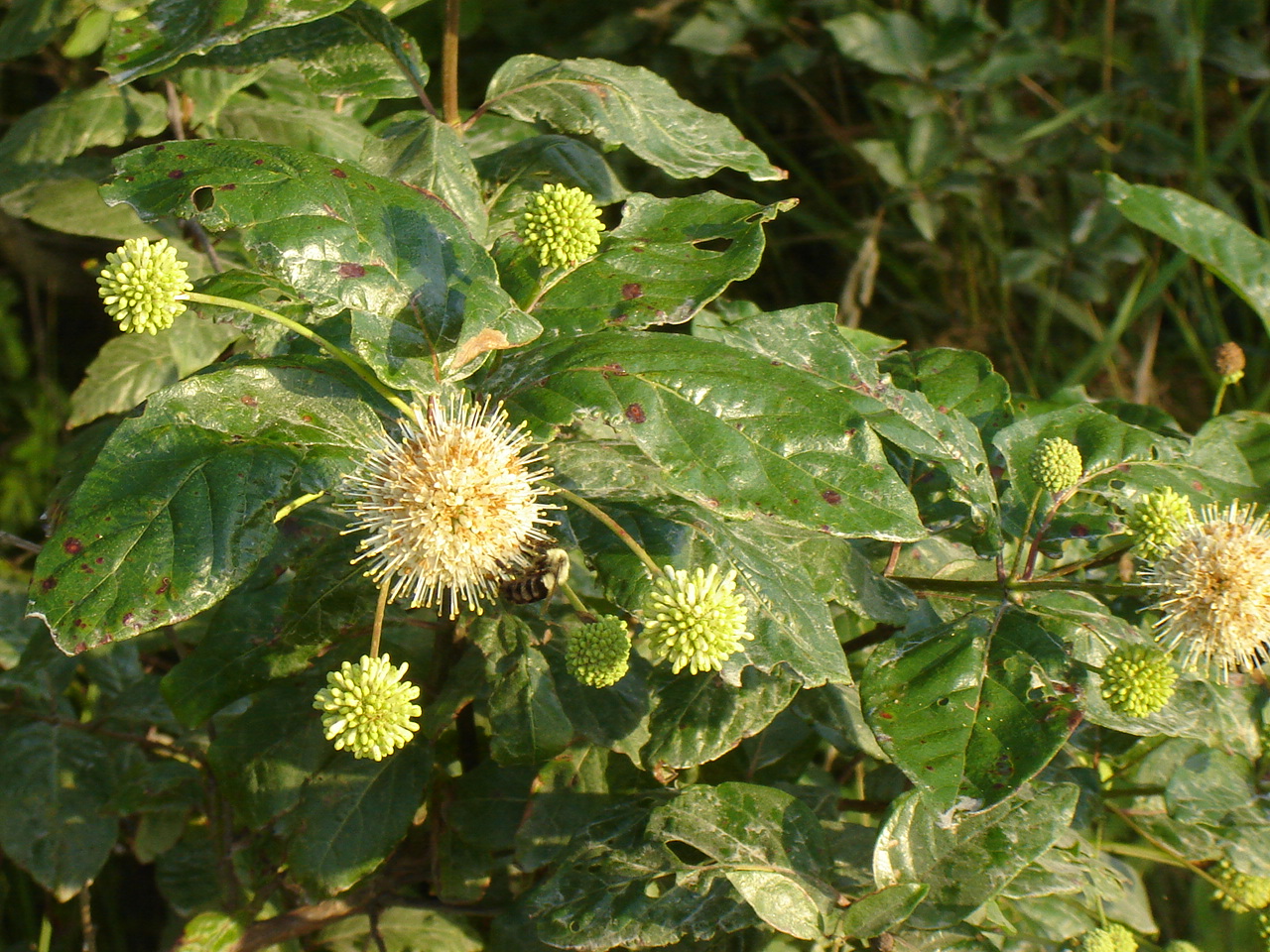
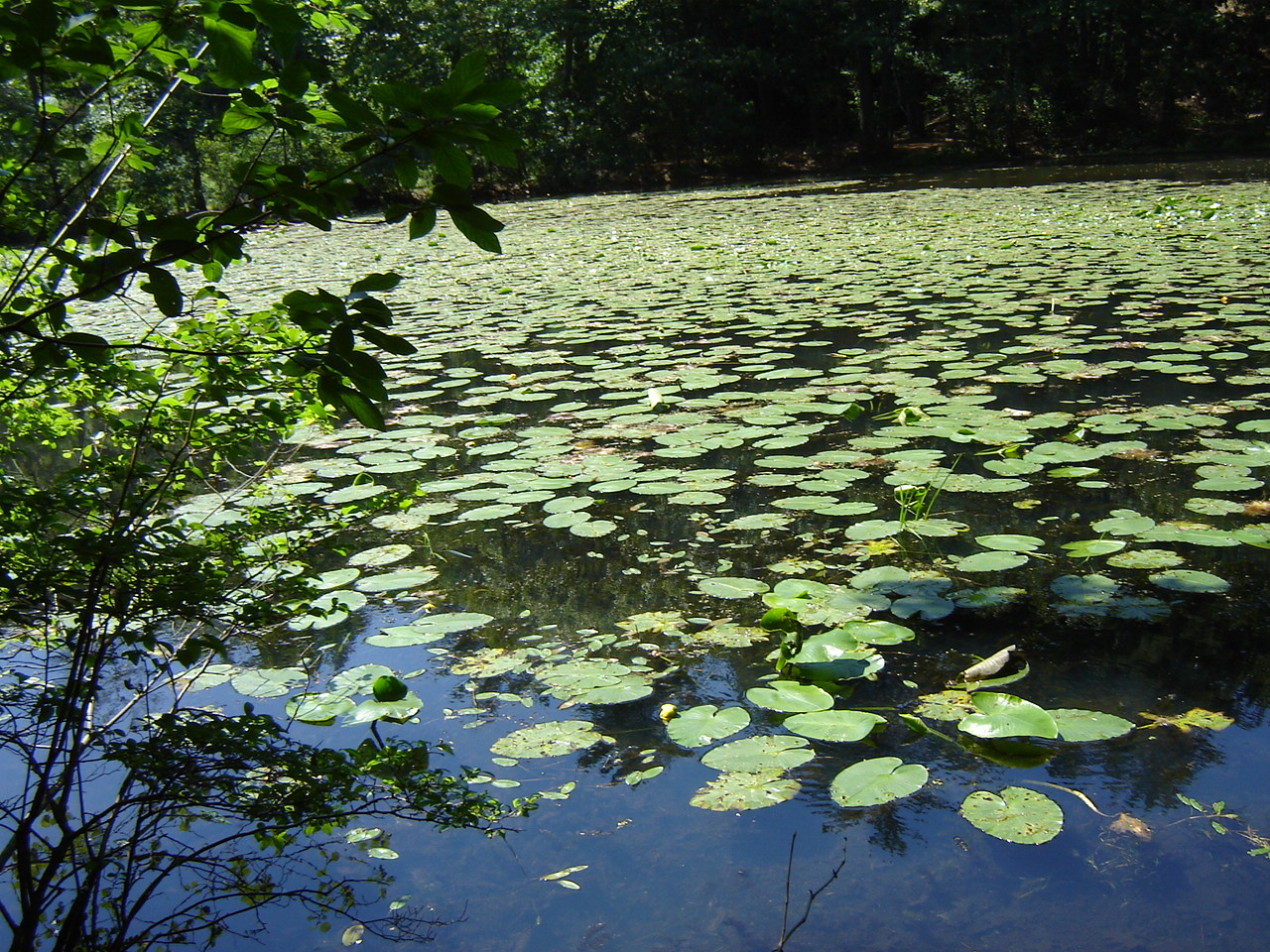
From today’s walk: note the bumble bee on the button bush. And the water lilies.

Read Full Post »
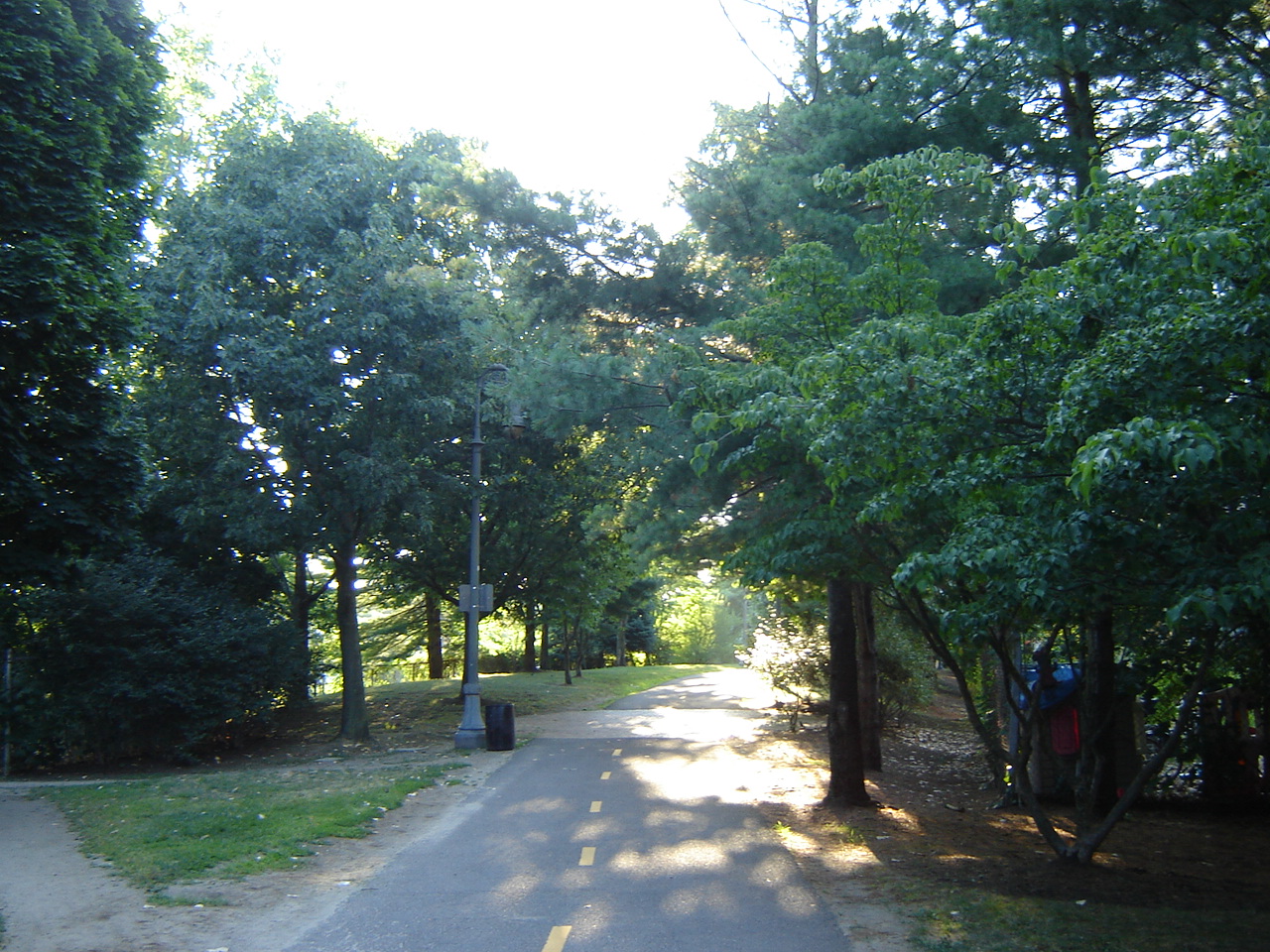
The bike path between the Alewife and Davis Square subway stops is lovely early on a summer day.

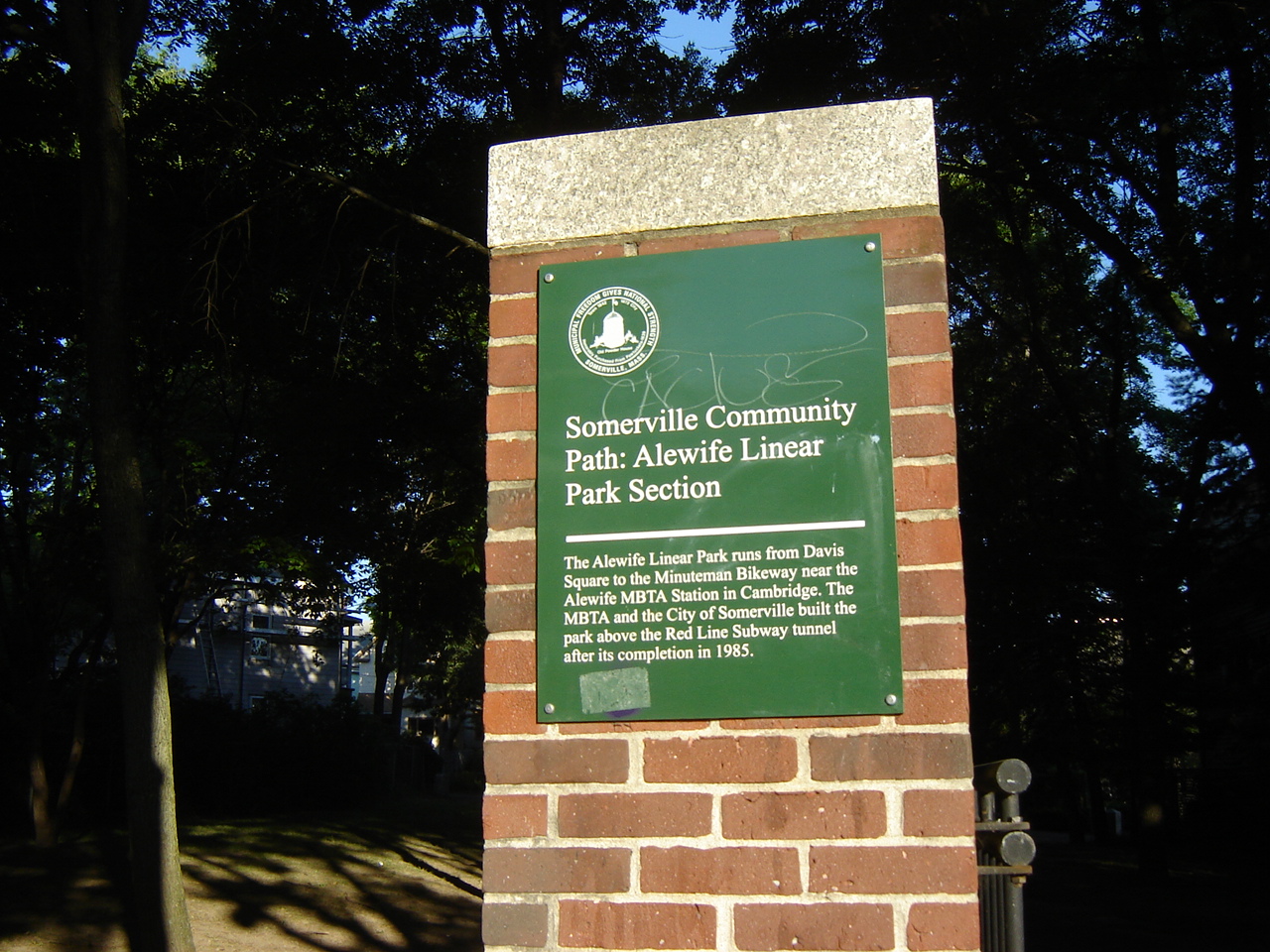
The path is part of the Minuteman Bikeway, I think. But a sign said it was the “Somerville Community Path: Alewife Linear Park Section.”

Today people were enjoying walking their dogs at 7 a.m., biking, commuting on foot to the T, and pushing strollers.

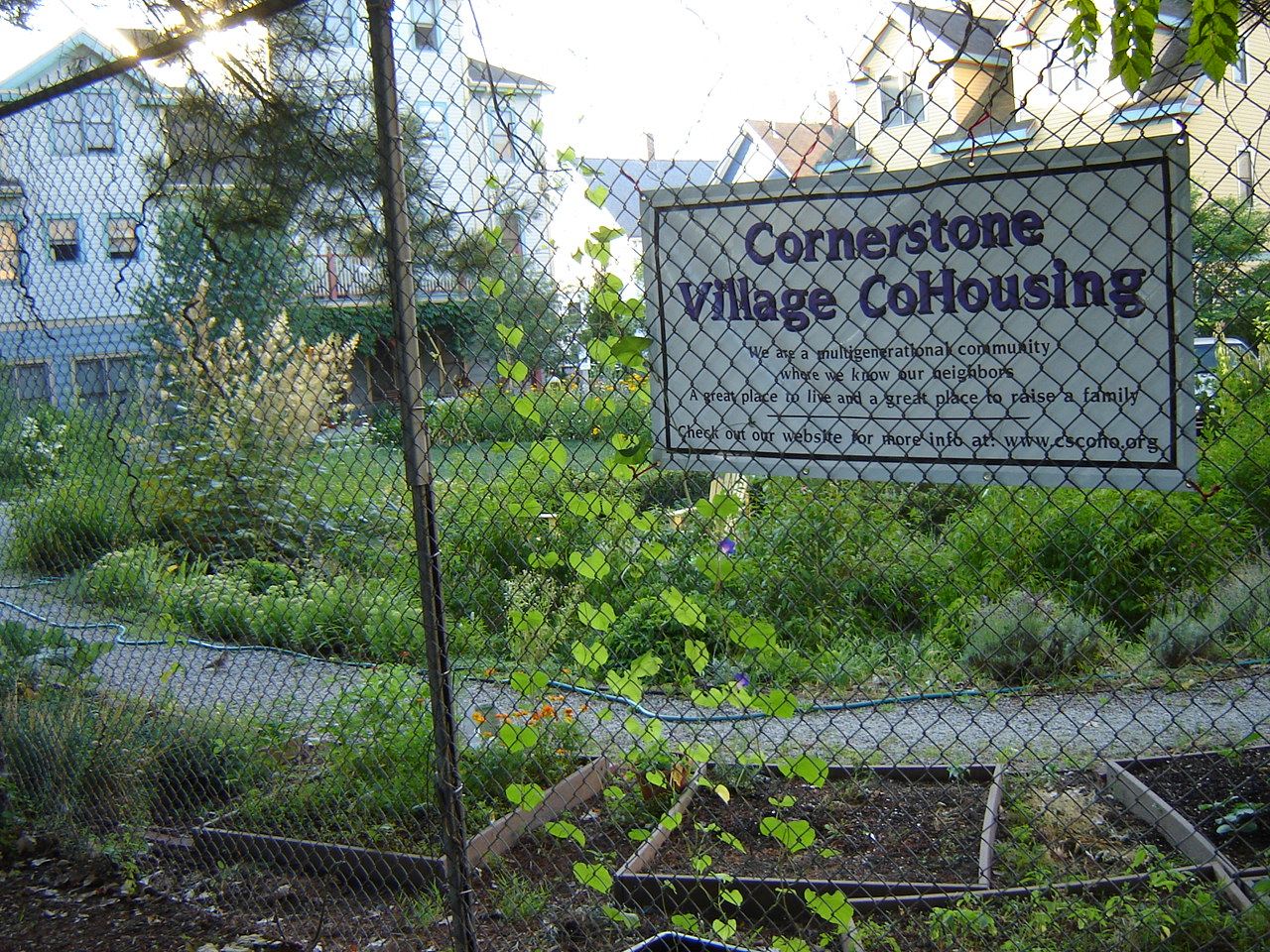
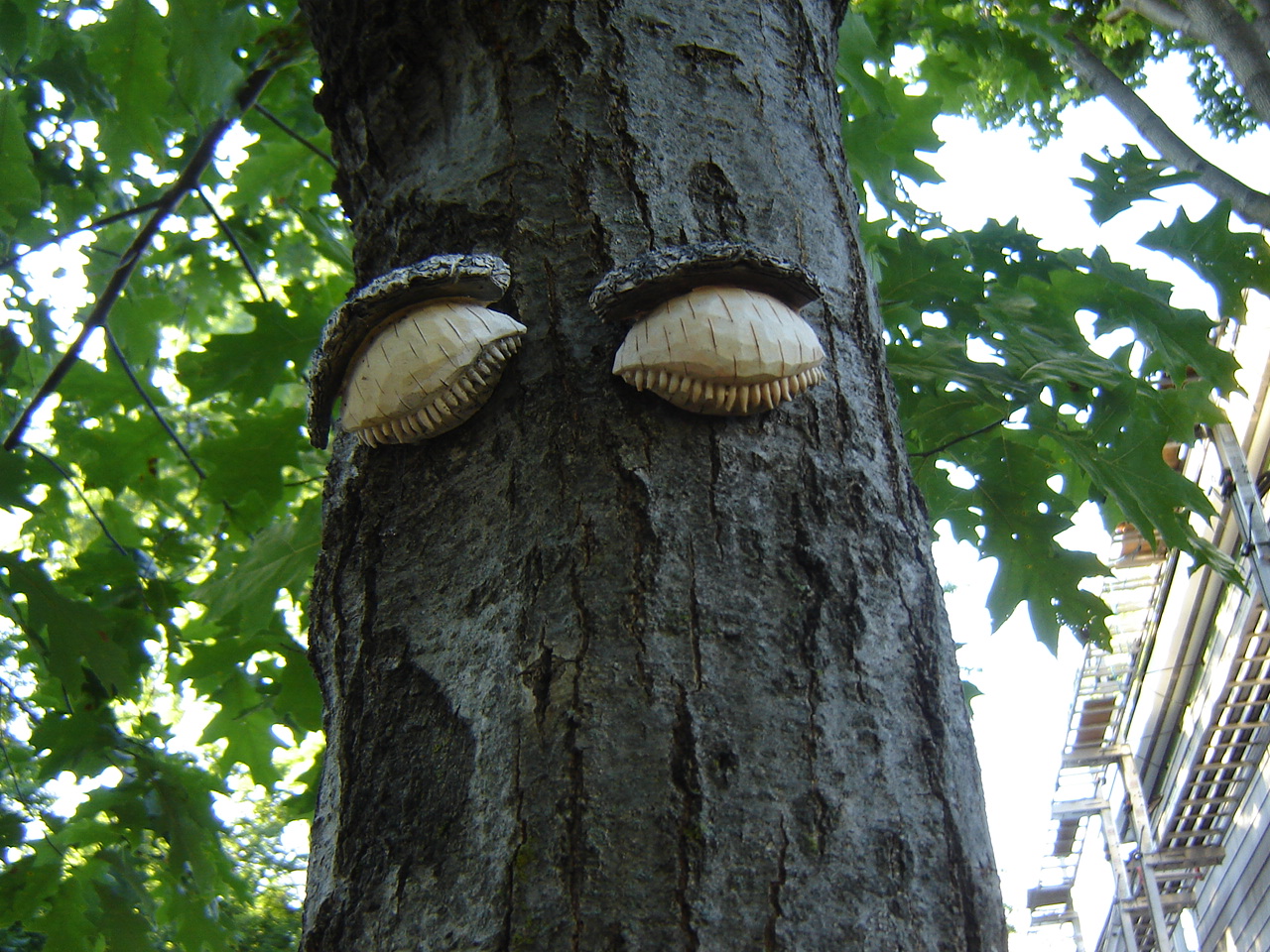
I loved it all, especially discovering a co-housing community along the way (kind of like a commune, but not quite) and a tree with eyes.

Read Full Post »
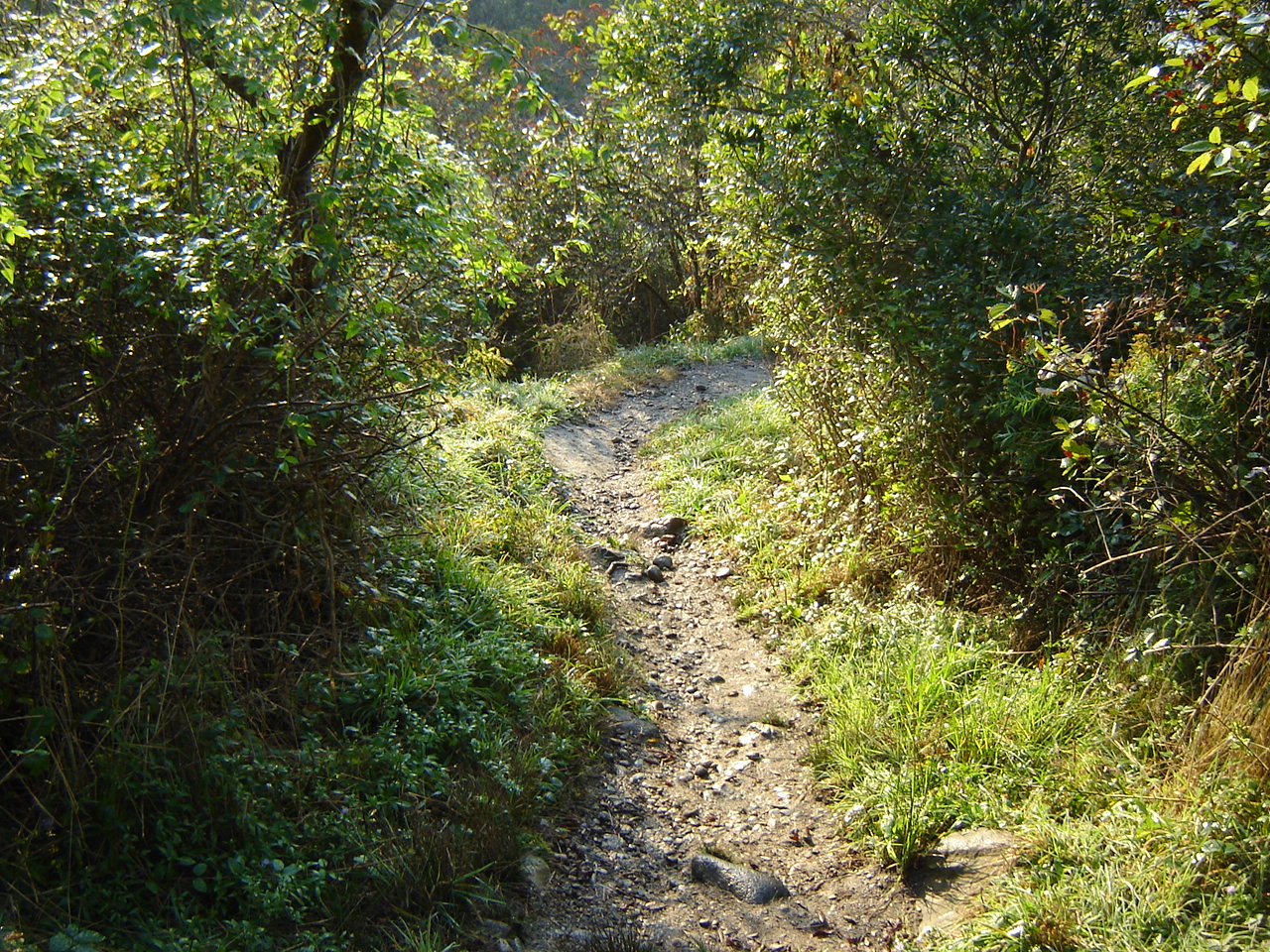
A sunny day for outings. First to the fabled Korean grocery, where salmon and pickled radish were cheap — if you don’t count the gas for the trip.

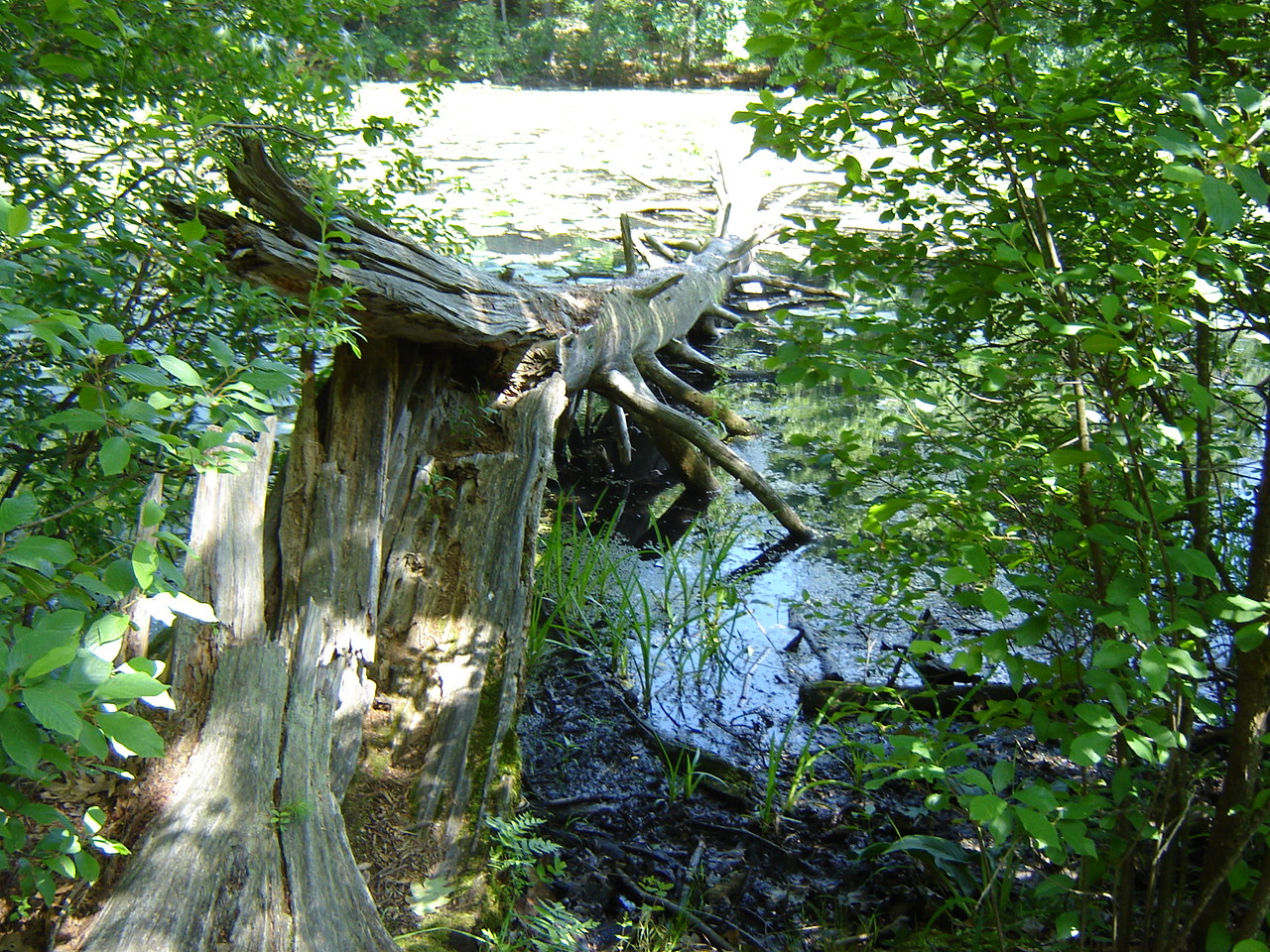
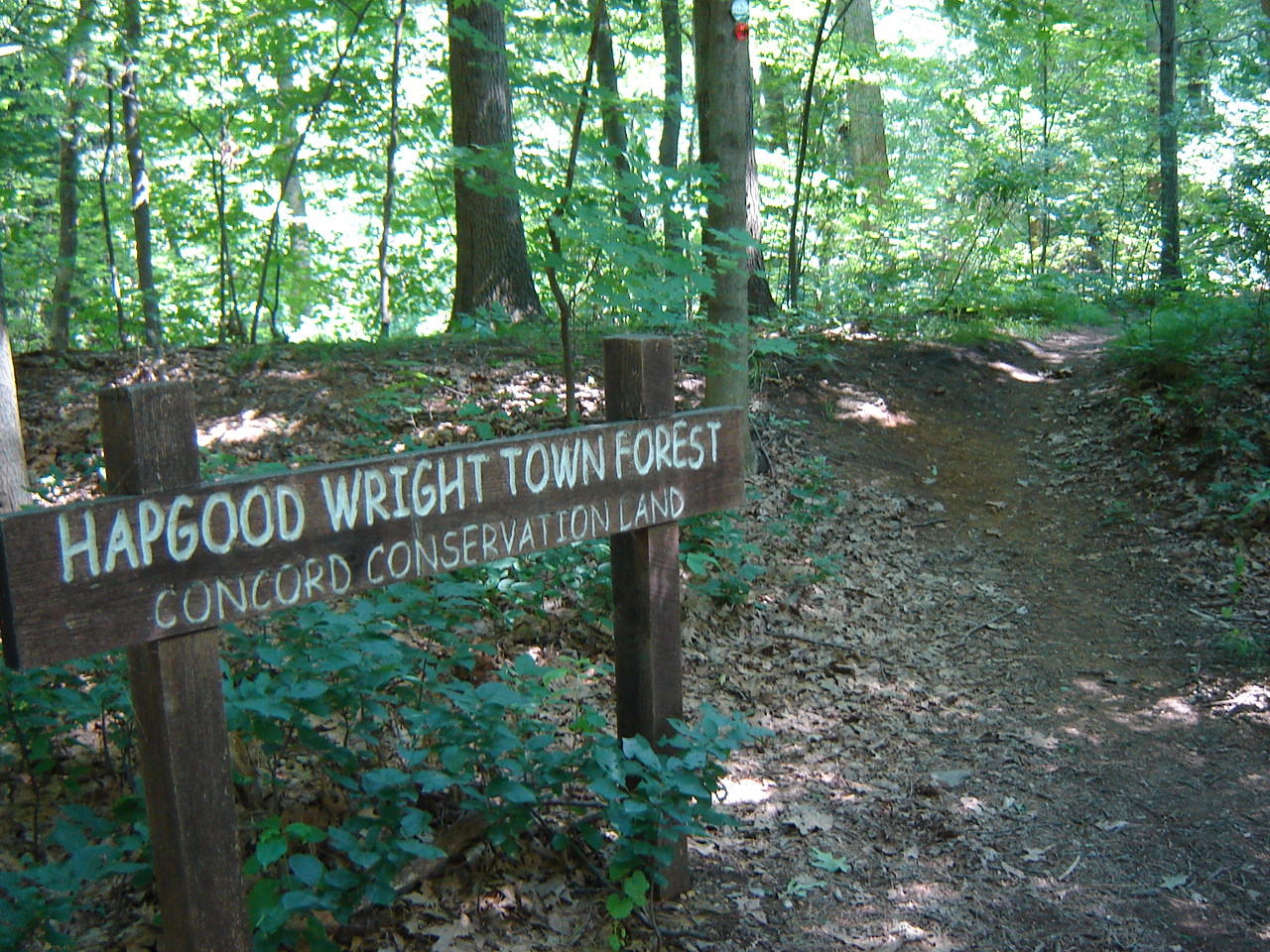
Then to the town forest for a walk with the Father in Chief.

Read Full Post »

At some point in my childhood, family friends raised goats. It seemed exotic. The Gordon children drank goat’s milk. And we learned that goats will eat anything when my brother tried to pat a goat and lost his mitten.

In addition to mittens, goats eat weeds, and increasing numbers of individuals and groups are deciding to use goats instead of herbicides to control weeds.

Evan Allen writes in the Boston Globe, “According to the US Fish and Wildlife Service, the use of goats to control invasive species, already common out West, is becoming more common across the East Coast.

“Goats love woody shrubs and vines, making them ideal weed-whackers. Using goats cuts down on the need for herbicides, and, unlike tractors, goats don’t require diesel fuel to do their job. And nimble goats can easily maneuver across rocky or marshy surfaces that humans and machines can’t safely reach.

“ ‘Folks are looking for long-term means of control,’ said Eric Schrading, private lands coordinator at the Fish and Wildlife Service. ‘As the last 30-plus years have gone by, we’ve started to, maybe not abandon chemical control, but use that as only one tool in the toolbox.’ …

“In Wellesley, the goats were shuttled out to the Boulder Brook Reservation in a bright pink truck driven by a crew from the Goat Girls: Hope Crolius, owner of the Amherst-based business, and two of her goatherds.” Read more here.

For a video about goat weed control, check out this clip from Bear Creek Park in Colorado.

Read Full Post »
« Newer Posts - Older Posts »