Feeds:
Posts
Comments

Posts Tagged ‘postaday’

I have to say, I found this new research fascinating as I had been experiencing something similar to the contrast sensitivity described. And I was delighted to see you could train your eyes to counteract the perceptions that can cause a stumble.

Jan Hoffman writes at the NY Times, “As adults age, vision deteriorates. One common type of decline is in contrast sensitivity, the ability to distinguish gradations of light to dark, making it possible to discern where one object ends and another begins.

“When an older adult descends a flight of stairs, for example, she may not tell the edge of one step from the next, so she stumbles. At night, an older driver may squint to see the edge of white road stripes on blacktop. Caught in the glare of headlights, he swerves.

“But new research suggests that contrast sensitivity can be improved with brain-training exercises. In a study published [in March] in Psychological Science, researchers at the University of California, Riverside, and Brown University showed that after just five sessions of behavioral exercises, the vision of 16 people in their 60s and 70s significantly improved.”

Read more at the NY Times, here, or go straight to “Improving Vision Among Older Adults: Behavioral Training to Improve Sight,” here. Authors Denton J. DeLoss and George J. Andersen are from the University of California, and Takeo Watanabe is at Brown.
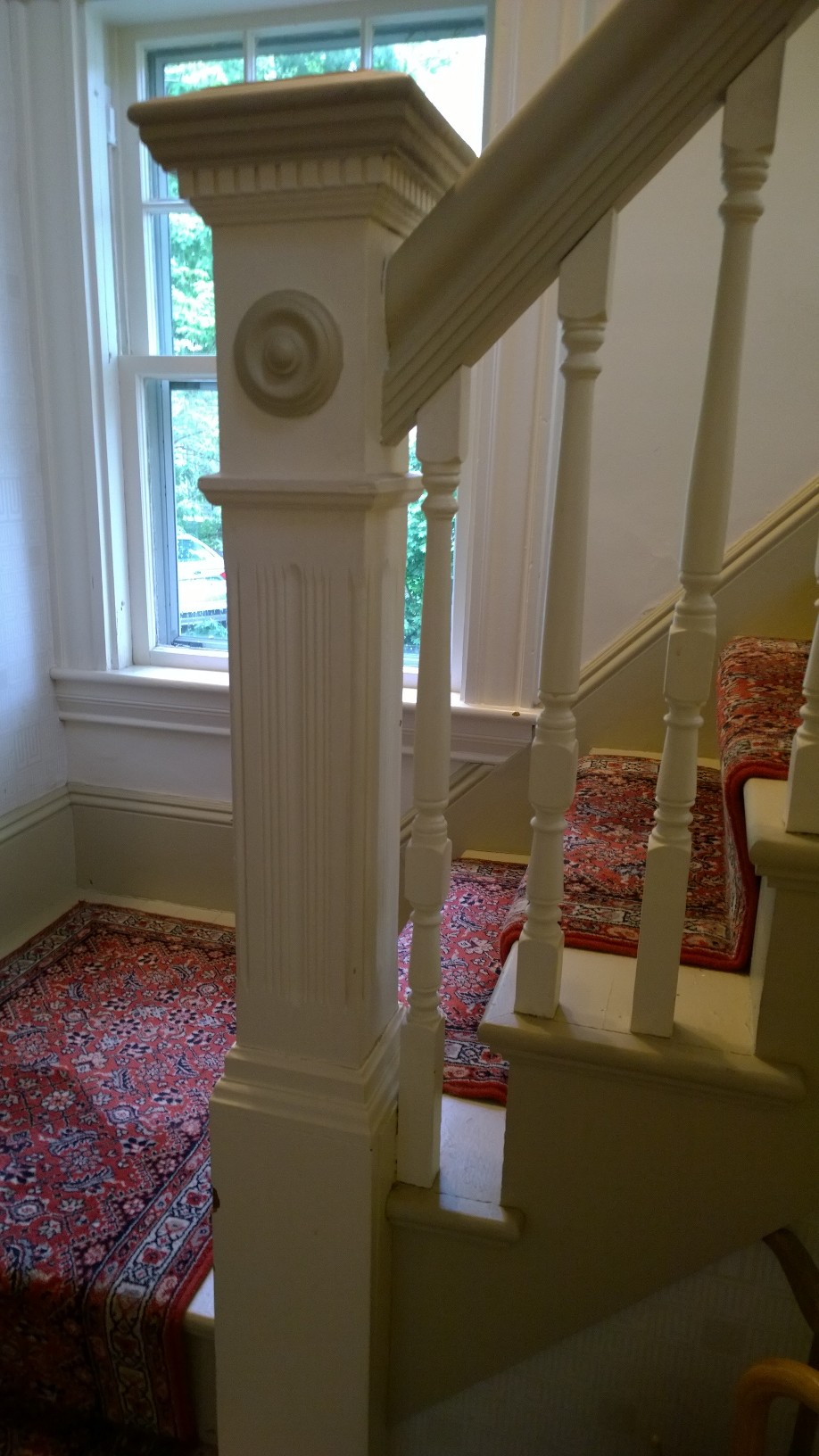
stairs

Read Full Post »

Photo: The Library of Congress
Gustave Whitehead and his daughter beside the contraption he called Plane No. 22.

Connecticut wants you to know that it is First in Flight. Not Ohio, not North Carolina. And not because of the Wright brothers. Nope, the state contends, Gustav Whitehead was first — on Aug. 14, 1901.

As Kristin Hussey writes in the NY Times, Connecticut legislators argue about many things, but there is one topic on which everyone is in agreement — where the first airplane was flown.
“In 2013,” writes Hussey, “a well-regarded aviation publication surprised historians by declaring that Mr. Whitehead, a Bridgeport resident, had flown two years before Orville and Wilbur Wright skimmed the dunes of Kill Devil Hills in North Carolina in 1903.

“ ‘Justice Delayed Is Justice Denied,’ read the headline in the publication, IHS Jane’s All the World’s Aircraft. ‘Whitehead has been shabbily treated by history,’ it said.

“Mr. Whitehead, a German immigrant, flew his own aircraft above Bridgeport and nearby Fairfield on Aug. 14, 1901, climbing 50 feet into the air and traveling more than a mile, according to the article, which was written by Paul Jackson, the editor of Jane’s. …

“Within months, Gov. Dannel P. Malloy, a Democrat, had signed a measure changing the honorees of a state holiday called Powered Flight Day from the Wright brothers to Mr. Whitehead. Last spring, lawmakers passed a resolution that formally recognized Connecticut as first in flight.”

Needless to say, fans of the Wright brothers are not taking this lying down. Read about the controversy here.

Photo: Christopher Capozziello for The New York Times
Andy Kosch, a high school teacher from Connecticut, led a group that built a replica of Mr. Whitehead’s plane and flew it successfully. 

Read Full Post »

At Moth Radio Hour, people who can tell stories well are recorded telling theirs before an audience, without notes or prompts. I was driving home one day when I heard a story by Jensi Sartin, who showed fishermen in Bali how to save their livelihoods by “banking” some fish.

A bit of background on Sartin comes from the Aspen Ideas blog: “Jensi Sartin is the director of the Reef Check Foundation Indonesia in Bali, where he devises community-based strategies to protect the coral reefs in Indonesia. [In] his story ‘The Fish Bank,’ [he talks] about how he tried to bring the fish back to Bali.

‘This is not just about 75 percent of the world’s coral reef going extinct, it’s not just about the fish that will just disappear. This is about people, because there are lots of people that depend on this coral reef. There are a lot of people that depend on the fish and this healthy coral to feed their family.’

“Sartin says that his experience growing up in the rainforests of Borneo – where deforestation was already under way – prepared him for his professional career as an advocate for the world’s oceans. ‘All of these things are connected,’says Sartin. … ‘Protected areas are not about managing resources, they are about managing people.’

“Sartin says community-based conservation forms a crucial part of sustainable development, especially in regions of the world that are environmentally stressed.” Here is the Aspen link.

If you missed my review of the climate-change movie Revolution, which shows how coral reefs are sending us a warning, check it out here.

And you can listen to Sartin’s inspiring storytelling at Moth.

Photo: Caroline Lacey
On the Moth Radio Hour, Jensi Sartin talks about creating a fish bank.

Read Full Post »

A charming feature on the radio show Studio 360 this spring was about a young beat boxer who turns birdcalls into music. (Wikipedia says beatboxing is “is a form of vocal percussion primarily involving the art of producing drum beats, rhythm, and musical sounds using one’s mouth, lips, tongue, and voice.”)

According to Studio 360, “Ben Mirin is a Boston area birdwatcher turned New York City beat boxer who decided to combine his two passions. ‘As a mimic, I was able to imitate certain bird calls,’ Mirin explains, ‘the American Bittern, the Common Eider.’ Mirin mines birdcalls and layers them with his own beats to construct compositions that fall somewhere between a musical mashup and an ornithologist’s field recordings.

“When he performed at the American Beatbox Festival last year, Mirin improvised a set where he combined spoken word, beatboxing, and bird calls to take the audience on a forest bird tour. ‘It was totally off the cuff,’ Mirin remembers, ‘and people went nuts.’

“Mirin has traveled the world as a field ornithologist. Combining beatboxing and birdcalls isn’t just about new music: ‘My craft is about using beatbox to build a bridge to the natural world.” ”

Listen to the music Mirin makes using real birdcalls, here.

Photo: Nick Mirin
Ben Mirin photographing birds in New Zealand’s Fiordland

Read Full Post »

One of my grandchildren attends a small preschool with a teacher who has a big focus on how people treat each other, not just the usual numbers and letters and stories. She writes quite individualistic reports each week to the families. Here is how one such report began. I have changed the names.

“Paula’s first day of school!! I’m so happy Renzo and Paula shared a special day together for her first experience at the school. Renzo was very nurturing with her, always offering help when she needed it, and teaching her how the day goes. We began our day together by coloring with crayons and painting with watercolors … we painted flowers and leaves. Paula colored with purple, she said, ‘purple,’ very quietly. Renzo whispered to me, very excitedly, ‘She’s sayin’ purple!’ Then while using markers, Paula was having trouble opening her marker, Renzo noticed and opened it for her, Renzo said, ‘That was fun. I can help you!!’ Paula smiled big.

“Then Renzo wanted to introduce Paula to our ‘water break’ routine … someone says, ‘water break,’ then everyone stops what they’re doing and sips water together and sighs a refreshing relief and continues making whatever we were making before. So, Renzo yells, ‘water break!!’ He scoops up his water and drinks, I drink too, trying to explain to Paula what’s going on, inviting her to join in. Renzo then notices, ‘She didn’t take a water break.’ I explained to Renzo that she probably needed to see a ‘water break’ before giving it a try. Later in the day, Renzo announced another water break … this time, Paula reached for her water and we all took a big sip and sighed together. Renzo was absolutely delighted. I’m very proud of Renzo for taking it upon himself to teach this little tradition to Paula, making sure she’s included. I’m very proud of Paula for observing the little ritual and understanding it so quickly, then giving it a try!”

For more on the school, e-mail me at suzannesmom@lunaandstella.com.

photo-cody-curran-preschool

Read Full Post »

Where was mime-matics when I was a child convinced I was bad at math? Pretty sure I would have changed my mind after a few laughs at this comedy show.

Robert Strauss describes it for the New York Times.

“Without saying a word, a man walks on stage carrying a case full of small plungers. Each time he reaches in the case to take some plungers out, he tries to array them in order on a table in front of him, but he always has one left over. Five, seven, 13: No matter what number, there is still that one left alone, and the man gets visibly, but silently, more exasperated at each turn.

“The man is a mime named Tim Chartier, whose day job is associate professor in the department of mathematics and computer science at Davidson College in North Carolina. The plunger skit and many others that he and his wife, Tanya, have developed are part of their Mime-matics business. Having learned from the master of the craft, Marcel Marceau, they use their skills in mime to teach mathematics in a decidedly unconventional way. …

“At Davidson, he teaches a course called Finite Math, which often fills the math/science requirement for history and English majors.

“ ‘It is probably the last time these students will ever take a math course, so I see myself as the last chance they have to have a good experience with math,’ he said. ‘On the first day, I tell them that many of them will one day sit at a table where their kid will ask whether he or she should like math and science. I tell them I want them to get one story to tell that kid that will be positive in the next 16 weeks. It is an important moment in that class. They start looking for a good experience.’

“The Chartiers, who themselves have two children, 8 and 12, said they wanted their approach to Mime-matics to deliver the same positive experience. Even when they perform at colleges, the audiences are filled with children and their parents.

“ ‘Kids start laughing at the sketches and that frees up their parents, who might have long been afraid of math. The kids break the ice,’ said Ms. Chartier, who added that she particularly wants to fight the perception that math is for boys and writing is for girls, and hopes that Mime-matics entices girls to become more attracted to math.” More here.

Photo: Andy McMillan for The New York Times
Tim Chartier practicing a skit. He and his wife perform at colleges, math conferences, festivals and schools across the country.
 

Read Full Post »

Julie Turkewitz writes at the NY Times about a mountain library planned by two not-exactly-wealthy book lovers with big ideas.

“The project is striking in its ambition: a sprawling research institution situated on a ranch at 10,000 feet above sea level, outfitted with 32,000 volumes, many of them about the Rocky Mountain region, plus artists’ studios, dormitories and a dining hall — a place for academics, birders, hikers and others to study and savor the West.

“It is the sort of endeavor undertaken by a deep-pocketed politician or chief executive, perhaps a Bloomberg or a Buffett. But the project, called the Rocky Mountain Land Library, has instead two booksellers as its founders.

“For more than 20 years, Jeff Lee, 60, and Ann Martin, 53, have worked at a Denver bookshop, the Tattered Cover, squirreling away their paychecks in the pursuit of a single dream: a rural, live-in library where visitors will be able to connect with two increasingly endangered elements — the printed word and untamed nature. …

“They have poured an estimated $250,000 into their collection of 32,000 books, centering the collection on Western land, history, industry, writers and peoples. There are tales by Norman Maclean; wildlife sketches by William D. Berry; and books on beekeeping, dragonflies, cowboys and the Navajo. …

“Mr. Lee and Ms. Martin have a grant from the South Park National Heritage Area and this summer will finally begin renovations, repairing two leaky roofs. Construction will be limited, however, as they have gathered less than $120,000 in outside funds. An estimated $5 million is needed to build out their dream.” More here.

Photo: Michael Ciaglo for The New York Times

Read Full Post »

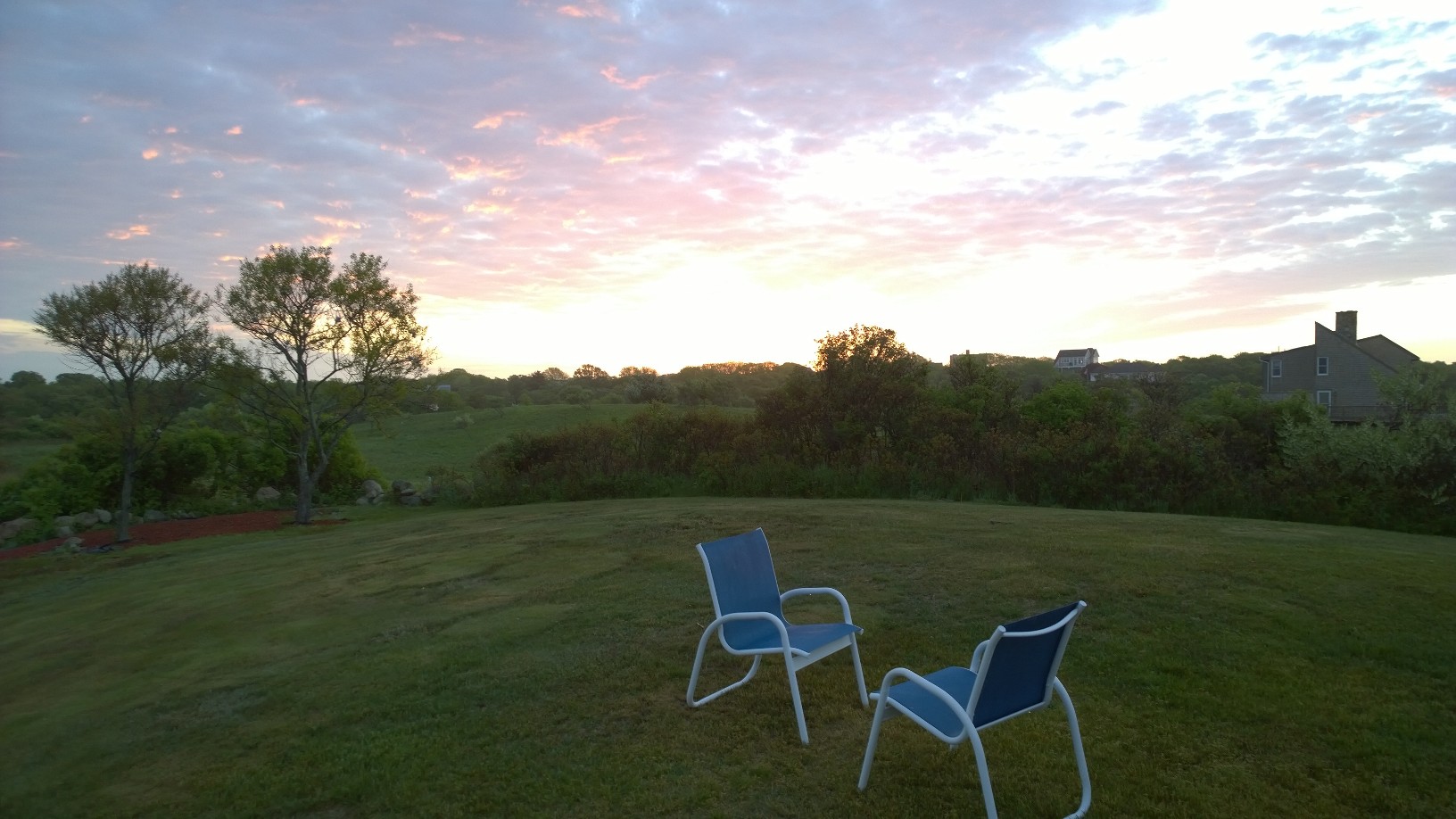
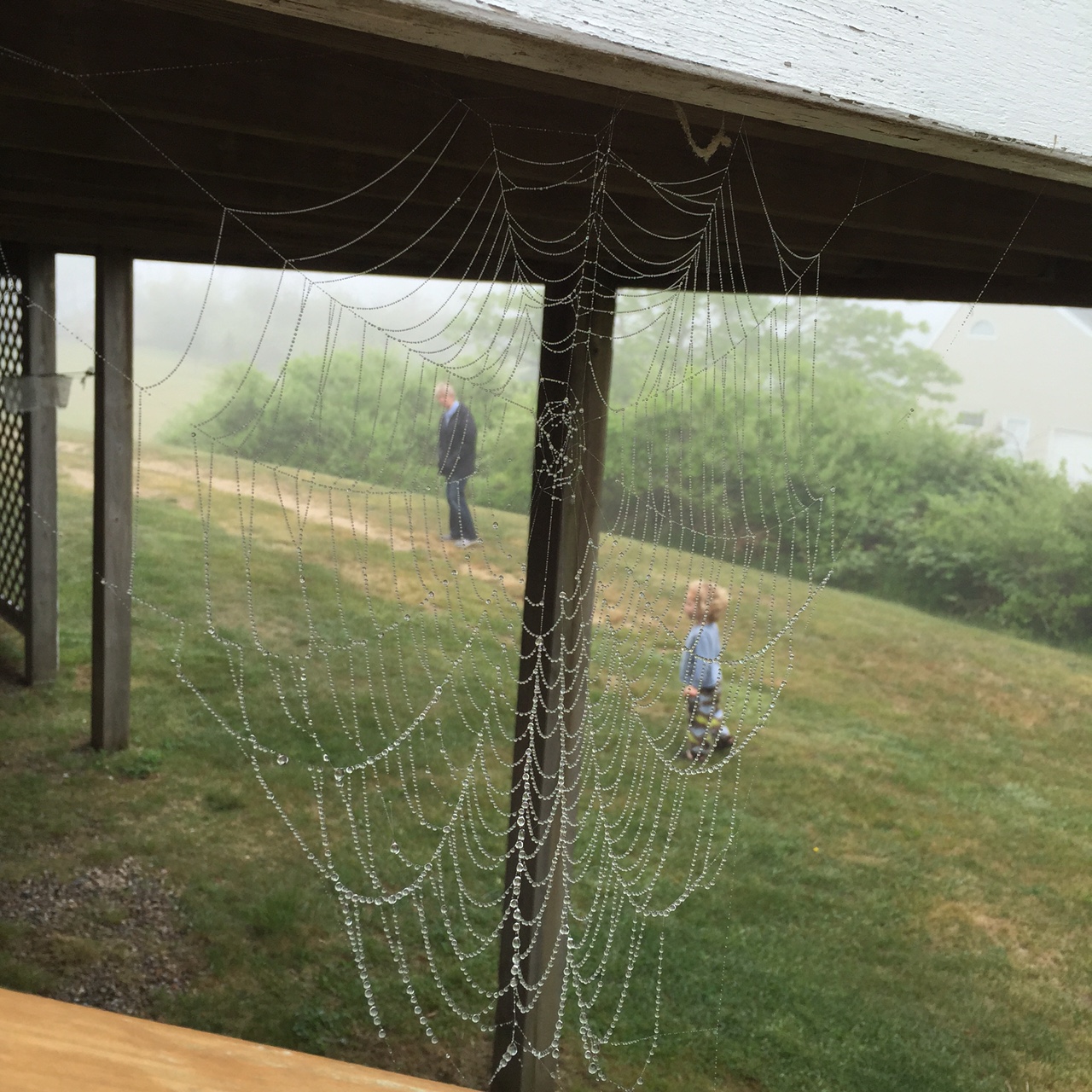
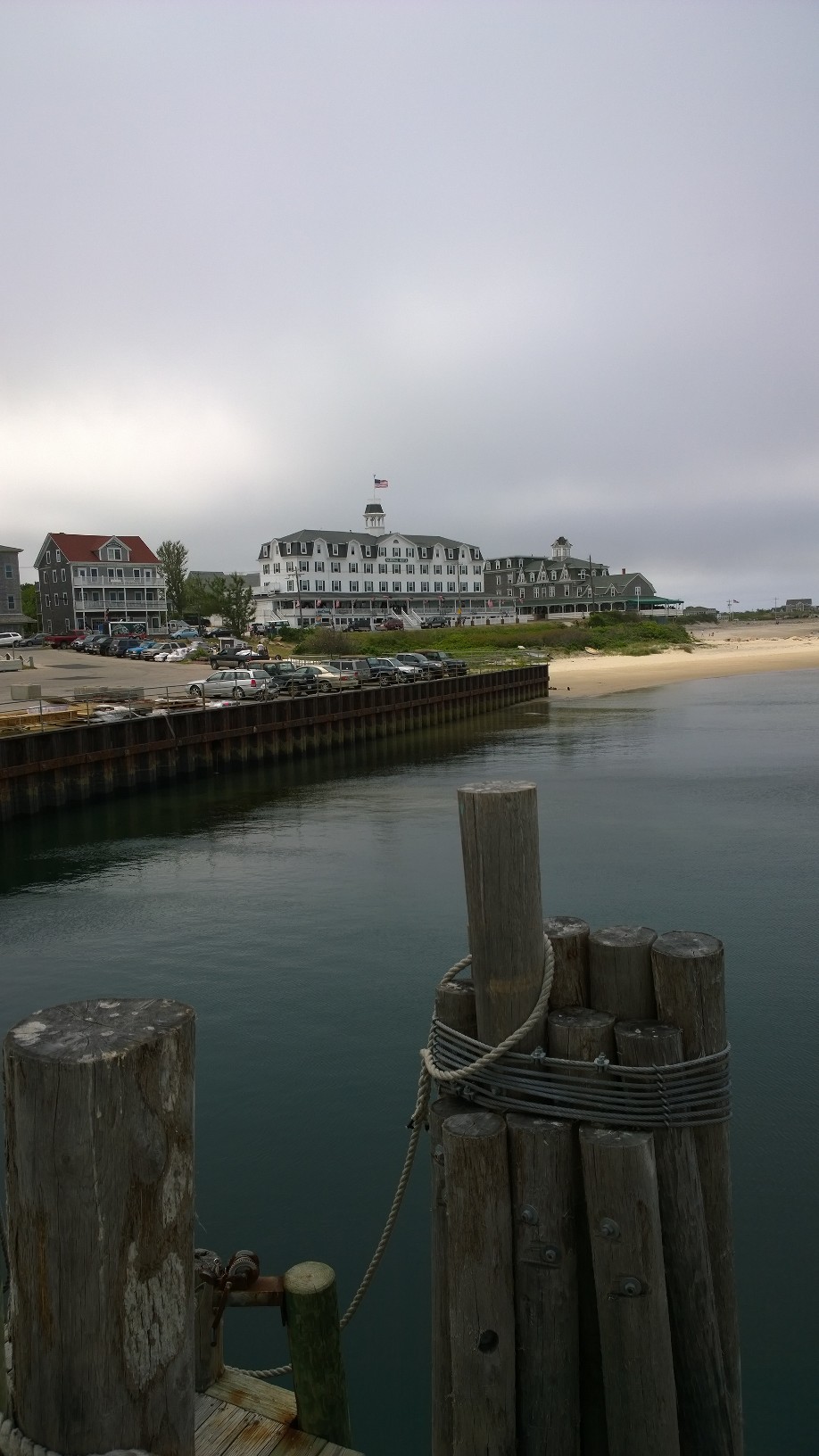
On this cold and rainy day, I am remembering how Saturday in Rhode Island felt like summer. Here are a few pics: dawn, a flowering shrub, white iris, a beach fence, a cobwebby view of my younger grandson and me, the harbor, the boat’s wake in the sunset. (Erik gets credit for the jeweled-cobweb shot.)

new-shoreham-sunrise-53015

iris-in-sunlight

maybe-shad

snow-fence--Crescent-Beach

cobweb-view-of-Mormor-and-G

harbor-New-Shoreham-May-2015

making-a-wake

Read Full Post »

This is not a story about creating housing for the homeless, although it could be. It’s about cutting some of the expense of construction by recycling maritime shipping containers. A company doing just that was featured in April in a NY Times interview that Vivian Marino conducted with Paul M. Galvin.

“Mr. Galvin, 52, is the chairman, chief executive and a founder of SG Blocks, a publicly traded company that repurposes maritime-grade steel cargo shipping containers into green building blocks for use in commercial, industrial and residential building construction. The containers are provided by ConGlobal Industries, a partner.”

Galvin says, “I had gotten into real estate development through a charity that I co-founded and was involved in running, and we were developing housing programs for individuals and families with AIDS. So we had to figure out a way to give them continuum care — we had to get good at real estate. And we started to develop affordable housing.

“If you’ve ever done any development in New York, you know that the construction process is not always as predictable as you would like, and so I saw this as a way to create a sustainable alternative in the marketplace and eliminate some of the risk of site-base construction. …

“We’re doing a restaurant today — Do you know Bareburger? — in Oyster Bay Cove. It’s an 11-container restaurant, so around 2,300 square feet. We just did the first seven containers between 8 o’clock and 12 o’clock today. And then tomorrow morning the last four will come. And the building will be closed in a day and a half. …

“We meet or exceed all of the structural codes.  … We’ve really approached this as an engineered building system. Every building system has some constrictions. Every product and every site works for containers. I would say that within reason we’ve been able to date to create the structure and the space plan that the structure affords.”

More here.

Photo: SG Blocks

Read Full Post »

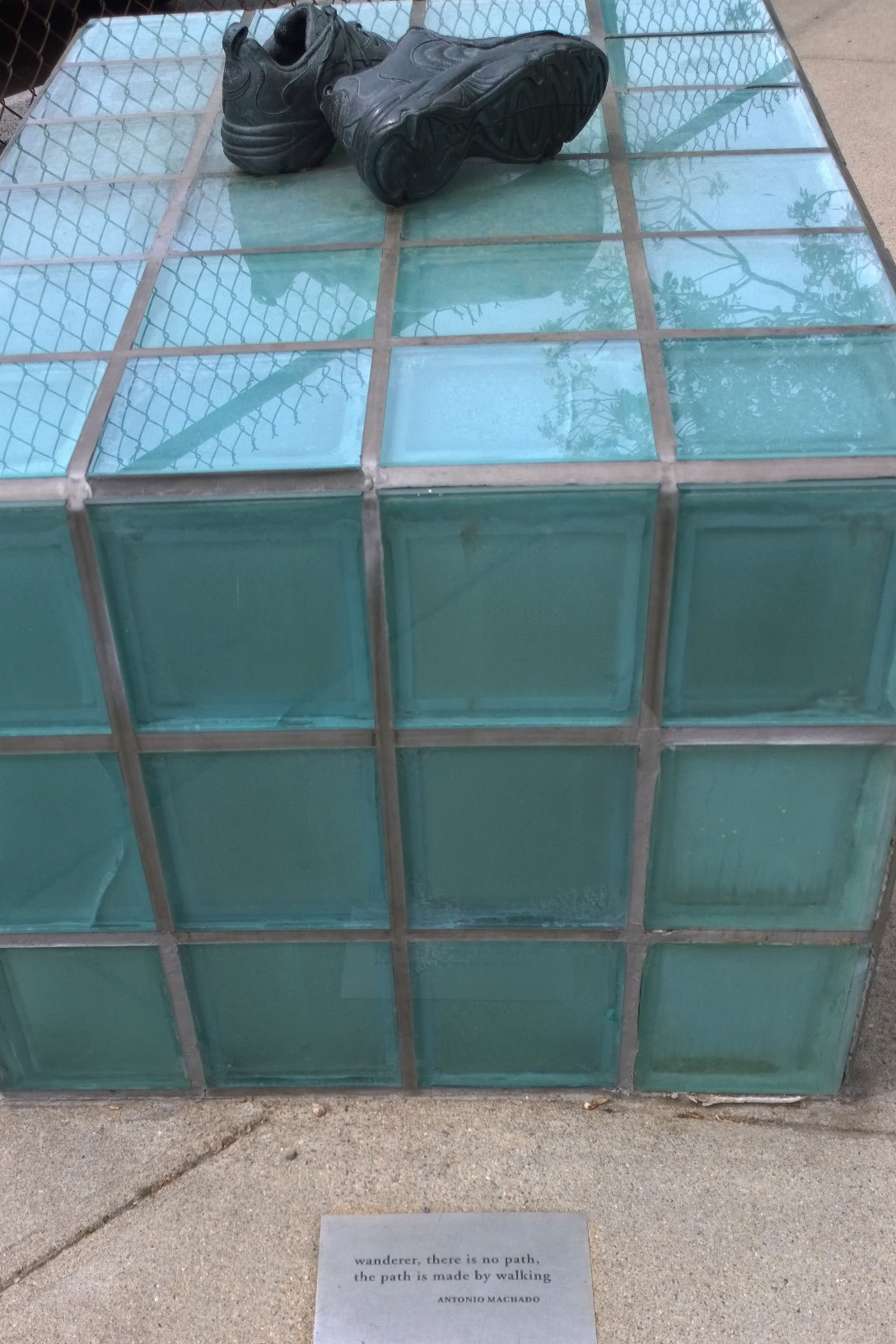
no-path-wanderer


The plaque quotes the Spanish poet Antonio Machado, 1875-1939: “Wanderer, there is no path. the path is made by walking.” (The shoes are part of the sculpture.)

The line is metaphorical, of course, but I like treading a physical path with lots of photo ops while I’m working on the other path. It helps me think.

artists-can-never-resist

artists-Claudia-and-Michael


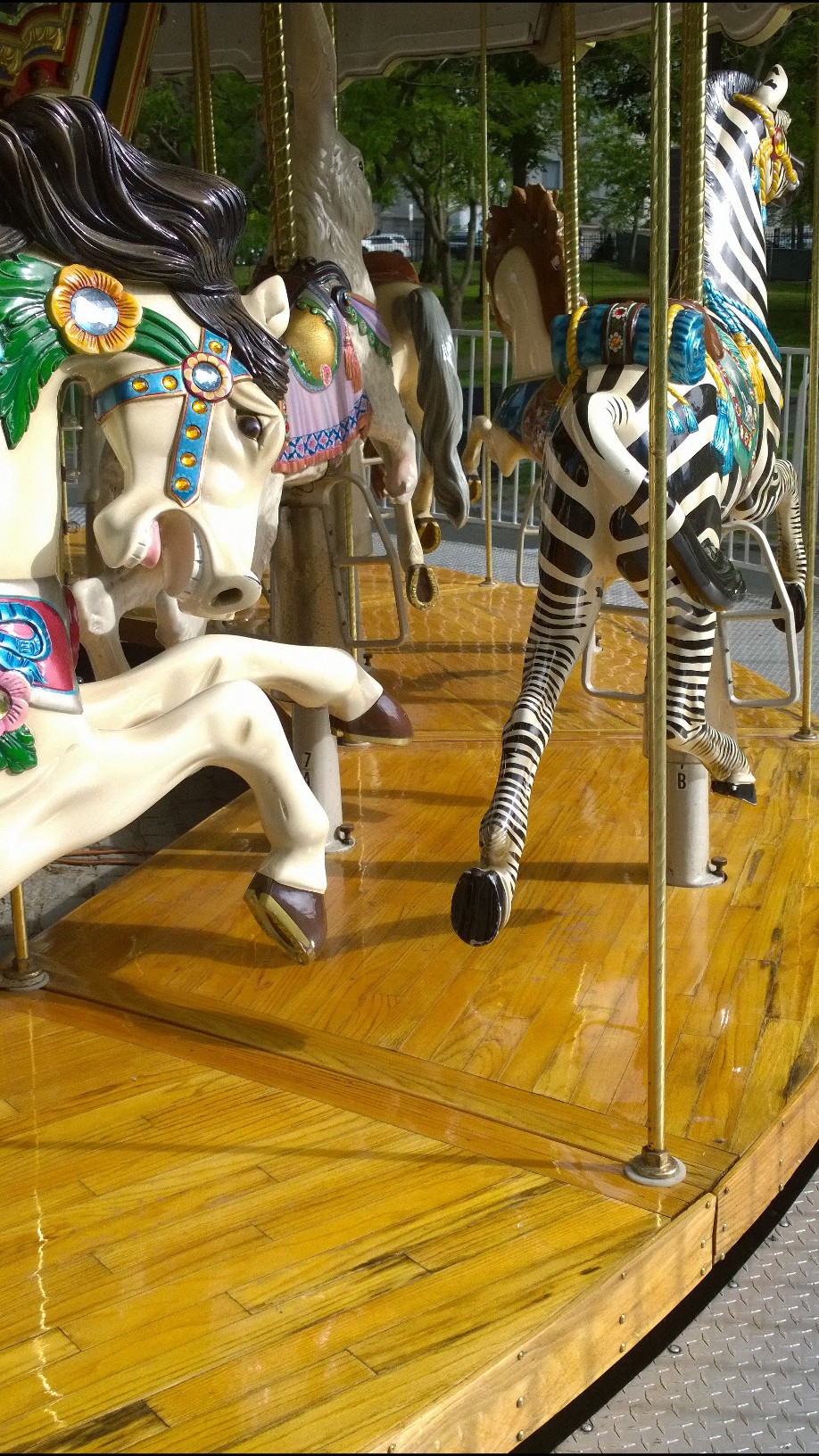
merry--go-round-horse

Boston-Common-carousel


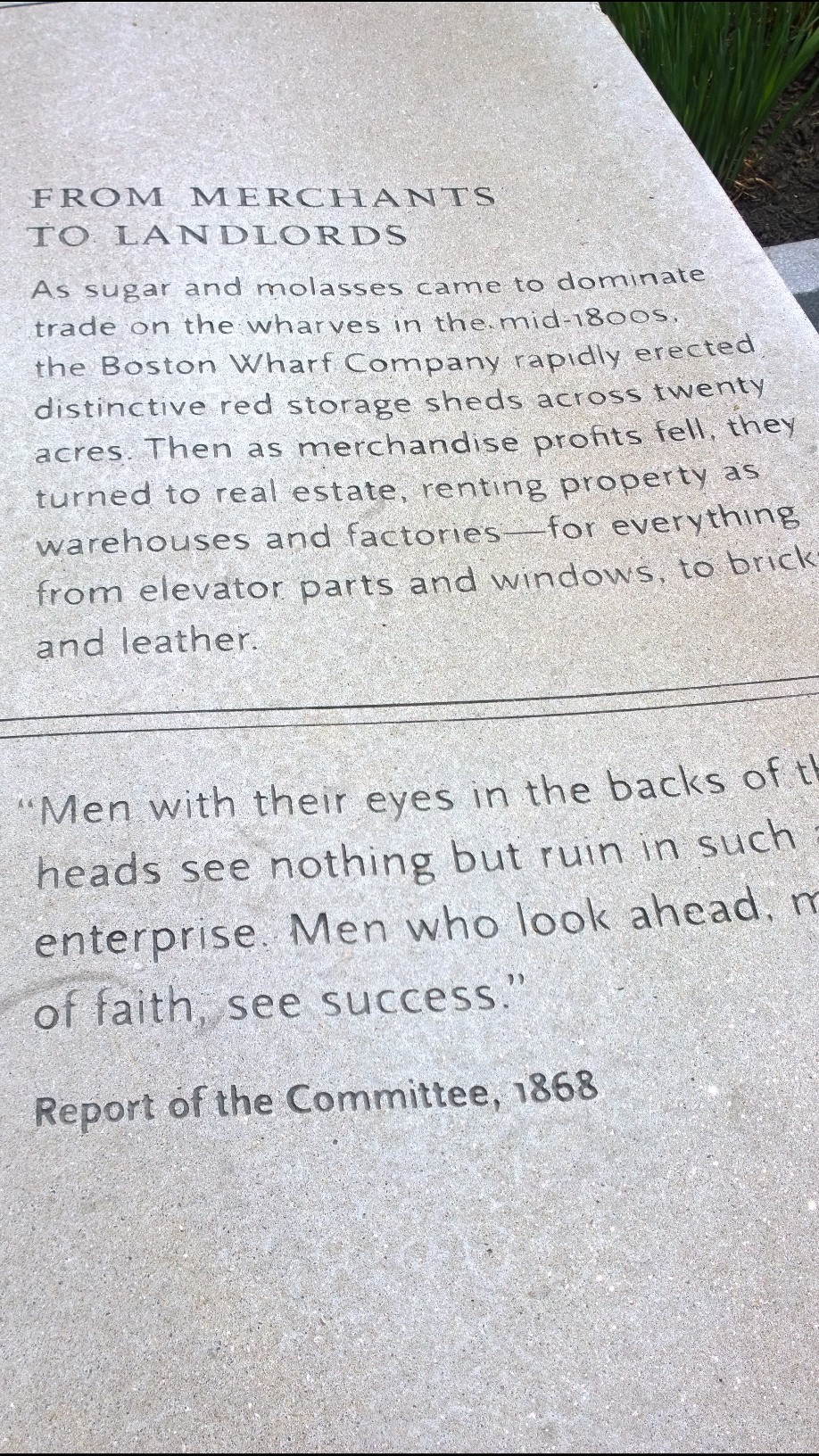
molasses-in-fort-point

window-washers


music-in-Dewey-Square


Read Full Post »

When we were little, my brother had a turntable in a brightly colored “juke box” that lit up and flashed. All the kids came to hear his records. If only he had known he could become a child DJ!

Lynsey Chutel has a story about one in South Africa.

“At first it seems like a fluke – a two-year-old playing with the knobs and buttons of a sophisticated music system. Yet the pint size boy is in control of the beat of the bass-heavy house music. He is South Africa’s youngest disc jokey, DJ AJ. …

“Orarilwe Hlongwane is still learning to put together words but the toddler is already able to select and play music from a laptop and has become a viral phenomenon on South Africa’s social media. …

“His mother, Refiloe Marumo, credits his father’s decision to buy an iPad for his unborn son. Glen Hlongwane planned to download educational apps.”

Read what happened instead.

Photo: Associated Press

Read Full Post »

Once again, the Christian Science Monitor comes up with a story about a person creating positive change in the world.

Jessica Mendoza writes, “Behind a low, unobtrusive brick building [in Boston’s inner city] is a lush, green forest. Brown and silver-gray trees cover the building’s wall, their leafy canopies blocking the sky. Sun-dappled stones sit on tangles of grass. A boy perches on the largest rock, gazing at a distant meadow.

“On the wall’s lower left corner, the word ‘Love’ appears in bright green; opposite is the word in Spanish, ‘Amor,’ in vibrant red.

“The forest is a mural, and even in the dead of winter the 18-by-85-foot painting gives a sense of beauty, warmth, and life – qualities that artist Alex Cook tries to convey in all his work.

“ ‘Art was always a deeply spiritual thing, the most real thing in my life,’ Mr. Cook says. ‘You want to share that kind of feeling.’ …

“An artist for most of his life, Cook has painted on walls all over the United States and has even packed his brushes to travel to and paint in Kenya, Nigeria, and most recently Panajachel, Guatemala. …

“The project began in the fall of 2013 when Cook was performing in New Orleans. There he met Amy Hoyle, then a principal at a local elementary school. Ms. Hoyle was looking for new ways to engage her students and invited Cook to paint a mural on campus, based on the motto of Woodland West Elementary School: ‘Stay curious.’

“Cook delivered, painting two huge faces side by side in a strange, beautiful picture that prompted more questions than answers.

“But he did more than that. Touched by the students, many of whom were poor and had difficult home lives, Cook decided to paint something that would remind them every day of how special they were. The result was a hallway filled with a palette of colors and messages telling all who passed by that they were beautiful, needed, important, and loved. “It’s like walking through a warm hug,” Hoyle says.

Read how Cook made his projects increasingly collaborative, inspiring people from all walks of life (here).

Photo: Ann Hermes
Alex Cook stands in front of one of his large murals, an 18-by-85-foot depiction of a forest in Boston.

Read Full Post »

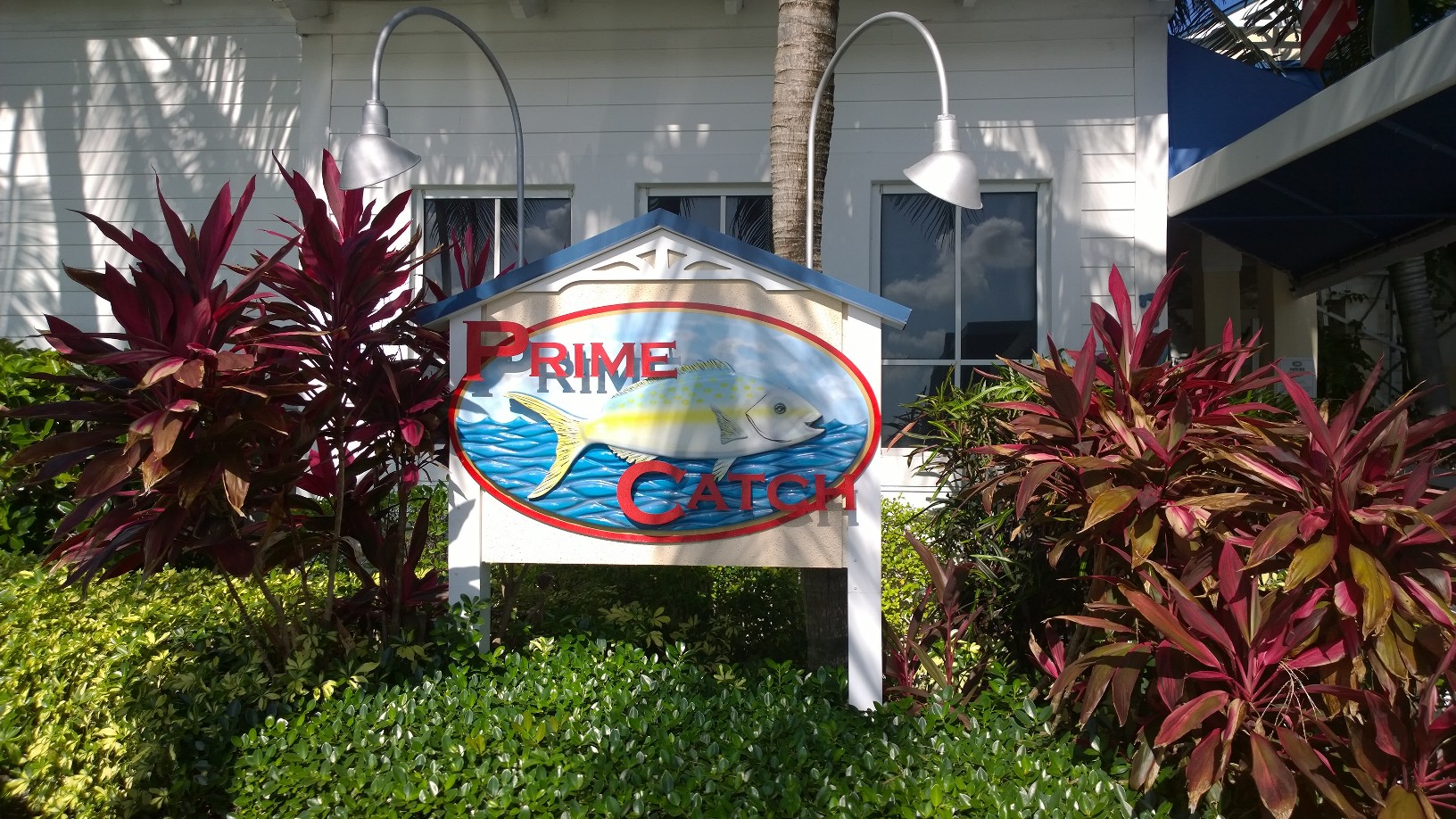
I had a wonderful weekend in Florida with a couple I hadn’t seen in decades. One woman asked the other what she would like for her birthday, and, because she felt that summers with my family had been a positive turning point in her life and because keeping touch through Christmas cards just didn’t cover the ground, she said she would like to have me come for a visit.

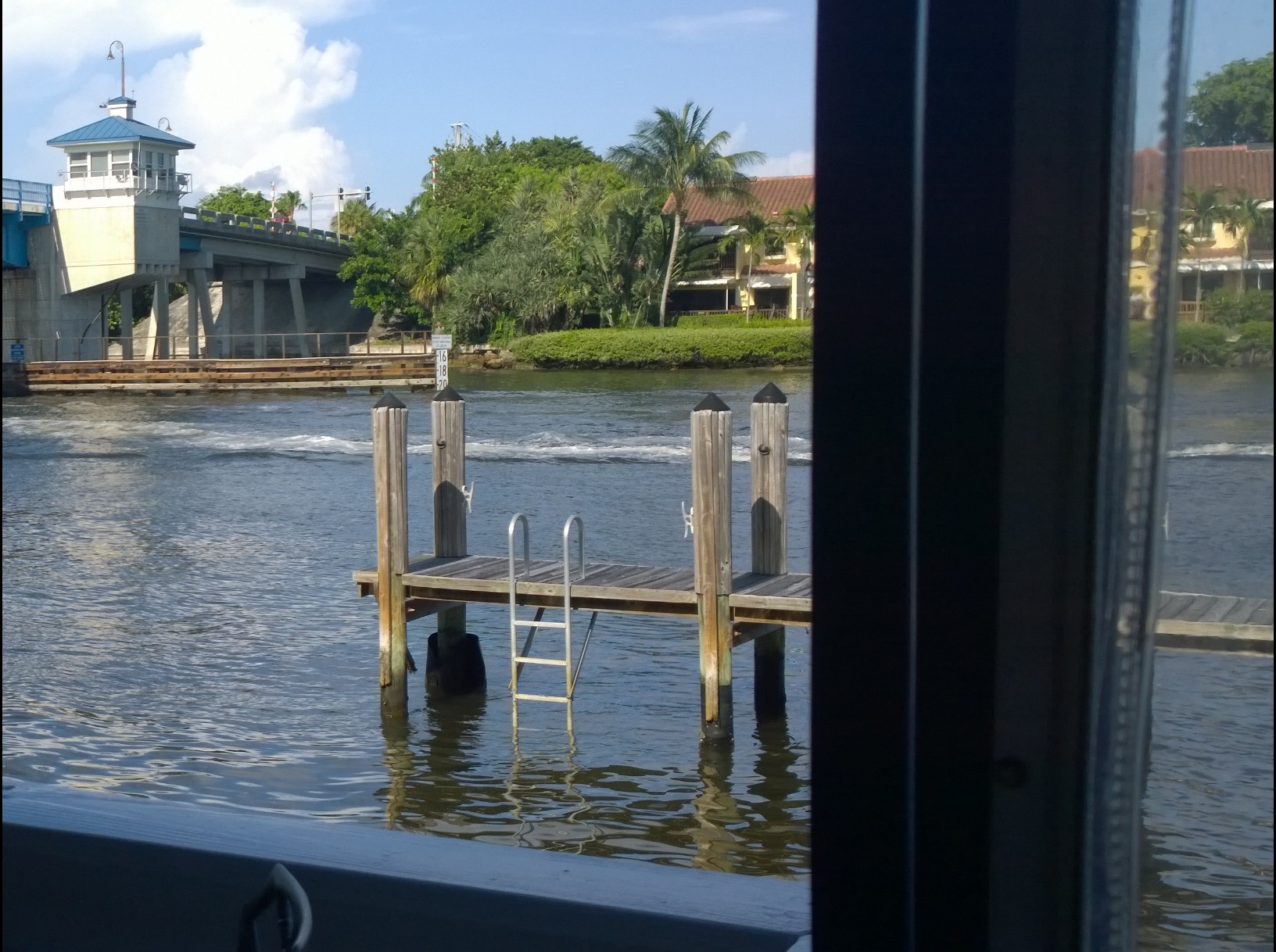
If you have never been a birthday present, I’m here to tell you that it is just the best. I include some pictures of our activities, but mainly we talked and talked and filled in the blanks.

May the road rise to meet you, may the wind be at your back, and may you be somebody’s birthday present someday.

trumpet-lily-Florida

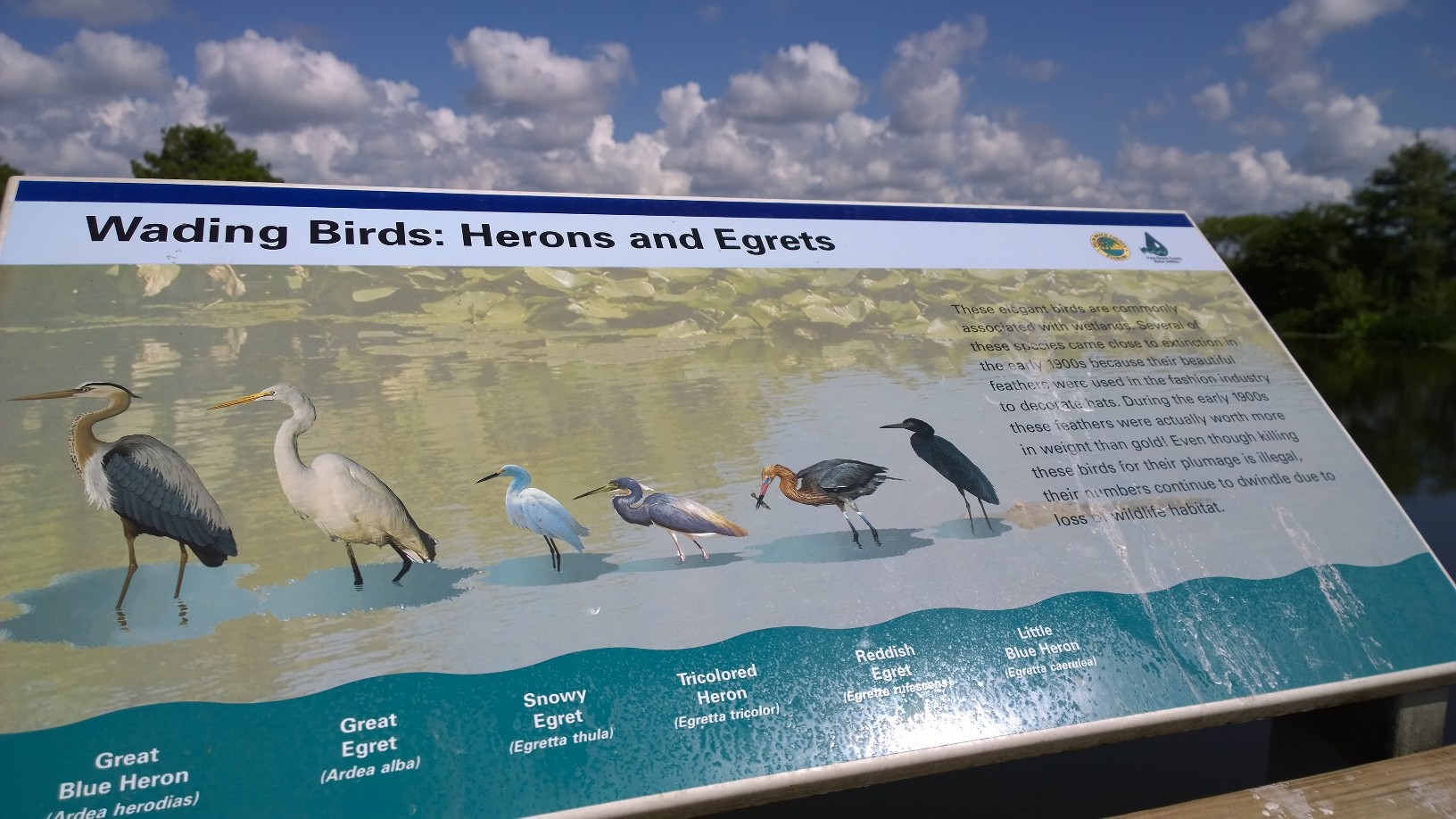
great-egret-noisy-babies

swamp-flower-Florida

great-blue-herons-florida

Wakodahatchee-sign

Wakodahatchee-wetlands

here-be-alligators

cactus-Florida

Prime-Catch-Florida

restaurant-view

Read Full Post »

Move him into the sun —
Gently its touch awoke him once
At home, whispering of fields unsown.
Always it woke him, even in France
Until this morning and this snow.
If anything might rouse him now
The kind old sun will know …

Wilfred Owen (1893-1918)

flags-for-the-fallen-since-Civil-War

Read Full Post »

After Brian Bailey started to follow this blog, I took a look at his own WordPress blog. The first thing I saw was the watercolor below. I said, “Oh, wow.” Then I looked through his other drawings and watercolors and liked them just as much. So I want to share the Art of Brian site with you.

I’ve always loved watercolors, the gentle suggestiveness, the uncertainty of how the the paints will run. Although good work takes a lot of skill, there’s an element of the unexpected that to me is about the randomness of experience and the beauty of randomness.

Here are some thoughts from Brian on one of his recent paintings.

“When pulling together the shapes and lines that make up a composition it can be challenging to determine how much information is enough.  Some of my favorite drawings and paintings exhibit a very economical approach to line, saying just enough to let the viewer see what the artist sees.  In recent weeks, I’ve been doing many gesture drawings, as I’ve mentioned before, and I’m trying to let my paintings be, somewhat, more gestural.  I started my painting today outside with lots of light and finished it at home by bumping up the shadows and contrast.  I’m really trying to stop myself from overworking each painting.”

Brian also has an Etsy store. I am liking everything I see there.

Art: Brian Bailey
The Orange Van, Watercolor, 4″ x 4″, © 2015

Read Full Post »

« Newer Posts - Older Posts »