Feeds:
Posts
Comments

Posts Tagged ‘postaday’

Author-illustrator Jarrett Krosoczka knows the power of a kind word. He found his calling largely because of two words from a children’s book author who visited his elementary school class.

And he got through a difficult childhood nourished on the kindness of strangers, including lunch ladies, an unjustly maligned species he has honored in a superhero series. (“Serving justice! And serving lunch!)

Linda Matchan has a lovely story at the Boston Globe about Krosoczka.  (I want to call your attention to how nicely she describes him, here: “with impossibly spiky hair that looks as though he penciled it in himself.”)

“Until recently,” writes Matchan, “Krosoczka was very guarded about his childhood. That changed last October when he got a call from the organizer of a TEDx program at Hampshire College, modeled after the TED Talks series. …

“Scrambling for a topic, his wife urged him to talk candidly about his childhood. With no time to come up with other options, he delivered a moving talk about his early years and the people who inspired and encouraged him. The talk caught the attention of the TED editorial team, which featured it in January on TED.com.

“He spoke in his talk about his mother — ‘the most talented artist I knew’ — who was addicted to heroin and often incarcerated. ‘When your parent is a drug addict it’s kind of like Charlie Brown trying to kick the football … Every time you open your heart, you end up on your back.’ …

“Third grade was the year something ‘monumental’ happened. Children’s book author Jack Gantos came to his school to talk about what he did for a living. He wandered into the classroom where Krosoczka was drawing, stopped at Krosoczka’s desk and studied his picture.

“ ‘Nice cat,’ Gantos said.

“ ‘Two words,’ said Krosoczka, ‘that made a colossal difference in my life.’ ”

More.

Photo: Bill Greene
Jarrett Krosoczka declared May 3 (his favorite lunch lady’s birthday) “School Lunch Superhero Day.”

Author-illustrator Jarrett Krosoczka knows the power of a kind word. He found his calling largely because of two words from a children’s book author who visited his elementary school class.
And he got through a difficult childhood nourished on the kindness of strangers, including lunch ladies, an unjustly maligned species he has honored in a superhero series. (“Serving justice! And serving lunch!)
Linda Matchan has a lovely story at the Boston Globe about Krosoczka.  (I want to call your attention to how nicely she describes him, here: “with impossibly spiky hair that looks as though he penciled it in himself.”)
“Until recently,” writes Matchan, “Krosoczka was very guarded about his childhood. That changed last October when he got a call from the organizer of a TEDx program at Hampshire College, modeled after the TED Talks series. …
“Scrambling for a topic, his wife urged him to talk candidly about his childhood. With no time to come up with other options, he delivered a moving talk about his early years and the people who inspired and encouraged him. The talk caught the attention of the TED editorial team, which featured it in January on TED.com.
“He spoke in his talk about his mother — ‘the most talented artist I knew’ — who was addicted to heroin and often incarcerated. ‘When your parent is a drug addict it’s kind of like Charlie Brown trying to kick the football … Every time you open your heart, you end up on your back.’ …
“Third grade was the year something ‘monumental’ happened. Children’s book author Jack Gantos came to his school to talk about what he did for a living. He wandered into the classroom where Krosoczka was drawing, stopped at Krosoczka’s desk and studied his picture.
“ ‘Nice cat,’ Gantos said.
“ ‘Two words,’ said Krosoczka, ‘that made a colossal difference in my life.’ ”

Read Full Post »

Have you ever taken out-of-town guests to see the glass flowers at Harvard? They are among the area’s must-see attractions.

The Czech father-son team Leopold and Rudolf Blaschka created the flowers in the 19th century, when they also made glass replicas of sea creatures.

Now scientists are comparing the duo’s marine life to what exists today. Have the creatures evolved? Are some extinct?

“I’ve been a marine biologist my entire professional life,” write C. Drew Harvell in the Science section of the NY Times, “spending more than 25 years researching the health of corals and sustainability of reefs. I’m captivated by the magic of sessile [attached by the base]  invertebrates like corals, sponges and sea squirts — creatures vital to the ecosystem yet too often overlooked in favor of more visible animals like sharks and whales.

“The filmmaker David O. Brown and I want to change that. To make a documentary, Fragile Legacy, we are on a quest to lure these elusive and delicate invertebrates in front of the camera lens.

“Our inspiration springs from an unlikely source: a collection of 570 superbly wrought, anatomically perfect glass sculptures of marine creatures from the 19th century.

“These delicate folds and strands of glass make up the Blaschka collection of glass invertebrates at Cornell, of which I am the curator — enchanting and impossibly rare jellyfishes of the open ocean; more common but equally beautiful octopus, squid, anemones and nudibranchs from British tide pools and Mediterranean shores.

“They are the work of an extraordinary father-and-son team, Leopold and Rudolf Blaschka.”

The rest of the story is worth your time. Check it out.

Photo: Kent Loeffler
A glass sculpture of Facelina drummondii, a sea slug in Cornell’s Blaschka collection.

Read Full Post »

If you had to guess one church in San Francisco that would be all over the idea of rooftop gardening to feed whoever needs feeding, which one would it be?

Right. Glide. I like its garden’s name: Graze the Rooftop.

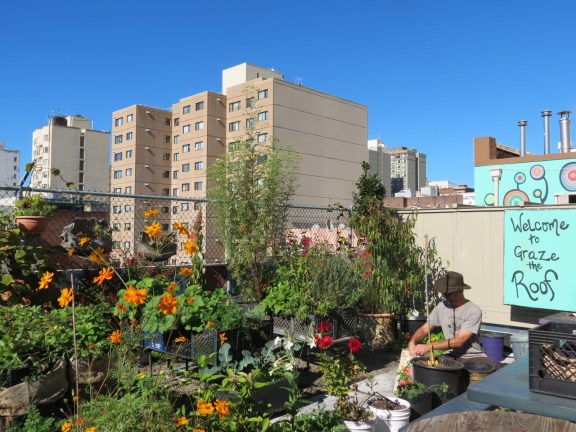
“Graze the Roof is an edible, community-produced vegetable garden on the rooftop of Glide Memorial Church, a progressive church and nonprofit located in the Tenderloin district of San Francisco.

“Graze the Roof features lightweight (upcycled) raised garden beds made from milk crates; a worm composting system and an educational mural which ties the whole project together. Glide youth and volunteers from throughout the Bay Area maintain the garden and host monthly tours and workshops.”

Do you live in the San Francisco area? Looks like there are a lot of fun workshops available, such as Designing Sustainable Habitats, Introduction to Permaculture, and Urban Fruit Tree Stewardship. Read more here.

Photo: Graze the Roof

Read Full Post »

More than likely, when certain preteen girls I know were doing headstands on the beach and singing “Girls Just Want to Have Fun,” they had no idea that the the singer was thinking about her Sicilian grandmother and mother and how they deserved more out of life than the servitude allotted women in their culture.

The preteens wouldn’t have known that Cyndi Lauper made sure her video was filled with girls of all races so that any young girl could identify with it.

I learned all that Saturday, when radio host Brooke Gladstone interviewed Lauper at On the Media. The interview started way back in Lauper’s Queens childhood and moved up to the Tony nomination for best score in a musical, Kinky Boots.

From On the Media’s website: “For more than 30 years Cyndi Lauper has been a creative force, as a singer, songwriter, author and now composer of the music and lyrics for a hit Broadway play. Last month Brooke talked to Cyndi Lauper before a live audience in NYC about her life, her art and where she draws her inspiration.”

Listen to the interview here.

Photo of Cyndi Lauper: Gavin Bond

Read Full Post »

This morning as my almost-three-year-old grandson was “fixing” the downspout with a pair of pliers, I passed along what I like about spring.

You don’t have to put on coats and scarves and boots and hats and mittens every time you go out. It’s warm and sunny. There are lots of flowers. The flowers smell good.

He didn’t say much, probably because he had already gotten me to smell a large, red tulip, and he was focused on his work.

Here are some spring pictures. Look closely to see the mural of a rabbit in the shadows at Olga’s, where our one-year-old grandson escorted us for brunch.

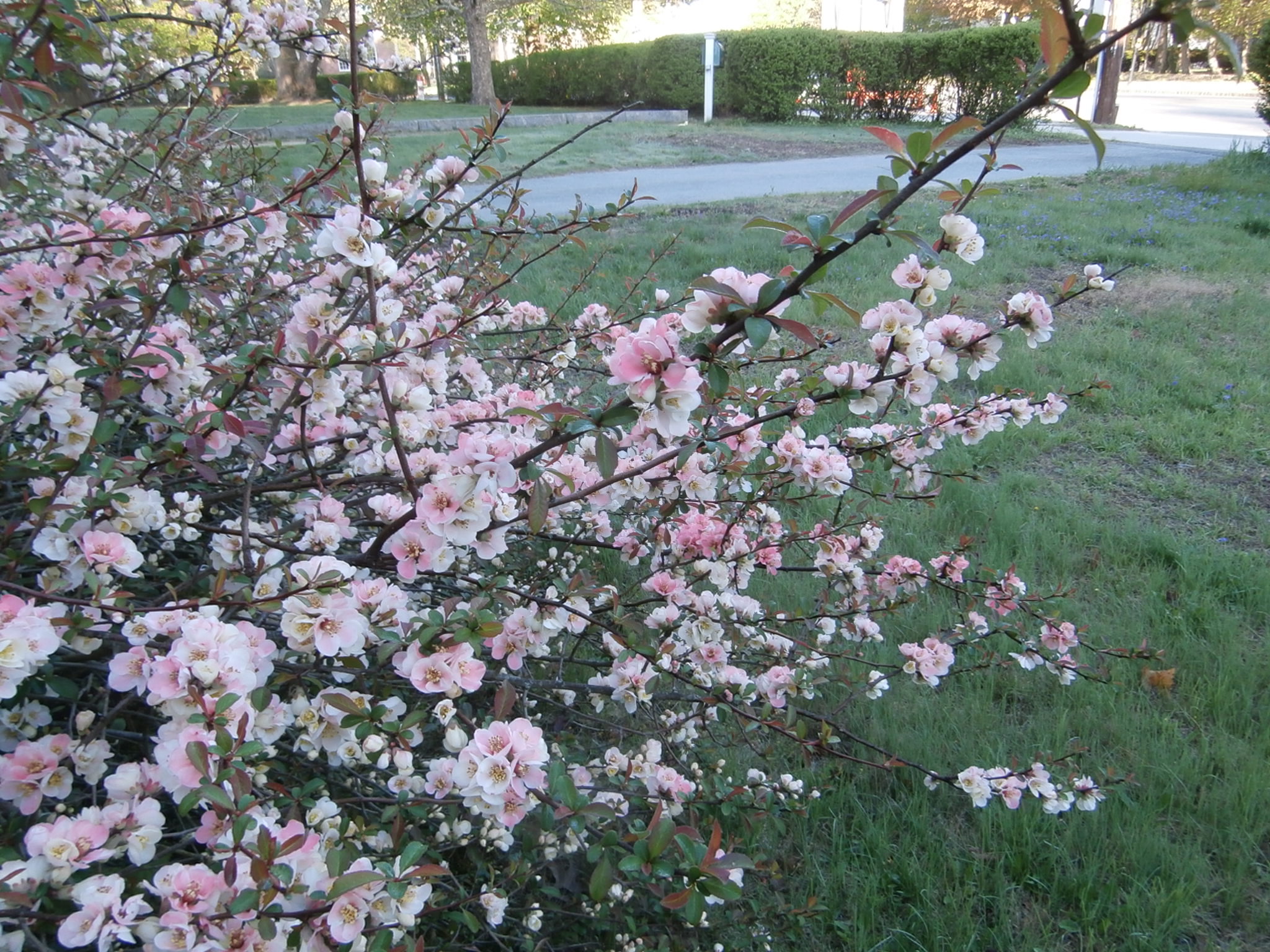
Help me identify the sprays of flowery branches? The only one I can say  for sure is the yellow forsythia. For the others, I will have to upload the photos at the website of the almost-three-year-old’s dad to get a crowd-sourced identification, Mister Smarty Plants. Do you think the pink spray is quince?

rabbit on wall at Olga's

brunch at Olga's

spray of white at bank

forsythia

could it be quince?

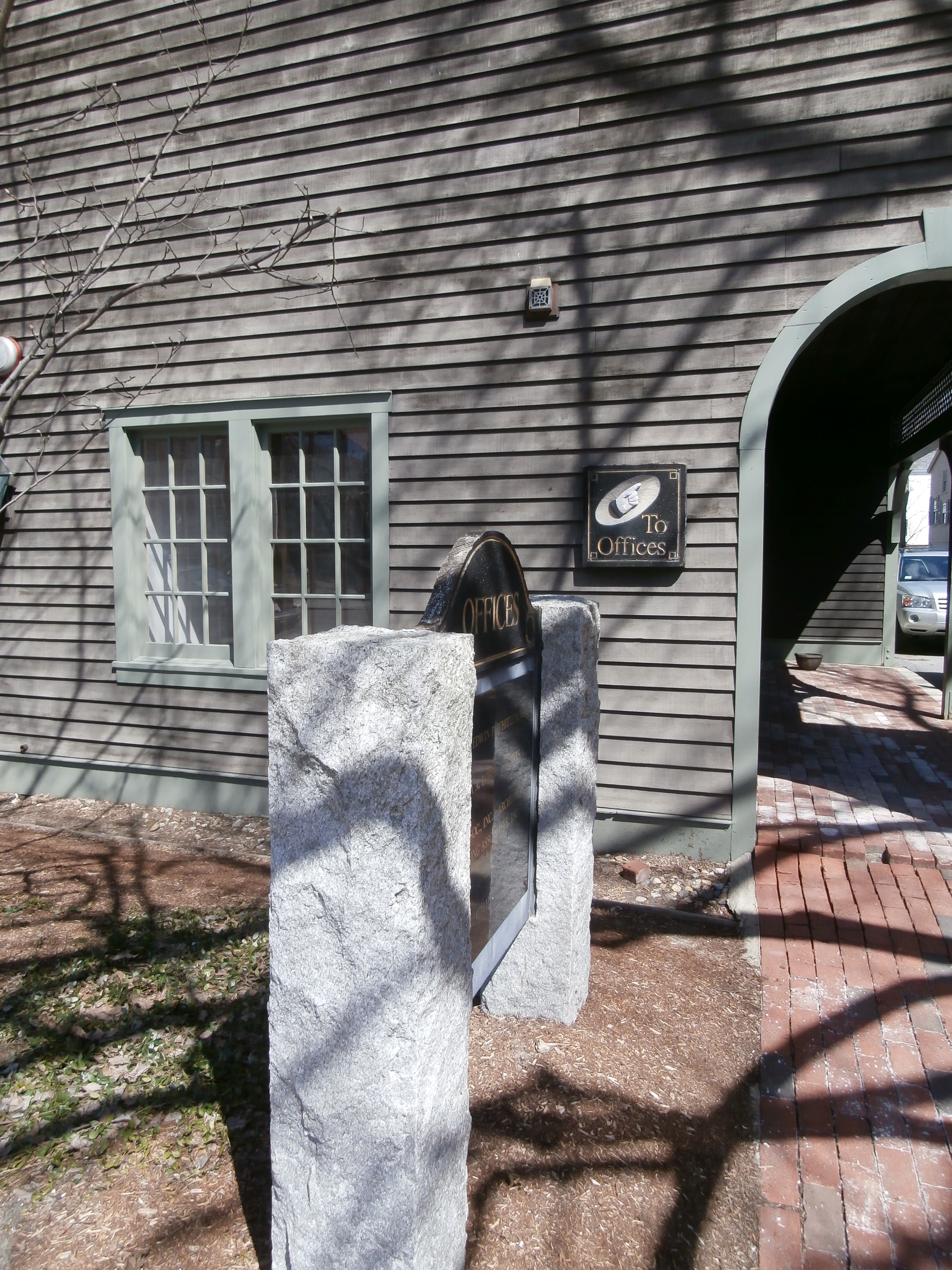
shadows on back door

Read Full Post »

Vermonters care a lot about their farms. So when a dairy farm in South Woodstock was threatened with development, the neighbors bought it.

“Perched on a hill overlooking a valley,” writes Ann Trieger Kurland at the Boston Globe, “Farmstead Cheese Co. began as a neighborly plan to preserve a dairy farm.

“The bucolic 18-acre site was a former water buffalo farm and creamery that produced mozzarella and yogurt. When its owners moved to Canada and put the land up for sale, locals worried about the loss of jobs and the disappearance of another bit of the Green Mountain State’s rich heritage. They feared that the pastoral landscape might be grabbed by a developer.

“So 14 neighbors banded together to buy the farm and decided cheese making might safeguard its future. Within the year, they rebuilt the creamery, brought in a mixed breed herd — Holstein, Jersey, Ayrshire, and Swiss Brown — to blend milks and make farmstead cheese. They started the first community-owned dairy farm in the state. In two years, the company has won dozens of awards for its cheddar, a harvarti-style tilsit, Edam, and English and French-style cheeses.

“The new owners are not novices. They include seasoned farmers and food industry executives who hired experienced staff. The top cheese maker, Rick Woods, 46, has been plying his craft for 19 years. ‘We’re a new company, but it’s not the first time around the block for these people,’ says Sharon Huntley, who is in charge of marketing.” Read more about the community-owned farm and where you can buy the cheeses.

Photo: Vermont Farmstead Cheese Co.
At the community-owned in South Woodstock, Vt., there are 135 cows.

Read Full Post »

My friend Meg is a runner. She runs for the joy of running, and she runs to support worthy causes like research on liver disease. Several times a week, she rises early and runs with friends and a few homeless folks who have found running to be a step toward getting their lives in order.

Meg blogs about running, too. Here she talks about running “with a team of homeless men and women from Downtown Crossing’s Boston Rescue Mission.”

Here she tells how she learned about Back on My Feet after seeing the program’s T-shirts being worn in a race:

“Running, as a means of teaching work and life skills to residents of homeless shelters.  Using their attendance, attitude, dedication to morning runs to gain access to job training, housing assistance, and help paying for and attaining education.  Intriguing, indeed.  Especially since I’d not noticed a single homeless person in that crowd of runners.

“A lifelong runner myself, I could evidence upticks in productivity and personal satisfaction when I was most engaged in running.  Was it possible that what worked for me could work for the city’s most troubled?

“I filled out the online interest form.  A few weeks later, I got an email confirming an evening orientation session, where nearly a dozen gathered to learn about the program. Vic Acosta, Boston Chapter Program Director, filled me with hope, enthusiasm, and energy – from that moment, I knew that Back On My Feet would be my kind of group.

“A few days later, I set that early morning alarm for the first time.

“I met the team – residents and non-residents both – that morning.  We ran a few miles, and I went home to prepare for work, still not knowing which runners were the residents [of the homeless shelter].  Then, I began to really understand the power of Back On My Feet: on those early mornings, we weren’t residents or non-residents, we were teammates.”

Now can I tell you the rest of story as it was told to me?

One day Meg mentioned to one of the homeless guys that she planned to drive up to Lowell with friends for a race. He was interested. He asked if he could come along. He said he was from Lowell and had been estranged from his family for years because of troubles with the law and with substance abuse. He wondered tentatively, hopefully, whether anyone in his family might like to see him now that he had gotten clean.

Meg took him along, and he ran with her group. At the end of the race his family was there. Cheering.

Photo: http://www.backonmyfeet.org/

Read Full Post »

Photo: Getty Images

I have been as keen as anyone to talk about the arts in terms of their economic contributions to communities. (You have to defend the arts in the language people understand.) But in the end, a focus on economic return is limiting. There are other values on the spectrum from “art for art’s sake” to “art for the economy’s sake.”

How about art for wonder’s sake, joy’s sake, self-expression’s sake, mystery’s sake — for the sake of just seeing what comes out and where it leads?

Over in Scotland, Tiffany Jenkins of The Scotsman is having a fit about Maria Miller, the Scottish Secretary of State for Culture, Media and Sport (Sport?!), who expressed her own take on the arts in a recent speech.

Says Jenkins, “The speech began with the right noises – ‘culture educates, entertains and it enriches’ – but quickly took a wrong turn, concentrating on what culture can ‘deliver,’ specifically for the economy, using sentences such as: ‘It allows us to build international relationships, forging a foundation for the trade deals of tomorrow.’ ”

Uh-oh.

“It matters,” writes Jenkins, “because of what happened with the funding body Creative Scotland, where there was a major negative reaction … in part due to an agenda that instructed the arts to be about the economy …

“To her credit Fiona Hyslop, Cabinet secretary for culture and external affairs for Scotland, was reported on Twitter responding to Miller’s speech stating: ‘The Scottish Government does not see arts and culture as a commodity.’ …

“That the arts are central to the economy is not an isolated idea, or a new one. … [But] it is a philistine approach that misses the value and point of culture. It is true that the Edinburgh festivals, for example, bring a strong financial return. … But even in this case, the financial return is not the best thing about the festivals – or why people come back every year to perform or to watch. They do it because they love it, enjoy it and are driven to participate in something meaningful. …

“Let us not forget the economic climate in which the Arts Council was established. This was a period in the 1940s, after a devastating war, when Britain was in a dire financial situation. The funding body was set up not to use the arts to get the country out of the economic crisis, in the blunt instrumental terms they are discussed today, but to stimulate ‘the best’ work.

“Economist John Maynard Keynes, the council’s first chairman, wanted to bring forth a ‘creative renaissance’ that was artist led, and acted at ‘arm’s length’ from the government, a vision that I would have no trouble with if it were realized today.” But it isn’t, complains Jenkins. Many of her concerns are pretty universal.  More.

It’s an argument we will never hear the end of, having been debated in every generation. I am coming down firmly on the side of “yes, and…”

In other words, the arts can be great for the economy, but that is just the tiniest part of why they are great.

Read Full Post »

Judith Ross has a beautifully written and photographed WordPress blog she calls Shifting Gears. Recent posts have covered a visit with her younger son, who is a Peace Corps volunteer in Morocco.

I was particularly taken with an entry in which Judith captures a luscious blue color that is reiterated all over one picturesque town, on everything from fishing boats to bread baskets.

She writes that one morning, she and her husband and son “climbed into our rental car and headed to Essaouira, a beach town. Much less intense than Marrakech, it was a good place to start our journey. [Our son] has friends there, who are also in the Peace Corps.

“The name of the riad where we stayed, Les Matins Bleus, reflected the town’s color scheme. …

“At the docks you can buy fish directly from the fishermen. Then, back in the medina, stop at the market for vegetables, before taking these purchases to a restaurant where they grill your food to perfection and serve it to you with bread – which also functions as your knife, fork, and spoon.” More.

Photo: Judith A. Ross

Read Full Post »

What a beautiful day.

This morning after tai chi chuan, I went with the oldest grandson and his friend to the muffin shop. They each had a corn muffin and gave the lady the money. The friend’s dad pulled the wagon until these not-yet-three-year-olds decided they wanted to pull it themselves. It took cooperation.

In the afternoon the younger grandson stopped by and did a bit of exploring.

Then I took a walk.

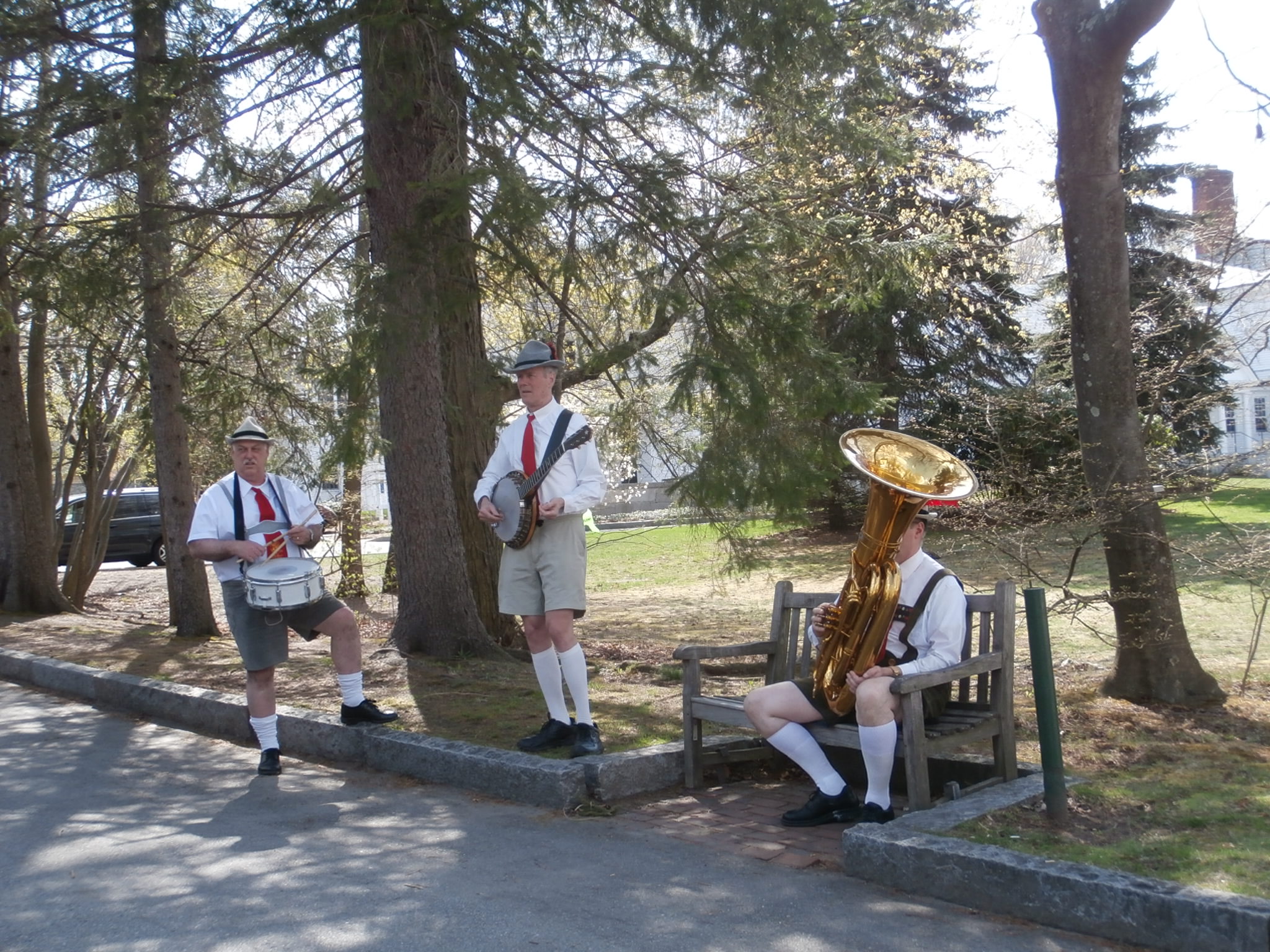
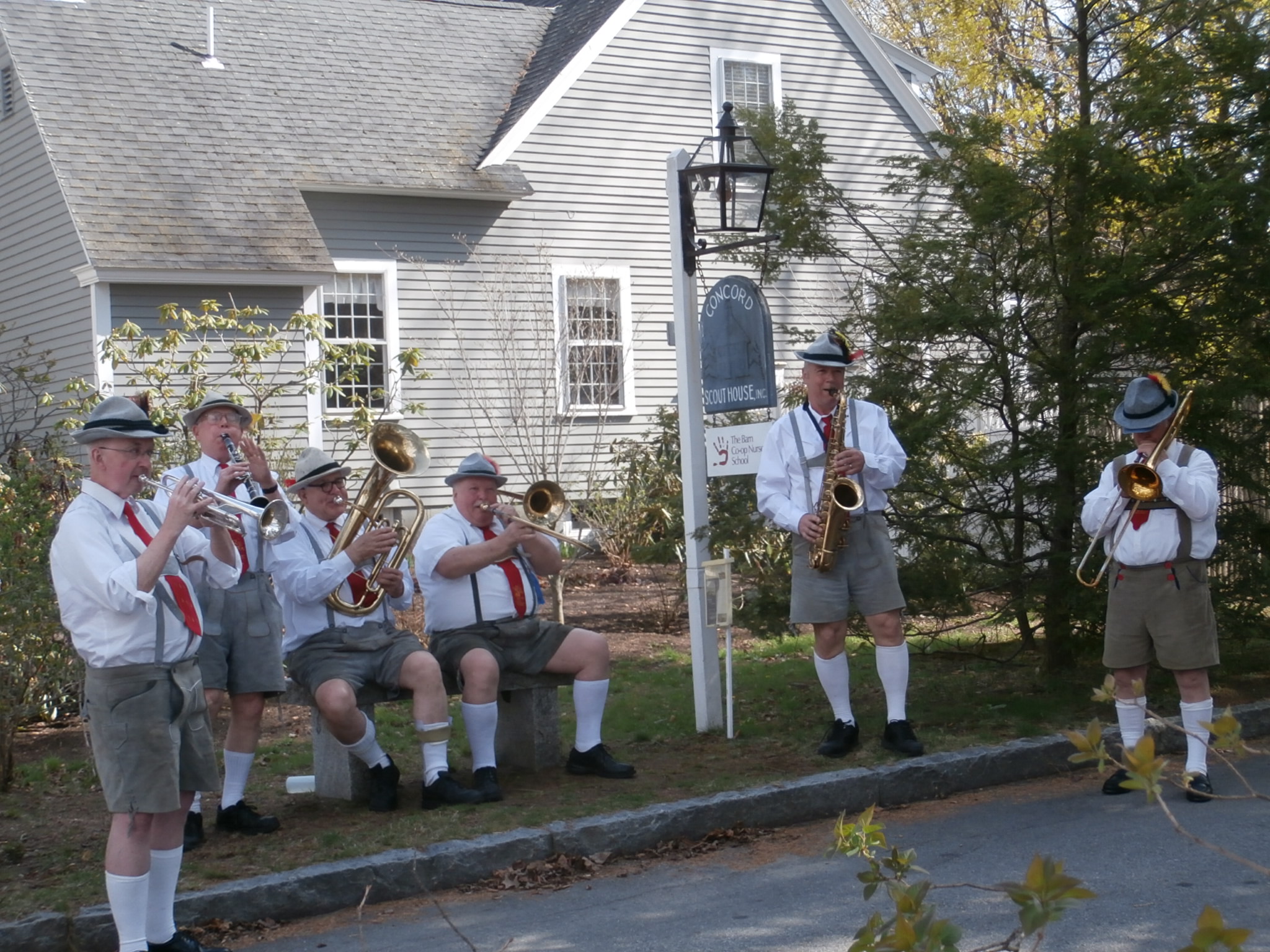
Here are a few scenes. (I have no idea why that band sprouted where it did — unless it is tied to the production of The Sound of Music, which opened last night. It does have a rather Alpine look to it.)

spring buds on tree

light and shadow


band with tuba

band practicing


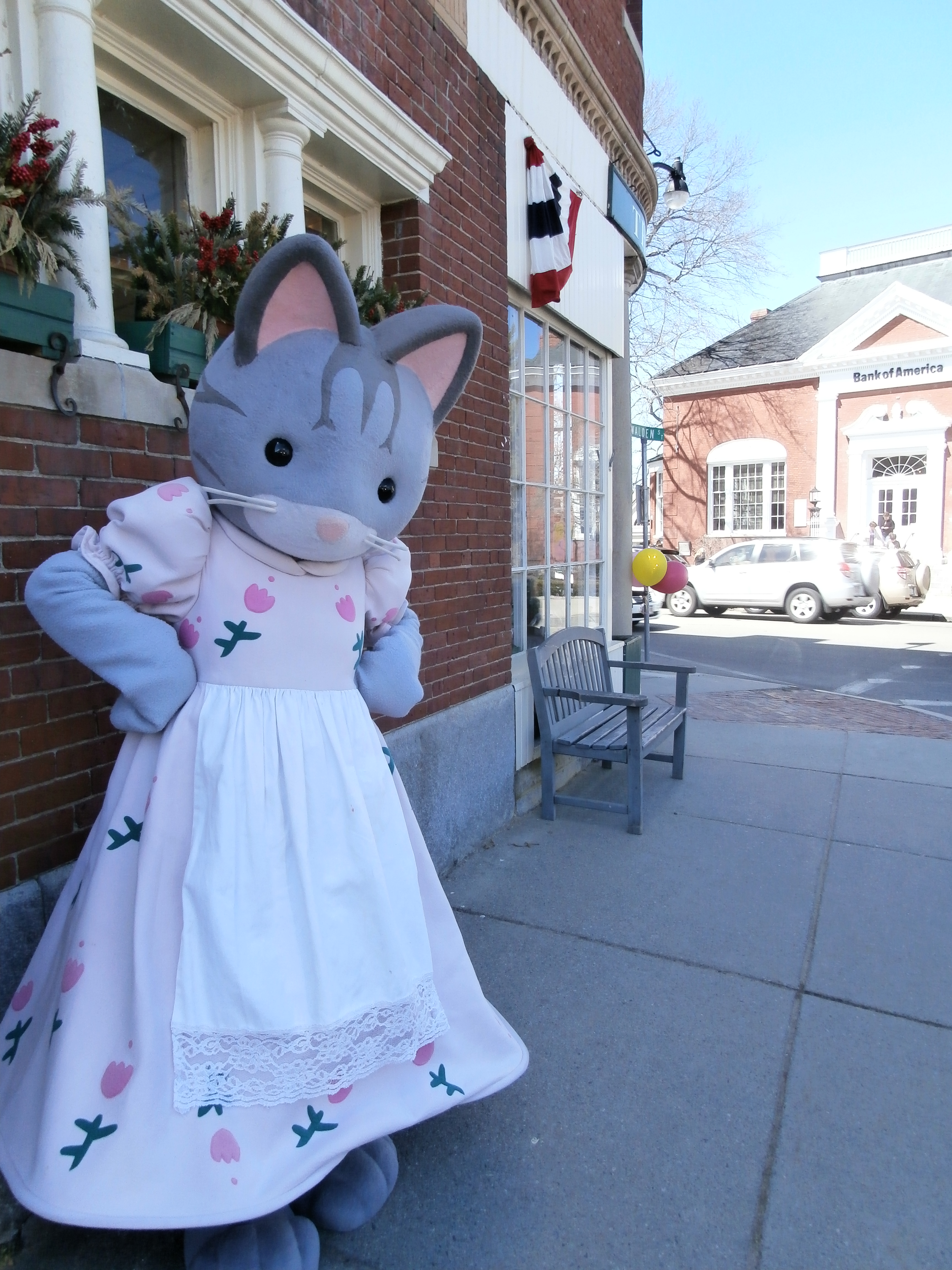
hello kitty

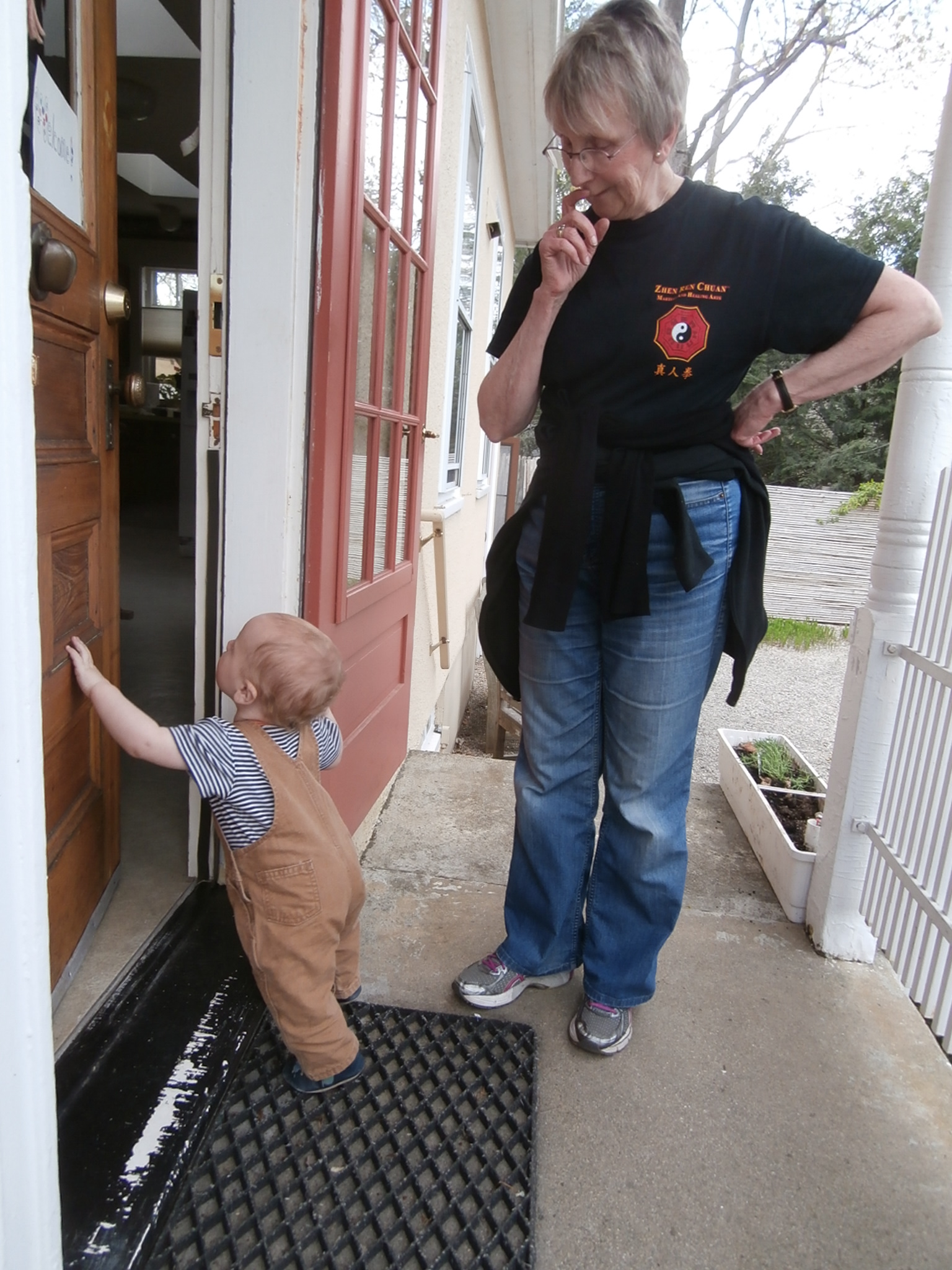
grandma and the explorer


Read Full Post »

This post’s for my daughter-in-law, who not only loves to cook but is also pretty savvy about healthful eating. I should know. I had a yummy something with orzo and mushrooms for Tofu Tuesday at my son’s house last night.

Today’s story from the NY Times is on the expanded distribution goals of a company with inventive food options currently popular with celebrities.

And, as Stephanie Strom writes, the offerings are not just for vegans.

“Organic Avenue, the tiny purveyor of high-end juices, fresh salads and specialty foods like cashew scallion cream cheese and Thai collard wraps, has hired a new chief executive with the goal of turning its new owner’s dreams of a national chain into reality.

“Martin Bates … will take charge of Organic Avenue in June. …

“ ‘I drink green juices and have done for the last year or so, but living the life of a vegan is not for me. I think there are lots of other people like me out there.’ …

“We want to grow this business around helping people who want food that’s better for them,” [investor Jonathan] Grayer said. ‘That doesn’t mean they have to be vegan. They certainly don’t have to favor raw. They don’t even have to be organic; they just have to want to be healthier.’ ”

Bates, who turned around the Pret a Manger chain, said that he is up for the challenge.

“Perhaps tellingly, he said his favorite Organic Avenue product was Dragon’s Breath, a juice that incorporates ginger, lemon and cayenne pepper. ‘Caution,’ the company’s Web site warns. ‘This shot is not for the faint at heart!’ ” More.

We are into dragons around here. I’ll have to see if I am brave enough to drink Dragon’s Breath.

Photo: Michael Falco for The New York Times
Organic Avenue, which caters to a celebrity-studded clientele, hopes to appeal to a range of healthy eaters

Read Full Post »

The Science section of the NY Times today featured some research on babies.

Sindya N. Bhanoo explains that “In Parents’ Embrace, Infants’ Heart Rates Drop.”

“New mothers quickly learn that babies quiet down when carried and rocked. Now researchers say that this calming response is actually a coordinated set of reactions, involving the nervous, motor and cardiac systems.

” ‘Dr. Kumi O. Kuroda, a neurobiologist at the Riken Brain Science Institute in Japan, led a team that used electrocardiogram measurements to monitor the heart rates of babies and mice after they were picked up and carried. Their heart rates slowed almost immediately.

“ ‘It’s very difficult for adults to relax so quickly,’ said Dr. Kuroda, whose study appears in the journal Current Biology. ‘I think it’s specific to infant physiology.’

“In the case of the mouse pups, it took only one second for the heart rate to drop. In human babies, it took about three seconds.

“The researchers worked with babies under 6 months; the response was stronger in those 3 months and younger. …

“ ‘Lions sometimes carry cubs by the mouth, and it’s known that these infants look very limp and relaxed, with their eyes closed,’ Dr. Kuroda said. ‘But nobody measured the infant response until now.’ ,,,

” ‘By the way, she added, the mother is not the only one who can have this calming effect.

“We actually also did some preliminary studies with fathers and grandmothers,’ she said. ‘And basically they can have the same effect.’ ”

More.

Worth noting, especially considering that the same Science section of the Times had a story on how people with slower heart rates tend to live longer than peers.

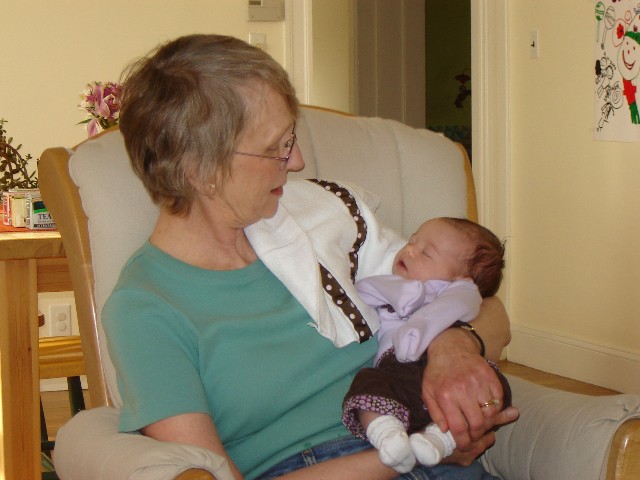
Baby_and_friend030809

Read Full Post »

Back in November, Jamie Smith Hopkins wrote for the Baltimore Sun about a group called Gather Baltimore, which “collects donations of food from farmers markets and schools and delivers them to organizations in the city for distribution to those in need.”

Hopkins says, “Gather Baltimore, the fledging group that organized the rapid harvest, does this work every week — collecting food that would otherwise go to waste and distributing it in city neighborhoods.”

“Arthur Gray Morgan, a teacher and urban farmer who founded Gather Baltimore, is a newly minted fellow with the Open Society Institute-Baltimore. His fellowship mission for the next 18 months: expand Gather Baltimore and make it sustainable. …”Morgan, who tends the Hamilton Crop Circle gardens in Northeast Baltimore, has collected and distributed free food for several years — ever since he saw how much went to waste at farmers’ markets. What couldn’t be sold wasn’t necessarily taken back to the farm. Frequently, it was tossed out.

“That bothered Morgan, who hears a frequent refrain from his students at Hamilton Elementary/Middle: ‘I’m hungry, I’m hungry.’ …

“Now he and his army of volunteers have the work down to a science — harvesting, picking up donations from local stores and stopping off at the downtown farmers’ market to cart off anything farmers want to contribute after the customers leave.”

You can help Gather Baltimore by voting for it at reddit, here.

Photograph of Arthur Gray Morgan: Baltimore Sun

Read Full Post »

Check out Big, Red & Shiny, “a non-profit arts organization and online art journal [set up to] commission and publish articles, essays and reviews that explore the theory, history and reception of art in its current conditions.”

A tweet sent me to BR&S, where I learned about a special art installation that was hung in the MassArt courtyard on Tuesday.

Stephanie Cardon of BR&S writes, “This is the story of how one student’s year long effort has brought solace and joy to a community when it is most needed. In spite of the crystalline air and brilliant sunshine, Tuesday morning was dark for Bostonians near and far. … Yet, serendipitously, it was on this day that Leah Medin poured a sheet of gold, soft as a caress and reaffirming as a cheer, onto many wounded hearts.

“Her gesture was simple, but took months of planning and painstaking work. While carefully conceived, her sculpture unintentionally came to represent the soaring expression of spirit many of us so desperately needed to find that very day.

“I met with Medin to talk about the timely unfurling of her piece, The Gold Divide, in MassArt‘s central courtyard. For those who witnessed it, the hushed voices spoke of awe and wonder and hope. I was curious to hear how the sculpture had come about, and how its transformation into a symbol affected her.

” ‘What happened Tuesday was everything I wasn’t expecting,’ she said about the overwhelming public response. After all, Medin had been planning this piece for over a year. It all started during her junior year abroad in Amsterdam, where she would ride her bike all around the city. As she biked, she took in the sun and the air.

“The fabric — 440 yards of gold crystal nylon organza stitched in 57 foot long panels — was inspired by these outings, by the sense of freedom and exhilaration they contained, by the light.  …

“On the day of the Boston Marathon, Leah Medin was still hard at work in an empty school, putting the finishing touches on the cloth, reinforcing its seams. When she heard what had happened off campus, while she was quietly and solitarily working to meet her deadline, she had a moment of doubt. ‘I called my mom. I wasn’t sure I should stick with it. She told me that now more than ever it was important to bring something beautiful to people.’

” ‘I’ve been waiting for this for a long time. Then, all of a sudden, there were all these eyes on it. On my baby! It was touching the surface and reaching inside the buildings, caressing the people, running along the ground.’ …

” ‘A lot of people have come up to me and said thank you. I don’t even know many of them. We give each other hugs.’ ” More.

See more of Leah’s work at leahmedin.com

Read Full Post »

I saw these fiddlers a couple times while waiting for the evening train to Porter Square. For weeks there were tweets: “Who are those guys?”

Steve Annear at Boston magazine got the scoop. “Two former Berklee College of Music students have made a full-time job out of playing contemporary music on their violins for the swarms of passengers that crowd the platforms of the MBTA each day.

“After meeting in 2009 outside of the school, violinists Rhett Price and Josh Knowles got together and decided to form a two-piece ensemble and perform songs while standing on the Boston Common. But when winter got too cold and their fingers ‘started to get stiff,’ Price says the pair turned to the T for a busker’s permit so they could share their songs with riders traveling on the underground transit system.

“ ‘It’s been amazing. I was really nervous at first—we were nervous about playing on the T in general, and we didn’t think any one would give us any money. But there are people who come up and [request songs],’ says Price. ‘This is what we do right now to pay bills.’ …

“Price says he and Knowles play at three stops throughout the week, including North and South Stations, and at the Harvard Square stop. In a few weeks, they’re kicking the public transportation appearance up a notch, and will travel to New York City to play for riders there.”

Um. Forget about New York. Spend more time at South Station, please.

More.

Read Full Post »

« Newer Posts - Older Posts »