Feeds:
Posts
Comments

Posts Tagged ‘rhode island’

living-under-dogwood


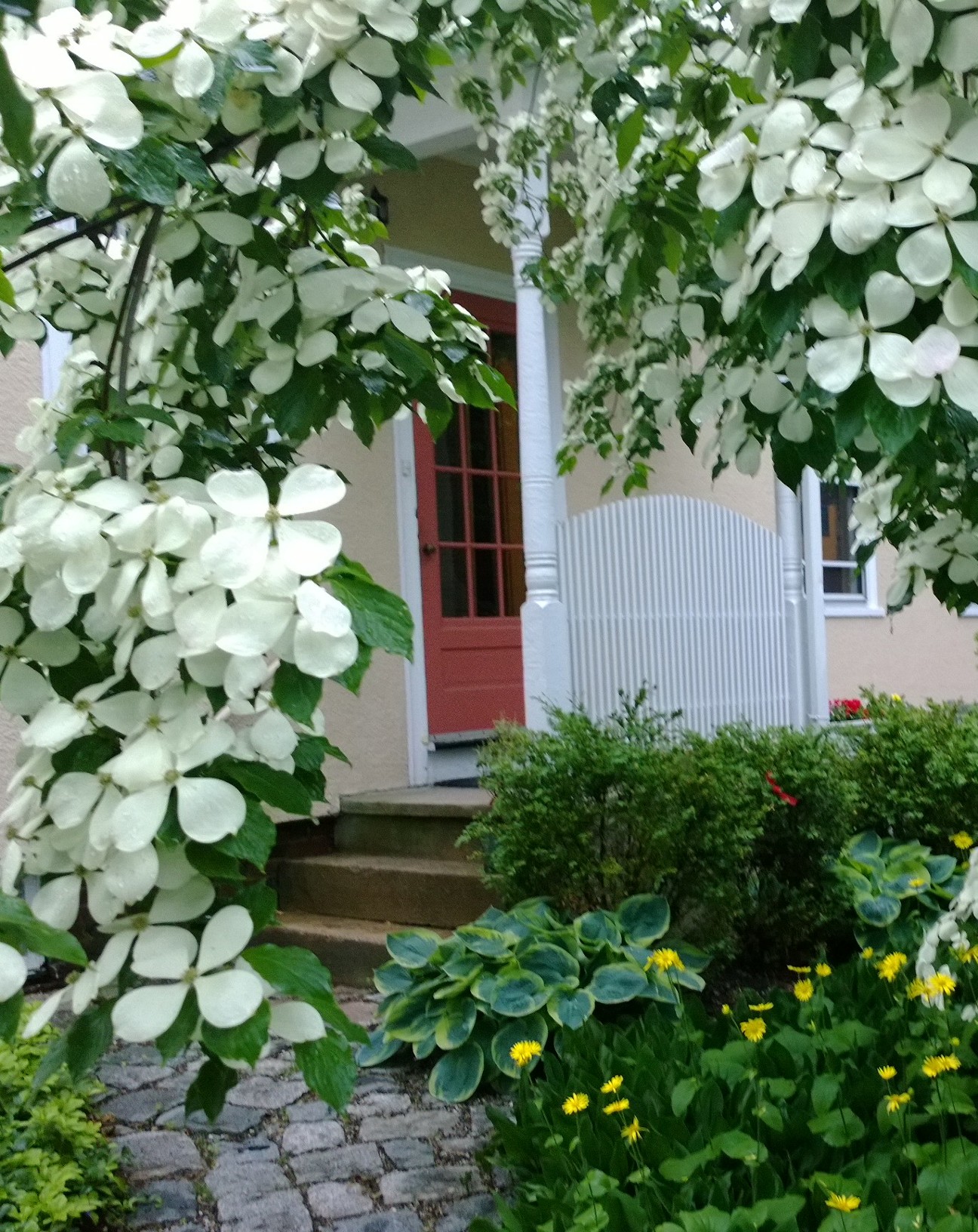
I live under a waterfall. You can’t get to my back door this time of year without crouching under a waterfall of dogwood. It’s especially true after a rain shower.

Bob has been supportive of my random photos, taken with a Nokia Lumia 1020 phone, so I’m emboldened to post them frequently, even when I don’t have much to say.

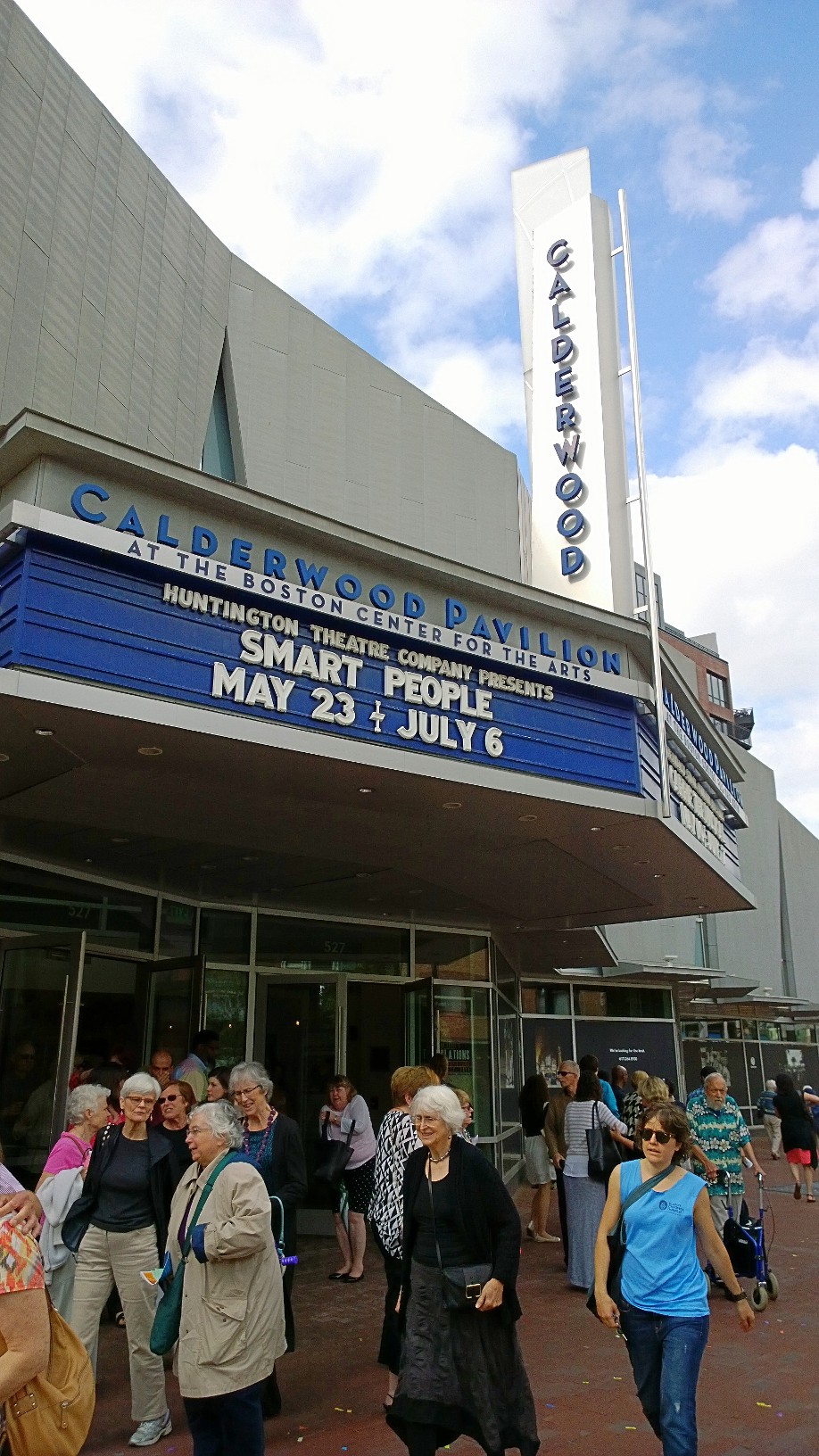
Below, you will see what else was going on in the South End yesterday when we attended a well-done play about race relations, Smart People (running through July 6).

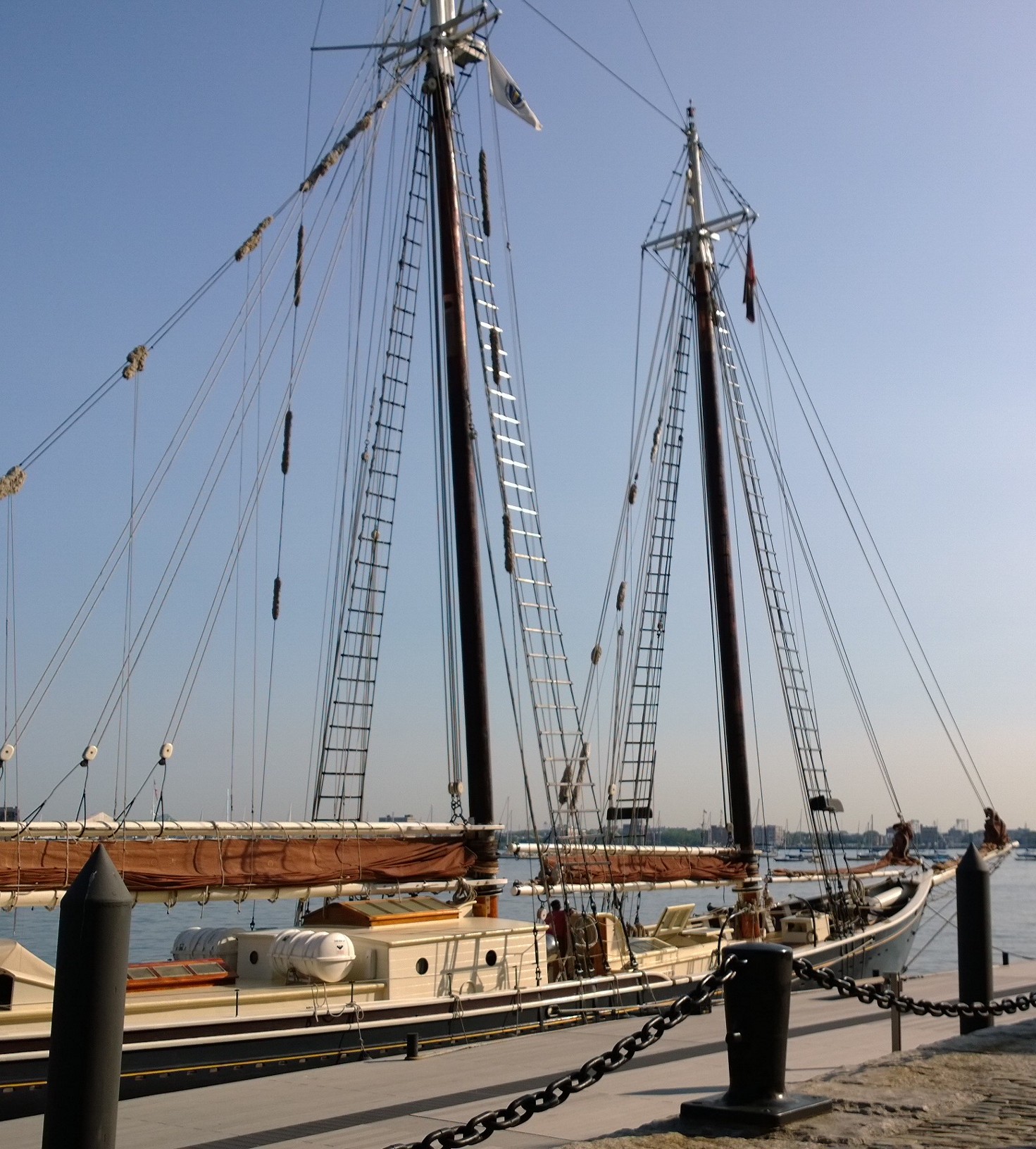
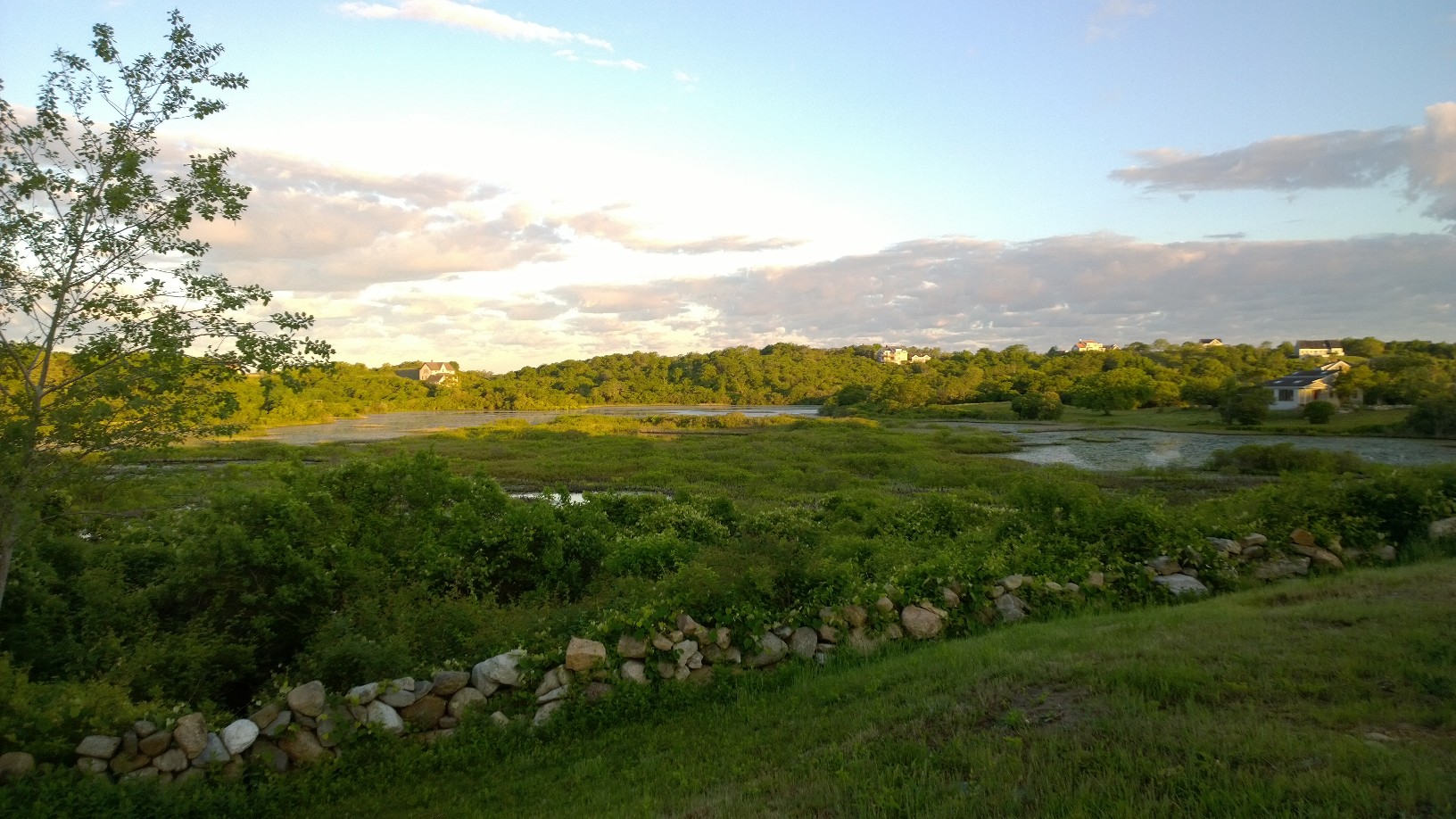
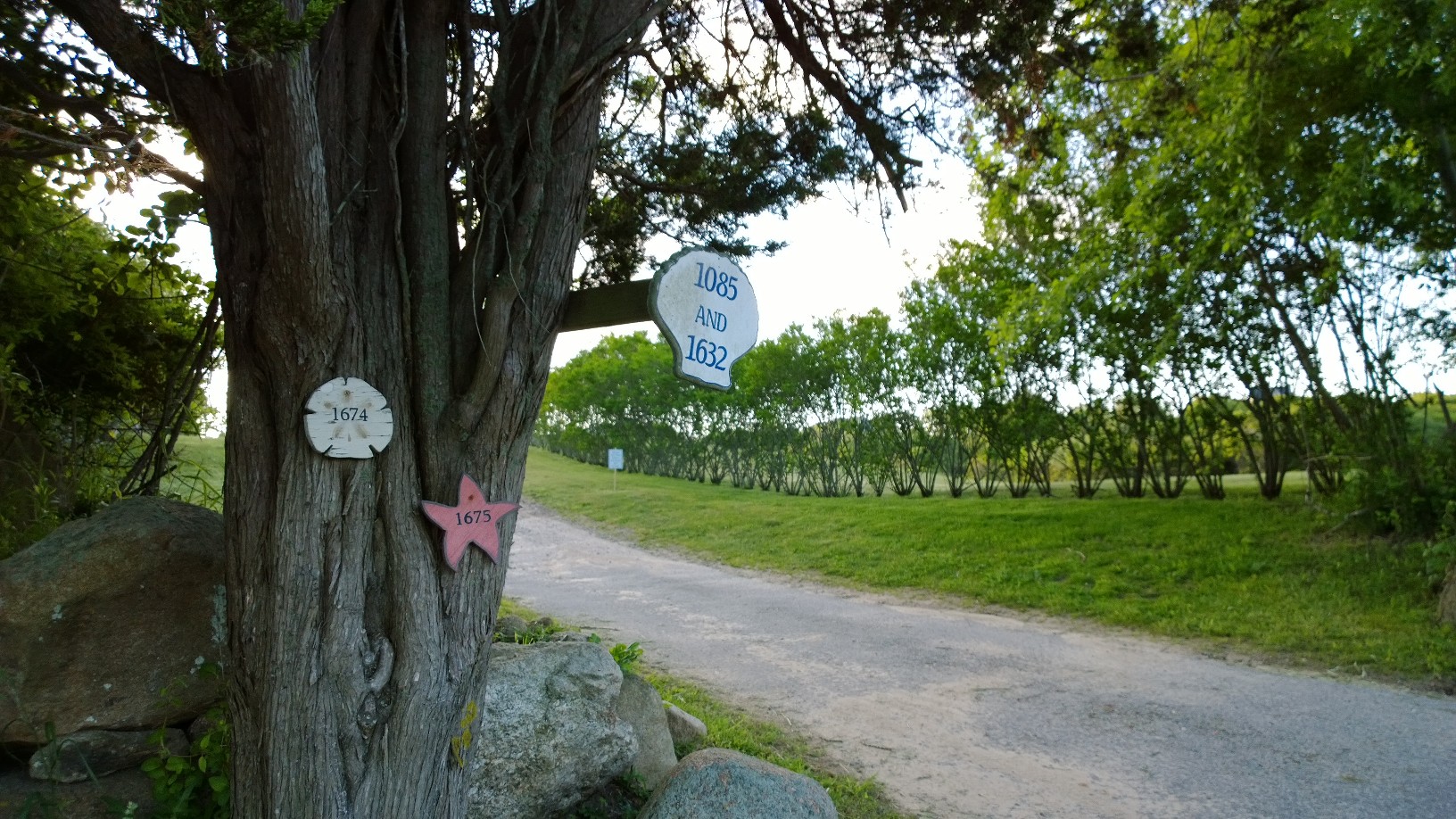
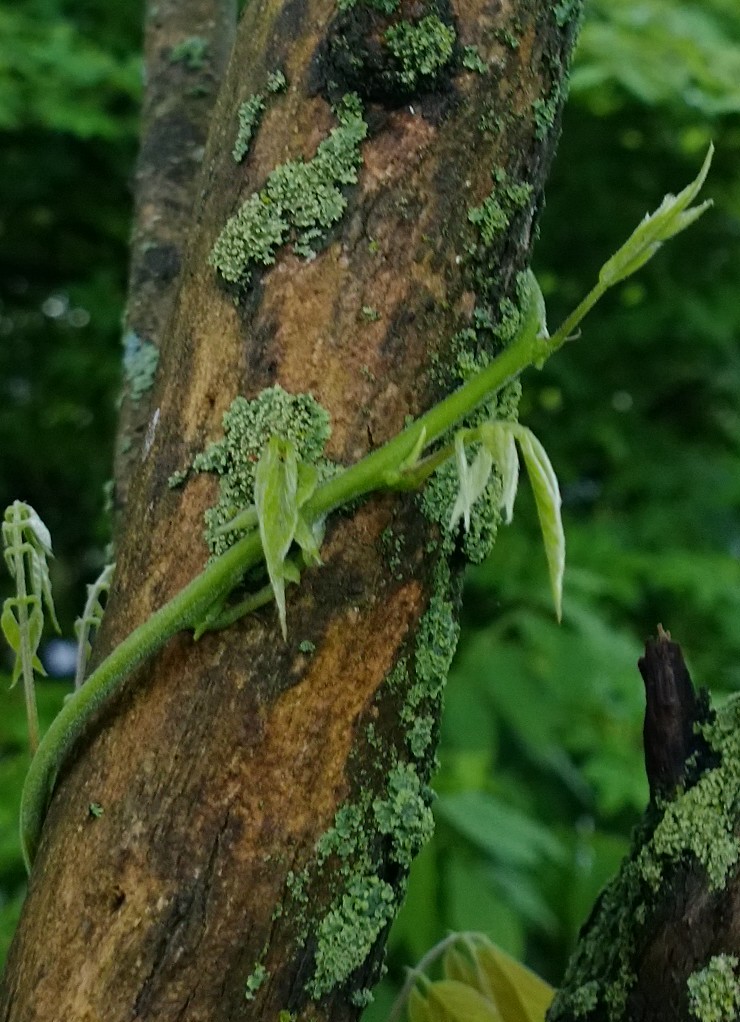
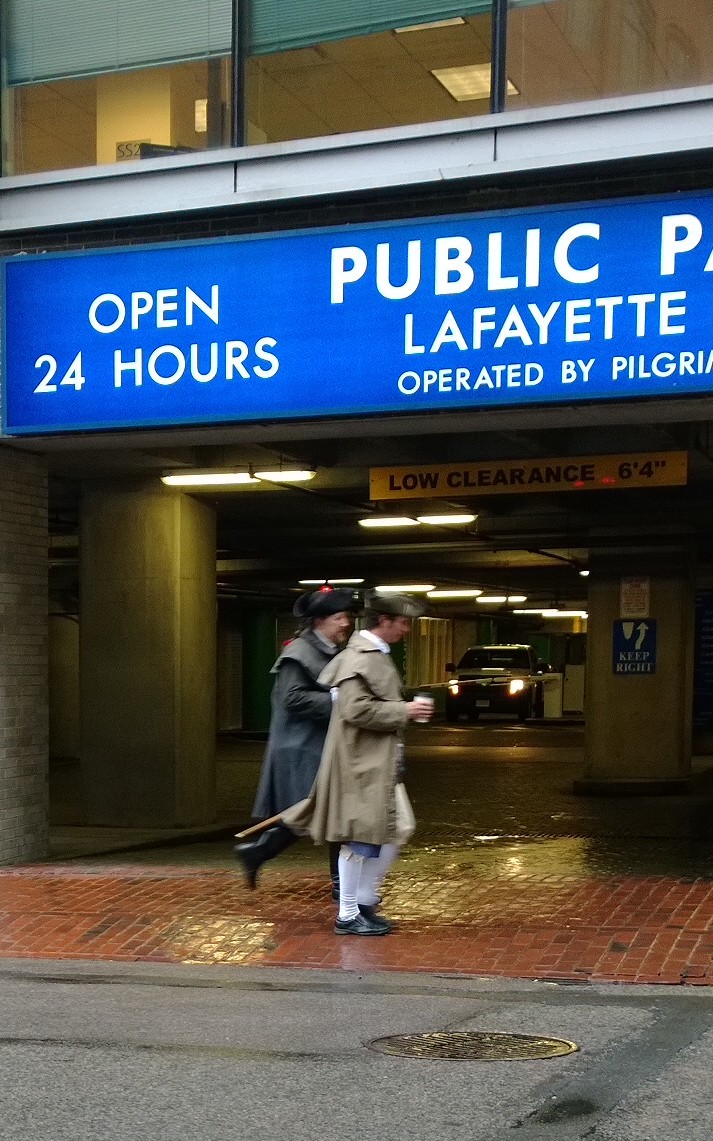
You will also note that I got interested in a climbing wisteria vine, typical Boston pedestrians in period dress, sunrise in Rhode island, and house numbers there that caught the spirit of the seashore.

smart-people-marquee


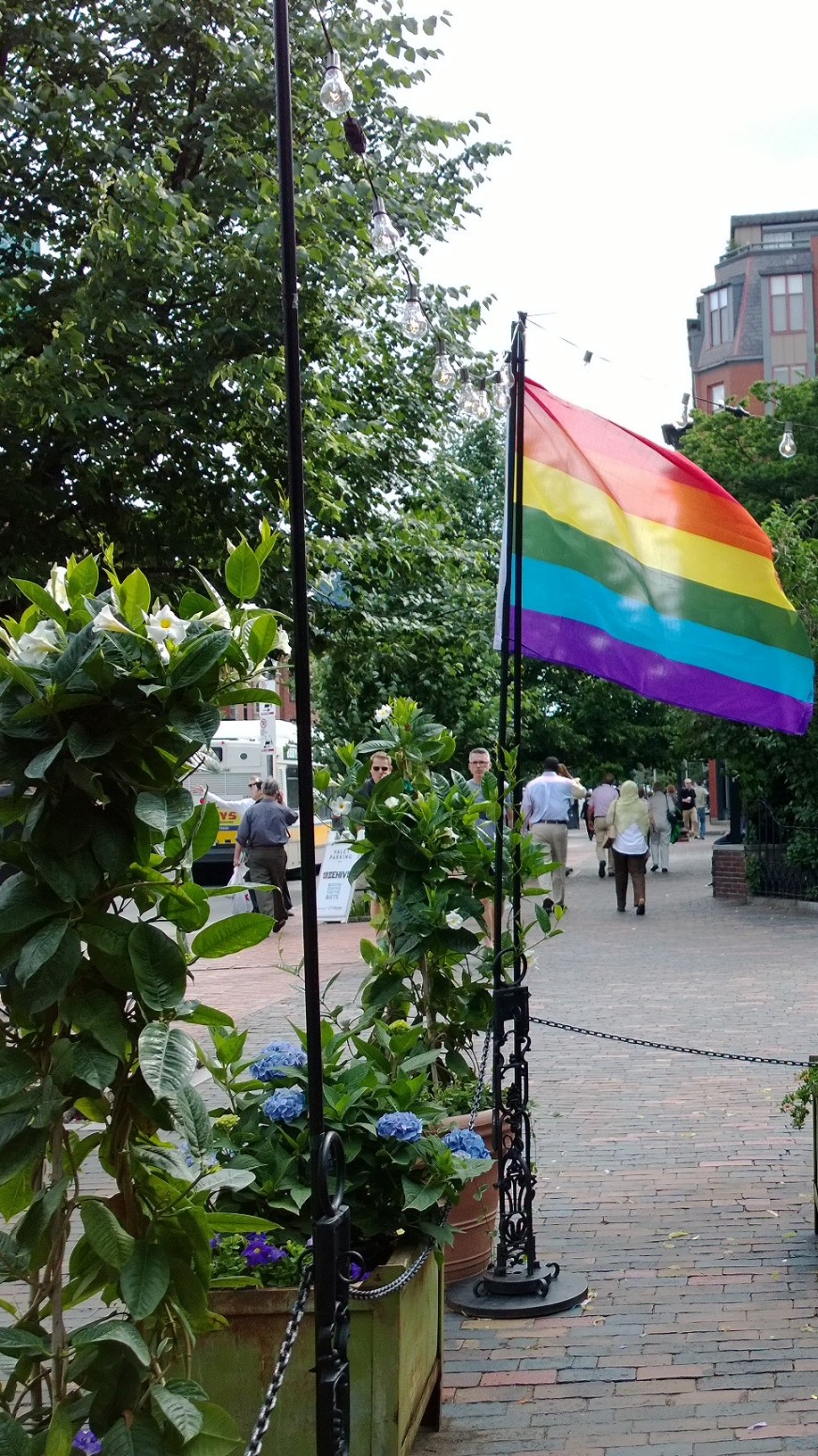
rainbow-flag-boston


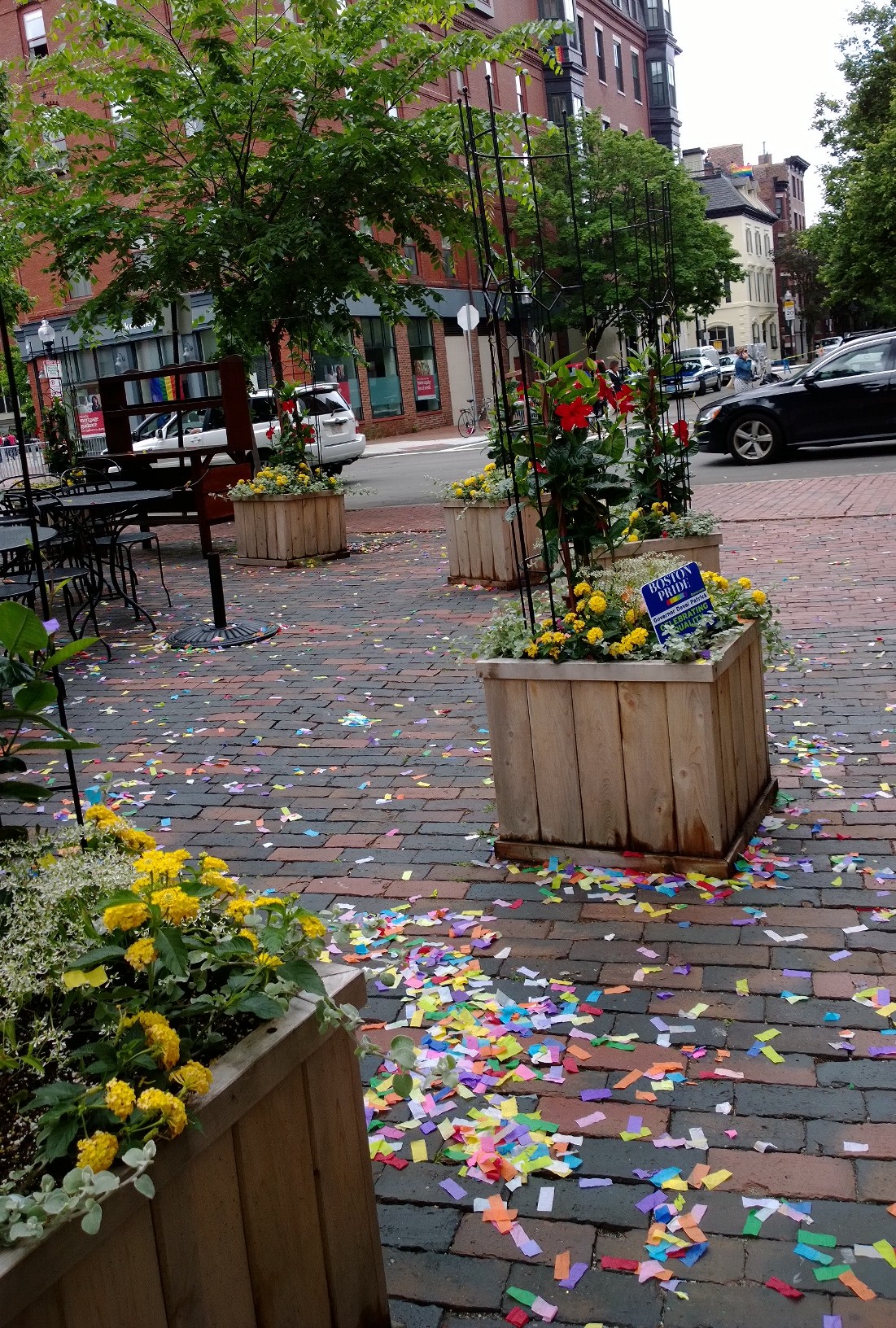
rainbow-confetti-061414


early-morning-RI


marine-house-numbers


wisteria-vine


Boston-pedestrians

Read Full Post »

potentilla


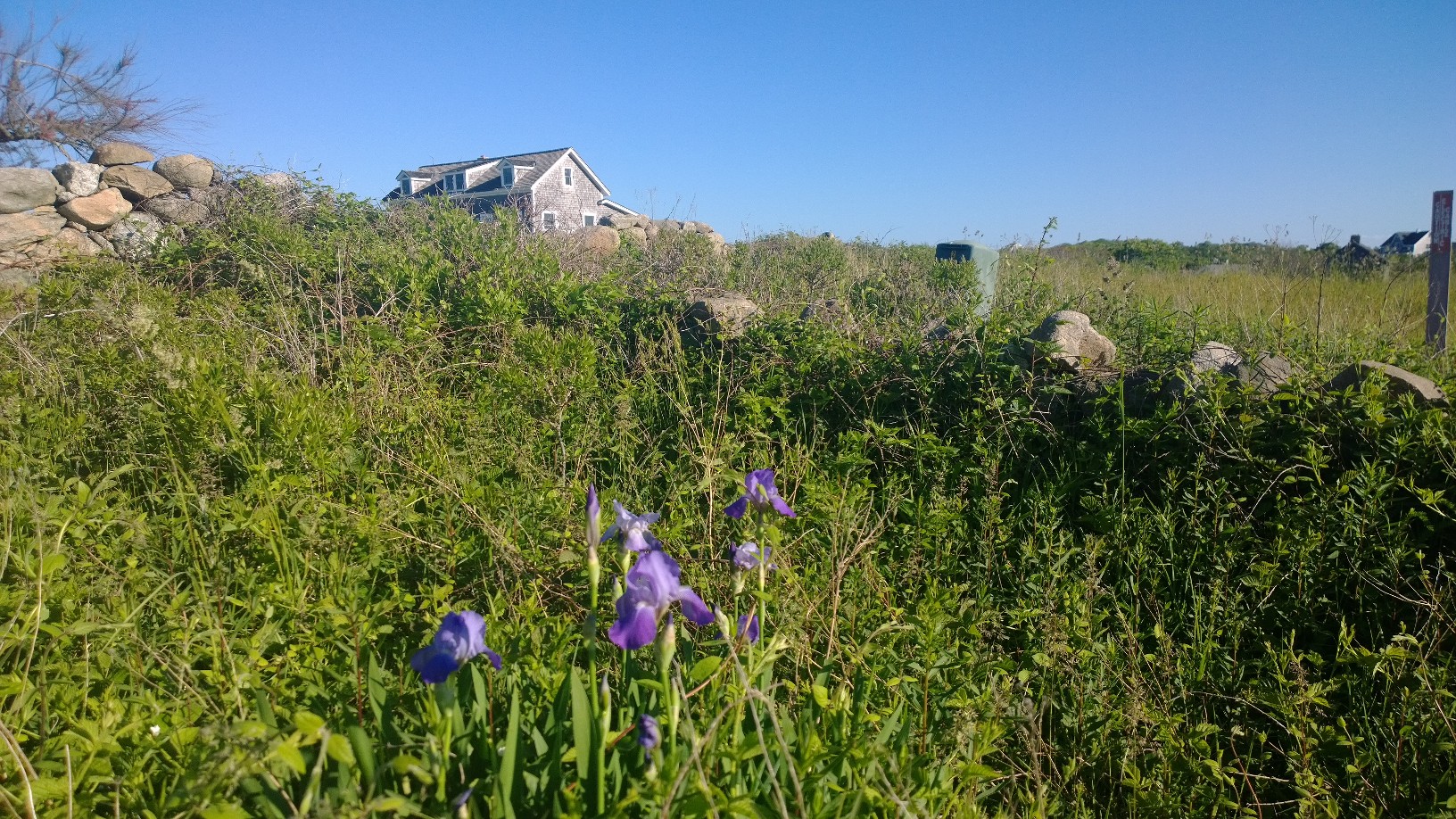
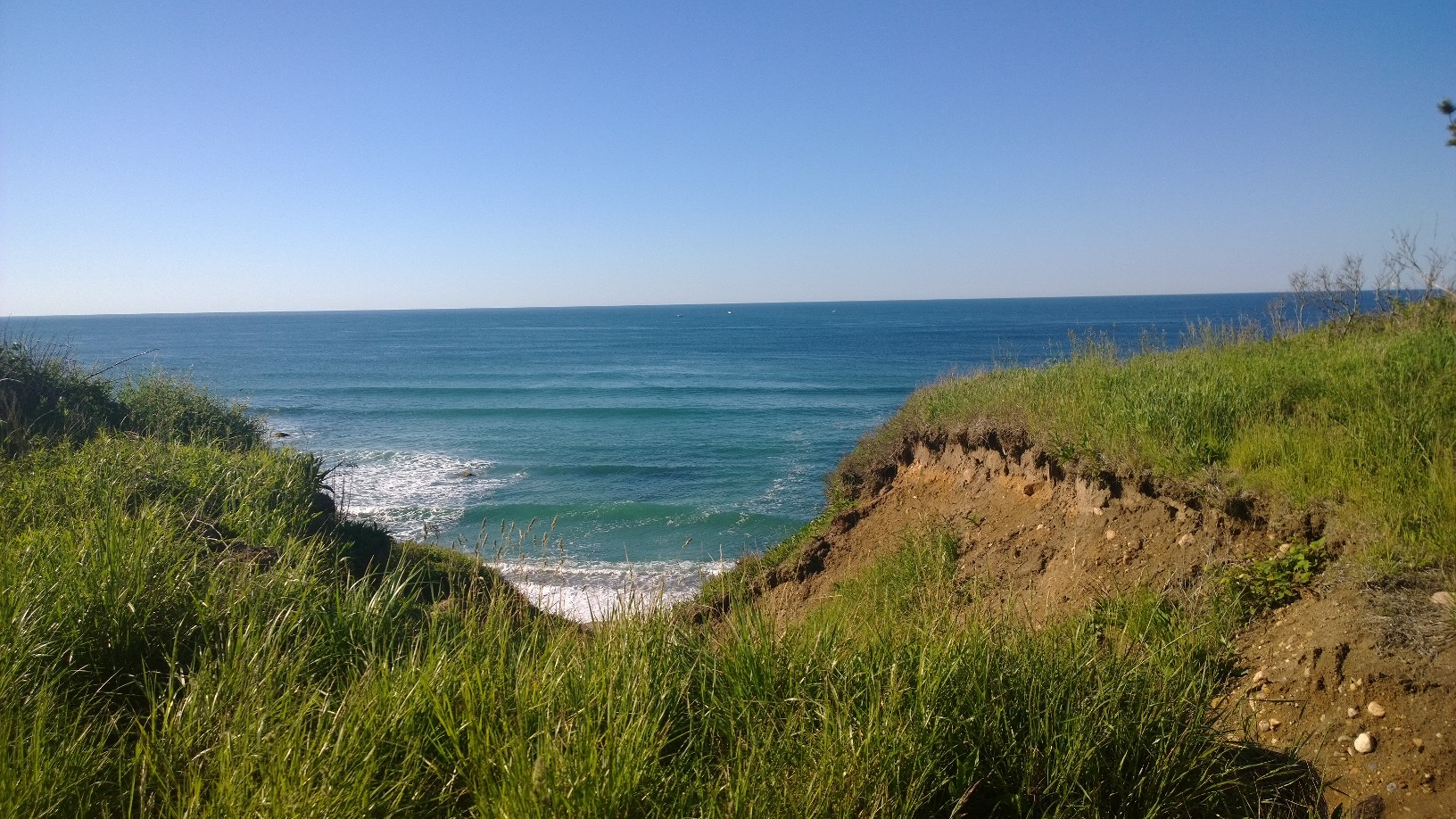
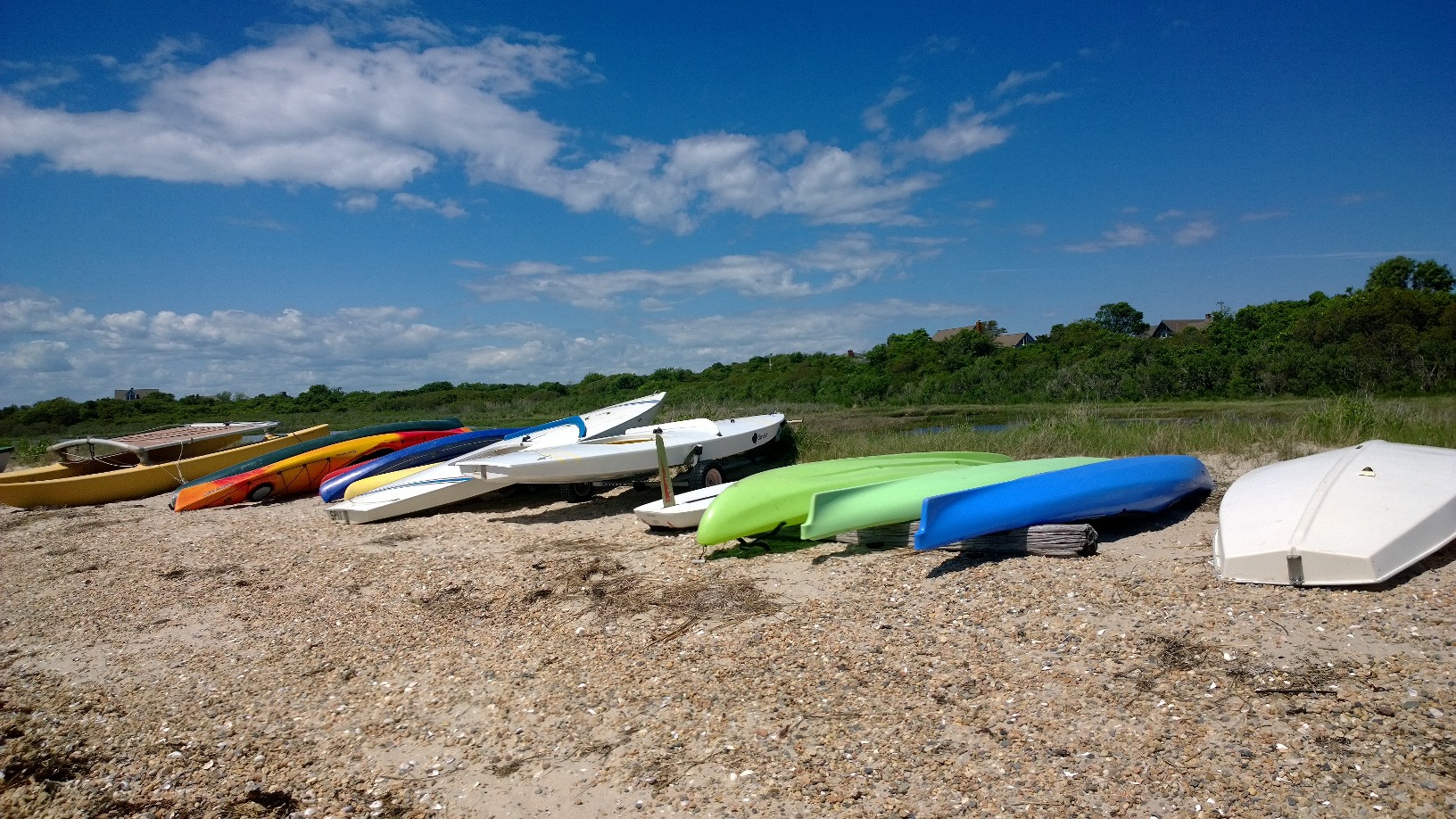
There are still some unspoiled parts of Rhode Island, and a fine day in June,  before the crowds of summer, is an ideal time to appreciate it.

Here are a few Rhode Island photographs for you.

060714-iris


sunny-RI-morning-060714

boat-hulls-blue-sky


Read Full Post »

What’s not to love about Rhode Island? OK, a few shady politicians, high unemployment, low graduation rates — I get it. But Rhode Islanders definitely overdo the “ain’t it awful” schtick.

Architectural Digest has just named Providence the best small city in America for a host of good reasons (thanks for that tip, Suzanne), and if you like “quirky,” Rhode Island has lots of that, too. No one would ever call a big state quirky. For some characteristics, small is better.

Speaking of quirky, this story was passed along by Kate C. It’s about a creative-writing instructor at Brown University who is worried enough about global warming to set up a booth in a public park to commiserate with others about the issue.

Philip Eil writes in the Providence Phoenix,  “It is a crisp Tuesday afternoon in May at Burnside Park in downtown Providence. …

“A few minutes after 2:30 pm, Kate Schapira arrives at the south entrance of the park, pulling a bright red metal hand truck. Over the next few minutes, she unpacks and arranges items from the truck: a small wooden desk; a wooden stool; a rainbow-colored beach umbrella with a white plastic stand; a box containing a stack of homemade cardboard “RI IS MY HOME” cards, each with its own labeled sketch of local flora and fauna (“Eastern Chipmunk/Tamias Striatus,” “House Sparrow/Passer Domesticus”); a glass jar labeled “DONATIONS OF 5¢ FOR ENVIRONMENTAL JUSTICE LEAGUE OF RI”; a pad of poster-sized paper with a hand drawn map of the state of Rhode Island under the words “PUT YOUR WORRIES ON THE MAP”; and two cardboard signs to be affixed to front of the table that read “CLIMATE ANXIETY COUNSELING 5¢” and “THE DOCTOR IS IN.” …

“Today is the first day of Schapira’s Climate Anxiety Counseling. Over the next four weeks, the 35-year-old poet and Brown University creative writing instructor will report to this spot, five days a week, for three hours per shift (two on Saturdays), to talk with passersby about the Earth’s changing climate.” More here.

If you have ever cherished time spent in accommodations overlooking one of Rhode Island’s magnificent beaches, you might like to stop in for a visit with the “doctor” and discuss what might be done to keep the lovely Ocean State from acquiring too much ocean.

Photo: Providence Phoenix

Read Full Post »

Photos: Above, Herreshoff Marine Museum, Bristol, RI.
Below: Suzanne’s Mom

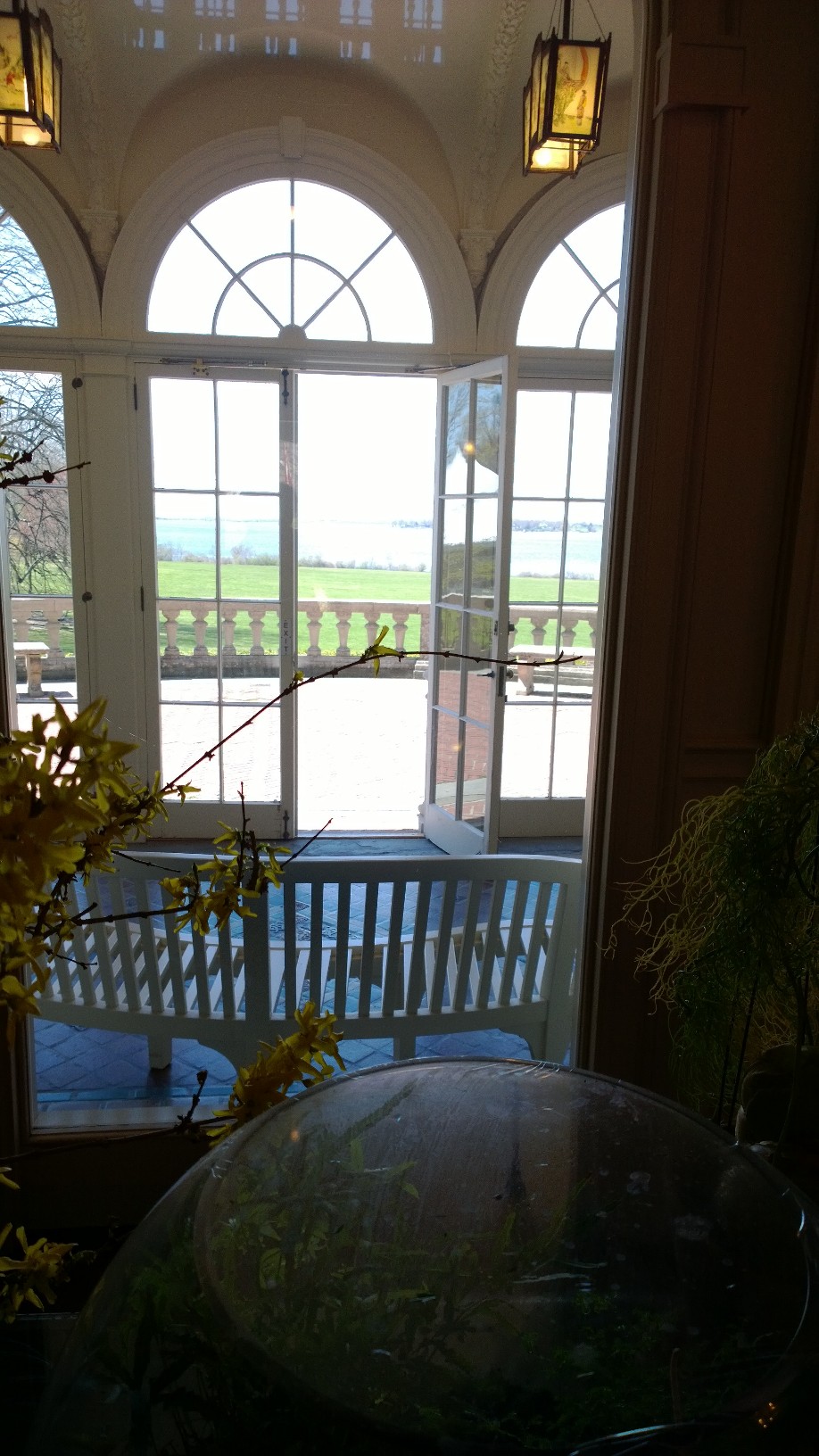
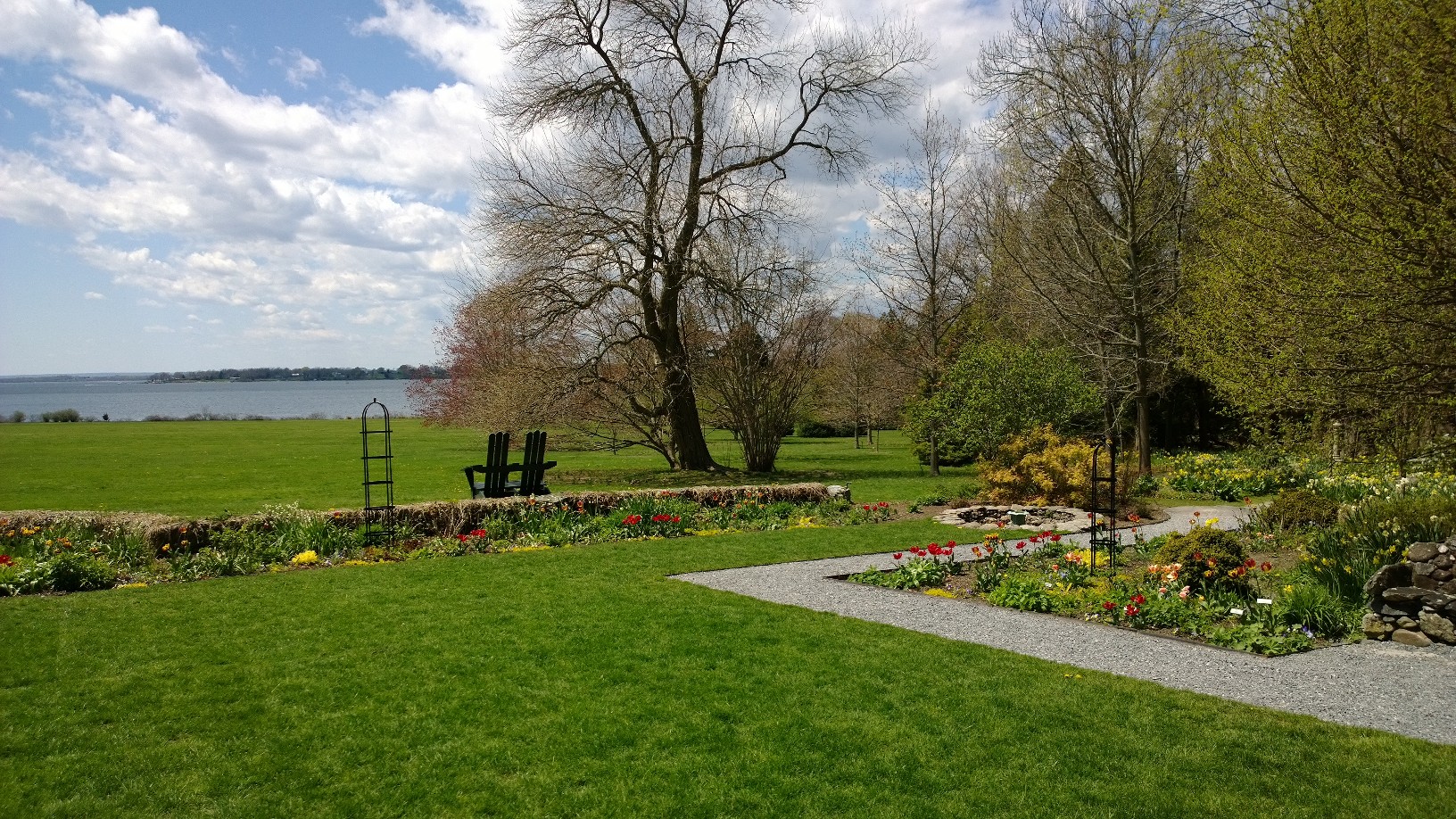
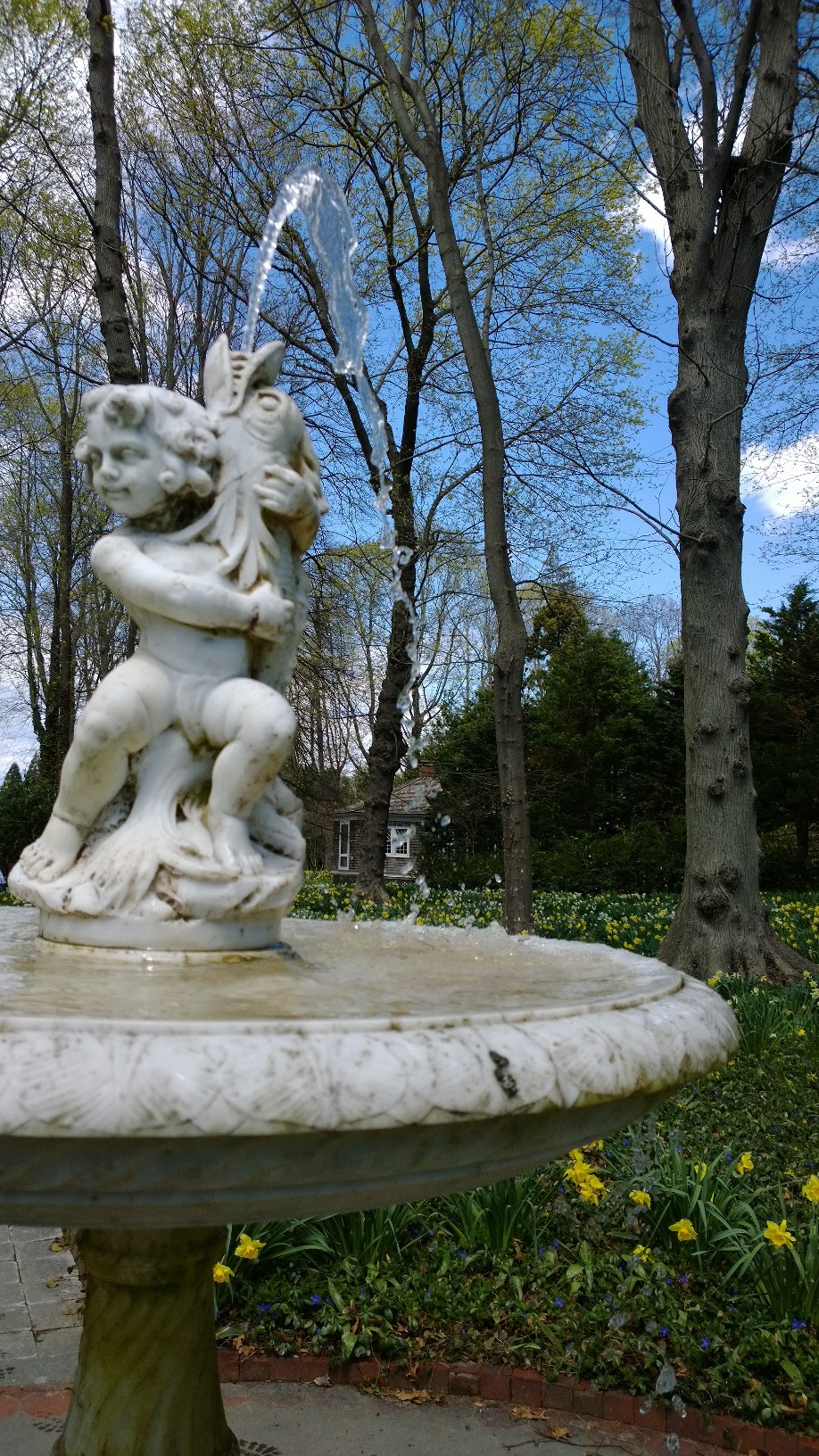
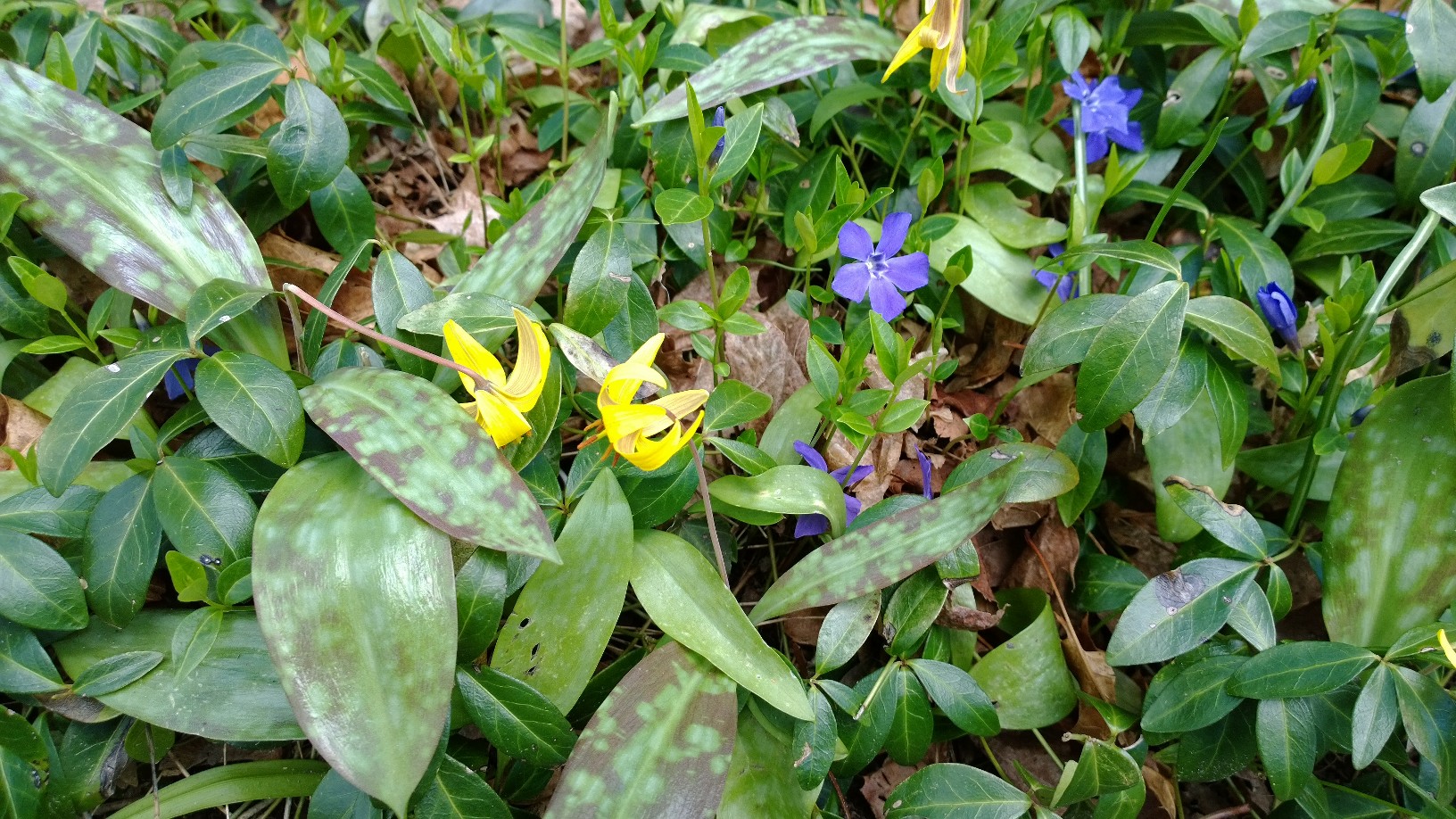
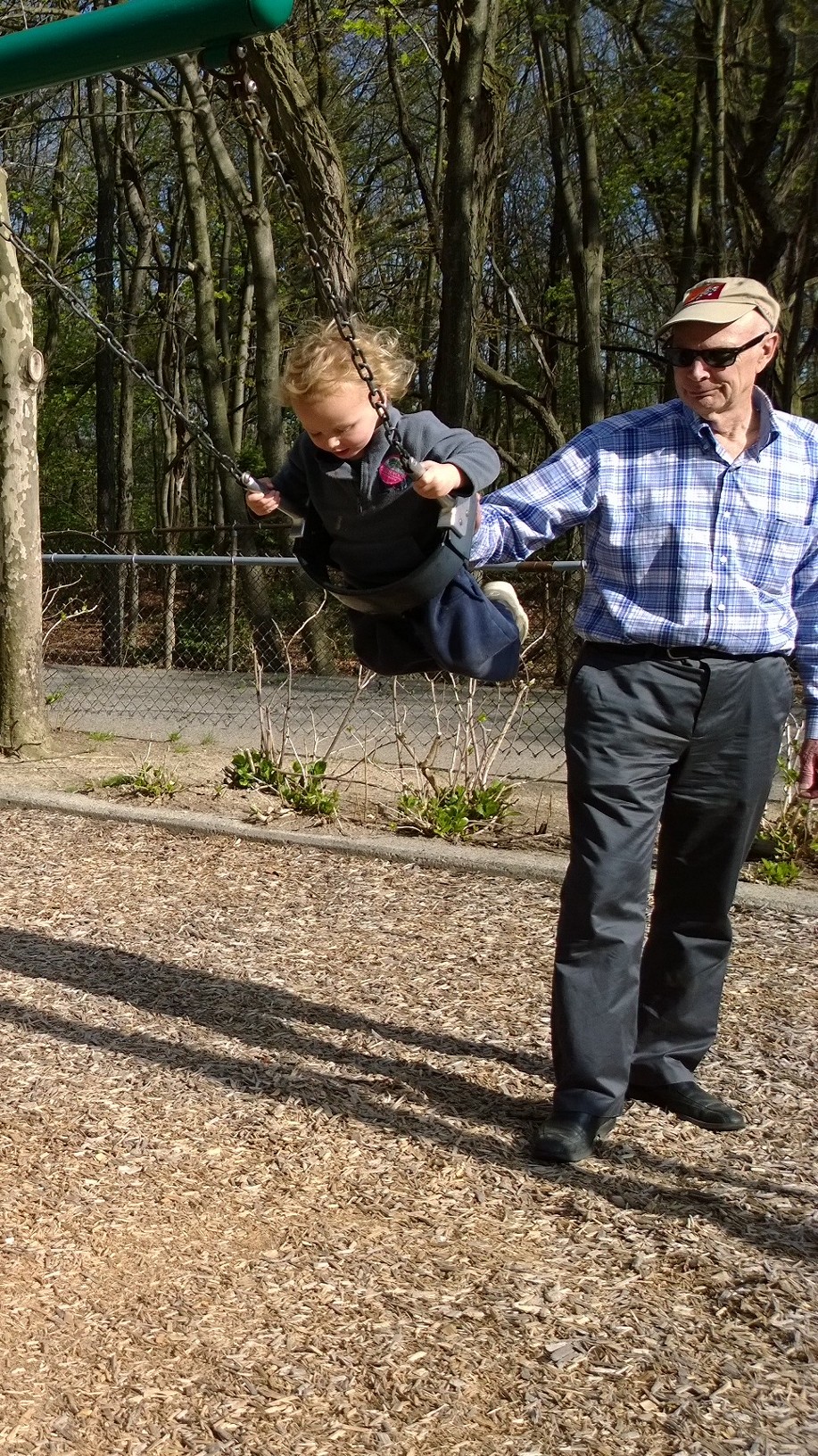
A certain napless two-year-old wore out five devoted adults in Rhode Island today — but what a fine time we had! From the Blithewold estate, to the yacht museum, to the playground, it was a grand way to spend a warm spring day near the sea.

And so, to bed … zzzzzzzzzzzz.

Blithewold-vista

Blithewold-Bristol-R!


Blithewold-flowers


fountaindog-toothed-violet


Blithewold-stone-benchMorfar-and-G-050314


Read Full Post »

Since I like to walk everyday, even going round and round indoors for much of this past winter, I was fascinated to hear about walking as a competitive sport in the 19th century.

At his WBUR radio show yesterday, Only a Game, Bill Littlefield talked to Matthew Algeo, author of Pedestrianism: When Watching People Walk Was America’s Favorite Sport.

Here’s Algeo: “Edward Payson Weston was a door-to-door books salesman from Providence, R.I. In the autumn of 1860, he made a bet with a friend on the outcome of that year’s presidential election. Weston bet that Lincoln would lose, and, of course, Weston lost the bet. The loser had to walk from Boston to Washington in 10 days and arrive in time to witness the inauguration of Lincoln on March 4, 1861.

“So Weston set out and made his way south. Of course, this was a very tense time in American history. Southern states began seceding. There wasn’t a lot of good, uplifting news. And the idea that this guy would walk from Boston to Washington in the middle of winter on terrible roads — it really did capture the imagination of the public, especially along the East Coast. Huge crowds would turn out to see him just walk through their town. Weston didn’t make it in time. He was four hours late to the inauguration. He did meet Lincoln a couple of days later and Lincoln offered to pay his rail fare home, but Weston said he would try to walk home. But the Civil War intervened.”

Littlefield then refers to Weston as one half of “the first great rivalry in the annals of American sports” and asks Algeo who the other half was.

“Daniel O’Leary, an Irish immigrant from Chicago,” says the author. “And what happened was Weston, to capitalize on his fame, decided to take his act indoors. He began walking inside roller rinks, and he would try to walk say 100 miles in 24 hours and charge people a dime for the pleasure of watching him walk in circles all day. This proved immensely popular — thousands of people would do it. Naturally competitors rose up and Daniel O’Leary actually walked 100 miles in 22 hours. And so he bested Weston’s record and so that set up the big showdown in 1875 that you mentioned. It was a 500-mile race over six days between Weston and O’Leary. …

“They would draw a dirt track on the floor of an arena. … The competitors would be sent off, and they would walk continuously day and night for six days right up until midnight the following Saturday night. And the rules were pretty simple: whoever walked the farthest was the winner.” Read more here, where you also can listen to the interview and read Littlefield’s book review.


Read Full Post »

Photo: The Slater Mill, Pawtucket, Rhode Island, bears the name of Samuel Slater, the father of the American Industrial Revolution.

Suzanne is interested in textiles as well as jewelry. (Check out the little purses she had made for Luna & Stella using weavers in Bhutan, here.) So I wasn’t surprised when she passed along an article from the NY Times on the U.S. textile industry today.

It seems that in addition to artists who create textiles for artistic purposes (see yesterday’s post), niche textile businesses still exist in the United States.

Rivka Galchen writes, “In 1776, America didn’t have a single textile mill. There were no spinning mules, no water-powered looms. There were only rumors of what such things might look like … Nearly every American woman, except the wealthiest, knew how to spin her own yarn and weave her own cloth …

“Samuel Slater was 14 when he began working at a cotton-spinning mill in Derbyshire, England. Seven years later, in 1789, he disguised himself as a farmer to pass English customs and board a ship to the United States. When he arrived in America, he got a mechanized loom up and running, then a textile factory and later factory towns, eventually becoming known as both Slater the Traitor and the father of the American Industrial Revolution.”

In 2010, Galchen continues, photographer Christopher Payne “came across a yarn mill in Maine and was transfixed by the way it seemed to exist both in the past and the present; it became the first textile mill he photographed.” He has since photographed more than 20.

“Langhorne Carpet Company, in Penndel, Pa., used to share its building with a hosier, but that business closed long ago. … On the day I visited, a young man in a hooded sweatshirt and jeans was making a five-color runner on one of the narrow looms, while an older man in a denim smock was restringing a broad one; 5,040 spools of yarn needed to be knotted on.

“ ‘We’ve stayed in business because we’ll take a 20-yard order, that’s our niche,’ said Langhorne’s president, Bill Morrow, whose grandfather and great-grandfather founded the company in 1930. … Langhorne has made reproductions of historic carpets for the Frederick Douglass house in Washington; the Congress Hall of Philadelphia; and the Rutherford B. Hayes home in Fremont, Ohio. …

“Langhorne employs about 40 people, whom it trains in-house. When a machine needs a new part, it is specially forged. ‘We’ve bought a lot of [our] machinery from other companies that have closed down,’ Morrow said.” More here.

Kind of nice to know that not all manufacturing has gone overseas. American ingenuity still can create jobs doing specialty work, training people in-house.

Read Full Post »
blue-flower

The word is we are to expect a dusting of snow tomorrow. So before I start taking winter photographs, I think I will round up a few from balmier days.

What are these pictures of? you ask.

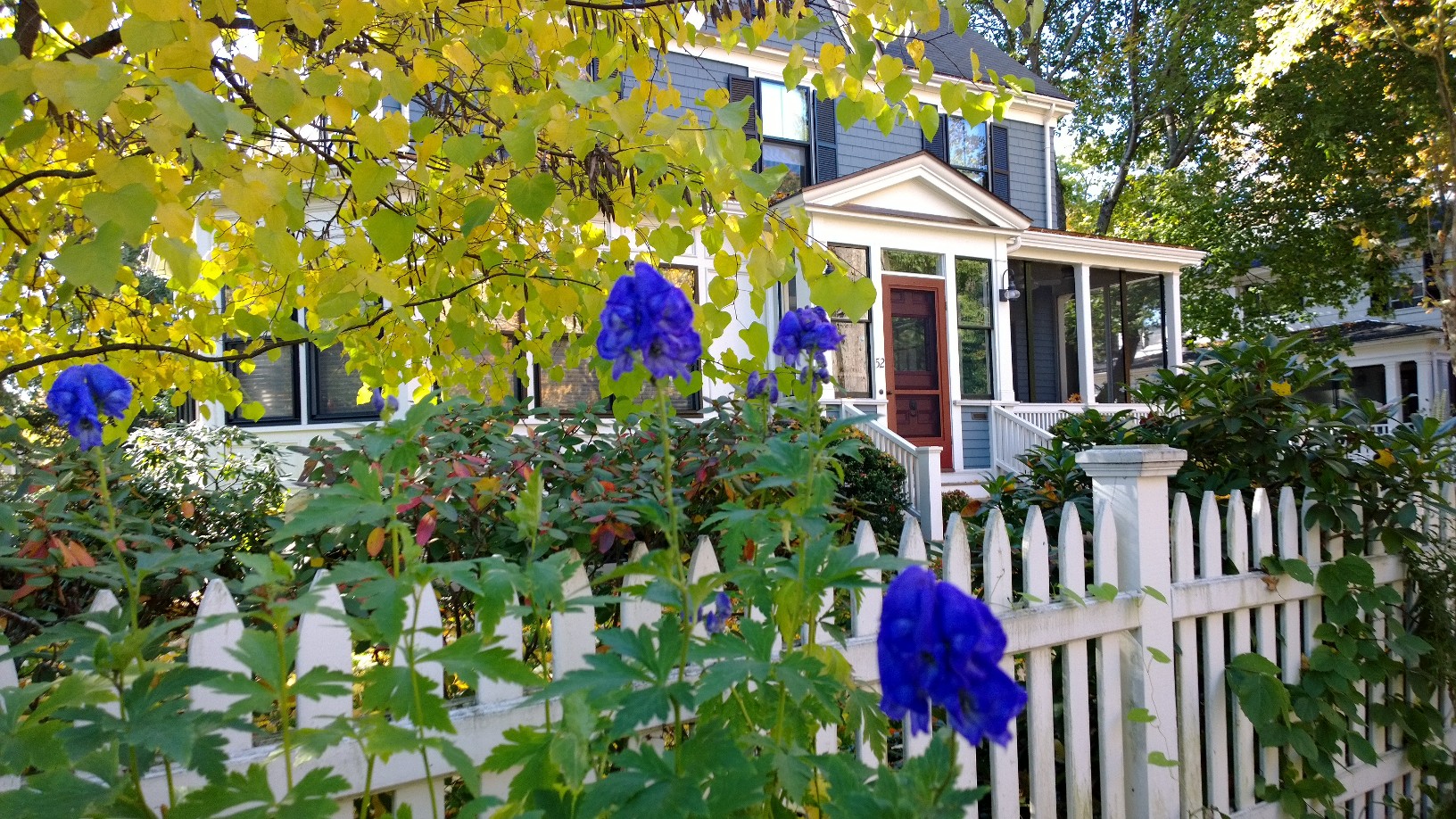
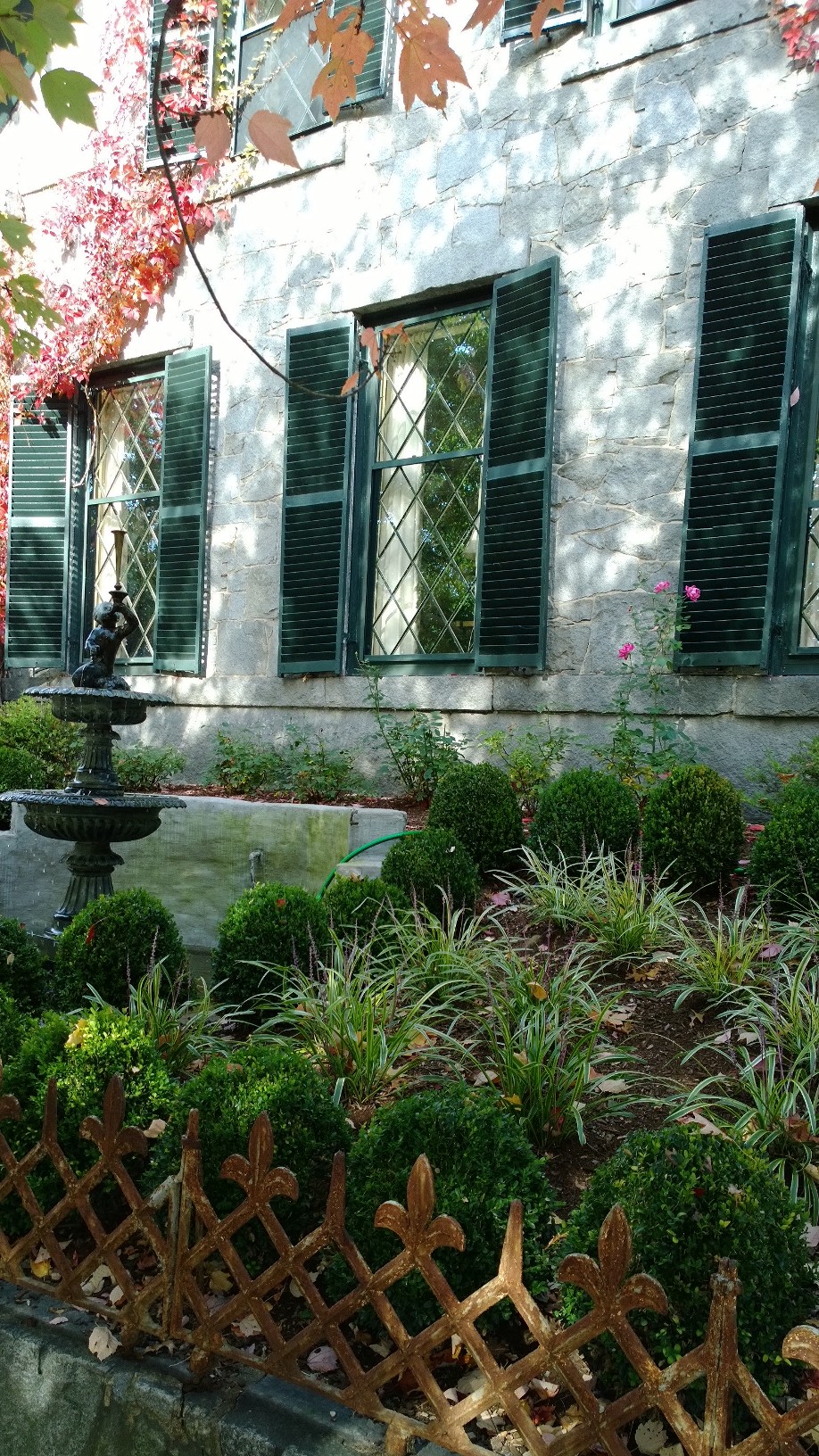
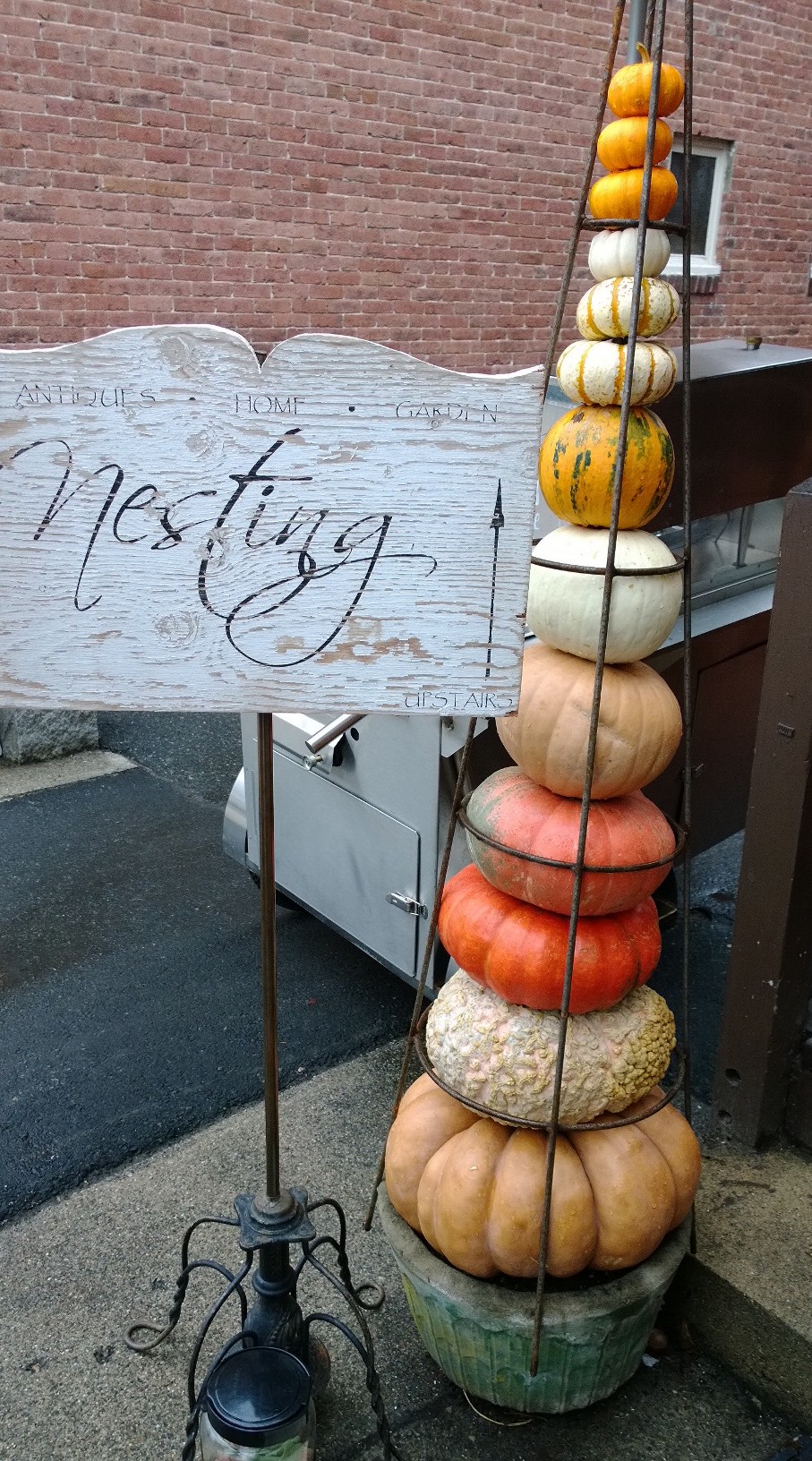
In Concord: mysterious blue flowers (I need to ask MisterSmartyPlants.com about them), a French style house, and a flower box at the second-floor shop called Nesting.

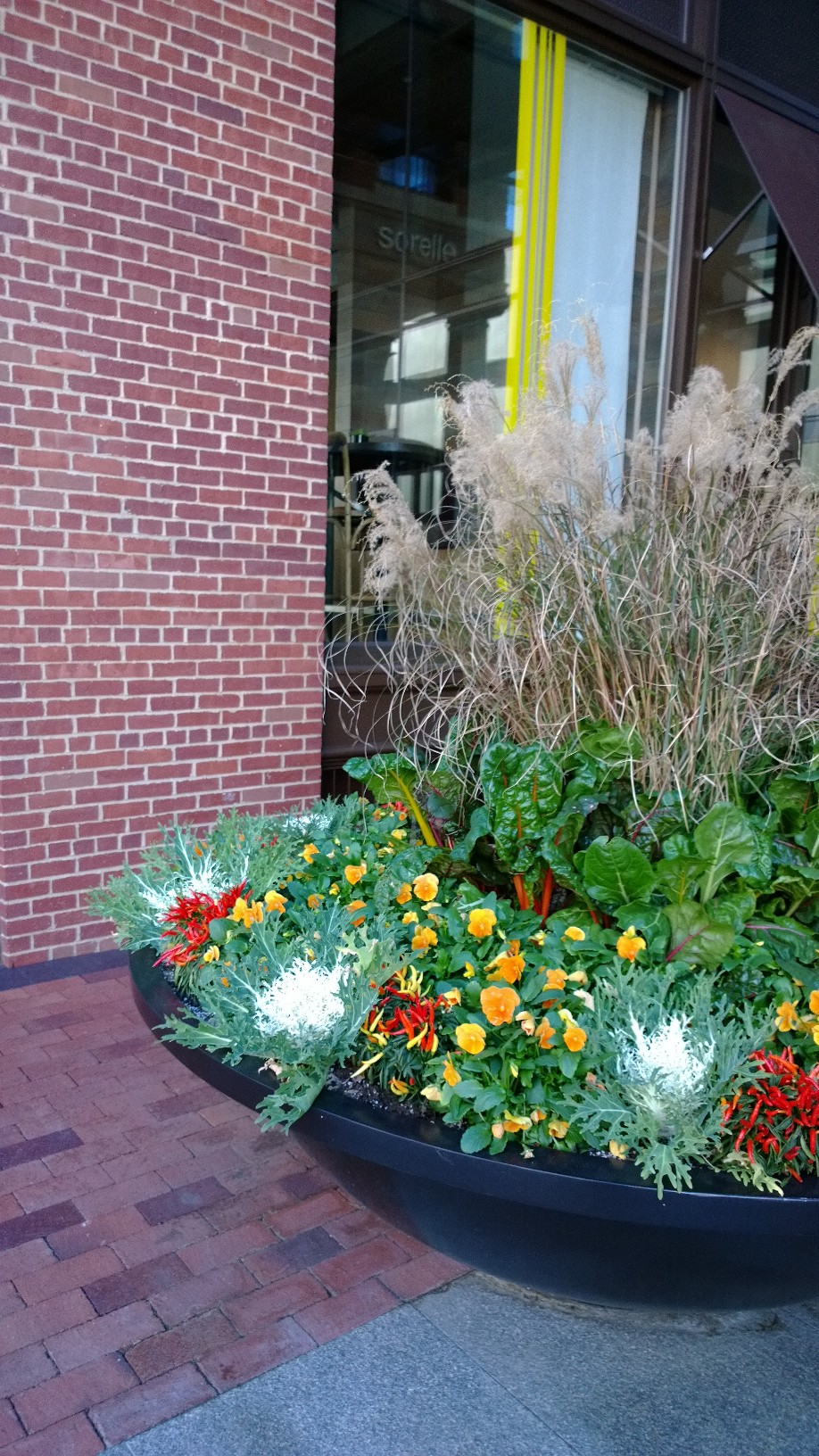
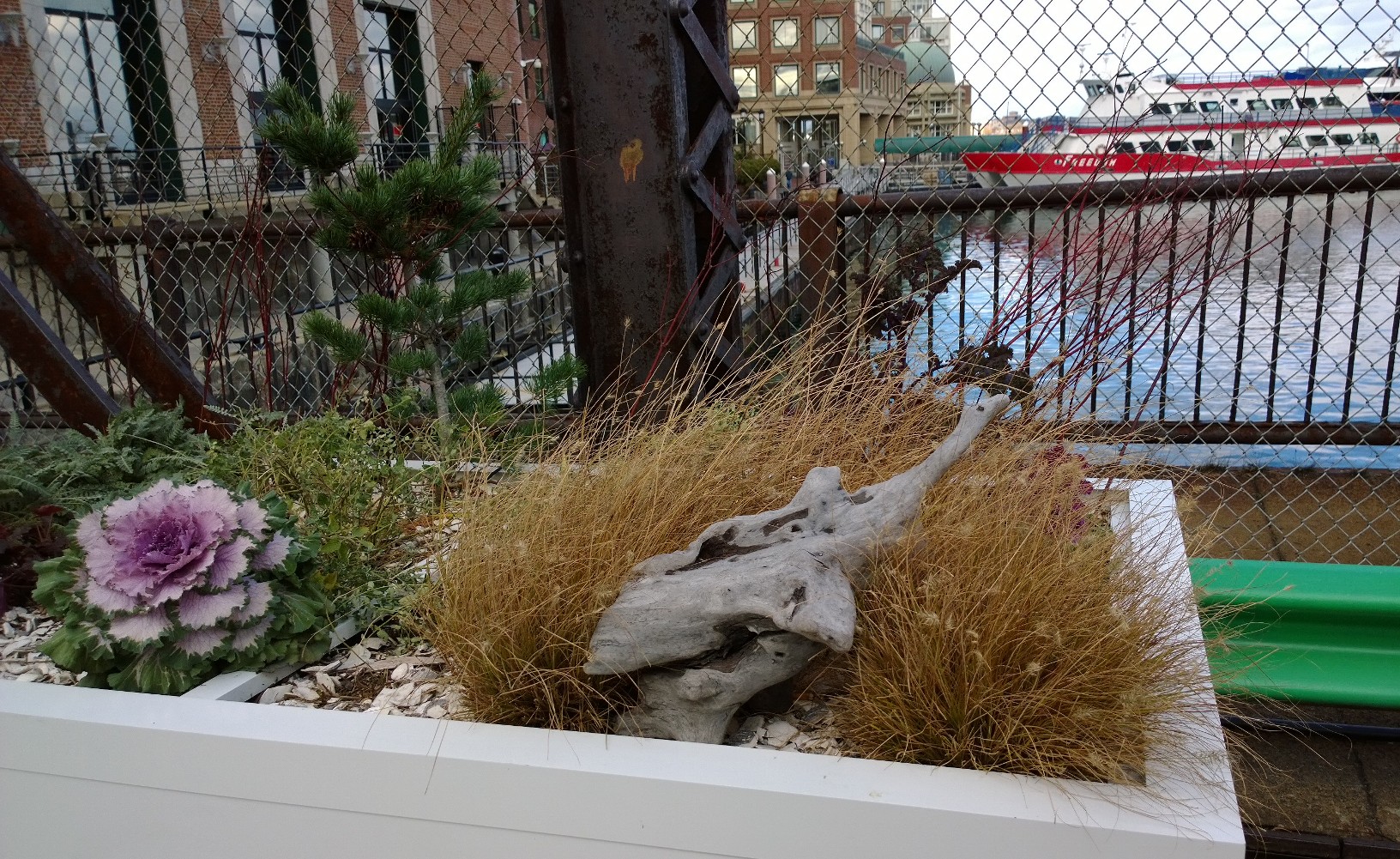
In Boston: An autumnal plant display on Congress Street and another on the Northern Avenue bridge overlooking Boston Harbor.

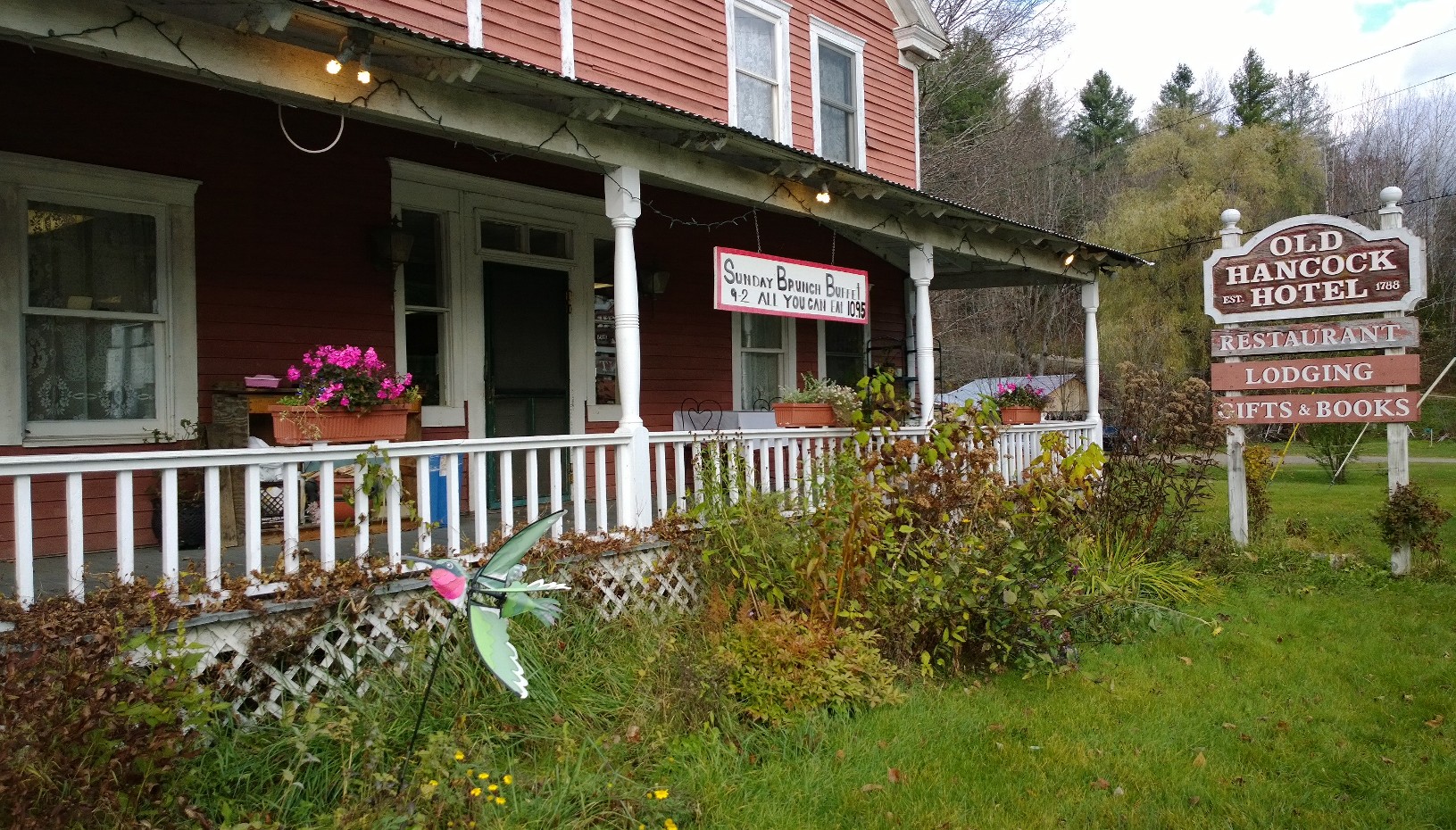
In Vermont: an all-you-can-eat breakfast inn.

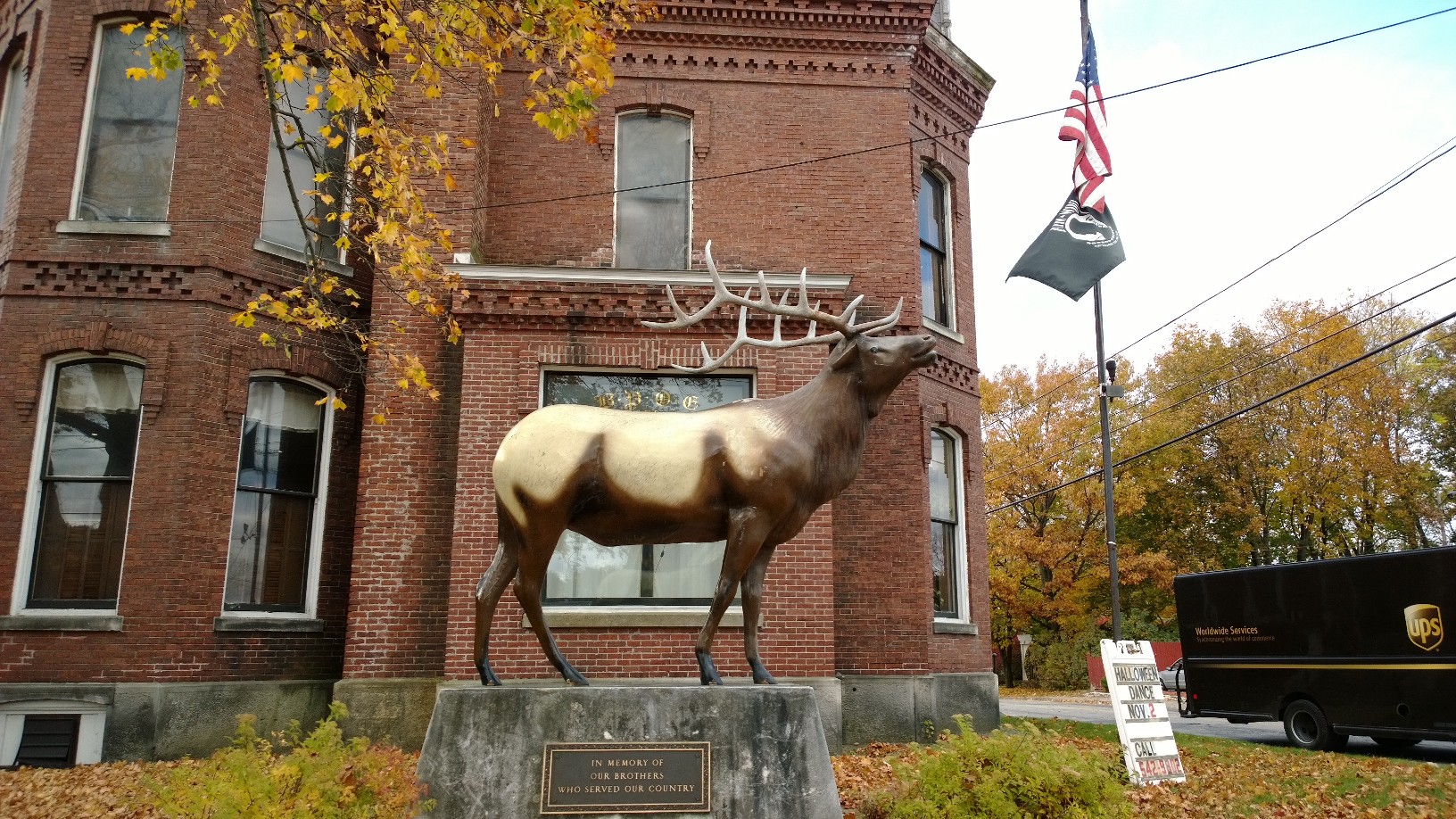
In Claremont, New Hampshire: The Elks’ elk.

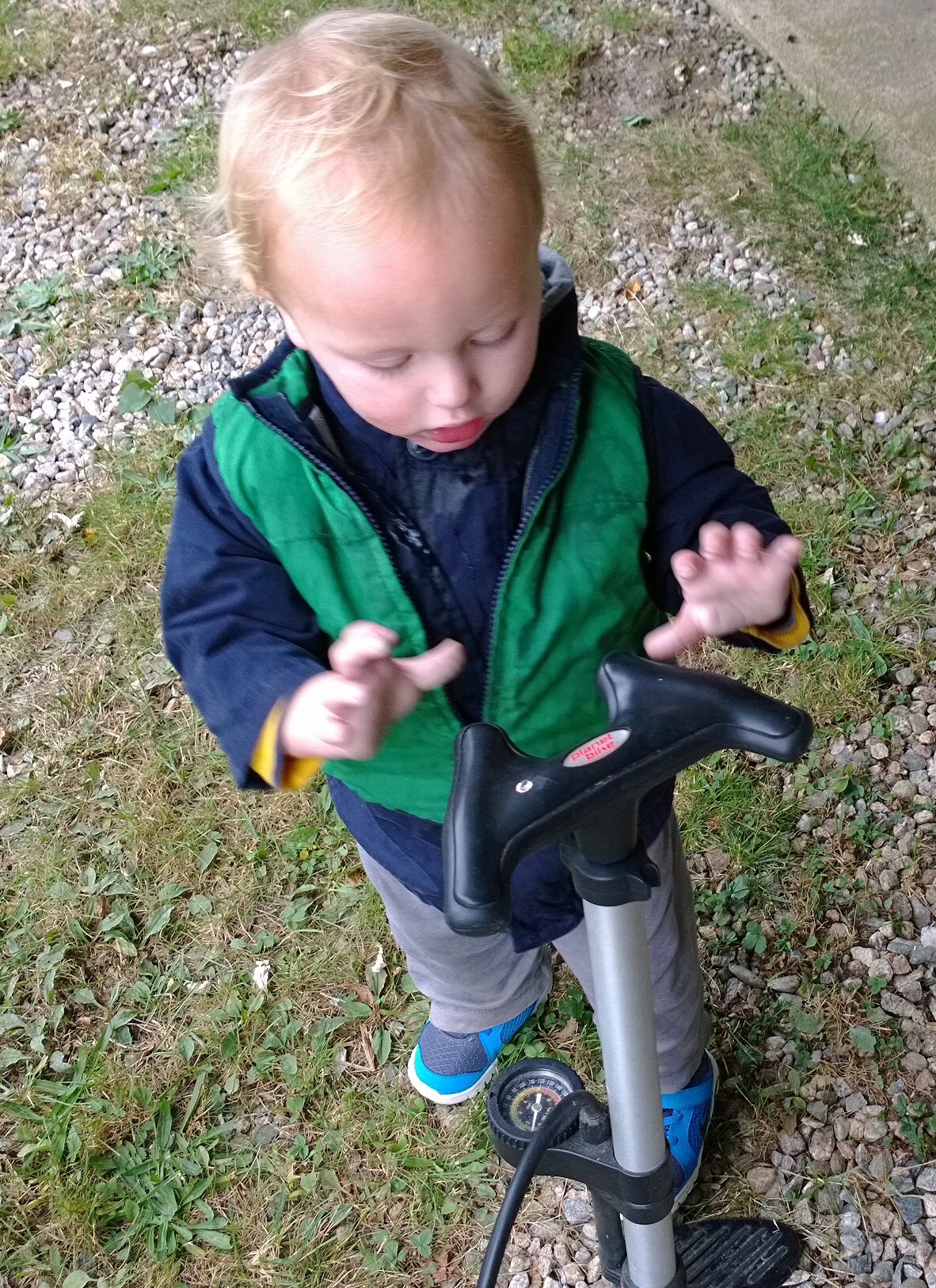
In Rhode Island: The Assistant Bicycle Inspector.

Now if I only had recent photos of Maine and Connecticut, I would have New England covered. Maybe next summer.

congress-st-planter

all-u-can-eat-brunch-vt

claremont-nh-elks

Boston-Harbor-Northern-Ave

French-style-house

flower-box-concord

pumping-the-bike-tire

Read Full Post »

pumpkin-stack

A time of year to get creative with squashes, visit a farmers market, kayak on a river, roof the barn.

Get it all in before winter. Only the wooly bear knows for sure how long the winter will be.

Photo of farmers market: Sandra M. Kelly
Other photos: Suzanne’s Mom

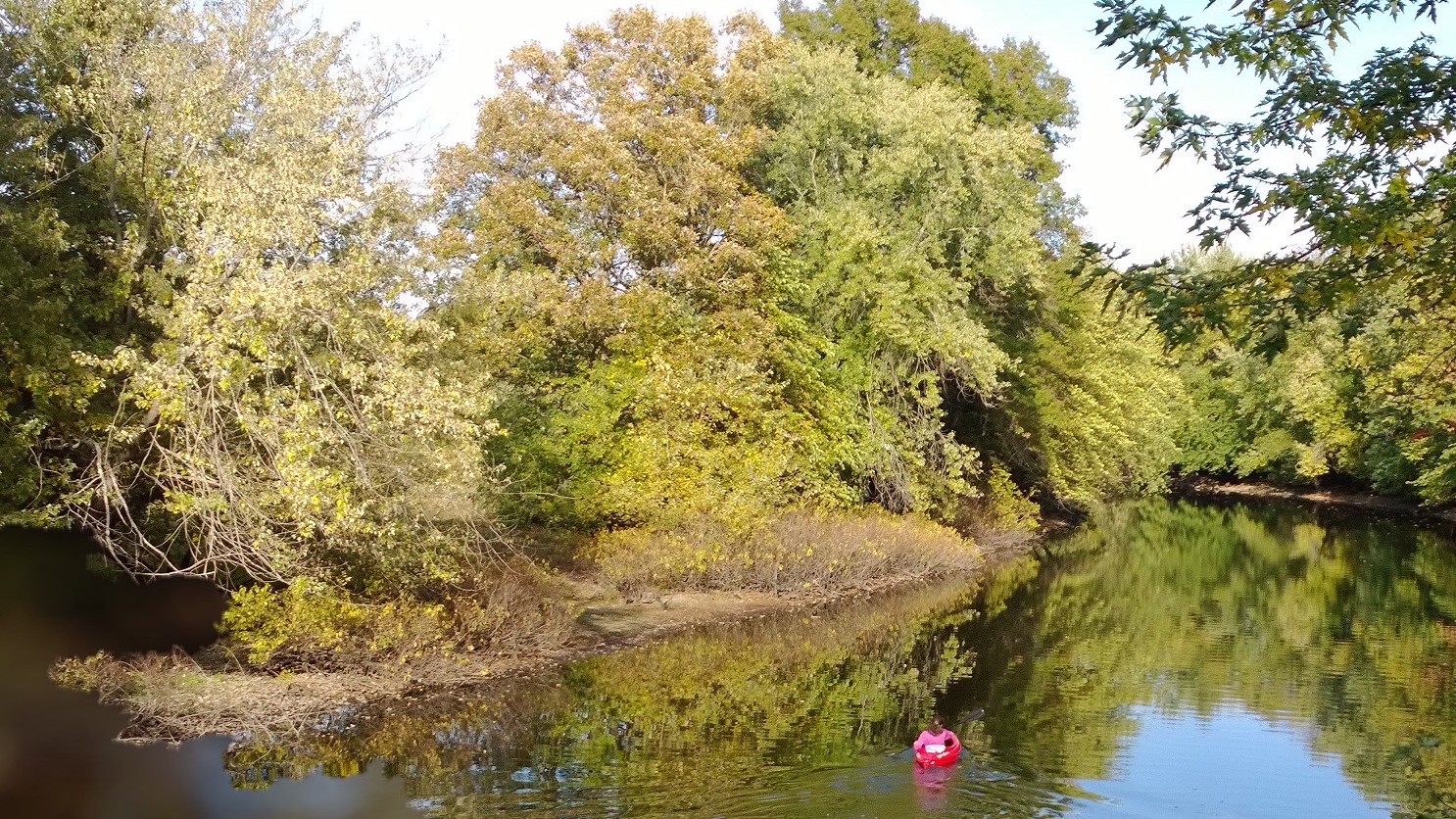
kayak-2101213-autumn-bounty

roofing-the-barn

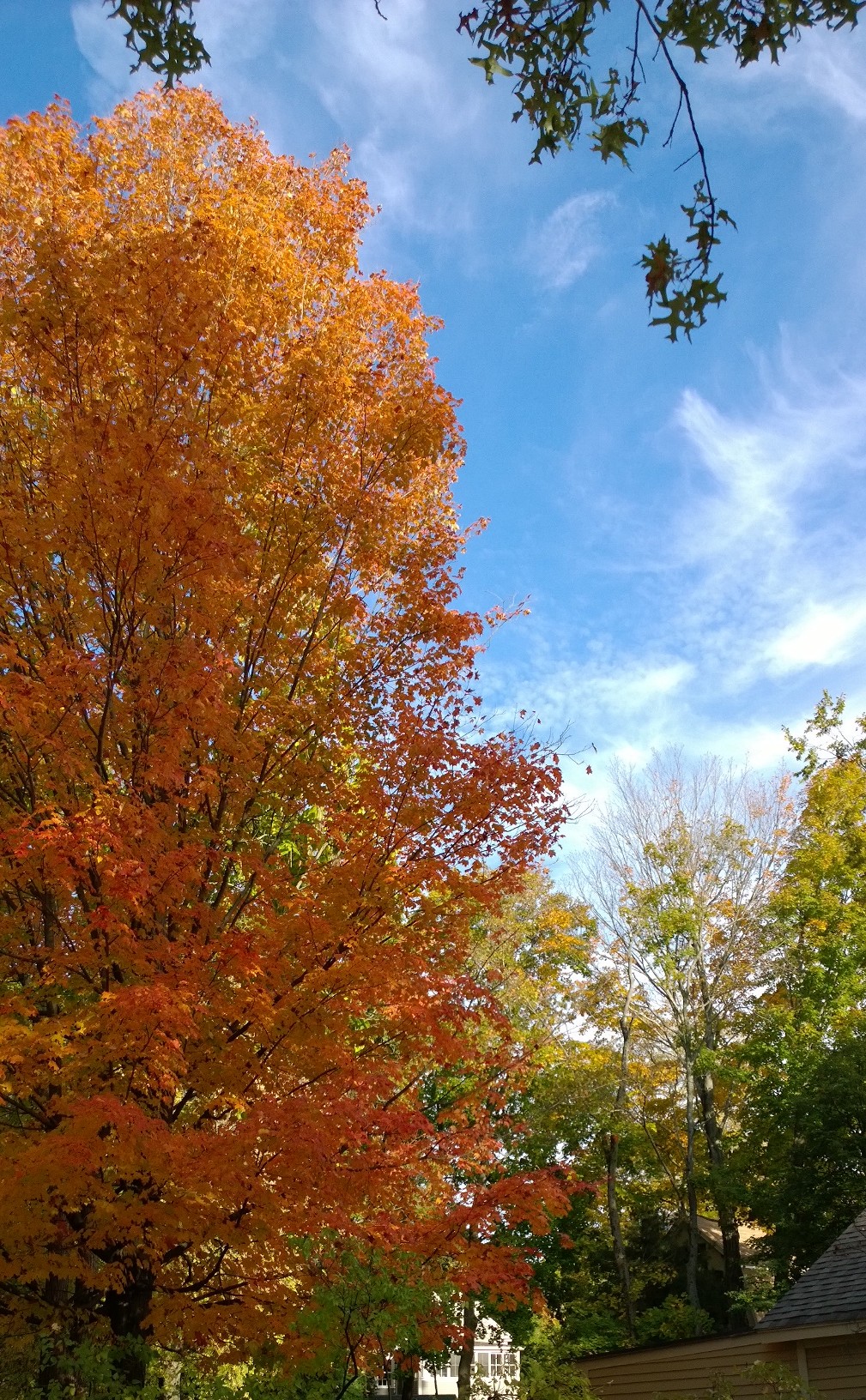
autumn-leaves-new-england

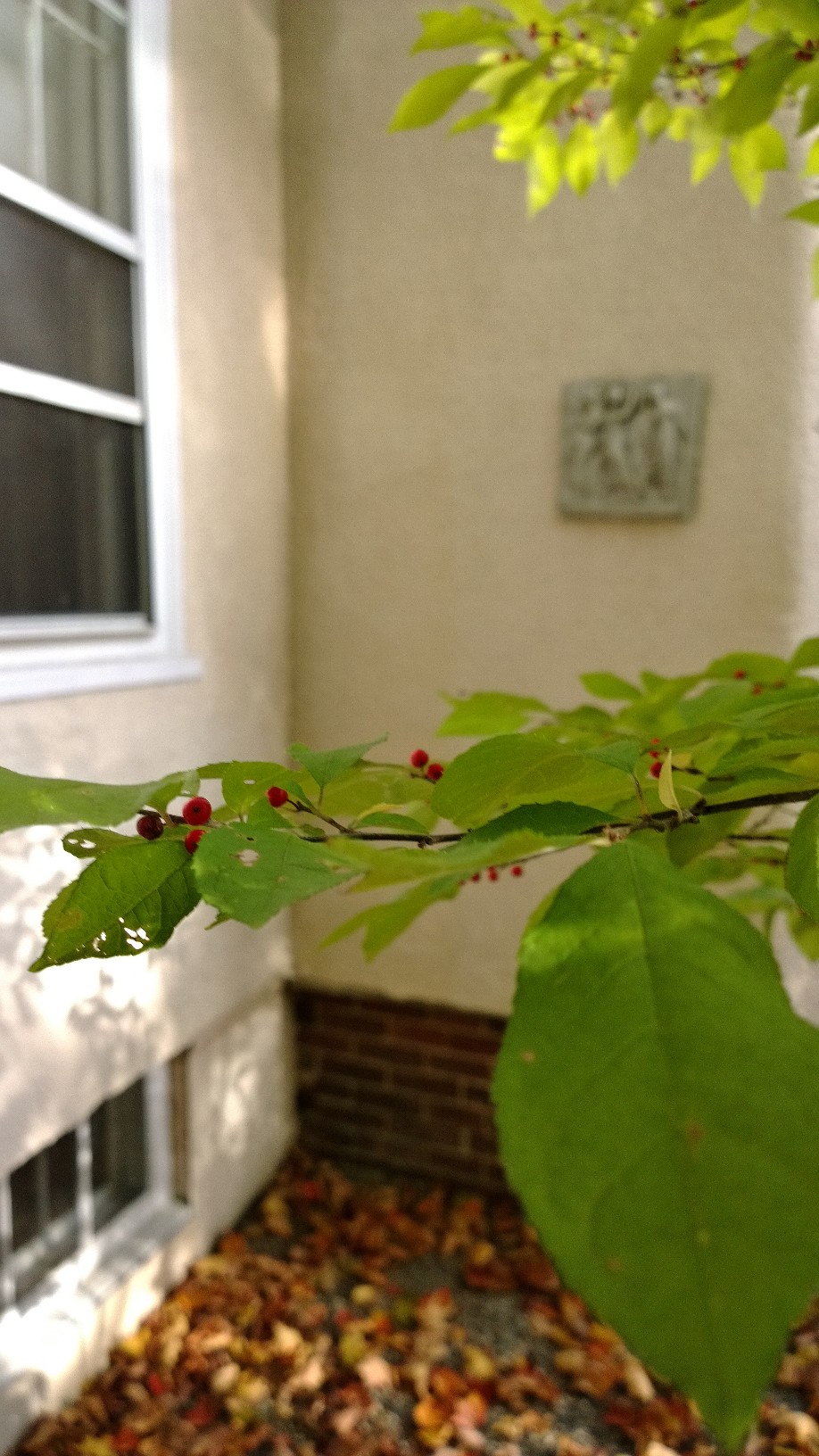
deciduous-holly

wooly-bear

Read Full Post »

More summer days and nights.

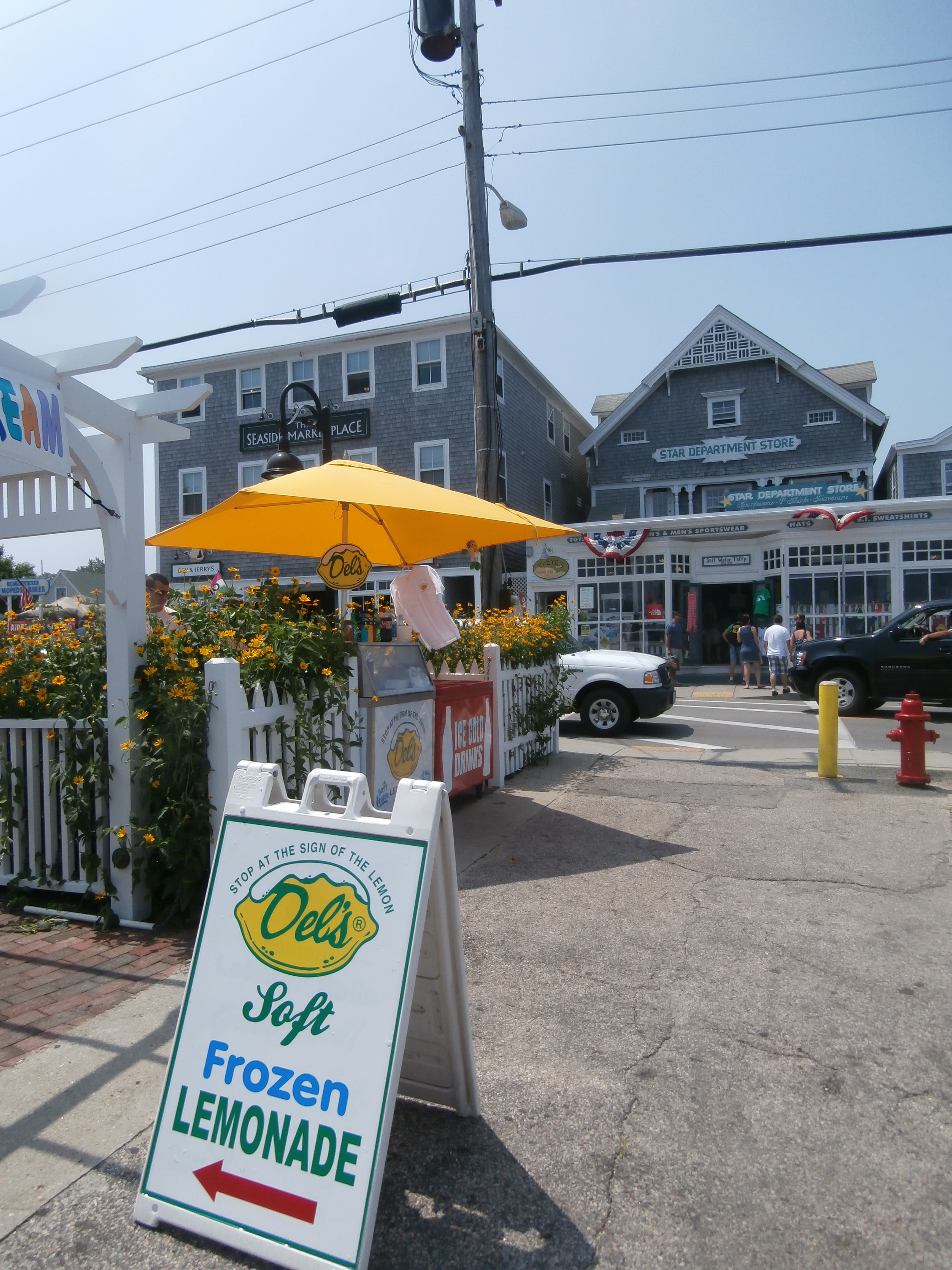
dels-of-rhode-island

clouds-over-old-harbor

rafting-at-the-tughole

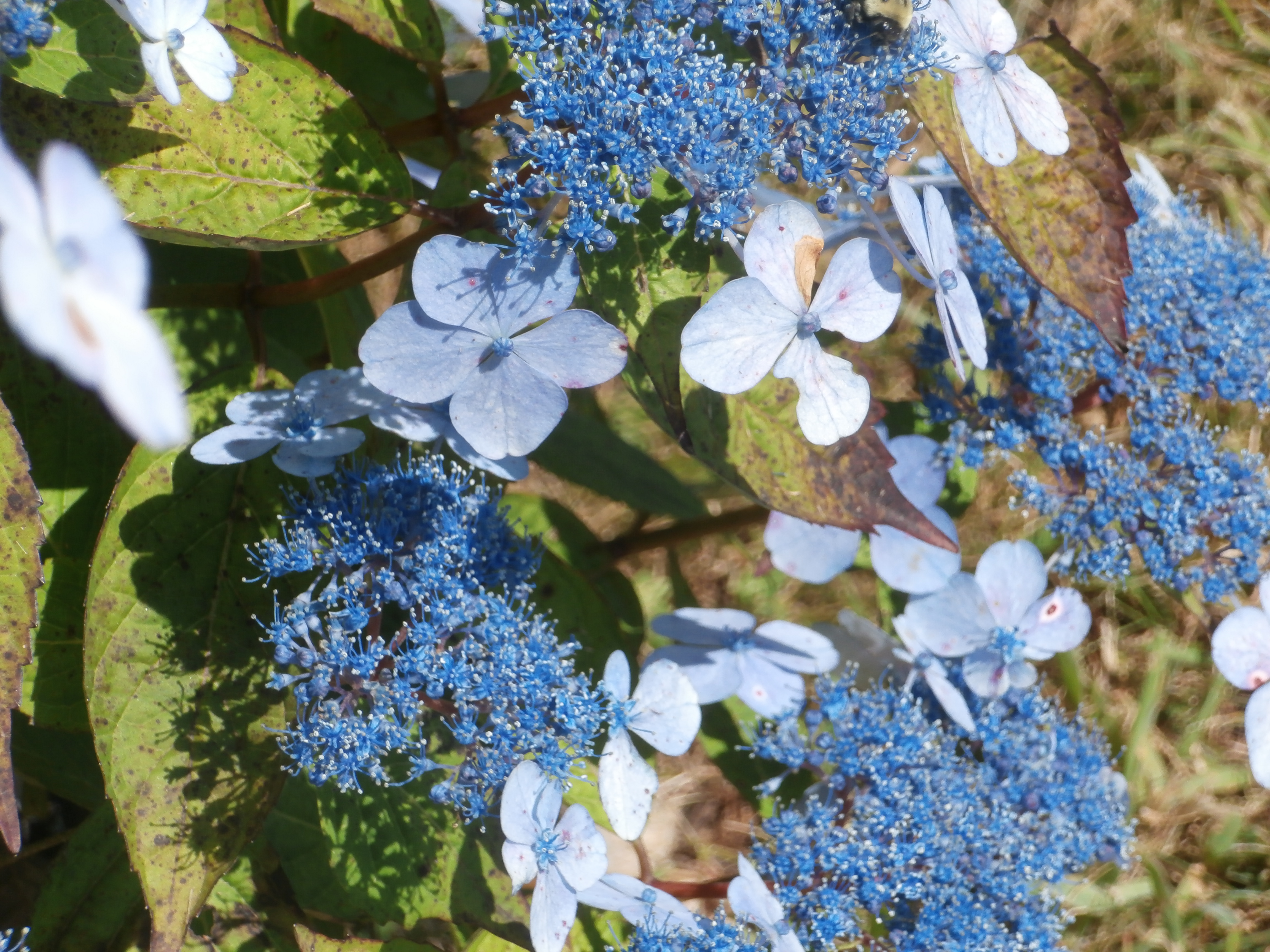
lace-cap-hydrangea

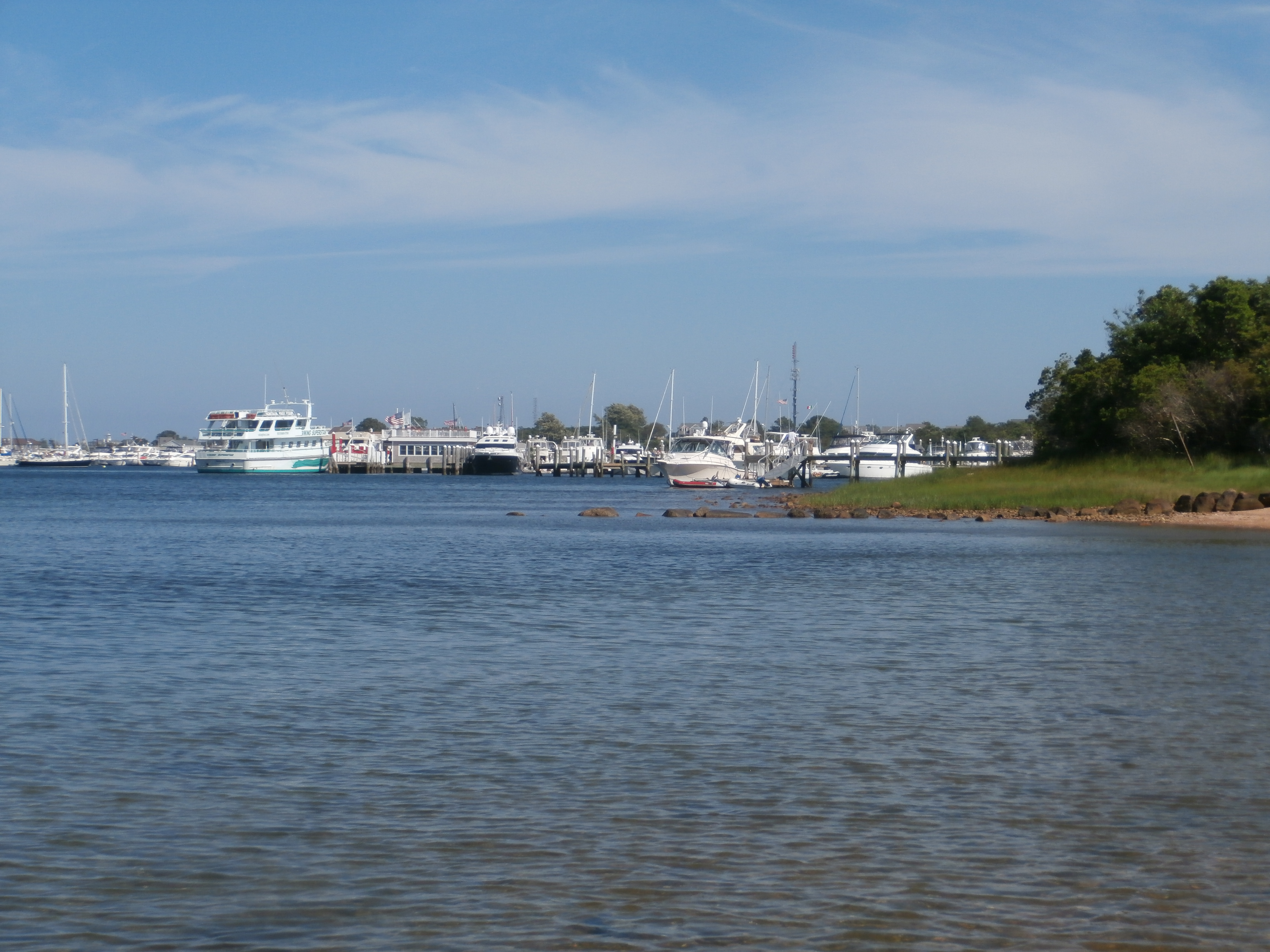
new-harbor-great-salt-pond

man-with-grandson

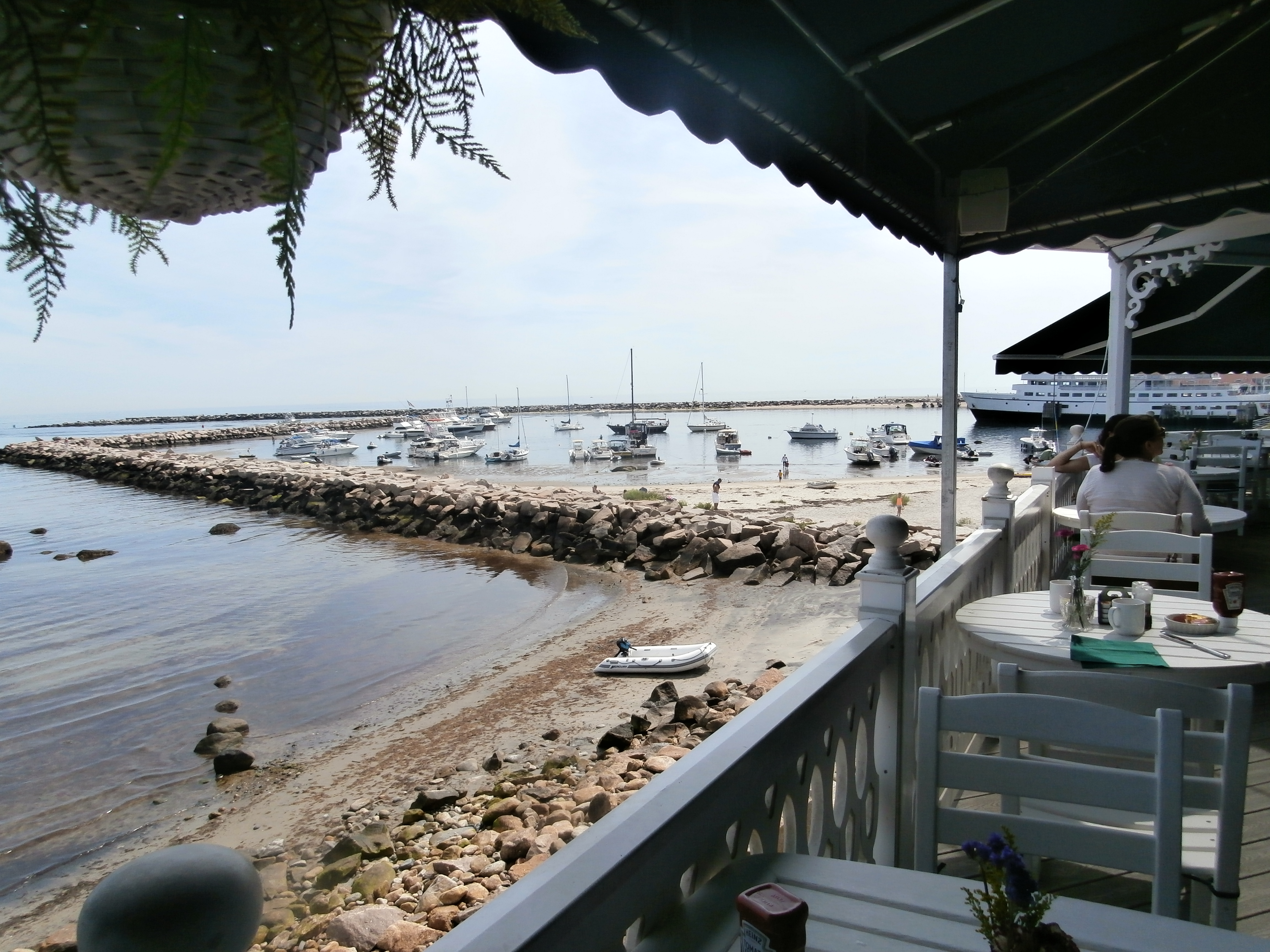
surf-hotel

lawn-furniture

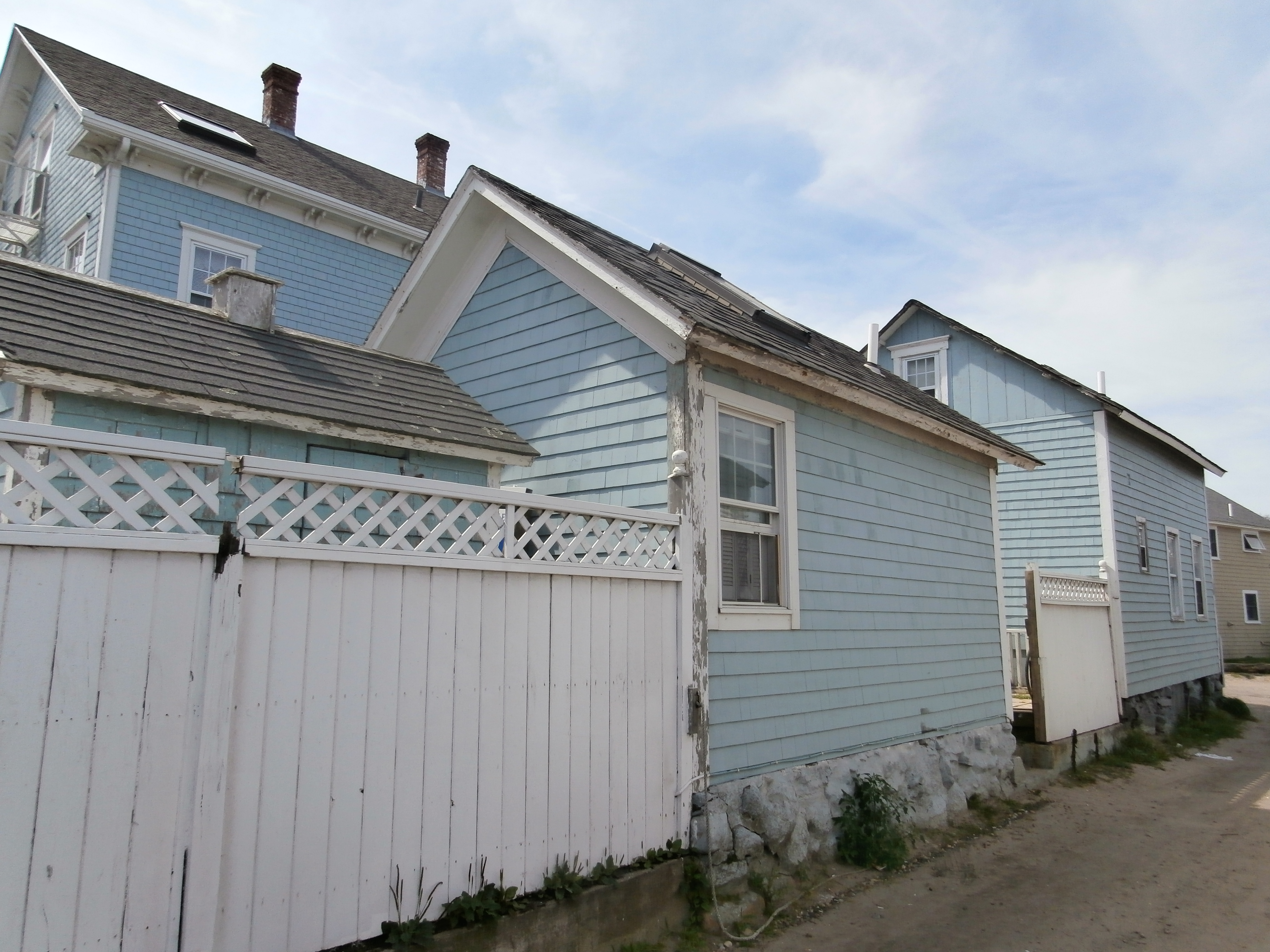
backs-of-buildings

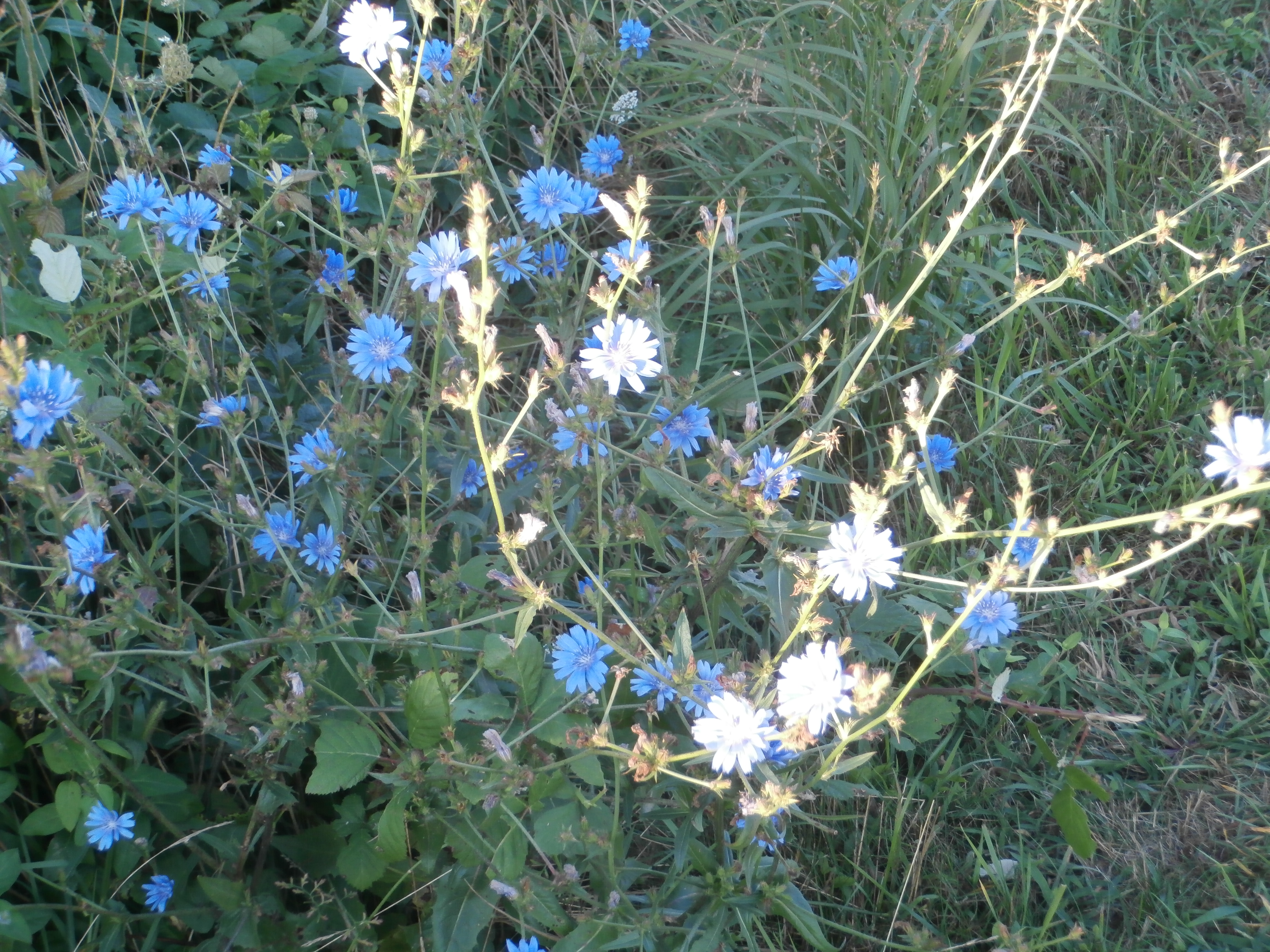
ragged-sailor-chicory

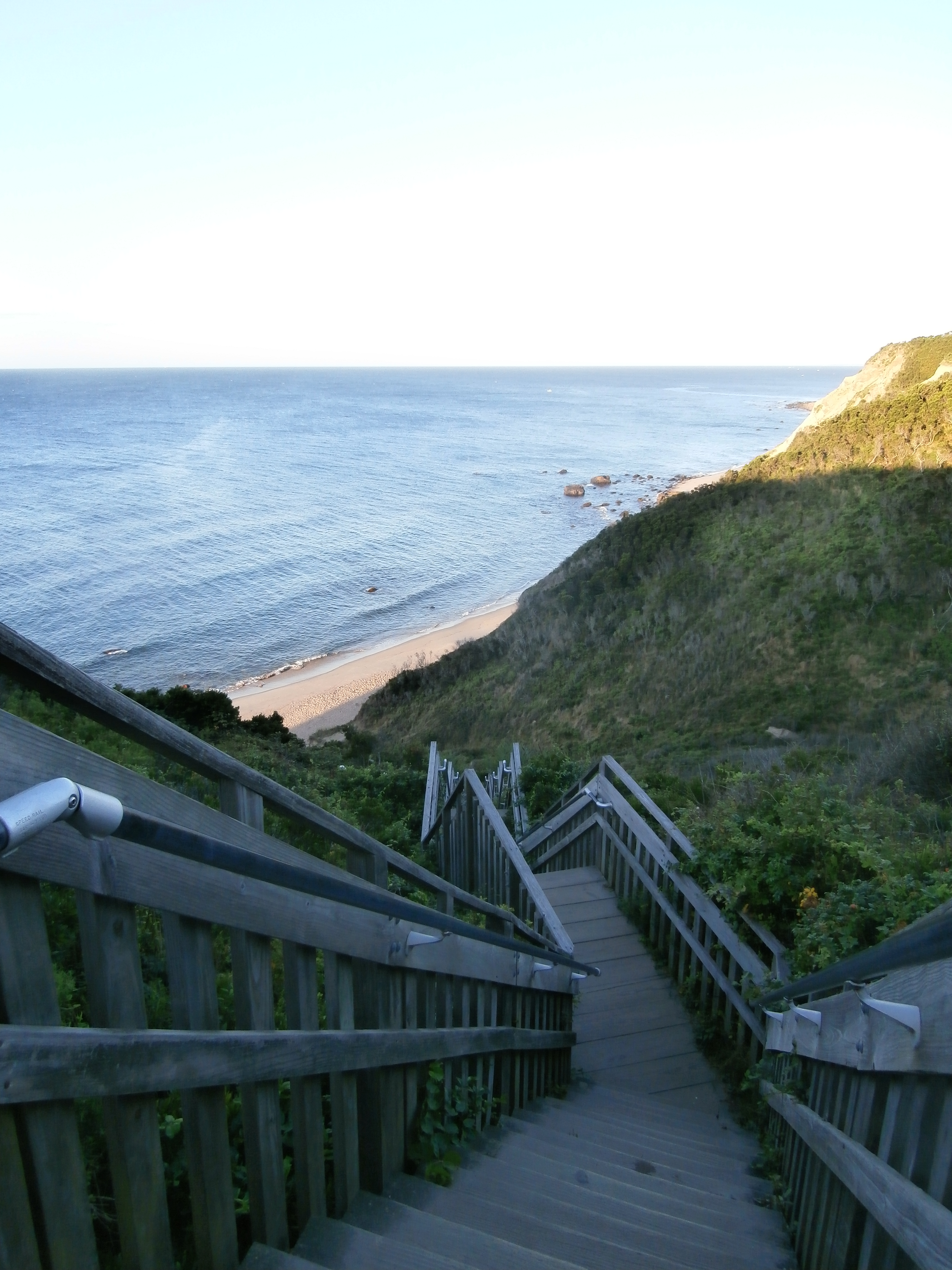
state-steps

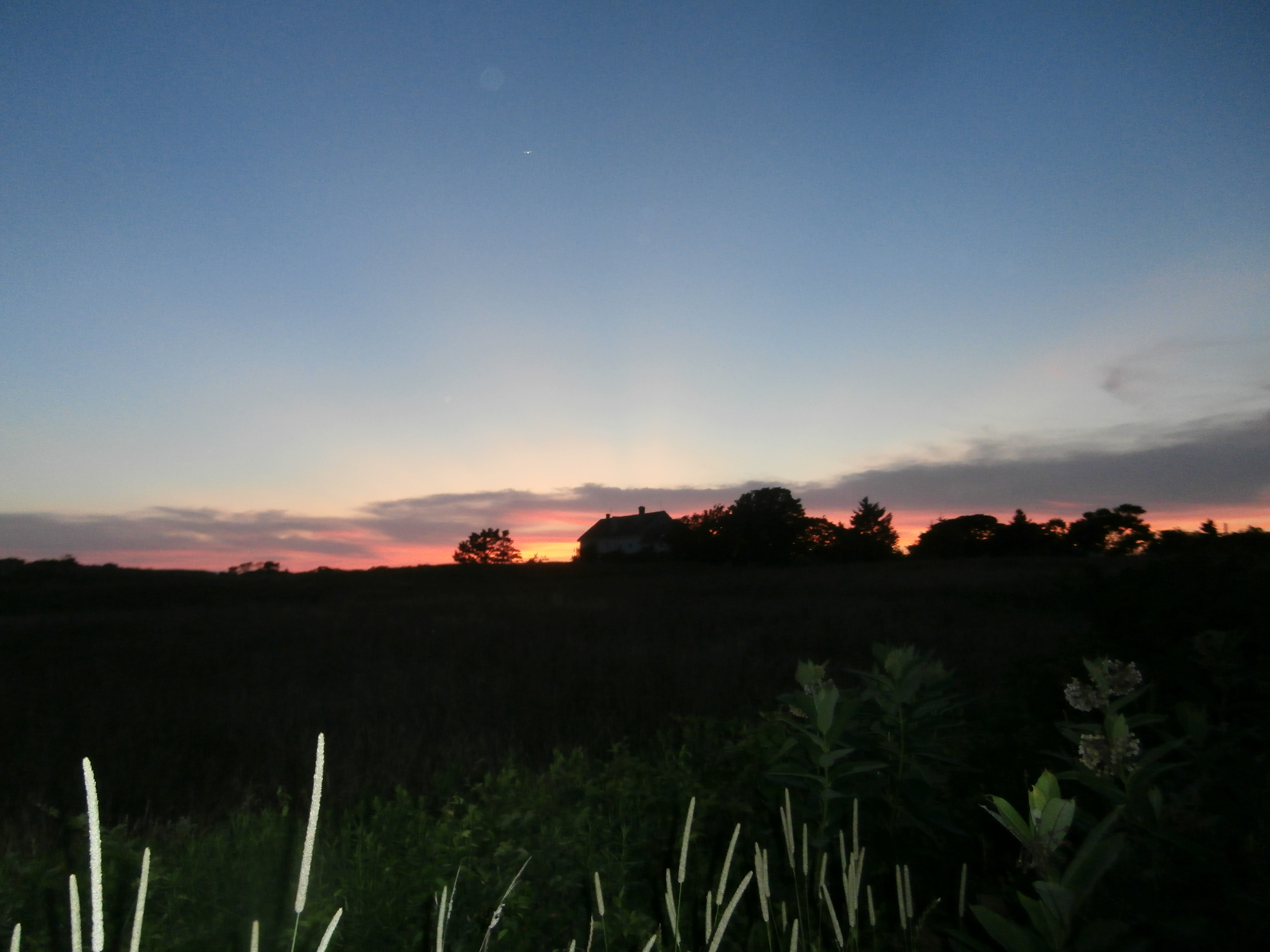
Rhode-Island-sunset

new-shoreham-sunset

Read Full Post »

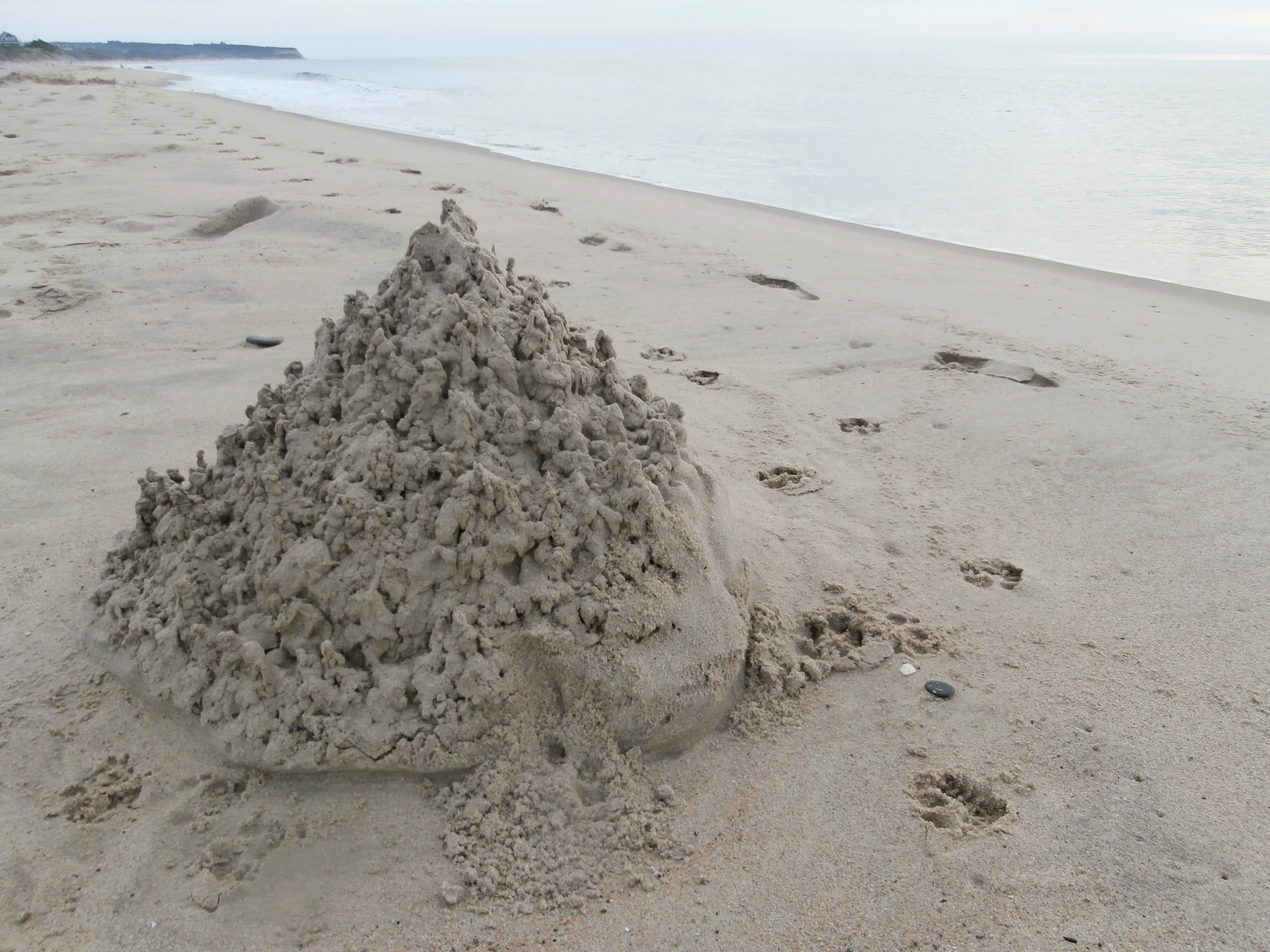
Here are a couple of Rhode Island sand castles from Crescent Beach (one made by inverting buckets, one made with the drip technique I favored as a kid) and an elaborate castle that Suzanne photographed when she was in Copenhagen earlier this month.

This website promises to teach you how to make the perfect sand castle. It involves keeping the sand moist at all times so the castle doesn’t crumble.

sand-castles

sand-castle-lef-overnight

copenhagen-sand-castle

Read Full Post »

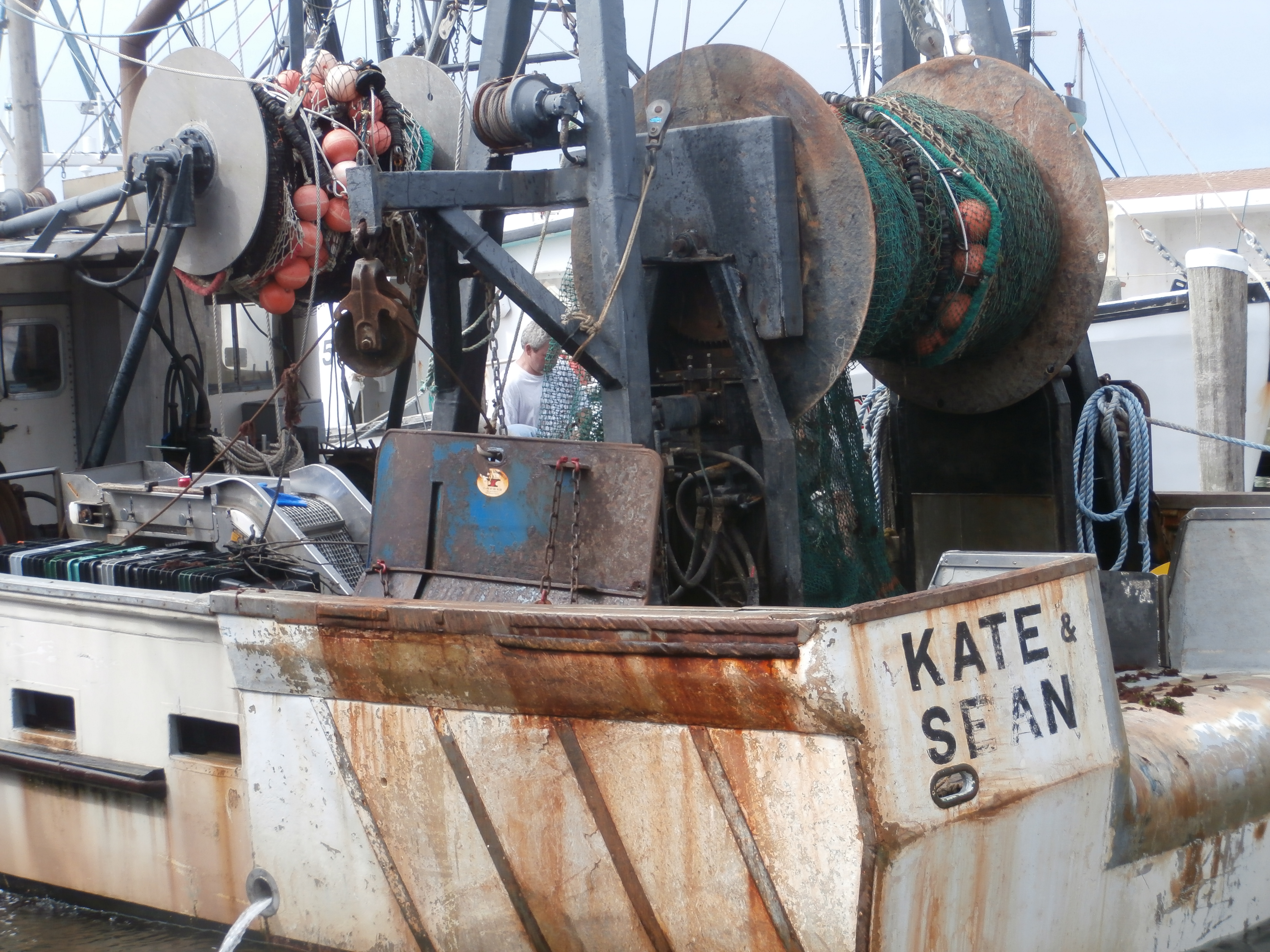
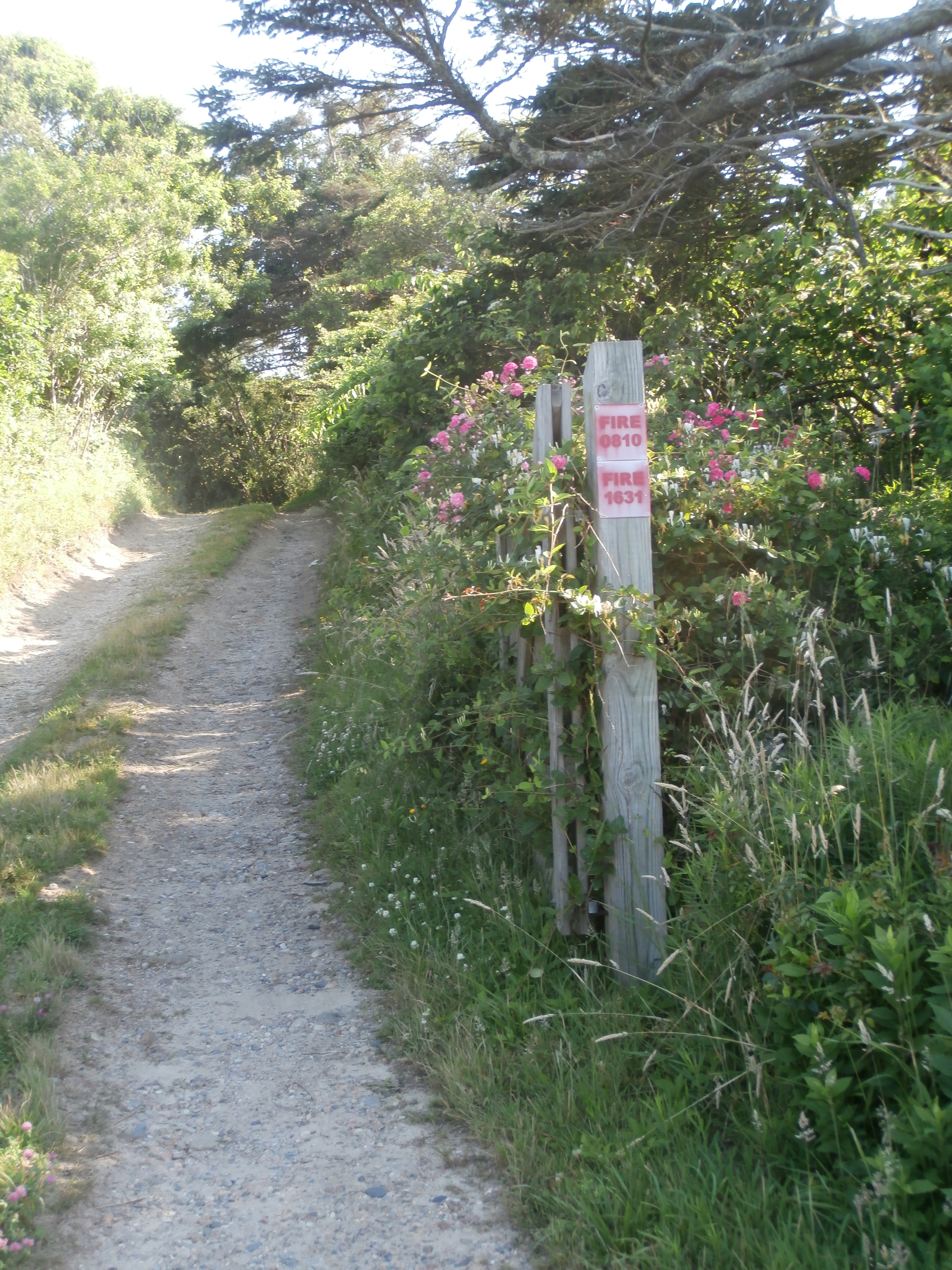
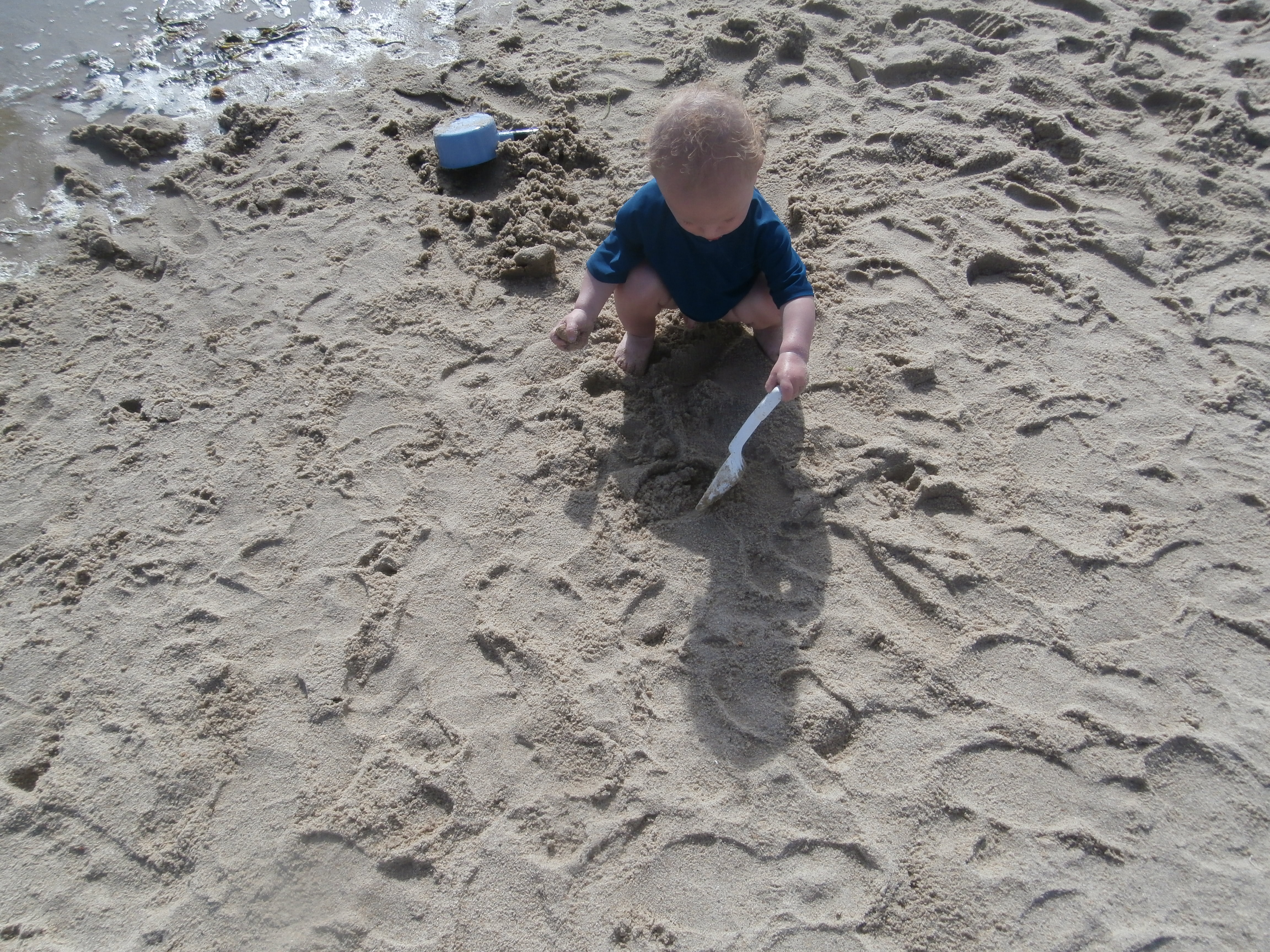
There’s nothing like good weather in Rhode Island in July. Good for walks and going to the beach. Good for a hardworking fishing industry, too.

Here are a few recent photos.

point-judith-rhode-island

country-lane

roses-growing-wild

two-kinds-of-roses

water-lilies

digging-in-the-sand

Read Full Post »

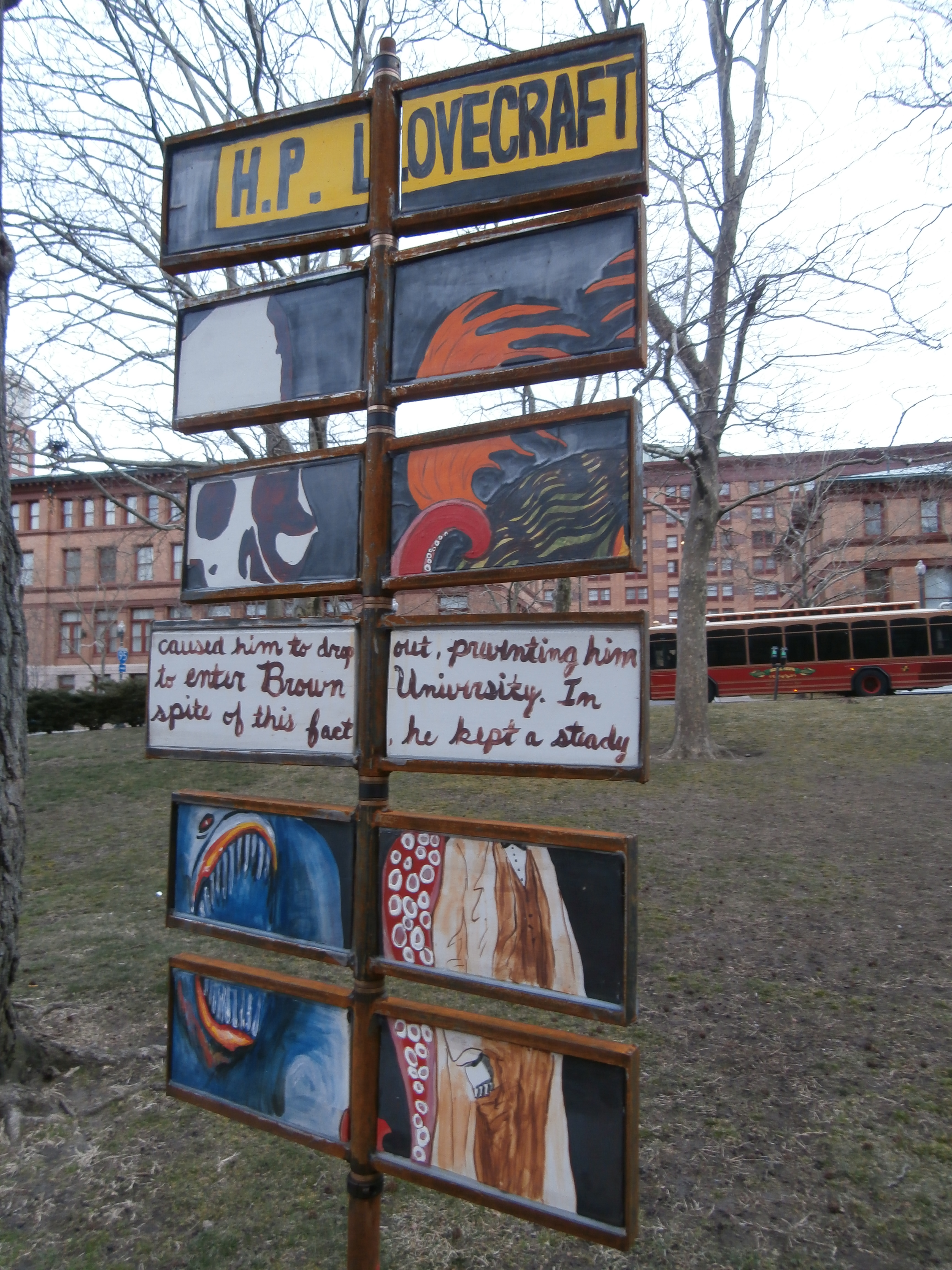
I was in Providence for a work event this morning, setting out early to miss the traffic.

I got to walk around a bit, and I’m going to show you my photos. If you are wondering why I took the first one, it’s because it reminds me of a song in Guys and Dolls, one of my favorite shows. Do you know the “Fugue for Tinhorns,” in which harmonic gamblers bemoan the lack of a location for “the oldest established permanent floating crap game in New York”?

It goes: “So the Biltmore garage is the spot. / But the one thousand bucks we ain’t got.”

biltmore garage

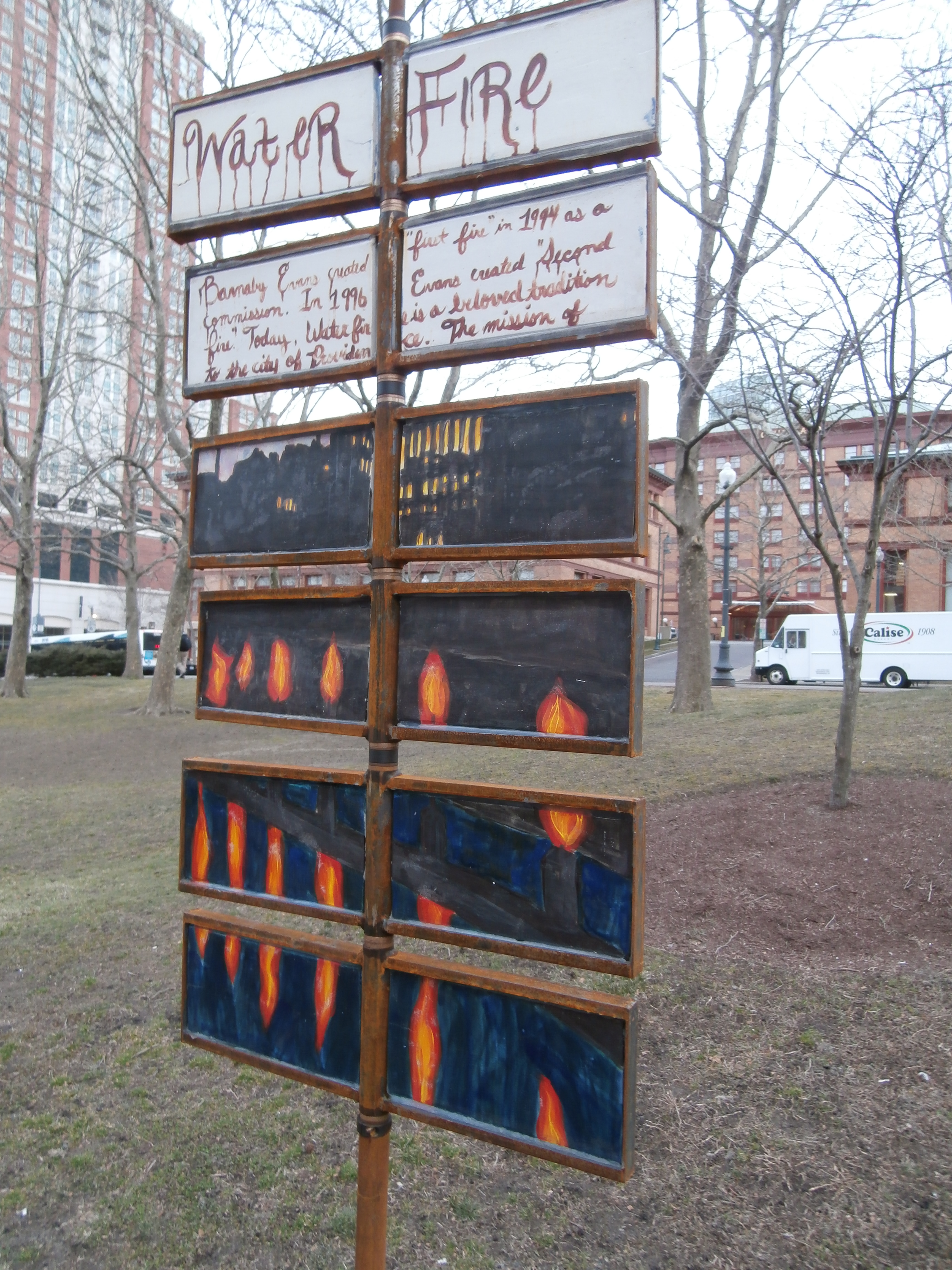
providence signpost

providence author lovecraft

water fire festival sign

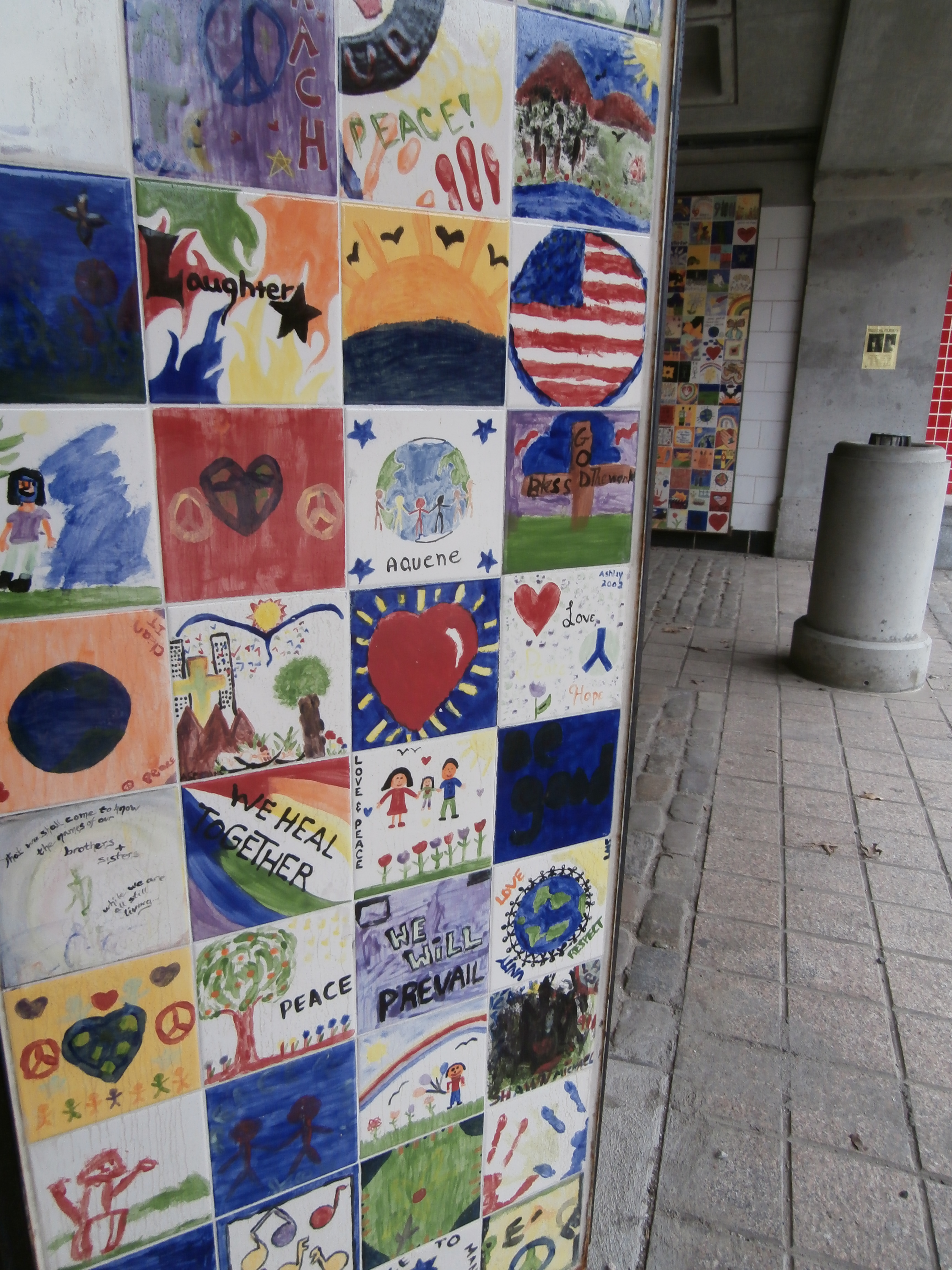
tiles near riverwalk


tiles from children


Read Full Post »

Nancy Greenaway, owl poet, is passing along the website of the Block Island Poetry Project and details of this year’s gathering.

From the website: “The Block Island Poetry Project is turning 10, and we are so excited about it that we are outdoing ourselves with a 4-day celebration featuring the usual fun and extraordinary work which has become our hallmark. In addition, we are honoring our decade together with an anthology of poems written during, or as a result of, Poetry Project workshops.”

The website continues, “Unpretentious, textured, authentic, practical, frisky… that’s who we are at the Block Island Poetry Project, and that’s why our series is like no other.”

The 2013 featured poets are Li-Young Lee  and Coleman Barks.

According to poets.org, Lee was “born in 1957 in Jakarta, Indonesia, to Chinese parents. His father had been a personal physician to Mao Zedong while in China, and relocated the family to Indonesia, where he helped found Gamaliel University. …  ‘What characterizes [Lee’s] poetry is a certain humility …  a willingness to let the sublime enter his field of concentration and take over, a devotion to language, a belief in its holiness.’ ” More on Lee, here.

The Coleman Barks website says that he is “the author of numerous Rumi translations and has been a student of Sufism since 1977. His work with Rumi was the subject of an hour-long segment in Bill Moyers’s Language of Life series on PBS.” More on Barks, here.

The featured poets will be joined by a range of other poets, teachers, editors, and publishers. Rhode Island’s new poet laureate, Rick Benjamin, will also stop by.

(Perhaps one of my favorite Rhode Island poets, Kate Colby, will get to this workshop some year.)

Read Full Post »

snow meter height

I don’t know how to use our television, and the radio has only three channels, so I ended up streaming WPRI out of Providence.

I follow WPRI’s Ted Nesi on twitter, and he kept tweeting useful storm tidbits, so I thought I’d try his tv station. Things were a little chaotic there, which felt real. At one point Ted had his mike on accidentally, and I could hear, “I got stuff! Take me, please!”

Overall, Saturday was a quiet day at the Woebegone Chalet. I caught up on old newspapers (new ones had not been delivered for two days). I made guacamole. Put in a laundry. Did some exercises.

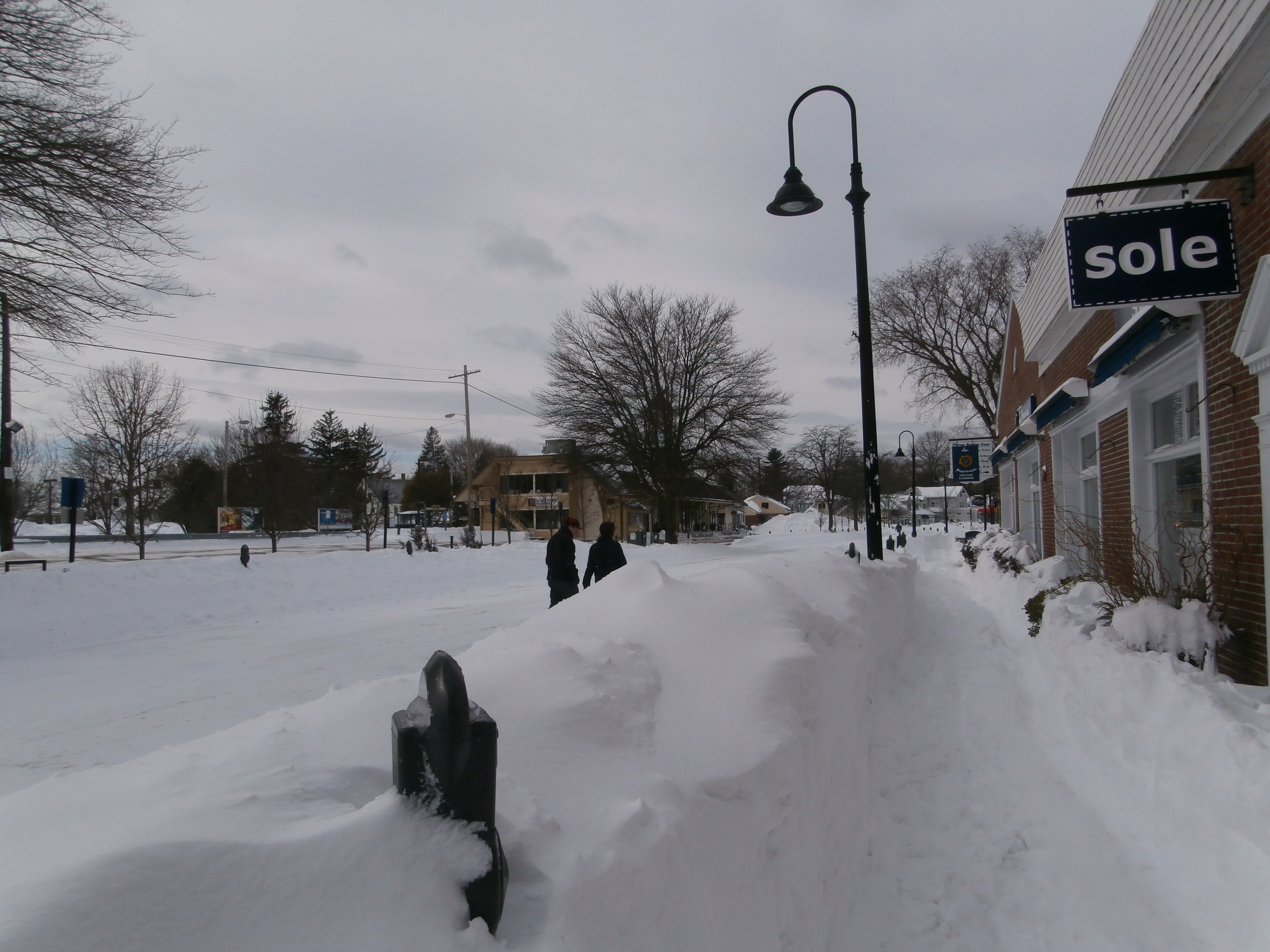
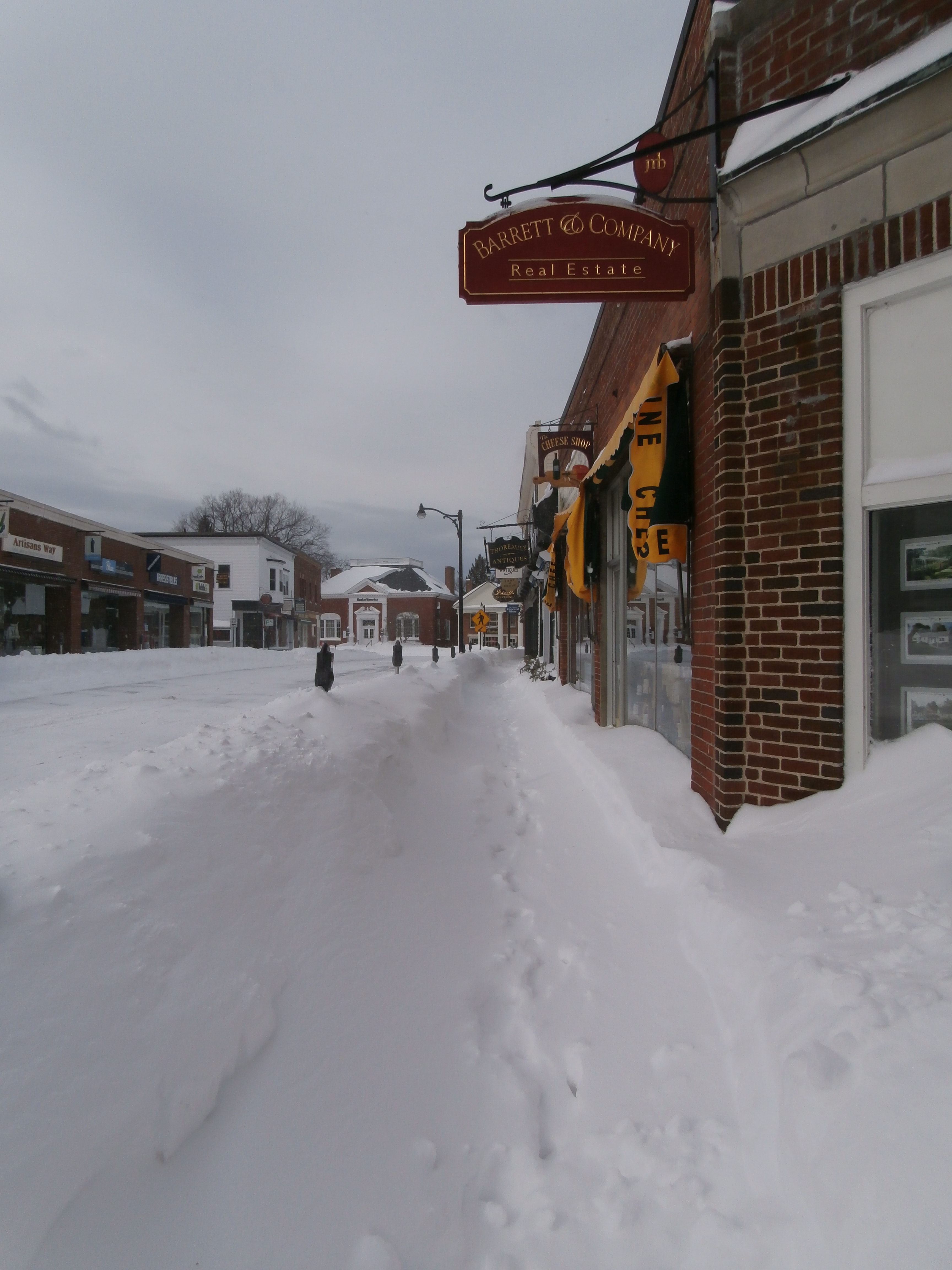
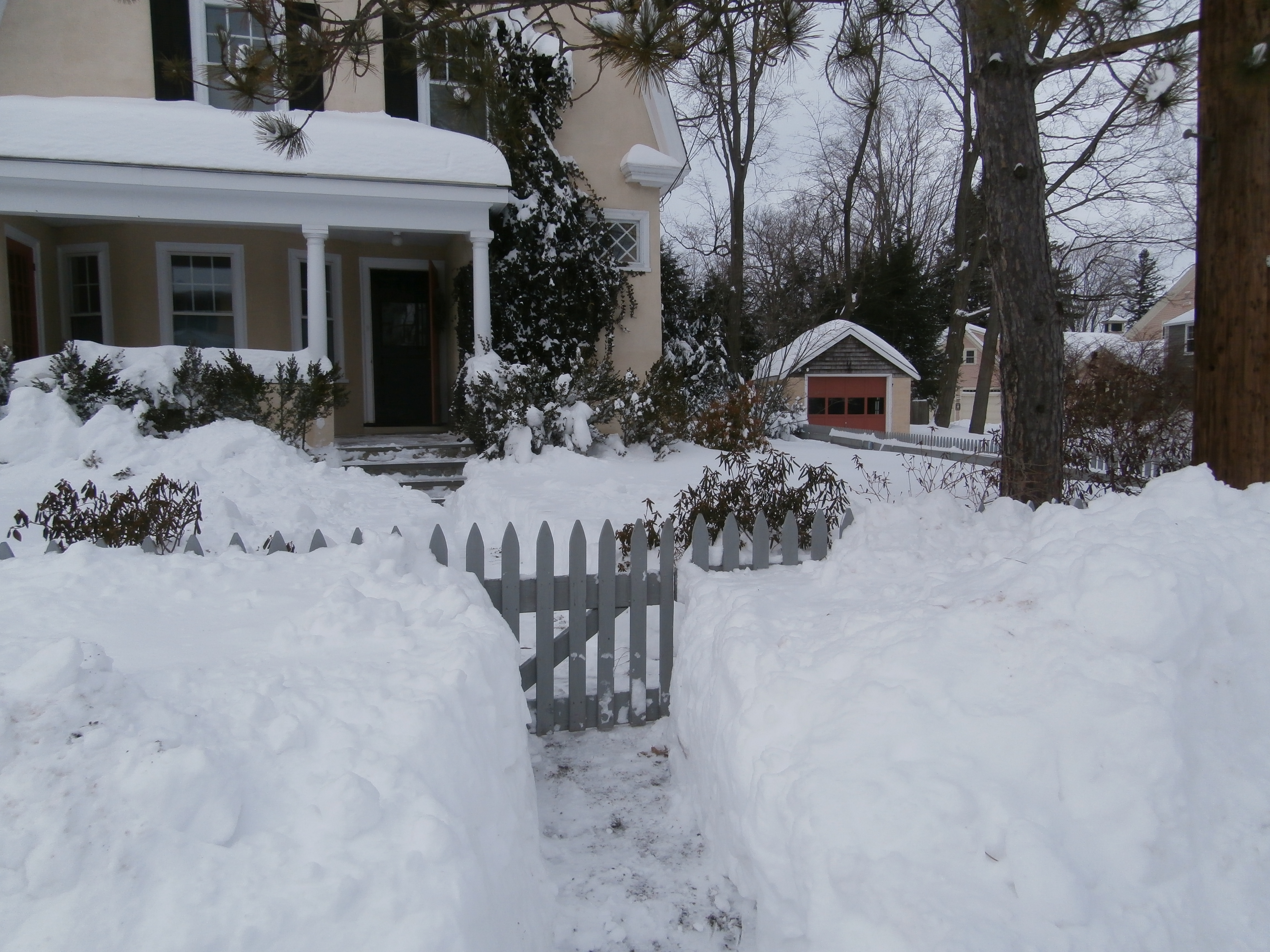
After a while I bundled up and climbed over the front fence, getting my boot stuck and full of snow. I hailed a couple young men from the Academy who were digging out a neighbor’s car. They agreed to shovel my front walk for the price I usually pay for both walks. It was well worth it. I returned from a hike around town (everything closed but Dunkin’ Donuts) to a cleared walk.

long view

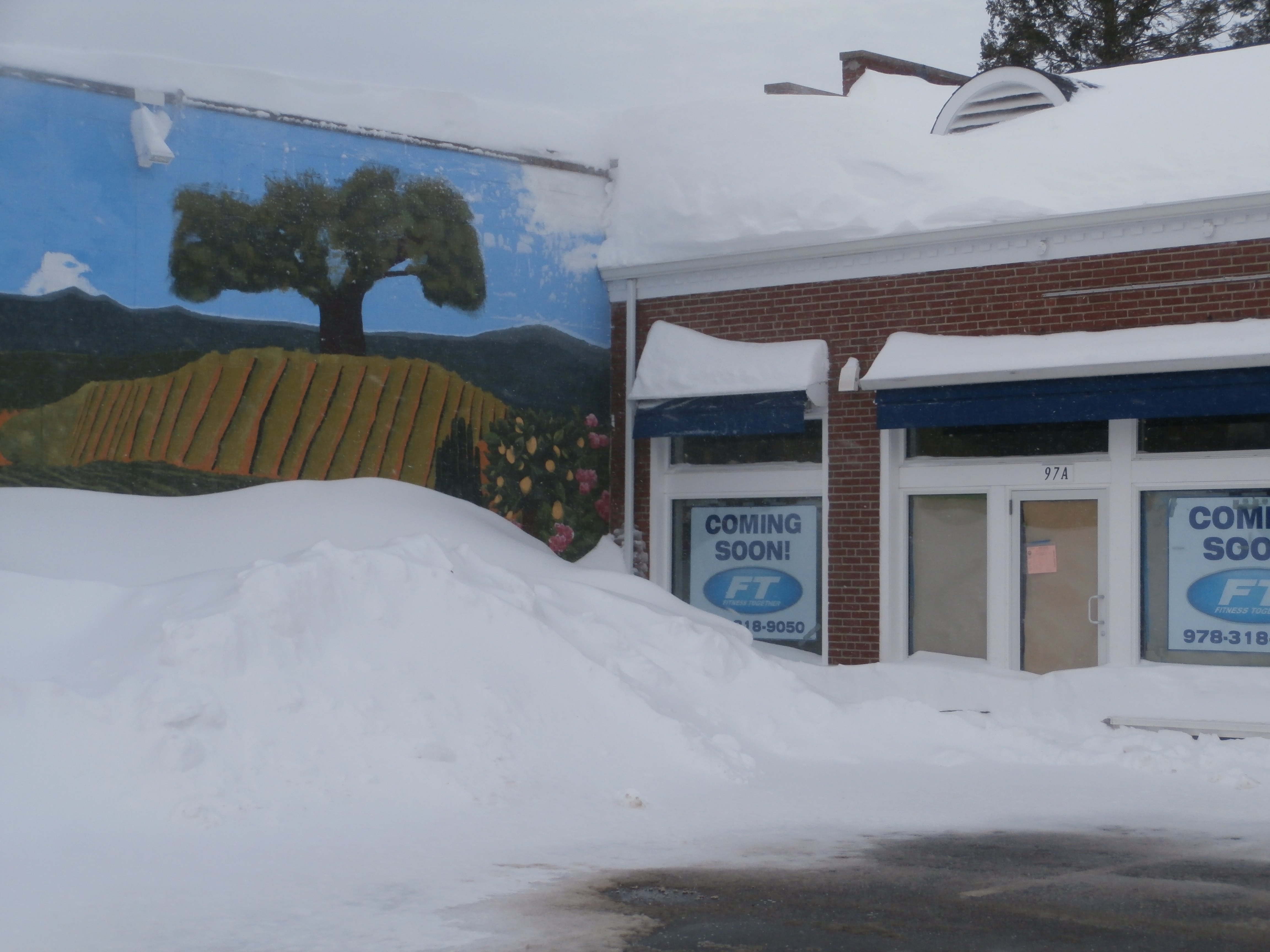
coming soon

after

Read Full Post »

The Puritan thinker Roger Williams got fed up with the rigid Puritans in the Massachusetts Bay Colony and went off to found the state of Rhode Island and advocate for freedom of religion.

Recently Lucas Mason-Brown, a Brown University math major, worked with a small group of undergraduates to crack the shorthand code Williams used while making notes.

According to Martine Powers in today’s Boston Globe, here, translation of the notes was an achievement that had resisted scholars for centuries. No major insights about Roger Williams were revealed, but some were confirmed.

For example, the notes show that Williams was against baptizing Indian children — a new example of how adamantly he opposed pressure to convince anyone of any religious belief.

In an earlier AP article in the Herald Online, Erika Niedowski writes, “College history professor emeritus J. Stanley Lemons and others at Brown started trying to unravel the so-called ‘Mystery Book’ a few years ago. But the most intense work began this year after the university opened up the challenge to undergraduates, several of whom launched an independent project.

” ‘No one had ever looked at it systematically like this in generations,’ Widmer said. ‘I think people probably looked at it and shrugged.’

“Senior math major Lucas Mason-Brown, who has done the majority of the decoding, said his first instinct was to develop a statistical tool. The 21-year-old from Belmont, Mass., used frequency analysis, which looks at the frequency of letters or groups of letters in a text, but initially didn’t get far.

“He picked up critical clues after learning Williams had been trained in shorthand as a court stenographer in London, and built his own proprietary shorthand off an existing system. Mason-Brown refined his analysis and came up with a rough key.” Read more.

AP Photograph
The preface page of the Mystery Book from Brown University’s John Carter Brown Library. Lucas Mason-Brown, a senior mathematics major, helped crack a mysterious shorthand code developed and used by religious dissident Roger Williams in the 17th century. The handwritten code surrounds the printed text on the preface page.

Read Full Post »

« Newer Posts - Older Posts »