Feeds:
Posts
Comments

Posts Tagged ‘sculpture’

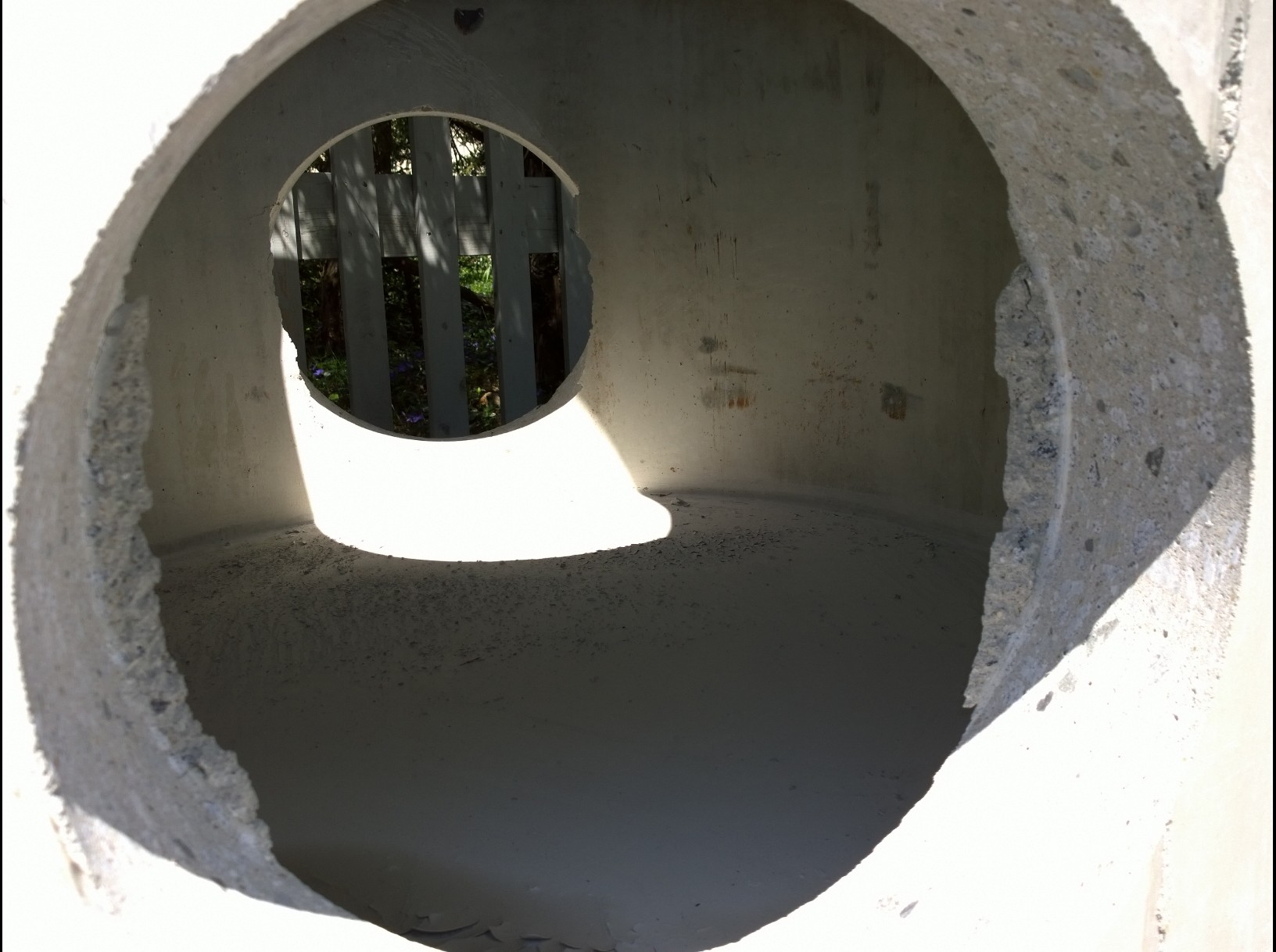
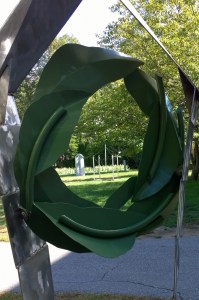
Among the sights I’ve wanted to photograph in the last few weeks is a sculpture outside the Umbrella Community Arts Center. It invites you to look through and focus on an aspect of the view.

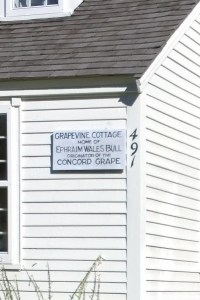
Next up, the old house where Ephraim Bull developed the Concord Grape. Another sign there told me that there was a “Sale Pending.”

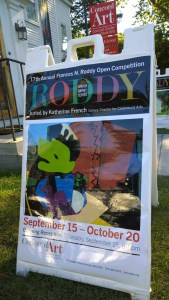
My friend Meredith is a featured artist at Concord Art’s new juried show. She has done several treatments of her fica plant, but the one in the show is a lovely collage of painted paper.

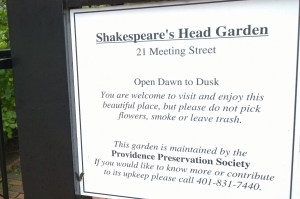
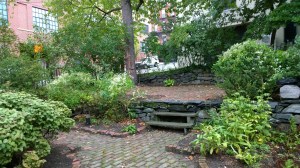
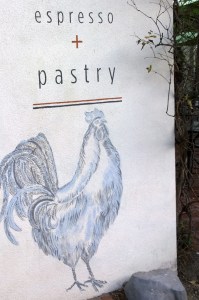
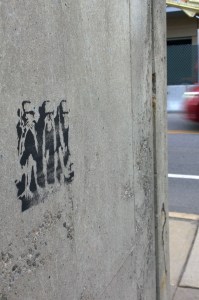
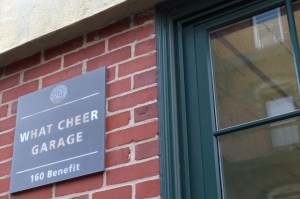
I recently discovered on a morning walk that the Providence Preservation Society has generously opened its multilevel garden to the public during certain hours of the day. What a peaceful place to just sit and think! Not far away is the What Cheer Garage (I like the name). Across Providence, you can discover a fine-looking hen on the wall of Olga’s Cup and Saucer, and a street art stencil recommending Speak no evil, See no evil, Hear no evil.

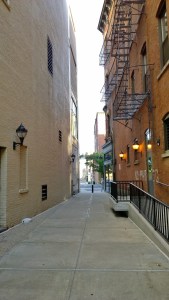
I also like the alley alongside the Providence Performing Arts Center and a hilly street that looks more like Europe than New England.

092416-sculpture-at-umbrella-center

092416-looking-thru-sculpture


092516-concord-grape-origins

092516-meredith-fife-day-at-juried-show


092016-please-enjoy-our-garden

092016-preservationists-share-garden


092116-hen-at-olga

092116-3-no-evils


092016-what-cheer

092116-providence-alley


092016-providence-street

Read Full Post »

It’s not fair to make fun of Russians in general when only a few have a problem with Michelangelo’s “David,” but this is a funny story.

Claire Voon wrote at Hyperallergic in July that the city of St. Petersburg would vote in August on whether to cover the statue’s nakedness.

Here’s what she said, “St. Petersburg residents will vote on how to dress a replica statue of Michelangelo’s ‘David’ that came to the city in May, following a complaint from a woman who said his nudity ‘spoils the city’s historic appearance and warps children’s souls.’

“Erected as part of the ongoing Michelangelo. World Creation exhibition at St. Anne’s Lutheran Church in central St. Petersburg, the 16-foot-tall plastic copy compelled the outraged local to pen a letter last week to the Children’s Right’s Ombudsman, as Lenta first reported. …

“While the online post notes that officials have tried to convince Inna that many other naked statues have stood around town for years, she said she still intends to write to all relevant authorities to achieve an ‘early elimination of the giant.’ …

“The organizers of the show have been quite accommodating, though … This week, they launched the monthlong ‘Dress David’ initiative, which invites people to play stylist to the famous nude Renaissance work and submit ideas for outfits, complete with explanations for why David should appear in the proposed garb. An online voting session for selected concepts will open on August 16, with a winner announced a week later. Voters will also have the option to leave the statue as Michelangelo’s original has stood for centuries. …

“In the meantime, organizers have crudely taped a black circular object over the statue’s offending member to protect the untainted souls of passing schoolchildren.” More.

After a bit of Googling, I finally discovered how the voting went, here.

Photo: @misha.ivanov/Instagram
Some Russians actually think this sloppy covering of a David replica is a good idea.

Read Full Post »

012116-fish-for-supper

Art: Maggie Stern
“Fish for Supper”

Concord Art has mounted a juried show of member works. I have been twice this week. It’s accessible and stimulating.

When you first enter, you hear a strange clattering and turn to see a beat-up old medicine cabinet with vintage pill bottles inside that are rattling around like ghosts. Very amusing.

My former boss, Meredith Fife Day, had two lovely country scenes in acrylic from her travels in Ireland, and she was the one who reminded me to see the show.

I took a photo of Maggie Stern’s playful “Fish for Supper,” above. Stern says, “What I love most about art is that you get to make up the rules.” I Googled her and found that she has connections with the Fuller Craft Museum in Brockton, Mass., and has excelled in a variety of artistic realms, including illustrating children’s books and making kits for crafty folks to reproduce her original stitchery.

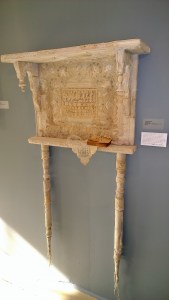
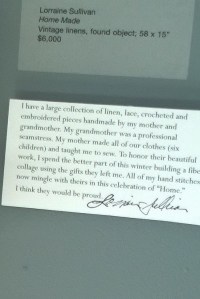
I was also drawn to Lorraine Sullivan’s use of vintage linens. There must be something in the air about vintage. I’ve been doing a little prospecting (along with Erik’s mother) to add to Suzanne’s new vintage locket collection at Luna & Stella, and have learned that the idea of mixing vintage with contemporary birthstone jewelry is quite popular.

In fact, all sorts of vintage items are being cherished now, to the point that it was not only wonderful but a bit painful to see how Sullivan used her seamstress grandmother’s handiwork in the piece below. Creative destruction. Happy-sad.

012216-vintage-linen-art-1

012116-vintage-linens-now-art


Read Full Post »

Candice Frederick, of the New York Public Library’s Schomburg Center for Research in Black Culture, recently posted research by Katherine Ellington on an African American artist who was new to me.

From Ellington notes: “Augusta Savage was among [a] group of artists who came to Harlem from the Jim Crown South in search of opportunity and where her creative expression could thrive.

“My quest for Augusta Savage (1892 –1962) sculpture led me to a first-time visit to the Art and Artifacts Division of the Schomburg Center for Research in Black Culture. … As a young girl in the early twentieth century, Savage began shaping ducks out of red clay found in the backyard of her home in Green Cove Springs, Florida. Savage’s work gained local attention when she entered and won a prize at a local county fair, which led to community support for further study.

“In 1921, she moved to Harlem after studying at State Normal College for Colored Students (now Florida A & M University). Savage later completed a four-year program in sculpture in three years at Cooper Union. …

“In 1931, Savage … opened the Savage Studio of Arts and Crafts — a fine arts training ground for over 1,500 students including many well-known Harlem Renaissance artists such as Charles Alston, Ernest Crichlow, Norman Lewis, Morgan Smith and Marvin Smith, Jacob Lawrence and Gwendolyn Knight Lawrence. …

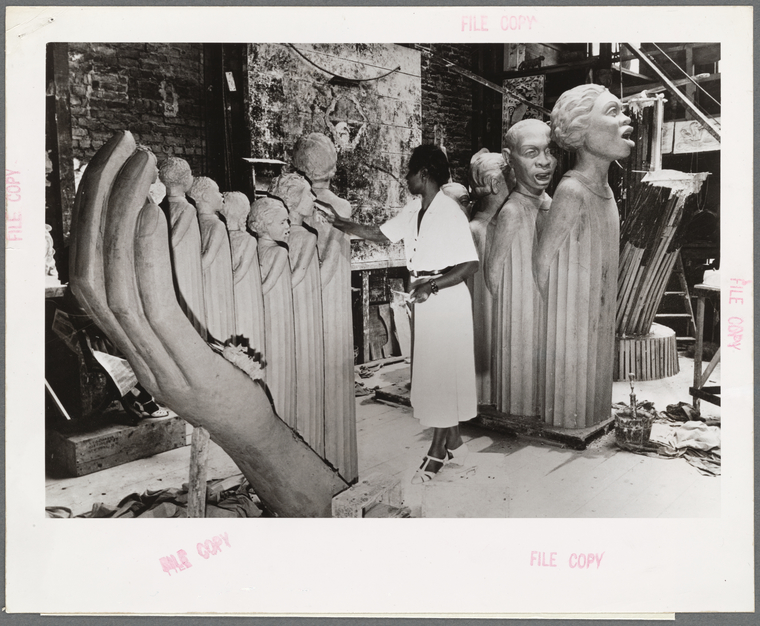
“In 1934, Savage became the director of the newly established Harlem Community Art Center, after she was commissioned by the 1939 World’s Fair. Around that time she created “The Harp” as a series, but it was destroyed during the cleanup after the fair. …

“Savage’s art was often in response to the fight against racism. She used a variety of methods, shaping clay and plaster, casting bronze, and later years, carving marble and wood. In the Augusta Savage collection, there are works that illustrate themes such as nineteenth-century romanticism and African and Greek culture. As a trained portraitist, her busts include Marcus Garvey, W.E.B. Du Bois, James Weldon Johnson and Gwendolyn Bennett.”

More here.

Photo: The New York Public Library. Image ID: 1654255
“Harp,” by Augusta Savage

Read Full Post »

Here are some recent photos.

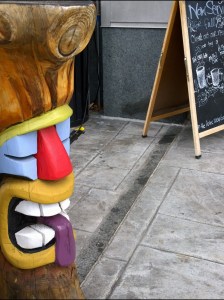
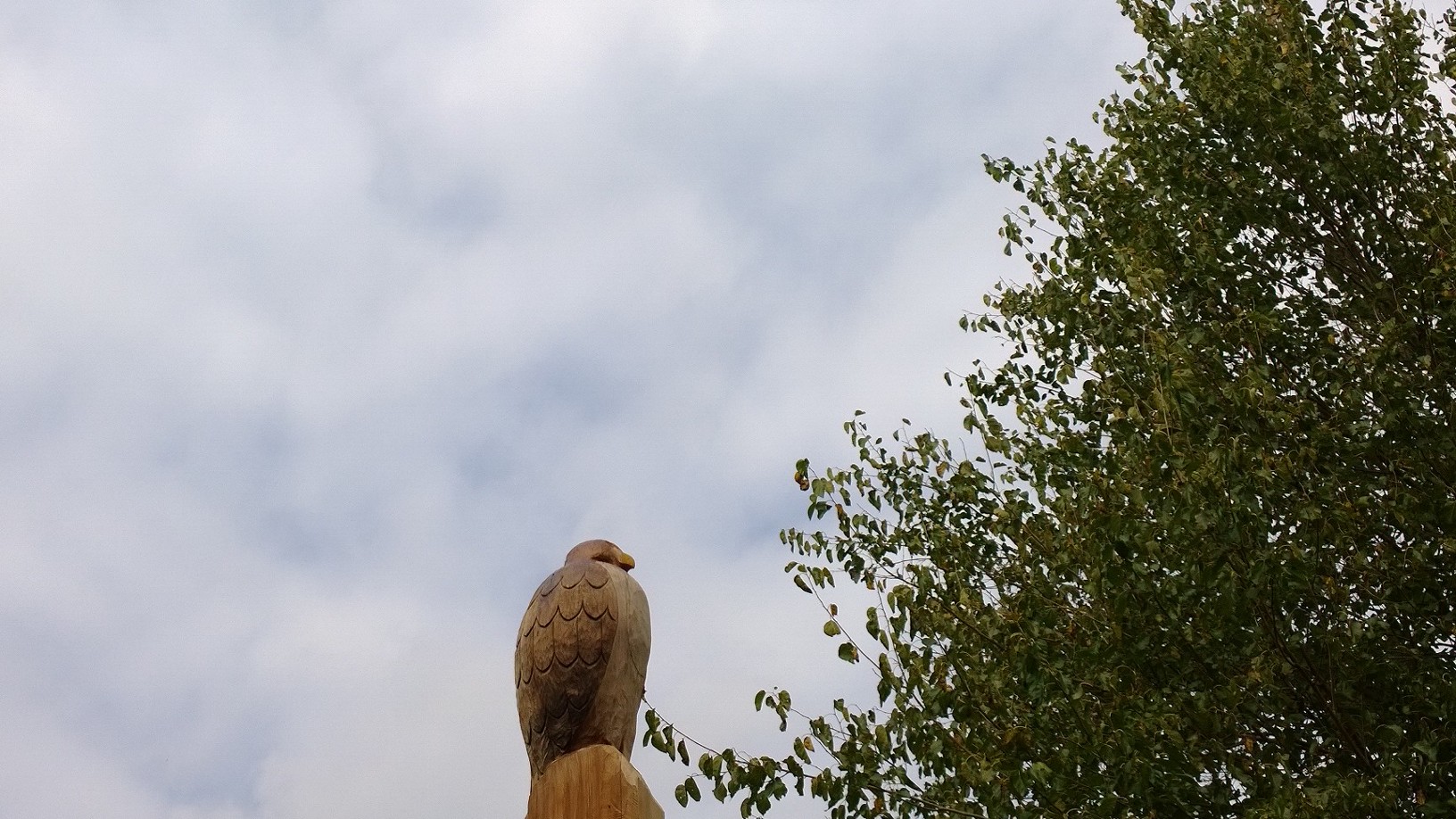
The totem pole is outside a Jamaica Plain (JP) coffee shop, where on certain days, people pay for the next person’s coffee. When I took my turn to “pay it forward,” the puzzled recipient said, “Gosh, I love JP.”

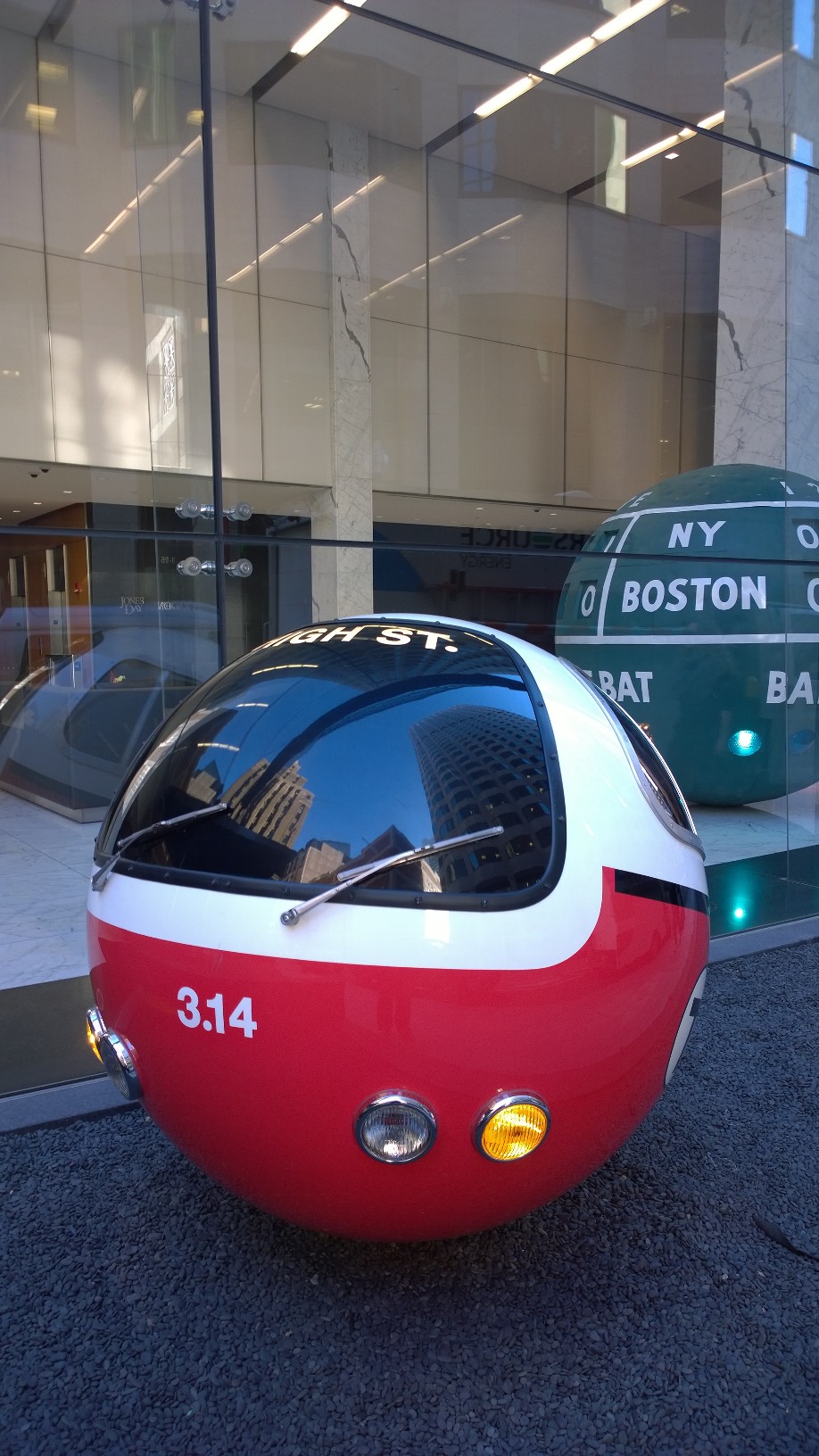
Next is a Red Line ball on High Street in Boston. Steve Annear reports at the Boston Globe that Lars-Erik Fisk  “used polycarbonate to shape the sculpture before he added a windshield, destination arrival sign, and headlights and tail lights to the sphere to capture the T’s look.” (Fisk also made the Green Monster inside the building.)

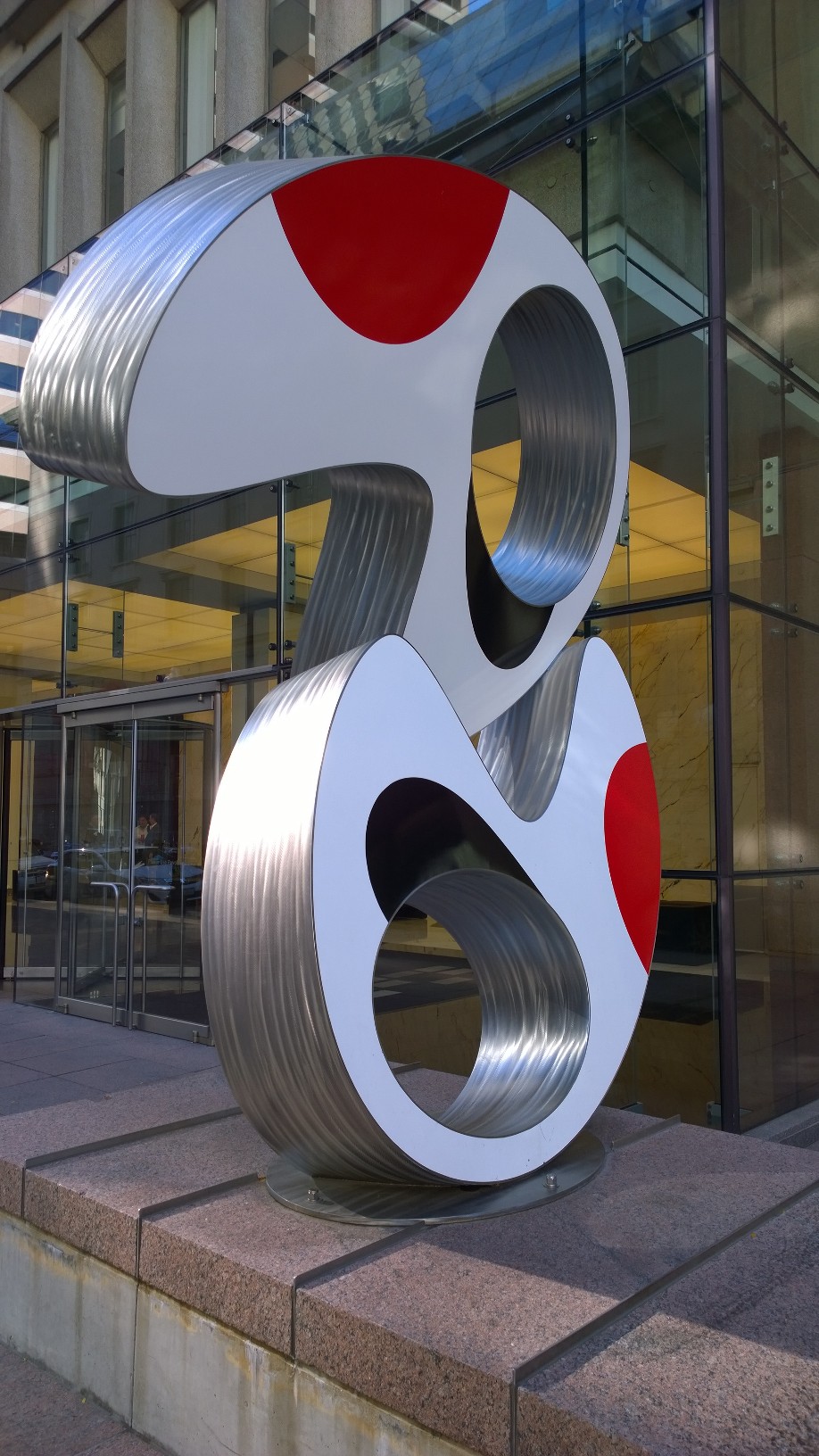
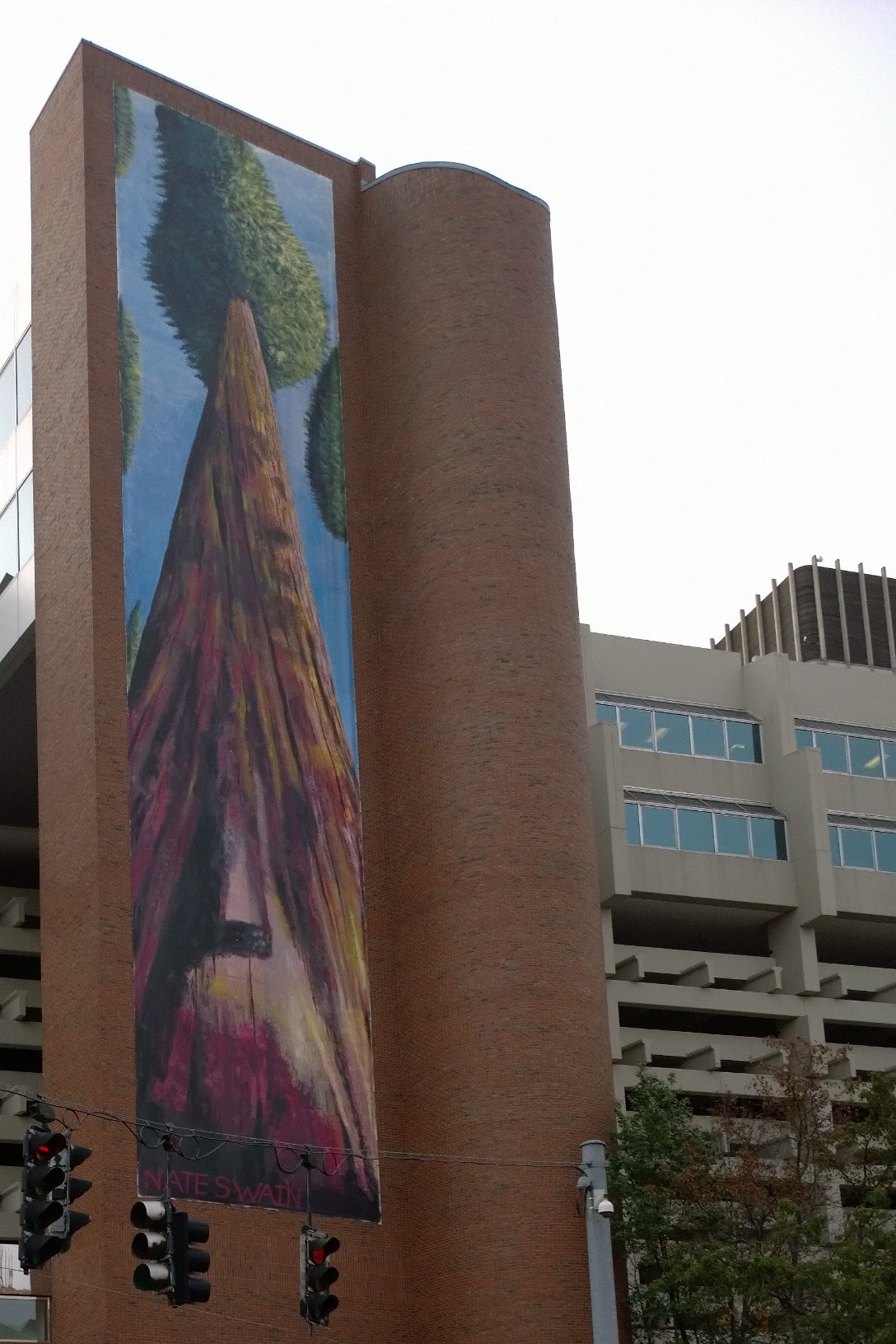
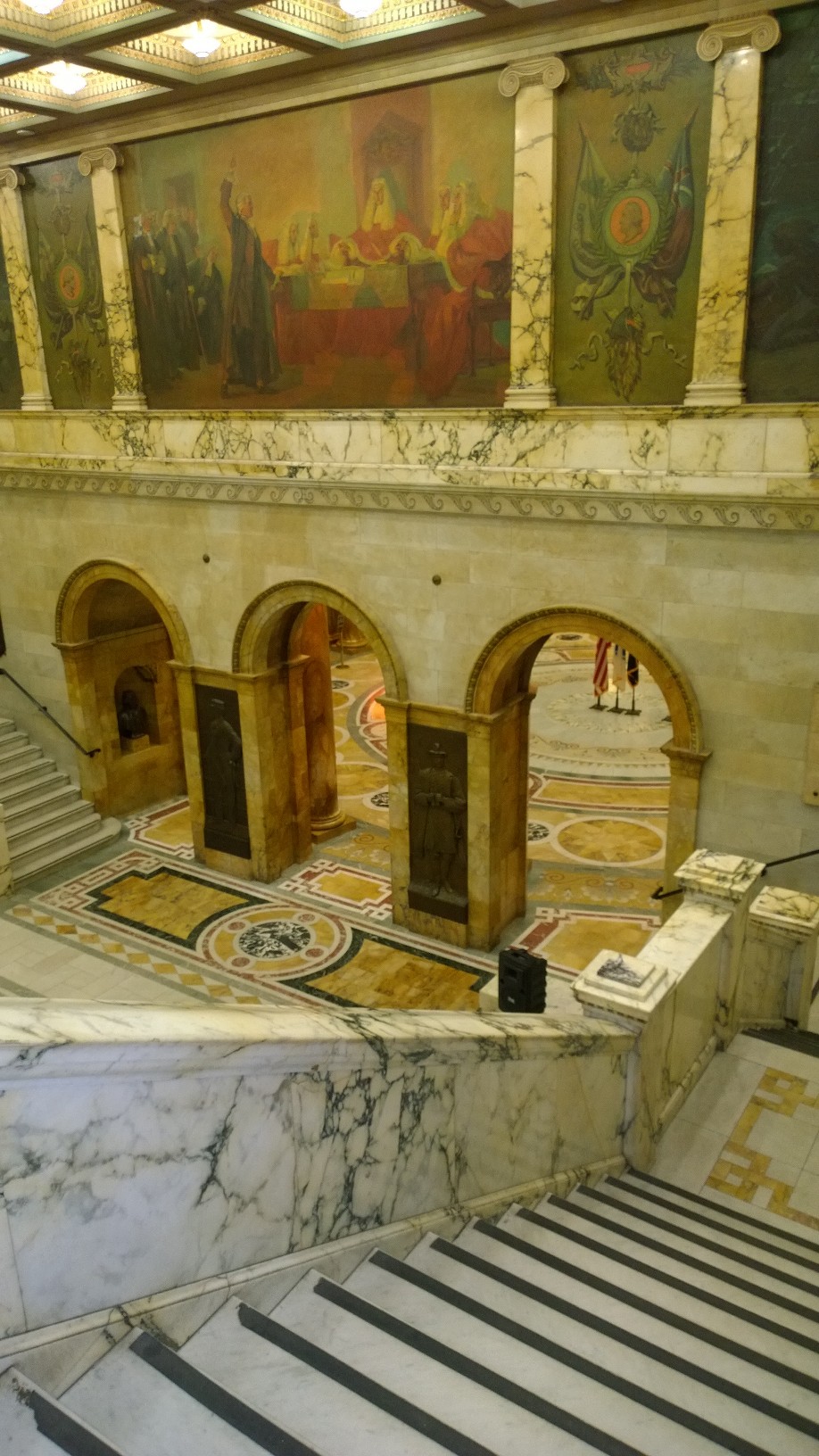
The second sculpture is on Franklin Street. The giant tree mural is on a Congress Street parking garage, near Government Center. The beautiful staircase is at the Massachusetts State House.

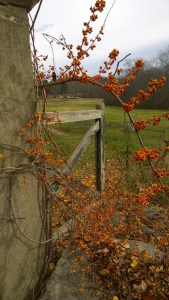
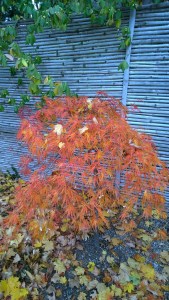
The Redcoat is at the North Bridge, as is the bittersweet on the gate. The dogwood and the Japanese Maple are at my house.

110615JP-totem-pole-coffee-shop

102615-MBTA-ball

110315-Boston-sculpture

102815-tree-mural-Boston-and-garage

102815-tree-mural-Boston

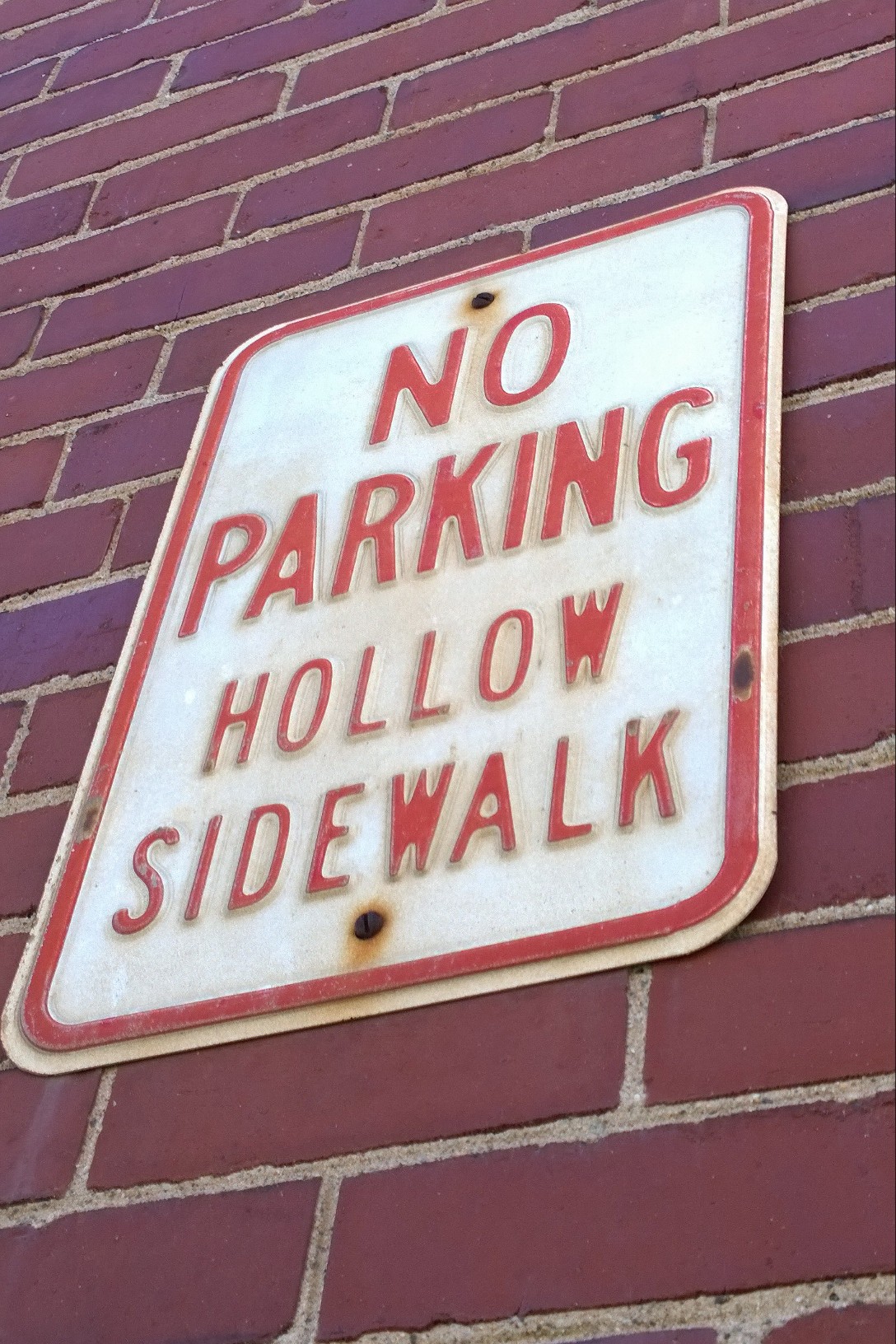
110515-hollow-sidewalk

102915-MA-statehouse

110715-redcoat-North-Bridge

110715-bittersweet-North-Bridge

110715-dogwood

110115-lovely-orange Japanese-maple

Read Full Post »

Someone posted a chair by Jeffro Uitto on Facebook, and I had to know more.

Uitto’s About page says, “On the Washington coast there’s a place where nature’s leftovers get a second chance at stardom. The place is Knock on Wood, and Jeffro Uitto is the artist making the magic happen.

“Since high school Jeffro has been creating with wood, his favorite medium. This stuff isn’t from a lumber mill either. Each piece is found and rescued from the shores of Tokeland, the banks of Smith Creek, or the valleys between the Willapa Hills. In due time the varied sticks, slabs, and roots are cured and then found a fitting home. …

“Not everything is built right in the shop though. Clients have brought Jeffro on site to build one-off creations in places like Alaska and Hawaii.

“Jeffro’s shop is located near the historic Tokeland Hotel, a stone’s throw from Willapa Bay. … Visitors are surprised to see that many of Jeffro’s tools are hand made by the artist himself. After you get to know him, this isn’t surprising at all.”

Be sure to check out the amazing sculptures at Jeffro Uitto’s website, here.

Photos: Jeffro Uitto

Read Full Post »

In India, a man who saw sculptural possibilities in castaways has left behind hundreds of pieces of art in a public rock garden.

Nek Chand, an Indian artist who rose to prominence by quietly building a sprawling kingdom of folk sculptures in northern India that became one of the country’s most popular tourist destinations, died on [June 12] in Chandigarh. He was 90. …

“Mr. Chand’s life’s work, known as the Rock Garden of Chandigarh, covers several acres and is populated by rock sculptures and figures of dancing women and animals, many of them fashioned from found objects like the mudguards of motorcycles and broken bangles.

“It stands in contrast to the striking if neglected government buildings conceived by Le Corbusier, who planned Chandigarh — the capital of the states of Punjab and Haryana — in the 1950s.

“For some, the Rock Garden, which has thousands of visitors a day, is an antidote to what, with its stark Modernist buildings, is seen as something of a bureaucrat’s city. …

“Mr. Chand was born Nek Chand Saini on Dec. 15, 1924, in the village of Barian Kalan, which became part of Pakistan after partition. He was newly arrived in the city of Chandigarh just after India’s independence in 1947. He worked for the government as a road inspector, according to the Department of Chandigarh Tourism website. But, [Rupan Deol Bajaj, a retired government functionary] said, he became fascinated by found objects, including weather-beaten rocks.

“ ‘I started building this garden as a hobby’ in the 1950s, he said in an interview with Agence France-Presse in December. ‘I had many ideas, I was thinking all the time. I saw beauty and art in what people said was junk.’

“By night he slipped onto a patch of land and artfully arranged rocks and construction waste behind a barricade of empty tar drums.”

The garden was a secret for a long time. When the authorities learned about it, a debate on its future ensued. But, says the Times reporter, “a groundswell of support led to its official opening to the public in 1976.” More here.

Photo: Reuters
Nek Chand, at 76, next to one of his sculptures. He died in June at age 90.

Read Full Post »
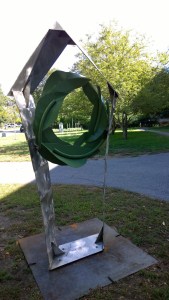
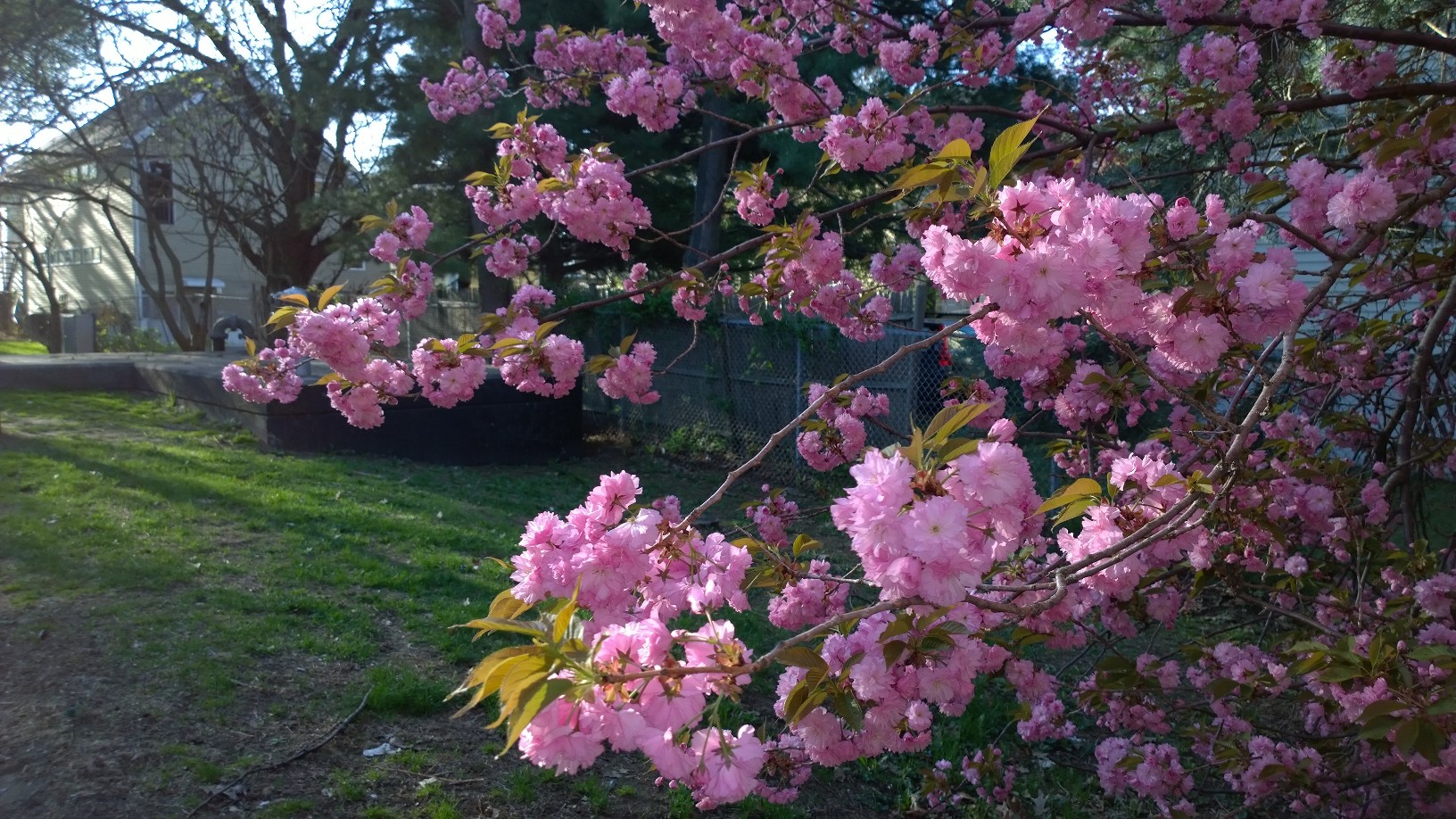
flowering-on-the-bike-pathI had such a nice walk on the bike path before work this morning! The sense of it kept coming back to me during the day.

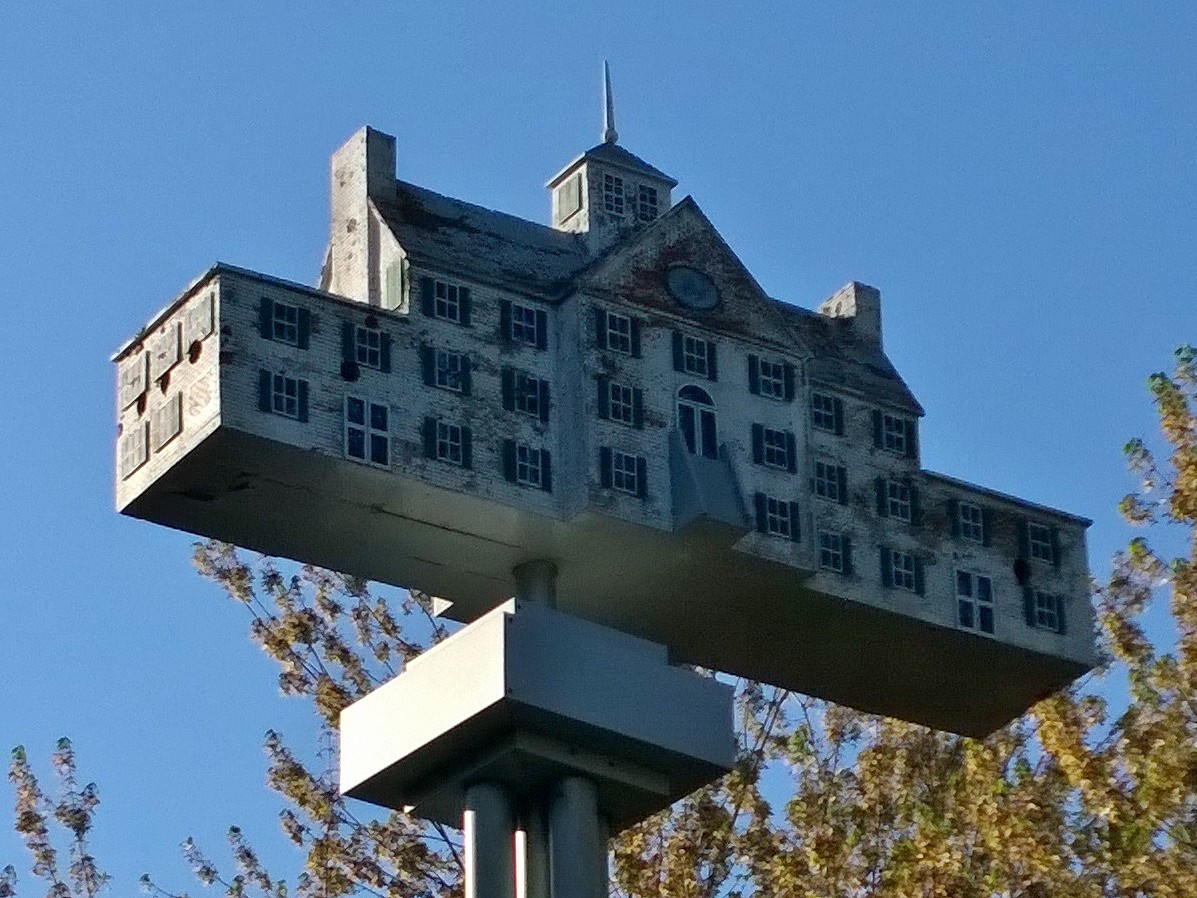
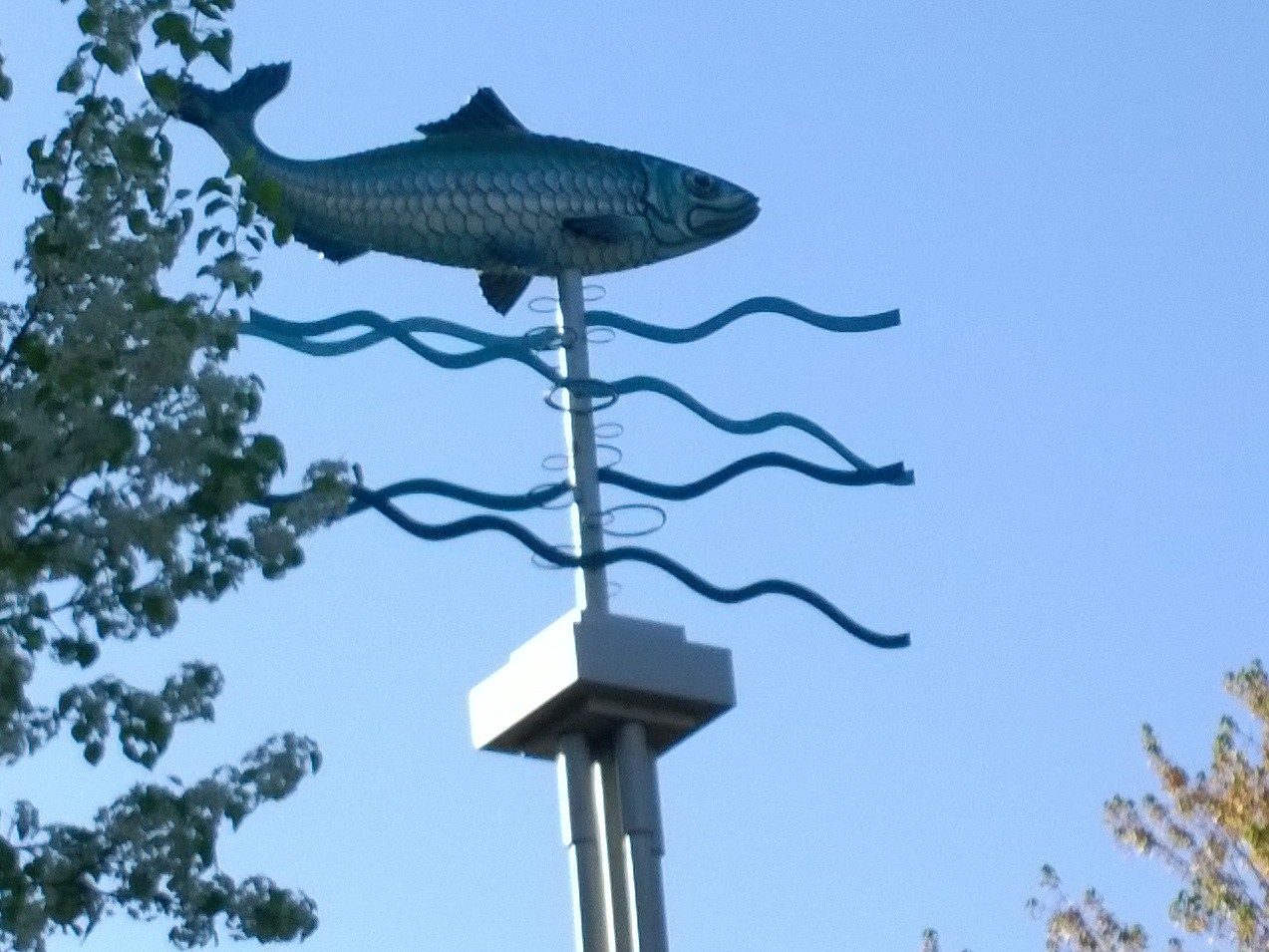
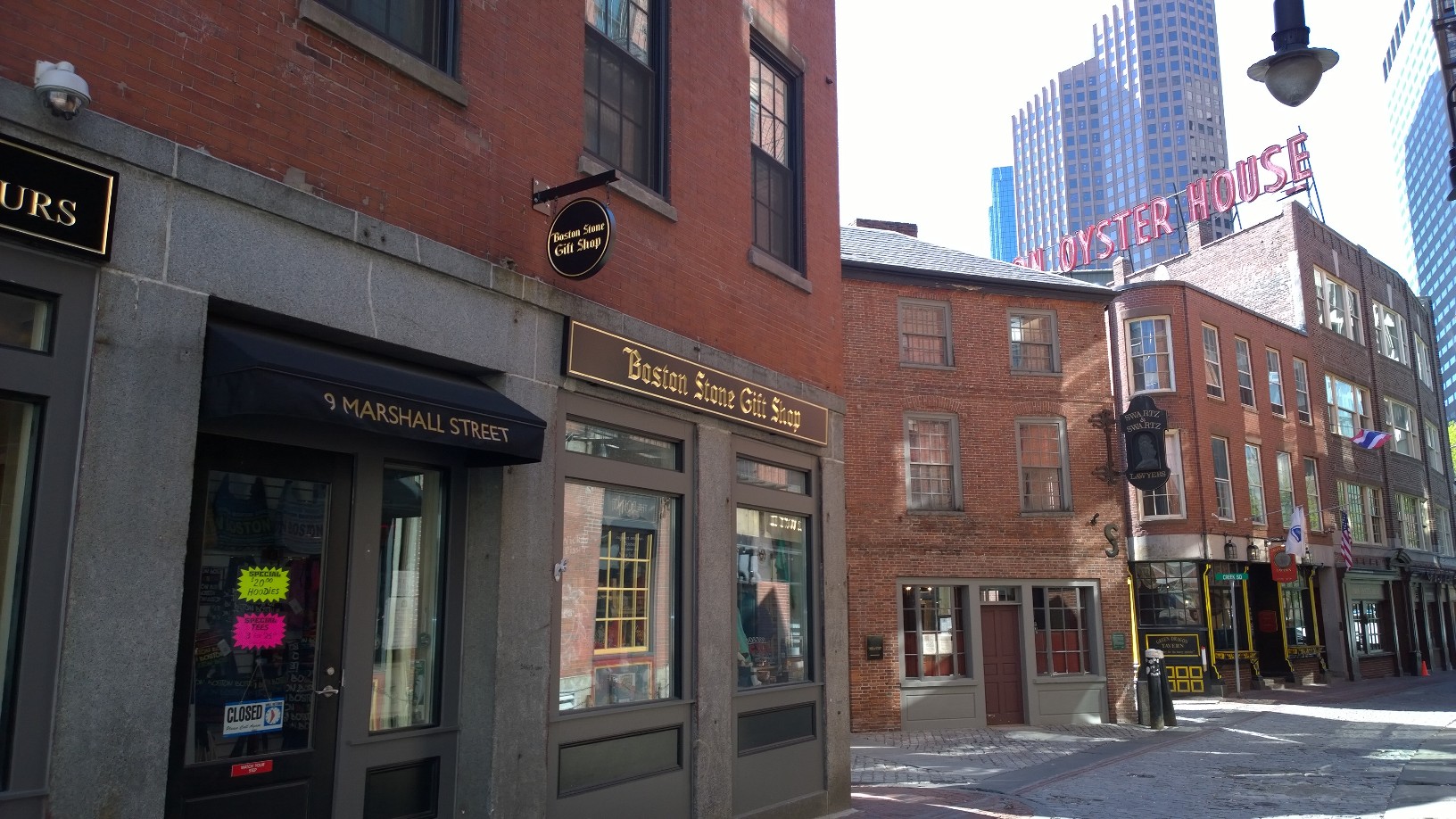
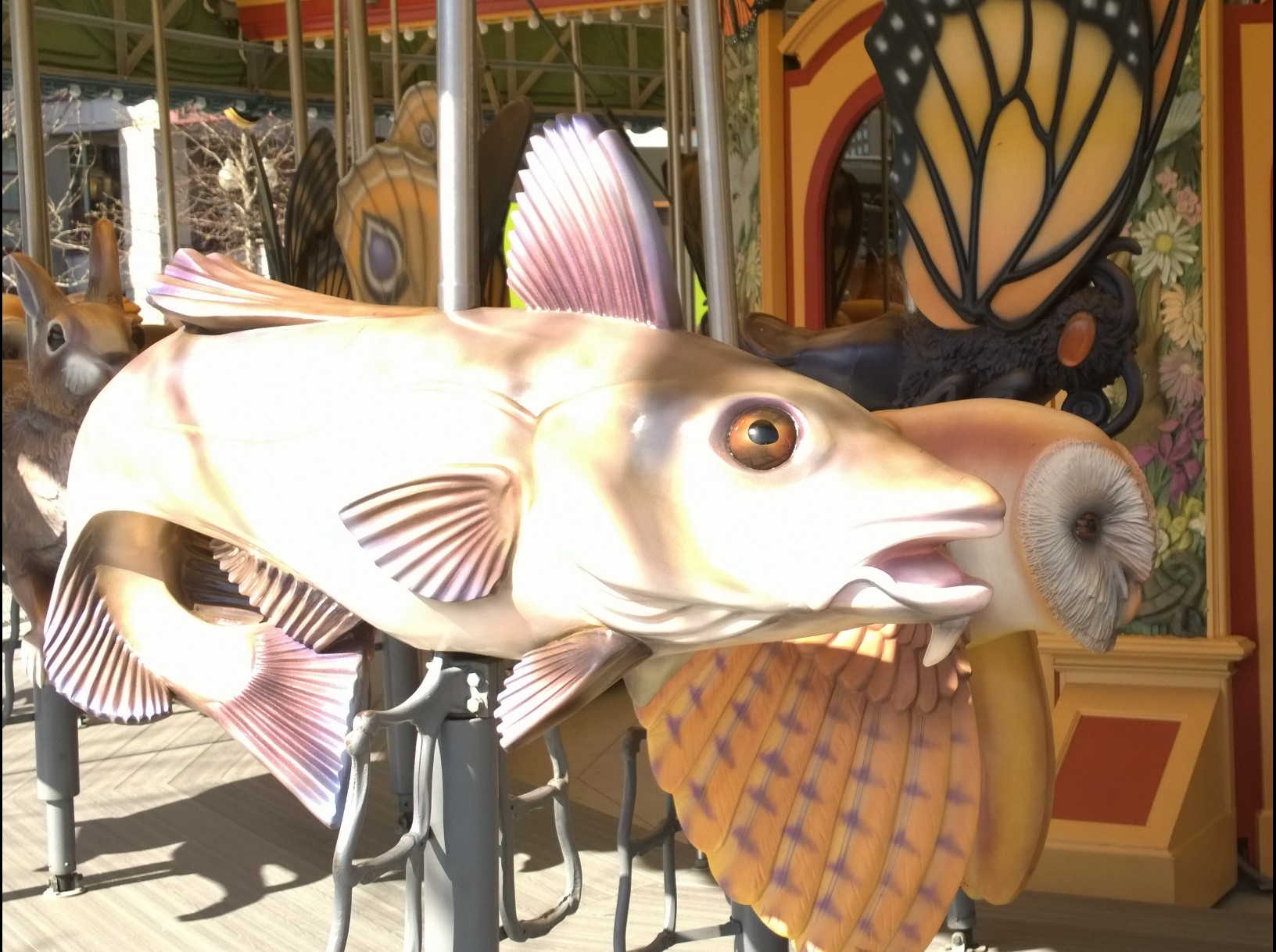
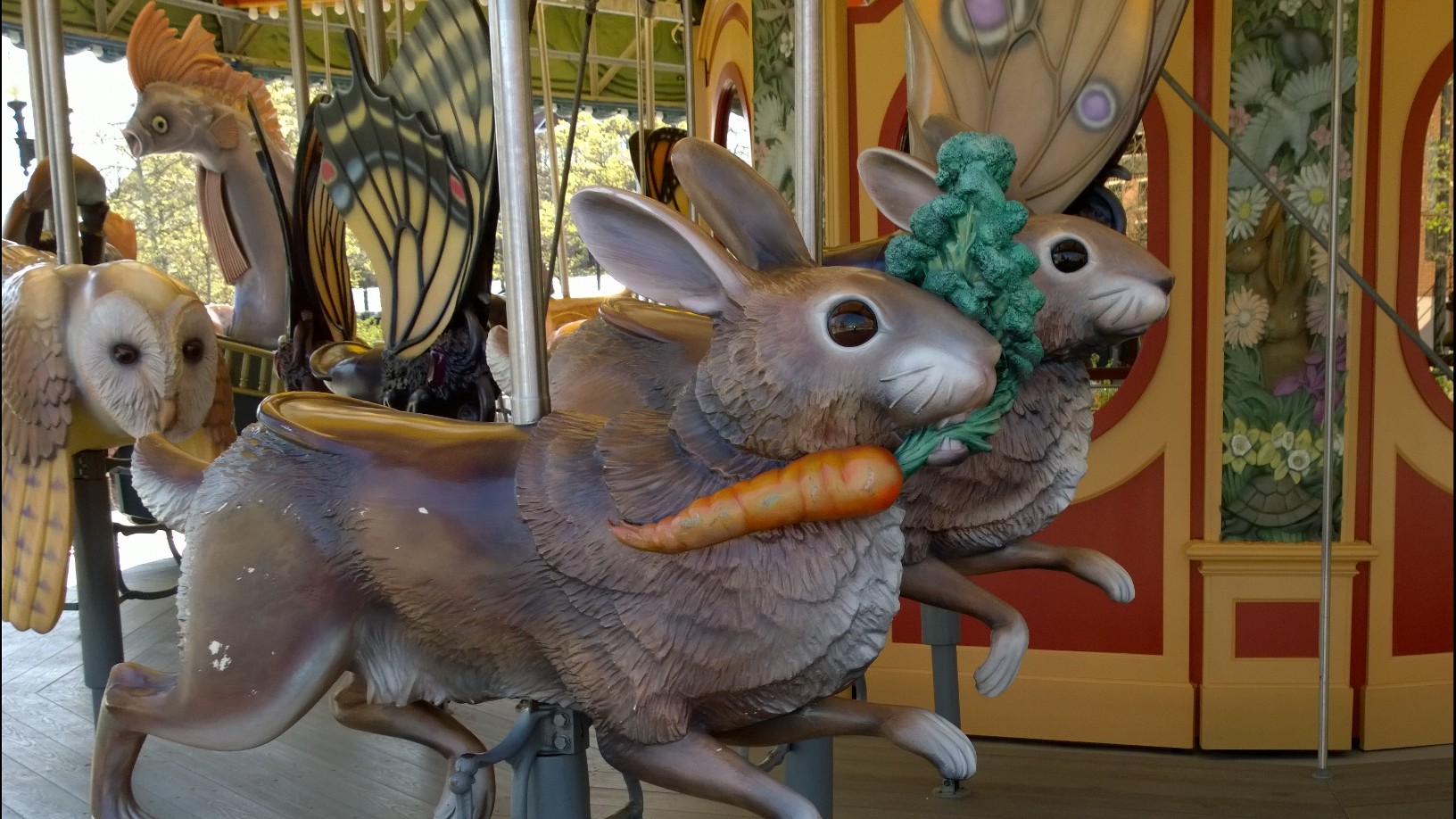
The flowering cherry photo is from that walk, as are the sculptures on flagpoles that I never noticed before. I am also sharing an amble down a Boston alley near the Oyster House, a cod racing an owl on the carousel, and two rabbits pursued by an owl, a butterfly, and some kind of sea serpent that can never catch up.

I have a new Greenway photo I’ll call Heat Rising: from every new angle, the Echelman sculpture surprises.

Finally, I can tell you that the wonderfully artsy pipe resting against my neighbor’s fence is now buried under the street.

mansion-on-a-stick

fish-on-a-stick

Oyster-House-alley

owl-and-cod-on-carousel

abbits-nec-and-neck

heat-rising-in-Greenway

pipe-will-go-under-road

Read Full Post »

concord-library-in-dawn-mist

The photo of the library windows, above, was taken this morning. I was beyond thrilled to see the bubbles. It turns out that’s what happens when a flash meets a mist.

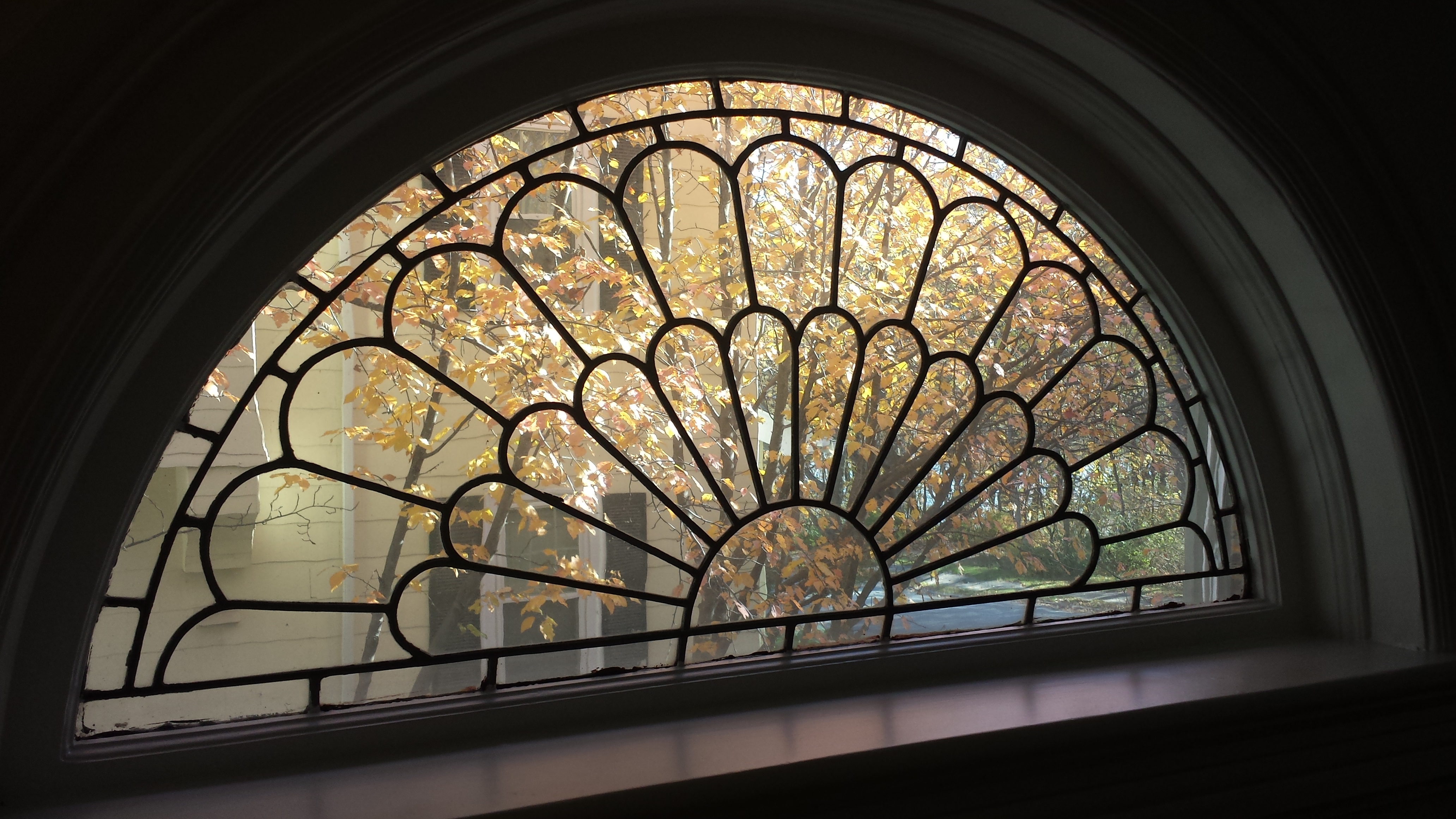
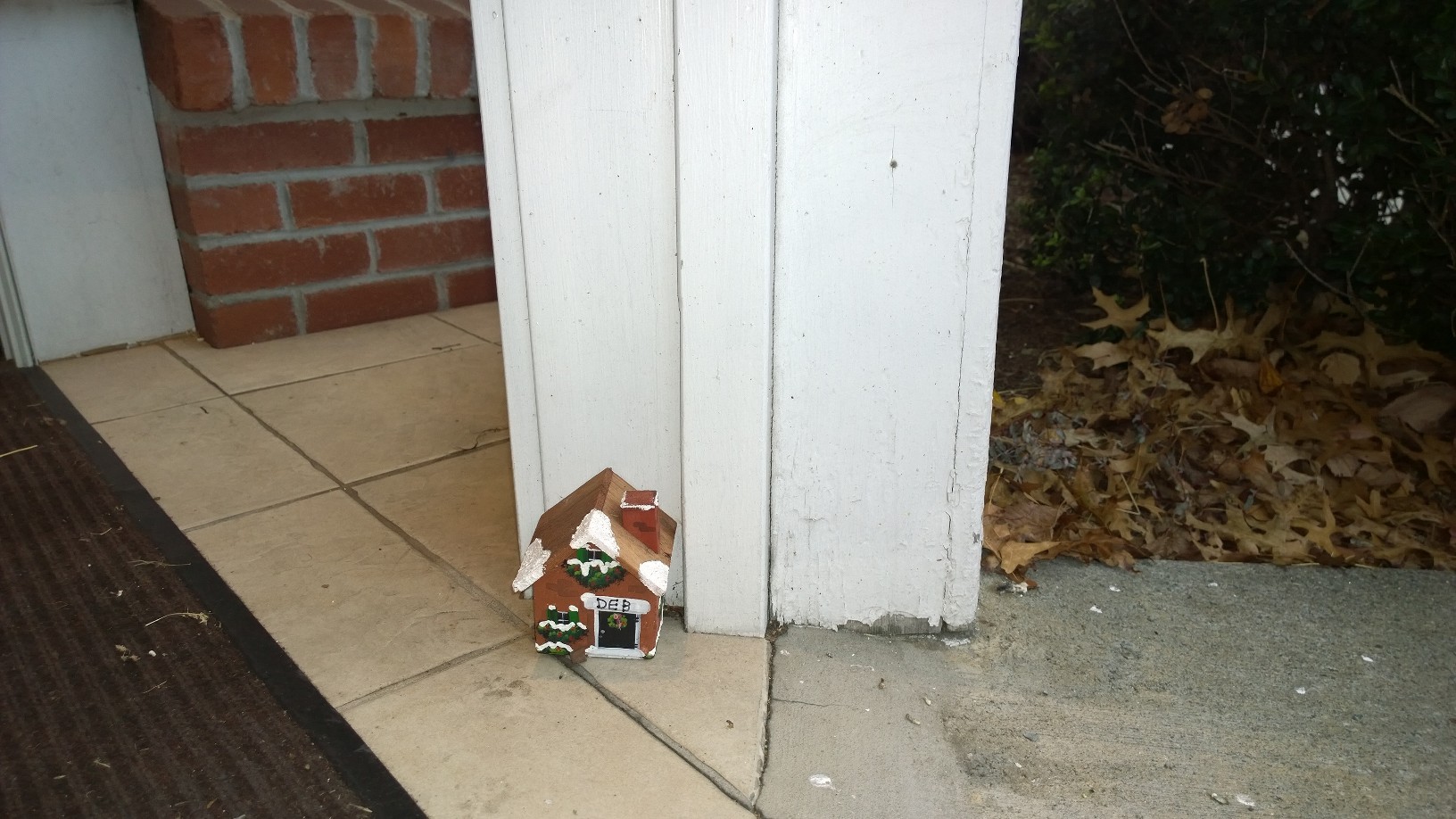
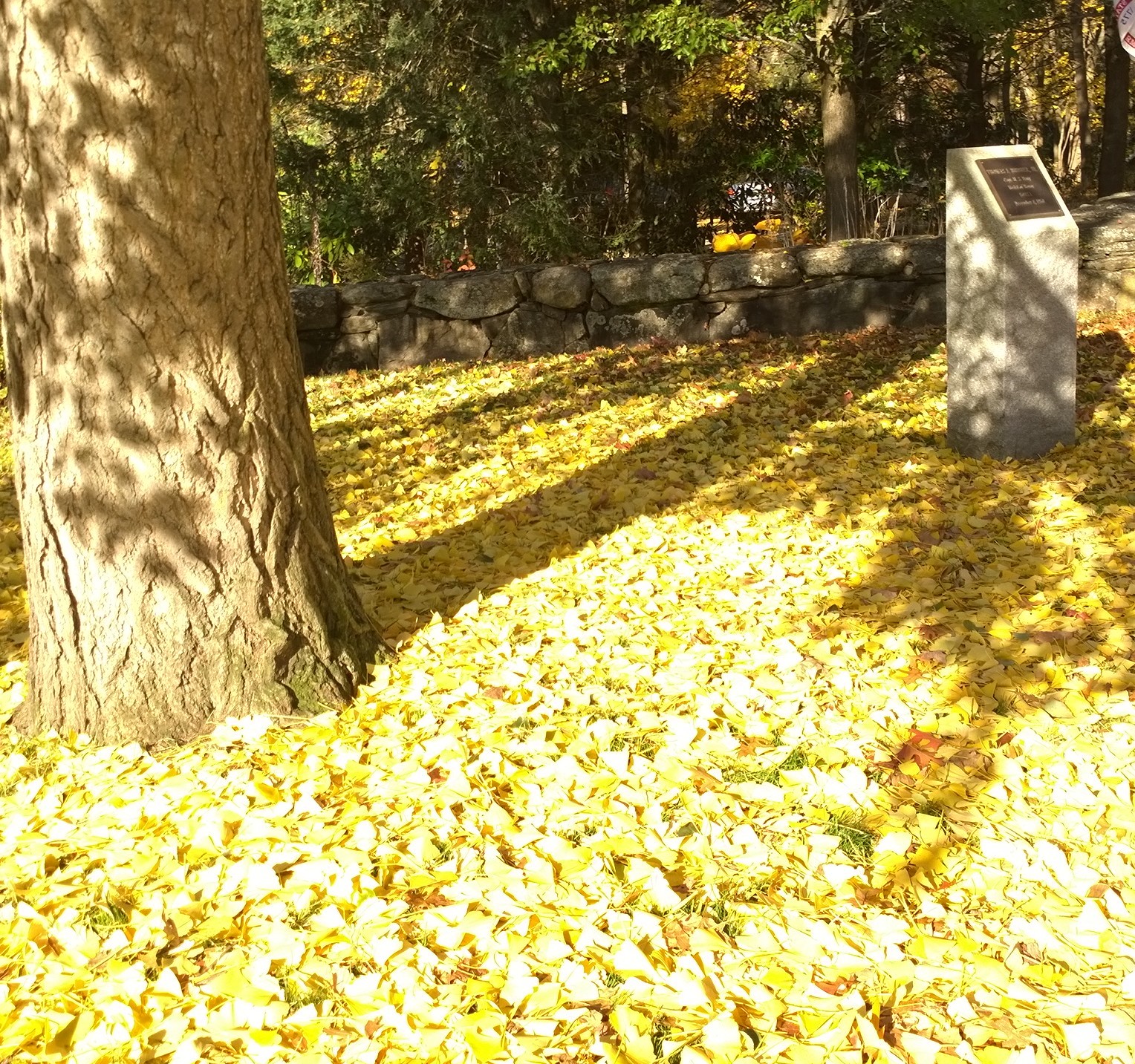
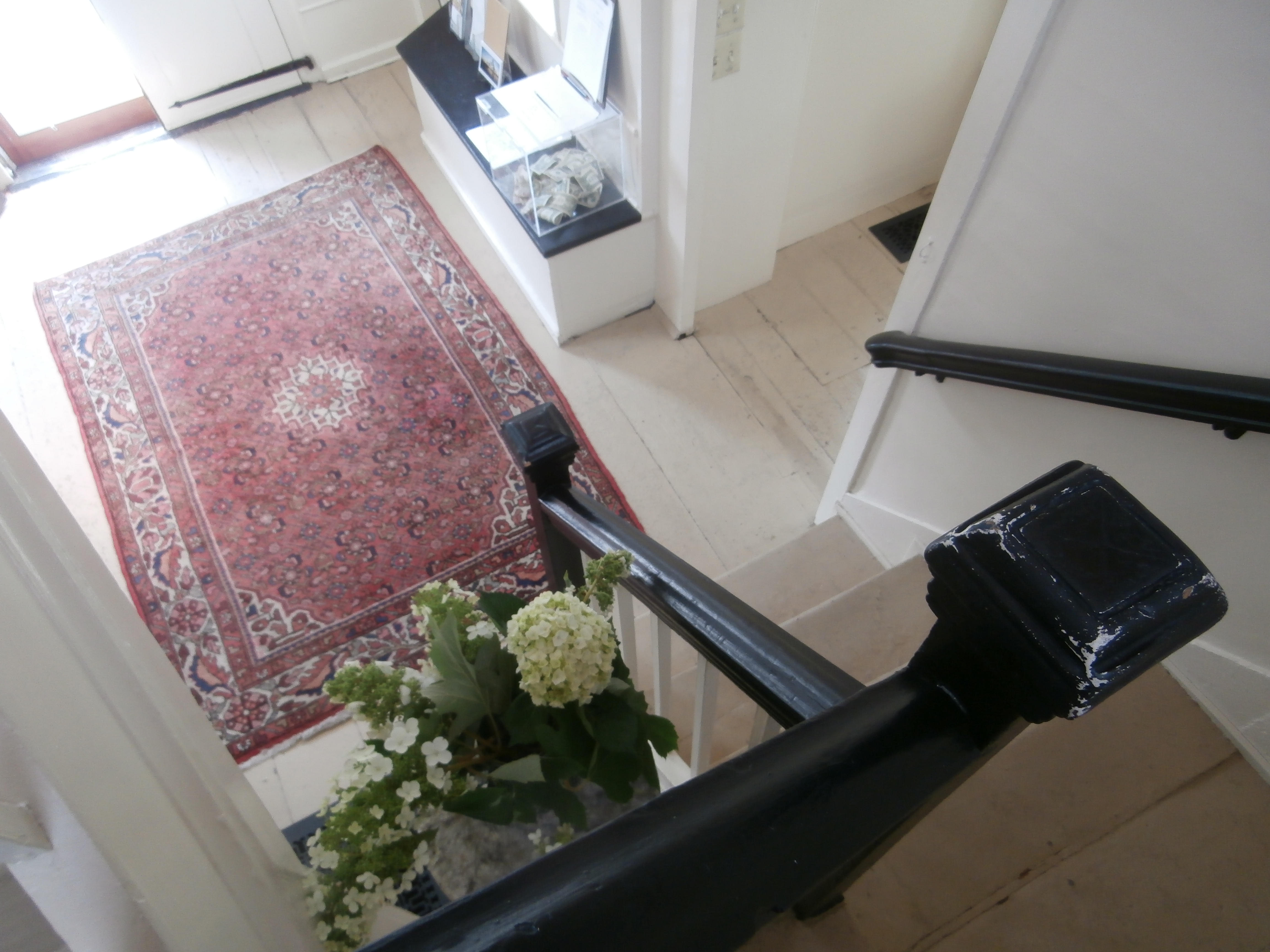
Suzanne took the lovely picture of leaves through a fan-shaped window in Rhode Island. The tiny house photo is from the entryway to a real estate office. The golden carpet is of ginkgo leaves. I took the shot of bittersweet growing on a Liberty Street fence Veterans Day near where the first shots were fired in 1775. The sculpture in front of the Umbrella Center for the Arts is by Nancy Arkuss. It’s called “Sid.” (Suzanne went through school with the artist’s son.)

20141110-foto-by-suzanne

realtor-entry


gingko-leaf-carpet-Concord-MA

111114-bittersweet-on-veterans-day


Sid-by-Nancy-Arkuss-at-Umbrella


Read Full Post »

Judith Ross, who also has a WordPress blog, saw a story she knew I would like. It’s about a Mass College of Art professor who got an idea for a quiet little memorial to Trayvon Martin.

Greg Cook writes at WBUR radio’s The Artery, “For about four years, Matthew Hincman had been eyeing the old stump of a lamppost at the corner of Eliot and Centre streets in Jamaica Plain’s Monument Square. It stood there, with two screws sticking pointing up, as if calling for something to go on top. …

“And he got to thinking about the granite monument tower on the other side of the square to a couple dozen West Roxbury men who died in the Civil War. …

“ ‘Who do we memorialize?’ he began to ask himself. ‘Why do we memorialize them in the public space?’

“And so it happened that a couple Wednesdays ago, right in the middle of the day, the Boston sculptor arrived with an assistant and proceeded, without permission from any official authorities, to attach a small, secret, cylindrical metal thing atop that lamppost.

“On its flat top is a low relief depicting a hoodie sweatshirt cast to the ground. … For Hincman, it’s a street art monument to Trayvon Martin.”

Read about other art projects by Hincman at The Artery, here. I like his stealth approach to many of them.

Photo: Michael Hincman
A street art monument to Trayvon Martin

Read Full Post »

This was posted at an Arlington blog last May, but I just saw the sculpture it refers to.

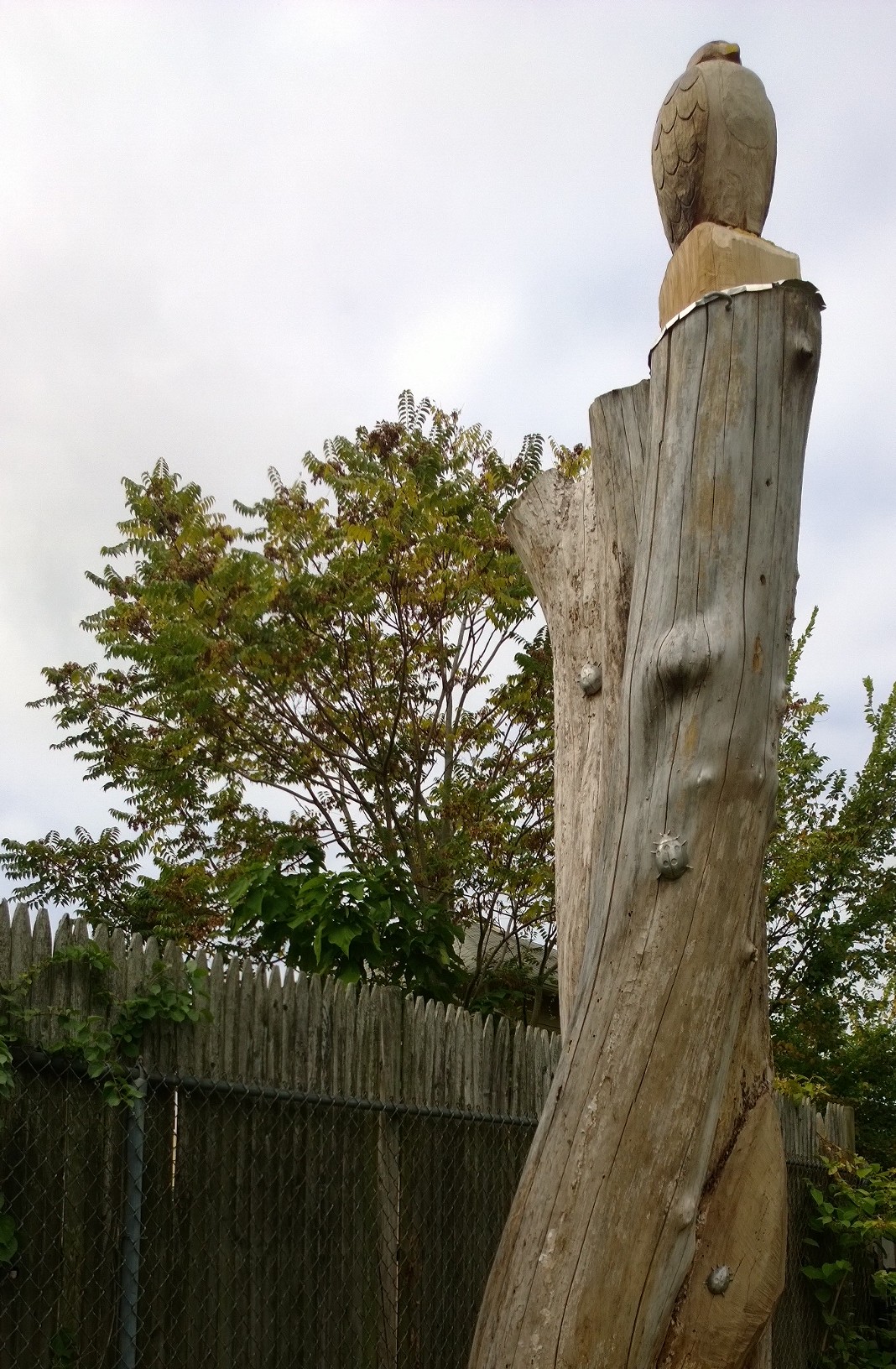
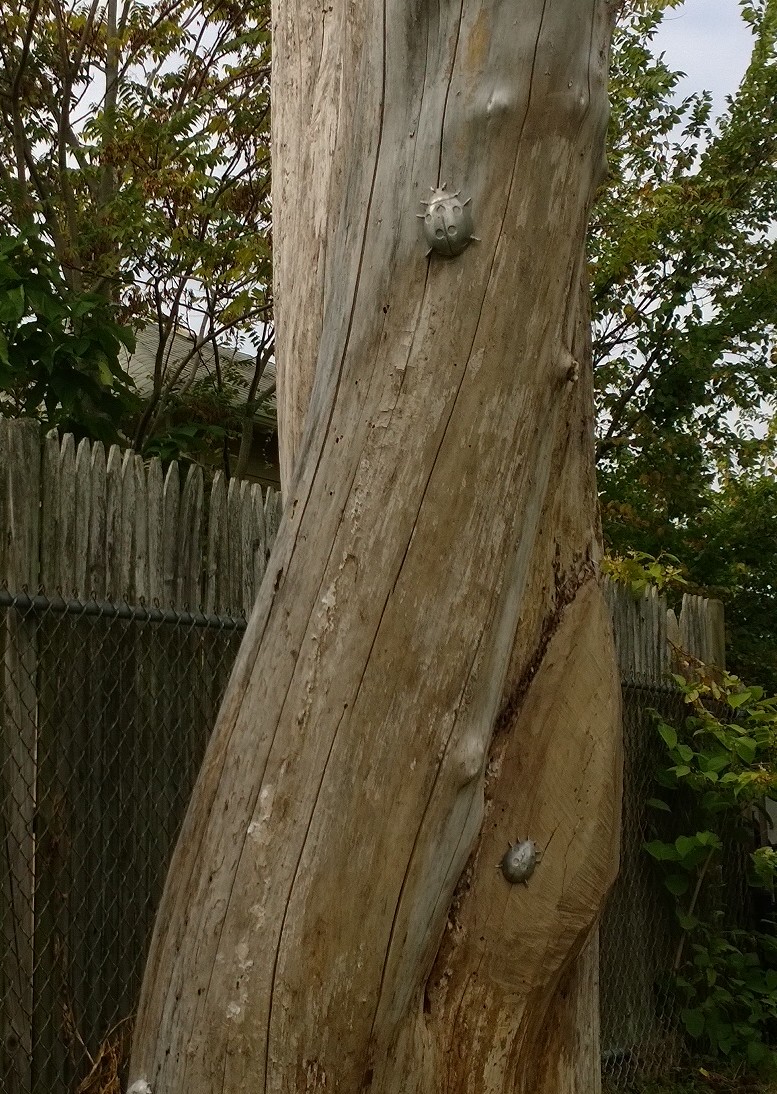
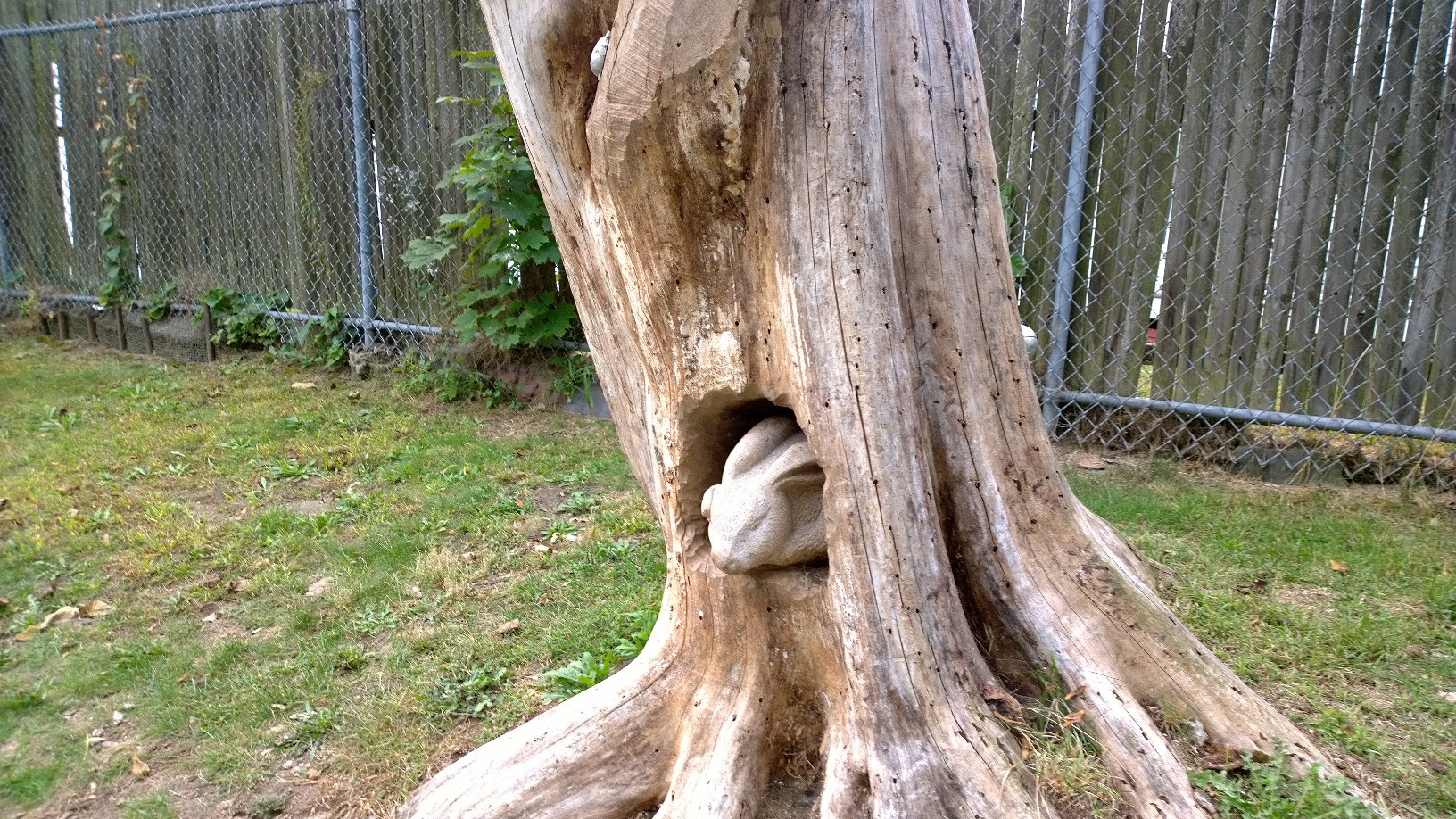
“You are invited to watch the ladybugs for the Waldo Park Tree Sculpture being made right before your eyes … Work by artists has already begun to transform a tall tree stump on the hill in Waldo Park … into multimedia sculpture that features local birds, animals and insects. The Friends of Waldo Park are holding two community participation days as this work is created. …

“Watch the metal-smiths at work as they cast aluminum ladybugs to be bolted onto the tree sculpture. Stop by for however long you’d like to see how metal-casting is done!” More.

Note the metal ladybugs crawling up the trunk, the bunnies peeking out from inside, and the hawk on top.

carved-hawk-and-metal-bus

bug-close-up

rabbit-in-tree-waldo-park

hawk-carved-from-dead-tree

Read Full Post »

Suzanne is in Denmark at the moment and sent me a website for something unusual she saw there: a modern Stonehenge.

“The idea of creating The DODECALITH arose in 2006 when the composer Gunner M. Pedersen saw sculptor Thomas Kadziola’s land art project Anemarken (Ancestors’ field) … on the island of Lolland.

“The composer suggested that he and the sculptor create a Stonehenge on Lolland, consisting of a circle of twelve huge menhirs with heads in the open countryside.”

The creators write, “On a hill overlooking the sea, we are creating a singing monument … that will give everyone from near and far an experience of greatness, closeness and beauty, of time’s migrations and settlements. It will express pride and humbleness, times gone by, the present, and, importantly, time coming. …

“The stone figures will stand on invisible foundations and they will sing!
Under a circle of natural sitting stones, a 12 channel sound system will be installed. This system will allow spatial electro acoustic song and music specially created for The DODECALITH to sound inside the circle at intervals every day, all year round. …

“The ancestors [came] from afar, from the land to the south where the waters rose 7,500 years ago and sent the Lolers on their long journey. … Along the coast from Ravnsholt to Ravnsby alone, over 70 burial mounds have survived, several of which are passage graves. … There are now only four mounds … It is here we are re-erecting the Ring of the Lolers, The DODECALITH, to let the new Lolers ancestors sing.” More.

Read Full Post »

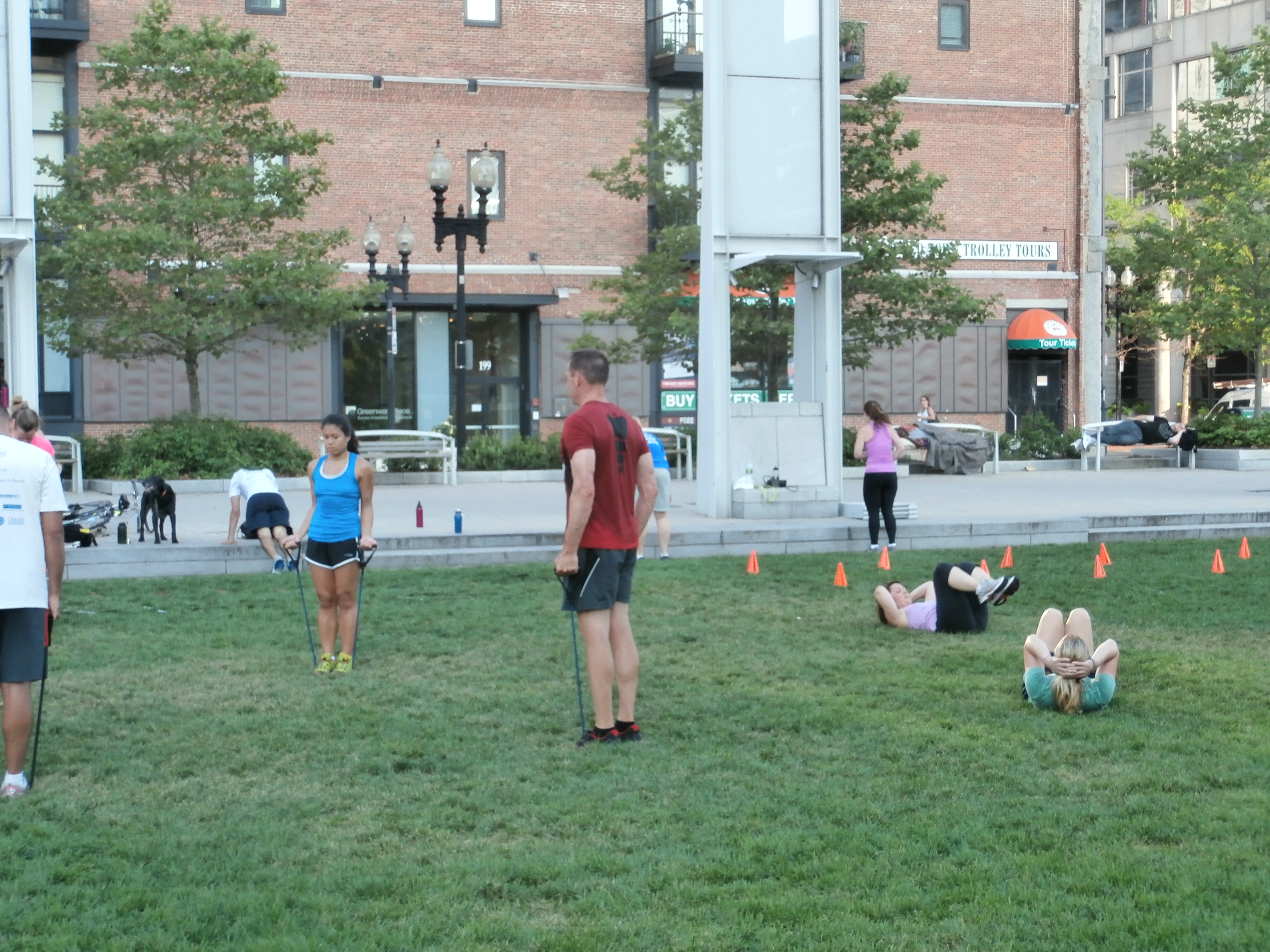
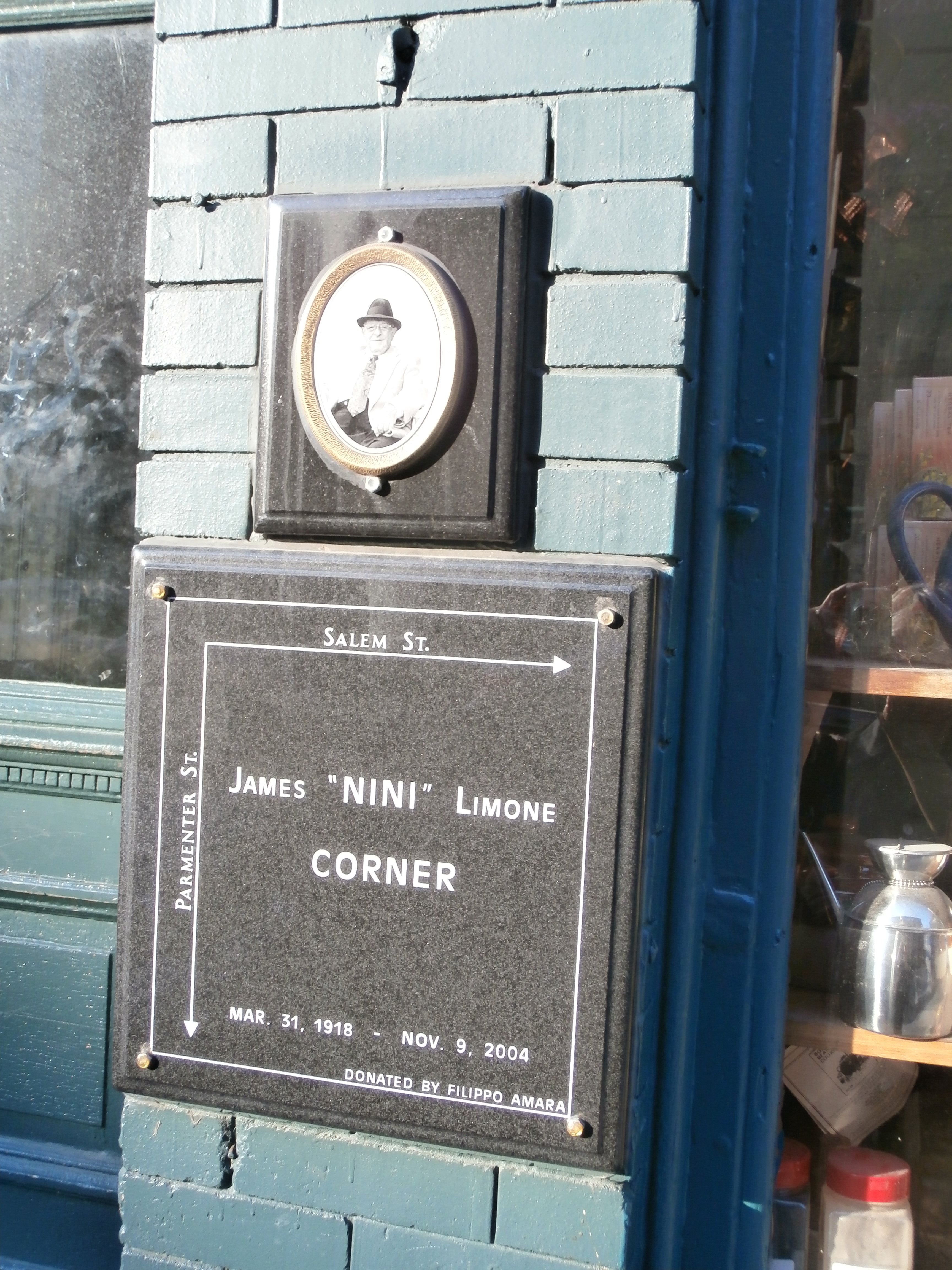
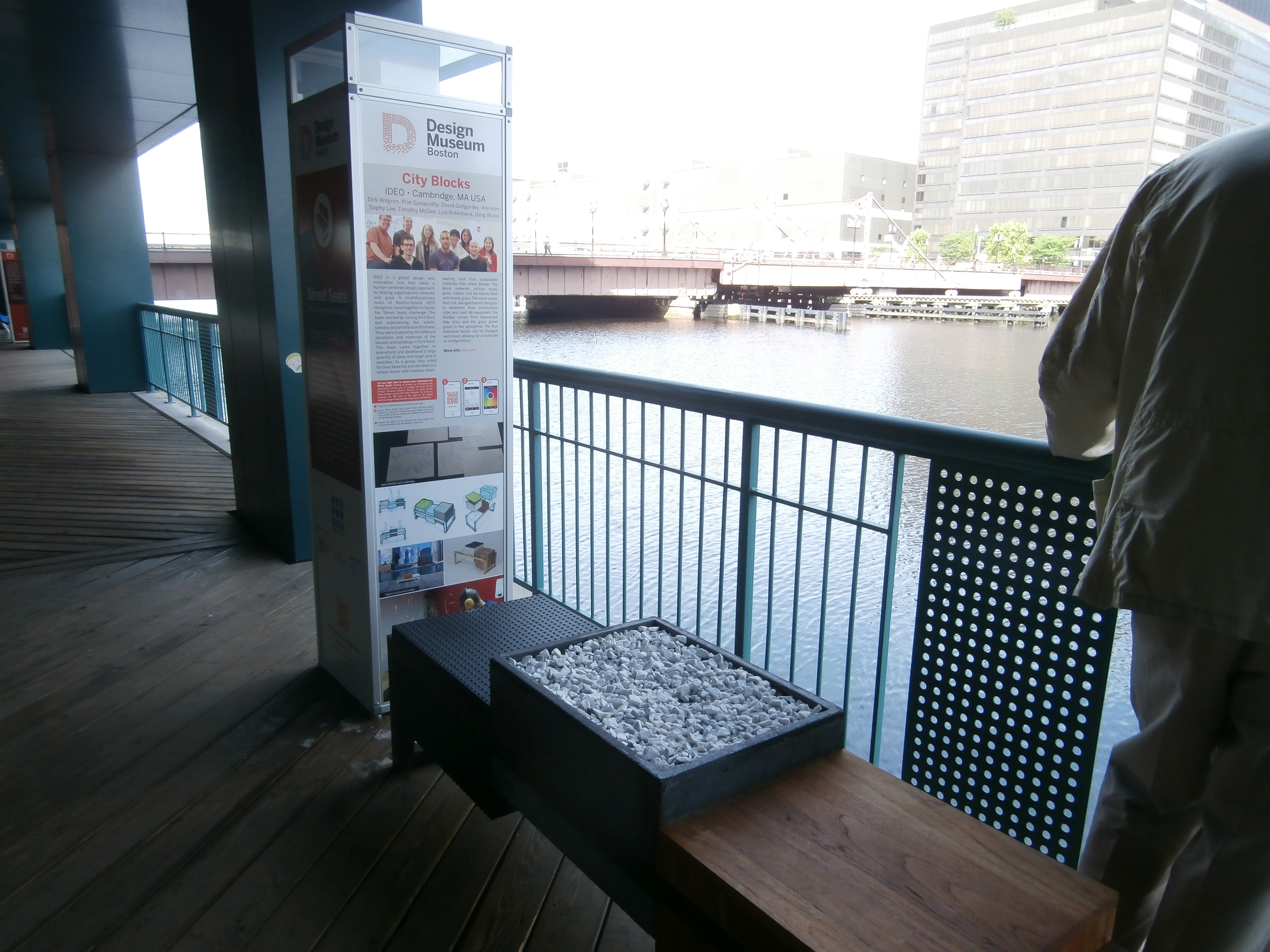
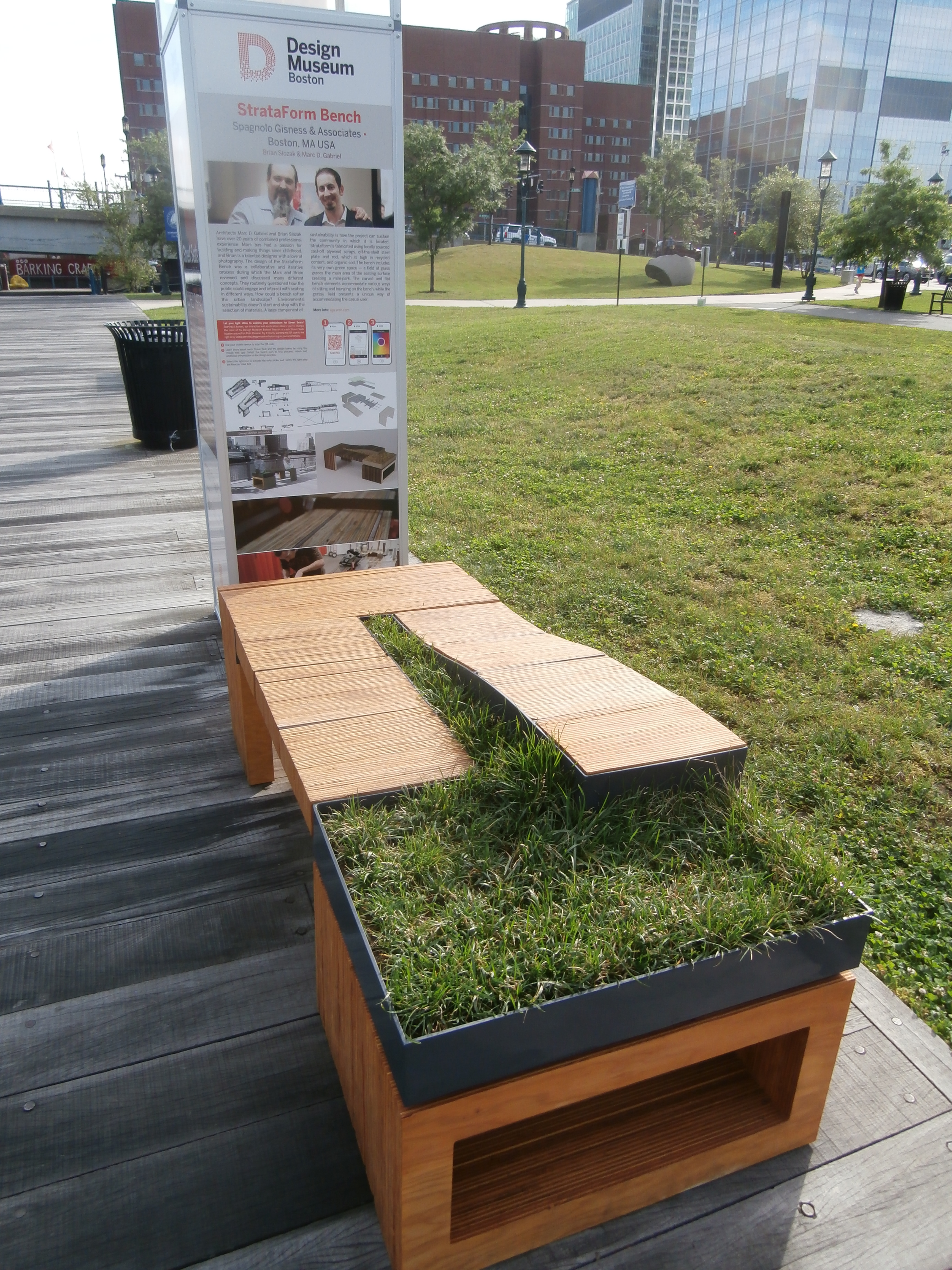
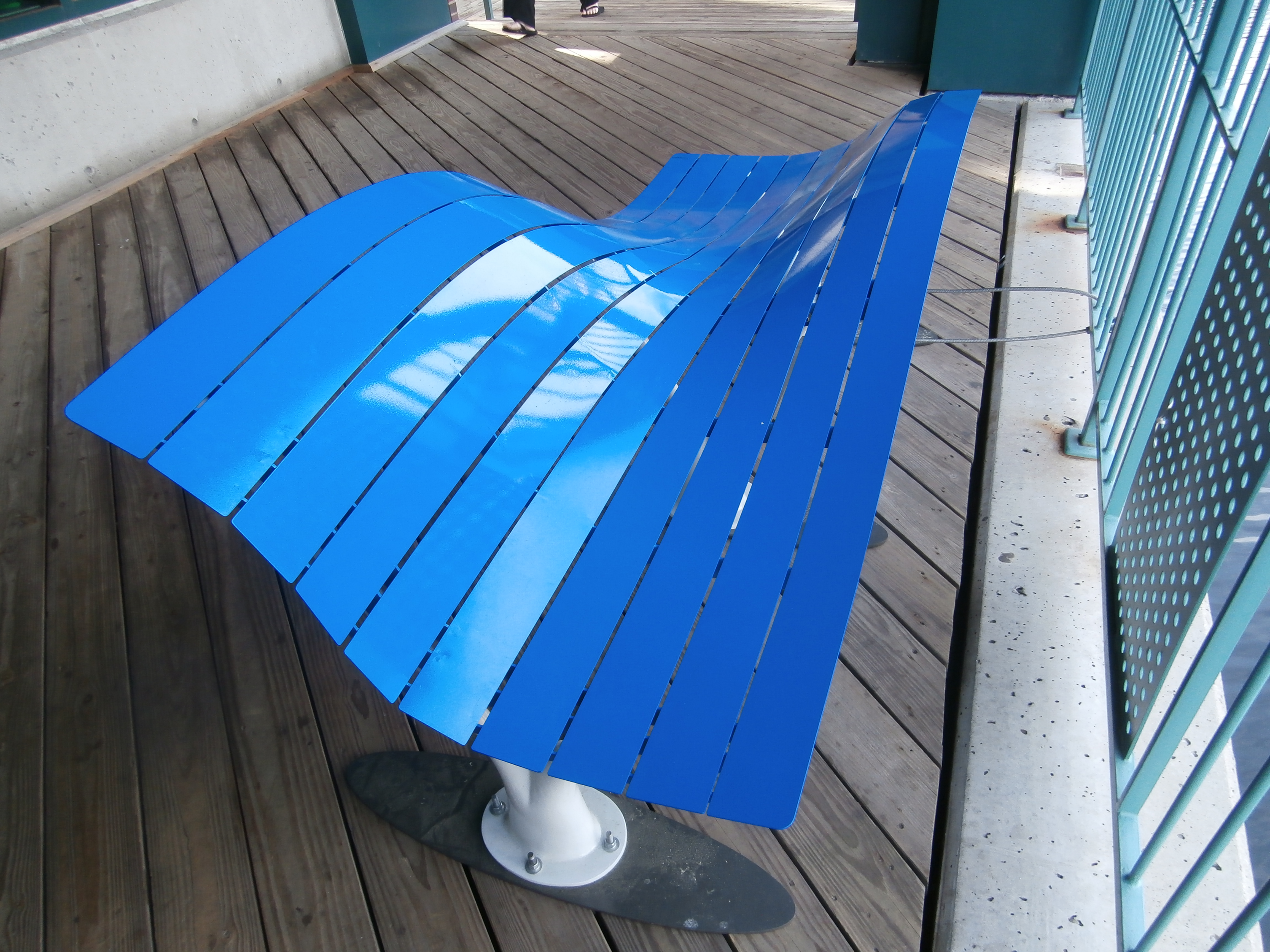
In Boston: a Greenway exercise class on a hot morning, a North End corner named for a beloved local,  a Street Seats bench by ideo, one with a grassy cushion near the Children’s Museum, and a wavelike one in a shaded arcade along Fort Point Channel.

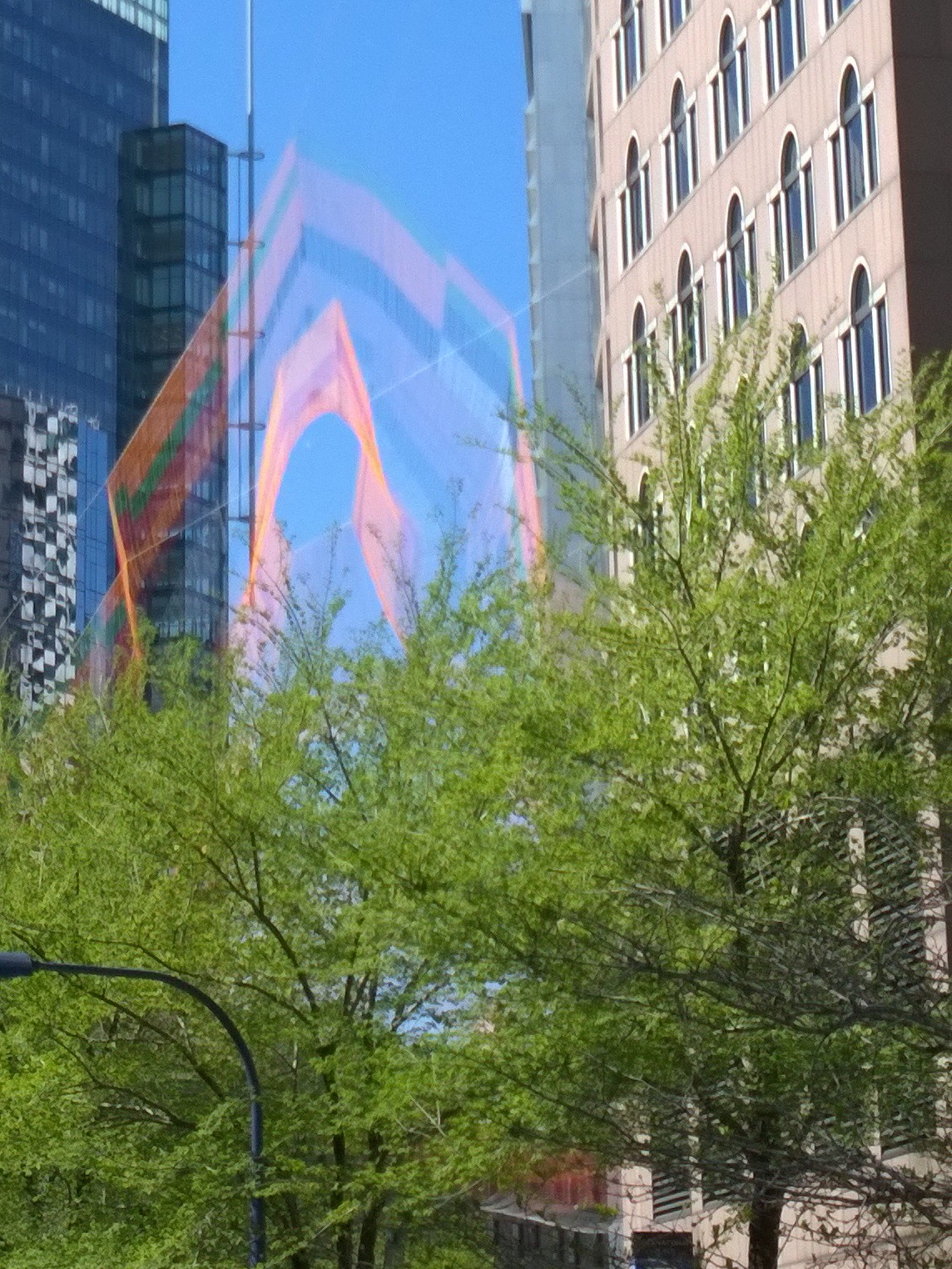
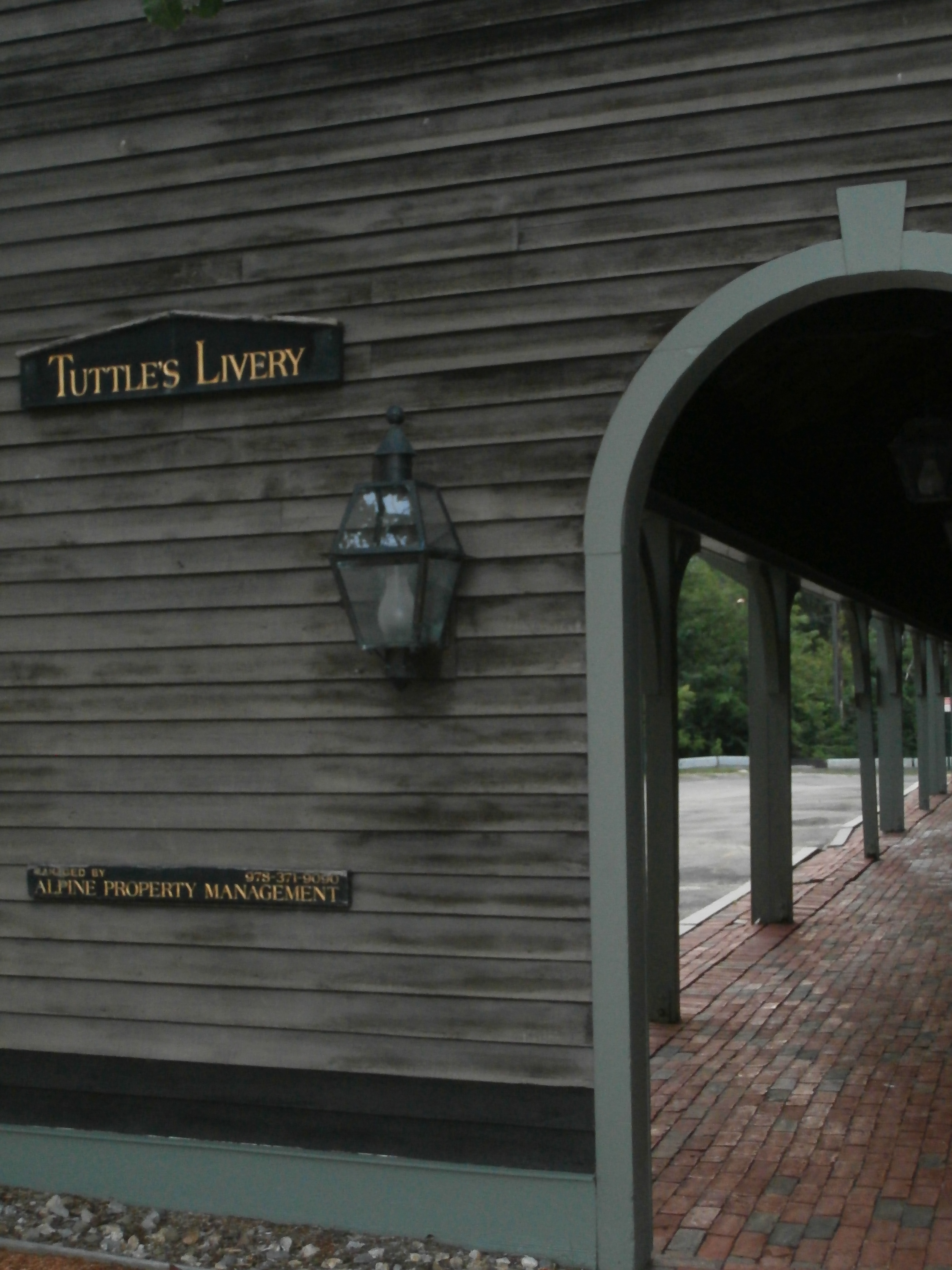
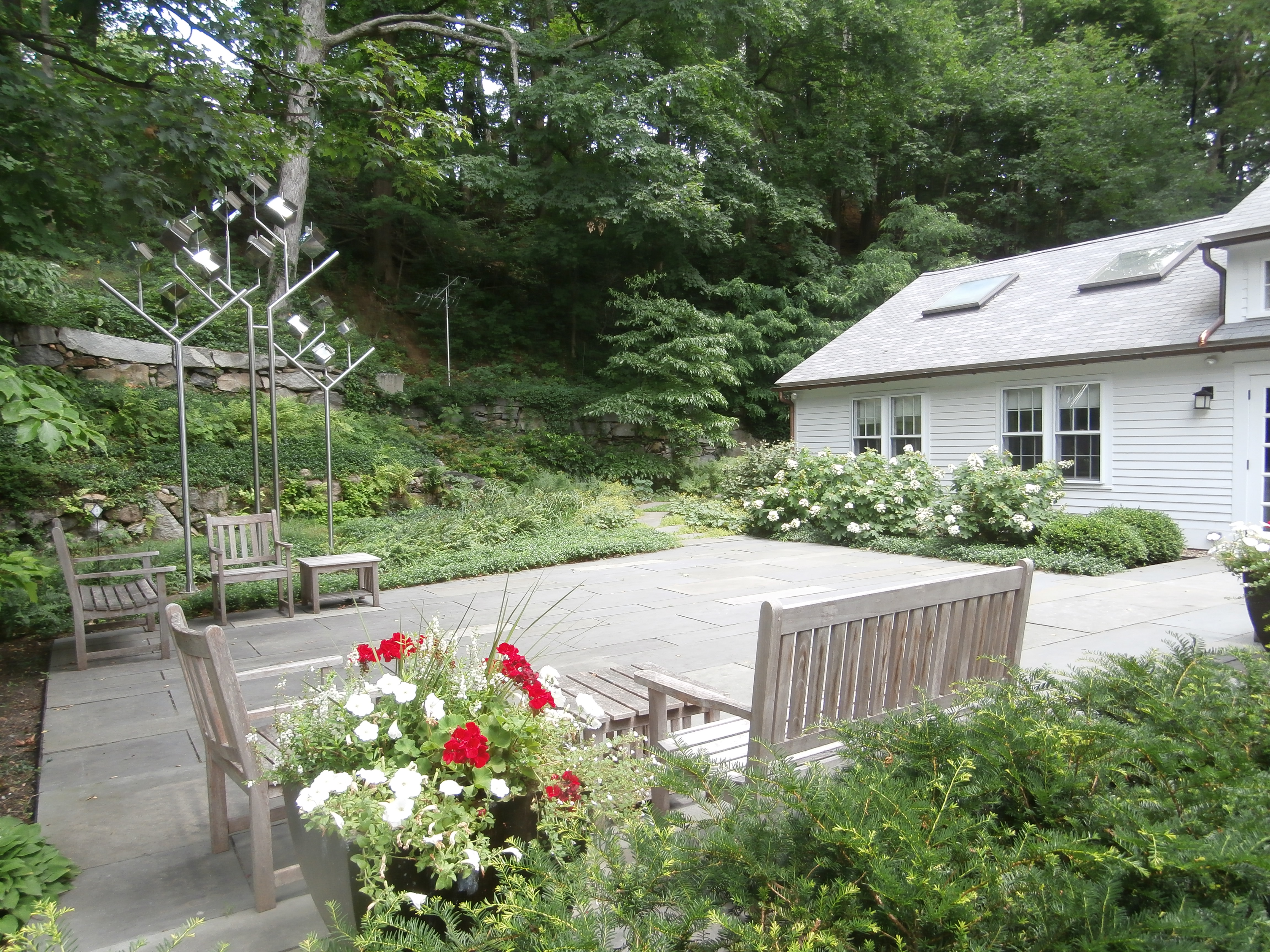
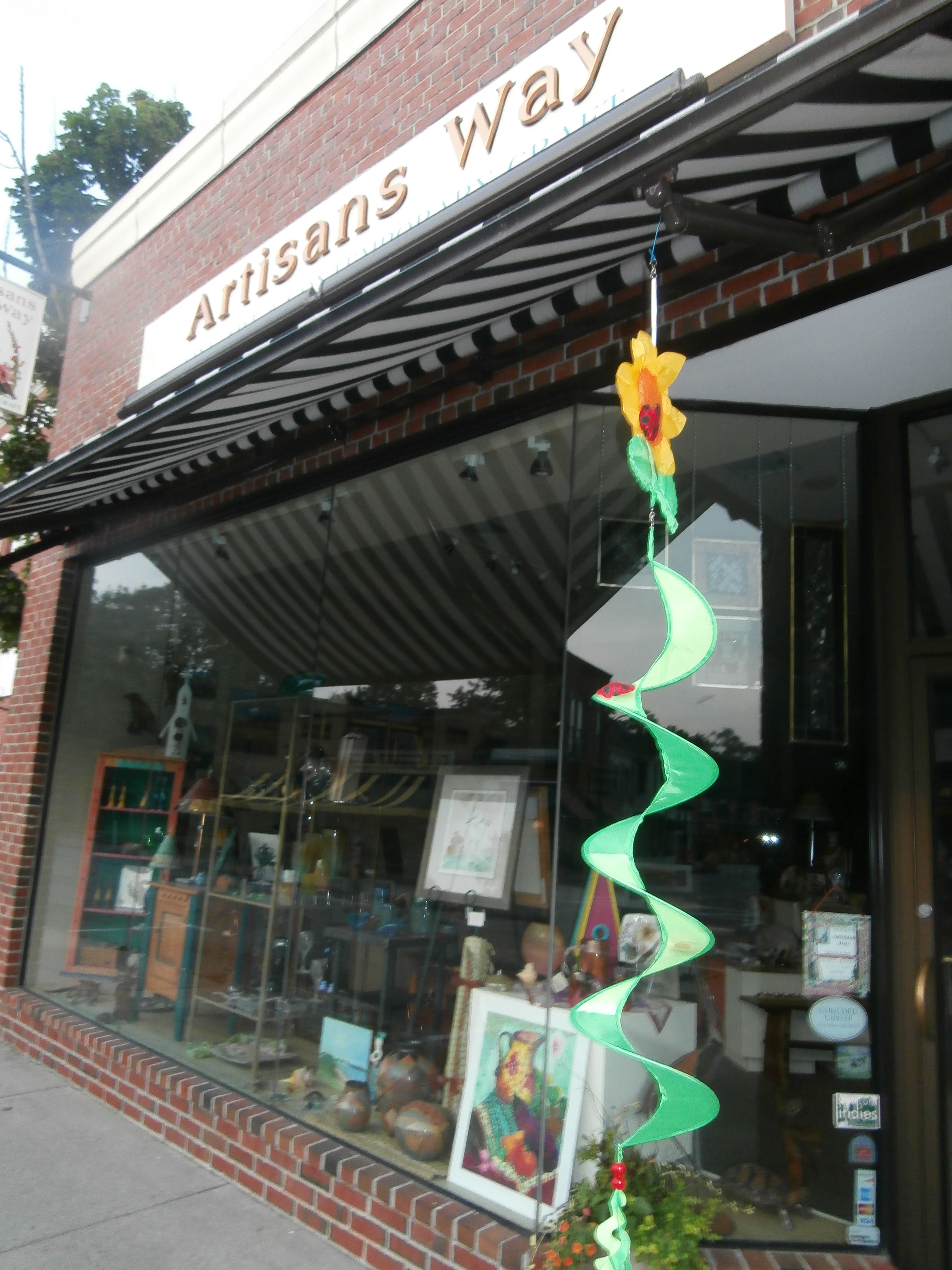
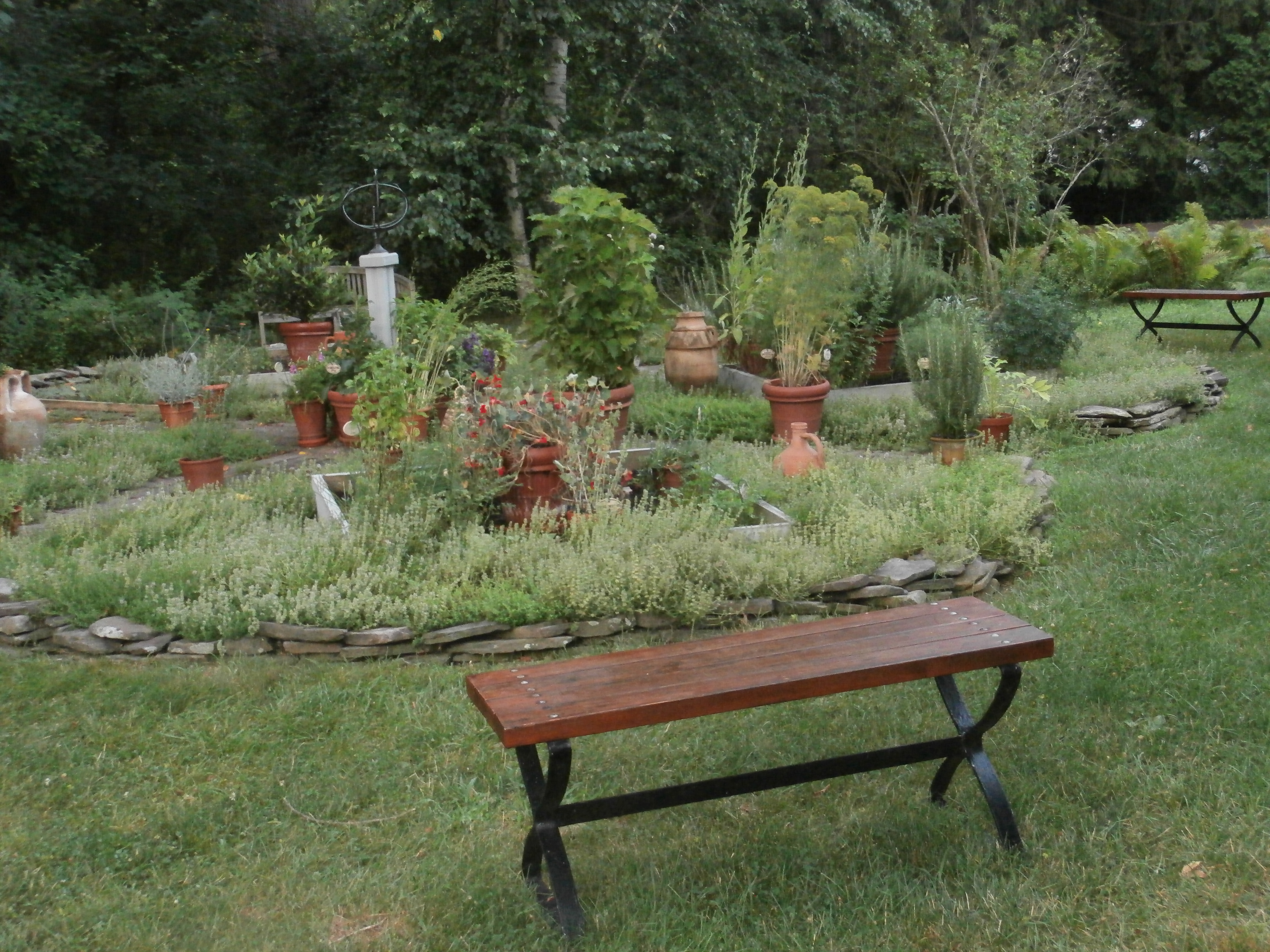
In Concord: an arched vista, a Michio Ihara sculpture at the Concord Art Association, the entry of the Art Association, a shop’s wind decoration still outside at at 6 a.m.,  and the herb garden behind First Parish.

greenway-exercise

north-end-corner

bench-design-by-ideo

bench-nr-childrens-museum

wavelike-bench

concord-center-vista

Ihara-at-Concord-Art

concord-art-entry

hanging-outside-at-6am

firt-parish-garden

Read Full Post »
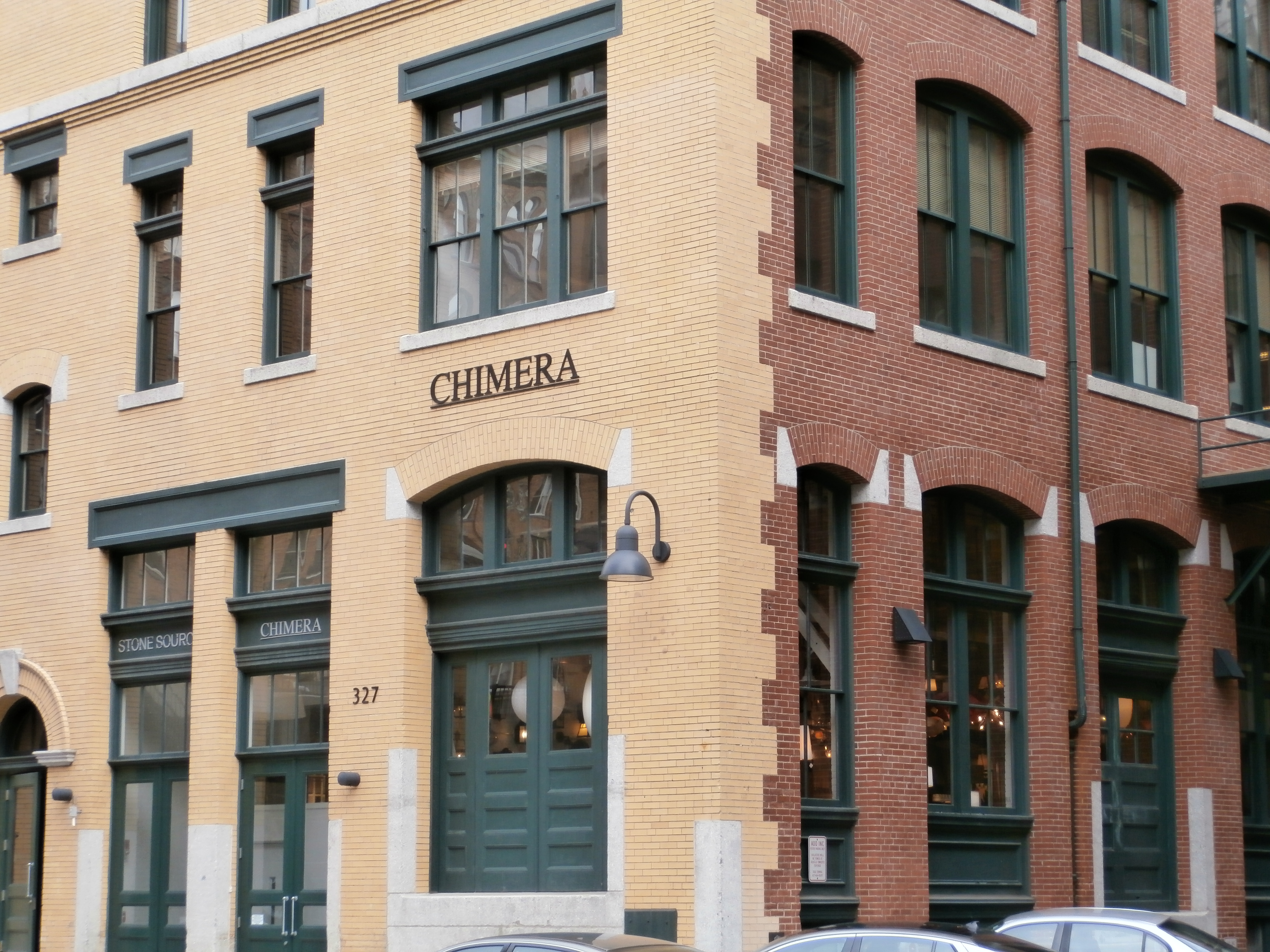
According to wikipedia, “The term chimera has come to describe any mythical or fictional animal with parts taken from various animals.” Which explains why it has been appropriated in genetics where it relates to the phenomenon of different creatures sharing T-cells.

Anyway, I have a brother who studies chimerism and its potential application for organ-transplant retention. I may not have this quite right, but I think if you could have enough of the cells of an organ donor in you when you get a transplant, you wouldn’t need to take antirejection drugs.

I had been trying to explain this to people when I decided to go out for a walk in Fort Point Channel. Eerily, this sign greeted me.

chimera

I think it’s an eclectic gift shop or interior decorator business.

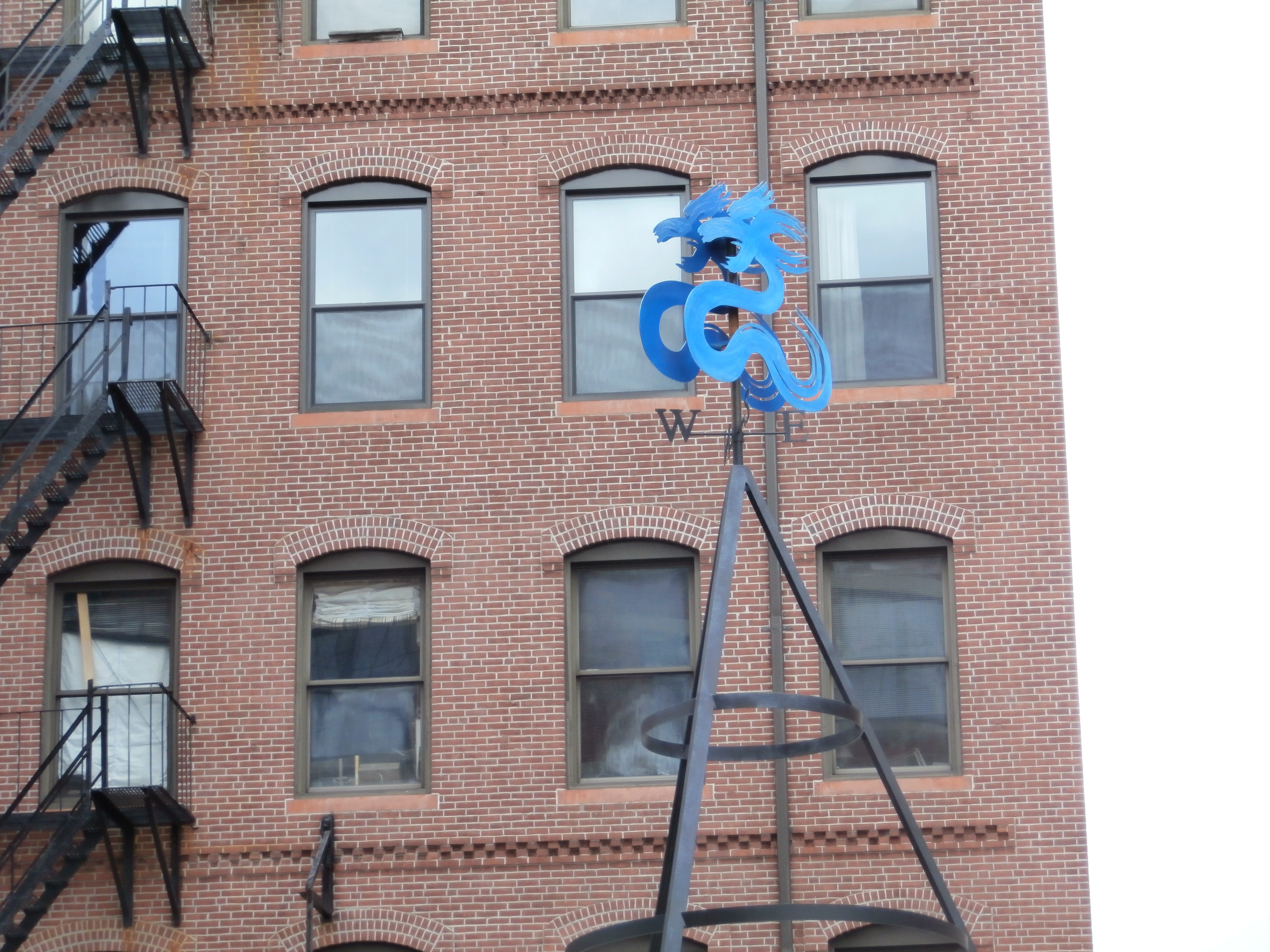
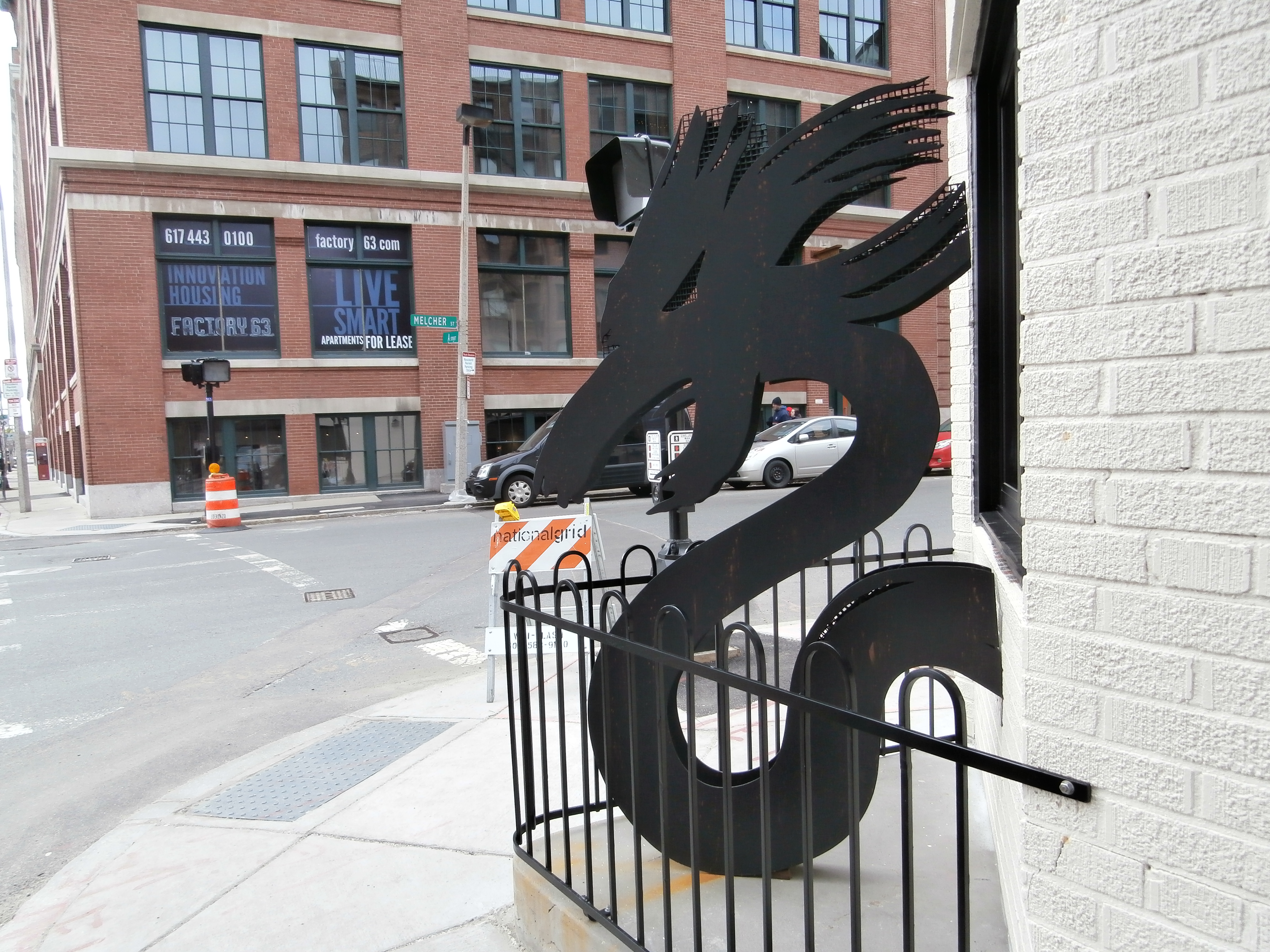
Other signs and portents on the same walk related to Suzanne and Erik’s Year of the Dragon baby.

dragon on roof

dragon sculpture in fort point

Who is the dragon artist? I need to know more.

Read Full Post »
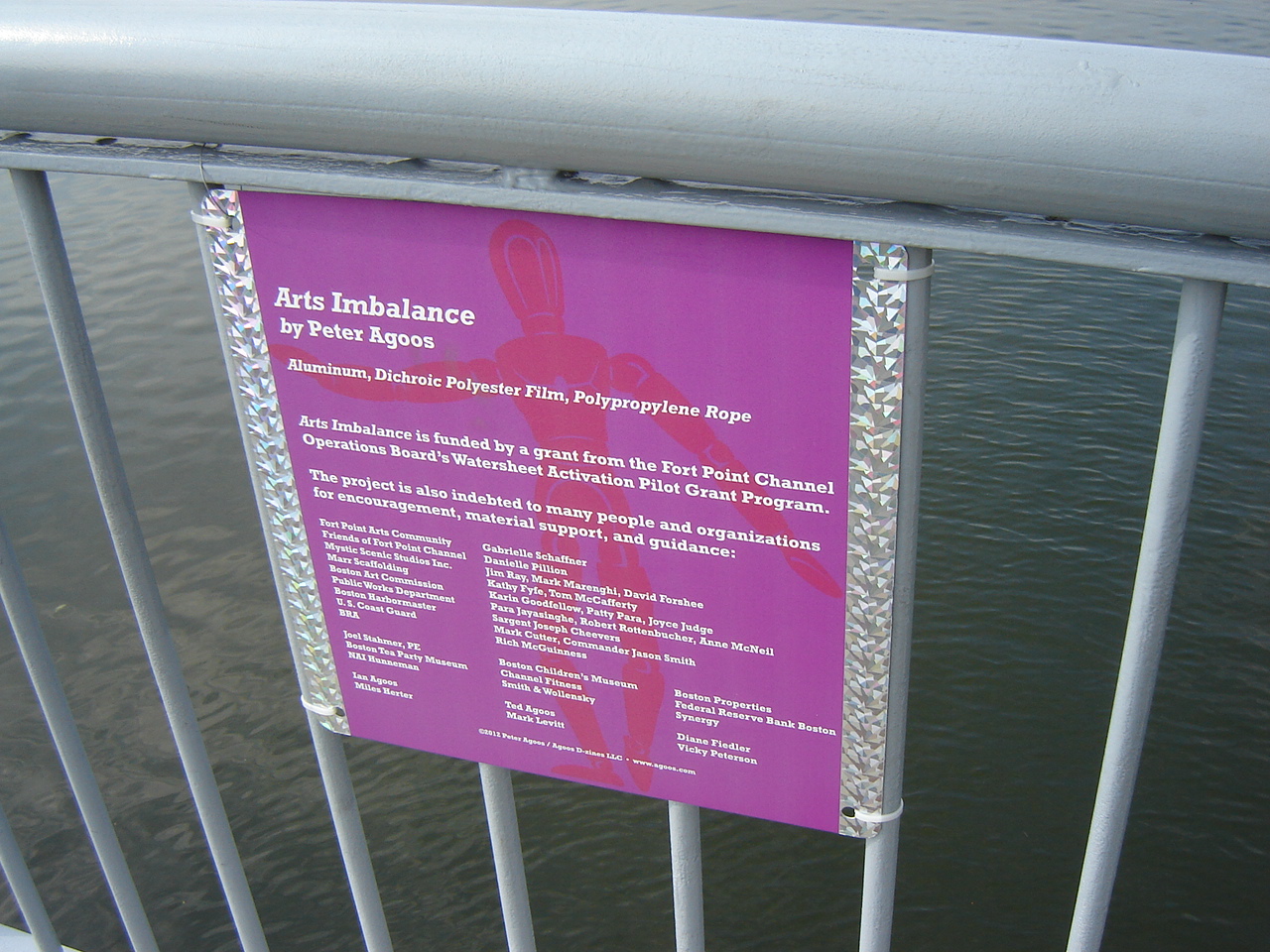
John and two college friends rented a motor boat in Fort Point Channel Friday to see the sights of Boston Harbor. But first they motored near my building so I could wave as they passed under this piece of public art.

The Mystic Scenic Studios site explains the art:

“A designer named Peter Agoos approached Mystic Scenic Studios with the idea of creating two life-sized human figures made of aluminum to hang above the Fort Point Channel in Boston.

“Mystic Metal’s, Mike Onischewski, fabricated the figures from an aluminum sheet; [they] were then covered with refractive dichroic film with the help of David Forshee, also of Mystic Scenic Studios.

“The piece was installed on July 2, 2012, with a team of 12 volunteers who worked from a small boat on the water and a scissor lift on land. The piece was strung from a 300-foot yellow tightrope between the Samson Post structure on Summer Street and the counterweight tower on Congress Street. The life-sized figures were counterbalanced on the rope and inspired by a classic articulated wooden artist’s manikin.”

Photograph: Mystic Scenic Studios

Read Full Post »

« Newer Posts - Older Posts »