Feeds:
Posts
Comments

Archive for the ‘Uncategorized’ Category

Photo: Ibl/REX/Shutterstock.
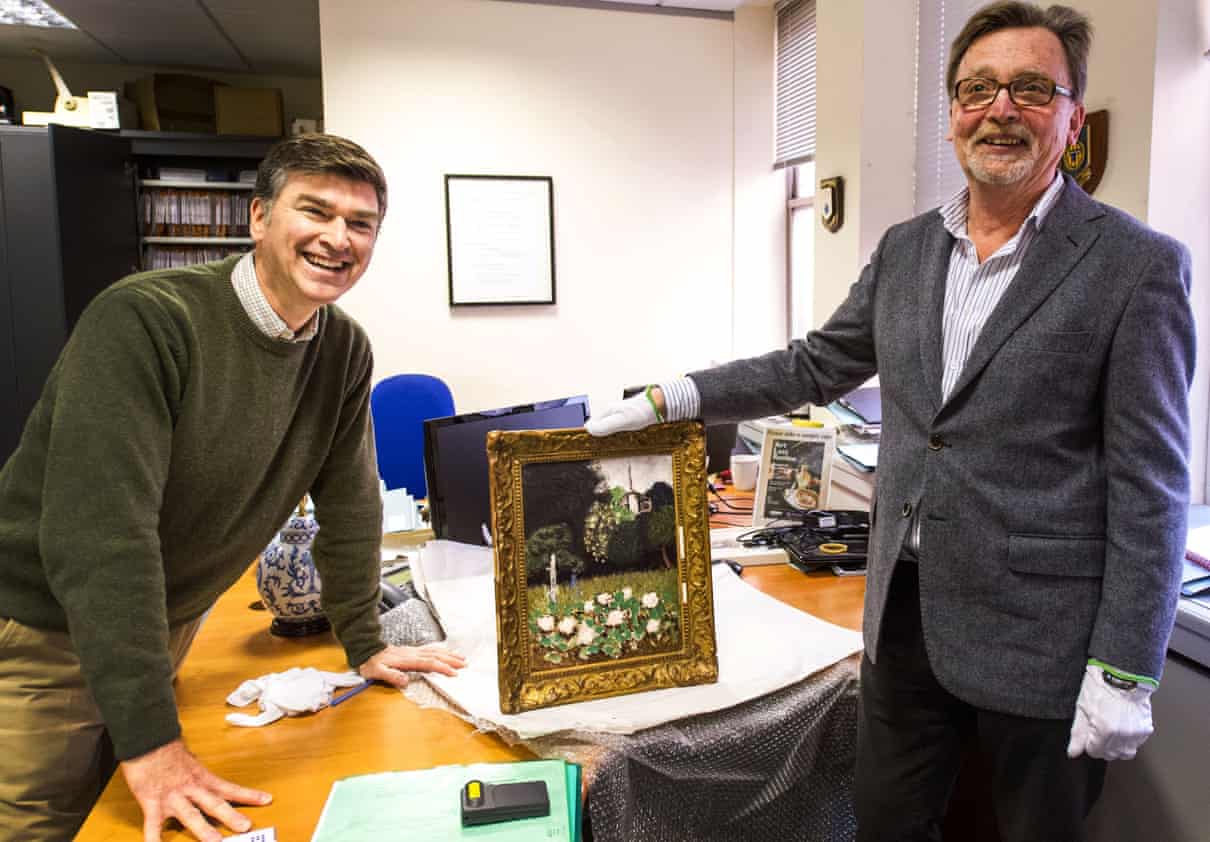
Art detective Christopher Marinello, left, returning the long-lost Le Jardin by Matisse to Lars Bystrom of the Modern Museum in Stockholm in 2013.

Now for something completely different, how about we delve into the life of a lawyer who walks some dangerous paths to recover stolen art?

Alex Daniel writes at the Guardian, “One summer morning in 2008, Christopher Marinello was waiting on 72nd Street in Manhattan, New York. The traffic was busy, but after a few minutes he saw what he was waiting for: a gold Mercedes with blacked-out windows drew near. As it pulled up to the kerb, a man in the passenger seat held a large bin-liner out of the window. ‘Here you go,’ he said. Marinello took the bag and the car sped off. Inside was a rolled-up painting by the Belgian artist Paul Delvaux, Le Rendez-vous d’Ephèse. Its estimated worth was $6m, and at that point it had been missing for 40 years.

“Marinello is one of a handful of people who track down stolen masterpieces for a living. Operating in the grey area between wealthy collectors, private investigators, and high-value thieves, he has spent three decades going after lost works by the likes of Warhol, Picasso and Van Gogh. In that time, he says he has recovered art worth more than half a billion dollars. …

“Cases tend to go the following way. A stolen artwork – in this instance, a bird by the Martin Brothers pottery makers, which was swiped from a London library in 2005 – will often turn up at auction or on social media. It then falls to Marinello to establish whether it is actually the missing work and, sometimes, to get it back. This, he says, is usually relatively simple.

“Stolen works often change hands several times before resurfacing, leaving subsequent possessors in the dark about their provenance. This is most likely what happened with the Delvaux. The painting, completed in 1967, depicts several nude women in a dreamlike landscape that’s part classical architecture, part mid-century tram station. Delvaux himself sold it a year later, but it was stolen before it reached the buyer. In 2008, Marinello got a call from somebody who wanted to return it. What happened to it in the intervening 40 years is unclear, although its final location is known. It was rolled up, says Marinello, in the wardrobe of ‘a very well-heeled celebrity. And their very expensive lawyer made it clear they would never be named.’ …

“A slight, 58-year-old Italian American with a soft Brooklyn accent, Marinello … trained as a lawyer, cutting his teeth as a litigator in New York representing galleries, collectors and dealers in cases involving disputed works. ‘Eventually, it developed into a full-time art recovery practice,’ he says. In 2013, he formed his own company, Art Recovery International, which is based in Venice but has offices in London. …

He says. ‘[I’m] a pretty good negotiator. I can convince people to do the right thing. … The bottom line [is] that if you are trying to sell something that is stolen, you’re the one with a problem, not me.’ …

“He adds: ‘With a lot of art crime, there is nobody to arrest and people rarely go to prison. It’s just a matter of recovering the work.’

“However, sometimes a suspect will refuse to cooperate. Then, things are different. ‘We go after them like pitbulls and never let go,’ he says. ‘And that is when they start getting nasty, when they are concerned they’re going to go to prison.’ “

More at the Guardian, here. If you don’t follow the Guardian online, do check it out. I really love it. It’s free, but grateful readers volunteer to pay what they can.
Read Full Post »

Photo: Andrew Harnik/Associated Press.
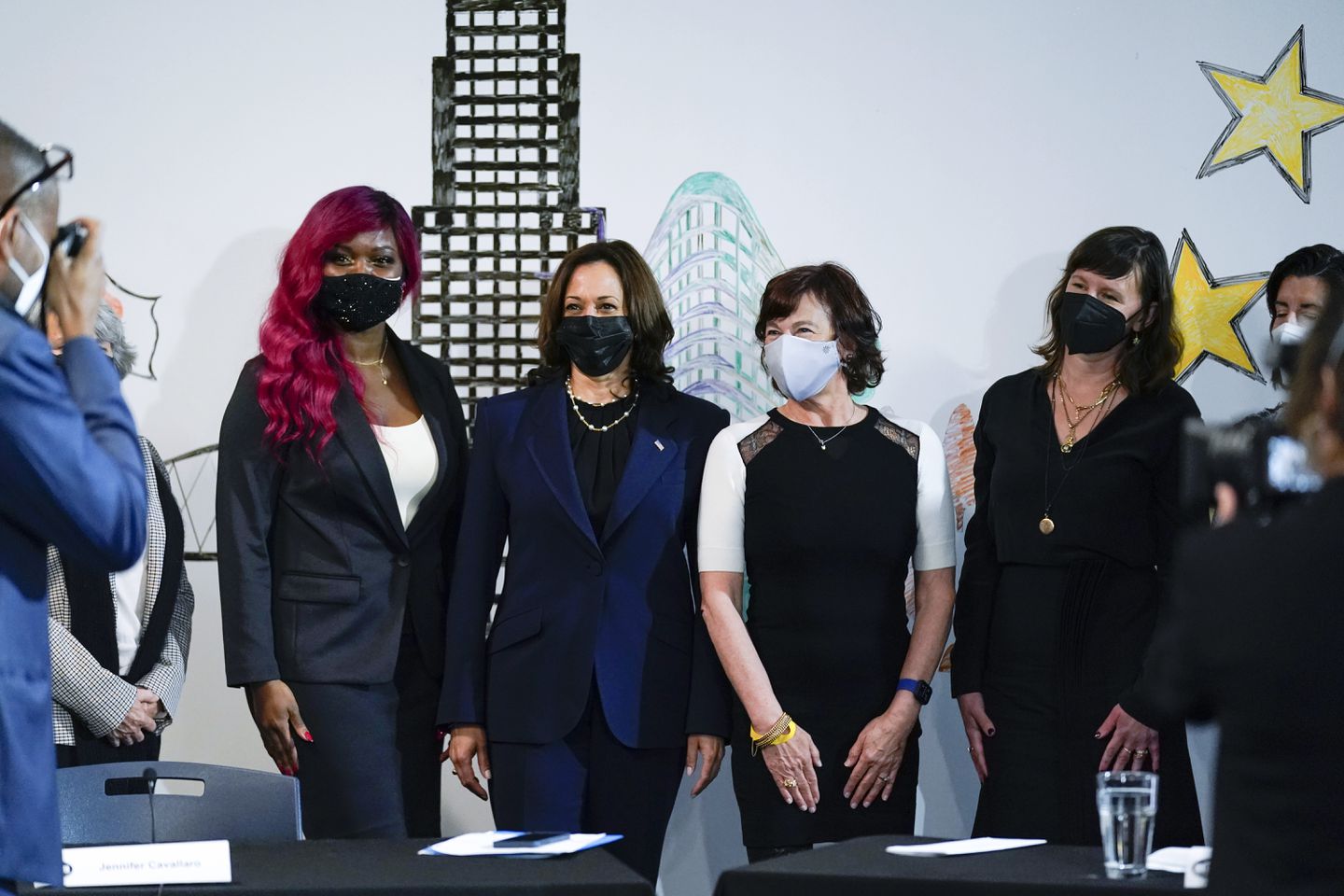
Vice President Kamala Harris poses for a photo after a roundtable with women-led small business owners in Providence, R.I. From left: Christine Paige, owner of Bliss Medical Hair Replacement Center, Vice President Kamala Harris;; Minnie Luong, founder and owner of Chi Kitchen Foods; Suzanne Ellis Wernevi, founder of lunaandstella.com; and Commerce Secretary Gina Raimondo.

Sending out an extra post this evening to tell you that Luna & Stella, the jewelry company that hosts this blog, was in the news when Vice President Kamala Harris came to Providence with Gina Raimondo, Rhode Island’s former governor, now Secretary of Commerce. On Harris’s agenda was a discussion with women entrepreneurs. You can tell which one is Suzanne: she’s the one wearing all the Luna & Stella jewelry.

Edward Fitzpatrick and Dan McGowan reported on the visit at the Boston Globe, here.

Read Full Post »

Photo: Noah Robertson/The Christian Science Monitor.
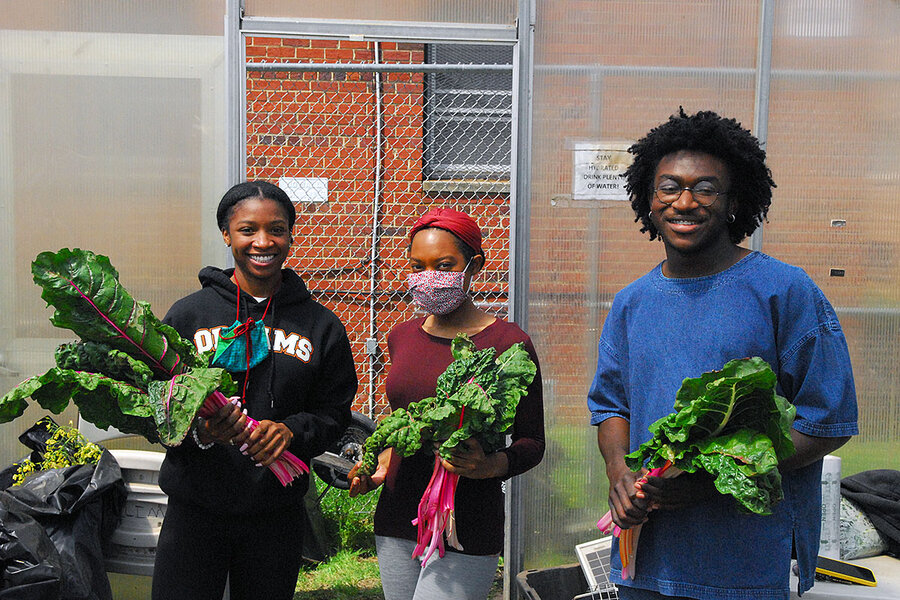
Kwesi Billups (right) and volunteers at Project Eden hold homegrown Swiss chard at the greenhouse in Southeast Washington, DC, April 17, 2021. Project Eden distributes its produce, along with donations from the Capital Area Food Bank, at a nearby church.

As many people learned during the pandemic, small, hopeful things can make a big difference in how a person feels. The same is true of neighborhoods. Even in areas characterized by blight and despair, a bunch Swiss chard that people grow together can make them believe that better days are ahead.

Noah Robertson writes at the Christian Science Monitor, “Three years ago, when Jevael German received his assignment through Washington’s Summer Youth Employment Program, he wanted nothing to do with it. He would be working with Project Eden, a community garden in the city’s troubled Southeast – known for police sirens much more than produce.

“A Washington native himself, Mr. German dreaded the months of labor in the district’s humidity. He didn’t even like vegetables. While meeting his supervisors on his first day, Mr. German laid his head facedown on the desk. 

“ ‘Sir, if you don’t want to be here, you’re welcome to leave,’ he heard back. ‘But you can’t put your head on the desk.’

“Mr. German stayed, and the summer surprised him. He enjoyed the outdoor work, which reminded him of childhood gardening with his grandmother. As an older member of the summer group, he began mentoring some of his younger co-workers. He even started eating greens. 

“At the program’s end, Mr. German asked to continue with Project Eden for another summer.

After returning, he learned that a former summer employee at the garden had died in a shooting. Mr. German, who was still living with one foot in the streets at that time, saw in that tragic death a version of himself if he didn’t change.

“ ‘Right then and there, I was like, I’ve got to leave the streets alone,’ he says. …

“Almost 10 years ago, Cheryl Gaines, a local pastor, started the garden as a response to the South Capitol Street massacre, one of Washington’s worst mass shootings in decades. Her idea then, as now, was that no community chooses violence when it has another option. Since then Ms. Gaines, her son Kwesi Billups, and hundreds of local employees and volunteers have sought to offer such an option.

“While simultaneously addressing challenges of health, food insecurity, and unemployment, Project Eden is at its roots an alternative. The work is rarely convenient, and resources are often low. But the garden’s legacy is that seeds can grow on what may seem like rocky soil – if only there’s a sower.

“ ‘This garden gives back to you what you give to it,’ says Mr. Billups. 

“In 2012, Ms. Gaines was Project Eden’s sower, though an unlikely one at that. She grew up with an abusive, alcoholic father in public housing outside New Orleans, only to trade that past for a career in law, and later the ministry. While at seminary in Rochester, New York, she had a persistent vision that God was calling her to live in Southeast Washington, begin a church, and plant a community garden. In 2010, after having lived in the Washington area for years, she felt the time had come.

“Leaving four dead and six more injured, the South Capitol Street massacre rattled Southeast, and brought the community together to mourn. At a vigil, Ms. Gaines met the owner of an apartment building just blocks away from the the shooting. In that conversation, she eventually shared her vision. Before long, the owner told her she could use her building’s backyard.

“On that land two years later, Project Eden (‘EDEN’ stands for Everyone Deserves to Eat Naturally) began as a 10-by-20-foot patch of dirt, with only rows of tilled soil. The next year Ms. Gaines and her team turned that plot into a 28-by-48-foot greenhouse, complete with aquaponics, and have since expanded to another location at nearby Faith Presbyterian Church.

“A community garden may seem like a boutique project in some areas, but not in Southeast, says Caroline Brewer, director of marketing and communications at the Audubon Naturalist Society, which recently named Mr. Billups its yearly Taking Nature Black youth environmental champion. …

“ ‘When people have opportunities to give back … that allows them to grow and develop and mature and make [an] even greater contribution to their families and their communities,’ says Ms. Brewer.

“Project Eden isn’t just resisting material challenges of nutrition and income, says Ms. Brewer. It’s helping the community resist despair. ‘It’s a constant battle,’ she says, ‘and they’re winning that battle.’ “

More at the Monitor, here.

Read Full Post »

Photo: Hikespeak.
Because it’s possible to get permanently lost in the Mt. Waterman area of the Angeles National Forest, a hiker was lucky that someone in a different part of California had a hobby identifying the location of photos
.

People have unusual hobbies, things they like to dig deep into just because. A stranger’s passion for figuring out where photos were taken turned out to be lucky for hiker Rene Compean. Sydney Page at the Washington Post has the life-and-death story.

“When Rene Compean snapped a photo of his soot-stained legs hanging over a steep cascade of rocks, he feared it was the last picture he’d ever take. Hopelessly lost while hiking in Southern California, he thought he might die. … He repeatedly yelled for help and used charred sticks to write SOS on any open surfaces he could find.

“Compean had trekked through the Angeles National Forest trails more times than he could count, he said, but after venturing along a new path April 12 — for what he intended to be a two-hour outing — he lost his way.

“Several hours into the solo hike, after many failed attempts at getting his bearings, he was scared. The temperature was dropping fast in the remote, rugged terrain, and the winds were whipping.

“Compean grabbed his cellphone, which had less than 10 percent battery remaining, and climbed to a spot where he was able to get at least one bar of signal.

” ‘SOS. My phone is going to die. I’m lost,’ Compean texted a friend, along with two photos showing where he was — though only one went through. It was the picture of his legs.

“The photo offered minimal information and, given Compean’s lack of cellphone signal, the resolution was very low. More importantly, though, Compean didn’t realize his location settings were disabled on his phone.

“Still, the grainy image was somehow detailed enough for a total stranger to decipher the hiker’s exact location.

“Ben Kuo was working at his home about 60 miles away in Ventura County, Calif., when he stumbled upon a tweet from the Los Angeles County Sheriff’s Department, along with the photo of Compean’s legs.

“The sheriff’s search-and-rescue teams had already spent the previous night unsuccessfully looking for Compean, so they released the photograph to the public hoping someone could help.

“Sgt. John Gilbert said they figured Compean was on the mountain at about 7,000 feet elevation, and the blasts of wind were ‘definitely a concern.’ …

“The department tweeted: ‘Are You an Avid Hiker in the Mt. Waterman Area? #LASD SAR Teams need help locating a #missing hiker.’

Kuo, 47, inspected the image and thought, ‘I bet I could find that spot,’ he recalled.

“Kuo works in the tech industry, but he is also an amateur radio operator. For several years, as a hobby, he has used his Twitter account to alert the public about natural disasters. He regularly examines satellite imagery to identify and track local wildfires.

“Plus, he has another unusual pastime: ‘I have always loved looking for where photos are taken,’ Kuo said. He frequently tries to identify where movie scenes, television shows or commercials were filmed. …

“So when he came across the blurry image of Compean’s legs surrounded by an endless landscape of rocks and vegetation, he instinctively pulled up a satellite map. Since the sheriff’s department said Compean’s car was found near Buckhorn Campground, he narrowed his search to the surrounding area.

‘There’s an amazing amount of information you can get from satellites,’ said Kuo, who is also a hiker, though he has never visited the area where Compean was lost.

“The first thing he noticed in the picture were patches of greenery. ‘I realized he’s got to be on the south side because there’s not really any green valleys on the north side,’ he explained.

“That finding tightened his search considerably and helped him zero in on one area that closely resembled the terrain in the image. The final step was cross-referencing the original photo with Google Earth and comparing specific details.

“ ‘By punching in the time and date that the photo was taken, you can compare the view in Google Earth,’ said Kuo. ‘They matched.’

“He shared a screenshot of the satellite imagery on Twitter and called the sheriff’s department to notify officials of the coordinates he uncovered.

“After vetting the findings in relation to the information they were able to glean about Compean’s whereabouts, ‘we felt pretty confident that Ben’s information was good,’ Gilbert said. A search-and-rescue team swiftly boarded a helicopter and flew to the area.”

Read what happened next at the Washington Post, here.

Read Full Post »

Photo: David Melancon.
For inventive builders today, origami is less about paper cranes and more about fitting useful structures into tiny spaces.

The uses of origami continue to amaze. There are so many variations on this ancient Japanese art! I have written posts on origami and engineering, origami ballet costumes, and origami microscopes, just to mention a few. Today we learn how the principles of origami could be used to create temporary emergency shelters.

Max G. Levy reports at Wired, “One bright April day on a Harvard University lawn, David Melancon stepped out of a white plastic tent carrying a table. Then another. Then he made a few trips to produce 14 chairs. Then a bike, followed by a yellow bike pump. Finally, he carried out a large orange Shop-Vac. Melancon, a PhD candidate in applied mathematics, then closed the tent’s makeshift door behind him. This was what his team dubbed their ‘clown car’ demonstration — proof that a huge number of objects could fit inside a tent which, only a few moments before, had been a flat stack of plastic about the size of a twin mattress, then inflated into an origami-inspired shelter. …

“ ‘There are a number of situations — emergency situations, for example — when you need a structure,’ says Katia Bertoldi, Melancon’s advisor and a professor of applied mechanics at Harvard. For example, people displaced by natural disasters need immediate shelters. ‘I can build a shed, and then it’s there. But then if I have to move, either I take it apart or I move this huge volume. It is very impractical,’ she continues. …

“A standalone origami needs to be bistable. The word is often used in electronics and computer science to describe a circuit with two stable states, but in mechanical design, it basically means the structure has to be sturdy both when it’s flat-packed and when it’s expanded. It would have to hold its shape while folded, and stay that way while unfolded without sealing in air. …

“Last Wednesday in the journal Nature, [Bertoldi’s team] presented an unprecedented collection of bistable inflatable origami. Folded from either cardboard or corrugated plastic sheets, the pieces snap into place with pressure from an air pump, and hold their own without it. … One stands out: an 8-foot-tall shelter with an 8-foot-wide octagonal floor and a door, unfolded from one single material. …

“ ‘It’s exciting work,’ says Joseph Choma, an associate professor of architecture and founder of the Design Topology Lab at Clemson University. Choma, an expert in foldable structures and materials who was not involved in Bertoldi’s project, says the world needs smarter disaster relief architecture, ‘especially ones that can be flat-packed, deployed, and then flat-packed again.’ …

“Bertoldi points out that we already have a well-known deployable shelter: camping tents. Light, tightly-packed tents make it easier to backpack through the wilderness. But assembling one into an enclosed space takes time. You have to link metal bars, thread them through narrow holes in fabric, and lock it all in place. Setting up bar-based structures en masse takes even more time and hands. An ideal emergency shelter gets set up quick when it’s needed, and comes down quick when it’s needed elsewhere. …

“The origami magic happens at the hinges. The faces won’t bend, so something’s got to give. The hinges were either two-sided tape connecting laser-cut cardboard, or lines mechanically scored into plastic sheets. That allows the structure to bend around itself for inflation and deflation. And in order to make all the hinges swing into place automatically, her team decided, maybe they could just inflate the folds all at once using air pressure.

“But blowing air into an inflatable object is more like compressing a spring then assembling a building. It’s not bistable. ‘You compress it and it deforms,’ Bertoldi says. ‘But as soon as you remove your load, it springs back.’ In other words, you can use force from air pressure to deform a folded bundle of cardboard and turn it into an inflatable tent, but then you’re stuck making sure the air stays in — which, of course, rules out having a door.

“Stability is all about minimizing excess energy: a ball parked in a valley is more stable than one halfway up a steep hill. Bistability means designing a structure so that its energy barrier, or the amount of energy needed to lock it into its inflated or deflated states, is just right. The barrier can’t be too high, or else it’s impossible to inflate. But the barrier also can’t be too low, because then a gust of wind could collapse it: ‘It’s gonna flip back and deflate,’ Bertoldi says. ‘You need to carefully design its energy barrier,’ she continues. ‘And that’s most of the engineering game.’ ”

At Wired, here, read how a lot of trial and error led to something that works.

Read Full Post »

Photo: Rob Hitt.
A kitten is on duty in a New York shop.

New Yorkers seem to love the cats that hang out in little food shops and chase mice. More often than not, local culture overrules concerns about health regulations. And shoppers love to share photos of their favorite bodega cats on social media.

Hakim Bishara writes at Hyperallergic about one such enthusiast. “Who doesn’t like bodega cats? The feline sheriffs, tasked with warding off rodents and pests in New York’s convenience stores and delis, have long signified a unique and beloved local phenomenon.

“Since 2012, Rob Hitt, a Brooklyn-based web developer and music producer, has been taking and collecting photographs of domesticated cats in bodegas across the city and posting them on his social media. Since then, his Twitter and Instagram accounts have gained a massive following, with hundreds of contributions featuring adorable bodega cats patrolling stores, perching on shelves among products, climbing onto ATM machines, or examining customers with a suspicious eye. …

“While New York’s public health department codes prohibit bodega cats, they have been valuable assets to their owners, who prefer to pay the $200 to $350 fine for holding the cat than dealing with a rodent infestation, which can harm products while also incurring a penalty of $300.

“As Hitt’s social media clout grew, he started an online shop selling bodega cats-themed merchandise, from shirts and tote bags to baby onesies. A portion of the profits goes to NYC animal rescue and trap–neuter–return organizations including FlatbushcatsTrapKingPets Are Wonderful Support (PAWS) NY, and others. Hitt also promotes the work of such organizations on his blog.”

By the way, when a bodega cat was kidnapped a couple years ago, the neighborhood was outraged. The New York Times had that story.

Azi Paybarah wrote, ” ‘The incident happened at 7:19 a.m. Friday,’ Anik Ahmed said. ‘She went outside at like 7:20, and the guy picked her up at like 7:23. And we noticed the cat was missing by 7:35.’

“Mr. Ahmed, 27, was referring to Lexi, the year-and-a-half-old tabby who has been a fixture at 71 Fresh Deli and Grocery, his store in Kips Bay, Manhattan. Surveillance video appears to show the cat vanishing when a man passes by. …

“She was ‘the neighborhood’s cat,’ one worker told NY1. The Daily News described how ‘bereft’ workers were searching for ‘the furry darling.’ …

“Fliers with Lexi’s picture are being distributed. Mr. Ahmed said he thought the catnapping was intentional, but added, ‘I’m not going to press charges.’

“Lexi came into Mr. Ahmed’s life when a friend’s cat had a litter. Soon, Mr. Ahmed said, he found himself with a curious kitten who befriended customers and workers alike.

“She even started helping around the store: Mr. Ahmed said the building’s superintendent noticed a reduction in the rodent population.

“Before opening the deli about five years ago, Mr. Ahmed was a software engineer tester, looking for potential breaches in new websites and apps. He acknowledges now that he could have kept Lexi more secure.”

More at the New York Times, here. I haven’t been able to discover if Lexi was ever returned to Ahmed. If you know, please comment below. And you can enjoy lots of pictures of other bodega cats at Hyperallergic, here.

Read Full Post »

Photo: Library of Congress.
Maypole dancers at the Bavarian Celebration of Spring festival in Leavenworth, Washington.

Since 1889, May 1 has been recognized as International Workers’ Day around the world. But a much more ancient May 1 tradition involves dancing around “maypoles” to celebrate spring.

According to Wikipedia, maypole “festivals may occur on May 1st or Pentecost (Whitsun), although in some countries it is instead erected at Midsummer (June 20-26). In some cases the maypole is a permanent feature that is only utilized during the festival, although in other cases it is erected specifically for the purpose before being taken down again.

“Primarily found within the nations of Germanic Europe and the neighboring areas which they have influenced, its origins remain unknown. It has often been speculated that the maypole originally had some importance in the Germanic paganism of Iron Age and early Medieval cultures, and that the tradition survived Christianisation, albeit losing any original meaning that it had. It has been a recorded practice in many parts of Europe throughout the Medieval and Early Modern periods, although it became less popular in the 18th and 19th centuries. Today, the tradition is still observed in some parts of Europe and among European communities in the Americas.”

Olivia Waring and Jack Slater offer more details at Metro. “As today is the first of May, communities across the world might be getting on their sunny day best and heading to dance around a maypole – a tradition which is around 600 years old. But what does dancing around a maypole on May 1 involve, and what does it represent? Here’s all you need to know.

“Dancing around a maypole involves a group of people taking a colored ribbon attached to it and weaving around each other, often to music. Traditionally the dancers position themselves in pairs of boys and girls before beginning their routine.

“The dance creates a multi-colored pattern which creeps steadily down the pole. The dancers then reverse their steps to undo the ribbons. This is said to represent the lengthening of the days as summer approaches, but the significance of the pole itself is not really known. Some communities have a permanent maypole up all year round on village greens and in squares. …

“In Austria and Germany, the maypole is known as a ‘maibaum’, is painted with Bavarian white and blue stripes and is erected (sometimes by villagers) in the middle of a village. This may be accompanied by a procession. …

“Though not always held on May 1, maypole celebrations also happen in the States, Malta, Scandinavia, Canada, and Italy – with Italians using the pole to celebrate International Worker’s Day, too. In other countries, including Sweden, a maypole is referred to as a Midsummer pole and is a part of their annual Midsummer celebrations in late June.”

Watch the video below to see how the weaving works. Trust me: it takes many rehearsals to get those ribbons to lie flat and smooth. More at Wikipedia, here, and at Metro, here.

Read Full Post »

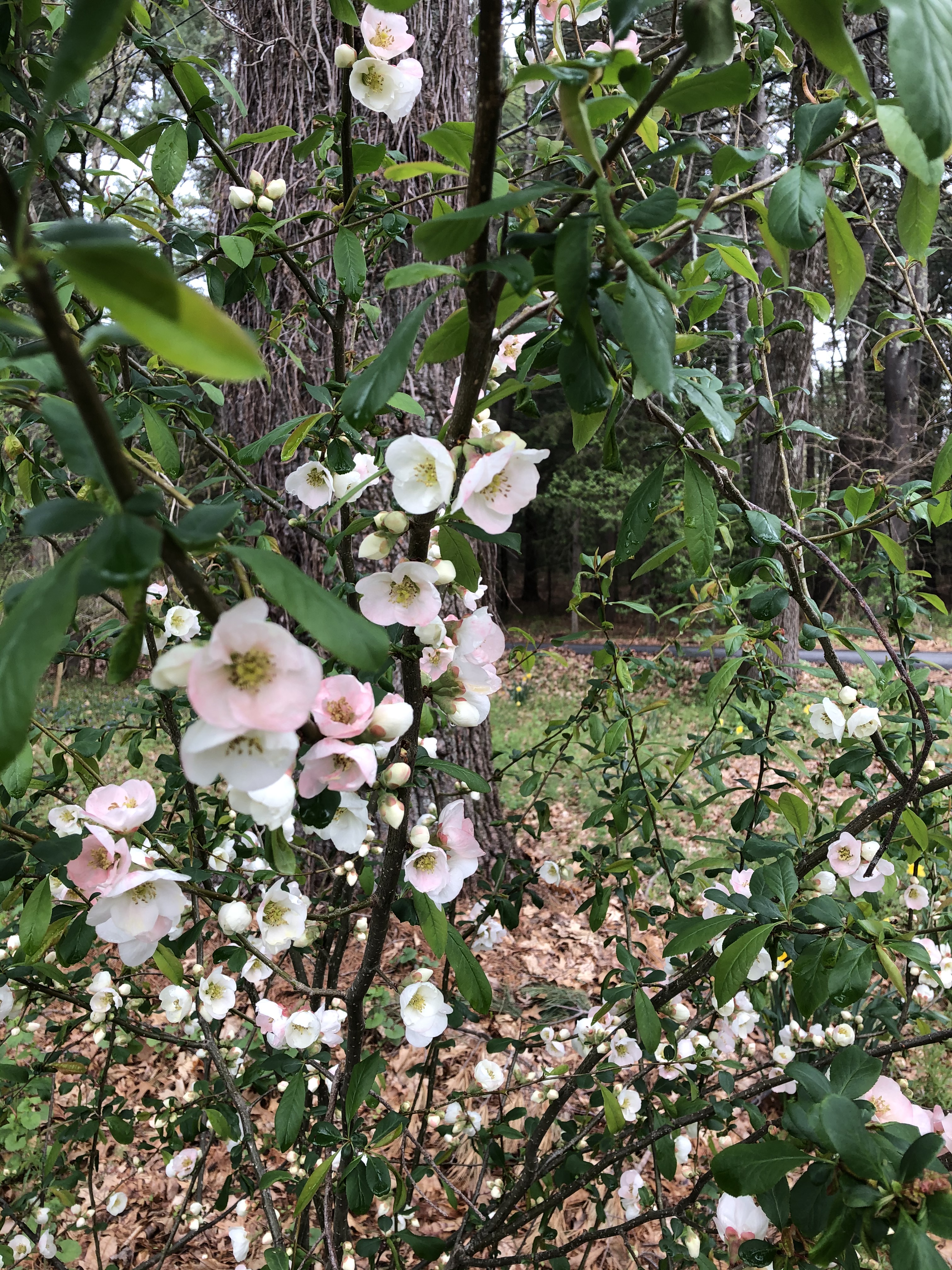
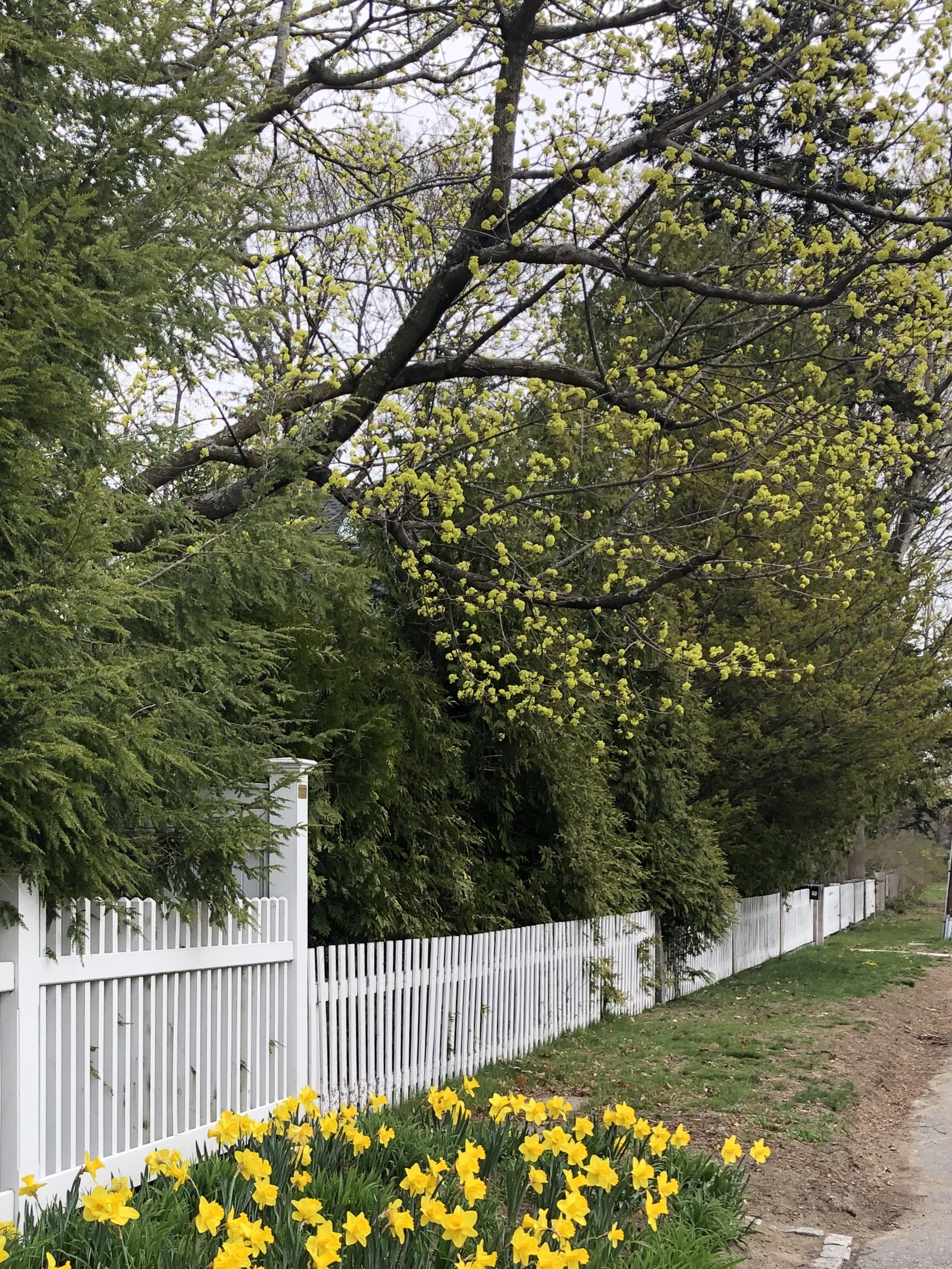
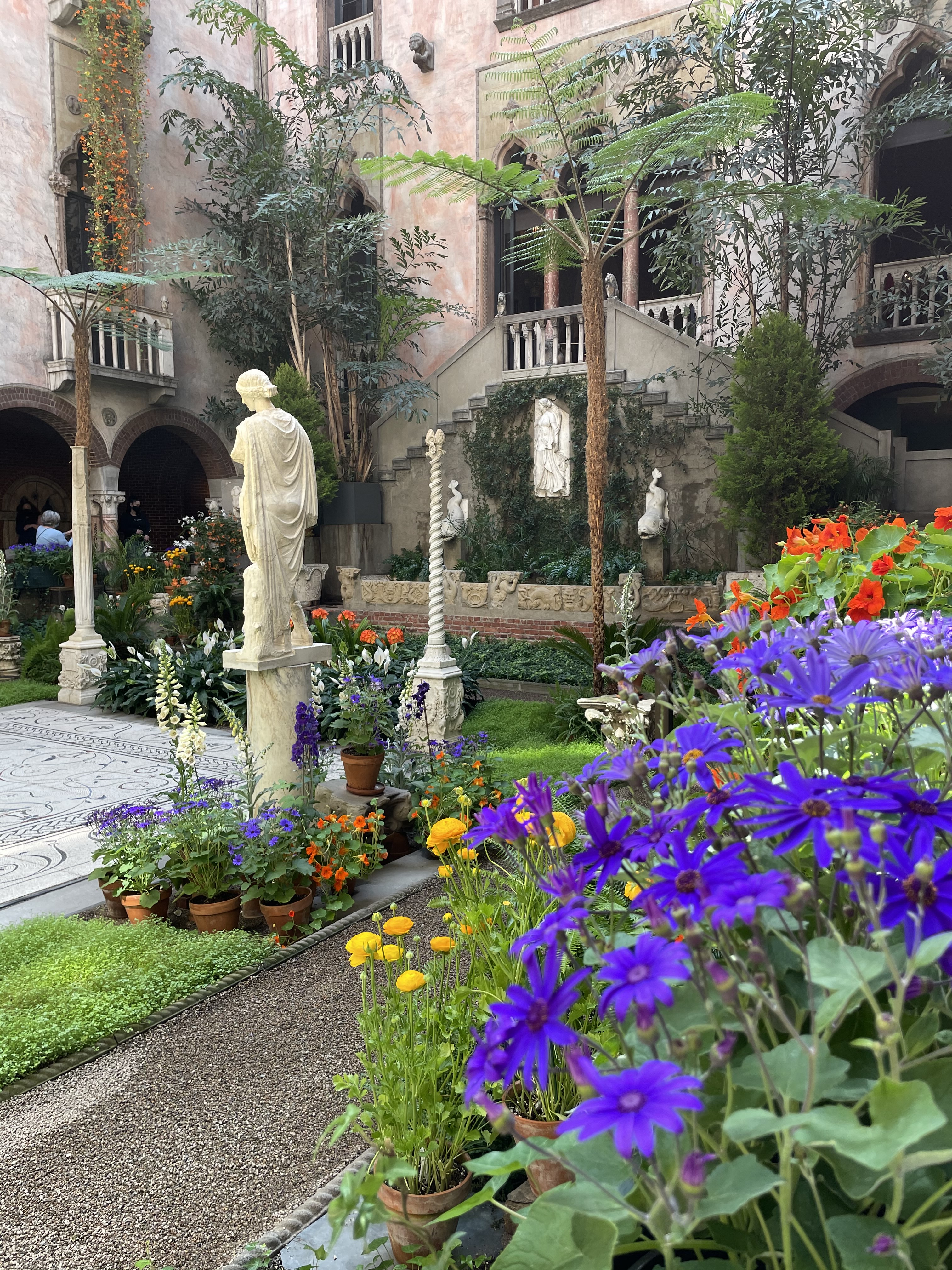
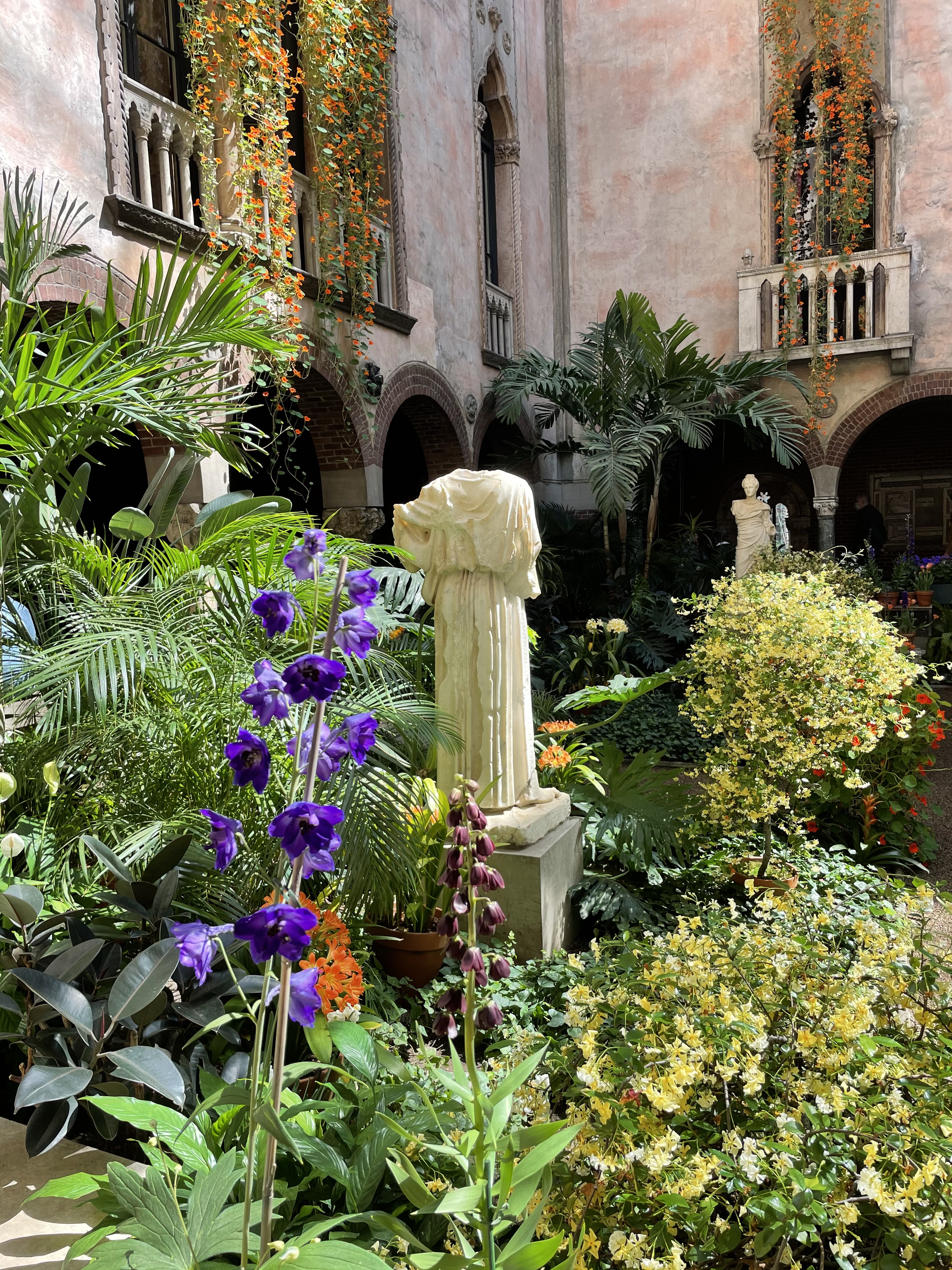
Here come more spring photos. Most are from my walks, but the pictures of the gorgeous Isabella Stewart Gardner Museum in Boston were take by Suzanne. She put lots more photos of the Gardner on Instagram, @lunaandstella.

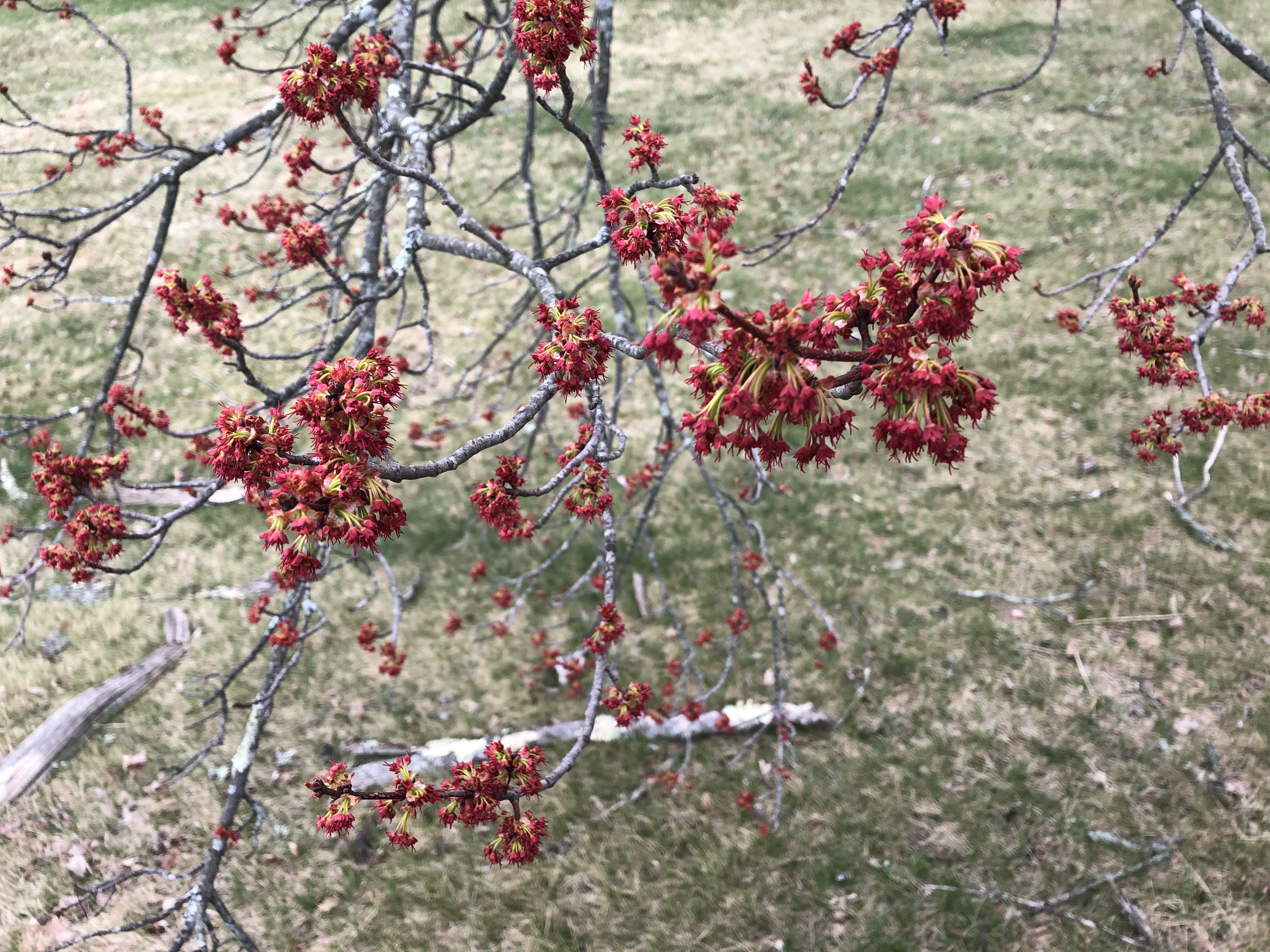
The top picture illustrates for me how spring is a time of becoming. The tree is budding lustily over the lichen-covered branch.

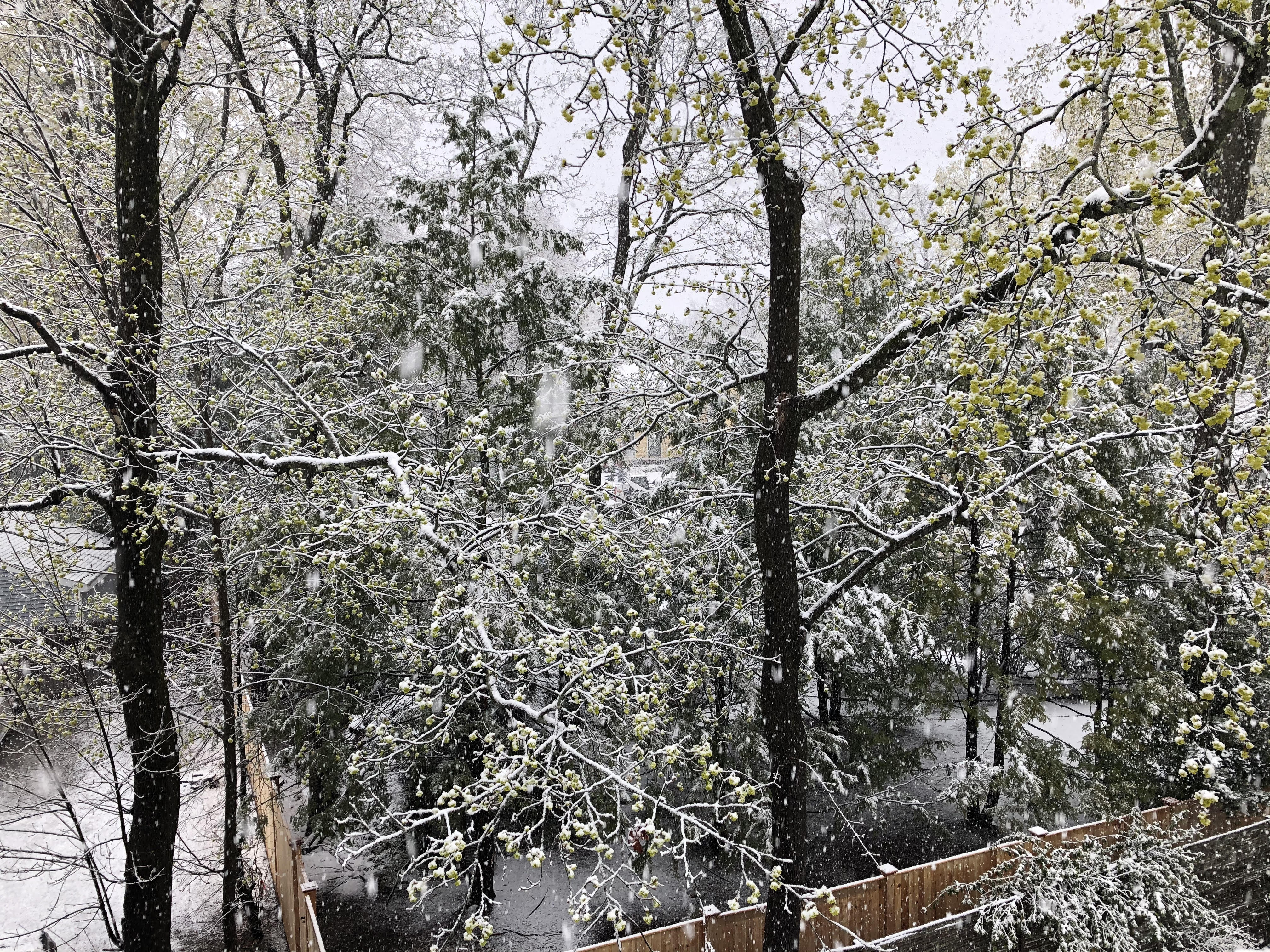
But we weren’t quite done with snow. As you can see from the next image, the April 16 snowfall decorated trees already flowering out.

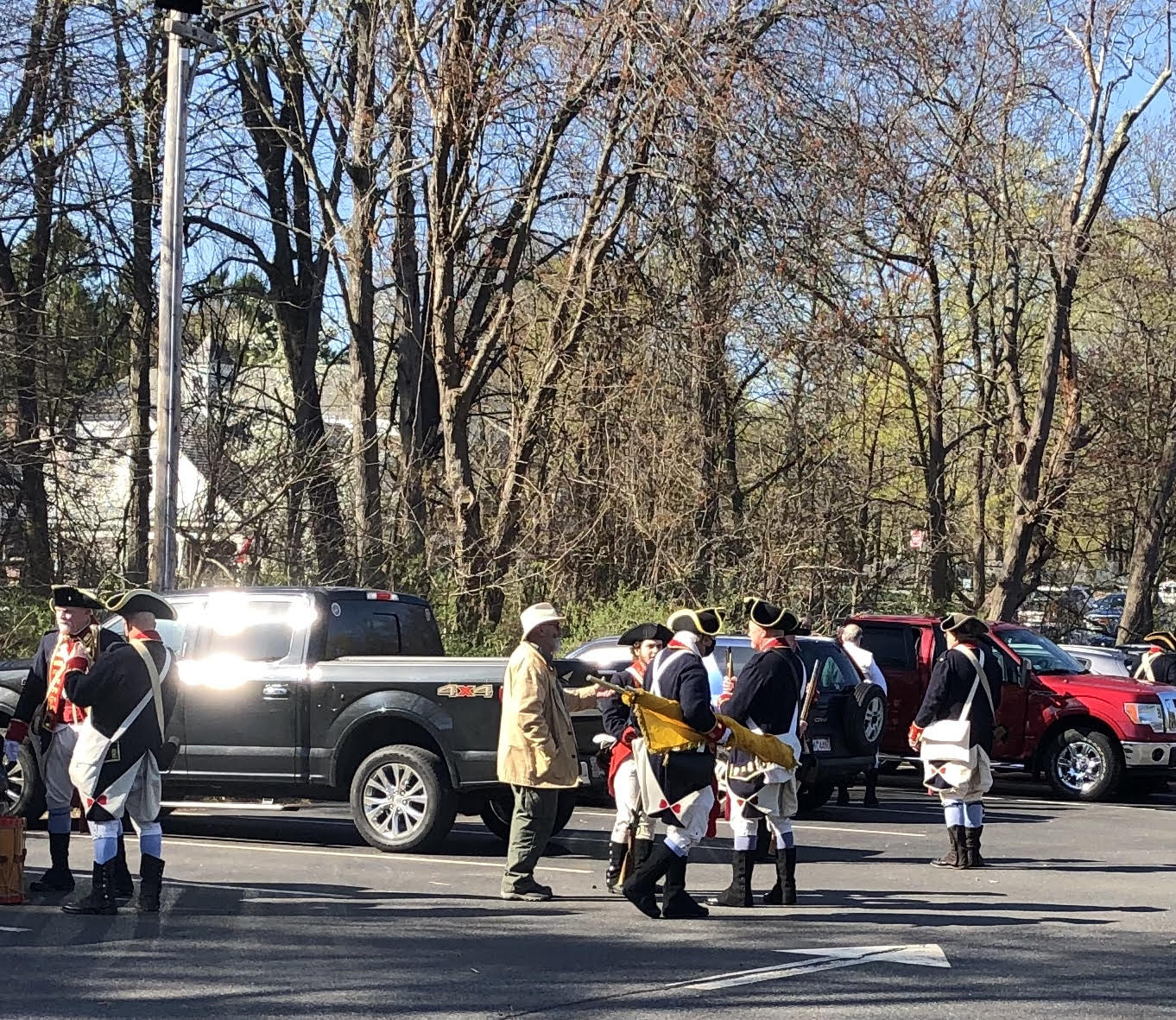
Patriot’s Day, traditionally April 19 in my neck of the woods, has had to be subdued during the pandemic. No parades. But as you can see, a few Minutemen mustered anyway. I guess that after starting the Revolution a year before Independence Day, they imagine germs, however deadly, can’t slow them down. I wonder if they ended up wearing masks.

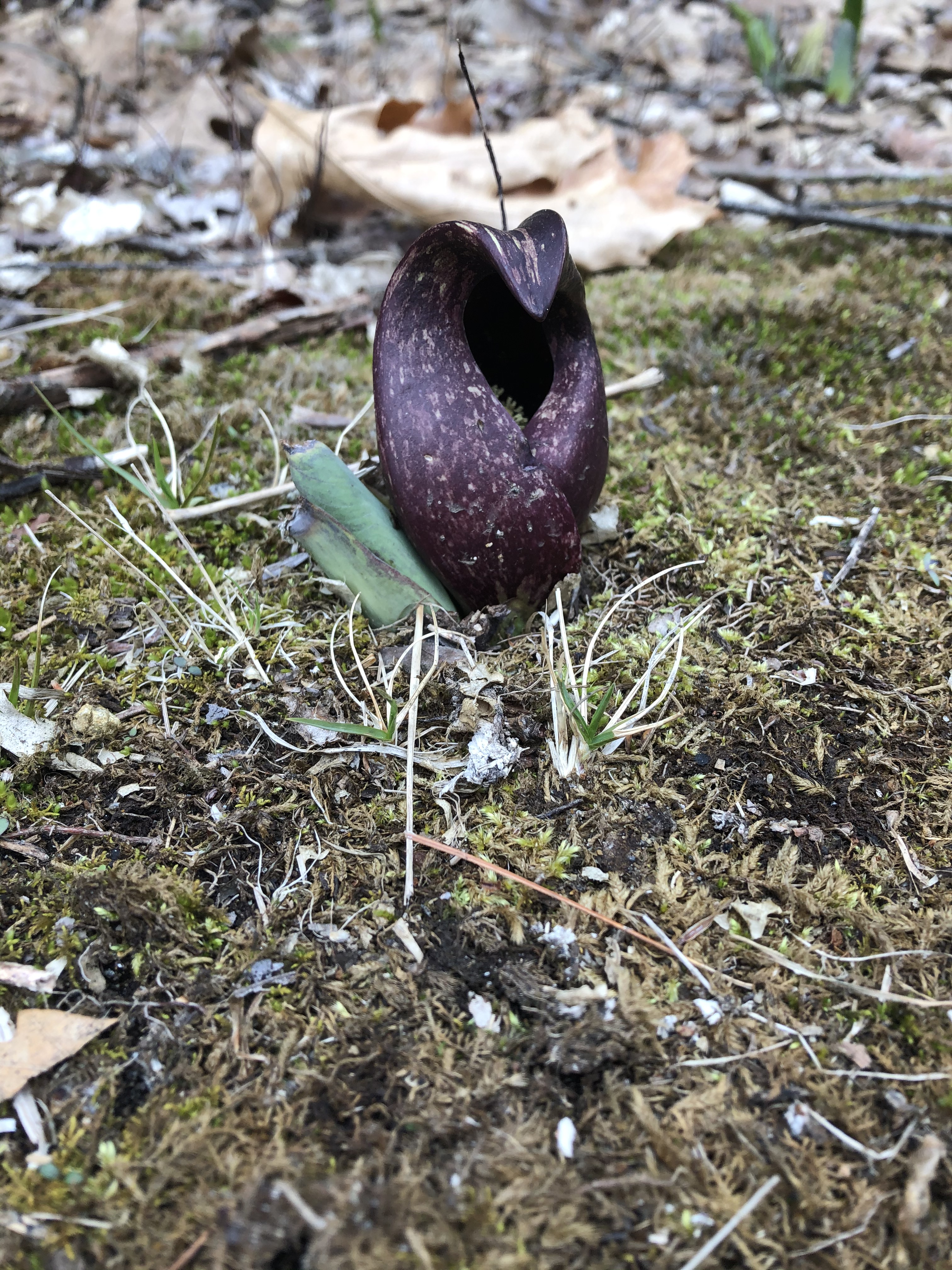
I went looking for Jack-in-the-pulpit plants in the town forest as I haven’t seen one in years, but what I found was skunk cabbage and lots of it.

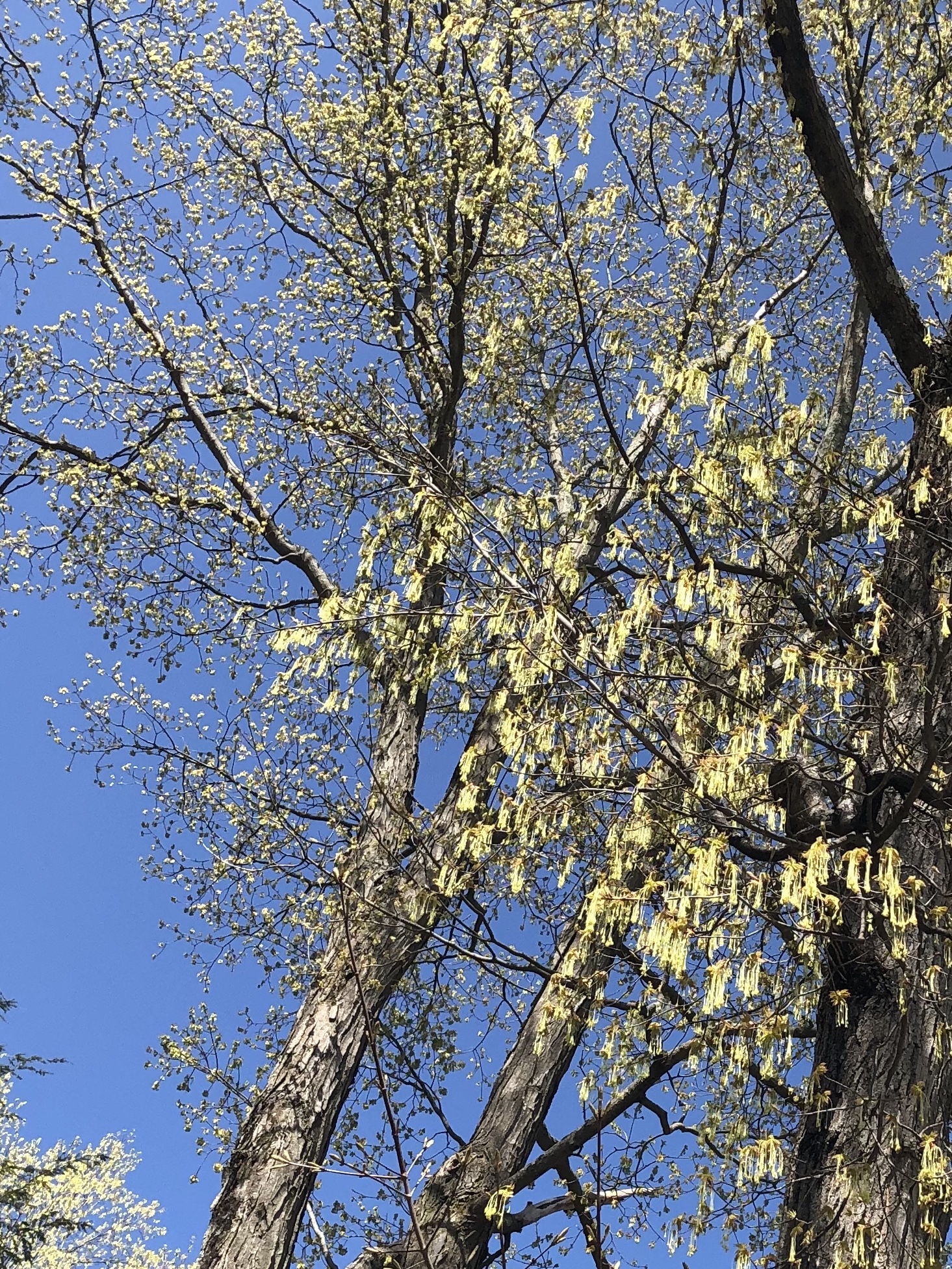
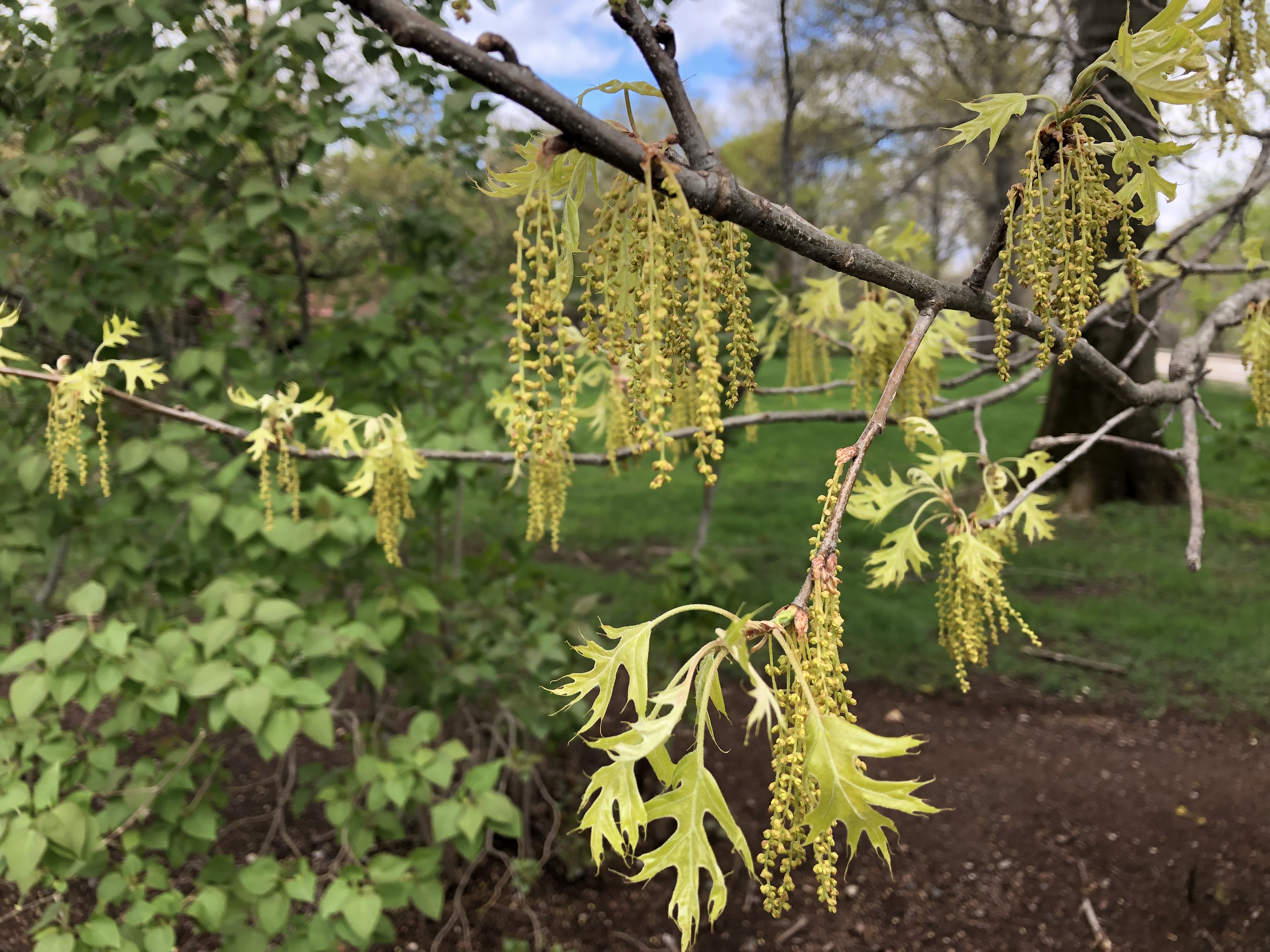
It was only last year while walking and asking questions of my phone that I realized the green tassels you see below are on oak trees. Takes a lifetime to learn basic things.

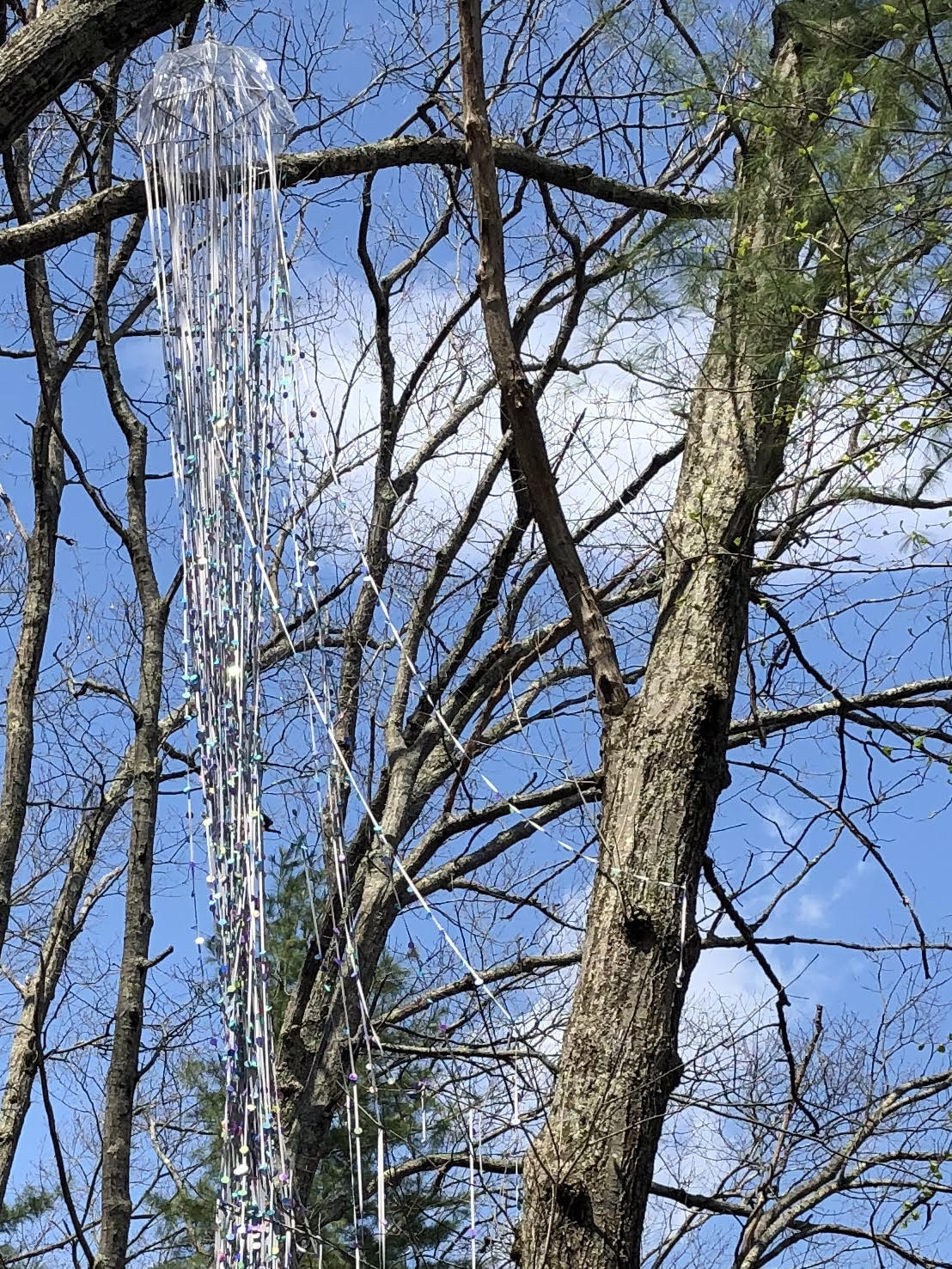
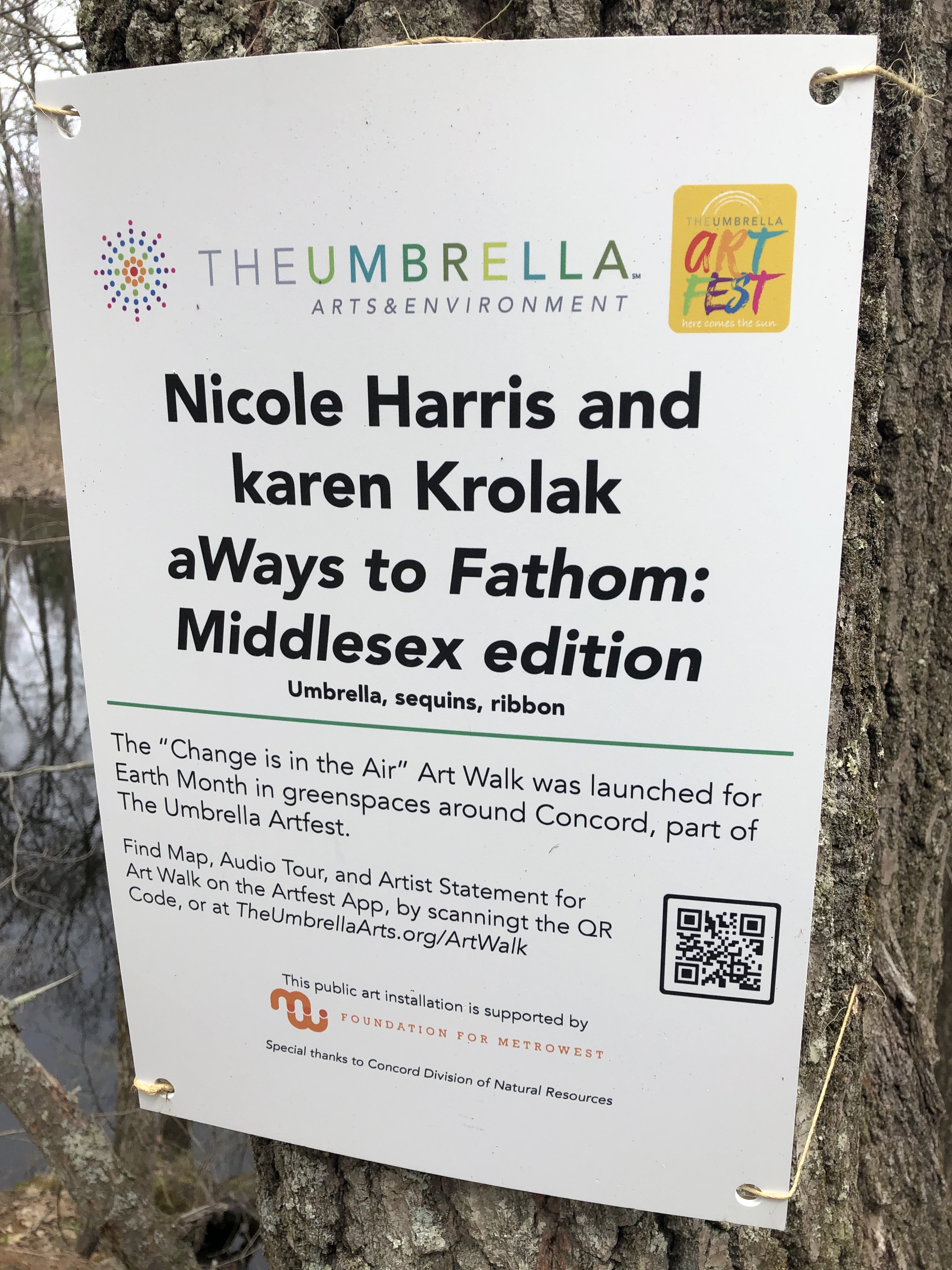
Umbrella Arts is doing a lot outdoors this year. I recently happened upon this jelly-fish-like hanging on a conservation trail, part of the Umbrella’s Change Is in the Air art walk. So pretty. The artists are Nicole Harris and karen [sic] Krolak.

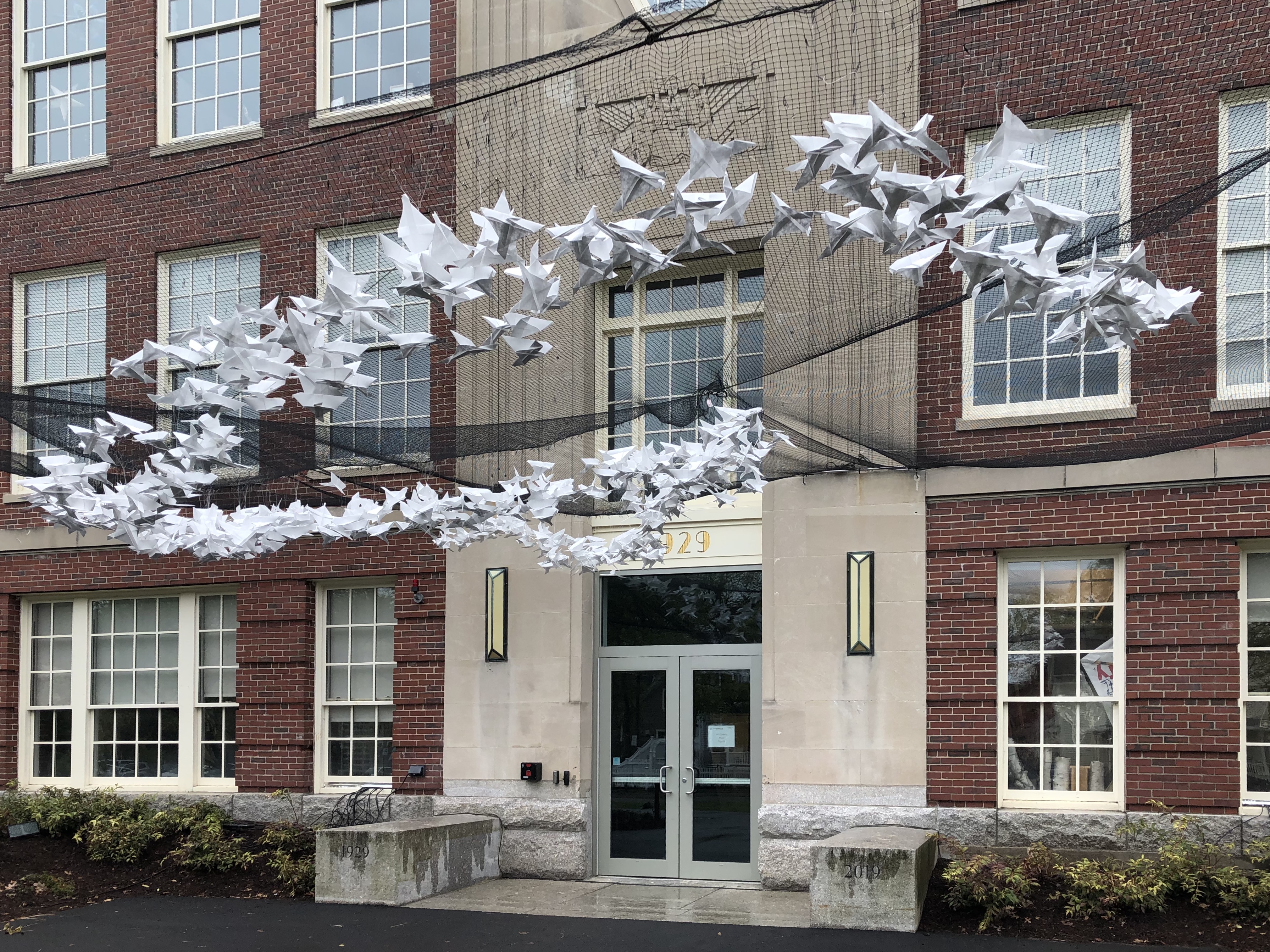
At the Umbrella building itself there was a kind of awning made of paper cranes floating in a net.

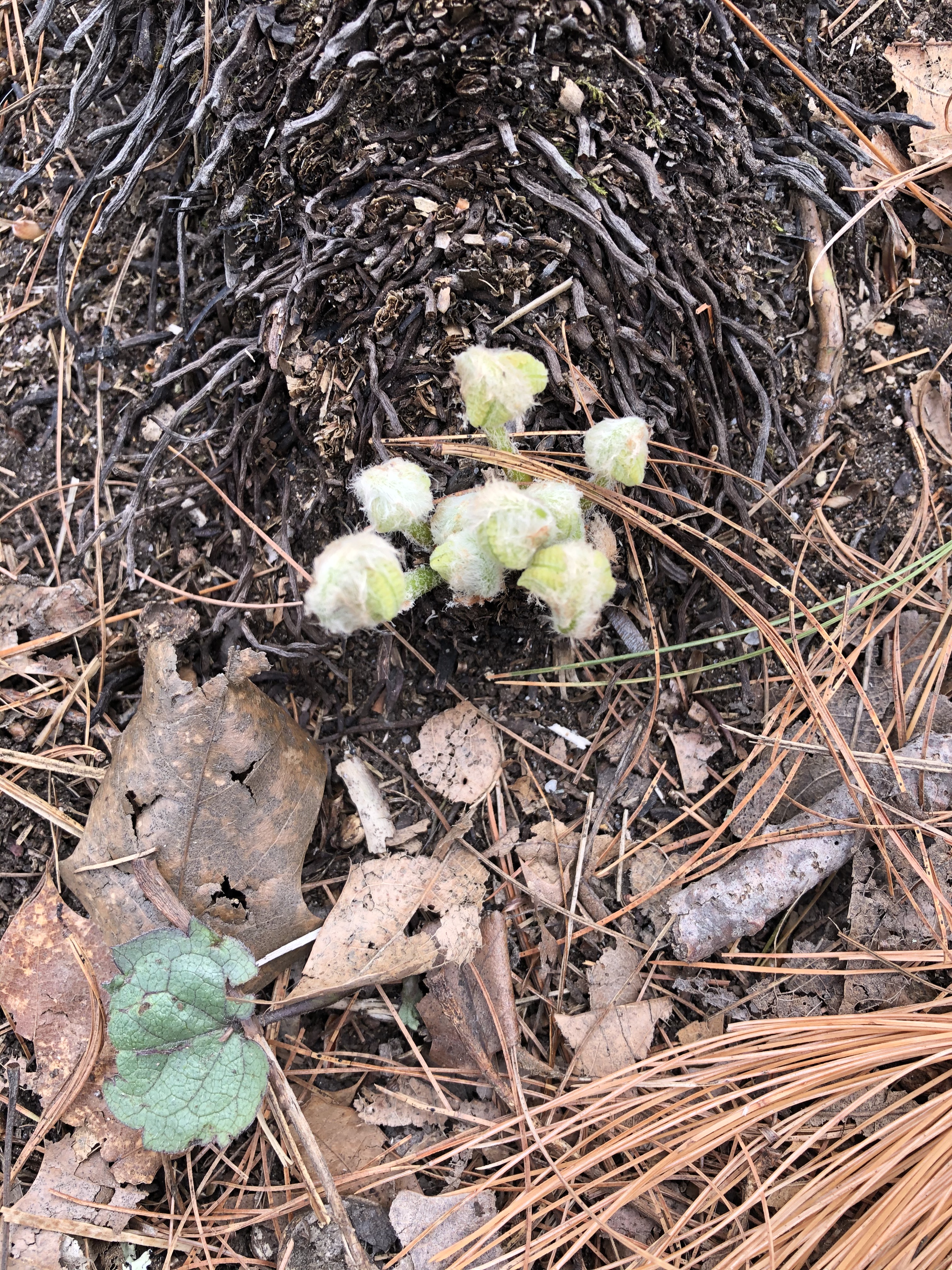
Next three pictures: something called an Interrupted fern, a fuzzy thing beginning to unfurl; a Japanese quince; daffodils; and grandchildren at the New England Aquarium for a birthday celebration of Suzanne’s son.

Finally, the Gardner.

Read Full Post »

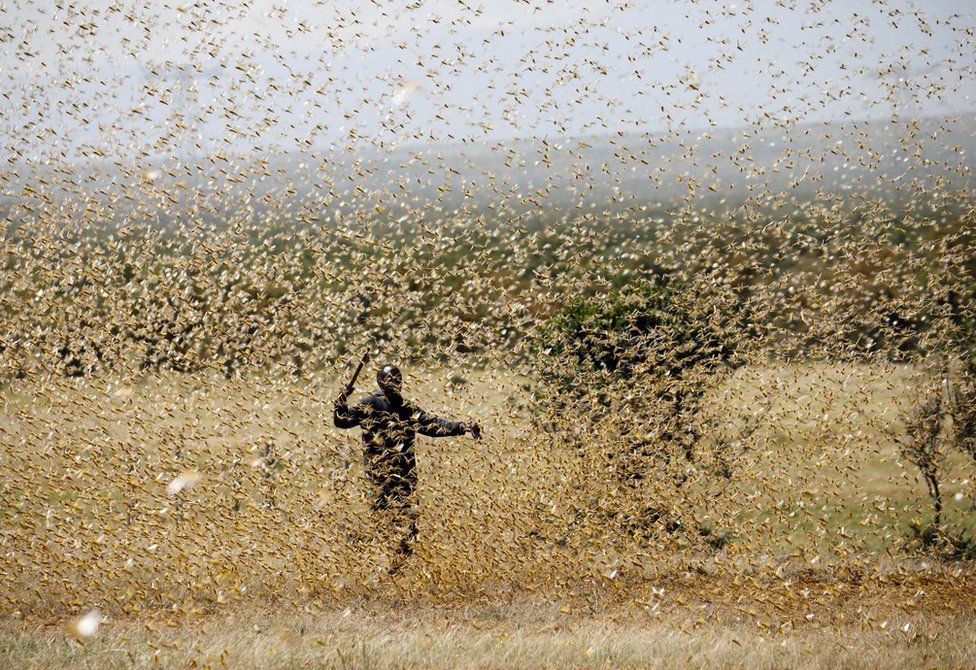
Photo: Reuters.
A man attempts to fend off a swarm of desert locusts at a ranch near the town of Nanyuki, in Laikipia county, Kenya.

Talk about citizen scientists! Tribal elders in Africa could teach Westerners a few things about enlisting everyone to solve problems.

Rachel Nuwer reports at the New York Times, “Melodine Jeptoo will never forget the first time she saw a locust swarm. Moving like a dark cloud, the insects blotted out the sky and pelted her like hail.

“ ‘When they’re flying, they really hit you hard,’ said Ms. Jeptoo, who lives in Kenya and works with PlantVillage, a nonprofit group that uses technology to help farmers adapt to climate change.

“In 2020, billions of the insects descended on East African countries that had not seen locusts in decades, fueled by unusual weather connected to climate change. Kenya had last dealt with a plague of this scale more than 70 years ago; Ethiopia and Somalia, more than 30 years ago. Nineteen million farmers and herders across these three countries, which bore the brunt of the damage, saw their livelihoods severely affected. …

“But as bad as 2020’s swarms were, they and their offspring could have caused much worse damage. While the weather has helped slow the insects’ reproduction, the success, [said Keith Cressman, a senior locust forecasting officer at the United Nations Food and Agriculture Organization], has primarily resulted from a technology-driven anti-locust operation that hastily formed in the chaotic months following the insects’ arrival to East Africa. This groundbreaking approach proved so effective at clamping down on the winged invaders in some places that some experts say it could transform management of other natural disasters around the world.

‘We’d better not let this crisis go to waste,’ said David Hughes, an entomologist at Penn State University. ‘We should use this lesson as a way not just to be adapted to the next locust crisis, but to climate change, generally.’ …

“The locust plague that hit East Africa in 2020 was two years in the making. In 2018, two major cyclones dumped rain in a remote area of Saudi Arabia, leading to an 8,000-fold increase in desert locust numbers. By mid-2019, winds had pushed the insects into the Horn of Africa, where a wet autumn further boosted their population. An unusual cyclone in Somalia in early December finally tipped the situation into a true emergency. …

“Countries like Sudan and Eritrea that regularly deal with small, seasonal swarms have teams of locust trackers who are trained to find the insects and recognize which life cycle stage they are in. They use a tablet-based program to transmit locust data by satellite to national and international authorities so experts can design appropriate control strategies.

“But people outside of those frontline locust nations who may want to start using this system today would encounter a typical technology problem. … Even if the hardware were available, in 2020, East Africa lacked experts who could identify locusts.

“ ‘We’d never had a dress rehearsal for the real thing,’ said Alphonse Owuor, a United Nations Food and Agriculture Organization specialist in Somalia. ‘We had people who were very familiar with locusts in theory, but who didn’t have the experience or equipment required to carry out this massive operation.’

“With swarms suddenly covering an area of Kenya larger than New Jersey, officials were tasked with creating a locust-combating operation virtually from scratch. Collecting dependable, detailed data about locusts was the first crucial step.

” ‘Saying “Oh, there’s locusts in northern Kenya” doesn’t help at all,’ Mr. Cressman said. ‘We need longitude and latitude coordinates in real time.’

“Rather than try to rewrite the locust-tracking software for newer tablets, Mr. Cressman thought it would be more efficient to create a simple smartphone app that would allow anyone to collect data like an expert. He reached out to Dr. Hughes, who had already created a similar mobile tool with the Food and Agriculture Organization to track a devastating crop pest, the fall armyworm, through PlantVillage, which he founded.

“PlantVillage’s app uses artificial intelligence and machine learning to help farmers in 60 countries, primarily in Africa, diagnose problems in their fields. Borrowing from this blueprint, Dr. Hughes and his colleagues completed the new app, eLocust3m, in just a month

“Unlike the previous tablet-based program, anyone with a smartphone can use eLocust3m. The app presents photos of locusts at different stages of their life cycles, which helps users diagnose what they see in the field. GPS coordinates are automatically recorded and algorithms double check photos submitted with each entry. Garmin International also helped with another program that worked on satellite-transmitting devices.

“ ‘The app is really easy to use,’ said Ms. Jeptoo of PlantVillage. Last year, she recruited and trained locust trackers in four hard-hit Kenyan regions. ‘We had scouts who were 40- to 50-year-old elders, and even they were able to use it.’ ”

More at the New York Times, here.

I love how many apps there are for identifying things these days. PictureThis has been a great help to me in identifying unfamiliar flowers. Now if I could just get one for birds!

Read Full Post »

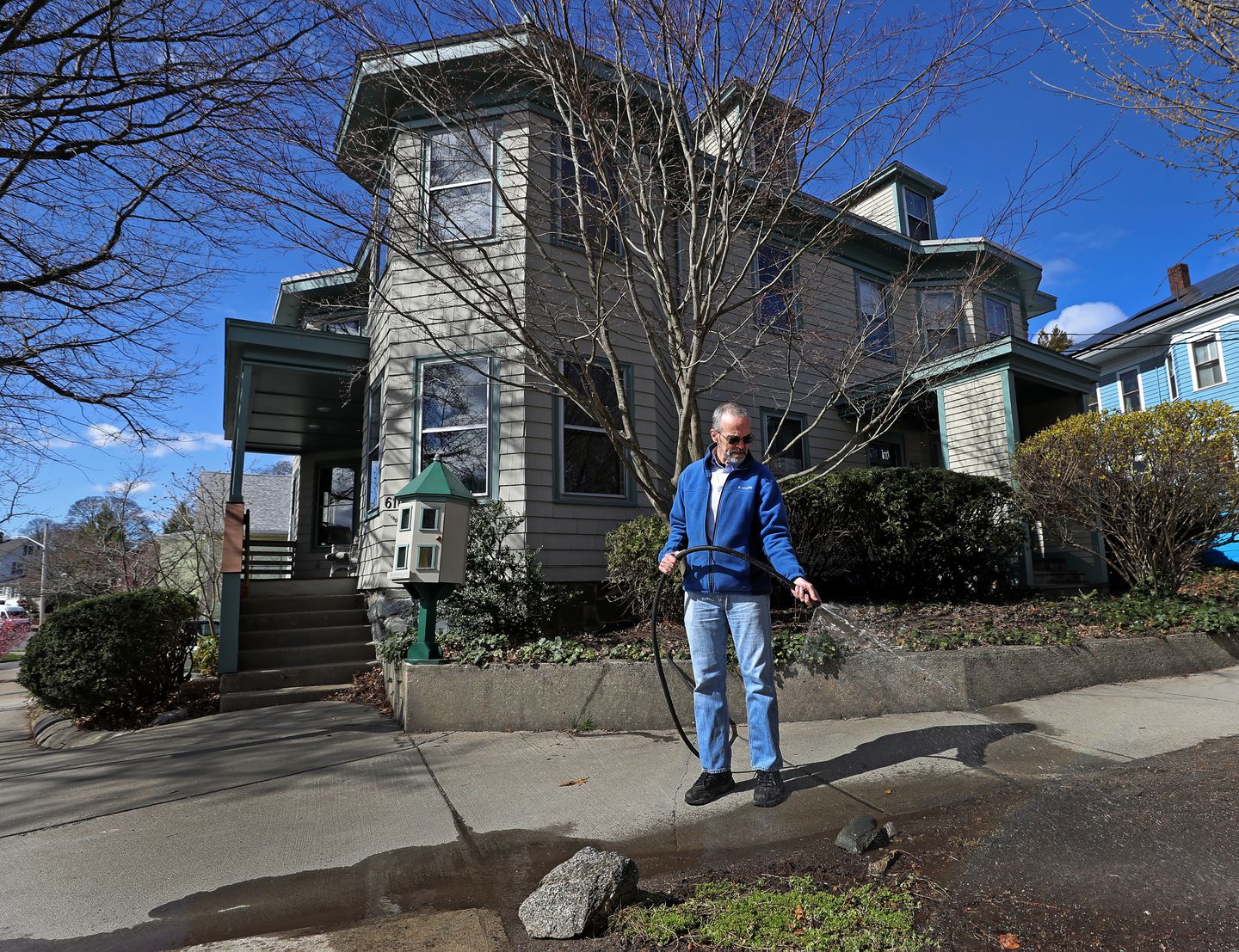
Photo: David L Ryan/ Globe Staff.
Homeowner Paul E. Fallon hopes to inspire others to bequeath their homes to an affordable-housing nonprofit that will help moderate-income families in Cambridge, Mass., to build wealth through homeownership.

As much as I believe that lack of homeownership is a major cause of inequality, keeping many lower-income families from passing on their nest egg to another generation, I could never bring myself to do what Paul E. Fallon recently committed himself to doing. He’s really putting his money where his mouth is. And his children are amazingly supportive.

As Jon Gorey reported for the Boston Globe, “When Paul E. Fallon purchased a Victorian four-family in Cambridge nearly 30 years ago, he wasn’t angling to become a minor real estate tycoon. But he wanted to raise his children in the city, and a single-family home was, even then, more than he could afford. ‘I bought it when a four-family house in Cambridge was a pariah because it was under rent control,’ Fallon said. ‘There was no crystal ball in 1992 that told me this house was going to make me rich.’

“But it did. Fallon lived in one unit and rented out the others, first under rent control, then at fair market rents. Now a single man in his mid-60s, the writer and retired architect owns his property outright. … In just one generation, his home in what had long been a middle-class neighborhood of plumbers and electricians has become a multimillion-dollar asset.

“That makes Fallon uncomfortable as he sees young families, especially people of color, unable to plant the kind of roots in Cambridge he did. His own children, despite being well-launched in good careers, he said, could never afford to buy the house they grew up in now. ‘Cambridge’s vanishing middle class makes my city a less diverse, less dynamic place to live’ he said.

“So when he turned 65 last year, … Fallon realized he wanted to do something very different with his property. He decided to leave his house to a local nonprofit when he dies. The goal is to create not just affordable housing, but long-term generational homeownership opportunities for four Cambridge households. …

‘I don’t just want to give people a secure place to live; I want to give the opportunity for people to be in the middle class, to accrue equity, to be able to pass the house down to their own children if they want to … to really build wealth.’

” ‘The difference between the haves and have-nots in the United States is largely a matter of who owns their house,’ Fallon added. … ‘I feel like if we’re going to be serious about creating a more equitable world, then those of us who have more than we need have to spread our wealth. We can’t just talk about it.’ …

“Fallon first wanted to make sure his two adult children were on board with his idea, even though it meant they would be losing out on a significant portion of their inheritance. But that, too, was part of his plan. ‘My house is worth so much money that, if my children inherited it, they would be living on Easy Street. And I’ve never met anyone who inherited wealth that wasn’t changed for the worse as a result,’ Fallon said. Gratefully, his kids understood where he was coming from. ‘They’ve spent their whole lives around me — they were not surprised,’ he said.

“He then sent letters to eight Cambridge nonprofits explaining his still-nebulous idea in vague terms — big on concept, short on logistics. After interviewing a handful of them, Fallon landed on Just-A-Start, a 53-year-old Cambridge organization that develops and manages affordable housing and offers youth programs, job training, and other economic advancement services.

“ ‘Just-A-Start really got it,’ Fallon said. Their goals aligned with his, and he felt confident they would still be around when the time comes to implement his vision. ‘They understood that what I’m trying to do is to help Cambridge be a more diverse place, a more equitable place,’ he said. …

“When Just-A-Start executive director Carl Nagy-Koechlin received the inquiry, he recognized Fallon’s name; they had worked together on an affordable housing development in Somerville a few years prior. He also realized that Fallon’s explicit instructions — that the house be used for homeownership opportunities — would help fill a key gap in the city’s affordable housing stock. ‘Most of the housing we’ve developed is rental housing, and that’s because it’s needed — but also because the financing sources for affordable housing are skewed in that direction,’ he said. …

“Fallon and Nagy-Koechlin spent a few months hammering out the details into a memorandum of understanding, which Fallon then brought to [Gregory Pearce, the Cambridge lawyer who assisted Fallon with his estate plan] to review. ‘All the heavy lifting was done before it got to me,’ Pearce said. ‘All I really had to do was to make sure that the plan is actually going to happen upon Paul’s death.’ That meant establishing an estate plan and selecting a reliable trustee to make sure Fallon’s wishes are faithfully carried out.”

Read the details about how this is going to work, here.

Read Full Post »

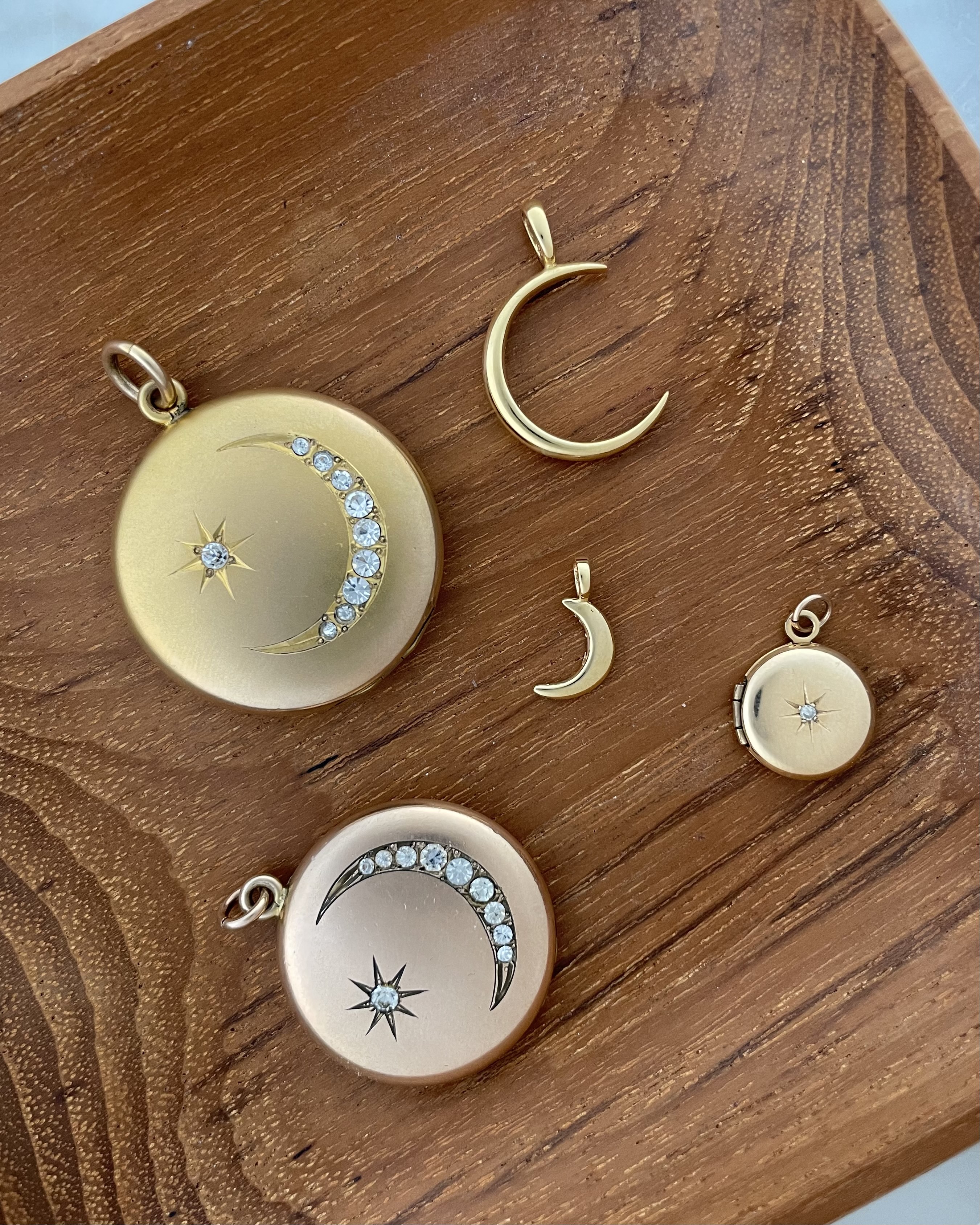
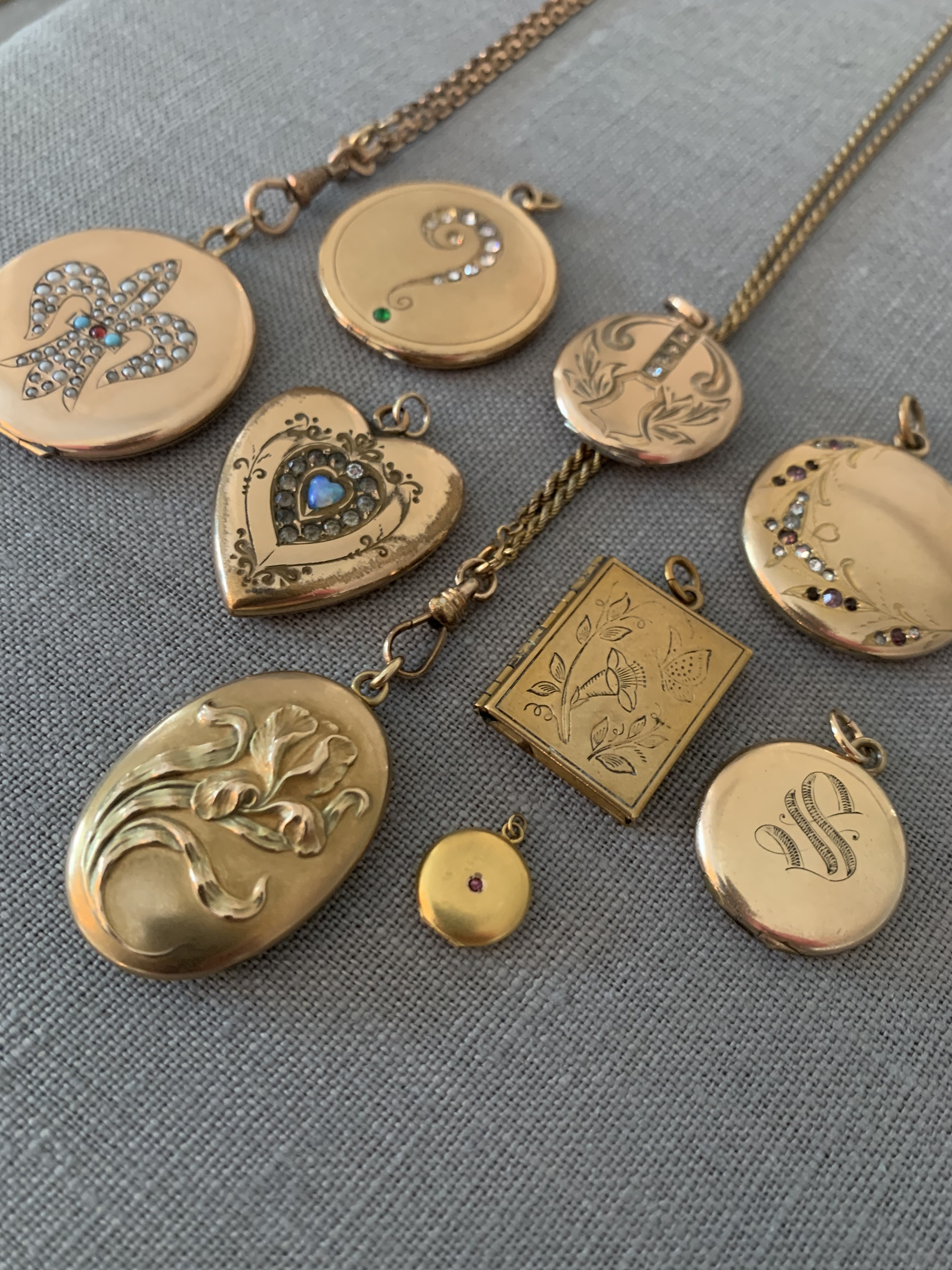
Photos: Luna & Stella.
“Who’s Your Moon & Stars?” birthstone jewelry and antique lockets can reach you by Mother’s Day.

New followers may be unaware that this blog exists because one day 10 years ago Suzanne, the founder of the jewelry company Luna & Stella, asked me to write a blog she could link to because her website didn’t have any other blog yet. She told me to write about whatever interested me (which explains why Suzanne’s Mom’s Blog is so eclectic).

A lot of random things interest me, but as Laurie and Brenda and others among you know, I do write about jewelry as well as bighorn sheep and mushrooms. I especially like to let everyone know what’s available at Luna & Stella for a special occasion like Mother’s Day.

The options range from birthstone necklaces, earrings, and rings to exquisite vintage lockets that Suzanne has continued to source right through the pandemic. She has a curator’s eye, though it’s her mother who tells you.

The pictures here feature just a few of the newest acquisitions. The antique lockets have invisible hinges, which is how Suzanne expanded from contemporary birthstone jewelry into antique and vintage in the first place. A light bulb went off, you see, after she had searched for more than a year to find a modern manufacturer who could make an invisible hinge for a new locket she had in mind.

Of course! Why not sell lockets that already had invisible hinges? Suzanne loved vintage, and it turned out vintage was “in.” Vogue even featured one of Suzanne’s finds on a model in one of the magazine’s fashion spreads.

Suzanne says, “If you are ordering with USPS, please place your order by this Friday, April 30.  We also offer 2-day shipping with UPS and FedEx (worldwide!). Order by Wednesday, May 5, for Mother’s Day.” 

Newly acquired antique lockets are ready to start making new memories, new traditions.

Read Full Post »

Photos: Ashleigh Whiffin.
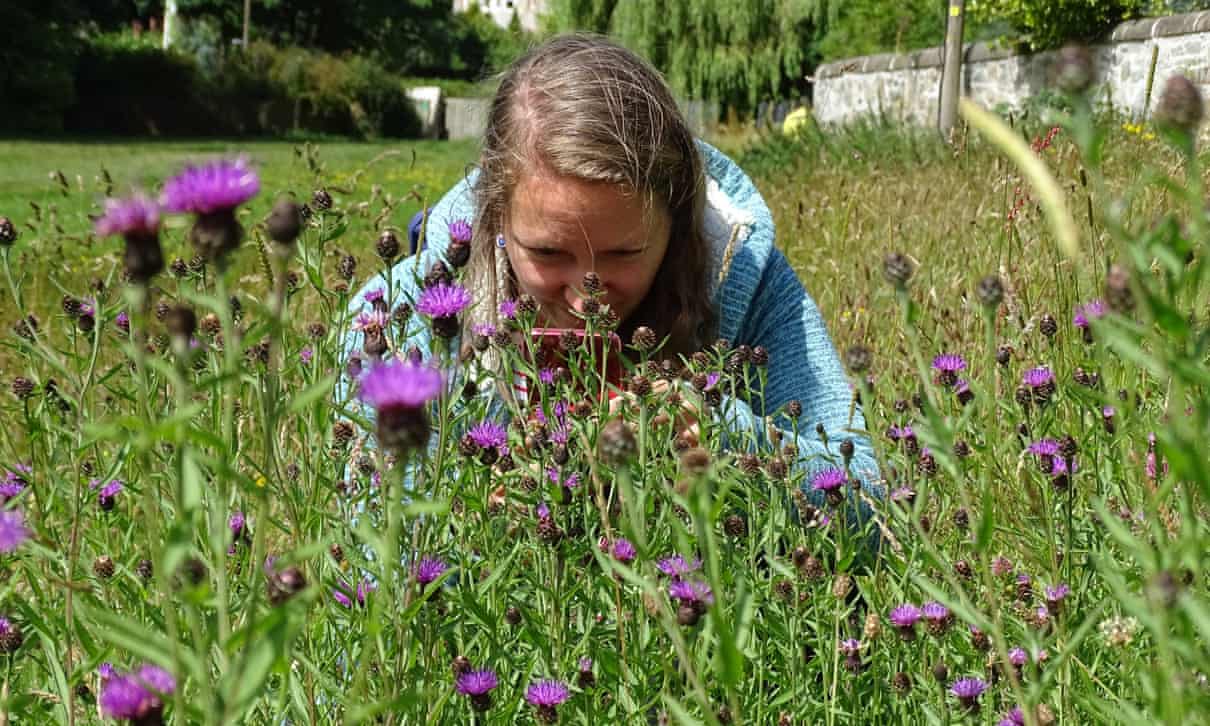
Amateur nature recorders in the UK are providing vital data on beetles, soldierflies, and many lesser-known insects.

Britain’s long tradition of amateur scientists sets the stage for today’s enthusiastic volunteers mapping the nation’s insect population.

Isabella Kaminski writes at the Guardian, “Ashleigh Whiffin’s day job as assistant curator of entomology is to look after National Museums Scotland’s vast collection of preserved insects. But her passion for the creatures doesn’t end when she goes home; in her spare time she spends hours recording and verifying sightings of a specific group of large carrion beetles in the family silphidae.

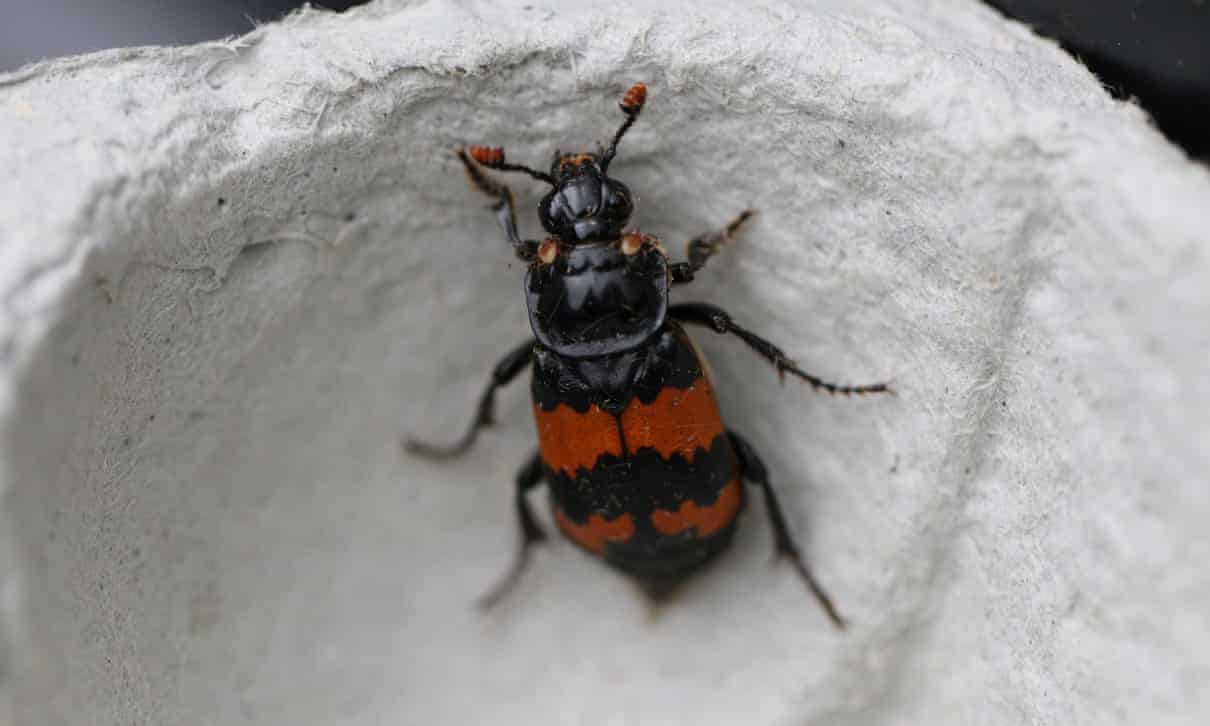
“ ‘Silphidae are absolutely brilliant,’ Whiffin says from her Edinburgh office. ‘They’re decomposers, so they are really vital for recycling and also have forensic applications. Some of the members in the family are called burying beetles and they actually prepare a carcass, make a nest out of the corpse and then feed on the rotting flesh and regurgitate it for their kids. They’re quite a charming – but also grisly – insect.’

This banded burying beetle in the UK is a scavenger said to be able to smell a rotting carcass from two miles away. I’m thinking it’s a cousin of the endangered American Burying Beetle that John used to study in Rhode Island.

“Wanting to know more about the distribution of silphidae across the UK and how they were faring in conservation terms, Whiffin established what already exists for more charismatic species such as ladybirds: a national recording scheme. …

Whiffin is one of Britain’s tens of thousands of volunteer nature recorders, whose detailed sightings of flora and fauna, or key events in their lifecycles, are vital for keeping tabs on biodiversity as the climate warms, habitats shrink, and pesticides and pollution degrade the quality of land.

“It’s a hobby with a long history in the UK, where amateurs have been stuffing, pinning and pressing specimens for centuries. … These days, records are collated, verified and filtered through a patchwork of recording schemes and local environmental record centres. Many end up in the National Biodiversity Network’s Atlas, the country’s most comprehensive collection of biodiversity information. …

“The Biological Records Centre (BRC), a research institution in Oxfordshire set up in the 1960s, calculated a few years ago that about 70,000 people take part in biological recording each year, although Helen Roy, the BRC’s coordinator of zoological data and research, thinks that is probably an underestimate. Despite years of doom-mongering about the death of natural history as a pastime, the Royal Society for the Protection of Birds’ State of Nature 2019 reports calculated that there had been a 46% increase in the time donated to nature recording since 2000.

“Martin Harvey, who also works at the BRC but runs a recording scheme for soldierflies and their allied families in his spare time, says most insect surveys are run by volunteers. …

“But while there is little concrete data on demographics, recorders admit there is a lack of diversity among those involved. … Says Whiffin. ‘I have to say for the beetle community, that is predominantly white men and that is something that I’m very keen to change.’

“Whiffin has been advertising her recording scheme on social media and running beetle identification courses online to try to reach a wider range of people.

“Biological recording has also benefited from apps such as iSpot and iRecord, which allow citizen scientists to snap a picture of their subject and quickly upload it. …

“Harvey notes that people get involved at different levels, from casual recorders to those who go to ‘extraordinary lengths’ to specialise in a subject or species. … ‘For most, if not all, insects there’s a lot we don’t know and a lot of areas that don’t get recorded very well,’ says Harvey. ‘There’s also basic natural history gaps in how they live, what they feed on, what their lifecycle and behaviour is, and individual volunteer naturalists can and do make an enormous contribution to finding out that sort of information.’ …

“There are now 30,000 records on large carrion beetles from the silphidae family recording scheme combined with historical data gleaned from dusty museum notebooks. This enabled Natural England to commission a recent study on the prevalence of silphidae in the UK, which showed that several species were critically endangered or vulnerable.”

More at the Guardian, here.

Read Full Post »

Photo: ThePhotoImpression at Etsy.
Bighorn sheep.

Earle sent a cool article about capturing bighorn sheep by helicopter and suggested that it might be something for the blog. It comes from the California Department of Fish and Wildlife (CDFW).

“Wildlife biologist Paige Prentice grew up surrounded by trees in Nevada City, California, and knew she had selected the right college when she saw all the redwoods on the campus of UC Santa Cruz. But it was a seasonal job after college in Death Valley National Park that spawned her love of the desert, and today she is a Desert Bighorn Sheep Biologist with CDFW, based in Inyo County. …

“CDFW: Do you remember when you first became so interested in science you realized it might become your career?

“When I was a little kid, I used to tell people that I wanted to study elephants and gorillas. After college I had the opportunity to spend six months studying orangutans on the Island of Borneo in Indonesia. And while that was an awesome once-in-a-lifetime experience, I learned that I wanted to focus on species a little closer to home. Growing up, my folks were the type of people that would drive through deserts and say, ‘It’s just hot and dry and there’s nothing here.’ I believed them, until I was 24 and I got a job in Death Valley as an AmeriCorps intern with the Park Service. It was then that fell in love with the desert. I was mesmerized by the expansive landscapes and amazed by how much life the desert supported. …

“Why does CDFW dedicate staff to Desert Bighorn Sheep specifically?

“Well, first, you have to understand that in California we have three separately managed bighorn populations. Two populations are endangered and managed under their own recovery programs — the Sierra Nevada bighorn sheep and the peninsular bighorn sheep (San Diego, Riverside and Imperial counties). Then, there is the broad grouping of desert bighorn sheep which are not endangered — these are the ones I focus on. Because … we’re interested in questions at both the population and metapopulation level, it makes sense to have a desert bighorn sheep specific program.

“As a bighorn sheep biologist, what are you studying? What are you looking at when trying to manage that population?

“Great question. There is a lot to study, given that we are looking at over 50 distinct populations across a large geographic area that is fragmented by major interstates. On a broad scale, we’re looking at which mountain ranges have bighorn in them, how many animals are in each population and how the populations are connected to one another. We conduct ground, camera, and helicopter surveys to document age and sex ratios and recruitment (lambs surviving to adulthood). We capture and collar animals to track movements, monitor survival and to test for disease. We are interested in what type of diseases are present and what the short- and long-term impacts are. We also have artificial and natural water sources in the desert, and we work with NGOs, like the Society for the Conservation of Bighorn Sheep, to makes sure these sources are maintained and stay full of water. …

“Aren’t there times we capture sheep as well, shooting nets on them from helicopters?

“Yes, we generally capture bighorn using a helicopter with a netgun. Thankfully, we’re not the ones that are flying for captures– we hire professionals for that. We conduct captures in the fall and this past November we captured and collared 100 animals across eight populations. It is a team effort and certainly a lot of work. I think some folks hear about the captures and think, ‘Why capture wild animals?’ But in fact, the work we do with captures provides the majority of the data we have to help protect these magnificent creatures.

“What is it you like about bighorn sheep?

“They completely captivate me. I am aware of very few species that are experts of such extreme environments. Within California, there are desert bighorn that live above 14,000 feet and navigate snow in the wintertime. A hundred miles to the south, there are animals in Death Valley that are living below sea level and are experiencing temperatures of over 125 degrees in the summer. When you track these animals and spend time in the landscapes in which they flourish, you can’t help but respect them. They are also one of the most graceful animals I have ever seen — watching them move with ease, at top speed up mountain sides is stunningly impressive.”

More here.

Read Full Post »

Art: Vincent van Gogh.
“Memory of the Garden at Etten” (1888), oil on canvas, State Hermitage Museum, Saint Petersburg.

From the quasi-animated film Loving Vincent to revelations in old postcards, Vincent van Gogh has been making a lot of headlines in the last few years. I’ve covered a few of the stories myself: for example here, here, and here.

Now there’s a book aiming to shine a light on the artist’s three sisters. Eva Recinos reviewed it for Hyperallergic.

“We might sometimes forget that major artists have had to exist as people, too, with all the trials and tribulations that might come before they reach fame. Take, for example, family dynamics. And in the van Gogh family, there were many of them. 

“Vincent van Gogh’s three sisters — Willemien (Wil), Elisabeth (Lies), and Anna van Gogh — are highlighted in the historical biography The Van Gogh Sisters by Willem-Jan Verlinden (Thames & Hudson). The book was originally published in Dutch in 2016; the English version, translated by Yvette Rosenberg and Brendan Monaghan, includes previously unpublished letters, largely the result of research completed after the Dutch version was first released.

“Through letters between the siblings, we read that Lies was frustrated that women didn’t have more professional options that were socially acceptable. We learn about how Wil often copied Vincent’s drawings and was his favorite model, and that the two wrote to each other about art and literature and inquired about one another’s mental health. …

“But about 100 pages in, there’s still a lot of focus on Vincent and his two brothers, Theodorus (Theo) and Cornelis (Cor) van Gogh, as well as their father. … While we do get more insight into the sisters’ lives, quite a few pages are dedicated to Vincent.

“The reproductions of art are largely his works. That’s clearly because there’s more of his art to share, yet it takes the reader out of the narrative about the sisters. (The book does include a watercolor piece by his mother, Anna Carbentus, also known as Moe van Gogh. She was an avid gardener and created pieces to capture the beauty of nature.) …

“We learn that Wil has an interest in making her own art and writing. She explored flower arranging and wrote an article for the journal ‘The Dutch Lily’ that was ‘an unconventional guide to flower arranging,’ Verlinden writes (one line speaks of her love for ‘more loosely arranged flowers’). Vincent, for his part, wrote to Theo that maybe Wil could marry an artist; as much as he did love discussing the arts with her, it can be deduced that he didn’t exactly see her being a professional artist herself.

“She eventually focused her efforts on the National Exhibition of Women’s Labour, which was organized to shed light on women’s contributions to the economy, particularly through the production of goods. But Wil would also end up struggling with mental health. She spent more than three decades of her life at a psychiatric institution, where she passed away.

“Lies wrote poetry and would go on to publish multiple books — including one centered on the life and work of Vincent. There’s also a fourth sister, of sorts, in the text. Johanna Gezina Bonger (Jo), Vincent’s sister-in-law, who helped organize exhibitions of his work after he died in 1890.  

“Ultimately, if you approach the book as a fan of Vincent van Gogh’s work, it will feel like a deeper dive into his place within the family, such as his struggles to prove himself as an artist to his parents and his complicated relationship with his sisters — an argument with Anna likely drove him from the family home in 1885 and he was disappointed that his other sisters, especially Wil, didn’t come to his defense. … But as with any under-highlighted history, we can only hope future research will tell us even more.”

The Van Gogh Sisters, by Willem-Jan Verlinden (2021), is published by Thames & Hudson and is available at Bookshop.org.

More at Hyperallergic, here.

Read Full Post »

Photo: Charles Russo.

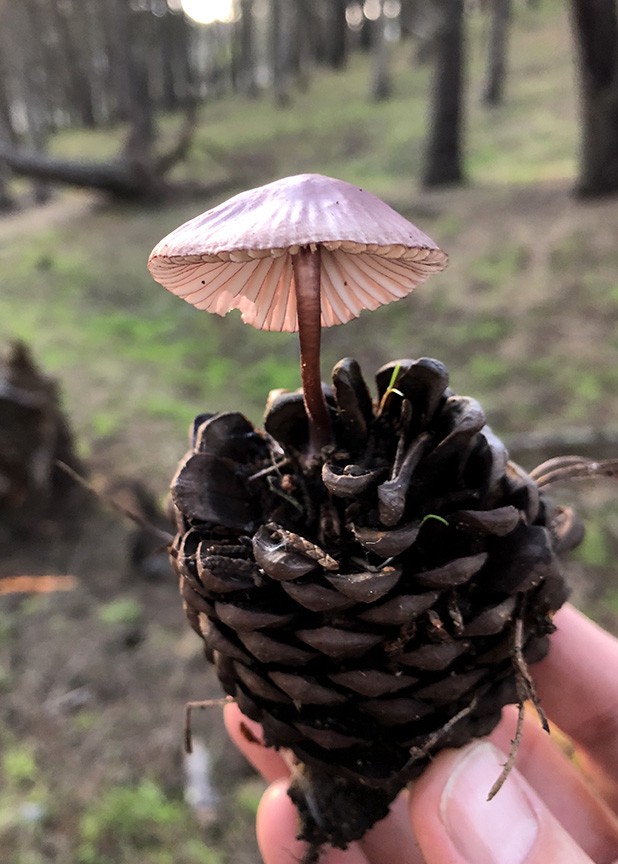
Mushrooms, lichen, and fungus are increasingly fascinating to me. I’ve posted photos here and on Instagram, where I especially love the mushroom pictures of @chasonw.

When John’s employees visited from Ukraine, they used to enjoy looking for wild mushrooms to eat, but I don’t know any Americans who are sure enough of themselves to take a chance.

Today’s article by Margaret Roach at the New York Times explains why you really need mushrooms in your yard — and also which ones are safe to eat. (A tip of the hat to Hannah for the story!)

“They appear spontaneously, or so it seems, popping up out of the mulch, rising in a single spot on the lawn or bursting from between the pathway pavers like little marshmallows. But there is an intricate master plan at work, just not one to which most gardeners are privy. What are the mushrooms in our gardens trying to tell us — and would you be surprised to learn it’s mostly good news?

“ ‘Without the fungi we wouldn’t have soil, at least not the way we know it now,’ said John Michelotti, of Catskill Fungi in Big Indian, N.Y., a family farm on land his great-great-grandfather bought, where Mr. Michelotti spent his childhood summers. ‘Their filamentous underground mycelia are essential for the nutrient cycling and balance of our soils, plants, microbial life — and ecosystems as a whole.’

“Today, Mr. Michelotti leads guided mushroom walks, teaches classes about mushroom growing and medicinal mushrooms at the New York Botanical Garden and elsewhere, and produces health extracts from fungi — in between occasional calls to identify mushrooms in his role as a poison-control volunteer. …

Photo: Missouri Department pf Conservation
Giant puffball.

“Fungi serve various critical ecosystem roles. The saprobic species act as powerful decomposers: Oyster mushrooms, for instance, work to recycle a dead tree.

“Mycorrhizal fungi help plants build resilience and resistance to pathogens. In a symbiotic partnership, they translocate water and mine nutrients and micronutrients, making those resources available to plant roots. Some 92 percent of plant families rely on such services, according to the North American Mycological Association.

“In return, up to a third of the energy that plants make through photosynthesis goes to feeding simple sugars to the fungi, Mr. Michelotti said: ‘This plant-fungi symbiosis is how the earliest plants accessed essential nutrients that helped them inhabit land in the first place. …

” ‘People come up to me to ask, “I’ve got these mushrooms in my lawn — how do I get rid of them?” ‘ he said. …

“His message, always delivered patiently: ‘Can we perhaps look a little deeper about what the fungi are doing here?’

“Mushrooms — the fruiting or reproductive bodies of fungi — are not a disease, but a sign of health, he explains. They indicate that, under the grass, ‘your soil is running with vast networks of mycelial mats and trillions of microscopic organisms working together, helping break down organic matter to make nutrients available to plants.’

“His questioners might have seen some thin-stemmed, pointy-topped little Conocybe apala, mushrooms that come and go quickly, often unnoticed. Or maybe something more emphatic just erupted? From late summer into fall, soccer-ball-like giant puffballs (Calvatia gigantea) are the headliners.

“ ‘Watch the film “Fantastic Fungi” if you want to really appreciate the puffballs in your lawn,’ said Mr. Michelotti, who has a walk-on in the documentary — and a favorite recipe for puffball piccata.

“Again: Enough with the eradication efforts. First, you can’t eradicate them — most of the fungi’s life is unseen, below ground, and continues even if the fruiting bodies are removed. And ‘if you pick them and toss them somewhere, or mow them, you’re actually helping spread their spores,’ Mr. Michelotti said.” More here.

Read how Michelotti makes his delicious piccata from giant puffballs in the fall.

Photo: Suzanne’s Mom

100616-mushrooms-in-fall

Read Full Post »

« Newer Posts - Older Posts »