September 19, 2014 by suzannesmom
Providence is engaging in so many entertaining pop-up activities I can’t keep up. Suzanne sent this link about one that happened today. I guess it is what people mean when they talk about “placemaking.”
Chris writes at the blog for Our Backyard Rhode Island, “Where else but Our Backyard could you walk to dozens of parks in just one day? Today 32 temporary parklets have sprung up in Downtown, the West Side, and the East Side of Providence to mark PARK(ing) Day. More than 30 metered parking spaces have been transformed into temporary public parks. Designers worked with local businesses to find creative ways to add green space to the urban environment. They trucked in plants, Astroturf and picnic tables to create alluring stop offs for people out for a walk.
“On Matthewson Street, you can even use frisbees to play checkers on a board as big as a queen-size comforter. Organized locally by the RI chapter of the American Society of Landscape Architects (RIASLA), the RI chapter of the American Institute of Architects (AIAri), and Transport Providence, Park(ing) Day strengthens connections in Our Backyard.”
More here.
Photo: http://ourbackyardri.com/
A Providence parklet today.

Posted in Uncategorized | Tagged backyard, parklet, placemaking, pop-up, postaday, providence, public park, recreation, rhode island, RI chapter of the American Institute of Architects, Society of Landscape Architects, temporary, Transport Providence | Leave a Comment »
September 18, 2014 by suzannesmom
Today’s post features a bunch of photos again, if you can bear it.
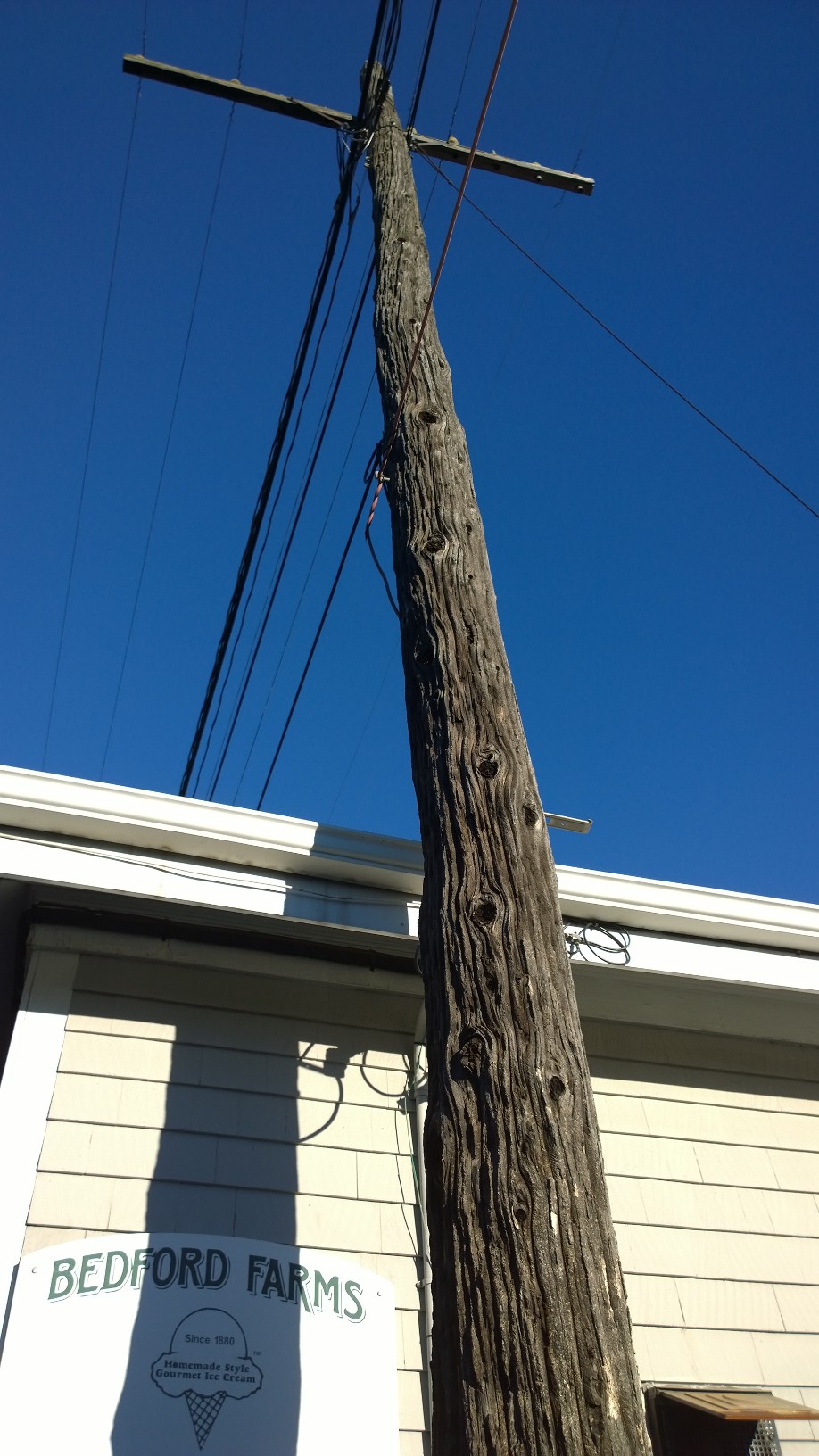
I was especially intrigued by a lovely sunflower and a utility pole that is an actual tree trunk. Although the tree trunk has probably been right in front of my nose for 20 years, it wasn’t until a recent late-train day that I actually noticed. “Holy cow! That’s a tree trunk!” No one else seemed to notice.
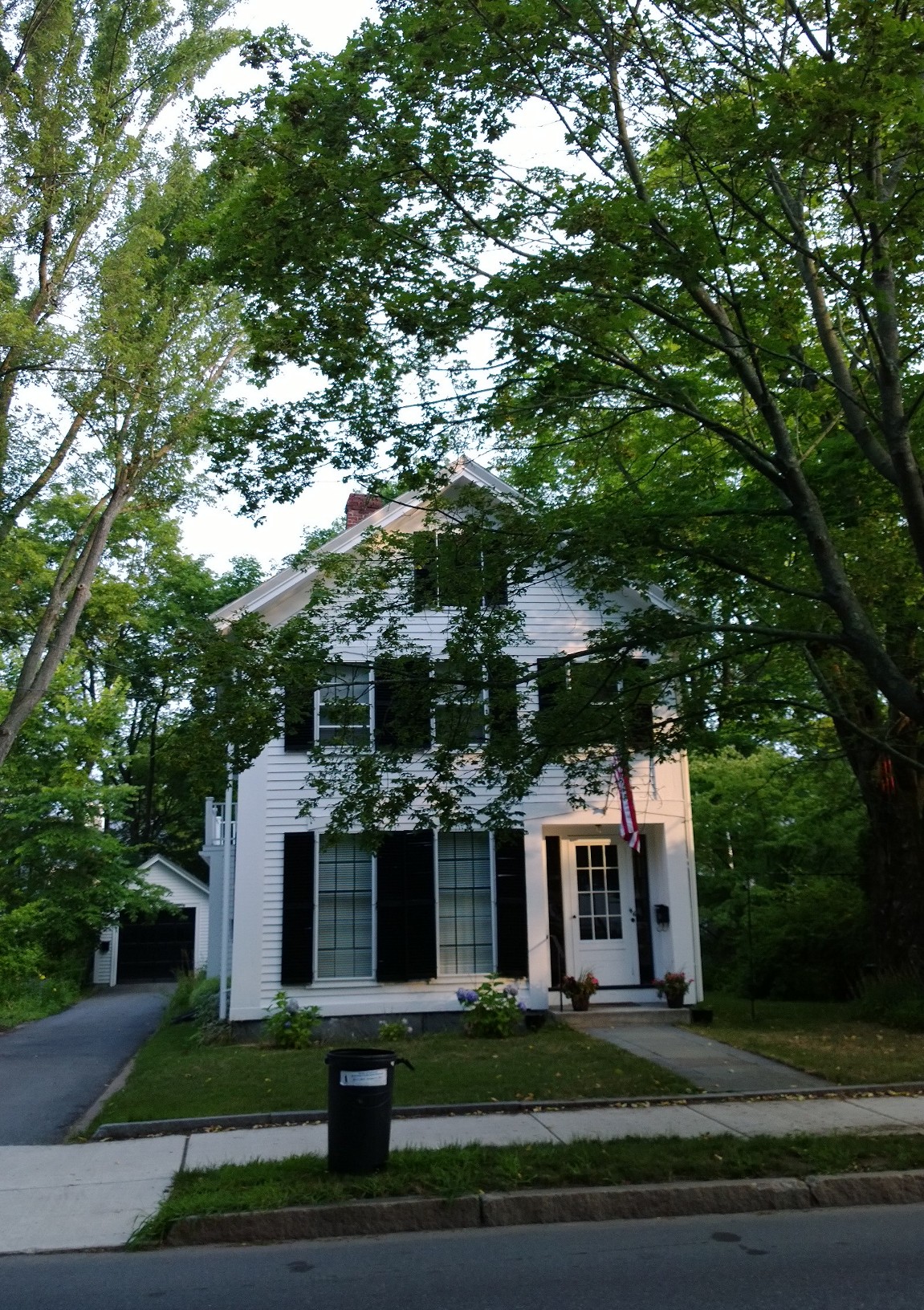
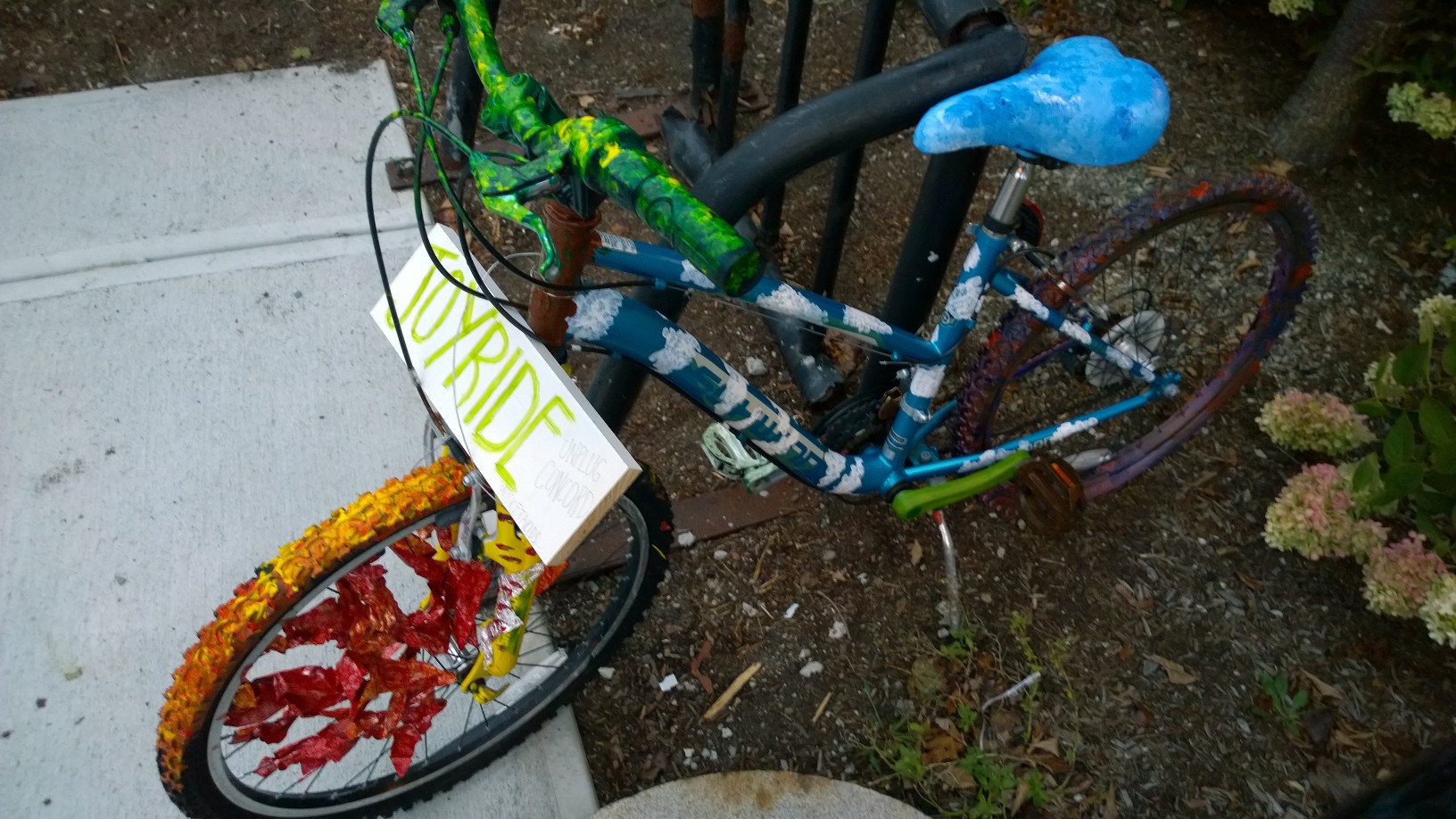
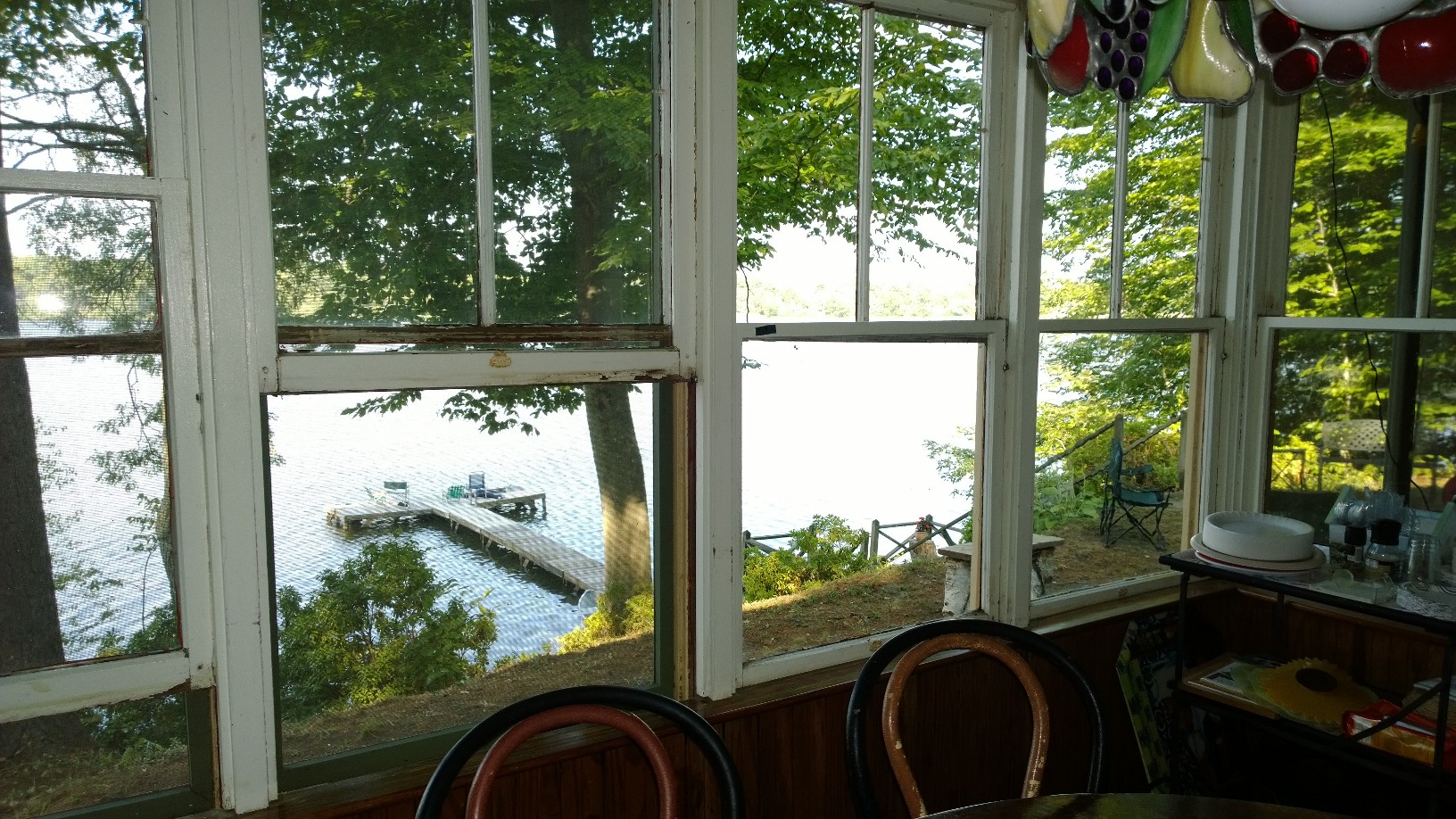
Other photos are attempts to capture early-morning light, but you may not be able to tell what time of day it is.







Posted in Uncategorized | Tagged concord, massachusetts, motorcycle, new england, photo, postaday, sunflower | 4 Comments »
September 17, 2014 by suzannesmom
The radio show Living on Earth is a font of useful and interesting environmental knowledge.
In a recent show, host Steve Curwood spoke with “agronomist Frank Forcella about how he modified the common sand blaster to simultaneously fertilize and weed food crops.”
Curwood introduces the topic thus, “If you’ve ever weeded a garden, you know it’s a backbreaking job, and if you have row upon row of crops, it’s, well, it’s easier to use herbicides. But then the crop is not organic. Enter a team of soil scientists for the U.S. Department of Agriculture who harnessed a common tool of the building trades to blast away those unwanted weeds without chemicals. Joining me to explain this breakthrough is Frank Forcella. He’s an agronomist with the USDA’s North Central Soil Conservation Research Laboratory.”
Forcella then tells Curwood how he got the idea. “One of my hobbies here in Minnesota is growing apricots, and 2007 happened to be a wonderful year for apricot production in Minnesota.
“We ended up with about a five gallon bucket worth of apricot pits, and I was wondering what can we do with apricot pits. One of the things you can do with them is to grind them up and use then as a grit in sandblasters, and I was talking about that with one of the fellows who works with me, Dean Peterson, on our way out to our field plots. Both of us work on weeds, and we had more or less simultaneously had the idea, ‘I wonder if you could use sandblasters to kill weeds.’ Initially we thought that had to be the dumbest idea in the world, but it was one of those ideas we just couldn’t get out of our heads.”
Read how a dumb idea led to a great invention here.
Photo: Frank Forcella
The four-row grit applicator in action, driven by Charles Hennen. 
Posted in Uncategorized | Tagged agronomist, Charles Hennen, Dean Peterson, ecology, environment, farm, fertilize, four-row grit applicator, Frank Forcella, living on earth, minnesota, organic, sand blaster, Soil Conservation Research, soil scientists, steve curwood, usda, weeding | 4 Comments »
September 16, 2014 by suzannesmom
We bought Wiffle balls and bats this summer, but the grandkids were not quite ready for the big leagues.
Meanwhile, WBUR radio’s Bill Littlefield decided to cover the Golden Stick Wiffle League All-Star Series for Only a Game.
“At about 8:30 [on a] Sunday morning, a half-dozen Wiffle Ball enthusiasts began assembling the field that would host a three-game series of All-Star games between the most accomplished Wifflers in Massachusetts and New Hampshire and their counterparts from New York and Philadelphia, dubbed, vaingloriously, the World All-Stars.
“The field, which took up most of the front yard of a large home in Danvers, Mass., featured black, cylindrical outfield walls which had to be inflated with a leaf-blower. There were yellow canvas lines tacked to the grass to distinguish singles from doubles and a backstop featuring a metal target and a couple of corporate logos. According to Jason Doucette, a player who’d driven down from Laconia, N.H., the logos were a little misleading.
“ ‘Not a lot of people sponsor wiffle ball,’ Doucette said. “Money-wise, we stick together. We try to help each other out.’ …
“Perhaps in part because of a recent cancer diagnosis, [Pat] Vitale was only scheduled to pitch one inning for Massachusetts/New Hampshire. But after Vitale had retired the New York/Philadelphia — a.k.a. ‘World’ side — in order, team manager and president of Golden Stick Wiffle Ball Lou Levesque was asked if he would follow that plan.
“ ‘No, no, by no means. We’re leaving him in there,’ Levesque said. “He’ll go right up to the full three if he keeps playing like that.’
“Would he yank Vitale if he didn’t keep playing like that?
“’Oh, yeah. Absolutely,’ he said. ‘Cut throat. This is the All-Star game.’ ”
More Wiffle fun here.
Photo: Louis Levesque
Pat Vitale tosses a pitch during the Golden Stick Wiffle League All-Star series. The 62-year-old managed to stay in the game for an unexpected three innings.
Posted in Uncategorized | Tagged all star, bill littlefield, danvers, Golden Stick, Jason Doucette, laconia, louis levesque, only a game, Pat Vitale, postaday, wiffle ball | Leave a Comment »
September 15, 2014 by suzannesmom
The Upper Midwest has some unusual races. One year in Minnesota, for example, my husband and I went to an outhouse race, and I wrote up the experience for an East Coast community paper.
Today I read in the NY Times about a Wisconsin race. Mitch Smith writes, “In Spain, they run bulls. In Kentucky, thoroughbreds. But here in America’s Dairyland, llamas are the four-legged athletes of choice.
“On Saturday afternoon, the llamas converged on this tiny town in the corn-covered hills of western Wisconsin, as they do each September. A llama named Lightning, a 14-year-old with swift feet and a bit of a temper, claimed the heaping basket of tomatoes and peppers that goes to the speediest camelid.
“To the roughly 1,900 residents of Hammond, the Running of the Llamas is something far more than an annual excuse to watch South American pack animals lope down Davis Street. In the 18 years since a local bar owner first let the llamas loose, the event has become a source of communal pride and identity in a state where it seems every dot on the map has its own quirky festival.
“ ‘It makes our town unique,’ said Ariel Backes, 16, the reigning Miss Hammond. ‘It just shows small towns are the best.’ …
“Some llamas were eager to race, sprinting swiftly behind the handler holding its reins. Others were compliant but unenthusiastic, making their way past the cheering fans, lined up four and five deep on some stretches of sidewalk, at more of a brisk walk than a run. And a few llamas were downright uninterested, forcing their handlers to practically drag them to the finish line.” More here.
Suzanne and Erik’s two-year-old fed a llama this summer. I can’t quite picture that llama wanting to do anything but eat.
Photo: Colin Archdeacon on Publish September 14, 2014.
This llama-racing event is in its 18th year in Hammond, Wisconsin.

Posted in Uncategorized | Tagged Ariel Backes, camelid, Colin Archdeacon, Festival, hammond, llama, mitch smith, postaday, race, small town, wisconsin | Leave a Comment »
September 14, 2014 by suzannesmom
Yesterday my husband, my cousin Dennie, and I went to the Institute of Contemporary Art (ICA) to see a video installation of Icelandic musicians performing together but in separate rooms of a crumbling mansion on the Hudson River.
Museumgoers entered a large dark gallery at any point in the performance and fixed their eyes on whichever of the nine big screens caught their attention. We happened first upon the guitarist Ragnar Kjartansson in the bathtub singing at the loudest point in the cycle. We turned to each other with our mouths and eyes wide in a huge grin, it was so incredibly crazy and far out.
Here’s what the ICA says about the installation: “A celebration of creativity, community, and friendship, The Visitors (2012) documents a 64-minute durational performance Kjartansson staged with some of his closest friends at the romantically dilapidated Rokeby Farm in upstate New York. Each of the nine channels shows a musician or group of musicians, including some of Iceland’s most renowned as well as members of the family that owns Rokeby Farm, performing in a separate space in the storied house and grounds; each wears headphones to hear the others. …
“The piece itself sets lyrics from a poem [“My Feminine Ways”] by artist Ásdís Sif Gunnarsdóttir, Ragnar´s ex-wife, to a musical arrangement by the artist and Icelandic musician Davíð Þór Jónsson; the title comes from a 1981 album from Swedish pop band ABBA, meant to be its last.” More.
From “My Feminine Ways,” by Ásdís Sif Gunnarsdóttir,
“A pink rose
“In the glittery frost
“A diamond heart
“And the orange red fire
“Once again I fall into
“My feminine ways.”
I wrote about the crumbling Hudson River estate before, here.
My husband said Rokeby would have been a great setting for the Antiques Roadshow. Dennie, who is related to the owners of Rokeby, says her friends will never believe that she, a person who always disparages far-out art, was drawn in and ended up really liking “The Visitors.” We watched it twice. I’m still singing the most-repeated line,”Once again I fall into/My feminine ways.”

Posted in Uncategorized | Tagged Ásdís Sif Gunnarsdóttir, antiques Road Show, art, contemporary art, Davíð Þór Jónsson, hudson river, ica, iceland, icelandic, installation, musician, my feminine ways, postaday, Ragnar Kjartansson, rokeby, The Visitors, valley | Leave a Comment »
September 13, 2014 by suzannesmom

Did you ever see tiny, straw-colored objects like the plant called Japanese Lantern at a farmers market and think, “What the heck?” I have. But I would pass them by incuriously, assuming they weren’t edible. They are husk tomatoes.
Turns out my train buddy Kathy grows them. One day this week she surprised me with a little bag of them. She said, “You just squeeze the husk and pop the little tomato into your mouth.”
The taste was sublime. Very sweet. But unlike any tomato or anything else I’ve had before. John thought they looked like a snack his family ate in Egypt, but my daughter-in-law said that was not the same. My grandson liked the idea of popping the tomato out of the husk for me.
That reminded me of car trips when John and Suzanne were little and how my niece said she could always recognize our car because the back seat was full of peanut shells. Husking peanuts was a reliable car-trip occupation for years.
Read more about husk tomatoes (also called ground cherries) here. I’m going to a farmers market Sunday, and if I see any husk tomatoes, I’m going to buy them.
Posted in Uncategorized | Tagged farm, garden, ground cherry, husk tomato, postaday, sweet | 4 Comments »
September 12, 2014 by suzannesmom
Every once in a while, when I walk over Fort Point Channel to get some lunch, I run into people dressed as comic-book characters who have wandered off from the convention center.
So I got a kick out of this NPR reporter’s visit to a San Diego Comic-Con (convention) and her description of “cosplay: the art and science of dressing up like your favorite character.
“I’ve got a confession to make,” writes Petra Mayer. “I’m a cosplayer myself, though without any sewing skills, my costumes are a little hacked together. Luckily for me, there are some truly fantastic sights out on the convention floor, like zombie Teletubbies or an army of Daenerys Targaryens (Daenerii?). And so many Frozen princesses I can’t keep track. There are classic Star Trek uniforms, Doctors Who, lady Thors and Lokis in gorgeous armor, and a truly impressive Silver Surfer in head-to-toe body paint that must have taken him hours.
“Today, I’m one of them. Every other day of my life, I’m Petra Mayer, mild-mannered books editor — but today, I am embodying one of my favorite characters in all of comics: Spider Jerusalem, swaggering, world-changing, foul-mouthed and foul-minded journalist of the future, star of the old Transmetropolitan series.”
Petra is thrilled when two kids she meets “actually recognized my costume, but they were just about the only ones — Spider’s ’90s heyday is long gone, and I needed some validation. So I went by the Vertigo booth, Vertigo being the imprint that published the Transmetropolitan books, back in the day.
“And what do you know, someone asked if he could take my picture. Turns out I’d just met Ray Miller, who manages Darick Robertson, the comic artist who helped create Spider Jerusalem. Only at Comic-Con!
“But after everything, all the joy, all the freedom, all the swagger — you still have to get home and take your costume off. And that’s how I learned this very important lesson: If you forget the spirit gum for sticking down your bald cap, don’t try to fudge it with liquid latex.”
Read Petra’s full report or listen to the audio here.
Photo: Petra Mayer
Twelve-year-old Hayley Lindsay spent almost a month working with her dad on this Toothless the Dragon costume. There are sawn-off crutches in the front legs so she can comfortably walk on all fours.

Posted in Uncategorized | Tagged character, comic con, cosplay, Darick Robertson, Hayley Lindsay, npr, petra mayer, postaday, ray miller, spider jerusalem, toothless the dragon, Transmetropolitan, vertigo | Leave a Comment »
September 11, 2014 by suzannesmom

There was an event in the Greenway today to commemorate Sept. 11. A lot of companies volunteered to help the Massachusetts Military Heroes Fund prepare care packages for service men and women.
The fund’s website explains that the care-package service project was to support active duty service members and veterans. Activities included “building 500 military care packages for our service men and women overseas, writing letters of support to our troops, building care packages for our local veterans in need, and a pledge drive for the families supported by the Massachusetts Military Heroes Fund.” More here.
I saw the mayor having his picture taken, so I took his picture, too.
Boston Mayor Marty Walsh at 9/11 service project in the Rose Fitzgerald Kennedy Greenway.

Posted in Uncategorized | Tagged 9/11, boston, care package, greenway, marty walsh, Massachusetts Military Heroes Fund, mayor, military, postaday, sept. 11, service project | Leave a Comment »
September 10, 2014 by suzannesmom
John’s web surfing has been turning up topics he knows I’d like, too, and he takes the time to send a link. An article he sent from Modern Farmer describes why scientists are studying cows’ hairstyles.
Anne O’Brien writes, “While a bovine couldn’t care less about a hair whorl gone awry, it may be prudent for the farmer to take note. Turns out there is some serious science behind hair whorl behavior and brain development.”
Hair whorls on cows’ foreheads, O’Brien reports, “may be more than an aesthetic quirk. About two decades ago, animal behaviorists began to notice a connection between crazy hair whorls and crazy animals.
“Dr. Temple Grandin, professor of animal science at Colorado State University and author of the best-selling book Animals in Translation, first noticed a connection between the location of a bull’s hair whorl and whether the animal was excitable when handled by humans. Studies showed that location — meaning above, between, or below the eyes — as well as shape of the whorl could be, to some extent, a predictor of excitable behavior in cattle. …
“How, then, are hair growth patterns and temperament related? It all has to do with brain development, says Dr. Amar Klar, head of the Developmental Genetics Section within the National Cancer Institute in Frederick, Maryland.
“ ‘Our skin and the nervous system come from the same layer of cells in embryonic development, the ectoderm,’ Klar says.
“As embryonic cells migrate to form a developing fetus, skin and brain cells are closely intertwined, particularly at the scalp. …
” ‘When we were looking at brain laterality and the location of internal organs, hair whorls also came up,’ Klar says. His research has shown that within the human population, the majority is right-handed and demonstrates a clockwise hair whorl.
“Livestock seem to mimic this handedness. A study from the University of Limerick in Ireland in 2008 demonstrated that horses with clockwise hair whorls were significantly more likely to move toward the right, or begin a gait with the right-sided hooves — in essence, these horses were right-handed.” More here.
Photo: Temple Grandin
Scientists have been exploring the connection between the cow’s hair whorl and its behavior.

Posted in Uncategorized | Tagged Amar Klar, animal behavior, Anne O'Brien, cattle, cow, farmer, genetics, hair, laterality, left hand, limerick, Modern Farmer, National Cancer Institute, postaday, Temple Grandin, whorl | Leave a Comment »
September 9, 2014 by suzannesmom
Ian Burrell has a funny story at the Independent about the Times of London deciding to create the old-tyme newsroom ambiance by piping in the sound of typewriters clacking. Goodness knows if the young people can concentrate, but it must make the guys with the green shades feel they’re in the right place.
“Almost as if the digital revolution never happened,” writes Burrell, “the newsroom of The Times once again resounds to the clatter of the old-fashioned typewriter.
“Nearly three decades after Rupert Murdoch’s UK newspaper publisher revolutionised the industry by moving to Wapping and ending the ‘hot metal’ era, his flagship title has reintroduced the distinctive sound of old Fleet Street.
“To the surprise of Times journalists, a tall speaker on a stand has been erected in the newsroom to pump out typewriter sounds, to increase energy levels and help reporters to hit deadlines. The audio begins with the gentle patter of a single typewriter and slowly builds to a crescendo, with the keys of ranks of machines hammering down as the paper’s print edition is due to go to press.
“The development, which was described as a ‘trial’ [in August] by publisher News UK, has caused some bemusement among journalists, one of whom tried unsuccessfully to turn the sound off. …
“The Times’s initiative coincides with a revival of interest in the typewriter, a trend which the newspaper reflected on Page 3 today, with a report on how the actor Tom Hanks has developed the Hanx Writer app, which simulates the sound of an old-fashioned typewriter and has gone to the top of the iTunes app store in the US. Hanks, it noted, can tell the difference between the sounds of an Olivetti, a Remington and a Royal typewriter model. …
“Michael Williams, who began his newspaper career at The Times’s old offices in London’s Gray’s Inn Road in 1973, and is now a senior lecturer in journalism at the University of Central Lancashire, saw merit in the idea.
“ ‘People feel to some extent disengaged from the thrill of producing a newspaper, which is galvanising,’ he said, referring to the relative quiet of modern newsrooms.”
More here.
Photo found at Gizmodo 
Posted in Uncategorized | Tagged central lancashire, clacking, clatter, fleet street, gizmodo, gray's inn road, Hanx Writer app, ian burrell, independent, journalist, Michael Williams, newspaper, newsroom, noise, Olivetti, postaday, Remington, Royal, times of london, tom hanks, typewriter | Leave a Comment »
September 8, 2014 by suzannesmom

Photo: Mark Andrew Boyer
Norm Burns, member of the U.S. CanAm Oldtimers 70-B team.
Trust Bill Littlefield at WBUR’s “Only a Game” to come up with the quirky sports stories.
In July, reporter Dan Brekke checked out the unusual legacy of a cartoonist who loved ice hockey and didn’t see why anyone should quit playing just because they got old.
Brekke writes, “Less than a year ago, 69-year-old Gary Powdrill was having a quintuple bypass open-heart surgery. But right now, he’s focused on a tight game between his hockey squad, the Central Massachusetts Rusty Blades, and the hometown Woodstock Flyers. And things aren’t going so well.
“The Rusty Blades are one of 68 teams playing in ‘Snoopy’s Senior World Hockey Tournament,’ an event created by ‘Peanuts’ cartoonist Charles Schulz – ‘Sparky’ to his family and hockey buddies – at the beautifully eccentric arena he and his first wife built.
“The tournament is for players from age 40 and up, with divisions set aside for 50, 60 and 70-year-olds.
“Steve Lang, one of the thousand or so players who has suited up this year, is skating for the Woodstock Flyers – the name refers to Charles Schulz’s little yellow bird character. The Flyers and Rusty Blades are fighting for third place in a division for players 60 and up. But unfortunately, according to Lang, the Flyers ‘don’t fly like the bird.’ …
“ ‘We’ve got ages from 76 down to 62,’ Lang said. ‘I’m 75. You know, we think like rabbits, skate like turtles.’ ”
New Yorker Bob Santini, 82, says, ” ‘I try to do the best I can, but the most important thing about a tournament like this is the camaraderie.’ …
“Jean Schulz, Sparky’s widow, says that’s just the way her husband wanted it.” More here.
Photo: Dan Brekke
Jean Schulz, widow of cartoonist Charles “Sparky” Schulz

Posted in Uncategorized | Tagged bill littlefield, Bob Santini, cartoon, charles schulz, dan brekke, elderly, Gary Powdrill, hockey, Jean Schulz, mark andrew boyer, norm burns, only a game, peanuts, postaday, rusty blades, seniors, sparky, sports, steve lang, US CanAm Oldtimers, wbur, woodstock flyers | Leave a Comment »
September 7, 2014 by suzannesmom

Photo: http://www.honeywellfirstresponder.com
Mike’s wife, Tresa Baldas, has just posted a great article and video at the Detroit Free Press.
Did you think the saga of Detroit’s bankruptcy couldn’t get more bizarre (you know, charitable Canadians sending water to the poor because the city cut them off)? Well, get this.
Baldas writes, “Detroit is so broke that firefighters get emergency alerts through pop cans, coins, door hinges, pipes and doorbells.
“And they make these gizmos themselves — one involving a pop can that gets tipped over by an incoming fax. The clink of the can means there’s an emergency. Then there’s the chain-reaction gadget: a fax hits a door hinge, which then tugs on a wire, which then sets off a doorbell.
“ ‘It sounds unbelievable, but it’s truly what the guys have been doing and dealing with for a long, long time,’ said Detroit Deputy Fire Commissioner John Berlin, adding that technological upgrades are long overdue. ‘We’re in desperate need. We’re probably 30 years behind.’
“Berlin’s comments confirmed [Friday’s] testimony of a recovery consultant for the city of Detroit, who said at the bankruptcy trial that technological upgrades are long overdue in the city.
“The witness, Charles Moore, talked about how the city plans to spend $1.4 billion on services when it emerges from bankruptcy….
“Due to budget constraints, none of the city’s 38 firehouses have the modern-day emergency alert systems that most other cities use. …
“Berlin said they make the alert systems themselves, buying simple materials like wire and doorbells and hinges from the hardware store or Radio Shack. Or, they just set an empty pop can by a fax machine, sometimes filling it with coins. Some, he said, set a pipe that sounds like a wind chime near a printer, where the paper alert comes out.” More here.
You’ve got to give Detroit firefighters points for creativity. Their Rube Golberg contraptions actually seem to work, unlike the one I made with Joanna Pousette-Dart when I was 12.
Posted in Uncategorized | Tagged alert, charles moore, Detroit Free Press, fire department, firefighter, firemen, interlink united, John Berlin, pop can, postaday, rube Goldberg, tresa baldas | Leave a Comment »
September 6, 2014 by suzannesmom
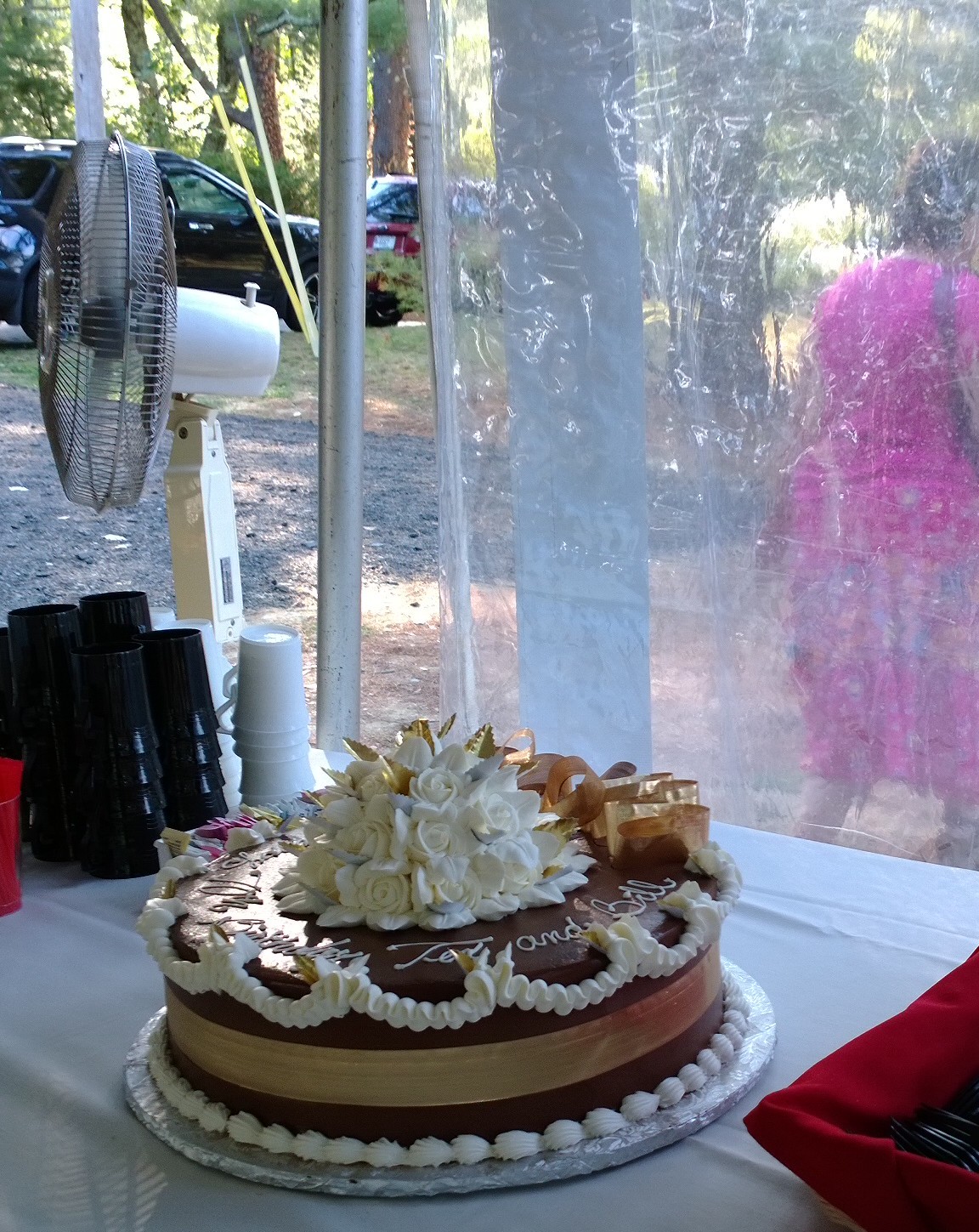
When the twins Bill and Ted were 50, they called their party a 100th birthday party. Now they are younger.
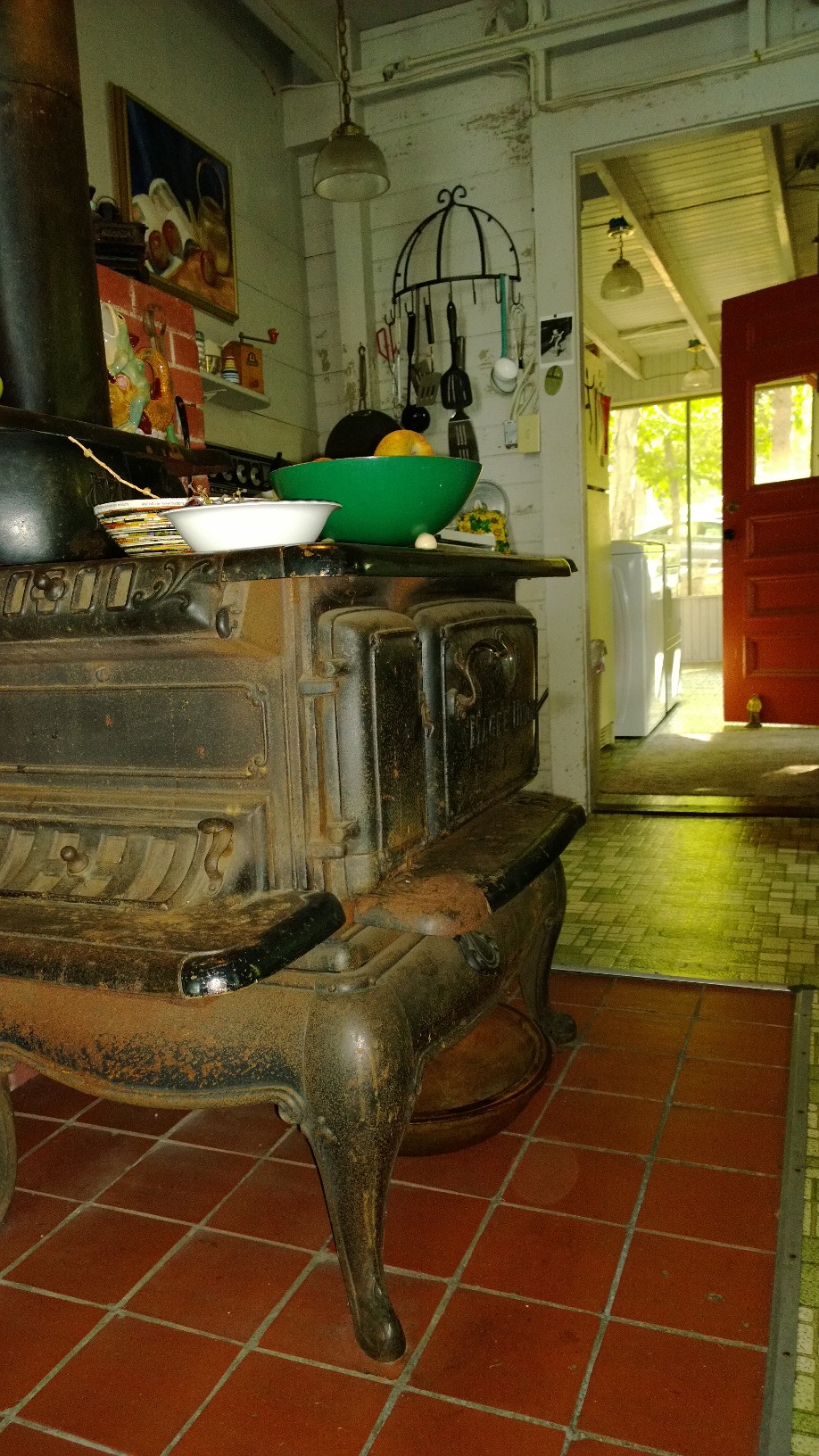
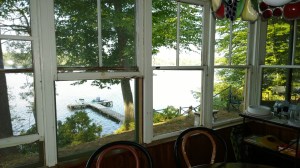
I’m posting a few pictures from today’s celebration at the family’s vacation place in Halifax, Massachusetts. The old stove and the dock on the lake belong to the twins’ sister’s cottage, which she keeps as much as possible the way it looked when it was built in the 1890s.
The whole area had a nice old-timey feel and reminded me a bit of my grandfather’s place in Beverly Farms. Especially the pine needles. The Lebanese spread was catered by chefs that Bill met when Kristina twisted his arm to take a cooking class. It was yummy.
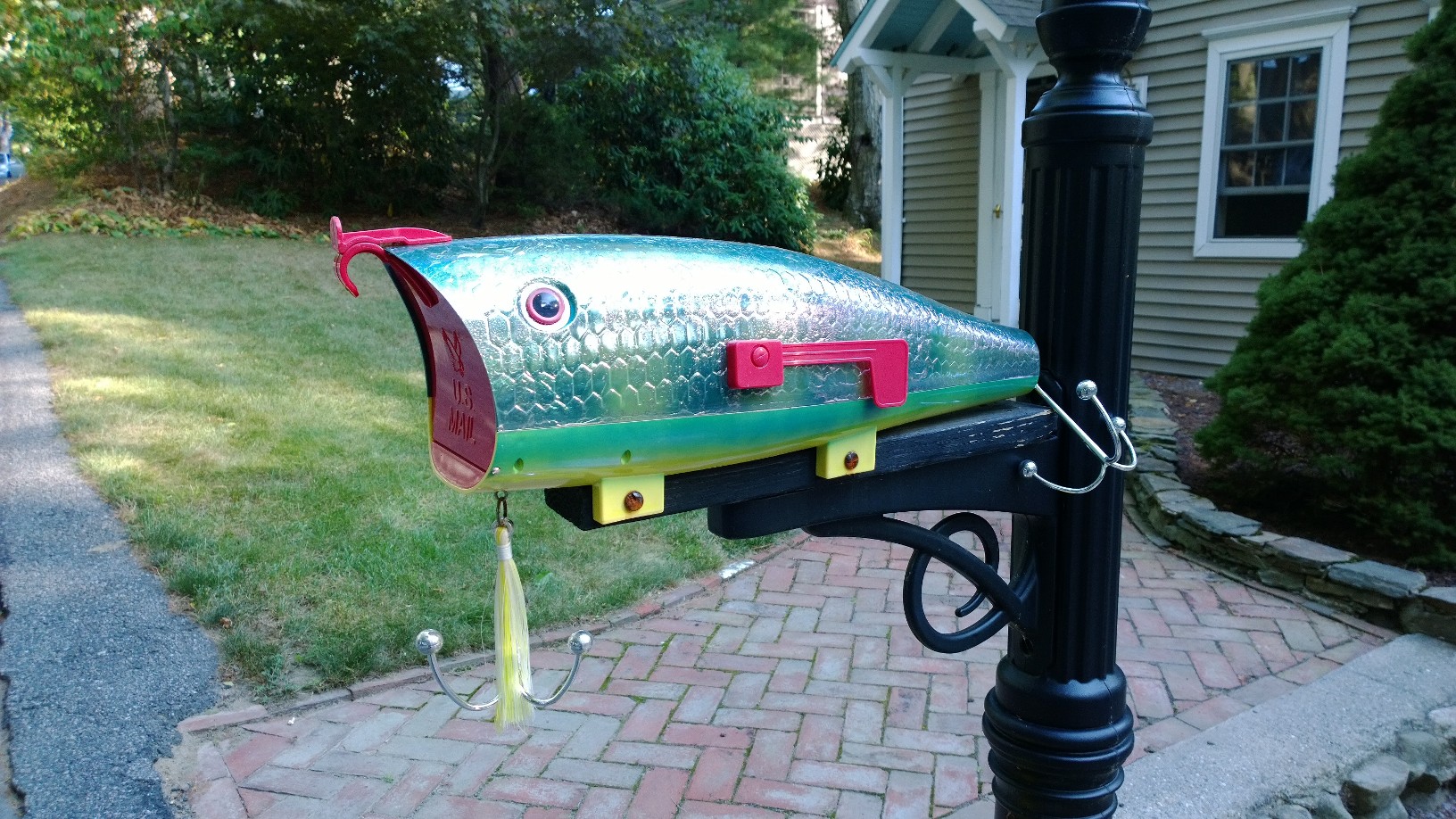
The lakeside neighborhood seems to have a fishing culture, as witnessed by a neighbor’s fishing-lure mailbox.




Posted in Uncategorized | Tagged birthday, cottage, fishing, halifax, lebanese, lure, massachusetts, old time, pine needles, postaday, vacation | Leave a Comment »
September 5, 2014 by suzannesmom

Photo of Gertrude Ely: Bryn Mawr College Collection
I was on the brink of unsubscribing to the American Academy of Poets poem-a-day e-mail because I let so many pile up and then have to slog through all sorts of contemporary brain twisters.
But as I was working my way through the poems today, I came across the one below. I thought, “Oh, I know exactly what this is about” and was carried back to my college days and hanging out at the home of my great aunt’s friend Gertrude Ely.
Gertrude Ely was quite elderly at that time but really interesting to be around. She knew all sorts of movers and shakers and was an awesome storyteller. I happened to be staying at her house one weekend when she received an unusual letter.
An elderly Philadelphia gentleman wrote that he had read in the Bulletin that she had received some civic award, and he just had to write and tell her a memory he had from his service in WW I in Europe. The Army was sending over carloads of friendly, proper young volunteers to chat with and cheer soldiers and bring a breath of home. The man wrote he would never forget a load of girls pulling up in an open car and Gertrude Ely calling out, “Any of you boys from Philadelphia?” He said, “At that moment, I believe every soldier there was wishing he was from Philadelphia.”
Gertrude Ely at my college graduation.

***
American Boys, Hello! by Ella Wheeler Wilcox
Oh! we love all the French, and we speak in French
As along through France we go.
But the moments to us that are keen and sweet
Are the ones when our khaki boys we meet,
Stalwart and handsome and trim and neat;
And we call to them—“Boys, hello!”
“Hello, American boys,
Luck to you, and life’s best joys!
American boys, hello!”
We couldn’t do that if we were at home—
It never would do, you know!
For there you must wait till you’re told who’s who,
And to meet in the way that nice folks do.
Though you knew his name, and your name he knew—
You never would say “Hello, hello, American boy!”
But here it’s just a joy,
As we pass along in the stranger throng,
To call out, “Boys, hello!”
For each is a brother away from home;
And this we are sure is so,
There’s a lonesome spot in his heart somewhere,
And we want him to feel there are friends
right there
In this foreign land, and so we dare
To call out “Boys, hello!”
“Hello, American boys,
Luck to you, and life’s best joys!
American boys, hello!”
[Ella Wheeler Wilcox wrote “American Boys, Hello!” while visiting France during the latter stages of World War I as entertainment for the American soldiers stationed there.]
Photo of Ella Wheeler Wilcox: American Academy of Poets, here.

Posted in Uncategorized | Tagged academy of american poets, american boys, army, Ella Wheeler Wilcox, gertrude Ely, girls, philadelphia, poem, poetry, postaday, soldier, world war, ww I | 7 Comments »
« Newer Posts - Older Posts »