Feeds:
Posts
Comments

Posts Tagged ‘beach’

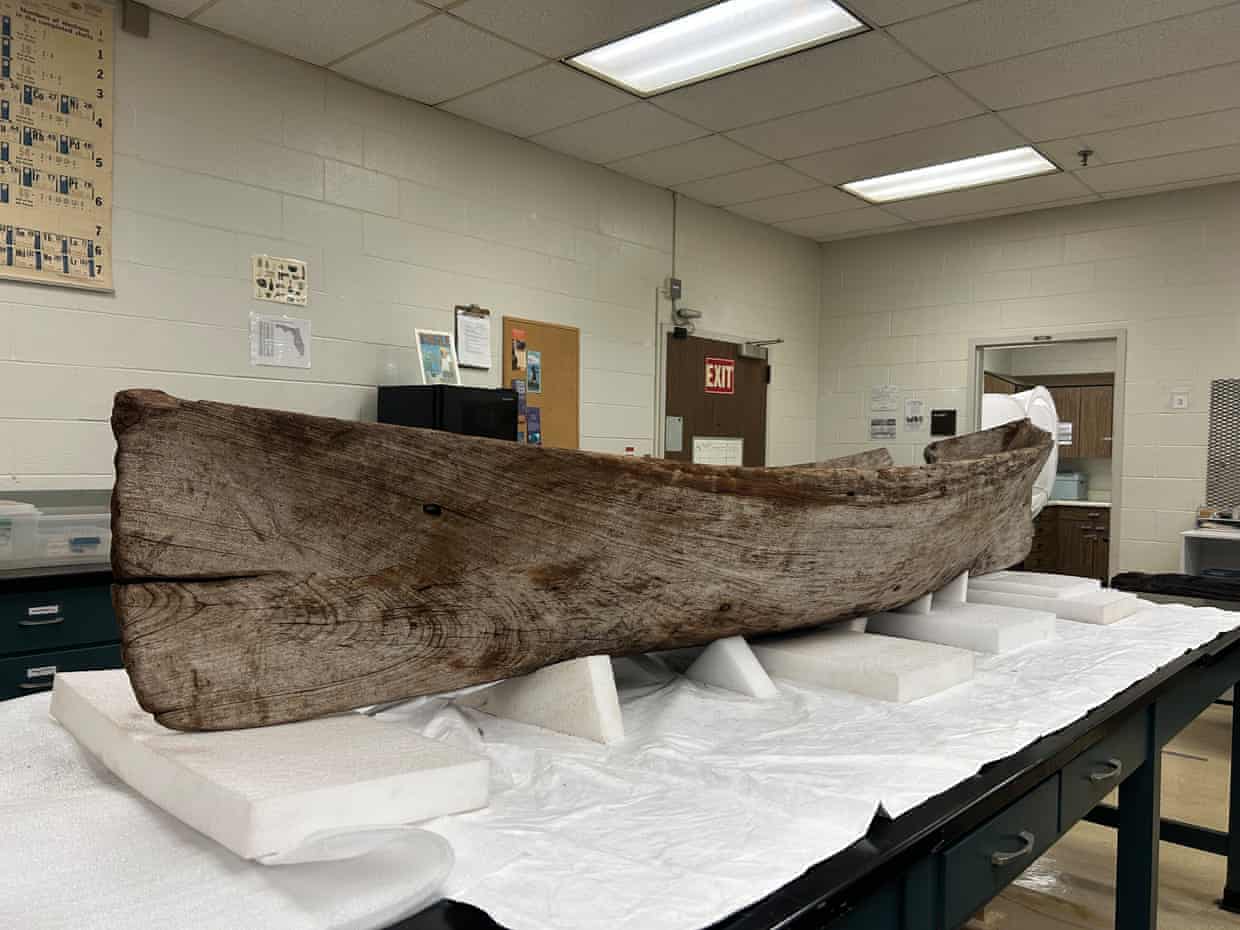
Photo: Florida Division of Historical Resources.
A 16th century canoe was discovered by a resident of Fort Myers, Florida, when Hurricane Ian made landfall in 2022. 

When I was a kid on Fire Island, a big storm always meant there would be treasures on the sand the next day. We would hurry up the sidewalk to the ocean to see how the beach had reshaped itself and what flotsam and jetsam had washed up. Often the shore was littered with shells, jellyfish, or starfish.

Not that we wish for hurricanes, but extra big storms like that can uncover even larger surprises than starfish.

Richard Luscombe notes at the Guardian, “Florida already claims to be the world capital of golf, shark bites and lightning strikes. Now a remarkable discovery following a devastating hurricane has enhanced its position as a global leader in another distinctive field: ancient canoes – some even prehistoric.

“State archeologists have just completed a painstaking preservation of an ancient wooden canoe discovered by a resident of Fort Myers during the cleanup from Hurricane Ian in 2022.

“It joins 450 other log boats or canoes dating back thousands of years recorded or preserved by the Florida division of historical resources. But this one is unusual, officials say, because it is the first they have seen made of mahogany, and probably the first to originate outside Florida, possibly in the Caribbean.

“The age of the fragile 9ft canoe is under analysis through carbon dating and other scientific processes. Investigators are pursuing a theory that it might be a dugout cayuco crafted by Spanish invaders who settled in the region during the 16th century.

“ ‘We compared it to canoes that we have in our collection and previously recorded, and it’s a very unusual form, so that was the first hint it was not necessarily from Florida,’ said Sam Wilford, Florida’s deputy state archeologist. ‘On the surface there’s tool marks made by iron tools, and we know that that is a historical date because that’s when the Europeans introduced iron tools into the Americas.’ …

“ ‘The tree may have died much earlier than when the canoe was constructed from it. It might have been driftwood, or stored somehow before it was made as a canoe.’

Hurricane Ian caused ‘catastrophic’ damage when it slammed into south-west Florida in September 2022 with 150mph winds and a storm surge of 18ft. The canoe is believed to have been pulled from a riverbed and ended up in the yard of a Fort Myers resident, who discovered it as he cleaned up after the storm and alerted state officials.

“ ‘It had been clearly submerged in water; there’s lots of stain marks on it, [but] it was dry when we received it,’ Wilford said, adding that it was then lightly vacuumed and cleaned with soft brushes, and that each stage of its careful conservation was photographed.

“Florida has had more discoveries of old canoes than any other place in the western hemisphere, and more than 200 separate sites have been recorded, officials said. Many of the canoes were made and used by Native American tribes, including the Miccosukee and Seminole tribes, who inhabited large swathes of the state, particularly the wetlands of the Florida Everglades.

“The oldest, Wilford said, is a canoe discovered near Orlando, estimated to come from the middle Archaic period up to 7,000 years ago.

With about one-fifth of Florida covered by water, the prolific use of canoes by its residents throughout history is unsurprising.

“ ‘It’s because of the environment,’ Wilford said. ‘Native Americans and then later on Europeans needed canoes to get around, and then the wet environment also led to preservation.’

“Canoes collected in the state’s historical resources division are stored in what Wilford said was a central archeological collections facility that is not open to the public. But the department operates an artifact loan program, with 26 canoes currently on display at museums across the US.

“ ‘It’s incredibly exciting,’ Wilford said. ‘Every canoe, and every fragment of a canoe, tells a story, and each one is unique.’ ”

More at the Guardian, here. (Although the Guardian has no paywall, I just upped my random donations to an actual subscription as independent journalism seems especially important in these trying times. Even tiny donations are welcome there.)

Read Full Post »

Photo: @antoninjapan on TikTok.
Screengrabs from a viral TikTok video posted by Anton Wormann (pictured right), who bought an abandoned farm in Japan for $15,000. 

Here’s a young man with a novel approach to making his fortune. It involves abandoned houses, or akiya, in Japan.

In October, Soo Kim wrote at Newsweek, “Anton Wormann, 31, who is originally from Sweden, relocated to Japan in 2018 after living in New York. He recently purchased an abandoned farm for $15,000 ‘right by the beach’ in Kujukuri, a town in the Chiba prefecture of Honshu, the largest and most populous island of Japan.

“Wormann shared a tour of the abandoned property, where ‘everything was left as is,’ in a video posted on his TikTok account Anton in Japan (@antoninjapan). …

“The farm comes with 11 rooms in a 250-square-meter house (about 2,690 square feet) and 0.62-acre garden ‘where you can hear the waves,’ he said in the clip.

“Located about 150 meters (0.09 mile) from the beach in Kujukuri, the farmhouse has six bedrooms and five living rooms as well as a kitchen, a toilet, a big garage and two other smaller structures on the compound.

” ‘I bought this farm about two months ago but only recently found the time to begin renovations,’ Wormann told Newsweek. ‘The land is … located about an hour away from central Tokyo by car. The previous owners were a family with grown-up children who no longer wanted to maintain the property after it had been vacant for so long. …

“Wormann, who has a background in fashion modeling and media, now focuses on real estate projects, particularly DIY renovations of abandoned homes.

“He’s been buying and renovating vacant homes in Tokyo for the past five years and ‘wanted to take on a project in the Japanese countryside to try something new,’ he told Newsweek. Wormann is also the author of the book Free Houses in Japan, released in 2023, which explains how he earns money through renovation projects like this in Japan.

” ‘There are tons of cheap abandoned homes in Japan, but this one is the cheapest one I’ve come across in the vicinity of Tokyo that still had a great location, a big piece of land and the potential of turning gorgeous again,’ he said.

“The renovation of the abandoned farm is in its early stages, ‘but there’s a lot of work ahead,’ Wormann noted, adding that ‘my vision is to transform the farmhouse into a mix of traditional Japanese and Scandinavian design, maintaining the rustic charm while modernizing it.’

“The footage in the viral video shows a building surrounded by greenery, including a large tree near a doorway in the garden space.

“The camera later enters the home, which is cluttered with various items, from cleaning products, shoes and umbrellas to toys, random memorabilia and several boxes.

” ‘The potential of this place is phenomenal,’ he says in the clip. ‘Now the crazy part is everything is left as is by the previous owners. When I say everything, I mean everything,’ he notes, as the footage shows various items such as a bottle of ‘very old rare’ Suntory whiskey, around 20 stuffed animals, about 500 kimonos (a traditional Japanese garment), ‘loads and loads’ of games, Pokemon cards and ‘anime-related stuff,’ as well as an unopened safe.

“Holding his shirt up toward his face, he says in the video: ‘This is what nine years abandoned plus a minor water leak in the kitchen smells like.’ The footage shows a kitchen setting with several plastic buckets filled with murky water.

“He continues: ‘The worst part is we can’t start the renovation and actually see what we bought until we’ve cleaned out all these treasures. …

” ‘Some of these things are probably worth a lot but I don’t know where to start,’ he says as the video concludes.

“Wormann’s been buying and renovating abandoned homes before turning them into short-term rentals at a rate of about one house a year since moving to Japan. He finds the homes by looking through Japanese websites and has a network of brokers around him who also help find the houses.

” ‘There are many reasons why there are so many abandoned homes in Japan,’ he noted, from a declining population and a preference for newer residences to ‘a high stock of apartment and houses.’

” ‘Japanese houses and real estate also depreciates over the years, making older houses over 20 to 30 years more or less worthless, and you basically only pay for the land if you buy older houses,’ he said.”

More at Newsweek, here. I first learned about the issue of abandoned houses in Japan at the radio show The World, here. See more pictures at Koryoya.

Now watch this video from an American couple who also have made a business doing this. Very cool.

Read Full Post »

Photo: Mikkel Rolighed.
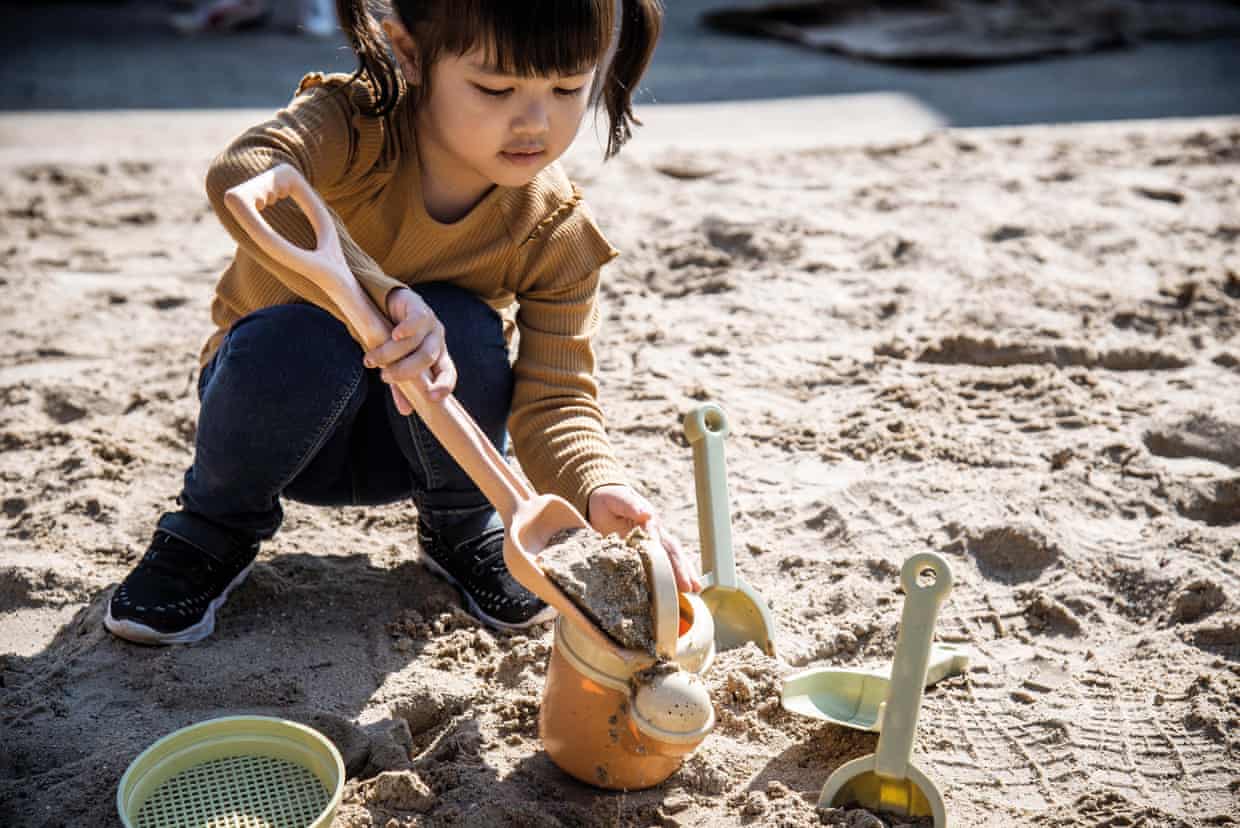
A bucket set made from sugarcane is an improvement on bioplastics, though the ocean won’t thank you if this is lost at sea – it won’t safely biodegrade (ditto recycled plastic toys). 

Now that we know that plastics have been found in the human brain, are we motivated to fight harder or are we despairing? Michelle O, you know, exhorts us to “do something” and not give in to despair, so here’s a place to start: the beach.

Fleur Britten at the Guardian has put together an impressive list of plastic substitutes you might take to the beach.

She writes, “Pre-1950, we just didn’t take plastic to the beach. Now it’s virtually impossible not to, even if it’s just you and your swimmers.

” ‘If you’re looking for plastic-free nirvana, you may never find it,’ says Anne-Marie Soulsby, aka the Sustainable Lifecoach. Matters are improving – though there’s usually a premium to pay if you want to minus cheap plastic from the mix. So why not borrow the plastic that already exists from friends, family or your local Library of Things. And don’t forget your reusable cutlery and containers for eating and drinking à la plage. If you can’t track down beach essentials from these sources, these are the other best ways to avoid seaside plastic pollution.

“ ‘The most sustainable swimwear is what you already own,’ says Soulsby. If you’re in need of new togs, they’ll most likely contain plastic. However, some brands are minimizing that: Italian label Isole & Vulcani’s swimwear for women and kids uses 93% GOTS-certified organic cotton jersey, with 7% elastane (which is fossil fuel-derived). …

“Inflatables and body boards: ‘Inflatables are a nightmare,’ says Lucy Johnson, founder of the Green Salon consultancy. ‘There isn’t a solution.’ According to one study, UK holidaymakers abandoned around 3 million [pool floats] in 2018. Even the genius Inflatable Amnesty is at capacity and can’t accept any more broken pool toys (though you can still buy its upcycled accessories). So borrow, or look after what you have. … 

“If you do need new toys, she advises silicon: ‘You can squish it into your bag and it doesn’t go brittle or rust’ (Johnson recommends Liewood’s silicon beach set from Kidly). Bioplastic toys are an improvement on regular plastic – for example, Dantoy’s bucket set made from sugarcane.”

As for sun screens, “ ‘There is no perfect solution,’ says Jen Gale, author of The Sustainable(ish) Living Guide. If you want to be absolutely plastic-free – including those pervasive nano-plastics – then your safest option is a zinc oxide-based formulation. …

“It is actually possible to find plastic-free eyewear, provided that you are one very careful person, because we’re talking glass lenses. The Marylebone-based brand Monc’s sunglasses feature wire and bio-acetate frames (made from wood pulp) and mineral glass lenses. …

“Flipflop pollution is real. Hardly surprising, given that about 3 billion are produced annually. According to the charity Ocean Sole, 90 tonnes of flipflops wash up annually on East Africa’s beaches alone. One alternative, suggests [Wendy Graham of the blog Moral Fibres], is Waves Flipflops, made from FSC-certified natural rubber. They also take back old Waves flipflops for recycling into, for example, children’s playground matting, and offer a free TerraCycle recycling programme for plastic flipflops from any brand.”

There’s lots more, including information on dry robes and wetsuits, at the Guardian, here. No paywall. Donations encouraged.

Read Full Post »

Beach Cottage

Photos: Suzanne and John’s Mom.
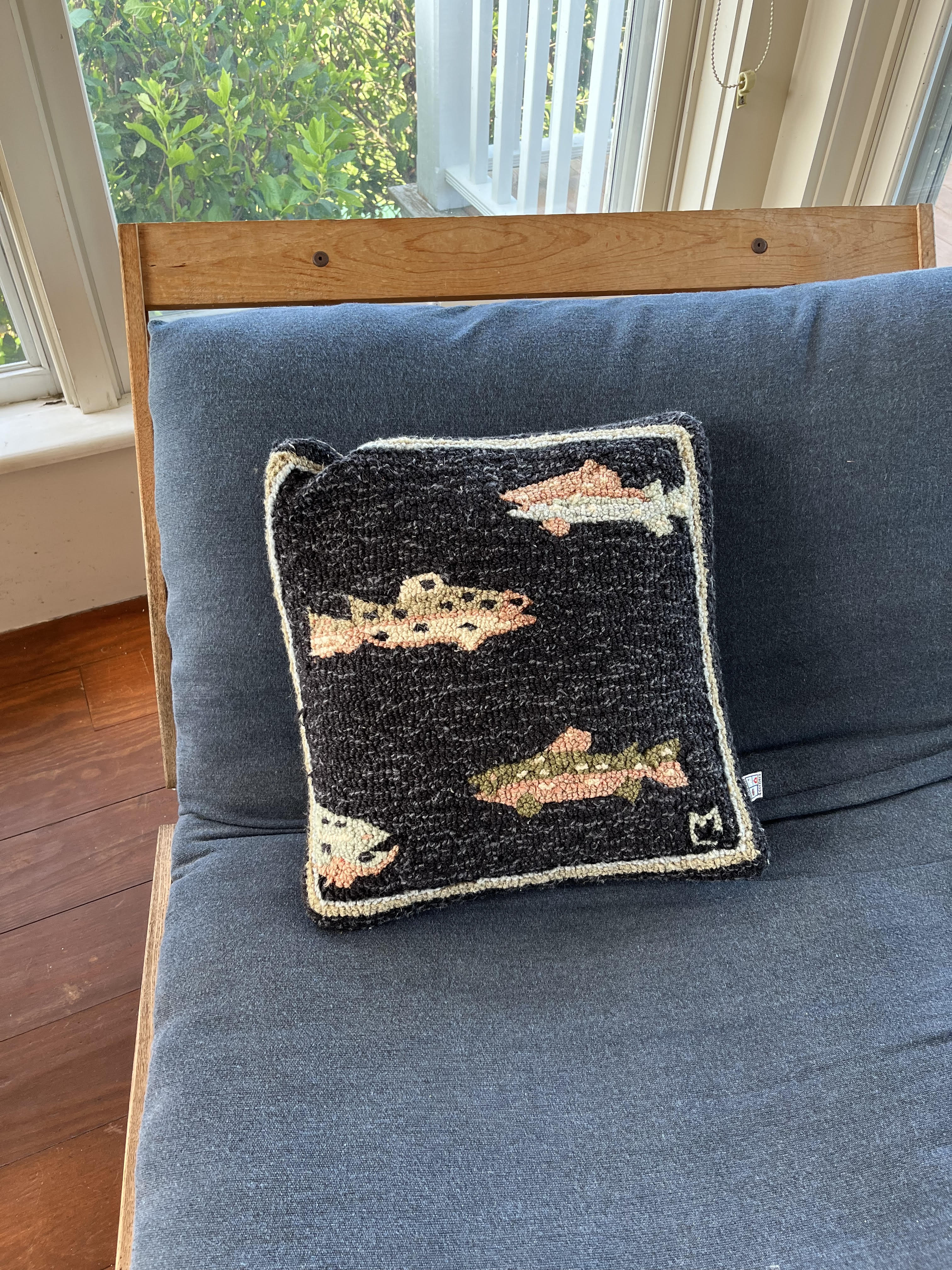
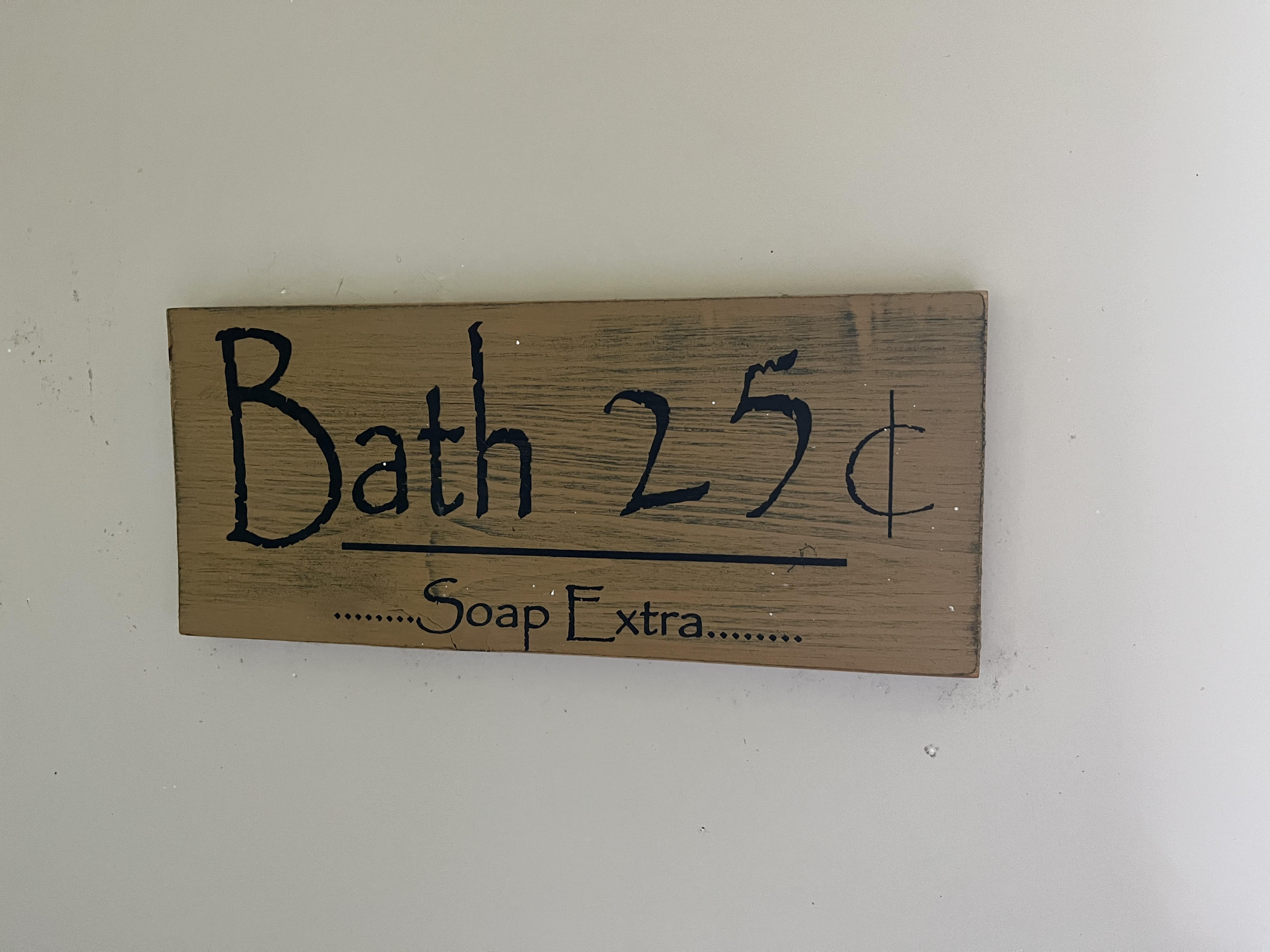
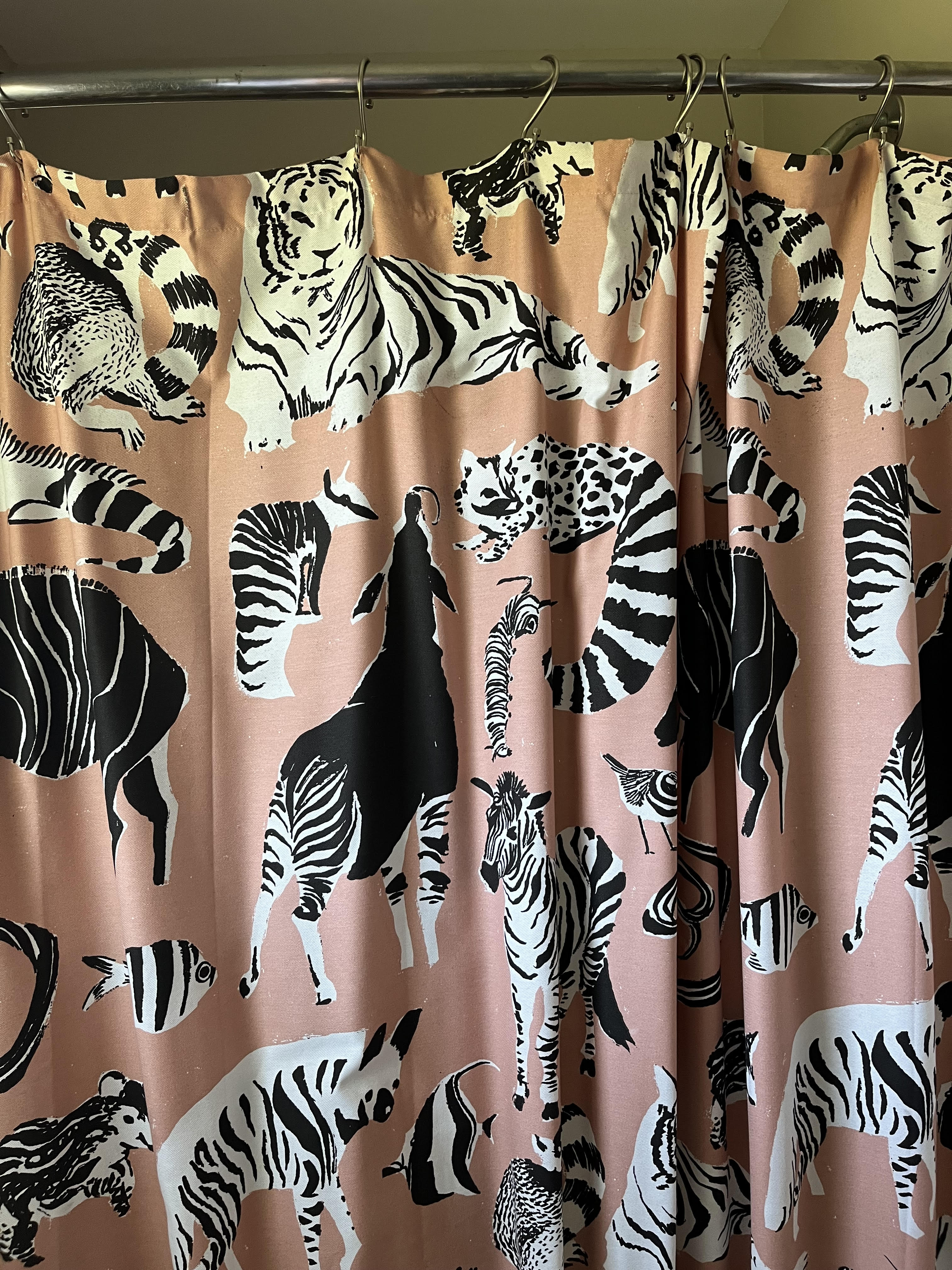
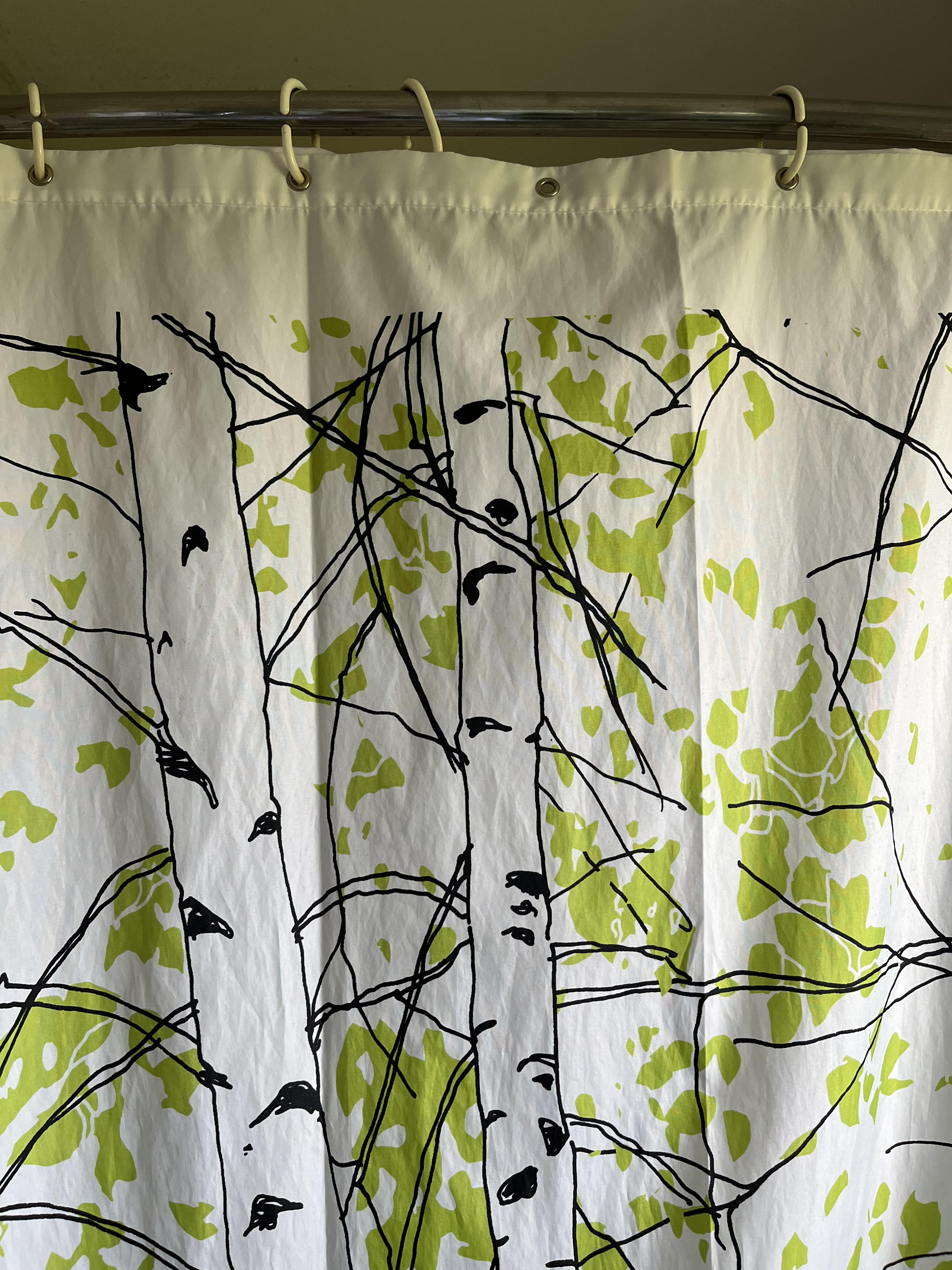
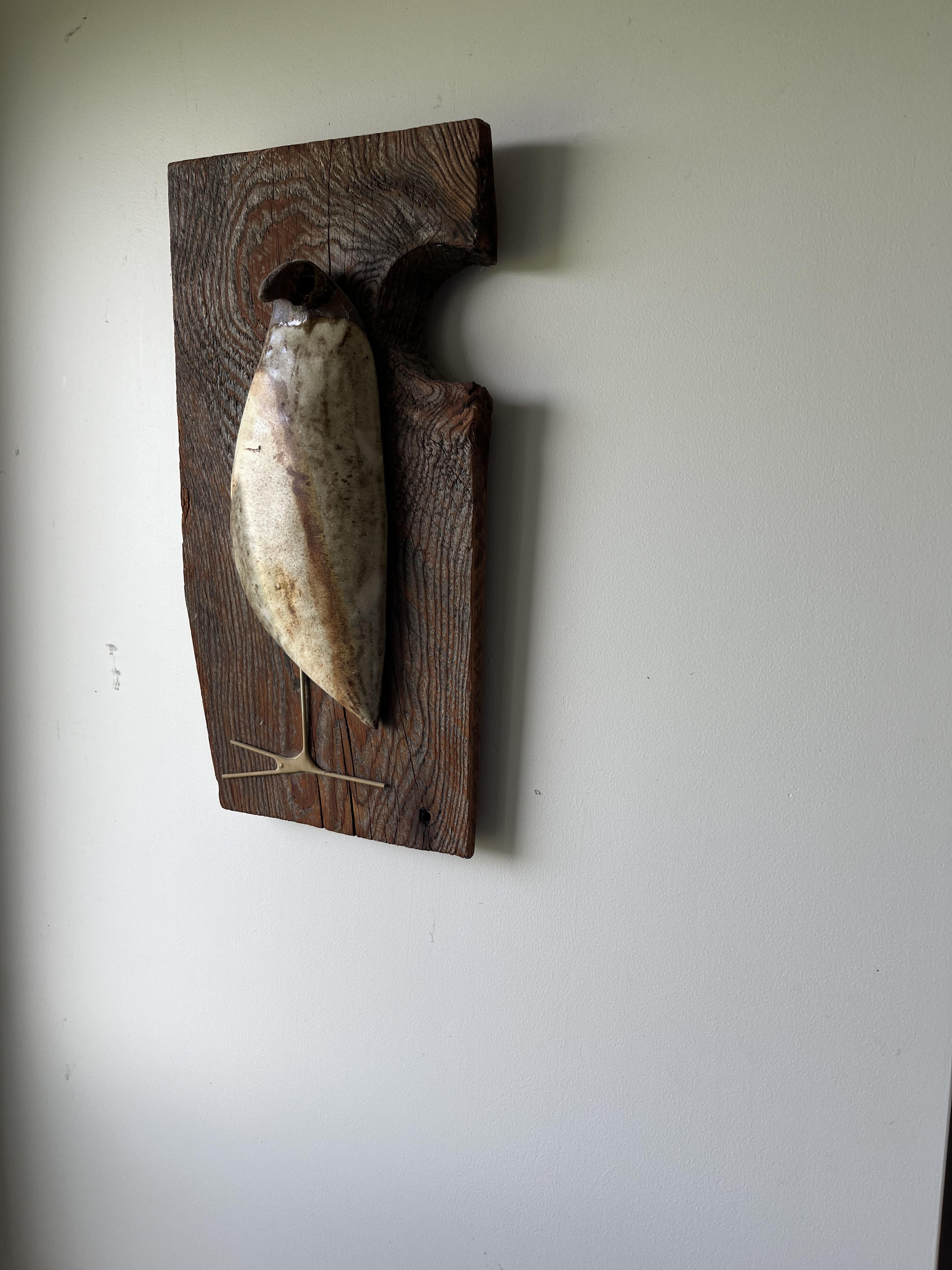
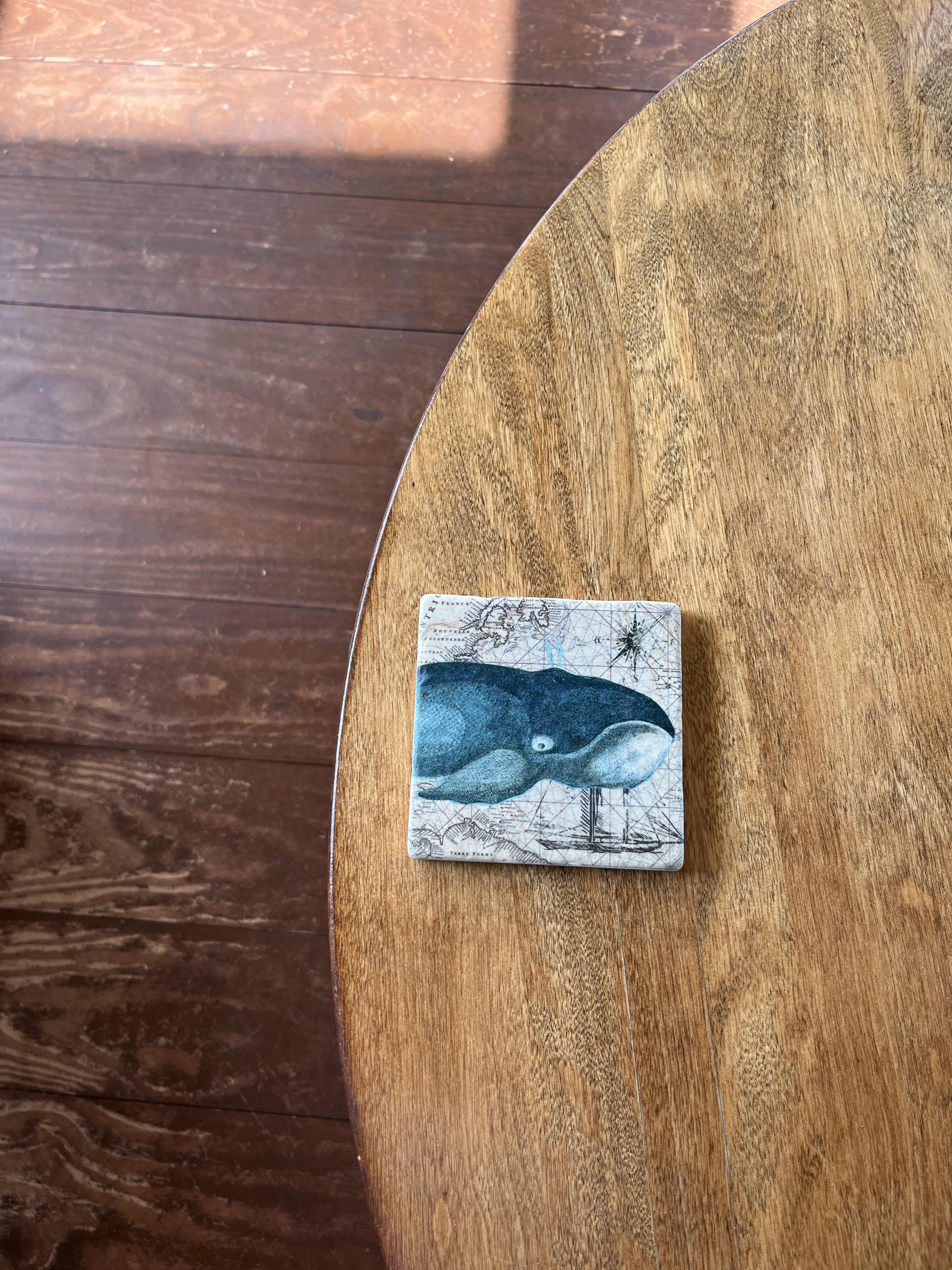
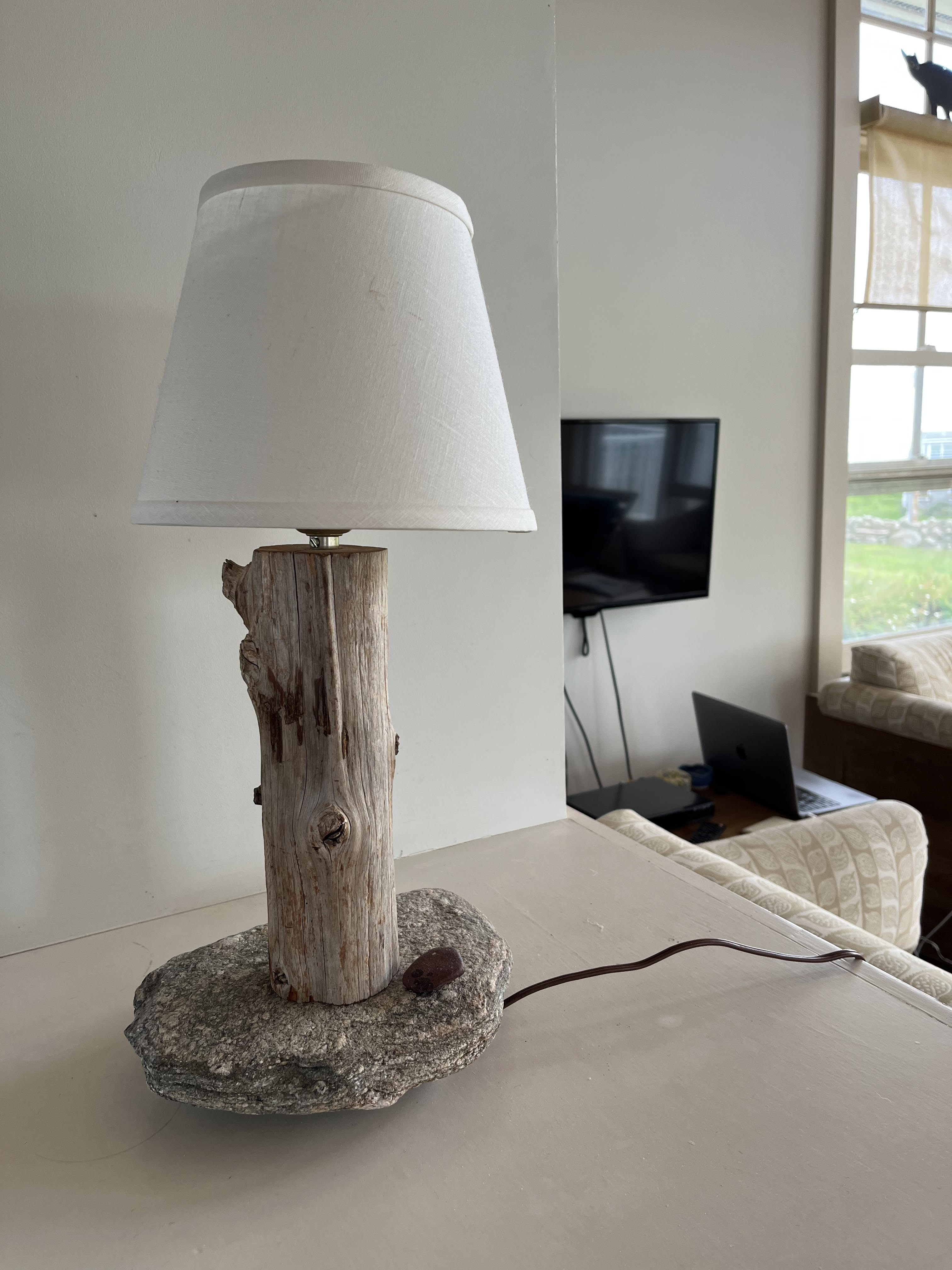
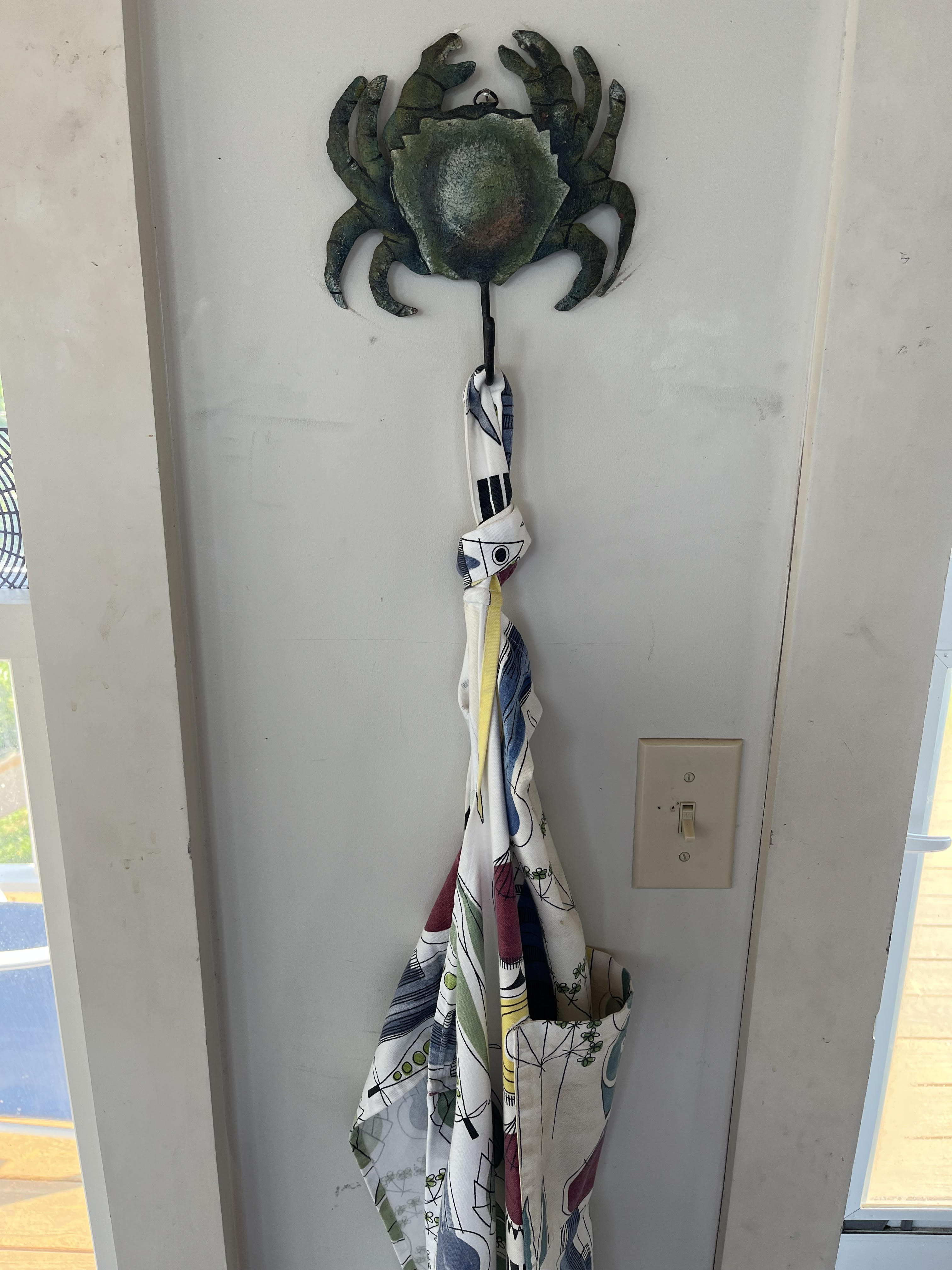
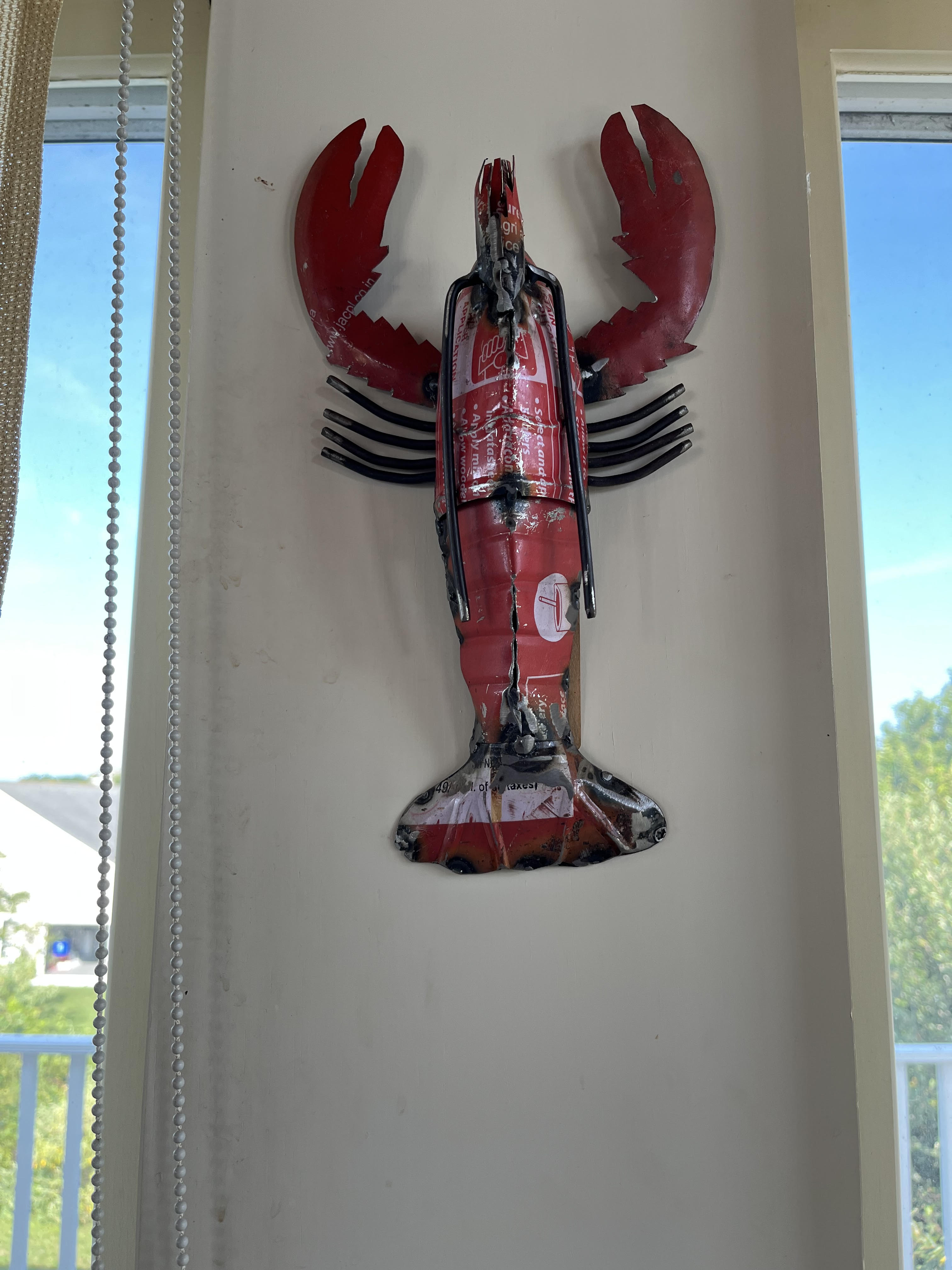
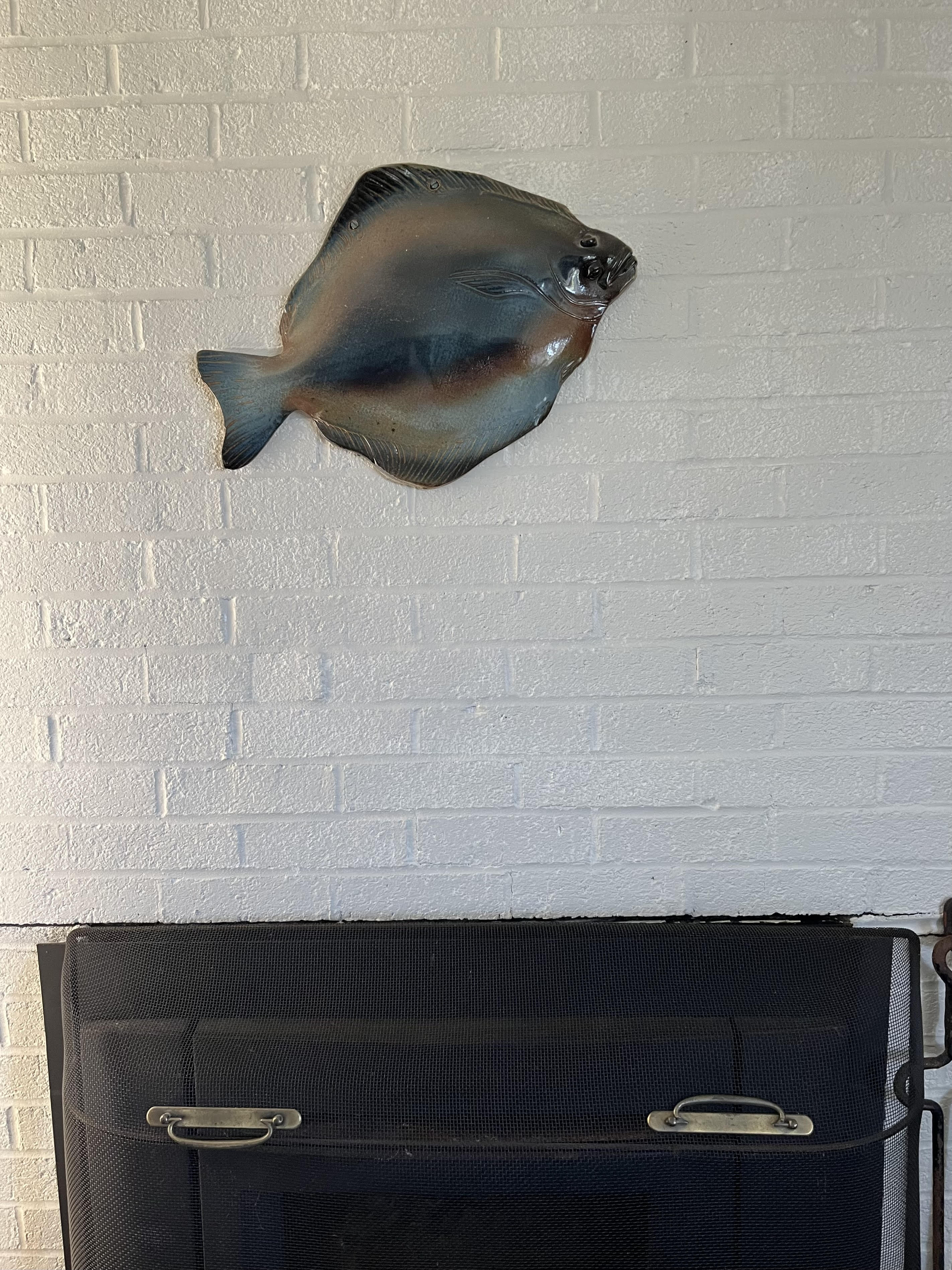
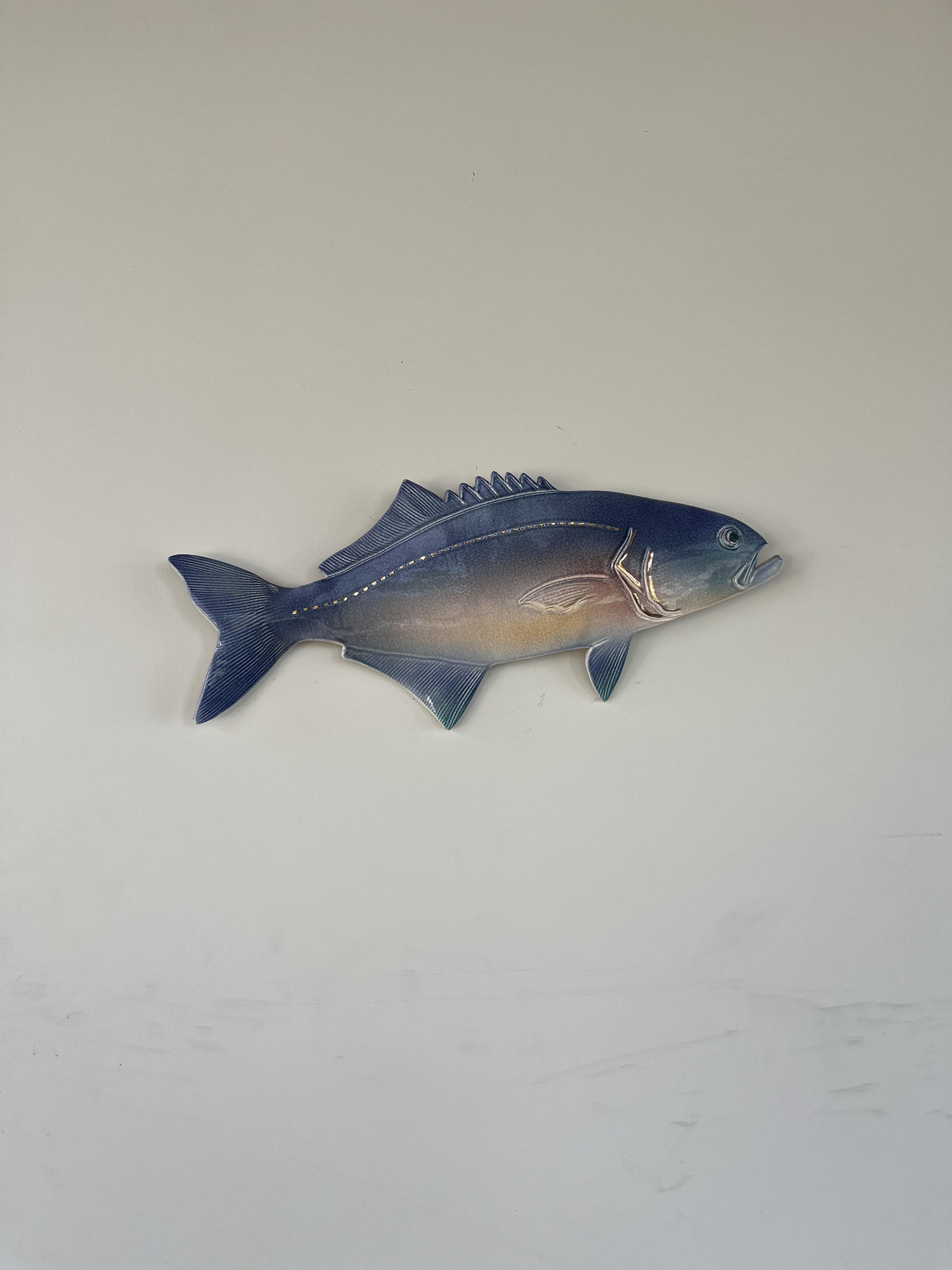
Beach cottage artifacts.

I like to see how other people decorate beach cottages. I’ve noticed a lot of ocean paintings and photos of sea-going ships. A lot of shells, seaglass, and driftwood.

Here are photos of artifacts we have in our place — some beach-y, others just lighthearted.

Read Full Post »

Photo: Mariam Ehab.
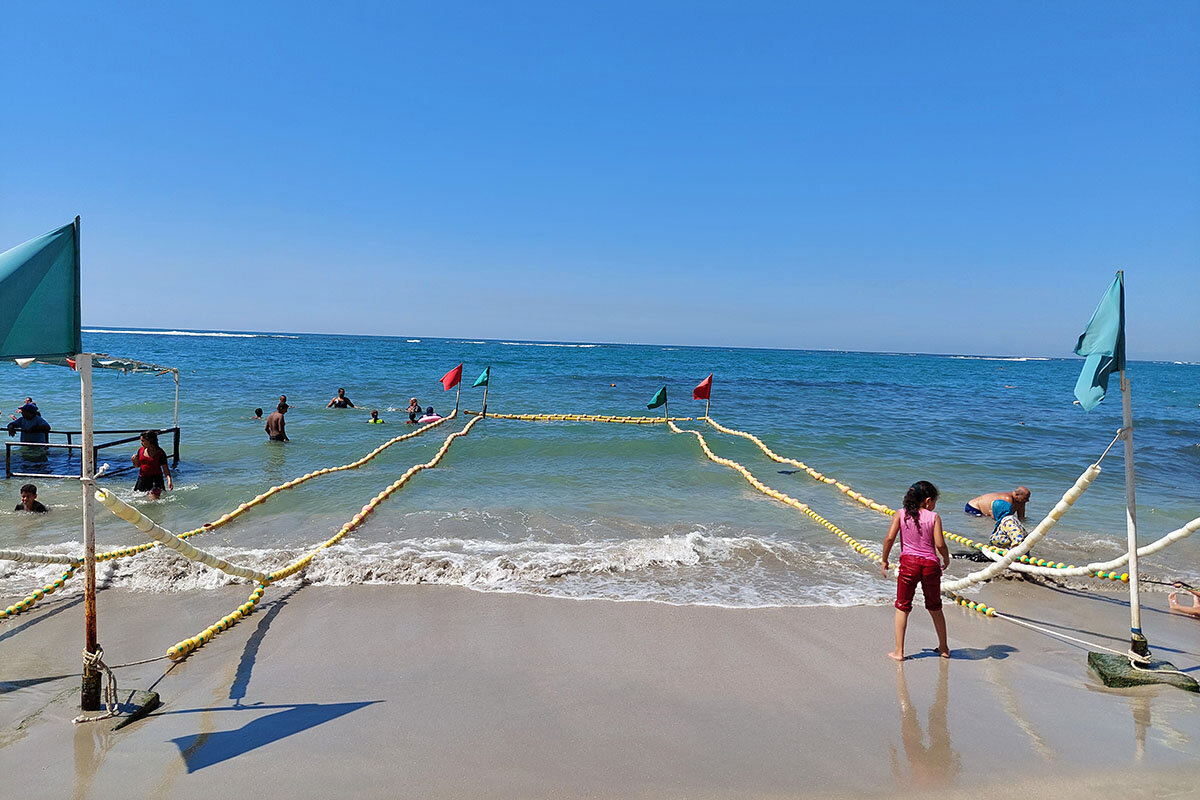
View of Mandara Beach in Alexandria, Egypt, where floating ropes help the visually impaired enter and exit the Mediterranean Sea, Aug. 23, 2022.

You may have noticed that I love stories about Sweden and Egypt. That’s because two of my grandchildren are half Swedish and two are half Egyptian. How lucky is that!?

Today’s story comes from Alexandria in Egypt. Miriam Ehab covered it for the Christian Science Monitor.

“In a sunny spot along the bustling shores of Alexandria, Egypt’s second-largest city, a group of beachgoers splash and frolic in the sea. But this is no ordinary beach.

“Holding onto floating barriers and ropes, safe in the knowledge that attentive lifeguards are nearby, almost everyone here is blind or visually impaired. Mandara Beach is the first of its kind in the Arab world’s most populous country, specially fitted so it’s accessible to swimmers with physical disabilities. For many, it’s more than just a day of fun and relaxation – it’s a rare window of empowerment.

“Inaugurated in 2021 for people using wheelchairs, Mandara underwent another renovation last year. When the revamped beach opened again in June, at the height of Egypt’s summer season, thousands of citizens with visual impairments could also safely swim in the calm cerulean Mediterranean waters. …

“ ‘This is the first time I’ve been to the sea,’ Sarah, one beachgoer, says with a beaming smile. ‘I was very happy and did not feel afraid at all when I was swimming.’ … 

“Some 12 million Egyptians live with a disability, roughly 3.5 million of whom face visual challenges. In 2018, President Abdel Fattah al-Sisi declared the ‘year of persons with disabilities.’ … Parliament responded with a slew of laws, including the provision of state-subsidized health care to people with disabilities.

“Other benefits included tax exemptions on the purchase of cars, educational and medical materials, and imported assistive devices. Legal fees, whether for plaintiff or defendant, also were lifted for people with disabilities. And in 2021, Parliament approved tougher penalties for the bullying of people with disabilities.

“ ‘The laws from 2018 are excellent,’ says Hassan Abdel Qader, head of Alexandria’s Blind Association. ‘But the problem is in their implementation.’

“The fact is, say campaigners, that many public spaces and means of transport still lack accessibility, assistive technologies are hard to come by, services for people with disabilities are patchy, and discrimination is not uncommon. Still, change is coming, slowly. 

“Some months ago, Jihad Mohammed Naguib, an employee at the Department of Tourism and Resorts in Alexandria, was inspired by something she heard from the governor of Alexandria, Maj. Gen. Mohamed el-Sherif. He noted that there were never any blind people on the beaches, which are the pride of the coastal city. …

“ ‘The idea ​of ​allocating a part of the beach for the visually impaired … was put forward after we inaugurated the free Mandara Beach for people with motor disabilities and the success that it met,’ Major General Sherif says in an interview. And so, with funding from the Rotary Club of Alexandria Pharos, the work began. 

“Floating ropes with plastic balls were installed on a flat portion of the beach, so that swimmers with visual impairments could enter and leave the water holding these ropes. People in wheelchairs could use a modified ramp, the end of which was fitted with a metal box submerged in the water, ensuring their safety while in the sea. Lifeguards and a first-aid unit were also available – which isn’t always the case on Egypt’s public beaches.

“Those directly affected – and most likely to benefit – were consulted from the beginning. ‘We proposed some things that they have already implemented, and others that they promised would be implemented in the future,’ Mr. Qader says.

“Those suggestions included a whistle for children who feel endangered, and a rope that extends from the entrance of the beach to the water, so that even if a visually impaired person visits on their own they can reach the sea without assistance. …

“The beach is the latest in a recent string of hard-won successes for Egypt’s visually impaired people. The Egyptian Blind Sports Federation already runs several sports teams, including soccer, weightlifting, judo, and showdown – a type of air hockey for blind people.

“But gaps remain.  ‘Most services, and recreational and sports activities for the visually impaired, are concentrated in the Egyptian capital, Cairo, while other Egyptian cities have little capabilities,’ says Moamen Mostafa, the former head of public relations for the Blind Association of Egypt. …

“That makes Mandara Beach all the more poignant for a group who have difficulty accessing recreational and sports activities.  For 52-year-old Mohamed Attia and his 40-year-old wife, Sahar, both wheelchair users, this was the first time they could enjoy the beach together. 

“ ‘I am happy to go into the sea for the first time in my life, after I could only watch it from afar,’ says Ms. Attia. 

“The couple were delighted to find a group of people who helped them move their wheelchairs into the water. … 

“Mr. Attia says … ‘Those who had this idea have a compassionate heart. We really wish this project to continue and spread on all the beaches of Egypt,’ he adds. 

“That wish may come true. Buoyed by the success and widespread acceptance of Mandara Beach, Major General Sherif says there are plans to open a similar facility in Alexandria’s Anfushi Beach. From there, he hopes, the idea will spread through the country.”

More at the Monitor, here.

Read Full Post »

Monarch caterpillar bulking up on milkweed in order to work a miracle.

Plenty of Monarch butterflies swooping around here lately, and I keep wondering if the hungry caterpillar I captured on video is one of them. I hope so. As much as I love birds, I hope they eat something else. We need our Monarchs.

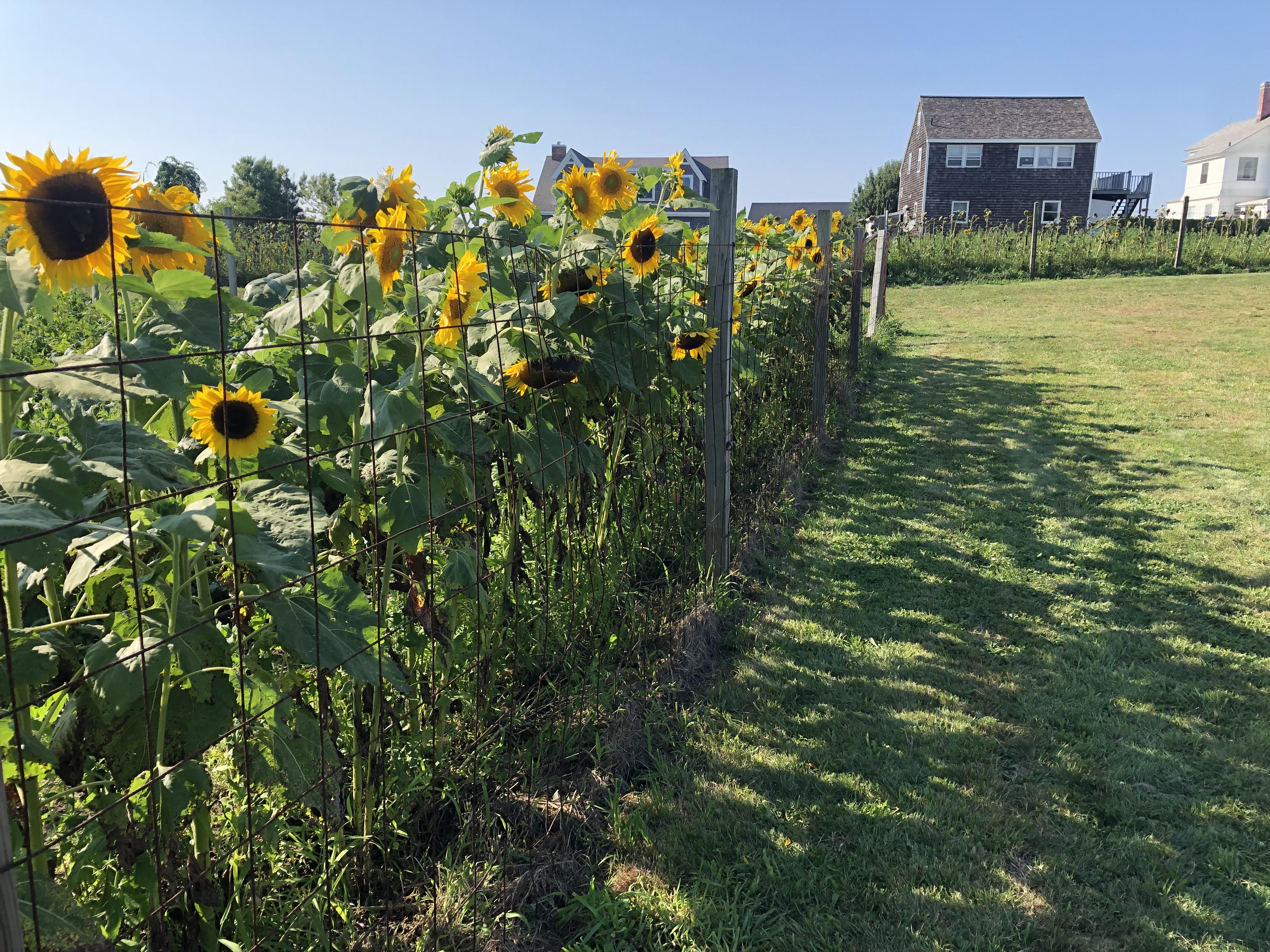
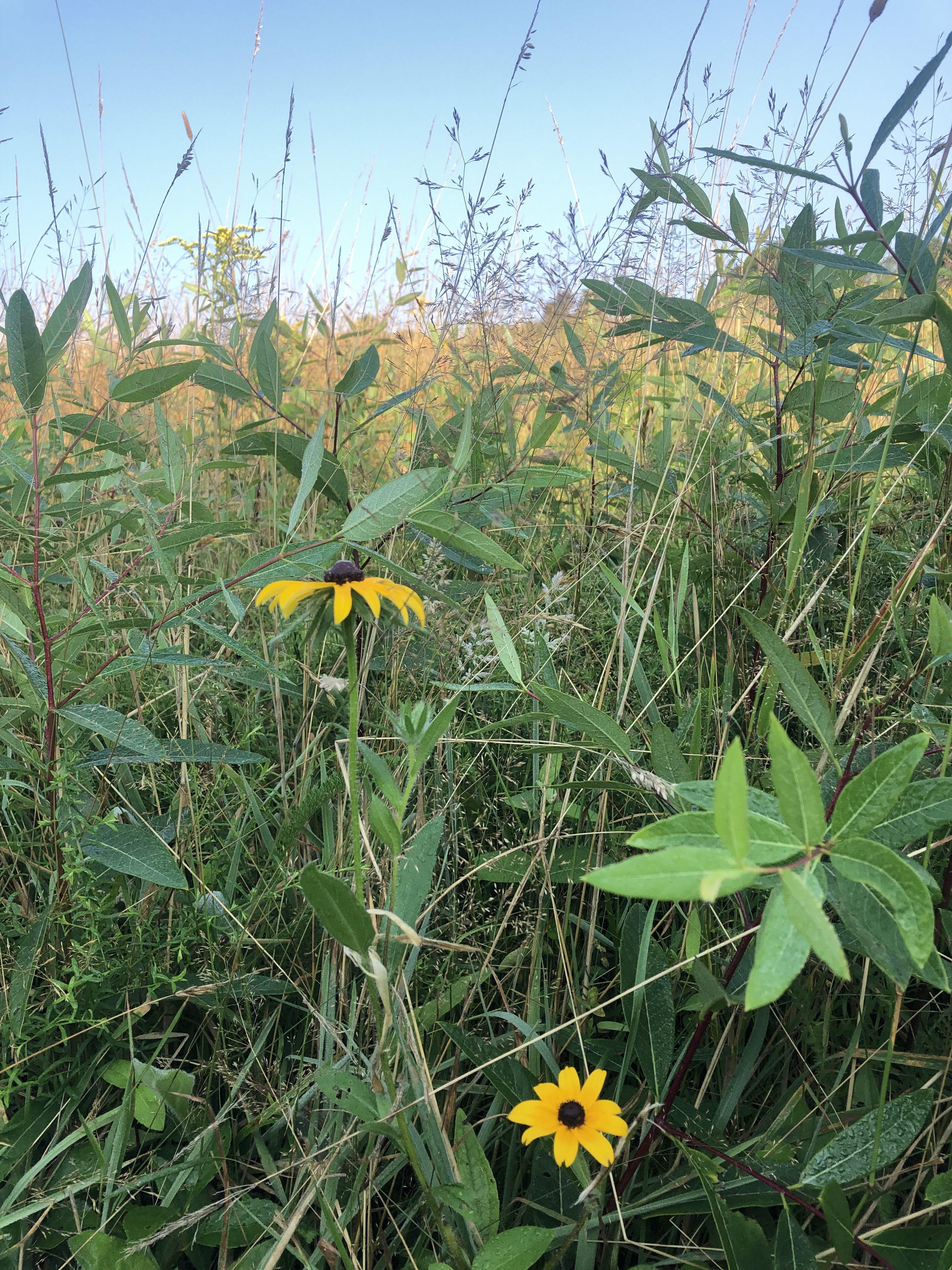
In the first photo below, we see that something has been doing a good job of pollinating the sunflowers. Maybe Monarchs? Pollinators have also been working on the Black-Eyed Susans scattered through a field along the Greenway.

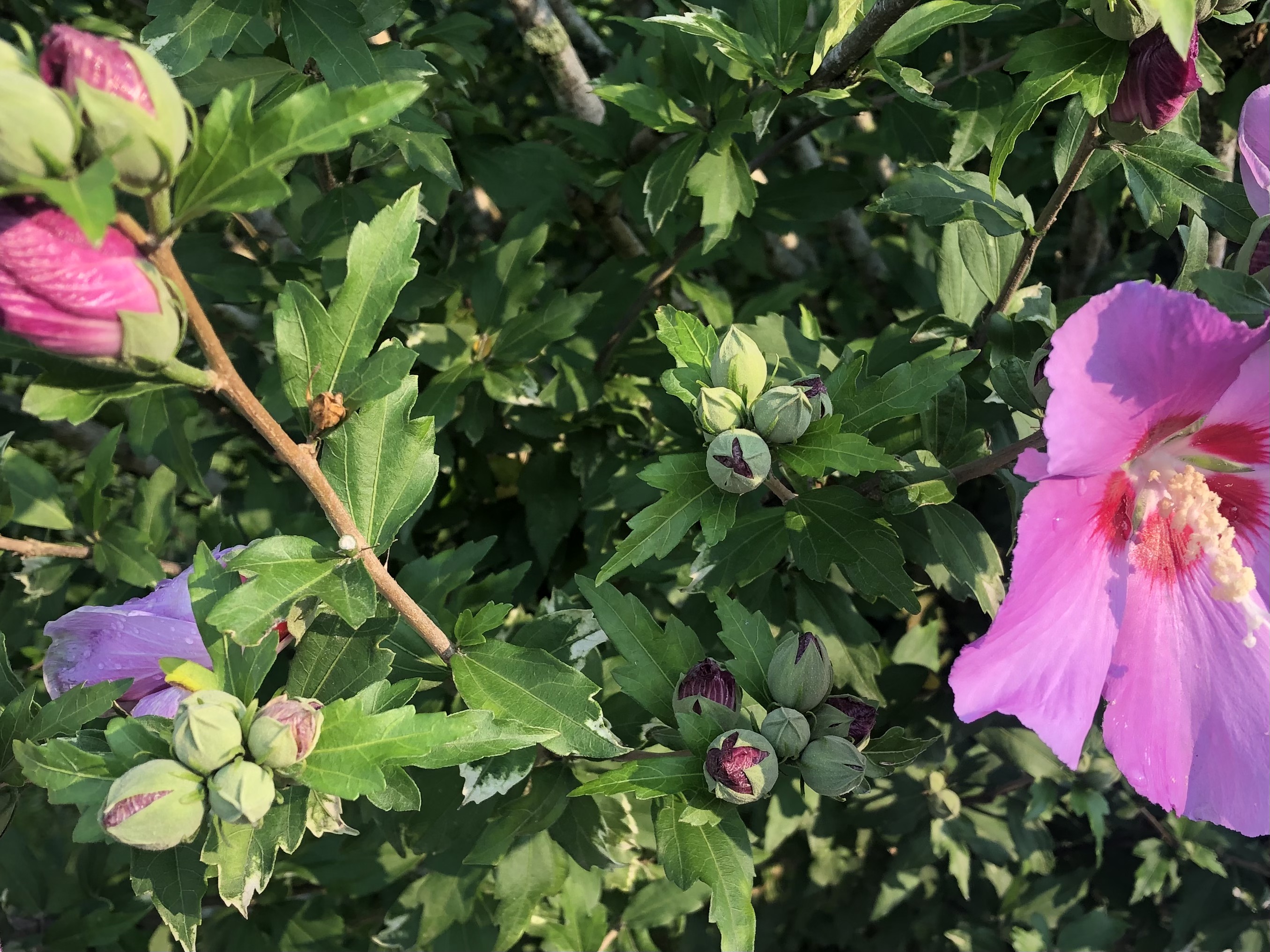
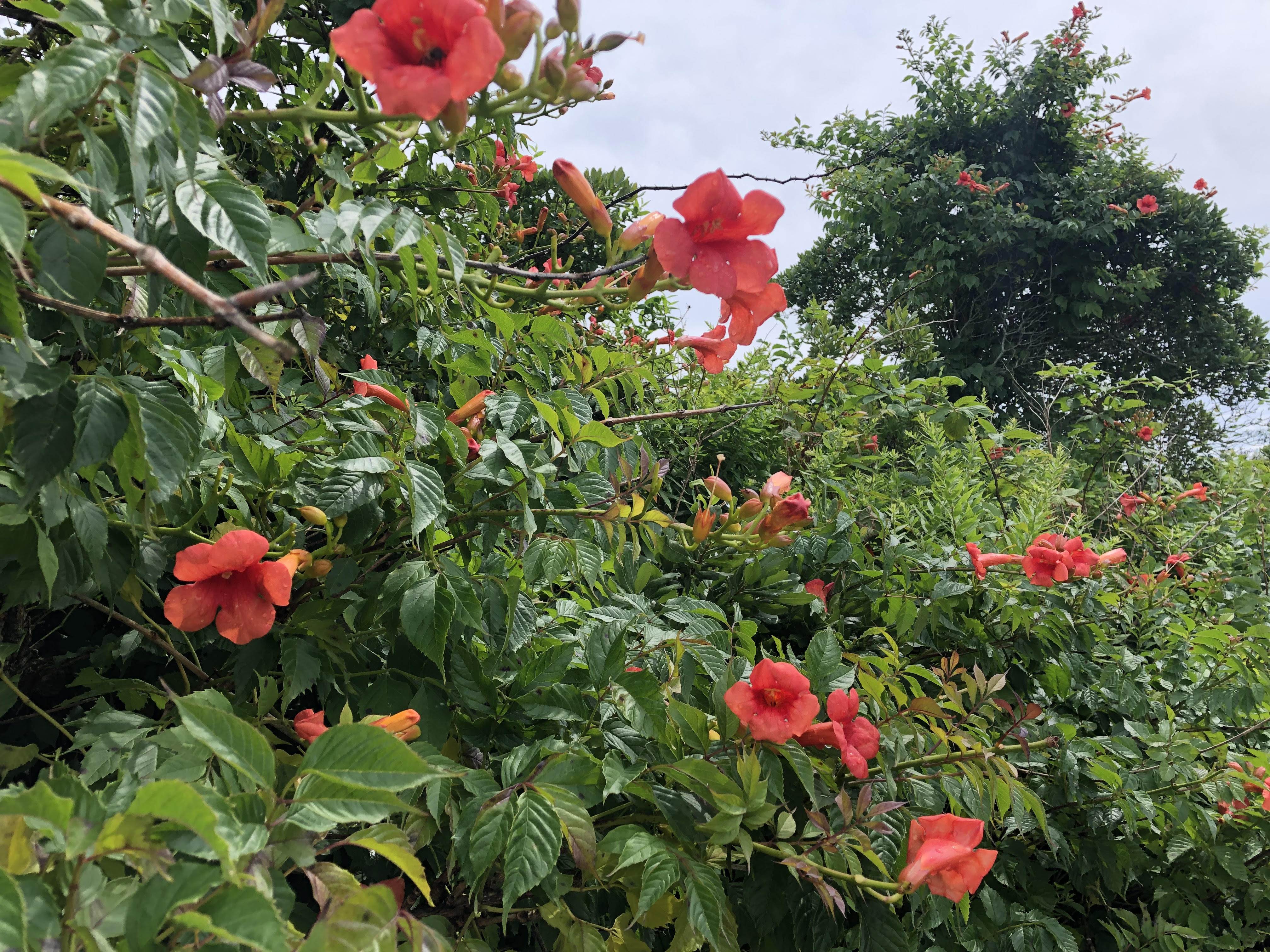
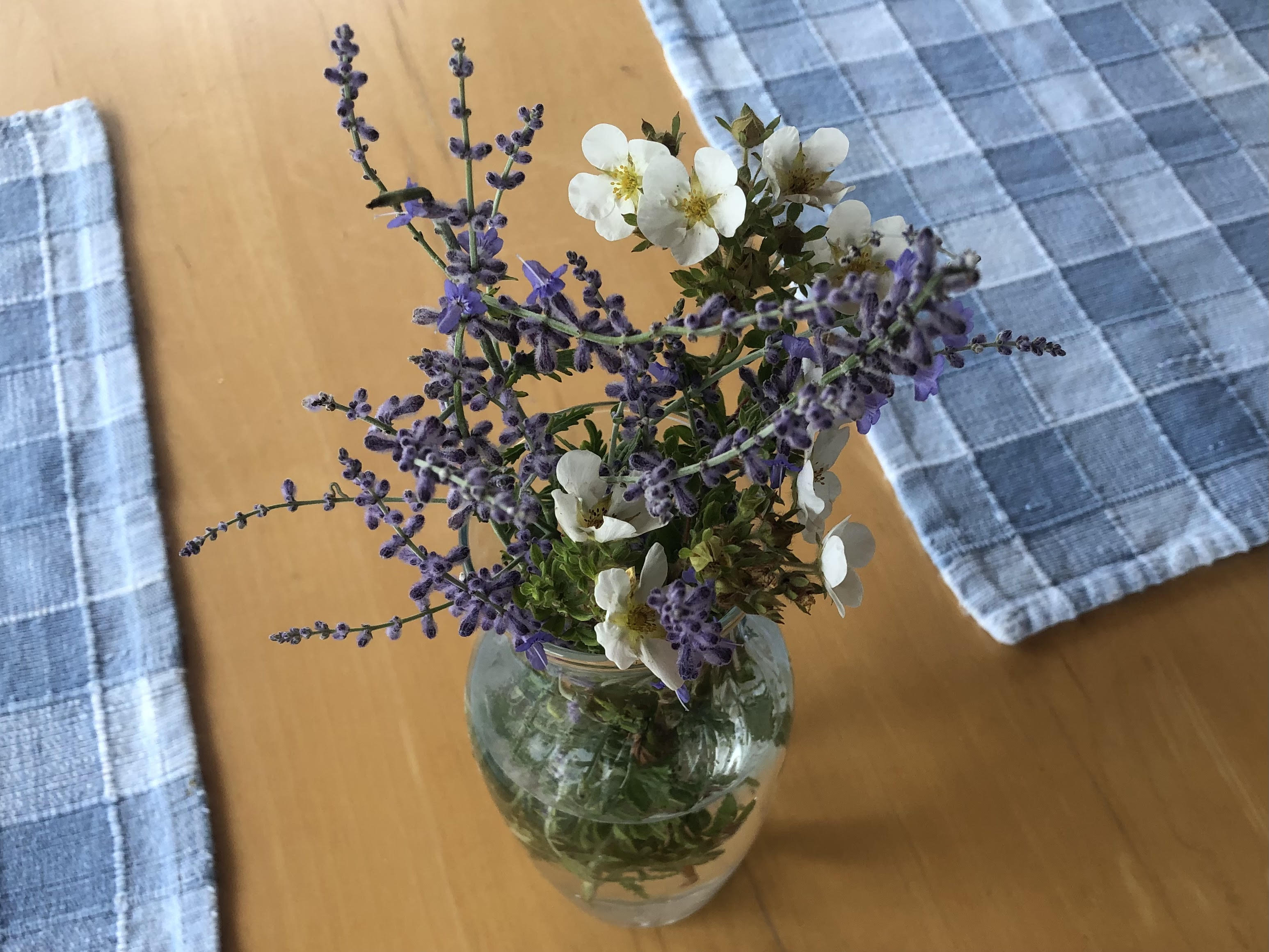
The Rose o’ Sharon and the Trumpet Vine are flourishing. So much beauty! I had to bring some of it indoors — Russian Sage and Potentilla.

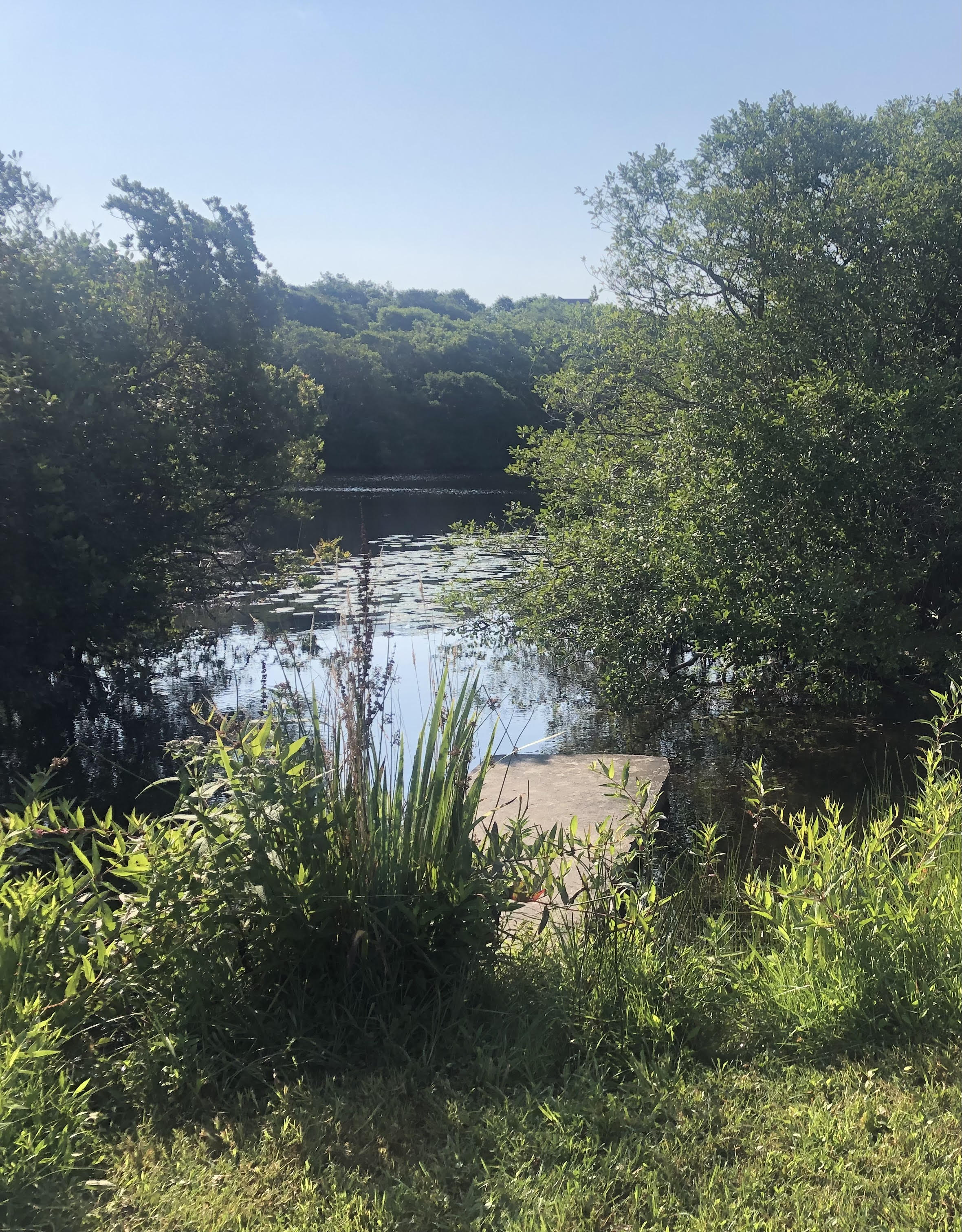
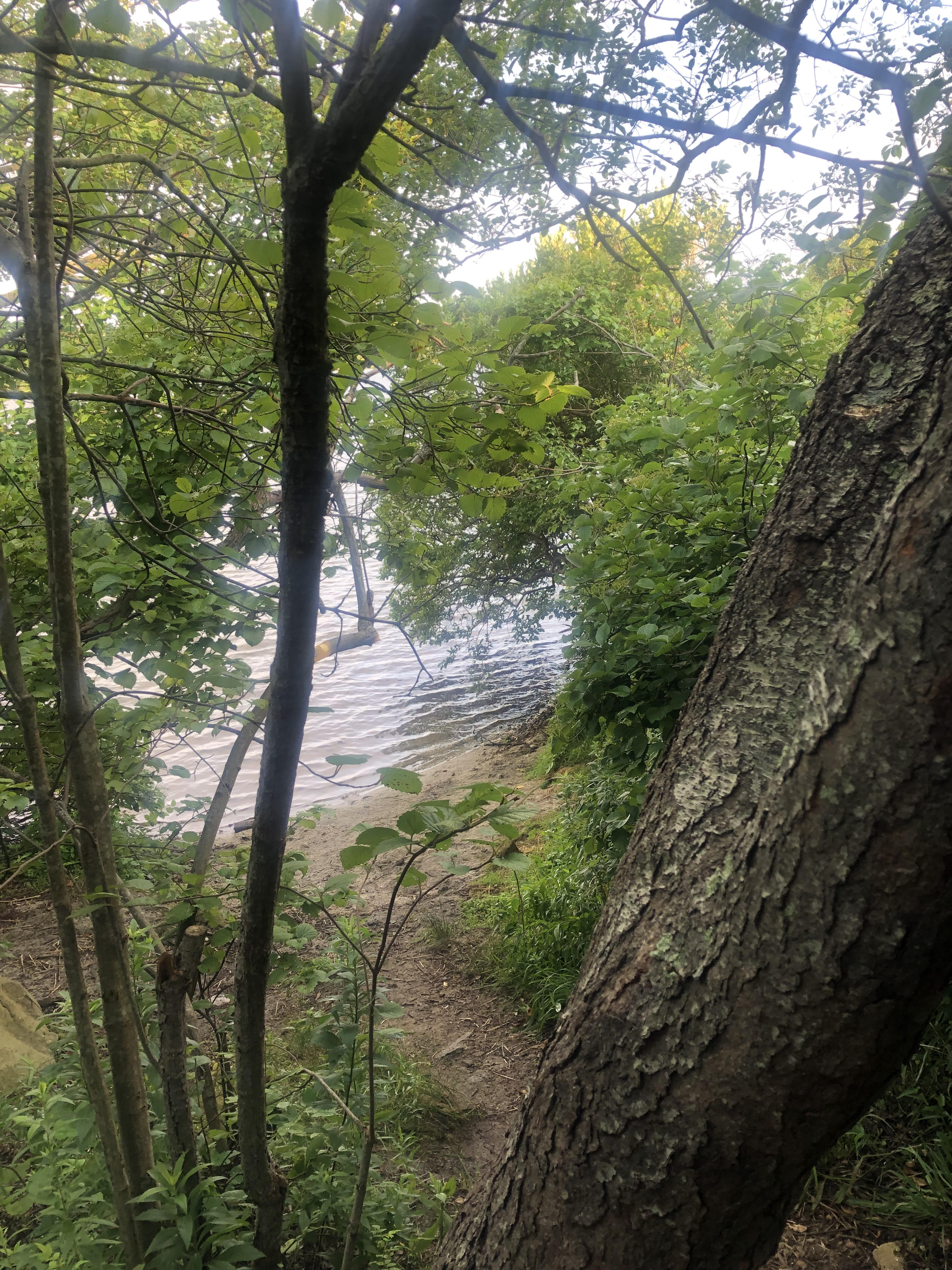
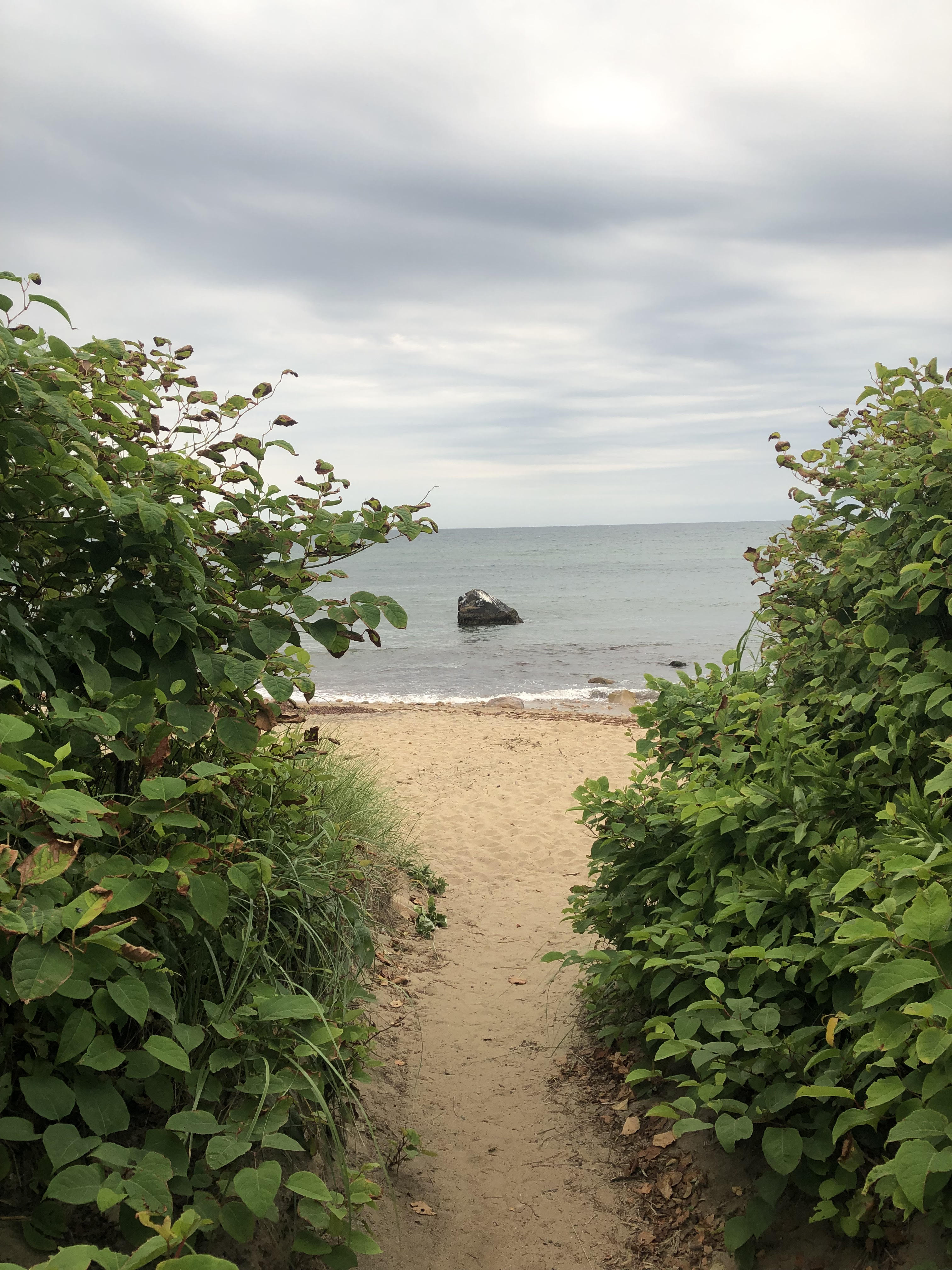
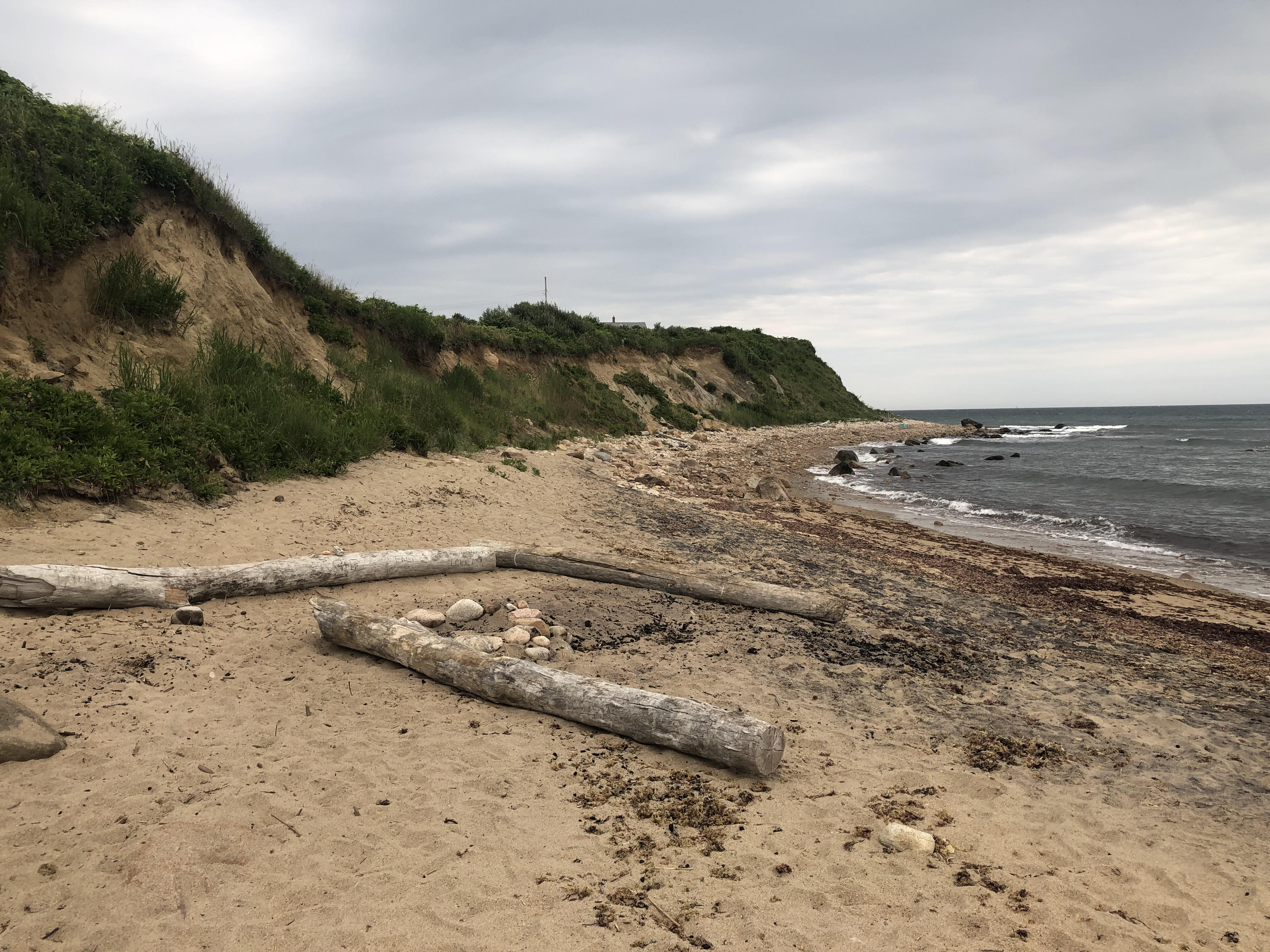
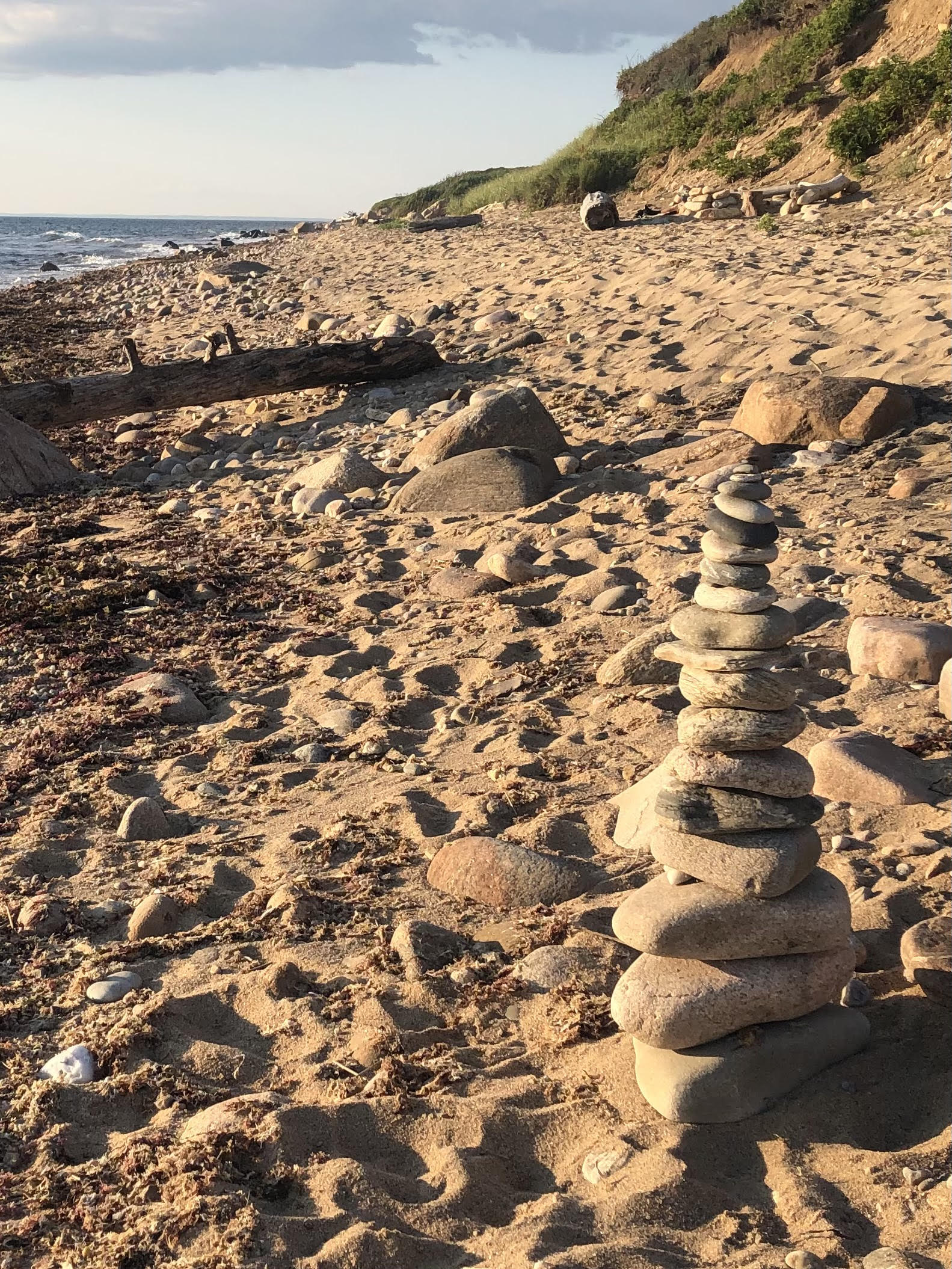
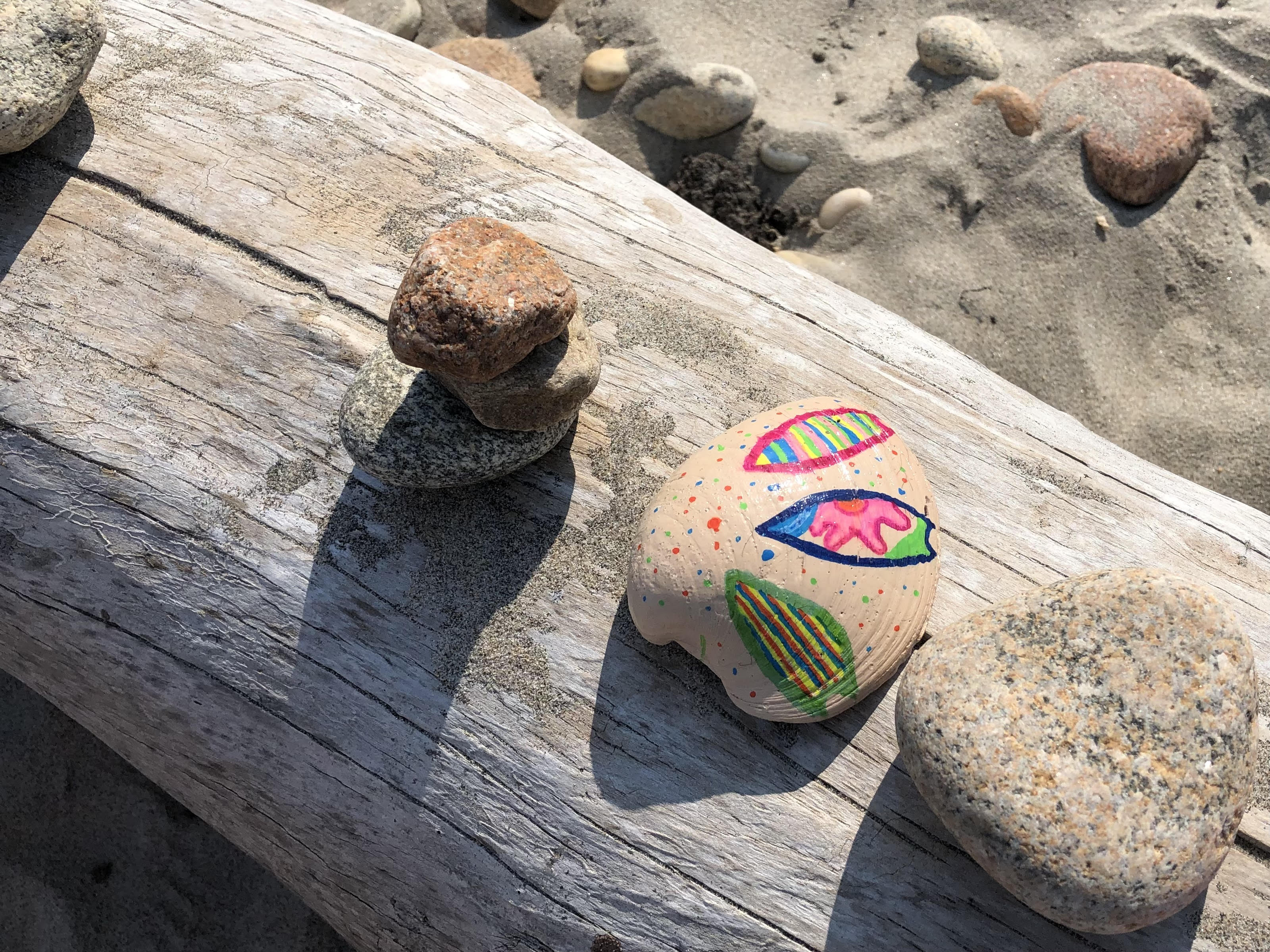
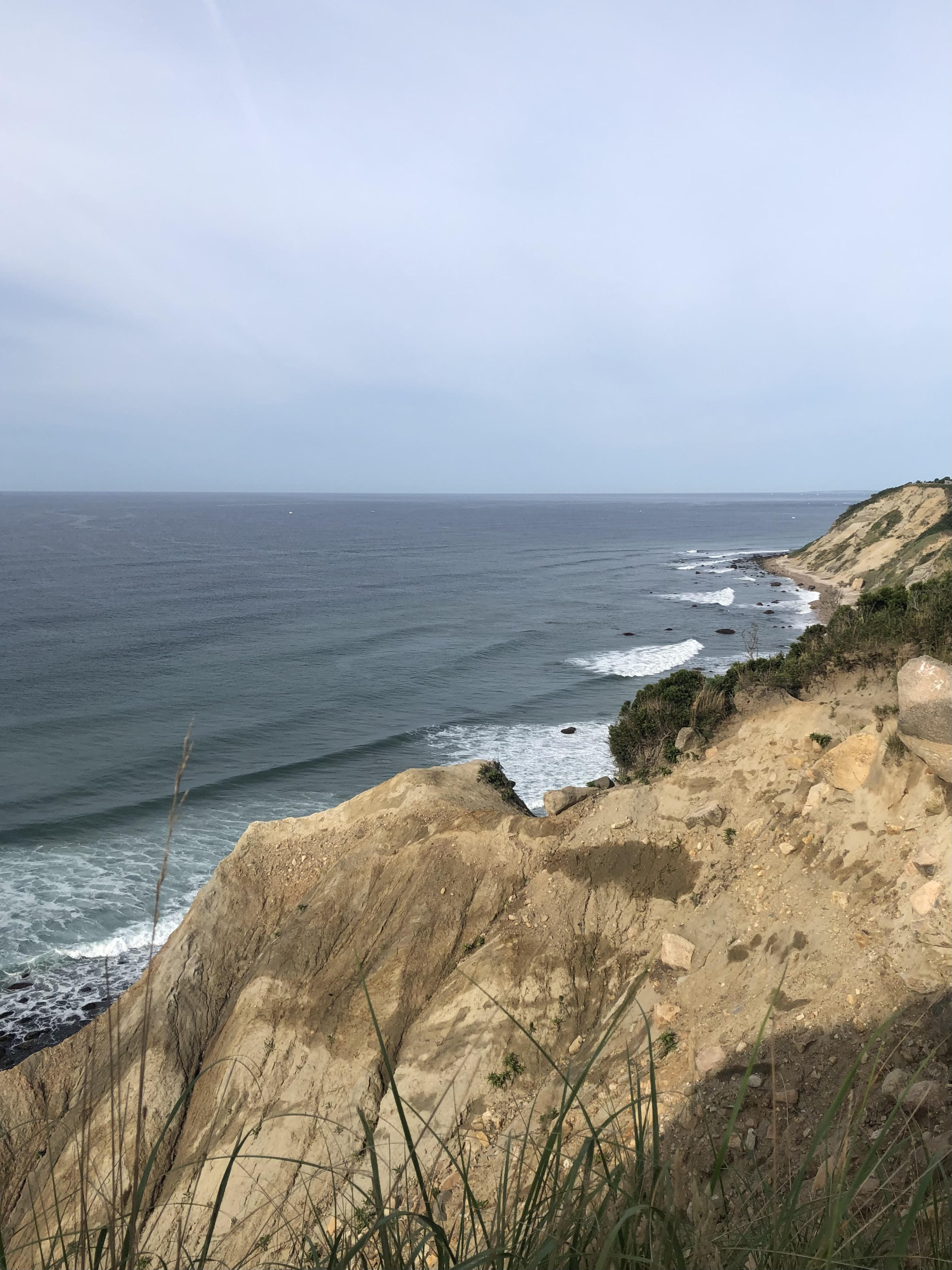
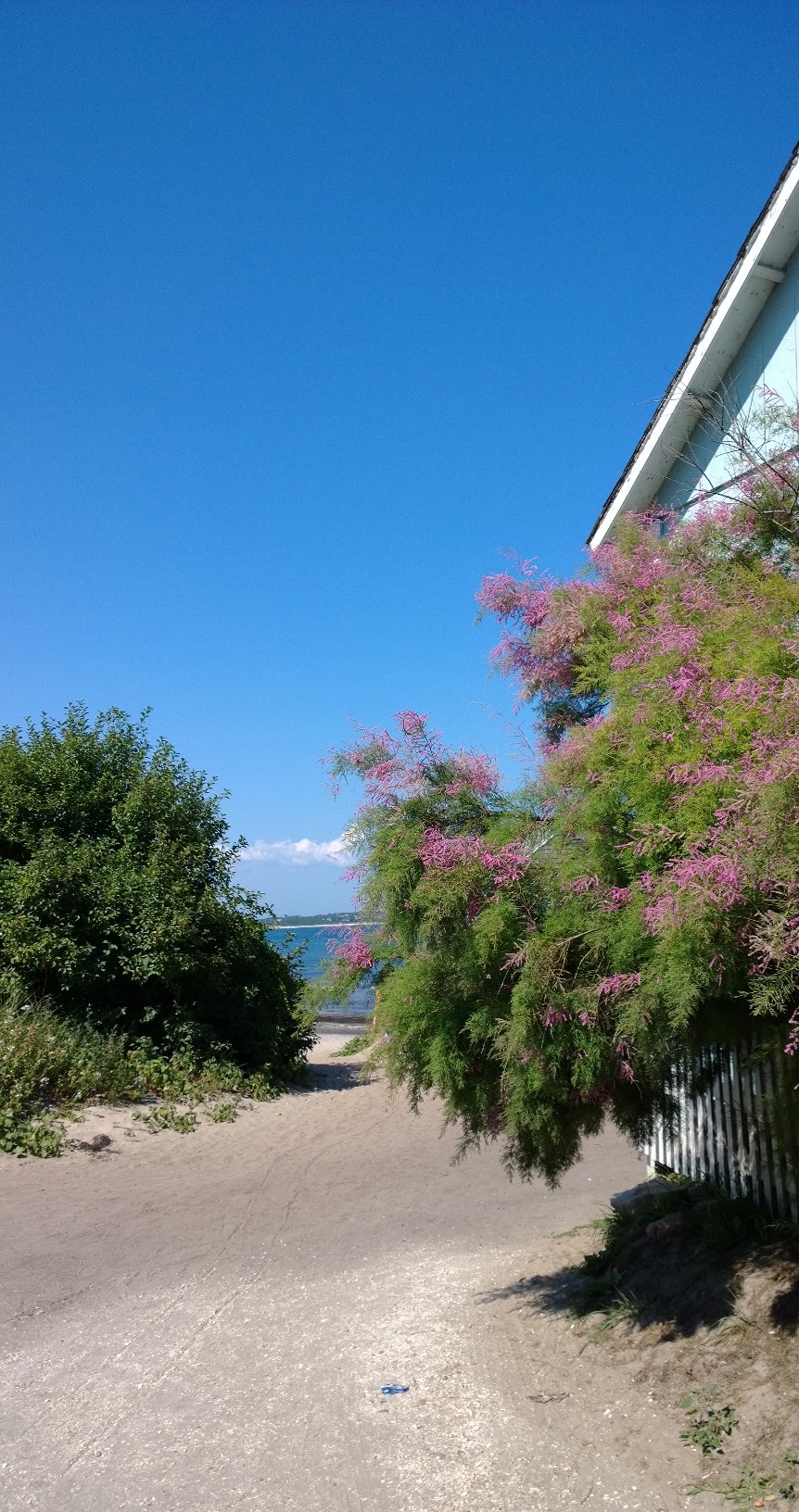
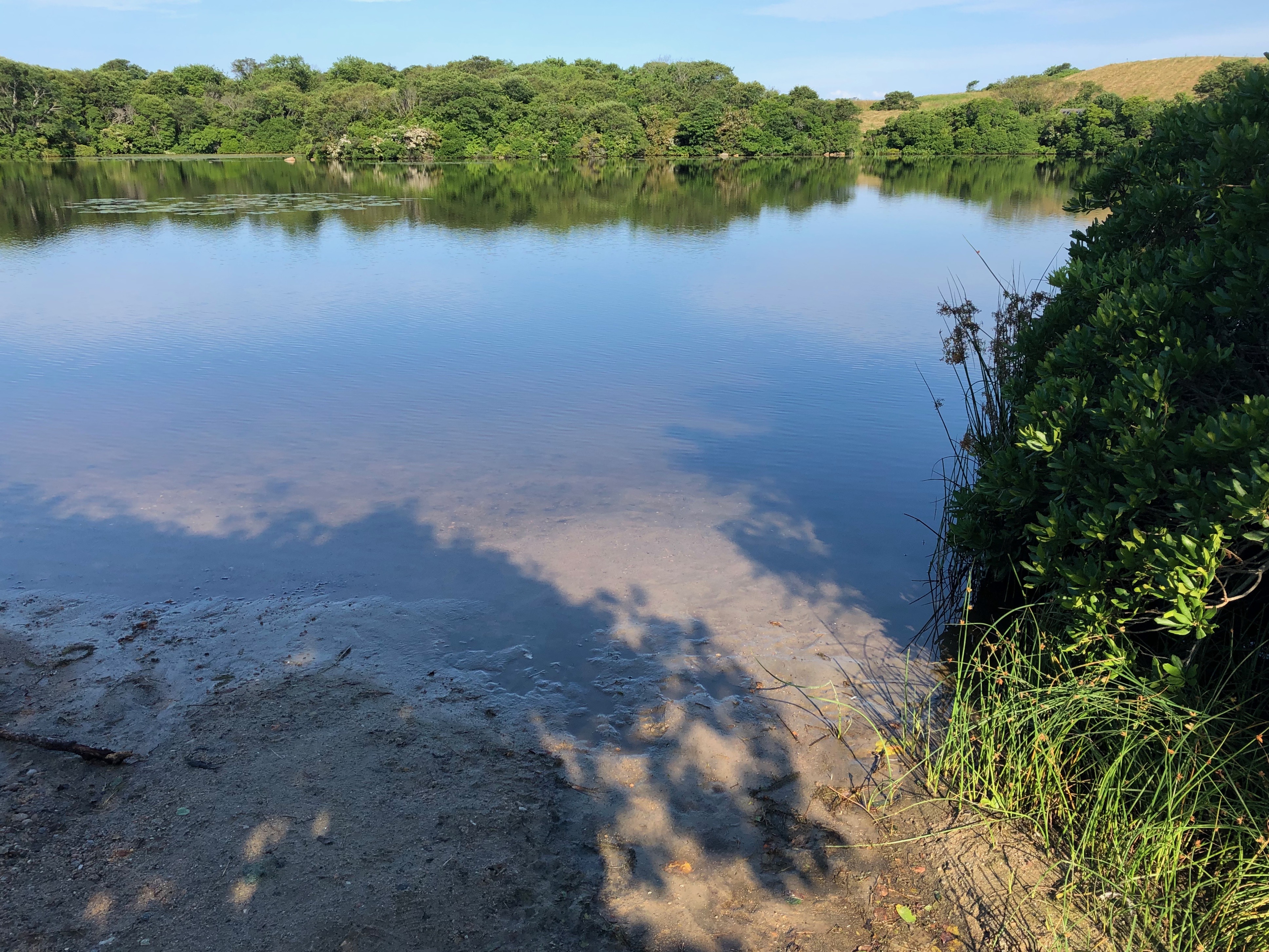
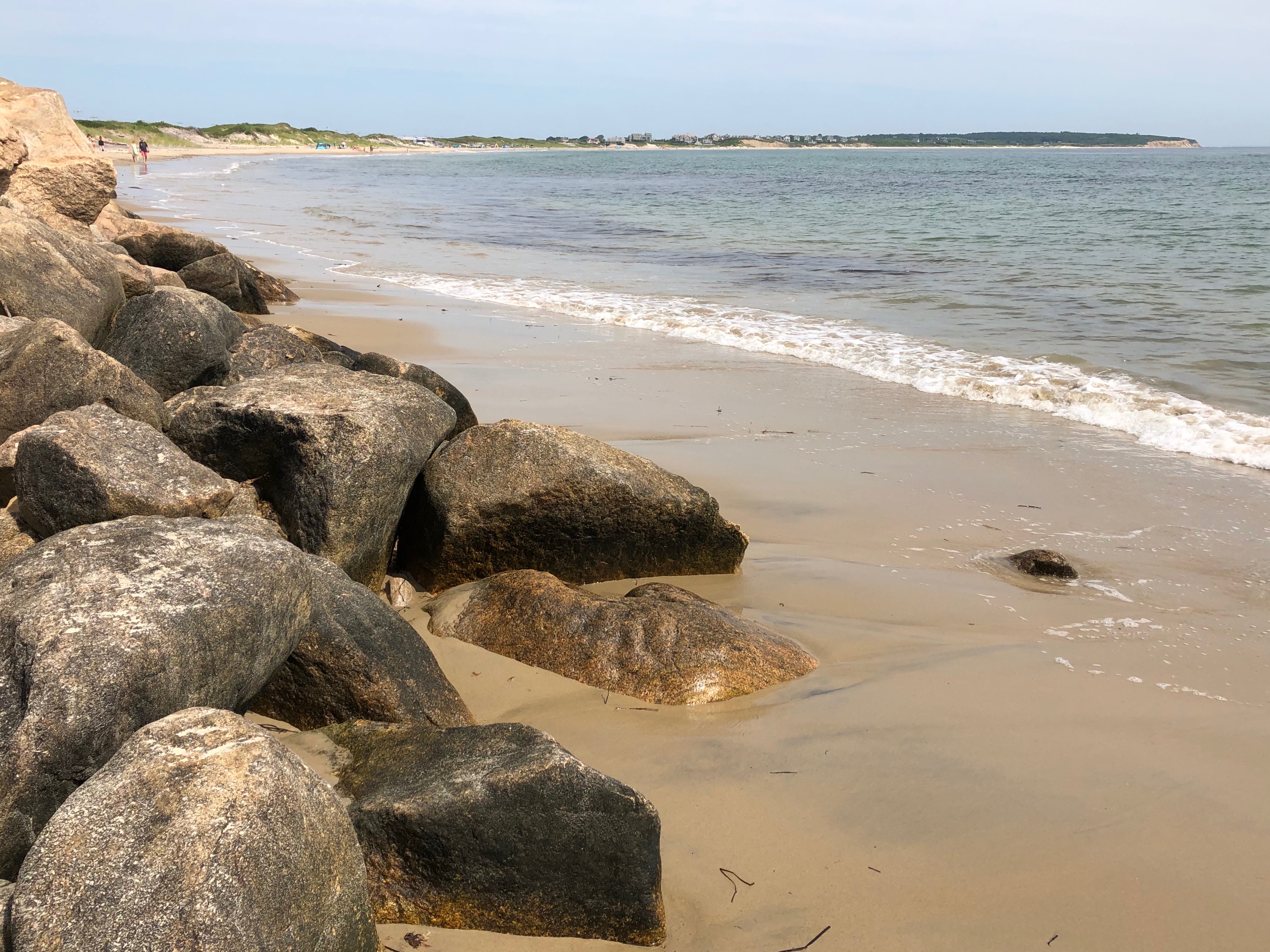
Next are views of a lily pond, Fresh Pond, and a West Side New Shoreham beach, including long shadows from artists of various ages who work with stones. There’s also a shot of the Mohegan Bluffs.

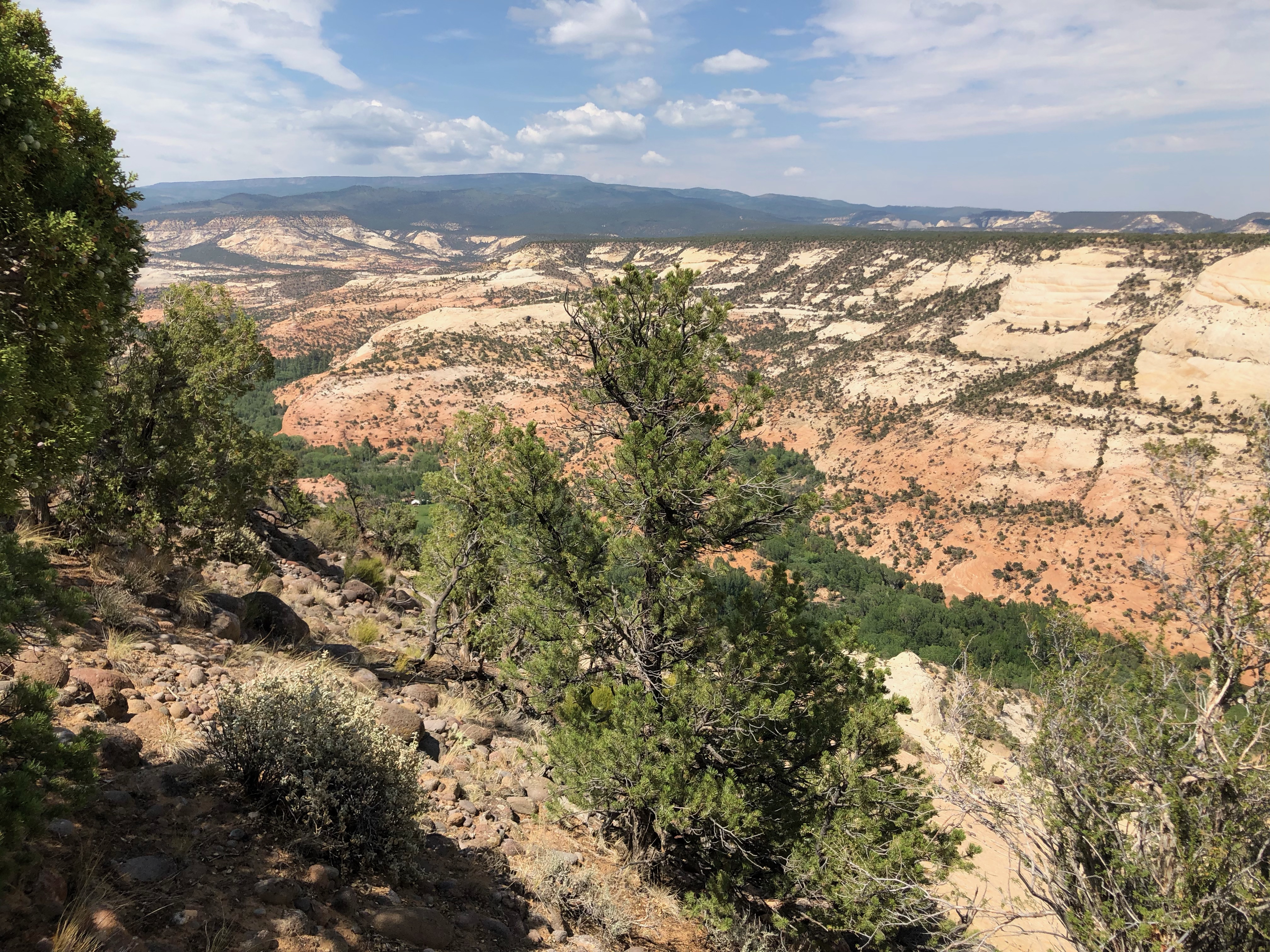
And for good measure, another glamorous nature scene, but one that Caroline H. sent from Utah.

Read Full Post »

073119-bathroom-window-with-tree

In July I took pictures in Rhode Island, Massachusetts, and New York and will be sharing them bit by bit. These are from New Shoreham, Rhode Island.

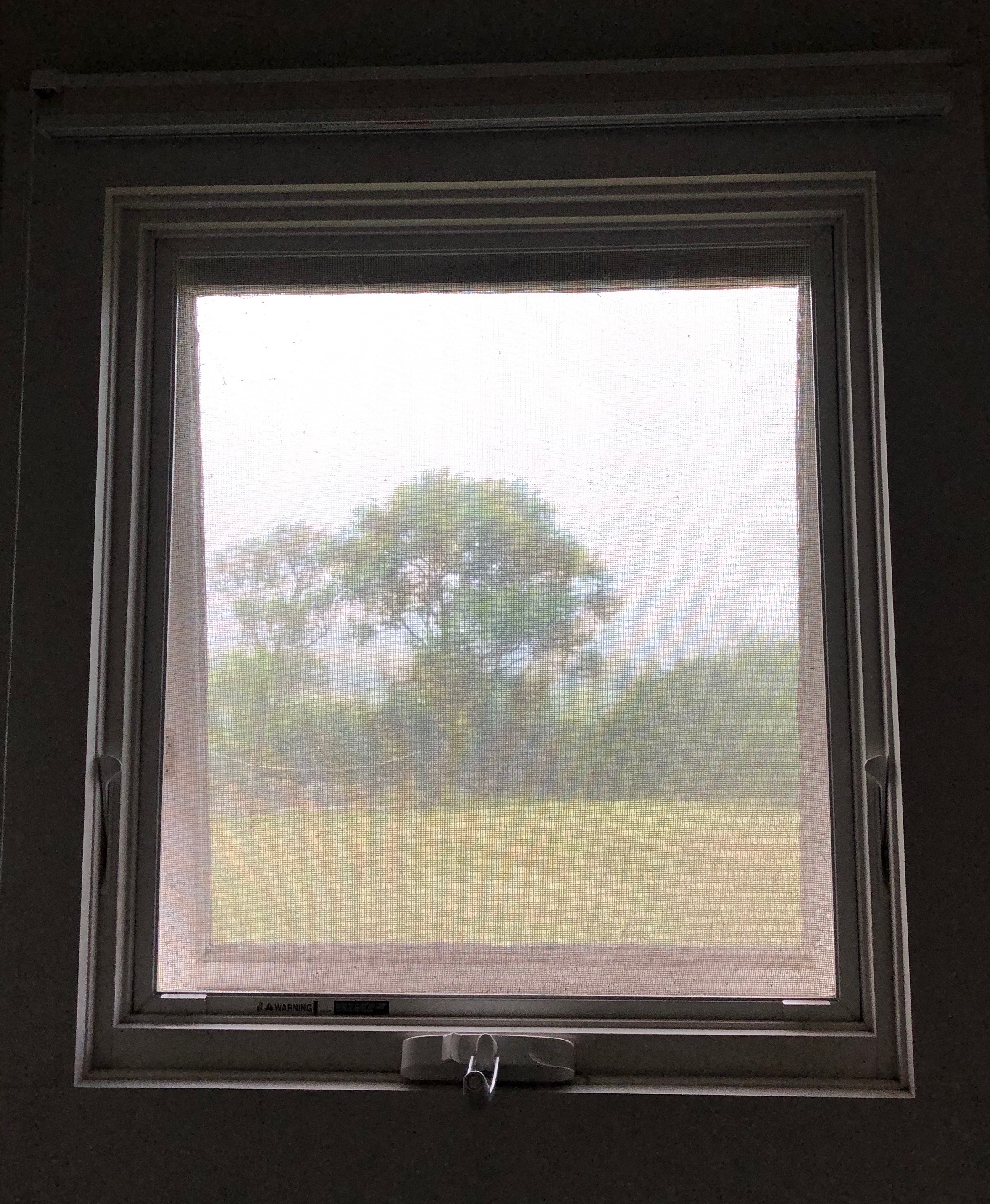
The first one is a view that caught my eye through a bathroom window. You have to grab these shots when you see them.

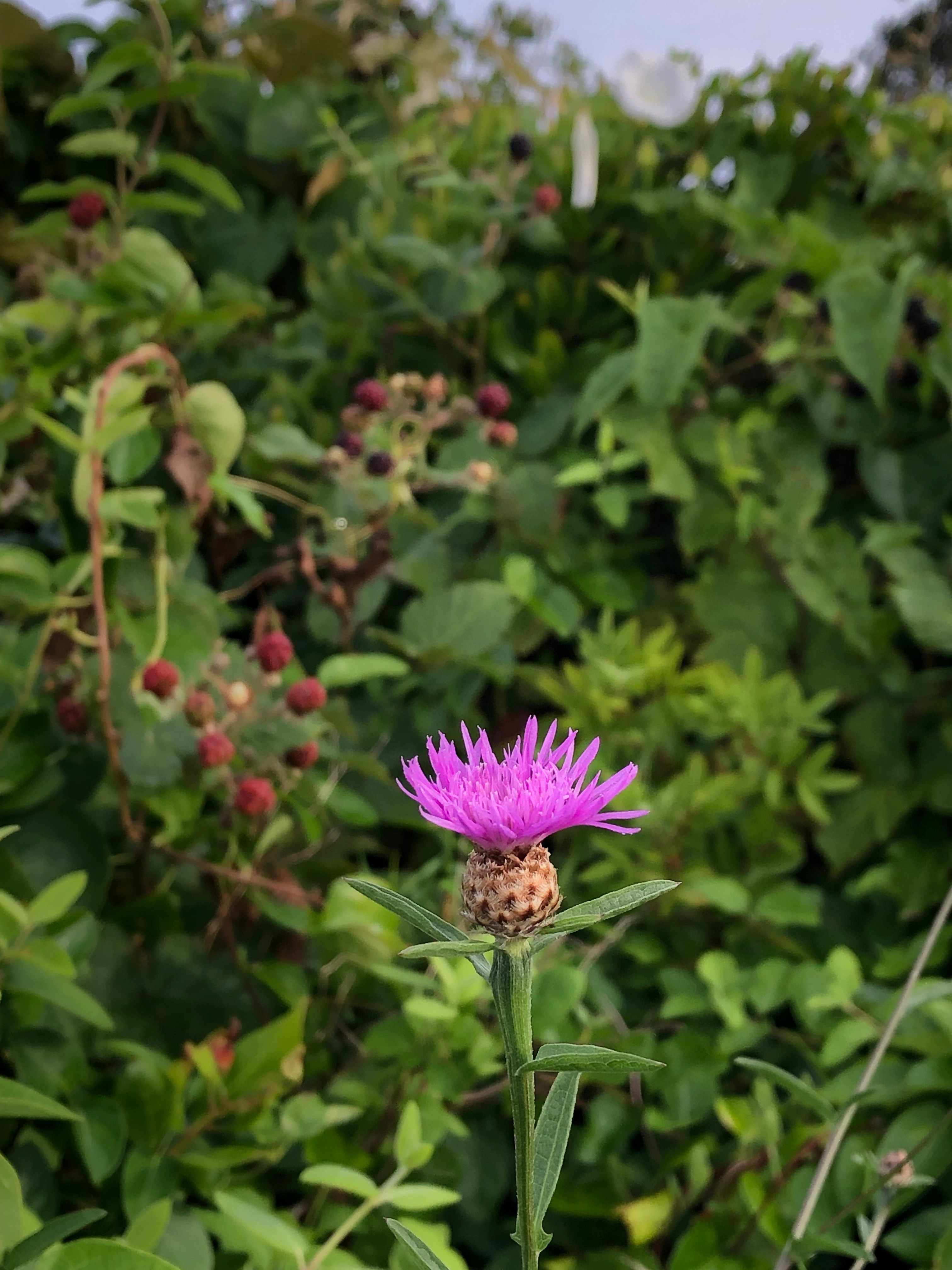
Next is the endangered wildflower Blazing Star, which is doing very well in the protected Land Trust area. Then we have an offbeat signpost. People seem to get especially creative in summer. There’s a feeling of “Well, why not?”

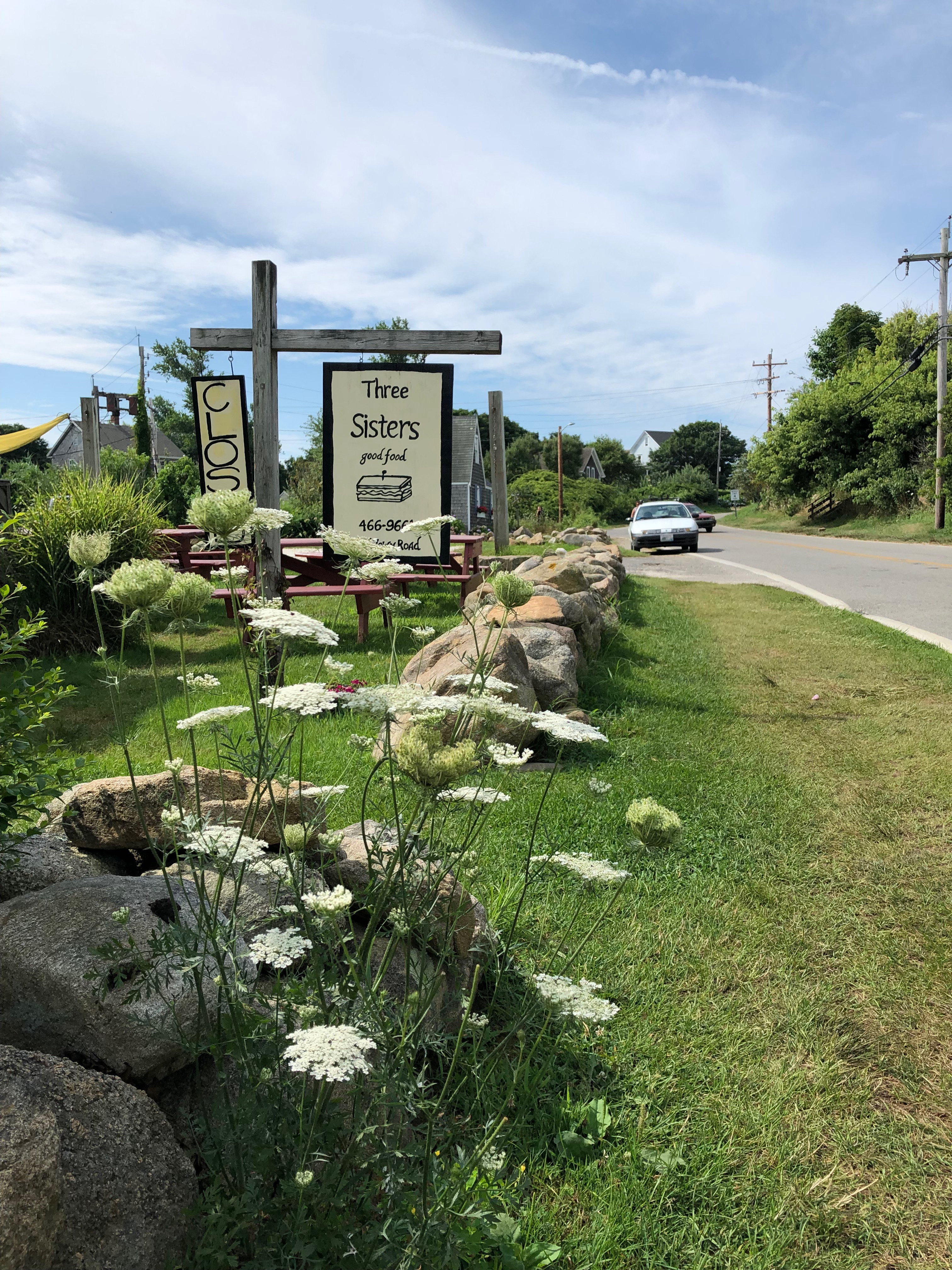
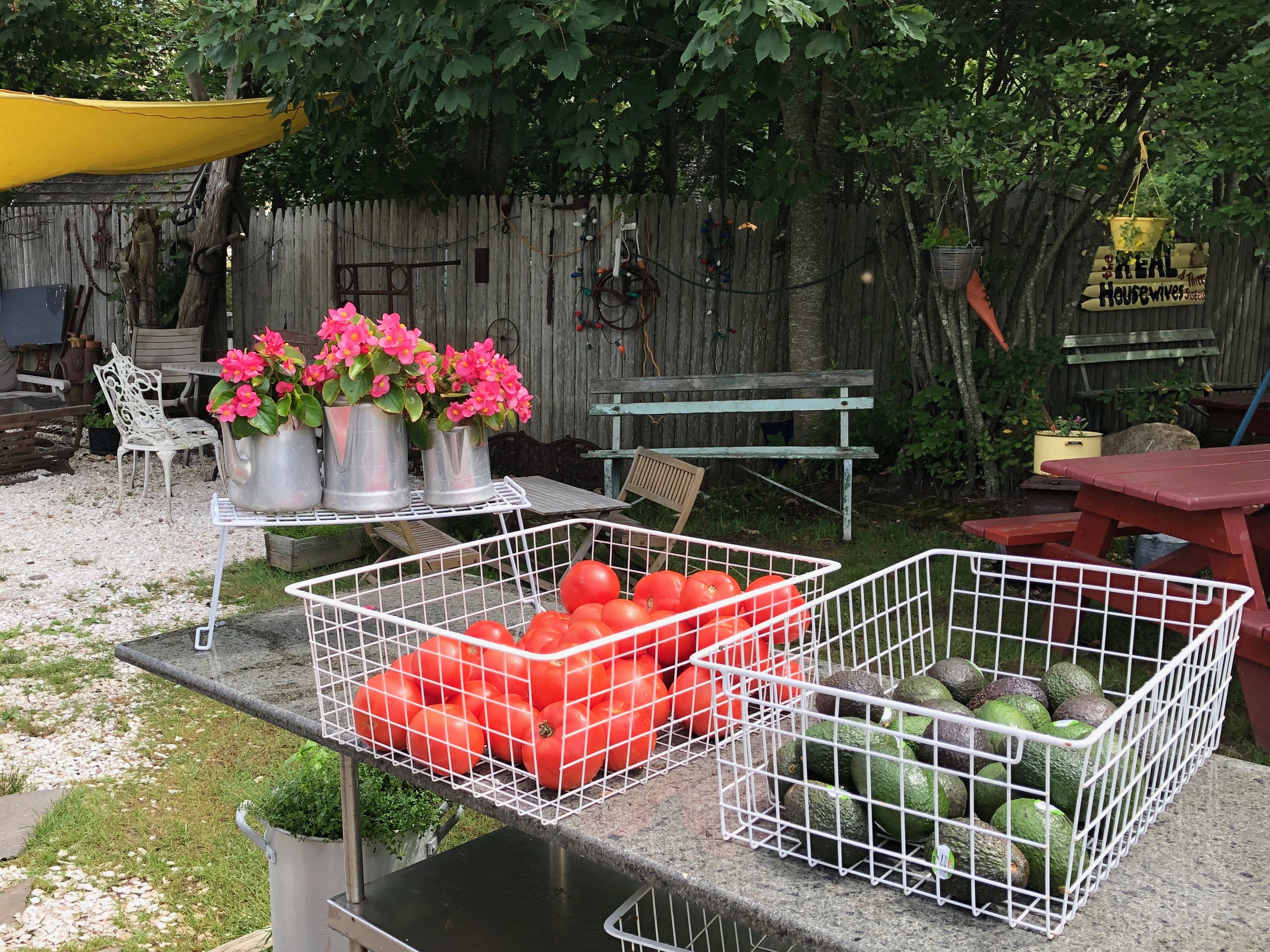
In the backyard of the tiny Three Sisters restaurant, you see some of the goodies that go into the delicious sandwiches. In the front yard, Queen Anne’s Lace. By the way, today I helped chef extraordinaire and walking partner Sandra pick Queen Anne’s Lace so she could make a jelly that the late taxi maven Thelma used to make. Here is a recipe we found from the Edible Wild Food site. If you make it, be sure you know what you are picking. As my husband reminds me, there are plants that look like Queen Anne’s Lace that are not safe to eat.

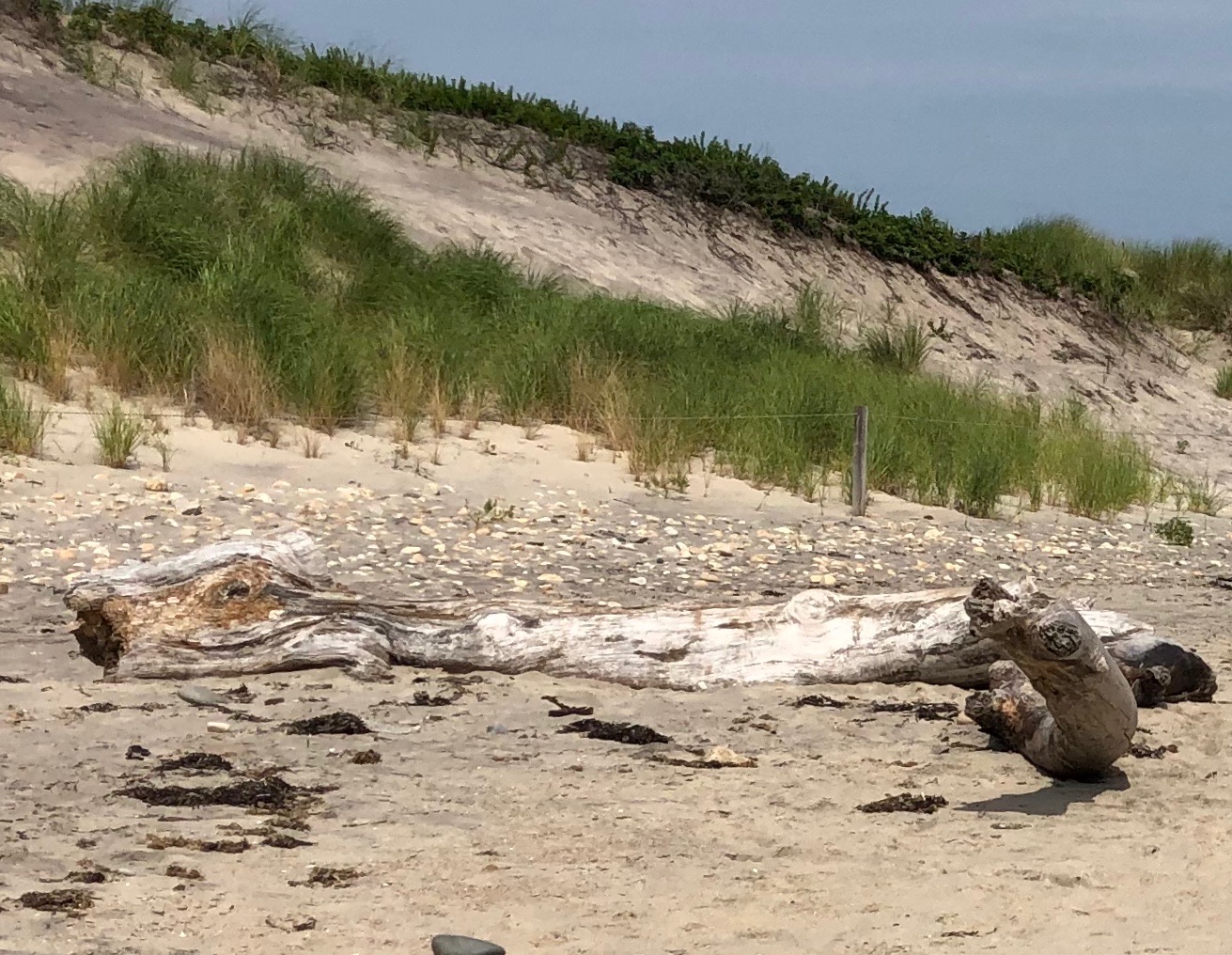
At John E’s tughole, I loved the shadows beneath the still water. And at the beach I saw dragons in the driftwood. (Do you see them? I admit, the photo would benefit from sharper contrast between the sleepy dragons and the background.)

As the tide came in, it drenched my favorite Tom’s shoes, given to me by my daughter-in-law some years ago. I may have to get new beach shoes soon.

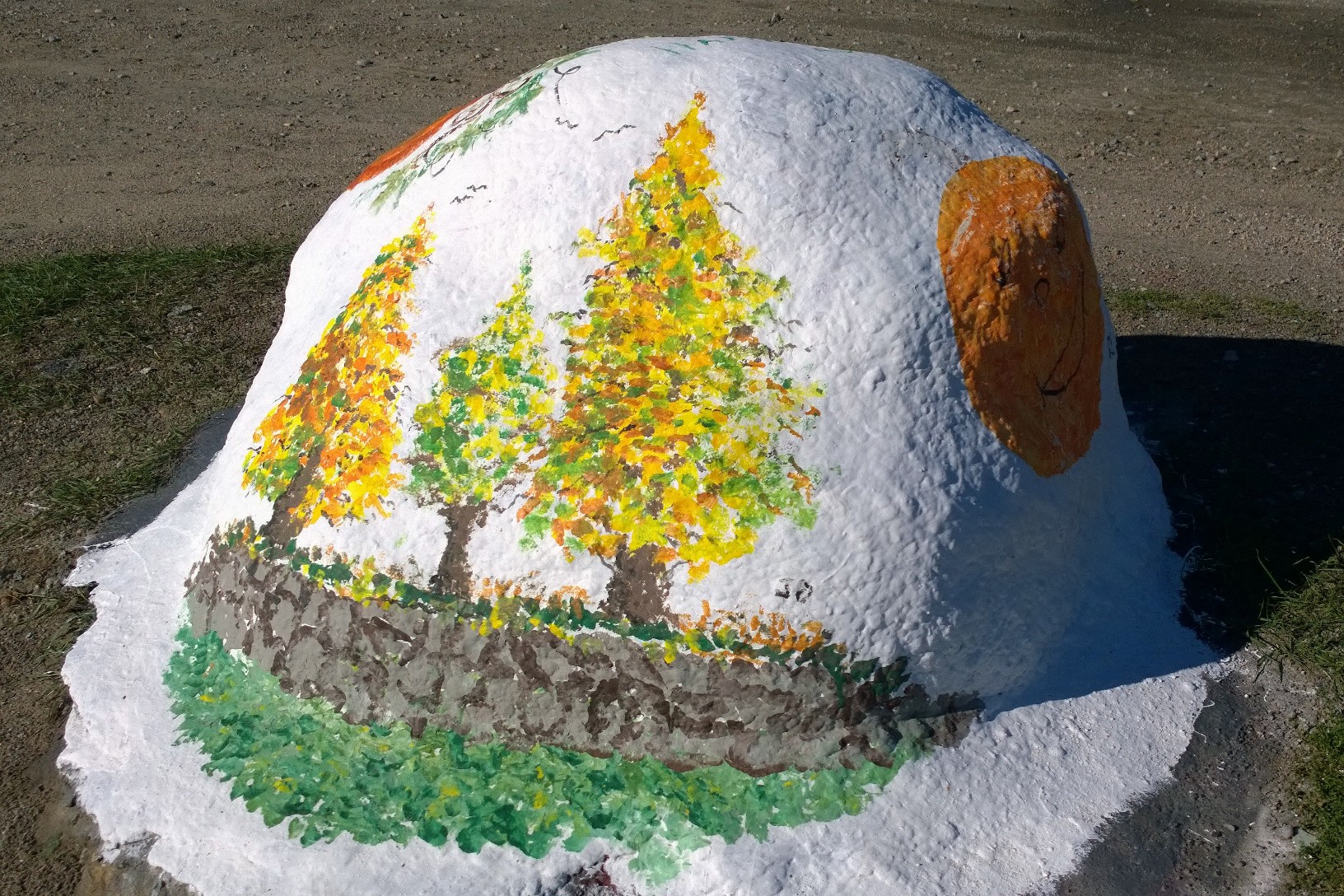
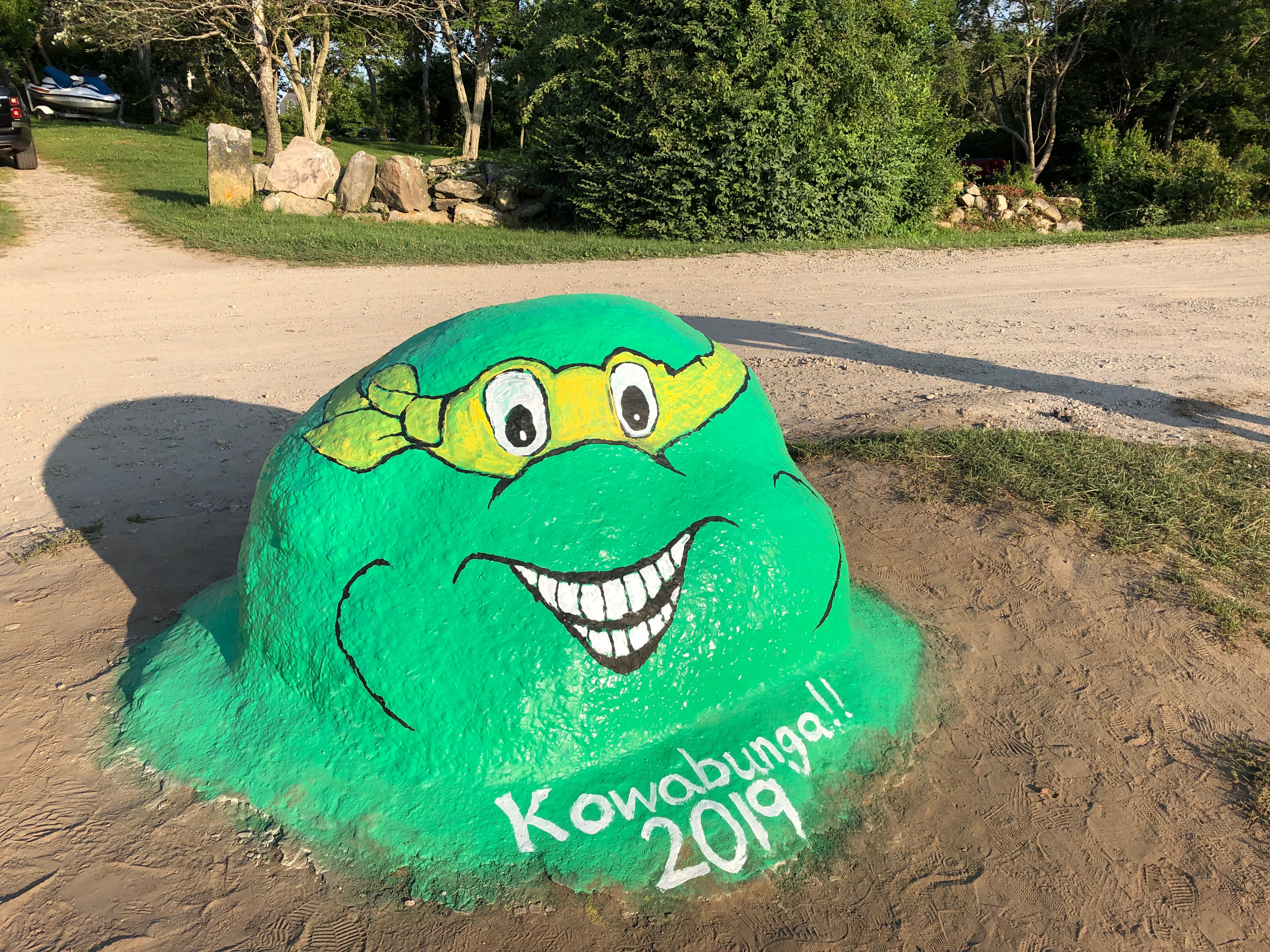
No New Shoreham post would be complete without a photo of the Painted Rock. This one features a Ninja Turtle. Read how the rock first came to be painted for a Halloween prank in the 1960s, here. (And for some of the better Painted Rock art, check out Tumblr, here.)
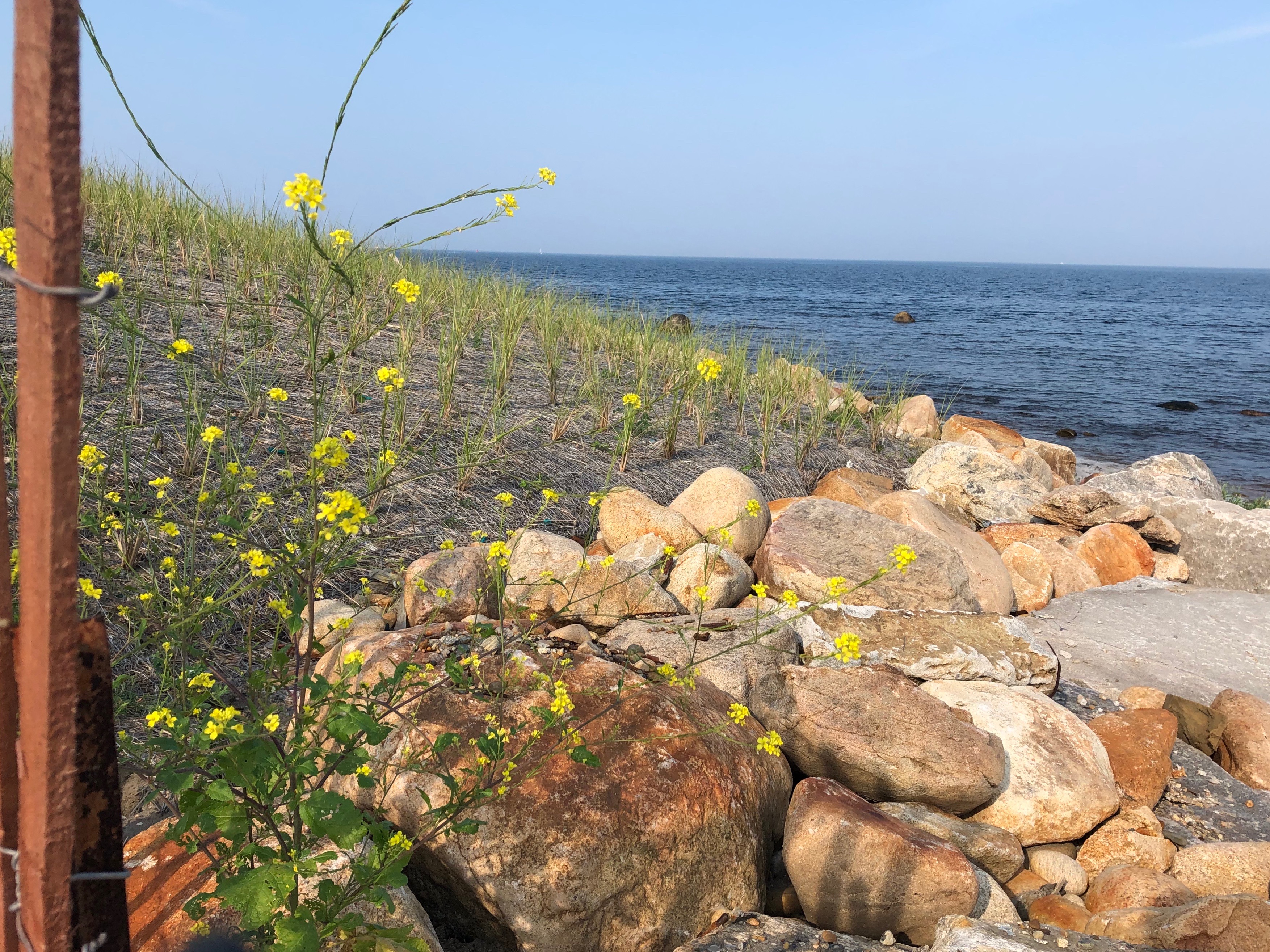
The final picture shows the excellent job the state is doing to plant beach grass and protect the island’s west side from erosion. (Can you see the burlap-like covering holding the plants in place as they establish themselves? It’s a tried and true conservation technique at the shore.)
080119-Blazing-Star-wildflower

072219-intriguing-signpost

080119-Three-Sisters-for-sandwiches

080119-.Queen-Anne's-Lace

072219-John-E-tughole

080119-driftwood-might-be-dragons

080119-the-tide-rushes-in

080219-Ninja-Turtle-Painted-Rock-B!

073019-beach-grasses-protect-dunes


Read Full Post »

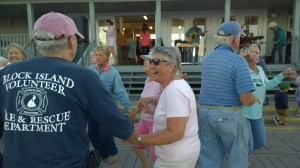
There’s just one thing you probably can’t figure out from this picture story: what the guys are singing …

“All my exes live in Texas/ It’s why I hang my hat in Tennessee.”

160803_-Blues-on-Block

080316-Truck-Stop-Troubadors


080316-crowd-at-beach-concert

080316-beach-picnic


080316-dancing-on-beach

Read Full Post »

I find so many more photo ops in summer than in winter, although that may mean I am not paying enough attention when it’s cold out. Surely there are great shadows everywhere.

Here are a few pictures from the last two weeks.

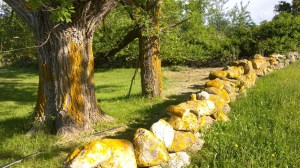
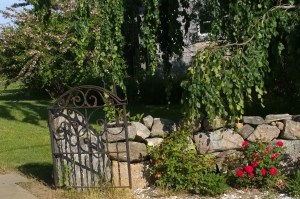
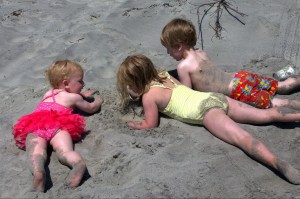
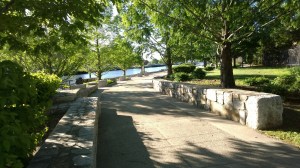
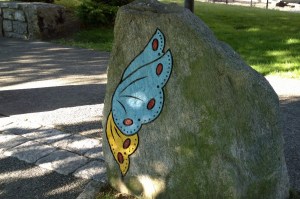
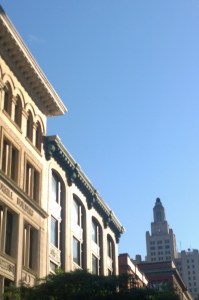
From New Shoreham: a field with Fresh Pond in the upper left corner, yellow lichen taking over a stone wall and trees, roses growing by a gate, children warming up in the dark sand. In Providence: a shady walk on the west side of the Providence River, a painted butterfly on the path, a swan preening, a distant view of the so-called Superman Building, public art with a muskrat fishing (?), a poster explaining the art project. In Massachusetts: shadows on a tree, a chipmunk on a lichen-covered rock.

061116-Fresh-Pond

061116-yellow-lichen


061116-stone-wall-roses

061216-warm-dark-sand


061416-riverwalk-Providence

061416-butterfly-art-Providence


0615`6-swan-Providence

061516-distant-Superman-bldg-Providence


061516-is-it-a-muskrat

061516-streetart-explanation


061016-shadow-on-tree-trunk

061616-chipmunk-and-lichen

Read Full Post »

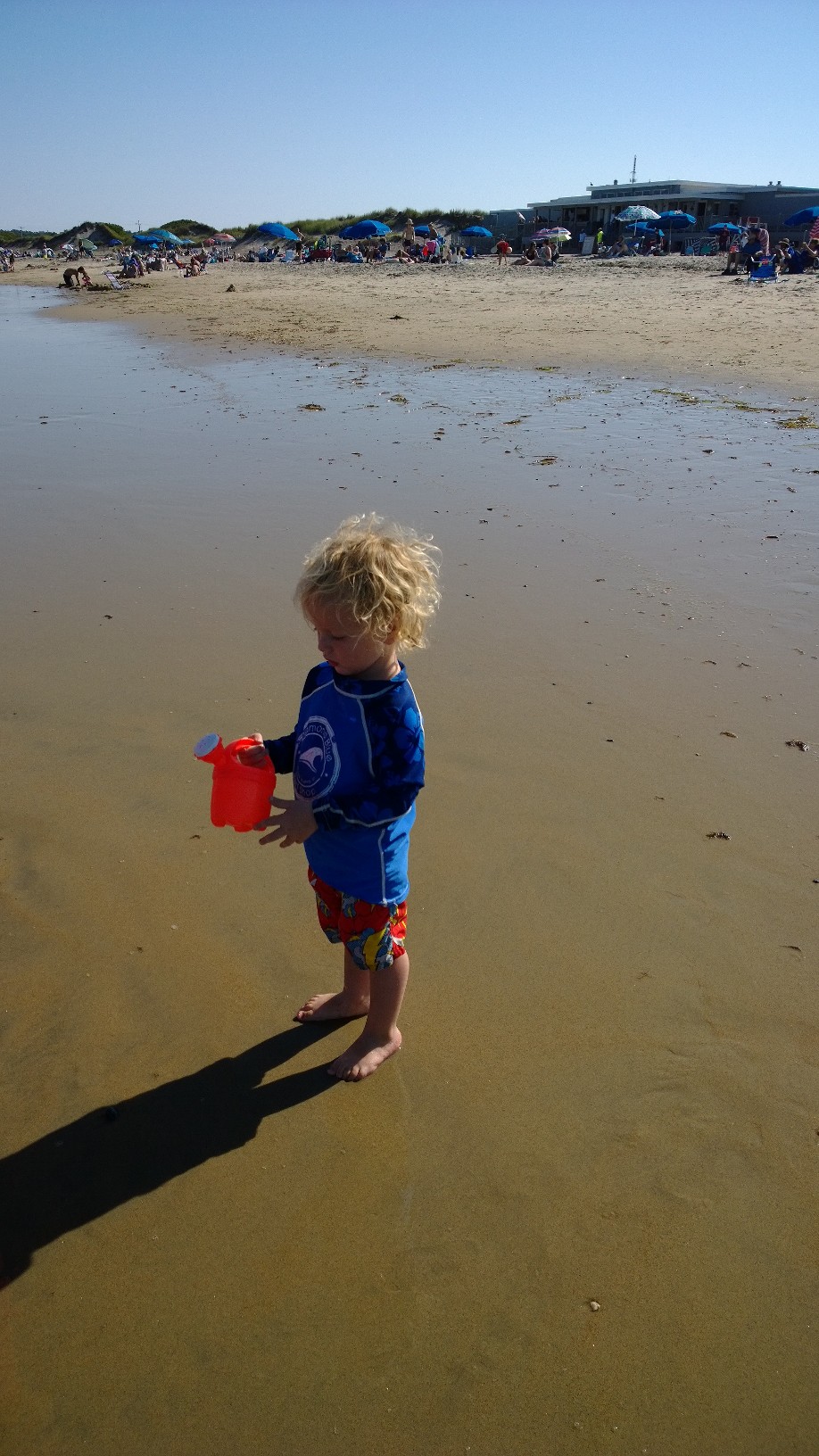
A bouncy boat ride in heavy rain last night. A warm sunny morning. Here are a few photos from my last island weekend of 2015.

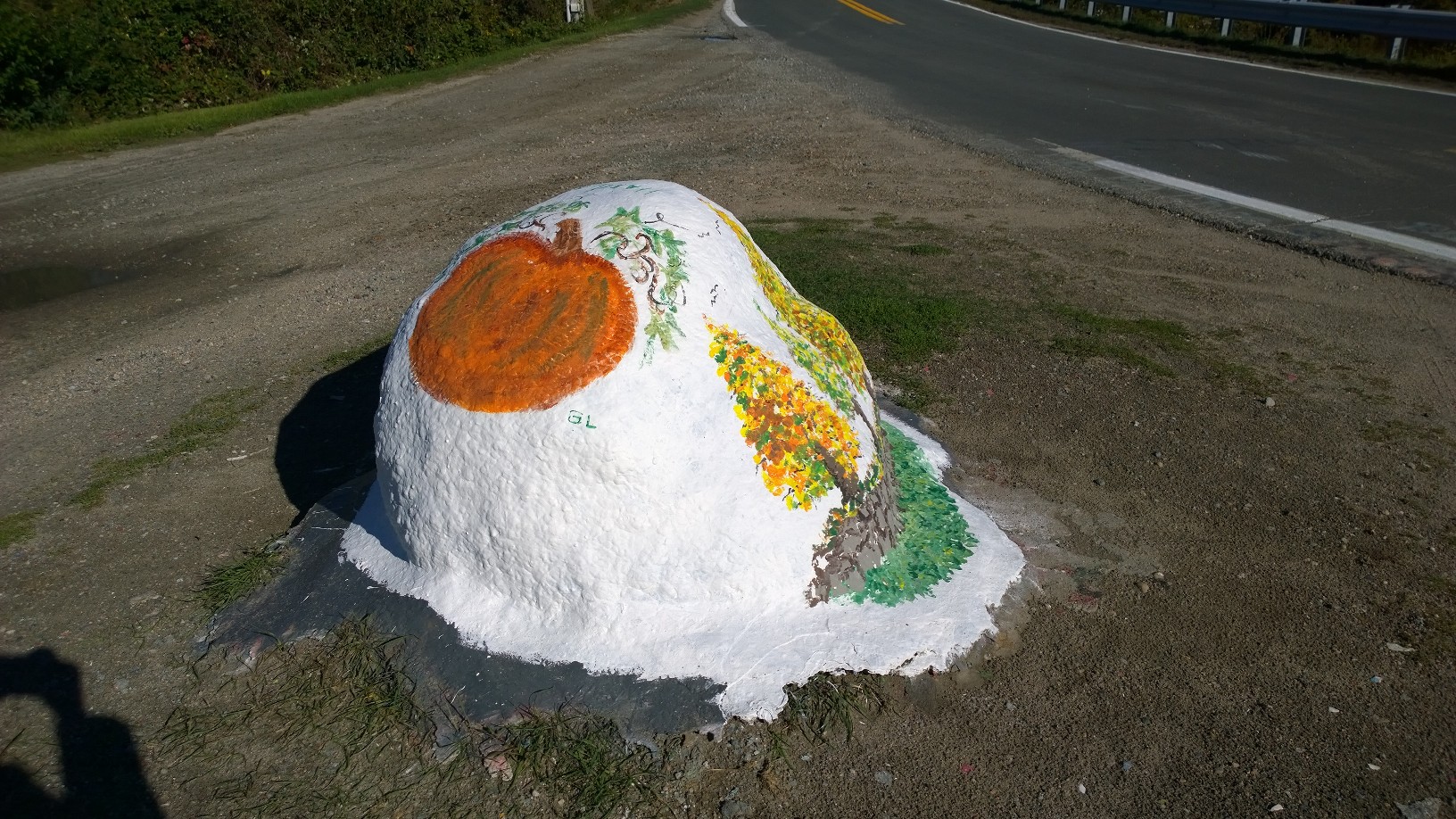
An especially nice autumnal theme for the Painted Rock. Whoever painted it was lucky to have their artwork survive nearly three days. That would be unheard of in the summer, when birthday messages get painted over by wedding felicitations several times a day.

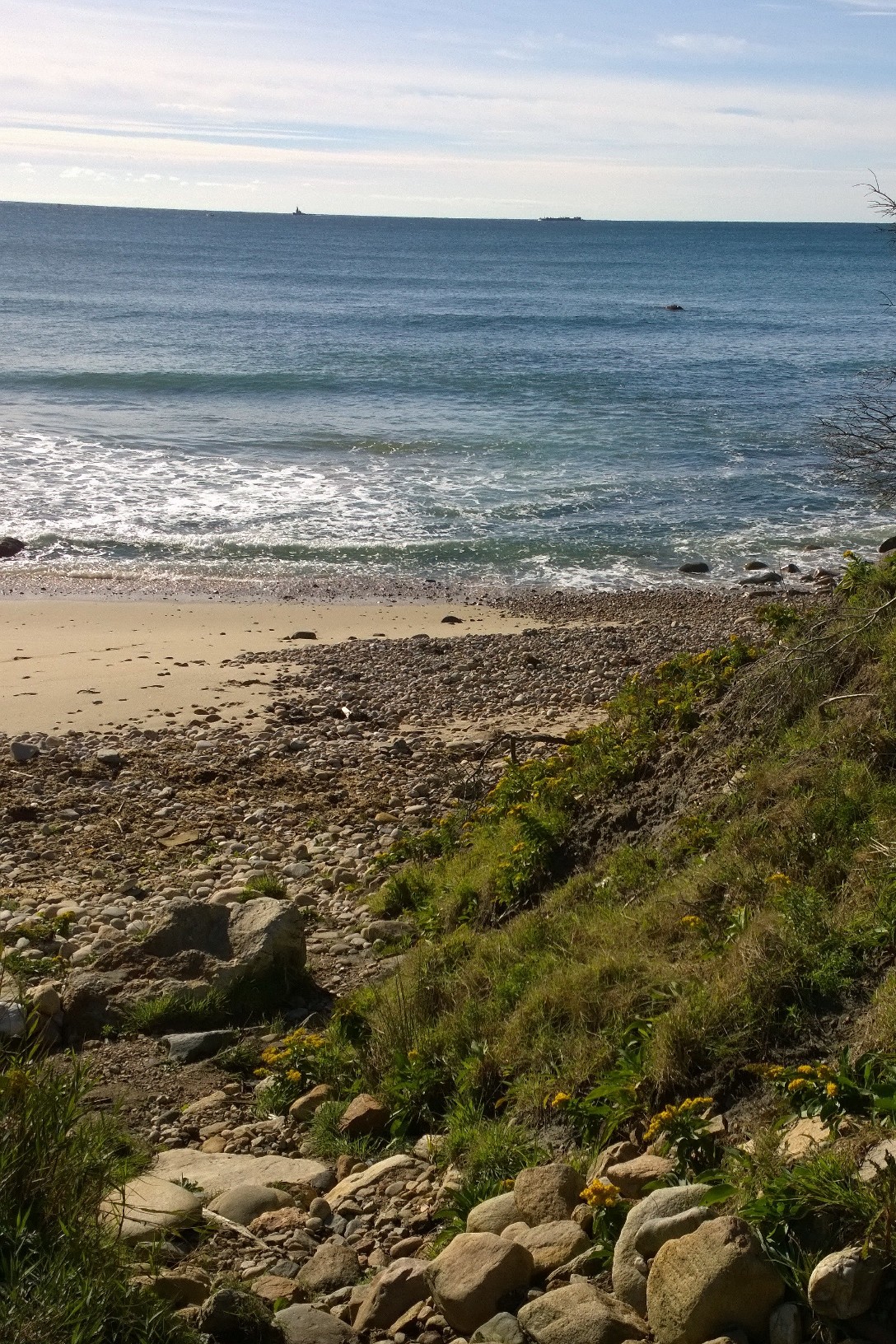
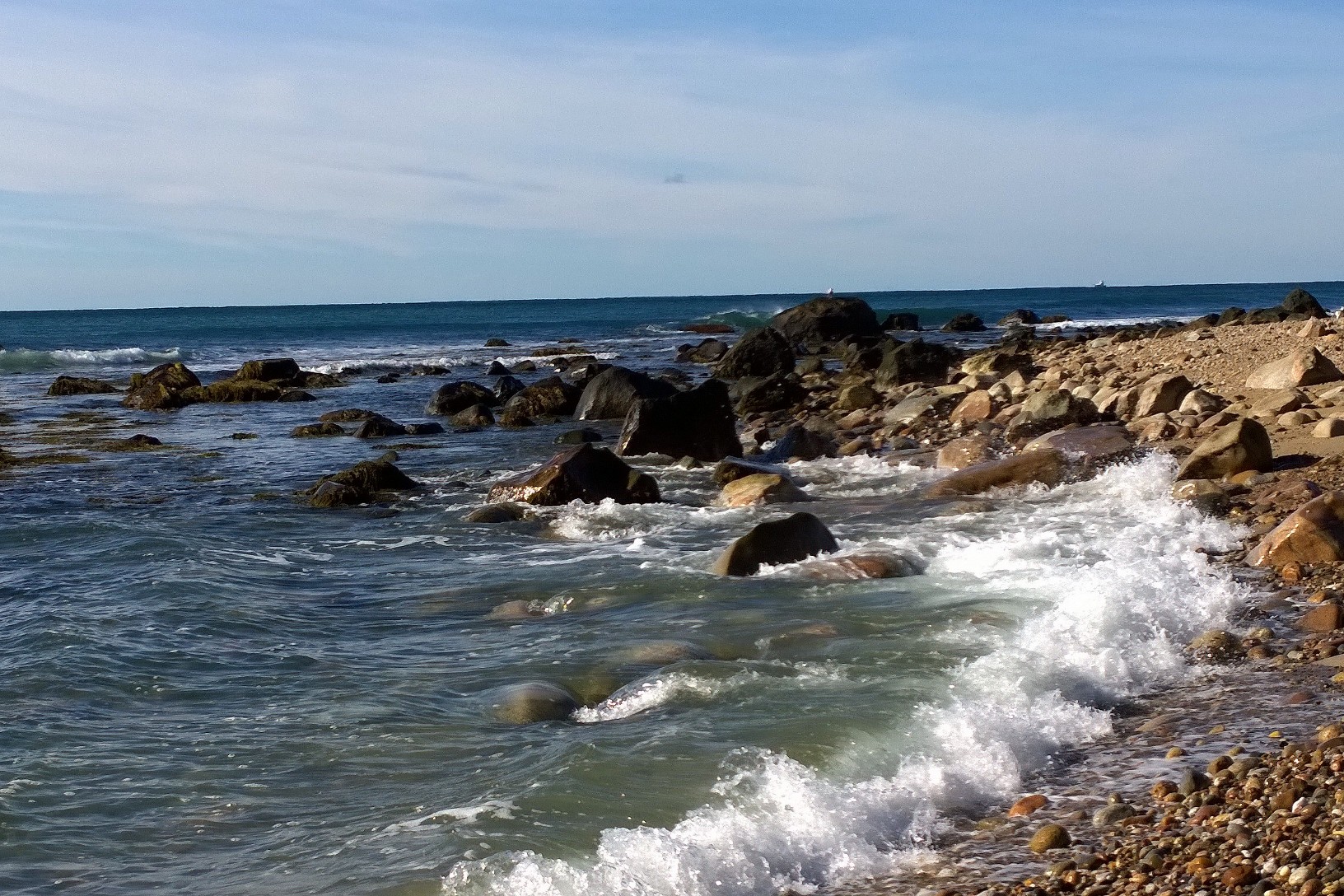
Down the bluffs on a steep path. Waves breaking on the beach. Tide pools.

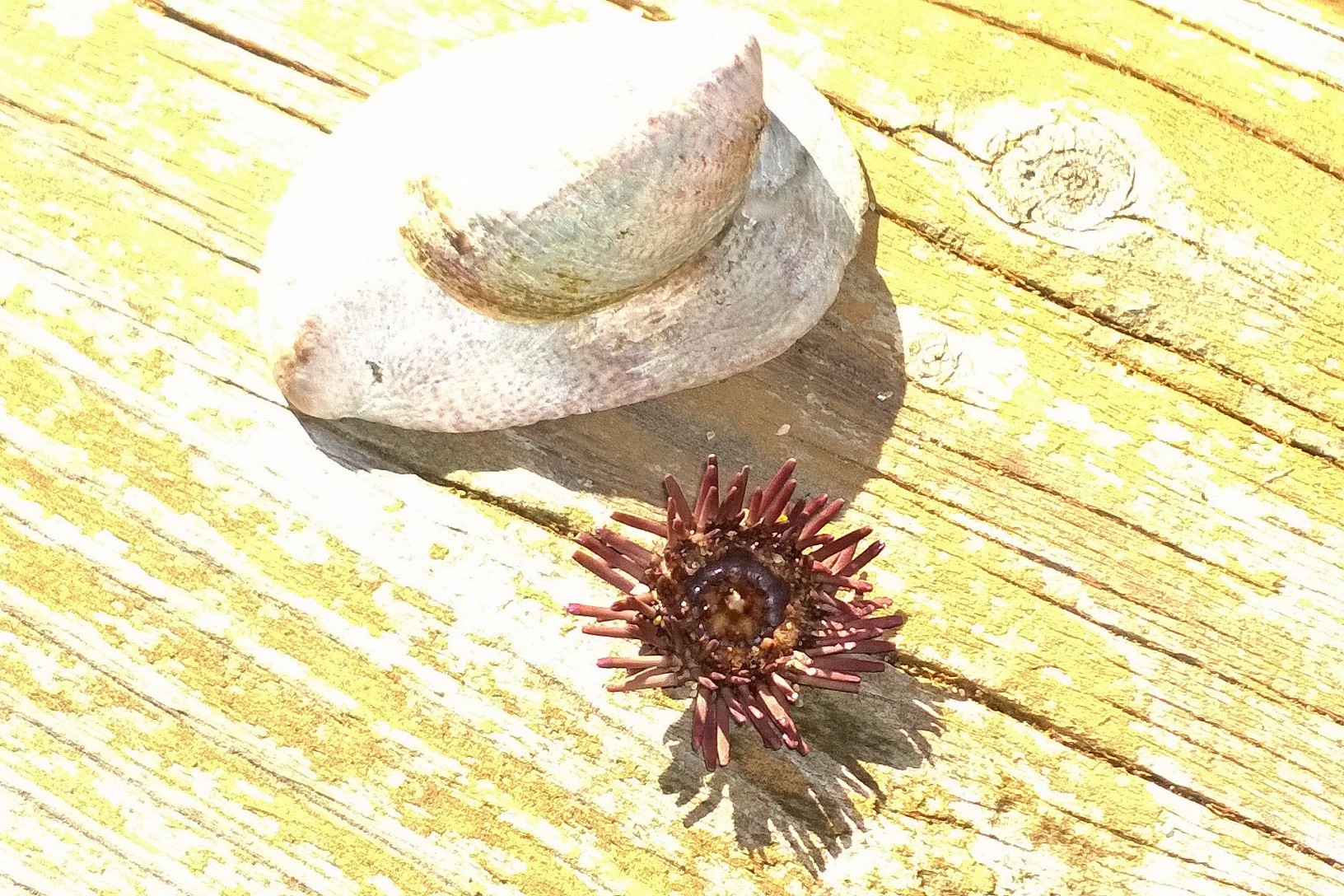
I was delighted to find a little urchin (I don’t think I ever had before) and a slipper shell with a smaller slipper shell hitching a ride.

101015-painted-rock-fall-colors

101015-painted-rock-fall

101015-steep-path-to-beach

101015-surf-at-bluffs

101015-tide-pools

101015-urchin-and-slipper-shell

Read Full Post »

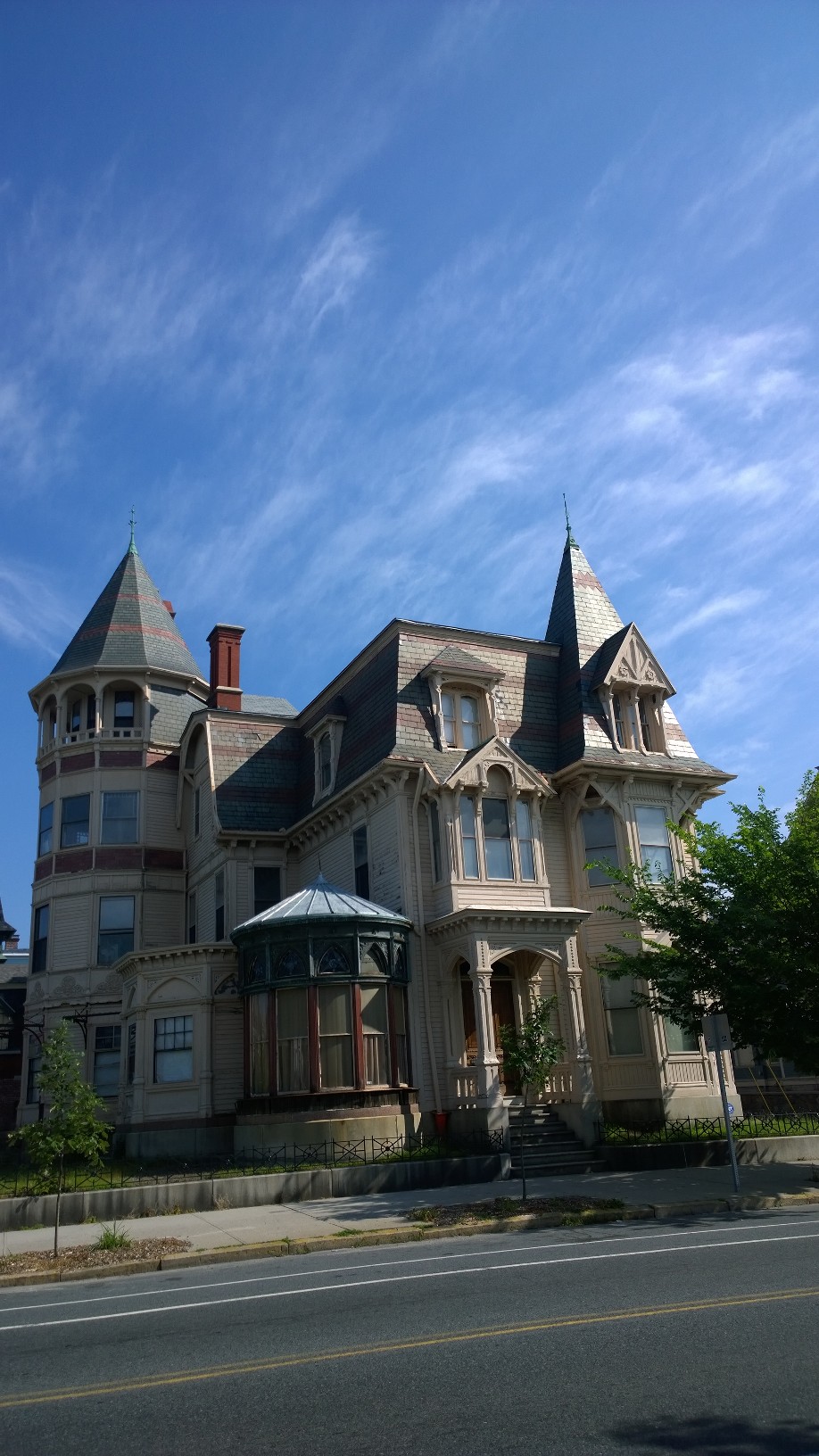
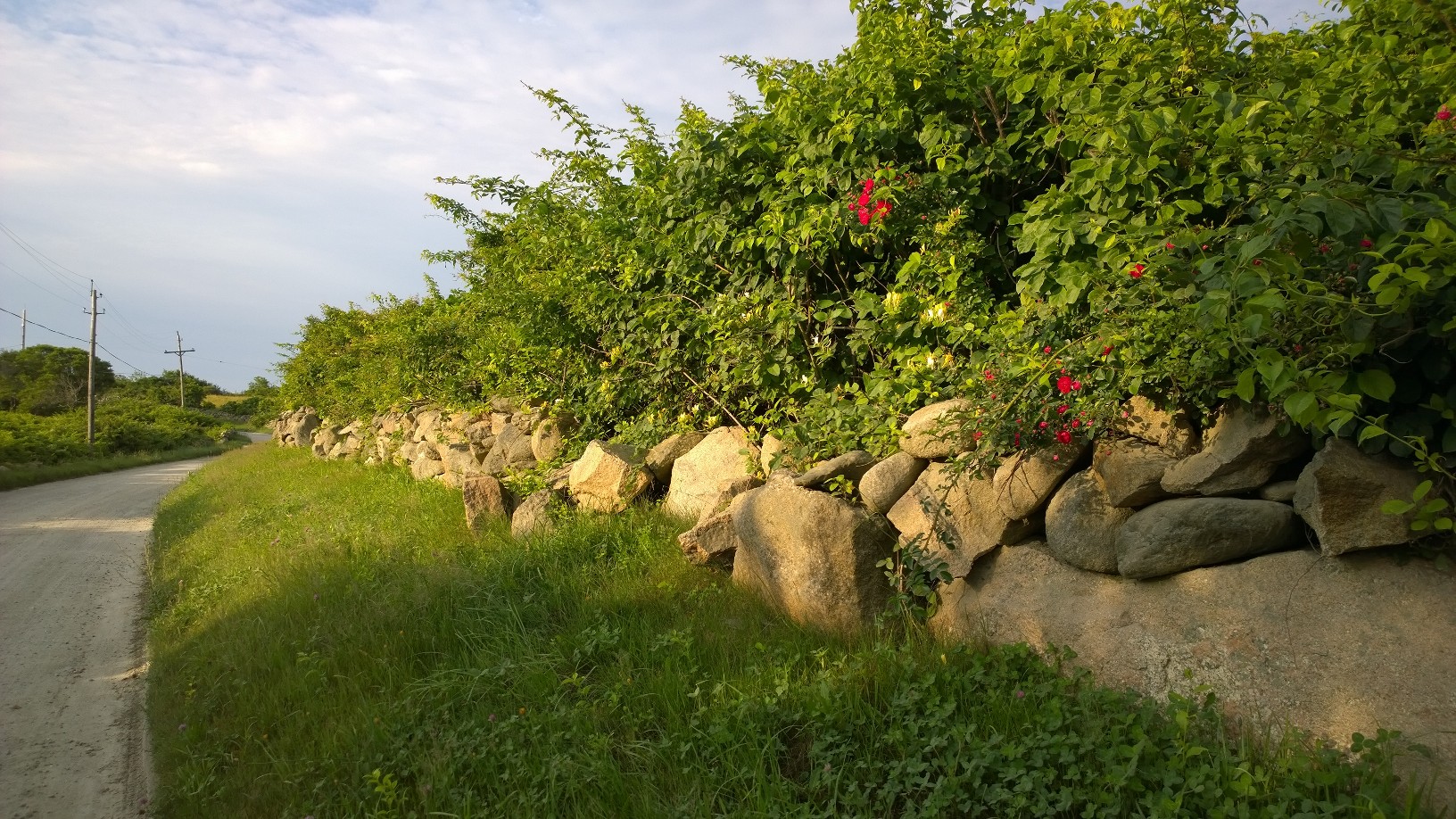
The little state with the big heart. Showing an intriguing old house in Providence, and island scenes in early morning and late afternoon.

This is the peaceful side of things, contrasting with the stories we just heard from an exhausted policeman we know who spent the last five days trying to control unruly 4th of July crowds, working from 5 a.m. to 11 p.m. “And we have only two cells to put them in,” he said in exasperation.

So hard to understand why, with all this beauty around them, people would do so much damage to themselves.

Providence-fixer-upper

stone-wall-morning

country-road-70515

fields-New_Shoreham

John-E-tughole

looking-down-the-bluffs

070515-beach-late-afternoon

Read Full Post »

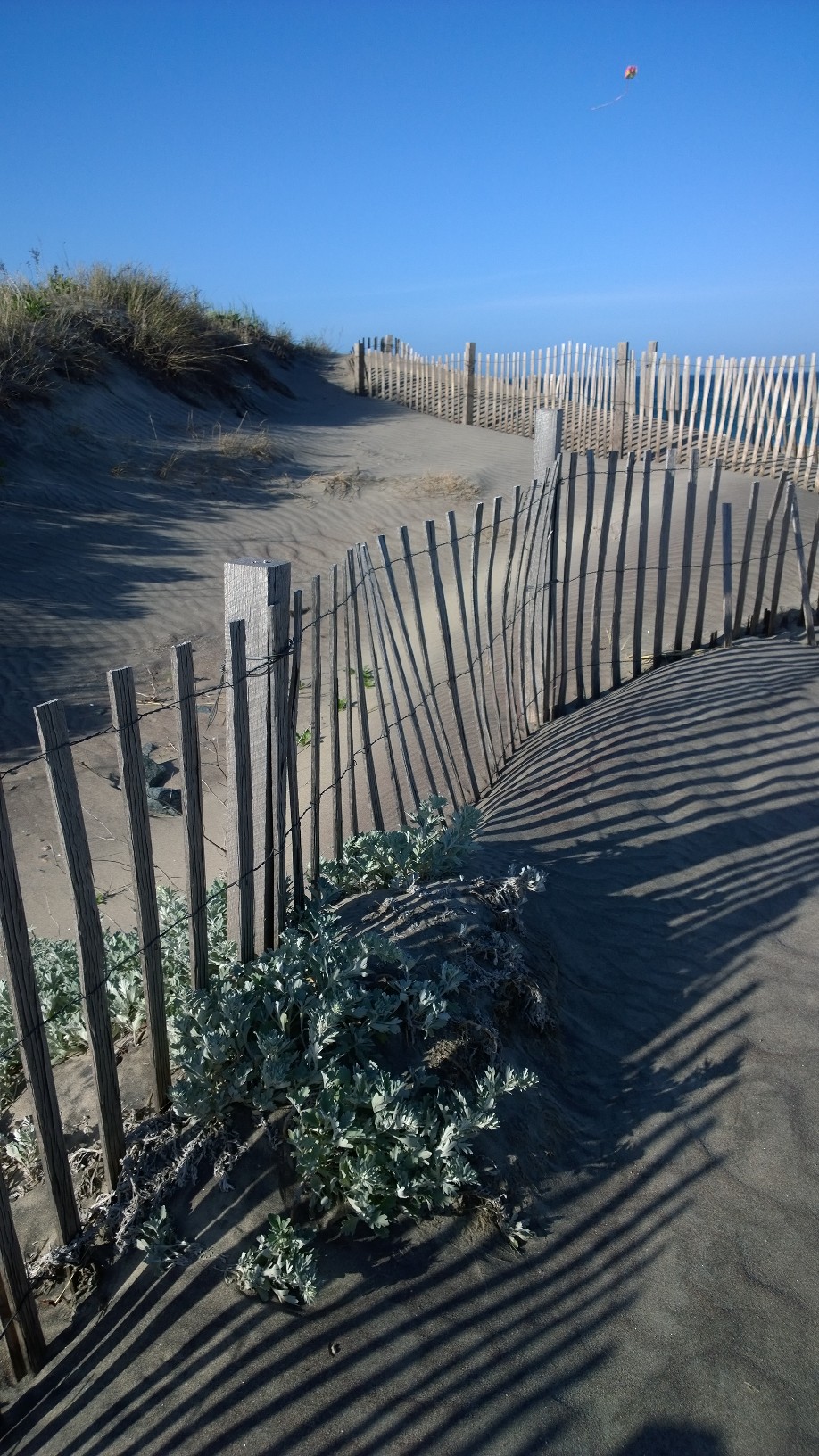
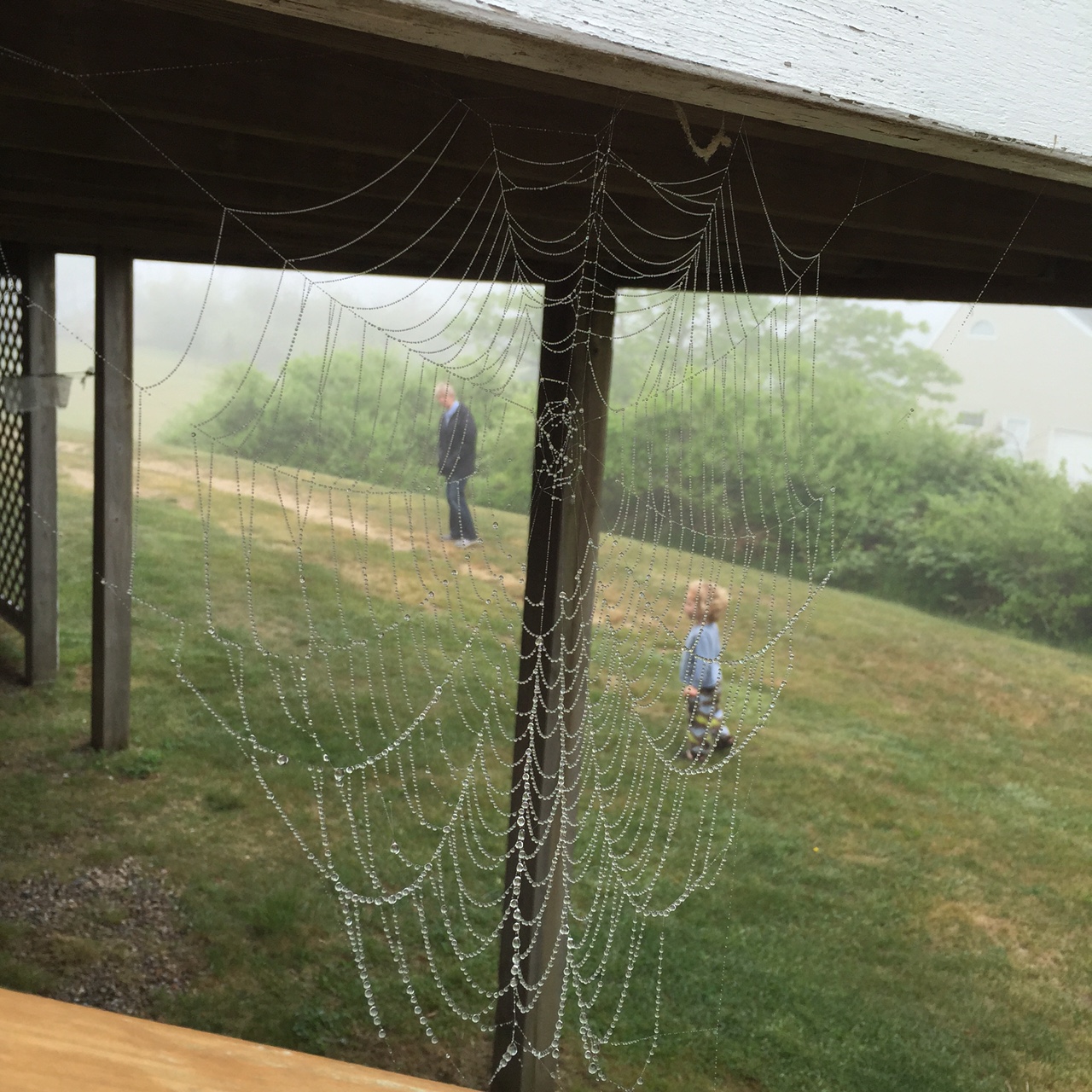
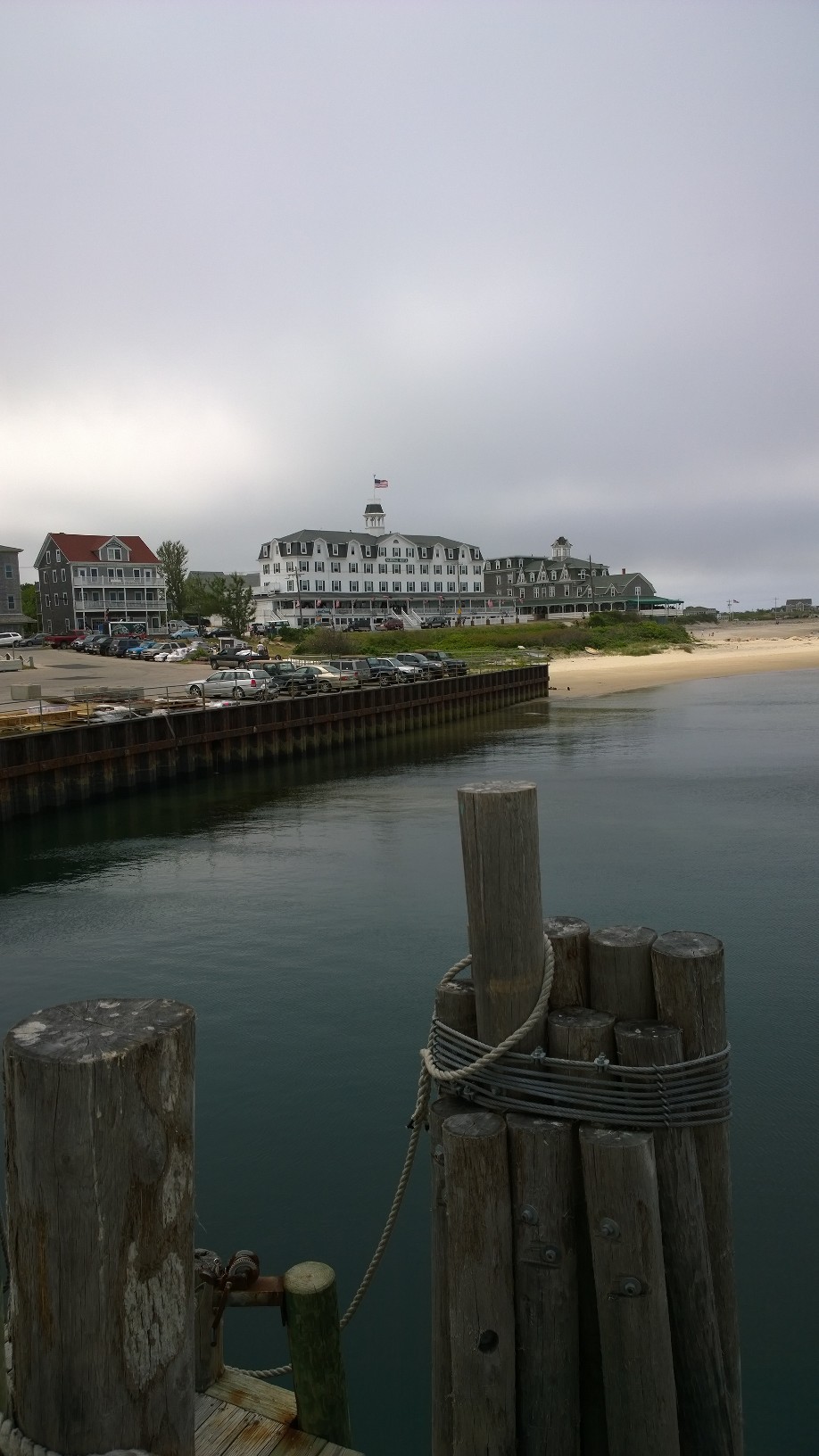
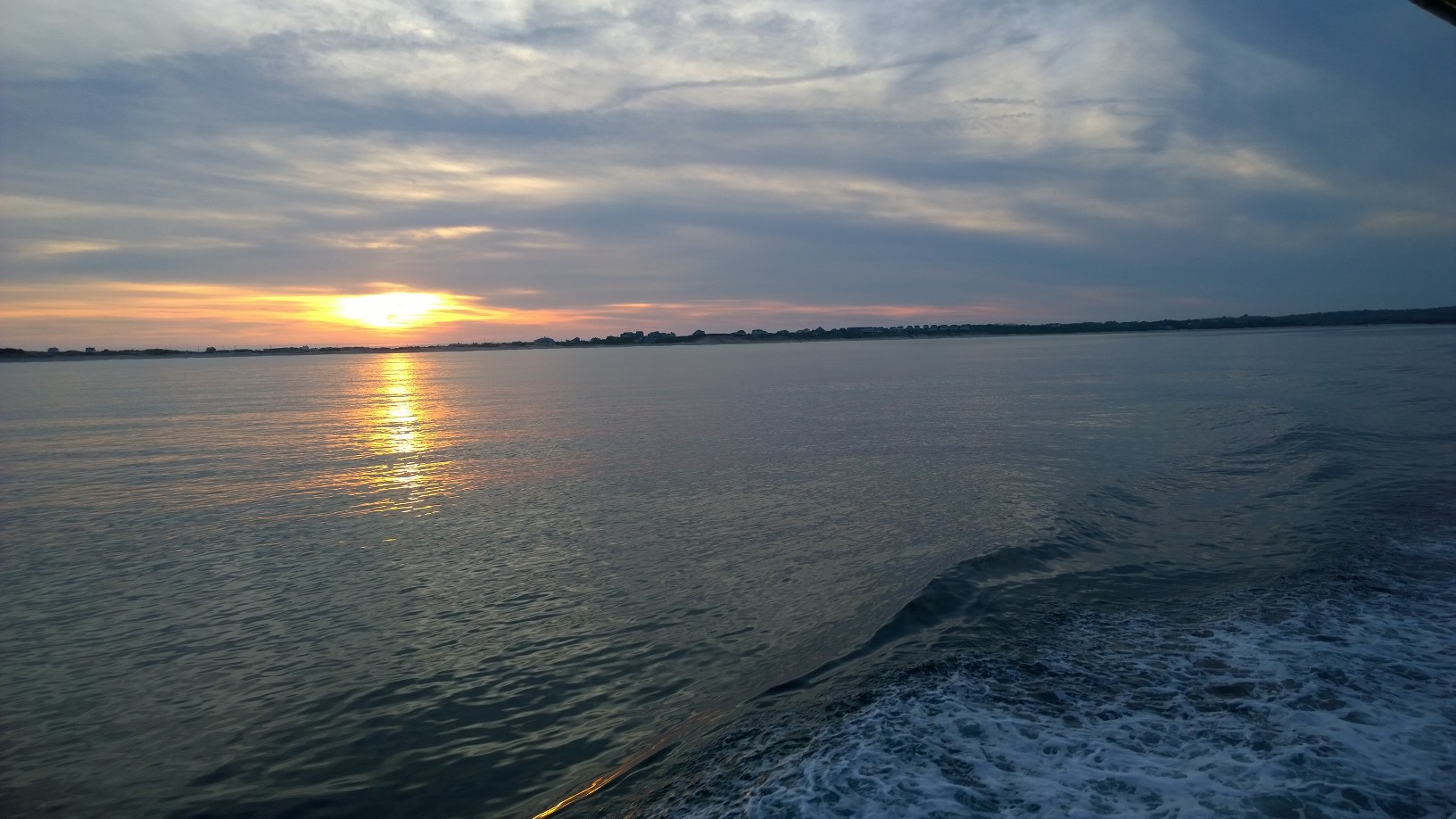
On this cold and rainy day, I am remembering how Saturday in Rhode Island felt like summer. Here are a few pics: dawn, a flowering shrub, white iris, a beach fence, a cobwebby view of my younger grandson and me, the harbor, the boat’s wake in the sunset. (Erik gets credit for the jeweled-cobweb shot.)
new-shoreham-sunrise-53015

iris-in-sunlight

maybe-shad

snow-fence--Crescent-Beach

cobweb-view-of-Mormor-and-G

harbor-New-Shoreham-May-2015

making-a-wake

Read Full Post »

inside-the-lotus


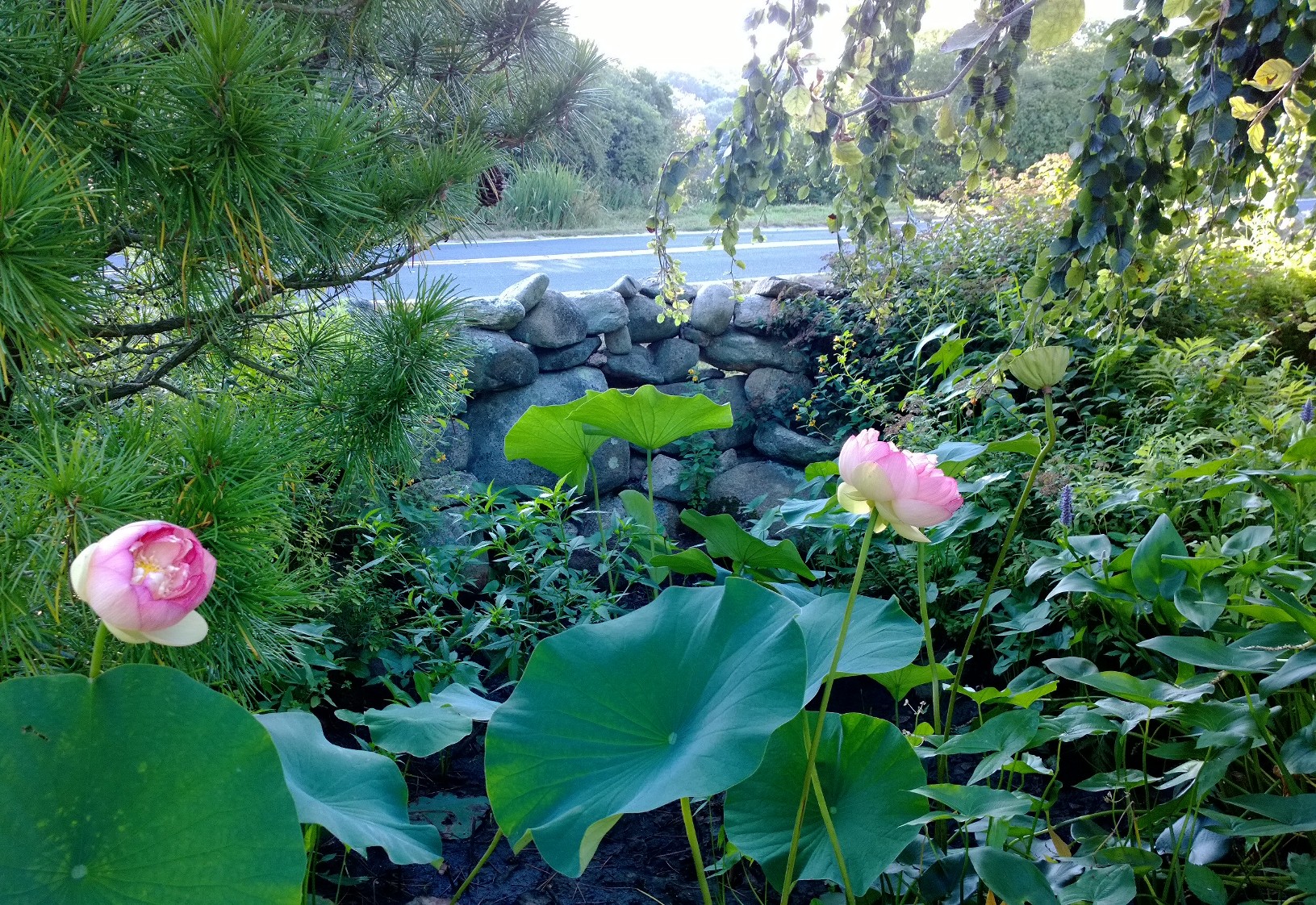
Inside my neighbor’s lotus flower is something that looks like a shower head. I think I will make a new year’s resolution on it (the school year, say): “Because you can never imagine what’s inside the lotus, try to be alert to the subtext.”

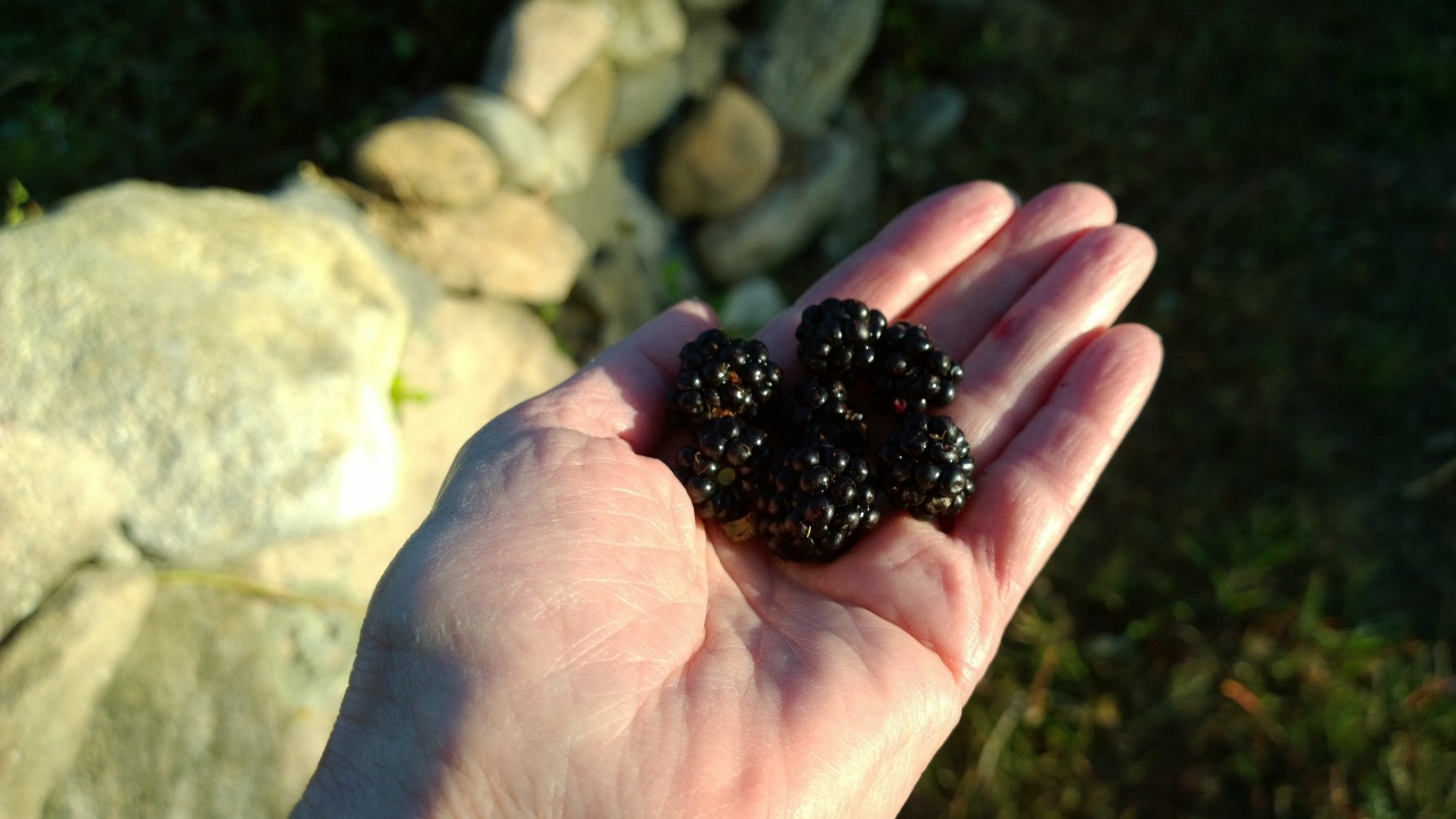
blackberries-by-the-wall

fluffy-bush-by-the-sea


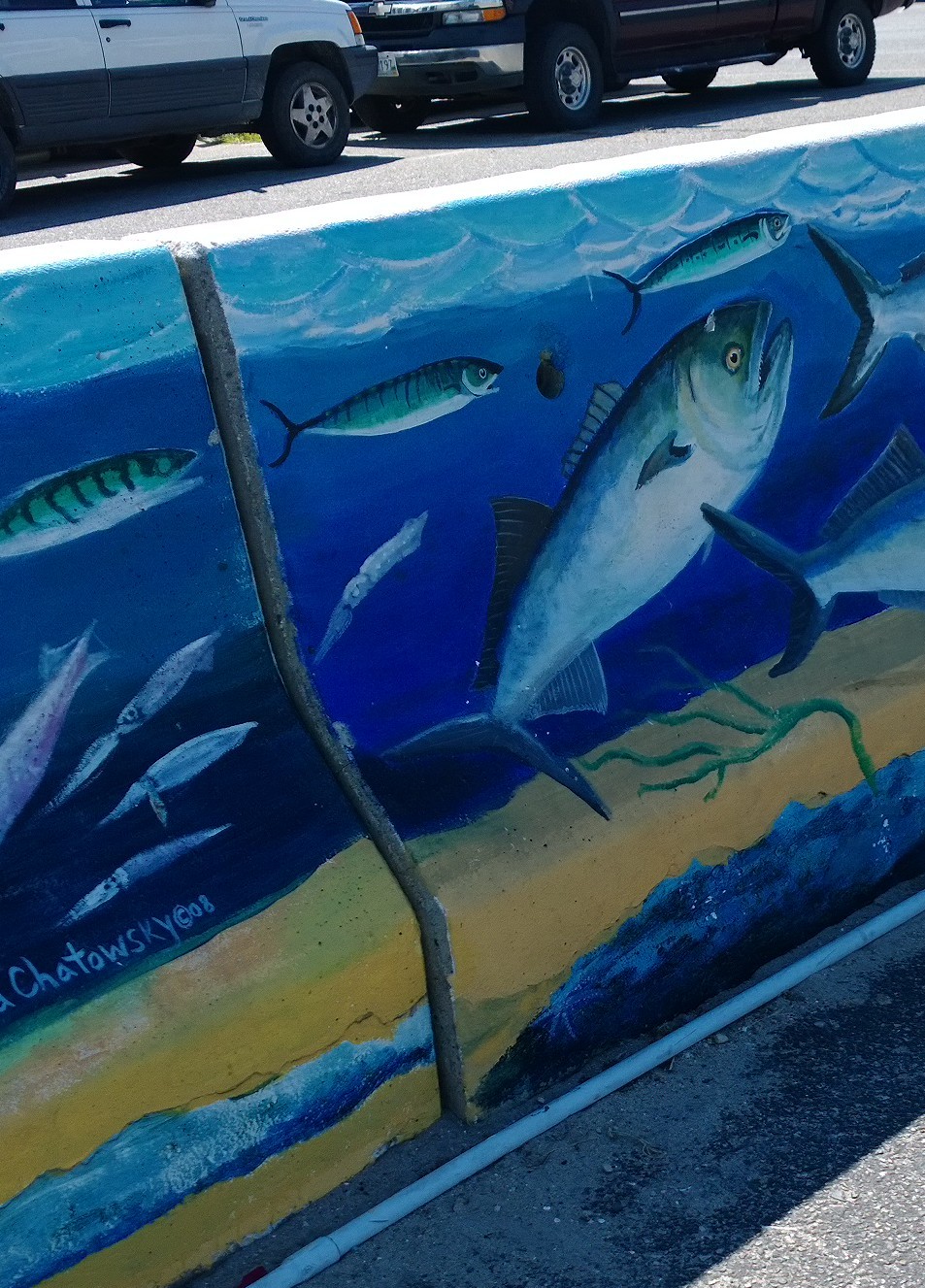
parking-lot-fish-mural

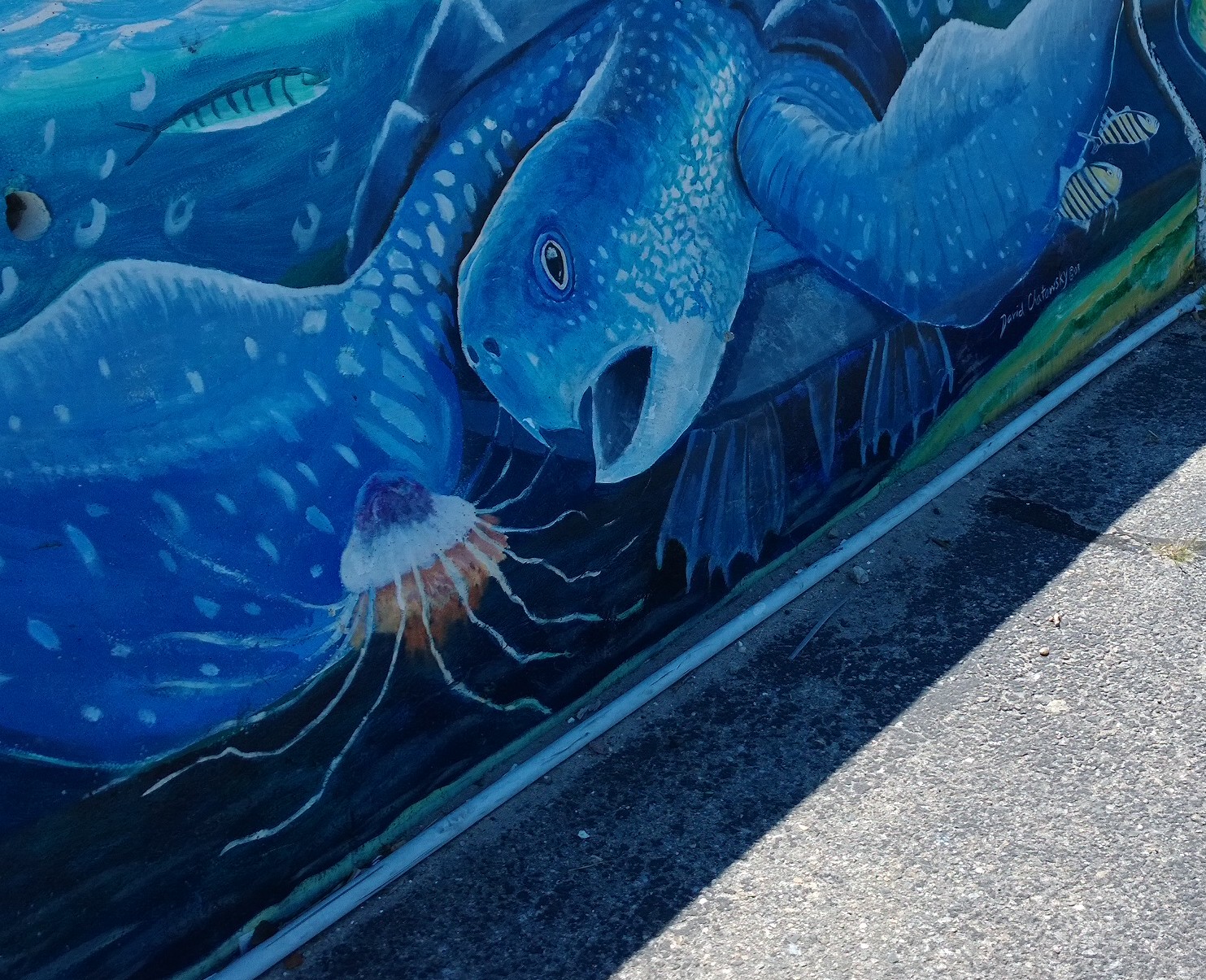
catch-the-jellyfish


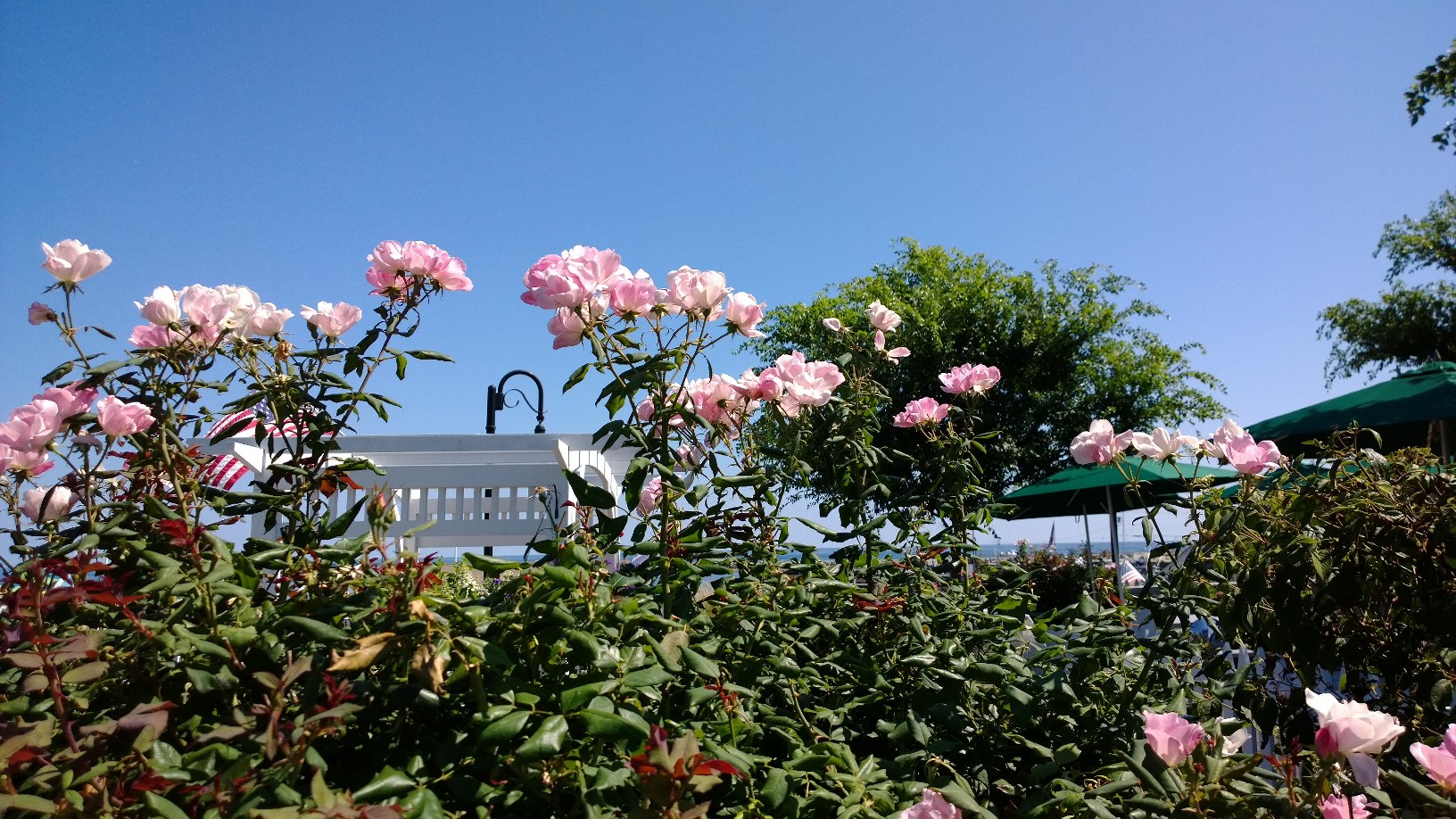
flowers-and-fence-082614

long-shadow-at-beach


lotus down-the-street-bloomed-082814


Read Full Post »

clouds-080714


jellyfish-like-diamonds


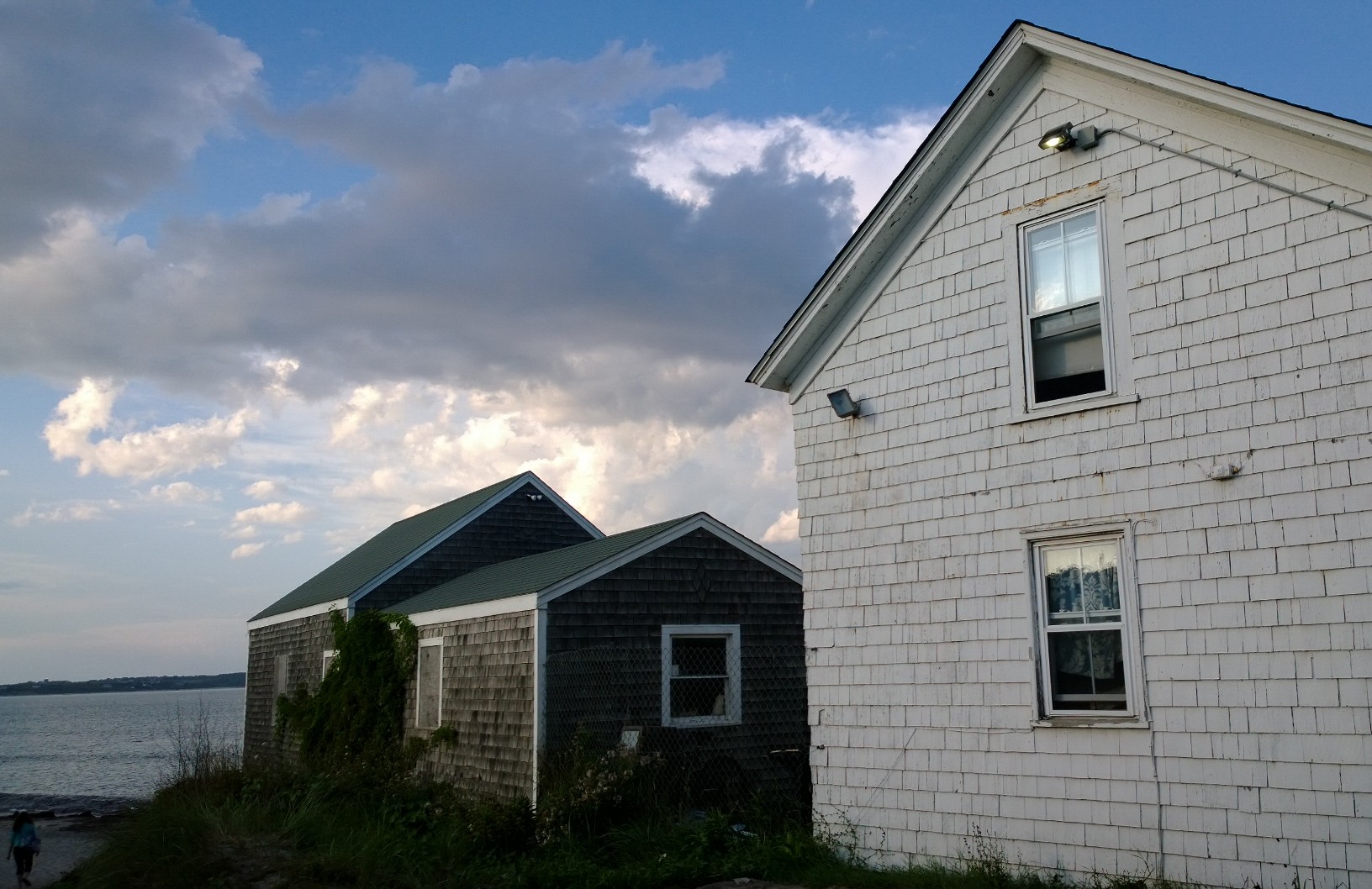
I have a bunch of island pictures for you again, having had a few days to take my time with things. The slow pace makes a nice change, but I wouldn’t want it every day of the year.

At least it has helped me make a serious dent in the first volume of Karl Ove Knausgaard’s multivolume memoirish novel.

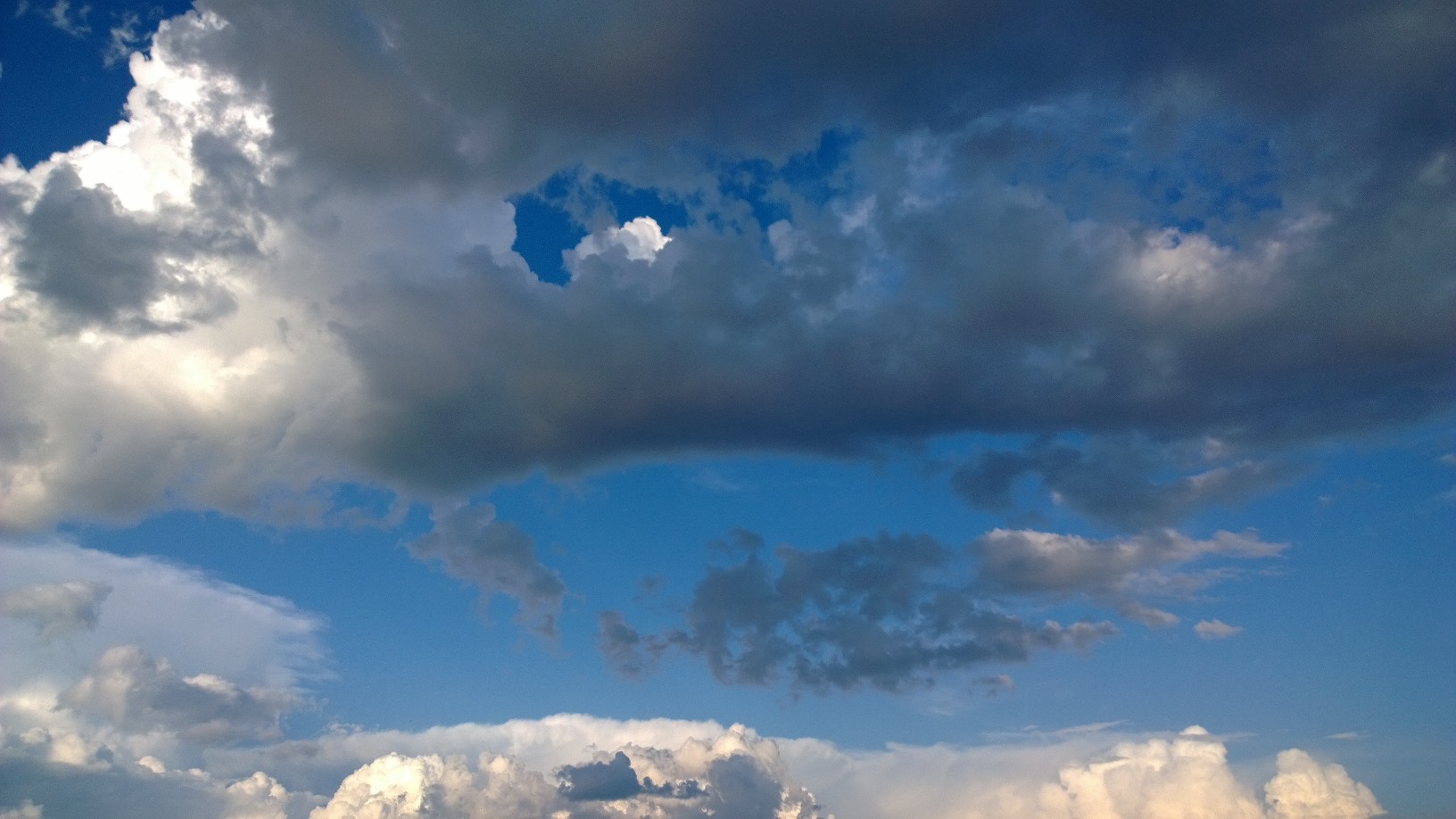
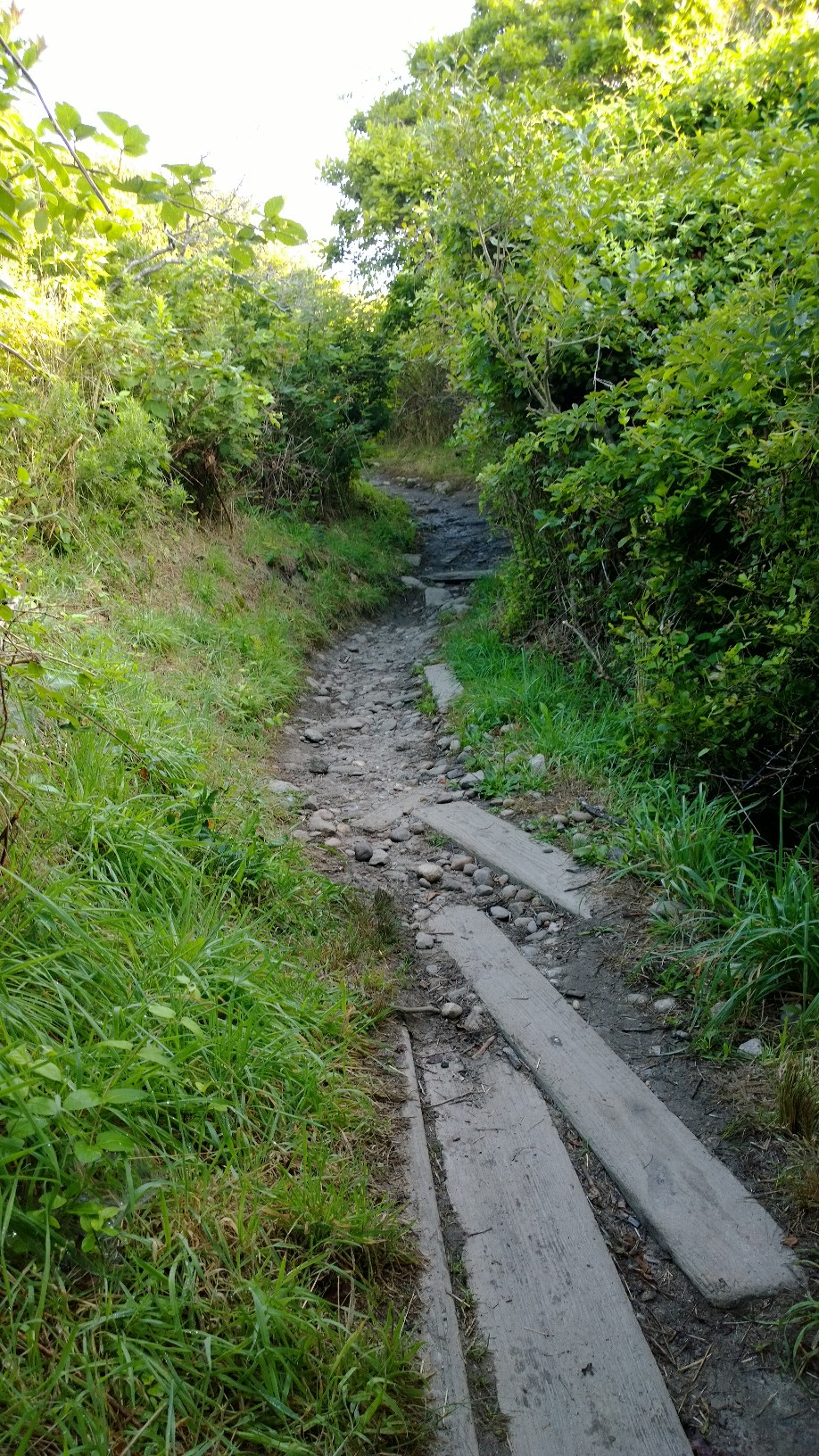
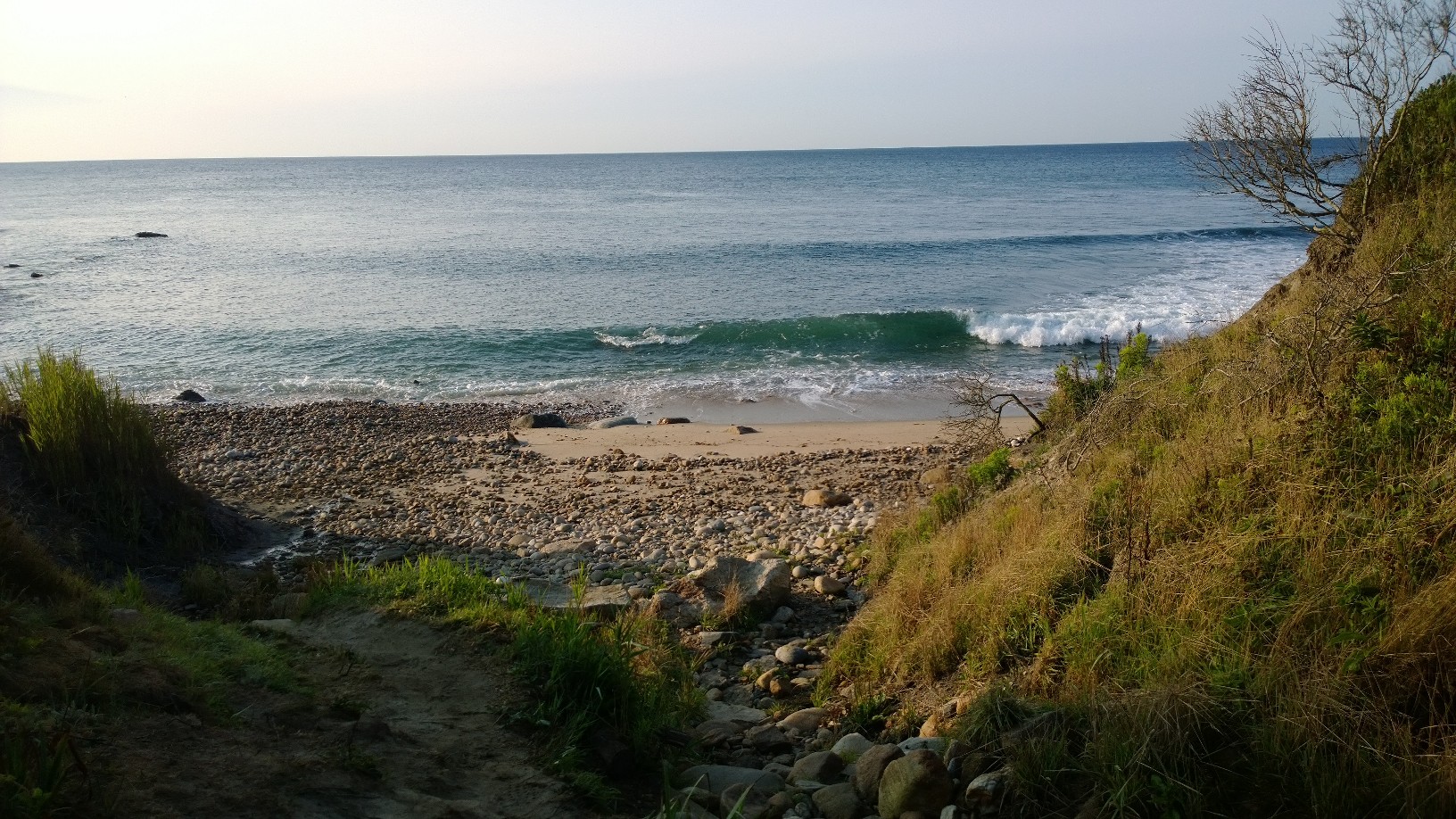
The pictures don’t need much explanation. Wonderful clouds. Tiny jellyfish like diamonds where the waves pencil their retreat on the sandy shore. An approved path down the bluffs to a rocky beach.

Rhode Island taught me what the English meant by “shingle,” the smooth round stones that Matthew Arnold describes: “Listen, you hear the grating roar of pebbles, which the waves draw back and fling at their return up the high strand.” I first heard that sound in a Misquamicut motel at night, decades ago now.


seaside-summer-evening - Copy

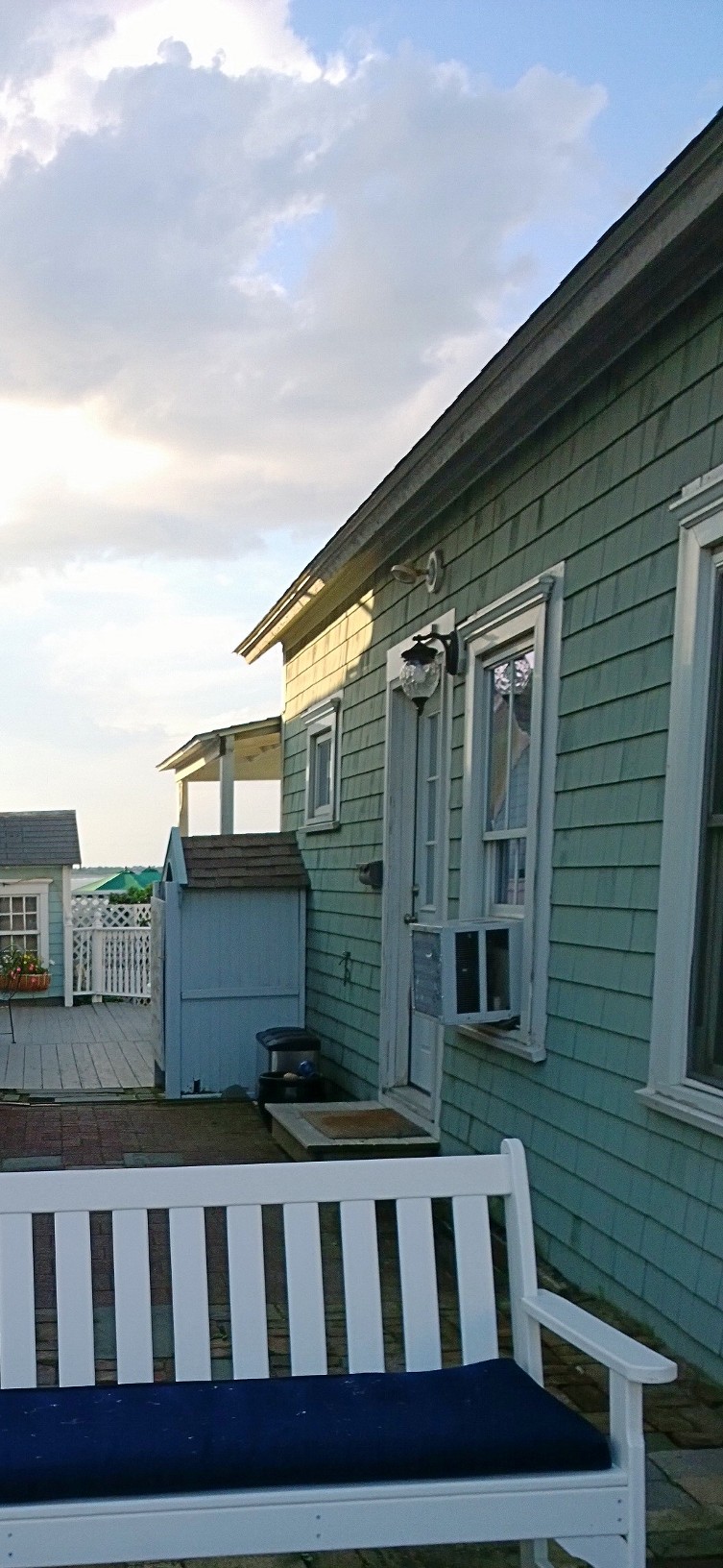
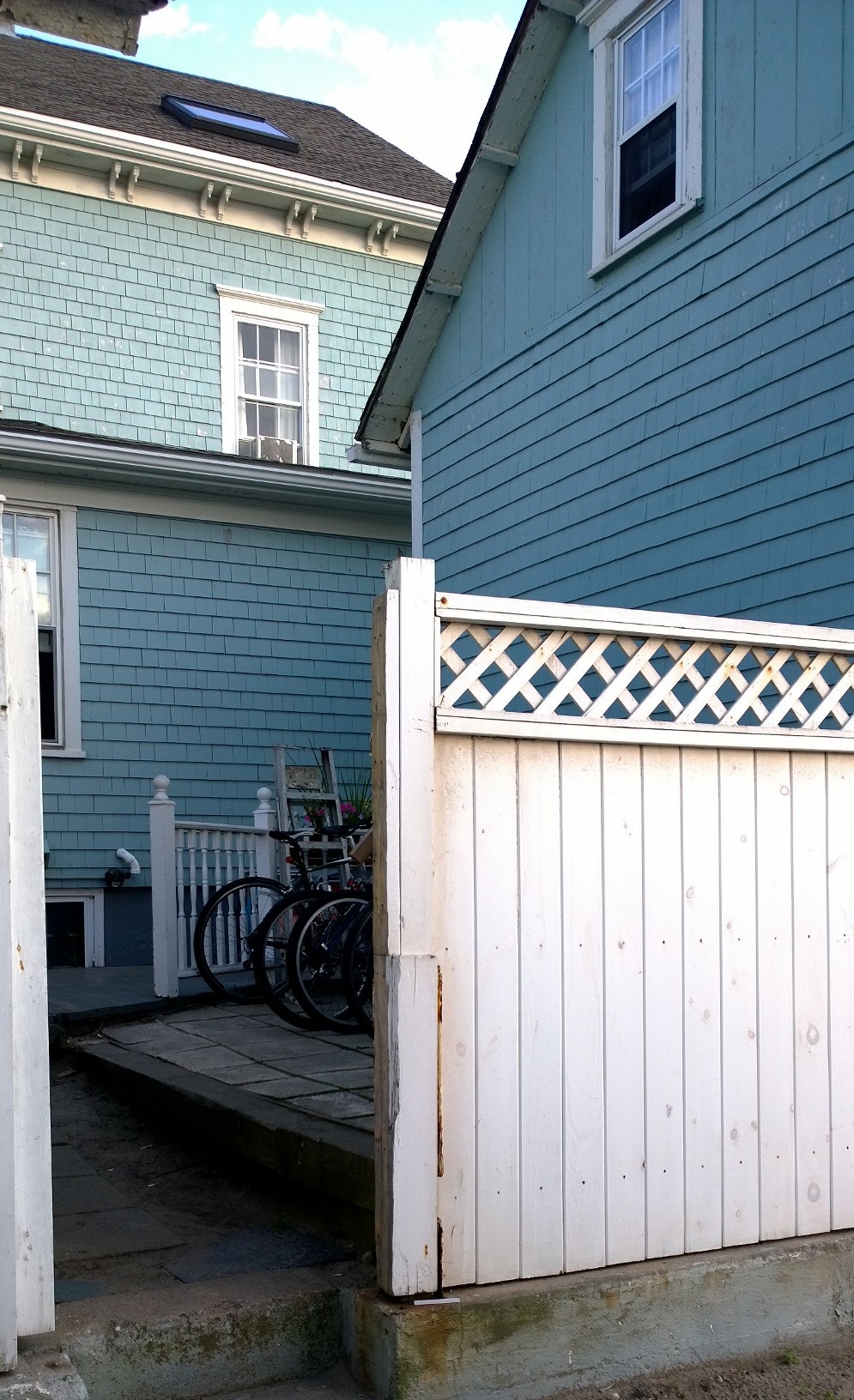
alley-along-b-and-b


back-of-b-and-b

path-to-beach


beach-stones

edge-of-the-sea


Read Full Post »

Even though she lived in Paris for several years, Melita is frequently startled by how kooky and fun the French can be.

Today she told me she just learned that they’ve been making a Riviera-type beach along the Seine for the past 12 summers.

I checked out Wikipedia: “Paris-Plages … is a plan run by the office of the mayor of Paris that creates temporary artificial beaches each summer along the river Seine in the centre of Paris, and, since 2007, along the Bassin de la Villette in the northeast of Paris. Every July and August, roadways on the banks of the Seine are blocked off and host various activities, including sandy beaches and palm trees.” More here.

The mayor’s website notes, “The summer transforms Paris. The cityscape dons greenery and the riverside thoroughfares become car-free resorts. The Paris Plages (Paris Beaches) operation kicks off on or around 20 July and lasts four weeks.  …
“A Seine-side holiday. That, in a nutshell, is what Paris Plages is all about – complete with sandy beaches, deckchairs, ubiquitous ice cream sellers, and concerts for French and foreign guests. …

“The first beach [opened] in 2002. It spans three kilometres through historical Paris, and features open-air attractions (rollerblading, tai-chi, wall climbing, boules etc.). Refreshment areas, play areas and deckchairs are available for your time out unwinding by the river.” More.

Photo: Wikipedia.org. Many amusing pictures here, too.

Read Full Post »

Older Posts »