Feeds:
Posts
Comments

Posts Tagged ‘photo’

Following up on yesterday’s post, which highlighted simple pleasures like spending time in the library, I give you this report by Morgan Ribera at Bustle.

“Apparently, libraries provide patrons with a happiness that money can’t buy. Or at least nothing less than almost two grand in cash. According to a recent study commissioned by the U.K.’s Department for Culture, Media, and Sport, the act of going to the library induces joy equivalent to that brought on by a £1,359 ($1,878) pay raise.

“The study was conducted in an attempt to measure which activities have the most positive impact on an individual’s well-being. Visiting a library scored among the top joy-generating activities, alongside dancing and swimming, giving us yet another reason to hang-out at our local library. …

“And this U.K. study adds even more to the proof already stacking up on the value of libraries, a value that was evidenced extensively in a Pew Research Study released [in March]. The rather pleasing results of this eye-opening Pew study showed that habitual library goers maintain stronger community ties, are more likely to socialize with friends and neighbors, and exhibit higher levels of technological engagement.”

More at Bustle, here.
Photo: Bill Lapp

Read Full Post »

When I said I was taking my laptop on vacation, Bob urged me to forget about work and release my “inner Frenchman.”

Well, my inner Frenchman is having a field day as I have a couple days without work and before the family returns to the island. I wouldn’t like it all the time, but for a brief spate, it’s nice to just take pictures and naps, read an Eliot Pattison mystery about the French and Indian War, and plan lunch with friends. The days are sunny, the evenings may feature an art opening.

(Wish I could say the beautiful produce is mine, but it’s Sandy’s and Pat’s, from their garden.)

at-the-art-gallery


sedges-have-edges


ragged-sailor-view


two-horses-early-morning


yellow-highlight


Read Full Post »

clouds-080714


jellyfish-like-diamonds


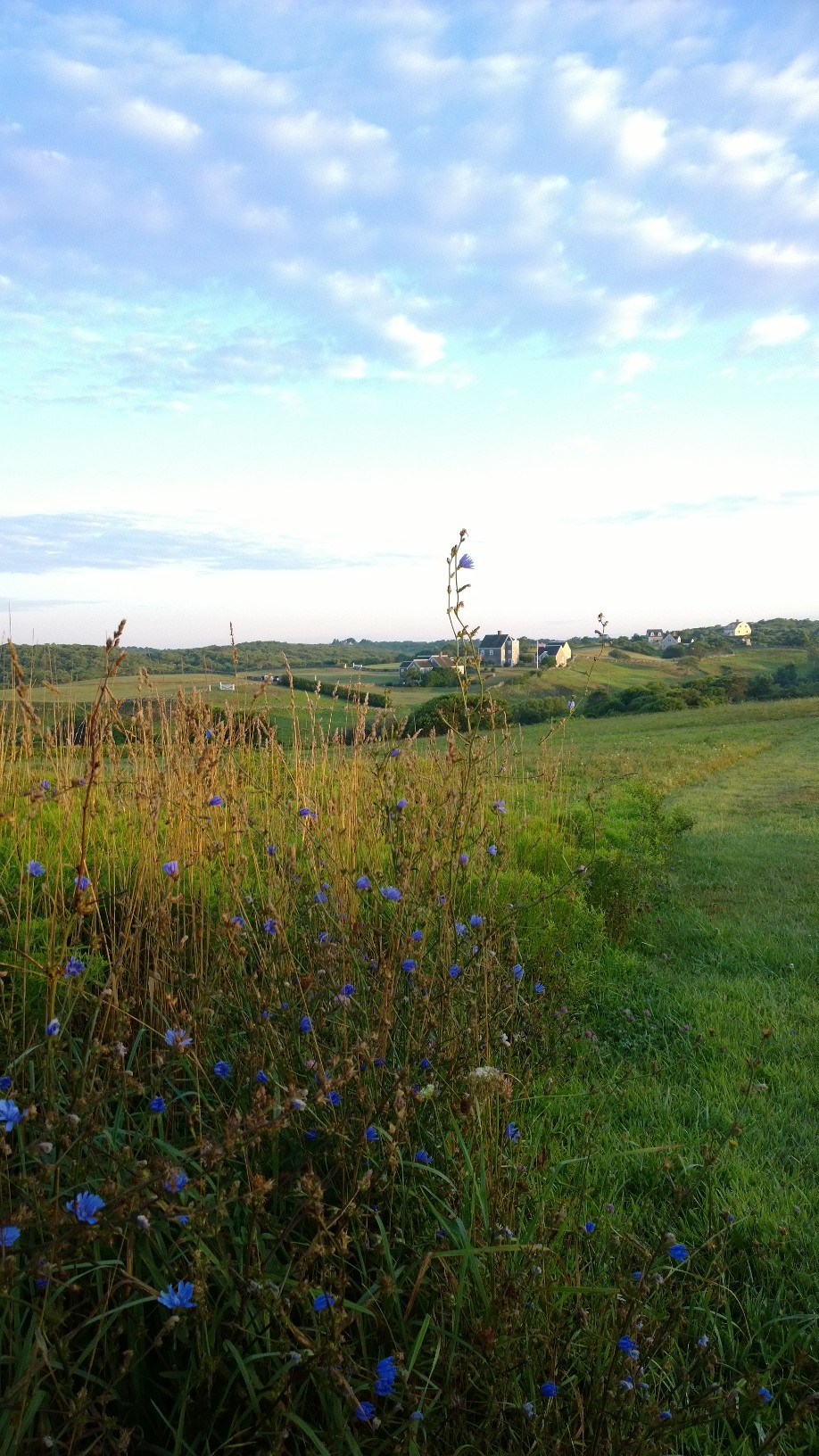
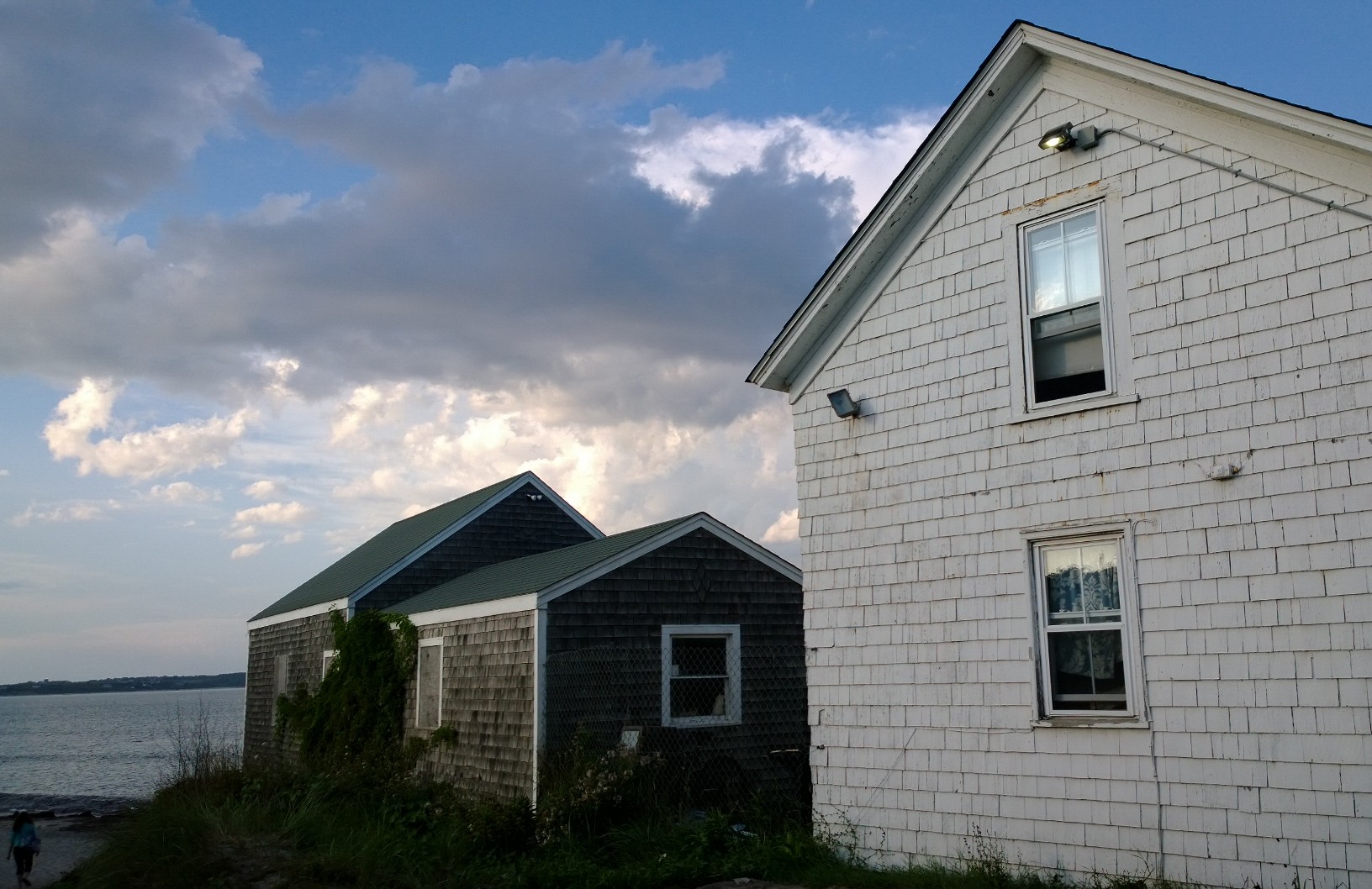
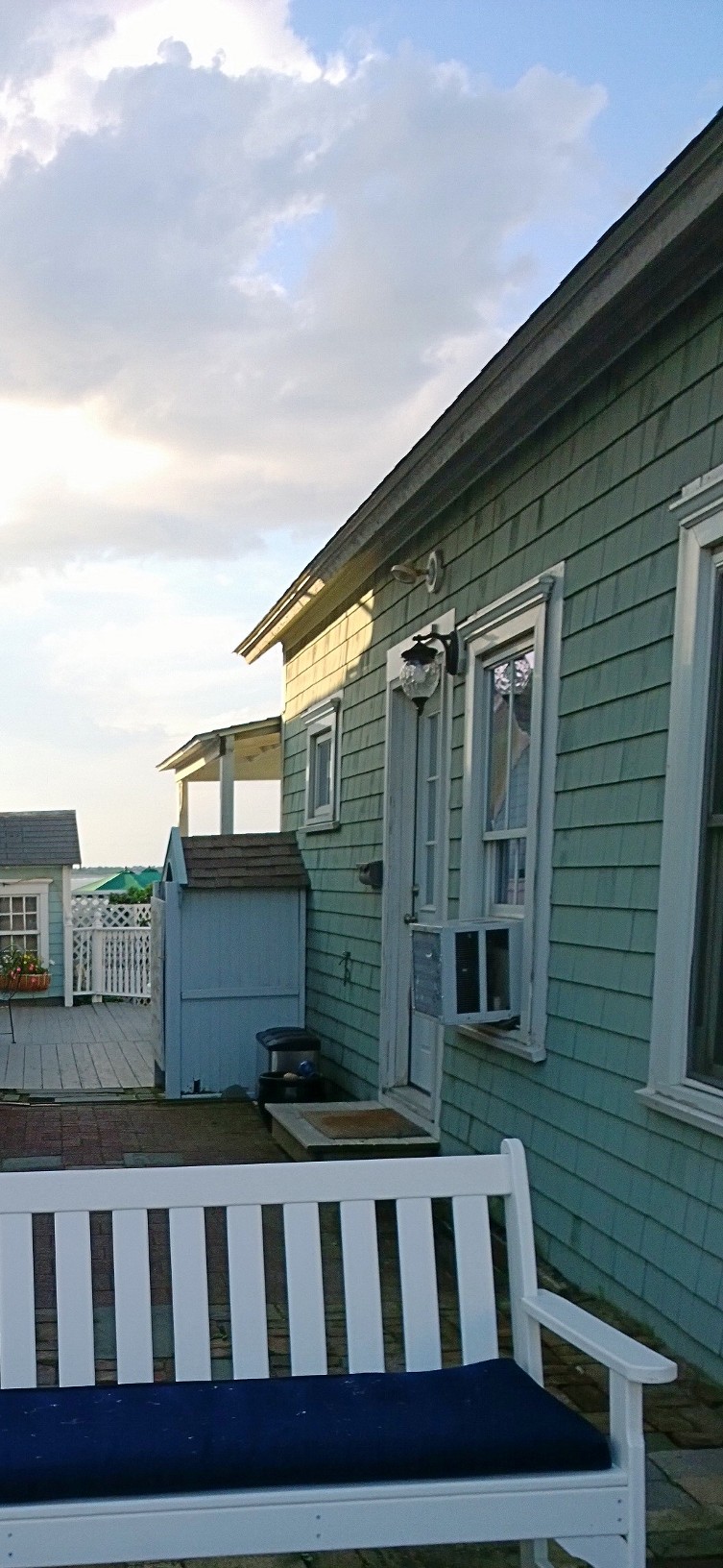
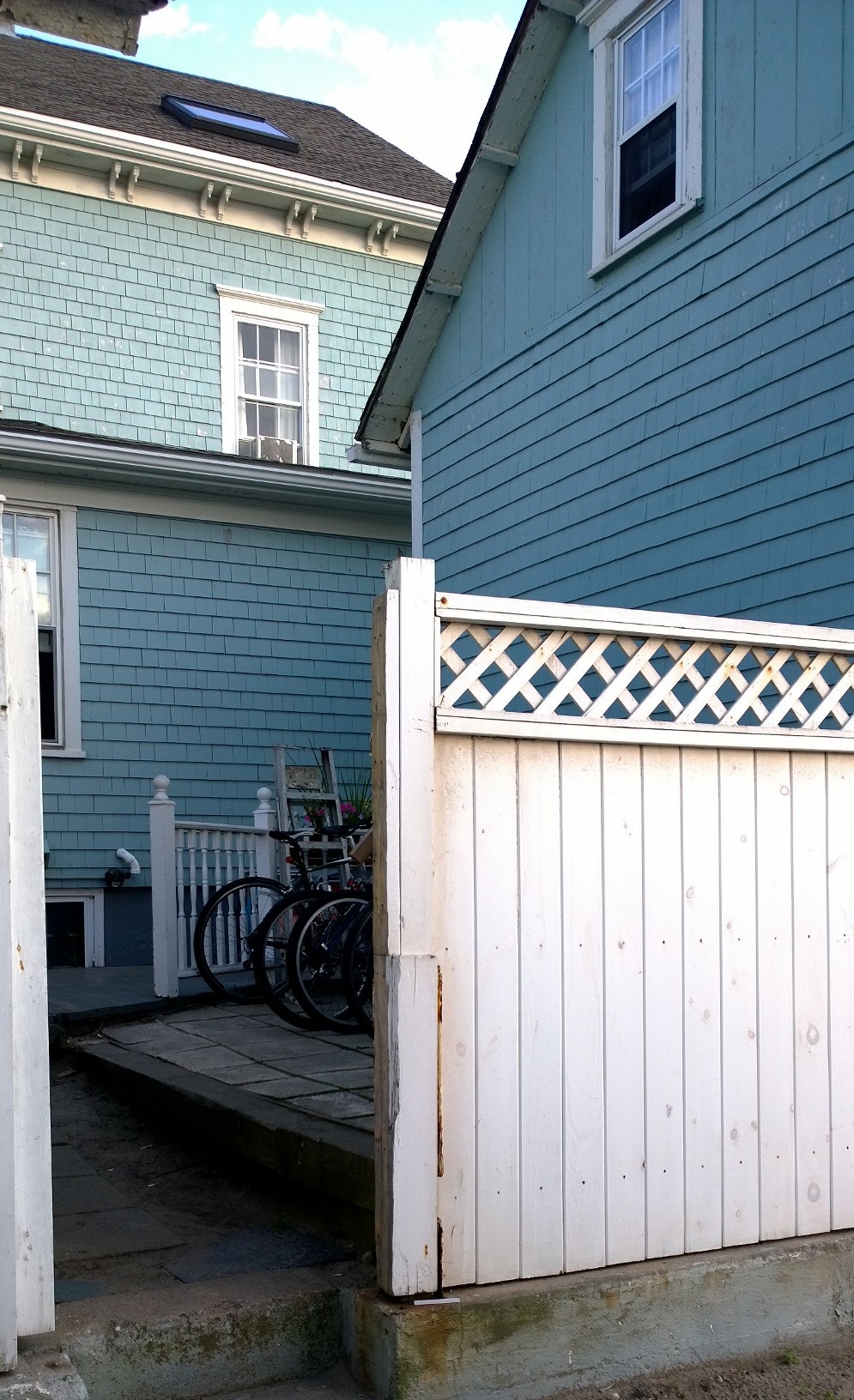
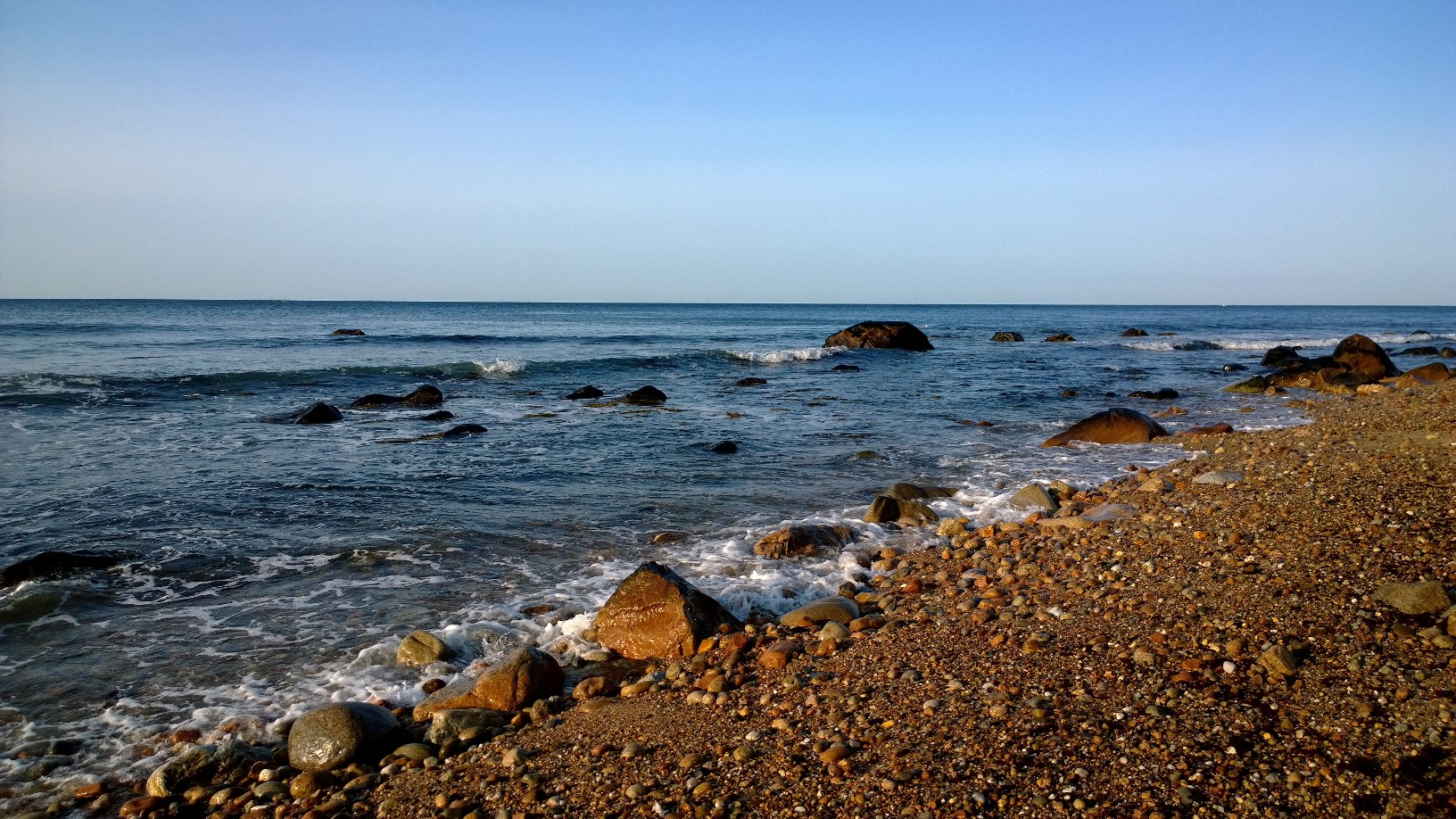
I have a bunch of island pictures for you again, having had a few days to take my time with things. The slow pace makes a nice change, but I wouldn’t want it every day of the year.

At least it has helped me make a serious dent in the first volume of Karl Ove Knausgaard’s multivolume memoirish novel.

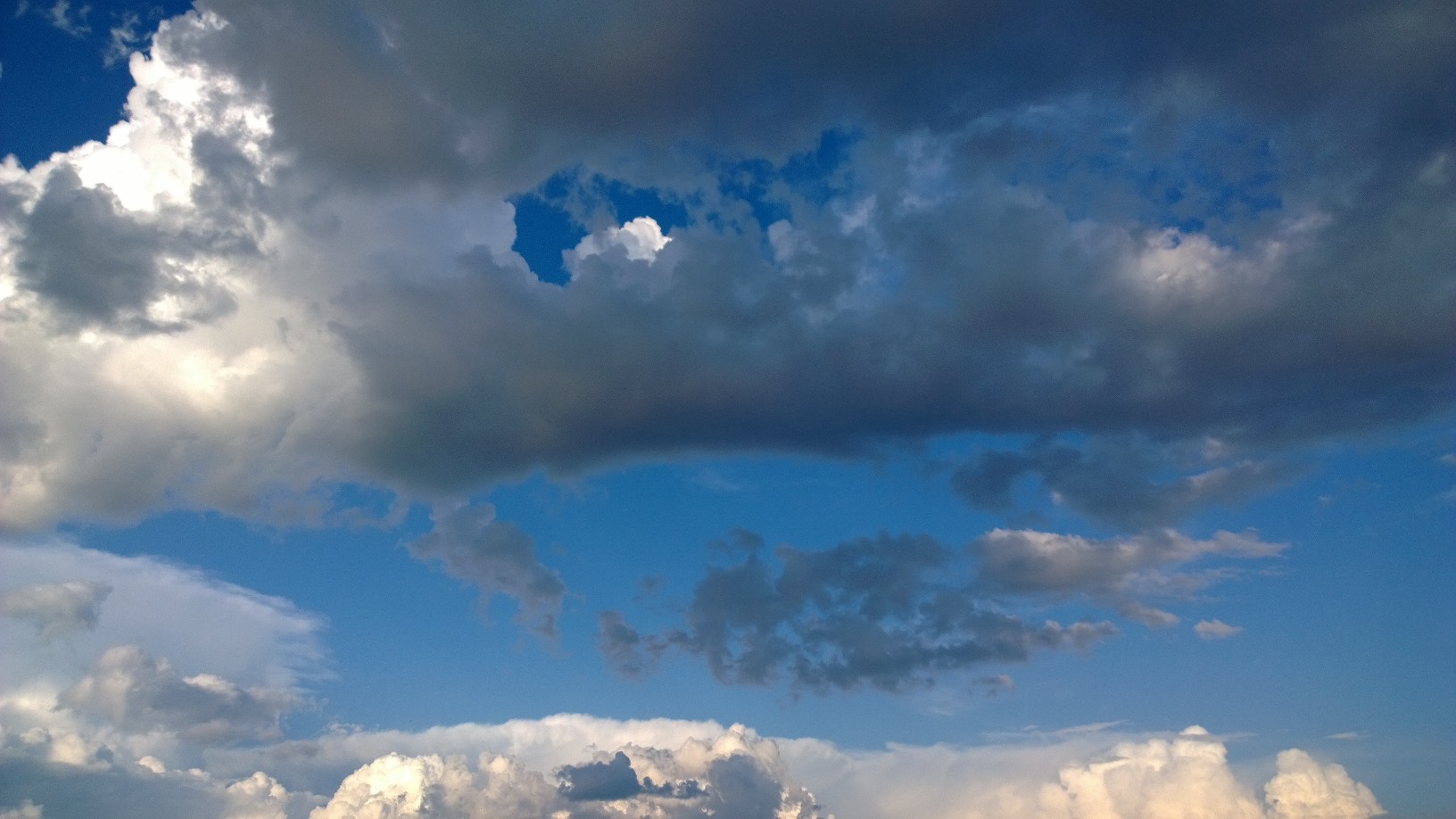
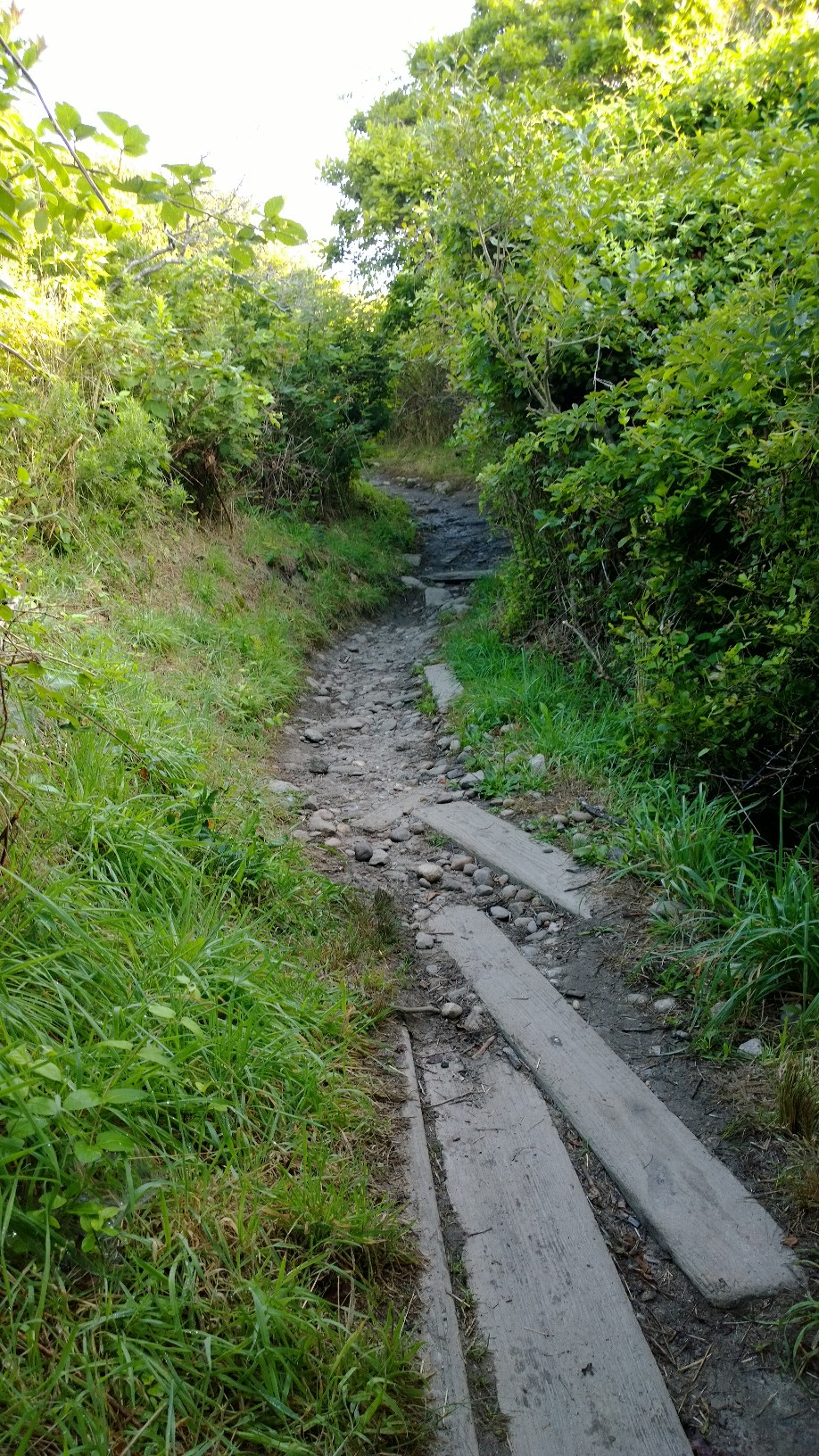
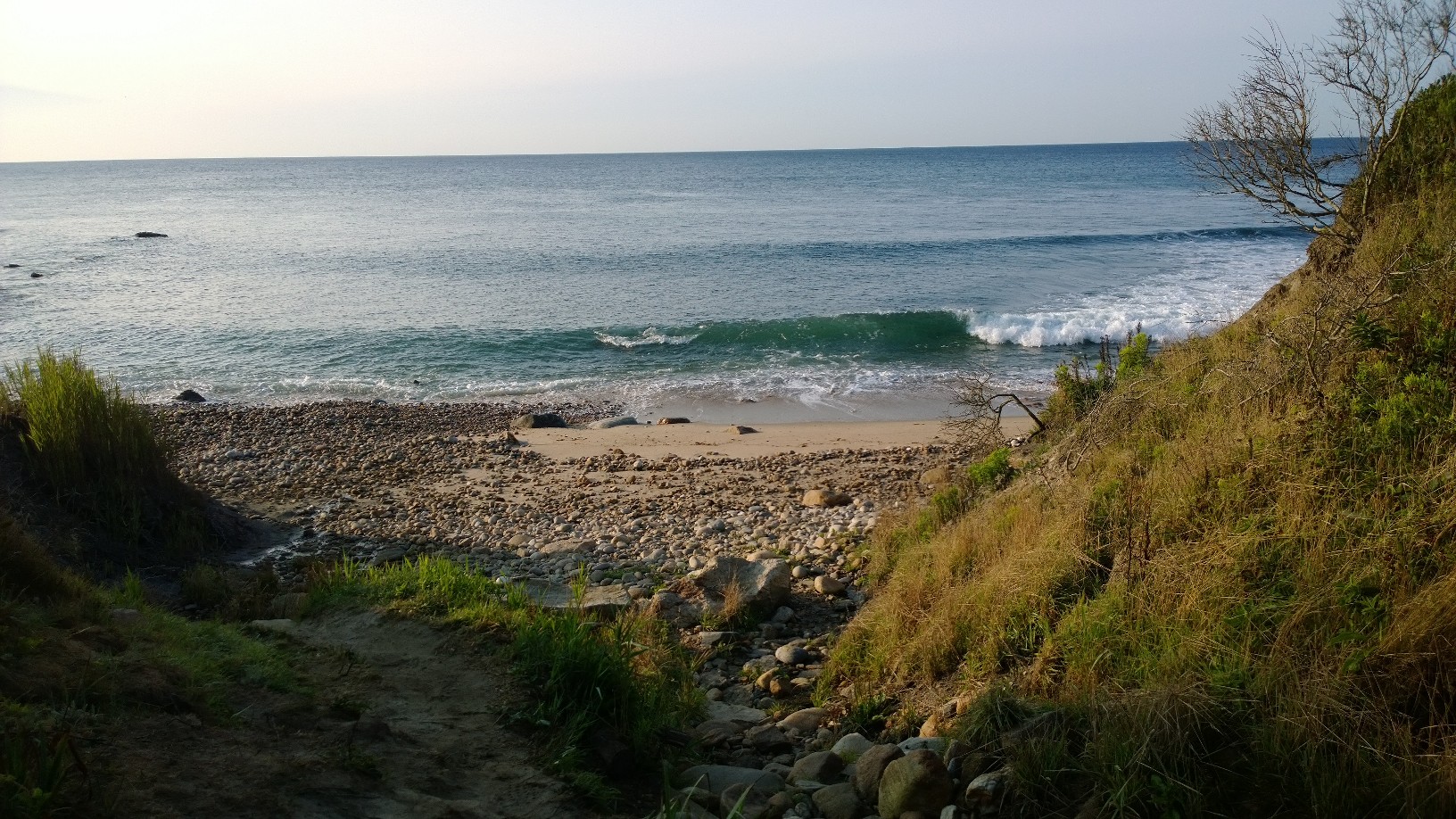
The pictures don’t need much explanation. Wonderful clouds. Tiny jellyfish like diamonds where the waves pencil their retreat on the sandy shore. An approved path down the bluffs to a rocky beach.

Rhode Island taught me what the English meant by “shingle,” the smooth round stones that Matthew Arnold describes: “Listen, you hear the grating roar of pebbles, which the waves draw back and fling at their return up the high strand.” I first heard that sound in a Misquamicut motel at night, decades ago now.


seaside-summer-evening - Copy

alley-along-b-and-b


back-of-b-and-b

path-to-beach


beach-stones

edge-of-the-sea


Read Full Post »

After I blogged about playing fairies in the backyard as a child, Ursula sent me a book from North Carolina, where she has been living for years. It was Flower Fairies of the Summer, by Cicely Mary Baker. It contains “The Song of the Yarrow Fairy” and many other illustrated fairy songs and is a real classic.

I thought about the book as I photographed a few summer flowers on recent morning walks. I can’t see the flowers’ fairies here (fairies don’t photograph well), but if you do, please let me know which flower.

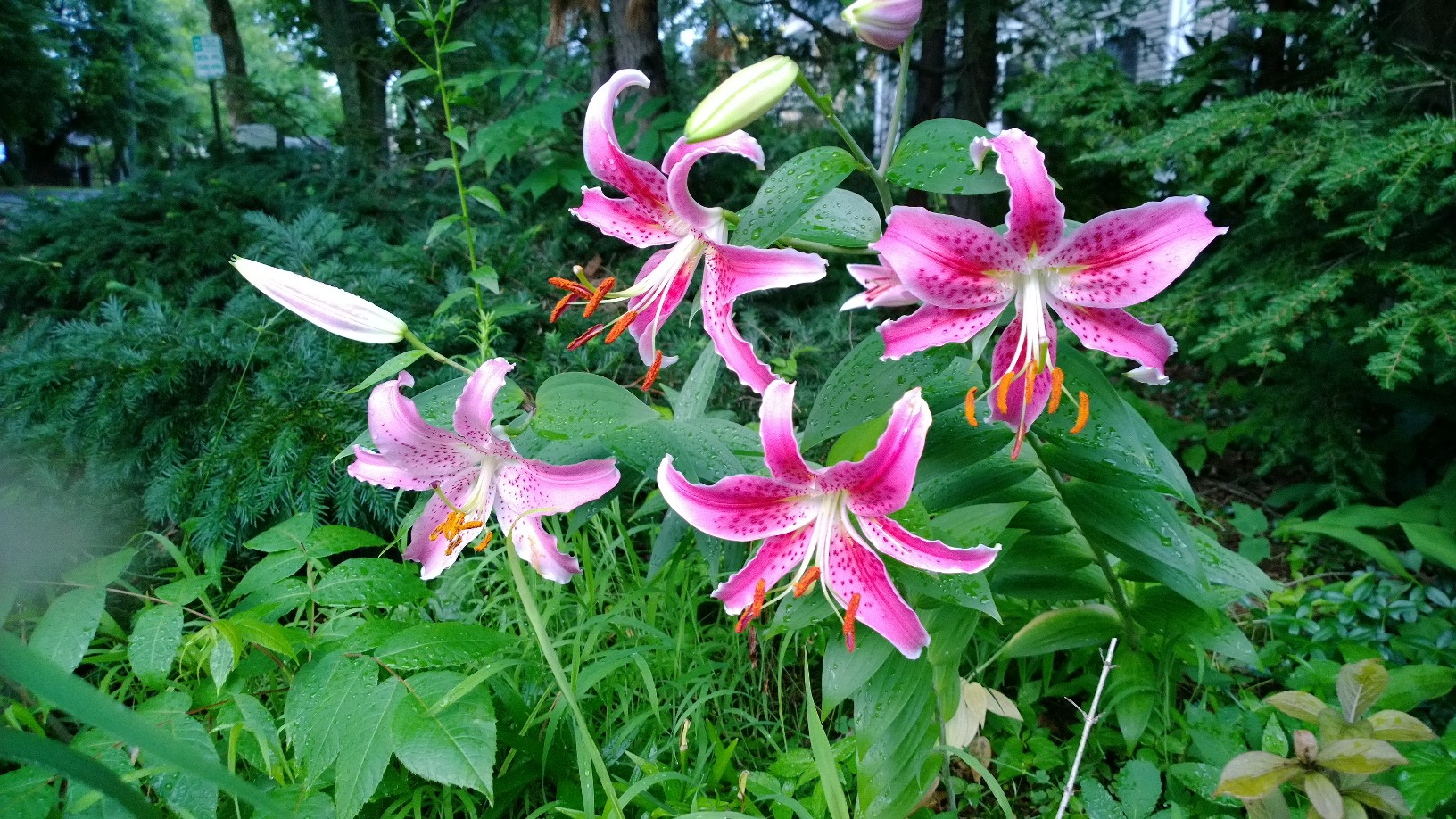
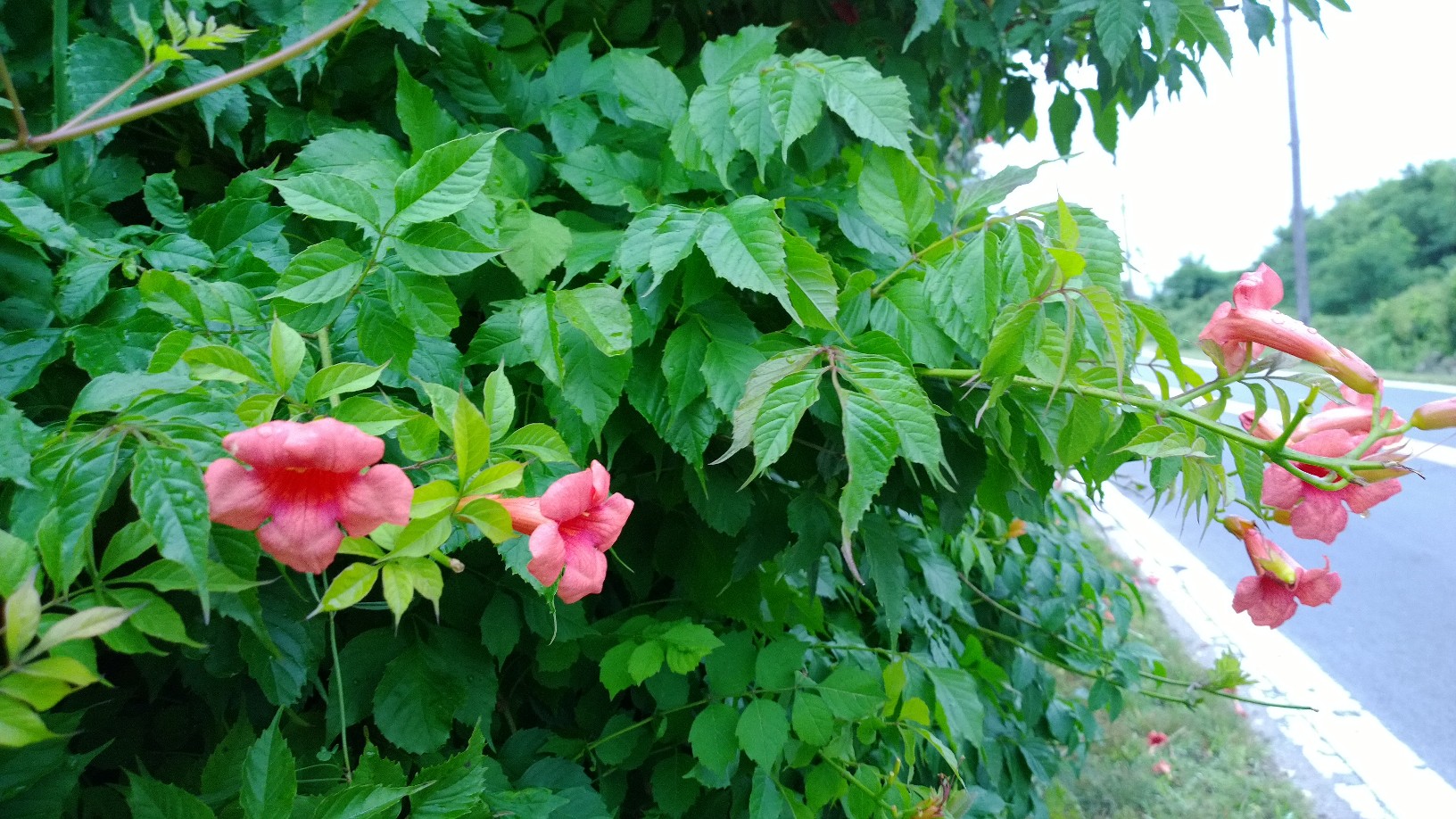
Here are two kinds of lilies, a Rose of Sharon, yarrow and Queen Anne’s Lace together, and a trumpet vine growing beside Lakeside Drive.

lilies-Sudbury-Rd

tiger-lilies-by-fresh-pond


rose-of-sharon

yarrow-and-queen-ann-lace


trumpet-vine-lakeside-drive


Read Full Post »

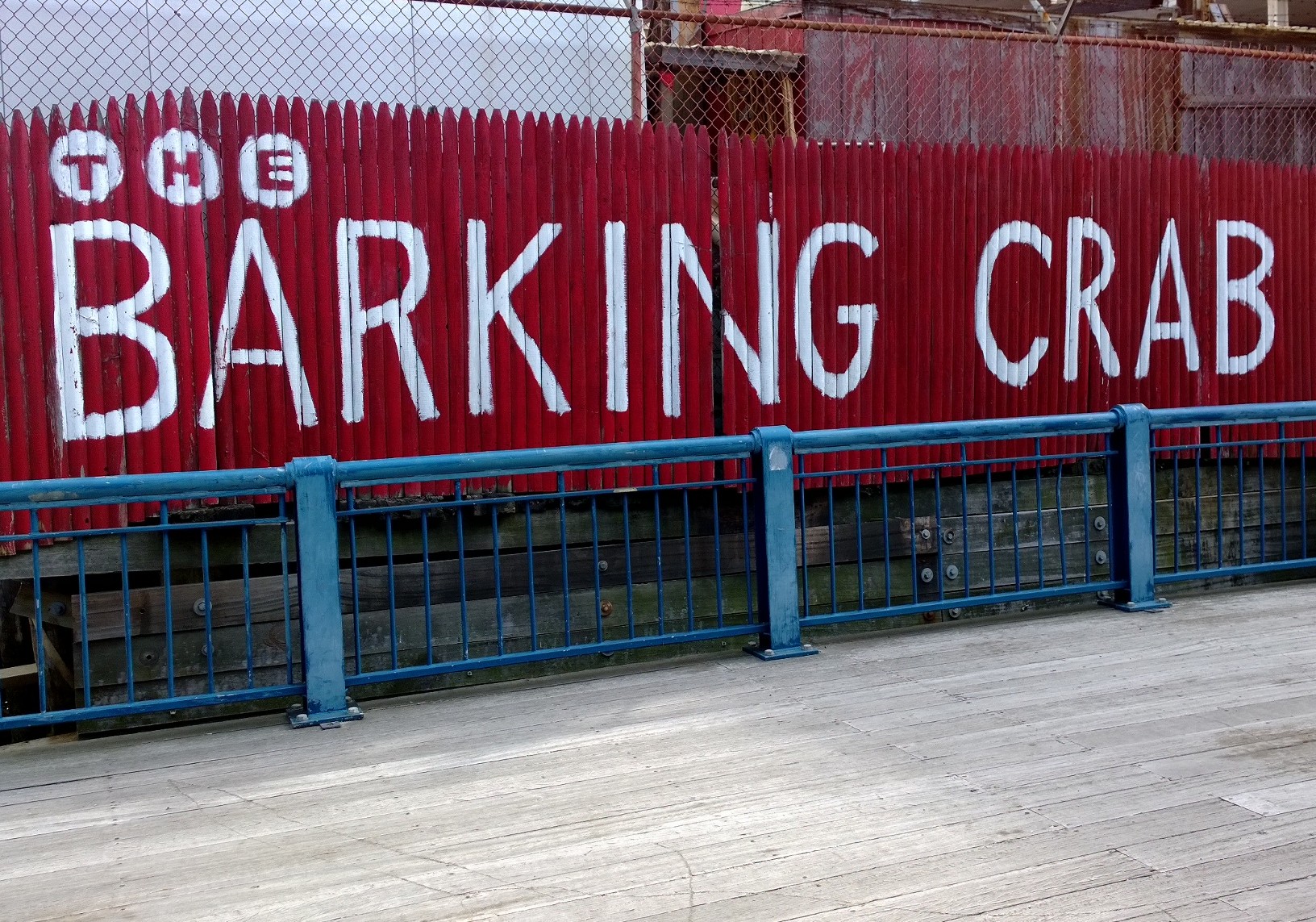
The Barking Crab is watching one of many new Seaport buildings go up on its doorstep but wants you to know it is still around and serving seafood.

I was going to use the Barking Crab’s new fence to write a philosophical post with a title like “Nothing is Constant but Change.” Unfortunately, after a couple months, I still couldn’t think of anything philosophical to say and gave up. So here are some more random shots from my peregrinations.

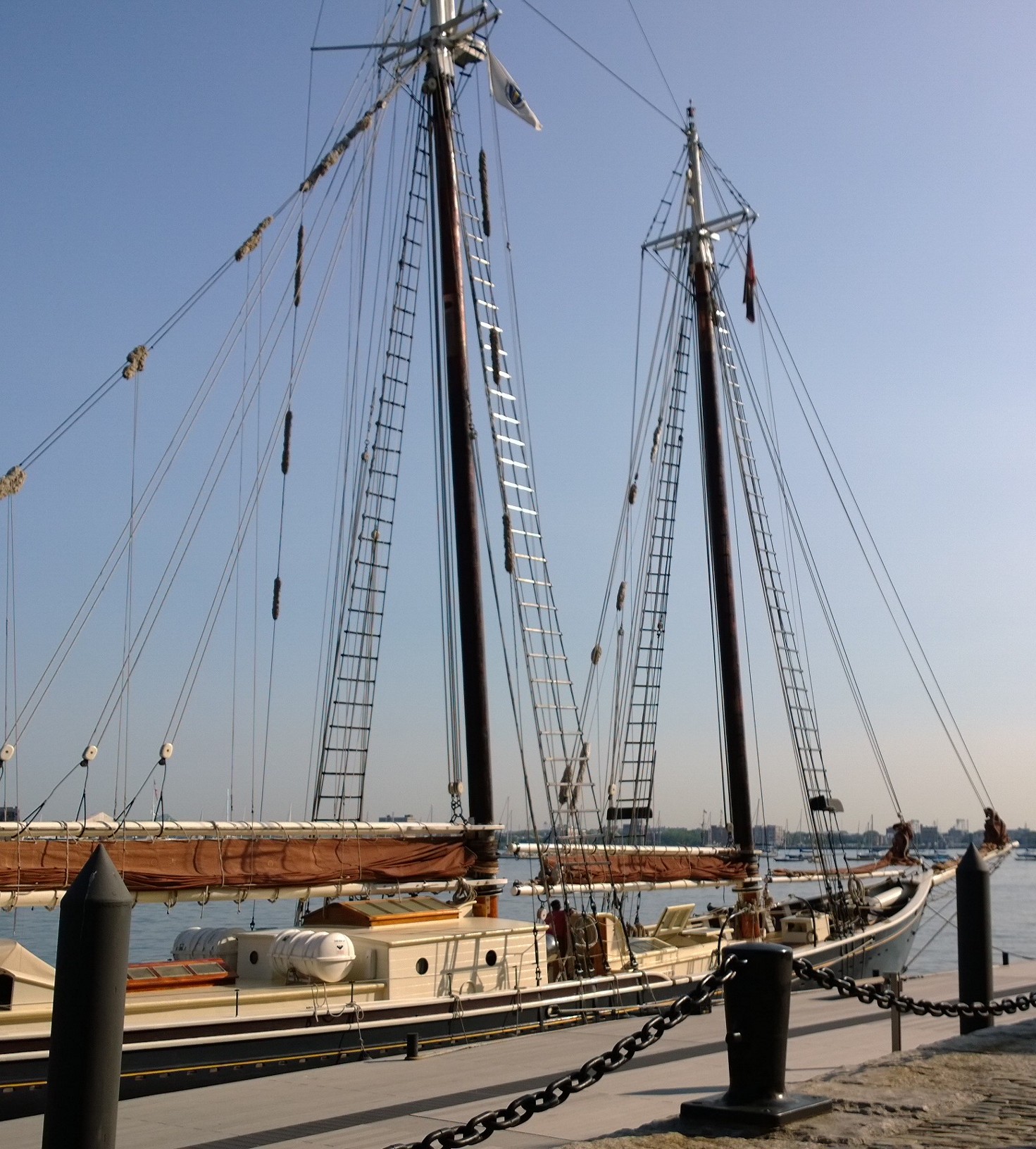
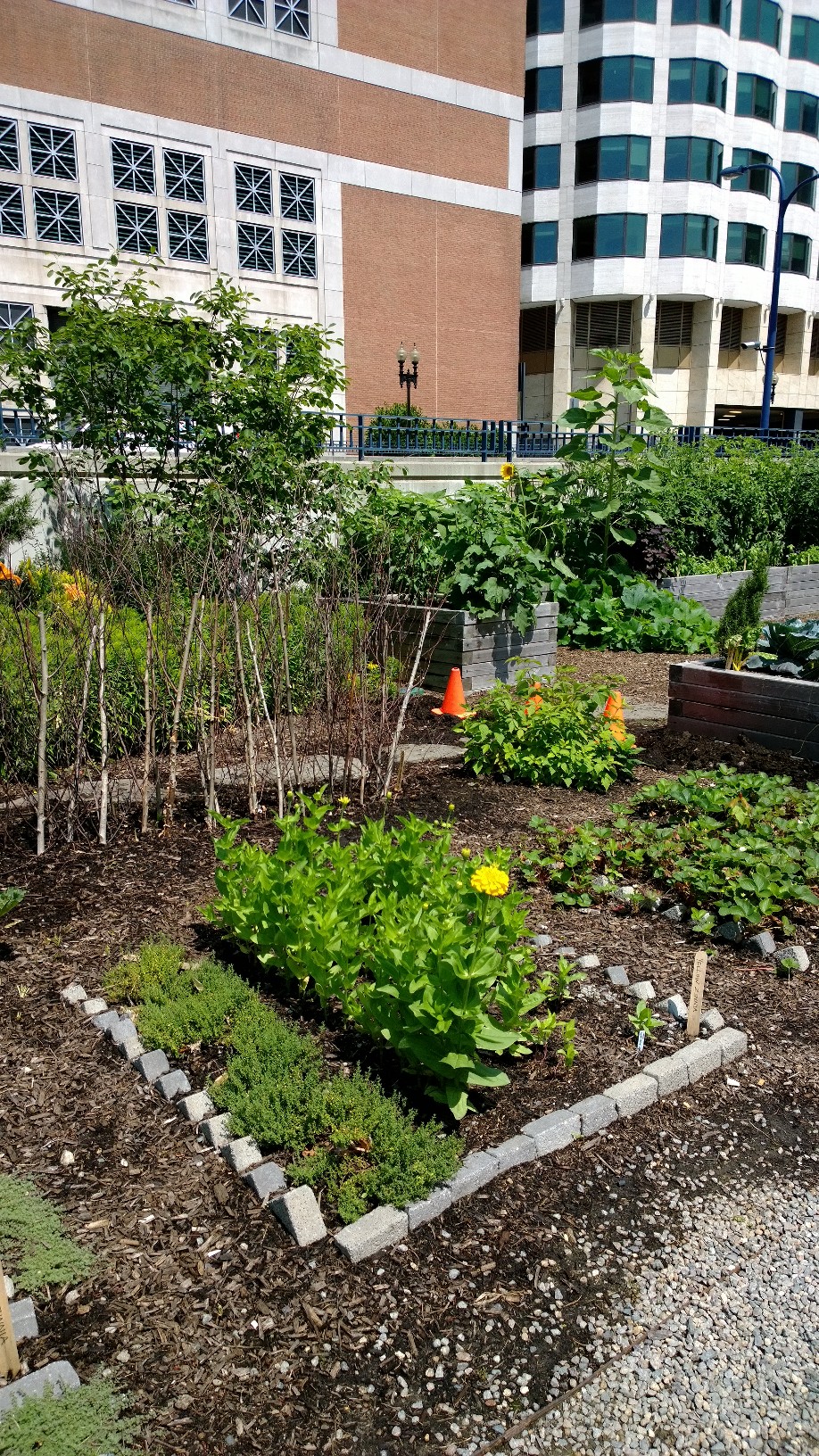
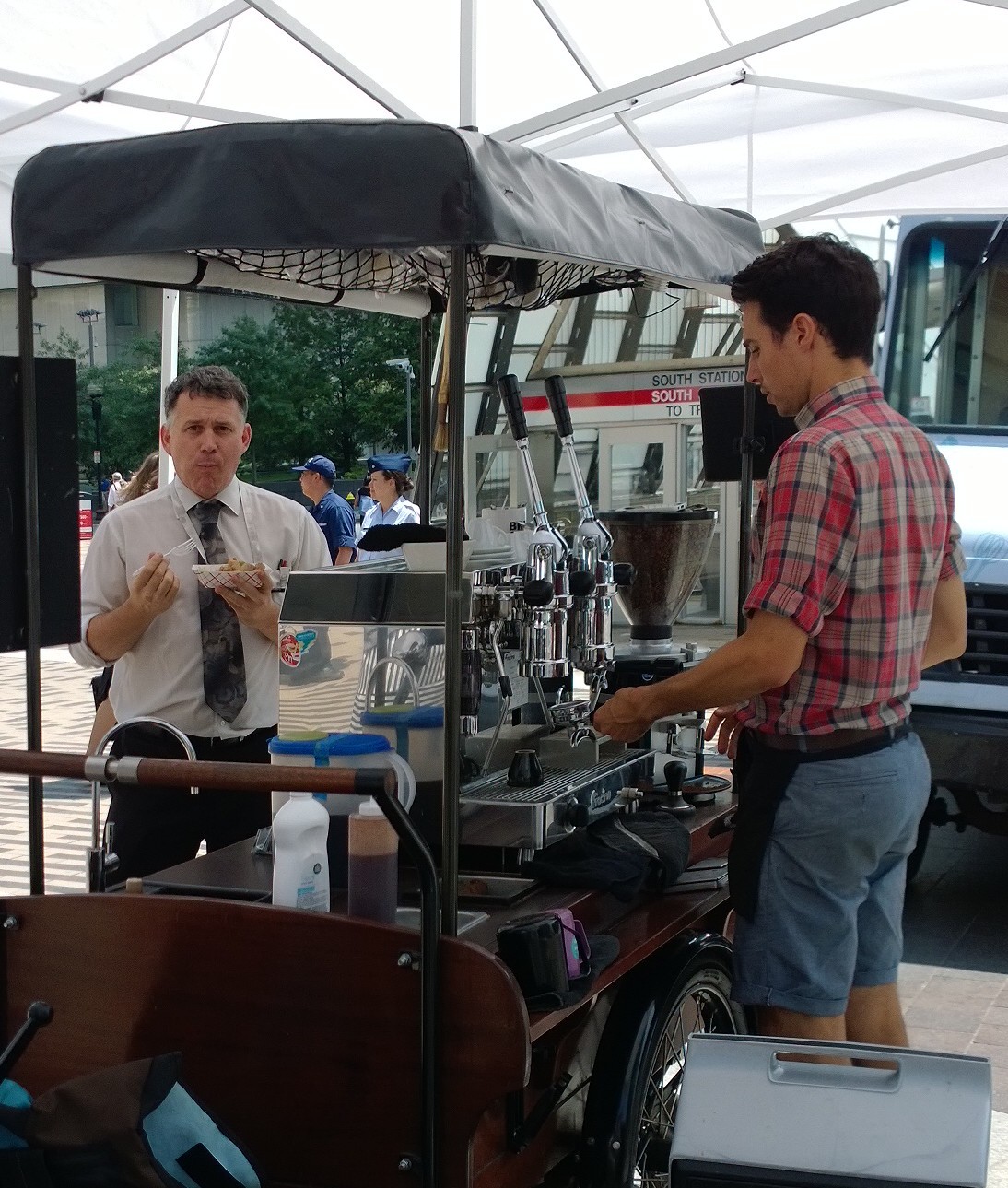
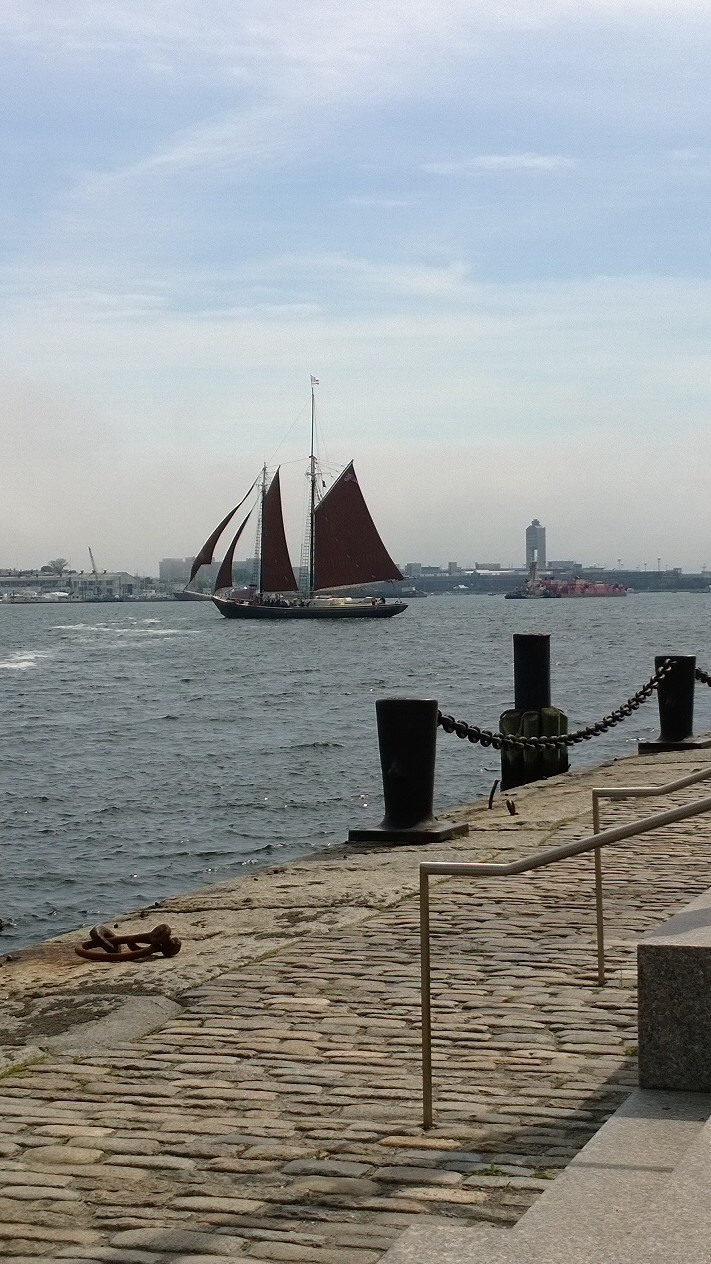
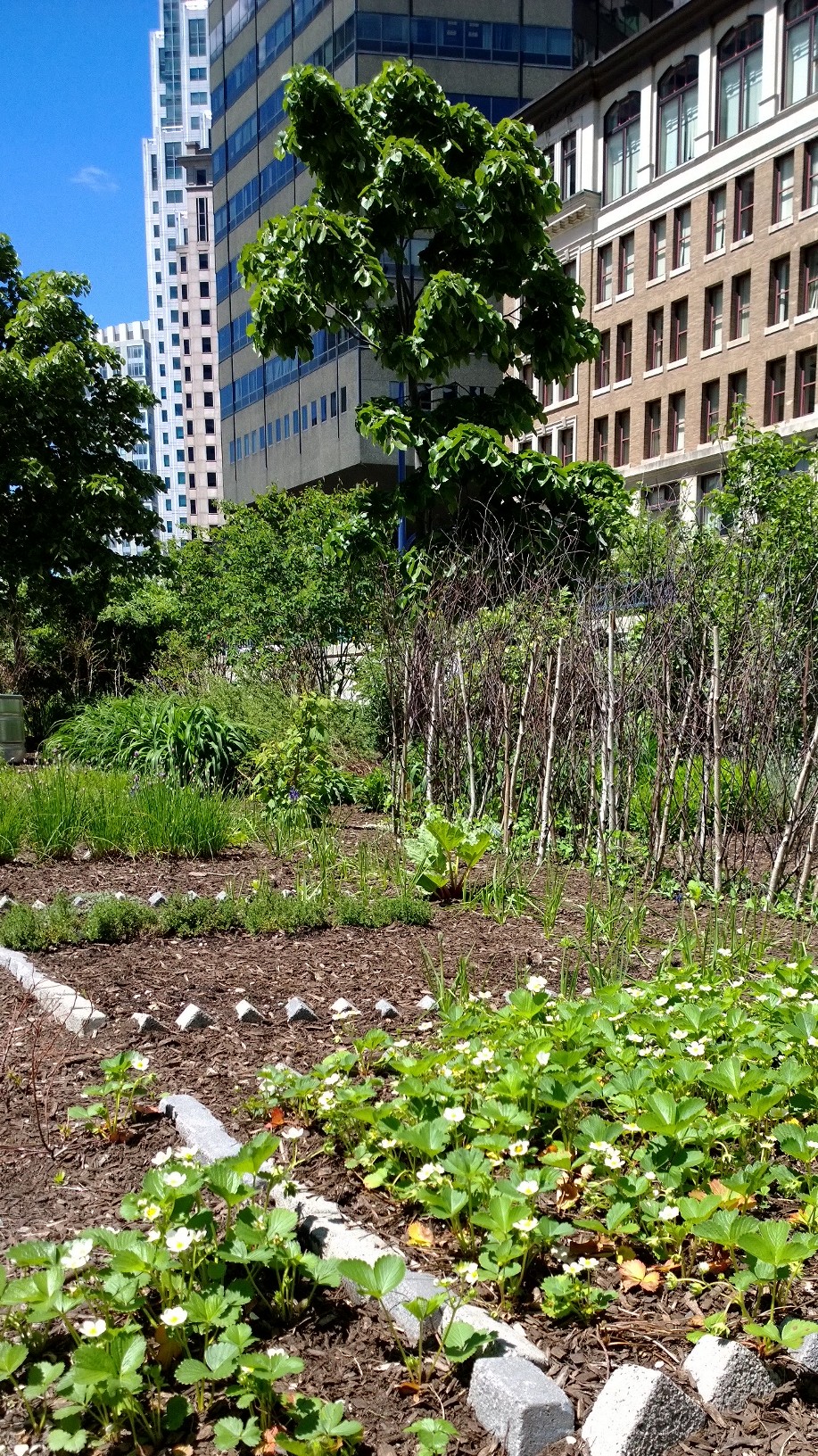
A couple hundred yards from the Barking Crab, a teaching sailboat is once again docked for the summer. In Dewey Square, the Greenway demonstration garden is growing, and the coffee guy is making espresso for customers. One day this week, I saw him teaching a group of schoolchildren about how it all works.

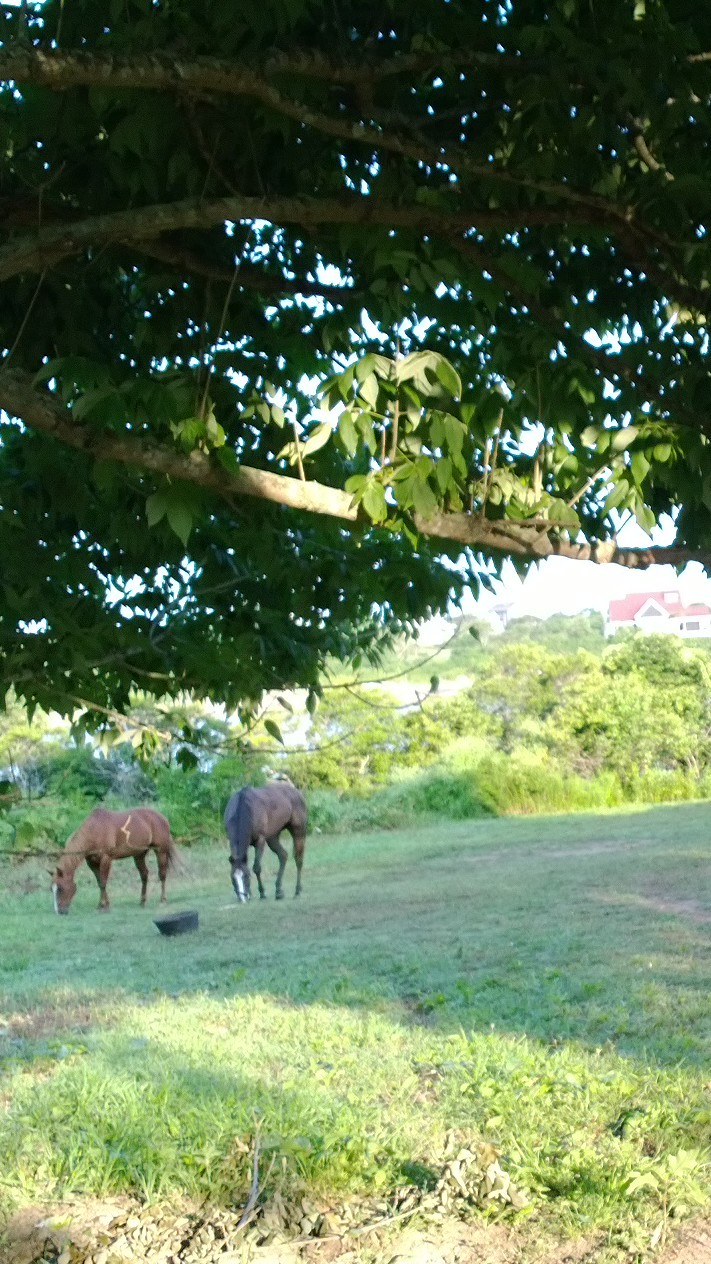
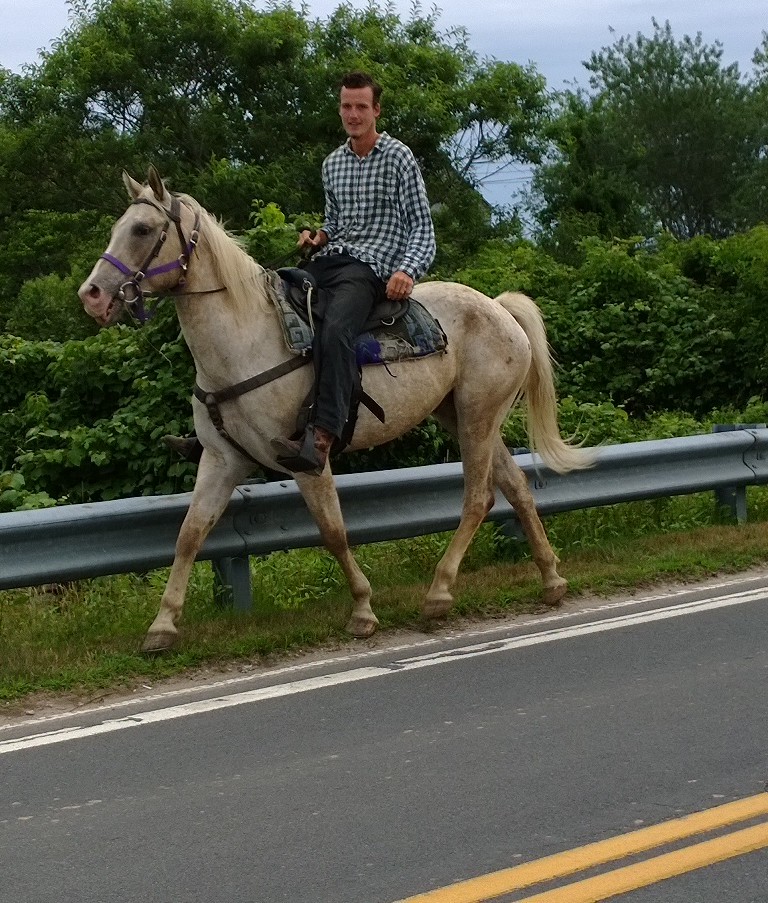
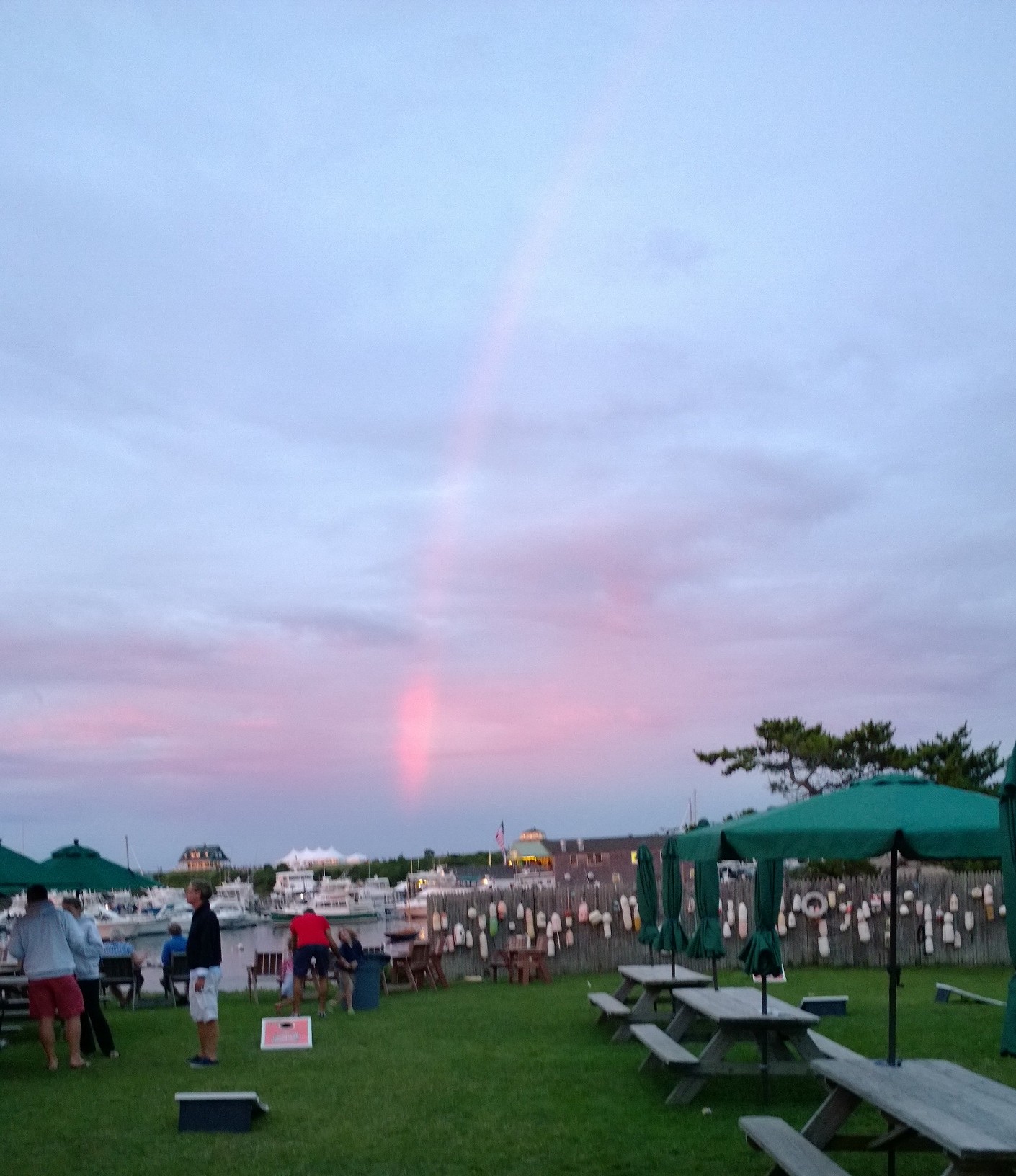
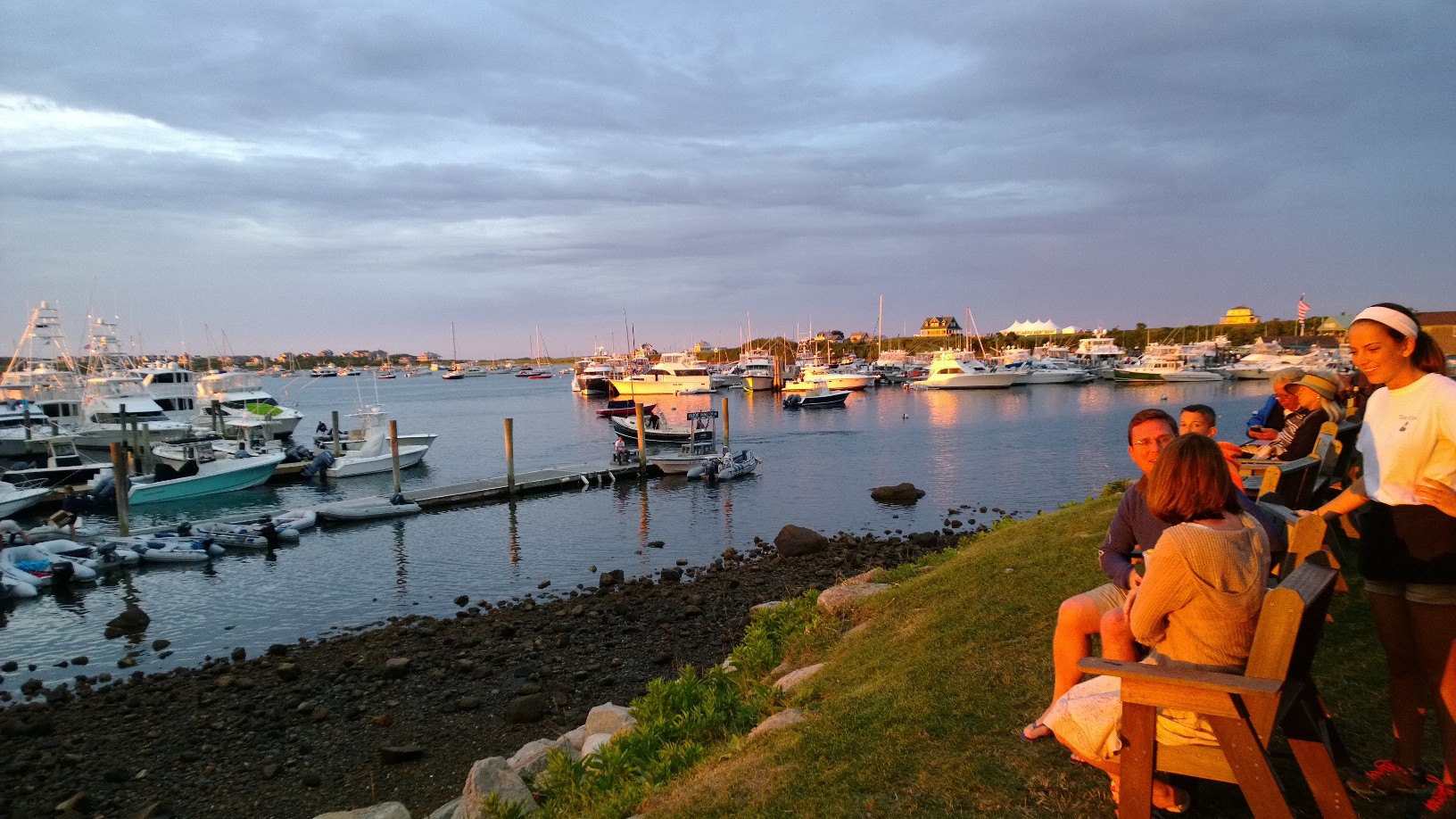
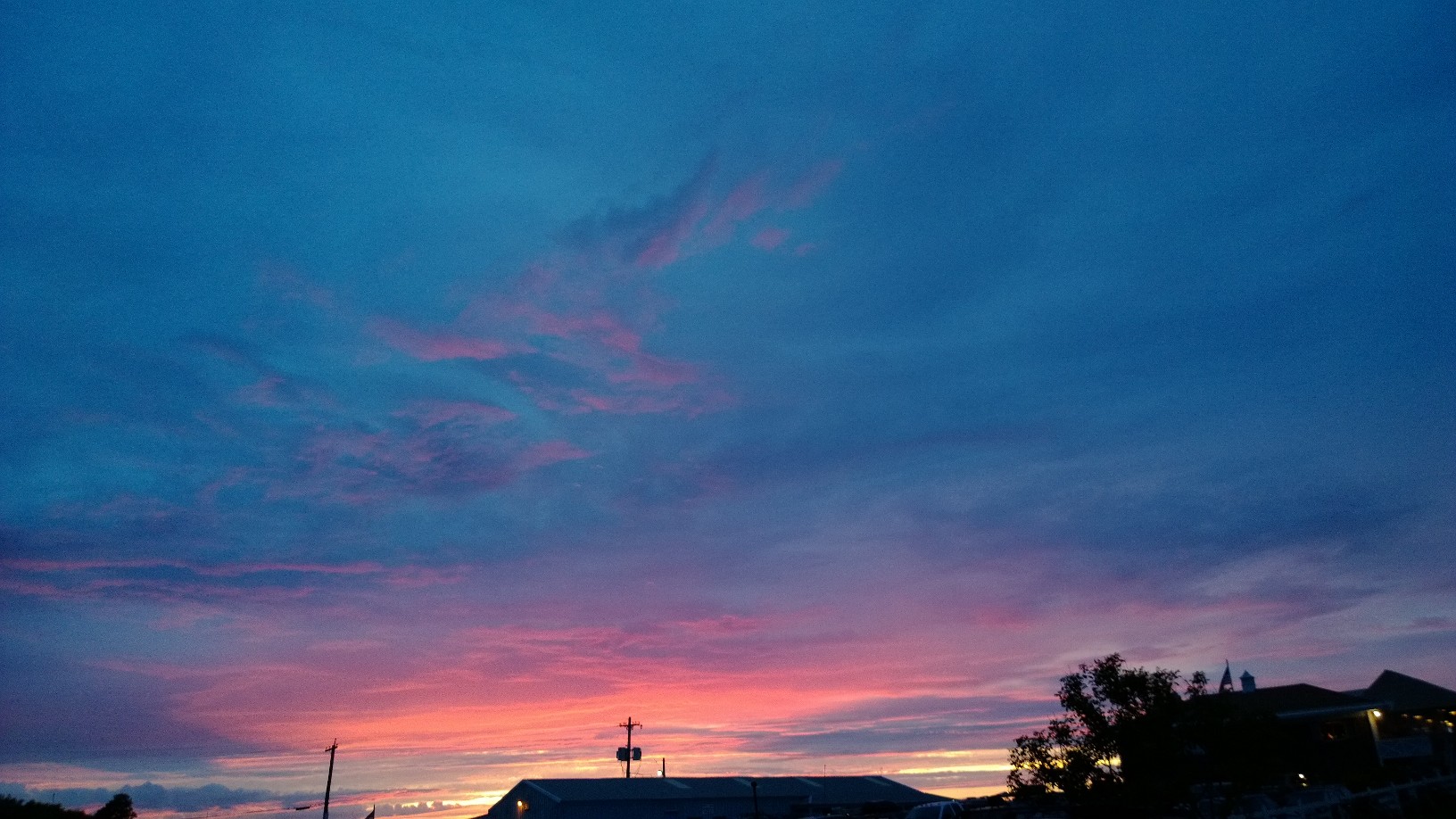
Meanwhile in Rhode Island, a rider was exercising a horse in the early morning, and at night, a rainbow appeared and a lovely sunset.

barking-crab-boston

teaching-ship-Boston-harbor


greenway-garden-july

dewey-square-espresso-cart


horse-on-Lakeside

harbor-rainbow


sunset-bronzes-boats


sunset-3


Read Full Post »

Klaus’s dad — who, I am told, is a musician in his spare time — recently wrote about enjoying the post on conducting your own orchestra. He lives in Denmark. I told him I have also posted about Denmark a few times and hope to do so often.

So when SmallerCitiesUnite! tweeted this tidbit on Denmark today, I knew it had to be in the blog.

From The Local: “Swimming in the North Sea just got a bit easier, at least near the northwestern Jutland town of Thy. Denmark opened its first sea pool, also known as a lido, over the weekend in Nørre Vorupør on the coast of the North Sea.

“The 50 square metre open-air pool allows swimmers, divers and kayakers to be in the North Sea without worrying about large waves, dangerous undercurrents or rip tides. …

“ ‘It could lead to investments in summerhouses or rental opportunities,’ Lene Kjeldgaard, the mayor of Thisted council, told Danmarks Radio.

“See a gallery of photos from the pool’s first weekend here.”

More here.

 Photo: Sofus Comer

Read Full Post »

A few photographs. You’ll have to imagine the smell of honeysuckle and the bird calls.

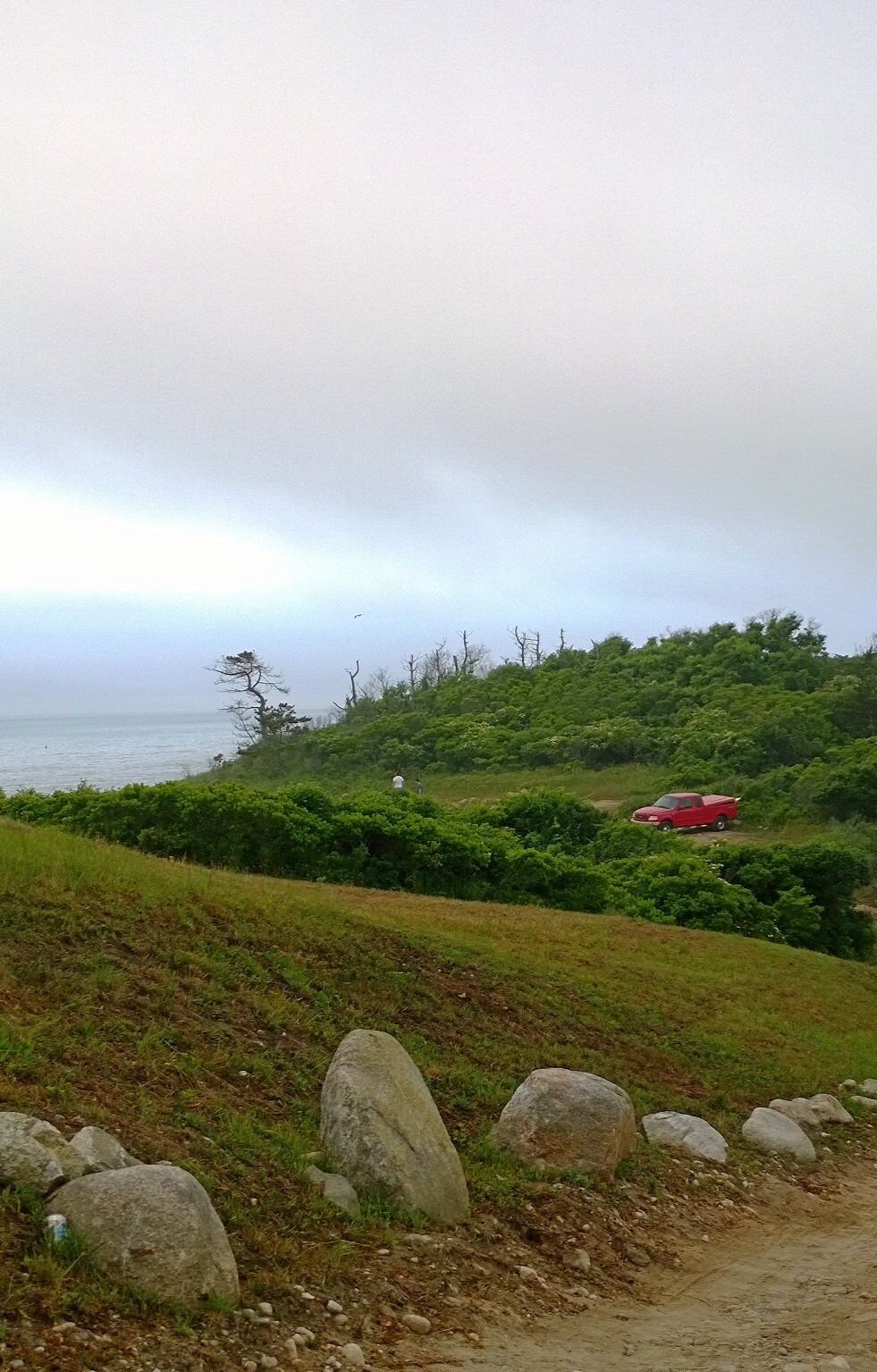
Surfers took the red truck to the overlook to check the waves before the hurricane fringe hit, but they didn’t stay.

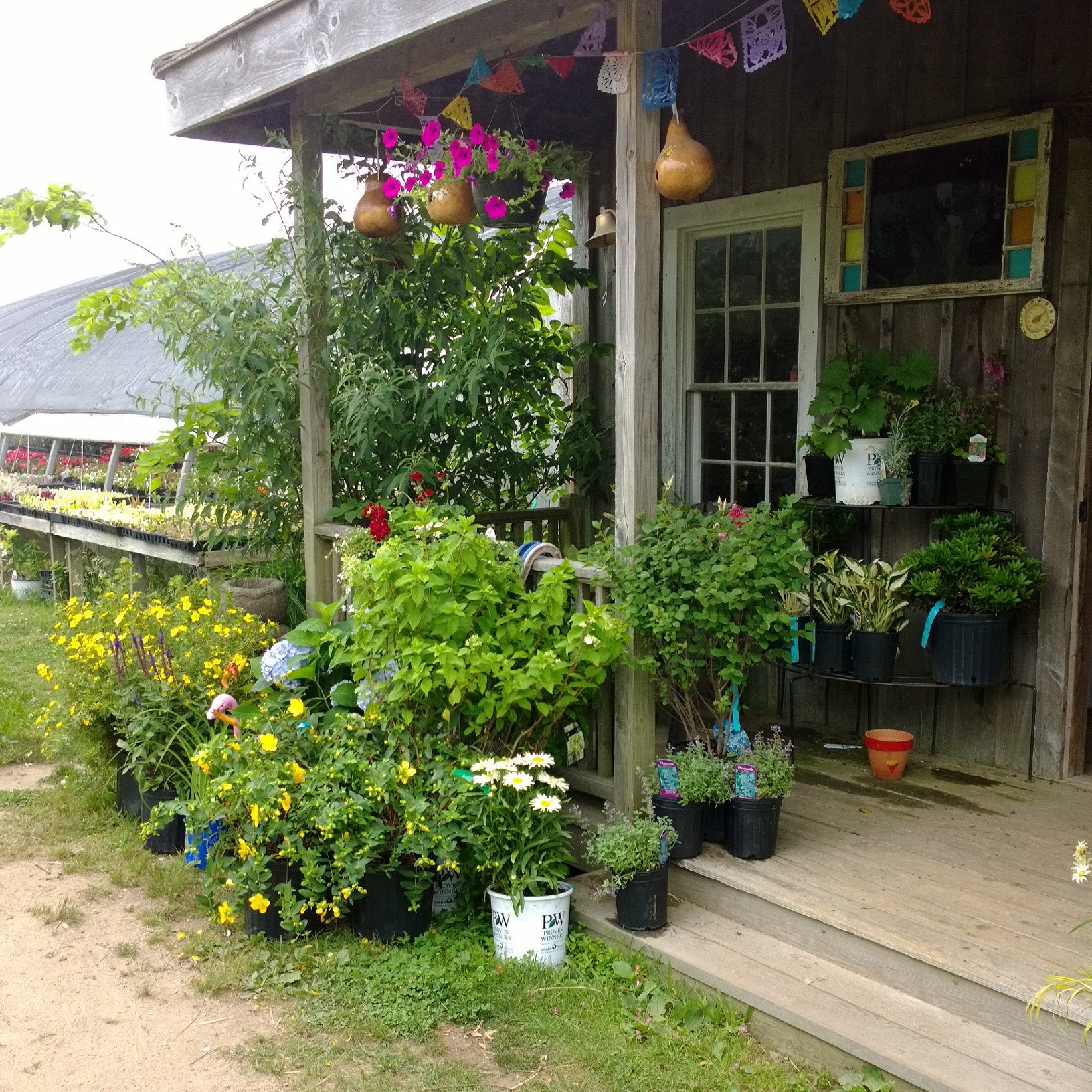
Can you read the sign at the garden supply store? Someone found it necessary to post under the hours, “Not open when closed.”

red-truck-of-the-serfers


honeysuckle


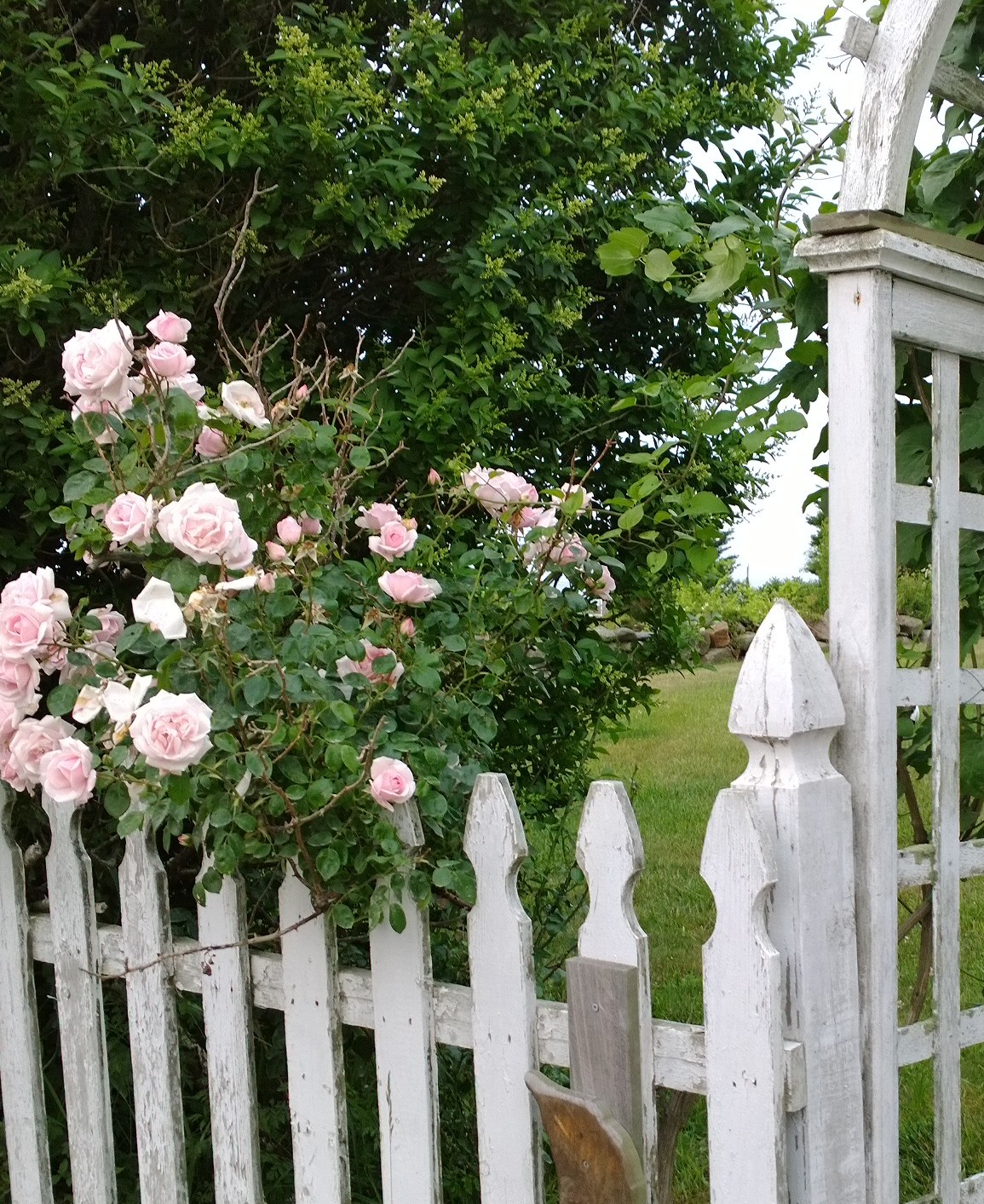
roses-july4-2014


many-shades-of-green


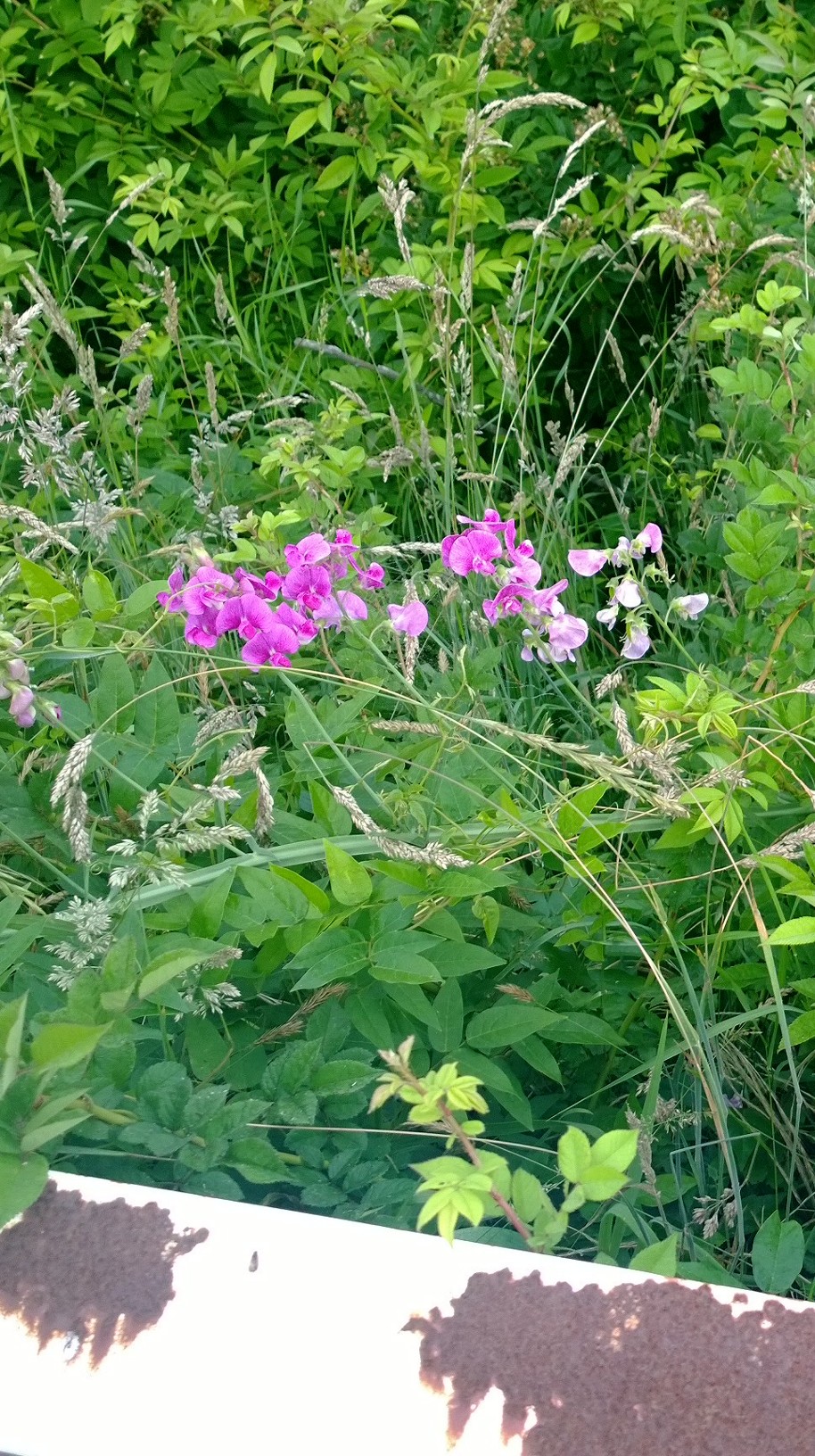
wayside-wild-pea


not-open-when-closed-sign


goose-and-garden-porch


garden-supply-store

Read Full Post »

Here’s an update on the Wooly Pig farmers I blogged about in 2012. (See that here.) At that time, they were raising chickens in Connecticut. They have since joined forces with other young farmers and are now part of the Letterbox Farm Collective in Hudson, New York. If you have Facebook, that’s the best place to see their photos and learn what they are up to. (Click here.)

From the Letterbox Farm About page: “We are a group of people growing meals and medicine on shared land in the Hudson Valley. We take our time and listen.”

If you don’t have Facebook, you might enjoy the pictures at a Turnquist Photography post called “Young Farmers of the Hudson Valley.”

The photographer writes, “We were recently contacted by Chronogram Magazine, a tremendous monthly publication circulated in and around the Hudson Valley based out of Kingston, NY. They asked that we photograph some young farmers local to the Hudson area for an article being written for their September issue. … It was a true honor to be considered for this assignment, especially after meeting these amazing people who UNDERSTAND what it means to eat responsibly.

“My first stop was just outside of the Hudson city limits to Letterbox Farm Collective.” (Turnquist photos here.)

Letterbox farmer Nichki’s Aunt Sandra sent me a photo of a spring farmers market that the collective attended in Rhinebeck. I’m told they can hardly keep up with the demand from restaurants for duck eggs, rabbits, and quail.

Read Full Post »

In 2010, photographer Rose-Lynn Fisher published a book of remarkable images that captured the honeybee in an entirely new light. By using powerful scanning electron microscopes, she magnified a bee’s microscopic structures by hundreds or even thousands of times in size, revealing startling, abstract forms that are far too small to see with the naked eye.

Now, as part of a new project called “Topography of Tears,” she’s using microscopes to give us an unexpected view of another familiar subject: dried human tears.

Read more: http://www.smithsonianmag.com/science-nature/the-microscopic-structures-of-dried-human-tears-180947766/#UBkOIVzILZd8kaLc.99
Give the gift of Smithsonian magazine for only $12! http://bit.ly/1cGUiGv
Follow us: @SmithsonianMag on Twitter

In 2010, photographer Rose-Lynn Fisher published a book of remarkable images that captured the honeybee in an entirely new light. By using powerful scanning electron microscopes, she magnified a bee’s microscopic structures by hundreds or even thousands of times in size, revealing startling, abstract forms that are far too small to see with the naked eye.

Now, as part of a new project called “Topography of Tears,” she’s using microscopes to give us an unexpected view of another familiar subject: dried human tears.

Read more: http://www.smithsonianmag.com/science-nature/the-microscopic-structures-of-dried-human-tears-180947766/#UBkOIVzILZd8kaLc.99
Give the gift of Smithsonian magazine for only $12! http://bit.ly/1cGUiGv
Follow us: @SmithsonianMag on Twitter

A Smithsonian article by Joseph Stromberg about photographs of tears is resonant on so many levels one doesn’t know where to start.

Stromberg writes, “In 2010, photographer Rose-Lynn Fisher published a book of remarkable images that captured the honeybee in an entirely new light. By using powerful scanning electron microscopes, she magnified a bee’s microscopic structures by hundreds or even thousands of times in size, revealing startling, abstract forms that are far too small to see with the naked eye.

“Now, as part of a new project called ‘Topography of Tears,’ she’s using microscopes to give us an unexpected view of another familiar subject: dried human tears….

“Scientifically, tears are divided into three different types, based on their origin. Both tears of grief and joy are psychic tears, triggered by extreme emotions, whether positive or negative. Basal tears are released continuously in tiny quantities (on average, 0.75 to 1.1 grams over a 24-hour period) to keep the cornea lubricated. Reflex tears are secreted in response to an irritant, like dust, onion vapors or tear gas.”

Oh, but I knew that tears from different causes are different. I learned that from a fantasy I was exposed to at age 10, when the future star of stage and screen René Auberjonois, age 13, played the wicked uncle in a production of James Thurber’s The 13 Clocks.

The wicked uncle requires jewels to release his lovely niece, the Princess Saralinda, from captivity.

Although you really will get a kick out of reading the whole book, all you need to know for present purposes is from Wikipedia:  “Zorn and the Golux travel to the home of Hagga, a woman with the ability to weep jewels, only to discover that she was made to weep so much that she is no longer able to cry.

“As the realization that they have failed sets in, Hagga begins to laugh inexplicably until she cries, producing an abundance of jewels. Hagga informs them that the magic spell that let her cry tears was altered, so whereas ‘the tears of sadness shall last without measure, the tears of laughter shall give but little pleasure.’ Jewels from the tears of happiness return to the state of tears a fortnight after they were made.”

(Fortunately, that was enough time to trick the wicked uncle.)

Photo: Rose-Lynn Fisher/Craig Krull Gallery
“Tears of Timeless Reunion”

Read Full Post »
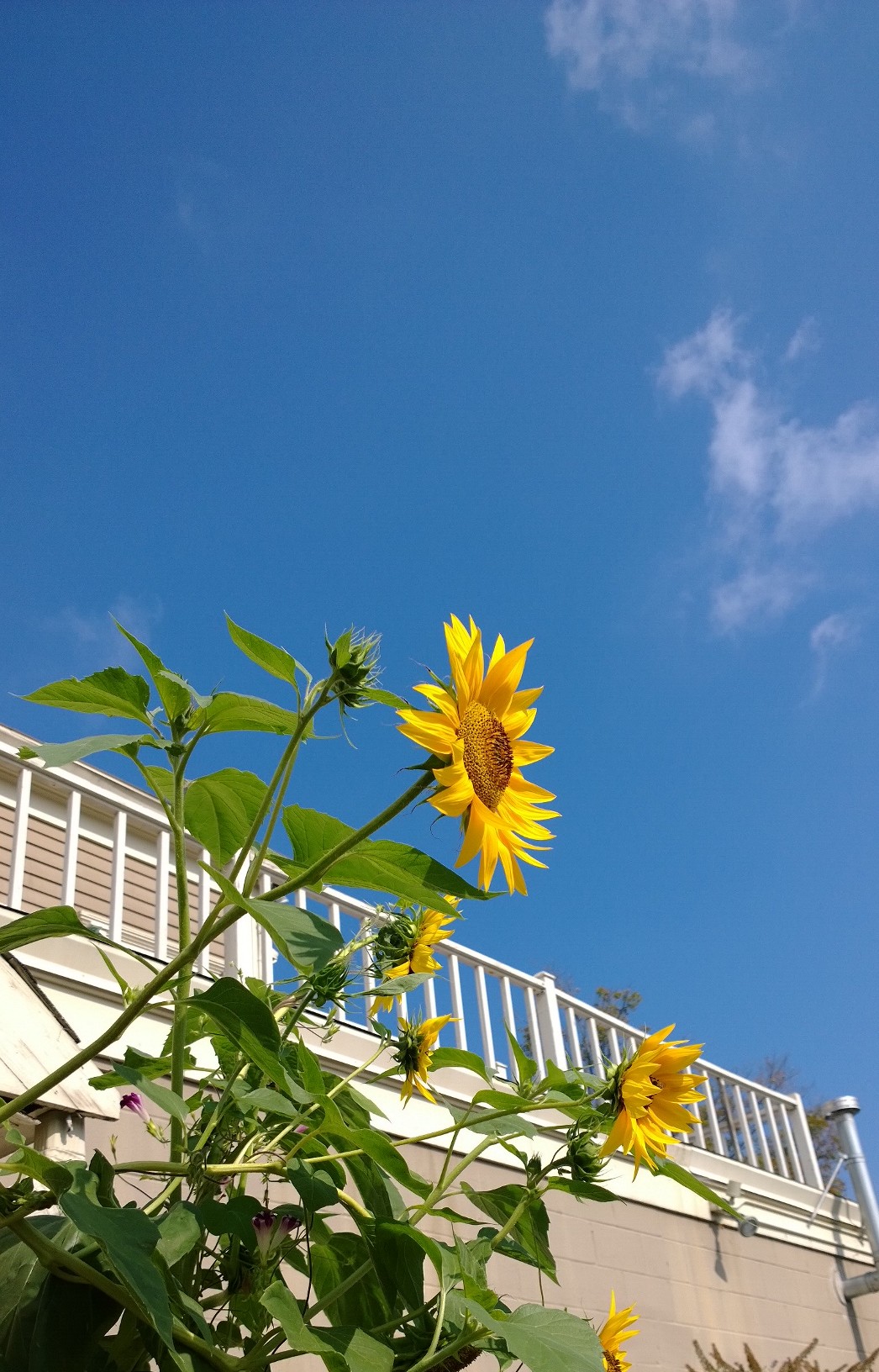
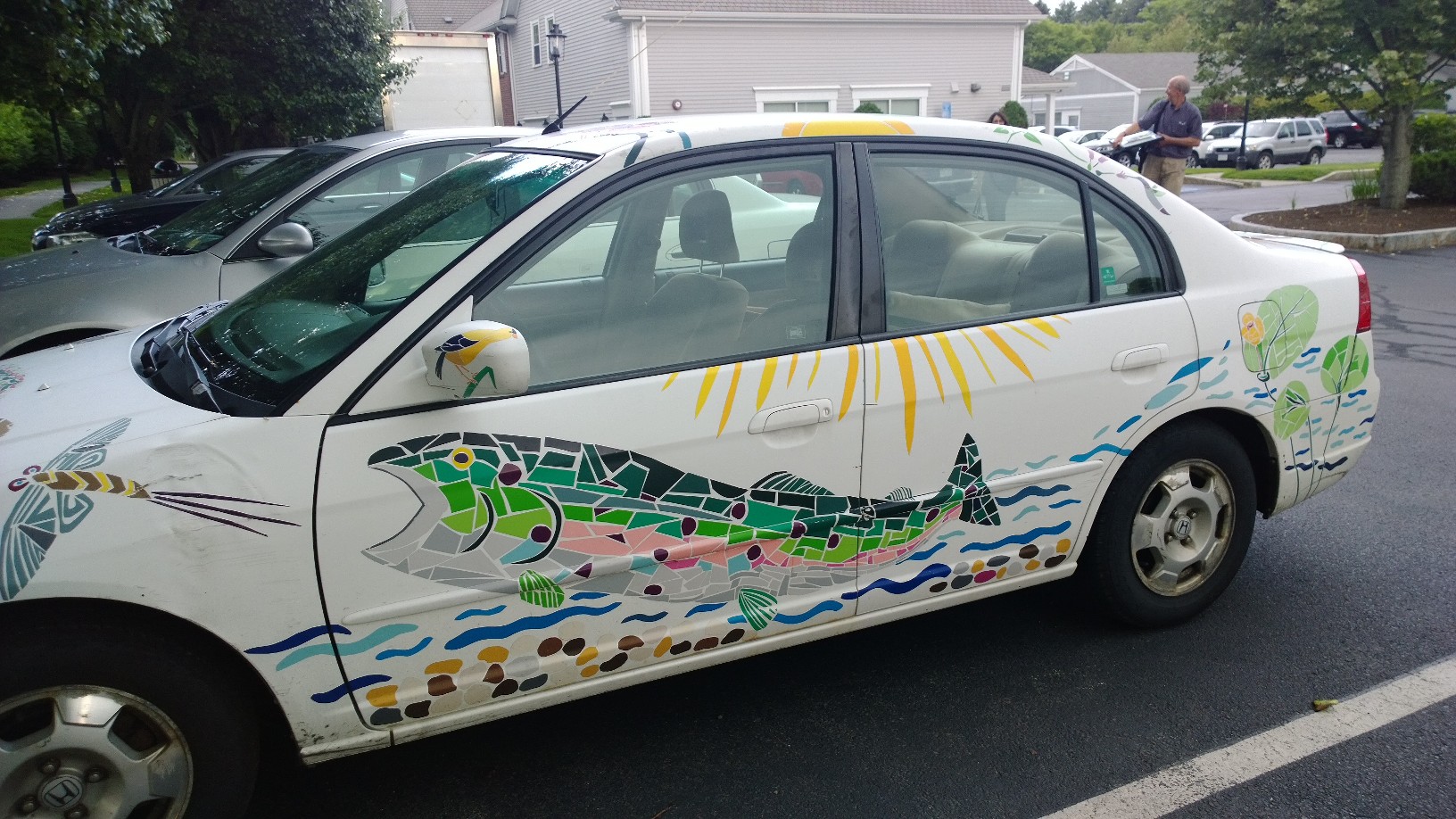
fish-car-made-with-vinyl-stickersHere are a few recent photos. The owner of the fish car showed up as I was taking the picture, so I heard the artist’s story. He threw a party and provided his friends with every shade of adhesive-backed vinyl and pairs of scissors. And they cut small pieces to create a kind of mosaic of the fish, the sea, the goldfinch on the mirror, and so on.

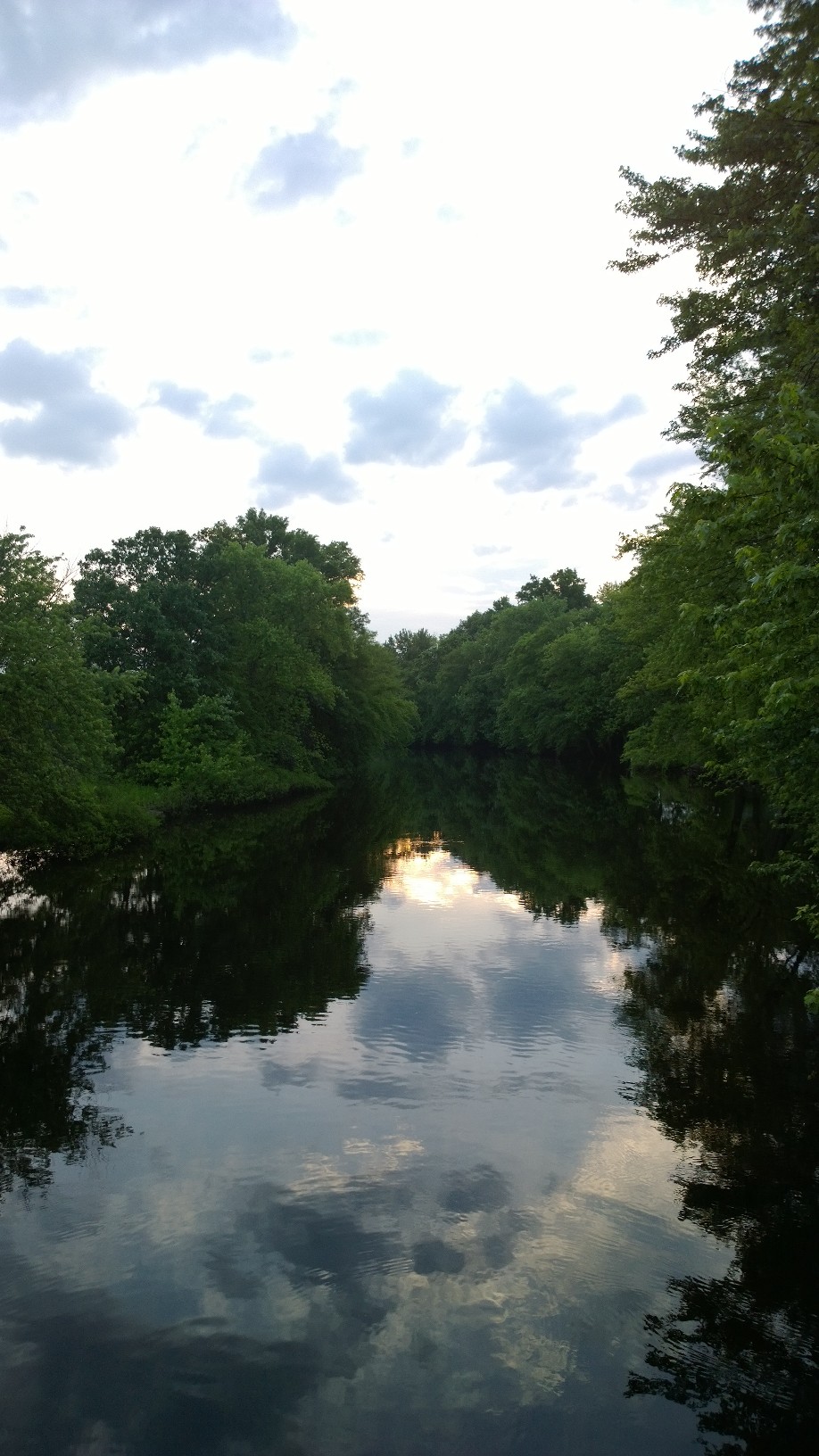
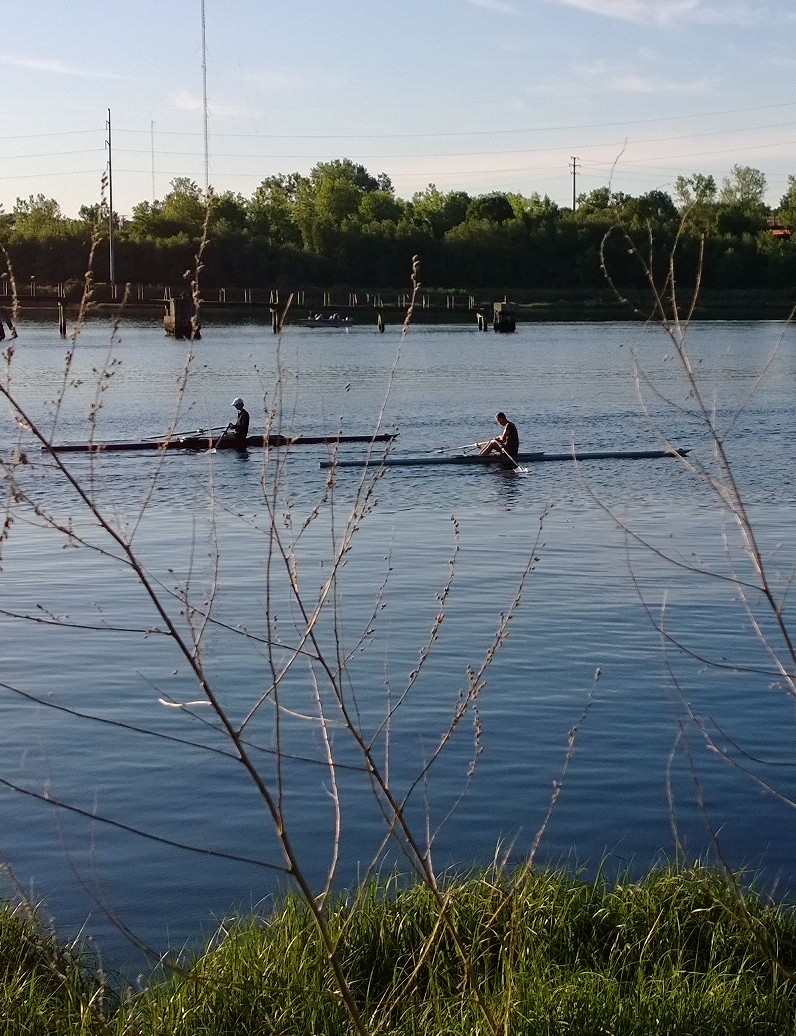
Next we have early morning looking over a river in Concord, then early-morning rowers on the Seekonk in Providence.

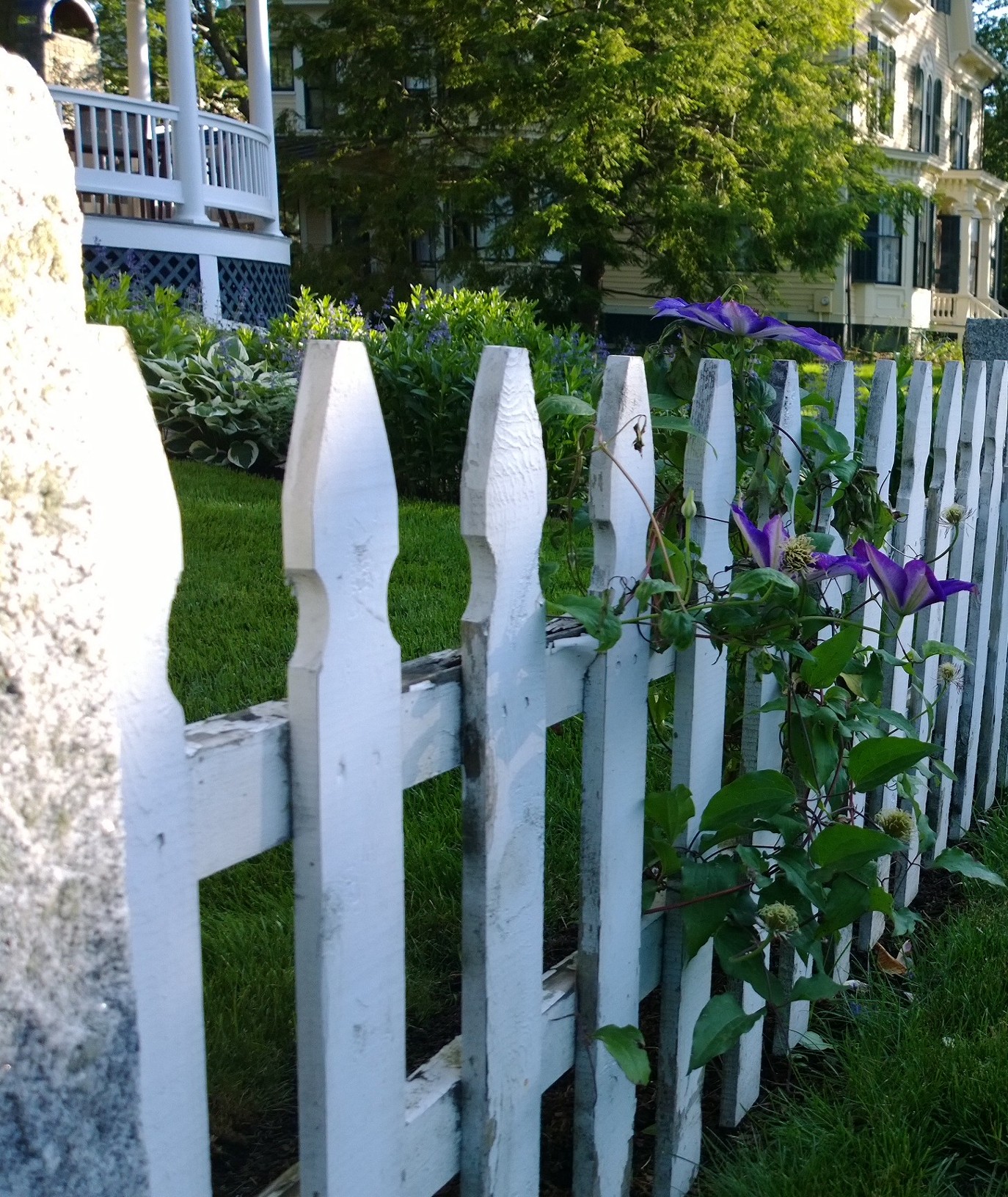
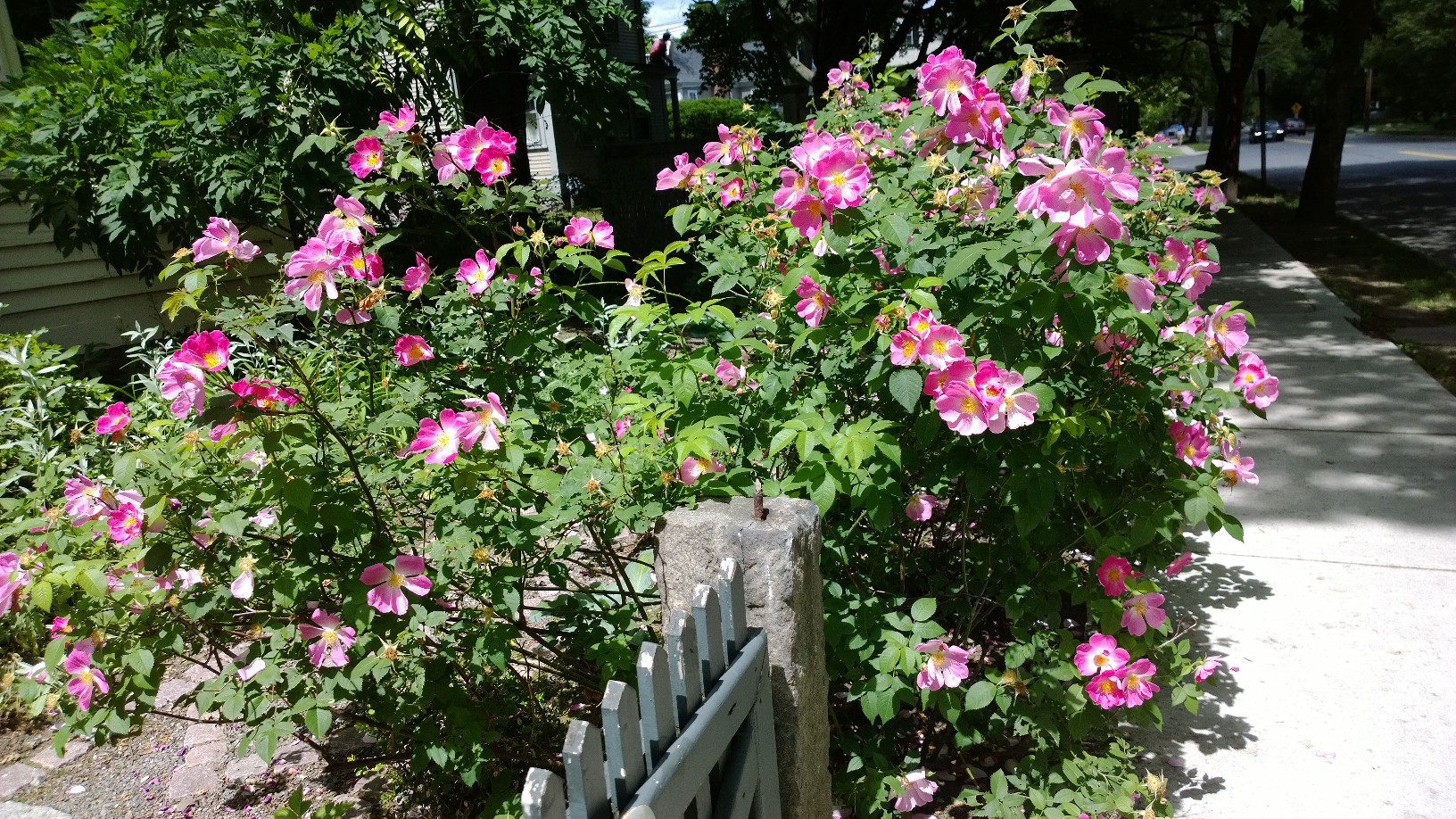
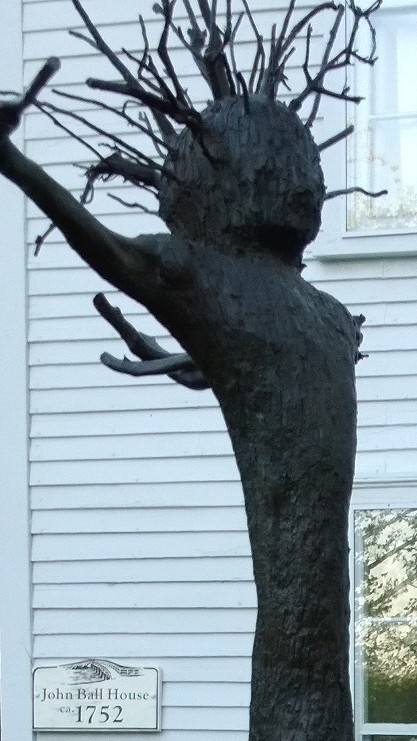
Early-morning roses follow on early-morning clematis. Modern sculpture does an early-morning stretch in front of the historic house that is now an art center.

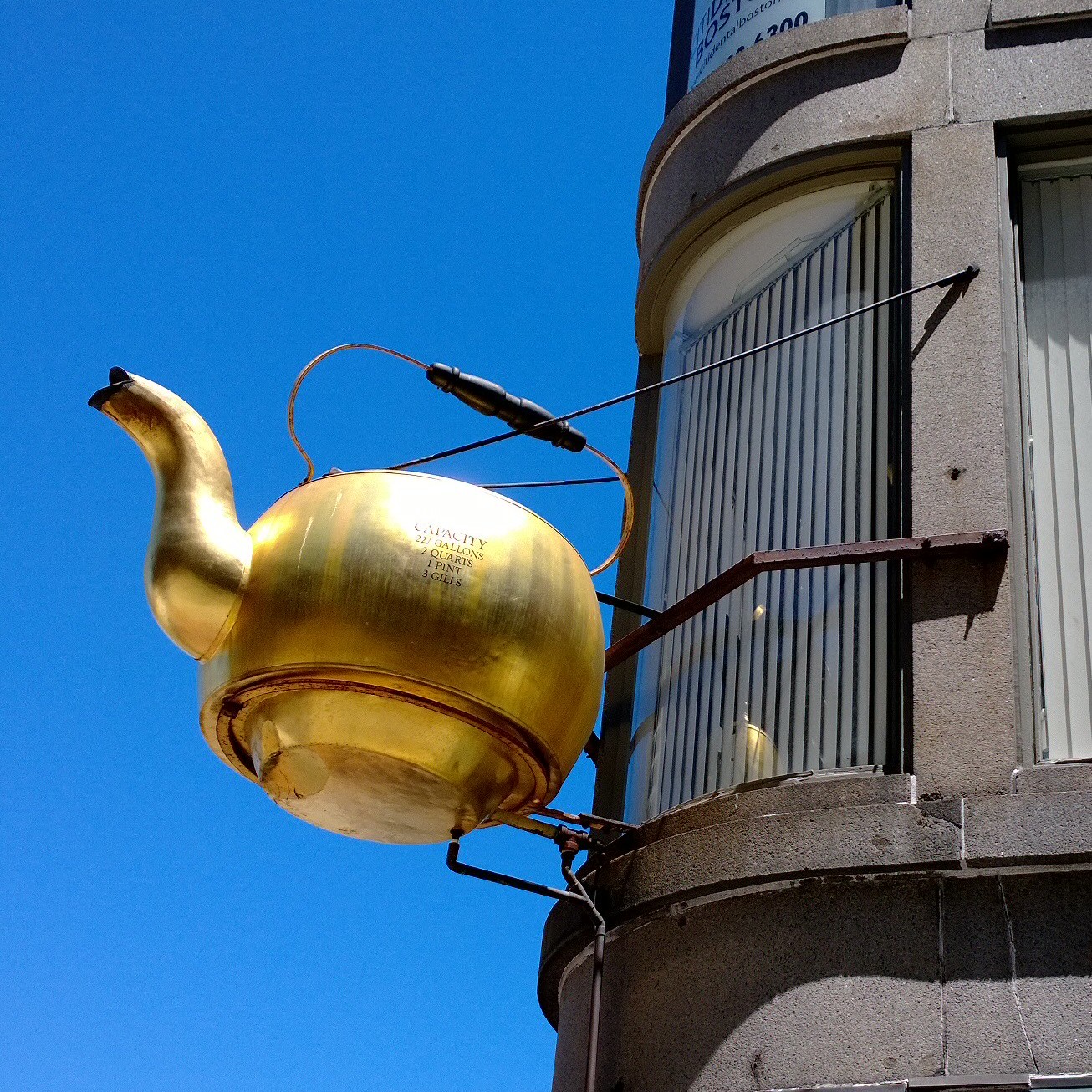
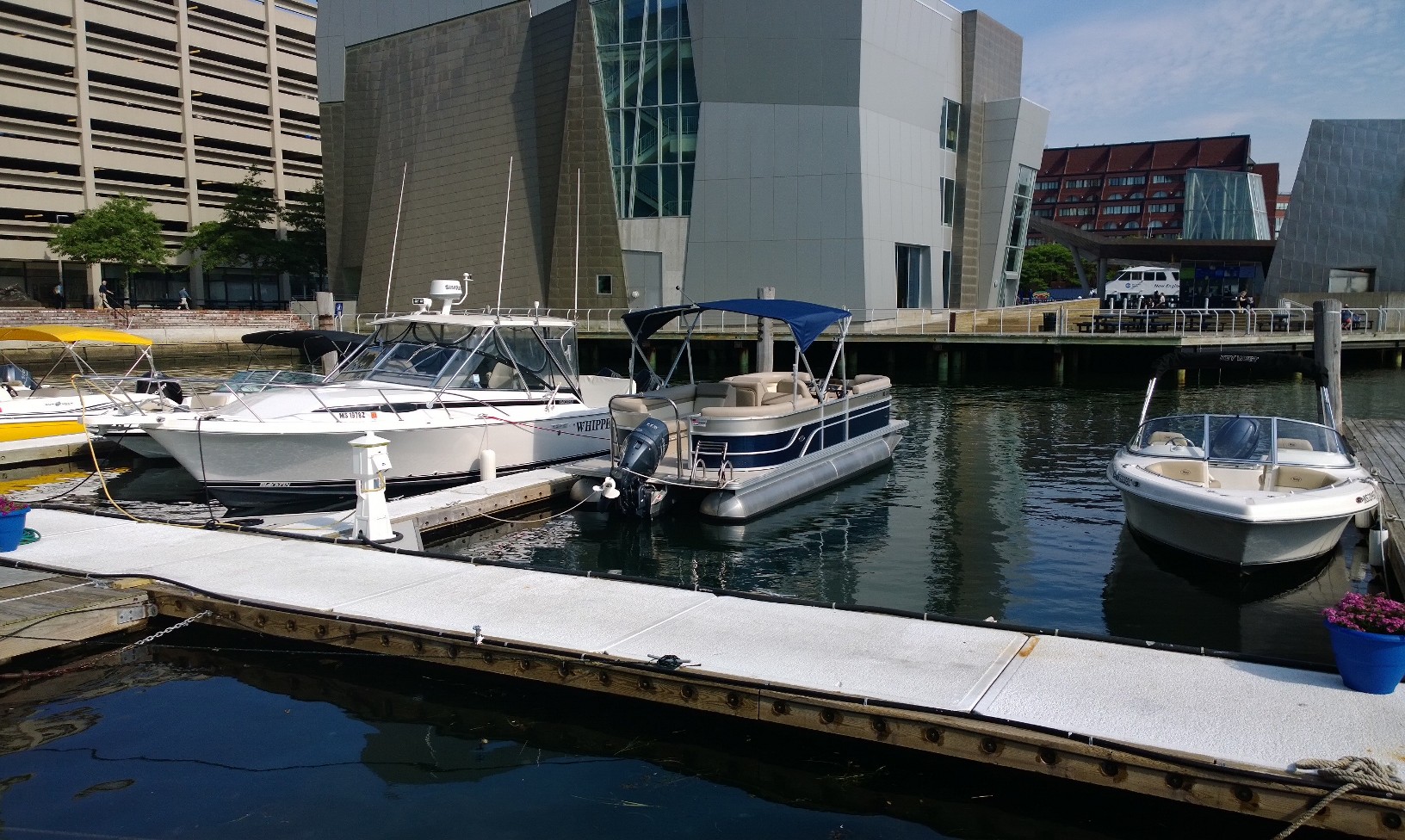
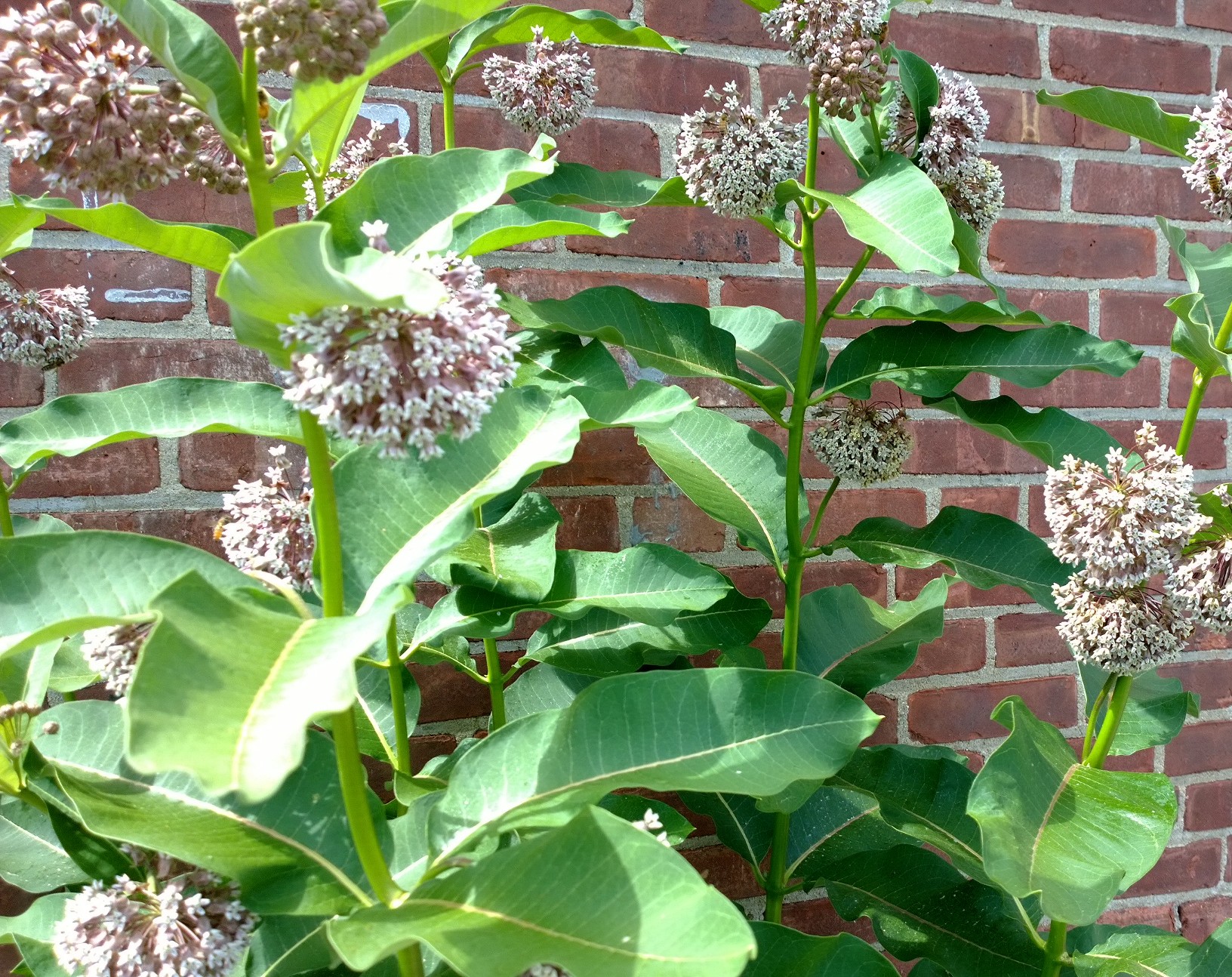
Then there is the teapot near Boston’s Government Center, private boats in Boston Harbor, and milkweed. (You’ll have to take my word for it that the milkweed was full of bees.)

061814-dawn-over-the-river


early-rowing-seekonk-river


061514-clematis

roses-on-fence


art-outside-Concord-Art-Assoc

teapot-near-govt-center-Boston


boat-dock-boston

milkweed-with-bees


Read Full Post »
Remember this post on rhubarb batteries? Well, according to radio show Studio 360, there’s no need to draw the line at rhubarb. Especially if you are creative, like photographer and artist Caleb Charland.

Julia Lowrie Henderson writes. “His series Back to Light is inspired by that old science class experiment: if you stick a galvanized nail in one end of a potato and a copper wire in the other, it will become a battery. Charland generates enough electricity from the fruit to power the lights that illuminate his shots. He uses long exposures to take these photographs, but nothing is added digitally to the images.

” ‘My practice as an artist combines a scientific curiosity with a constructive approach to making pictures,’ Charland says. ‘I utilize everyday objects and fundamental forces to illustrate experiences of wonder.’ ”

From the Artist’s Statement on his website: “The way we understand the world relies so much on our ability to measure it. Given that many measurements are based on the proportions of the human body it’s clear we measure stuff to find our place amongst it all and to connect with it in some way.

“By exploring the world at hand, from the basement to the backyard, I have found a resonance in things. An energy vibrates in that space between our perceptions of the world and the potential the mind senses for our interventions within the world. …

“For me, wonder is a state of mind somewhere between knowledge and uncertainty. It is the basis of my practice and results in images that are simultaneously familiar yet strange. Each piece begins as a question of visual possibilities and develops in tandem with the natural laws of the world.”

More here. Click through the pictures. To my mind, citrus makes especially appealing batteries.

Photo:  Caleb Charland
Orange Battery, 2012

Read Full Post »
living-under-dogwood


I live under a waterfall. You can’t get to my back door this time of year without crouching under a waterfall of dogwood. It’s especially true after a rain shower.

Bob has been supportive of my random photos, taken with a Nokia Lumia 1020 phone, so I’m emboldened to post them frequently, even when I don’t have much to say.

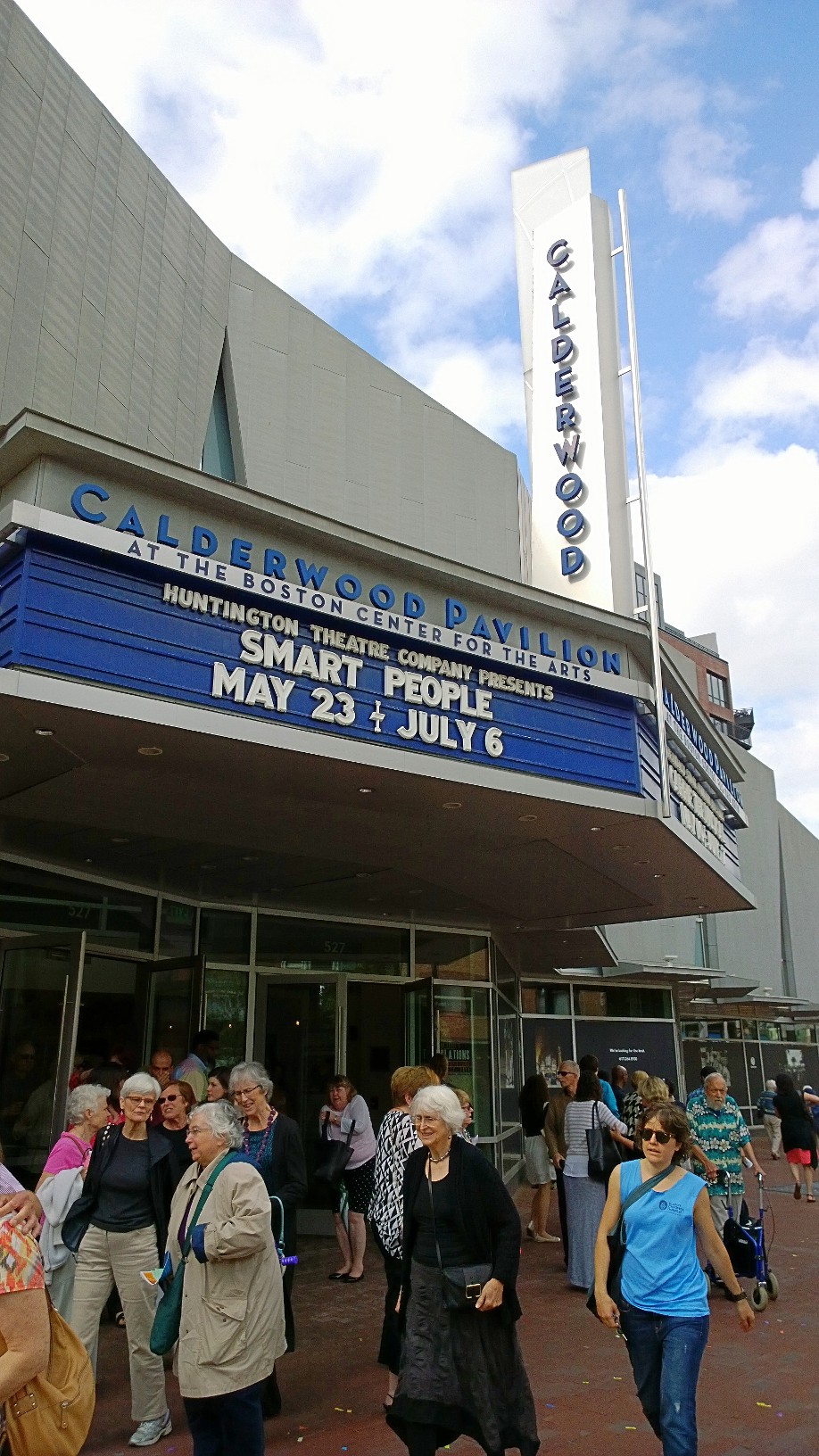
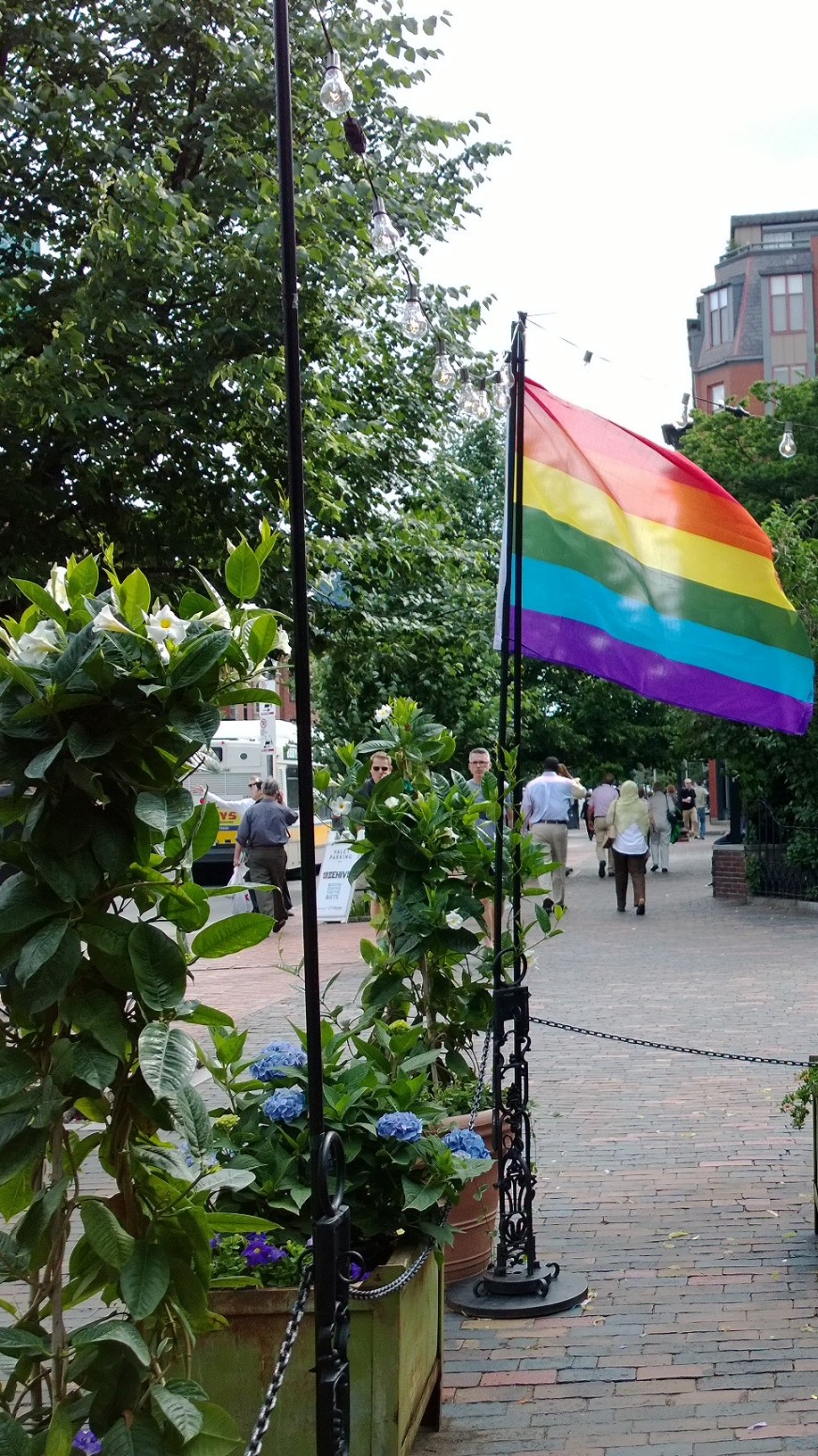
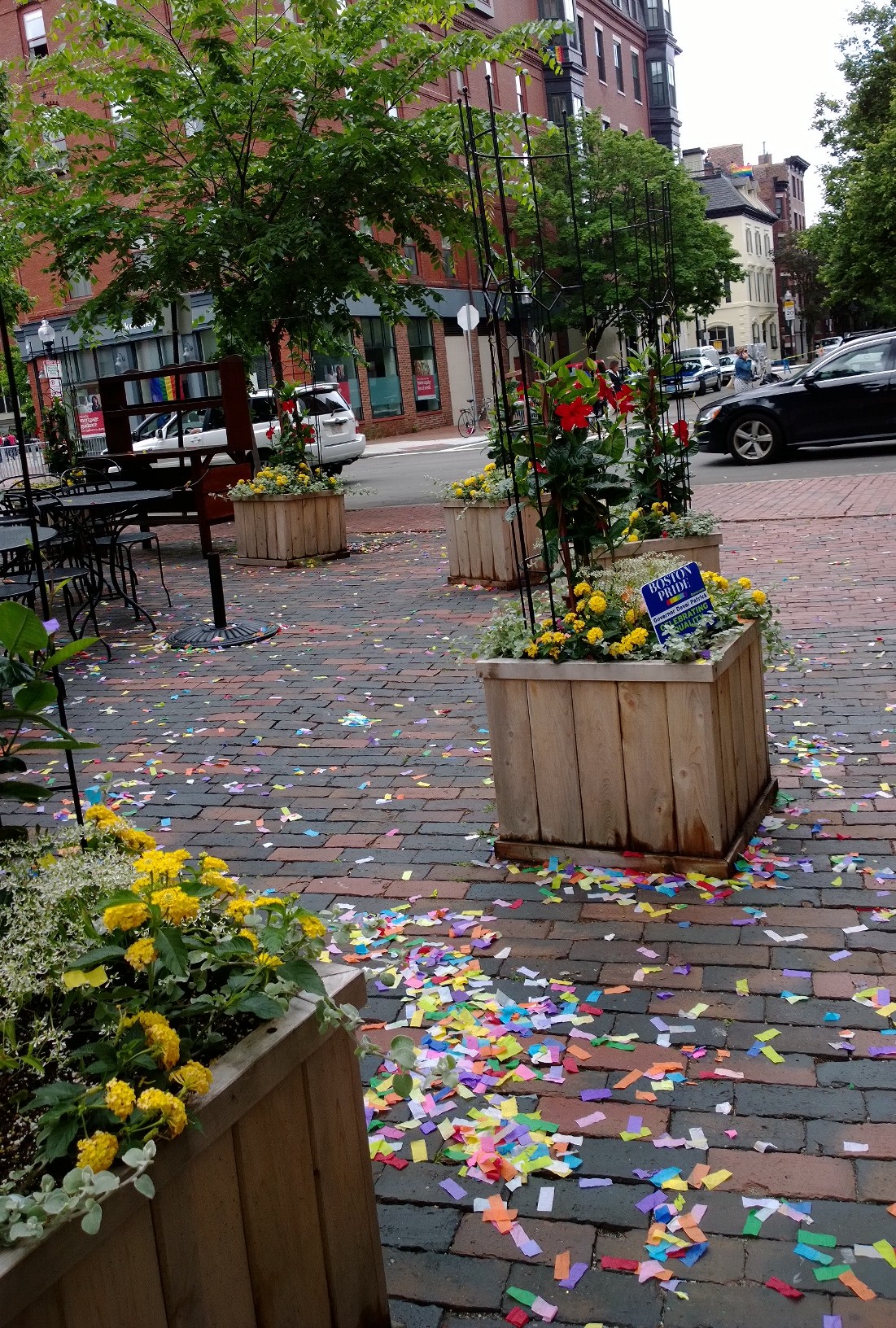
Below, you will see what else was going on in the South End yesterday when we attended a well-done play about race relations, Smart People (running through July 6).

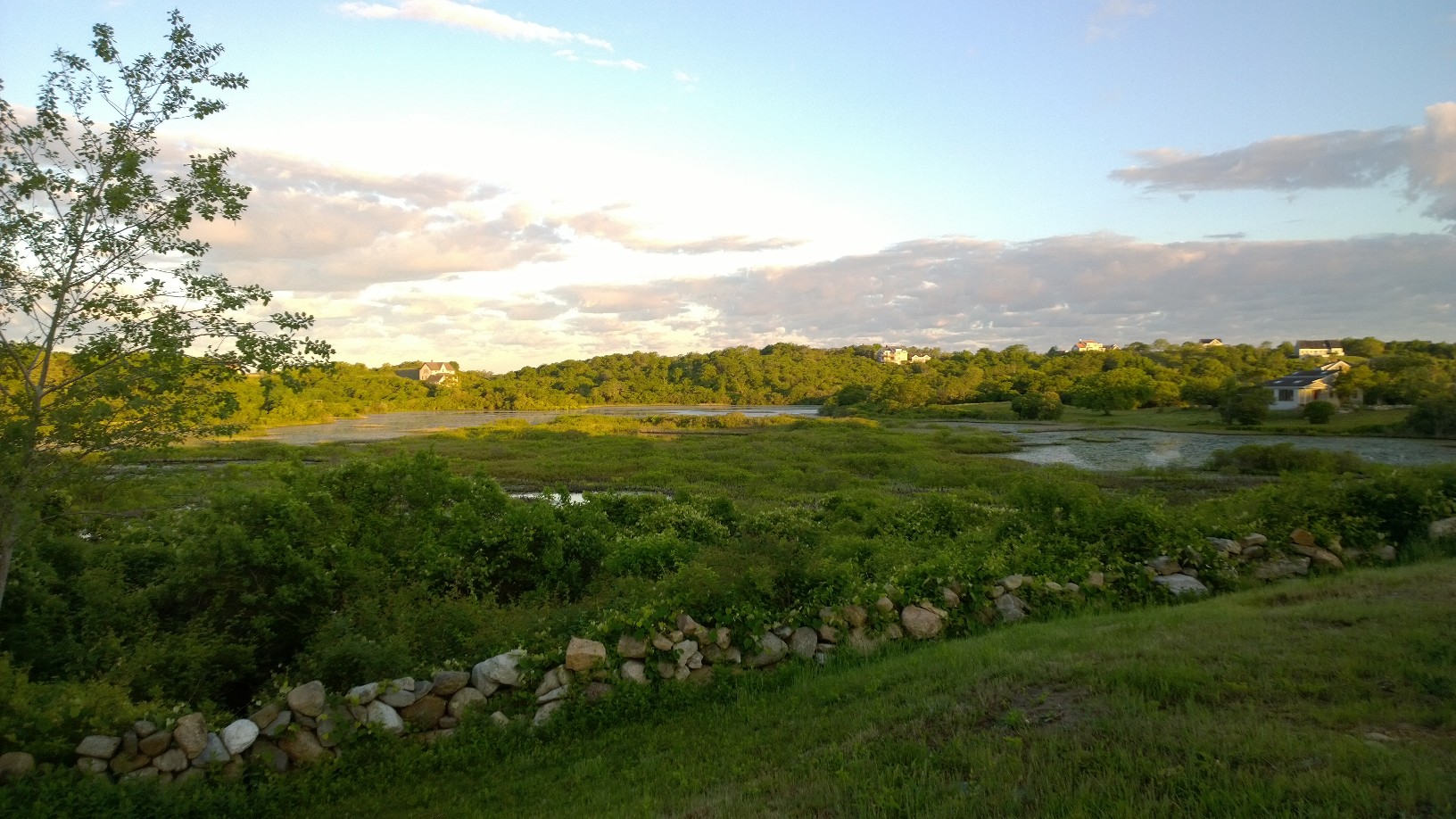
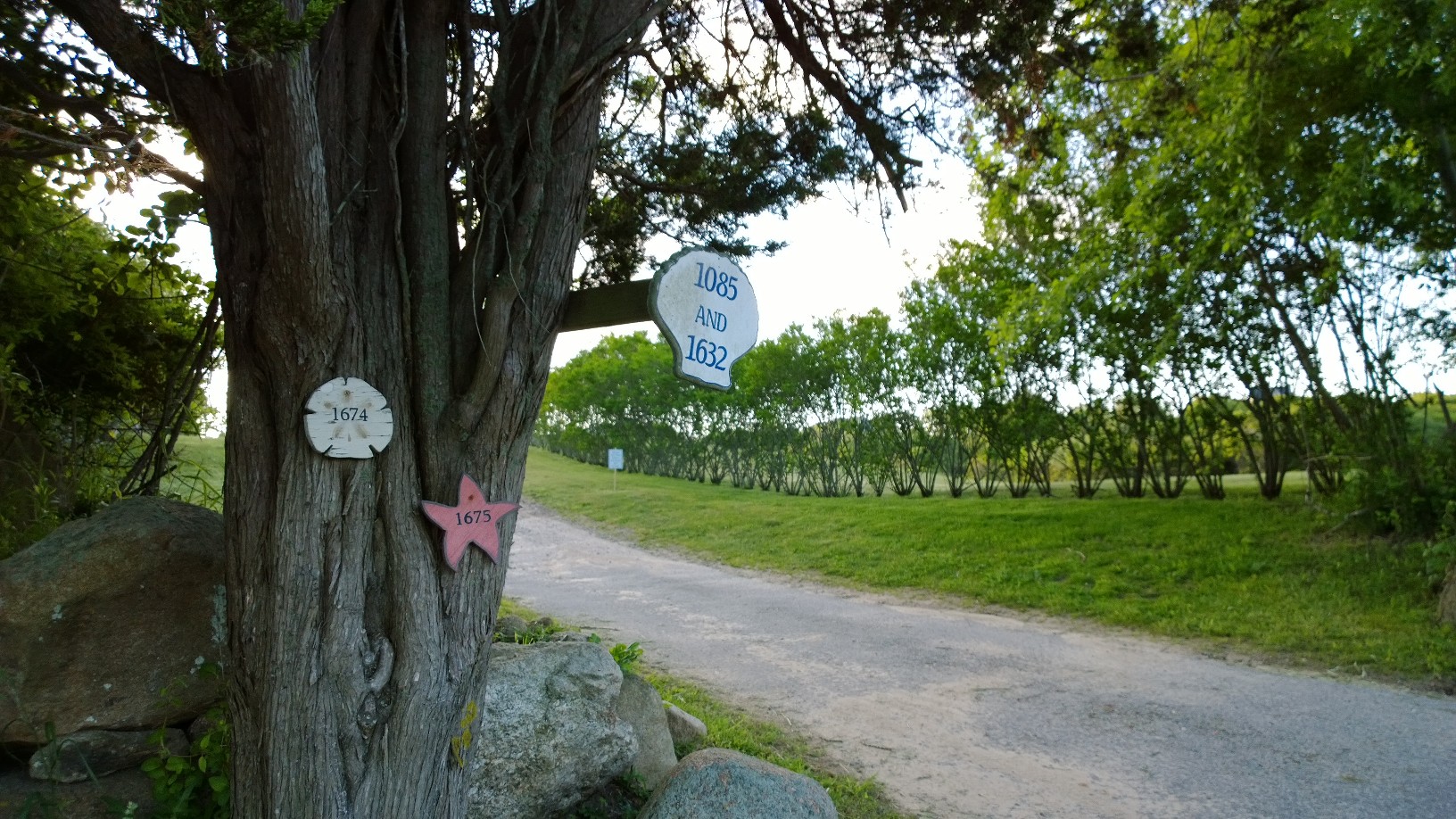
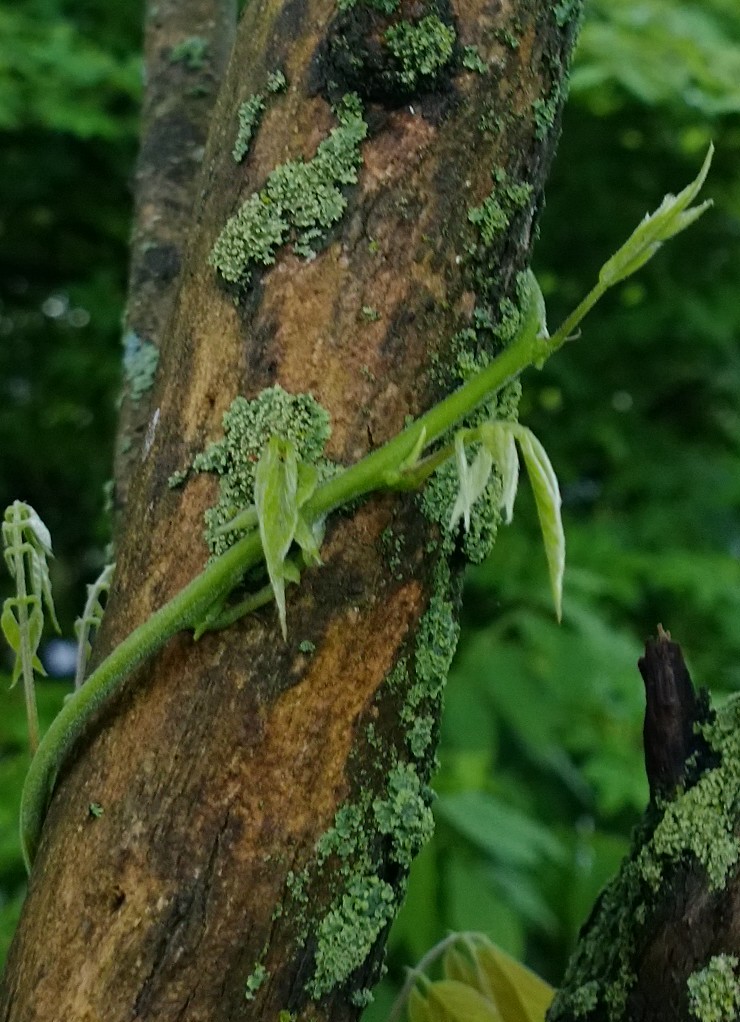
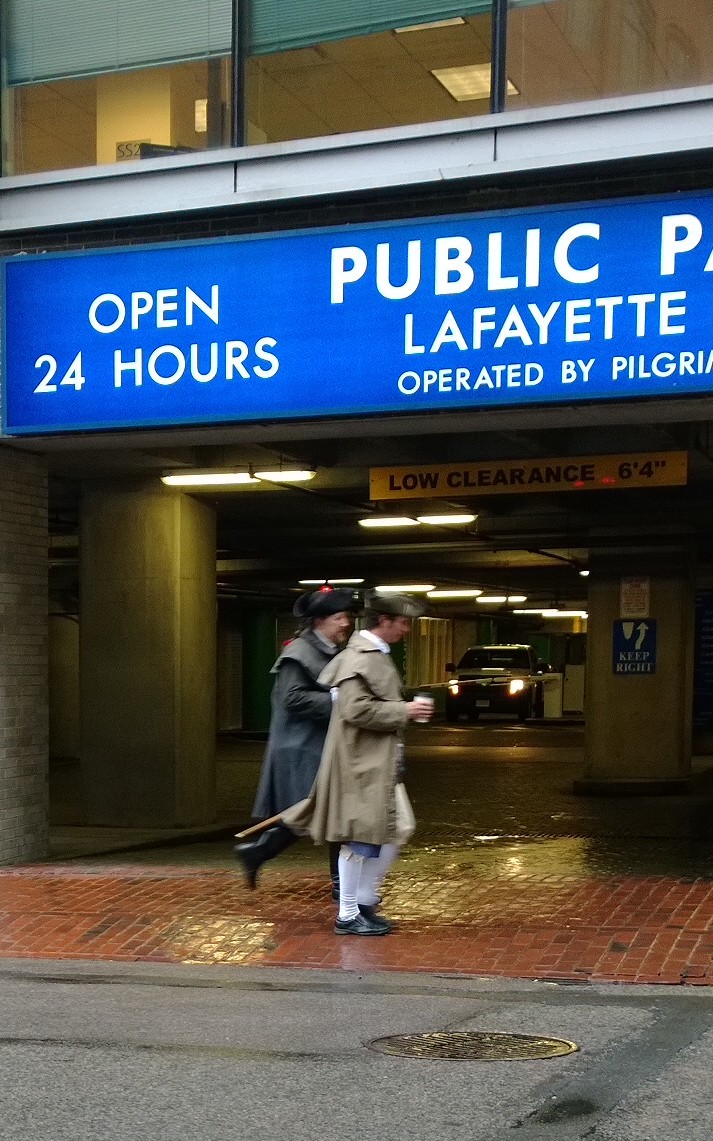
You will also note that I got interested in a climbing wisteria vine, typical Boston pedestrians in period dress, sunrise in Rhode island, and house numbers there that caught the spirit of the seashore.

smart-people-marquee


rainbow-flag-boston


rainbow-confetti-061414


early-morning-RI


marine-house-numbers


wisteria-vine


Boston-pedestrians

Read Full Post »

flowers-in-lobby

flowering-4th-floor-roof


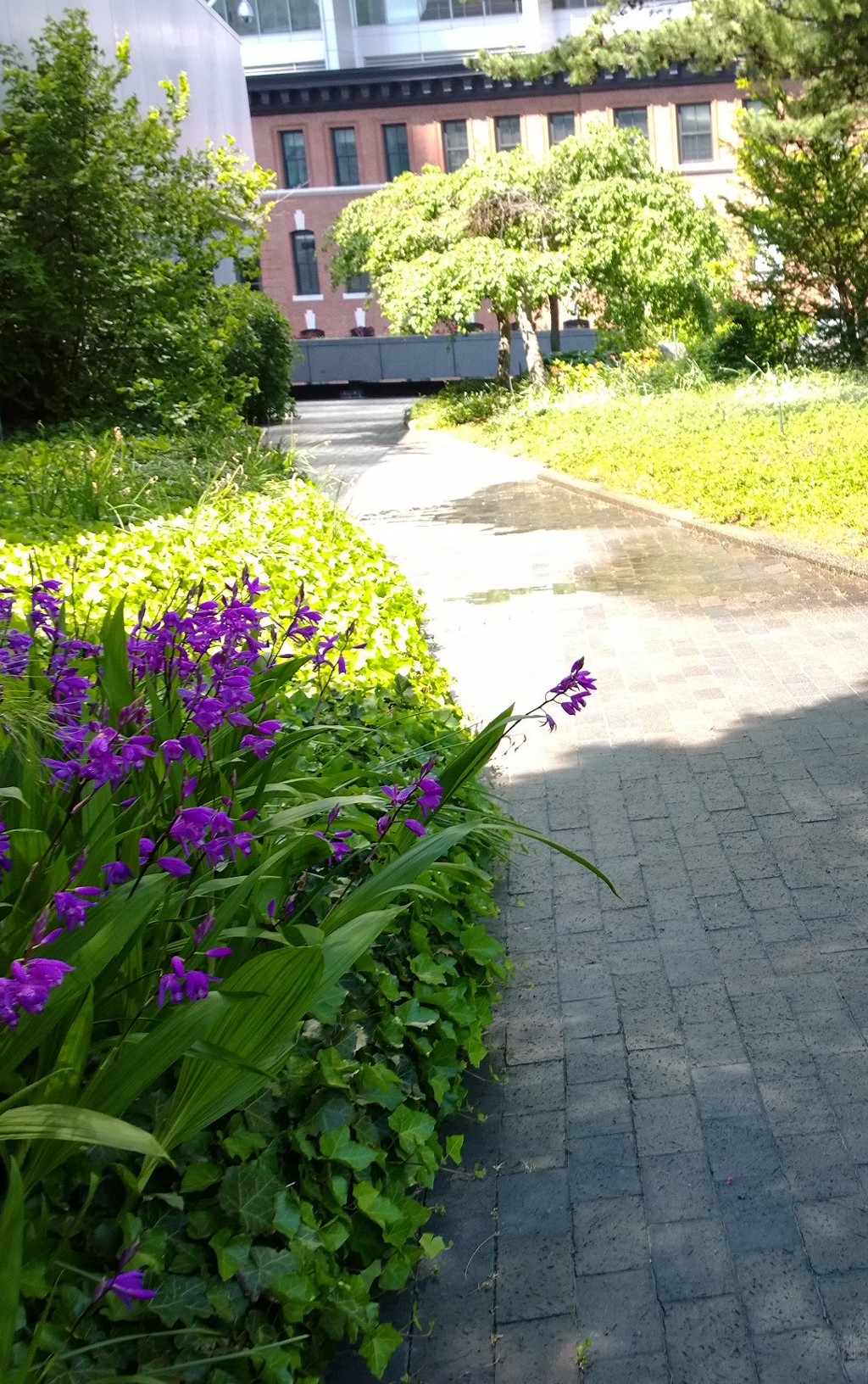
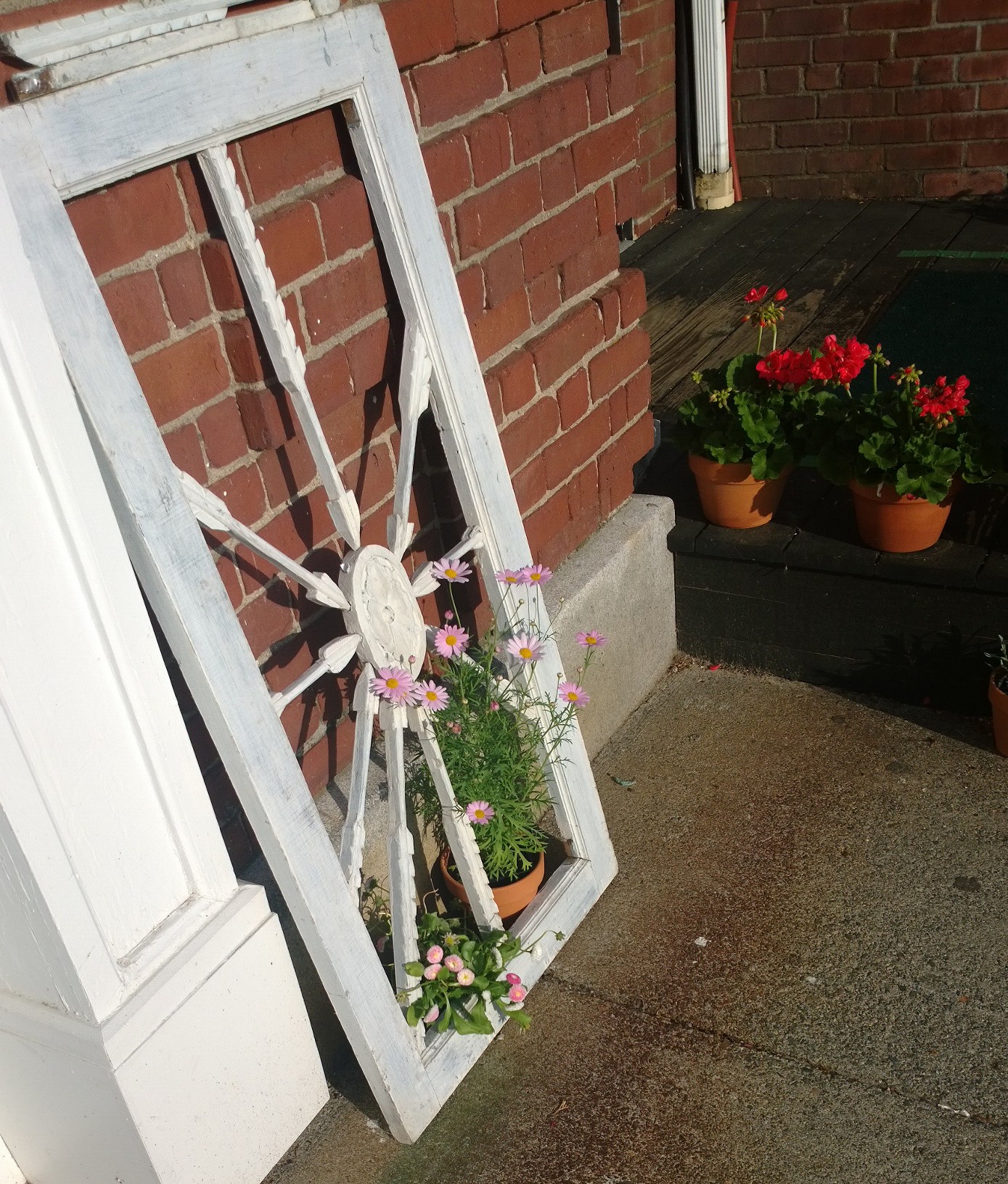
roof-garden-at-office-buildingHere are some photographs from Greater Boston this spring.

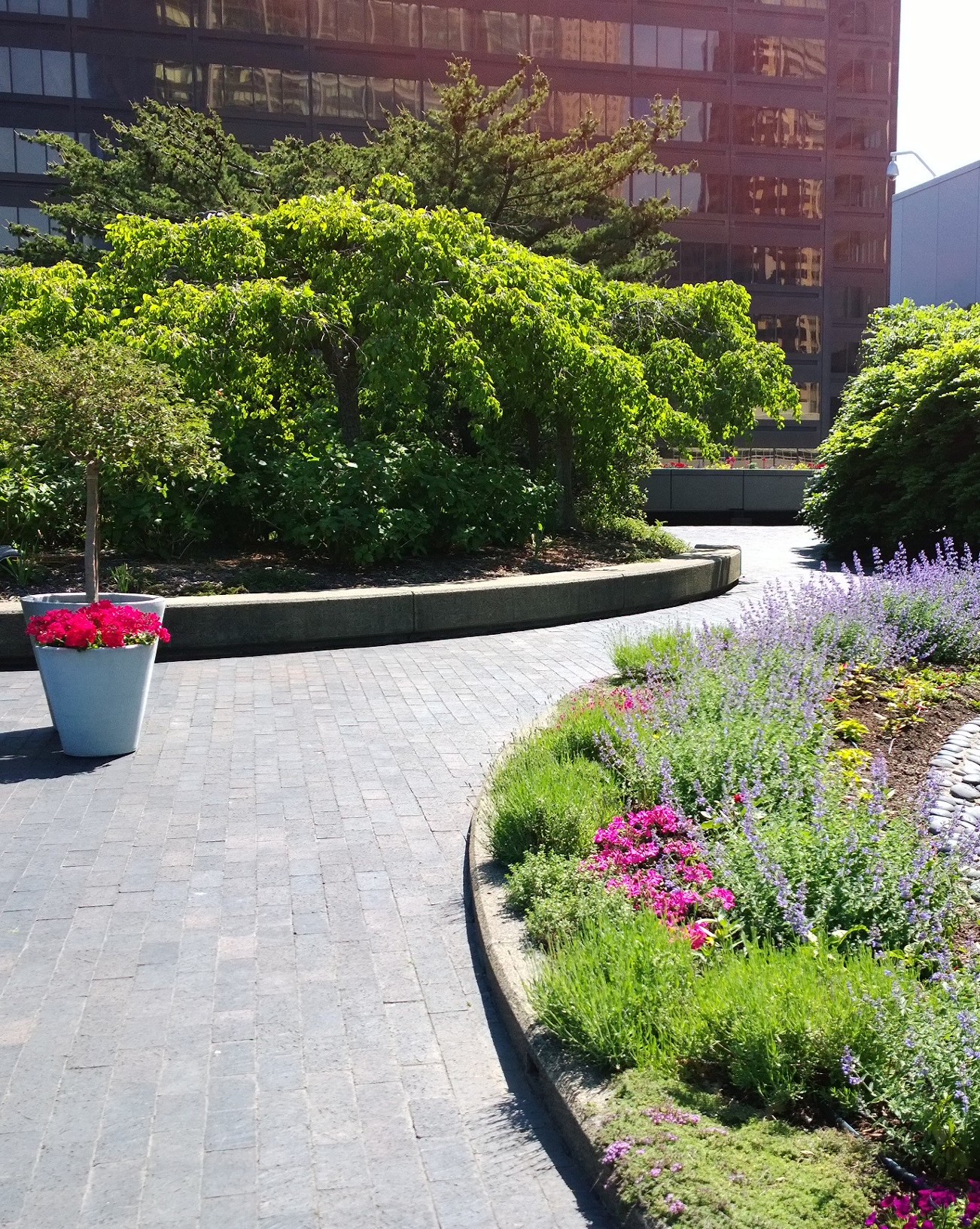
The first three represent the work of an exceptional landscaper in an office building downtown.

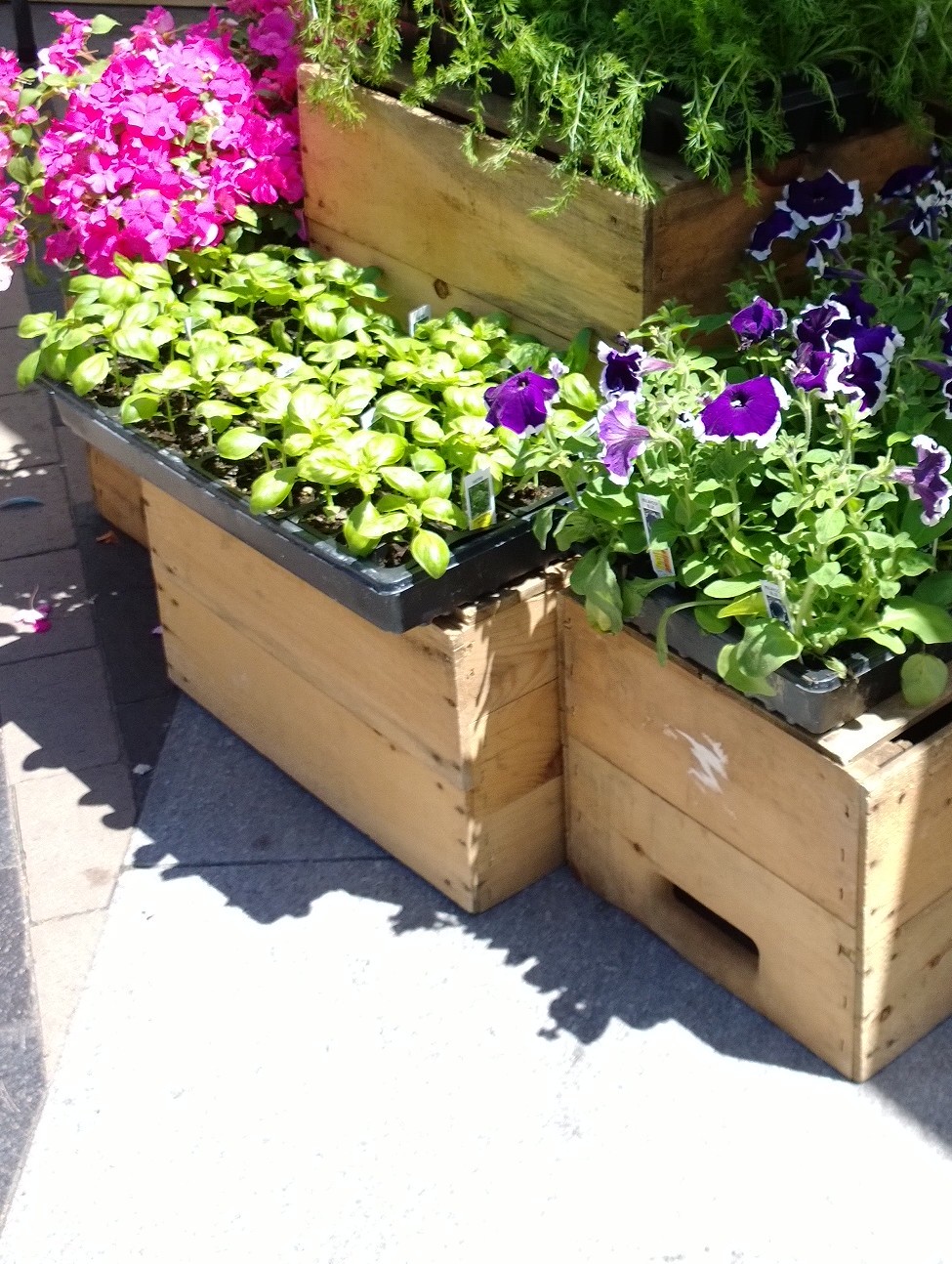
I also want to show you that the Barking Crab may be surrounded by construction in the Seaport District but is still open for business. There’s a tall ship in the Harbor. The blue whale in the Greenway carousel is ready to ride, and the Greenway demonstration garden is producing strawberries. The Dewey Square farmers market has plenty of produce and flowers.

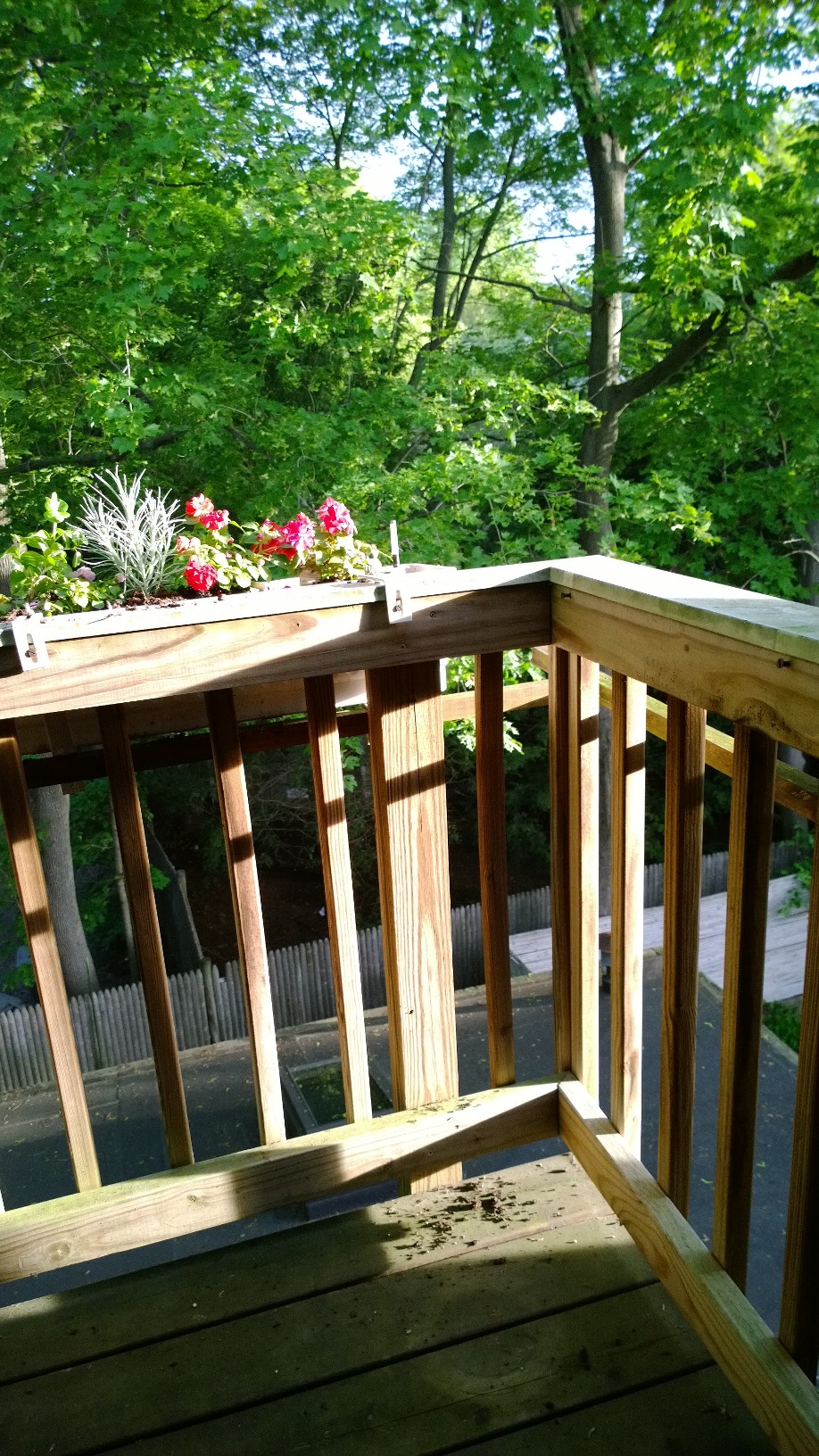
I threw in the third-floor balcony at home.


barking-crab-boston

may27-2014-boston-harbor-sailing


blue-whale-and-carousel

060314-farmers-market


urban-greenway-grows-strawberries

balcony-early-morning


blooming


Read Full Post »

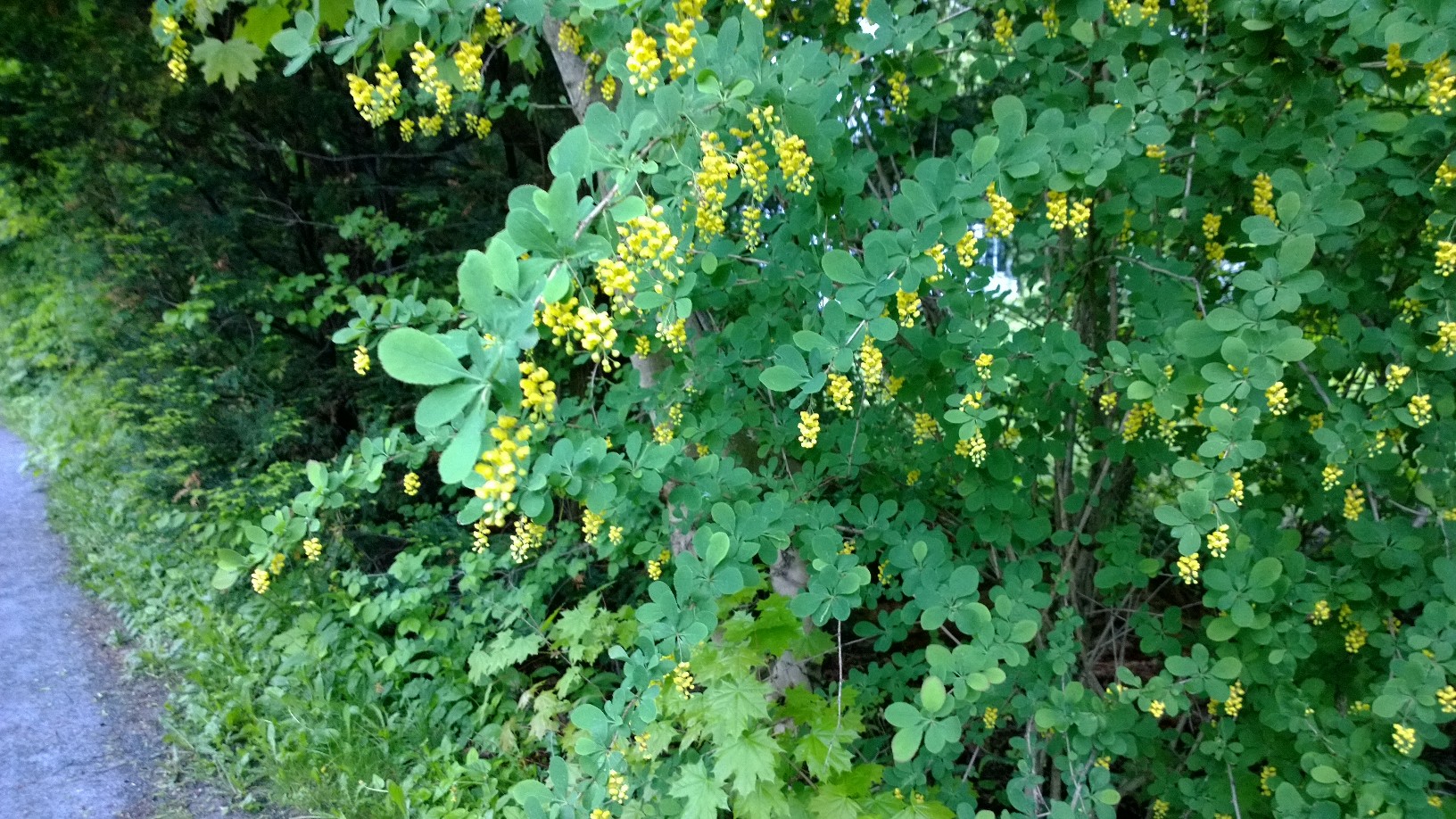
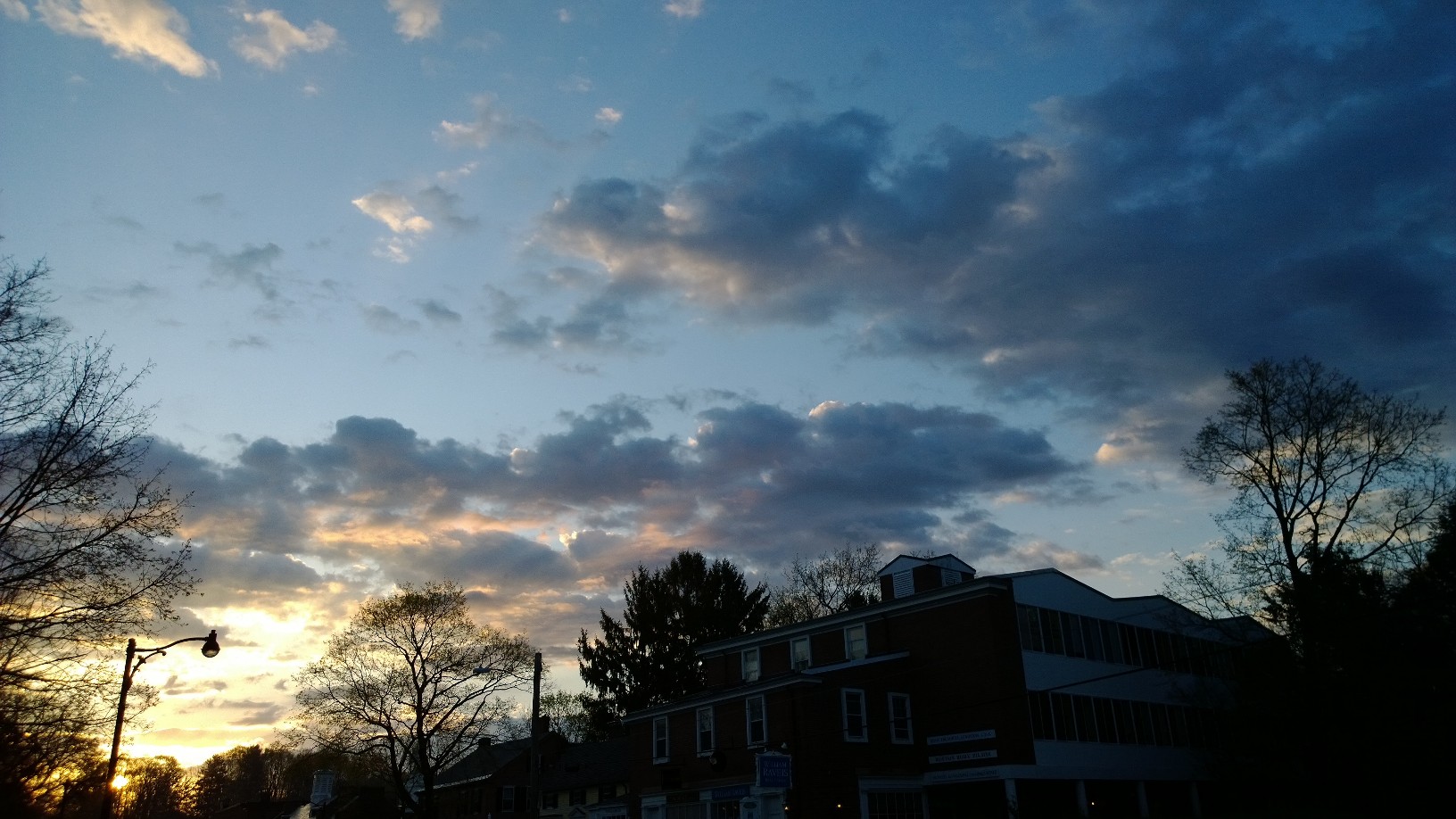
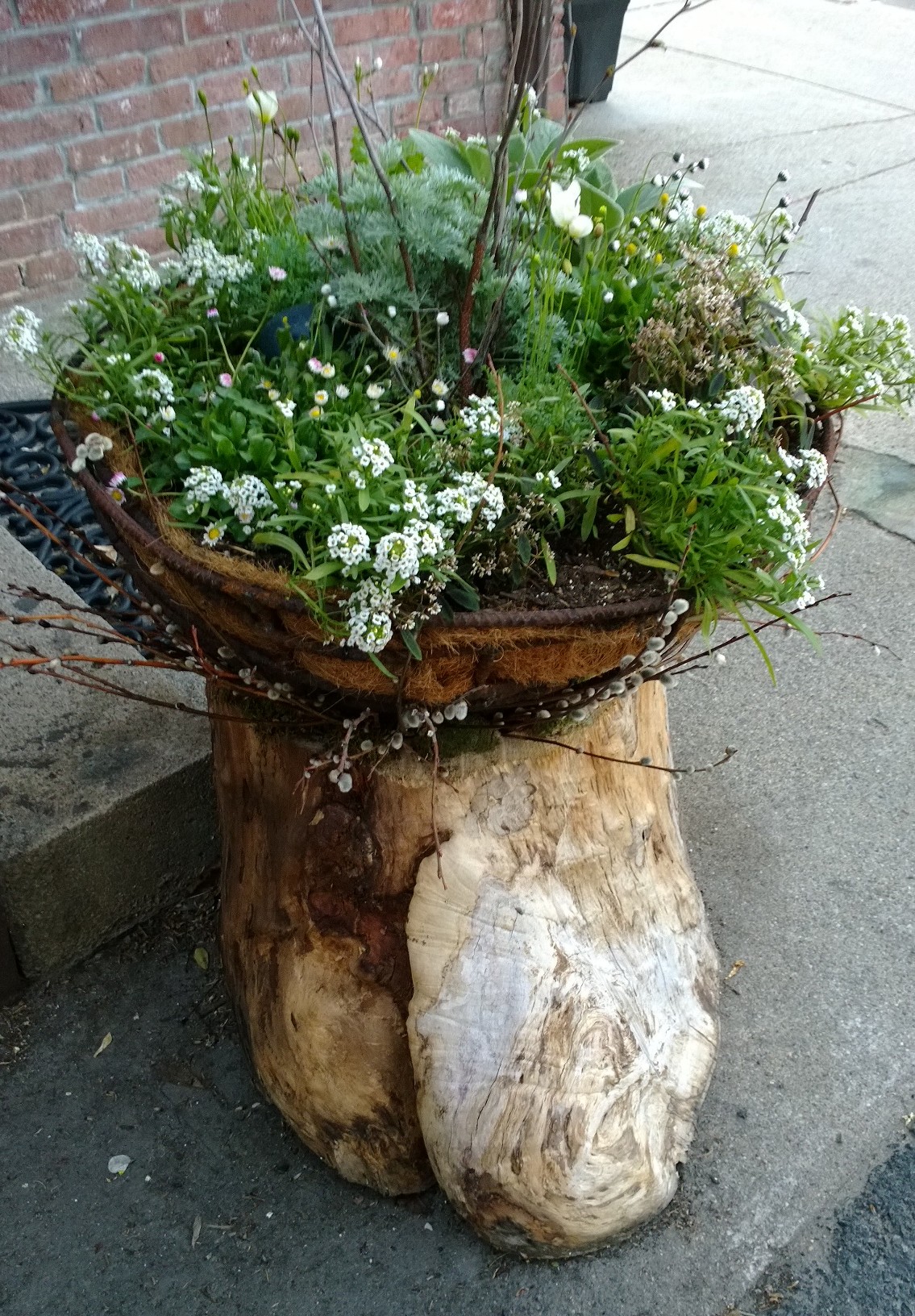
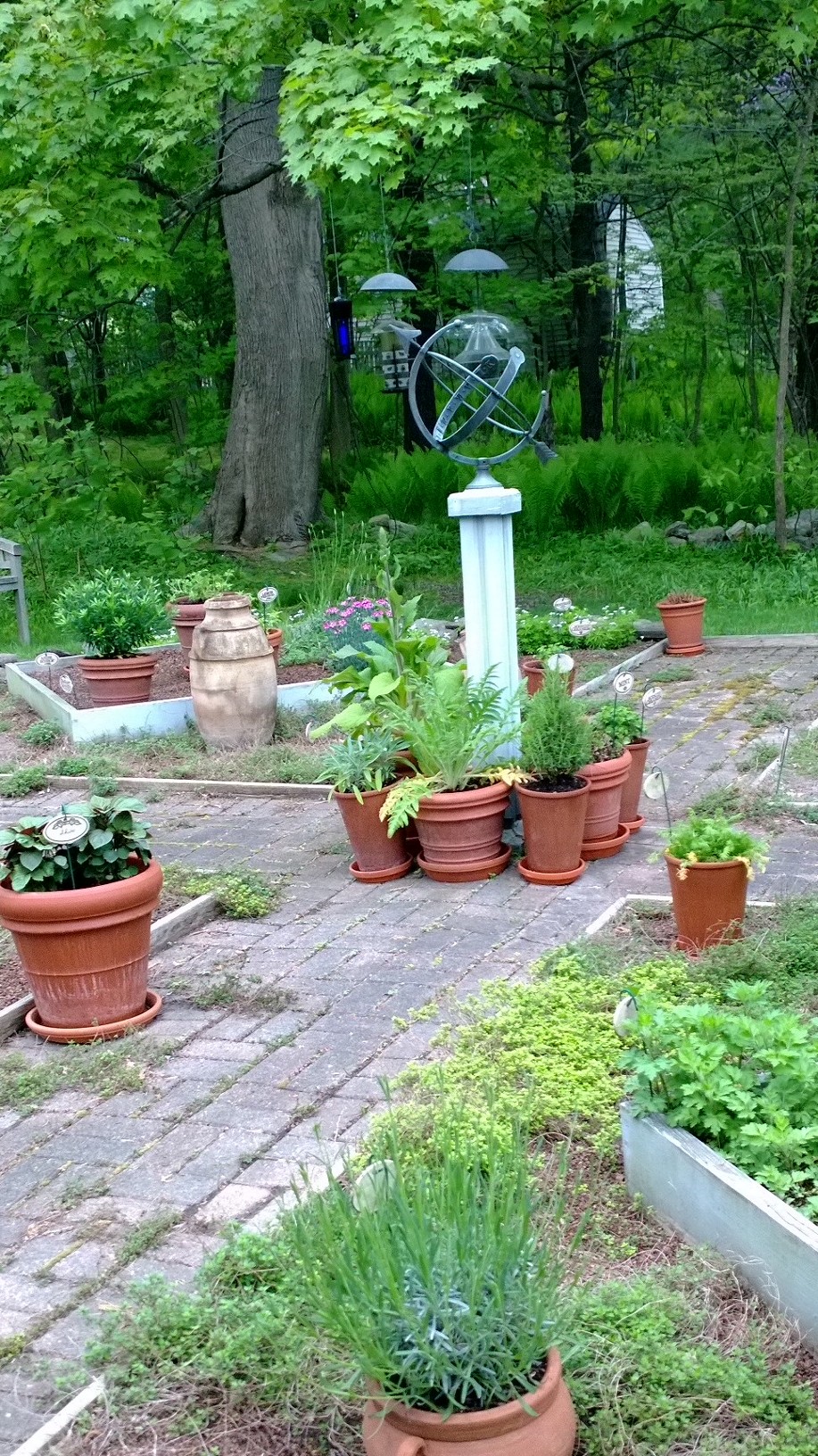
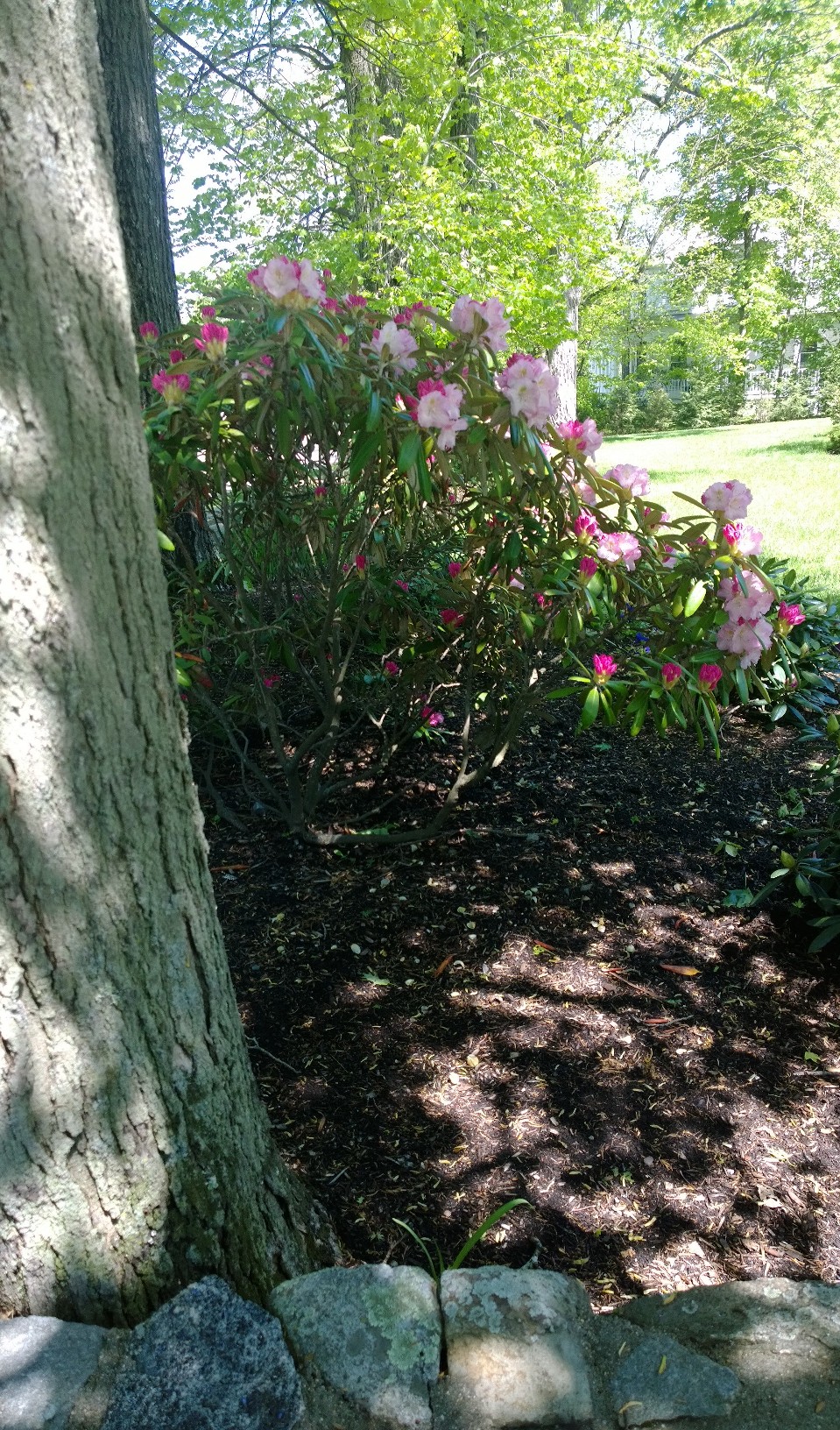
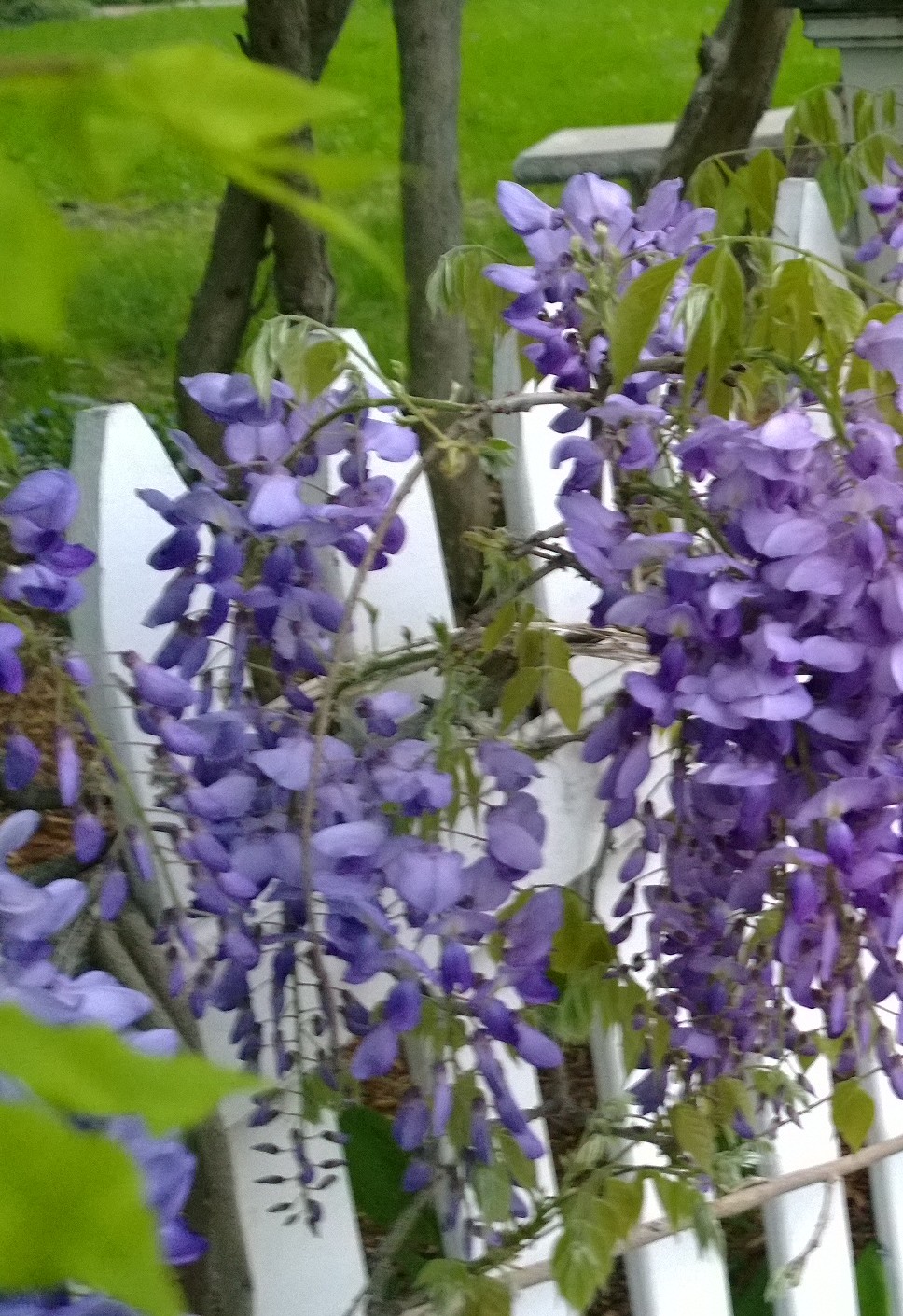
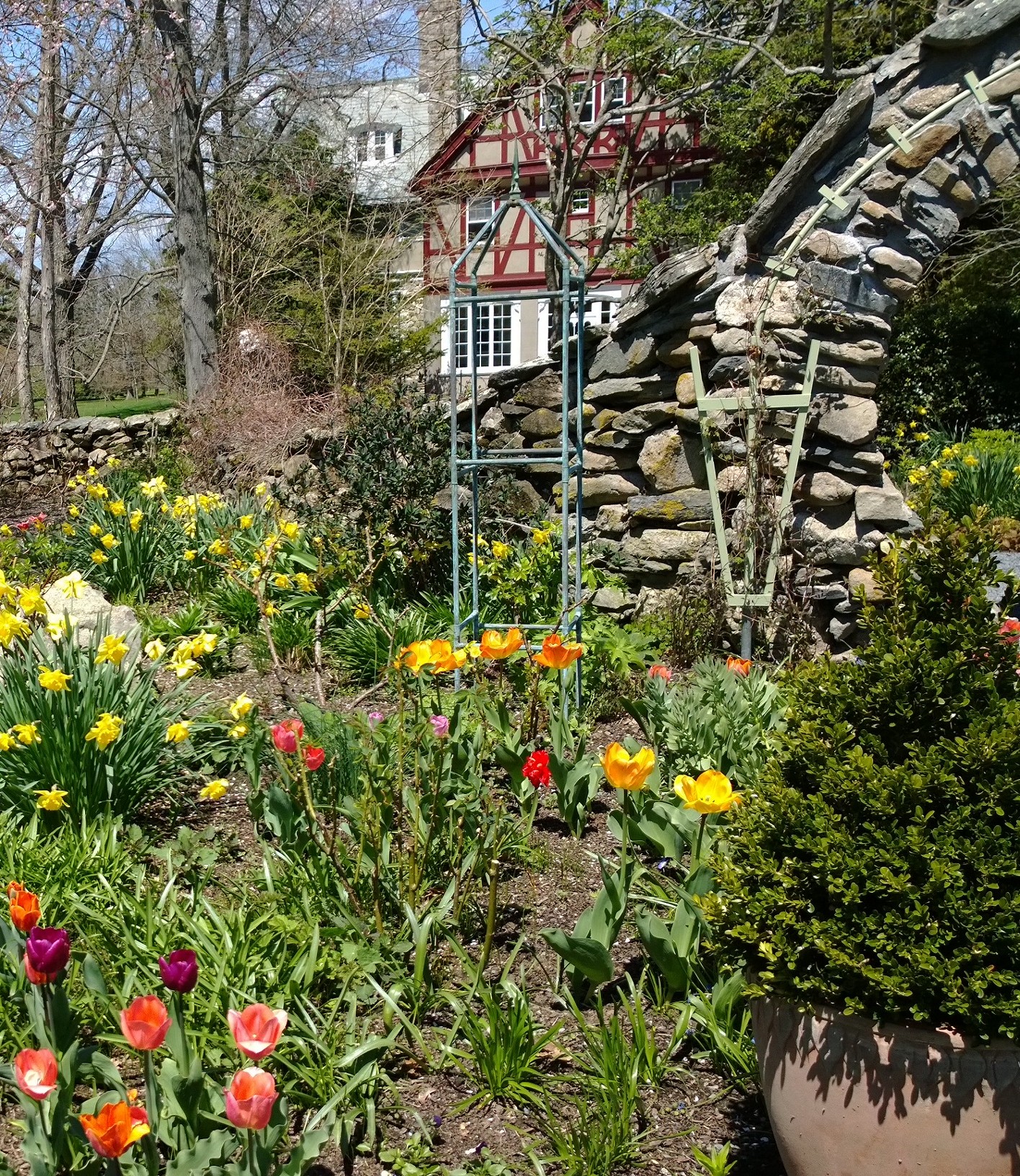
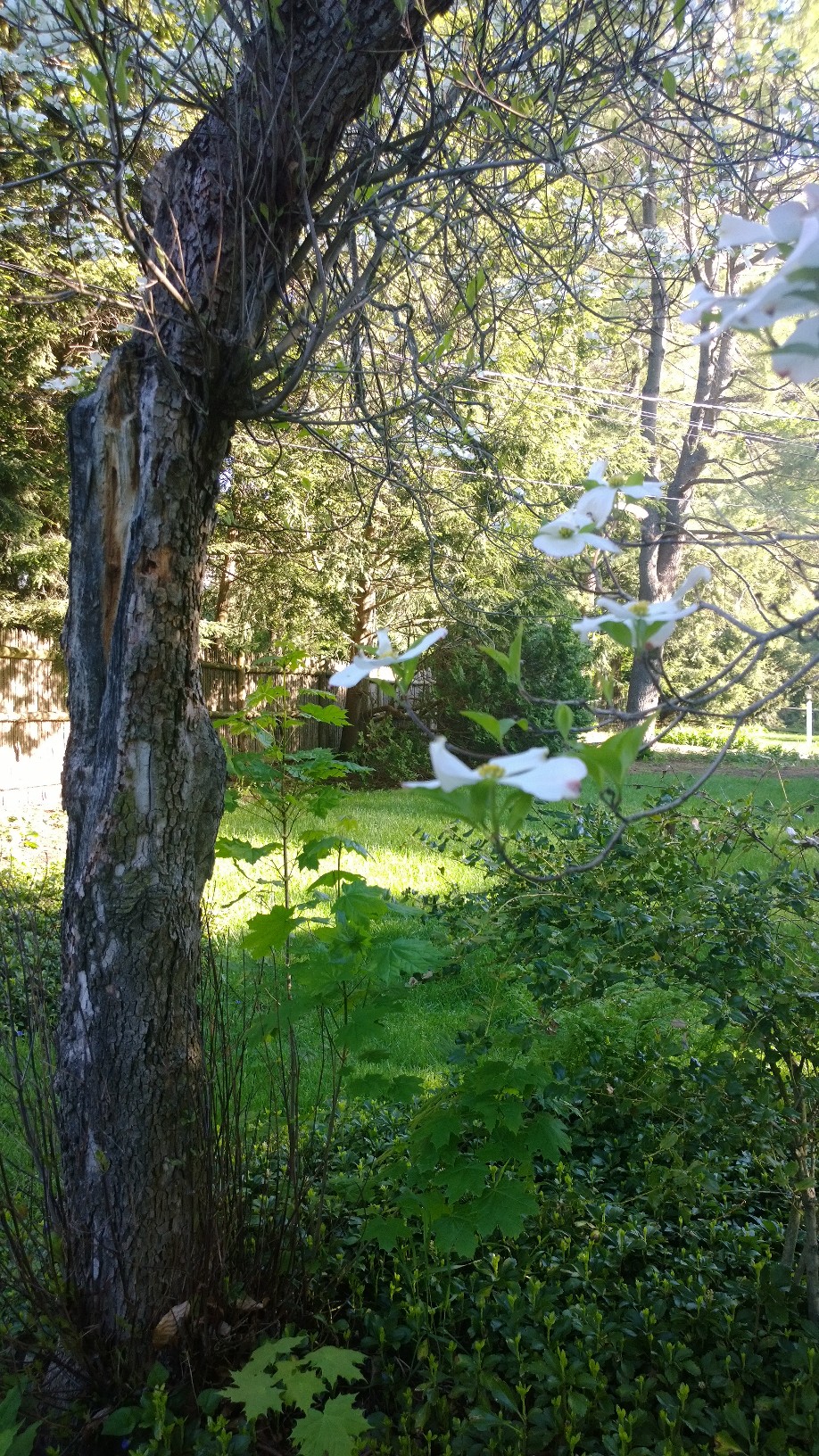
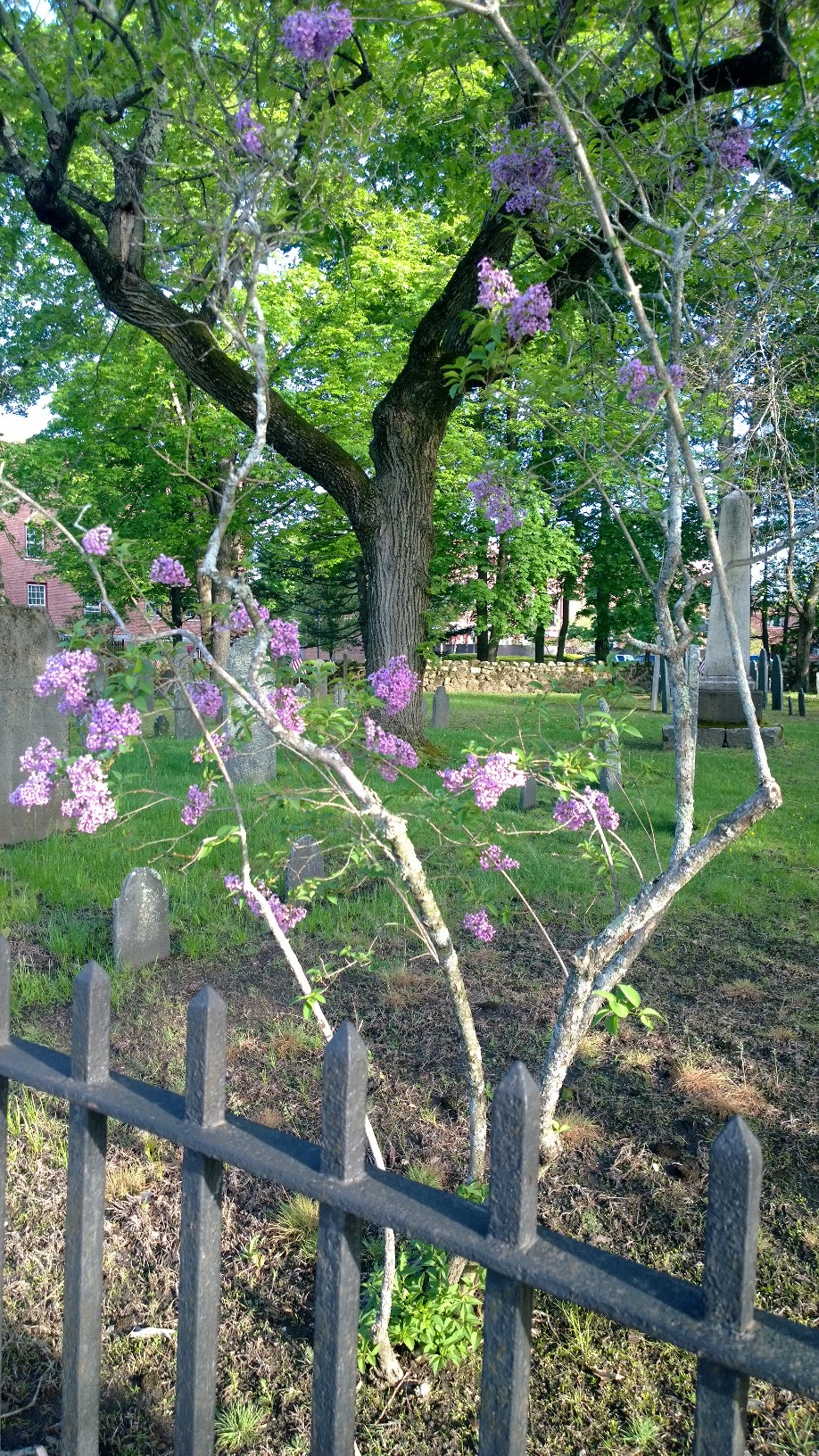
These photos are mostly from walks in Concord, although one is from Blithewold in Bristol, R.I. I’d like to develop my eye for good shots in winter, but there are so many more reasons to take pictures in spring! I especially love old, blasted trees with delicate, young flowers. I include one, a dogwood. The lilac in the graveyard is another tree that doesn’t know it’s not as hale and hearty as ever.

On Nashawtuc, a hundred different bird calls replaced the sounds of traffic.

Morning-sky-050214

rustic-flower-basket


church-herb-gaarden

dappled-rhodies


red-impatiens


wisteria-at-dawn


flowers-at-Blithewold

bondir-landscaping


crippled-but-flowering-dogwood

lilac-in-graveyard


Read Full Post »

Photo: Julie Van Stappen, National Park Service
Apostle Islands sea caves

Winter seems to be hanging on, so it’s not too late to blog about the Apostle Islands and the sea caves in winter.

My husband and I visited the Apostle Islands 16 years ago, almost to the day. We stayed in a pleasant B&B that had a waitress who, my husband recalls, acted like one’s sojourn there “was the experience you had been waiting for your whole life.” We drove around and tried to keep warm. I’m looking at a pottery pitcher with an apple on it that we bought in a little shop.

At the New Yorker, Siobhan Bohnacker introduces a slide show on the sea caves, calling them “Cathedrals of Ice.”

“This past February, thanks to an unusually cold winter, the sea caves along the Apostle Islands National Lakeshore, in northern Wisconsin, were accessible by foot for the first time in five years. Visitors were able to walk two miles over the thick ice of Lake Superior to see the ice formations that run up the coastline. Erin Brethauer, a photographer living in North Carolina, visited …

“Describing the trek to the caves, Brethauer told me, ‘A steady stream of people cut a colorful line on the horizon. More than a hundred and thirty-eight thousand people visited the ice caves this winter, up from twelve thousand seven hundred in 2009.’ …

“The shorelines along the Apostle Islands have been slowly shaped by the movement of the water of Lake Superior, and by its annual freezing and thawing. Sea caves, which resemble honeycombs, are sculpted in the course of centuries by waves breaking onto cliffs. This impact creates what are called reëntrants, or angular cavities that tunnel into cliffs. When reëntrants join behind the cliff face, sea caves result. When water is trapped in the caves and cavities, and freezes, dramatic ice formations occur.

“Brethauer said, ‘We were struck by the size and coloring of the ice along the coastline. Some ice was a pale blue, while other formations were yellow or reddish, depending on the sediment the water collected when it was freezing. … I loved watching how people interacted with the caves and ice, climbing or taking pictures. They provided such scale and added to your feeling of wonder. And then, stepping inside one of the caves, looking up, and listening to the silence or the ricochet of sound, it felt like being in a cathedral.’ ”

Check out the slide show at the New Yorker, here.

Read Full Post »
« Newer Posts - Older Posts »