Feeds:
Posts
Comments

Posts Tagged ‘postaday’

After a delightful morning with my granddaughter and my older grandson, I went to Providence to hang out with my younger grandson and Suzanne and a good friend.

I caught up with them at the park, where the farmers market was winding down and a free summer concert was revving up: the annual Summit Music Festival. (Check it out here.)

The four of us liked a blues group called the Selwyn Birchwood Band (pictured) and another band called Smith and Weeden. The ice cream eater below had reservations about a third performance. Everyone’s a critic.

We spent a chunk of time going “higher, higher” on the swing in the playground and watching a multi-ethnic group of small boys kick a soccer ball. (How brave it is to go up to boys you don’t know and ask to play!) We skipped the face painting, which was gorgeous but, to a 2-year-old, kind of pointless. We watched kids and grownups painting a mural wall.
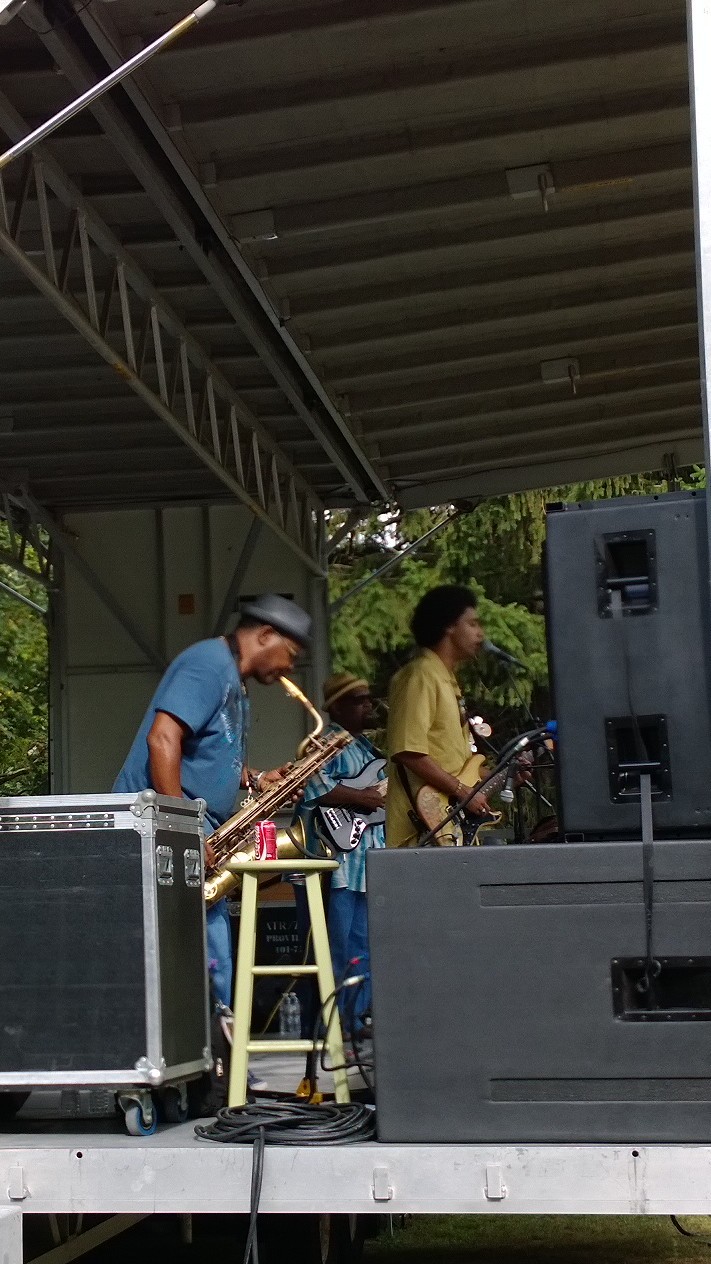
live-music-Providence


concert-critic-with-ice-cream


paint-the-wall-providence

Read Full Post »

Yesterday I tried Google Glass.

Summer interns where I work had been given a pair of the wearable computer glasses to program. For fun, they made the glasses present a data-visualization tool my boss created last year.

When I tried it out, I had to say first, “OK, Glass” to activate the program. A small computer screen appeared in front of my vision but a bit higher and to the right. Then I had to ask see a piece of the information I knew was available in the data-visualization tool. “Show me the population of Boston.”

Then the interns told me to scroll with my finger on the right side of the frame to see other data about Boston: characteristics of people in lower-income census tracts; characteristics of middle- and upper-income tracts. Finally, I asked to see other cities.

Until yesterday, I had no idea that you talk to the thing. It’s wildly expensive and, according to MIT Technology Review, sometimes subject to security dangers.

But what a fun toy!

(Hmmm. I can hear my father quoting Fowler’s dictionary: “Fun is a low-cant word.” And that man didn’t even know “fun” would someday be used as an adjective. Well, as the song goes, something’s lost but something’s gained in living every day.)

Photo: NBC producer Frank Thorp using Google Glass in Washington, DC, Aug. 2, 2013. 

Read Full Post »

Kathy was telling me on the commuter train about an article on Littleton’s Life Care Center, which uses llamas and other critters to engage the residents.

I said, “Send me a link!”

Today I received the article in the Lowell Sun. Samantha Allen writes, “At the Life Care Center of Nashoba Valley, it’s not uncommon to see patients asleep in their wheelchairs by the saltwater-fish tank, or out for a stroll around a pasture filled with grass-grazing animals like goats and llamas.

“Director Ellen Levinson said while the merits of ‘pet therapy’ have been adopted and used at various skilled nursing facilities across the country, it’s rare to find chickens and alpacas at a site.

“At the 120-bed nursing home, which houses a specialized memory-support unit for those with severe dementia and other conditions that affect the memory, staff members make time to ensure their patients interact with the animals whenever possible.

” ‘This is my philosophy: A lot of places say, “We have pet therapy,” and what they have is someone who brings a dog in on a leash once a week,’ she said. ‘If I were living here, that would make me more miserable. It’s not like real life. It’s not like having a dog, and then you’re just tempted with what you could have all the time.’ …

“This spring, the Life Care Center of Nashoba Valley was awarded a perfect score by the [Massachusetts] Department of Public Health in a survey of nursing homes and senior-care providers.” According to Kathy, the Center is also friendly to outsiders, welcoming the public in for the llama shearing and other events.

Read more about the approach Levinson devised, here.

Photo: Life Care Center of Nashoba Valley 

Read Full Post »

In today’s Boston Globe, Kelly Gifford wrote about a new effort to hop over the generation of adults who don’t cook and teach children how.

“Short single-file lines form beside a table with three hot plates at the Blue Hill Boys & Girls Club in Dorchester. …

“This is the first time the majority of the 10 girls have ever cooked an omelet — a fact that [Bill] Yosses, Sally Sampson, president and founder of ChopChop Magazine, and the Harvard Pilgrim Health Care Foundation are hoping to change through a series of healthy eating classes at several New England Boys & Girls Clubs.

“The Dorchester program is part of the series, which is aimed at 8- to 12-year-olds. The weeklong program kicked off in Worcester in early July and will continue in six Boys & Girls Clubs in the Boston area and eight in New Hampshire this fall, to reach about 200 kids total. The program is funded through a $100,000 grant from the Harvard Pilgrim foundation.

“ ‘There is a whole generation of parents across the income and age spectrum that can’t cook, so they do takeout,’ says Harvard Pilgrim president Karen Voci. ‘So we decided to skip a generation and see if these kids could bring the skills they learned back home to their families.’ ”

The children seem to be enjoying trying new tastes and showing off what they can prepare. Read the whole article here.

Photo: Pat Greenhouse/Globe staff
Former White House pastry chef Bill Yosses (standing) helps teach children to make yogurt parfaits and other healthful dishes.

Read Full Post »

I’m back in America. America is what people on the island call the mainland. “I have to go to America today. Dentist appointment.” “I missed the boat and got stuck in America.”

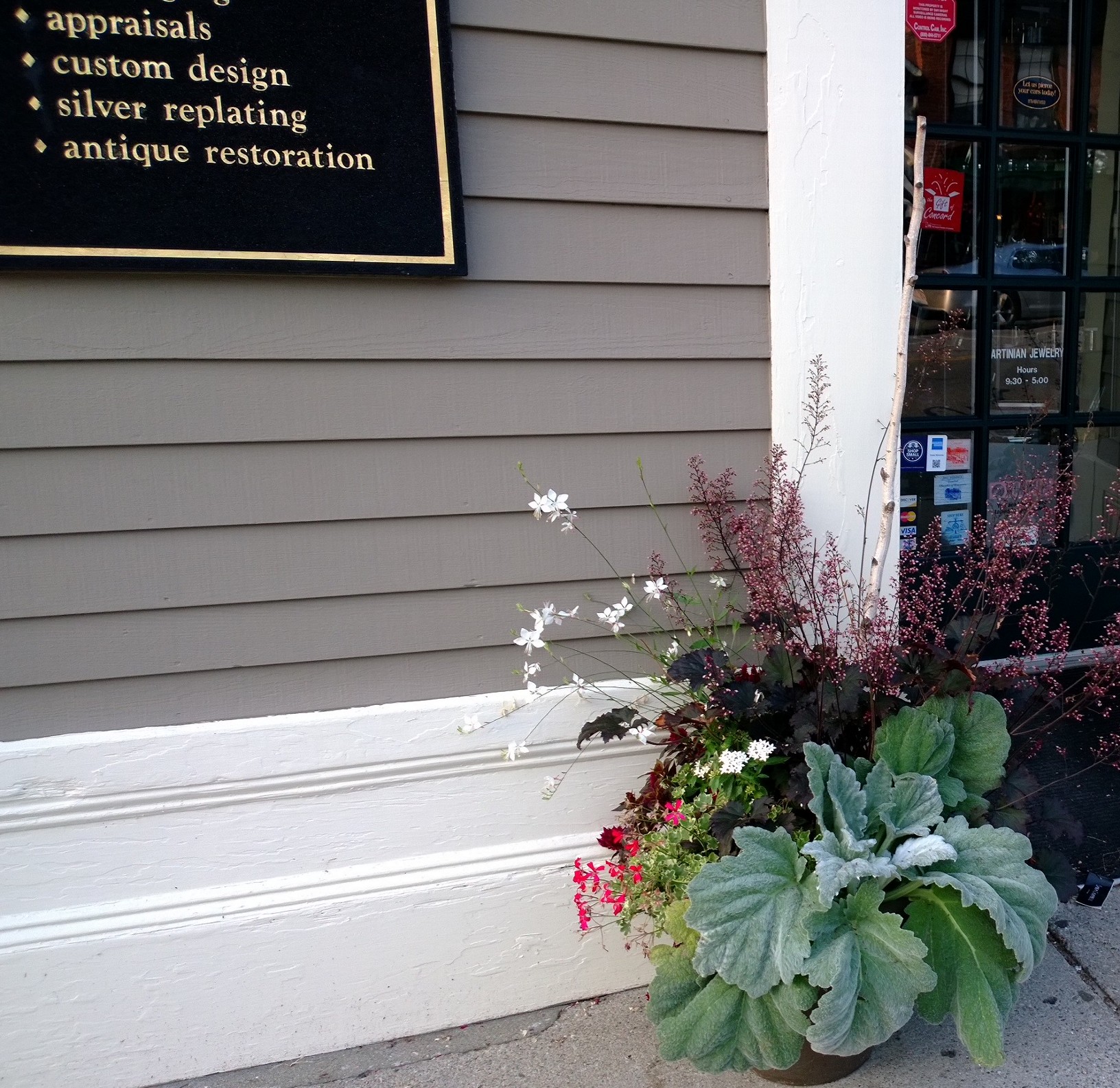
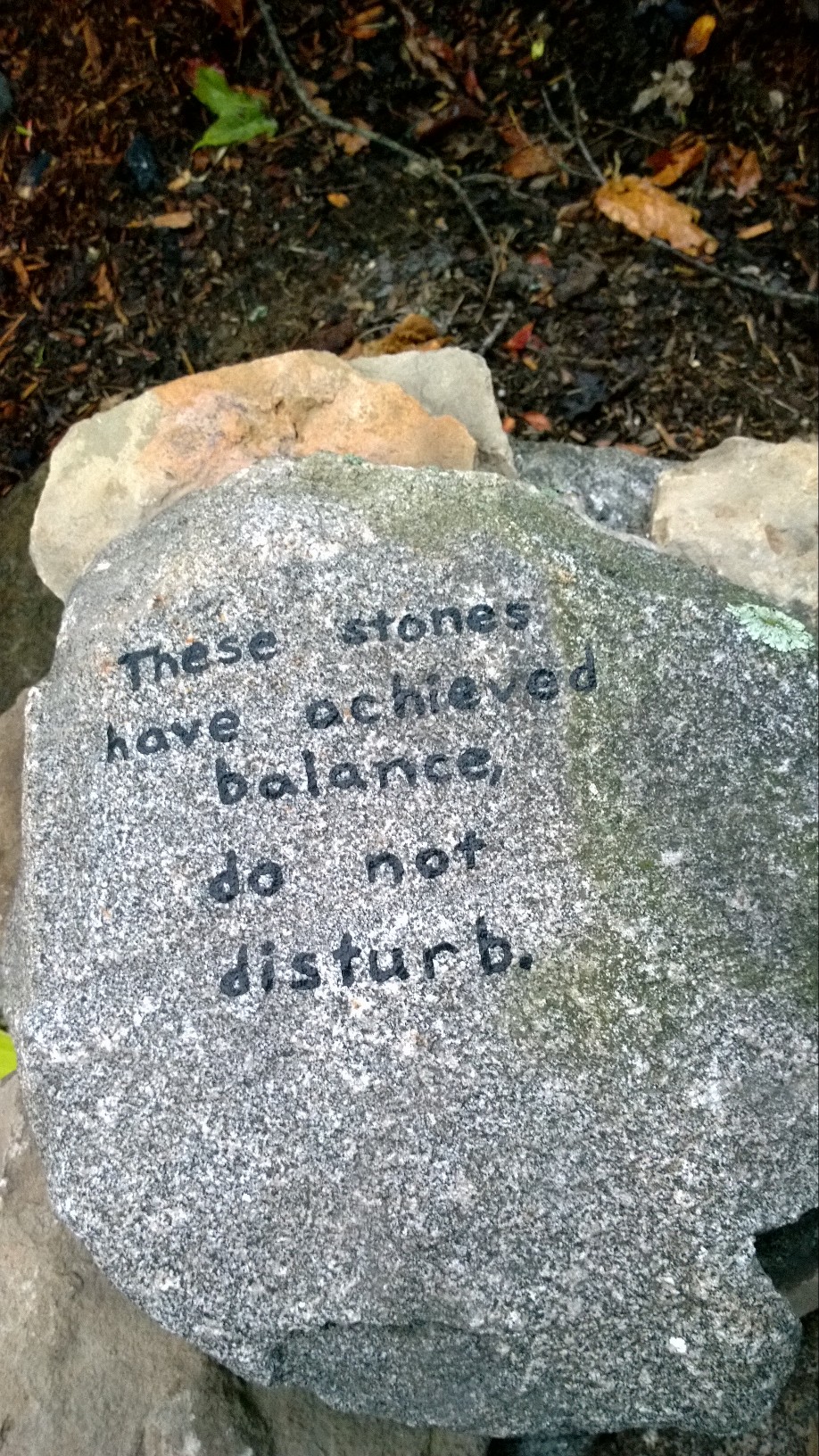
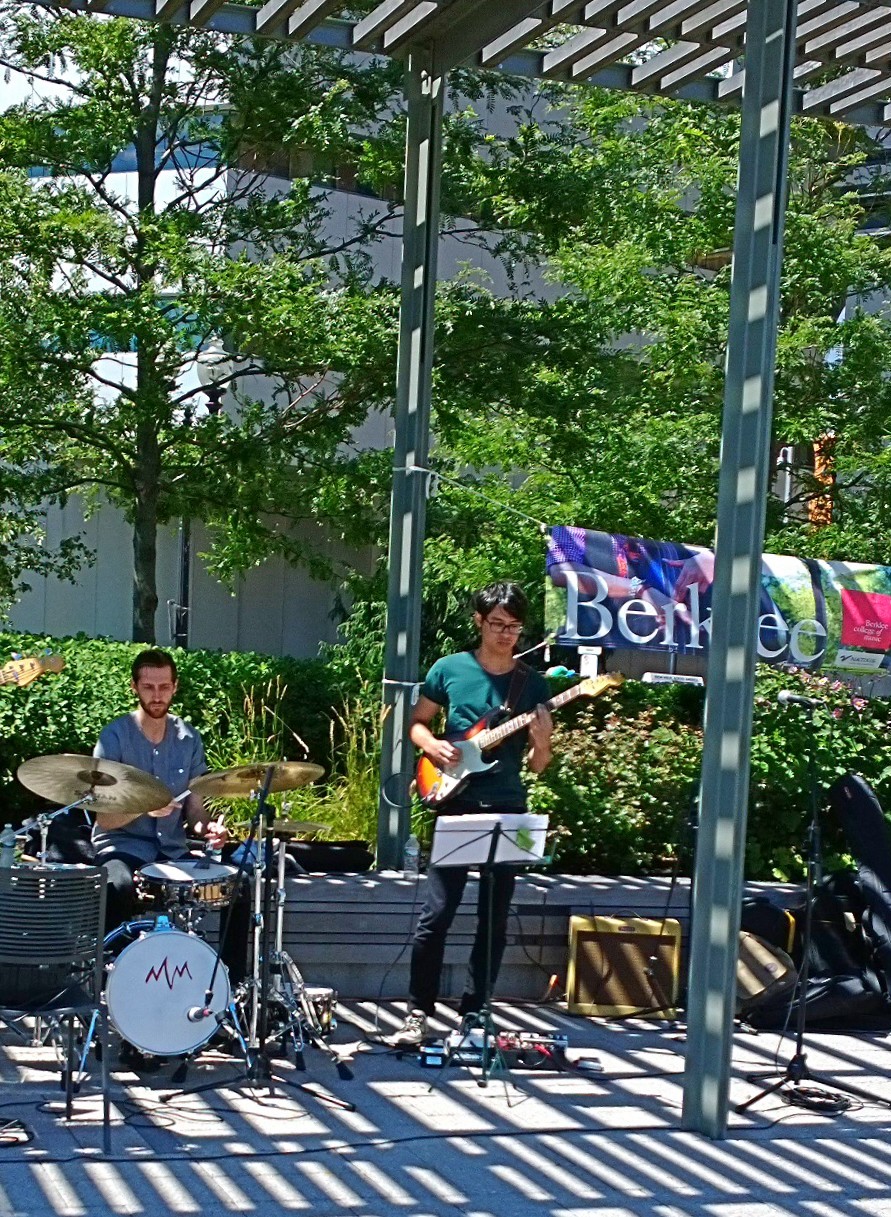
Here are a few pictures from America. Burdock in bloom. Warnings from a stone wall that has “achieved balance.” An alley in Fort Point. A tour guide on the Common. Berklee students performing jazz at Atlantic Wharf. A decorative plaque on a building that wasn’t always a hotel.

I have two questions. Who knew that burdock had pink flowers? What are “spitting spiders”?

burdock-has-a-pink-flower


flower-pot-at-Artinian


spider-warning-on-wall

rocks-in-balance


fort-point-channel-buildings


a-guide-on-Boston-Common


Berklee-students-at-Atlatic-Wharf

coins-on-old-central-bank


Read Full Post »

It’s not always easy for low-income people to get access to food that is healthful, and once children get accustomed to salty, fatty, sugary snacks, junk food becomes comfort food and stores see little demand for better items. But if children know what would taste good and be good for them, they are on the road to better nutrition.

That is why the folks fighting childhood obesity are enlisting the support of several hip-hop artists that young people admire.

Winnie Hu at the NY Times writes, “Adrian Harris, known as Easy A.D. to his fans, has rapped about street life in the South Bronx as a member of the Cold Crush Brothers, a group that is among the pioneers of hip-hop.

“Now Mr. Harris also raps about broccoli.

“ ‘If you think you eat healthy, say ‘”me,” ‘ Mr. Harris called out over a pounding bass that shook the gym at the Future Leaders Institute, a charter school in Harlem, on a recent morning. A photo of a cart laden with fruits and vegetables filled a screen behind him. ‘Boys and girls,’ he added, ‘there are no Doritos on that cart.’

“Mr. Harris, calling himself a ‘health M.C.,’ aims to reach children who might otherwise tune out nutrition lessons. His vegetable rap is part of a growing public health campaign that has enlisted hip-hop artists such as Doug E. Fresh, Chuck D and DMC of Run-DMC to work alongside doctors and nutritionists in fighting obesity and related illnesses in poor communities. The campaign is being rolled out this year in 18 cities.” More here.

Photo: Ozier Muhammad/The New York Times
Adrian Harris, also known as Easy A.D., made a pitch for healthy eating recently at the Future Leaders Institute in Harlem.
 

Read Full Post »

Cousin Claire sent along a recent Slate article about the classic Rudyard Kipling story “Rikki Tikki Tavi.” As children, Claire and I both loved the brave little mongoose that saves a family from a scheming cobra and her mate. And when I taught school, I enjoyed sharing the tale with students.

For James Parkerit’s the greatest short story of all time. “Kipling was an instinctive anthropomorphizer — quite a heathen, in that way. He’d give a human personality as readily to a merchant steamer as to a mongoose. It’s the particular triumph of his animal characters, however, that they never become merely allegorical — or rather, they become allegorical while retaining their singularity and animality.

“Rikki-tikki in his violent happiness represents bravery and battle-joy and life-appetite, without ceasing for an instant to be a mongoose. Chuchundra the muskrat who creeps by the wall (‘ “I am a very poor man,” he sobbed. “I never had spirit enough to run out into the middle of the room.” ‘) is timidity itself, the unlived life, but he is also a wet-whiskered muskrat in a dark corner.” Read more here about Parker’s love for the story. Better yet, read the story.

Photo: Tony Hisgett


Read Full Post »

Around the country, art is playing a role in improving the livability of cities and towns.

Peter Brewitt writes at Orion magazine, “Over the past decade, communities across the nation have taken to beautifying their roads and intersections with hand-painted murals, slowing drivers as they go. Murals like these come at minimal cost — just buy some street-grade paint, get whatever permits your city requires, and figure out how to reroute traffic for a few hours. As people motor through the neighborhood, murals catch the eye, situate the mind, and lighten the right foot.

“Many of these creations did not begin as traffic-control devices — the goal was often to engage the neighborhood with itself, to display its spirits and hopes for the future, and to embrace the spaces that bind people together. But art touches drivers as well as neighbors …

Paint the Pavement [PtP], a street-art program in Saint Paul, Minnesota … offers support and advice, but the groups of friends and neighbors creating the art are self-organized and volunteer-run.”

Learn more about enlivening your neighborhood with pavement painting, here. Hat tip to Mary Ann on Facebook.

It’s an interesting art form. More lasting than children’s sidewalk chalks — which doesn’t mean that chalk is passé. In my work neighborhood, grownups have been taking up sidewalk chalk art, and I can attest that people smile when they see it.

Video: Vimeo and Orion magazine

Read Full Post »

When I lived in Minneapolis (1997-2000), I liked to walk in Loring Park. It was a lovely oasis located right downtown. The only problem was you really had to watch your step. Canada Geese frequented its pond and besmirched the grass and sidewalks.

Then one year, the city had an idea. It planted tall grasses around the perimeter of the pond. Before you knew it, no more geese! At the time, I was told that geese didn’t like the way the grasses feel on their feet when they come out of the water. But an article yesterday about the use of tall grasses at an Ohio airport said birds like geese fear long grasses because they could be hiding predators.

Whatever works.

Scott Mayerowitz reported the story for the Associated Press. “One Ohio airport is now experimenting with a new, gentler way to avoid bird strikes: planting tall prairie grass. …

“Says Terrence G. Slaybaugh, director of Dayton’s airport. ‘If we are going to protect the long term use of airports in an increasingly populated area, we need to be less intrusive and find ways to contribute in a positive way to our surroundings.’

“The thick grass has other benefits: preventing water runoff, taking carbon dioxide out of the air and requiring only one mowing every three years. Bird lovers are also excited about the use of non-lethal methods to keep birds away from the airport. The airport’s neighbor, the Aullwood Audubon Center and Farm, has been working closely with aviation officials on the tall grass project.

” ‘It’s a watershed moment. Our airport is embracing it,’ says Charity Krueger, executive director of the center.’ ” More here.

Photo: Chris Gregorson 
Loring Park, Minneapolis. Note the tall grasses around the pond.

Read Full Post »

luna-and-stella-on-slate


welsh-slate-displays-jewelry


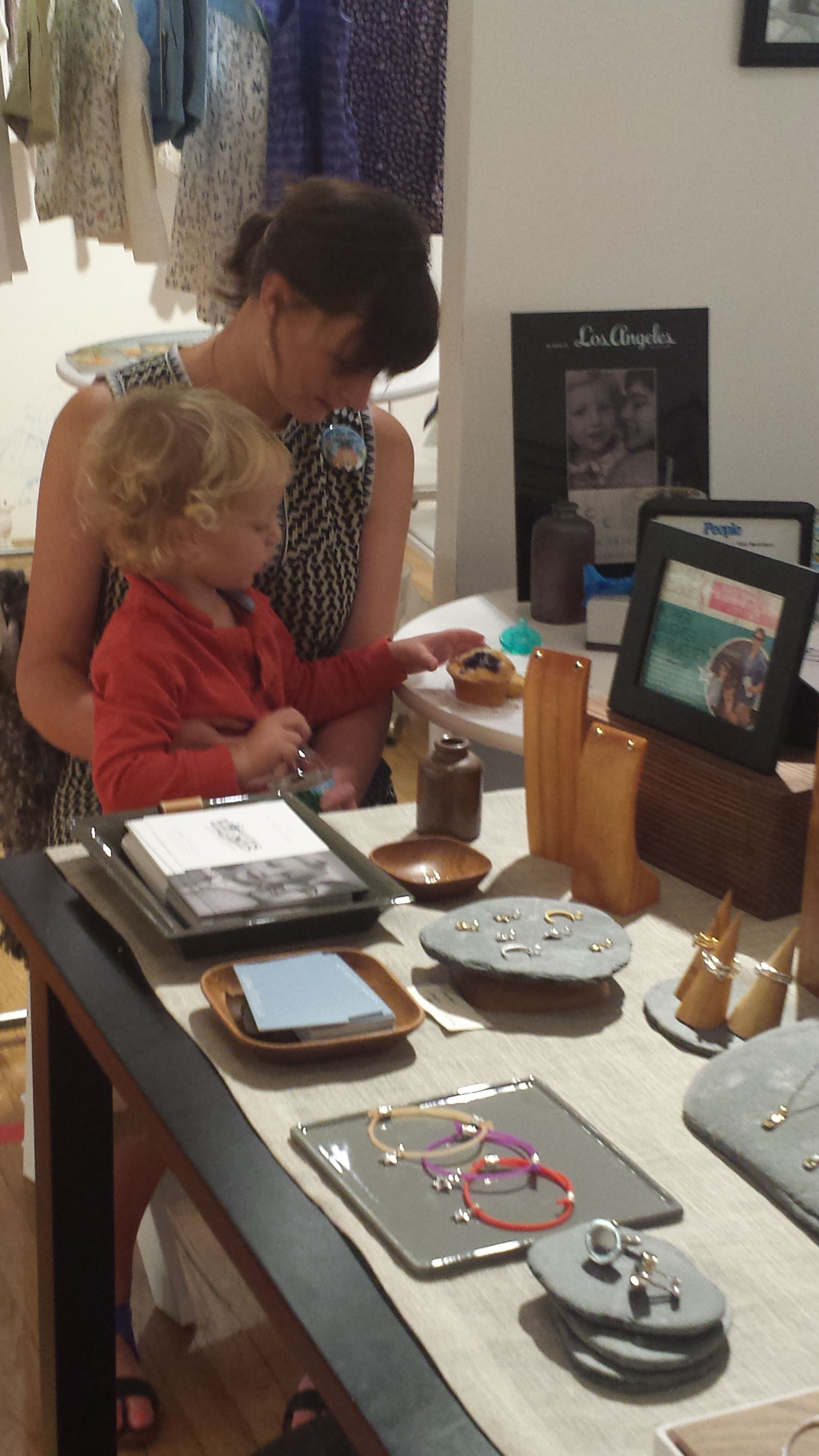
And speaking of slate, Suzanne’s company, Luna & Stella, displayed birthstone jewelry on slate brought from Wales by Erik’s family and got a lot of compliments at New York’s Playtime trade show. In fact, one store asked if they could buy some for display!

Suzanne was not up for selling the slates, however. After all, she asked Erik’s sister and brother-in-law to cart them home to Denmark after a joint visit to Wales and then bring them to the US on their vacation. I’m not sure they would do that twice. As a bemused Klaus recounted after his son’s luggage failed to materialize, “We got to the US with no clothes for Axel, but the bag of rocks made it through just fine.”

Suzanne and Luna & Stella will be at the giant NY Now trade show in the next few days (Javits Center, August 16-20). Stop in at her booth if you are there. And you may very well be there as it seems like half the world goes.

From the NY Now website: “2,800 exhibitors and thousands of lines across 400 categories; 35,000 buyers representing 20,000 companies; they travel from all 50 states and 85 foreign countries; 98% place orders based on what they see at the Show; 78% write orders on the Show floor; 38% are new buyers.” More here.

muffin-and-jewelry

luna-and-stella-trade-show-2014

Read Full Post »

The last time I checked into the always intriguing website This Is Colossal, I followed a link to My Modern Met, where Katie Hosmer writes about a trampoline that people are bouncing on in the Llechwedd slate caverns of Wales.

“This underground labyrinth of netting is a giant trampoline playground set inside a slate quarry cavern in the Welsh mining town of Blaenau Ffestiniog. Developed by Zip World, Bounce Below [offers] visitors a playful experience deep beneath the surface of the earth.

“The tourist attraction features three giant trampolines suspended across the cave, ranging from 20 feet to 180 feet high. Ten foot net walls prevent people from climbing out, while walkways connect the trampolines, and slides offer an easy way to exit. As visitors jump around, the walls of the surrounding cavern are illuminated with glowing blue, green, pink, and purple lights.

” ‘We got the idea when my business partner saw this done in woods in France but this has never been done in a cavern, this really is a world first in Wales,’ says Sean Taylor, owner of Zip World. ‘It’s a one hour activity where customers get dressed up in a cotton overall and given a helmet; they then jump on a train and travel inside the mountain.’ ”  More crazy pictures at My Modern Met, here.

How do you keep ’em down in the bouncy house after they’ve seen cave trampolining?

Photo: My Modern Met

Read Full Post »

serious-truck-driver


Play is important for all kinds of reasons in childhood, including testing out skills and experiencing the satisfaction of creativity.

John Poole at National Public Radio focused on the socialization aspects of play in a recent report.

He began, “Why do we humans like to play so much? Play sports, play tag, play the stock market, play duck, duck, goose? We love it all. And we’re not the only ones. Dogs, cats, bears, even birds seem to like to play. …

“The scientist who has perhaps done more research on brains at play than any other is a man named Jaak Panksepp. And he has developed a pretty good hypothesis.

“In a nutshell, he, and many others, think play is how we social animals learn the rules of being social.  …

“Play seems so deeply wired by evolution into the brains of highly social animals that it might not be a stretch to say that play is crucial to how we and they learn much of what we know that isn’t instinct. …

“Not surprisingly, Panksepp and others think the lack of play is a serious problem. Especially at younger ages. And particularly in school settings. …

” ‘It’s not just superfluous,’ says Panksepp. ‘It’s a very valuable thing for childhood development. And we as a culture have to learn to use it properly and have to make sure our kids get plenty of it.’ ” More here.

More still from Jon Hamilton, another reporter in the NPR series on play, here.

Photo: David Gilkey/NPR
Deion Jefferson, 10, and Samuel Jefferson, 7, take turns climbing and jumping off a stack of old tires at the Berkeley Adventure Playground in California. The playground is a half-acre park with a junkyard feel where kids are encouraged to “play wild.” 

Read Full Post »

I intended to go straight to YouTube after reading NY Times dance critic Alastair Macaulay’s enthusiastic review of jookin at a recent Memphis showcase. But then I couldn’t remember the name of the dancer or what the dance style was.

It’s jookin. And I can see why Macaulay — who can be utterly scathing about ballet dancers and choreographers who don’t meet his standard — is so ecstatic about jookin.

Macaulay writes about the rise of the form and a now-famous dancer called Lil Buck (born Charles Riley) at the NY Times: “In 2007 Katie Smythe, a  ballet teacher working out of her native Memphis, was driving her most remarkable student, Charles Riley, across the Mississippi to a lecture-demonstration in Arkansas. Mr. Riley, a young man specializing in the local form of virtuoso hip-hop footwork known as jookin, had started taking ballet lessons to gain strength and extend his range.

“Ms. Smythe had already persuaded some jookin dancers to improvise to Haydn and Mozart. Now she asked Mr. Riley to perform to the cello ‘Swan’ music from Saint-Saëns’s suite ‘The Carnival of the Animals.’ …

“In jookin, men wearing sneakers dance a version of pointwork too. They don’t wear tights, and in those shoes they can’t straighten their knees, but they go onto tiptoe and ripple their arms with the hip-hop currents … When Ms. Smythe and Mr. Riley reached their destination, she introduced him to the audience and put on the music. Her school’s archivist filmed the performance and posted it on YouTube.

“In 2010 this YouTube video (no longer online) was spotted by Heather Watts, a former principal of New York City Ballet who had danced for George Balanchine, Jerome Robbins and many other choreographers. …

“Watching this video of Lil Buck on YouTube, Ms. Watts was immediately electrified.” Read here how she helped him get national attention.

Jit is another type of street dance, from Detroit. I believe that is what you see in the second video, but I hope someone will correct me if I’m wrong.

Read Full Post »

clouds-080714


jellyfish-like-diamonds


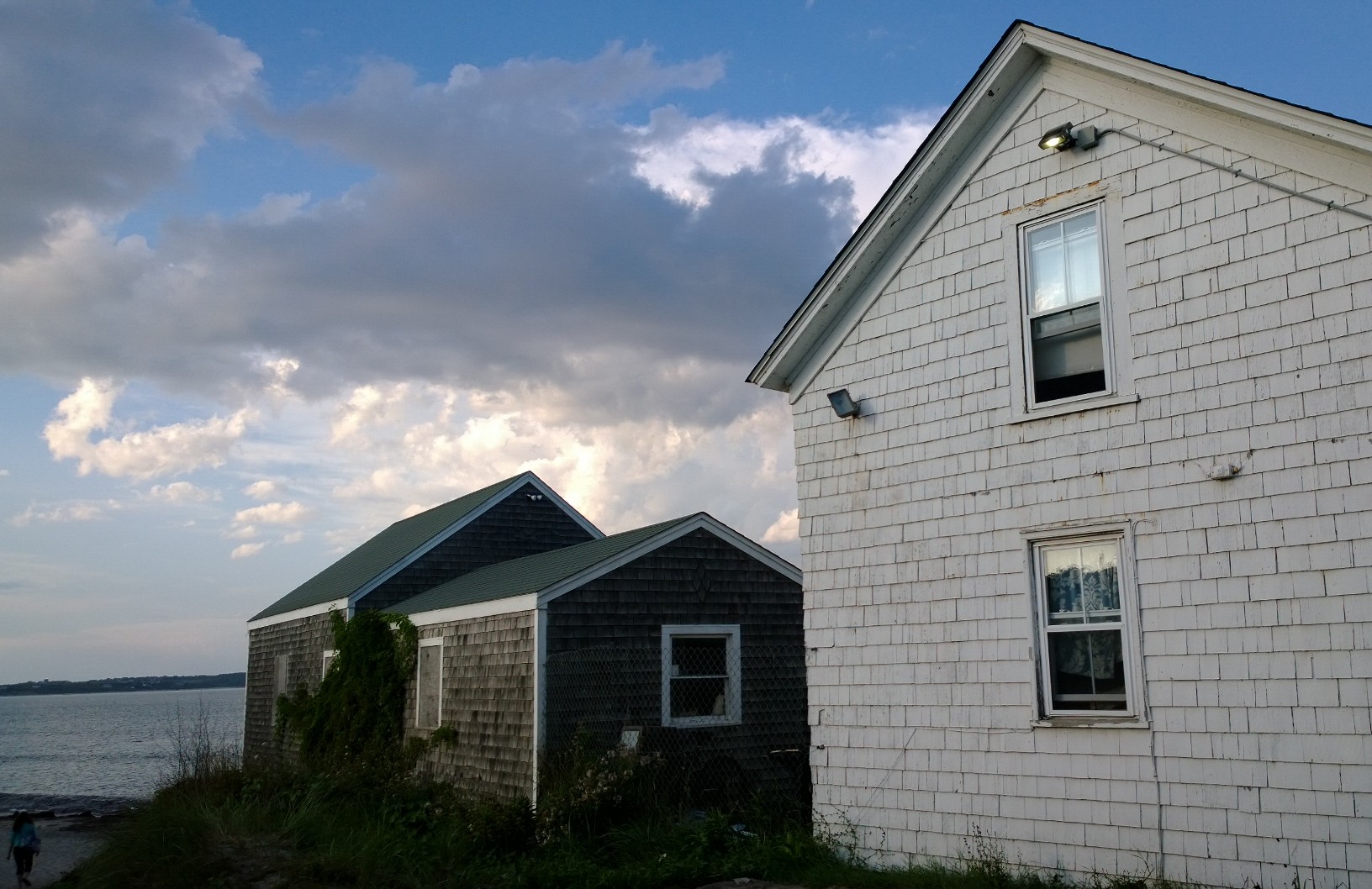
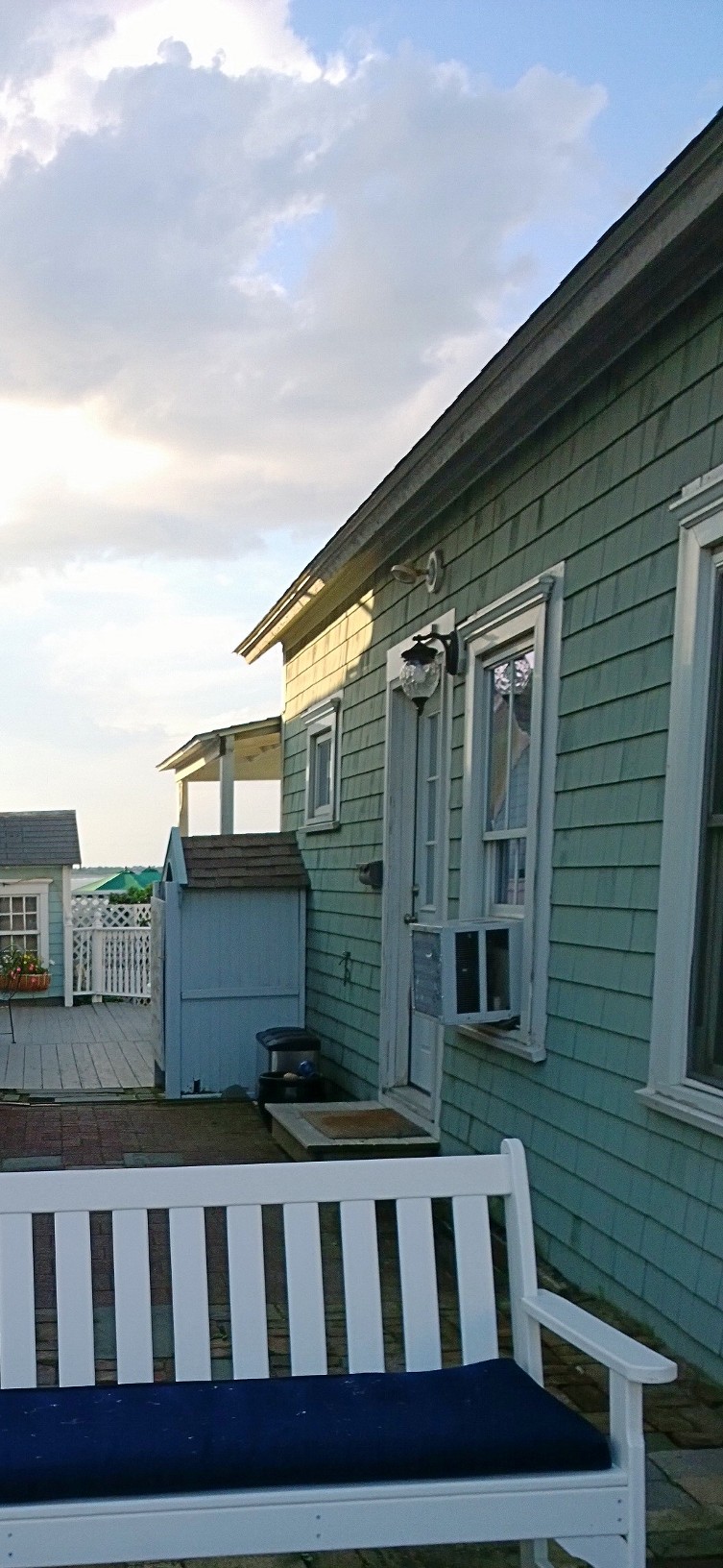
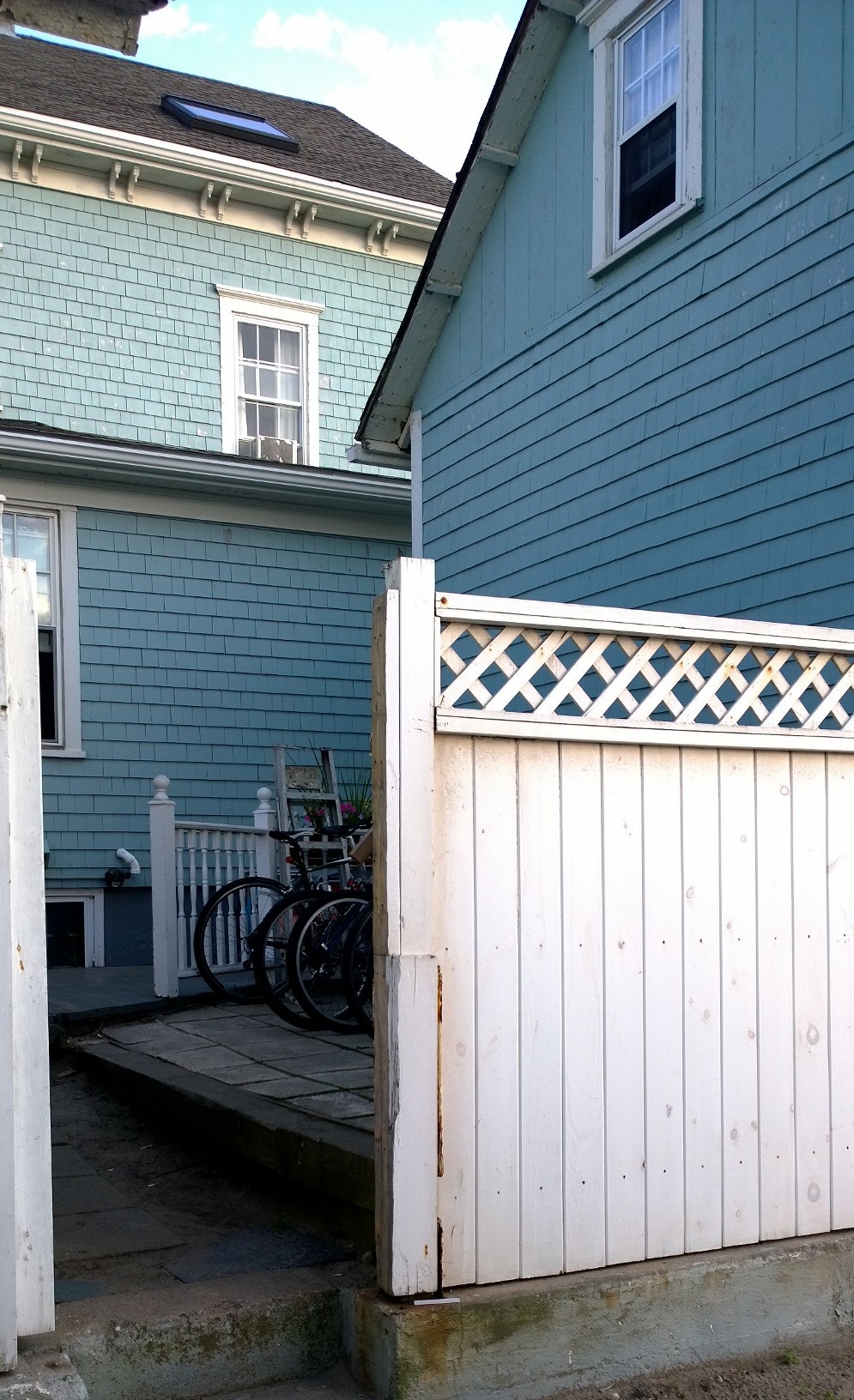
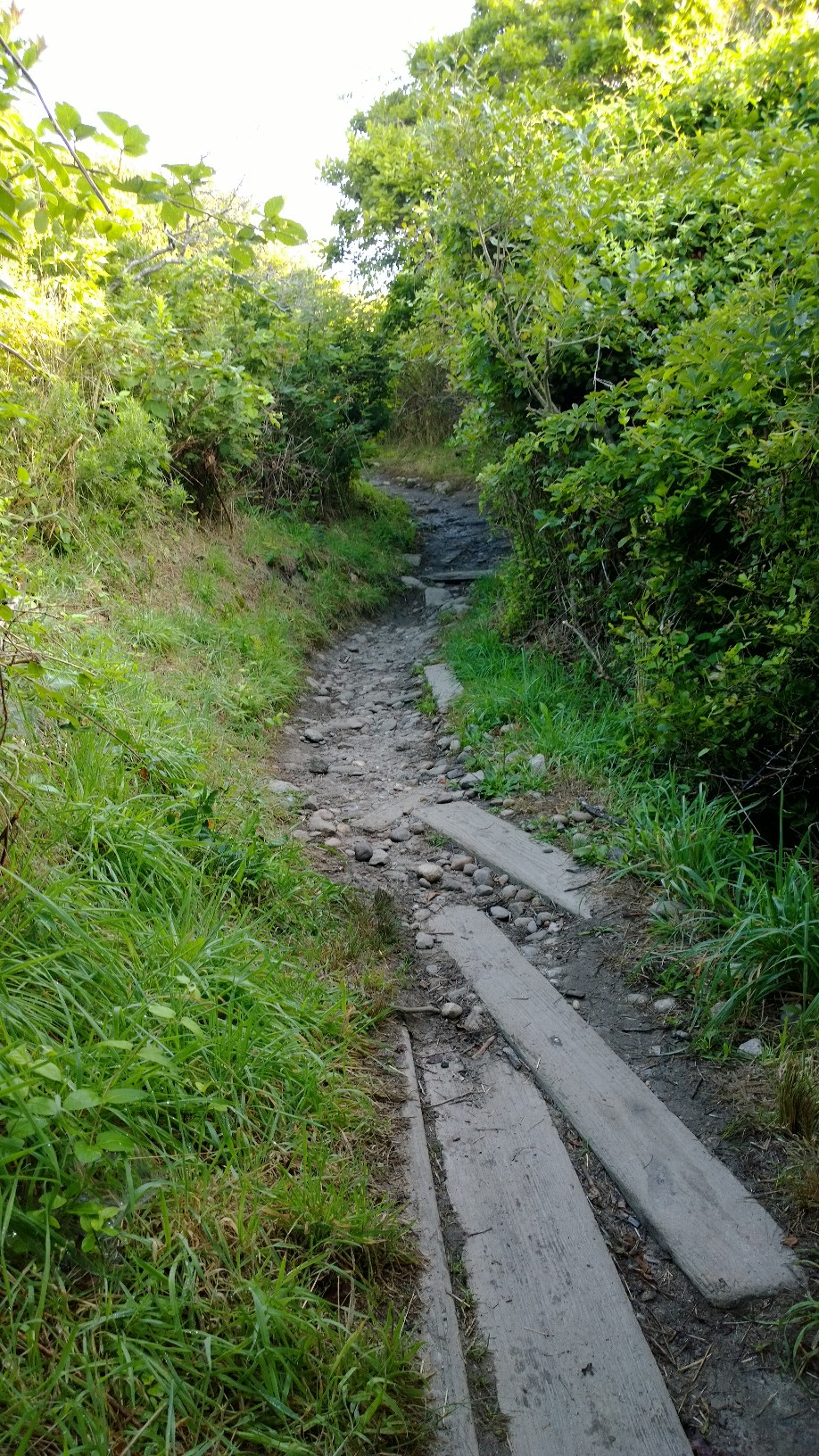
I have a bunch of island pictures for you again, having had a few days to take my time with things. The slow pace makes a nice change, but I wouldn’t want it every day of the year.

At least it has helped me make a serious dent in the first volume of Karl Ove Knausgaard’s multivolume memoirish novel.

The pictures don’t need much explanation. Wonderful clouds. Tiny jellyfish like diamonds where the waves pencil their retreat on the sandy shore. An approved path down the bluffs to a rocky beach.

Rhode Island taught me what the English meant by “shingle,” the smooth round stones that Matthew Arnold describes: “Listen, you hear the grating roar of pebbles, which the waves draw back and fling at their return up the high strand.” I first heard that sound in a Misquamicut motel at night, decades ago now.


seaside-summer-evening - Copy

alley-along-b-and-b


back-of-b-and-b

path-to-beach


beach-stones

edge-of-the-sea


Read Full Post »

A few years ago, John bought a small wooden rowboat secondhand. Even after he got a motor going, he never had as much use out of that boat as he expected, having been somewhat sidetracked like Toad of Toad Hall by a faster-moving windsurfer.

So a couple weeks ago, he put it out by the road with a For Sale sign.

Quite a few people stopped and looked, appearing to discuss with a reluctant partner whether to take on a worn wooden boat. Sandra suggested John pitch it to one of the seafood restaurants for use as a raw bar. Then I wondered if it could offer a competitive advantage as a lemonade stand once the grandkids got into the business.

But today a young man with dreadlocks came and bought it. The boat is going to a good home.

It seems that the buyer and his father actually built that boat years ago. He told my husband that a similar boat built around the same time ultimately landed in a dump in Newport, which made him sad. He said was happy to have this one back and was planning to fix it up in between hours spent renovating a double-ender fishing boat.

I love happy endings.

2014-boat-for-sale-2

Read Full Post »

« Newer Posts - Older Posts »