Feeds:
Posts
Comments

Posts Tagged ‘postaday’

Claire swims in Walden Pond before work. I take a lazy walk. Other people run or go to the gym. But in Brooklyn, you have the option of a dance party at a club.

Stacey Anderson has the story at the NY Times: “It was a typically raucous scene in Williamsburg, Brooklyn … . However, not all was familiar at this rave called Daybreaker, held at the club Verboten. For a start, the 400 young participants wore athletic clothing and pressed office wear rather than skimpy dresses and droll T-shirts. Some were bright-eyed, but just as many yawned and clutched cups of coffee. …

“The Daybreaker dance party, which runs from 7 to 9 a.m. three times a month, is one of two new early electronic diversions finding audiences in Brooklyn and Manhattan. Branded as both a morning workout option and a wholesome inversion of dance culture, the events are novel beyond their sunrise start times: They are alcohol-free, with coffee and fruit-infused water distributed at the bar instead of the customary club libations. The event, which had its debut in December and moves from place to place, darkens its spaces to mimic the typical rave experience, quite convincingly.

“ ‘It’s like a casino in here; there’s no idea of time,’ said Malcolm Ring, 24, a financial analyst. He woke at 5:30 a.m. to attend this Daybreaker party, his first. ‘I would normally go for a run right now, but this is more enjoyable.’ ”

More here.

Photo: Willie Davis for The New York Times
The rap artist Salomon Faye at a Daybreaker party at Verboten, a club in Williamsburg, Brooklyn. 

Read Full Post »

When John was in fifth grade, the parent-teacher association held a “cakewalk” as a fundraiser. It was kind of like Musical Chairs except players didn’t sit down. People would get eliminated in each session, and the last one standing would win one of the cakes. At the time, the idea was new to me.

Now, as I’ve been looking into James Hackett’s Days Gone By again, I am realizing the cakewalk was based on a much older custom.

Writes James, “The cake dance, to which references were made frequently in the 18th and 19th century, was not a particular dance but rather a baire or session of dancing of which a cake was offered to the couple who proved themselves the best dancers. These events were usually sponsored by the local alehouse or tavern, and such gatherings were associated with hurling and other athletic contests. …

“The cake to be danced for is provided at the expense of the publican, or alehouse keeper, is placed on a board, which in turn is put on top of a pike that stands ten feet high, and from it hangs a garland of meadow flowers and also some apples fastened with pegs on the outside of the garland. … Those who are able to dance the longest around the cake are declared winners.”

Photo found here.
If you know where to find a photo of an actual Irish cake dance, let me know. In the meantime, here is an Irish piper accompanying a couple dancers.

Read Full Post »

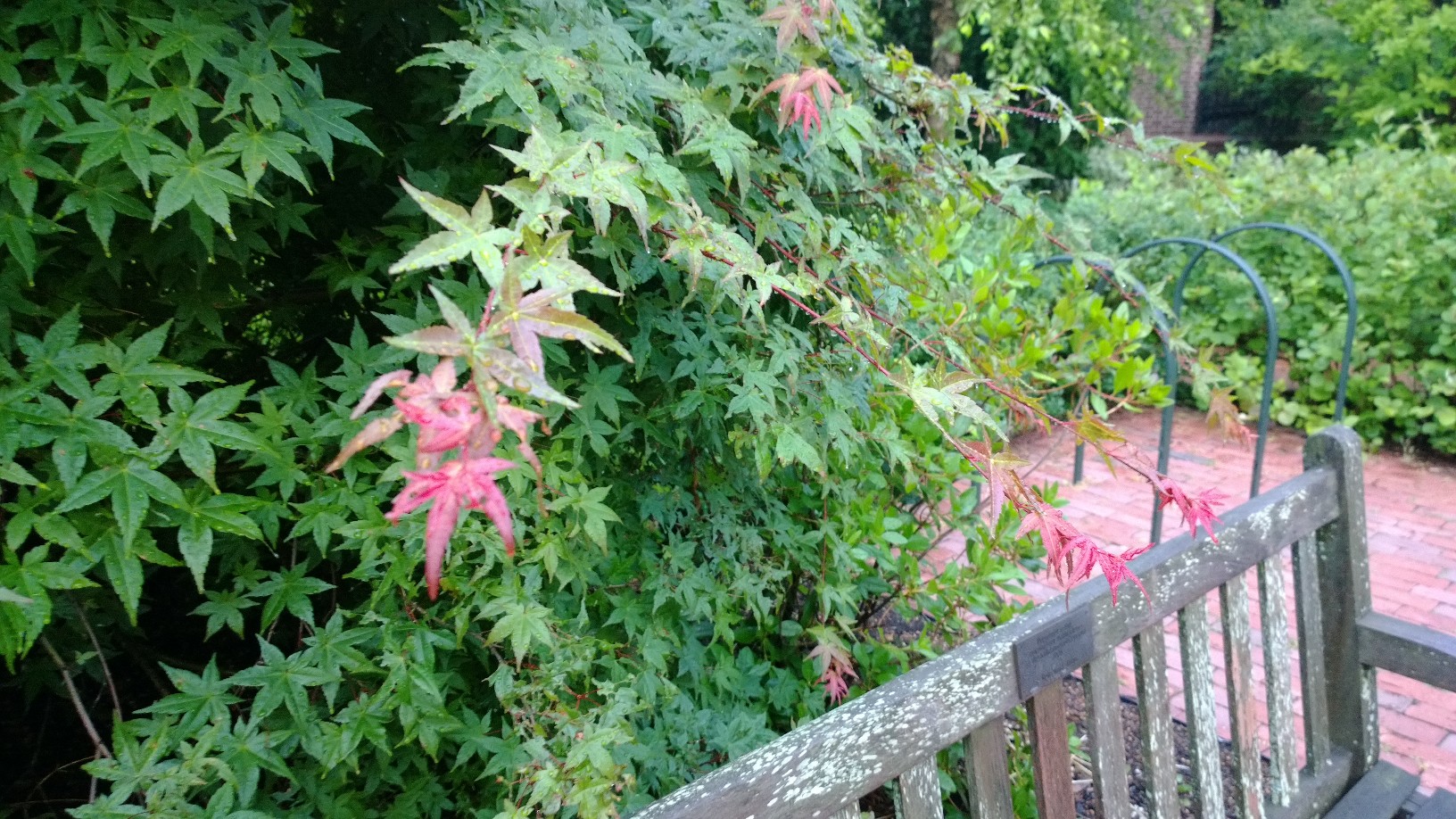
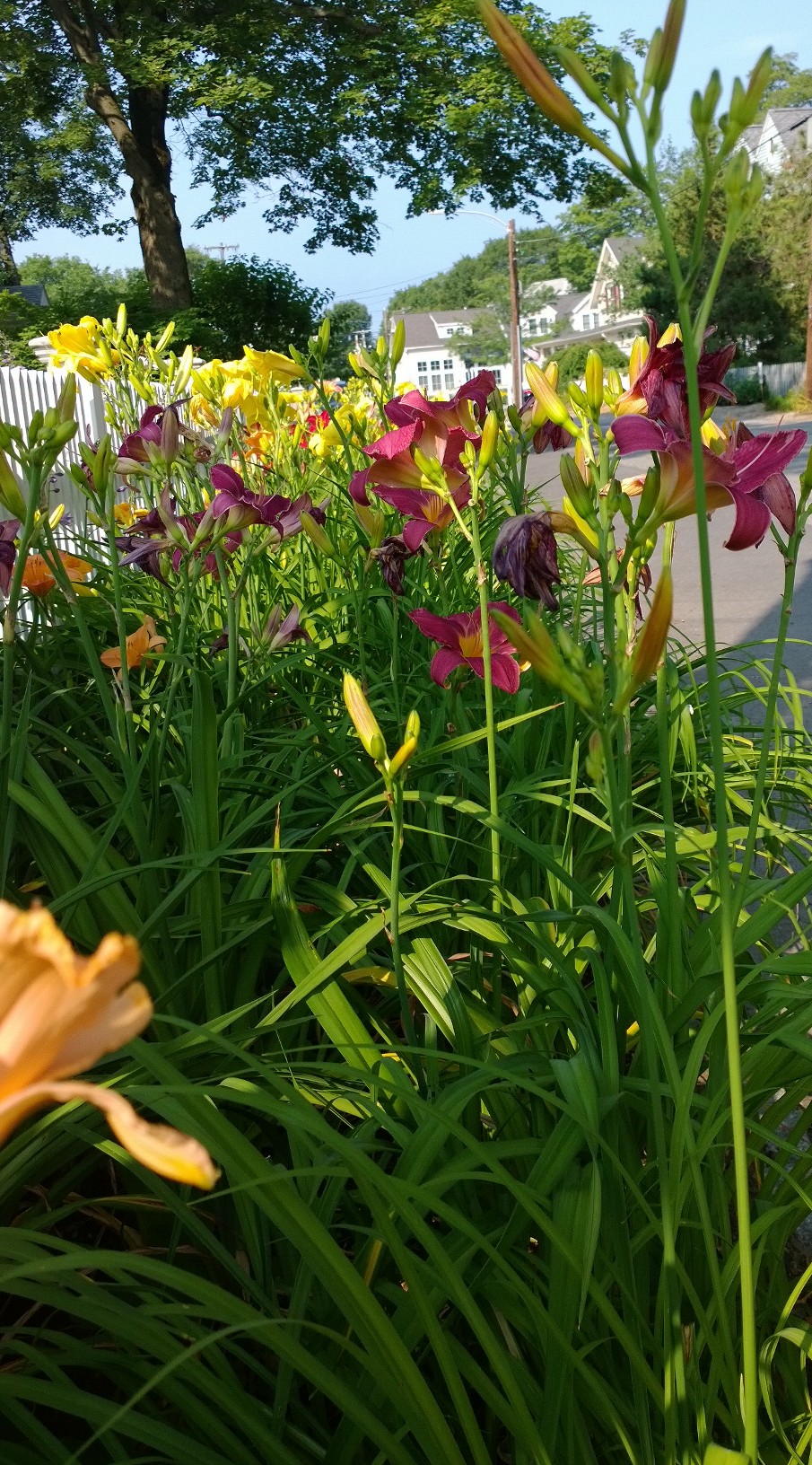
I’ve got a few more photos to share: my neighbor’s lilies and new pink growth on a Japanese maple, for starters.

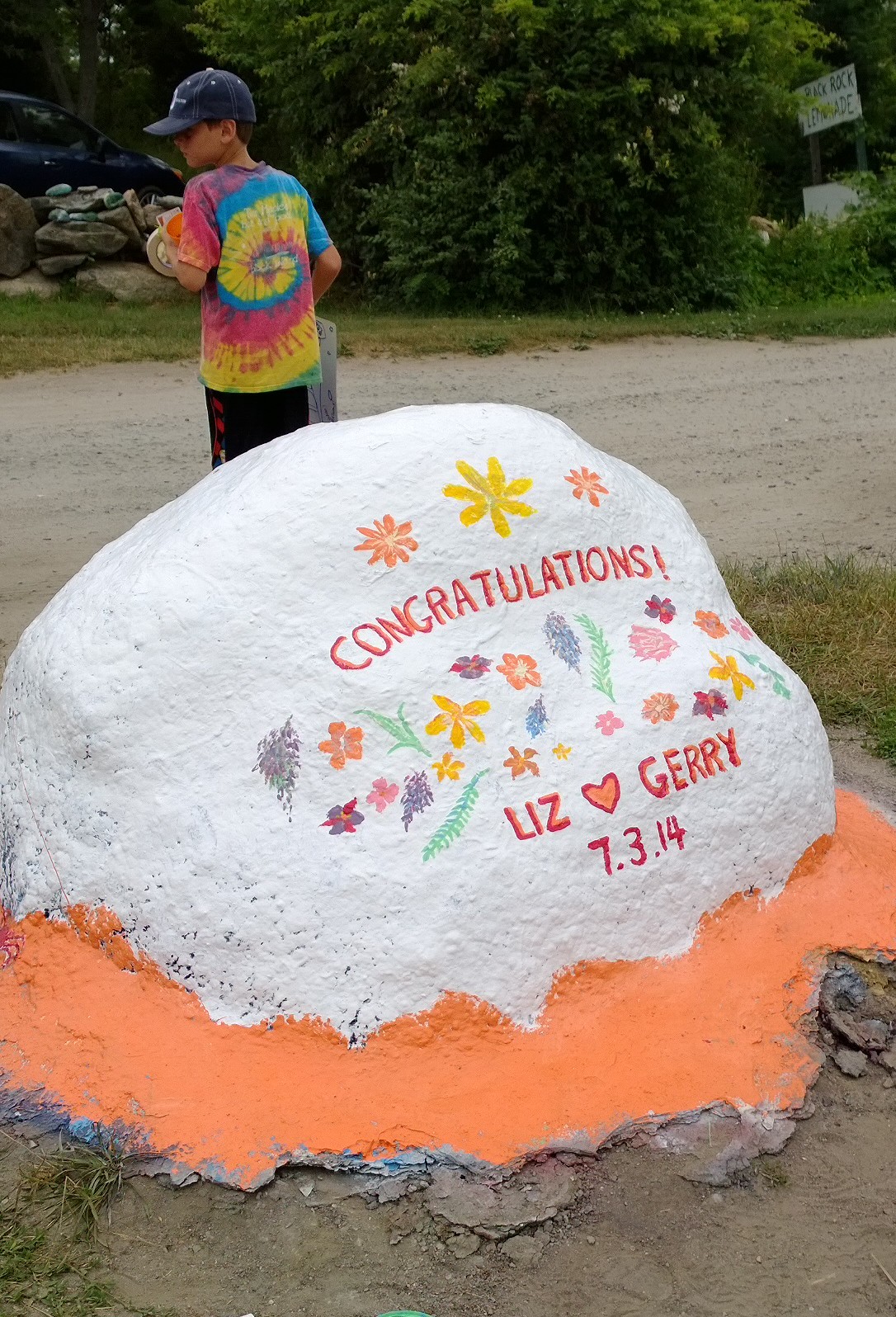
I also snapped a wedding notice on the painted rock, the unofficial island billboard, before it got painted over with new messages. A bride and groom actually hired a woman to do the painting, which is a new one on me. The painted rock notices are generally more spontaneous.

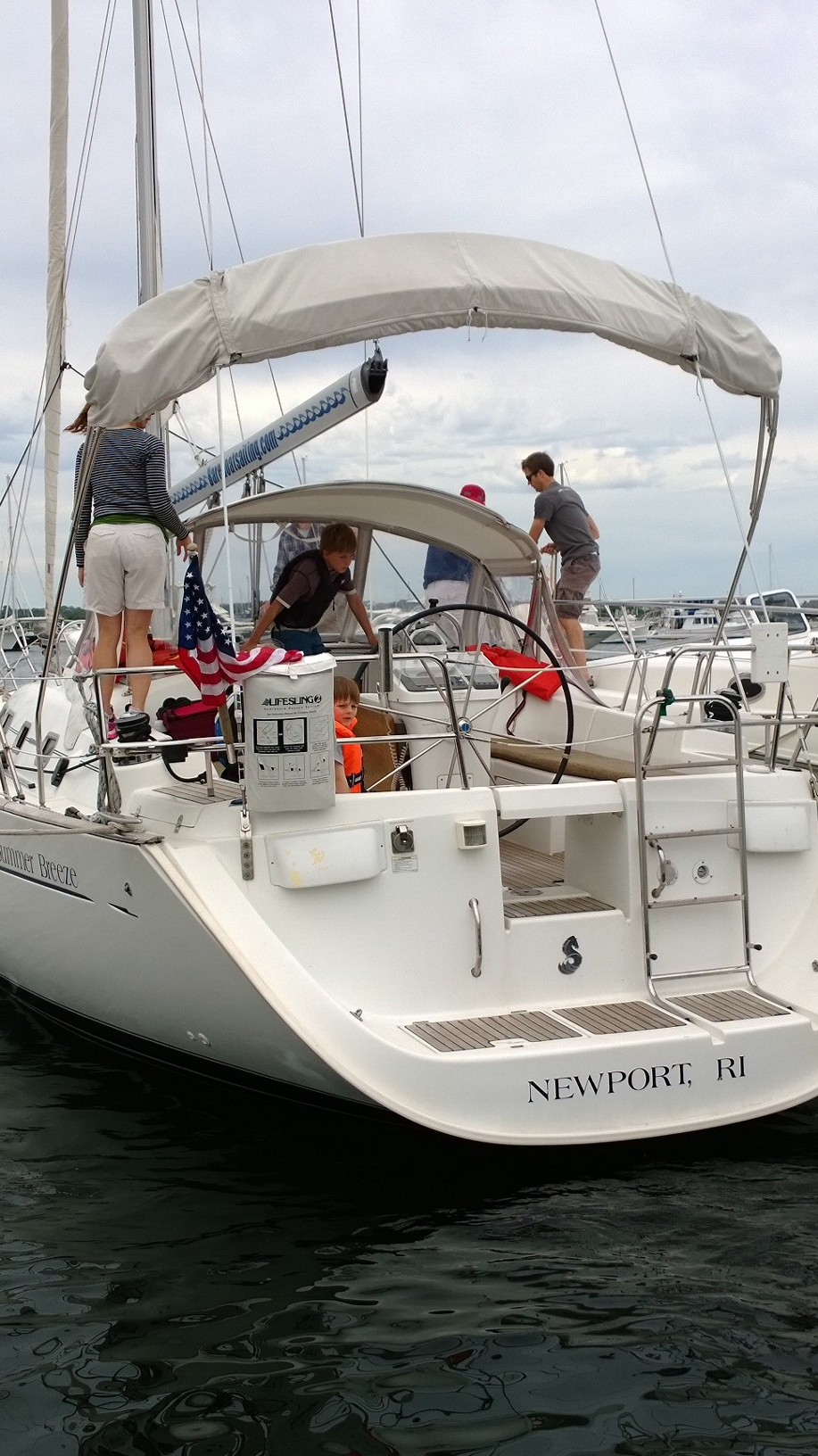
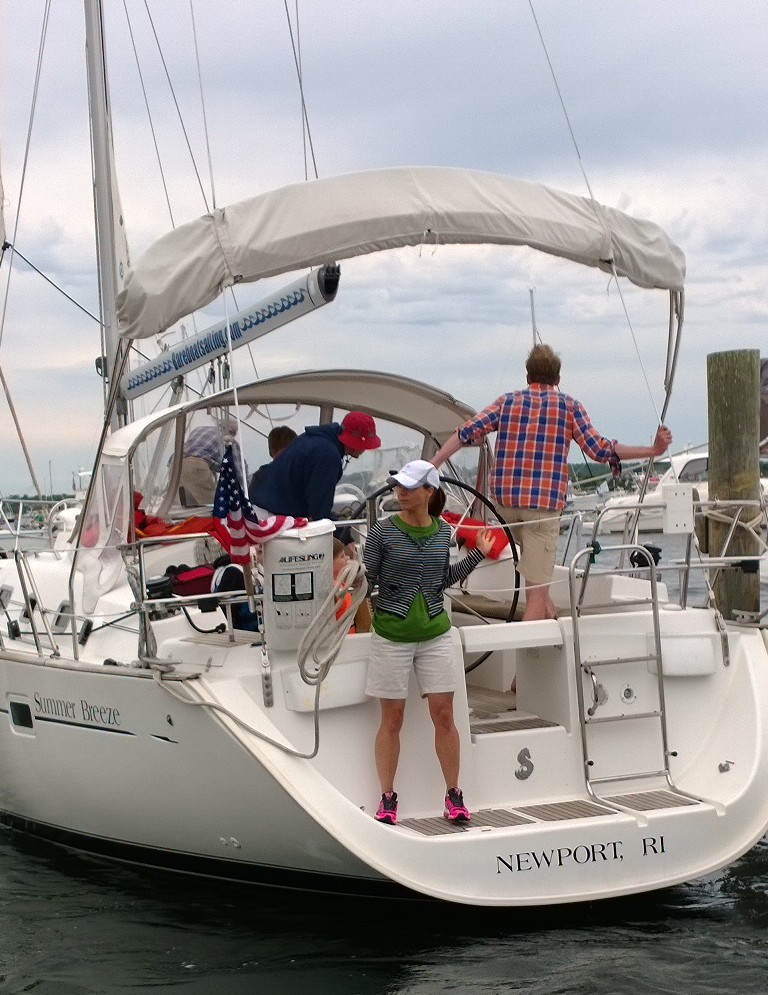
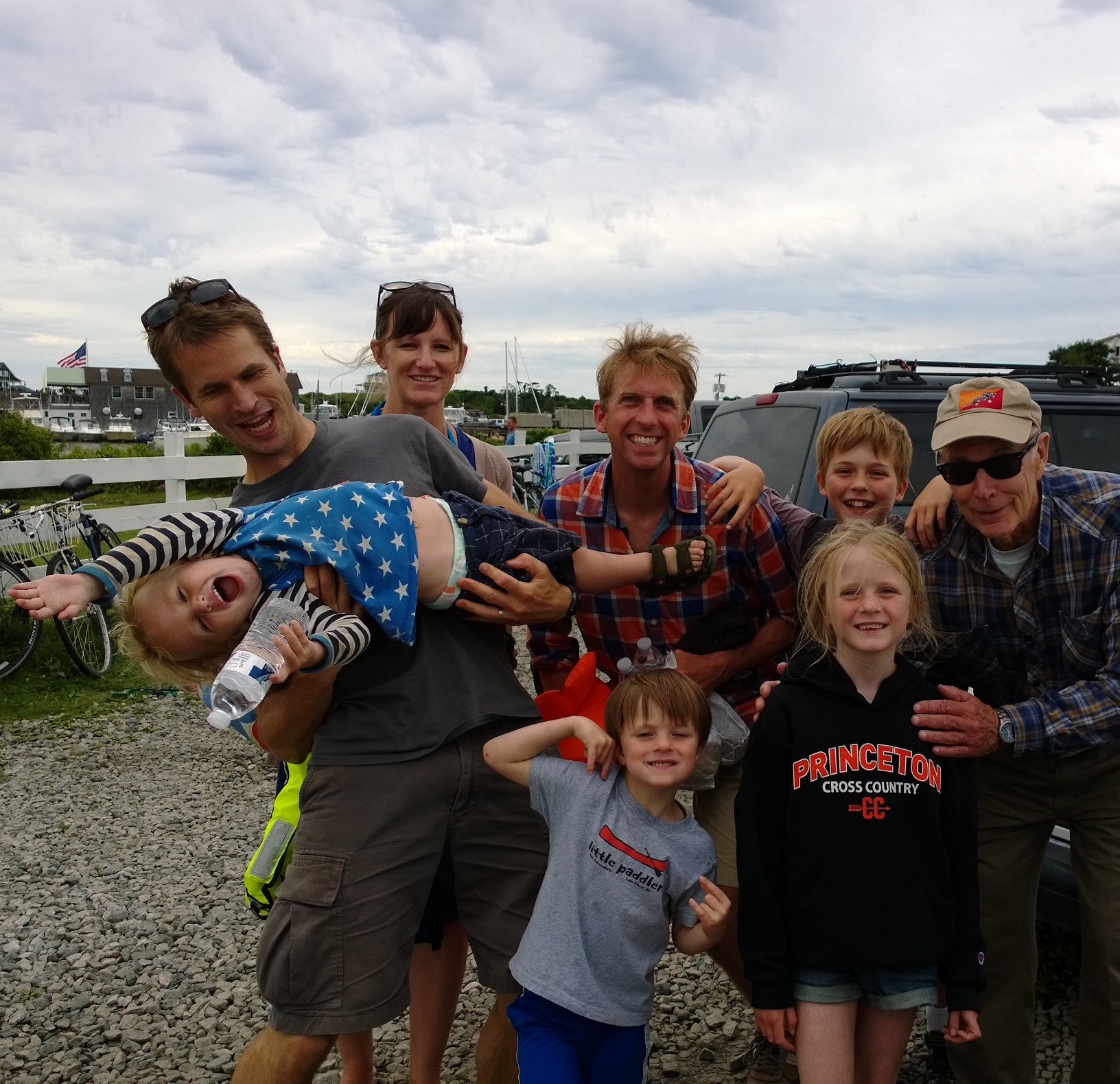
I’ve included three family photos. Erik’s sister’s family rented the sailboat for a couple weeks of catching up with friends in the U.S., and John and my husband joined them for the initial leg of their trip. If they all look a little slaphappy here, maybe it’s because they made it from Newport to the island in an unfamiliar boat without incident.

new-growth-is-pink

my-neighbor-has-lilies


painted-rock-070314

extended-family-rents-a-boat


Maria-poised-to-throw-rope

a-goofy-sailing-crew

Read Full Post »

I’ve put off writing about sprites because I’m not sure I can explain what they are  — powerful upward lightning flashes that send electricity around the earth and were originally going to be photographed by an astronaut on the ill-fated Columbia.

A team of scientists and a few daredevil pilots flew repeatedly into storms to prove the visions were real. The television show Nova covered the quest.

“NARRATOR: On a stormy night, in Denver, a team of scientists takes to the air to investigate a mystery.

“RONALD WILLIAMS (United States Air Force): I reported it, and nobody believed me.

“NARRATOR: They’re trying to catch a burst of energy so fleeting and hard to see that scientists call it by the ethereal name of ‘sprite.’

“EARLE WILLIAMS (Massachusetts Institute of Technology): The bolts that cause sprites are superbolts, the kind of lightning that’ll blow your T.V. sky high. …

“KERRI CAHOY (Massachusetts Institute of Technology): You can see airglow that’s more diffuse and just in layers than the curtain-like aurora.

“NARRATOR: NOVA takes to the air, on a quest to record these elusive events.

“GEOFF MCHARG (United States Air Force Academy): Sprite!

“NARRATOR: And the effort also continues above, from the vantage point of space, where the work had it’s beginning during the ill-fated Columbia mission, with Israeli astronaut Ilon Ramon.

“YOAV YAIR (The Open University of Israel): I asked him, ‘Please bring me one sprite image.’ He said, ‘Don’t worry, I’ll get you a couple.’

“NARRATOR: Ramon’s colleagues now continue where he left off.

“SATOSHI FURUKAWA (Japanese Astronaut): We must take over their work. I thought that was the survivors’ duty.

“NARRATOR: Their dramatic discoveries are revealing that we live on an electrified planet, surrounded by a global circuit that rings the earth. And like a planetary heartbeat, we can now detect it.”

More here.

 Image: Nova

Read Full Post »

My husband’s latest alumni bulletin had a lot of great articles. One was about a new effort to save endangered languages, starting with Zapotec, an indigenous Mexican language.

If you go to this website and click the buttons, you can see and hear the effort that has gone into recording the ways that Zapotec words are pronounced. It’s the “Tlacolula Valley Zapotec online talking dictionary.”

The initiative has received support from the National Geographic and the Living Tongues Institute for Endangered Languages.

Photo: AxisOfLogic.com

Read Full Post »

One of the biggest challenges for biking in cities is the intersection.

Liz Stinson writes at Wired, “Biking through a city can feel like navigating a video game staked upon your life. You’re avoiding pedestrians and potholes all the while making sure cars don’t run into you. …

“Even protected bike lanes have an Achilles heel: the intersection. Most protected bike lanes — lanes that have a physical barrier between bicyclists and drivers — end just before the intersection, leaving bicyclists and pedestrians vulnerable to turning vehicles.

“Nick Falbo, an urban planner and designer from Portland (one of the most bike friendly cities in the nation), is proposing a new protected intersection design that would make intersections safer and less stressful than they are today. Falbo’s design is taken from the Dutch way of doing things. … Falbo’s adapted design has four main components.”

They are the corner refuge island, the forward stop bar, the setback crossing, and bicycle-friendly signal phasing. Read what they are here.

“ ‘This design requires you to have a much tighter corner radius,’ says Falbo. ‘These large truck operators, they are professional drivers they can actually make tighter turns than these standards normally say they would. The real answer is that I think you’re going to have to be a little stricter on your trucks in any number of ways.’

“It’s a battle, but Falbo thinks implementing these bike lanes are totally possible, pointing out that protected bike lanes are just now gaining support across the country. …

“‘We’re trying to attract more riders,’ he says. ‘Some of these conventional facilities, they work and they’re safe, but they’re stressful and that level of stress and lack of comfort is what will keep the average American from feeling like they can ride.’ ”

Image: Nick Falbo
Nick Falbo designed a type of bike lane that addresses dangerous intersections.

Read Full Post »

Cousin Claire sent me a good link. I had heard about the trend of tying farms to housing developments, but according to the Smithsonian magazine, Development Supported Agriculture is striking a chord with Millenials in particular.

Shaylyn Esposito writes, “A new fad in the housing world is a concept called Development Supported Agriculture (DSA), or more broadly, ‘agrihoods.’

“DSA is the child of Community Supported Agriculture (CSA), in which consumers pledge money or resources to support a farm operation, and in turn, receive a share of what it produces, but take the concept one step further by integrating the farm within residential developments. Instead of paying for access to a golf course or tennis courts, residents pay to be a part of a working farm—helping with the growing process and reaping the crops it produces. …

“The largest demographic of those trying to reconnect with the farm is Millennials, those born from the 1980s to the 2000s who ironically grew up farthest from the farm. As the average age of farmers continues to rise, it is this generation that is stepping in to fill the gaps.” More here.

Among the cohort of Millennial farmers are Sandy and Pat’s niece, now at the the Letterbox Farm Collective in the Hudson Valley. I blogged about her here and here.

Photo: Willowsford
This DSA community in Ashburn, Virginia, is hoping to fill 2,200 homes. Sounds like too many to be serious about the farming side of things.

Read Full Post »

Photo: Jake Naughton/The New York Times
Ayun Halliday creating a new issue of “The East Village Inky”  as part of the MTA Zine Residency

Remember the Amtrak Artist Residency? Here’s what might be called a “stealth residency,” organized by a librarian in New York and taking place on the New York subway system.

Colin Moynihan writes at the NY Times, “Thirteen people formed a sort of mobile salon just after noon on Friday, boarding an F Train in the Gowanus area of Brooklyn with the aim of riding for hours through three boroughs while writing and illustrating zines — self-published, photocopied periodicals usually made by hand. …

“The two-day event, called the MTA Zine Residency, had been organized by a librarian and an archivist at the Barnard College library, which they said has the largest circulating collection of zines in an academic library. …

“Despite the initials in its name, the event was organized without the knowledge or collaboration of the Metropolitan Transportation Authority, which runs the subway system. The peaceful takeover of the subway car reflected the do-it-yourself spirit that is a basic prerequisite to zine making, said the other organizer, the archivist Shannon O’Neill. …

“ ‘Remember the promise and betrayal of the #AmtrakResidency?’ the organizers of the subway project wrote, while announcing their own subway and ferry trips. ‘We won’t pay for your MetroCard, but we also won’t demand to own your stuff!’ …

“Transit officials had no objection to the activities. ‘As long as they abide by our rules of conduct, we certainly welcome them in the subway system to nurture creative self-expression,’ said a spokesman, Kevin Ortiz.”

More here.

I’m thinking of several artistic readers of this blog when I say you may want to get on board this train the next time it comes around.

Photo: Jake Naughton/The New York Times 
Composing zines on the F train on Friday during the MTA Zine Residency. 

Read Full Post »

If you want people to innovate, get out of the way. That’s what I think must have happened when Bill Littlefield launched his sports program at WBUR. Clearly, someone gave him freedom to do it his own kooky way, and when radio stations around the country wanted to carry the program, that laissez-faire manager must have smiled.

Both sports fans and non-sports fans like Littlefield’s show. He covers all the usual sports topics but also showcases offbeat competitions like this one at the Vermont College of Fine Arts in Montpelier. Karen Given was the reporter.

“Just 15 minutes before game time, the vast and serene campus green at Vermont College of Fine Arts showed no signs of the annual Writers vs. Poets softball game. There were no bats, no balls, no bases, and no players. Suddenly, Victorio Reyes stormed onto the scene.

“ ‘First of all I’m a poet,’ he said. … ‘There’s two things,” Reyes continued. “One: the United States invests way too much money in sports and too much emotion, okay? That’s the first thing. The second thing? This game is life or death. That’s all you need to know.’ …

“No one seems to know the overall record. Louise Crowley, director of the MFA in Writing program, said the game itself is similarly imprecise.

“ ‘We might have 50 people in the outfield. It’s just kinda an informal, crazy game.’

“ ‘Eventually, will there be bases?’ I asked.

“ ‘There will be bases, yes,’ Crowley said. ‘There will be bases, there will be a batter, there will be a catcher, you know. But other than that, it’s just sort of a free flowing, everything goes.’ …

“After dinner, there’s a reading, and then hours of painstaking writing and re-writing before workshops begin again early tomorrow morning. …

“Poetry instructor Matthew Dickman had a preexisting injury this time around, so his job was to provide inspiration — of the negative variety.

“ ‘Whenever a fiction writer gets to bat, a student, I’m going to sit behind them and talk about how difficult it is to get published,’ Dickman said. ‘How they’ll probably just go back to working wherever they work and their dreams will come to an end.’  …

“Every once in a while, the pitcher lobbed in a good one and the batter managed a hit — usually a pop fly that floated over the outfield. And, although the number of outfielders had ballooned to at least a dozen, every single one of those pop flies dropped to the grass.” More at Only a Game.

I laughed all the way through this report.

Photo: Going the Distance Blog
At the annual Vermont College of Fine Arts softball game, it’s war. Cats vs. dogs have nothing on poets vs. prose writers.

Read Full Post »

Today I went to the zoo. I was busy following my three grandchildren around and didn’t take many pictures. If you want to see great photographs of all the animals, go the website of the Franklin Park Zoo.

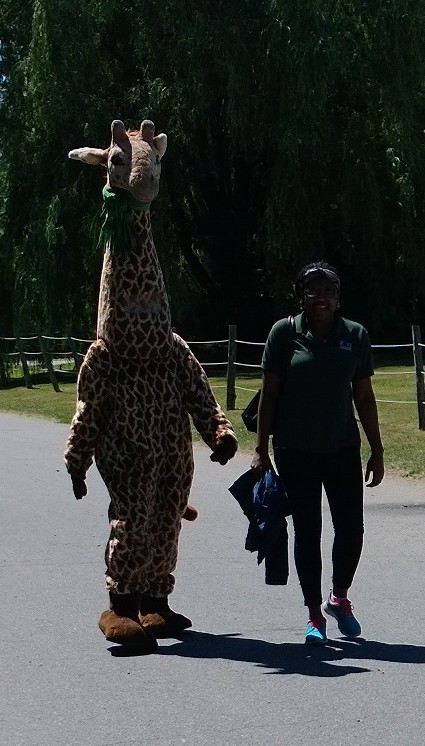
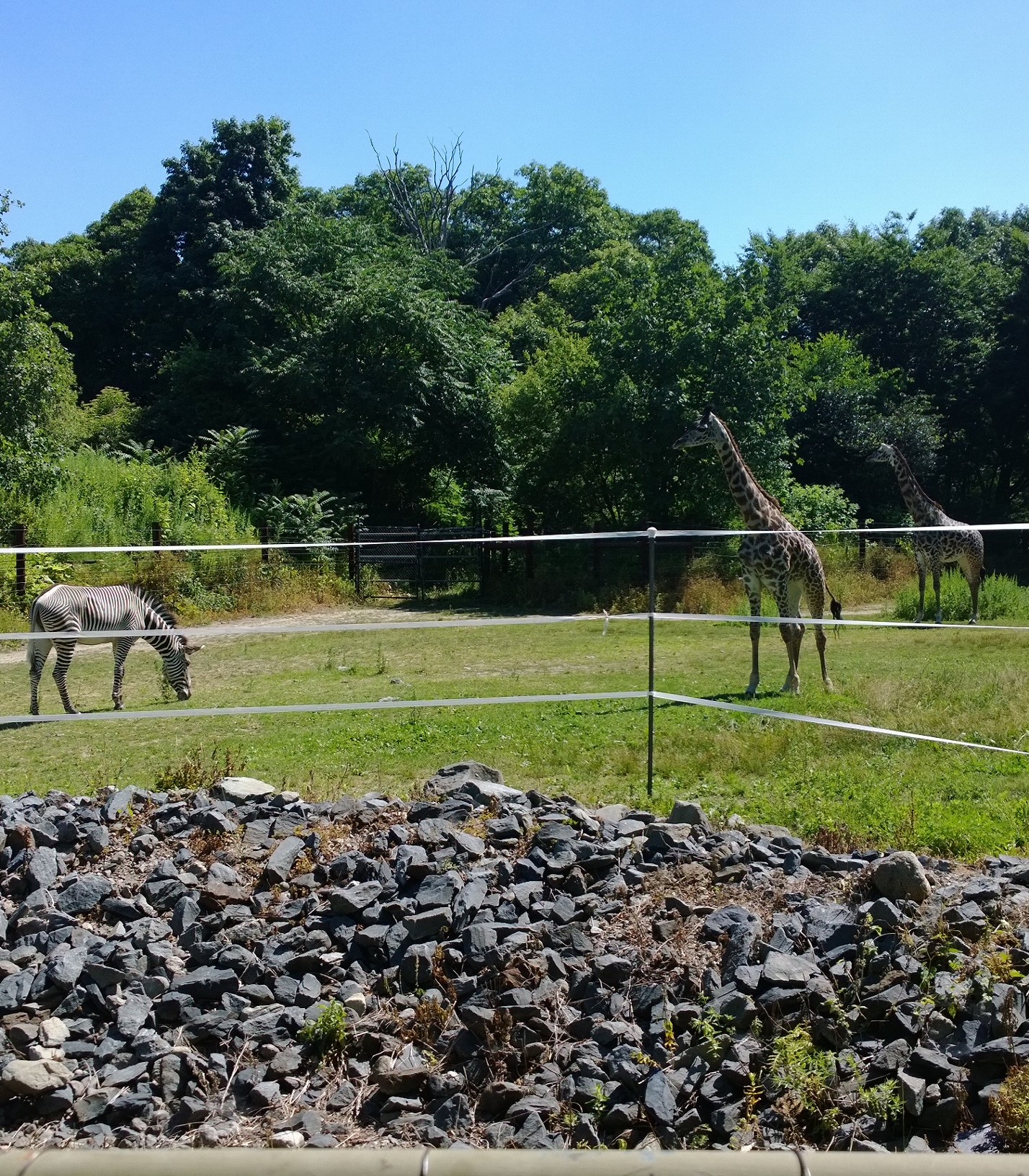
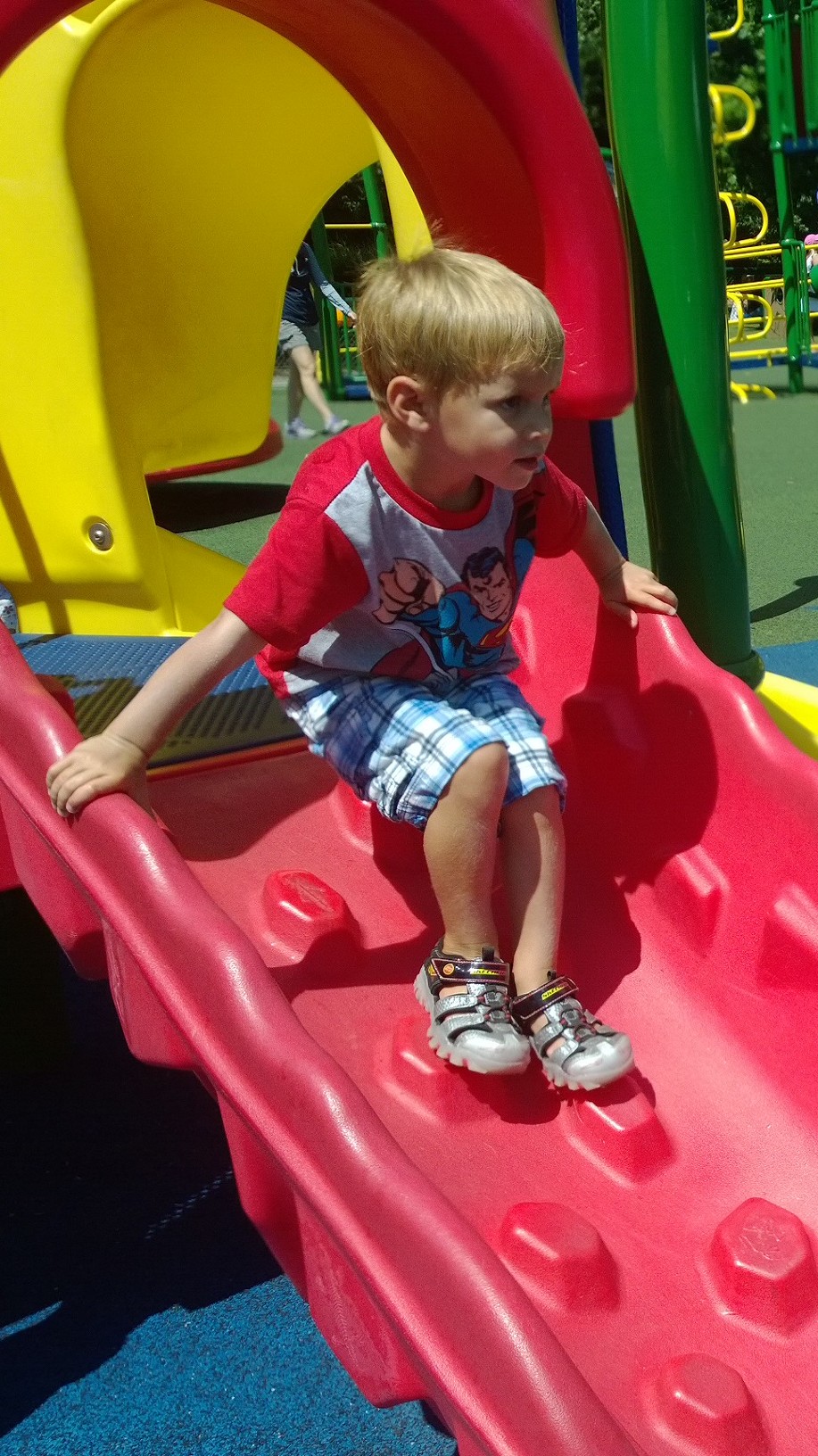
There were a lot of people at the zoo today, my fist visit. So many little kids everywhere! We weren’t there at the right time to help feed the giraffes, but I enjoyed seeing them. Here are couple giraffes with a zebra in the shared space — and a photo of a zoo employee dressed up as a giraffe. I also got a shot of my older grandson on the slide. There’s a big playground at the zoo.

Suzanne thought one of the primates looked a little morose, but the lemurs were very chipper — and the birds. Hard to tell if the snakes were chipper. The big cats were sleeping.

After the zoo, the kids, their parents, my husband, and I went to Sophia’s Grotto in Roslindale for lunch, where we sat outside under a tree. The two-year-old grandson took a nap in his carriage.

giraffe-costume

giraffe-and-zebra


slide-at-zoo


Read Full Post »

Art: Cicely Mary Barker (thank you, Lili Matthews, for the correction)

I happened to hear from Hannah this week. We went to the same schools from age 4 through age 13. We’re in touch from time to time but not regularly, so I was pleasantly surprised.

Hannah mentioned she remembered “playing fairies in the wonderful fields behind your house.” Although I don’t have a mental picture of the two of us playing fairies there, I am not surprised to learn we did. Fairies were a big part of my childhood. Even now, I occasionally catch myself wondering if they could be real.

Hannah got me thinking of other imaginative play in childhood: tea parties with cinnamon toast in an attic closet with Carole, the woodland path where Patsy and I walked without speaking because of deep magic, plans with Ursula to perform “Snow White and Rose Red” before the movie at the Lafayette Theater (if only our brothers would cooperate and play their assigned roles), nefarious scheming with the Jukes kids on the roof of a small building, outdoor theatricals with the Cummings kids.

You will say we must not have had television, but in fact we had the first tv in the neighborhood, and kids from all around gathered to watch Disneyland on a tiny black & white screen on Saturdays. And you can bet that whatever magic Walt dreamed up was magic I believed.

Read Full Post »

A couple years ago I asked someone who organizes gleaners in Vermont to write an article for the place that I work. Gleaning was new to me then, but now I read about it often.

The idea is that volunteers are invited into farms after a harvest to pick the perfectly good remnants that would otherwise be plowed under. The excess produce is then handed over to food banks at peak of freshness.

Kathy Shiels Tully wrote for the Globe today about one gleaning effort.

“Founded in 2004 by Arlington resident Oakes Plimpton, Boston Area Gleaners organizes volunteers, sometimes on only one to two days’ notice.

“Timeliness is important, said Emma Keough, market and food access manager at Brookwood Community Farm.

“ ‘It’s really critical people show up … We’re growing really intensively, so there’s only a small window to pick excess crops in order to give us time to turn over the land and plant a new crop.’ …

“Todd Kaplan of Somerville signed on four years ago after hearing about Boston Area Gleaners ‘through the grapevine.’

“Averaging a dozen gleaning sessions a year, Kaplan, a legal aid attorney at Greater Boston Legal Services, has gleaned mostly on farms west of Boston — Dick’s Market Garden in Lunenburg, where he’s picked kale, tomatoes, and green peppers; Kimball Fruit Farm in Pepperell, which has offered the group first pick of apples; and the Food Project Farm in Lincoln.

“The gleaning nonprofit ‘moves an inordinate amount of food that would otherwise go to waste into the hands of people who really need it,’ Kaplan said.

“Lynn Langton, a North Andover resident, says her immediate reaction to learning about gleaning in a newspaper article three years ago was ‘I want to do that!’ … It’s such a high-quality, fresh product. It’s unbelievable.’ ”

More here.

Photo: John Blanding/Globe Staff
The Boston Area Gleaners program organizes volunteers. to pick excess crops from farms and donate them to food banks for distribution. Matt Crawford is the group’s coordinator.

Read Full Post »

My winter resolution will have to be to find more photo ops when the world isn’t blooming. I’ll have to look harder for interesting shadows and shapes in a black & white world. In the meantime, I sure am enjoying summer picture taking.

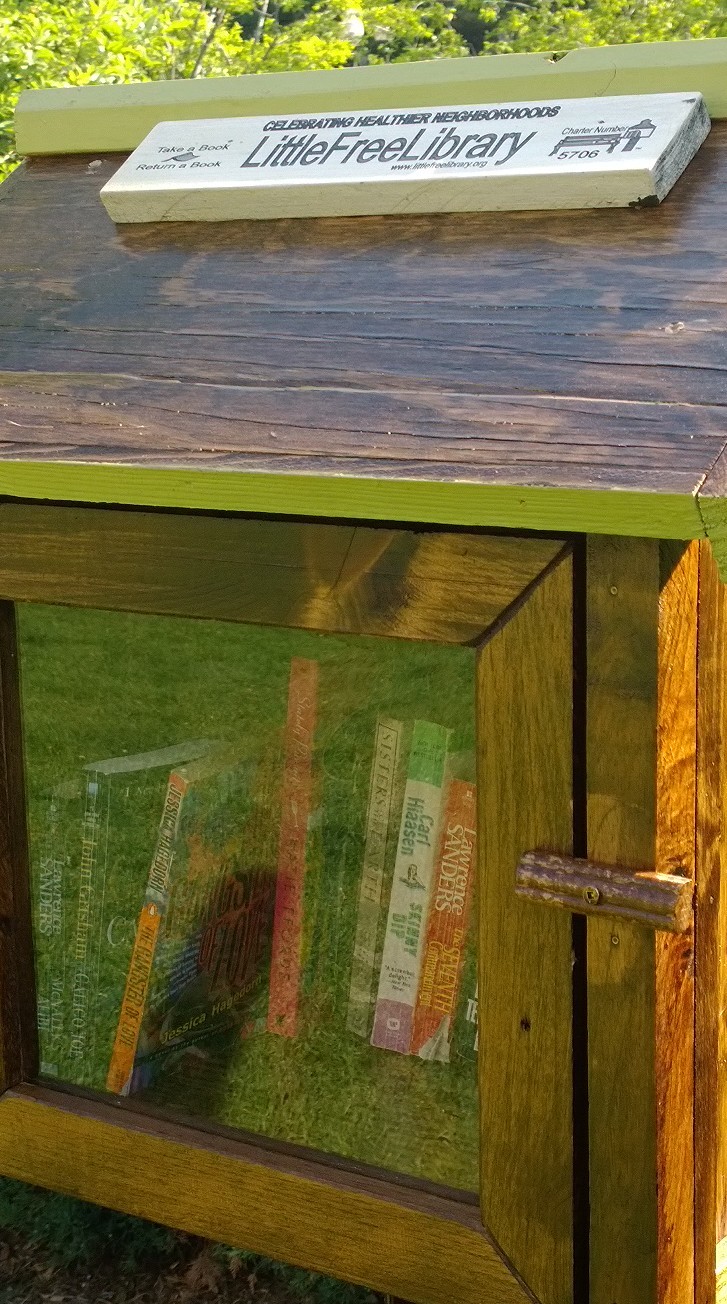
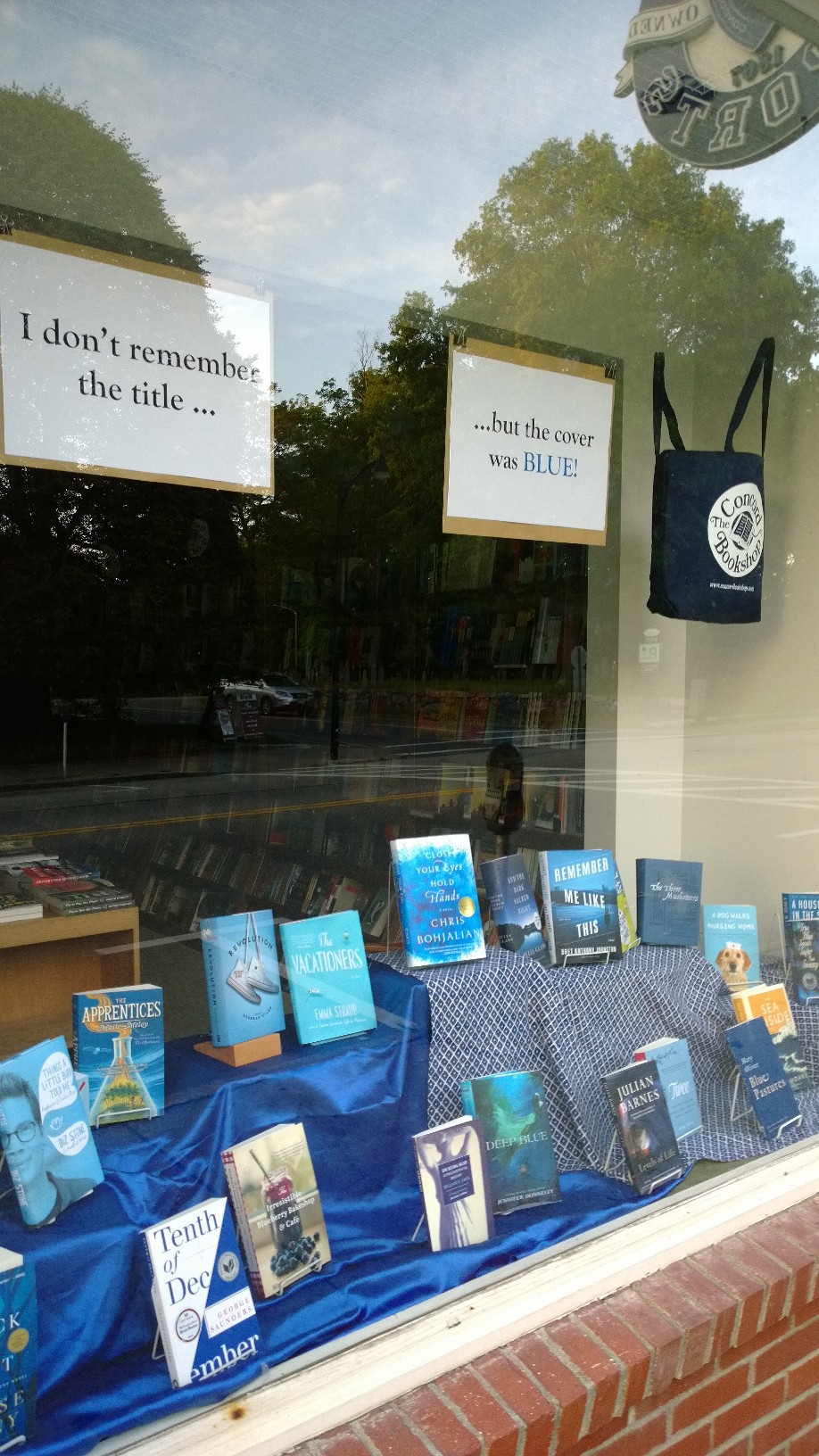
The first photo is of a Little Free Library in the Greenway. (Check out the concept here.) Then there’s the Bookshop window. Can you read the funny signs? They say, “I don’t remember the title … but the cover was blue.”

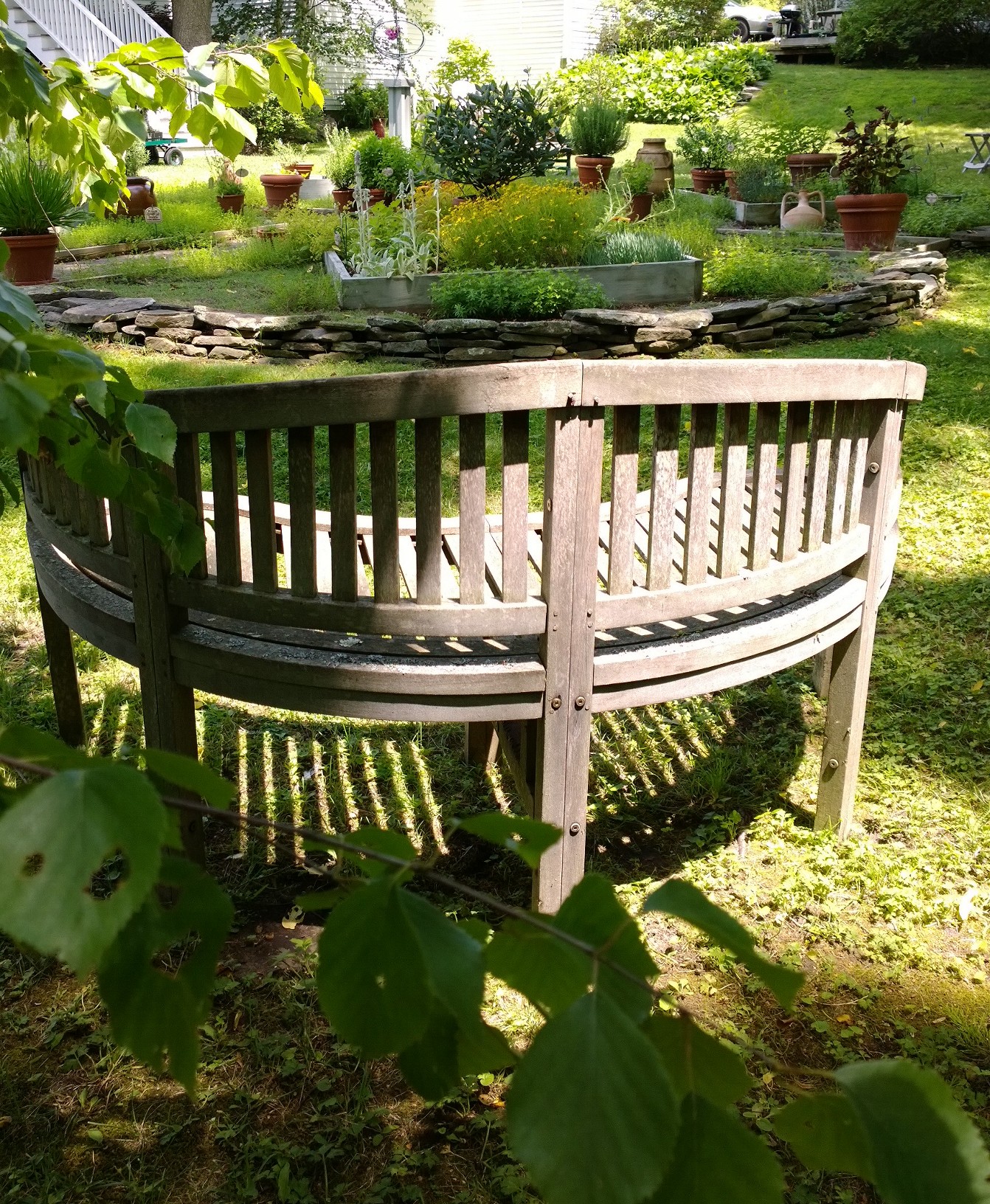
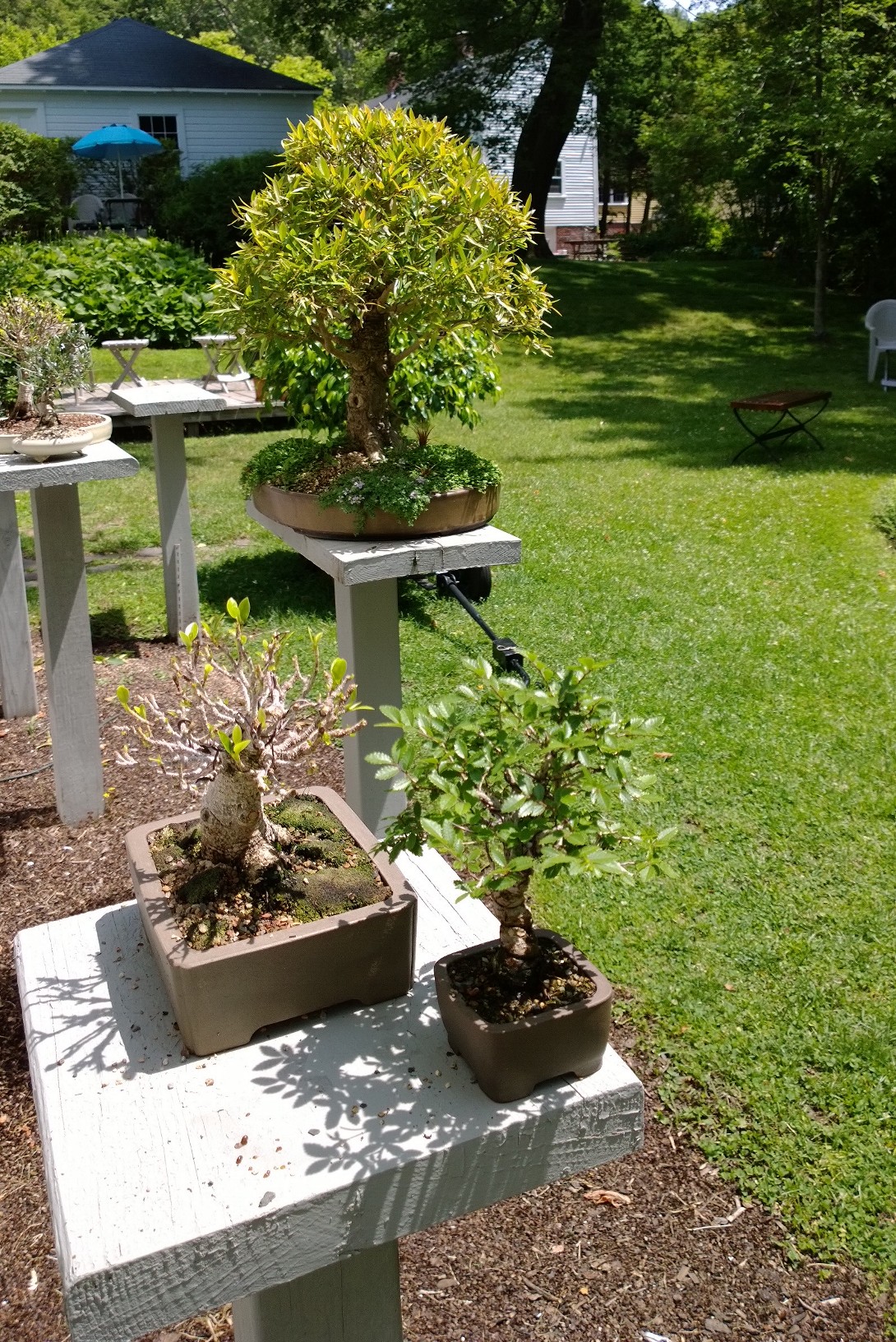
Next is the herb garden behind the church and Doug Baker’s bonsai trees. He once gave a very young Suzanne and her friend Joanna little bonsai trees, admonishing them that the trees had to be as carefully tended as babies. (Alas, the girls were too young to tend babies.)

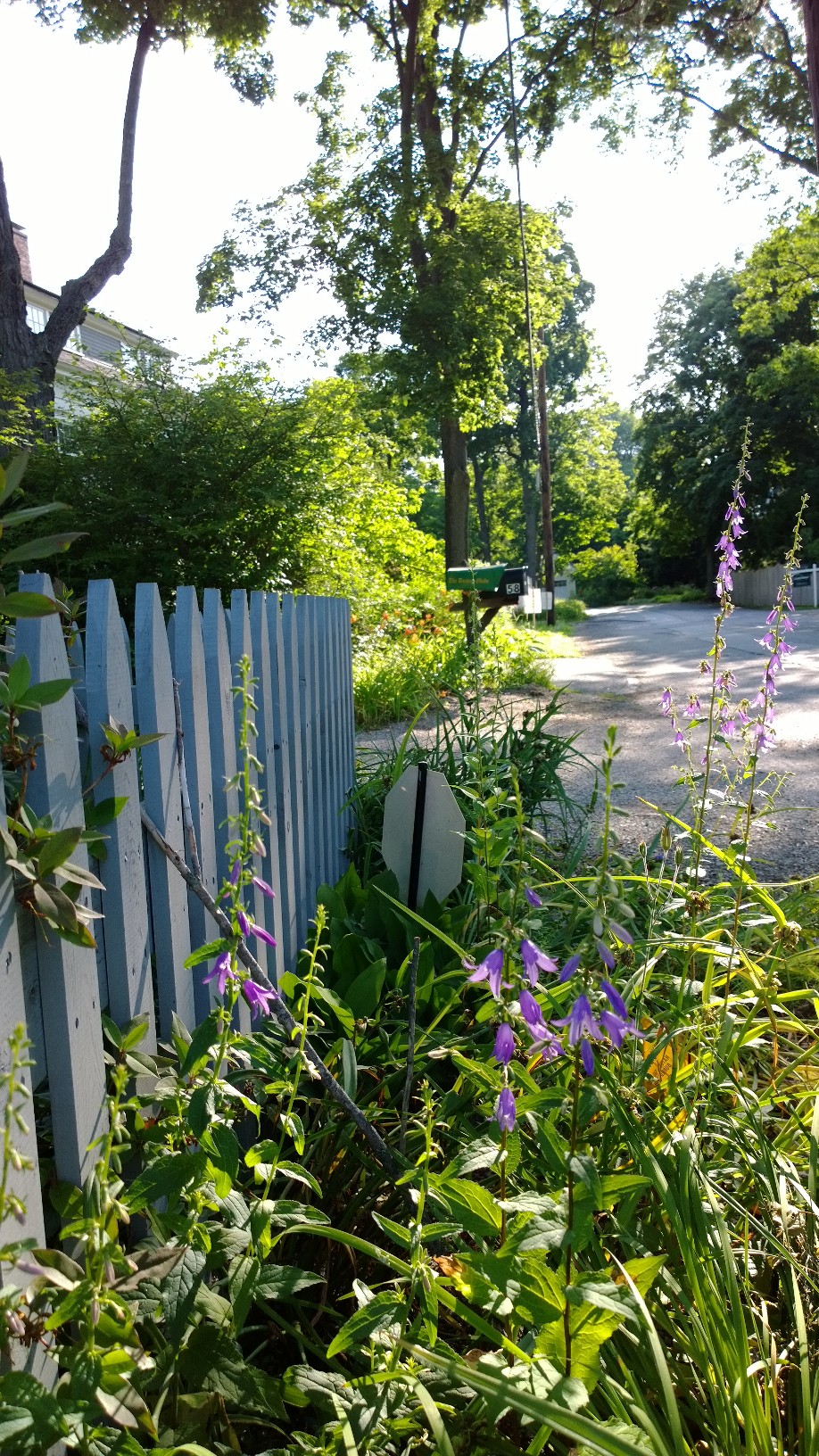
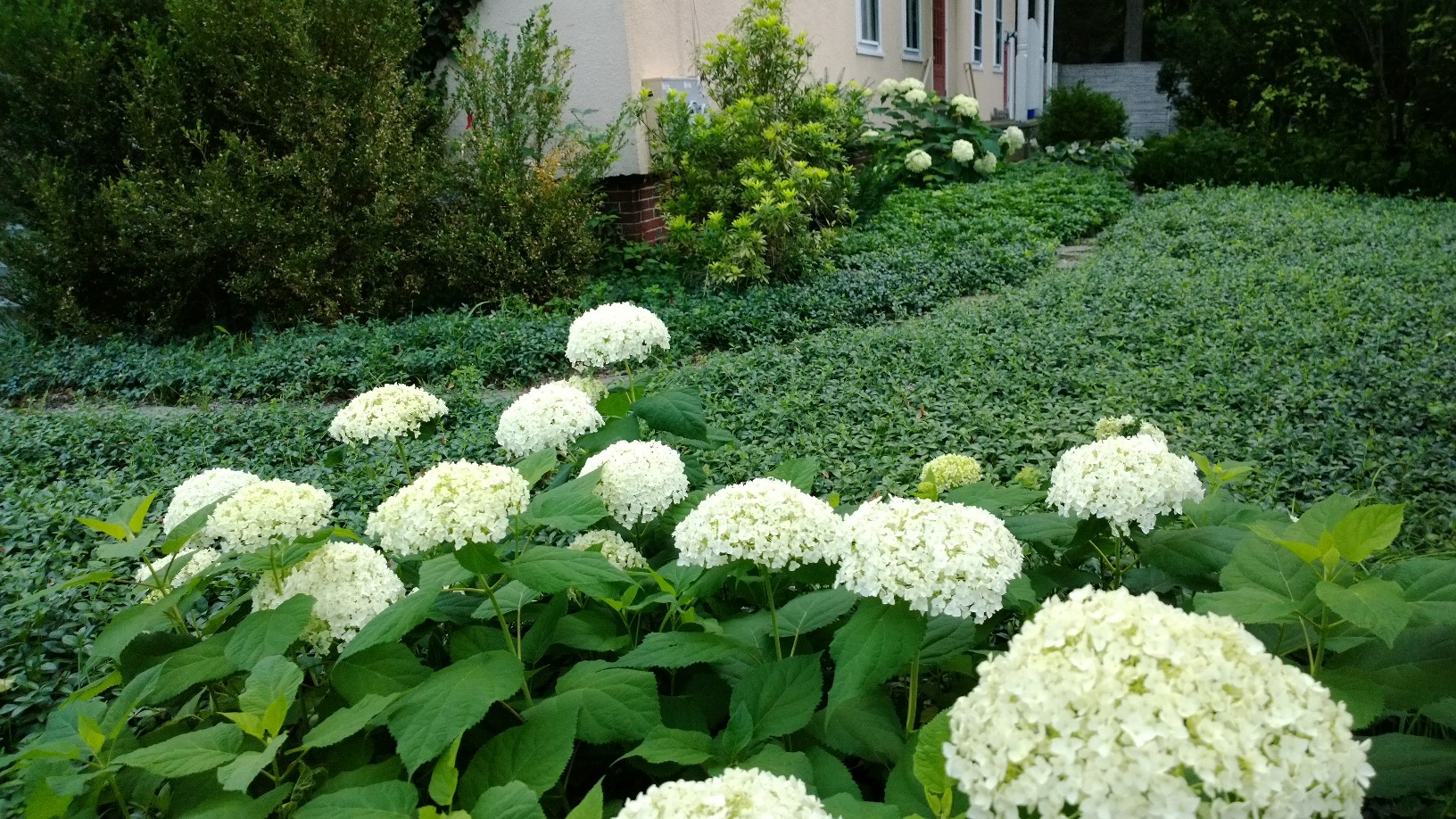
After the planter with the escaping petunias come flowering weeds and hydrangeas on my street.

little-free-library-greenway


bookshop-window


garden-behind-church


Doug-Baker-does-bonsai


petunias-sneaking-out

062914-flowering-weeds


hydrangeas


Read Full Post »

Did you know that plants can protect themselves from predators?

Writes Douglas Quenqua at the NY Times, “It has long been known that some plants can respond to sound. But why would a plant evolve the ability to hear? Now researchers are reporting that one reason may be to defend itself against predators.

“To see whether predator noises would affect plants, two University of Missouri researchers exposed one set of plants to a recording of caterpillars eating leaves, and kept another set of plants in silence. Later, when caterpillars fed on the plants, the set that had been exposed to the eating noises produced more of a caterpillar-repelling chemical. …

“Plants exposed to other vibrations, like the sound of wind or different insects, did not produce more of the chemical, suggesting they could tell the difference between predator noises and atmospheric ones. The researchers published their work in the journal Oecologia.” More here.

I have an idea. How about farmers, instead of using genetically modified seed to protect plants, just pump recordings of crunching predators into their fields so that the plants could protect themselves?

As they say where I work, “More research is needed.”

The NY Times posted this Pieris Silhouette video by mubondlsc
Can you hear the crunching of the caterpillar?

Read Full Post »

What happens to the buildings, some of them by great architects, after a World’s Fair is over?

Jade Doskow at Jade Doskow Photography wants to save them. She is part of a group that might save at least one.

From her website: “April 2014 marked the 50-year anniversary of the New York World’s Fair, part of which is the iconic New York State Pavilion, designed by Philip Johnson, one of the most revered architects of the last 100 years.

“Famously described by Ada Louise Huxtable as ‘carnival with class,’ the Pavilion is in serious need of renovation before it deteriorates further. In Doskow’s two large-scale photographs of the New York State Pavilion both the grandeur and the decay of this magnificent structure are readily apparent.

“People for the Pavilion (PFP) is a volunteer-run advocacy organization whose mission is to develop a vibrant community around the structure, and to ultimately preserve and develop a sustainable reuse plan for it.” More here.

Musée magazine writes that Doskow’s interest in the afterlife of World’s Fair buildings extends beyond New York: “Onishi Project Gallery presents Jade Doskow’s ‘World’s Fairs: Lost Utopias,’ for the 50th anniversary of the 1964 New York World’s Fair. Her seven-year project captures the memory of the fair by documenting the architecture and grounds left behind. The images hold a melancholy feeling about people and the spaces they no longer use, while displaying the fun atmosphere of the memories retained in these dormant structures.”

See Doskow’s photos of other World’s Fairs, including Buckminster Fuller’s dome in Montreal, here. 

Photo: Jade Doskow
New York 1964 World’s Fair, “Peace Through Understanding,” New York State Pavilion

Read Full Post »

« Newer Posts - Older Posts »