Feeds:
Posts
Comments

Archive for August, 2012

I was talking to my neighbor on the train this week, and she told me that one of her daughters — the one who goes to Brandeis and was in a production of Eddie Coyle that I saw at Oberon — is spending a chunk of this school year in Morocco.

I was curious about how her daughter got interested in joining a program there.

Apparently she likes languages. First she learned Yiddish. Last year she decided to learn Arabic. Her mother says Arabic is much harder.

The daughter will live with a host family, take five classes, and … well, she has her own blog. There she writes that she will be in Morocco for four months as part of a program “called AMIDEAST, which, like most study abroad programs in Morocco, is stationed in Rabat. … I’ll get to intern/volunteer six hours a week for a local business/organization!”

I like her enthusiasm.

A word to the wise for readers from other countries. There’s a lot of joking in her blog, not to be taken seriously the way a Chinese news outlet once took seriously a story at The Onion that was of course a complete fiction.

Map from http://jojomorocco.blogspot.com

Read Full Post »

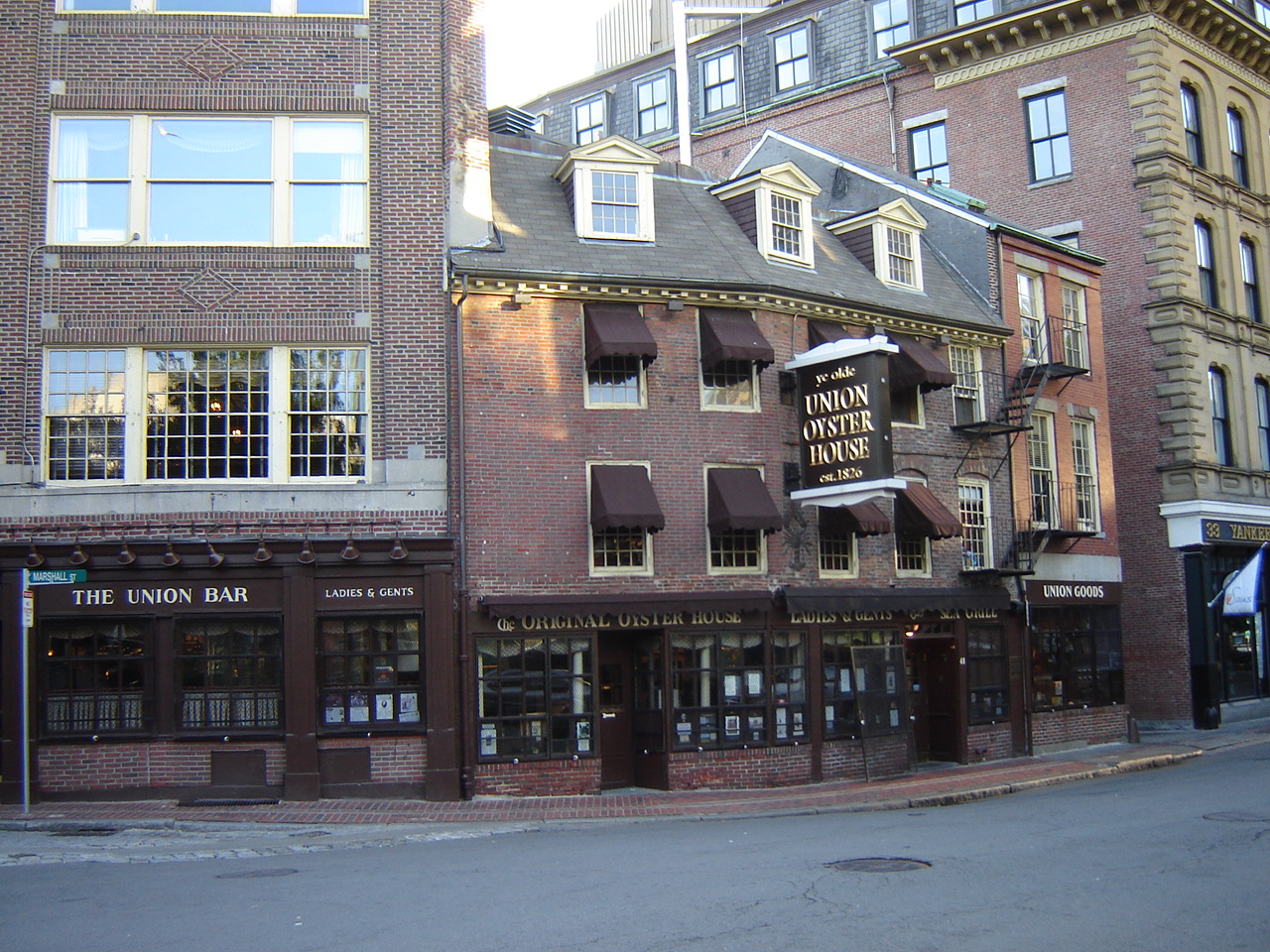
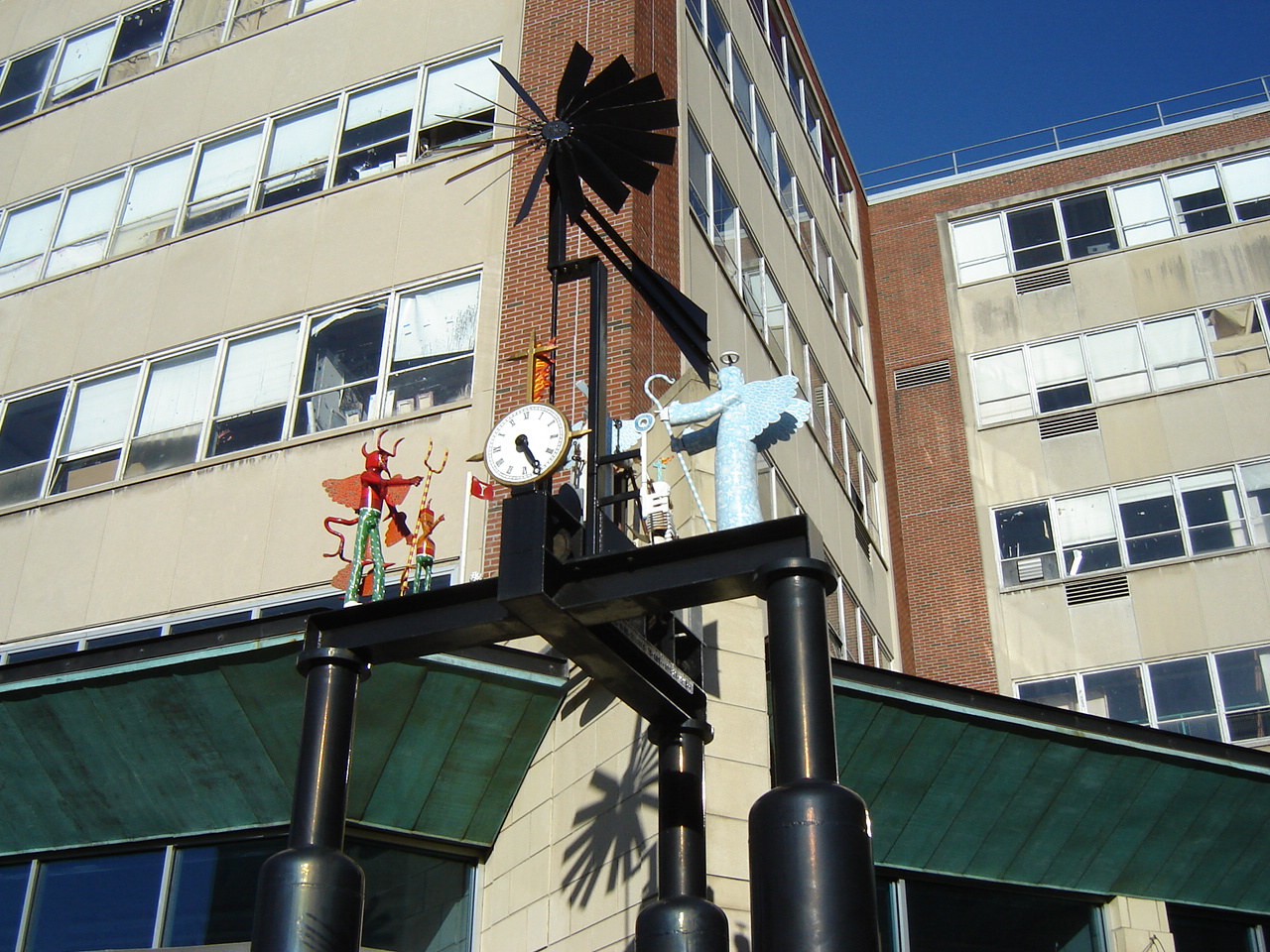
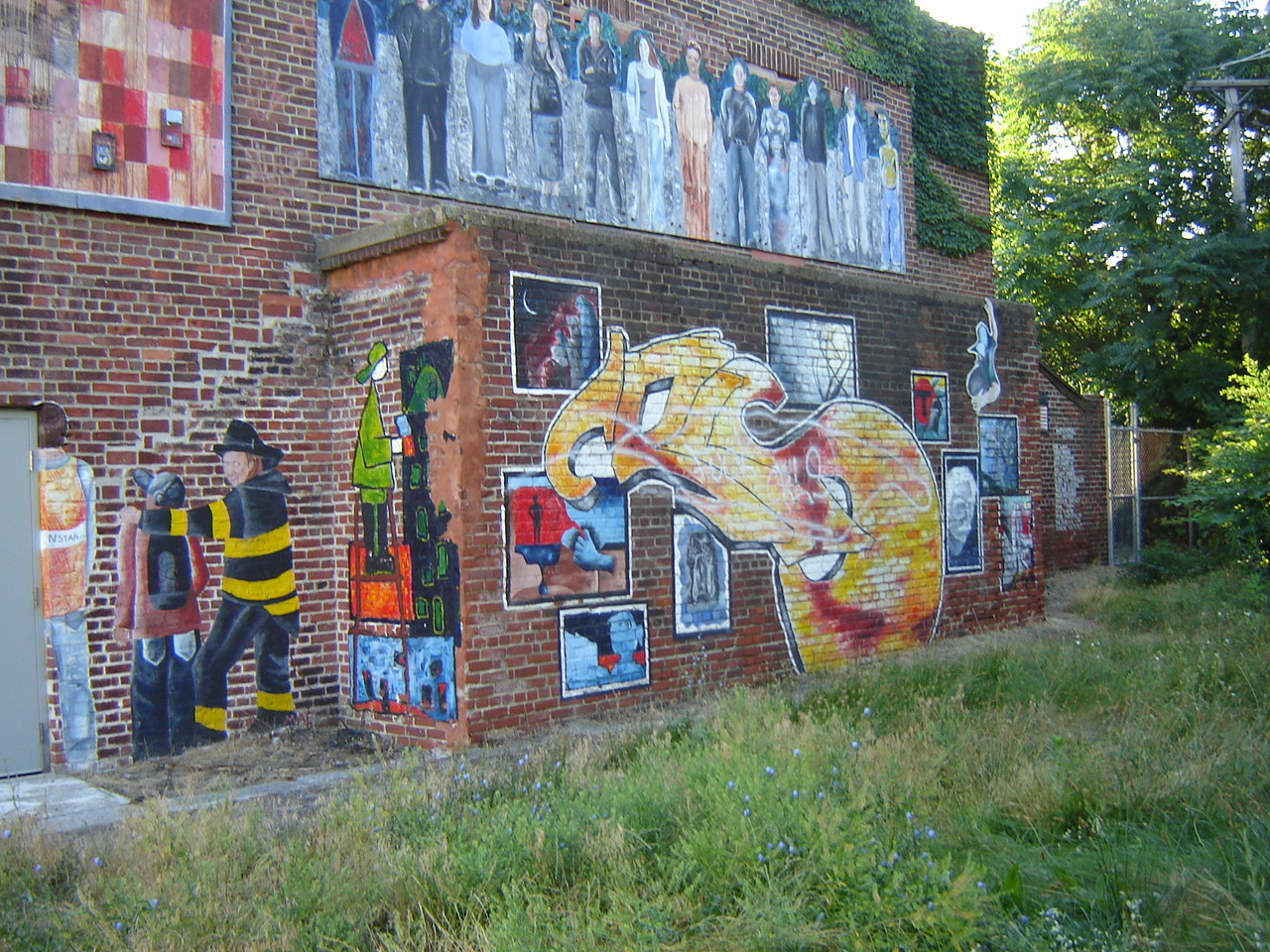
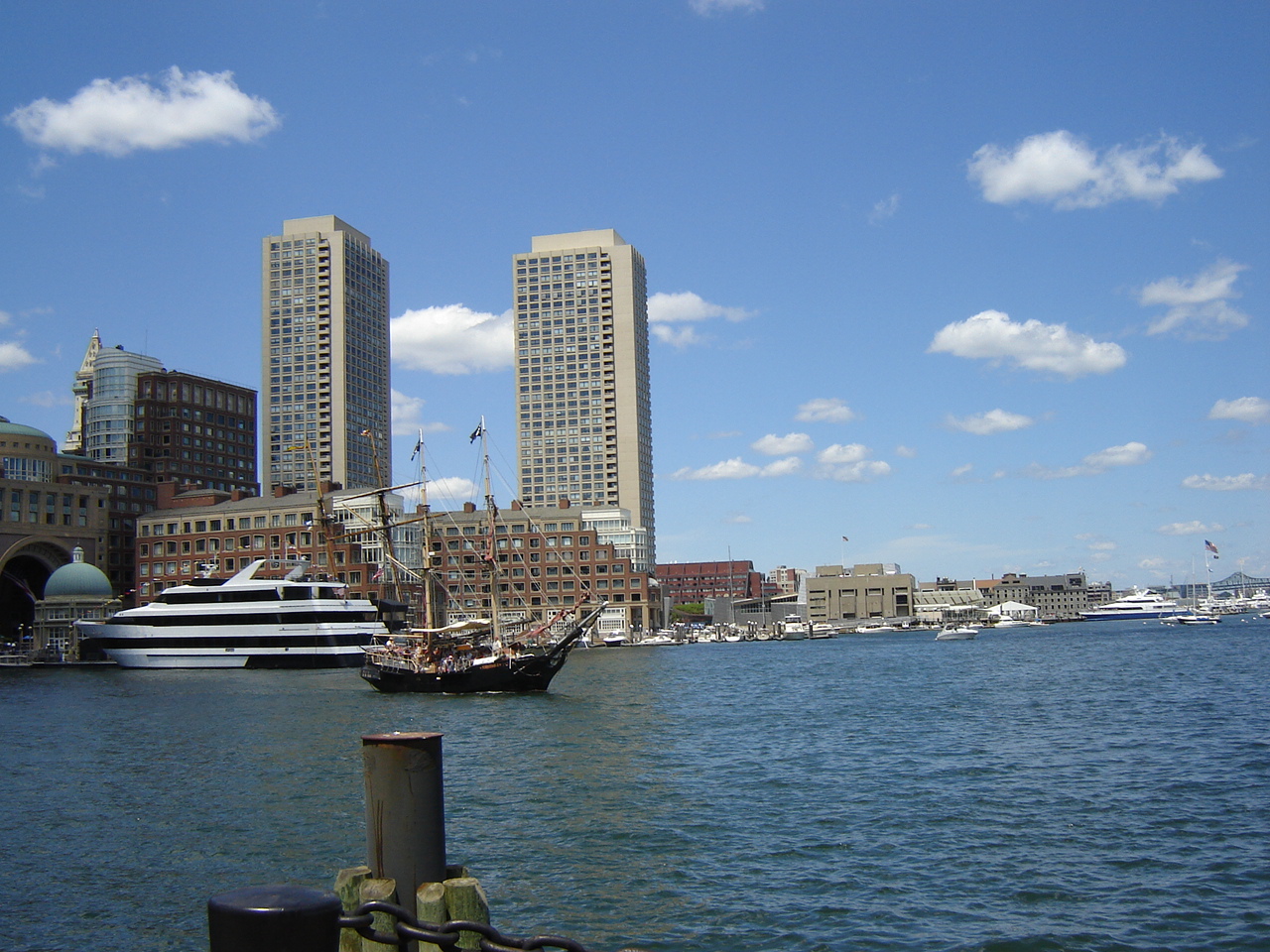
Photos from my wanderings in Boston and Cambridge are piling up.

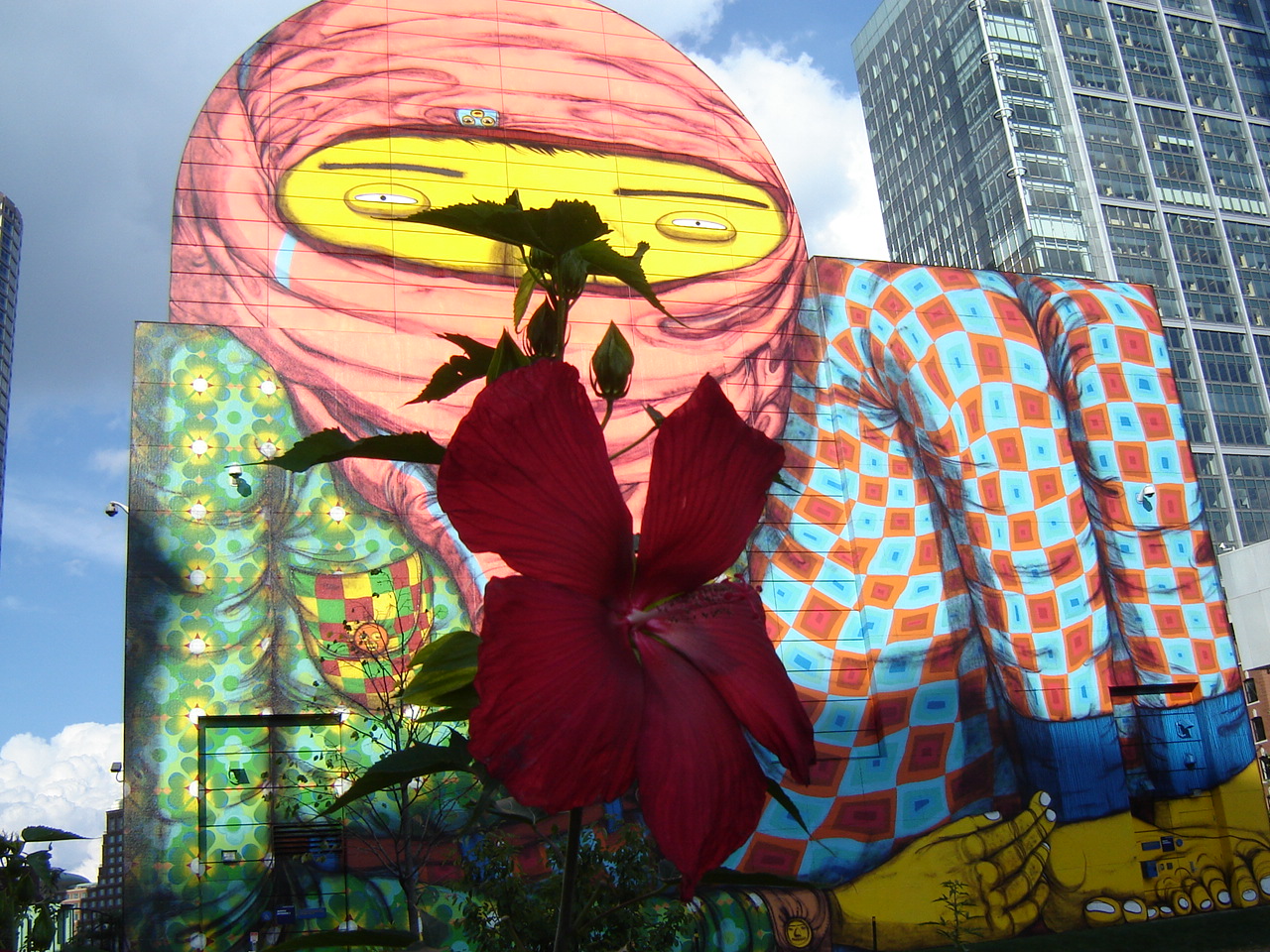
Can you identify the flower from the Greenway’s demonstration garden? It seems to be blotting out the mural in Dewey Square.

How about the approach to the Longfellow Bridge on the Kendall Square side of the Charles? Early in the morning, it looks like an ancient tomb.

I took the photo of City Hall for my only friend who thinks modernism is beautiful.

The Oyster House is a landmark.

And the Manichean clock is at Northeastern University. (You do, of course, remember the Manichean Heresy, which posited good and evil as equal forces?) Comments welcome.

Read Full Post »

Fun time at Mass Challenge!​

Mass Challenge is an incubator “accelerator” for entrepreneurial companies, perhaps the biggest worldwide. I’ve blogged about it before.

Of the 125 finalists in this year’s challenge, 48 gave one-minute pitches last night to an audience of about 200 friends, family, and investors at 1 Marina Park on the Boston waterfront.

Besides being entertaining, it was inspiring. So many people working hard on so many great ideas!

A couple noteworthy presentations were from MIT people. Helmet_Hub tapped the skills of MIT materials science students to create a helmet-vending machine. They have already partnered with the City of Boston’s Hubway, which lends bikes point to point. Another MIT-based organization, Global Research Innovation & Technology (GRIT), uses bicycle parts to make inexpensive wheelchairs for Third World patients. Very impressive. (More on GRIT here.)

I also wrote down that soundfest has a better kind of hearing aid. Prime Student Loan screens students so banks can make a safe loan even if graduates have no FICO score.

Wanderu was one of the few female-run companies. It does for ground travel what kayak and others do for air. Zoomtilt creates ads that are said to be so funny and entertaining, people actually want to watch them. Guided Surgery Solutions helps oral surgeons drill into the right place.

Roameo helps you find out what’s going on near where you are right now. Newartlove helps artists sell their work. Social Made Simple helps small businesses with social networking. (Check it out, Luna & Stella.) CellanyxDiagnostics has a more precise test for prostate cancer than the PSA.

I will likely follow up on a worthy-cause business called Bootstrap Compost. They teach you to compost, give you the bucket, pick it up, deliver it to farms, and give leftover compost to schools. You can have some, too. Bootstrap is very low-tech, doing most travel on bikes. It is proud of keeping tons of food scraps out of landfills.

I was also impressed at the Mass Challenge diversity — men, women (OK, not many women), old, young, scientists, artists, business types, different races, different nationalities, humorous, solemn.

No need to worry about the economy long term. Not with the joy of invention alive and well.

Read Full Post »

I was driving home from Rhode Island Sunday, when I paused the radio at WGBH. A terrific audio essay was on, hosted by Nina Simone’s daughter.

Nina Simone was among the most important voices of the sixties for me, right up there with MLK Jr., JFK, and Joan Baez. Her blend of jazz, blues, and folk was underpinned by powerful emotion. I think I had all her albums back then. A classically trained pianist, Simone had a distinctive voice that was full of caring and pain, even though her personality was often described as abrasive. (And as far as that goes, she had her reasons.)

The best thing about the WGBH broadcast was the selection of the songs. Brought back memories. I was also interested to learn about her connections to Langston Hughes, Odetta, and Lorraine Hansberry.

Hear some of her music at NPR.

Photograph of Nina Simone and her daughter, indiewire.com

Read Full Post »

Indiana University’s Strategic National Arts Alumni Project (SNAAP) reports that artists generally seem to be happy with a life in the arts.

From the blog ArtsJournal.com: “According to SNAAP’s survey of 36 000 creative arts grads, their unemployment rate is half that of the national average and 71% of bachelor’s degree holders in the arts and 86% of those with an MA are working or have worked as professional artists.” More at the Snaapshot site.

Having seen La Bohème and read George Gissing’s 1891 novel New Grub Street (and having accepted every word as Gospel), I believe that a life in the arts can be difficult. But I do think if you can work in a field that lets you use your creativity — or one that provides time to do art  part time — you will be happier. Everyone, in fact, should have a creative outlet, I’d say.

Would love your comments.

Photograph of Timothy Callaghan by Mary Ann Hall, Quarry Books editor

Read Full Post »

These two murals are from Somerville and Gloucester. Do you get the feeling that the towns themselves have different personalities? One seems to record the history of the city in a formalized way. The other is more about people’s lives today.

If you know more about the genesis of these murals, I’d love to hear it. In both cases, the murals seem to have been created with permission. I wonder if you think that permission subverts the subversiveness of street art?

Makes me think of the kids in eighth grade who were asked to create nice Halloween paintings on shop windows so the windows wouldn’t get soaped as a Halloween prank.

The goody-two-shoes kids painted windows with pumpkins and witches. The rough kids still soaped windows.

Read Full Post »

Meet Matthew Slipper, “just 18, a founding member of the Paly Entrepreneurs Club, an extracurricular group at [a Palo Alto] high school that sprang into existence last September — the brainchild of about a dozen students committed to inventing the future. …

“While budding moguls in high school clubs like the Future Business Leaders of America invest make-believe money in the stock market or study the principles of accounting, the Entrepreneurs Club members have a distinctly Silicon Valley flavor: they want to create start-ups,” writes Quentin Hardy in the NY Times.

“They have met weekly during the school year to discuss their ventures and ideas, explore matters like money-raising strategies and new markets, and host guest speakers. Once, they held a Skype chat with a software engineer in Sweden who described the intricacies of running an online music business.” More here.

The kids sound incredibly intense, glad to have more time for business when they get their gym requirement out of the way.

I envision this generation’s counterculture emerging — probably in California, probably soon. With three entrepreneurs in my family, I know starting a business takes a lot of time and energy. Can’t help wondering if high school is too early. Focus is not bad, but by definition it means shutting other things out.

Photograph of Paly Entrepreneurs Club: Peter DaSilva for the NY Times

Read Full Post »

Ashoka, which defines itself as “a global organization that identifies and invests in leading social entrepreneurs,” has a blog called Changemakers that might interest readers. The March 26 post is on teaching and empathy.

Nora Cobo at the Center for Inspired Teaching writes, “While test-based assessments are essential, they reflect only one type of data and one kind of skill that students need. Schools must also focus on students’ social-emotional growth in order to create sound learning environments. Such settings help students develop interpersonal competence and improve short- and long-term academic and personal outcomes.

“Center for Inspired Teaching partners with teachers to change the school experience for students to include these critical skills. … Instead of looking at students’ behavior as something to be corrected, we train teachers to look at students’ behavior in terms of unmet needs. In particular, we ask teachers to consider students’ needs for Autonomy, Belonging, Competence, Developmental appropriateness, and Engagement — the ABCDE of learners’ needs.

“For example, a teacher may encounter a student who repeatedly gets frustrated and leaves his seat to chat with classmates when he encounters a complicated geometry problem. Rather than assuming the student has a bad attitude, the teacher strives to figure out which of the student’s needs is not being met. The teacher may discover that the student learns best when physically engaged – and offer him the option to tackle the equation by measuring distances by walking.

“Similarly, a teacher may find a student who refuses to work in a group setting, saying she just prefers to work alone. In examining the student’s unmet needs, that teacher may discover that the student longs for more autonomy with her work – and empower that student to create on her own.

“The teacher may discover, upon further engaging her skills of empathy, that other members of the group aren’t treating the student kindly, and therefore the student’s need for belonging is not being met when classroom groups are self-selected. …

“Placing empathy at the core of teachers’ practice ensures that students learn how to think, not just what to think – and go beyond covering the curriculum to learn the skills they need in order to thrive.”

More here.

Photograph: Kate Samp, Strategies for Children

Read Full Post »
John pointed me to an article on the kinds of work environments that encourage innovation.

Aimee Groth at Business Insider writes, “In his article, Groupthink, the New Yorker‘s Jonah Lehrer says there are two types of brainstorming — a free-for-all exchange of ideas in a structured environment, and a random, unplanned debate. Only the second type really works.

“He says M.I.T.’s famous Building 20 … became one of the most innovative spaces in the country because it fostered the best kind of brainstorming.

“The building was created to provide extra room for scientists during WW II, reports Lehrer, and ‘violated the Cambridge fire code, but it was granted an exemption because of its temporary status. … The walls were thin, the roof leaked, and the building was broiling in the summer and freezing in the winter. Nevertheless Building 20 quickly became a center of groundbreaking research, the Los Alamos of the East Coast.’

“It wasn’t demolished after the war because there were too many students and too little space on campus. So the building became a hodgepodge of offices, with professors and students from all different departments squeezed in small spaces and long corridors. …

” ‘Walls were torn down without permission; equipment was stored in the courtyards and bolted to the roof. … The space also forced solitary scientists to mix and mingle.’ ”

More.

Makes me think of the layout at Mass Challenge, the accelerator incubator for entrepreneurs that I blogged about here. (Did I mention that a family member read that post, sent in an application under the wire, powered through layers of screening, and is now working away as part of the class of 2012?)

The Mass Challenge space is not dangerous like Building 20, but the founders probably heard about the benefits of Building 20’s layout through their connection to MIT. The Mass Challenge work space is an unfinished floor in an upscale office building on the waterfront, 1 Marina Park. Everything is open and interactive.

The harbor views are a bonus unknown at Building 20.


Read Full Post »

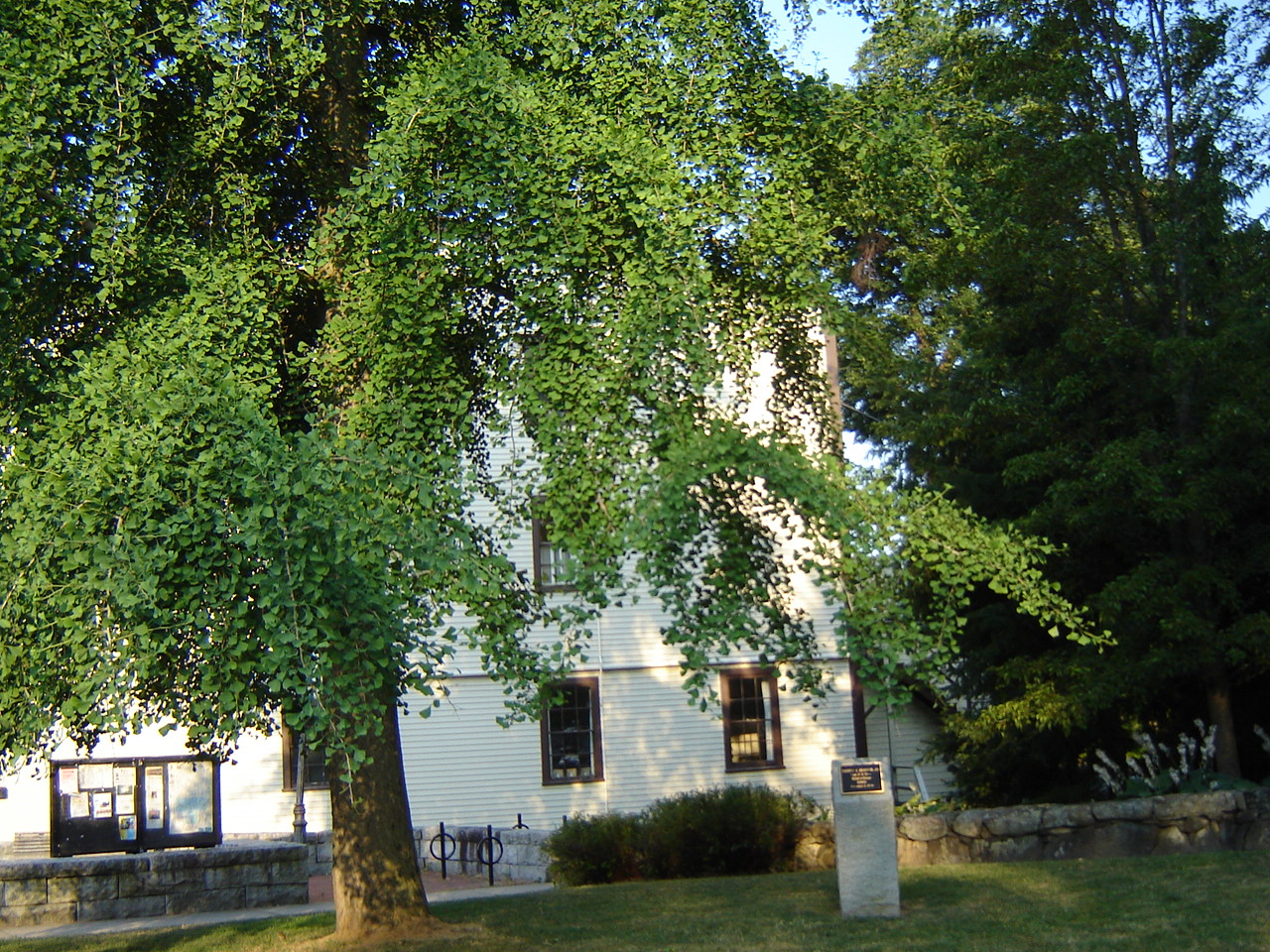
Today I’m sorting through pictures I’ve been taking of leaves. I think I can identify most of them, although I will have to check in with plant-identification site MisterSmartyPlants for the soft needles (larch?).

I’m especially fond of the lacy ginkgo leaf. The purple leaf I believe to be smoke tree. The thistle leaf says, “Approach at your own risk.” The wild grape clusters are a giveaway for the broad leaves drooping over the pond.

By the way, if you like identifying plants, it’s fun to see how many you can help people with at MisterSmartyPlants.

Read Full Post »

In a Wired story titled “eBay Bans Sales of Spells, Curses, Advice and Other ‘Intangibles,’ ” Liat Clark writes:

“The online auction house announced the changes as part of a routine cleanup that will also see recipe and dieting-advice lots stricken from the site.

“The decision, it says, is down to ‘a large number of misclassified items and eBay policy violations’ that often lead to ‘issues that can be difficult to resolve.’

“Presumably a few angry customers unable to get a love spell working have caused eBay strife over the years. …

“Among the items that will be taken down and prohibited from August 30, 2012, are ‘advice; spells; curses; hexing; conjuring; magic; prayers; blessing services; magic potions; healing sessions; work from home businesses and information; wholesale lists, and drop shop lists.’ ”

Where will the magicians go now? Seems a shame to lose something so quixotic, but business is business, and when you can’t serve a customer, you need to rethink matters.

I especially empathized with the line about “issues that can be difficult to resolve.” The company behind this blog, Luna & Stella, always resolves issues cheerfully but is careful not to offer spells — or even dieting advice.

More here.

Read Full Post »

Conrad Wilson recently posted an intriguing story at National Public Radio. It’s about a a practical approach to sustainability: converting sewage to energy.

“It turns out,” writes Wilson, “a sewer — the place where a city’s hot showers, dishwashing water and organic matter end up — is a pretty warm place. That heat can generate energy — meaning a city’s sewer system can hold tremendous potential for heating and cooling.

“It’s just that unexpected energy source that Brainerd [Minn.] hopes to exploit.

“Scott Sjolund, technology supervisor for Brainerd Public Utilities, is standing on the corner of 6th Avenue and College Drive in Brainerd, as sewage rushes unseen through underground pipes.

” ‘Everybody heats water up … and all that gets drained down the sewer, and that’s potential energy that could be extracted. That’s part of the equation,’ Sjolund says.

” ‘Actually extracting it in an economical fashion,’ Sjolund says, is the equation’s critical second part.

“The idea for this project comes from Brainerd-based company Hidden Fuels. In 2009, the business partnered with the city and the school district and received a $45,000 grant from the federal stimulus package.

“Hidden Fuels’ Peter Nelson says the first phase of the project involved installing sensors in the city’s sewers. For more than a year, the company and the city measured the temperature and amount of sewage running through the system to create a thermal energy map.

” ‘It shows that there’s a significant amount of energy — literally enough to heat hundreds of homes — within the streets of the city of Brainerd,’ Nelson says.

“Earl Wolleat, director for buildings and grounds with the Brainerd School District, says there’s enough energy running in just one of the sewer pipes to heat the entire high school. That could save tens of thousands of dollars every winter.”

Read more.

Public Utilities’ Scott Sjolund at a sewer site. Photograph: Conrad Wilson

Read Full Post »

On mornings when I don’t walk in my neighborhood or in the Greenway near work, I’m more likely to walk around the emerging waterfront district than the Public Garden, the approach to which involves too much waiting at street lights.

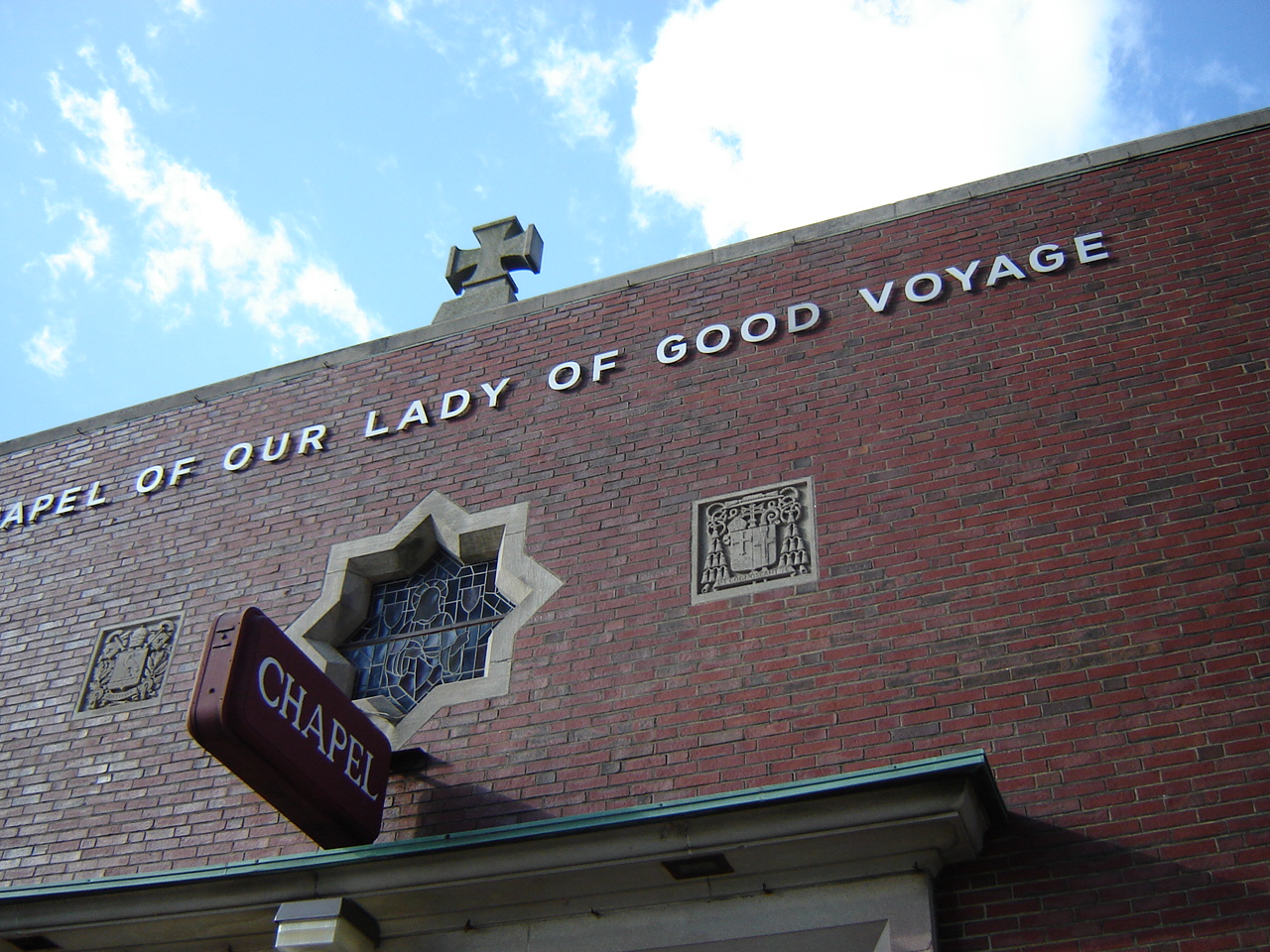
The area near Seaport Boulevard and the harbor, though booming with construction today, still wears the remnants of its formerly neglected status: vistas of pitted parking lots, streets that end ­­­­­­in chain-link fences, highway underpasses filled with brown grass and fast-food wrappers. Then there is the Chapel of Our Lady of Good Voyage.

Unlocked, empty, and trusting, the tiny chapel has a basket for donations to the food pantry. Under a statue of Mary holding her infant in one hand and a ship in the other are votary candles. Someone in charge must think – or know – that no traveler seeking blessings will steal alms for the poor in front of Mary unless desperate. In which case, perhaps he will be welcome to it.

I picture Ishmael coming to a place like this (different denomination and in New Bedford) to hear the sermon on Jonah and the Whale before his ill-fated voyage with the obsessed Captain Ahab.

I wonder if sailors really go to the chapel nowadays and what will happen to it as the area develops at its rapid pace. Along the water, the mayor’s prized Innovation District is gathering steam. In the other direction, the Fort Point Channel area is bursting with restaurants, arts, and artists.

Less than 20 years ago, I visited one artist, the son of friends, who was squatting with other artists in the abandoned Fort Point warehouses where doors had no locks, broken boards and pipes littered the floors, and loose wires hung from the ceilings.

The chapel is part of that earlier world, when lighting a votary candle might have seemed like one’s best chance for making it until tomorrow.

Read Full Post »

A 91-year-old Hindu gentleman has joined the tai chi chuan class I take Saturday mornings. His wife brings him a little after we have started, and he walks slowly between the wall of mirrors and the line of practicing students to sit in a folding metal chair, where the teacher explains the upper-body part of the exercises so he can join in. Age has not kept him from that.

After today’s class, I was driving home and heard Susan Stamberg interview Marian McPartland, 94, here, on National Public Radio. A fantastic jazz pianist, McPartland recorded her last Marian McPartland’s Piano Jazz show only two years ago — after 33 years — but continues as artistic director. She is also the subject of a documentary called In Good Time that highlights the day in August 1958 when she was part of a famous photo of jazz greats in Harlem, below.

Speaking of nonagenarians, folksinger and activist Pete Seeger, 93, showed up on Colbert recently. At first I thought he was not answering a question and was wandering, but it soon became clear he was unfurling a story in his own way and that it would end precisely on point.

Seeger still splits logs to heat his house with wood. And his banjo playing hasn’t aged a bit.

Photograph: Art Kane/Art Kane Archives

Read Full Post »

A guy at the office reads a different blog I write, a blog for work, and knows the types of stories I like. Recently he e-mailed me about a new documentary in which the solutions to our economic problems are tackled by “just folks.” Add this to the growing list of proofs that “one and one and 50 make a million.”

“In Fixing the Future, host David Brancaccio, of public radio’s Marketplace and NOW on PBS, visits people and organizations across America that are attempting a revolution: the reinvention of the American economy. By featuring communities using sustainable and innovative approaches to create jobs and build prosperity, Fixing the Future inspires hope and renewal in a people overwhelmed by economic collapse.

“The film highlights effective, local practices such as: local business alliances, community banking, time banking/hour exchange, worker cooperatives and local currencies.” That’s what the film’s website says anyway. Read more. And if you see the movie, please let me know.

 Photographs: http://fixingthefuture.org

Read Full Post »

Older Posts »