August 8, 2015 by suzannesmom
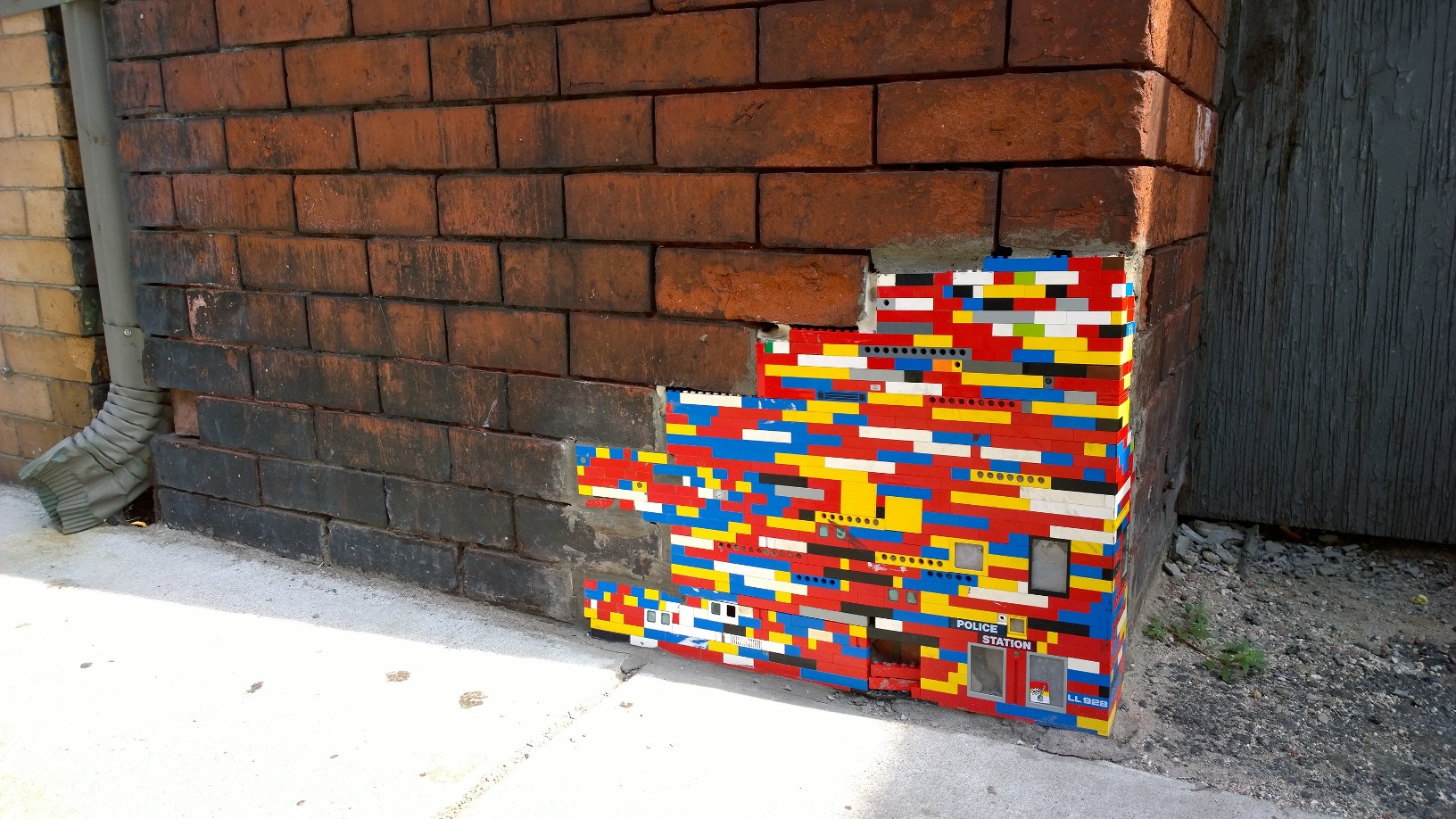
On the corner of Congress and Farnsworth, there is a parking lot, and on the Fort Point Channel side of the parking lot, there is a Lego-size police station. In case you are ever lost around there and need to ask for directions. If LL Bean is more your thing, there’s one by the parking lot, too. I took two pictures.
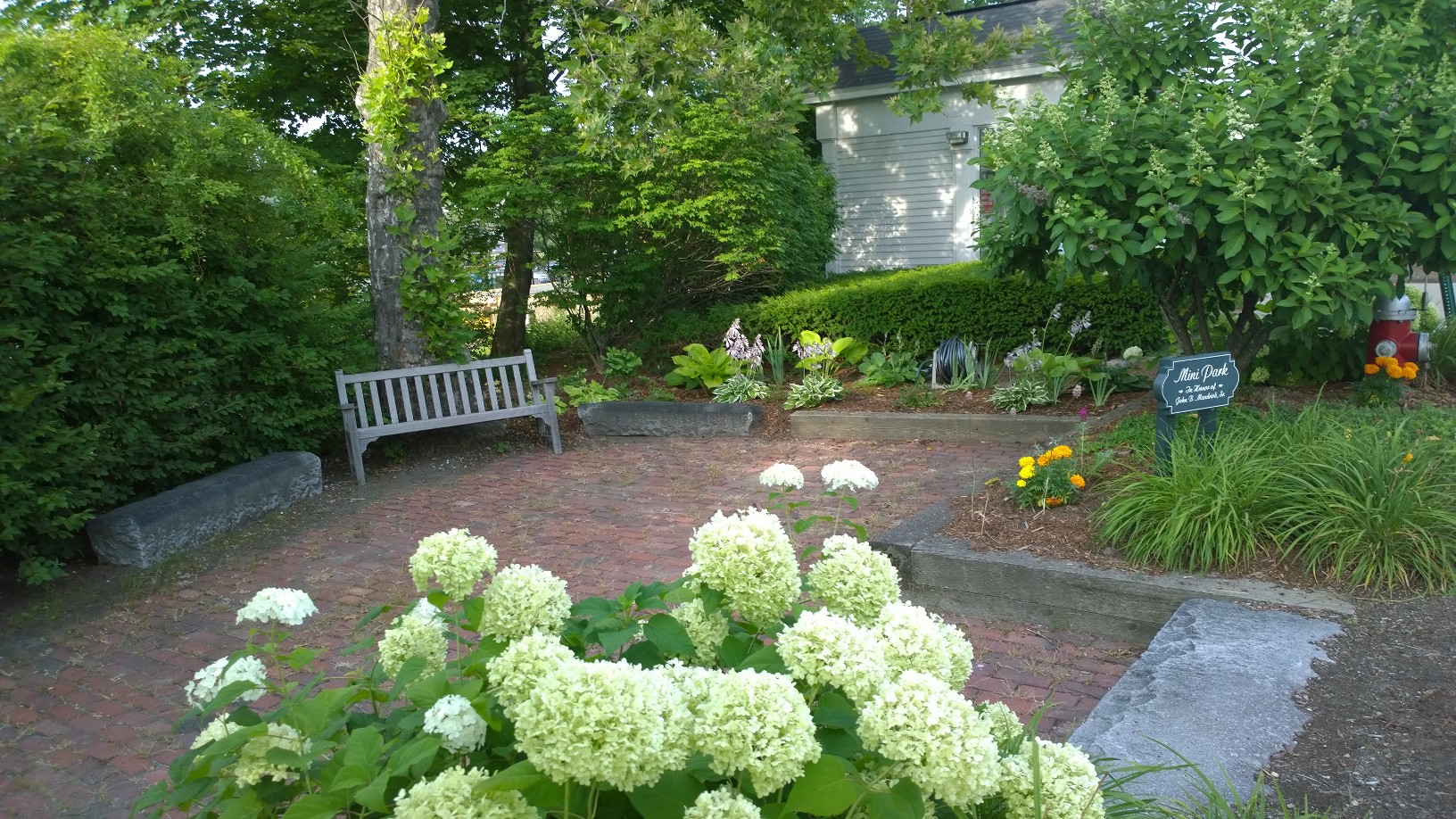
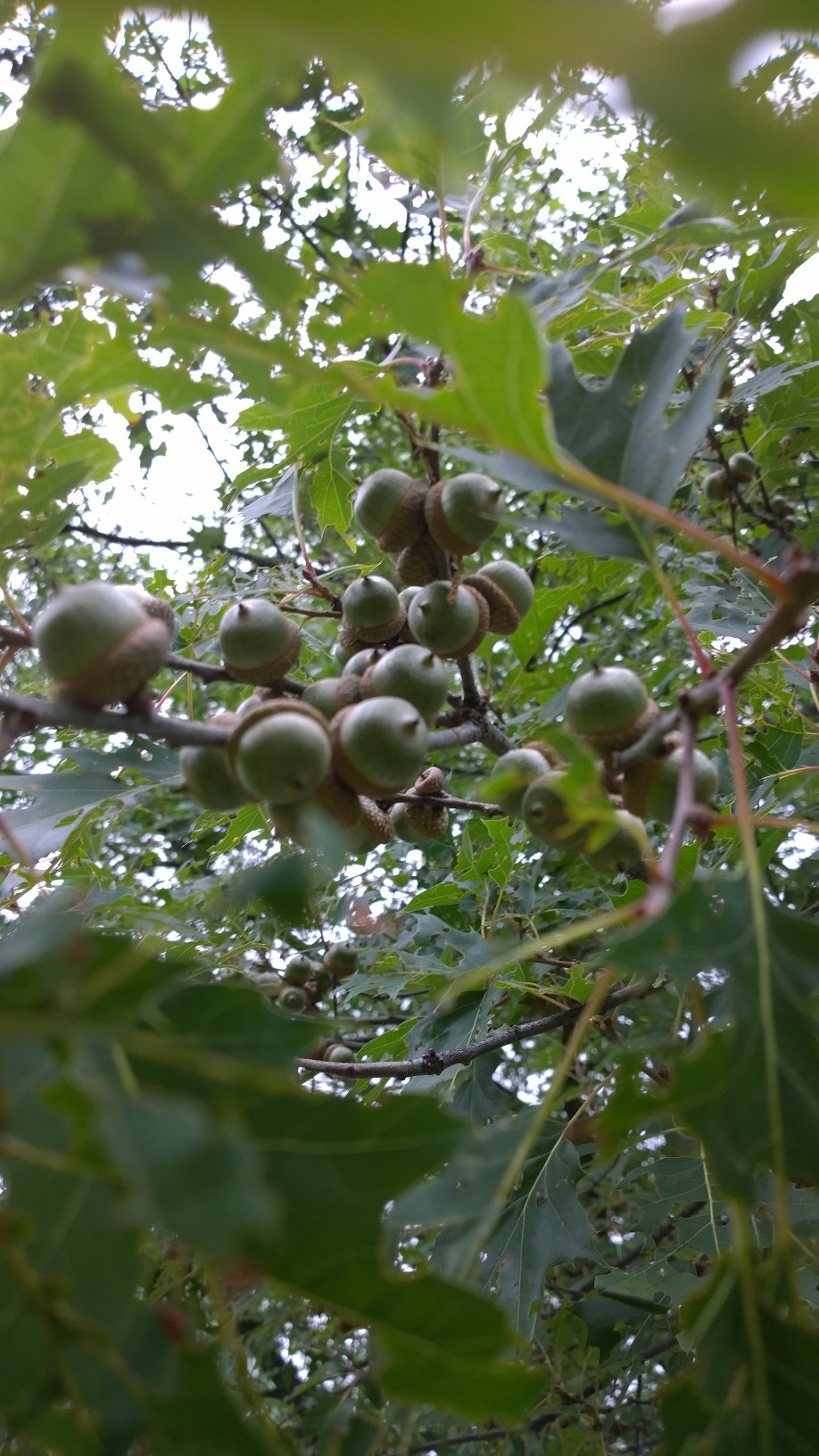
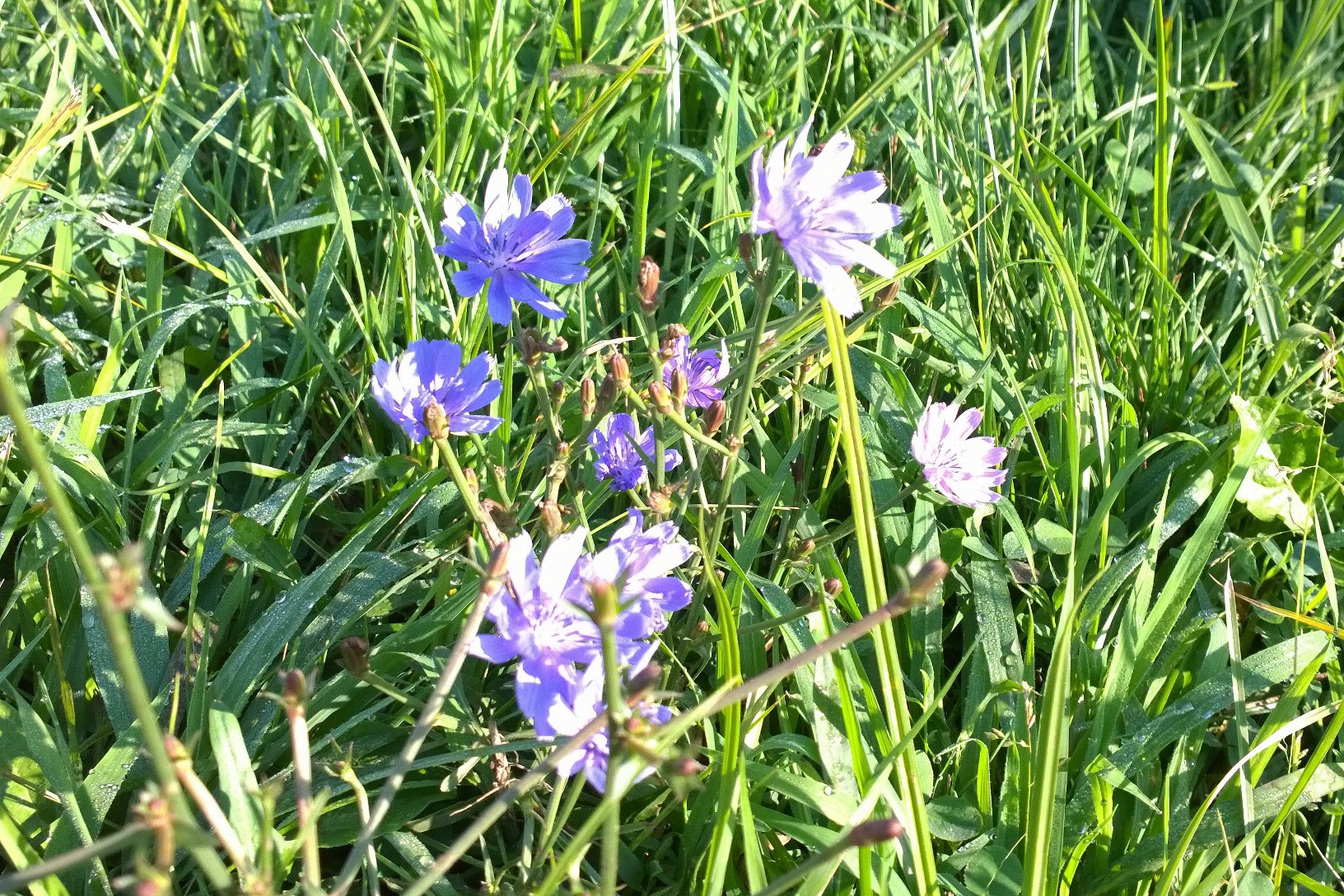
The clouds at dawn have been especially good lately. I include two shots in case you are not up early. Roses need no elaboration, but I am quite proud of how the yellow mullein turned out the second time I tried to capture it. A granddaughter was with me at the time, in the stroller.
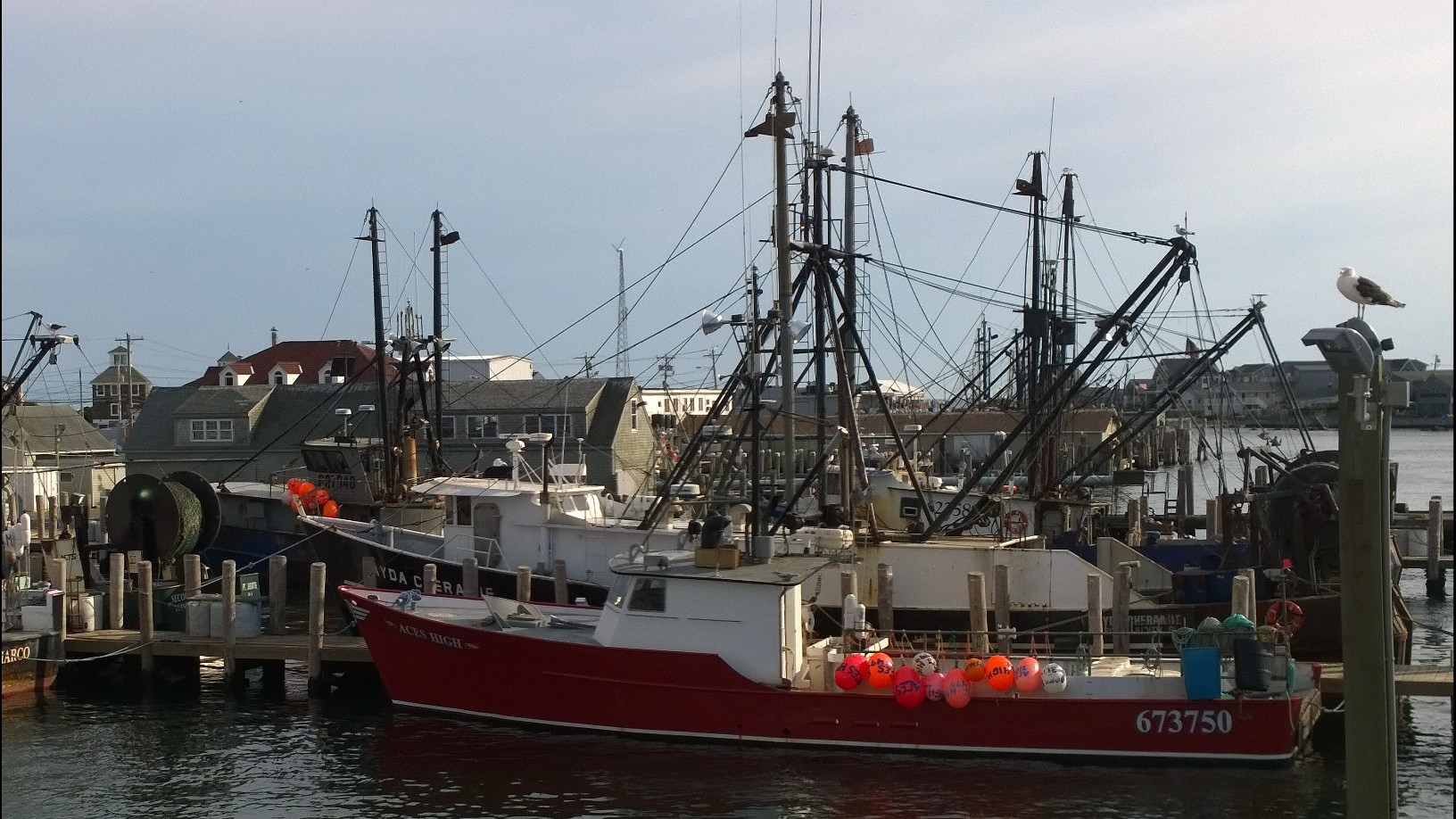
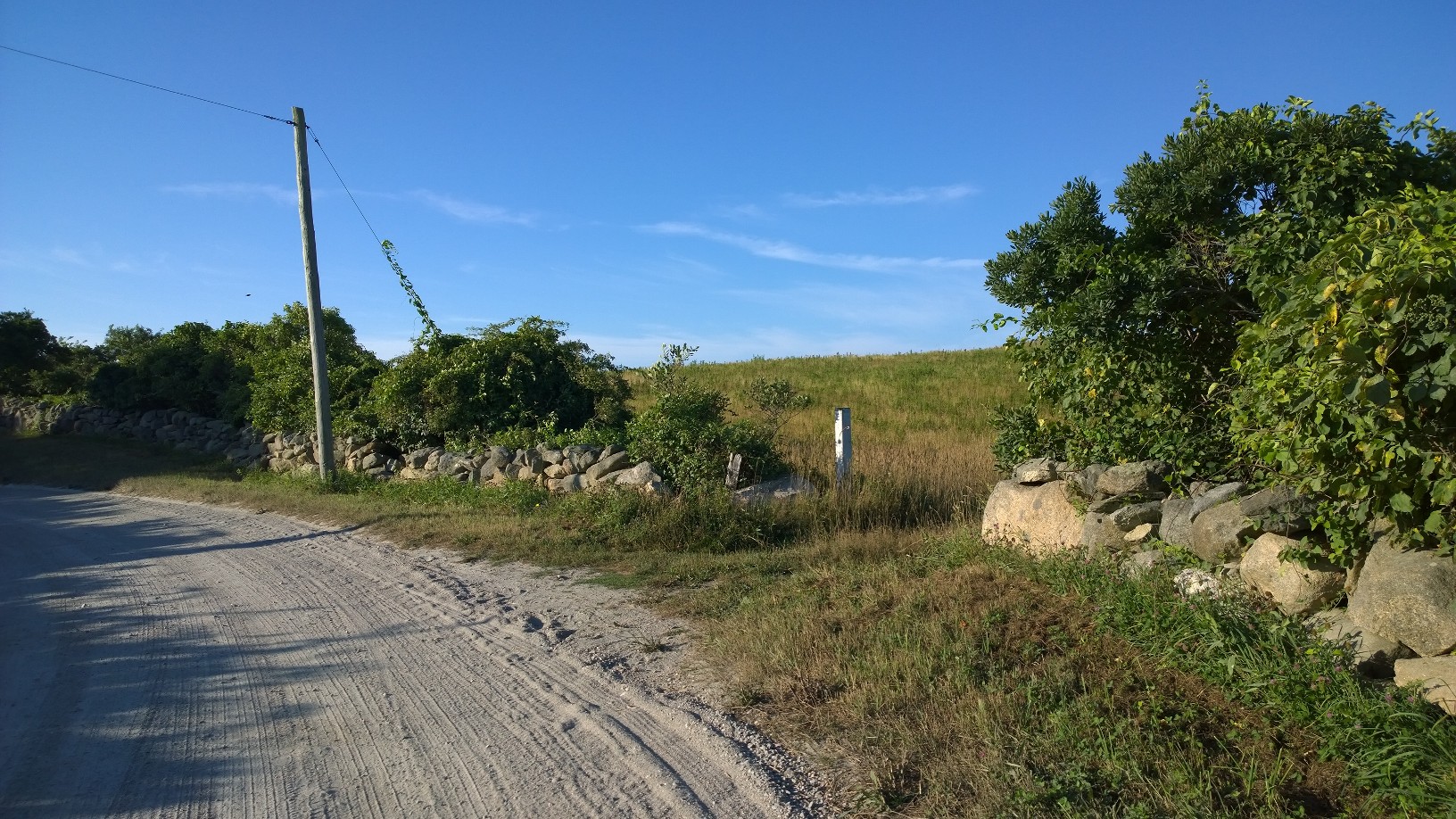
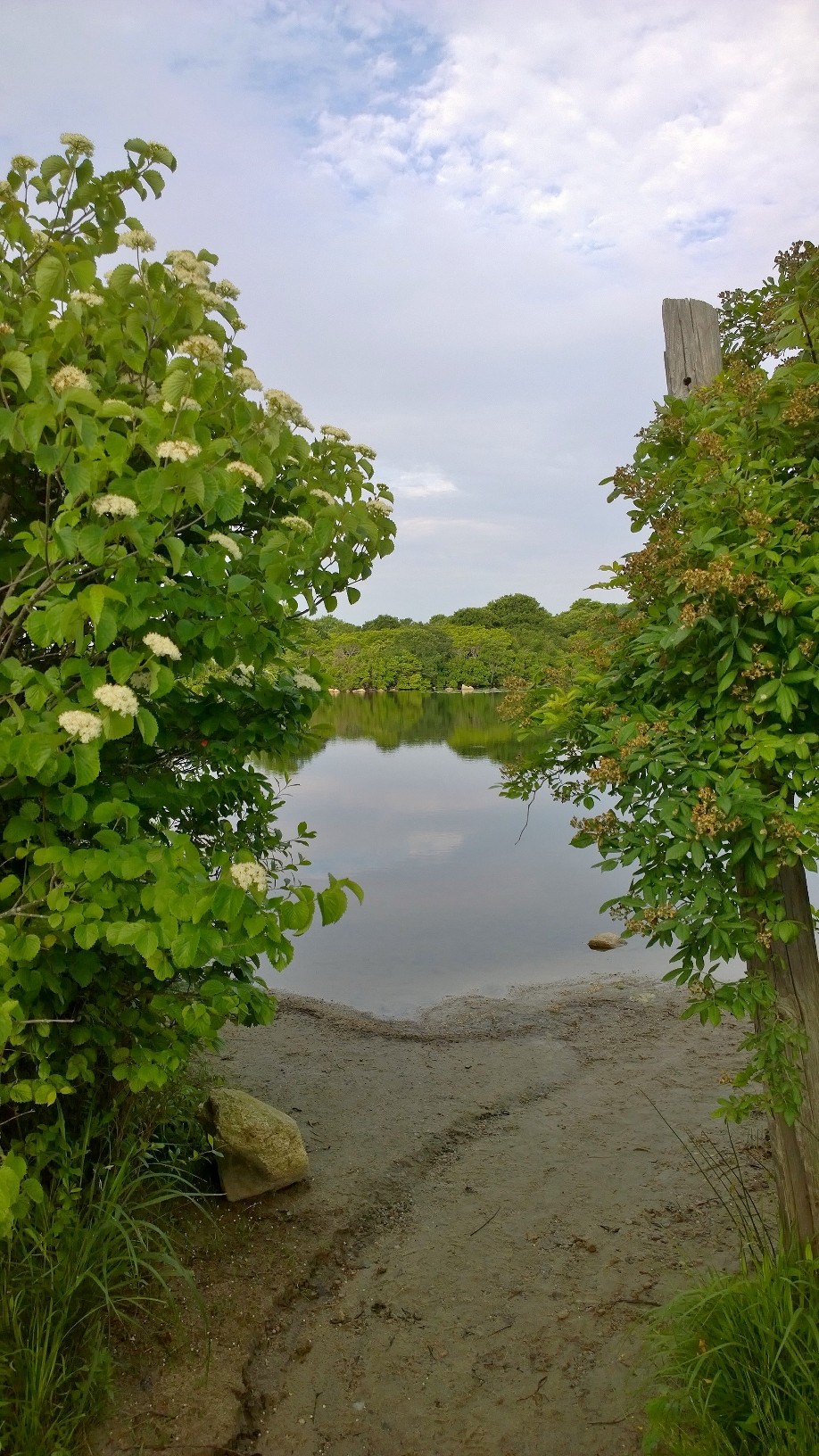
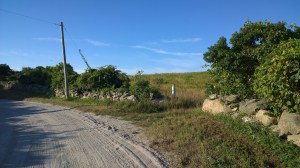
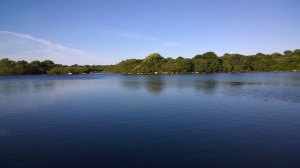
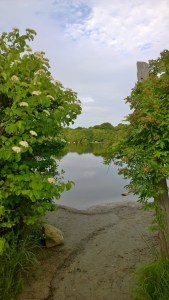
Moving right along, there is a shot of the fishing fleet in Rhode Island. The country road photo was supposed to show you a goldfinch, but even when I zoom in, it is too tiny to see. The still pond is called John E’s Tughole. A tughole is a place where peat is harvested, but I don’t think it happens much anymore. Maybe in Ireland. I know James used to harvest peat. And burn it, too.




Posted in Uncategorized | Tagged clouds, congress, dawn, farnsworth, fishing fleet, fort point, lego, mullein, peat, photo, Point Judith, postaday, public art, rose, tughole | 2 Comments »
August 7, 2015 by suzannesmom
Maria Popova linked to this story on twitter. It’s about how climate change is affecting a way of life for Fiji Islanders.
Meehan Crist writes at the blog Nautil.us, “The day that conservation biologist Joshua Drew, his two students, and I arrive in the Fijian village of Nagigi, the wind is blowing so hard that the coconut palms are bent sideways. ‘Trade winds,’ we are told. And, ‘El Nino. The villagers here also know that climate change is affecting the weather, but their more immediate problem, shared across the Pacific—and, indeed, the world—is an ocean ecosystem sorely depleted by overfishing.
“Nagigi is a village of about 240 people living in tin-roofed wooden homes strung along a sandy coastline. A single paved road runs the length of the village, parallel to the ocean, and along this road are homes clustered by family, painted in cheerful pastels, and connected by well-worn paths through the crab grass. ‘Before,’ said Avisake Nasi, a woman in her late 50s who has been fishing this reef her whole life, ‘you just go out and you find plenty fish. Now, you have to look.’ …
“If pressures mount from too many sides at once—rising ocean temperatures, acidification, pollution, overfishing—the combined pressure will be too much even for Fiji’s remarkably resilient reefs to bear. …
“Conservationists and humanitarian groups have recently united in the call for sustainable resource management, and in this trend, Nagigi is ahead of much of the Western world. Villagers have been discussing how they might use a traditional ban on fishing known as a tabu (tam-bu) to help manage their marine resources in new ways. …
“Drew presents his findings about how fish here are interconnected with other reefs, and how to best protect the species most important to the village in terms of food and income. He talks about how, for the last three years, he has been collecting baseline data about the species present on the reef so that if the village sets up a tabu, its effects can be measured.
“His audience is most interested in what Drew has to say about where to set up a tabu—include the mangroves at the left side of the village shore, because they act as fish nurseries—and for how long—three years would give crucial species enough time to mature and spawn. There has been some talk of a one-year tabu, which would be less of a hardship for villagers who will have to walk a mile or more to reach ocean where they are allowed to fish. But Drew’s data suggest this wouldn’t be long enough to make the sort of difference the village wants to see. ‘I can only offer information,’ Drew says at the end of his presentation, ‘the decision is yours.’ ”
The reporting for Crist’s story was made possible by a grant from the Mindlin Foundation.
Try to see the related climate-change movie Revolution, which I wrote about here.
Photo: Meehan Crist
The view from Nagigi’s school to the sea, where many locals make their living

Posted in Uncategorized | Tagged conservation, drew lab, ecosystem, endangered, environment, fiji, joshua drew, maria popova, marine, Meehan Crist, Mindlin Foundation, nagigi, nautil.us, ocean, overfishing, reef, sustainable | Leave a Comment »
August 6, 2015 by suzannesmom
My husband’s new favorite news source is the US edition of the Guardian, and I can see why. It covers national and world affairs well and has some really unusual articles.
This one by Johanna Derry on Native American cuisine appealed to us both because of several years spent in Minneapolis. Back in the 1990s, there was no Native American food truck, but there was a nice restaurant on Franklin Street next to a Native American store, and we ate there a few times.
Derry writes, “Travel across the US and the cuisine doesn’t change much from state to state. It has a reputation for being sodium-filled, sweetened and glutenous (though, arguably, delicious) food. But chef Sean Sherman, known as the Sioux Chef, is hoping to redefine what we think of as ‘American’ food.
“At his newly launched Minneapolis food truck Tatanka, named after the American bison, dishes are made with ingredients that could be found living or growing locally before the arrival of European settlers. So you can forget processed sugars, wheat flour, beef, chicken and pork, Sherman serves wild rice and taco-style cornflour cakes with bison, turkey or rabbit, topped with wild greens and washed down with maple water. As well as being truly American, the food is super-healthy, organic – and local.
“ ‘We’ve worked with a couple of native-run farms to grow back some heirloom varieties of beans, squash, melon and corn,’ says Sherman.
“As well as introducing Minnesotan foodies to indigenous foods, the truck – which is supported by Little Earth, an urban Native American community – will head out to reservations, too, to reintroduce native populations to the healthier diet of their ancestors.”
Read more at the Guardian.
Photo: The Guardian
Tatanka Food truck, Native-American cuisine in Minneapolis

Posted in Uncategorized | Tagged bison, food, food truck, guardian, Johanna Derry, little earth, minneapolis, minnesota, native american, postaday, Sean Sherman, Sioux Chef, Tatanka | Leave a Comment »
August 5, 2015 by suzannesmom
Maybe I could be a clown. One of my brothers has clowned for years, mostly at his church in Wisconsin. He really enjoys it.
This story by Elianna Bar-El story at Good magazine makes me want to know the same satisfaction medical clowns get from helping sick children. But clearly, it takes lots of training.
“On a recent visit to Wolfson Medical Center on the outskirts of Tel Aviv, Israel, Yolana Zimmerman is met with audible sighs of relief.
“ ‘Great! You’re here! We need you,’ says a nurse.
“Zimmerman is not a medical doctor. In fact, she casts quite a contrast to the typical image of a doctor with her pink leggings, cupcake apron, and eyelet bloomers — not to mention the underwear on her head and the stuffed monkey in her hands.
“Yolana ‘Yoyo’ Zimmerman is part of a team of medical clowns called Dream Doctors. The pioneering organization started in 2002 with three medical clowns at one hospital and today facilitates the work of more than 110 clowns across 28 hospitals in a country increasingly recognized as the vanguard of medical clowning. After this past April’s devastating earthquake in Nepal, for instance, the Israeli government sent an envoy from Dream Doctors to Kathmandu to work with affected children. As you might expect, the medical community is taking notice of the tiny nation’s zany medical practitioners. …
“ ‘Medical clowning has developed in Israel in a different way than anywhere else in the world,’ says Professor Ati Citron, creator and director of University of Haifa’s Medical Clowning program. ‘Medical clowns were absorbed into the medical system as part of the staff.’ …
“Walking into [a] hospital room, without missing a beat, Yoyo directs her attention to a religious man sitting beside his daughter who is sleeping in a hospital bed. He is obviously reading from the Bible. ‘Is that a good book?’ Yoyo asks. ‘I think I’ve heard something about it. … Who wrote it again?’ The father looks up at her, grinning in surprise. In the same moment Yoyo doubles over with genuine laughter, igniting a cacophony of noises from a squeezable rooster in her apron. …
“In Israel, medical clowns are involved in over 40 medical procedures, including accompanying patients to CT scans, X-rays, MRIs, chemotherapy, radiation treatment, physiotherapy, and rehabilitation. Clowns in Israel also work solo to initiate a more interactive, one-on-one relationship with patients. … Dream Doctors, which works closely with Israel’s Ministry of Health and the University of Haifa … also hosts monthly workshops for the clowns where medical staff provide them with a range of medical knowledge and training on hygiene, vaccinations, before-and-after procedures for entering a room, role-playing, case studies, and more.”
Read all the details at Good.
Photo: Ziv Sade
Posted in Uncategorized | Tagged Ati Citron, clown, dream doctors, Elianna Bar-El, good magazine, hospital, Israel, kathmandu, medical, nepal, postaday, tel aviv, therapeutic, University of Haifa, Wolfson Medical Center, Yolana Zimmerman, ziv sade | Leave a Comment »
August 4, 2015 by suzannesmom
Here’s a use for drones that pretty much everyone but a poacher could celebrate. I got the story from Living on Earth.
“Poaching is a threat to the survival of rhinos worldwide, and anti-poaching efforts have always been one step behind. Now, park rangers in South Africa have a leg up. John Petersen from the Air Shepherd program tells host Steve Curwood how the power of predictive analytics combined with drone technology could help to rescue the rhinos. …
“Curwood: The Air Shepherd uses military-style computer analytics to identify poaching hot spots, and then sends silent drones equipped with night vision to track down poachers, who like to work after dark, when people can’t see them. …
“Petersen: Some of these game parks are the size of Connecticut. And if you’ve got a little model airplane and you’re trying to figure out where to fly that airplane in that size of a piece of land, and you don’t have any idea about particularly where to fly, then you’re wasting your time. That’s where the experience of the University of Maryland comes into play, because they have developed a predictive analytic tool to tell us on a daily basis where the animals are likely to be and where the poachers are likely to be. …
“You build databases that have all of the topography of the land that you’re looking at. It has all the historical information about where poaching has happened in the past, so that you get patterns on where they happened. You figure out the time of the day and the time of the year, and whether it was wet and what the weather was like, and whether there were waterholes close by, and whether there was a full moon, and how close to roads they were, and other such things. And the combination of all of this allows you to say with a high degree of confidence that, tonight, you should fly your aircraft over the top — you’re going to know that this is where the poachers will come if they come tonight. …
“You can alert the rangers, because they’re positioned close by. They can get there in a hurry and they can capture the person and arrest them before they have a chance to kill the animal.”
More at Living on Earth.
This is clearly a tool in the tool box. But attacking the demand is going to be just as important. Especially since, according to Curwood, “traditional Asian doctors believe that rhino horns have curative power, and market demand has driven some rhino species to the edge of extinction.”
Photo: Michael Romondo
Staff members of South Africa-based UAV & Drone Solutions hold one of their drones. UAV supplies the drones and the ground crew for Air Shepherd. 
Posted in Uncategorized | Tagged air shepherd, analytics, drone, endangered species, john petersen, living on earth, michael romondo, night vision, park ranger, postaday, predictive, rhino, south africa, steve curwood | 4 Comments »
August 3, 2015 by suzannesmom
At the NY Times, Sindya N. Bhanoo notes some cool research on young children’s sense of fairness.
“Children as young as age 3 will intervene on behalf of a victim, reacting as if victimized themselves, scientists have found.
“With toys, cookies and puppets, Keith Jensen, a psychologist at the University of Manchester in England, and his colleagues [Katrin Riedl, Josep Call, and Michael Tomasello] tried to judge how much concern 3- and 5-year-olds had for others, and whether they had a sense of so-called restorative justice.
“In one experiment, when one puppet took toys or cookies from another puppet, children responded by pulling a string that locked the objects in an inaccessible cave. When puppets took objects directly from the children themselves, they responded in the same way.
“ ‘The children treated these two violations equally,’ said Dr. Jensen, a co-author of the study published in the journal Current Biology.
“In another experiment, when an object was lost or stolen, children tried to right the wrong by returning the object to the puppet it belonged to.
“ ‘Their sense of justice is victim-focused rather than perpetrator focused,’ Dr. Jensen said.” More at the NY Times, here.
The abstract for “Restorative Justice in Children” is posted at Cell.com.
Photo: Keith Jensen
Two puppets used in a study that aimed to learn how much concern young children have for others. 
Posted in Uncategorized | Tagged current biology, fairness, Josep Call, Katrin Riedl, Keith Jensen, Michael Tomasello, perpetrator, postaday, puppets, restorative justice, sense of justice, sindya n. bhanoo, toddler, University of Manchester, victim | Leave a Comment »
August 2, 2015 by suzannesmom
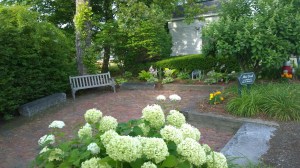
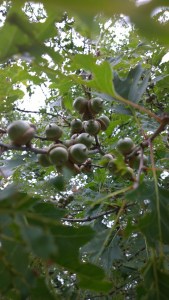
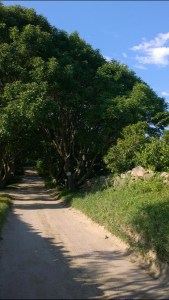
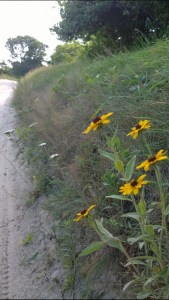
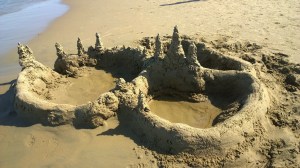
Here are new photos from Massachusetts and Rhode Island. The weather has been hot but beautiful, especially by the sea.
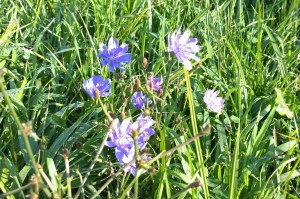
On the island, the blue flowers you see below are called Ragged Sailors, but elsewhere, the weed is called chicory.
The variation in plants’ common names is the reason a landscaper I know uses only Latin names (one name per plant). When we identify plants at John’s website MisterSmartyPlants, we use common names. That can get confusing, but it’s nice how common names tell something about the people that use local names.
Wikipedia says chicory is called by all these names: blue daisy, blue dandelion, blue sailor, blue weed, bunk (bunk?), coffeeweed, cornflower, hendibeh, horseweed, ragged sailor, succory, wild bachelor’s buttons, and wild endive. And those are only the English names.




Posted in Uncategorized | Tagged blue daisy, blue dandelion, blue sailor, blue weed, bunk, chicory, coffeeweed, cornflower, hendibeh, horseweed, massachusetts, mistersmartyplants, ragged sailor, rhode island, succory, wild bachelor's buttons, wild endive | 4 Comments »
August 1, 2015 by suzannesmom
This sweaty-looking athlete leaning into the turn at Cooneymous Road is John. He has just done the swimming part of New Shoreham’s triathlon in the ocean, and now he is into the first loop on the hilly biking course. He will wind up with a run on Crescent Beach. Fingers crossed that the tide is out and the sand is hard.
Beautiful day for it. The peanut gallery has experienced our share rainy triathlons, and one that was cancelled because of thunder and lightening.

Posted in Uncategorized | Tagged bike, block island, new shoreham, run, swim, triathlon | 4 Comments »
July 31, 2015 by suzannesmom
Four years ago, I blogged about some beautiful manhole covers is Japan. Now I learn that Minneapolis also has discovered the artistic possibilities of heavy, round metal that lots of people see as they cross the street.
Eric Grundhauser writes at Slate‘s Atlas Obscura blog, “Minneapolis has made its underfoot sewer covers a point of artistic pride, with designs that celebrate the area’s art, history, and wildlife.
“In the early 1980s, Minneapolis began asking artists to design iconic manhole covers for the city. … From David Atkinson’s whimsical summer grill design to Stuart D. Kippler’s introspective geography marker, each of the covers turned what was once a mundane city feature into a unique piece of art. …
“[Kate] Burke created sculpted images of regional icons like the Minnesota state fish (the walleye), the state fruit (Halverson apple), and the state bird (loon). The detailed pieces of steel each feature tableaux of their subject that make most municipal equipment look lazy by comparison.
“Some of the covers even feature small hidden details such as a worm in the state apple, or a pheasant erupting from the bronzed image of the state grain (wild rice).” More here.
I love that the Minnesotan sense of humor is part of the artistic effort. Reminds me of Massachusetts sculptor Mags Harries, who is still associated with the bronze banana peels, orange skins, and broken crates she embedded among the produce vendors in the Haymarket in 1976.
Photo: J Wynia/Creative Commons
Manhole cover in Minneapolis.

Posted in Uncategorized | Tagged art, atlas obscura, David Atkinson, eric grundhauser, haymarket, humor, j wynia, japan, kate burke, loon, mags harries, manhole cover, minneapolis, photo, postaday, sculptor, slate, Stuart D. Kippler, walleye | 4 Comments »
July 30, 2015 by suzannesmom
One of the websites I check for cool stories is the one for Living on Earth, an excellent environmental news magazine from Public Radio International. In a recent episode, host Steve Curwood interviewed the author of a new book on the rare Asian “unicorn.”
“CURWOOD: Deep in the forests of southeast Asia lives a creature nicknamed the Asian Unicorn, and it’s nearly as rare as the mythical creature, as well. … And it is right at the edge of extinction. Writer William deBuys accompanied conservationists on an expedition to study the saola, and his book The Last Unicorn lays out the story and the challenges of saving a species so rare. …
“DEBUYS: The saola was discovered to Western science only in 1992. Local villagers in the habitat of the saola [such as Laos] have known it was there forever, but this new discovery was made when scientists saw a rack of horns on the wall of a hunter’s shack. And these horns are the most distinctive features of the saola. They’re long, almost straight, and beautifully tapered to a very sharp point, so that when the saola stands profile, the two horns in perspective merge into one, and it appears to have only one horn, it appears to be a unicorn. Perhaps only dozens to a few hundred still exist, and there are none in captivity. …
“CURWOOD: Tell us what it’s like there in the forest. What would you hear in the forest?
“DEBUYS: Oh, the music of the forest was constantly inspiring and entertaining. The birdcalls never ceased. We heard laughing thrushes, and we heard drongos and Indian cuckoos and all kinds of birds with really distinctive calls. There was a kind of chorus behind us all the time.
“But the most marvelous thing occurred at first light, almost every morning. We heard the calls of gibbons. Gibbons are small apes, beautiful, slender animals that swing through the trees, so gracefully, and their calls are ethereal. And they call, male to female and female to male, in mated couples, and you can think of it as almost a kind of love song that you hear echoing through the forest. …
“Our expedition basically had three purposes: one was to look for saola habitat and for saola in that habitat. A second was to evaluate the poaching pressure on the landscape. And a third was to conduct a kind of conservation diplomacy in the villages of the forest. …
“CURWOOD: How many saola did you see?
“DEBUYS: Well, we saw none. No Westerner has yet seen a saola in the wild, and the joke is that saola are so like unicorns, and everybody knows that in the Middle Ages, the only people who had an outside chance of seeing a unicorn had to be absolutely pure of heart. And Robichaud and I joke that if that applies also to saola, then we were disqualified from the get-go.” More here.
Note the thoughtful discussion at Living on Earth about the rights and sensitivities of native peoples where the conservation efforts are focused.
Photo: William Robichaud / Wildlife Conservation Society
The first adult saola to be observed outside of its habitat.

Posted in Uncategorized | Tagged conservation, ecology, environment, living on earth, loe, nature, postaday, saola, steve curwood, The Last Unicorn, William deBuys, William Robichaud | 2 Comments »
July 29, 2015 by suzannesmom
Here’s a good one from The Atlantic’s City Lab on how Cleveland is turning a traffic circle into a park.
Eric Jaffe writes, “To hear Clevelanders talk, Public Square is a place you pass through to reach somewhere else. When Moses Cleaveland laid out the town in 1796, he imagined the open area at its center as a New England-style commons: a gathering space for settlers, a grazing area for livestock. …
” ‘Over the years, it just turned into more like a series of big traffic islands,’ says the landscape architect James Corner. …
“Locals who find themselves in one of the quadrants have a tough time getting to another. If the cars aren’t enough of a hindrance, the lack of things to do or see in the area is: of the square’s 10 acres, more than six are paved over with concrete or asphalt. …
“By the time Cleveland engaged Corner’s help, in 2008, many ideas for how to revamp the square had come and gone.
“They all suffered from the assumption that traffic around the site could not be disturbed. Corner came in with a bold idea: if we can’t remove the streets, let’s build an elevated park above them.
“The hilltop-park concept didn’t pan out, because of the cost and complexity, but [Land Studio executive director Ann Zoller] says it got locals reimagining Public Square as a place prioritizing people over cars. A traffic analysis determined that the city could close one of the streets and narrow the other to a passage for buses, which could be rerouted during major events. Construction started this spring on Corner’s final design, which is estimated to cost $32 million.”
Read more here on how cities are thinking about improved public spaces.
Image: James Corner Field Operations
A rendering of the new design for Public Square in Cleveland
Posted in Uncategorized | Tagged Ann Zoller, city lab, cleveland, design, eric jaffe, James Corner Field Operations, land Studio, landscape architect, Moses Cleaveland, postaday, public square | 2 Comments »
July 28, 2015 by suzannesmom
An article by Gretchen Reynolds at the New York Times “Well” blog details new research on the stress-reducing effects of walking in nature.
Reynolds writes, “City dwellers [have] a higher risk for anxiety, depression and other mental illnesses than people living outside urban centers …
“Various studies have found that urban dwellers with little access to green spaces have a higher incidence of psychological problems than people living near parks and that city dwellers who visit natural environments have lower levels of stress hormones immediately afterward than people who have not recently been outside.
“But just how a visit to a park or other green space might alter mood has been unclear. Does experiencing nature actually change our brains in some way that affects our emotional health? That possibility intrigued Gregory Bratman, a graduate student at the Emmett Interdisciplinary Program in Environment and Resources at Stanford University.
In his “new study, which was published last week in Proceedings of the National Academy of Sciences, Mr. Bratman and his collaborators decided to closely scrutinize what effect a walk might have on a person’s tendency to brood. … Such rumination [is] strongly associated with increased activity in a portion of the brain known as the subgenual prefrontal cortex.”
The results: “As might have been expected, walking along the highway had not soothed people’s minds. Blood flow to their subgenual prefrontal cortex was still high and their broodiness scores were unchanged. But the volunteers who had strolled along the quiet, tree-lined paths showed slight but meaningful improvements in their mental health, according to their scores on the questionnaire. They were not dwelling on the negative aspects of their lives as much as they had been before the walk.” More here.
As we used to chant to our overexcited dog when we picked her up after a grooming, “I’m calm, you’re calm.”
Try out this Derek Wolcott poem for your walk in the woods. It is read on SoundCloud by my husband’s college classmate, Jon Kabat-Zinn.
Posted in Uncategorized | Tagged brooding, derek wolcott, emmett interdisciplinary, gregory bratman, gretchen reynolds, jon kabat-zinn, meditation, mental health, nature, peace, postaday, Proceedings of the National Academy of Sciences, rumination, stanford, stress, subgenual prefrontal cortex, woods | Leave a Comment »
July 27, 2015 by suzannesmom
I was in New Shoreham in the spring, stopping at the bagel place, and Suzanne pointed out that on a patio table there was a little birdhouse where people were encouraged to contribute a poem to a small notebook. I added a haiku and a jingle I wrote decades ago.
Two days later, it hit me. I had participated in Poetry of the Wild, and I had written about it already here.
Rhode Island Monthly had a bit more on the subject.
Poetry Project founder and former RI poet laureate Lisa Starr told reporter Casey Nilsson about the April weekend when Poetry of the Wild was to be launched. “We’re finding ways to expose people to things that they might not be exposed to, to broaden the horizon while working on creative projects.
“One of the English teachers, Nancy Greenaway, started a project, Favorite Poems: Voices from the Village. She finds members of the community who have never come to a Poetry Project — like the guy who runs the deli or the music teacher — and asks them to choose their favorite poem … Nobody knows who they are until the day of the event.”
Starr also describes the new addition to the Poetry Project weekend, Poetry of the Wild: “a public art installation featuring boxes made by members of the community that contain a particular poem. The poems are meant to enhance whatever setting they’re in.
“The tech ed teacher at the Block Island School, Mark Mollicone, and the art teacher, Lisa Robb, [were eager to help.] They worked with the entire seventh and eighth grade class. Each student either made their own box or partnered with somebody. The kindergarten class made their own box and the first graders worked with a local bookshop owner on a box, too.”
The boxes were ultimately placed around the island. And I saw a birdhouse-like box outside the bagel shop.
More here.
Photo: Rhode Island Monthly
Carrying a box for a poem past Harbor Baptist Church, New Shoreham.
Posted in Uncategorized | Tagged block island, casey nilsson, harbor baptist church, Lisa Robb, lisa starr, Mark Mollicone, Nancy Greenaway, poet laureate, poetry of the wild, poetry project, postaday, ri monthly | Leave a Comment »
July 26, 2015 by suzannesmom
If I had known how to get to the shuttle at the Wonderland dog track or if the other shuttle had been at Suffolk Downs when I arrived too early, I might have made it all the way to Revere and taken my own photos of the Revere Beach International Sand Sculpting Festival.
I probably should have waited, but oh, my! How sad Suffolk Downs has become since the horse racing ended! Acres of haunted parking lots. No sign of human life. No one to ask about the shuttle.
John and Suzanne and I went to the racetrack on its 40th birthday (1984). I got a visor that said “40 Years on the Right Track.” John tells me he won a few dollars, but I’ve forgotten. Quoth the Raven, Nevermore.
Fortunately, the Boston Globe took pictures on Friday as the competitors got to work at Revere Beach. Monica Disare interviewed contestants from has far away as Russia.
The Globe also offered the following tips from the Travel Channel on making a good sandcastle, here.
* Find good sand
Look for sand that sticks together. This makes it fit for building and carving.
* Form a castle foundation
With a shovel, create a sand pile to serve a base. Pat it down and soak with plenty of water.
* Create towers
Use a plastic bottomless, 5-gallon bucket and place it atop base. Fill it halfway with sand and the other half with water. Slowly lift the bucket letting the water drain out.
* Pack and shape rough forms
Fill another 5-gallon bucket (with a bottom) with sand and water. Scoop the sloppy, wet mixture out and pat it down on your tower bases to form steeper towers. Rough form walls or other features around castle.
* Carve and smooth
With plastic shovel or mortar trowel, slice sand away from your rough forms, adding shape details like stairs, windows, doorways, and parapets. Add more detail to castle, working from top down. Smooth out details and moisten your castle with water if it begins to dry out.
Photo: Craig F. Walker/Globe Staff
Deborah Barrett-Cutulle, of Saugus, worked on her sculpture on Friday.

Posted in Uncategorized | Tagged craig f walker, Deborah Barrett-Cutulle, dog track, horse racing, massachusetts, monica disare, revere, Revere Beach International Sand Sculpting Festival, sandcastle, sculpting, suffolk downs, travel channel, wonderland | Leave a Comment »
July 25, 2015 by suzannesmom
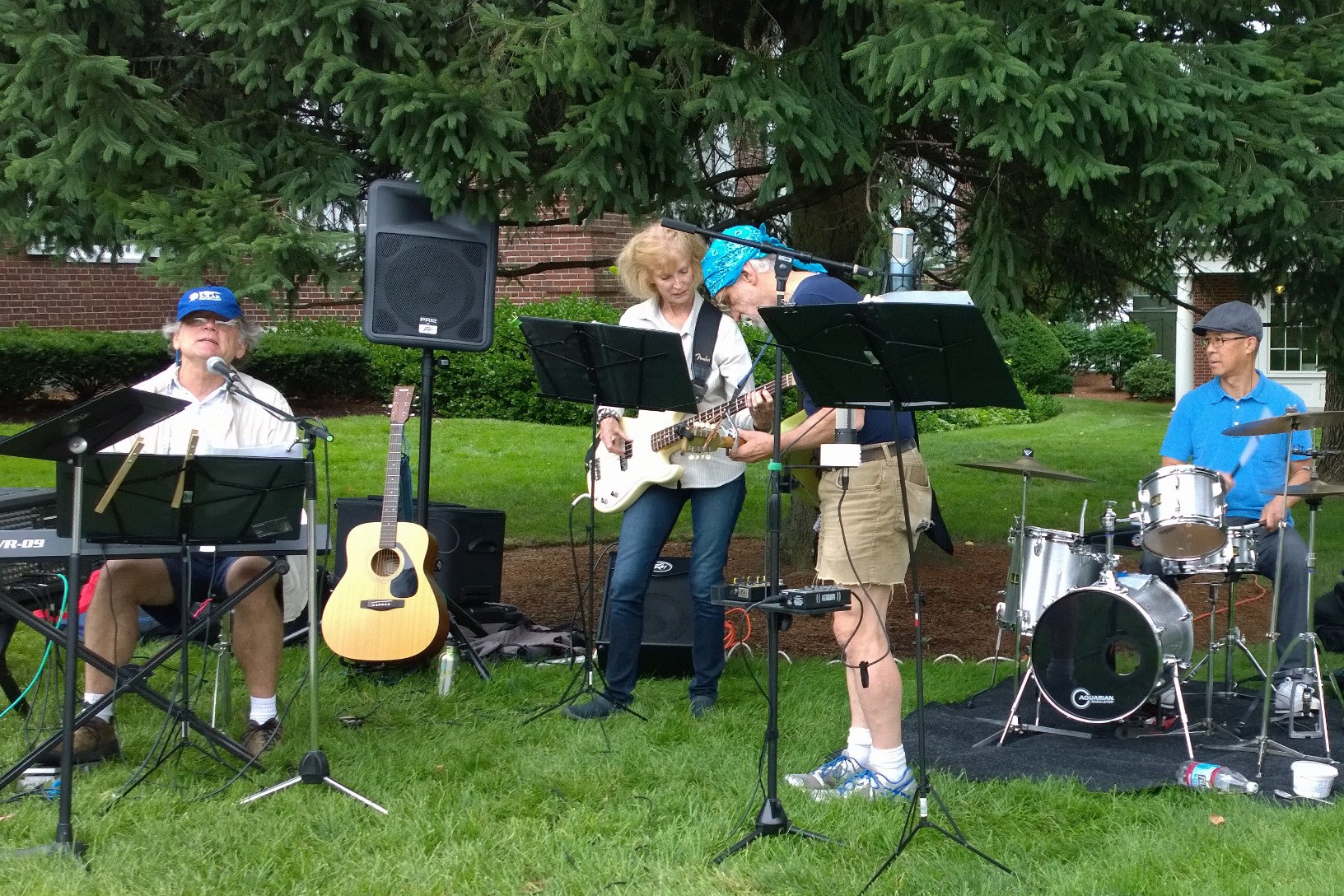
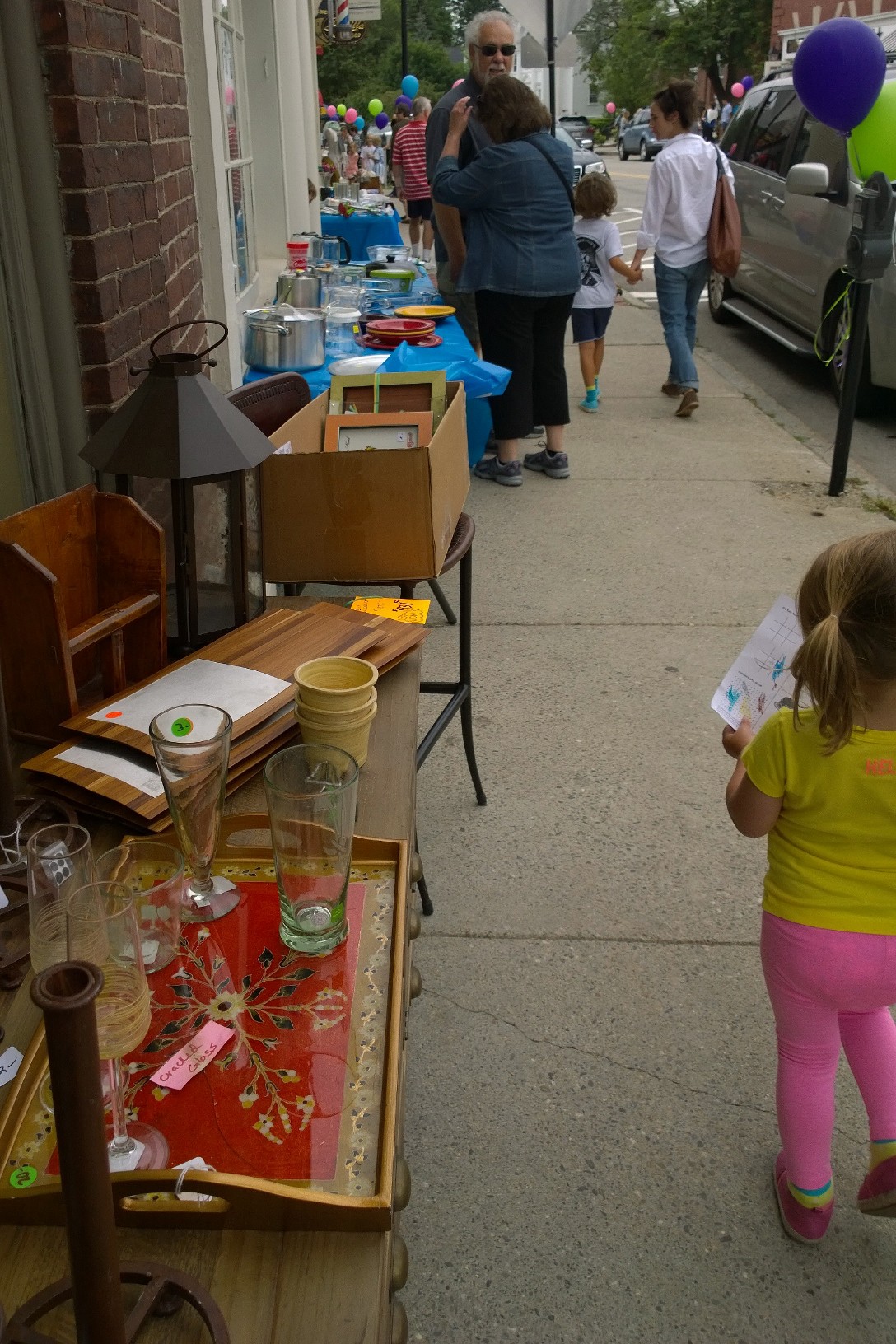
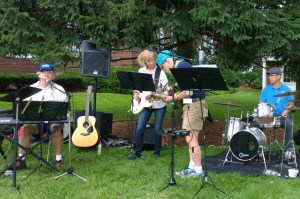
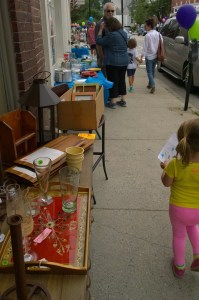
There was a band at the July 25 sidewalk sale, and I tried to capture the exuberance of a young lady who knew exactly what to do. Then I passed by and bought lots of sidewalk sale cut-price goodies.
Next I’m posting three photos of the Fort Point section of Boston. I never tire of the old buildings. Do you like the iron railing and the way light is cast on one wall in the way we think of shadows being cast? Another building has a shadow of backwards words from a sign. If you look closely (and can read reverse images), you can almost see the word “industrial.” It’s a ghost. Very appropriate for Fort Point, where industry is now mostly a ghost among glass-box office buildings.
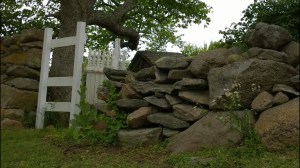
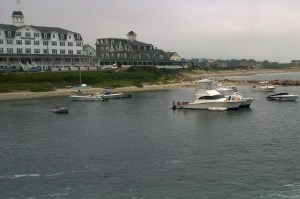
From there, we move on to Rhode Island on a gray day — a stone wall gate and a quiet harbor.



Posted in Uncategorized | Tagged band, boston, fort point, harbor, new england, photography, photos, postaday, rhode island, sidewalk sale, stone wall | 2 Comments »
« Newer Posts - Older Posts »