Feeds:
Posts
Comments

Posts Tagged ‘horse’

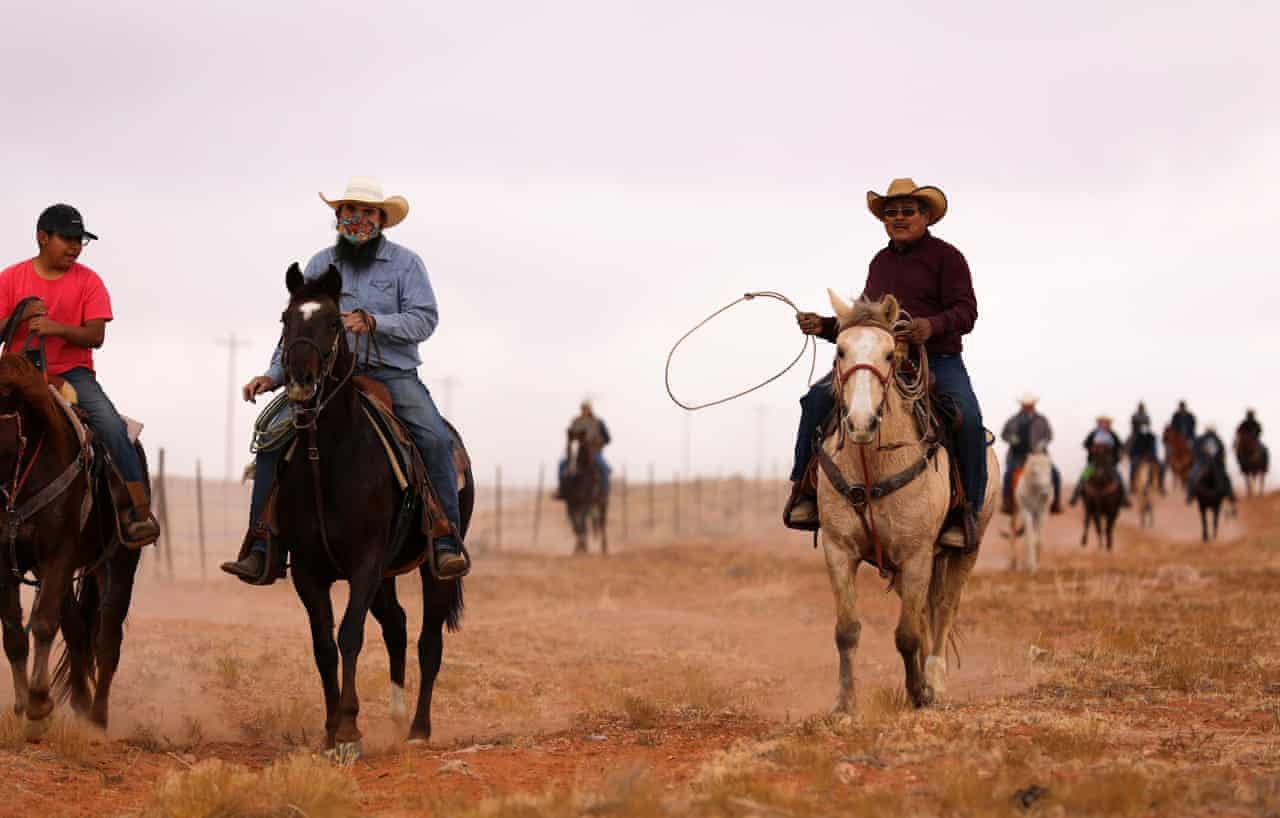
Photo: Larry Price/The Guardian.
Diné voters ride on horseback through the Navajo Nation to the polls in 2020. Allie Young, a Diné grassroots organizer, started the Ride to the Polls campaign.

Elections never stop being important, and next Tuesday, Nov. 4, will be a critical one in many parts of the country as we struggle to shore up democracy. Today we learn about how hard indigenous people sometimes work to get to the polls.

Melissa Hellmann wrote at the Guardian last year about Navajo people’s understanding of voting as an important way to protect the environment.

“In Diné, or Navajo, culture, the horse symbolizes strength and resilience, as well as a connection to the earth. Cowboy culture is so relevant to Native communities, that horseback trail rides are used to draw awareness to issues within the community including suicide prevention, and alcohol and drug use, said Allie Young, a 34-year-old Diné grassroots organizer. This fall, Young has harnessed the trail ride to engage Diné voters for the presidential election: her group’s voter-registration events will culminate with 100 Indigenous voters riding on horseback to a polling station in Arizona on election day. …

“Young, founder of the Indigenous-led civic engagement program Protect the Sacred, told the Guardian. ‘[When] we’re connected with the horse, we’re then reconnected to Mother Earth and reminded of our cultural values and what we’re fighting for, what we’re protecting.’ …

“Political representation that brings needed resources into Native communities is particularly important on tribal lands, where 75% of roads remain unpaved. …

“Young said she hopes that the success of the Ride to the Polls campaign in 2020 and 2022 will encourage ‘the greatest Native turnout ever’ in the upcoming election. This year, the campaign has extended its reach with events such as skateboarding and bull-riding competitions, heavy metal and country music concerts.

“ ‘We’re trying to communicate to our community that we need to protect our tribal sovereignty,’ said Young, ‘and with that, protect our sacred sites, protect our lands, our cultures, our languages, our traditions.’

“Young launched the Ride to the Polls campaign in 2020 in response to the rapid spread of Covid-19 infections in the Navajo Nation, where some counties saw the highest death rates per capita in the nation. She wanted to ensure that her community filled out the US census to receive the funding they deserved and to elect politicians who prioritize the concerns of Native communities.

“ ‘Our nation and many tribal nations across the country were devastated by the onset of Covid-19 because our system is being chronically underfunded,’ said Young, ‘which revealed to the rest of the world what we already know: that the government is not honoring our treaty, which says that we are to receive good healthcare and education.’ She began creating culturally relevant initiatives so that young Diné citizens who felt disenfranchised would see voting as a tool to ‘rebuild our power as a community.’ …

“So far, they have registered 200 new voters and checked or updated the registrations of about 400 people.

“On 12 October, the actor Mark Ruffalo will join Ride to the Polls to help mobilize Native voters and to mark the 100th anniversary of Native Americans being granted the right to vote. …

“ ‘Indigenous people have only been able to fight for their future at the ballot box for 76 years,’ Ruffalo said in a statement. ‘Now we’re seeing a massive movement of young Indigenous folk exercise their power at the polls.’ …

“All Native Americans were finally granted the right to vote under the federal voting rights act of 1965. Still, barriers have remained that make it difficult for Diné to register to vote and cast ballots, including a lack of residential addresses since many people on the Navajo Nation use post office boxes. It also can take up to an hour to drive to a polling location, said Young. And this summer, the US Supreme Court ruled that Arizona can enforce a state law requiring prospective voters to include proof of US citizenship in registration forms, which Young said was a ‘slap in the face to Native Americans, who are the first peoples of this land, to be asked to prove their citizenship.’

“To help address some of those hurdles, Protect the Sacred is partnering with the Indigenous-led voter-engagement non-profit Arizona Native Vote. Indigenous organizers register voters and help residents find their addresses by locating their houses on Google Maps. ‘A key talking point when we talk to voters is letting them know that voting and registering to vote should not be this hard,’ Jaynie Parrish, executive director of Arizona Native Vote, said. …

“During a six-stop trail ride to register Diné citizens throughout the Navajo Nation in mid-September [2024] indigenous organizers discussed with voters the importance of casting ballots in every election. They served citizens stew and frybread while explaining to them that county elections can determine how local government operations are funded. Young said: ‘I believe that we started a movement around the power of the Native vote.’ ”

And so, they voted. We know what happened in 2024, and we know what has been happening to environmental protection since then. But every election counts in moving the needle back toward the people. So, please vote on Tuesday and at every election in the future.

More at the Guardian, here.

Read Full Post »

Photo: Jeff McIntosh/Associated Press.
Emma Eastwood stretched before competing in women’s ranch bronc during rodeo action in Alberta.

I’ve mentioned before how interesting it was to me that my husband’s director of manufacturing at the Maple Grove company was a bull rider on the side. We told Craig we’d love to see a Minnesota rodeo, and he sent us off to nearby Buffalo, where we had a wonderful time.

In today’s story, we learn about the rising numbers of women getting a kick out of riding bucking broncos.

The Associated Press (AP) reports, “Sophia Bunney launched the first time she tried ranch bronc riding, landing ‘quite a ways away from the horse.’

“ ‘I’m very stubborn, and I don’t like being defeated,’ said the 18-year-old from Cessford, Alberta.

“In other words, the teenager was hooked on a sport that pits women against bucking horses for eight seconds.

“ ‘I always kind of wanted to hop on a bronc,’ Bunney told the Canadian Press. ‘In Grade 3 … I said I wanted to be a female bronc rider.’

“Unlike saddle bronco riding, a rodeo mainstay, ranch bronc uses a regular western saddle — not a specialized one — and riders hang on with two hands instead of one. A hand is on a rein and the other on a strap wrapped around the saddle horn.

“Pearl Kersey, who won the Canadian women’s ranch bronc title [recently] in Ponoka, Alberta, is president of Women’s Ranch Bronc Canada and teaches it at clinics.

“ ‘I’ve got teenagers, 20-year-olds, 30-year-olds, and this year a woman in her 50s. I was like, “You sure?” ‘ Kersey said. ‘She doesn’t want to compete. She wants to try it before she gets too old. We have bucking machines. She doesn’t necessarily need to get on a horse’. They can go through all the drills and the bucking machine, and if they’re comfortable enough, they can get on a horse.’ …

“It took a while for 19-year-old Blayne Bedard, who grew up cow riding in the Canadian Girls Rodeo Association, to master keeping her feet forward toward the horse’s shoulders.

“ ‘If they come back, I’m like a pendulum and I just go head over teakettle,’ Bedard said. … She’s improved to the point where Bedard has competed in the last two Canadian championships.

“ ‘I like the look of it, too,’ Bedard said. ‘You get cool pictures.’

“One of the lessons Bedard picked up at a Kersey clinic had nothing to do with riding form — and everything to do with what goes inside a boot.

“ ‘I put baby powder in my boots every time before I ride, and I wear my mom’s boots that are a size too big for me, because if you get your foot stuck in a stirrup — which I’ve had a few times — you need your boot to be able to come off so you’re not being dragged by the horse,’ she said. …

“Kersey, 36, has qualified for the world finals July 19-20 in Cheyenne, Wyoming, where she won in 2019 and has twice finished second. Kersey intends to retire from competition after this year, but continue teaching.

“One of her students, Calgary’s Emma Eastwood, picked it up quickly thanks to years of riding horses and a stint as an amateur jockey. She attended Kersey’s clinics last fall and this spring, and won an event in just her third time competing.

“ ‘It is difficult to try and think through your ride and hang on through all that adrenaline,’ said the 27-year-old massage therapist. ‘Things kind of get a little blurry, and it’s hard to process everything going on so quickly.’ …

“Kersey said … ‘Women have come up to me and said, “Thank you for doing what you’re doing.” They might not go into ranch broncs, but it just gave them the power in themselves to go pursue something that they wanted that they didn’t think they could because they were women,’ Kersey said. ‘Other girls tell me, ‘” saw you ride at Ponoka,” and they’re like, “I want to try it.” Sometimes it’s a confidence-booster thing. Sometimes they want to see if they’ll like it and some are like, “Yeah, I’m doing this.” ‘

More at the Associated Press via the Boston Globe, here.

Read Full Post »

Photo: va.gov.
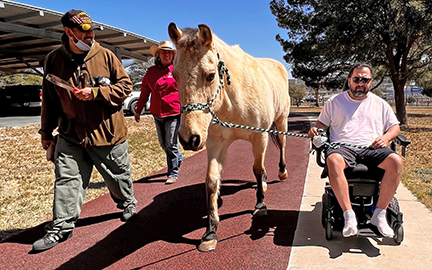
Army Veteran Carlos Longoria takes a trip on the track with Biscuit.

Whenever it gets close to Veterans Day, I start seeing stories about therapy for traumatized veterans. We know that, inevitably, some of the young people we send off to war will come back in bad shape. And unfortunately, our government spends a lot more on sending them off than on what they may need when they get back.

Often it’s civilian nonprofits that step up, like an arts group in Asheville, North Carolina, that offered supportive pottery classes to vets — that is, before Hurricane Helene. (Click here.)

Today’s article by Jason Kucera describes an ongoing Veterans Administration (VA) initiative.

“Mankind and horses have carried on beneficial, strong relationships with one relying on the speed, endurance, and raw power while the other affection and care. For a US Marine Corps Veteran such as Kody Wall, this special bond saved his life.

“ ‘I moved home to Montgomery (Texas) after my time as a Marine and very little went well. I had a really hard time adapting, so it wasn’t long until I was divorced and sleeping on an air mattress at my sister’s house,’ Wall said.

“During this time, he said he was battling suicidal thoughts, wanting to just ‘give up.’ Though he had been getting his routine care at a Houston VA outpatient clinic, he did not feel comfortable going into an office or trying to work through appointments over the phone. While hopelessness set in, the darkness would soon clear thanks to a unique therapeutic approach focused on his relationship with a horse.

“ ‘My sister pushed me to visit Sunny Creek Ranch as she knew how much I enjoyed being around horses. It was the best thing that could’ve happened for me,’ said Wall. ‘I’ve been attending sessions since 2016 and spend any extra time I have to help.’ He also shares his own experiences with other Veterans attending sessions, which can really help to open them up. 

“Sunny Creek Ranch hosts an intensive equine-assisted therapy Eagala-certified program in this heavily forested, southeast Texas town, just about an hour north of Houston. Launched by Shannon Novak, an Air Force Veteran spouse, the ranch is a partner of Houston VA. …

“She added that for a lot of Veterans and their family members that participate, they find the relationship with these horses to be similar to that of their own personal relationships. ‘Horses are so intuitive, they know everything about you, and they never forget you.’ …

“Houston VA recently began referring Veterans to equine therapy and plans to ramp up referrals to other holistic therapy approaches in the future. ‘Evidence-based talk psychotherapies for trauma are effective, but we know not every Veteran wants to address their trauma by sitting down in an office or virtual appointment with VA,’ said Dr. Shannon Sisco, whole health coordinator at the Houston VA. …

“Wall said working with the horses in equine therapy has helped him learn to communicate more openly with his young son, resulting in a better and more trusting relationship.

“ ‘The challenge in equine therapy is to develop a trusting relationship with your horse, which in many ways brings out lessons about our own relationships and helps us learn new ways of being in them,’ Sisco said.  

“Veterans do not need experience working with horses to participate in the therapy. They will not actually be riding horses, just interacting with them alongside a professionally licensed therapist. ‘The difference between connecting with horses versus people is that it all depends on your actions rather than your words,’ Sisco said. ‘They are watching what you do and listening to your tone. If you’re not earning their trust, they’re going to let you know.’ … 

“Veterans can choose to participate in individual equine therapy sessions, along with immediate family members, or in small groups with other Veterans.  For more information or to request a referral for equine therapy or any of the VA’s Whole Health programs.”

Although this story focused on Texas, there are similar VA programs around the country. Search here on “horses.” More on today’s feature, here.

Read Full Post »

Photo via WDBJ7.
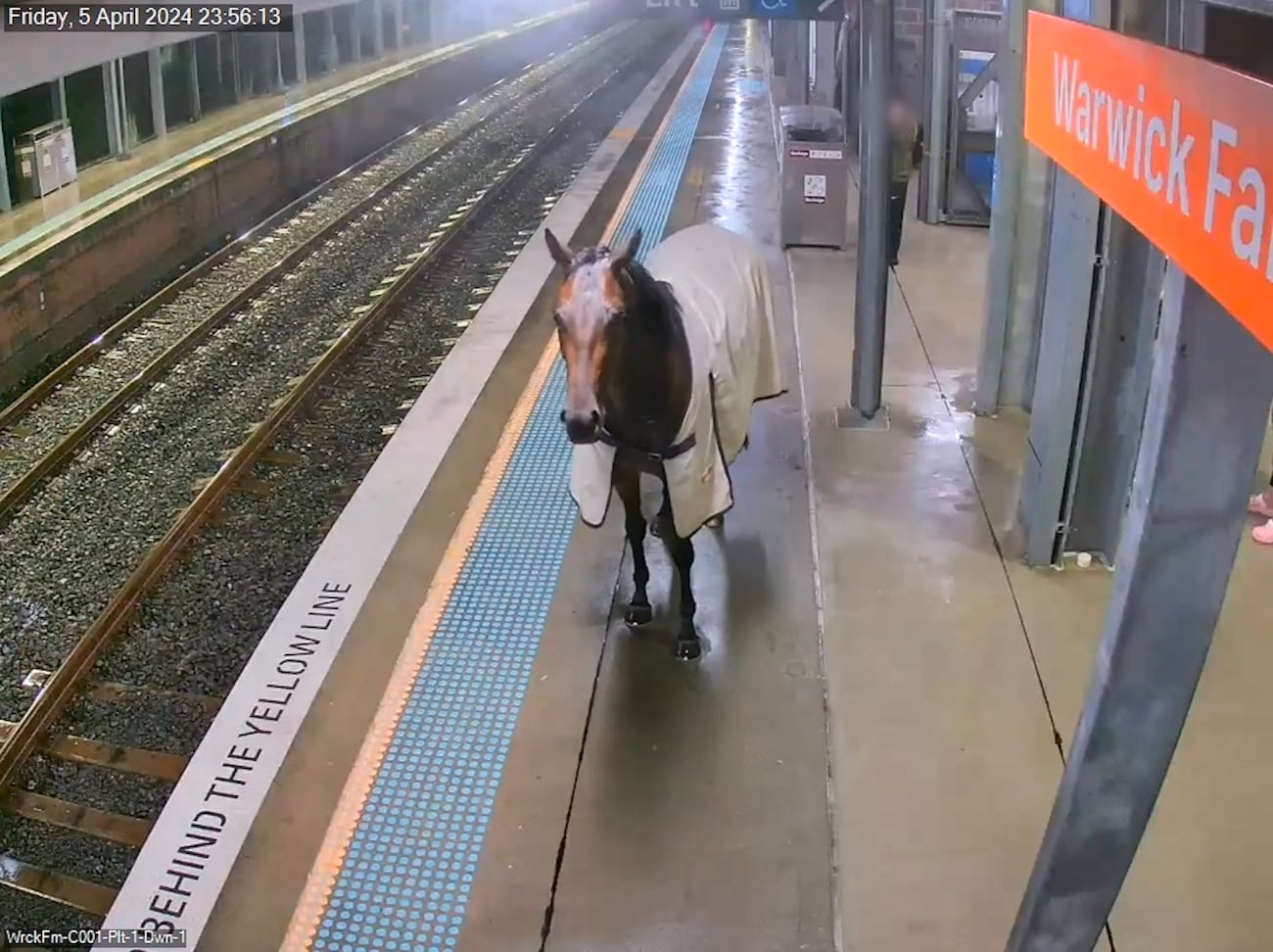
An escaped horse in Australia.

During the years that I took the commuter train to work, I saw some unusual things, but nothing as unusual as this.

Annabelle Timsit writes at the Washington Post about a thoroughbred horse in Australia who tasted a moment of freedom in an environment that to other travelers feels like anything but freedom.

“This commuter was one of the worst kinds,” writes Timsit. “Didn’t pay a fare, took up space on the platform, and caused a ruckus that slowed down trains and called security agents to the station. This particular commuter was also a horse.

“The equine traveler was captured by CCTV cameras wandering into Warwick Farm Station west of Sydney just before midnight on Friday, trotting up and down the platform, prompting other (human) commuters to jump out of its path. …

“ ‘Didn’t realize I needed to say but — horses aren’t allowed on our trains, sorry folks,’ tweeted Chris Minns, premier of Australia’s New South Wales state. …

“Footage shows that after horsing around for a while, it had a choice to make as the train pulled into the station: In or out? Yea or neigh? After staring at the train for a few seconds, the horse turned around and trotted back down the platform … or, as Transport for NSW put it: ‘The horse had planned its journey but got colt feet and decided to hoof it.’

“Security agents from Sydney Trains were alerted, ‘and trains in the vicinity were warned to run at reduced speeds,’ Transport for NSW said. …

“It later emerged that the horse had escaped from the stables of Annabel Neasham Racing, close to Warwick Farm Station, the Sydney Morning Herald reported.

“It’s not clear how it escaped, but Steve Railton, chief steward of Racing NSW, cited Annabel Neasham, a trainer and the owner of the racecourse, as saying that ‘an unknown person released three racehorses and a stable pony from one of her stables on Friday night.’

“ ‘One of the racehorses left the vicinity of the stable complex, while the others were captured,’ said Railton, according to the Herald. …

“ ‘I can confirm the horse has returned home, safe and sound,’ Minns said.

“Though it is not an everyday occurrence, ‘from time to time, we do find animals on tracks, particularly cows,’ said Sydney Trains chief executive Matt Longland, according to the Herald. … Longland said the horse may have gravitated toward the station because of its bright lighting. …

“ ‘Thankfully, we were able to warn our train drivers to look out for animals on the tracks,’ he said. ‘We were able to catch the horse not long after that.’

“Transport for NSW confirmed that the horse ‘was safely reined in and is in a “stable” condition.’ ”

Ouch! People really cannot resist terrible puns whenever there’s a quirky animal story to wrap puns around.

More at the Post, here.

Video: CityNews.
What do you suppose this taste of freedom felt like to the horse? Did it feel good? Scary?
Note the reaction to the train pulling in.

Read Full Post »

Photo: Melanie Stetson Freeman/CSM.
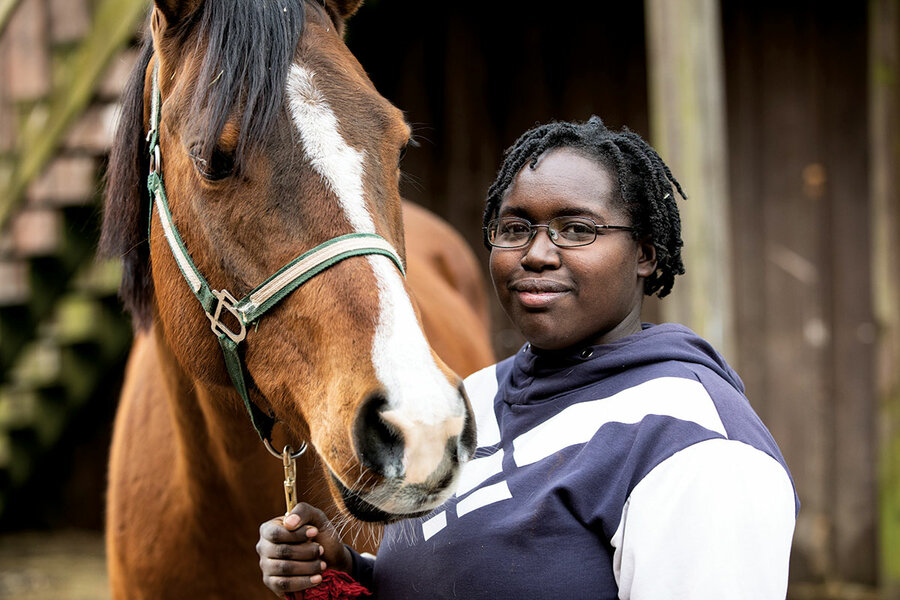
LaShawnda Phillips flourished thanks to the Ebony Horsewomen opportunity. She is now a barn manager for the program and is graduating from the University of Connecticut in animal science.

In Hartford, Connecticut, a remarkable woman called Patricia Kelly founded Ebony Horsewomen Inc. and soon expanded it to reach local children who never had exposure to the joy of horses. Sara Lang reports about her program at the Christian Science Monitor.

“A sleek chestnut stallion circles the edge of the indoor riding ring heading for a jump. The horse isn’t running quite fast enough and stumbles. 

“ ‘That’s right, keep going. You got it,’ urges Patricia Kelly from just inside the door, encouraging both horse and trainer with hands on her hips, boots firmly planted. 

“After some urging from the trainer in the center of the ring, the horse picks up the pace and clears the next jump effortlessly. Ms. Kelly, who runs this riding stable in Hartford, Connecticut, smiles and cheers. She’s been encouraging both horses and riders for decades. 

“Ms. Kelly established Ebony Horsewomen Inc. in 1984 as a way to introduce the joys of horseback riding to women in the Hartford area. In the three decades since, EHI has grown to include 16 horses, 25 miles of well-maintained trails, stables, riding rings, public lessons, and advanced jumping and dressage team training. It has also drawn accolades for its leadership in equine therapy training – using horses to help riders heal from trauma.

“Through this work, Ms. Kelly is raising awareness around Black equestrians. People of color make up just 10% of the U.S. Equestrian Foundation, which oversees equine competition of all levels across the country. 

“One challenge for underrepresented communities is access to stables and riding centers. EHI, situated within Hartford’s 693-acre Keney Park and accessible by public transportation, draws nearly 400 young people to its programs. And that’s not all. In January, EHI awarded its first annual Black Boots Award to recognize ‘the work, presence, and accolades of Black equestrians in the horse industry.’ 

“ ‘African Americans have been unsung individuals in the equestrian field,’ says Jeffrey Fletcher, president of the Ruby & Calvin Fletcher African American History Museum in Stratford, Connecticut, who co-sponsored the Black Boots Award. ‘She broke the glass ceiling.’ …

“Ms. Kelly and the work of EHI have been noticed across the country. In Connecticut, she was inducted into the Women’s Hall of Fame and earned the state’s African American Affairs woman of the year. She earned a community service award from the National Black Caucus of Local Elected Officials. And in Texas, she’s been inducted into halls of fame for both the National Cowboys of Color Museum and National Cowgirl Museum. …

“ ‘There is not the stuff out there on women of color,’ says Diane Vela, associate executive director of the National Cowgirl Museum. ‘It takes a champion like Patricia Kelly out there talking about it.’ …

“In March, EHI [opened] the Mary Fields Museum and Training Space, honoring the first African American woman to serve as a horseback-riding mail carrier for the U.S. Postal Service at the turn of the 20th century. ‘There’s someone everyone should know about,’ says Ms. Vela. ‘This incredible woman who protected these stagecoaches.’ …

“Ms. Kelly never set out to open an equestrian center, let alone one specially designed to help children and veterans recover from unseen wounds. After serving as a message decoder in the Marines during the Vietnam War, then practicing law and raising a family in Hartford, Ms. Kelly created Ebony Horsewomen to lead rides for Black women as a way to unwind and connect.

One day the riders encountered a group of children playing in a park. ‘Is that a real horse?’ one child asked.

“And in that moment, Ms. Kelly knew that her group would take on a bigger purpose. ‘It became quite apparent that what the kids needed was greater than what we needed,’ she says.

“At first, Ms. Kelly took horses and riding lessons out to children in different neighborhoods. Eventually, EHI purchased its first building in the park and gradually expanded its offerings. 

“ ‘This is something that they might never have had the opportunity to experience,’ she says, ‘because, one, the equestrian sport is very, very expensive, and, two, it is never located in their community, and, three, they’re not operated by people of their culture. Until we came along.’ …

“Soon EHI went beyond horses to include a summer garden where students can learn to grow and cook with fresh produce, spend time reading, and undertake science experiments.

“One of those students was Fred Wright, who is now in charge of Keney Park’s equestrian rangers – and recipient of the 2023 Black Boots Award in the Equine Tradesmen category. He started in the program when he was 7 years old, with riding lessons, mentorship, reading classes, science classes, and horsemanship.

“Mr. Wright went on to attend Cornell University and its farrier program, where he learned how to trim a horse’s hoofs and nail on shoes. He now travels around the country as a farrier, in addition to looking after the EHI horses. …

“ ‘I always had the choice to go back home to … the gangs and the drugs and all that other stuff,’ he says. ‘As long as I’m here, I’m safe.’ …

“Students from every Hartford-area school have come through [EHI]. And thanks to her continually expanding efforts, Ms. Kelly has made EHI – and Hartford – a leader in access and opportunities for future equestrians from all backgrounds. 

“ ‘It’s life altering,’ she says. ‘It changes your direction to something you didn’t even know existed.’ ”

More at the Monitor, here. No firewall.

Read Full Post »

Did you hear about the time a mule won the Great American Horse Race? It’s kind of a tortoise and hare story.

At WBUR’s Only a Game, Martin Kessler explains why endurance mattered.

“The year was 1976. … In honor of the bicentennial, trains and airplanes were painted red, white and blue. A fleet of tall ships sailed down the Hudson River.

“And there was a horse race unlike any other.

“It was called the Great American Horse Race, and it would span nearly 100 days and 3,500 miles, starting in New York, heading to Missouri, and then following the Pony Express route to California.

“[Curt] Lewis was hired by the race organizers to document all the greatness and Americaness of the Great American Horse Race. And also the competition.

“The rider who covered the distance fastest would get $25,000 – worth about $100,000 in today’s dollars.

“About 100 riders signed up. Cowboys took a break from rodeos. World War II veterans, finished with their missions on submarines and B-17 bombers, also entered. So did a sheriff — and even an Austrian count. …

“And then there was Virl Norton. He was one of the oldest riders. He didn’t have as big a bank account as most of the others. He didn’t have any fancy horse equipment. Or a big crew to help him set up camp or cook or do laundry.

“But he had a plan.

“While some riders entered Icelandic ponies, quarter horses, and Appaloosas, the consensus was that the horse to ride if you wanted to win was an Arabian. … Virl Norton entered a mule.”

With his 16-year-old son as the only crew, Norton set out across country with his mule Lord Fauntleroy and a backup called Lady Eloise. And left those fast horses in the dust.

Read all about it here.

Photo: Curt Lewis
Virl Norton, winner of the 1976 Great American Horse Race, with mules Lord Fauntleroy and Lady Eloise.

Read Full Post »

Are you familiar with the “Lens” blog at the NY Times? It focuses on “photography, video and visual journalism.” Here David Gonzalez writes about the photos of Putu Sayoga.

[Hat tip: Asakiyume on twitter.]

“If you live in a far-off place, a library may be something you’d only read about in books. That is, if you had books to begin with.

“That became the mission of Ridwan Sururi, an Indonesian man with a plan — and a horse. Several days a week, he loads books onto makeshift shelves he drapes over his steed, taking them to eager schoolchildren in the remote village of Serang, in central Java. ..

“Mr. Sayoga, a co-founder of the collective Arka Project, had seen something about the equine library on a friend’s Facebook page. It reminded him of his own childhood, where his school had only out-of-date books. Intrigued, he reached out to Mr. Sururi, who offered to put Mr. Sayoga up in his home while he spent time photographing Mr. Sururi on his rounds. …

“Mr. Sururi made a living caring for horses, as well as giving scenic tours on horseback. One of his clients, Nirwan Arsuka, came up with the book idea as a way of doing something to benefit the community, specifically a mobile library. He gave Mr. Sururi 138 books for starters. Most were in Indonesian, and the books included a lot with drawings.

“Children at the schools he visits can borrow the books for three days, and demand has been so great that he now has thousands of books.” More here. Check out the slide show.

Photo: Putu Sayoga

Read Full Post »

This batch is all Rhode Island. First I have a couple pictures from the mall. If you don’t call the mall Providence Place, people aren’t sure if you mean the Arcade. I’m having a hard time keeping track of the local names. You have the Rhode Island Convention Center, which is not the same as the Civic Center (is that the Dunkin Donuts Center?), which is totally not the same as the same as P-PAC (Providence Performing Arts Center), which is not the same as the Veterans Memorial Auditorium …

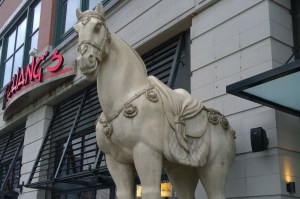
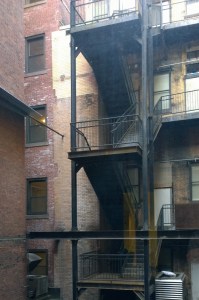
Back to the photos. Lady Godiva hangs out in Providence Place, as does PF Chang restaurant’s fine-looking Tian horse. Next, I’m posting a glimpse of  some old brick buildings that were merged and renovated to house my new workplace. I love the view out this conference room window.

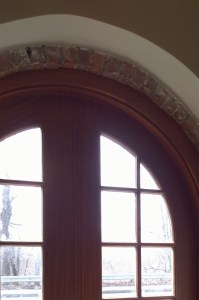
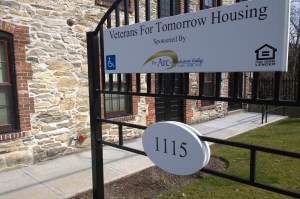
The archway is from a different renovated building, the historic Heating & Cowling Mill, which has beautifully repurposed to house formerly homeless veterans.

Several homeless people were watching me from the steps of the cathedral early one morning like wary deer. I took an unobtrusive picture around the corner, where the sun was warming a quiet nook.

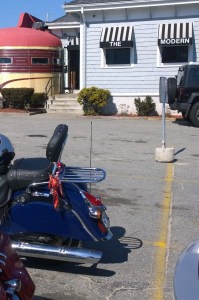
The Modern Diner is in Pawtucket and serves breakfast all day, but not breakfast only. It was recently featured on the Food Network show and made a list of top diners in New England. Check out the Providence Journal report.

030716-Godiva-in-the-mall

30216-Chinese-horse


030816-between-brick-buildings

030716-arch-Vets-for-Tomorrow


030716-vets-for-tomorrow-providence

030816-cathedral


030916-modern-diner-pawtucket

030916-motorcycles-at-the-diner

Read Full Post »

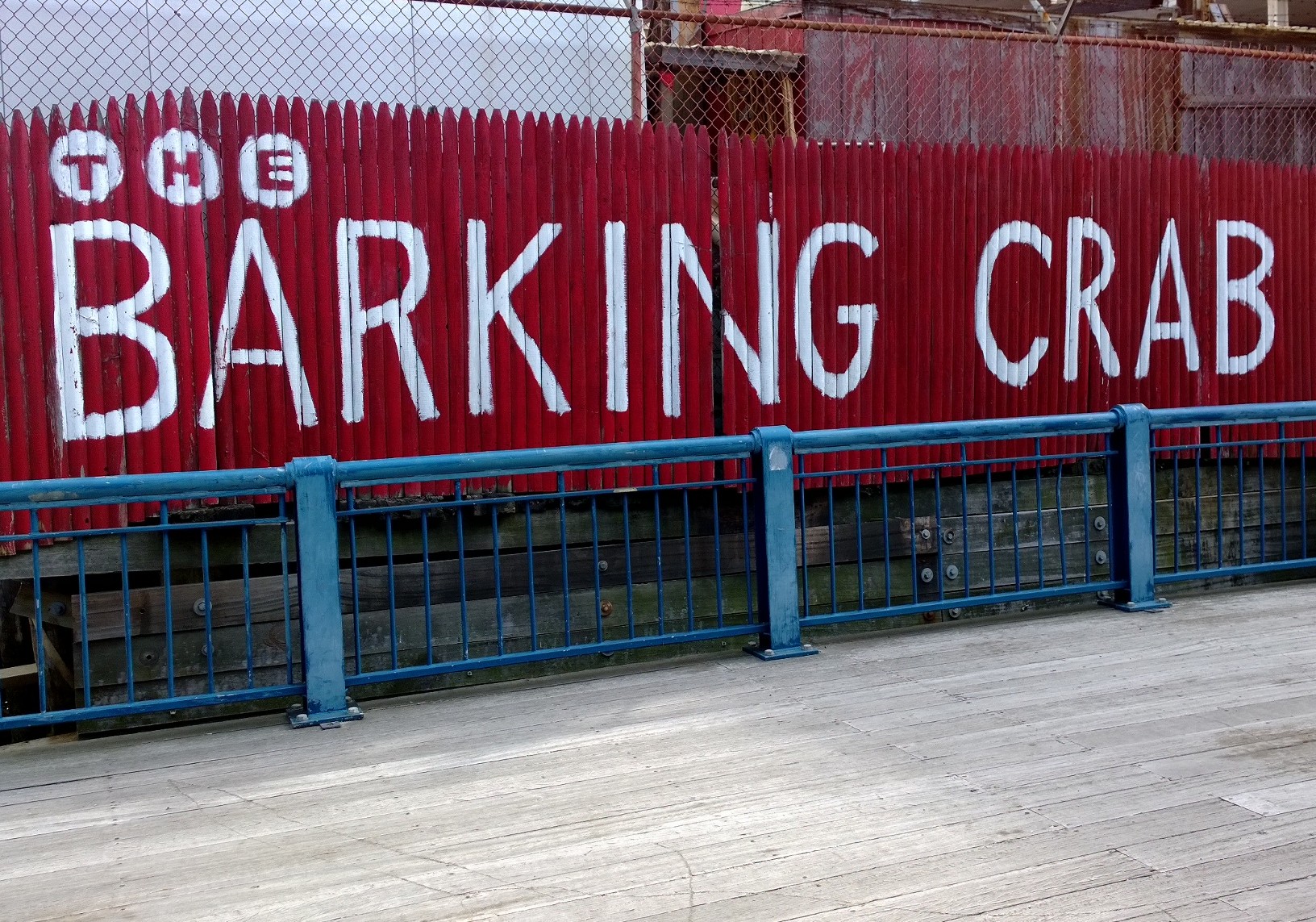
The Barking Crab is watching one of many new Seaport buildings go up on its doorstep but wants you to know it is still around and serving seafood.

I was going to use the Barking Crab’s new fence to write a philosophical post with a title like “Nothing is Constant but Change.” Unfortunately, after a couple months, I still couldn’t think of anything philosophical to say and gave up. So here are some more random shots from my peregrinations.

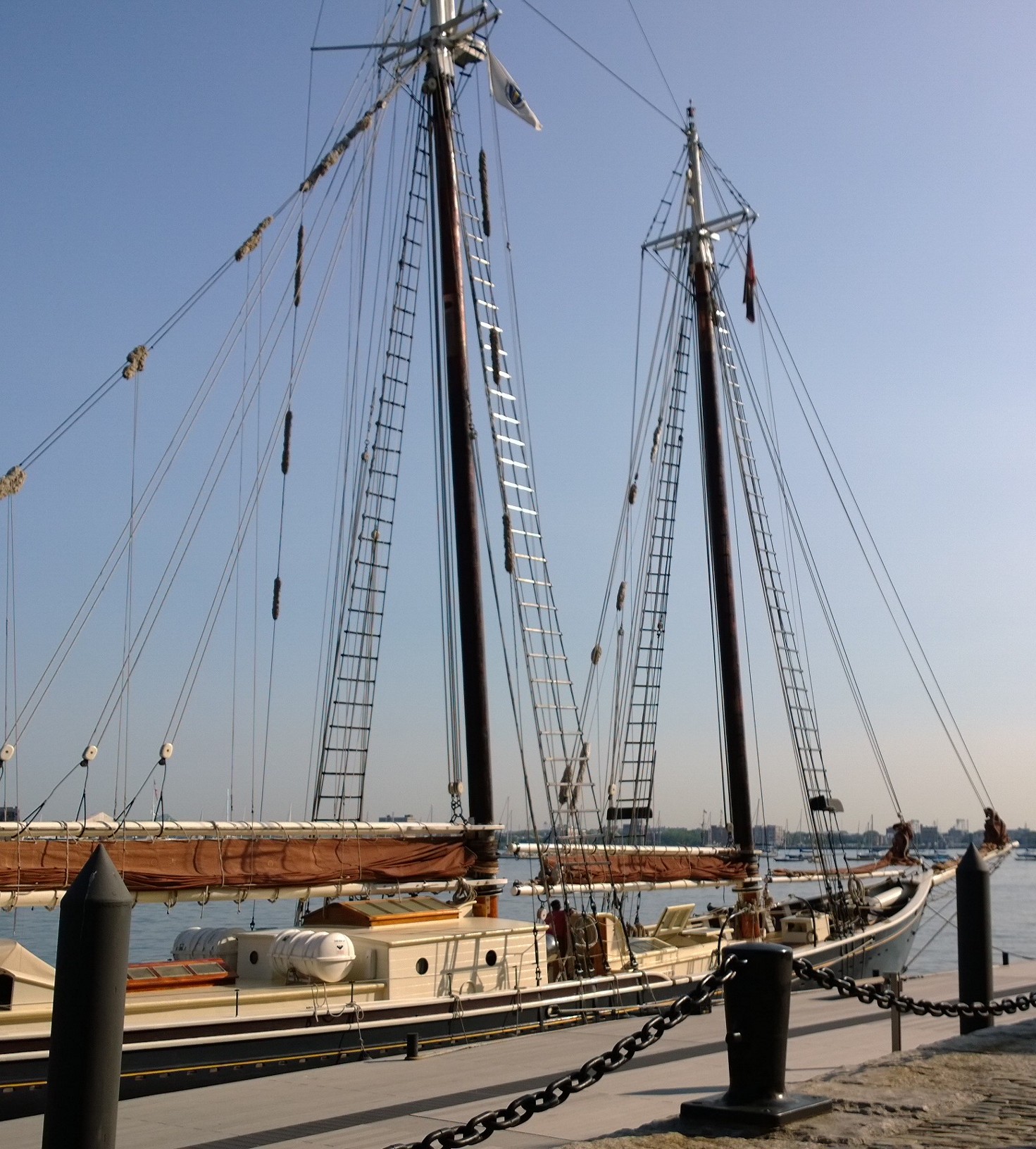
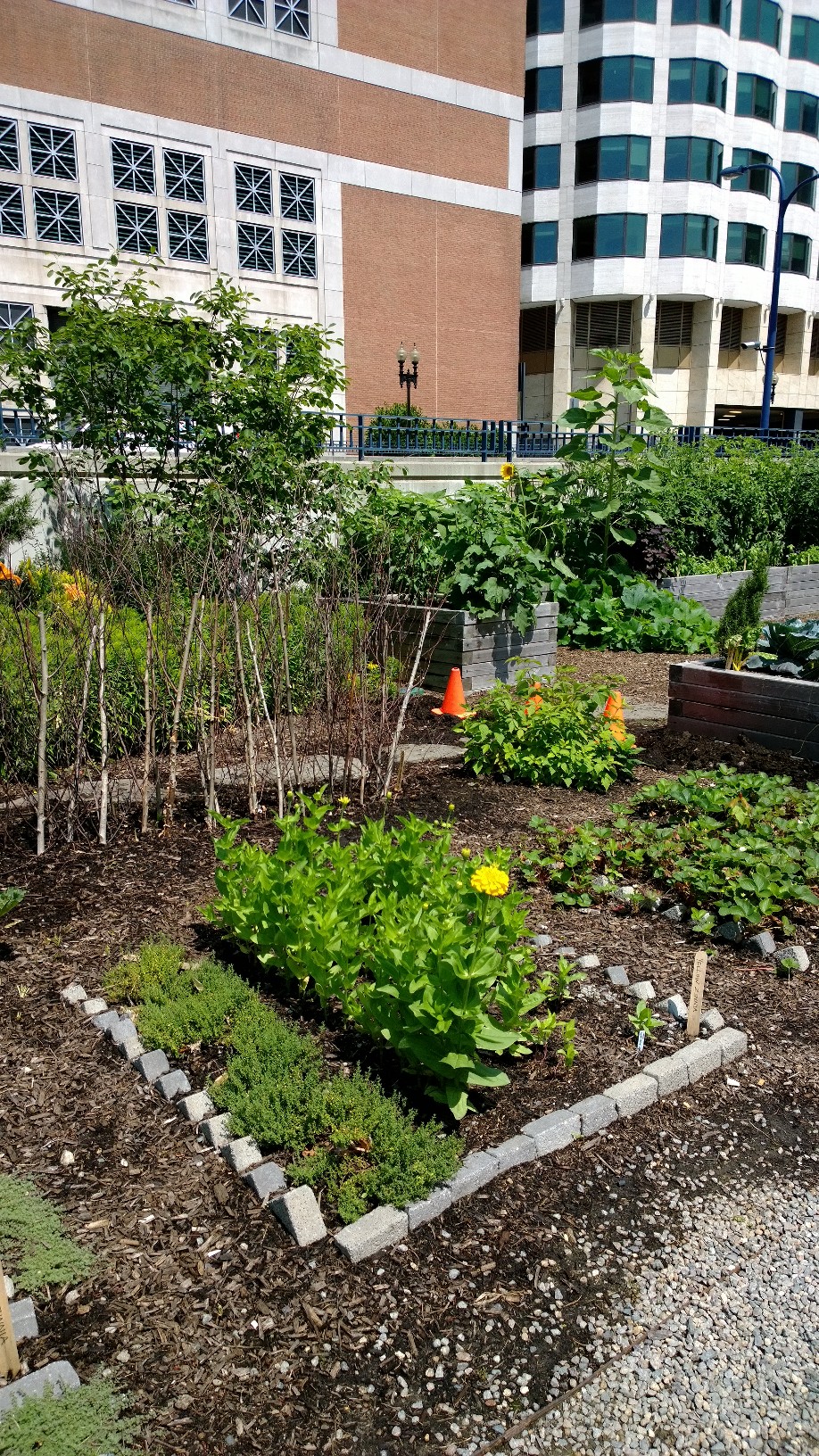
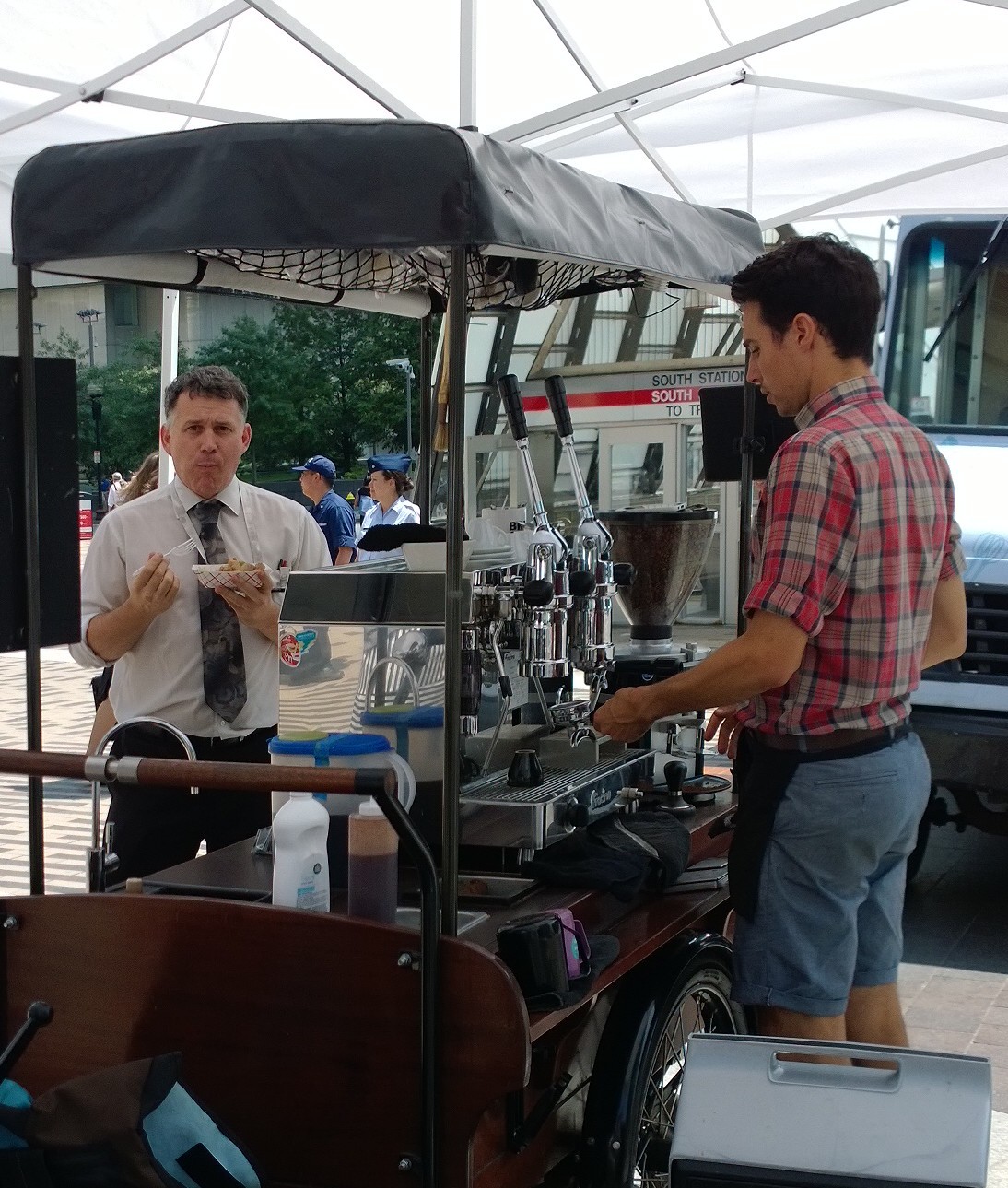
A couple hundred yards from the Barking Crab, a teaching sailboat is once again docked for the summer. In Dewey Square, the Greenway demonstration garden is growing, and the coffee guy is making espresso for customers. One day this week, I saw him teaching a group of schoolchildren about how it all works.

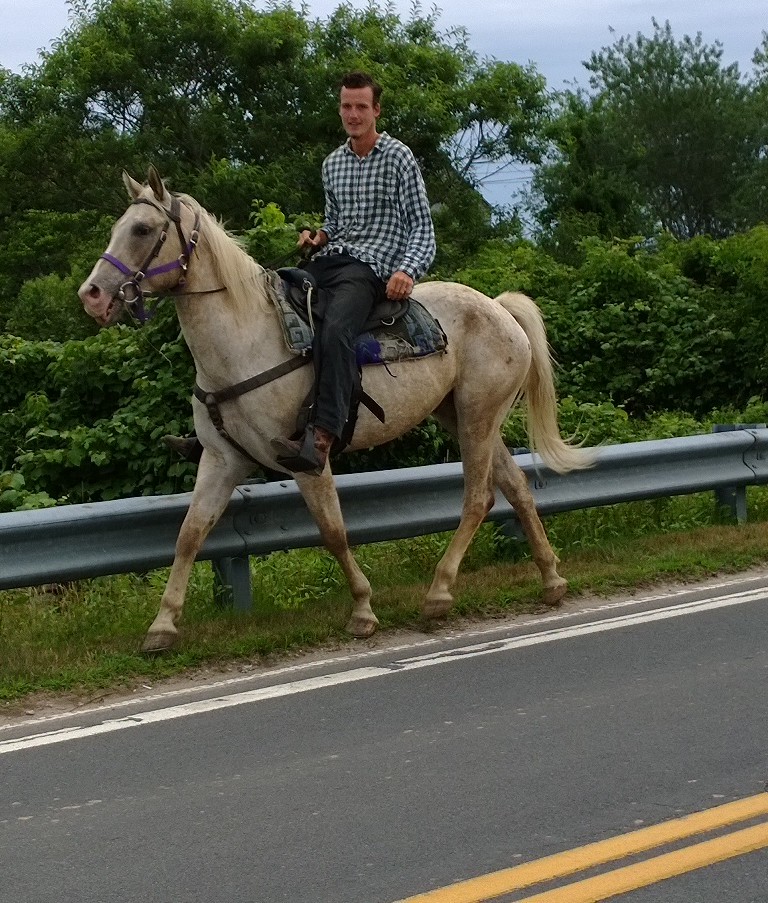
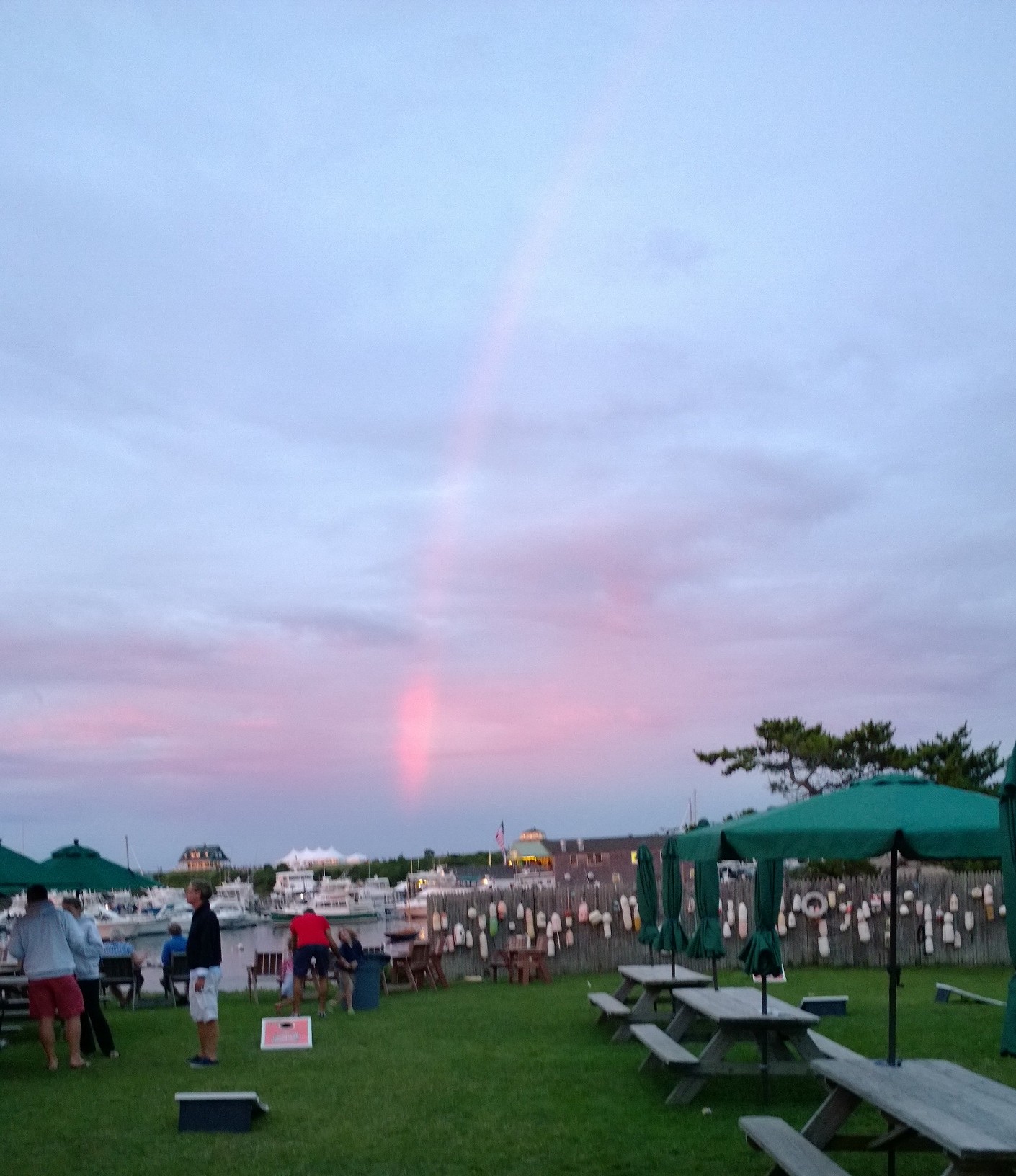
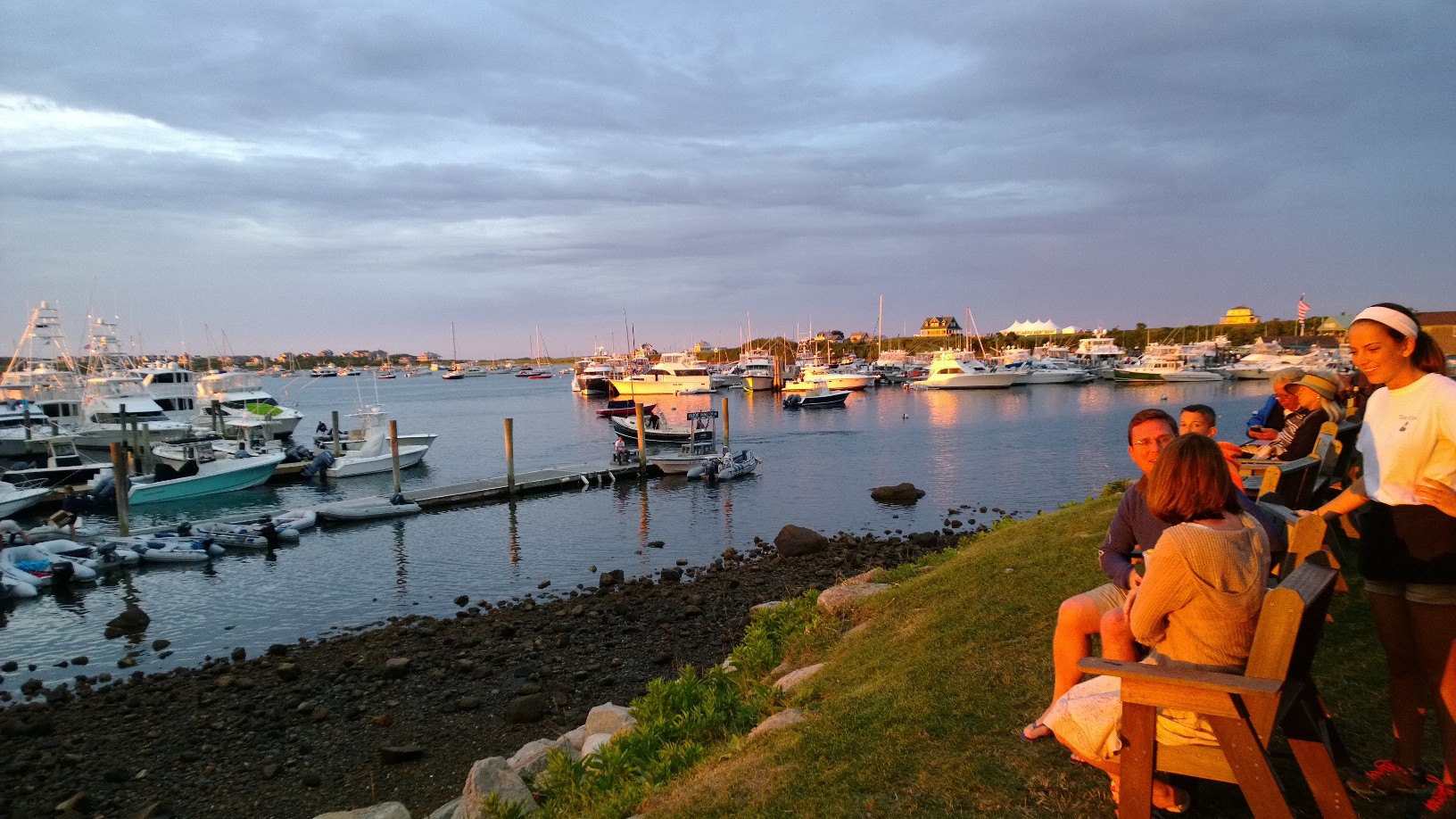
Meanwhile in Rhode Island, a rider was exercising a horse in the early morning, and at night, a rainbow appeared and a lovely sunset.

barking-crab-boston

teaching-ship-Boston-harbor


greenway-garden-july

dewey-square-espresso-cart


horse-on-Lakeside

harbor-rainbow


sunset-bronzes-boats


sunset-3


Read Full Post »

I never thought about this before, but it seems that there is a whole community of migrant workers who take care of the horses at racetracks and then move on at the end of the season.

Melissa Shook, a photographer who has taught at UMass Boston and MIT and whose work is at the Museum of Modern Art, has photographed these so-called “backside workers.” Her pictures appear in a book called My Suffolk Downs. The book is a fundraiser to help these invisible migrants, who have no access to health providers or other social services. A 22-year-old nonprofit called the Eighth Pole is their lifeline.

Read what the Boston Globe‘s Linda Matchan has to say about photographer Melissa Shook and why she loves the racetrack world, here.

Photograph of Melissa Shook by Wendy Maeda, Boston Globe

Read Full Post »

When I told my husband that playwriting teacher Peter Littlefield wanted class members to base a scene on an early moment when we first looked objectively at the adult world, he volunteered memories of his own.

Last weekend, Suzanne, John, and their spouses got to hear about a Philadelphia childhood and the horse that delivered milk, going reliably to the next house while the deliveryman placed bottles at the last one. They learned about an elementary school visit to a dairy company, and how it hit my husband so young that some men spend their whole lives lifting bottles into crates. He also remembered catching the tail end of the street lamplighter age. He has since mentioned ice delivery at the Jersey Shore and how you would put a special sign in the window indicating how many pounds of ice you wanted for that week.

There was also coal delivery in large canvas bags. Believe it or not, my husband is not that old.

Even Suzanne and John should remember that coal was delivered next door for several years after we moved to town. And clearly coal is still being delivered somewhere, as in this video a guy put on YouTube. I especially like the speech balloons he added.

Read Full Post »

I’ve been reading Jason Elliot’s book Mirrors of the Unseen, which is about time he spent in Iran (not long before the green revolution of June 20, 2009, was trampled).

He’s a lovely writer if a bit overwhelming with his ability to compress centuries of history. I liked his earlier book, too, on Afghanistan, An Unexpected Light.

In the car on Sunday I read aloud a section of Mirrors that describes Elliot’s extended stay with Louise Firouz, an American who married an Iranian in the 1960s and has lived in Iran ever since — despite stints in prison and twice having all her family’s property confiscated.

The part I read aloud was about how she had researched, rediscovered, and bred a small horse thought to be extinct, one that turned out to have an ancestor going farther back than the Arabian horse. It’s the little Caspian, which was finally found, in pitiful shape, near the Caspian Sea and in Turkmenistan.

Nowadays you can find lots of videos of these horses on YouTube. I thought I would include this video, which is from a Caspian stud farm in Sweden.

Read Full Post »