Feeds:
Posts
Comments

Posts Tagged ‘photography’

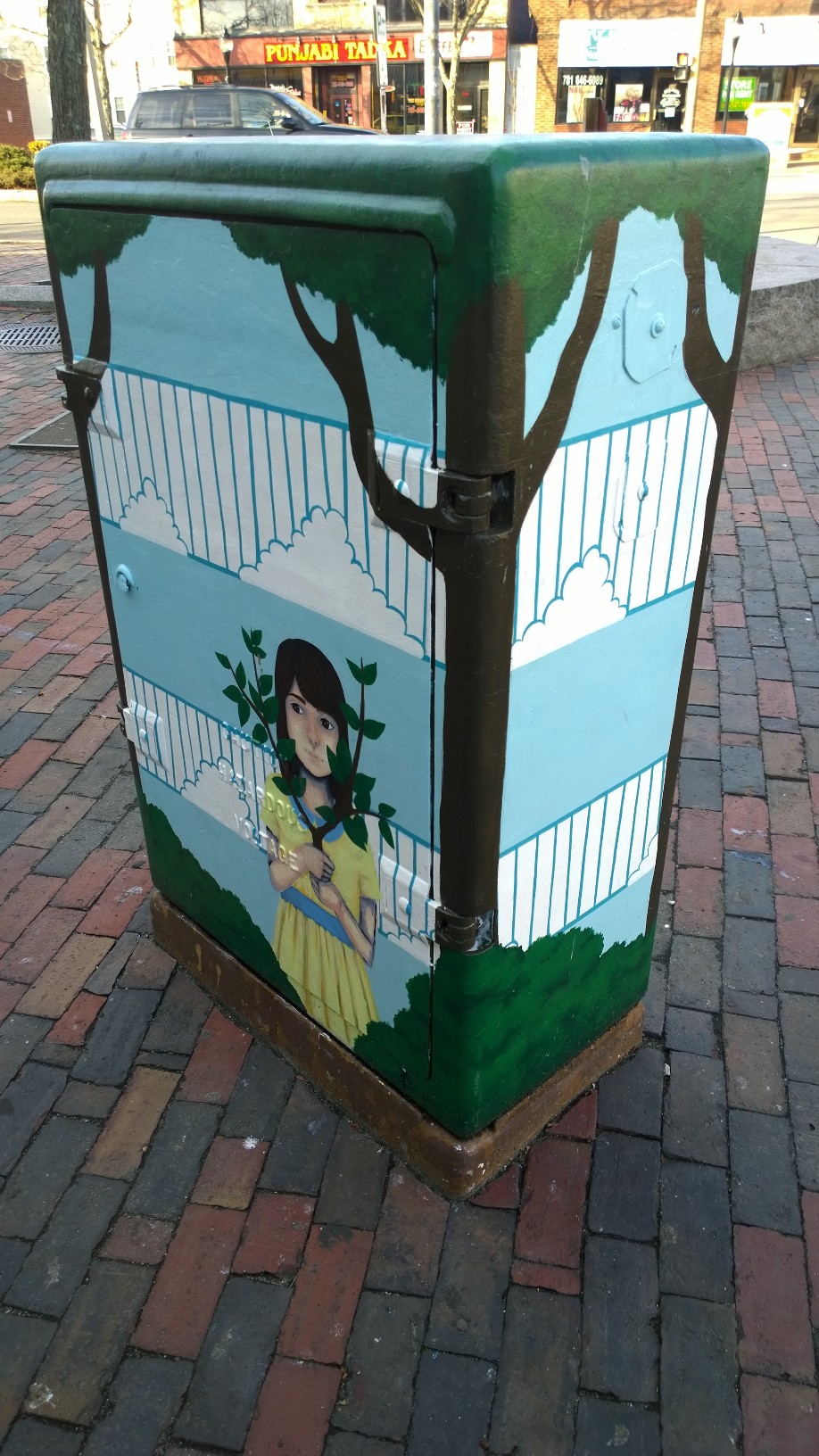
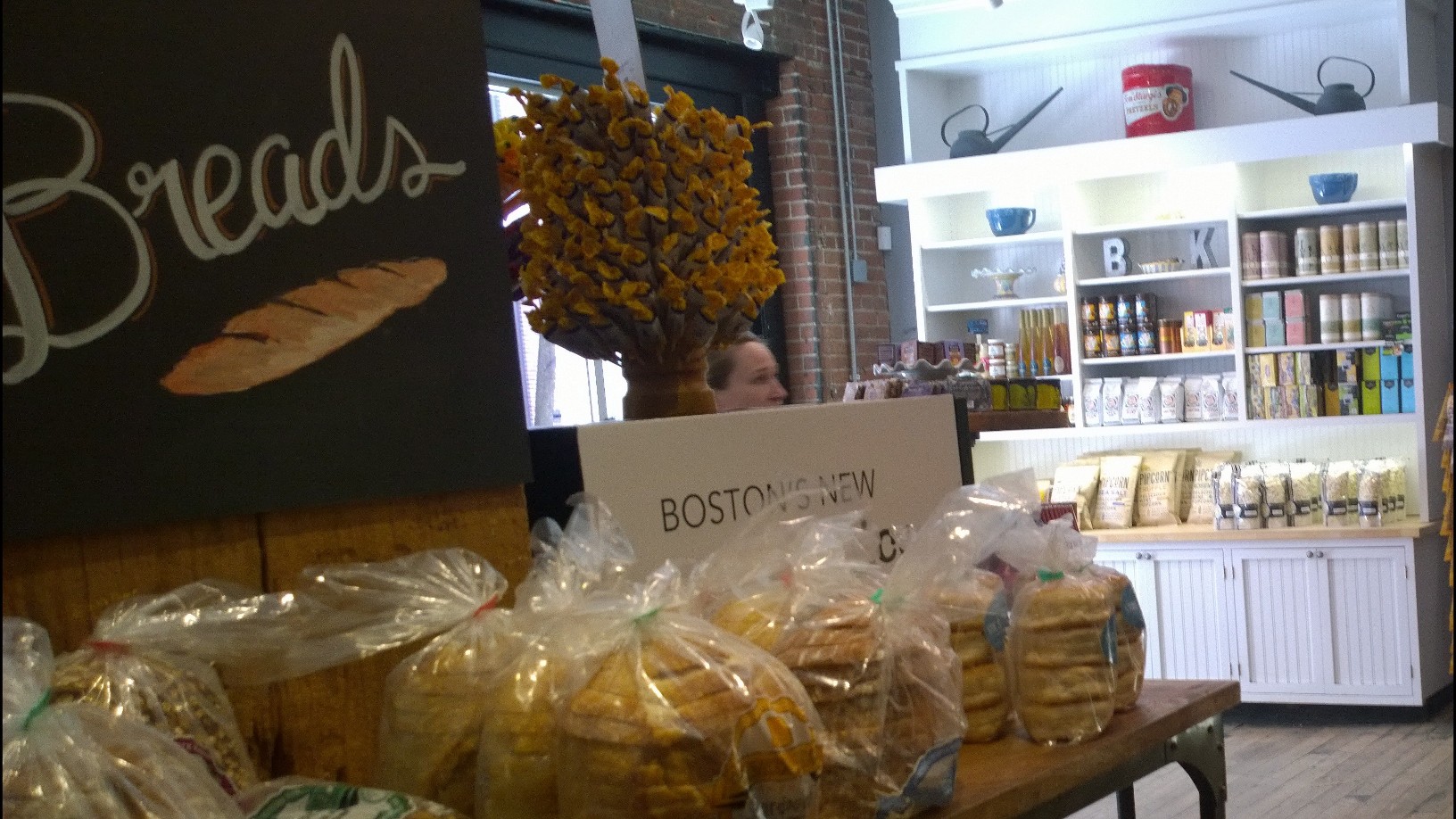
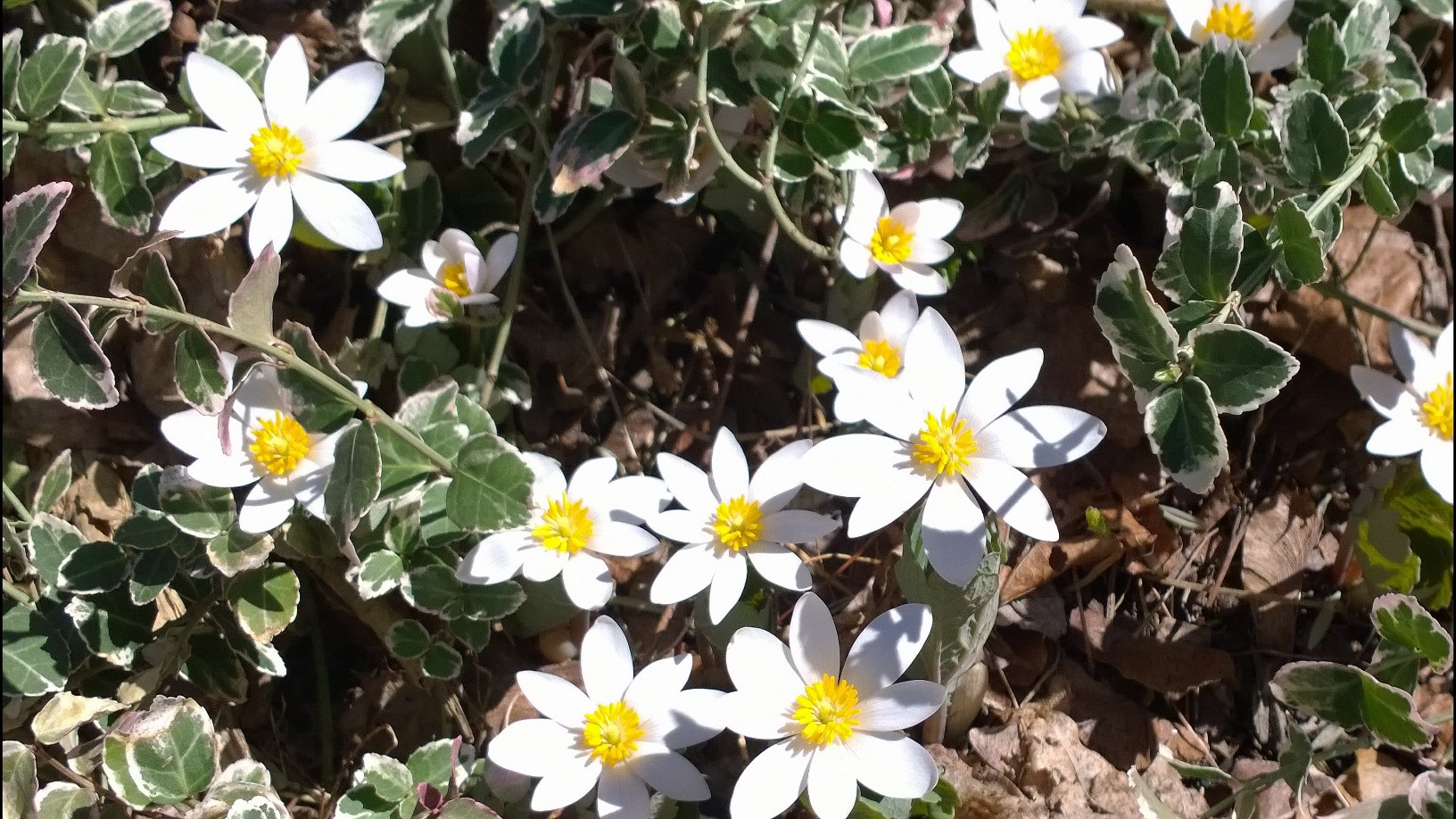
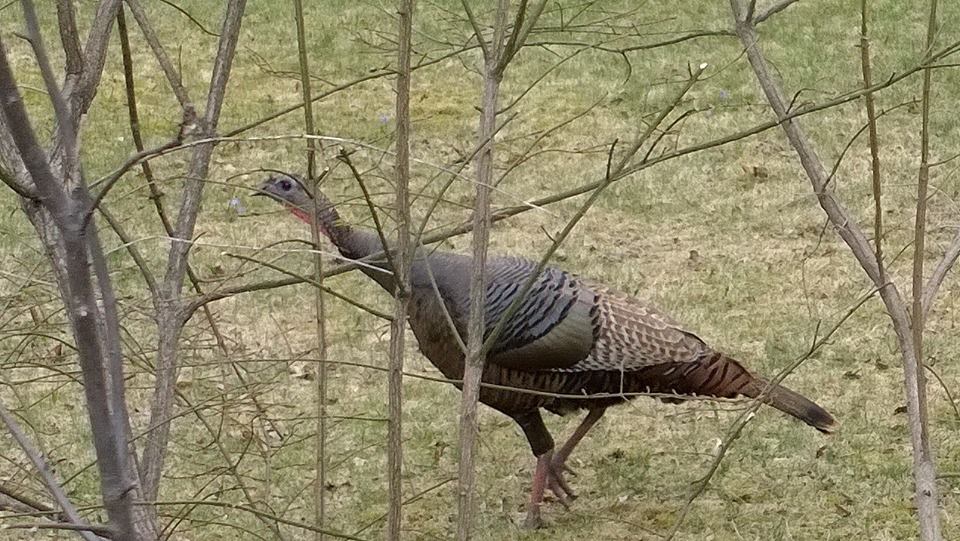
I have a few more photos to share today. The first is of some early flowers. (I don’t know the name. Will have to ask mistersmartyplants.com.) Next is a long-necked character hanging out in my neighbor’s backyard. Then there’s an example of how Arlington artists are sprucing up utility boxes, followed by the gourmet Bee’s Knees grocery in Fort Point, a commuter boat reminiscent of the water taxis we sometimes took when we missed the Ocean Beach back in the day, and a new fancy building about to sail into the sky. (Construction in Boston is making up for time lost during the recession. The view from my office window has been completely altered in just a few years.)

April-flowers

new-kid-on-the-block


Arlington-Public-Art

breads-at-bees-knees


water-taxi

setting-sail

Read Full Post »

Over at TreeHugger, Kimberley Mok has a post on an Italian filmmaker’s study of breathtakingly beautiful marine life.

“The ocean is a mysterious place,” she writes, “full of wondrous creatures and hidden delights, waiting to be discovered. The very nature of this massive body of fluid is primordial and seen as a symbol of the subconscious in many cultures. Italian filmmaker Sandro Bocci, also known as Bolidesottomarino, recently released a sneak peak at a ‘non-verbal’ film he’s working on, titled ‘Porgrave.’ Showing captivating scenes of vibrantly coloured underwater organisms, it’s a close-up look at a ‘microworld’ that many of us never get to see — or may never get to see, if ocean acidification, pollution and habitat loss continues at today’s alarming rate.

“According to Bocci’s website, Julia Set Collection, the film is influenced by thinkers like Alan Moore, Jan Hanlo, Don DeLillo, Kurt Vonnegut, Alfred Van Vogt, and is

an experimental film orbiting scientific and philosophical reflections on time and space, and that through various shooting techniques, fields of magnification, and an exciting soundtrack, weaves a web between science and magic.”

Please click here. The photos are extraordinary.

Photo: Sandro Bocci

Read Full Post »

I followed the consummate eclectic blogger Andrew Sullivan from 2004 until a couple weeks ago, when he closed up shop. I can’t begin to say what a loss it is, but at least he decided to leave up all his previous posts. I had planned to link to this one some time ago. It’s a good example of the kind of story I probably would have missed but for Andrew and his team.

In the post, we are directed to a Wired story about a series of Fabrice Fouillet photographs featuring giant statues. Zachary Slobig wrote, “Enormous statues have been erected around the globe for centuries, omnipresent memorials to historical figures and events. Fabrice Fouillet’s series Colosses—a collection of photographs of the world’s most imposing monuments—makes these familiar sights downright strange through a simple shift in perspective. It’s not the size and scale that interests him, but their place in the surrounding landscape. The result can be dizzying and disorienting. …

“ ‘It was important to me to extract the monument from its formal touristic and religious surroundings,’ said Fouillet. ‘It is not about a description of monumental symbol but more to observe how and where it takes place.’ ”

The Andrew Sullivan post, Face of the Day, is still available here. Photographer Fouillet’s website is here.

Image: Fabrice Fouillet
Grand Byakue. Takazaki, Japan

Read Full Post »

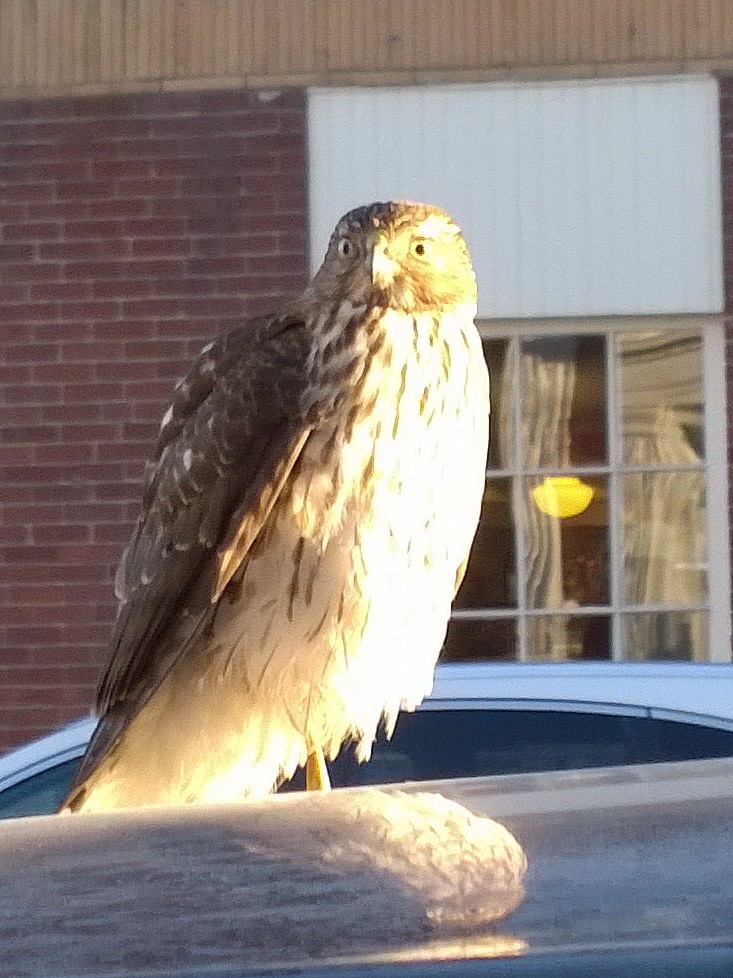
Saturday was a day for hawks. I saw one on the highway as I drove home from John’s and then another one just a little farther along. Each was perched on a high limb, scanning the road and the verge for lunch. A third hawk, in the center of town, dove after a small bird, but being intercepted and stunned by a fast-moving car, wheeled back to land on a parked vehicle, catch his breath, and pose for photos.

I wondered why the hawk was hunting in such a heavily populated area. It must be hard to find food in this weather.

Fortunately, I had bought my camera, having decided that I don’t get enough pictures for the blog if I give in to the cold and take my daily walk indoors. There aren’t many photo ops when you go ’round and ’round from the hall to the living room to the dining room to the kitchen … .

If any reader knows what type of hawk this is, I’d appreciate being enlightened.

downtown-hawk

Read Full Post »

hmong-church-providence


New-Shoreham-plunge-010115-Sandra-M-Kelly


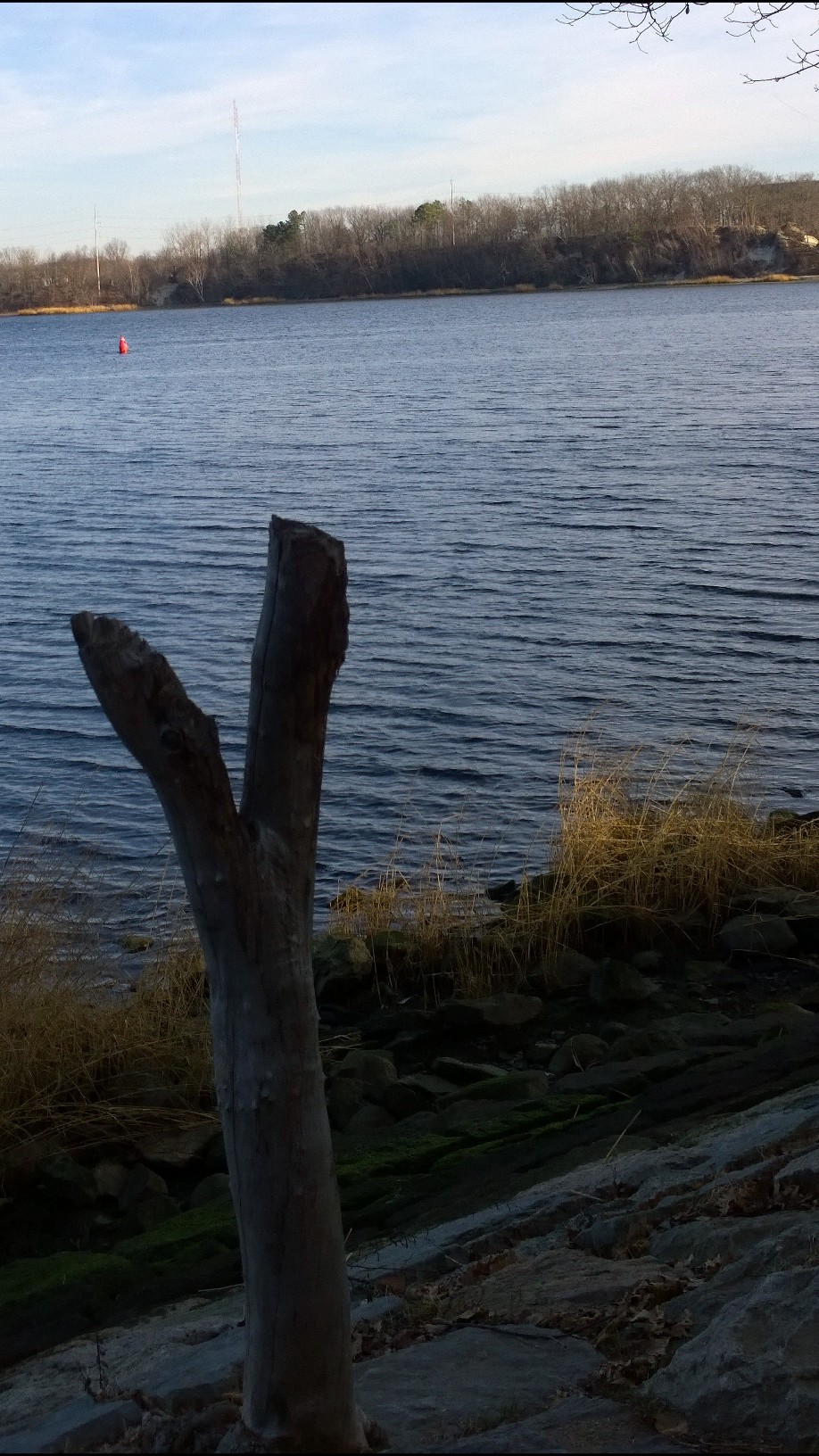
Here are a few recent photos from Rhode Island and Massachusetts. I took all but the shivery January 1 New Shoreham plunge, which is the work of Sandra M. Kelly. I doubt I would have been brave enough even to go watch these hardy souls freeze on such a cold day.

What can I tell you about the other photos? The Hmong church near my grandson’s play school was a surprise. I knew about Hmong refugees in California, Minnesota, and Central Massachusetts. Didn’t know they were in Providence. A wonderful book about the Hmong immigrant experience is The Late Homecomer, by Kao Kalia Yang, who grew up in St. Paul.

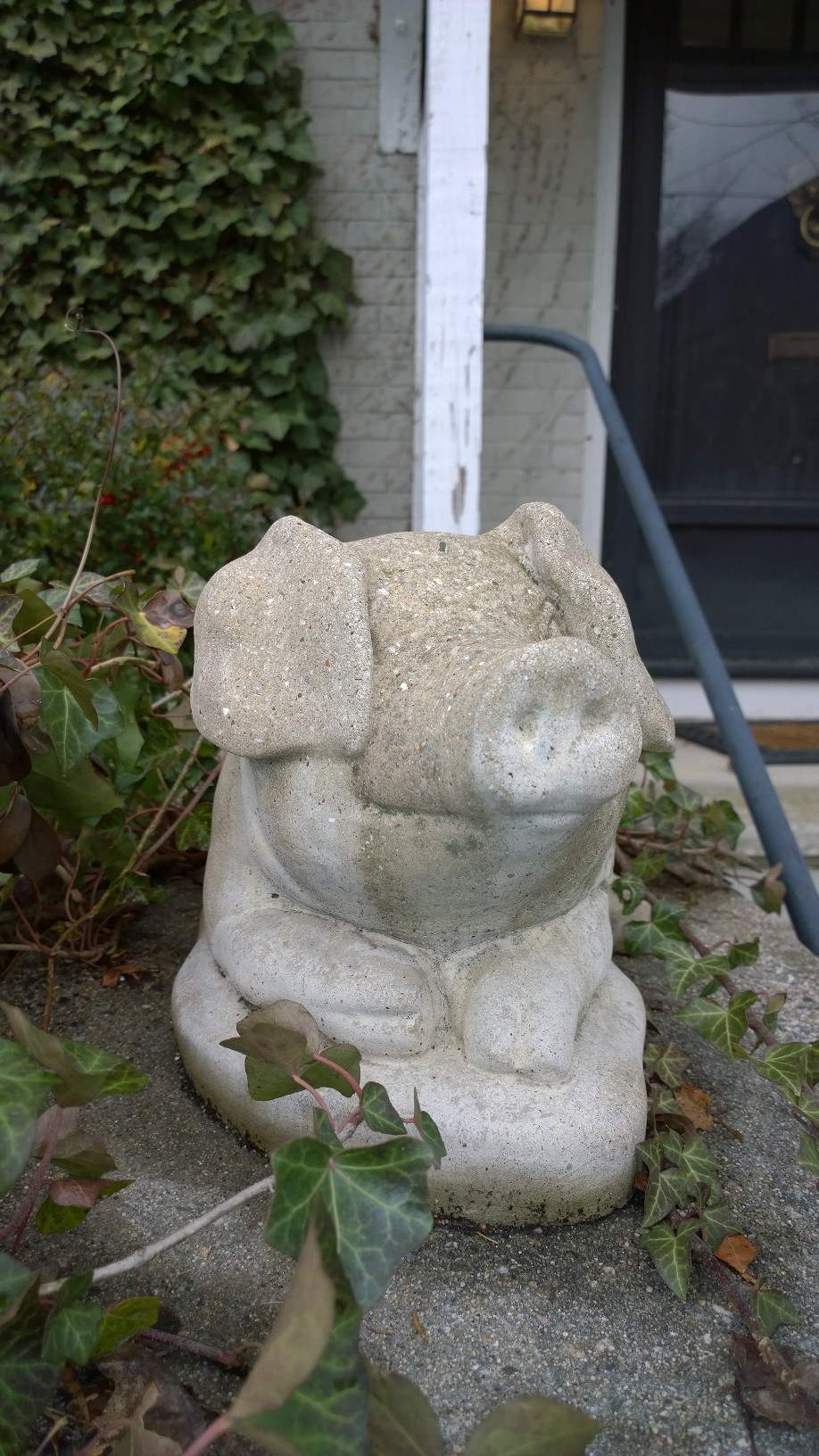
I include a porcine household god from Providence, a bathrobe in the guest room where I awaited the arrival of my new granddaughter in December, and two aspects of the Seekonk River on January 1.

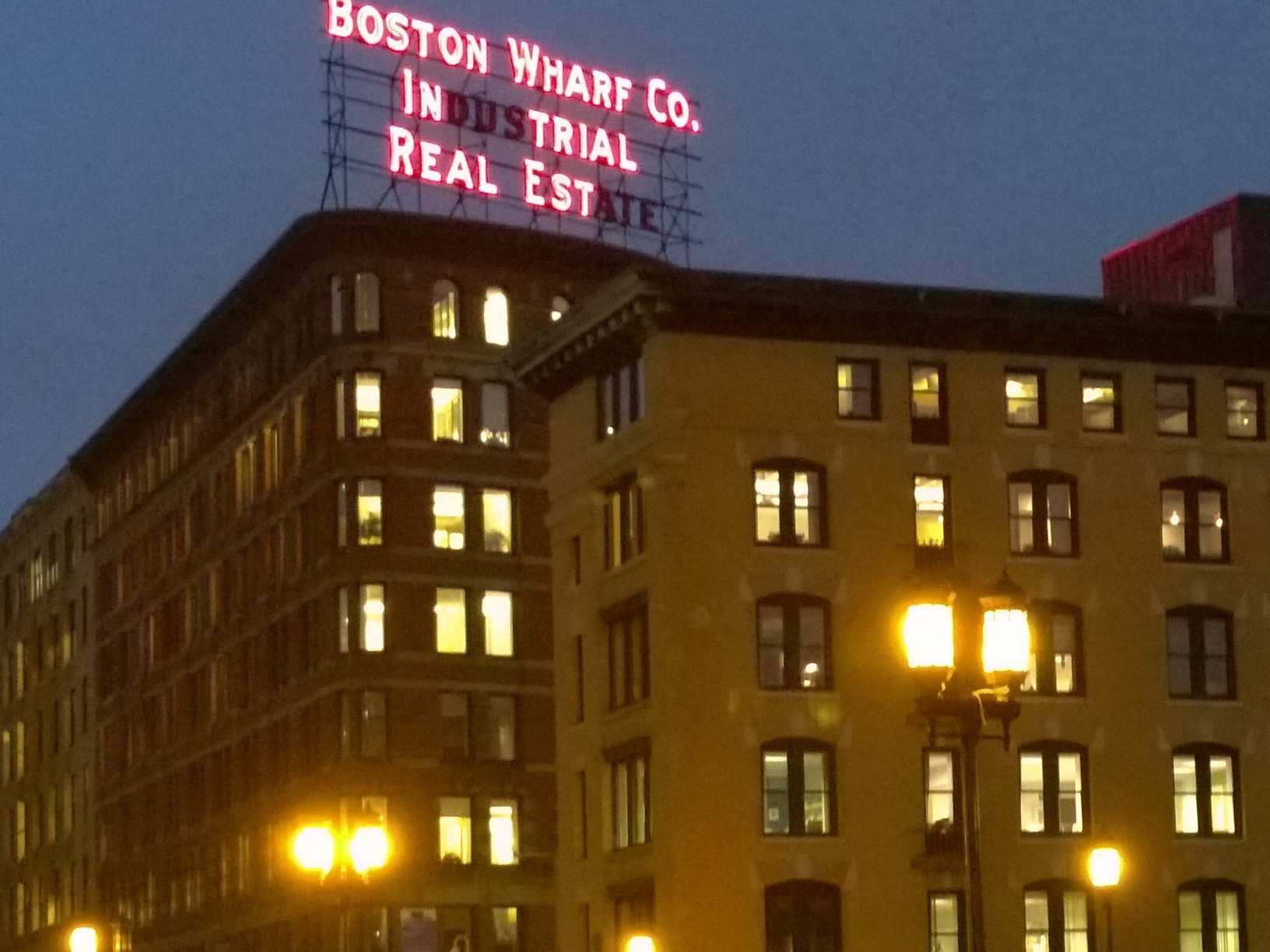
The photo I call “In Trial Realest, a Message from Beyond,” is one I was determined to capture while the sign was broken. It called to me from my office window as it lit up at dusk. I’m glad I caught it when I did, because the neon letters are now all working, and its message is no longer as interesting.

household-god


room-on-third-floor

Jan1-on-the-Seekonk


010115-Seekonk-River

in-trial-realest

Read Full Post »

I’ve been following David Guttenfelder on twitter and Instagram for about a year, initially because of a stunning photo of North Korea that appeared in the NY Times. Guttenfelder has made a specialty of North Korea, although he now works for National Geographic and travels extensively. He has recently been promoting a group of instagrammers who spend time in North Korea.

Writing for Time magazine’s Lightbox column, Olivier Laurant quotes Guttenfelder: “ ‘My motive has always been to open a window on North Korea,’ says David Guttenfelder. ‘There are so few images coming out of there, and yet there’s so much interest.’

“A former chief photographer at Associated Press, Guttenfelder helped open the agency’s first bureau in the Democratic People’s Republic of Korea (DPRK) in January 2012. Now, after he resigned from AP to continue his career as a freelance photographer and one of National Geographic’s Photography Fellows, he’s not turning his back on the reclusive country. In September 2014, he quietly launched the Everyday DPRK Instagram account, which features pictures by North Korean residents and photographers. …

“Six photographers, including Guttenfelder, are currently posting on the Everyday DPRK account — @drewkelly, @sunbimari, @andrea_uri, @simonkoryo, @soominee. …

“Kelly first visited Pyongyang in June 2012, and he usually spends three to four months a year in the country. ‘I had come right out of graduate school and learned of an opportunity to teach at a university here in the capital,’ he says. ‘I wanted to do something different, not sit around in the U.S. hoping the”right” job would come along.’

“When he’s not teaching English, Kelly is using Instagram to offer an ‘expat point-of-view’ on North Korea and to show that ‘there are real people living, working and striving for a better life with the cards dealt to them,’ he says.” More here, at Lightbox.

Guttenfelder comments at Instagram, “We are a small group of photographers who have, with different routes, unique access to North Korea. @andrea_uri started a tour company for example. @drewkelly is a teacher at a nkorean university. @dguttenfelder is a photojournalist. @sunbimari is a translator and working on major cultural exchange programs. @simonkoryo is a British nations with more trips inside nkorea than any other foreigner that I know of, more than 150. @soominee works on a farm in Rason.”

Photo: @drewkelly
North Korean kindergarten students stand outside a school at a collective farm near Wonsan, North Korea.

Read Full Post »
concord-library-in-dawn-mist

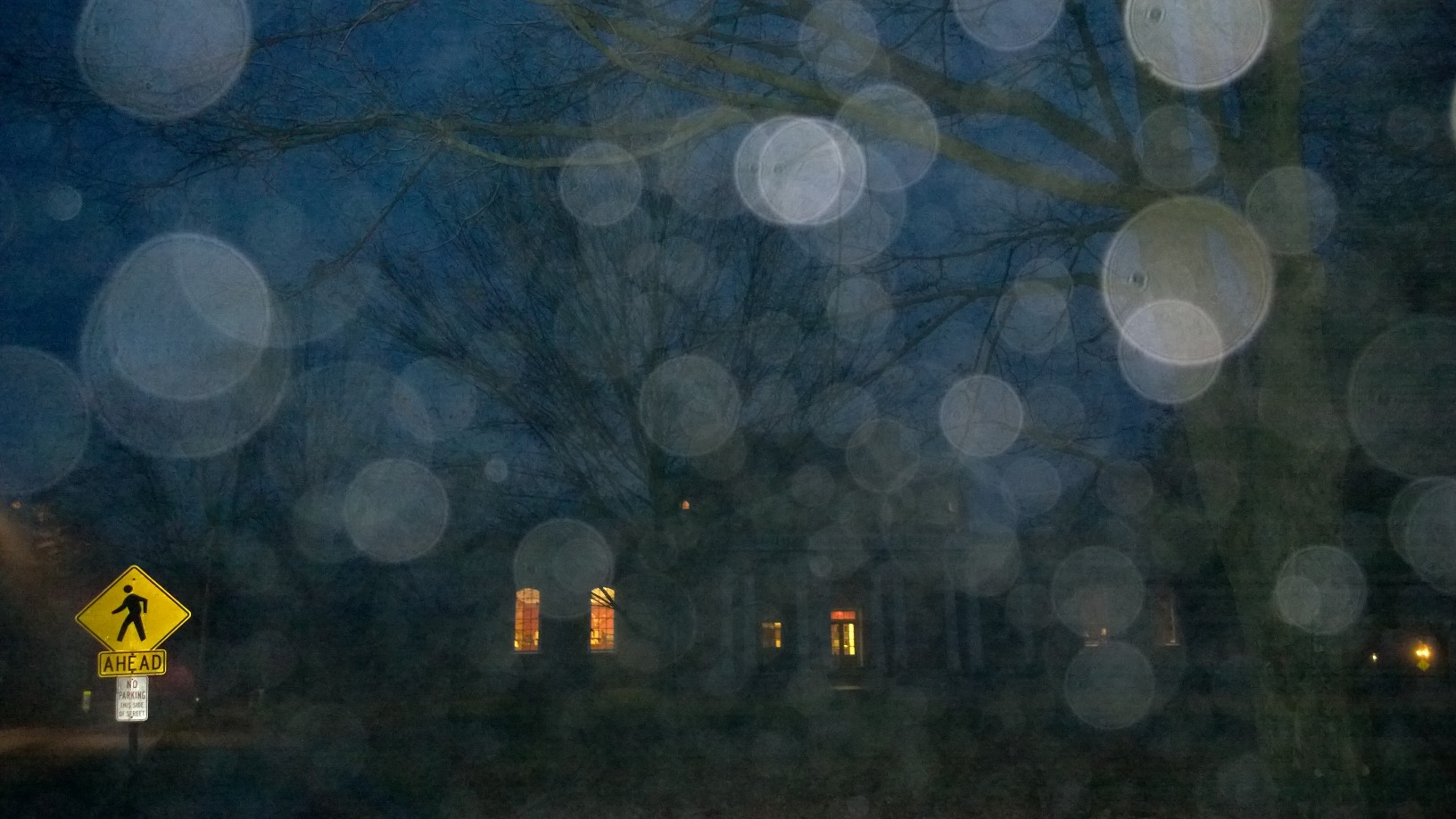
The photo of the library windows, above, was taken this morning. I was beyond thrilled to see the bubbles. It turns out that’s what happens when a flash meets a mist.

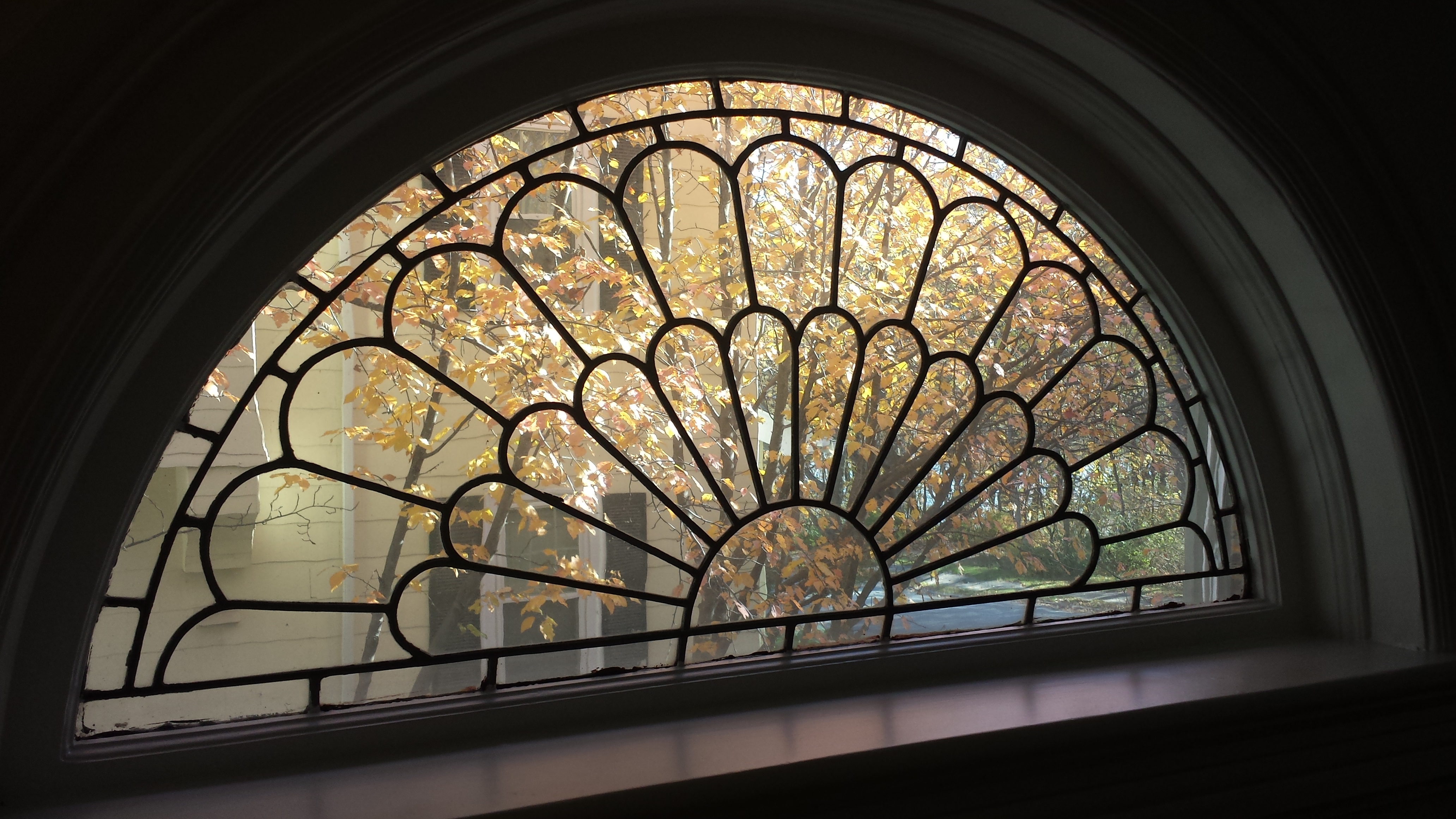
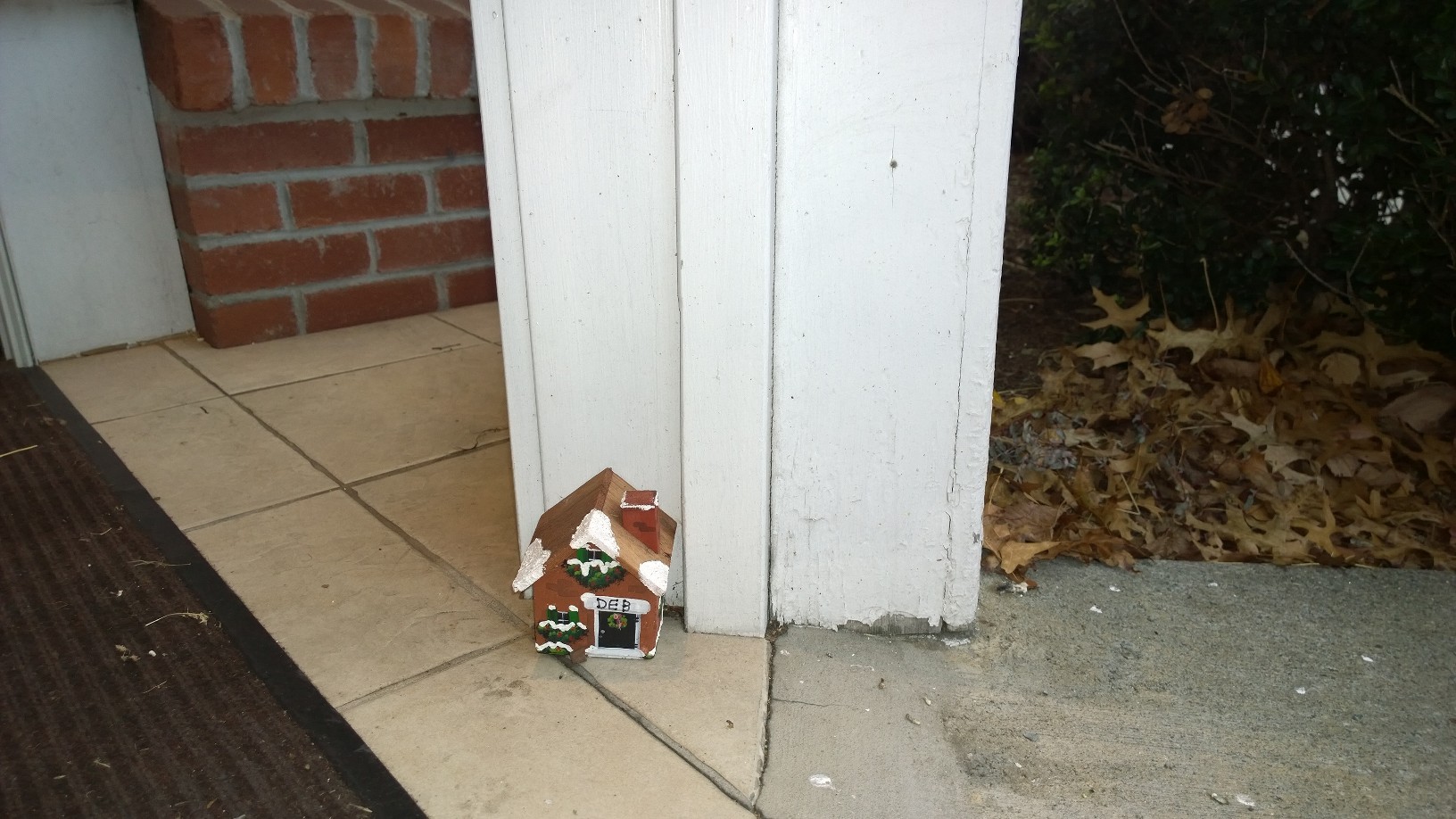
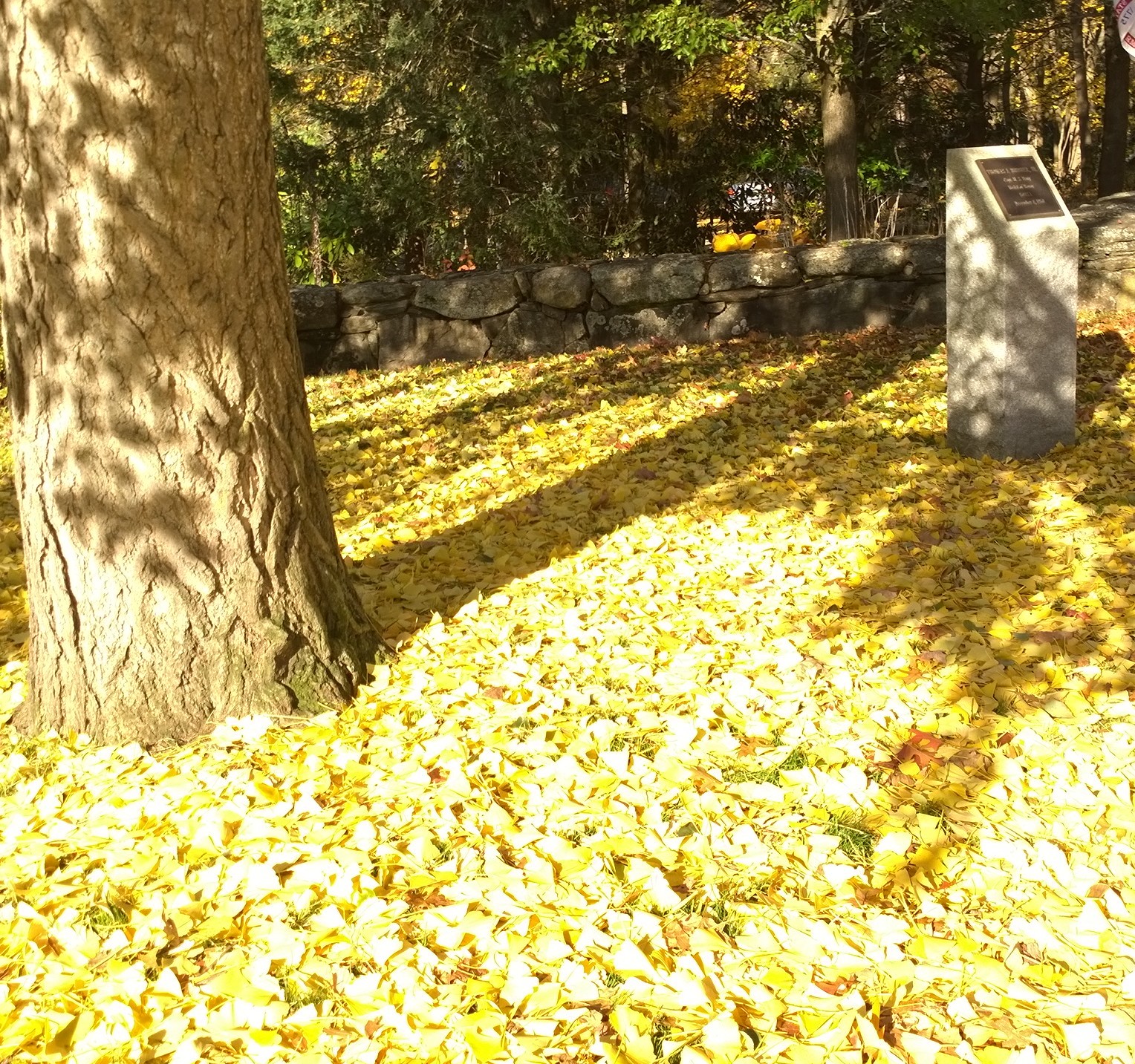
Suzanne took the lovely picture of leaves through a fan-shaped window in Rhode Island. The tiny house photo is from the entryway to a real estate office. The golden carpet is of ginkgo leaves. I took the shot of bittersweet growing on a Liberty Street fence Veterans Day near where the first shots were fired in 1775. The sculpture in front of the Umbrella Center for the Arts is by Nancy Arkuss. It’s called “Sid.” (Suzanne went through school with the artist’s son.)

20141110-foto-by-suzanne

realtor-entry


gingko-leaf-carpet-Concord-MA

111114-bittersweet-on-veterans-day


Sid-by-Nancy-Arkuss-at-Umbrella


Read Full Post »

Sometimes I get leads from twitter. Liz Devlin @FLUXBoston earned a hat tip for this one.

Andrea Magrath writes at MailOnline about Monsanto, a “medieval Portugal village build in and around gigantic 200-tonne [ton] boulders. …

“Living beneath a roof that weighs more than the average cruise ship may make some people a little nervous. But it is commonplace for the villagers of Monsanto in Portugal, who adapted their homes around the environment, filled with gigantic granite boulders.

“In the mountaintop village, homes are sandwiched between, under and even in the 200-tonne rocks. The enormous boulders have been utilised as walls, floors, and most astoundingly, as roofs for houses that date back to the 16th century. …

“Located in the municipality of Idanha-a-Nova, in eastern Portugal near the Spanish border, Monsanto sits at 2,486 feet above sea level and has spectacular views. Donkey is the preferred form of transport for Monsanto’s 800 residents, who have managed to maintain the village’s medieval character.”

For some great pictures of life amid boulders, click here. One photo really looks like a hobbit home.

Photo: Xalima Muriel/Media Drum World
Monsanto, Portugal, villagers have formed their homes around the existing boulders, rather than attempt to move them.


Read Full Post »

In my part of New England, Daylight Savings is drawing to a close with cold, wet, dark presentiments of the season to come. Seems like a good time to think about the fun we had in October.

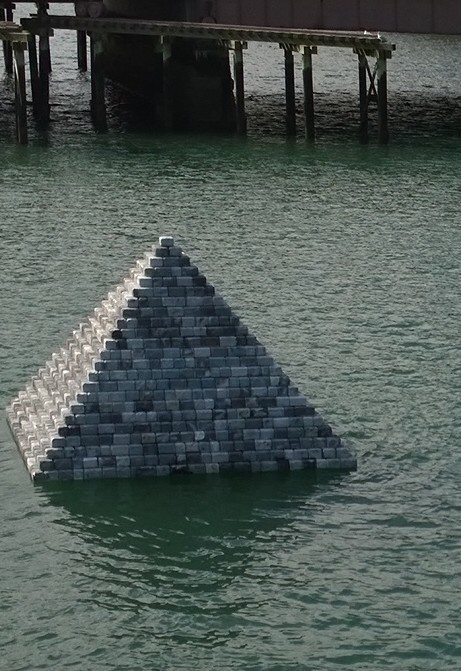
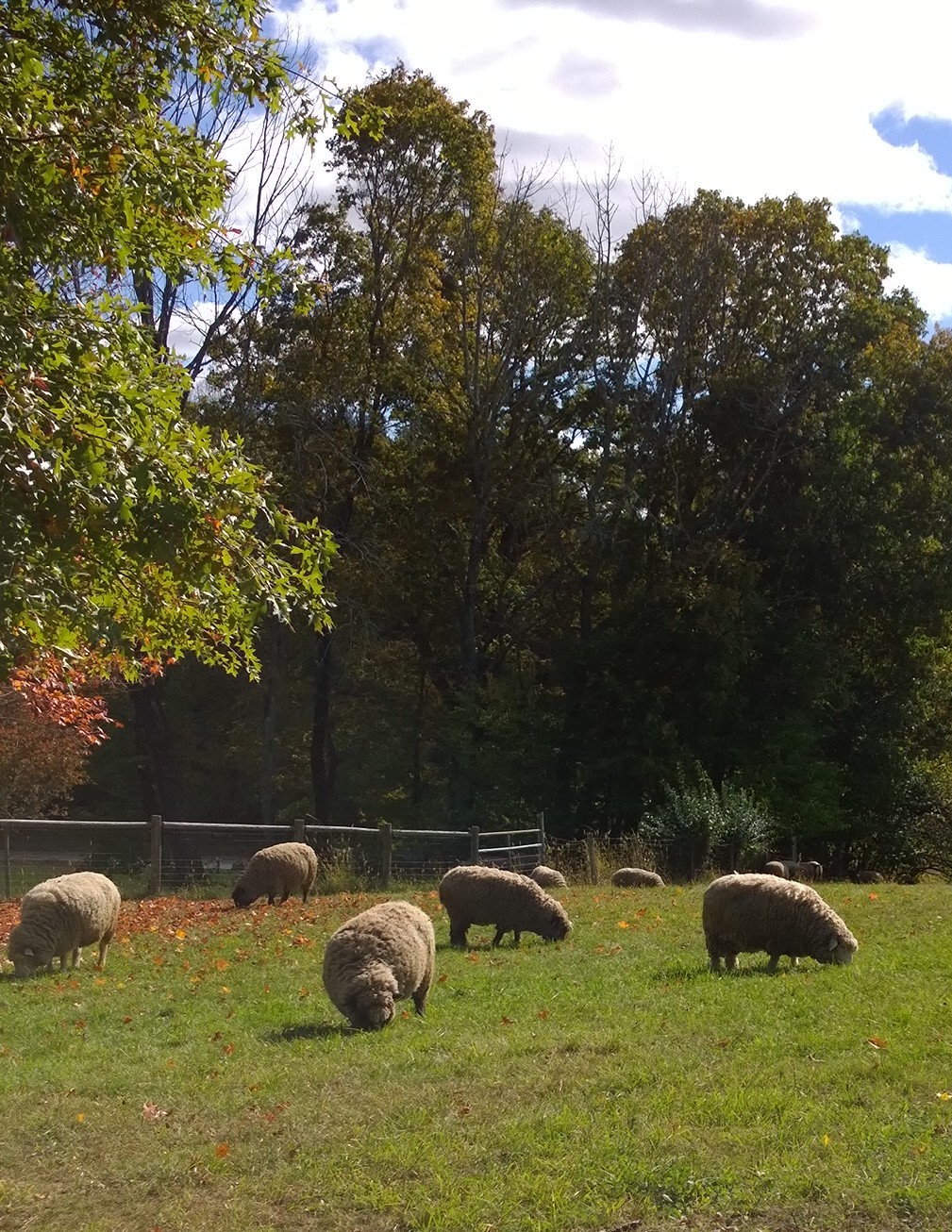
Artist Don Eyles floated a pyramid in Fort Point Channel until a storm blew up. Suzanne, my husband, and our middle grandchild visited the sheep and other animals at the Audubon Society’s Drumlin Farm.

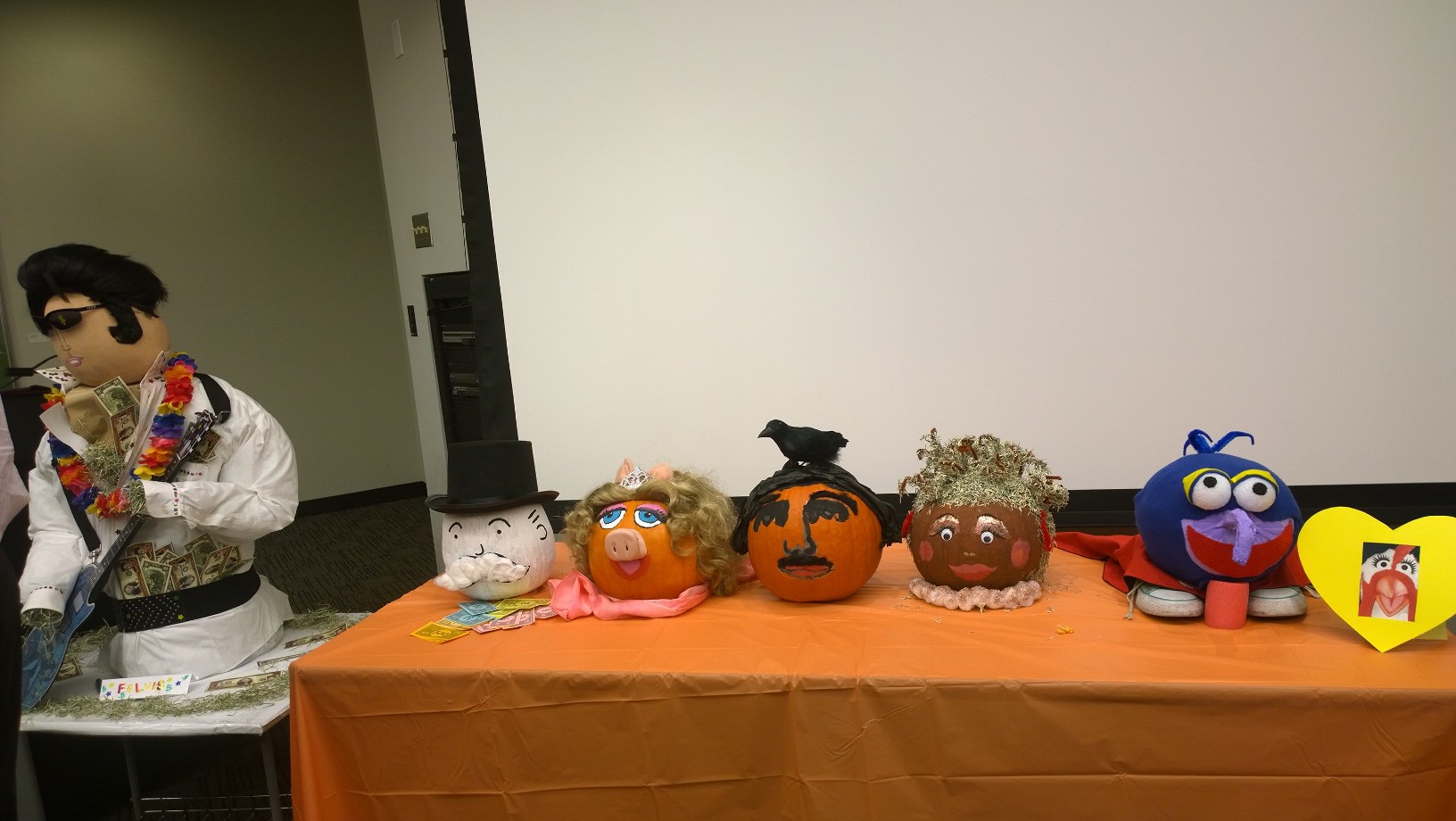
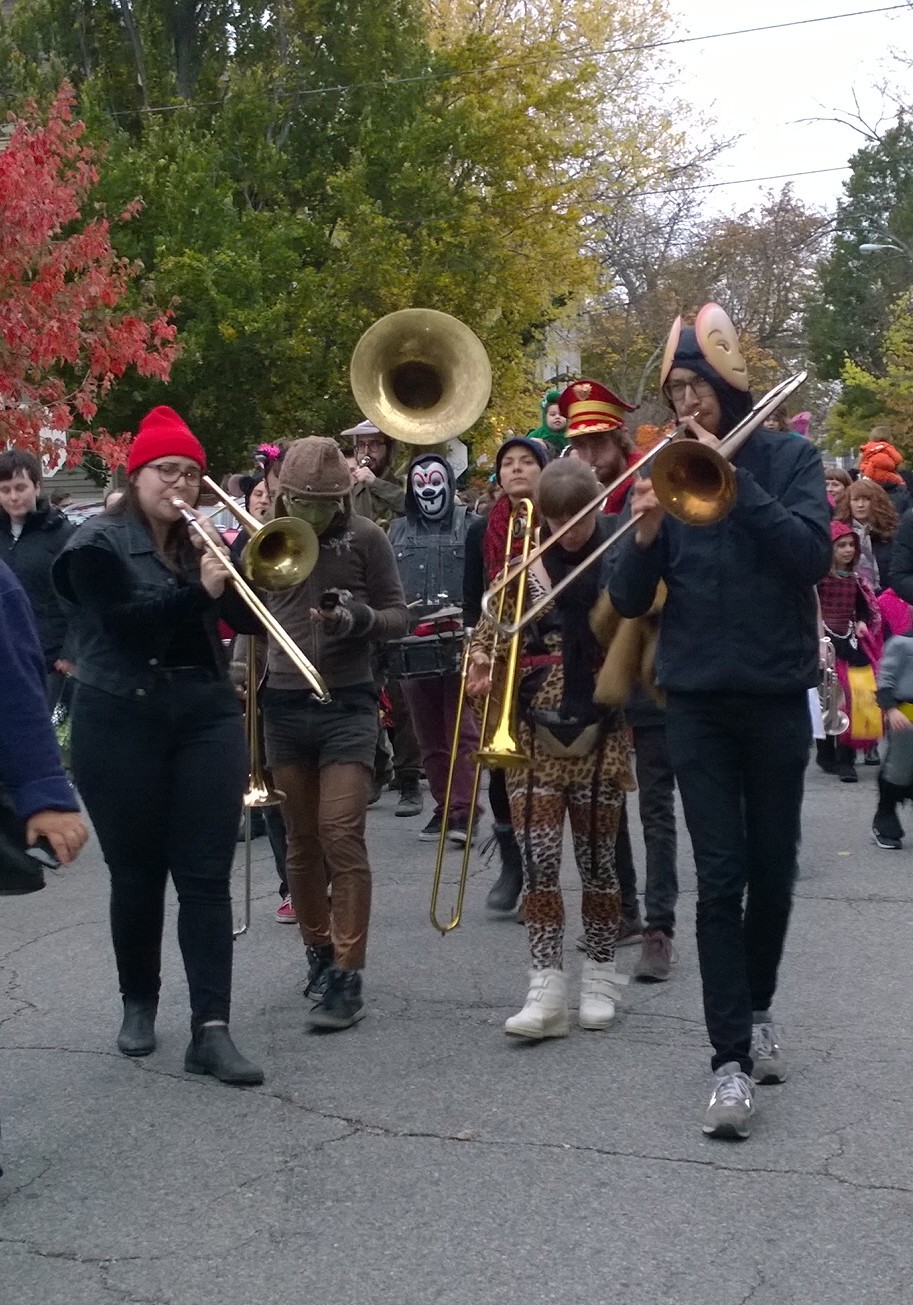
At work, we had a pumpkin-decorating contest. My team did Miss Piggy, porcine Muppet diva, to use the Wall Street Journal identifier. (Left to right, Elvis, the Monopoly Man, Miss Piggy, Edgar Allan Poe, Chia Pet, and Gonzo.) A Halloween band marched surrounded by babies, kids, and adults in costume all around blocked-off Providence thoroughfares near the Brown Street Park.

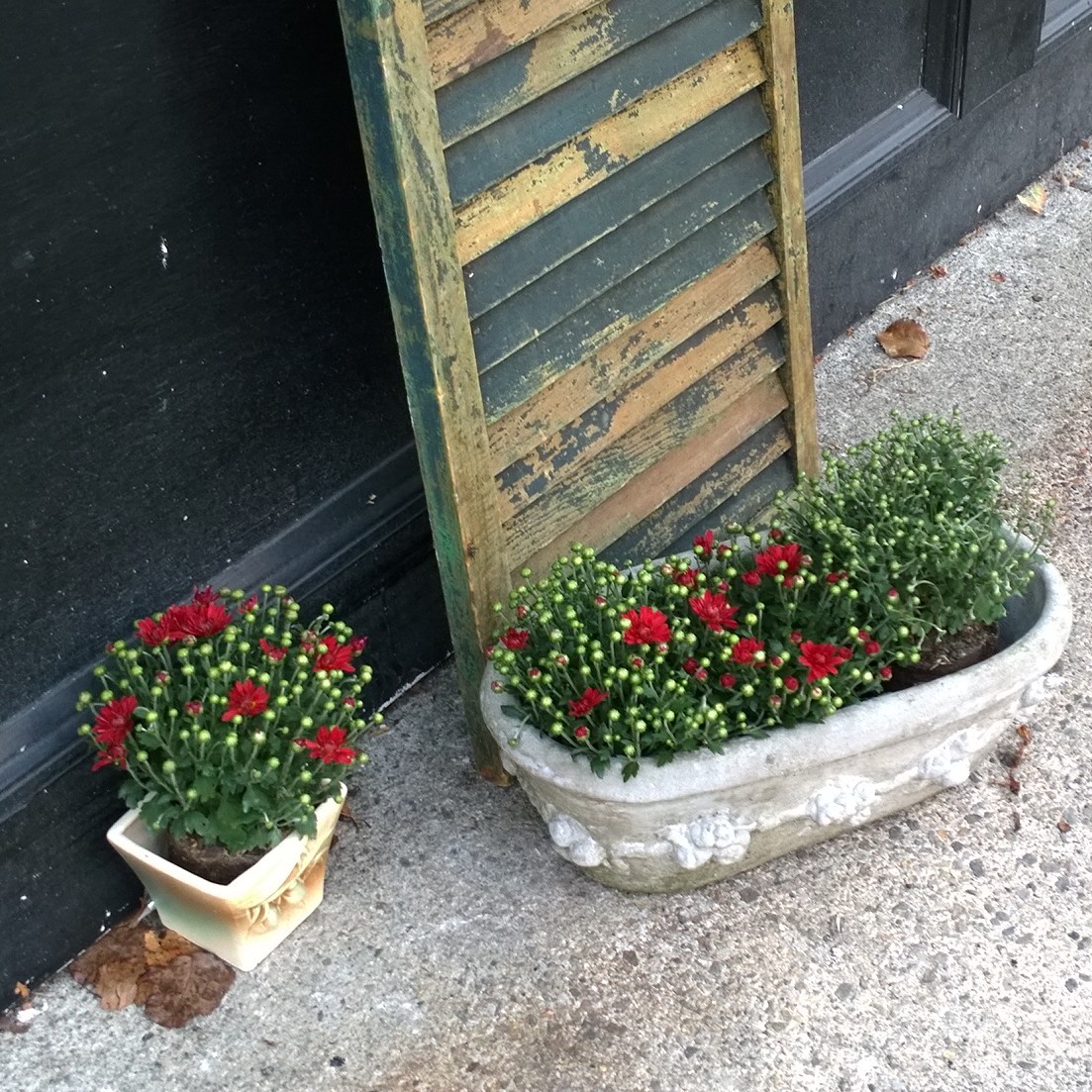
More quietly, chrysanthemums soaked up sunshine.

Here is a bit of background on the pyramid, in case you are interested.

“In 1998 Fort Point artist Don Eyles floated his first pyramid in Fort Point Channel, marking the water as a venue for art and opening the doors to years of temporary art installations to come. The installation was a bold move, made independently, and completely self-funded.”

“ ‘Consider the history that has passed along the cobbled streets of Boston — all the men and women, famous or unremembered, who have walked and rode here … always with granite cobblestones beneath their feet and wheels. I have long dreamed of making this history tangible, by constructing a great pyramid from the cobblestones uprooted by the City’s recent development.’ ”

More on the Pyramid and other Fort Point projects at tumblr, here.

pyramid-Fort-Point-Channel
101914-Drumlin-Farm-sheep
Halloween-team-bldg-at-work
Halloween-in-Providence
flower-pots-in-fall


Read Full Post »

John sent me a collection of photographs showing that a small mongoose-like animal hitches rides on rhinos and other large creatures in previously unrecorded behavior.

George Dvorsky writes at io9, “Earlier this month, conservationists working in South Africa’s Hluhluwe-iMfolozi Park were very surprised when they reviewed photos snapped by their camera trap. Images revealed a mongoose-like genet hitch-hiking on the backs of at least two different species of animals — behavior never seen in the mammal.

“Zoologists have observed cowbirds riding on the backs of cattle to pick off their parasites, along with egrets grazing on the tiny creatures that collect on wildebeest. But mammals riding on the backs of other mammals? Not so much. At least not outside of humans and their domesticated animals. That’s what makes this recent discovery so unique.

“The Conservationists write at their blog, Wildlife Act Team:

This series of photographs depicts a large spotted genet on top of two individual buffalo. One of the buffalo seemed to be unimpressed with the genet and can be seen turning around and thus shaking the genet off. The other buffalo was quite content to let the genet “tag along” for an evening stroll. The genet seemed to have spent this particular evening riding buffalo!”

More here. Lots of pictures.

Read Full Post »

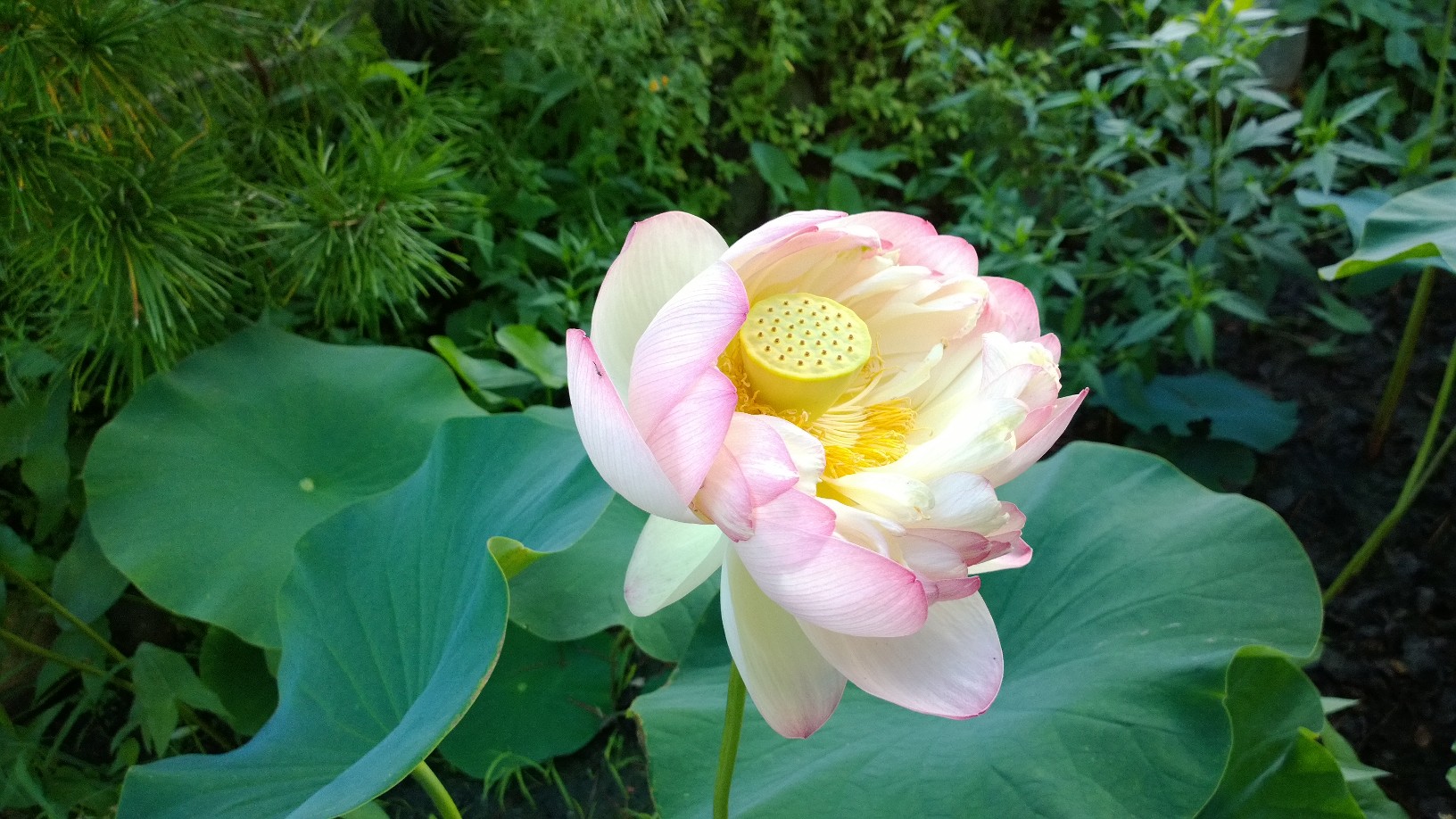
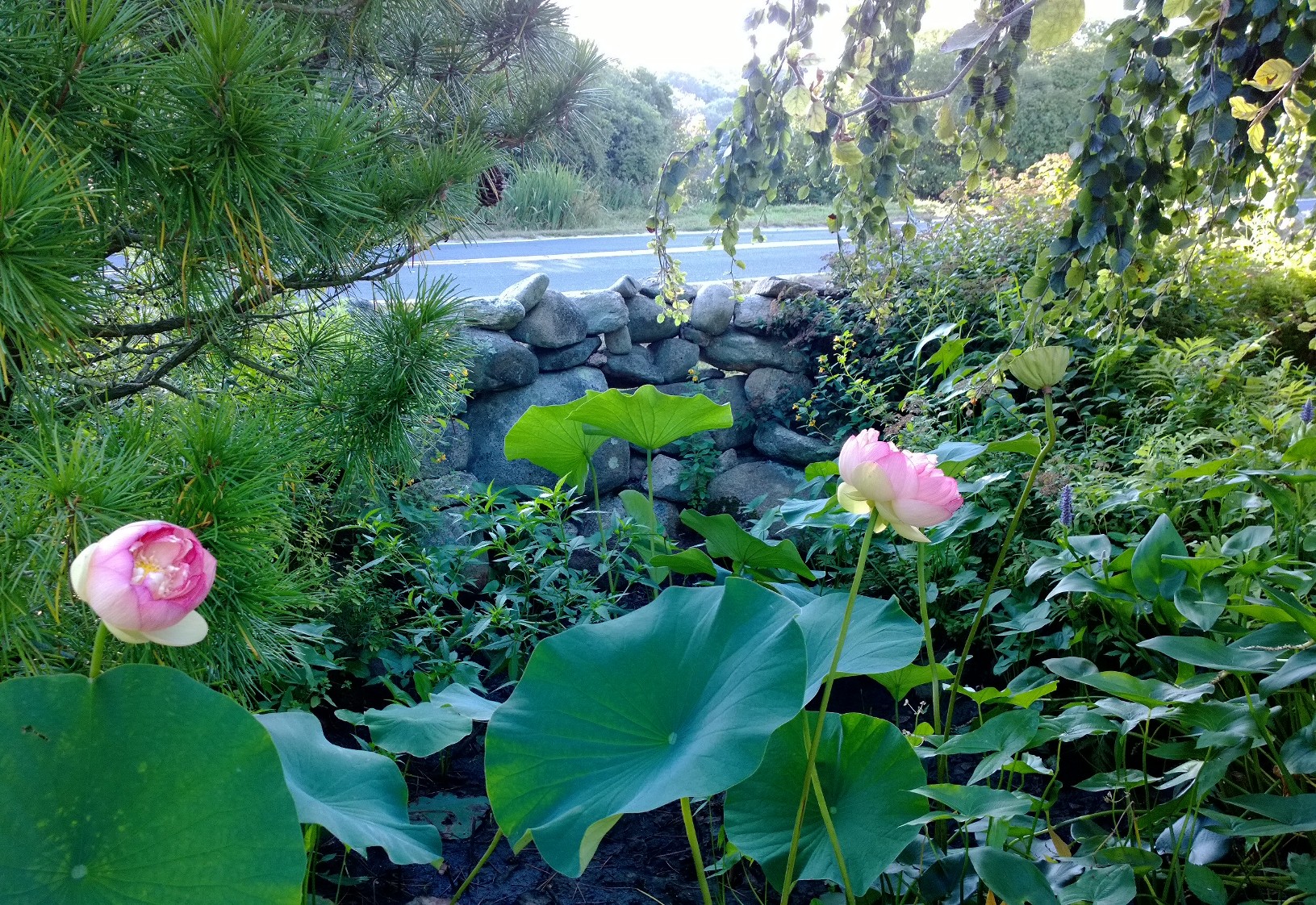
inside-the-lotus


Inside my neighbor’s lotus flower is something that looks like a shower head. I think I will make a new year’s resolution on it (the school year, say): “Because you can never imagine what’s inside the lotus, try to be alert to the subtext.”

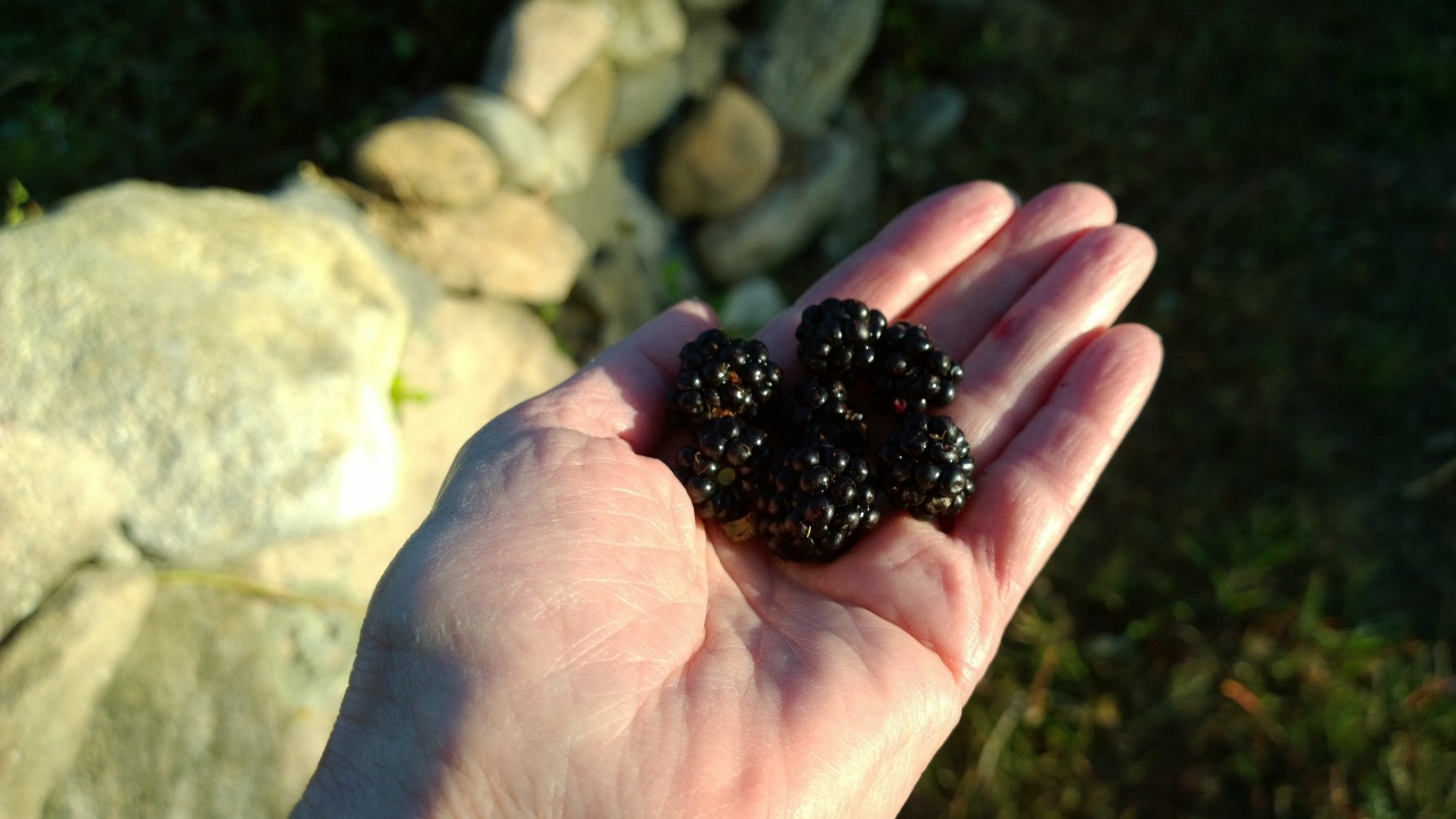
blackberries-by-the-wall

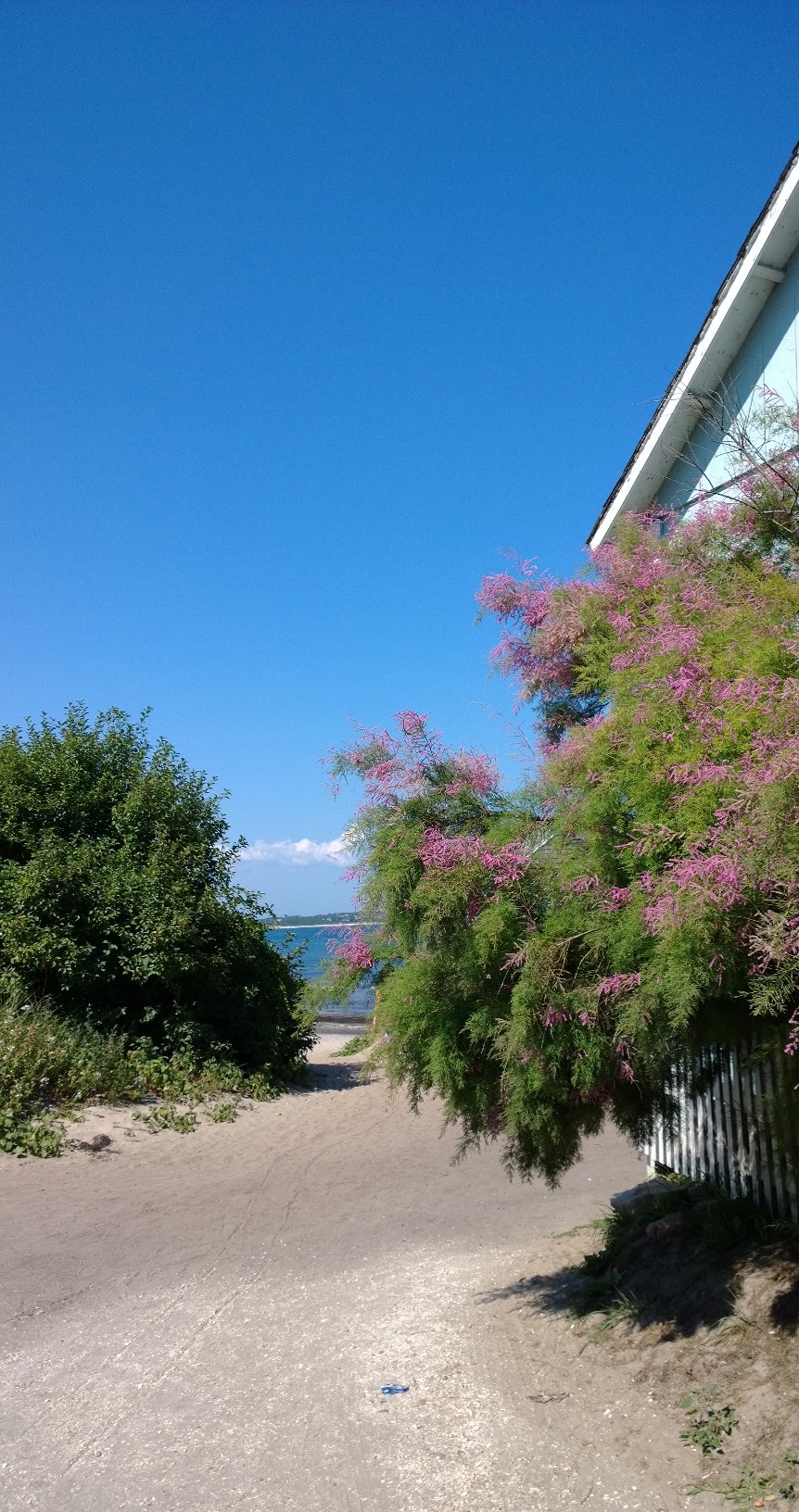
fluffy-bush-by-the-sea


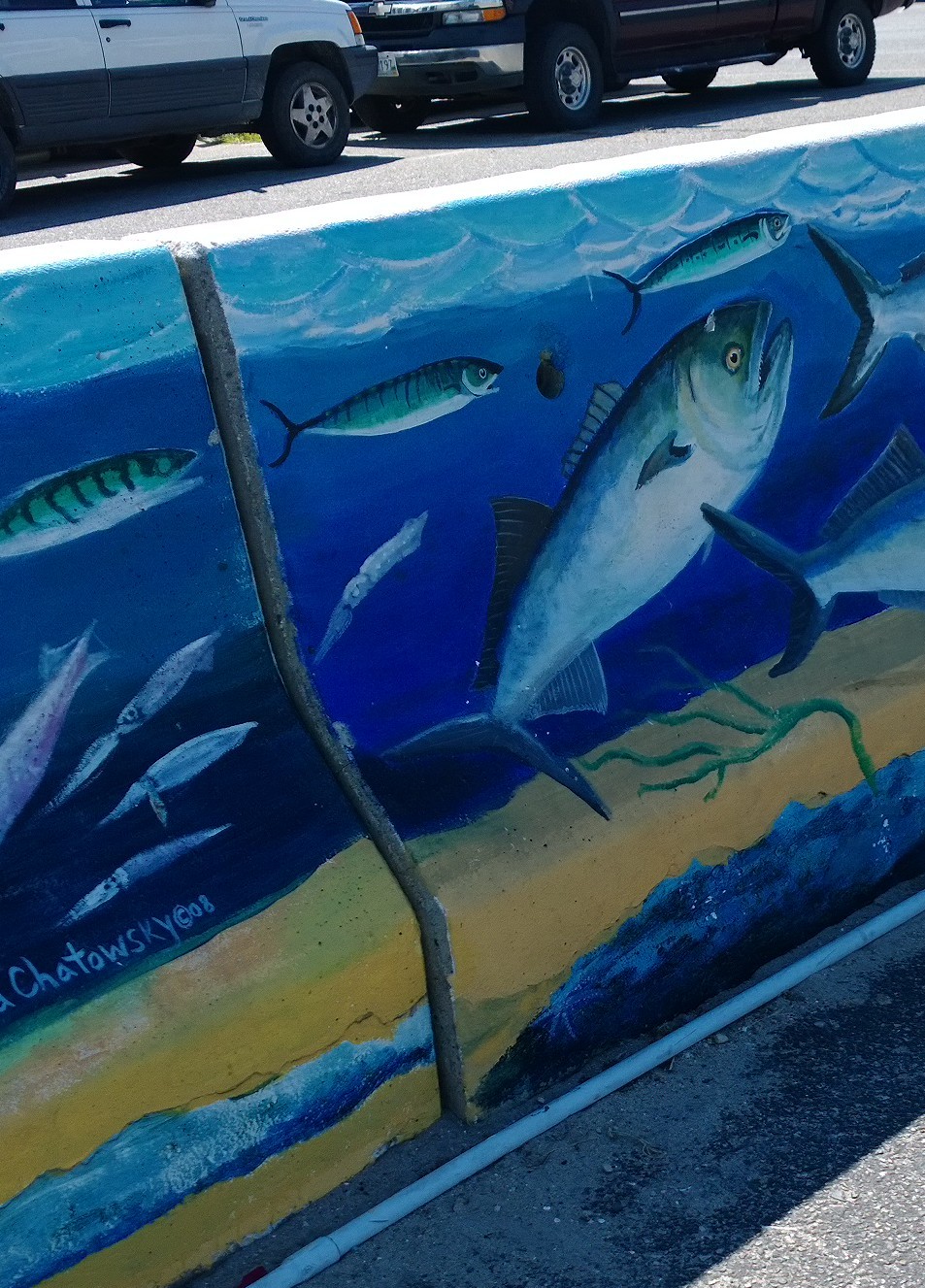
parking-lot-fish-mural

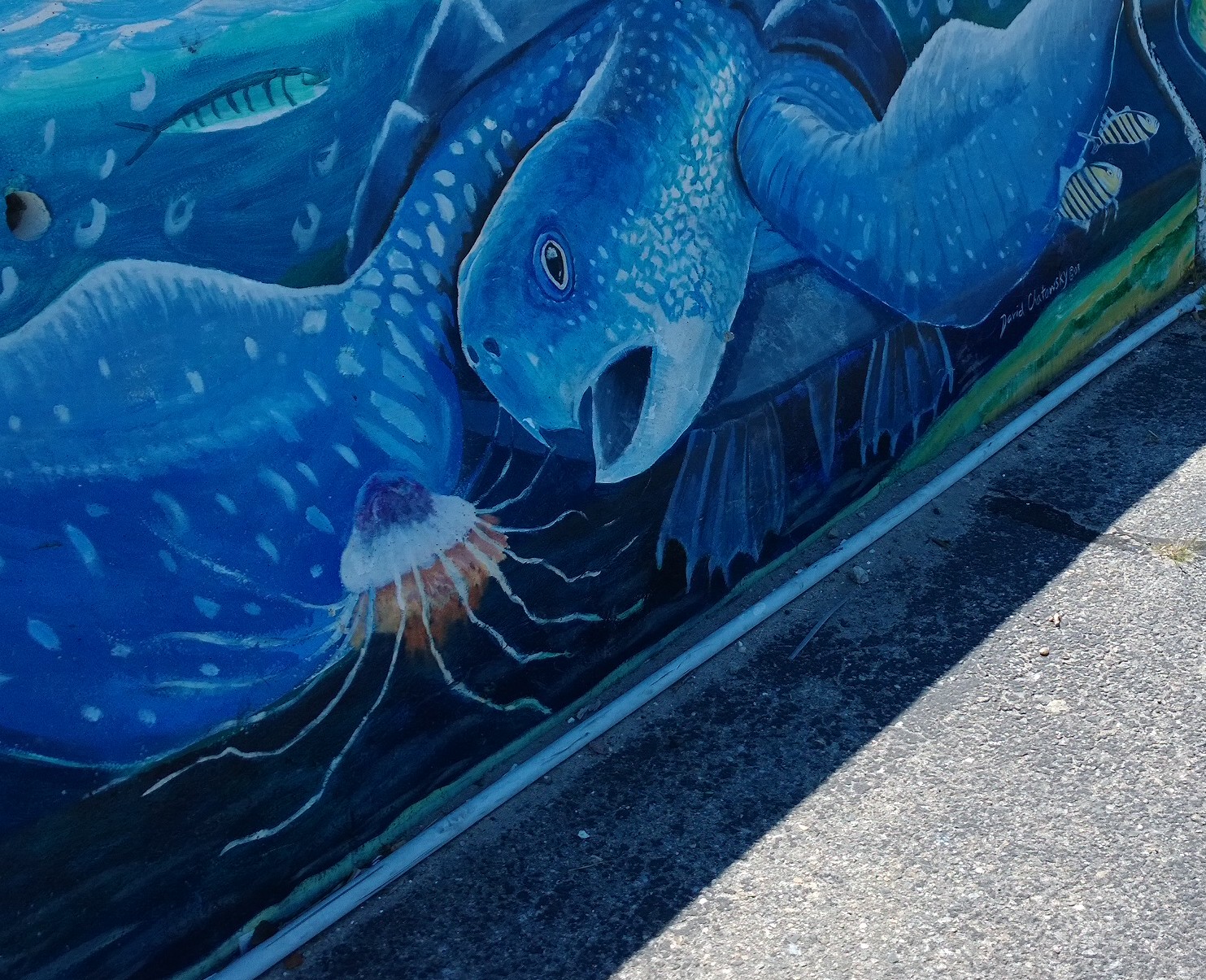
catch-the-jellyfish


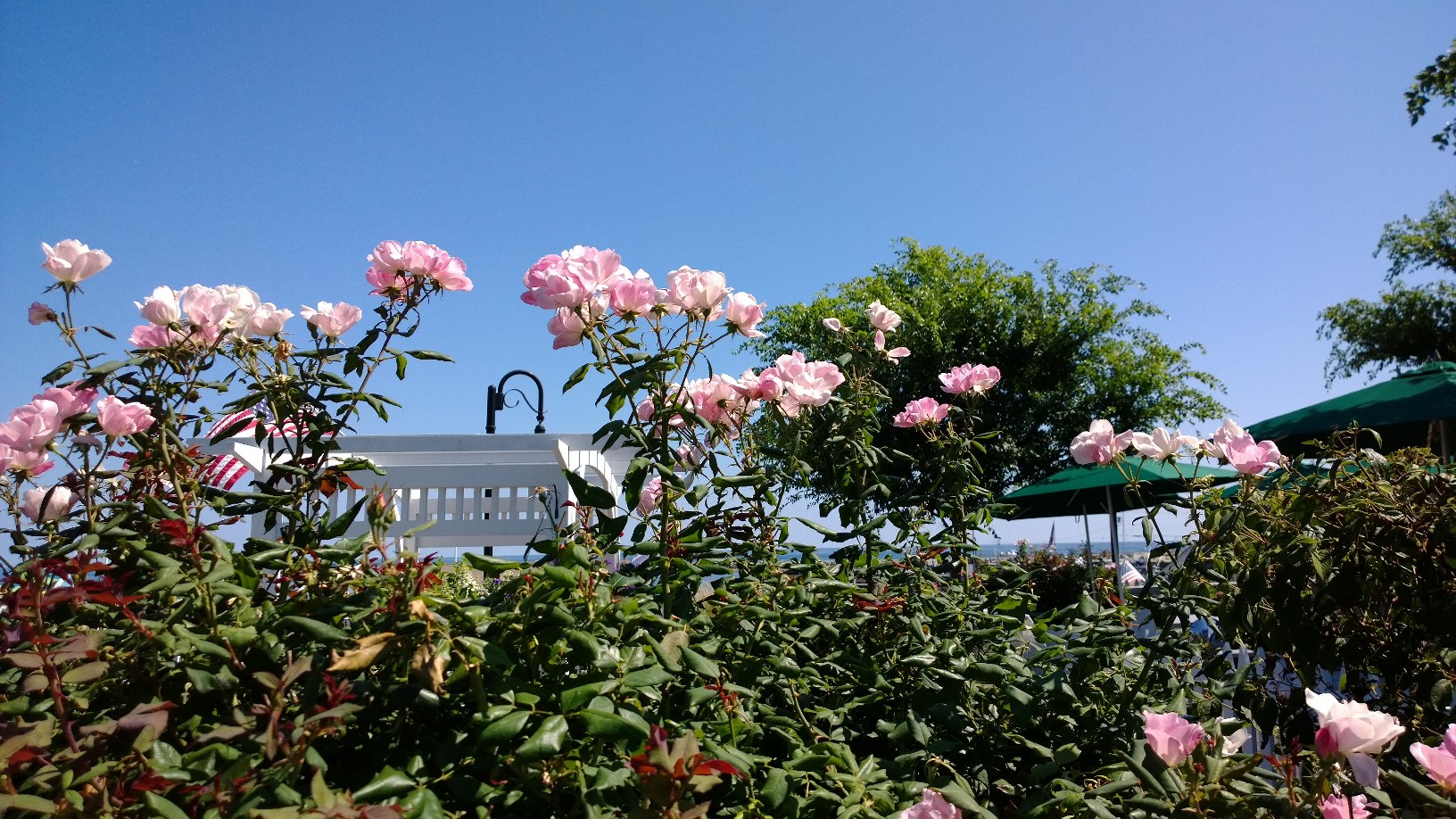
flowers-and-fence-082614

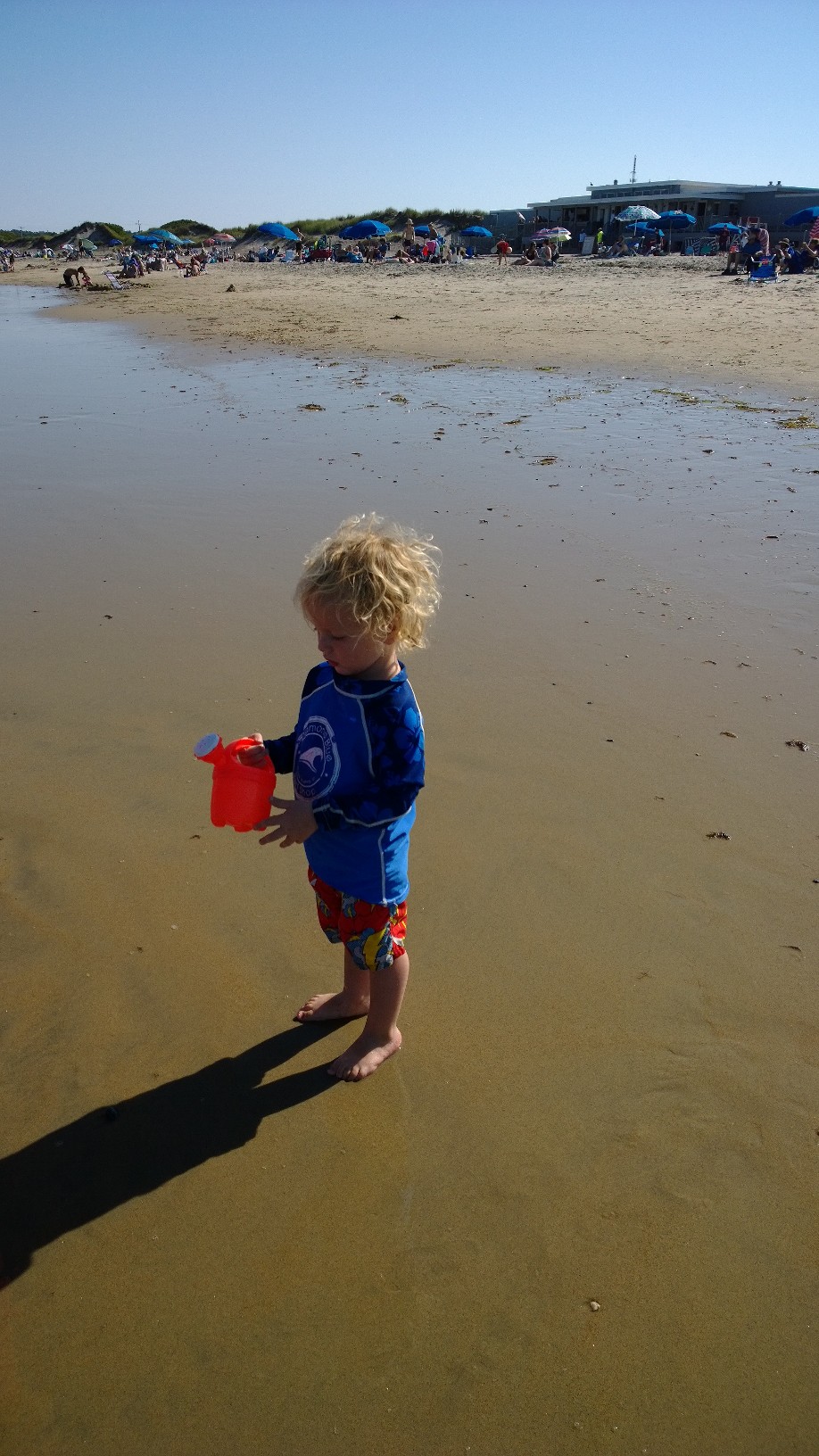
long-shadow-at-beach


lotus down-the-street-bloomed-082814


Read Full Post »
After I blogged about playing fairies in the backyard as a child, Ursula sent me a book from North Carolina, where she has been living for years. It was Flower Fairies of the Summer, by Cicely Mary Baker. It contains “The Song of the Yarrow Fairy” and many other illustrated fairy songs and is a real classic.

I thought about the book as I photographed a few summer flowers on recent morning walks. I can’t see the flowers’ fairies here (fairies don’t photograph well), but if you do, please let me know which flower.

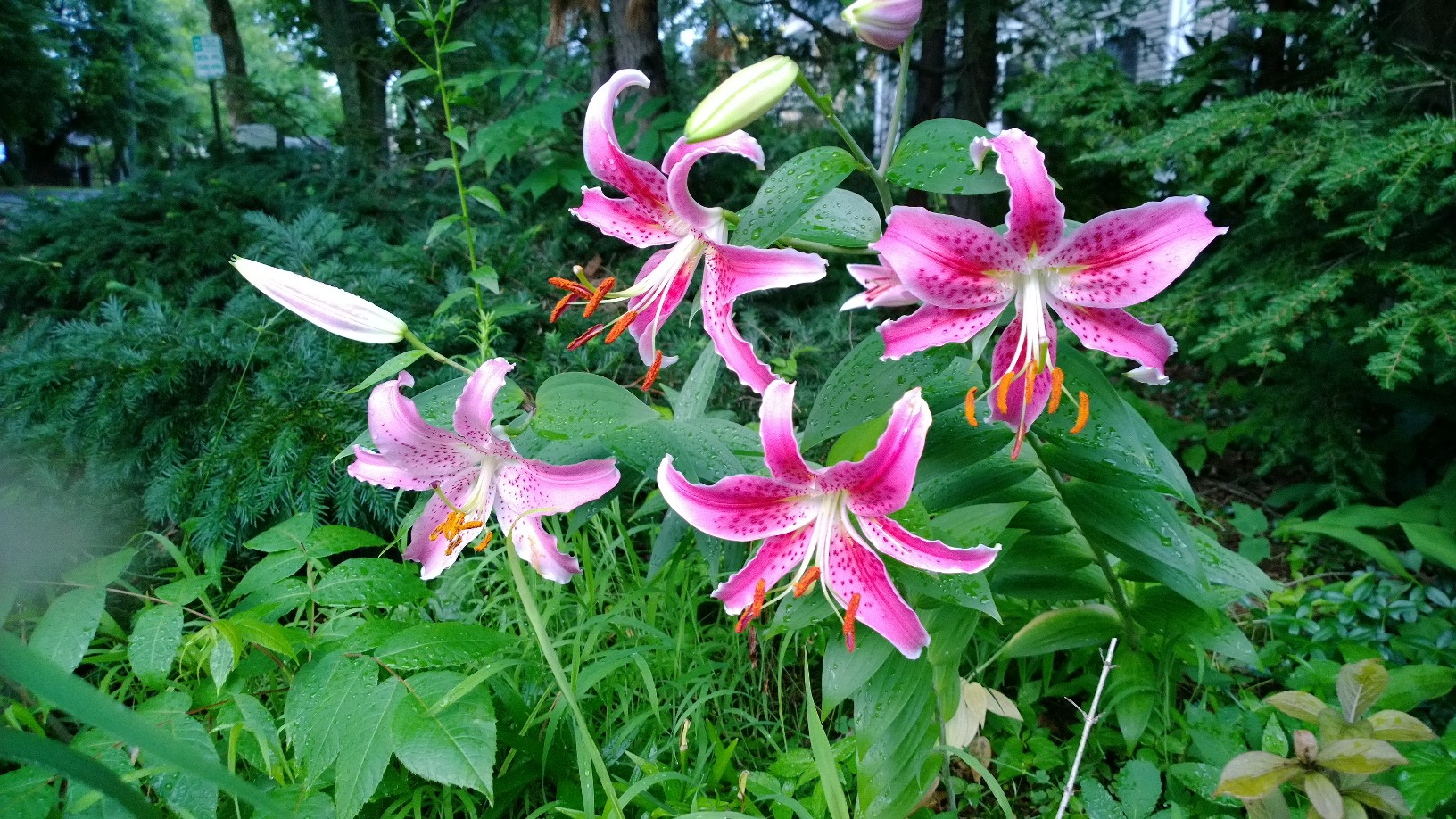
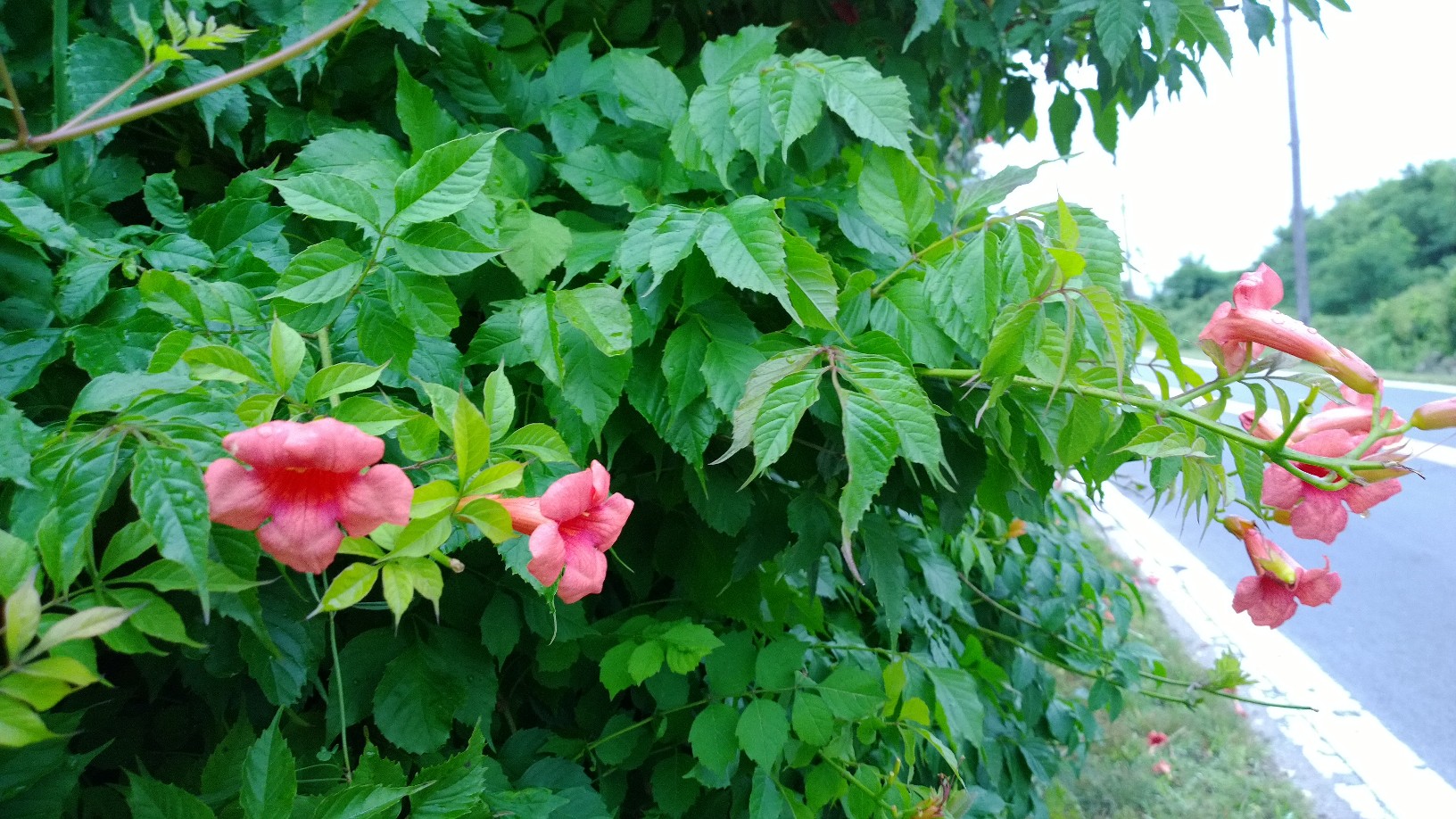
Here are two kinds of lilies, a Rose of Sharon, yarrow and Queen Anne’s Lace together, and a trumpet vine growing beside Lakeside Drive.

lilies-Sudbury-Rd

tiger-lilies-by-fresh-pond


rose-of-sharon

yarrow-and-queen-ann-lace


trumpet-vine-lakeside-drive


Read Full Post »
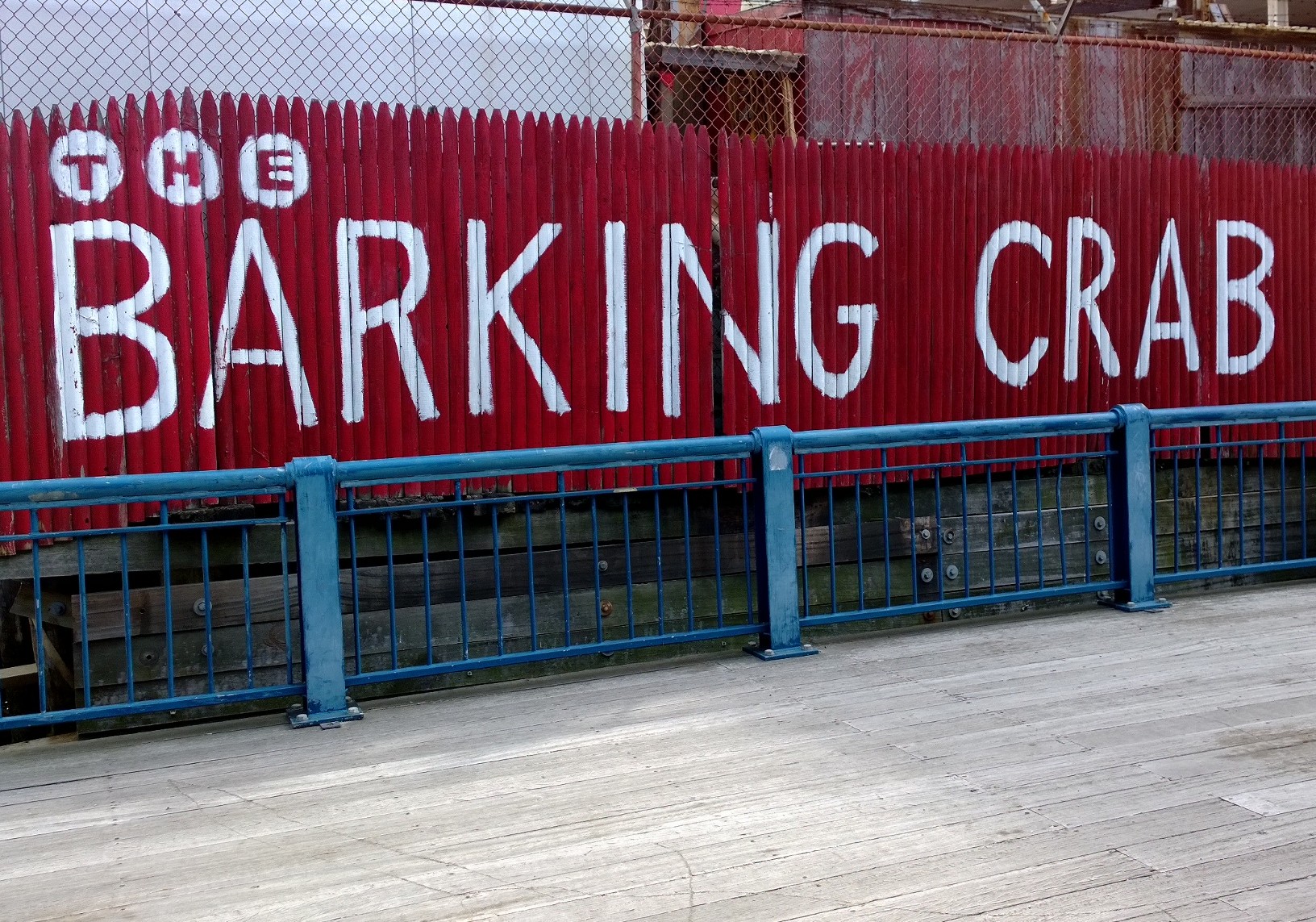
The Barking Crab is watching one of many new Seaport buildings go up on its doorstep but wants you to know it is still around and serving seafood.

I was going to use the Barking Crab’s new fence to write a philosophical post with a title like “Nothing is Constant but Change.” Unfortunately, after a couple months, I still couldn’t think of anything philosophical to say and gave up. So here are some more random shots from my peregrinations.

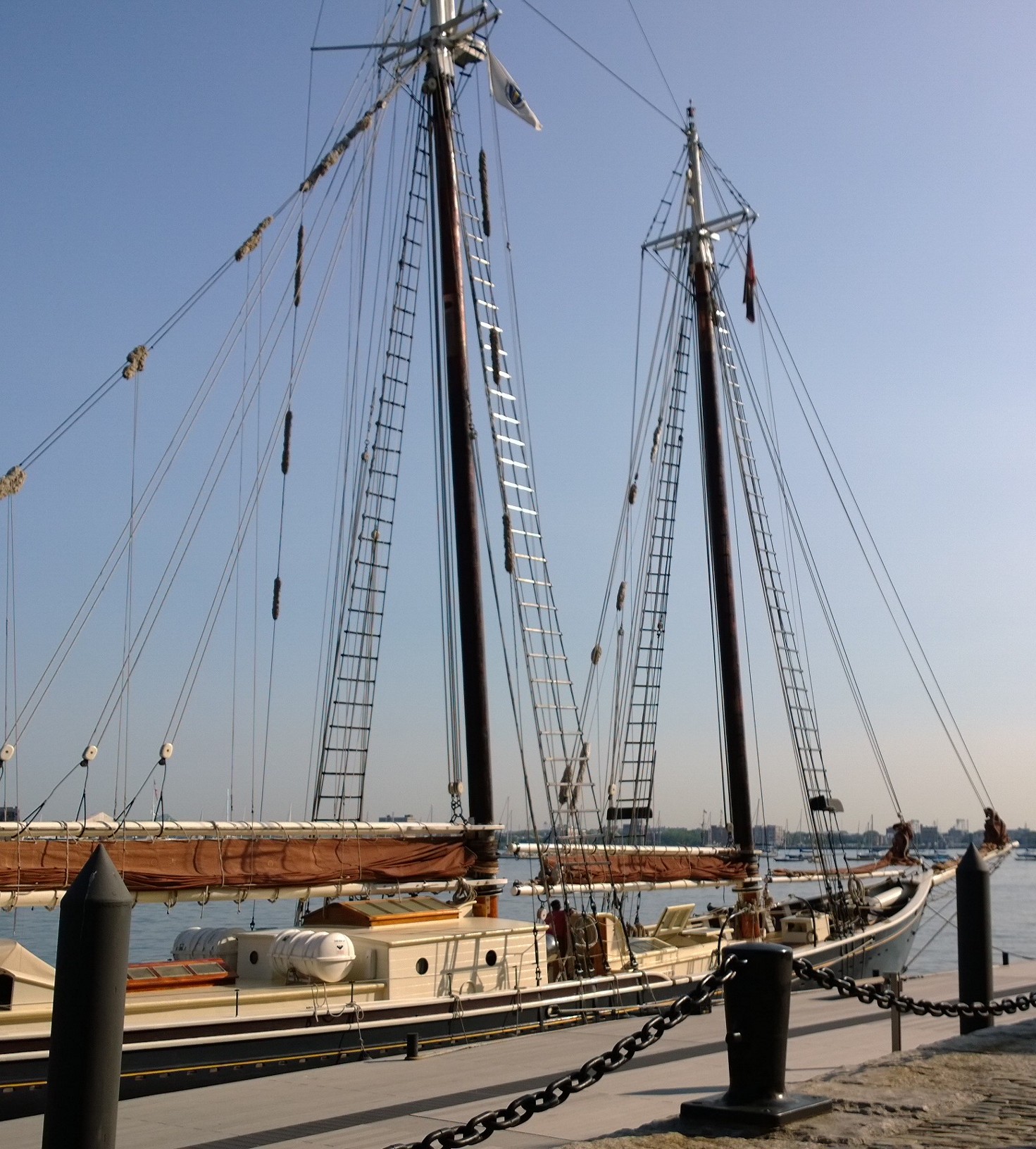
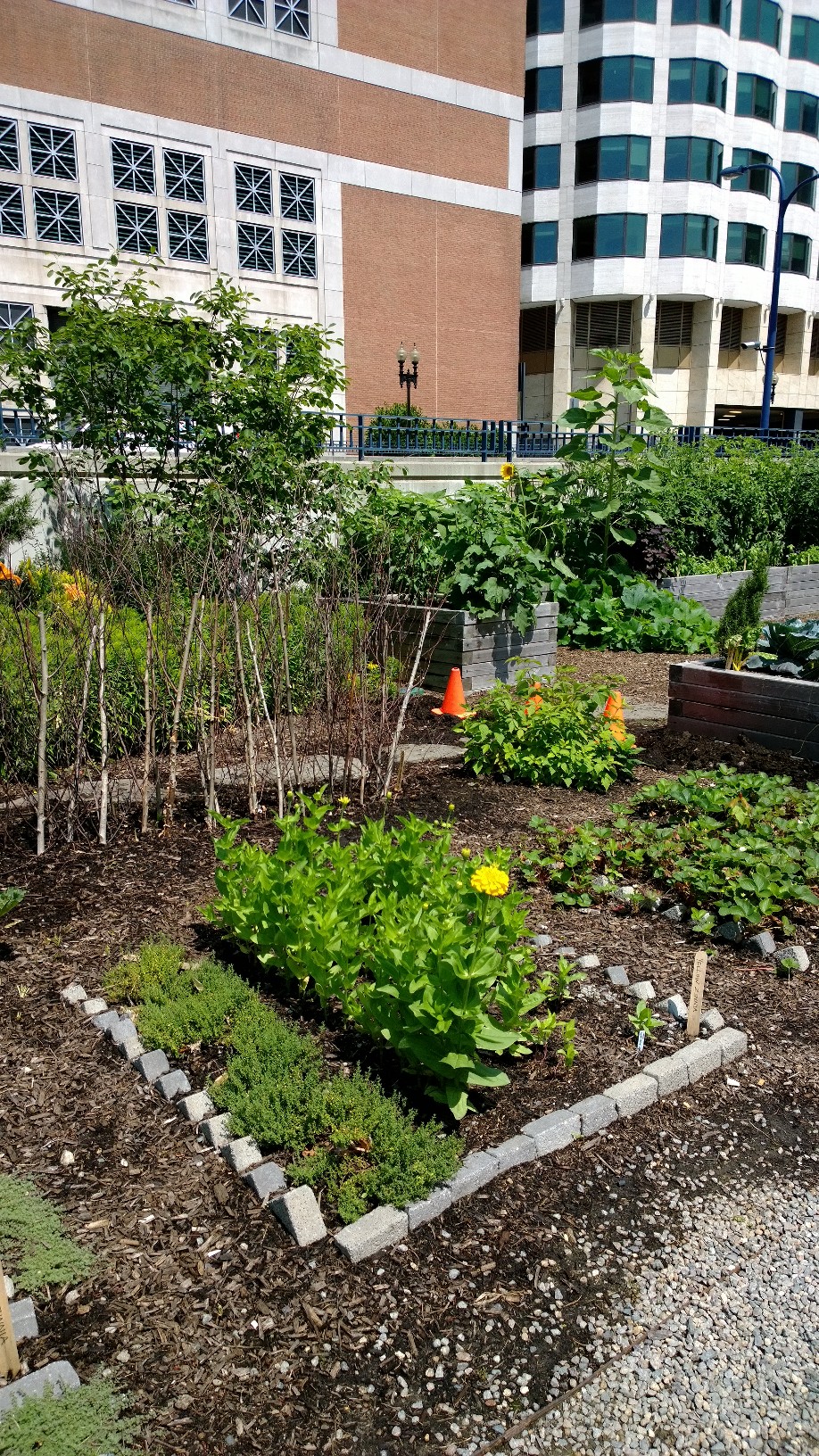
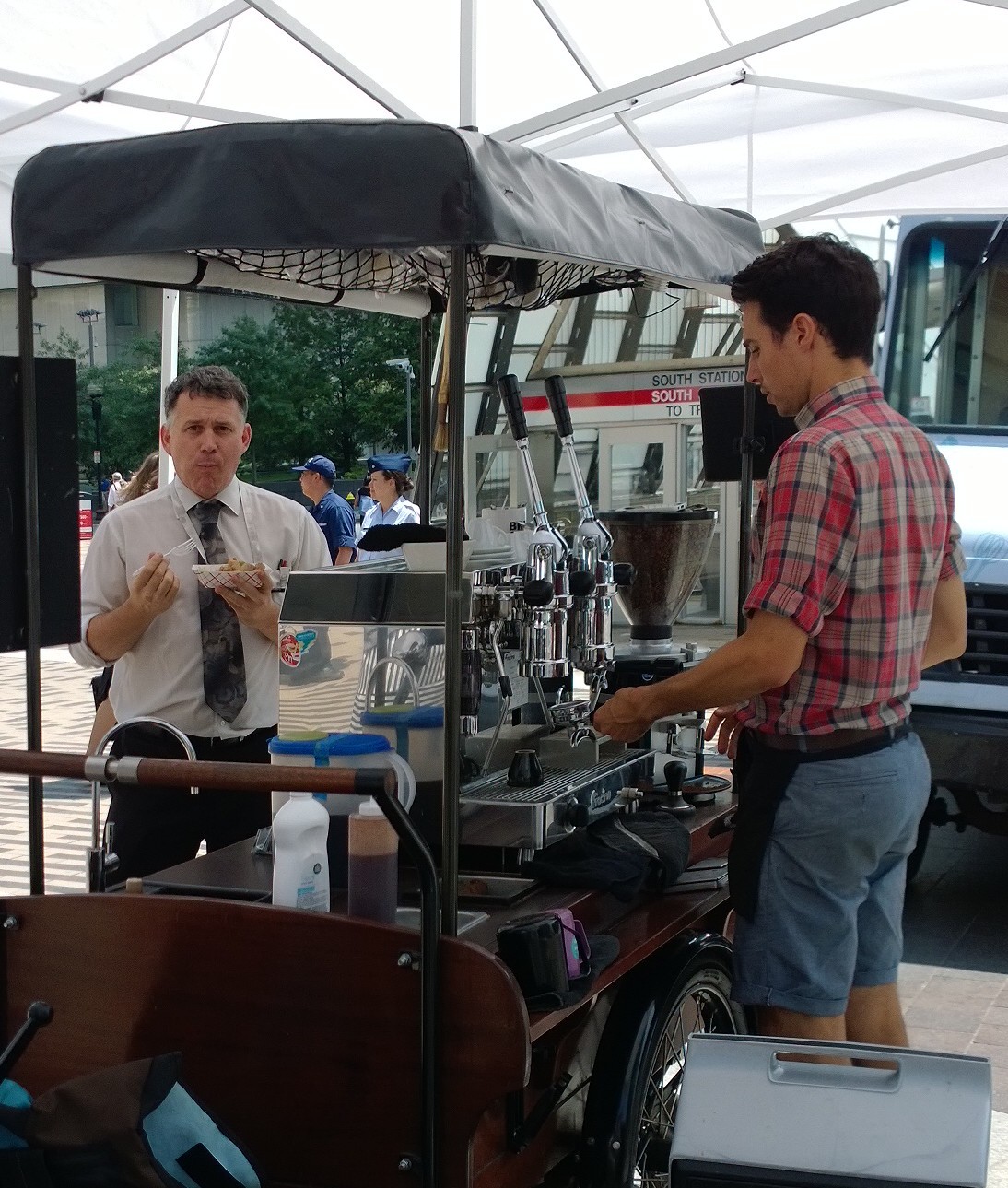
A couple hundred yards from the Barking Crab, a teaching sailboat is once again docked for the summer. In Dewey Square, the Greenway demonstration garden is growing, and the coffee guy is making espresso for customers. One day this week, I saw him teaching a group of schoolchildren about how it all works.

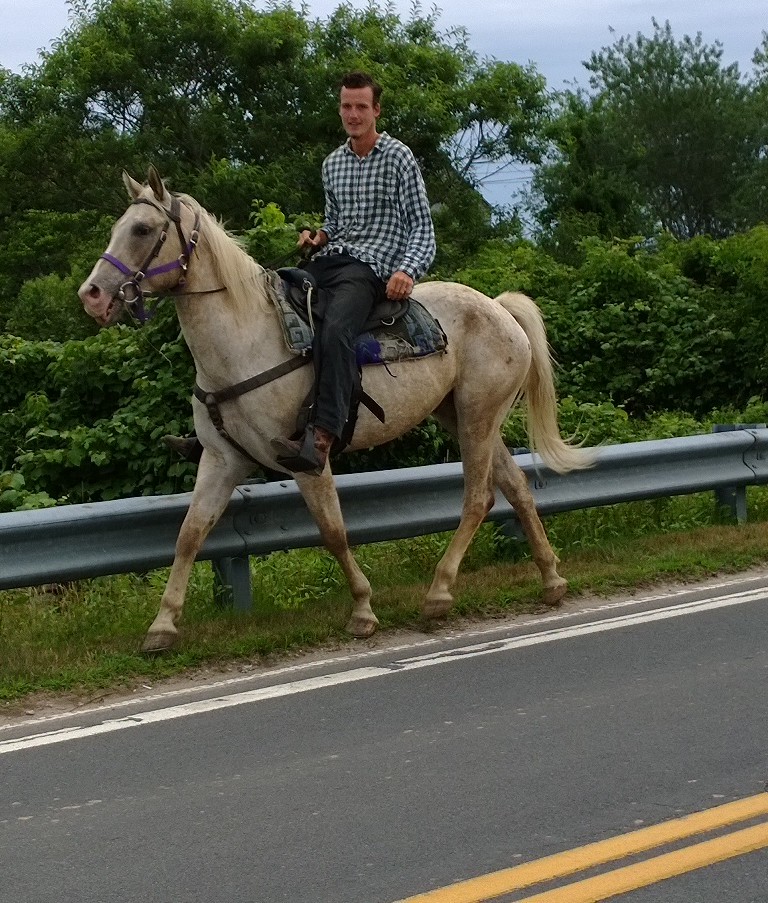
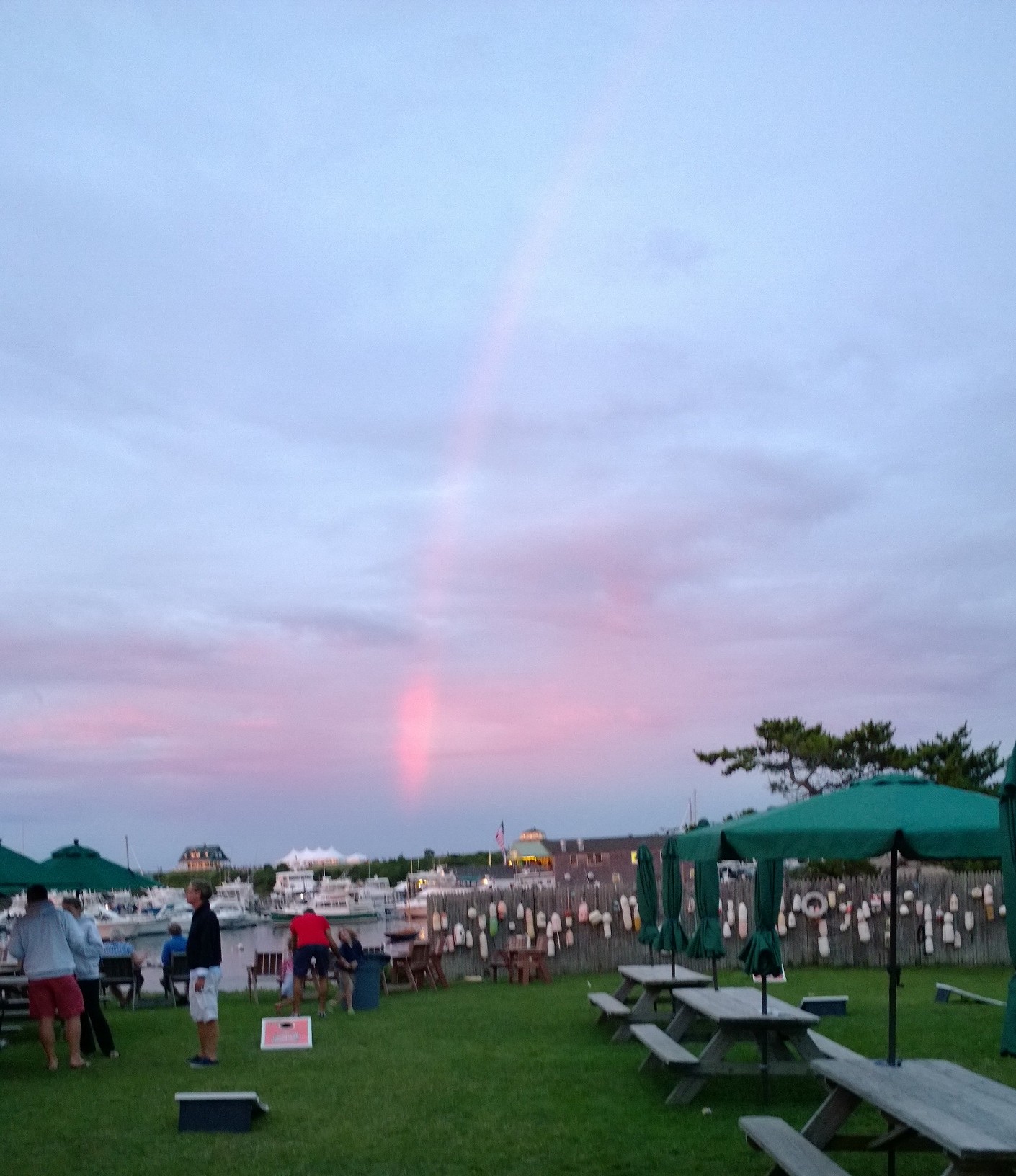
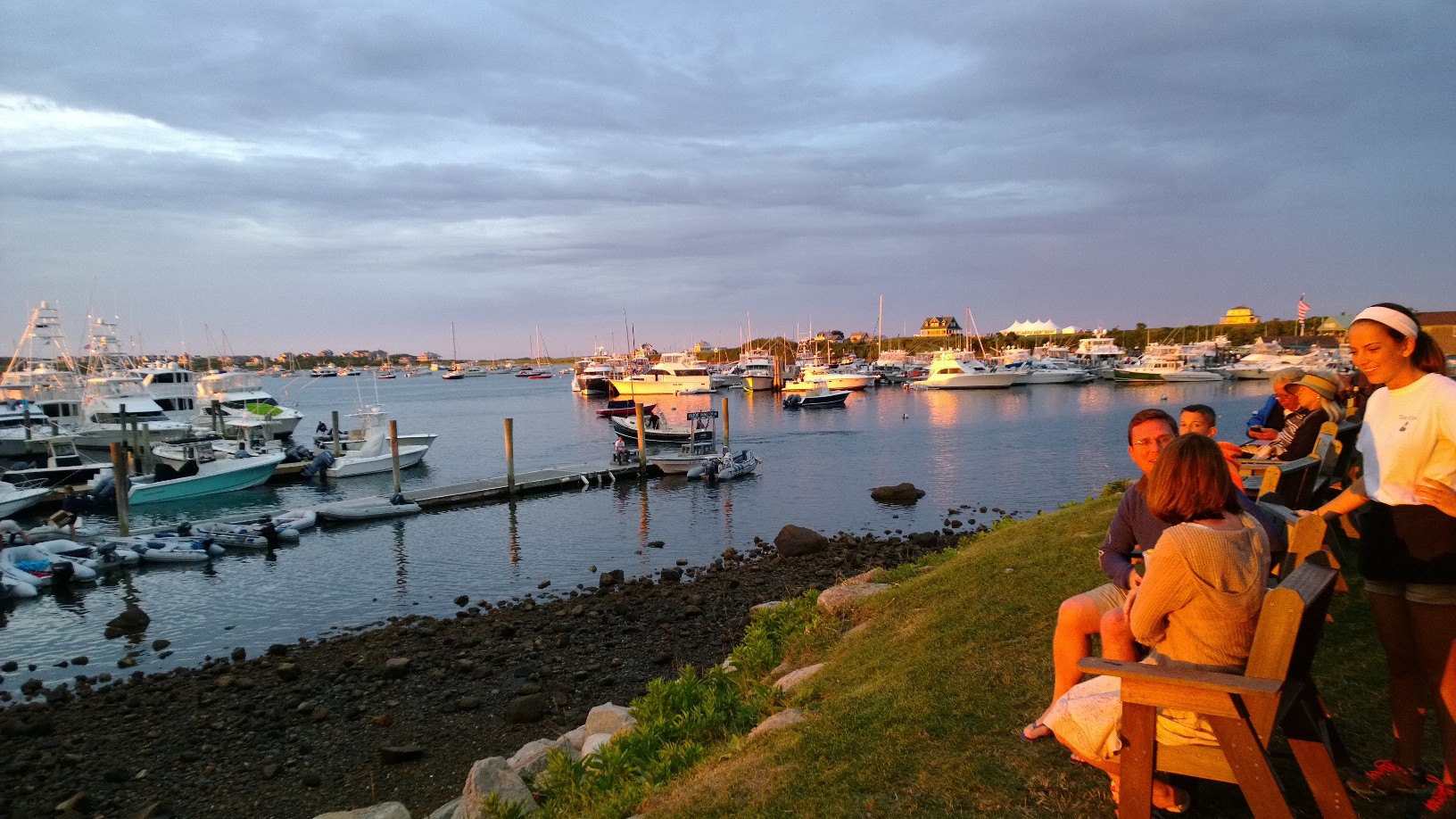
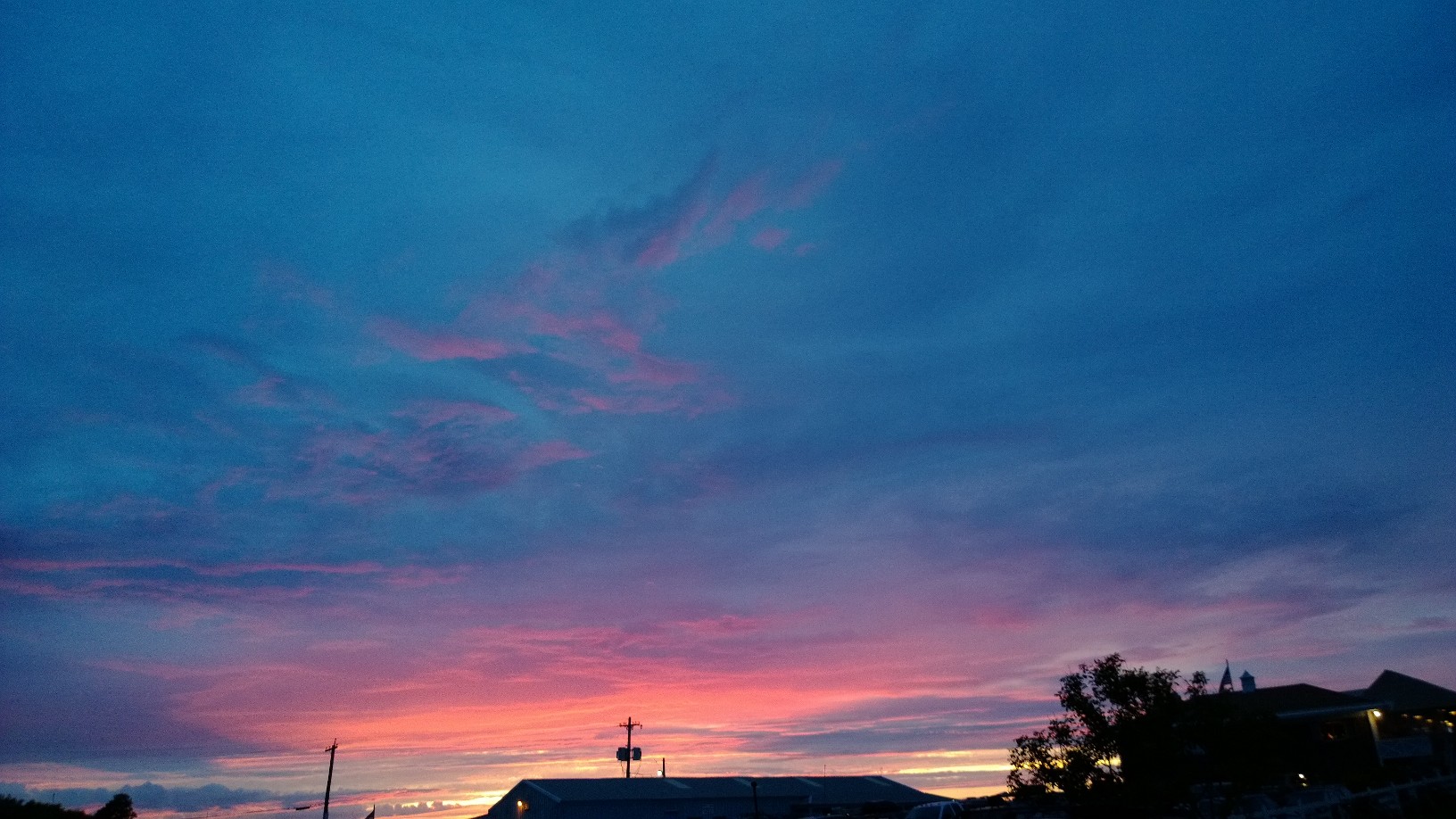
Meanwhile in Rhode Island, a rider was exercising a horse in the early morning, and at night, a rainbow appeared and a lovely sunset.

barking-crab-boston

teaching-ship-Boston-harbor


greenway-garden-july

dewey-square-espresso-cart


horse-on-Lakeside

harbor-rainbow


sunset-bronzes-boats


sunset-3


Read Full Post »
My winter resolution will have to be to find more photo ops when the world isn’t blooming. I’ll have to look harder for interesting shadows and shapes in a black & white world. In the meantime, I sure am enjoying summer picture taking.

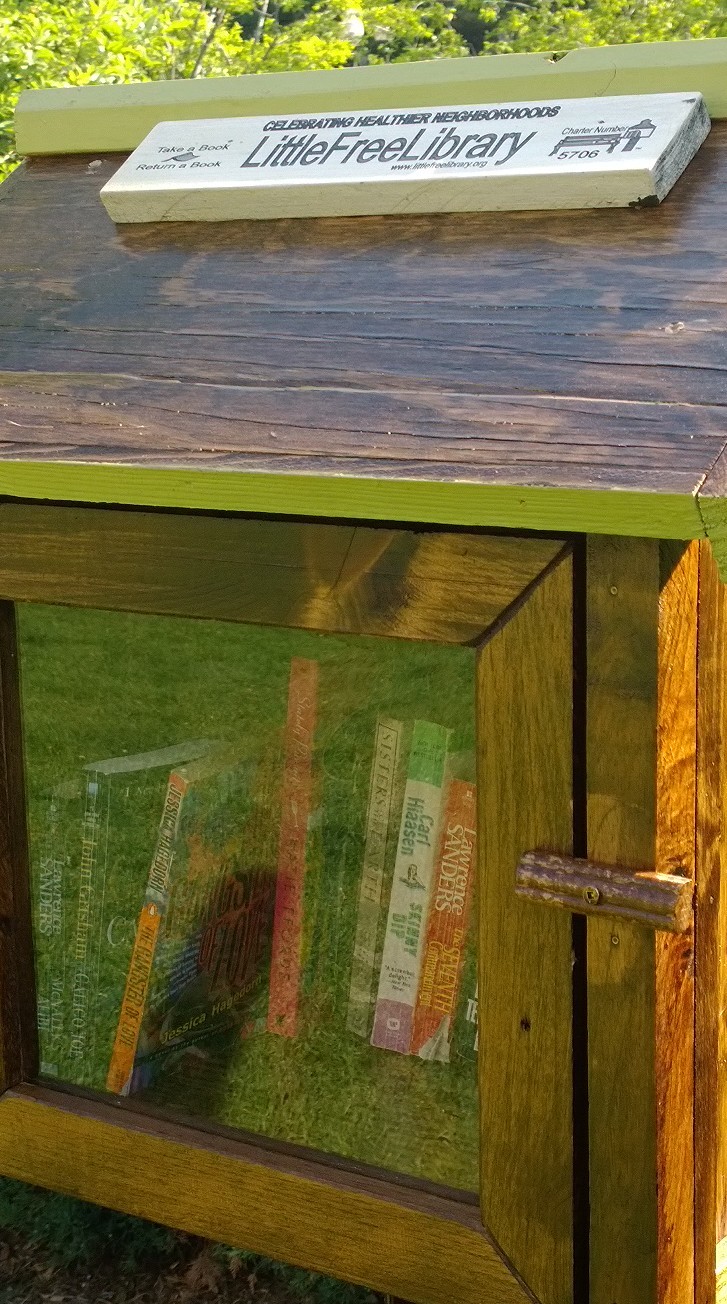
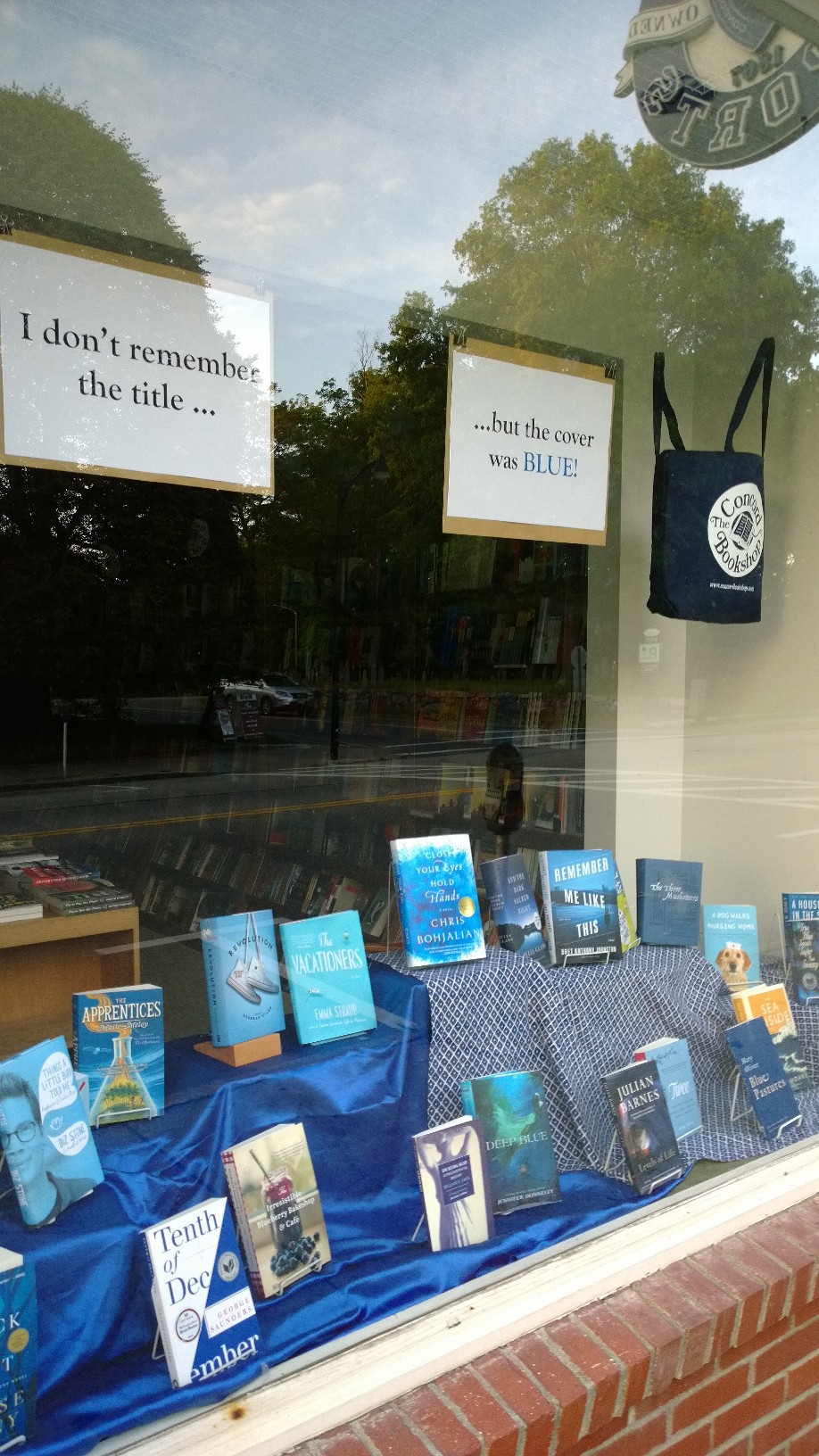
The first photo is of a Little Free Library in the Greenway. (Check out the concept here.) Then there’s the Bookshop window. Can you read the funny signs? They say, “I don’t remember the title … but the cover was blue.”

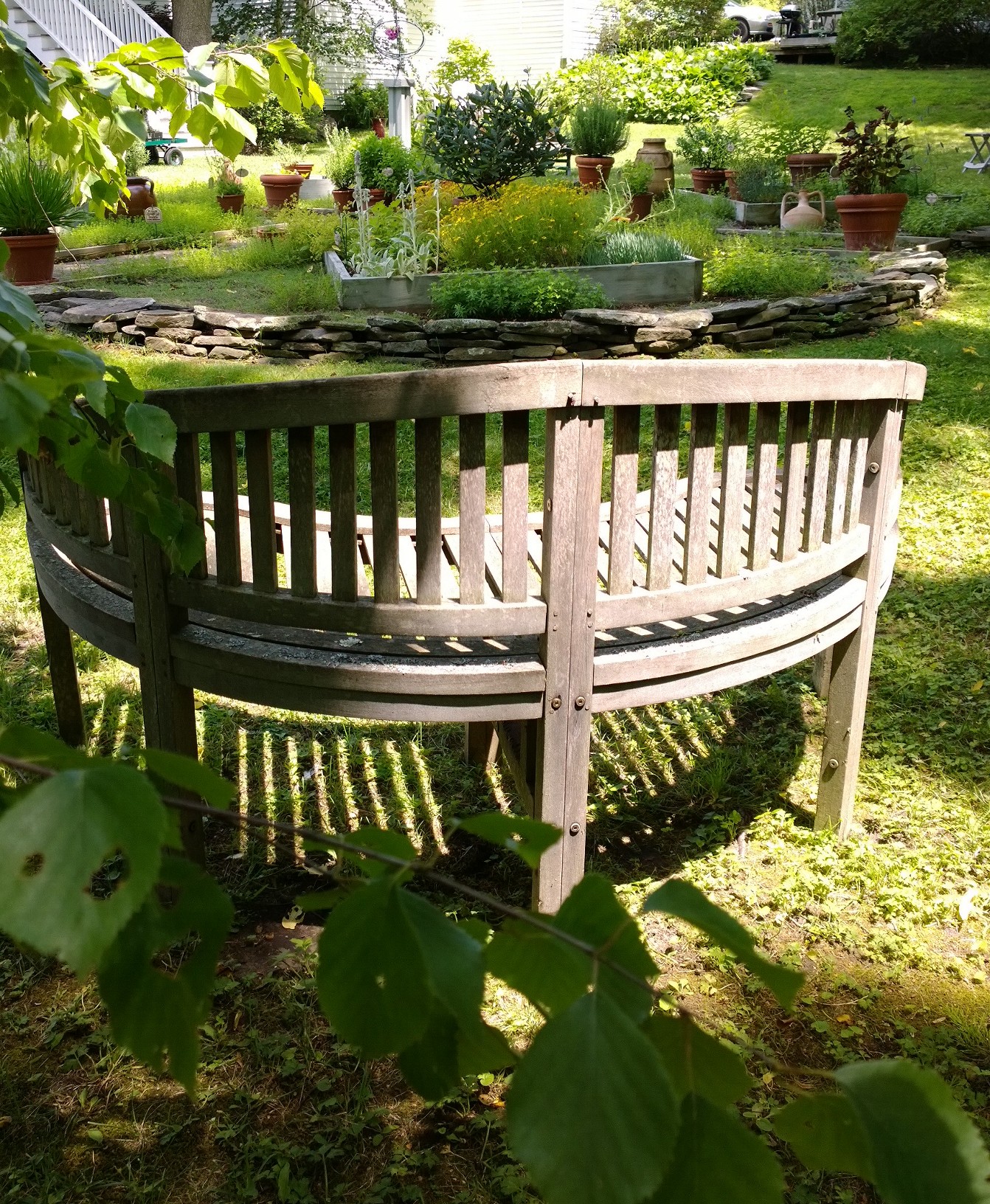
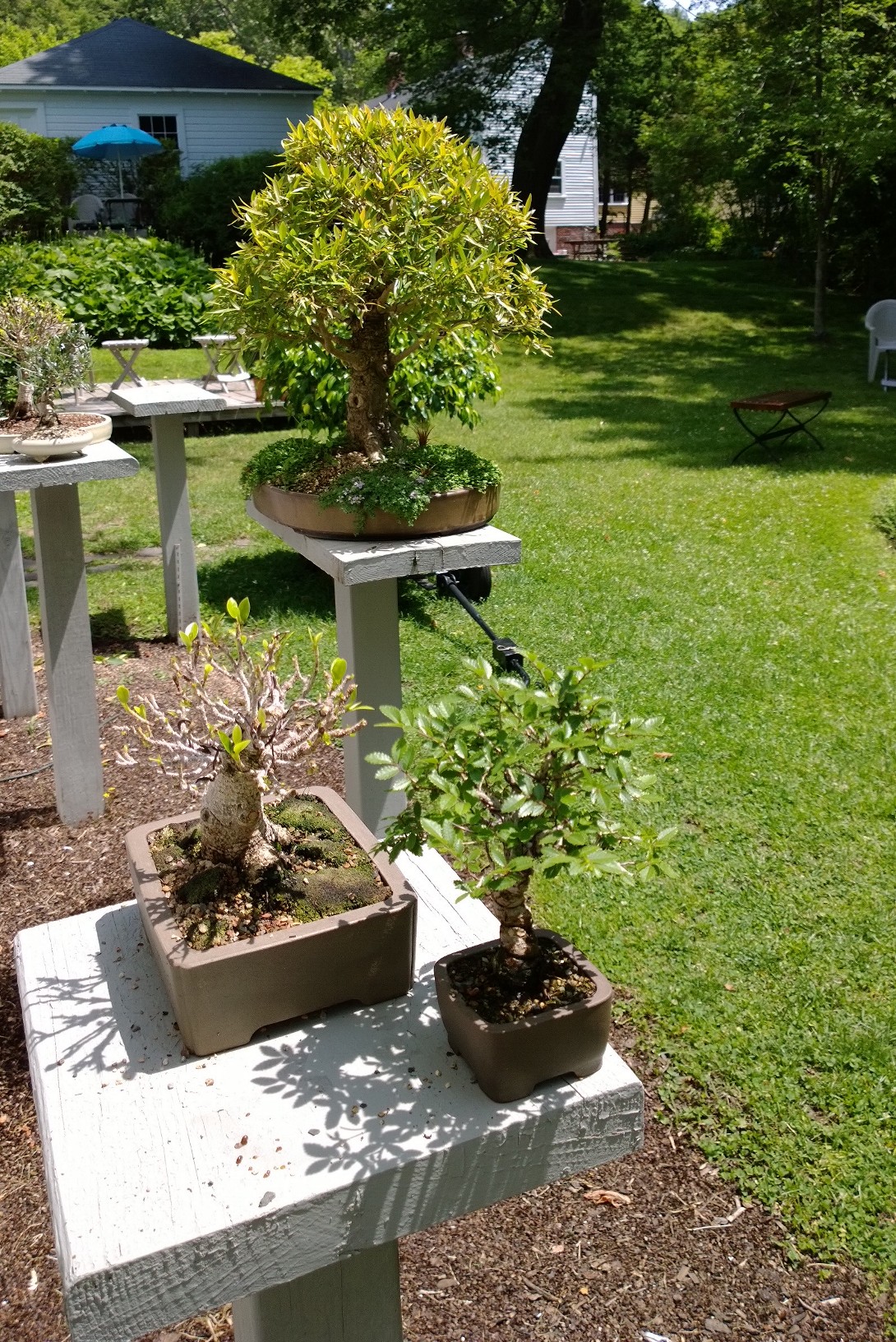
Next is the herb garden behind the church and Doug Baker’s bonsai trees. He once gave a very young Suzanne and her friend Joanna little bonsai trees, admonishing them that the trees had to be as carefully tended as babies. (Alas, the girls were too young to tend babies.)

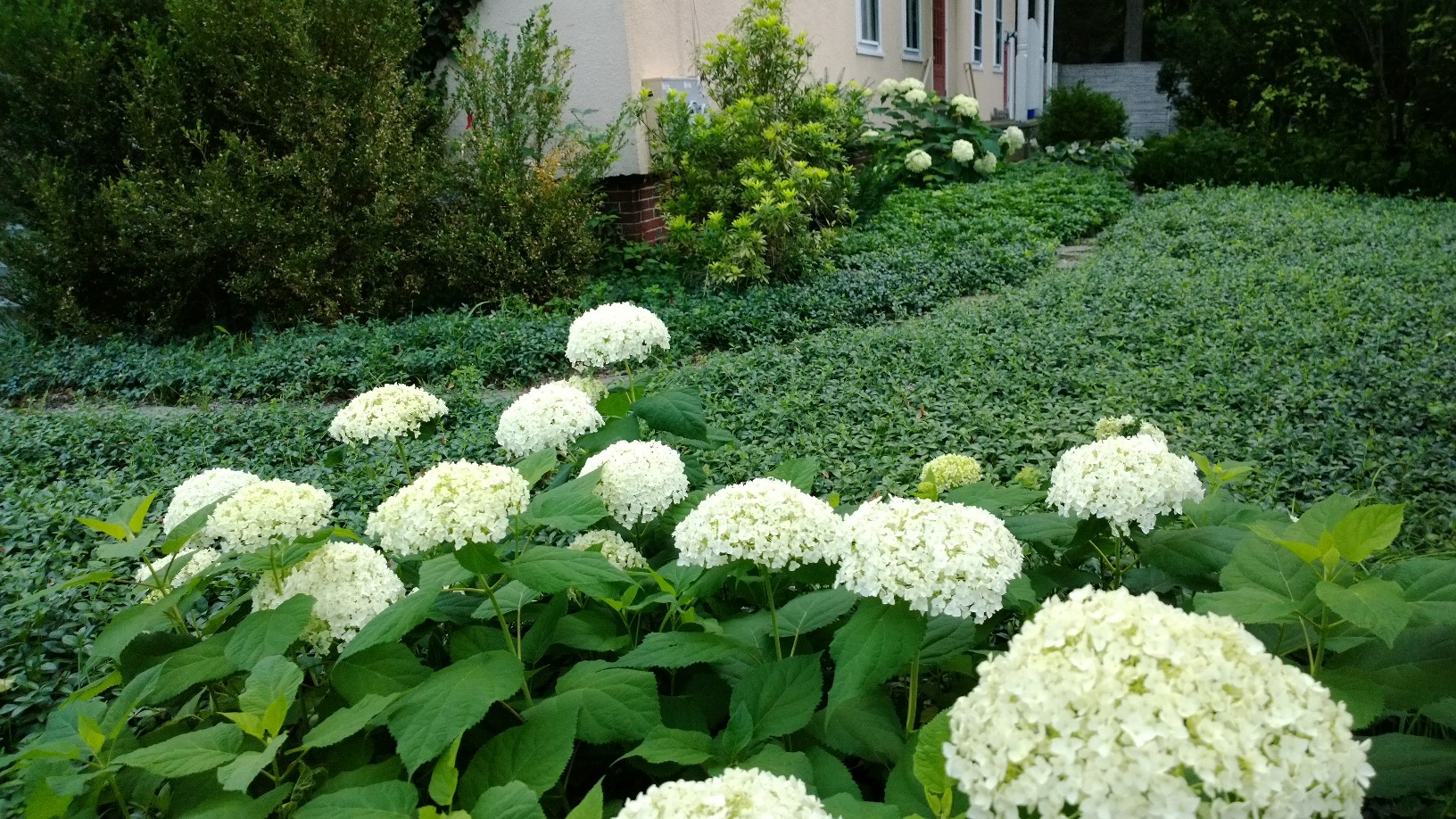
After the planter with the escaping petunias come flowering weeds and hydrangeas on my street.

little-free-library-greenway


bookshop-window


garden-behind-church


Doug-Baker-does-bonsai


petunias-sneaking-out

062914-flowering-weeds


hydrangeas


Read Full Post »
What happens to the buildings, some of them by great architects, after a World’s Fair is over?

Jade Doskow at Jade Doskow Photography wants to save them. She is part of a group that might save at least one.

From her website: “April 2014 marked the 50-year anniversary of the New York World’s Fair, part of which is the iconic New York State Pavilion, designed by Philip Johnson, one of the most revered architects of the last 100 years.

“Famously described by Ada Louise Huxtable as ‘carnival with class,’ the Pavilion is in serious need of renovation before it deteriorates further. In Doskow’s two large-scale photographs of the New York State Pavilion both the grandeur and the decay of this magnificent structure are readily apparent.

“People for the Pavilion (PFP) is a volunteer-run advocacy organization whose mission is to develop a vibrant community around the structure, and to ultimately preserve and develop a sustainable reuse plan for it.” More here.

Musée magazine writes that Doskow’s interest in the afterlife of World’s Fair buildings extends beyond New York: “Onishi Project Gallery presents Jade Doskow’s ‘World’s Fairs: Lost Utopias,’ for the 50th anniversary of the 1964 New York World’s Fair. Her seven-year project captures the memory of the fair by documenting the architecture and grounds left behind. The images hold a melancholy feeling about people and the spaces they no longer use, while displaying the fun atmosphere of the memories retained in these dormant structures.”

See Doskow’s photos of other World’s Fairs, including Buckminster Fuller’s dome in Montreal, here. 

Photo: Jade Doskow
New York 1964 World’s Fair, “Peace Through Understanding,” New York State Pavilion

Read Full Post »
« Newer Posts - Older Posts »