Feeds:
Posts
Comments

Posts Tagged ‘postaday’

Candy creates interactive street art. Her “Before I Die” wall garnered a lot of attention — and contributors. Folks wanted more.

So she decided to create a website explaining in detail how others could replicate the wall.

Here she tells how it all started: “It’s easy to get caught up in the day-to-day and forget what really matters to you. After I lost someone I loved very much, I thought about death a lot. This helped clarify my life, the people I want to be with, and the things I want to do, but I struggled to maintain perspective. I wondered if other people felt the same way. So with help from old and new friends, I painted the side of an abandoned house in my neighborhood in New Orleans with chalkboard paint and stenciled it with a grid of the sentence “Before I die I want to _______.” Anyone walking by could pick up a piece of chalk, reflect on their lives, and share their personal aspirations in public space.

“It was an experiment and I didn’t know what to expect. By the next day, the wall was bursting with handwritten responses and it kept growing: Before I die I want to… sing for millions, hold her one more time, eat a salad with an alien, see my daughter graduate, abandon all insecurities, plant a tree, straddle the International Date Line, be completely myself…  People’s responses made me laugh out loud and they made me tear up. They consoled me during my toughest times. I understood my neighbors in new and enlightening ways.”

Candy’s how-to page reads, in part, “Once you’ve created a wall, you can share your wall here by creating a mini-site! A mini-site is a page where you can post photos and responses and document the story of your wall. It’s super easy to use, absolutely free, and no technical skills are required. Visit the Budapest mini-site to see an example.”

Everything you need if you’re going to create a “Before I Die” wall is here.

Photo: Before I Die

Read Full Post »

This is special.

Joe Berkowitz justifiably sprinkles explanation points at his FastCoCreate report on footage shot by an eagle.

“Eagles are praised for their eyes,” he writes. “Now you can basically see through them.

“It’s a moment of extreme cognitive dissonance when the most patriotic thing you have ever seen in your American life is actually super-French.

“A video featuring GoPro footage shot by an eagle (!!!) soared to the top of Reddit’s video page recently, delighting all who laid eyes upon it. Before anyone watching has the opportunity to shed a tear for the purple mountain’s majesty, etc., though, a caption on the video mentions that this was shot in the Chamonix valley of France’s Mer de Glace.”

To see the beautiful video, go to FastCoCreate, here.

Photo: titaniumdoughnut at Reddit
Eagle in flight, unknowingly taking video.

Read Full Post »

You may recall a past post about the Greenway mural by Os Gemeos, Brazilian twins who had a show at the Institute of Contemporary Art and painted street art around Boston when they were here. I posted pictures of their work-in-progress for the Greenway, here.

Geoff Hargadon photographed the finished work for the Boston Globe, below.

That giant mural is gone now, and Matthew Ritchie is working on the next one. I took a picture of it today and plan to take more for the blog as Ritchie wraps up.

Geoff Edgers at the Globe gives some background on this new piece. “The Institute of Contemporary Art has commissioned British-born Matthew Ritchie, known for using scientific principles to inspire his work, to take over the enormous outdoor canvas.

“Ritchie’s 5,000-square-foot seascape will be installed the week of Sept. 16 and remain up for as long as 18 months.

“The collaboration … is part of a residency for Ritchie that will include a multimedia performance with members of the rock bands The Breeders and The National, concerts at the museum and elsewhere, and a video project to be produced with the ICA’s teen program. But the biggest splash for the public will come on the exterior of the Big Dig ventilation building in Dewey Square.”

Read more at the Globe, here, and at the Greenway site, here.

Photo: Suzanne’s Mom

Matthew-Ritchie-Greenway-art

Read Full Post »

In Sweden, mangata is the word for the roadlike reflection the moon casts on the water. In Finland there’s a word for the distance reindeer can travel comfortably before taking a break: poronkusema. A terrific German word that people familiar with Concord, Massachusetts, will appreciate is Waldeinsamkeit. What do you think it means? Yep. “A feeling of solitude, being alone in the woods and a connectedness to nature.”

National Public Radio staff say:  “Just as good writing demands brevity, so, too, does spoken language. Sentences and phrases get whittled down over time. One result: single words that are packed with meaning, words that are so succinct and detailed in what they connote in one language that they may have no corresponding word in another language.

“Such words aroused the curiosity of the folks at a website called Maptia, which aims to encourage people to tell stories about places.

” ‘We wanted to know how they used their language to tell their stories,’ Maptia co-founder and CEO Dorothy Sanders tells All Things Considered host Robert Siegel.

“So they asked people across the globe to give them examples of words that didn’t translate easily to English.”

I loved this report. You will, too.  Read more at NPR, here.

Art: National Public Radio, “All Things Considered”

Read Full Post »

Today the Boston police honored a homeless man who found and handed in a bag of cash Saturday. The Fort Pointer, @FortPointer, tweeted that the man is often seen sitting on the Summer Street bridge. I realized I had seen him last week.

Peter Schworm and Martin Finucane write about what happened at the Boston Globe: “A humble homeless man who returned a backpack full of cash and traveler’s checks to police said he felt ‘very, very good’ to do it and used a ceremony honoring him at police headquarters to thank all the people who have ever given him money on the street.

“Glen James said, ‘I don’t talk too much because I stutter.’ But he handed out a handwritten statement in which he said, ‘Even if I were desperate for money, I would not have kept even a … penny of the money I found. I am extremely religious — God has always very well looked after me.’ …

“After making his discovery, James flagged down a passing Boston police officer and handed over the backpack. The backpack contained $2,400 in cash, $39,500 in traveler’s checks, passports, and various personal papers, police said.”

For the rest of the story and a short video of the police commissioner giving James thanks, go to the Globe. The honoree listens to Commissioner Davis with the sweetest smile ever.

Photo: Boston Globe
Glen James, honored by the Boston Police for handing it a bag of cash he found.

Read Full Post »

If you saw a sign in a museum saying that the suggested entry fee for students was $8, would you ask if you could pay $2? Would you even ask what the sign meant?

Museums may be taking too much for granted about what people know.

All summer, after classes, Chanel Baldwin hung out in the lobby of the Brooklyn Museum for the air-conditioning. She didn’t understand that the $8 “suggested” student admission was merely suggested. So she got to know intimately the only painting that was in the lobby, and she thought about what was meant by the details surrounding the black man on the horse in “Napoleon Leading the Army Over the Alps,” by Kehinde Wiley.

One day when her cousin was cooling in the lobby with Chanel, NY Times reporter Anand Giridharadas showed up, explaining that they could go through the entrance gate without paying. “No donation today, thank you,” Giridharadas said to the cousins’ astonishment.

“The gates parted,” writes the reporter. “We received green tags to prove our bona fides. … The first room set [Chanel] alight and held her rapt until she had to leave. There was no label too tedious to read, no piece undeserving of her scrutiny. …

“ ‘Look at the detail on it,’ she said of a Fred Wilson mirror, gasping.

“A piece called ‘Avarice,’ by Fernando Mastrangelo, gripped Ms. Baldwin. It appeared from afar like a classic Aztec sun stone. But she got up close. Traced her fingers over it. Went to one side, looked at it; went to the other side, considered it that way. She noticed that the piece was made of corn, and then detected a toothpaste tube, soda bottles and cowboy hats lurking on the surface, all crackling with meaning.

“Watching her,” says Giridharadas, “I realized how the inadvertent exclusion from these rooms must have trained her eyes. … New York is run on the kinds of understandings that kept the cousins in the lobby, with so many places formally open to anyone but protected in their exclusivity by invisible psychic gates.

“Ms. Baldwin suggested a more honest approach, since people tend to think you have to pay: ‘They should just put a sign out telling us that it’s somewhat free.’ ” More here.

Suzanne’s Mom admits that she might not have known the secret code either. But then, she always had the $8.

Photo: Karsten Moran for The New York Times
Chanel Baldwin exploring the Brooklyn Museum after learning that “suggested” when admission fees are “suggested,” that could mean free.

Read Full Post »

John sent two articles about roles that grandparents are playing in children’s lives — in this case, grandmas.

The blog Microtask details Professor Sugata Mitra’s cool insights about the Grandma Effect.

“The theory is that grandmas are good at encouraging kids. They praise them and say things like: ‘Now that is clever dear, I’d never have been able to analyze the molecular structure of DNA all by myself!’ Supervising village children, Indian grandmothers got some impressive results: test scores almost doubled in two months …

“And the next step? The ‘Granny Cloud.’ While working at Newcastle University, Professor Mitra recruited over 200 UK grandmothers as volunteers. Broadcasting via webcam each ‘grandmother’ spends at least an hour a week encouraging classes of Indian school children. Some of the Indian locations are so remote that the Granny Cloud is the only access kids have to education.” More.

The second link that John sent has more on the Granny Cloud. Jane Wakefield writes for the BBC: “Jackie Barrow isn’t a granny yet but as a retired teacher she felt she might qualify for an advert in The Guardian newspaper calling for volunteers to help teach children in India.

“She did, and today, three years on, she is reading ‘Not Now Bernard’ via Skype to a small group of children in the Indian city of Pune.

“They love it and are engaged in the experience as she holds up an Easter egg to show them how children in the UK celebrated the recent holiday.” More.

Good work, Prof. Mitra! (Or as my grandson would say when I manage to attach the bike helmet properly, “Good work, Grandma!”) Everyone knows grandmas are cheerleaders, but Prof. Mitra took it to the next step.

Photo: Three-year-old photographer
Grandma saying, “Very creative camera work, Dear!”

grandma-art-photo

Read Full Post »

If sitting at work is bad for you, try walking at work. That’s what I did today, and I think I’m hooked. I love the “walk station.”

I’ve been to physical therapists for my back off and on for years, and they tell me to get up from the computer every 45 minutes and move. I try to remember. After all, I’ve always known I think better if I walk.

Turns out it’s not just me that shouldn’t sit too long. Lately the news has been full of warnings.

Here, for example, is what Olivia Judson, at the NY Times blog The Opinionator, has to say.

“It doesn’t matter if you go running every morning, or you’re a regular at the gym. If you spend most of the rest of the day sitting — in your car, your office chair, on your sofa at home — you are putting yourself at increased risk …

“You may think you have no choice about how much you sit. But this isn’t true. Suppose you sleep for eight hours each day, and exercise for one. That still leaves 15 hours of activities. Even if you exercise, most of the energy you burn will be burnt during these 15 hours, so weight gain is often the cumulative effect of a series of small decisions: Do you take the stairs or the elevator? Do you e-mail your colleague down the hall, or get up and go and see her? When you get home, do you potter about in the garden or sit in front of the television? Do you walk to the corner store, or drive?” Etc.

Getting back to my workplace: we have three walk stations that we can reserve by sending them an invitation through our e-mail system. I was lucky when I went to the walk station today, because two experienced colleagues were walking and working on the other machines. They explained how you clear the speed setting from the last person, how you raise and lower the work table, how you set your walk speed.

At first I kept slipping backwards, but I think I’ll improve with time, and I’m already signed up to go back there with my laptop on Monday. Too bad we can’t have one all the time.

Photos: Zack Canepari for The New York Times, left; Chris Machian for The New York Times, right
Sitting at a cubicle vs. walking while clicking and talking.

Read Full Post »

People interested in imaginative uses of space to make cities more livable should get over to the Boston Society of Architects on Congress St. before September 29, when an intriguing exhibit closes.

Eight of us visited at lunch today, and the BSA’s marketing director went around the Reprogramming the City exhibit with us pointing out highlights and answering questions.

We saw photos of a lamppost that doubles as an umbrella, a staircase in Hong Kong (below) made into a public lounge, bus stops in Sweden using sun lamps at night, a “low line” community space under a highway (like New York’s high-line concept but under not over), a repurposed parking machine that spits out “tickets” describing how a nearby problem area has been fixed by the city of Boston, street mosaics in Portugal that have a QR code for accessing tourist information, and a Dutch solution to recycling teddy bears and other usable goods curbside for passerby to pick up. The list goes on.

I tried to round up more people to join the excursion, but business meetings at lunch seem to come first. It always surprises me that folks don’t take advantage of cultural activities at lunch: we are surrounded by really nice ones. At least the farmers market is popular. People always have time for that.

More on Reprogramming the City at the BSA website, where you can take an audio tour.

Update 9/18/13 — See some great pictures from the exhibit at the Boston Globe, here.

Photo: Scott Burnham
The Cascade by Edge Design Institute, 2007, Central Hong Kong.
Right, Urban Air by Stephen Glassman, 2010.

Read Full Post »

The Boston Private Industry Council is made up of employers who pulled together in 1982 to commit to helping Boston Public School students get summer jobs, internships, training — and eventually full-time jobs. They get the experience of working, earning money, and adapting to the soft skills needed in a workplace.

I went to the PIC annual event today to see a young friend who was receiving an award along with 17 other students, employers, and mentors.

I had no idea what a big event it would be. Boston Mayor Menino spoke, as did presidents of community colleges and companies. There were great success stories, several seen in this PBS video feature by Paul Solman.

In 2006, my young friend had been rescued by mentors who worked for a PIC program designed for out-of-school youth. After much hard work, he is now attending a highly regarded local college and expecting to graduate in 2014.

Here’s a description of the out-of-school program, one of the PIC’s offerings:

“Young people who are neither in school nor working have few prospects in today’s economy. That is why the PIC works with those who have dropped out of school and those who finished high school without passing MCAS.

“PIC dropout recovery specialists and career center counselors work with these young people to help get them back on track to education and employment. They help young people take the next step by enrolling them in school, GED programs, training programs and jobs.”

Read more.

Photo: http://www.bostonpic.org/programs/out-school-youth

Read Full Post »

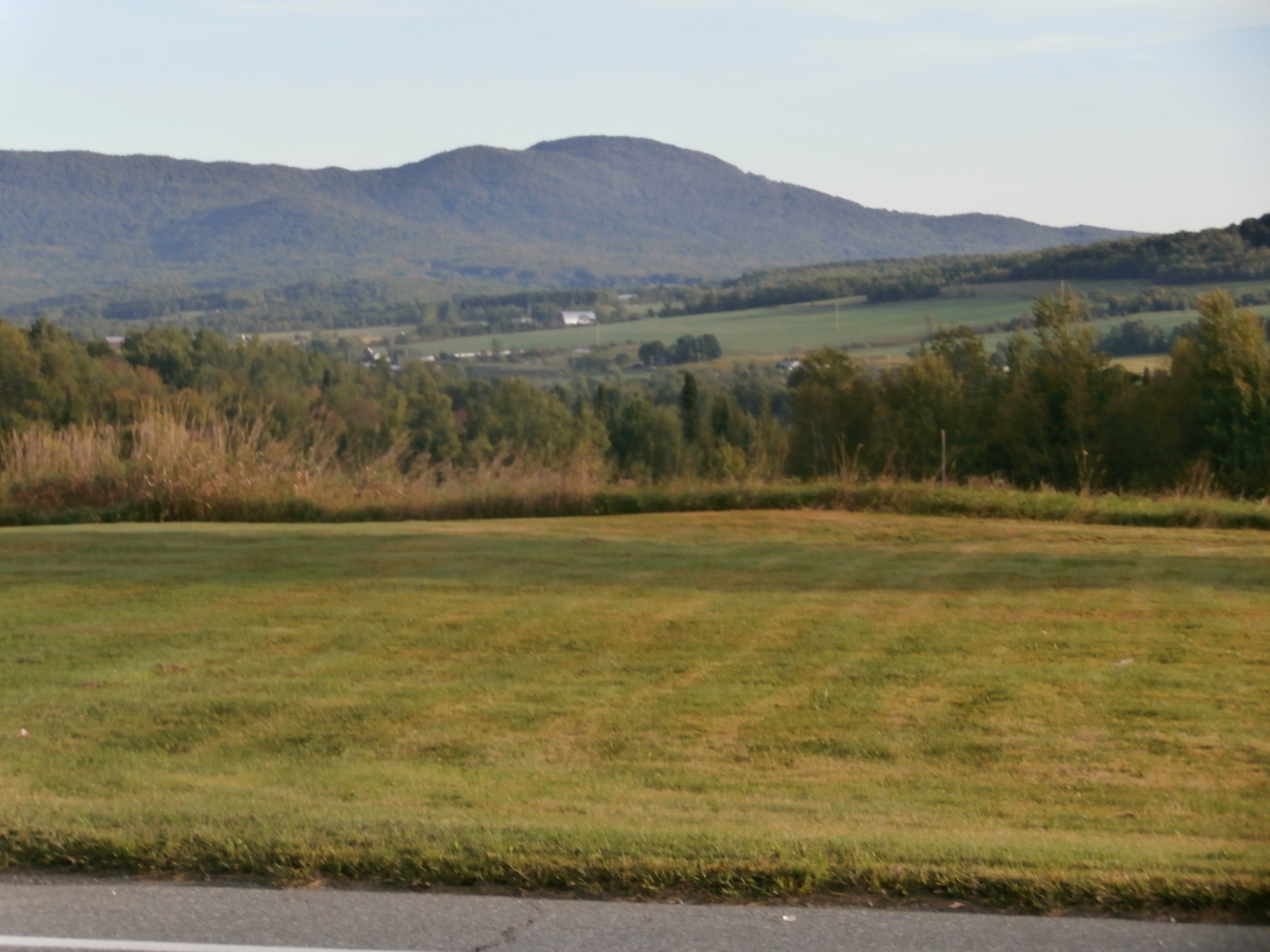
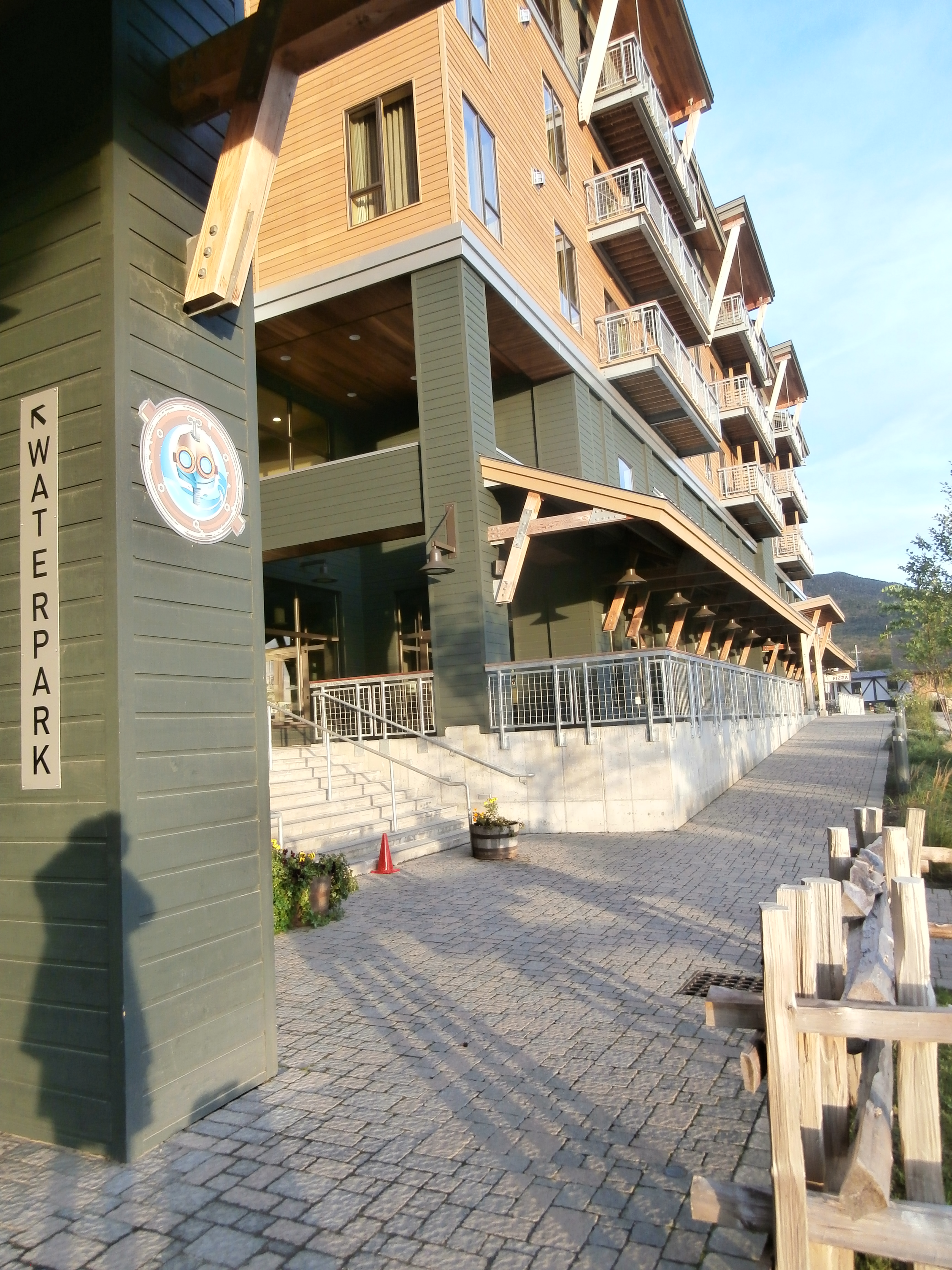
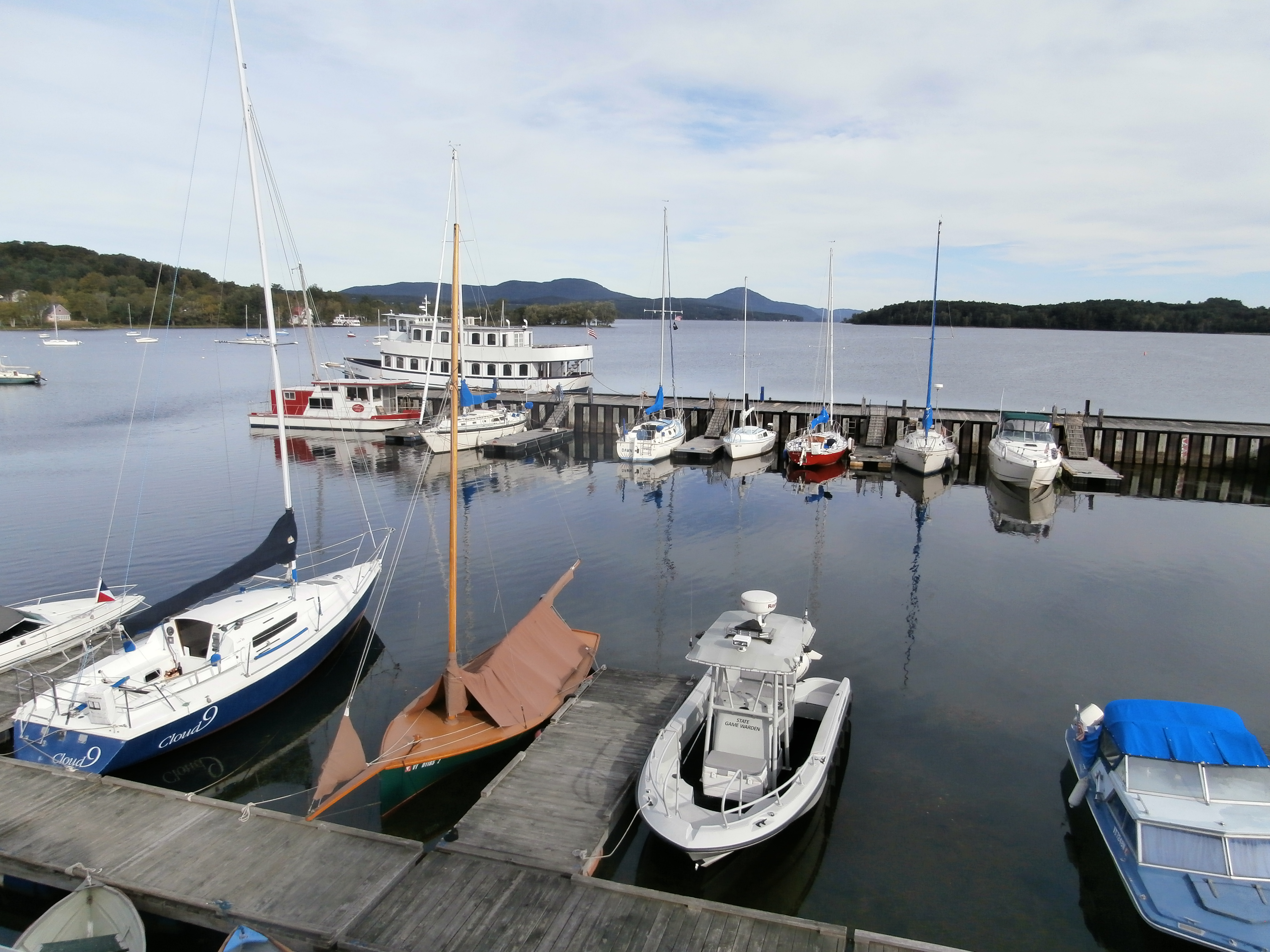
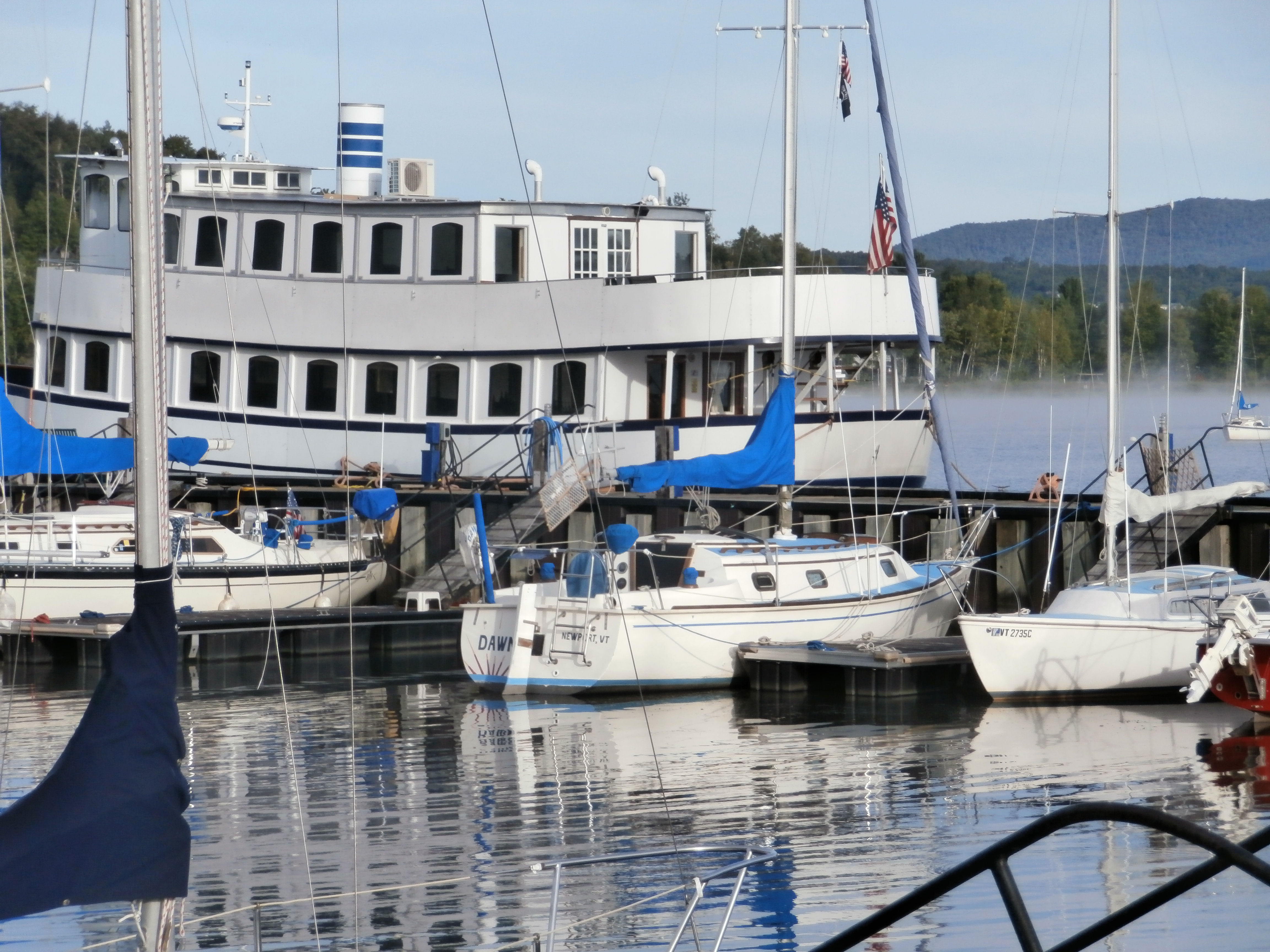
Here are a few pictures from my trip. I don’t think they do justice to the breathtaking Vermont scenery, but you get the idea. Memphremagog, a large lake on the border of Canada, is beautiful. We got a ride on the riverboat pictured here and sat up in the wheelhouse with the captain.

The chalet-like building is at Jay Peak resort.

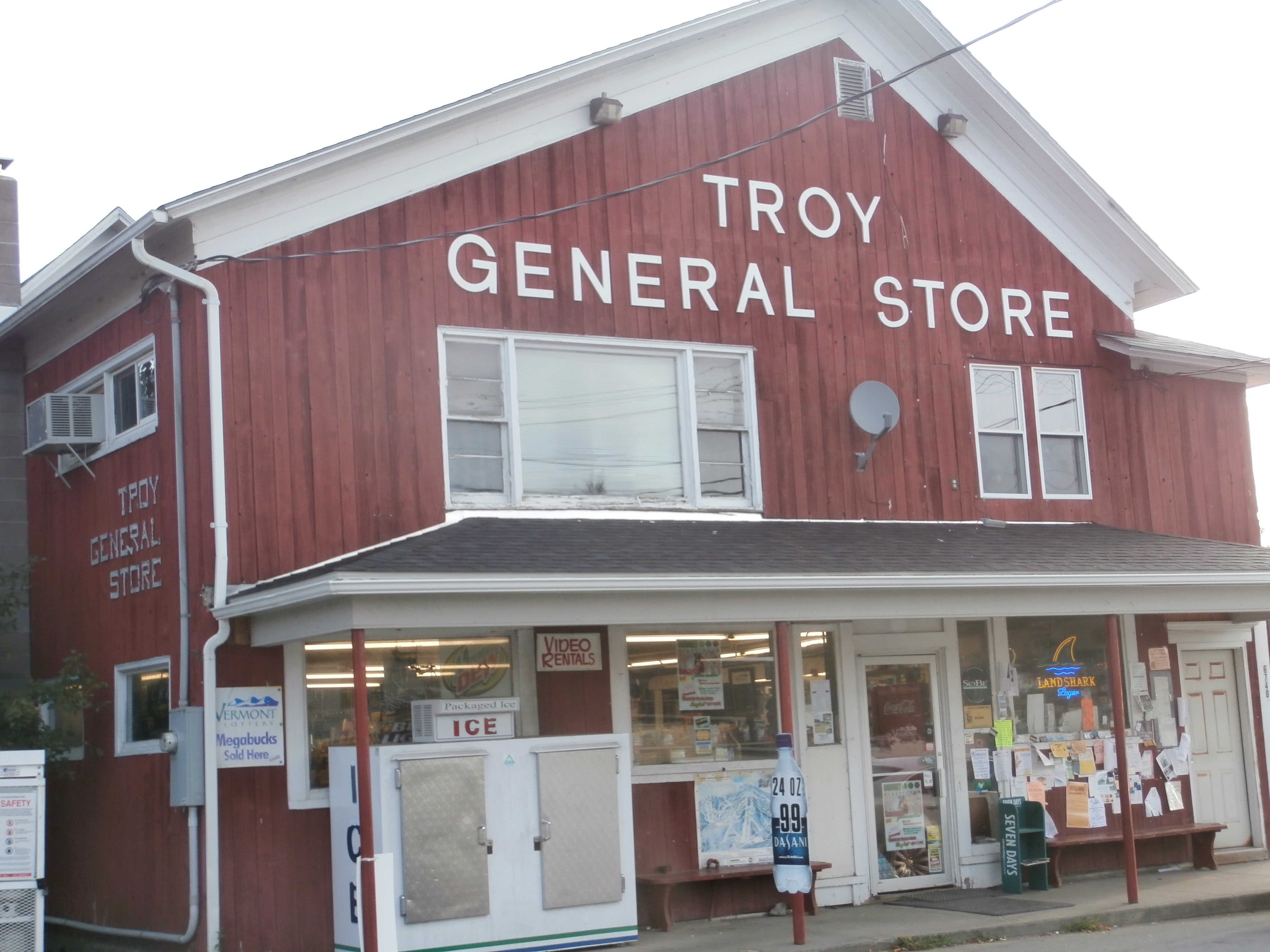
If you should ever happen to pass the Troy General Store, I can tell you that the coffee is 49 cents. Very good, too.

vermont-roadside

jay-peak


coffee-49-cents-vt

lake-memphremagog-090913

lake-memphremagog


lake-mist-newport-vt


Read Full Post »

Newport, Vermont, is way up north near Canada. It’s the southern port of vast Lake Memphremagog, whose name comes from an Abenaki Indian word meaning “beautiful waters.”

Any destination near Canada, as I should have known, means having access to French radio on the drive up, one of many small bonuses. Another bonus was the Northeast Kingdom Tasting Center, which provides shop space for sellers of many Vermont products under one roof. I bought a very nice turkey sandwich there and a bottle of Granny Squibb‘s Unsweetened Black Currant Tea. (I thought Granny might be a local, but the bottle says she’s a “Rhode Island original.”)

Discover Newport blogged about the Tasting Center in June, “The Northeast Kingdom Tasting Center, LLC, has completed its equity financing and will open its doors to the public this summer, announced Managing Partners Eleanor Leger and Gemma Dreher.

“ ‘This is a unique enterprise that we hope can serve as a model for other rural areas, not only in Vermont but in other regions that value their working landscape,’ said Eleanor Leger, the primary leader of the Northeast Kingdom Tasting Center project.

“A total of sixteen individuals and two foundations purchased equity shares in the holding company that purchased the building at 150 Main Street in downtown Newport in September of 2012.  Their equity of $562,000 is being leveraged with $750,000 in financing from Community National Bank and the Vermont Economic Development Authority [VEDA]. …

“Said Gemma Dreher, an early lead investor. ‘The Tasting Center will benefit from all of the changes happening in the Kingdom, but it will also play a key role in keeping our local farms and food producers viable for the future.’

“The building is fully leased to four local food and beverage businesses that feature products from across the region.” More.

You can learn how Newport conducted a visioning process to get input from residents on what they would like their community to be like in the future, here.

And there’s more at Newport’s website, here.

While I was enjoying my turkey sandwich and currant tea, my friends were taking a tour of nearby Jay Peak, which is benefiting from that special type green card that foreign nationals can get if they invest $500,000 in high-unemployment or rural areas. The resort is posh. I don’t think Princess Mononoke would like the loss of woodlands, but I am pretty sure the people getting the new jobs are grateful.

By the way, even if you hate superhighways, the drive  to the Northeast Kingdom, as that part of the world is known, is spectacular — green mountains, rivers, farms, red barns, cows. For all the photo ops, there are not nearly enough places to pull over and capture the autumn asters or the clouds over the mountain over the farm over the river.

Photo: http://discovernewportvt.com/fresh

Read Full Post »

A program in Europe that deals with school dropouts and youth who are in trouble with the law is turning many around.

Katrin Bennhold writes for the NY Times about Dance United. “This is no ordinary dance company. The young people at Dance United have a background in trouble, not ballet. …

“Referred by schools, parents and more often youth services, they train six hours a day for six weeks with professional contemporary coaches in a highly disciplined dance boot camp. …

“On average, 7 in 10 make it onto the stage; of those, 8 in 10 return to mainstream education or work, and more than 3 in 4 do not commit offenses or become repeat offenders. One in 10 even goes on to study dance professionally, with one Dance United graduate, Matthew-Jay Pratt, now in his final year at the competitive Trinity Laban Conservatoire of Music & Dance in London.

“It is one of the most original and successful youth engagement programs in Britain, costing its private and public backers about $3,000 per person but saving society an estimated $128,000 in legal costs and welfare benefits, according to New Philanthropy Capital, a research firm that calculates returns for donors to charity. …

“Dance United started out in the 1990s, working with Ethiopian street children, youths in post-reunification Germany and young Catholics and Protestants in Northern Ireland. …

“Ask Trey what he has learned and he eagerly shows off his favorite move: a long sideways jump, his face and chest turned skyward and his arms wide open.

“But he has also learned about getting up in the morning, even when his mother is still asleep, and how to follow a healthy diet. …

“And Trey has learned about books and the power to take control of your own story.” More.

Read Full Post »

Cultural institutions are getting smaller. And more local.

We wrote about a library in a phone booth here and the Little Free Library here. You can see fully realized short films on YouTube and street art just around the corner.

Now folks in Somerville have launched a museum in a doorway. It’s The Mµseum.

From the website: “Judith Klausner (Co-Founder, Curator) is a Somerville MA artist with a love for small, intricate, and overlooked things. She first dreamed up the Mµseum in 2010, as a way to combine her love of  serious miniature art with her passion for making art accessible, and her conviction that New England arts institutions should show the work of New England artists. Three years (and a lot of planning) later, she is delighted to see it become a reality. … Contact Judith at judith@themicromuseum.com.

“Steve Pomeroy (Co-Founder, Engineer) is a programmer and a builder, both by profession and by nature. He’s largely responsible for the engineering behind the Mµseum, from the solar-powered miniature track lighting to the 3D-printed doric columns and laser-cut façade typography. He formally studied computer science at the Rochester Institute of Technology where he discovered a love of communication protocols and formal computer languages. Contact Steve at steve@themicromuseum.com.”

WBUR had a story on the micro museum here.

There is something childlike and innocent about miniature enterprises. Didn’t you always think as a child you could take a few toys and tea cups and bags of flour and new sponges from around the house and set up a table on the street as an authentic store? You thought, Why not? Just do it.

I get a kick out of people just doing it.

Photo: Mara Brod, http://marabrod.com/fineart.html

Read Full Post »

It was good to have a little lawn when Suzanne and John were kids, but we gave up the hassle after they grew up. In place of a lawn we have a lovely ground cover called vinca. In spring the yard is entirely purple.

On the East Coast as fall approaches, many homeowners are thinking about taking advantage of cooler weather to rev up their lawns. But in the Southwest there’s a concerted effort to move away from the green carpet.

Ian Lovett writes at the NY Times that since 2009, Los Angeles “has paid $1.4 million to homeowners willing to rip out their front lawns and plant less thirsty landscaping.

“At least the lawns are still legal [there]. Grass front yards are banned at new developments in Las Vegas, where even the grass medians on the Strip have been replaced with synthetic turf.

“In Austin, Tex., lawns are allowed; watering them, however, is not — at least not before sunset. Police units cruise through middle-class neighborhoods hunting for sprinklers running in daylight and issuing $475 fines to their owners.”

In Las Vegas “in the last decade, 9.2 billion gallons of water have been saved through turf removal, and water use in Southern Nevada has been cut by a third, even as the population has continued to grow. …

“The idea that extensive grass lawns are wasteful has now taken hold with many people in this region, especially the young and environmentally conscious.

“And municipalities, hoping [the] savings can be expanded, have tried to entice more residents to dig up their lawns by offering more money. Last month, Los Angeles raised its rebate to $2 from $1.50 a square foot of grass removed. Long Beach now offers $3 a square foot.” Read more here.

Photos: Monica Almeida/The New York Times
Top, Flowering artichoke plants in Mitch and Leslie Aiken’s drought-tolerant yard in Pasadena, Calif. Below, the couple survey the effect of desert plantings.

Read Full Post »

« Newer Posts - Older Posts »