Feeds:
Posts
Comments

Posts Tagged ‘rhode island’

Photo: John Ydstie/NPR
Apprentice industrial clerk Henrik Tillmann assembles a valve for a commercial aircraft galley kitchen at Hebmuller Aerospace near Dusseldorf, Germany.

The old-time way of learning a trade — by working as a low-fee apprentice for a few years — never completely died out and remains the reason Germany is a manufacturing powerhouse.

In the second of three reports at National Public Radio (NPR), John Ydstie explains.

“Manufacturing accounts for nearly a quarter of Germany’s economy. In the U.S., it’s about half that. A key element of that success is Germany’s apprenticeship training program.

“Every year, about half a million young Germans enter the workforce through these programs. They provide a steady stream of highly qualified industrial workers that helps Germany maintain a reputation for producing top-quality products.

“Henrik Tillmann is among the current crop of young apprentices. The 19-year-old is training at Hebmuller Aerospace to be an industrial clerk, which qualifies him to do a variety of jobs from materials purchasing to marketing. Each week he spends three-and-a-half days at the company’s production center, and a day and a half at a government-funded school. Before he can become a clerk, though, Tillmann must first learn how to build the valves Hebmuller sells to aerospace companies.

“He will be a better clerk, says his boss, Axel Hebmuller, because he’ll know the valves inside out when he describes them for customers. …

“Hebmuller says only 3 of the 16 people who work for his company went to university. …

“Felix Rauner, a professor at the University of Bremen, says … the U.S. approach to vocational education has been ineffective partly because it’s often not directly connected to specific jobs at real companies.

“Also, says Rauner, U.S. society has stigmatized vocational education, so most American parents see college as the only path to status and a good career for their children. Rauner says there’s a troubling trend in that direction in Germany, too. But, in Germany there’s still lots of prestige attached when someone, trained through apprenticeship, achieves master status.”

In the US, entrepreneur and philanthropist Gerald Chertavian had to pretty much reinvent the wheel for his nonprofit Year Up, building partnerships with companies to give his organization’s young adults serious internships. The internships are not quite apprenticeships but they lead to real skills and real jobs. Year Up’s expansion around the nation is proof of the pudding.

I’m also familiar with a genuine US apprenticeship effort in Rhode Island. Led by Andrew Cortés, founder of Building Futures and Apprenticeship Rhode Island, it produces the skilled construction workers that employers look for.

For more on Germany’s approach, click here.

Read Full Post »

Under gray skies or sunny skies, I never tire of the beauty of Rhode Island and Massachusetts. Most of the photos are mine, but three were courtesy of Bo Zhao, Suzanne, and my husband.

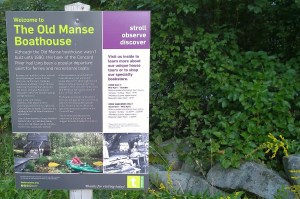
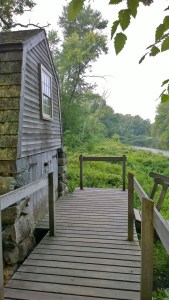
We start off with the boathouse that is near the Old Manse and the famed North Bridge in Concord. You can see that the grasses at Minuteman National Park are changing into autumn attire.

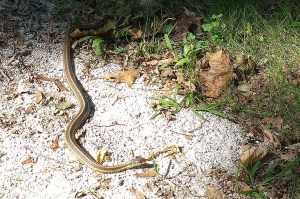
On a morning walk, I saw a happy little snake where the bike path meets Sleepy Hollow Cemetery. I think it was a garter snake.

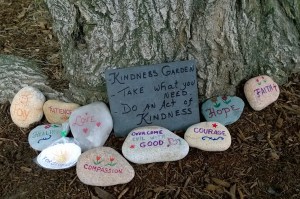
The Kindness Garden was on Blackstone Boulevard in Providence. The last time I walked by, I saw that people had taken whatever they needed of kind words, and there were only a couple left.

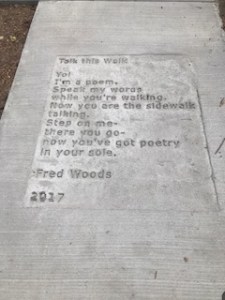
The picture of the sidewalk poem in Cambridge was taken by Bo. I wrote about that initiative here.

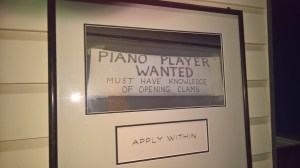
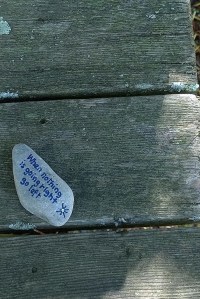
The photo of the beautiful message on New Shoreham’s Painted Rock was taken by Suzanne. And my husband snapped the funny Help Wanted sign at Summer Shack. I sent it to my cabaret-artist pal Lynn, who wrote back

Another [clam] openin’
Another show
My hand is bleeding
Please stanch the flow
The tips are fine
But my nails don’t grow
Another openin’ of
Another show

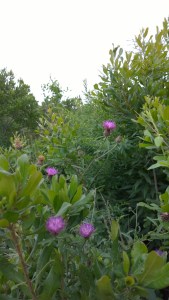
The purple flower is called Blazing Star, and it’s native to New Shoreham.

091417-near-Old-Manse-Concord

091517-sign-for-boathouse-ConcordMA


091517-Old-Manse-boathouse

091517-rude-bridge-that-arched-the-flood


091417-September-colors-Minuteman-Park

091317-snake-in-cemetery


090617-Kindness-Garden-Blackstone-Blvd

090917-Bo-Z-took pic-of-sidewalk-poem


090117-painted-rock-photo-by-S-Wernevi

090917-summer-shack-seeks-piano-player


082917-blazing-star-RI

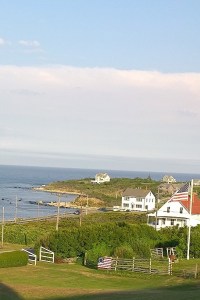
082917-Mohegan-Bluffs-RI


Read Full Post »

People I know are feeling wistful now that kids are heading back to school and the most beautiful days of the year have a strong hint of autumn in them.

But it’s still summer, and we should enjoy it (while also sending good vibes and more tangible support to hurricane victims in Texas).

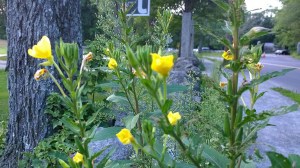
The first of today’s photos is a Narrowleaf Evening Primrose. It took quite a Google search to find the name of this wildflower/weed. It usually blooms in our area toward the end of summer.

Again this year I tried to capture the progress of the exotic lotus blooms in a neighbor’s pond, but for some reason the full flowers I saw just hung their heads in a dispirited way, and I never got a good shot of the final glory.

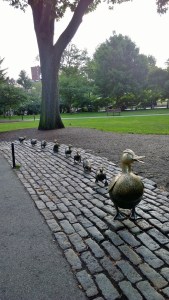
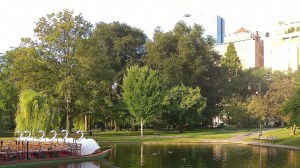
I have been in both Rhode Island and Massachusetts as usual. I got to the Public Garden in downtown Boston, as you can see from the photo of Mrs. Mallard and the kids — and the shot of the swan boats at rest.

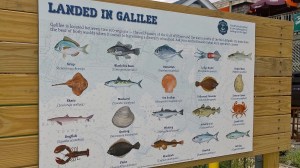
Other than that, lots of tempting shadows indoors and out. And a new fish-identification sign in Galilee promoting fish from Rhode Island fishermen.

417-Narrowleaf-Evening-Primrose

82017-shadows-blowing


081917-lotus-blooms-and-showerheads

082017-lotus-opening


082017-BI-Greenway-stile

082617-lakeside-sculpture-RI


082517-fish-sign-Pt-Judith-RI

082517-Mrs-Mallard-Boston


082517-swan-boats-Boston

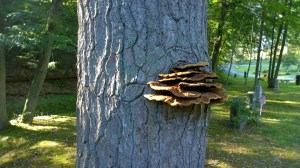
082417-graveyard-fungus


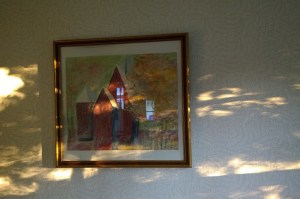
082417-shadows-enter-the-painting

Read Full Post »

I had a kooky friend in high school who claimed she could analyze you from your description of your favorite scene. At first, I described something sunny with flowers and little brooks and birds singing in trees. Her analysis: I was conventional, appreciated safety.

I was offended and said I had other favorite scenes. I described a stormy ocean with huge waves and dark clouds racing above, driftwood tossed on a rocky shore. She didn’t want to accept that one. She didn’t believe it. Added that I sounded like I had a split personality.

All of which is to say that I do like both kinds of scenes but that for taking pictures, I really prefer sunlight. Here are a few recent photos. Mostly sunny, mostly Rhode Island.

I have a favorite here. It is not perfect by photographer standards, but I love it. Can you guess?

http://www.haroldlopeznussa.com/

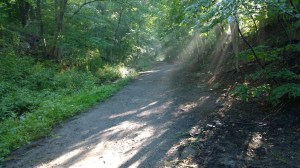
072817-sunlight-streaming-ConcordMA


081217-lotus-on-Lakeside-Drive

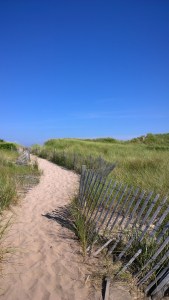
081317-dune-path-New-Shoreham-RI


080817-acorns-Blackstone-Blvd-RI

081217-lichen-on-tree-New-Shoreham


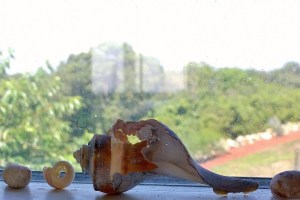
081317-see-through-whelk-shell

081617-turtle-on-Painted-Rock-BI


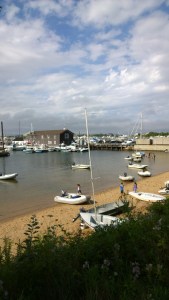
081417-New-Harbor-boats

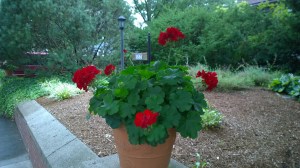
081517-red-geranium-rhode-island


Read Full Post »

080517-Amy's-stand-BI-Farmers-Market.jpg

Aren’t these bouquets splendid? They’re from a stand at the farmers market. In addition to flowers, Amy sells a wide array of produce — one of the few vendors who do, as the farmers at the market have gradually been outnumbered by New Shoreham artisans and bakers.

The porch photo was, I fear, an unsuccessful attempt to capture the full magnificence of two Rose of Sharon bushes in Providence.

The grandchildren don’t put a price on their lemonade. It turns out that when you just ask for donations, you make out like a bandit. More money for toys and for your donation to conservation.

Next are photos of the weed mullein, which looks so pretty when it blooms, and Queen Anne’s Lace growing alongside the corn at the Spring House. The long shots are from the Narrangansett Hotel on New Harbor and the Spring House.

Conserfest (Music on a Mission) was held at the former on August 5, and what a great concert and conservation fest it is! Organized by music lovers and performers who are part of the next generation of conservationists, it encourages you to “Embrace Your Place” wherever you live and take care of the natural envionment. It’s really the young who are going to save the planet, I think. Follow this group on Facebook, here.

073117-rose-of-sharon-8pm

073017-lemonade-stand-Rhode-Island


080217-mullein-block-island

080517-QueenAnneLace-and-corn-tassels


080517-New-Harbor

080517-view-from-Spring-House


080517-BI-Conserfest

080517-never-enough-sunflowers-New-ShorehamRI


Read Full Post »


Providence resident Stewart Martin’s passion for science and art have informed his work to promote urban gardening and composting.

My husband and I have a compost pile in Massachusetts (with a naughty mystery squash reaching out to strangle our neighbor’s lilac), but we are not brave enough to compost food scraps as there are too many animals around. I think if I lived in Providence though, I’d try a food-composting service and reduce my contribution to landfills.

In a recent edition of ecoRI News, Abby Bora interviewed Stewart Martin, a Providence entrepreneur who has perfected the art of urban composting and now offers his skills to others through Providence GardenWorks.

“Martin and his wife, Adrienne Morris, moved to Providence 15 years ago from New York City.

They were looking for a yard and fresh air, along with the bustle of a city. Providence was the perfect place. …

“Martin and Morris decided to replace their shrubs and perennials with veggies. To grow his skills, Martin trained through multiple gardening and composting programs. He has earned numerous certifications, including becoming a tree steward with the Rhode Island Tree Council and a University of Rhode Island master gardener.

“Martin said that in the past 14 years, his family hasn’t contributed even a cup’s worth of food scrap to landfills.

“ ‘We’re throwing away gold,’ he said, when food scrap is casually discarded.

“Compost — recycled food scrap, among other organic ingredients — contains many necessary soil nutrients that are valuable in fighting soil depletion. When not composted, organic matter rots in landfills, creating heat-trapping greenhouse gases such as methane. …

“Providence GardenWorks provides installation and training to urban gardeners and composters. For his composting clients, Martin installs an outdoor, animal-proof compost machine, and teaches them how to use it. He also provides a stainless-steel food-scrap pail, carbon filters, aerator, and a full bag of shredded leaves to begin the composting process. After installation, he offers technical support over the phone, via e-mail and on-site for six months. …

“While local organizations are working toward better food-scrap management, Martin wishes the city of Providence would commit to initiatives like the food-scrap collection program run by the city of Berkeley, Calif. … ‘The myriad benefits are well documented and it’s not rocket science. No one has to reinvent the wheel here.’ ”

More at ecoRI News, here.

Read Full Post »

I find that I prefer taking photos in sunlight — there’s a better chance of getting the shadows I love.

Does the sun shine more in summer? Perhaps I’m just outdoors more. In any case, there seem to be more photo ops in summer. Here are several recent pictures from my travels back and forth between Rhode Island and Massachusetts.

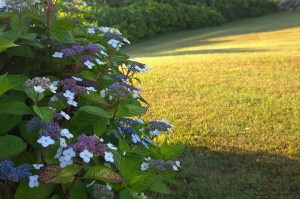
Any favorites? I especially love the long, early-morning shadows behind the blue Lace-Cap Hydrangea. And I can never resist mysterious messages sent out onto the world as if by UFO.

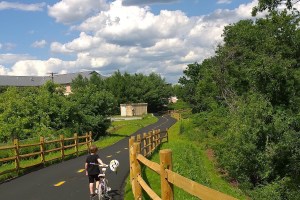
That’s Suzanne’s son surveying the new section of the bike path as he learns to ride using training wheels first.

062117-message-on-bench

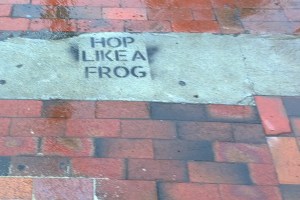
062417-sidewalk-sayings


062917-A-Face-in-the-Gutter

062417-RI-anchor-Hope


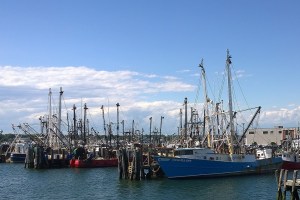
062517-Pt-Judith-fishing-boats

062617-young-biker-Providence


062517-there-will-be-blackberries

062417-public-sculpture-Providence


070317-lace-cap-and-long-shadows

070217-Fresh-Pond-New-Shoreham


070417-clouds-over-Mohegan-Bluffs


Read Full Post »

Art: Neal Personeus
This humorous piece, exhibited in 2015 at the Block Island Airport, is called “Yeah … but the view.”

People know Rhode Island for its beaches, its cuisine — and, of course, its arts. Perhaps the cluster of arts activities started with the Rhode Island School of Design. Perhaps people who attended RISD stayed around after graduation. It’s hard to say.

But there is no doubt that the state saw what a treasure artists were and decided to create incentives to get them to stick around and contribute.

Dustin Waters has details in Charleston City Paper.

“Little Rhody has become a powerhouse when it comes to attracting artists and art lovers to its shores. And the method by which state leaders have leveraged Rhode Island’s tax code to benefit the creative community could serve as a model for other states looking to cultivate a stronger arts economy.

” ‘When artists populate an area, it tends to get energized,’ says Randall Rosenbaum, executive director of the Rhode Island State Council of the Arts.

“Targeting specific neighborhoods in need of revitalization, Rhode Island’s General Assembly realized that an excellent way to breathe life into these areas was to foster the growth of arts in these communities. Establishing designated arts districts throughout the state in 1996 with the goal of attracting and keeping talented artists, state leaders offered two tax incentives for artists who were willing to live and work in these districts, according to Rosenbaum.

“First, all works of art created in these districts could be purchased exempt from state sales tax. This tax break extended to dealers, galleries, and shops within each district. …

“The second benefit proved to be a major boon. [Income] received by artists from work produced and sold in a designated arts district was exempt from personal state income tax. B…

“Finally, in 2013, the Rhode Island General Assembly extended the sales tax incentive throughout the entire state. This decision came after a meeting between artists, politicians, and businesspeople who saw the plan as a way to turn the state’s creative community into an economic driver. …

“In a 2015 report to the Rhode Island General Assembly prepared by the Rhode Island State Council of the Arts, participating artists were surveyed to find out how they felt about the first year of business under the state’s new guidelines. Not surprisingly, the general consensus among the artistic community was positive.

“Almost 58 percent of artists surveyed reported that their sales increased from the previous year before the sales-tax exemption was instituted. …

“While Rhode Island hopes to spread the news about the state’s arts incentives, it wouldn’t be a bad idea for more states to start taking better care of their artists — before all the local creatives start heading up to Providence.”

More here.

Hat Tip: ArtsJournal.


Read Full Post »

How did we get halfway through May already? It’s time to mention I’ll be taking my first break in six years between May 26 and June 6. We’ll be in Sweden. I’ll try to blog, but you never know.

It sure will feel strange not to post. I have put something up on this site every day since May 2011!

But before I leave, I have other things to share, including today’s photos. The first two are from the giant mural in Dewey Square, Boston — the latest in the Greenway’s ongoing series. The featured artist this time is Mehdi Ghadyanloo from Iran, where he is known for upbeat murals.

The next photo shows a WPA mural in the Arlington, Mass., post office. John pointed me to it after he saw my recent post “Hunting Down WPA Art.”

Then comes another of my shadow photos. Can’t resist shadows. That one is followed by tree-stump mushrooms and dogwood. Can’t resist mushrooms either.

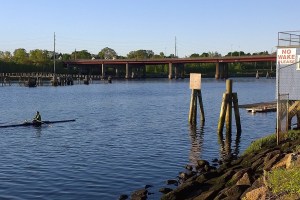
The four Providence photos that follow attest to the fact that the city finally experienced a sunny Tuesday morning (the first since February). Blackstone Park is the location of the Indian shelter and the fallen birch tree with the mysterious yellow plastic strips (art?). Nearby was a wondrous carpet of pink petals and an early rower on the Seekonk River.

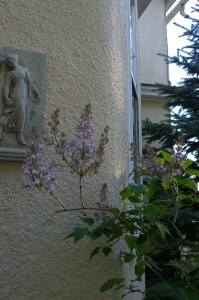
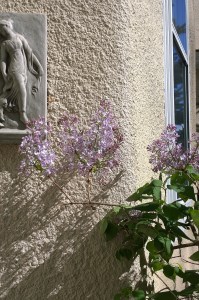
Finally, I wanted to show you my lilac progression. With muse.

042817-Greenway-mural-Boston

042817-Iranian-artist-Mehdi-Ghadyanloo


042917-WPA-mural-in-ArlingtonMA-PO

051117-can't-resist-sun-and-shadow


043017-mushrooms-on-stump

051217-feathery-dogwood-and-garage


051217-feathery-dogwood-and-garage

051617-fallen-birch-art


051617-carpet-of-petals-Providence

051617-sculling-on-the-Seekonk


042617-lilac-and-lady-1

050317-lilac-and-lady-2


050617-lilac-and-lady-


Read Full Post »

The New York Times headline about snowboarders in Rhode Island said the state was “powder poor.” Not this weekend! Rhode Island is snowed in.

Everything else about the article is probably true since the Times is known for pretty good fact checking.

Matt Ruby reports, “Five miles from the beaches of Narragansett, somewhere between Vail and Zermatt, there are 28 skiable acres. They don’t cover a mountain, just a modest hill that gets about 34 inches of snow a year. That slope is the unlikely canvas for a collection of snowboarders whose wild imaginations have earned them more cachet than many of the sport’s most accomplished athletes.

“The place is the Yawgoo Valley ski area, and the snowboarders call themselves the Yawgoons. They’re the equivalent of a world-beating beach volleyball team based in Saskatoon.

“In a sport where bigger, higher, longer, and more spinning and flipping define the boundaries, the Yawgoons get creative. They use the natural terrain (rocks, trees, grass) as well as the unnatural (buildings, snowcats, pipes) to construct landscapes with one I’ve-never-seen-that-before feature after another. Then they shoot video of their runs and let the snowboarding world watch in awe. …

“Everyone has seen video of snowboarders roaring down the steepest, snowiest descents in Alaska and Switzerland. Somehow, watching a Yawgoon land a backside 180 to switch 50/50 while gliding down six corrugated tubes is even more impressive. …

“I had seen their videos and wanted to see the terrain for myself and meet the Yawgoons — Brendan Gouin, Marcus Rand, Dylan Gamache and Brian Skorupski. … The ski area — the only one in the state — had been open for only a few days this season, but the group was eager to produce its next video. …

“ ‘We are just mad lucky to have that little place there,’ Rand [said]. ‘It’s so random, this far south in Rhode Island.’ Rand, a 29-year-old from Narragansett, has been coming here since he was 2. He works as a mason.”

Read more about him and the other Yawgoons at the New York Times, where you can also see some nice action videos.

Photo: Snowboarding

Read Full Post »

Sam Lubbers, a veteran, was homeless off and on for many years. Today he is living in an efficiency apartment in a renovated mill and enjoying the stability and hope that comes with housing. I interviewed him for the 2015 Rhode Island Housing annual report. (Check out the pdf. I was the first writer on most of the other interviews, too.)

When Sam moved into his new quarters, G. Wayne Miller at the Providence Journal filed this report on Rhode Island’s long-term goal.

“Since Rhode Island was selected a year ago as one of just five states to participate in the Zero: 2016 program — a national initiative spearheaded by the New York-based non-profit Community Solutions — 163 homeless veterans have been housed, according to the Rhode Island Coalition for the Homeless. …

” ‘It’s really all about the collaboration, communication and advocacy for these men and women,’ said David Gendreau, a veterans’ case manager for The Providence Center, a partner in Zero: 2016 and operator of a comprehensive housing program for veterans.”

The goal unfortunately remains elusive. Sam told me how his heart hurts because whenever he walks into the city, he sees homeless people he recognizes as former military through their boots, hats or other identification. He always speaks to them, maybe buying a sandwich or suggesting where to get help or temporary housing. “I have a hole in my heart for the homeless,” he told me.

Fortunately, in Rhode Island at least, the passage this week of Question 7, means more funding for housing for veterans and low- and moderate-income families in the state. So three cheers for a state that is being both practical and caring.

030716-vets-for-tomorrow-providence


Read Full Post »

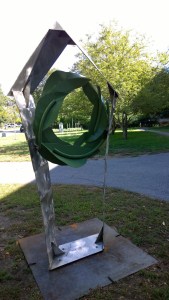
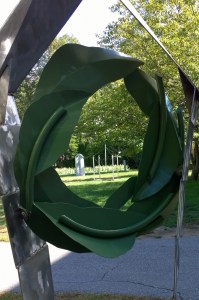
Among the sights I’ve wanted to photograph in the last few weeks is a sculpture outside the Umbrella Community Arts Center. It invites you to look through and focus on an aspect of the view.
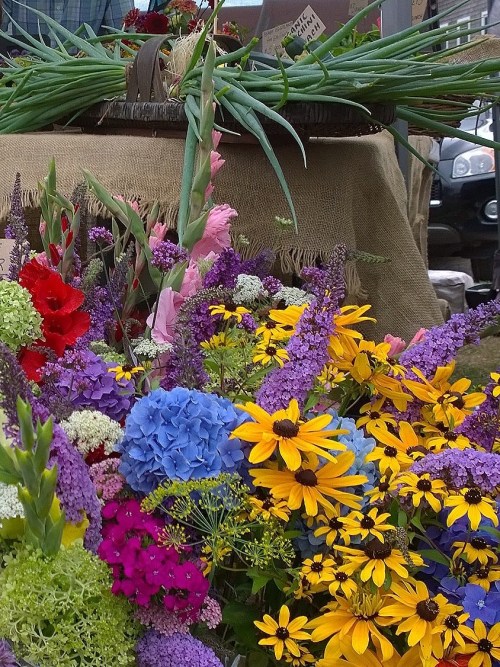
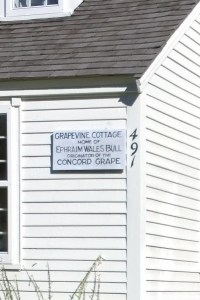
Next up, the old house where Ephraim Bull developed the Concord Grape. Another sign there told me that there was a “Sale Pending.”

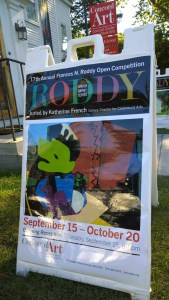
My friend Meredith is a featured artist at Concord Art’s new juried show. She has done several treatments of her fica plant, but the one in the show is a lovely collage of painted paper.

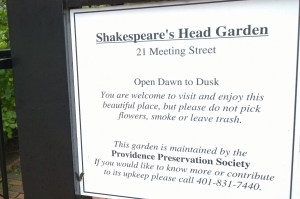
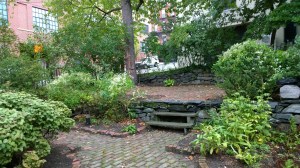
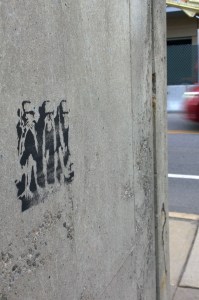
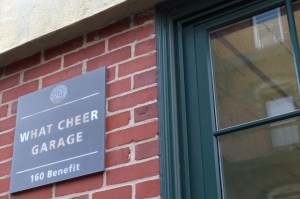
I recently discovered on a morning walk that the Providence Preservation Society has generously opened its multilevel garden to the public during certain hours of the day. What a peaceful place to just sit and think! Not far away is the What Cheer Garage (I like the name). Across Providence, you can discover a fine-looking hen on the wall of Olga’s Cup and Saucer, and a street art stencil recommending Speak no evil, See no evil, Hear no evil.

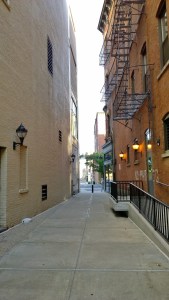
I also like the alley alongside the Providence Performing Arts Center and a hilly street that looks more like Europe than New England.

092416-sculpture-at-umbrella-center

092416-looking-thru-sculpture


092516-concord-grape-origins

092516-meredith-fife-day-at-juried-show


092016-please-enjoy-our-garden

092016-preservationists-share-garden


092116-hen-at-olga

092116-3-no-evils


092016-what-cheer

092116-providence-alley


092016-providence-street

Read Full Post »

090716-blackstone-valley-visitor-center

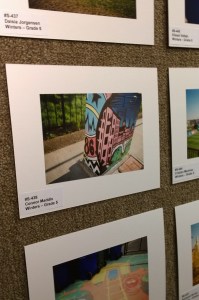
Pat Zacks at the Camera Werks in Providence feels compassion for inner-city kids whose schools can’t offer many enrichment activities. That’s why she volunteers every year to mount and hang 500+ juried photos by Pawtucket, Rhode Island, fifth graders (and a few grownups).

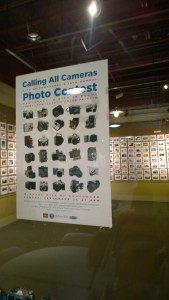
On Wednesday I stopped off at the gallery where the “Calling All Cameras” photos are on display until the end of September. The theme this year,  submitted by Linda C. Dugas, is “Pawtucket’s Color Palette.” Winners of this, the 18th, annual photo contest also get their work featured in the city calendar.

An impressive slate of judges are responsible for choosing this year’s winning photos (Butch Adams, Richard Benjamin, Christy Christopoulos, Jesse Nemerofsky, and Aaron Usher). Winners will be announced September 25.

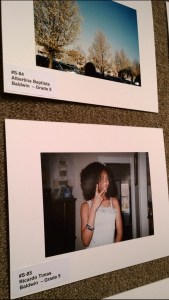
I wish my photo of a child’s box turtle entry had turned out well enough to post, but I’m sharing a couple other favorites here.

Stop by the Blackstone River Valley National Heritage Corridor visitor center, just off Interstate 95 in downtown Pawtucket, to find the box turtle. The visitor center is opposite the historic Slater Mill, birthplace of America’s Industrial Revolution.

And if you are ever in Providence, please check out the Camera Werks on Hope Street. Pat’s Facebook page, here, has more information on the photo exhibit.

090716-pawtucket-calling-all-cameras

090716-pawtucket-photo-show-1


090716-pawtucket-photo-show-2


Read Full Post »

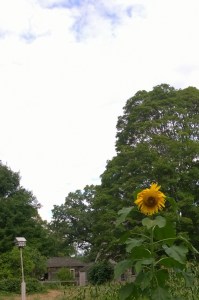
This healthy sunflower is at the Old Manse in Concord. The Trustees of Reservations always plant a big garden there, with pumpkins growing between the corn rows.

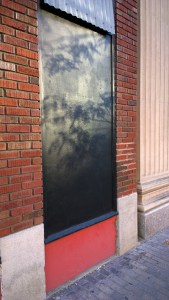
The lantern-like seed pods in the next photo embellish a tree beside the Providence River. The leaf shadows on brick were spotted not far away, along a grubby Providence sidewalk.

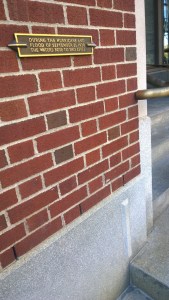
Can you read the plaque on the Providence Journal building? It shows the crazy height that the water reached in the infamous Hurricane of ’38. Golly!

My husband says the barrier at Fox Point will prevent flooding like that from ever happening again. I don’t know. Were the engineers aware of global warming when they started construction in 1960?

New Shoreham (in the next picture) was also battered in the hurricane of ’38. In fact, the storm wiped out the island economy on land and sea. The fishermen and farmers were not insured against such a catastrophe. No wonder people there remember that hurricane!

One thing that is different since 1938, as I learned in a splendid book called A Wind to Shake the World, communities in the path of a hurricane now get plenty of warning. But in 1938, when houses on Long Island, New York, were washing out to sea, no one up north knew it.

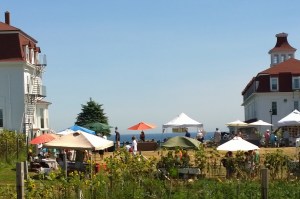
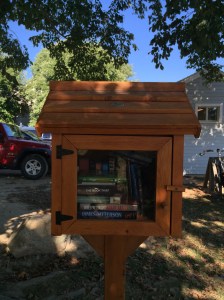
A few other shots of New Shoreham: a Wednesday farmers market, the Little Free Library, a view through a stone wall, a rumpled morning sky, and the North Light.

081916-sunflower-at-Old-Manse

082916-little-lanterns


083016-shadows

083026-sign-re-hurricane-of 1938


082816-Old-Harbpr-bye-for-now

082416-farmers-market-New-Shoreham


082016-Free-LIbrary-BI-3

082216-thru-a-wall-darkly


082816-morning-sky-New-Shoreham-RI

082616-North-Light-New-Shoreham


Read Full Post »

Dorcas International of Rhode Island is a refugee-resettlement and immigrant-support organization that also offers education programs and services to native-born residents.

On the nonprofit’s website, you can find uplifting stories of DIIRI beneficiaries. Here is one.

Sidy Maiga, a master percussionist from Mali, wanted to take his skills to the next level. The first step was to get over his insecurity about education.

“His mastery of the djembe, a drum of West African origin that is rope-tuned [and] shaped like a large goblet, has taken him on tours all over the world and as a teacher in schools all over the East Coast … But without a high school diploma, he felt like he had hit a wall. …

“Sidy heard from friends about things you could do at Dorcas International Institute of Rhode Island. …

“He admits he was hesitant about going to school again. … He enrolled in an ESL [English as a Second language] class to get up to speed” before taking the high school equivalency test known as the GED “and felt himself getting discouraged — so he stopped going to class.

“However, after getting encouraging calls from DIIRI staff, Sidy decided he would give it another shot. … ‘I think they saved my life, and I’m glad I came back.’ …

“With the help and encouragement of DIIRI staaff, Sidy decided the next step would be college.”

Sidy starts at Berklee College of Music this year and says, “Once I learn the academic way of music, then I can teach African music to the world.”

More here.

Photo: Dorcas International Institute
Malian djembe drummer Sidy Maiga says Dorcas staff “saved my life.”

Read Full Post »

« Newer Posts - Older Posts »