May 25, 2012 by suzannesmom
Your blogger is one grandma all excited about having some baby time this weekend.
But in Azerbaijan, six grandmas from Russia are competing in a pop-music contest.
“Eurovision 2012 is under way, and about half a billion viewers are expected to tune in for the finale on Saturday. …
“The song contest started in the 1950s, and each country competing is represented by a single singing group or soloist. Because Azerbaijan won last year, Eurovision is being staged in its capital, Baku. …
“Representing Russia this year is a group of six grandmothers. Their song, ‘Party for Everybody,’ tells the story of the babushkas welcoming their grandchildren home. ‘This song itself is kind of appalling, but Eurovision isn’t about the best song,’ [says William Lee Adams, editor-in-chief of Wiwibloggs]. ‘It’s about the best act. And this one comes with attitude and spunk and spirit, and the belief that you can keep on moving no matter how old you are.’ ” Amen to that.
Read more at NPR, and watch the videos. If you catch what language the babushkas speak, please let me know. It is not actually Russian but a minority language.

Posted in Uncategorized | Tagged Azerbaijan, babushkas, baku, eurovision, grandmas, party for everybody, russia, six grandmothers, william lee adams, wiwibloggs | 2 Comments »
May 24, 2012 by suzannesmom
So far this spring I have walked to the office by way of North Station only a few times. But when I did, I got curious seeing people in hard hats working like they had a deadline on a part of the Greenway blocked off by a fence. I peeked in and thought, “What is that? It looks like a labyrinth.”
As someone who tends to think of Theseus, Ariadne, and the Minotaur on
Crete when labyrinths are mentioned, it has taken me a while to realize how many people today use them for meditation. And work being what it is, there will probably come a day soon when I want to test out the possibilities.
The new labyrinth was dedicated on a rainy day this week as part of a lovely Armenian Heritage Park.
Alejandra Matos writes for the Boston Globe, “US Representative Edward Markey and other officials welcomed the rain, calling it tears of joy from generations of Armenians.
“The park, located between the North End and Faneuil Hall, includes a sculpture surrounded by a reflecting pool, and is meant to honor Armenian immigrants to the state. Middlesex Sheriff Peter J. Koutoujian, who is Armenian, said he has been fighting for the park since 1999.
“ ‘This is a gift to the city, not just for the Armenian immigrants. This is a park dedicated to all immigrants who have experienced coming to this great city,’ Koutoujian said.”
The third-largest Armenian population in the United States is in nearby Watertown. Read more at the Globe.
4/8/13 Update: The sculpture gets reconfigured to reflect how immigrants adapt. Check it out here.
Photograph: Aram Boghosian for the Boston Globe

Posted in Uncategorized | Tagged Alejandra Matos, Aram Boghosian, armenian, Armenian Heritage Park, boston, greenway, immigrant, labyrinth, Peter Koutoujian, postaday, rose kennedy, sheriff, watertown | 7 Comments »
May 23, 2012 by suzannesmom
Do you believe that kids are overprogrammed with structured activities — not enough time for daydreaming, not enough time for experimenting?
Well, here’s a site that might encourage parent-and-child experimenting on do-it-yourself projects. Sounds like it could be rewarding in a variety of ways (collaborating with parents, nurturing creativity, building confidence and independence).
The NY Times writes that a couple who do home improvement got an idea for projects that might interest children.
They “developed Built by Kids (builtbykids.com), a Web site devoted to do-it-yourself projects that parents and children can collaborate on, like herb gardens planted in a wheelbarrow, refurbished tatami tables and handmade wagons. The tasks were tested and refined during a series of daylong workshops with friends at the couple’s Los Angeles bungalow.
“Their intention is to revive some of the backyard know-how that children had before the distractions of television, video games and other off-the-shelf entertainment, [founder Timothy] Dahl said. The do-it-yourself movement is enjoying a long, fashionable run as an alternative to consumer culture, he added, but when children are involved, the results are ‘too often dismissed as disposable “crafts.” ‘ “ Read more. Try a project.
Photograph: BuiltByKids.com
Posted in Uncategorized | Tagged craft, diy, parent, project, skill | 4 Comments »
May 22, 2012 by suzannesmom
A secret cache of pre-1917 Russian literature has been found stashed behind the walls at the Russian State Polytechnical Museum Library in Moscow.
Alexandra Guzeva writes at Russia Beyond the Headlines, “A treasure trove of pre-revolutionary books and magazines has been discovered in the archives of the Russian State Polytechnical Museum Library in Moscow. The museum librarians were preparing the collection for a move to a temporary depository when a small hiding place stacked with books was uncovered …
“As the books were packed into boxes, the empty racks were dismantled. Behind one of these racks, the librarians found a plywood wall that sounded hollow when tapped.
“ ‘We moved the cover aside and found books behind it. When we removed the wall completely, we saw piles of books stacked up to the ceiling.’ said [Svetlana Kukhtevich, deputy director of the Polytechnic Library]. …
“According to preliminary estimates, the 6.5-foot-long hiding place contained about 30,000 books printed before the 1917 Russian Revolution. The books are almost exclusively in foreign languages, including French, German, Latin and Greek.”
The reason that the books were hidden is not known. Read more.
Photograph: Ilya Varlamov

Posted in Uncategorized | Tagged Alexandra Guzeva, Ilya Varlamov, pre-revolution, russia beyond the headlines, russian literature, Russian State Polytechnical Museum Library, Svetlana Kukhtevich | Leave a Comment »
May 21, 2012 by suzannesmom
Don’t throw it out. Fix it. That’s the philosophy in the”Repair” Café movement, which I learned about through the Christian Science Monitor, which highlights articles on people who “make a difference.”
It points to Kelly McCartney at Shareable.net, who writes: “In the Netherlands, mom and former journalist Martine Postma stumbled onto an idea that tacks the word ‘repair’ onto the familiar green mantra, ‘reduce, re-use, recycle.’ The result is community-based Repair Cafés where folks come together to fix their broken items. What started as a few neighbors in Amsterdam helping each other out has, two years later, become a much bigger deal, with 30 groups springing up around the country. …
“As Ms. Postma surmised, ‘Sustainability discussions are often about ideals, about what could be. After a certain number of workshops on how to grow your own mushrooms, people get tired. This is very hands on, very concrete. It’s about doing something together, in the here and now. …
“Similar endeavors have begun to crop up in the United States, as well. Sidling up alongside tool-lending libraries in a nice way, groups like the West Seattle Fixers Collective and the Missoula Urban Demonstration Project host do-it-yourself fix-it events and classes to help community members make needed repairs on broken items.” Read more here.
This reminds me of resilience circles, another people-helping-people movement that seems to be taking hold in the United States. Check out the word on resilience circles here.
Photograph: Jerry Lampen/Reuters/File

Posted in Uncategorized | Tagged fixers collective, Heerenvee, kelly mccartney, Martine Postma, missoula, Netherlands, repair cafe, resilience circles, seattle, shareable.net | 2 Comments »
May 20, 2012 by suzannesmom
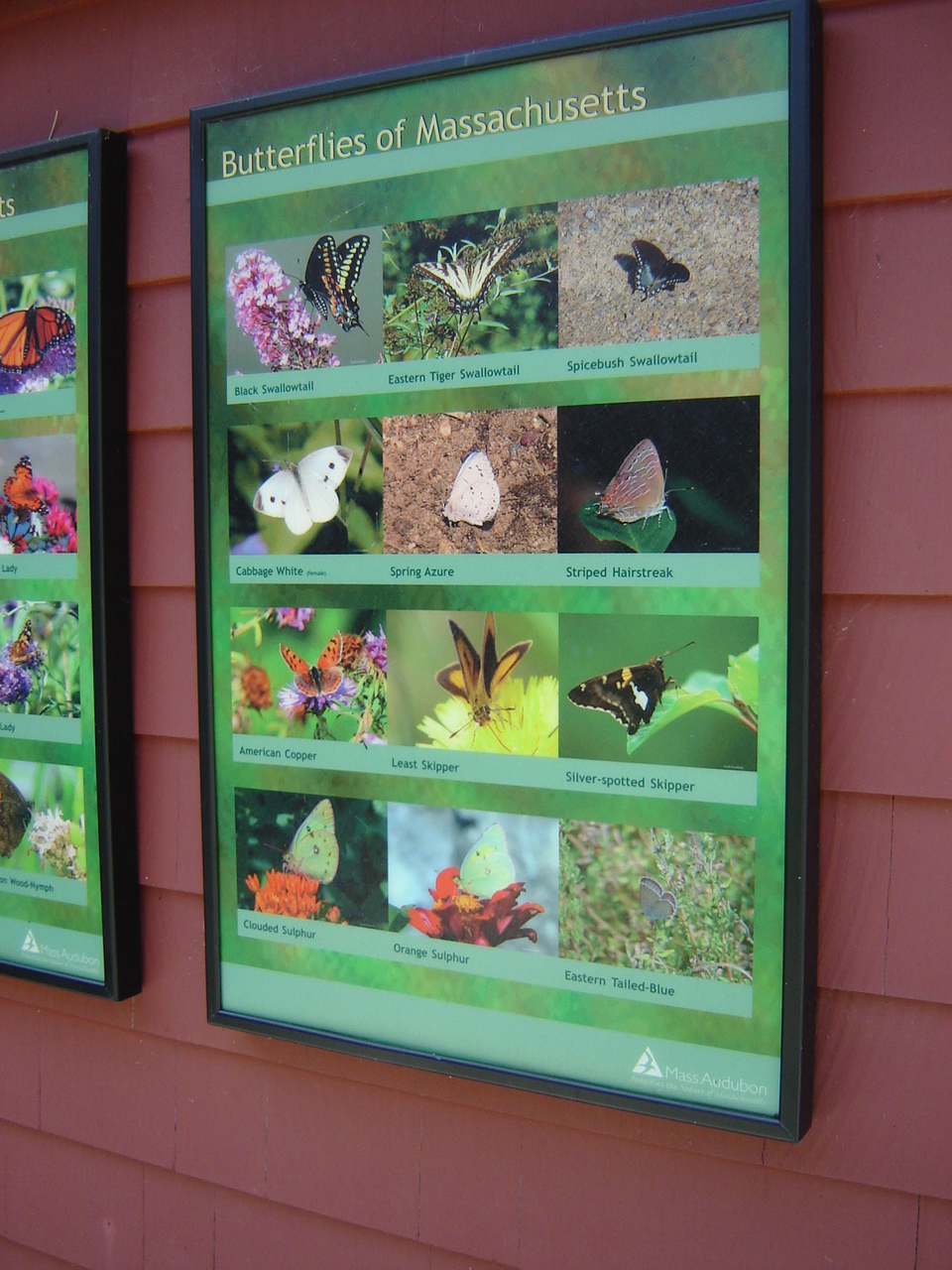
Years pass, and I forget how delightful Drumlin Farm is and how close. The Audubon Shop there is also a wonder. You find things in the shop that you don’t find anywhere else. All nature related.
It must have been years since I visited, because it looks like the “new” entrance and parking lot have been there a long time.
It’s a good place to go on a day that feels like summer.

Posted in Uncategorized | Tagged activities for children, audubon, birds, drumlin farm, ecology, environment, farm, kids, lincoln, massachusetts, nature | 4 Comments »
May 19, 2012 by suzannesmom
Some outstanding musicians have performed in the Cambridge and Boston subways over the years. I never know quite what to expect.
New Yorkers also get some nice surprises in the subway. Alex Vadukul of the NY Times writes about a paper-cutting portraitist who works fast:
“In the congested world of subway performers, where dance troupes, conga circles and violin players blur, Ming Liang Lu, 57, is an alluring presence. A self-described ‘master paper portrait cutter,’ he has the ability to trim facial portraits out of frail paper within minutes, compelling some riders to willingly miss their trains.
“Mr. Lu practices several ancient Chinese art forms, and says he hails from a noted Shanghai teaching lineage. On weekends, he teaches calligraphy, painting and cutting at the New York Chinese Cultural Center. He said that in Shanghai, his birth city, he was renowned for stone sculpture and stamp seal carving. He credits the facial portraits to his formative training in a three-dimensional form.” 3-D before 3-D. Read all about it.
Photograph: Joshua Bright for the NY Times
Posted in Uncategorized | Tagged Alex Vadukul, art, artist, Joshua Bright, Ming Liang Lu, paper cutting, porrtrait, subway | 3 Comments »
May 18, 2012 by suzannesmom
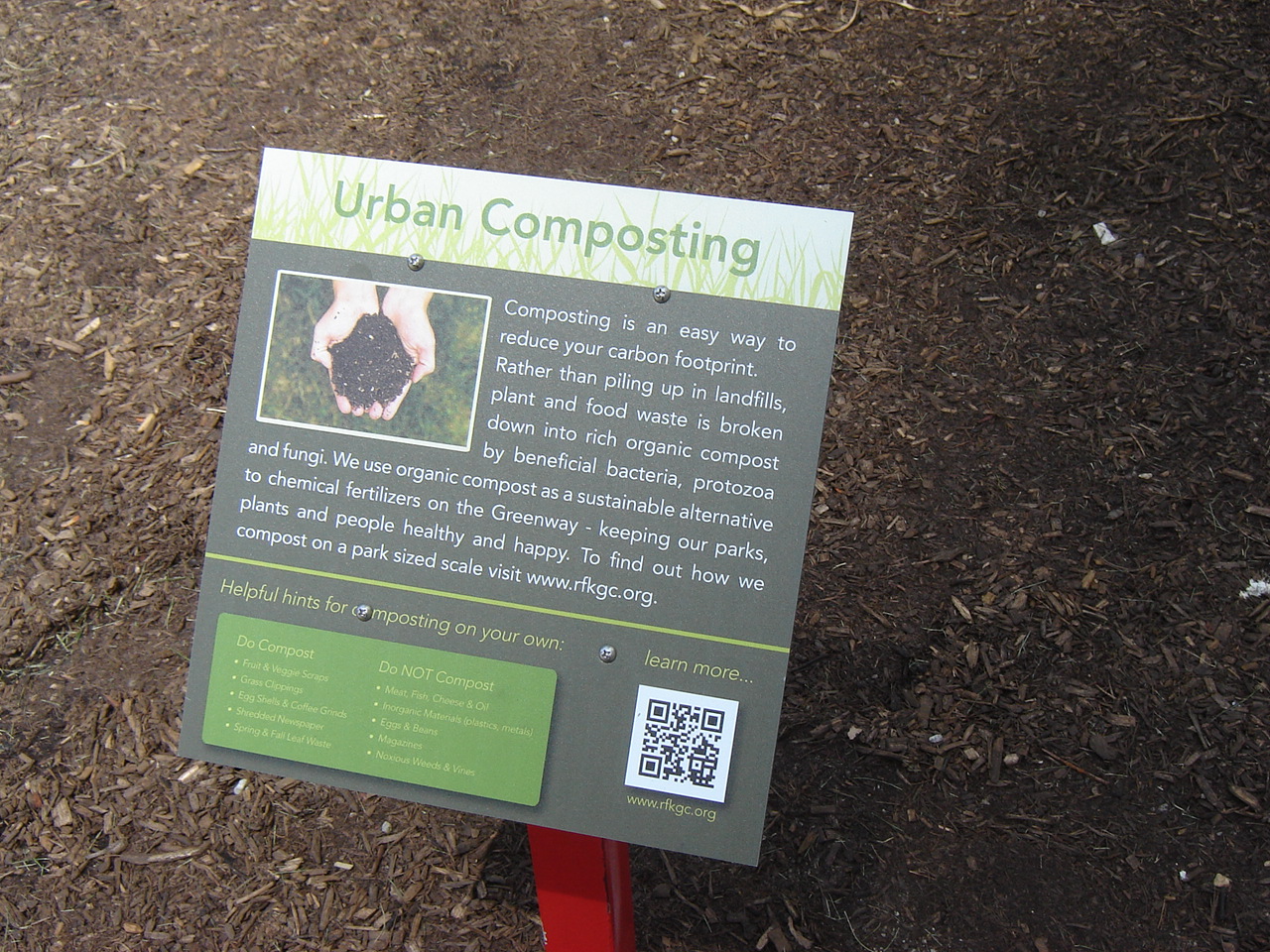
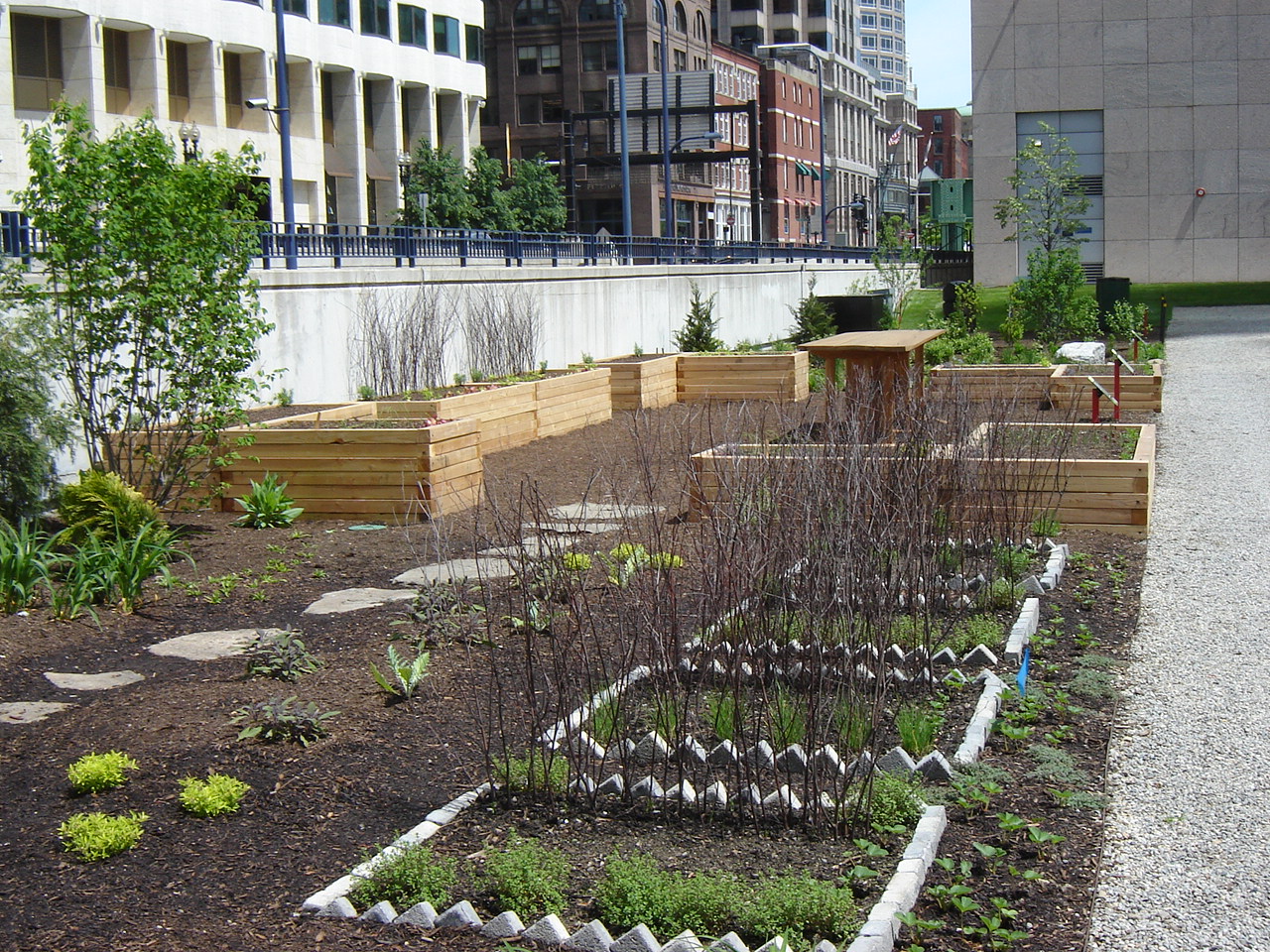
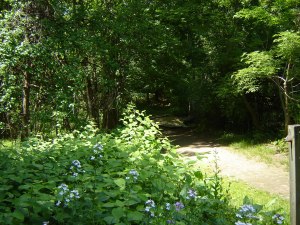
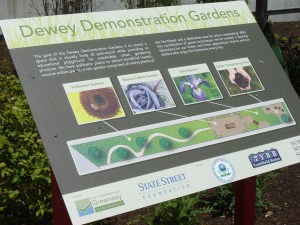
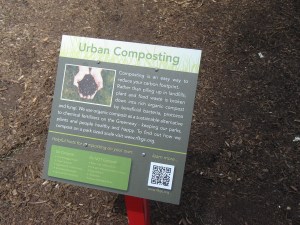
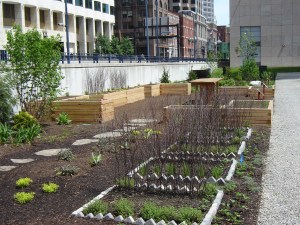
In the Greenway area where Occupy Boston camped last fall, there is now a demonstration garden. It includes raised beds of edible plants, a rain garden to capture run-off, and examples of urban composting. It’s a teaching garden.
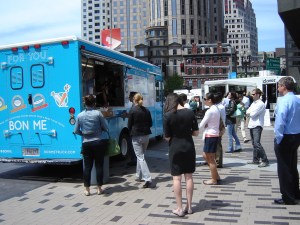
Also in Dewey Square are food trucks, such as this Bon Me truck, which offers great Vietnamese lunches.
Around the block, in Fort Point Channel, the first of two Boston Tea Party Ships has arrived and has docked next to the new Boston Tea Party Museum.

Posted in Uncategorized | Tagged bon me, boston, boston tea psrty, composting, demonstration garden, dewey square, edible palts, food truck, greenway, occupy boston, raised beds, rose kennedy, ship | Leave a Comment »
May 17, 2012 by suzannesmom
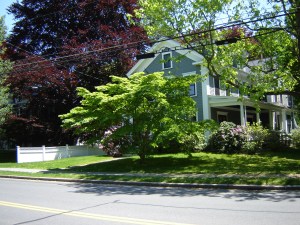
I know that if you find the exact right picture to capture something, it is worth a thousand words. But sometimes the right word is worth a thousand pictures. Not that I can think of an example.
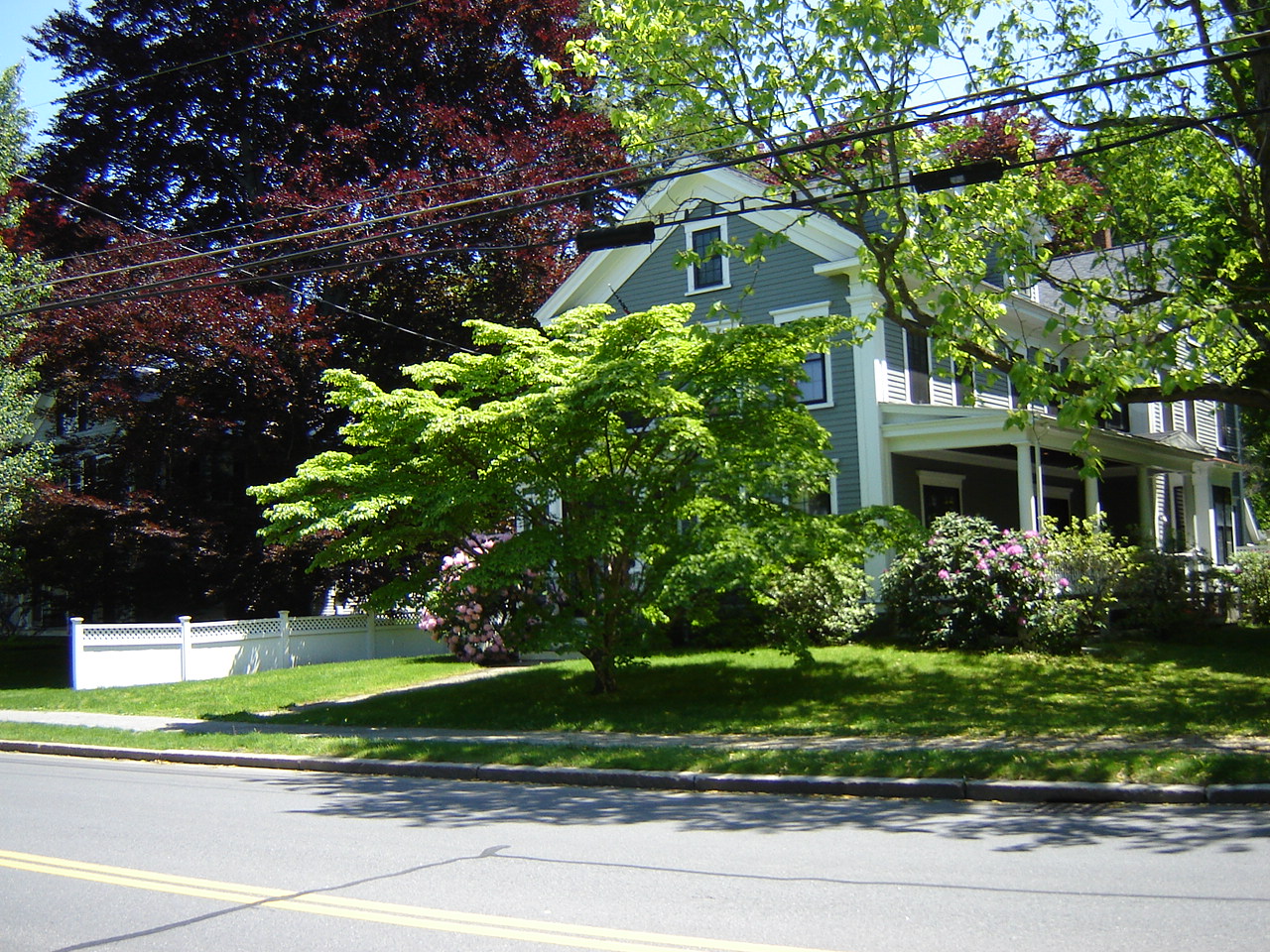
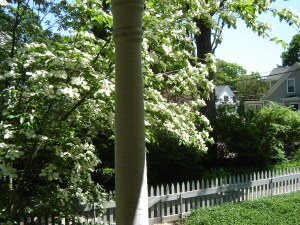
A better photographer than I probably could have captured what I wanted to convey by taking a few pictures on my walk: how wonderful it is to have spring after winter, sunshine after rain, and a pleasant walk after the routine medical procedure we all love to hate.
How good everything smells, how many new bird calls, how the leaf shadows are moving. How many people are smiling.
Posted in Uncategorized | Tagged dogwood, exercise, flowering trees, taking walks | 2 Comments »
May 16, 2012 by suzannesmom
I got an intriguing tip from a WordPress blog, The Yoga Hub, about Yale students who found a microbe that eats plastic. The discovery spells hope for breaking down plastics in landfills.
Bruce Fellman writes in the Yale Alumni Magazine, “A group of student bioprospectors from Yale has struck environmental gold in the jungles of Ecuador. The students, through the annual Rainforest Expedition and Laboratory course taught by molecular biochemistry professor Scott Strobel, have discovered a fungus with a powerful appetite for polyurethane. That common plastic often winds up buried in landfills, where it can remain, largely unaltered, for generations.
“In the September issue of Applied and Environmental Microbiology, Jonathan Russell ’11 and his colleagues describe how they isolated, from plants collected during the class’s two-week spring trips, a fungus they identified as Pestalotiopsis microspora—and then discovered its unique polyurethane-digesting talents.” More here.
Sounds promising, but I can’t help worrying about the possible unintended consequences of introducing a microbe to places where it is not native. Maybe cutting back on plastics is still the way to go.
Photograph: Yale University

Posted in Uncategorized | Tagged bioprospector, bruce fellman, ecology, ecuador, environment, fungus, jonathan russell, landfill, microbe, polyurethane, scott strobel, sustainability, the yoga hub, yale | Leave a Comment »
May 15, 2012 by suzannesmom
As readers know, I really believe that “one and one and 50 make a million” (a concept articulated by folksinger Pete Seeger). That’s why I can’t resist a recent story from Moscow, where a few writers decided to have a “stroll,” and 10,000 individuals individually decided to follow.
Ellen Barry writes in the NY Times: “It was only four days ago when 12 prominent authors, disturbed by the crackdown on dissent that accompanied President Vladimir V. Putin’s inauguration, announced an experiment. They called it a ‘test stroll’ …
“No one knew quite what to expect on Sunday. But when the 12 writers left Pushkin Square at lunchtime, they were trailed by a crowd that swelled to an estimated 10,000 people, stopping traffic and filling boulevards for 1.2 miles. … The police did not interfere, although the organizers had not received a permit to march.
“ ‘We see by the number of people that literature still has authority in our society because no one called these people — they came themselves,’ said Lev Rubinstein, 65, a poet and one of the organizers. ‘We thought this would be a modest stroll of several literary colleagues, and this is what happened. You can see it yourself. … I don’t know how this will all end, but I can say that no one will forget it.’ ” Read more.
I can’t help thinking that one and one and 50 have been growing for a long time in Russia and that the 10,000 who joined the march are just the tip of he iceberg.
Photograph: Dmitry Kostyukov for The New York Times
Posted in Uncategorized | Tagged crackdown, dissent, dmitry kostyukov, ellen barry, folksinger, freedom of the press, literature, march, moscow, one and one and 50 make a million, peaceful, pete seeger, poet, russia, writer | 2 Comments »
May 14, 2012 by suzannesmom
At the Paper Mill Playhouse in Millburn, New Jersey, a group of children are learning the joy of theater.
Tammy La Gorce writes in the NY Times that the playhouse now has a class for children with disabilities.
“The class is a logical next step for Paper Mill, which last year began offering a series of sensory-friendly presentations for children with autism in its ‘Theater for Everyone’ programming. Sensory-friendly shows are scripted to be more literal, with innuendo kept to a minimum, and the theater’s lighting and volume are adjusted to help audience members feel more comfortable.
“This year, in a partnership with VSA New Jersey, a nonprofit organization that provides arts programming for children and adults with disabilities, Paper Mill joined the ranks of theaters welcoming such children who have an interest in learning to perform.
“Parents of children with developmental disabilities ‘are seeing the benefits of arts education,’ said Lisa Cooney, 46, director of education for Paper Mill. ‘And they’re a lot more proactive than they used to be.’
“Those who run the programs find them rewarding as well. The children ‘give so much to us,’ said Mickey McNany, the director of Paper Mill’s Theater School, after the recent class. In it, her 10-year-old granddaughter, Mary McNany, who has Down syndrome, identified Mozart as the composer of ‘Eine kleine Nachtmusik,’ performed an improvised roller-skating scene and used sign language, as well as her voice, to sing a song.” Read more.
Below, Marnie McNany takes part with her children Finn and Mary.
Photograph: Aaron Houston for the New York Times

Posted in Uncategorized | Tagged aaron houston, abiyoyo, children, disabilities, drama, millburn, paper mill playhouse, pete seeger, play, stage, tammy la gorse, theater, theatre | 2 Comments »
May 13, 2012 by suzannesmom
I’m looking forward to the farmers market season, and I’m not the only one. More and more consumers are demanding really fresh food. Fortunately, farmers are increasingly creative about getting that fresh food to consumers.
Now farmers markets are going online. I learned about this via the Christian Science Monitor, which points to an article by Katherine Gustafson for YES! magazine.
Gustafson writes that small producers are using the Internet more.
“Smart use of the Web,” she writes, “can shift the focus of food retail away from industrial suppliers and toward those in the position to offer on-demand delivery of the freshest food around. …
“One example I found particularly inspiring was the Farmers Fresh Market program run by the Foothills Connect Business and Technology Center in Rutherfordton, N.C.
“The organization created a proprietary online system to allow individuals and businesses in nearby cities to order fresh produce from growers local to Rutherfordton. In many cases, the growers pick the food the same day the buyers receive it.”
What’s not to love? Read more.
Photograph: Jonathan Ernst/Reuters/file

Posted in Uncategorized | Tagged agriculture, farm, farmer, farmers market, food desert, fresh food, Katherine Gustafson, online | Leave a Comment »
May 12, 2012 by suzannesmom
A friend is helping to build a playscape, a playground for all ages and abilities that takes advantage of the natural environment‘s restorative qualities.
My husband and I went to see where the playscape is emerging with a boost from the state’s Community Preservation Act. It is located over by Gowing’s Swamp, a lovely wooded area with native plants once cataloged by Thoreau. We walked on a hilly woodland path around the swamp and took note of Canada Mayflowers like tiny bottle brushes and a starlike white flower with six long, narrow leaves growing out from the stem at the same height. (If I’d had my camera, I’d have uploaded a picture at MisterSmartyPlants.com.)
The Sudbury Valley Trustees oversee Gowing’s Swamp, and have this to say about it:
“Gowing’s Swamp, named by Thoreau for its landowner in the mid-1850’s, is an 8.9 acre acidic wetland complex located in a protected, glaciated hollow on the eastern side of a glacial kame known as Revolutionary Ridge. A kettlehole bog, at the southern end of the wetland, contains specialized plant communities that are locally rare in Southern New England. The natural area provides habitat for a diverse range of wildlife.
” ‘Unlike any other bog in New England, Gowing’s Swamp found its way into American literature by virtue of significant passages in Thoreau’s Journal,’ says botanist Ray Angelo, and has been visited and studied regularly over the last 160 years by Concord naturalists, literary and historical scholars, and has been the subject of ongoing scientific studies.” More here.
Photograph of Gowing’s Swamp: Sudbury Valley Trustees

Posted in Uncategorized | Tagged access, bog, community preservation act, concord children's center, conservation, cpa, ecology, environment, glacial, gowing's swap, invasive species, kame, kettlehole, may flower, mister smarty plants, native species, nature, playscape, Sudbury Valley Trustees, swamp | 2 Comments »
May 11, 2012 by suzannesmom
I learned about an unusual artist today because I was following @FortPointArts on twitter. Her name is Heidi Kayser, and just when I no longer have an office with a view of Fort Point Channel, she has launched an art project on the water. Sigh.
Anyway, I went to her website and poked around. This blog entry from 2011 is a typically amusing one, and I think one of my readers may want to try the experiment:
“Sarah Rushford arrived today and we got right to work … The mission, as we chose to accept it, was to construct some sort of wearable platforms to hold the cameras on the back of my legs. Wonderful engineers that we are, Sarah and I ingeniously came up with [contraptions] made of CD cases, zip ties, rubber bands, twine and alligator clips. …
“Sarah filmed me tramping across the beach. I filmed my ankles tramping across the beach. It was very surprisingly difficult to walk wearing the cameras — I couldn’t extend my knees very much, so finding balance in soft sand proved challenging but oddly meditative. My attention had to be focused on every step, otherwise I’d fall and damage the cameras.
“When we were nearly finished, the curious beach-goers who had been pretending to ignore me as I walked steadily and weirdly by them, came up to us and asked what we were doing.” Read more.

Photograph: Sarah Rushford
Posted in Uncategorized | Tagged art, artist, boston, camera, experimental, fort point arts, fort point channel, heidi kayser, innovator, mass college of art, media, multimedia, photography, sarah rushford, smith college | 2 Comments »
« Newer Posts - Older Posts »