Feeds:
Posts
Comments

Posts Tagged ‘nature’

I used to love finding little red salamanders when I was a child.

I didn’t know they played an important role in the ecosystem, even balancing out processes that contribute to climate change. Of course, when I was a child, nobody talked about ecosystems or climate change. But I’m glad to learn salamanders are important. Small things often are.

Writes Richard Conniff in the NY Times, “According to a new study in the journal Ecosphere, salamanders play a significant role in the global carbon cycle. …

“The study — by Hartwell H. Welsh Jr., a herpetologist at the United States Forest Service’s research station in Arcata, Calif., and Michael L. Best, now at the College of the Redwoods in Eureka, Calif. — notes that salamanders’ prey consists almost entirely of ‘shredding invertebrates,’ bugs that spend their lives ripping leaves to little bits and eating them.

“Leaf litter from deciduous trees is on average 47.5 percent carbon, which tends to be released into the atmosphere, along with methane, when the shredding invertebrates shred and eat them.

“If there aren’t as many shredders at work and the leaves remain in place, uneaten, they are covered by other leaves. … The anaerobic environment under those layers preserves the carbon until it can be captured by the soil, a process called humification.

“At least in theory, having more salamanders in a forest should mean fewer shredding invertebrates and more carbon safely locked underground.”

Read how they tested their theory, here.

 Photo: Todd W. Pierson/University of Georgia

Read Full Post »

On Sunday, the Concord Bookshop had a guest speaker, bird maven David Allen Sibley.

There was a great turnout to hear him and to have him sign the new edition of his guide.

He talked about his painting process and his interest in perception as it applies to people who are convinced they see a bird they are looking for. From what he has read, he says, it’s very much like the phenomenon of witness identification of suspects — many factors may distort what witnesses think they see. (Consider the old guy in the play Twelve Angry Men, for example, who didn’t have his glasses on.)

When asked how 12 people who identified the probably extinct ivory-billed woodpecker in Louisiana in recent years could all be wrong, he tries to explain why it’s likely: They get only a glimpse, they are desperate to see it, they are being paid to find it, etc.

I want to believe they saw it, of course, but I thought his points were interesting.

Also interesting was the way he paints. He has a very good sense of the profile of the bird, having drawn birds since he was seven. So in the wild he looks for identifying markers, sketches in the profile, and adds the marks. Then he paints the bird in the studio. He does a lot of research, but once he has done all he can, he takes only about an hour to do each painting.

Read more at Sibley’s website, here, and at his Facebook page, here.

Below is a bird that a woman in the audience Sunday asked about, the Snowy Owl. The questioner wanted know whether the many Snowy Owls that were sighted around New England this winter would stay. He said that, no, they were already heading back to the Arctic and only came because there were a lot of babies hatched up north this year and not enough food to go around.

Art: David Allen Sibley
Snowy owl

Read Full Post »

An old, falling-apart film of a heath hen has been unearthed.

Why is that thrilling? The heath hen is extinct.

Writes Carolyn Y. Johnson in the Boston Globe, “The bird stamps its feet on the ground, taking mincing dance steps through the corn stubble. Neck feathers flare like a headdress, and the male puffs out his neck, making a hollow, hooting call that has been lost to history.

“These courtship antics are captured on a silent, black-and-white film that is believed to be the only footage of something not seen for nearly a century: the extinct heath hen.

“The film, circa 1918, is the birding equivalent of an Elvis sighting, said Wayne Petersen of Mass Audubon — mind-blowing and transfixing to people who care. It will premier Saturday [March 8] at a birding conference in Waltham.

“Massachusetts officials commissioned the film nearly a century ago as part of an effort to preserve and study the game bird, once abundant from Southern New Hampshire to Northern Virginia. Then, like the heath hen, the film was largely forgotten.

“Martha’s Vineyard is where the last known heath hens lived, protected in a state preserve. But the last one vanished by 1932. …

“Jim Cardoza, a retired wildlife biologist who worked for the Division of Fisheries and Wildlife, said that for him, the film holds lessons about how conservation efforts have evolved.

“ ‘The thing that is striking to me is the habitat of the animal — it looks like they’re out in corn fields and open areas and things like that,’ Cardoza said. ‘That isn’t what the birds really inhabited — they were a scrub-land species.’ Conservationists at the time, he said, ‘didn’t know what the habitat requirements of the species even was.’  ”

Read the rest of the article and watch the film here.

I love the idea of a long-rumored, valuable film finally being found. It’s a great story. It’s also an argument for better filing systems.

State of Massachusetts woodcut, 1912. The fancier heath hens are males.

Read Full Post »

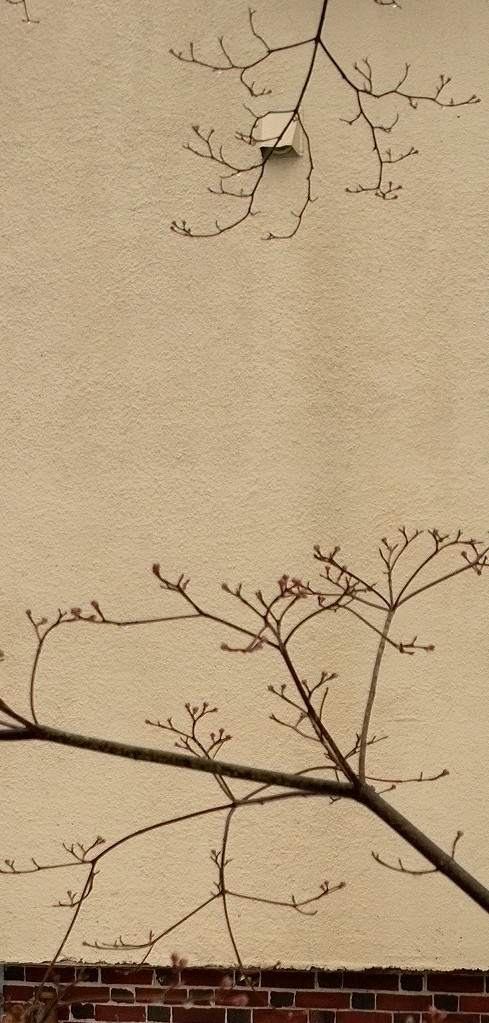
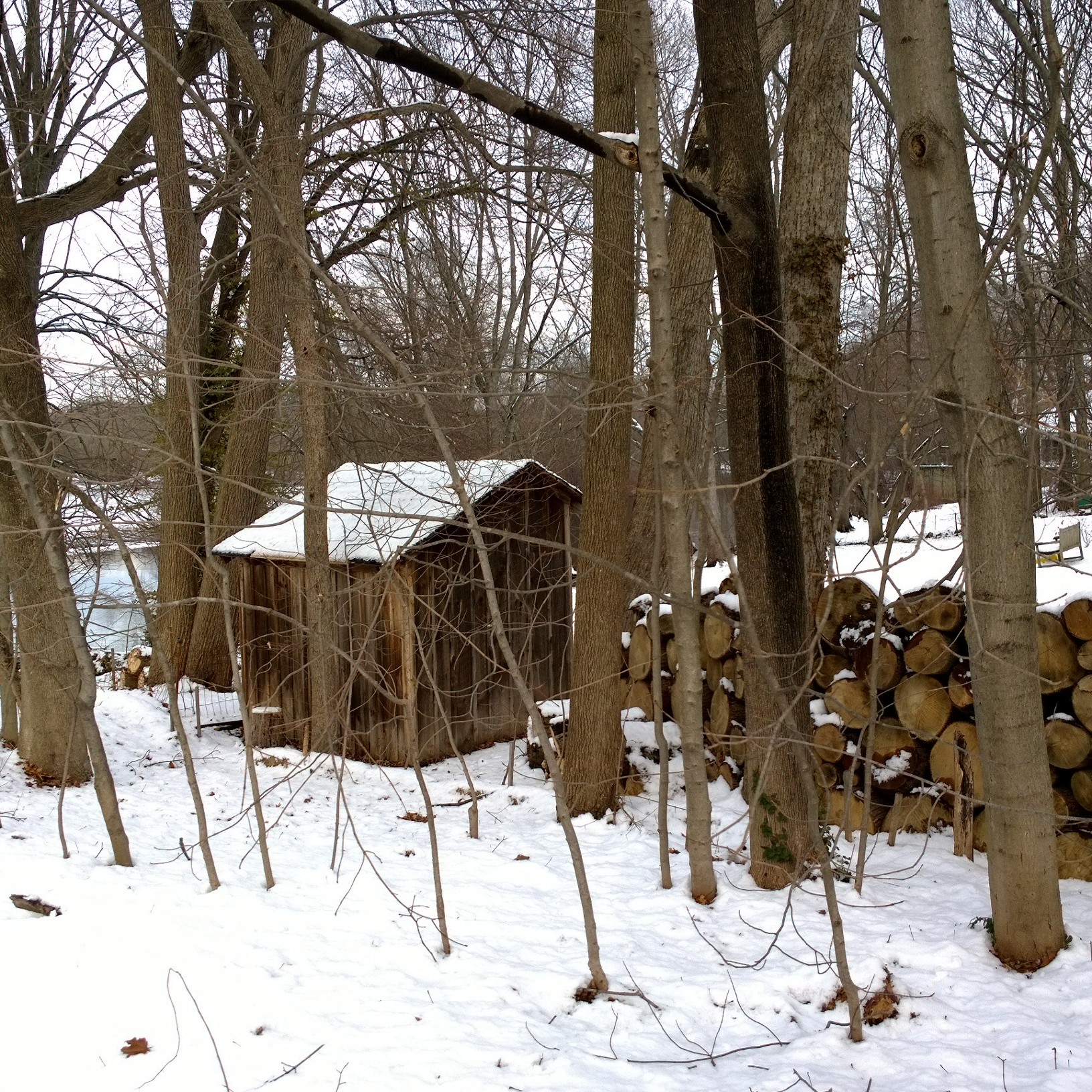
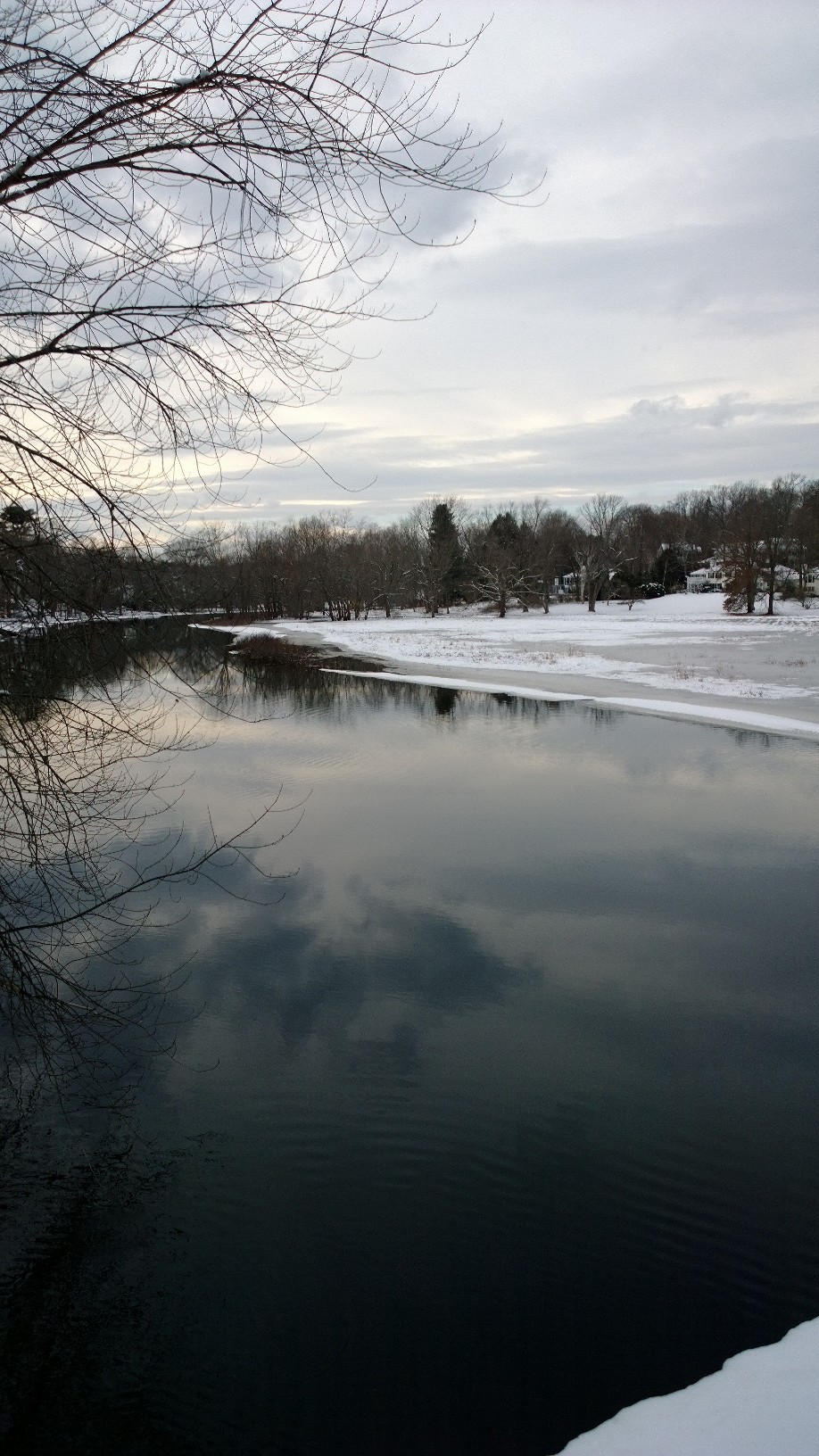
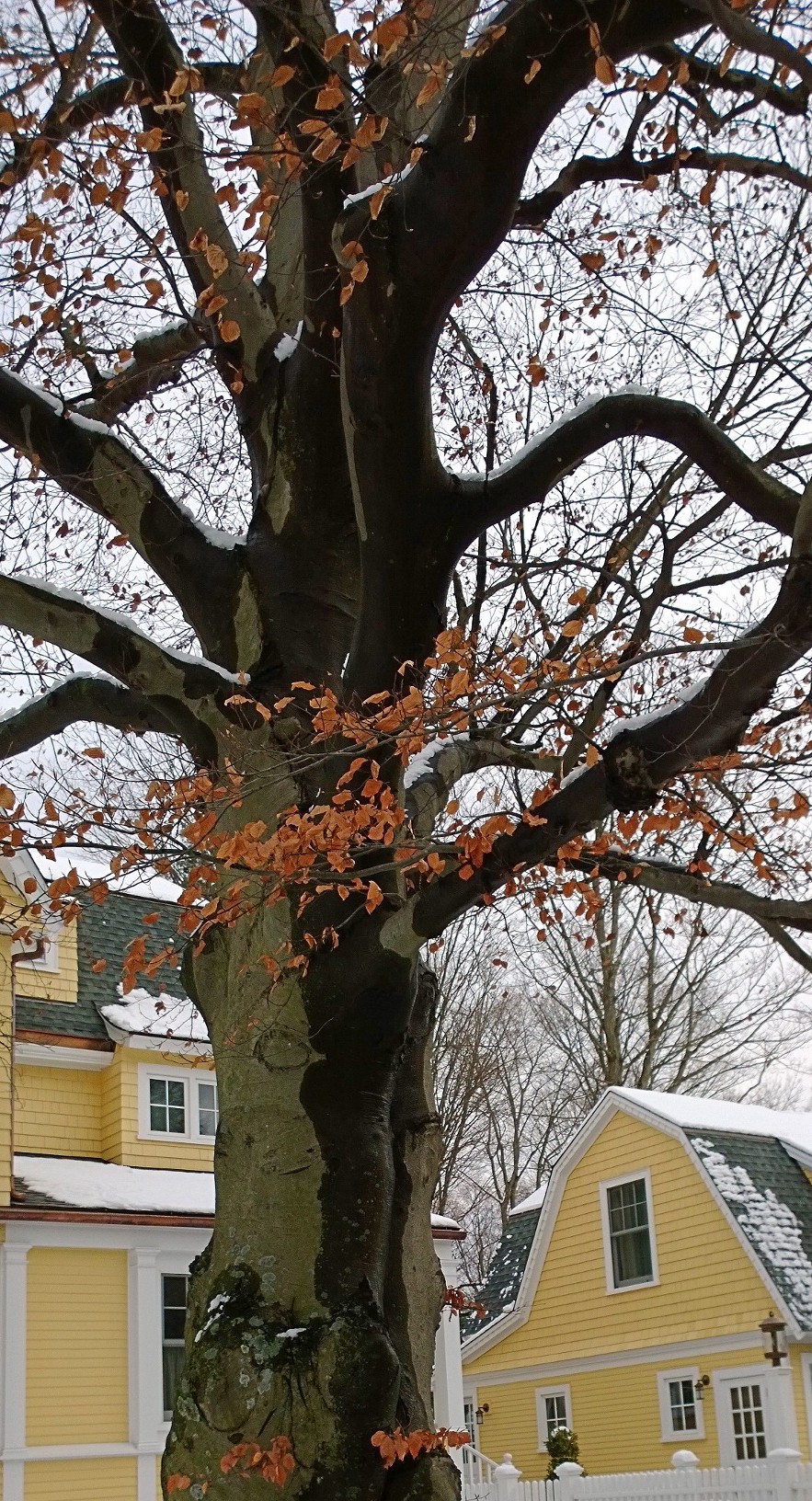
You never know with winter. The weatherperson says “possible snow flurries,” and you get two and a half inches. Lichen-covered branches crash in the first high wind.

I’m posting a few pictures.

The tree in front of the brick bank will look just like this in the spring, but the white puffs will be flowers. I especially like the way the dogwood looks in winter — a Chinese scroll painting. The Assabet River is lovely from any angle. The tree between the yellow buildings has an elephant’s trunk.

Friends and family are heading off to warmer weather or just coming back and feeling mellow. But I think I kind of like winter.

011914-magnolia-in-winter

011814-fluffy-surprise

like-Asian-wall-hanging

lichen-on-sunny-day

woodshed

branch-snow-water-sky

winter-river-New-England

ripples-in-snow

reflections-on-the-river

trunk-like-an-elephant

Read Full Post »

My husband passed along word of a TV special on an ecologist interested in the Siberian tiger who joins forces with a remarkable Korean filmmaker.

From the Public Broadcasting website: “Hunted almost to extinction, the last wild Siberian tigers can only be found in the forests of the far eastern Russian frontier—but not easily.

“Ecologist Chris Morgan embarks on a challenge that will fulfill a lifelong dream — to find and film a Siberian tiger living wild and free in these forests. To help him, Morgan turns to Korean filmmaker Sooyong Park, the first individual ever to film Siberian tigers in the wild.

“Park spent more than five years watching and waiting for a glimpse of the elusive creatures, confined sometimes for months in tiny underground pits or 15-foot hides in trees. His technique was unconventional, but produced more than a thousand hours of wild tiger footage that told the story of a three-generation tiger dynasty.

“During their time together, Park teaches Morgan the secrets of tracking tigers—where to look and what to look for in these vast, seemingly uninhabited frozen forests. Eventually, Morgan’s mentor and guide leaves him to his own private quest, and it is up to Morgan to follow the tracks and markings of these giant cats, searching out spots where tigers are prone to hunt, setting up cameras he hopes will also capture a precious image of a wild Siberian tiger.

It must take courage to do pursue these creatures. The local bears are so afraid of Siberian tigers that they hibernate in nests up in trees.

More.

Read Full Post »

It might be getting a bit cold for the outdoor classroom, but this article by Melanie Plenda in the Boston Globe suggests that not even snow will stop these preschoolers from learning about nature.

“In the back of the farmhouse at Drumlin Farm Community Preschool in Lincoln sit five chickens surrounded by a gaggle of preschoolers — eyes wide, waiting. The teacher opens the egg box door, and the students, staying slow and small like they were taught, peer in.

“ ‘And when they find an egg there,’ says Paula Goodwin, director of the school, ‘we ask them to make a nest with their hand, and they very gently pass the egg from one to another. And it’s a very special time, because they don’t need a lot of special instructions except to look for a child whose hands are in the shape of a nest. … It’s one of the magical moments in the school year. They are so generous with sharing the egg, and they may not have even learned each other’s names yet.’

“Drumlin is a nature- and farm-based preschool, which means that rain or shine, maybe not sleet but definitely snow and temperatures down to 15 degrees, the 14 3- to 5-year-olds are outside learning math, science, language, and how to be curious. Visiting captive wildlife, doing farm chores, and taking part in planting activities provide opportunities for all kinds of learning.” More.

Judging from my three grandchildren, I’m pretty sure no kid needs to “learn how” to be curious (“Poppa, what is the sun for?”), but we all hope for schools that continually encourage their curiosity.

Photo: Porter Gifford

Read Full Post »

Photo: http://www.knollfarm.org/
Knoll Farm’s Icelandic sheep.

We stayed in a perfect little ski house — fitted up with everything you could imagine needing on a weekend, including toys for the grandkids. Our son and daughter-in-law rented it through Vacation Rental by Owner.

The drive up the steep road featured gorgeous mountain and farm views.

One farm had a sign out that sent us straight to our laptops once we got settled: “Knoll Farm, Center for Whole Communities.”

According to the Whole Communities site, “The Center for Whole Communities (CWC) fosters inclusive communities that are strongly rooted in place and where all people – regardless of income, race, or background – have access to and a healthy relationship with the natural world. …

“Through our programs and ongoing support we network more than 1,200 leaders working in 500 organizations and communities in 47 states.” More.

One of the center’s videos, below, explains the process community members in Waitsfield, Vermont, went through to reconnect “with the sun and the land” by getting off the grid and using only renewable energy sources.

A separate, related site describes the farm products: “We still have some gorgeous purebred Icelandic 2013 ewe and ram lambs, as well as mature ewes and rams for sale. Check out our Icelandic Breedstock pages for more information.

“Order whole and half shares of lamb for the holidays and winter supply anytime until November 4th. After that we will be selling cuts here at the farm and farmer’s markets.  Read more.

“Our farmstand has our grass-fed lamb and frozen organic blueberries in stock through the winter, or until we sell out. New hours: Open 8 am-6 pm every Saturday and Sunday. We also have our home-made blueberry jam, as well as free-range eggs, blankets and sheepskins.

“New Product: Heirloom quality pure wool blankets woven from our own Icelandic fleeces. Learn how to custom order your own Knoll Farm blanket.”

More here.

Read Full Post »

According to Christopher Joyce at National Public Radio, young whooping cranes learn from older ones, and when older cranes are unavailable, they can learn from ultralights.

“Being a wildlife biologist in the 21st century increasingly means rescuing rare animals from extinction. Among the success stories is the whooping crane. Seventy years ago there were only about 16 birds left on the planet. Now there are about 600.

“But breeding more birds isn’t enough. Scientists want to restore the crane’s way of life, too. And a team of ecologists at the University of Maryland have discovered something that suggests they are succeeding: Captive-bred are picking up tips from older birds about how to skillfully navigate south for the winter.

“It’s a sign that those whooping cranes are passing knowledge from one generation to the next and, in a sense, rebuilding their culture.”

So how do whoopers raised in captivity learn to follow and where to go when there are no older birds around?

“Workers drive around the enclosures in an ultralight, one-person aircraft … that moves along the ground. It’s the first step in teaching these birds to identify an as a mature whooper. Then when the birds are yearlings and it’s migration time, they’re shipped up north, to Wisconsin.

” ‘The ultralight in Wisconsin not only circles on the ground and teaches them to follow,’ [Greg Smith of the U.S. Geological Survey] says, ‘but it also ultimately lifts up into the air’ and accompanies the whooping cranes on their great migration, which lasts between 50 and 100 days.”

More.

Photo: Joe Duff/Operation Migration USA Inc.
This young whooping crane is on its first fall migration, guided by an Operation Migration ultralight aircraft. Each whooper in this population wears an identification band, and many carry tracking devices that record their movements in detail.

Read Full Post »

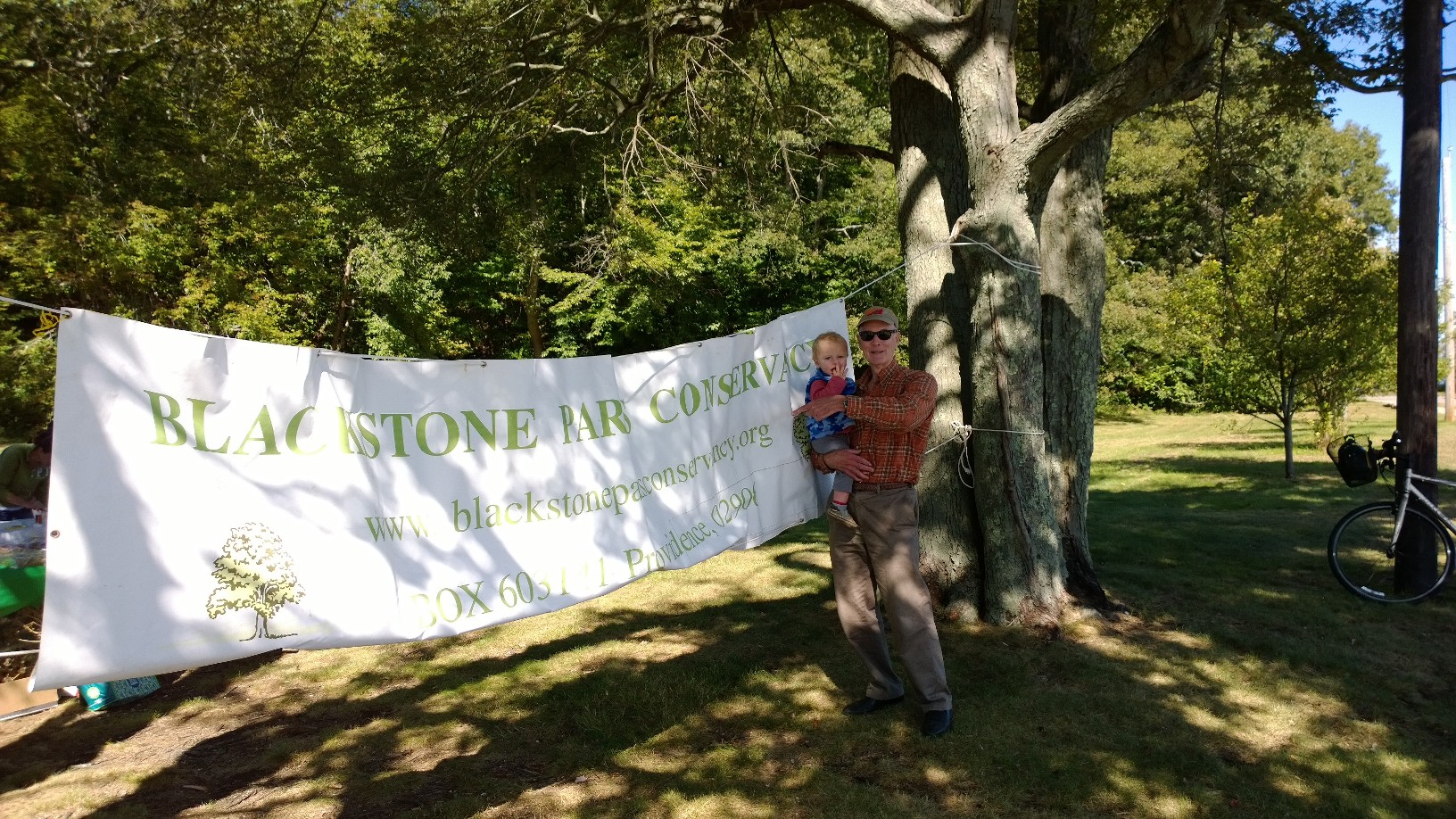
The Blackstone Parks Conservancy sent out this invitation, and we went.

“We invite you to attend the family event: Build your own Fairy House! This event was originally part of the summer series of family programs given by the Blackstone Parks Conservancy. Due to its rousing success, we are offering it again as part of Playful Providence, a citywide event organized by the Partnership for Providence Parks and the Providence Parks Department. Join us at the Field on River Road, across from the Narragansett Boat Club.”

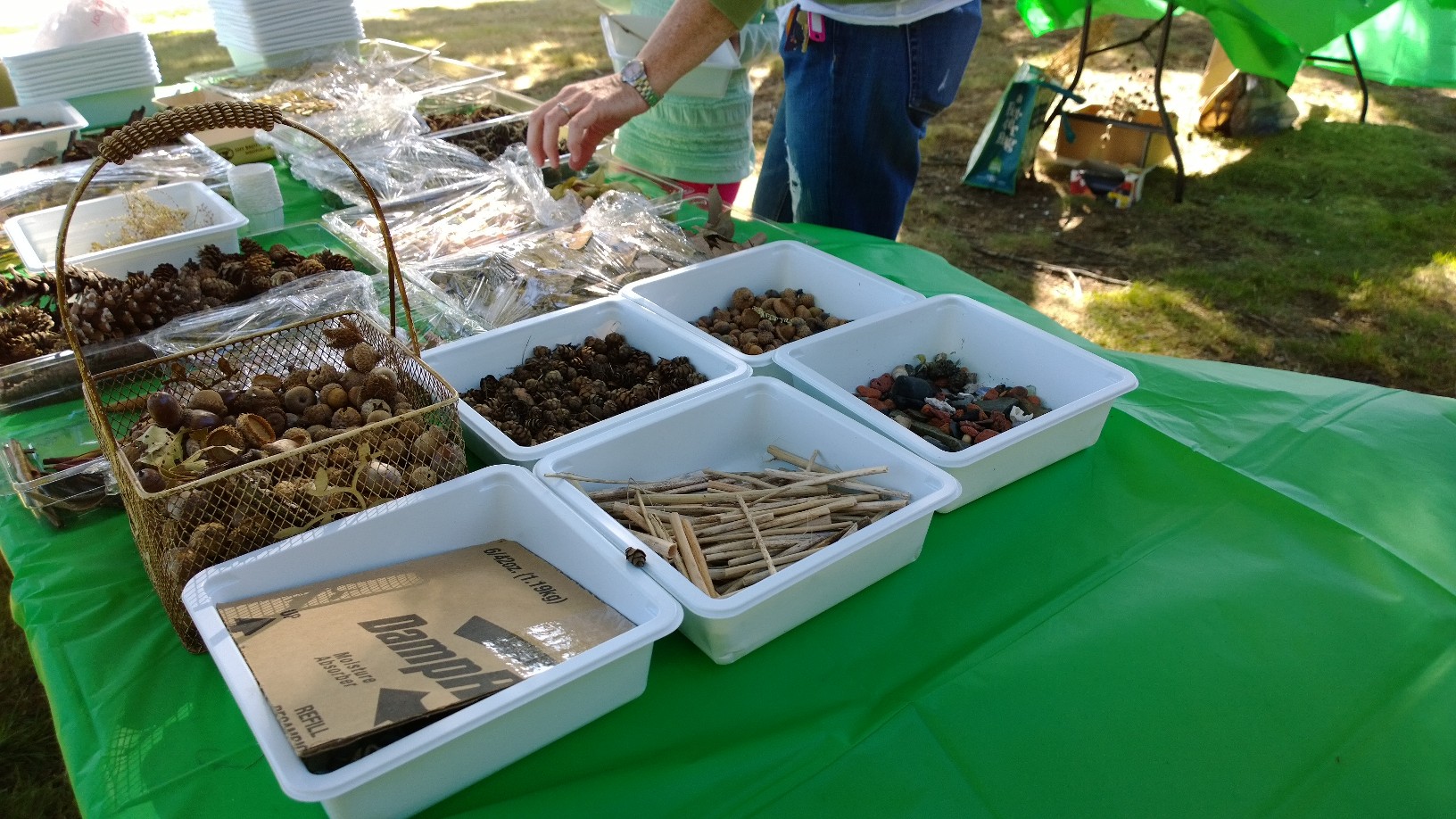
Cardboard forms that you could fold into houses were on hand. On top you could apply a layer of something like sand-colored Play-Doh, with actual sand in it. Next you could choose from a gorgeous array of seedpods, acorns, leaves, twigs, and other fruits of nature — and stick them into the “mortar” — the way a fairy would like them — before the clay dried.

Our middle grandchild was a little young for it, but he liked running around in the park and watching the rowing lessons on the Seekonk nearby.

I would like to try fairy houses again someday soon. Just collecting the pieces of nature to be used would be fun for a child.

Read about the conservancy and future events here.

blackstone-valley-fun

to-make-fairy-castles

Read Full Post »

This is special.

Joe Berkowitz justifiably sprinkles explanation points at his FastCoCreate report on footage shot by an eagle.

“Eagles are praised for their eyes,” he writes. “Now you can basically see through them.

“It’s a moment of extreme cognitive dissonance when the most patriotic thing you have ever seen in your American life is actually super-French.

“A video featuring GoPro footage shot by an eagle (!!!) soared to the top of Reddit’s video page recently, delighting all who laid eyes upon it. Before anyone watching has the opportunity to shed a tear for the purple mountain’s majesty, etc., though, a caption on the video mentions that this was shot in the Chamonix valley of France’s Mer de Glace.”

To see the beautiful video, go to FastCoCreate, here.

Photo: titaniumdoughnut at Reddit
Eagle in flight, unknowingly taking video.

Read Full Post »

welcome-to-carousel

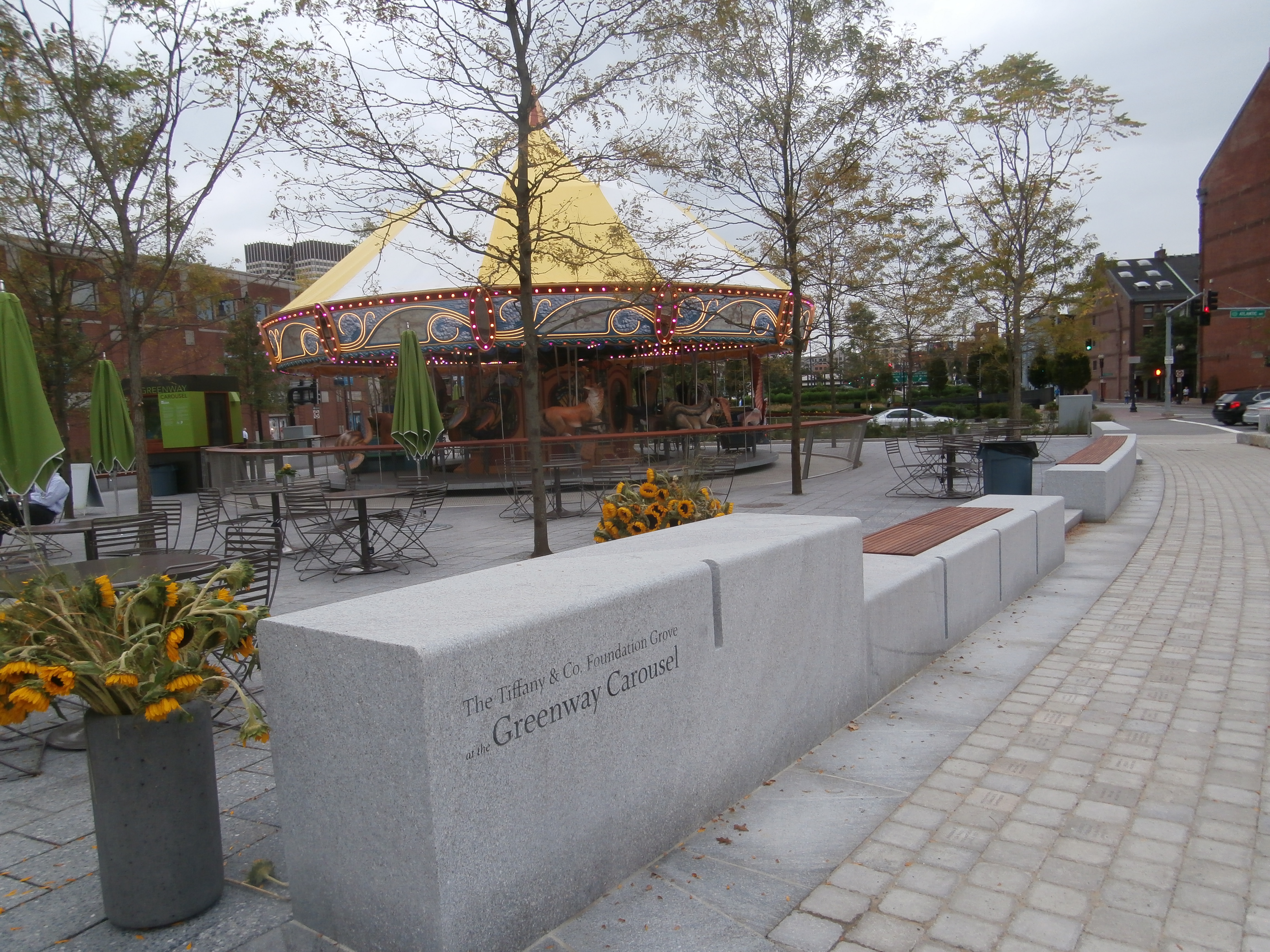
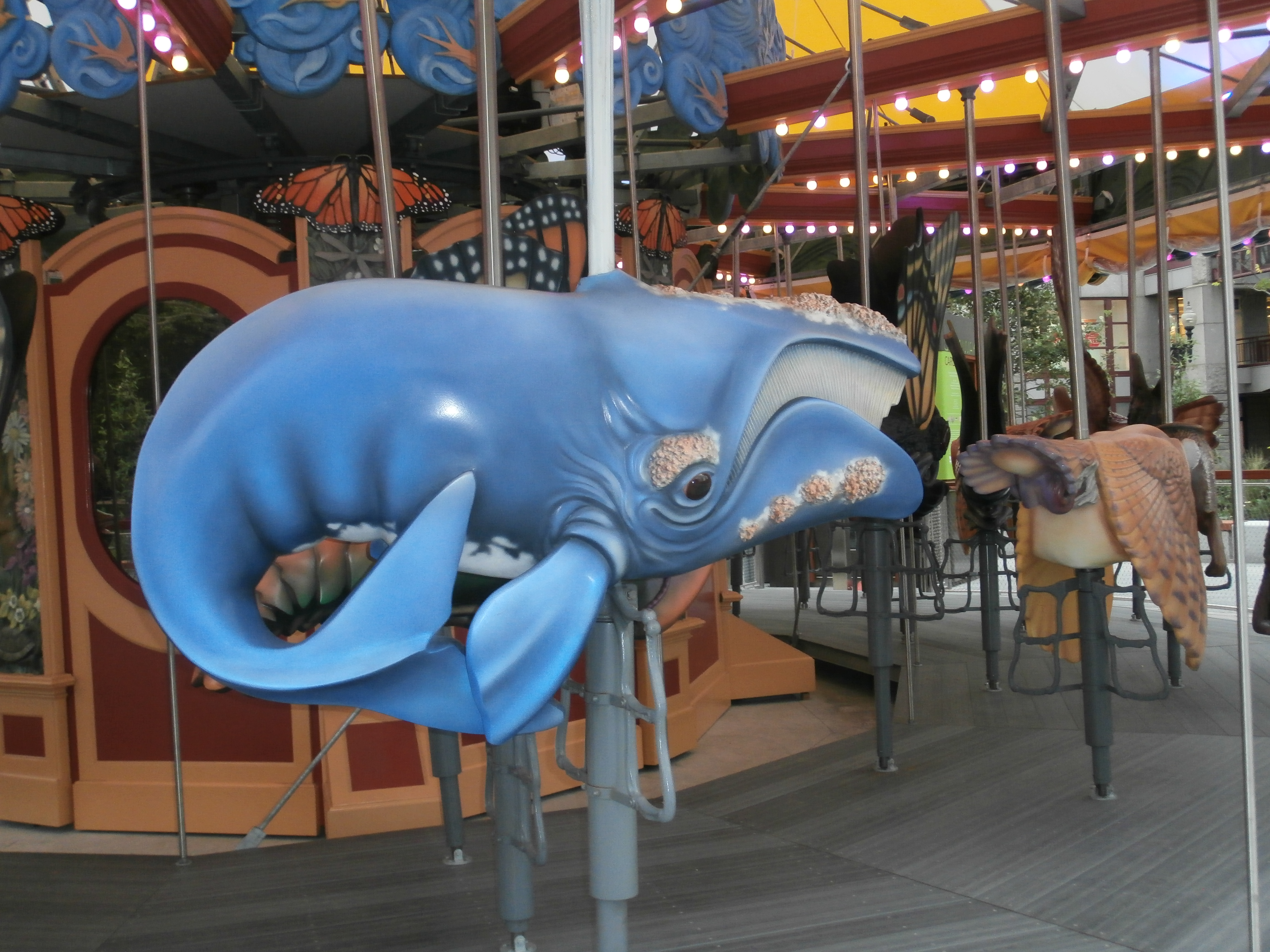
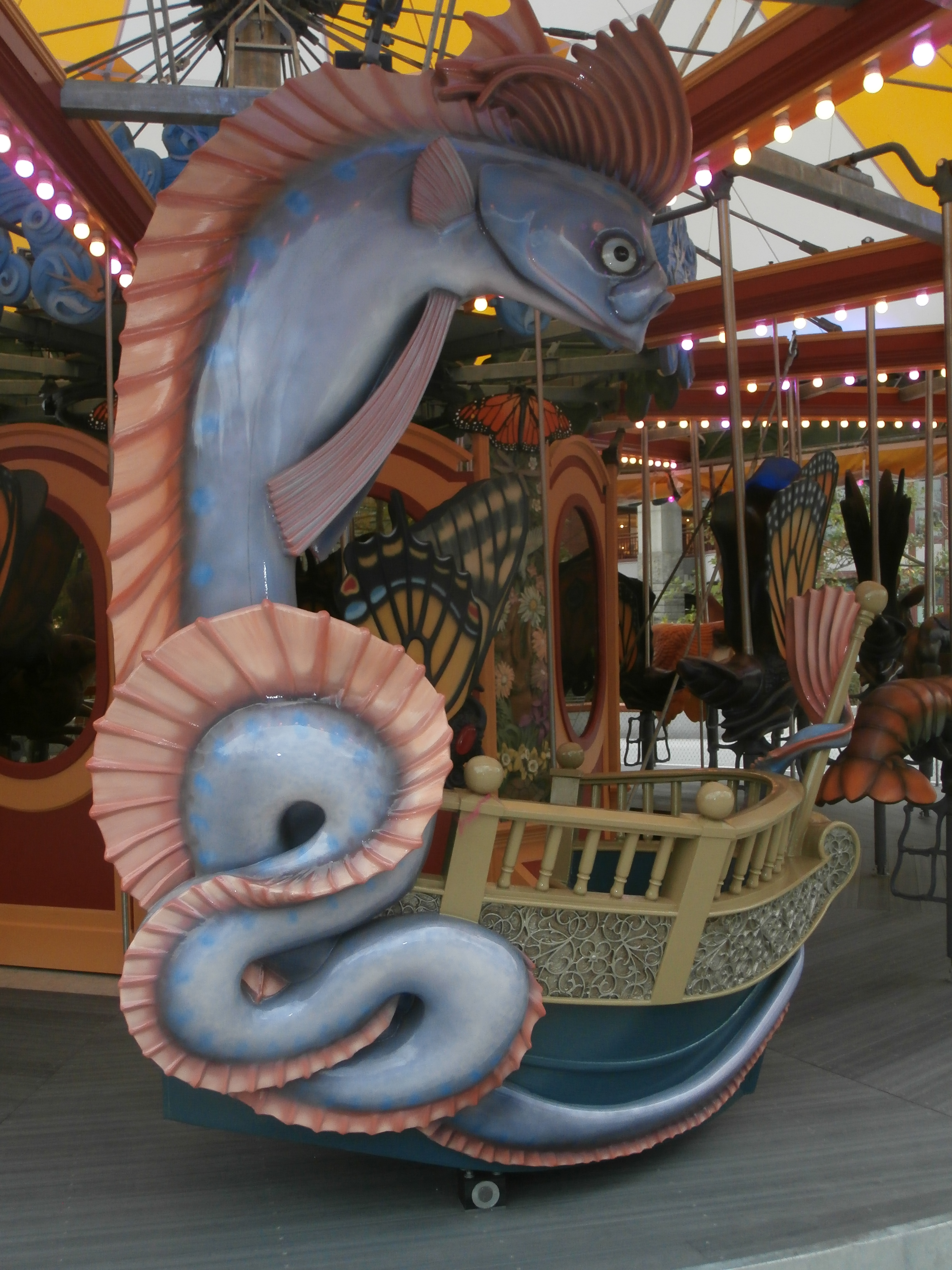
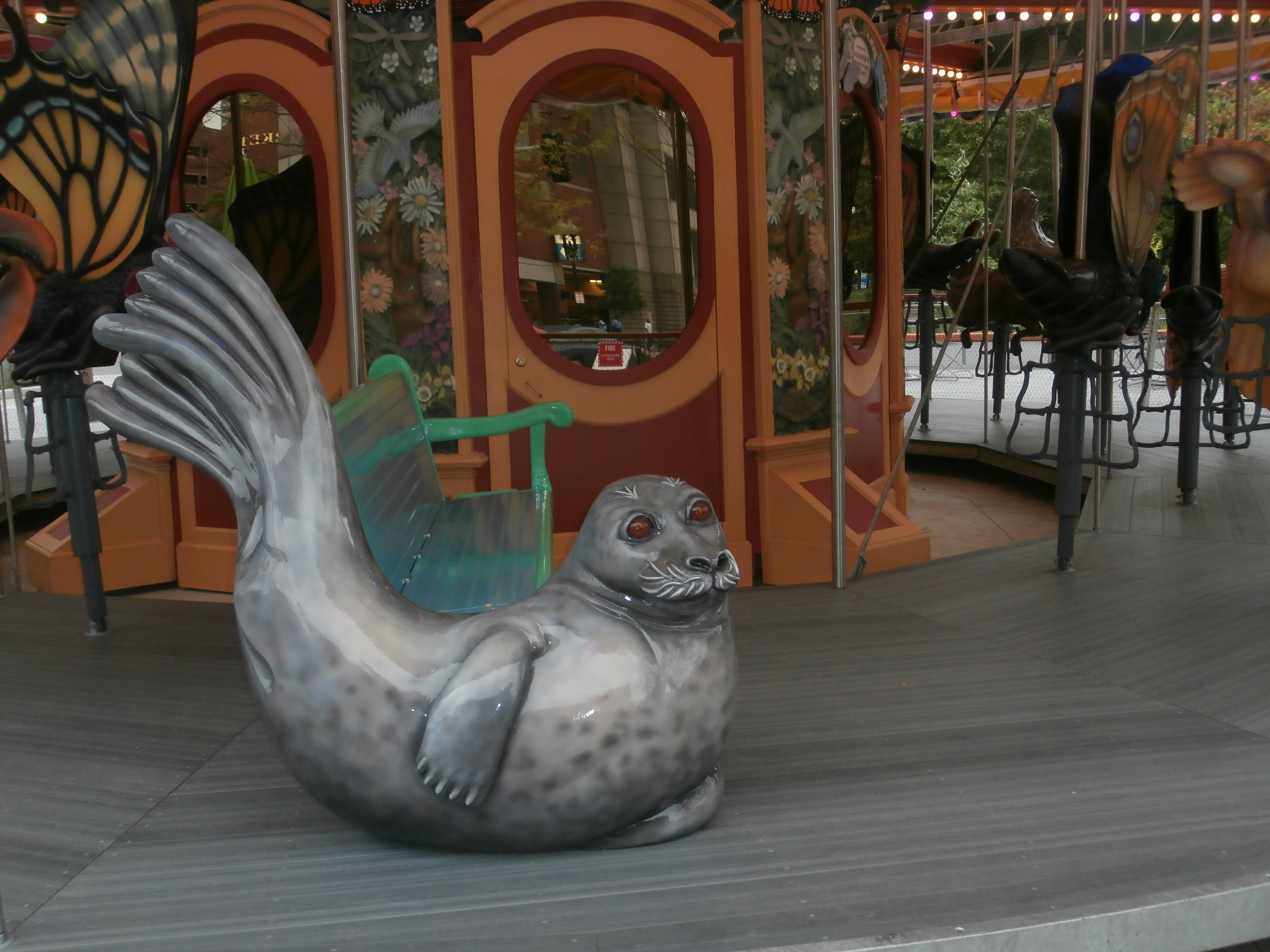
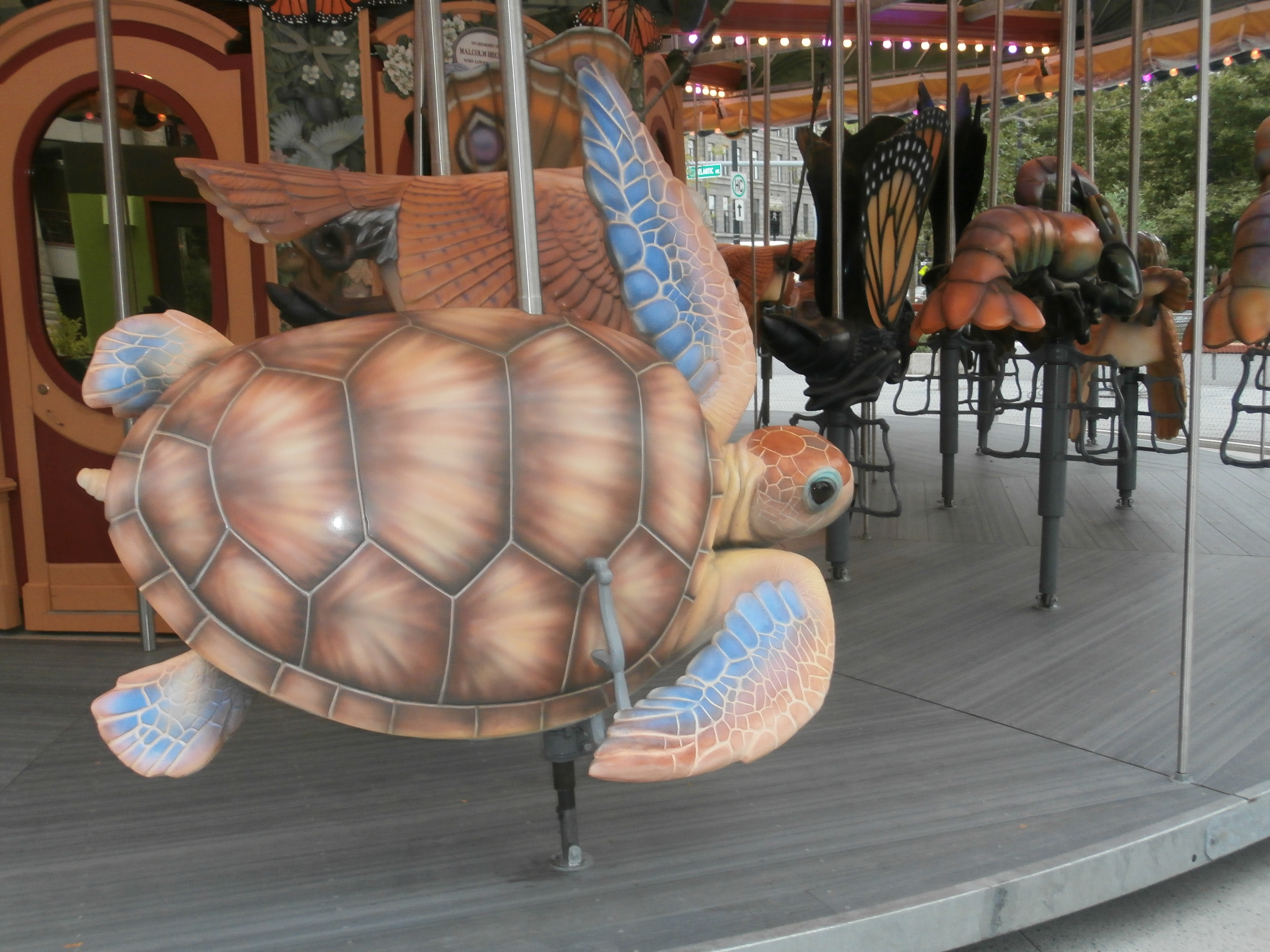
The Rose Kennedy Greenway just gets better and better. Not only is the new carousel a wonder, but little signs have begun to appear identifying the plantings, many of them quite exotic.

Now, if they would just decide to create bike paths or else enforce the rules about “no wheels,” we walkers would at least know where it was safe to walk while daydreaming.

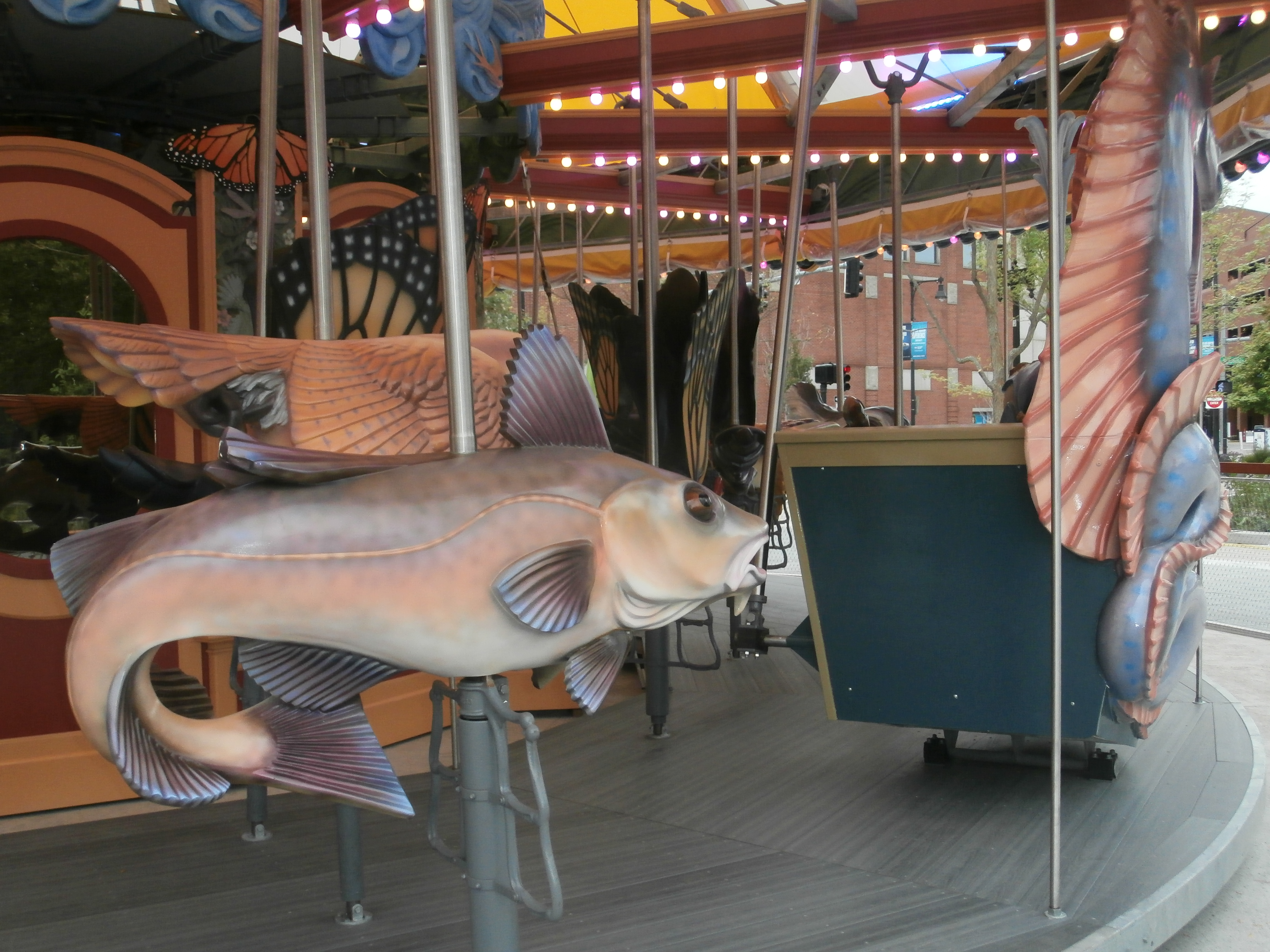
What do you think of these sea creatures?

Greenway-carousel-fish

Greenway-whale


sea-serpent

Greenway-carousel-seal


OLYMPUS DIGITAL CAMERA


Read Full Post »

I was reading an article by Kathleen Wolf, a social scientist whose “work is based on principles of environmental psychology and focuses on the human dimensions of urban forests and ecosystems.”

The following words struck me: “Interviewees say that merely looking at trees tends to reduce mental and physical stress. A walkable green environment is also thought to increase life satisfaction in later life and even longevity.” Hmm.

So to borrow some words from local honcho H.D. Thoreau, “I went to the woods to see if I could live” longer.

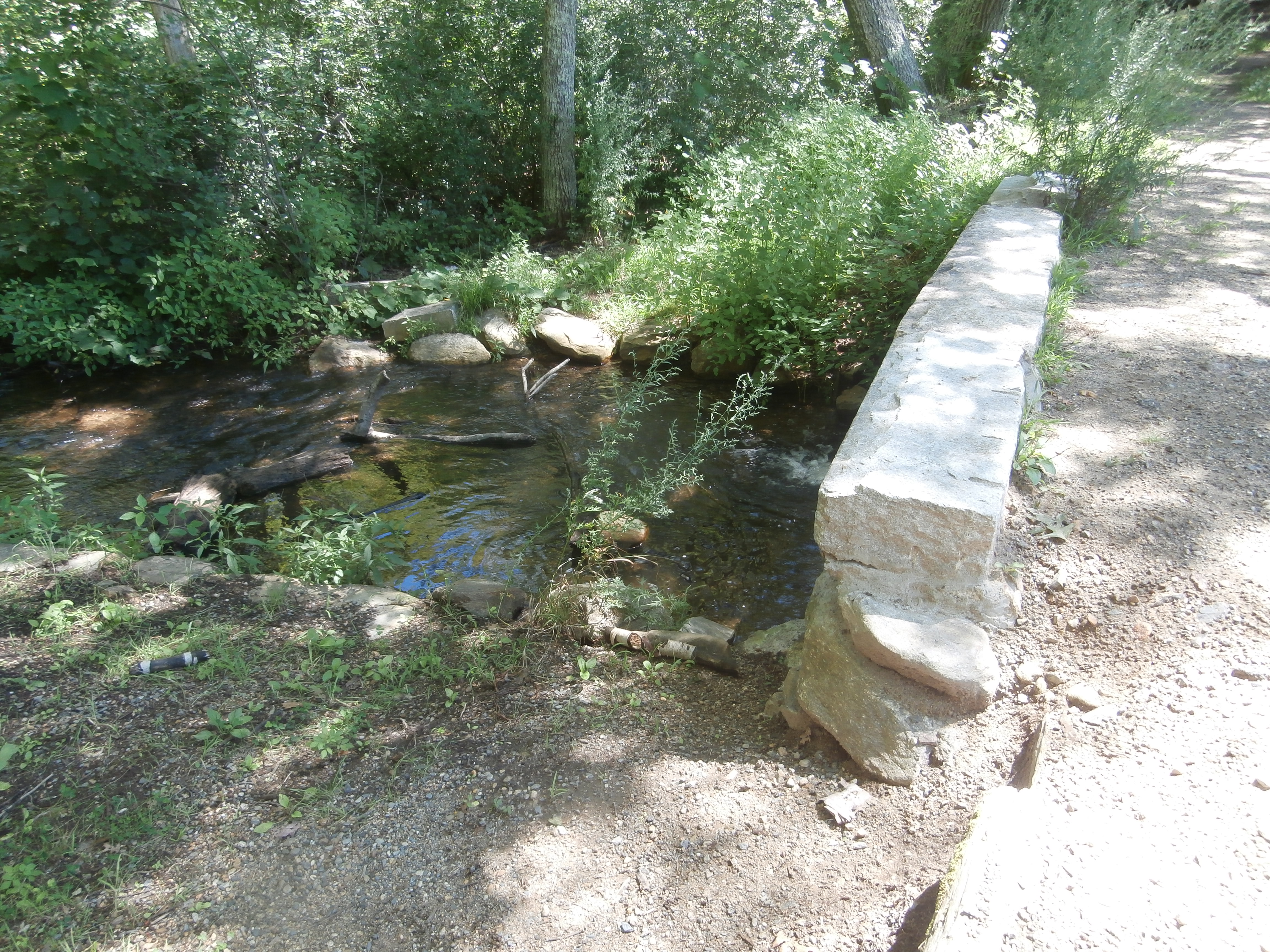
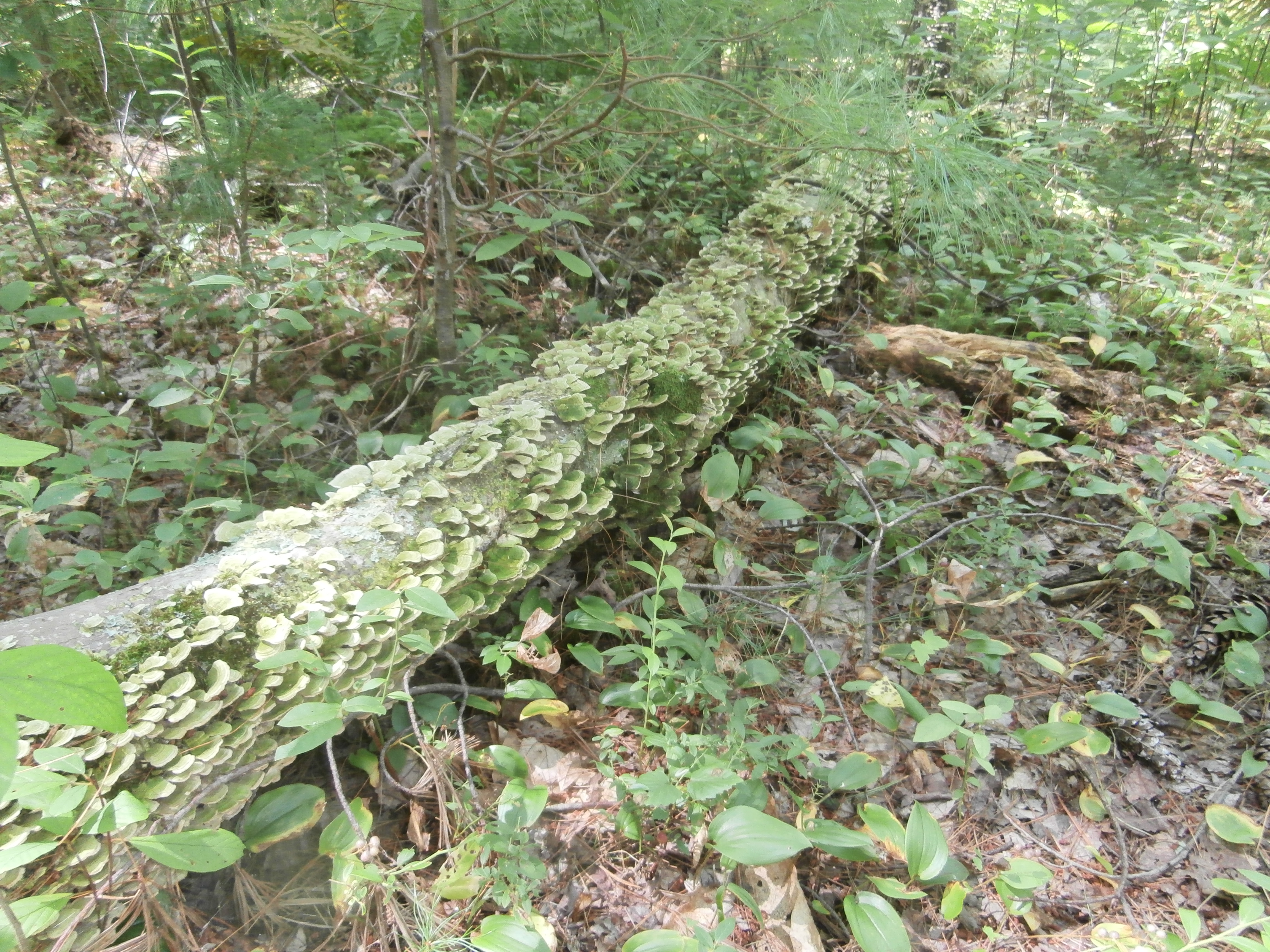
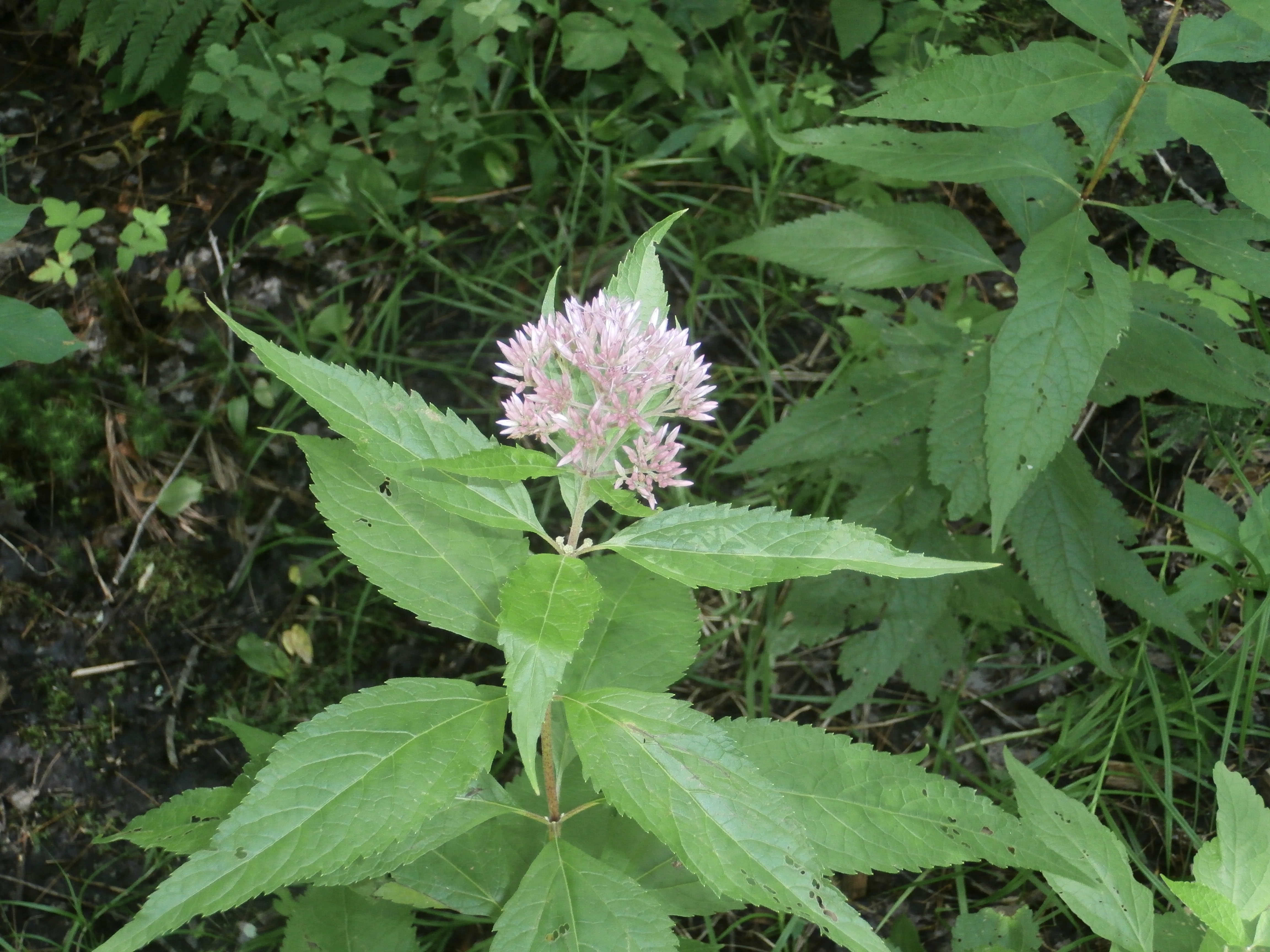
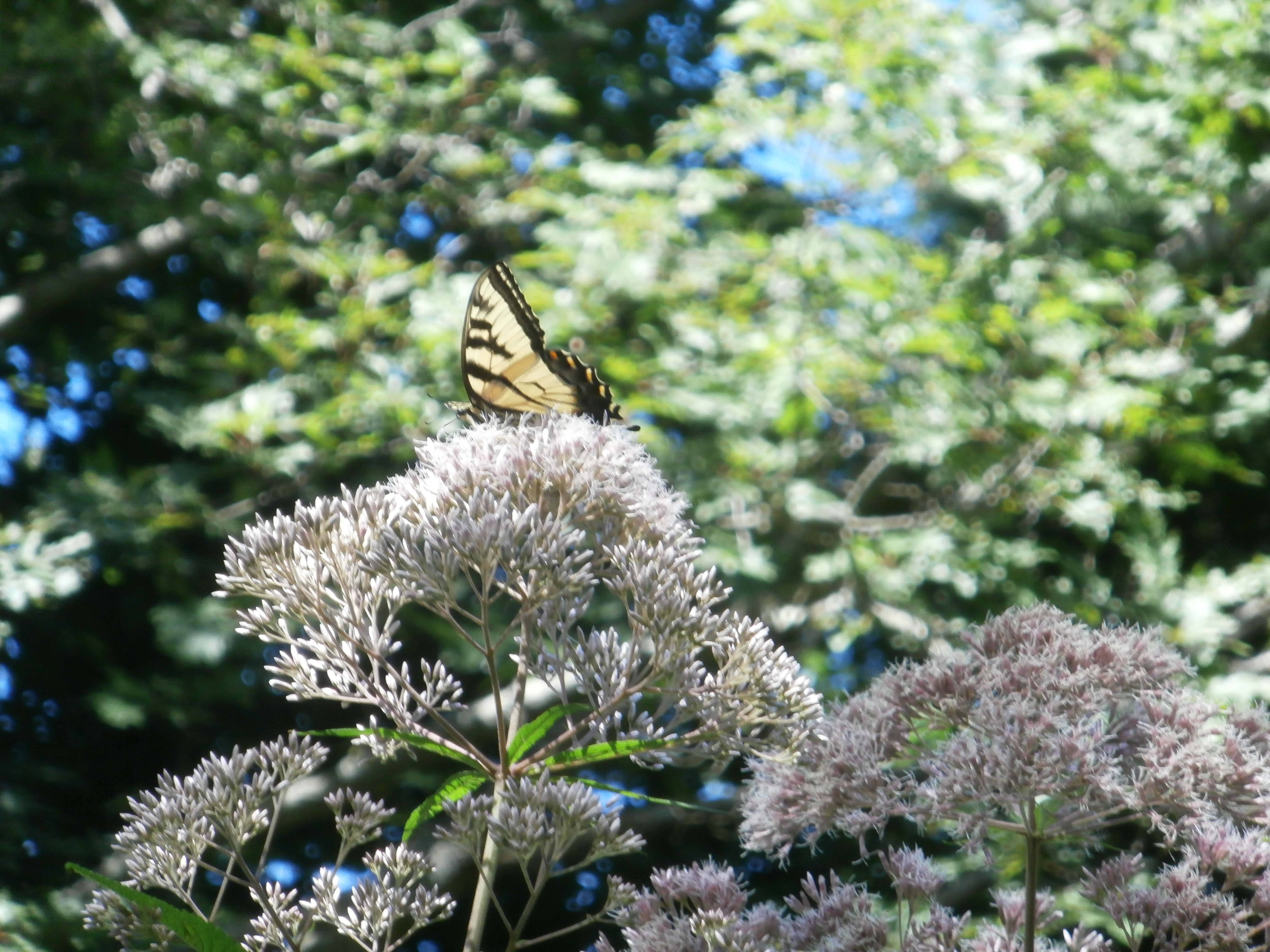
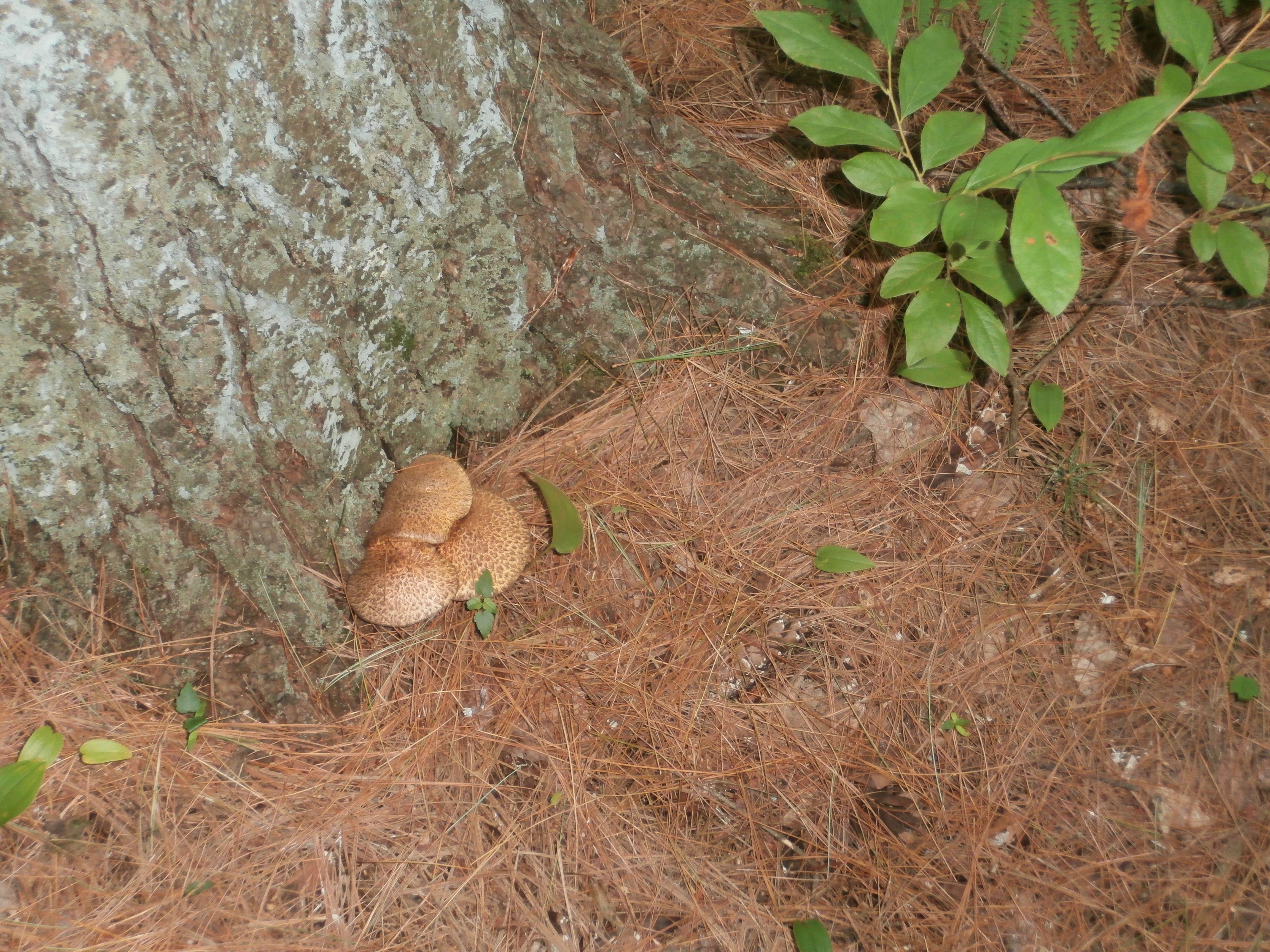
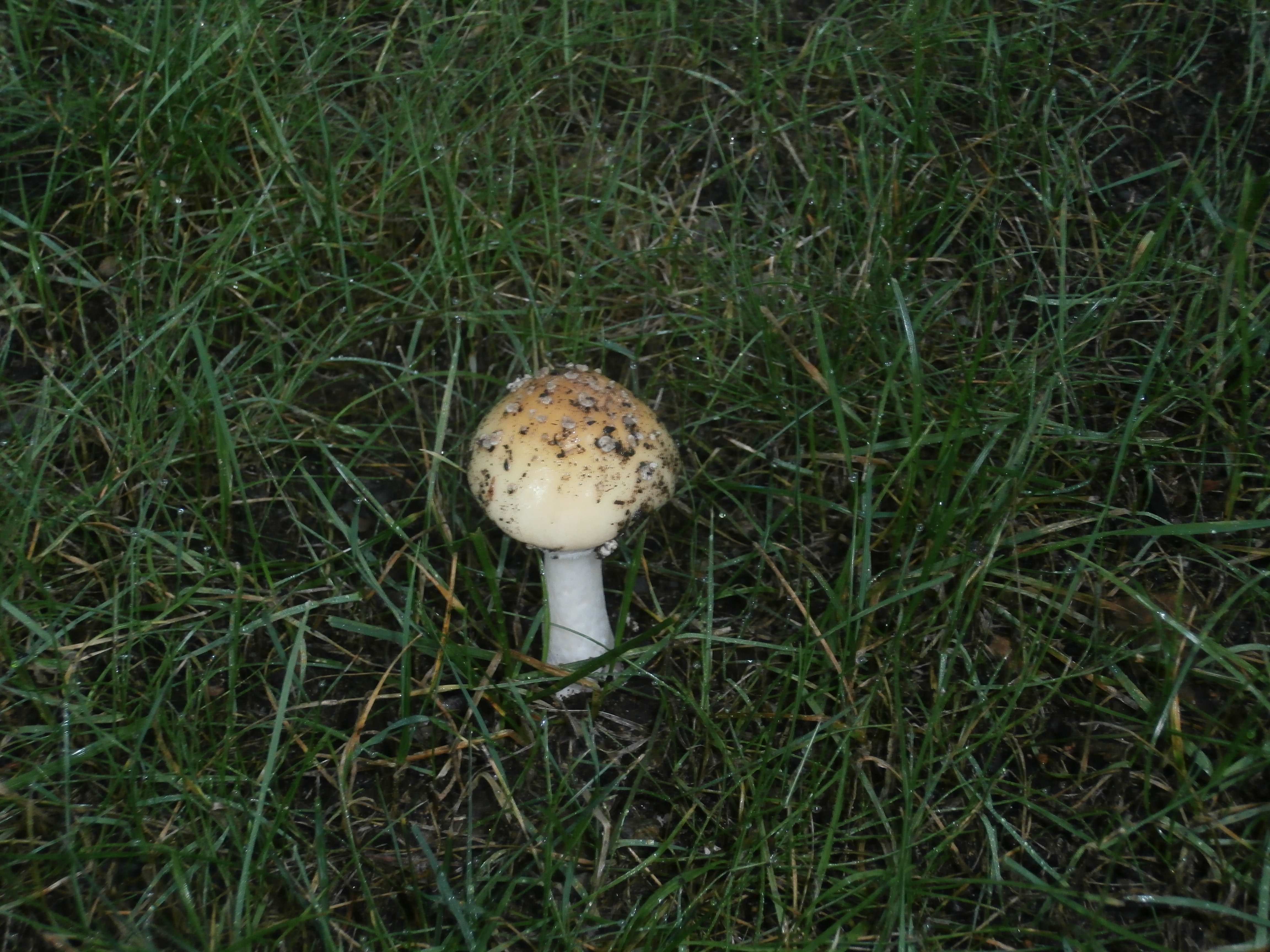
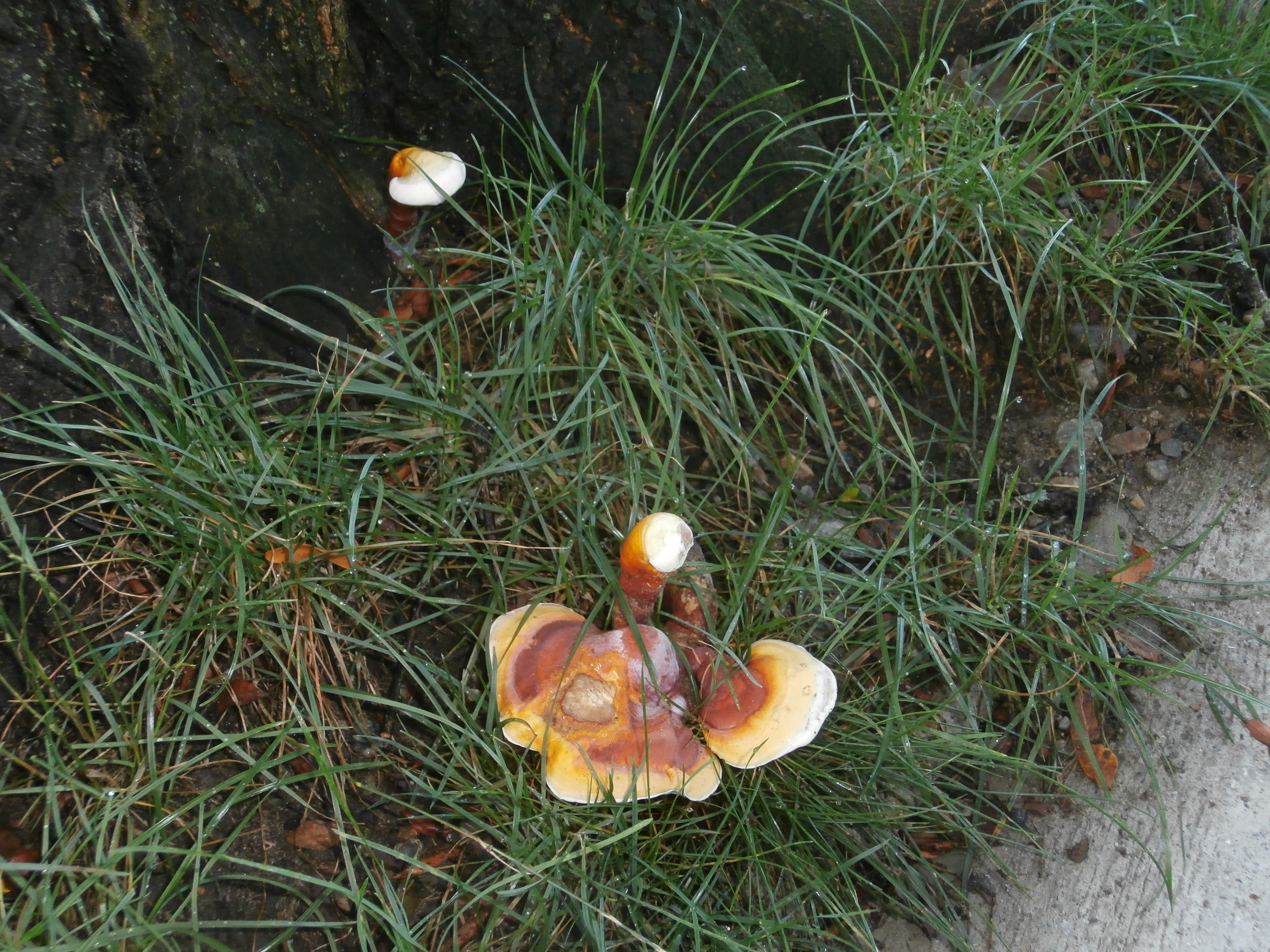
Photos include the Hapgood Wright Town Forest, Joe Pye Weed, an Eastern Tiger Swallowtail, a log like a scaly snake, and various fungi indicating mysteries beneath the surface.

hapgood-wright-town-forest

scaly-snake-log

joe-pye-weed

10-fott-weed-and-swallowtail

fungus

lonely-mushroom

something-is-below-the-surface

Read Full Post »

On the radio show “Living on Earth,” Bruce Gllerman interviewed Antioch education professor David Sobel recently about helping kids grow up to care about nature.

“Research shows that adults who are strong environmental stewards were allowed to explore nature unfettered as kids. …  Sobel says educators are too focused on rules and making sure that students learn correct scientific terms instead letting kids be kids. …

“SOBEL: Kids should have alone time in the woods. If it gets crazy, then there should be some adult intervention. … There needs to be a large quotient of being outdoors, in the meadows and in the woods, as well as the more didactic, pictorial experience of IMAX and National Geographic.

“GELLERMAN: So basically, take the kid kayaking.

“SOBEL: Take the kid kayaking. Take the kid berry-picking.

“GELLERMAN: Well, [with] a lot of parents — you say ‘berry-picking’ and they’ll say, ‘Oh my gosh, they’ll pick something poisonous!’ I know I take my kid mushrooming, and I tell other parents, and they look at me like ‘Oh my God, should we call the police on this guy?’

“SOBEL: Exactly. It’s fascinating how shocked and disapproving other parents are about [that] kind of behavior. … One of the things in childhood that seems to shape environmental behaviors in adulthood is parents taking their kids mushroom picking and berry picking: selecting a natural resource for consumption …

“GELLERMAN: You know, Professor, if I were asked, I could trace my environmentalism to when I was just maybe four years old. And my mother gave me a spoon, put me in the garden, and I started digging to China. Do you have a memory like that?

“SOBEL: The analogous memory that I recount is a snow day when I was about eight years old. And my friends and I decided we would play this game where they were gonna go off and I was gonna to follow them fifteen minutes later. And in the midst of tromping through waist-deep snow all by myself, my glasses were fogging up, I had one of those little epiphany moments: that I was out here, all by myself, in the snowy wilderness, and wasn’t this great! It’s a recurrent phenomenon that kids have these great moments, somewhere in early to middle childhood, that often connect them to the natural world.”

More at the website, where you also can listen to the recording of the interview.

Photo: Flickr CC/your neighborhood librarian
Walking in the woods. 

Read Full Post »

When Erik and Suzanne were living in California, Erik says, he often wondered how it happened that the state had such a glorious, unspoiled coastline, where one could drive for miles and miles and see only the beauty of nature.

Now he knows. It’s been a long, hard fight, one that probably will never end. Steve Blank talks about the fight at his website, here.

“California has some of the most expensive land in the country,” Blank writes, “and as we all know, our economy is organized to extract the maximum revenue and profits from any asset. Visitors are amazed that there aren’t condos, hotels, houses, shopping centers and freeways, wall-to-wall, for most of the length of our state’s coast.

“It was the Coastal Act that saved California from looking like the coast of New Jersey.

“In 1976 the voters of California wisely supported the Coastal Act and the creation of a California Coastal Commission with 2 goals.

“First, to maximize public access and public recreational opportunities in the coastal zone while preserving the  rights of private property owners, and

“Second, to assure priority for coastal-dependent and coastal-related development over other development on the coast. …

“The Commission has been able to stave off the tragedy of the commons for the California coast. Upholding the Coastal Act meant the Commission took unpopular positions upsetting developers who have fought with the agency over seaside projects, homeowners who strongly feel that private property rights unconditionally trump public access, and local governments who believe they should have the final say in what’s right for their community, regardless of its impact on the rest of the state.”

Good for California! There’s more at Blank’s website.

Photo: http://steveblank.com

Read Full Post »

If you can’t photograph the ivory-billed woodpecker in Louisiana or Cuba or wherever it is rumored to have survived, the next best thing is to find a brand new species. That’s what Simon Mahood did in Cambodia.

Thomas Fuller writes about it in the NY Times. “The discovery of new fauna conjures up images of Livingstone-like explorers trekking through malaria-infested jungles. But scientists working in Cambodia have reported a new species of bird in a decidedly less remote environment: the outskirts of Phnom Penh.

“Simon Mahood, the lead author of an article released Wednesday in the Oriental Bird Club’s journal Forktail, says the bird’s primary habitat is about a 30 minutes’ drive from his home in Phnom Penh, ‘allowing for traffic.’

“ ‘I’ve always wanted to discover a bird species, but I never expected it would happen like this,’ Mr. Mahood, who works for the Wildlife Conservation Society in Cambodia, said by telephone from Phnom Penh. ‘I certainly didn’t expect to be standing in flip-flops and shorts a half an hour from home.’

“Roughly the same size as a wren, with white cheeks and a cinnamon cap, the bird was named the Cambodian tailorbird by the team that documented the discovery. Tailorbirds get their name from the way they build their nests, by threading spider silk or other fibers through a leaf, creating a sort of cradle.” More.

Photo: Ashish John/Wildlife Conservation Society
The Cambodian tailorbird was found near Phnom Penh.


Read Full Post »

« Newer Posts - Older Posts »