Feeds:
Posts
Comments

Posts Tagged ‘providence’

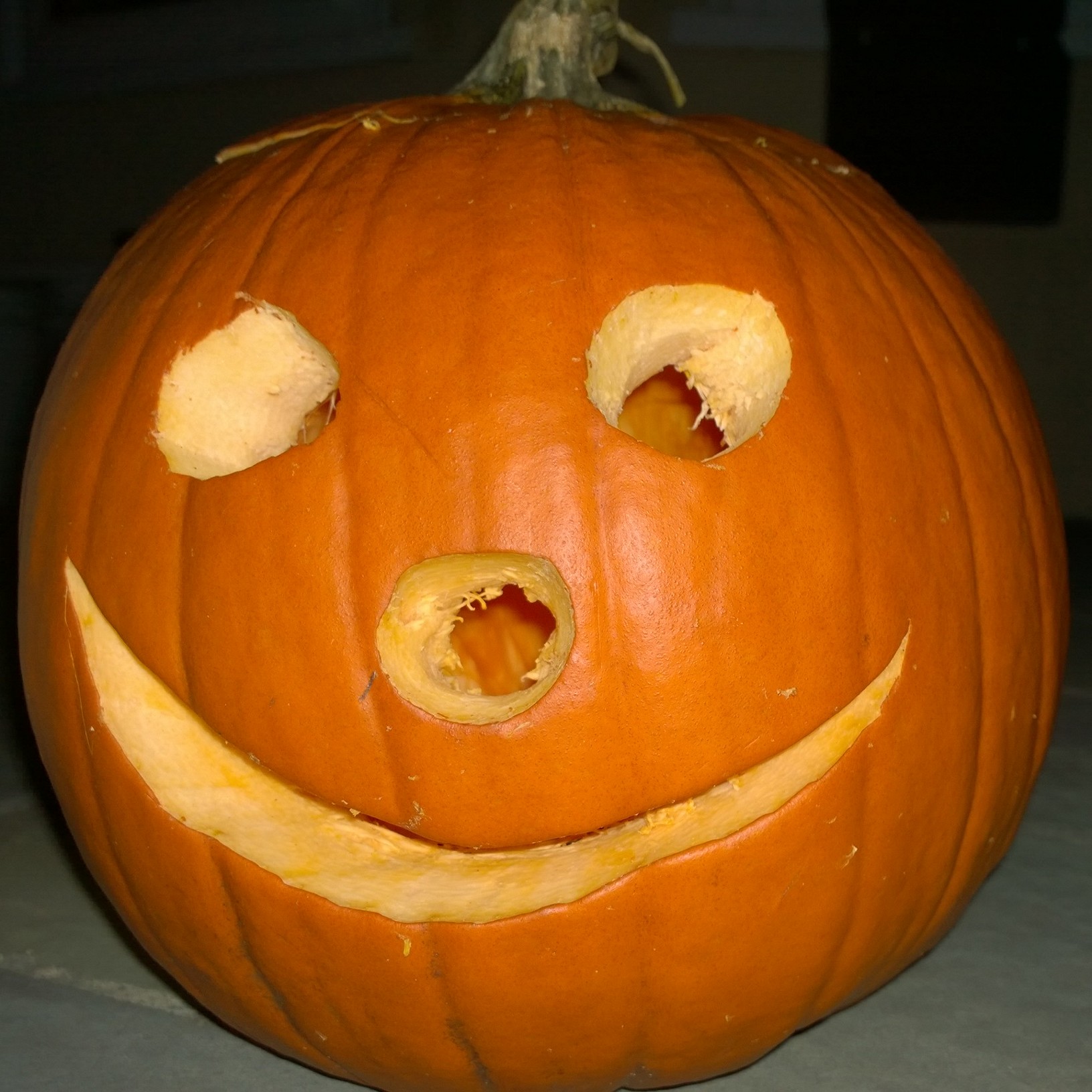
Pumpkin-Smile-2014


Back in the days when we had more trick-or-treaters coming to our door, I used to play a series of Halloween-ish records nice and loud, like “Night on Bald Mountain,” the original “Old Possum’s Book of Practical Cats” (with Robert Donat), and jazz trio Lambert Hendricks & Ross singing “Halloween spooks outside my window/Halloween spooks behind the tree./I wish that the children could see,/But I can’t find them for the life of me,/And there’re Halloween Spooks outside my window pane/Whoooo.”

Nowadays, families take their kids to housing developments where lots of children live. Last year no one knocked on our door. Fortunately, we’ve been able to join John’s two Halloween spooks at their neighborhood park’s festivities near Boston. And this year we’re hanging out with our middle grandchild, a Pirate, in Providence.

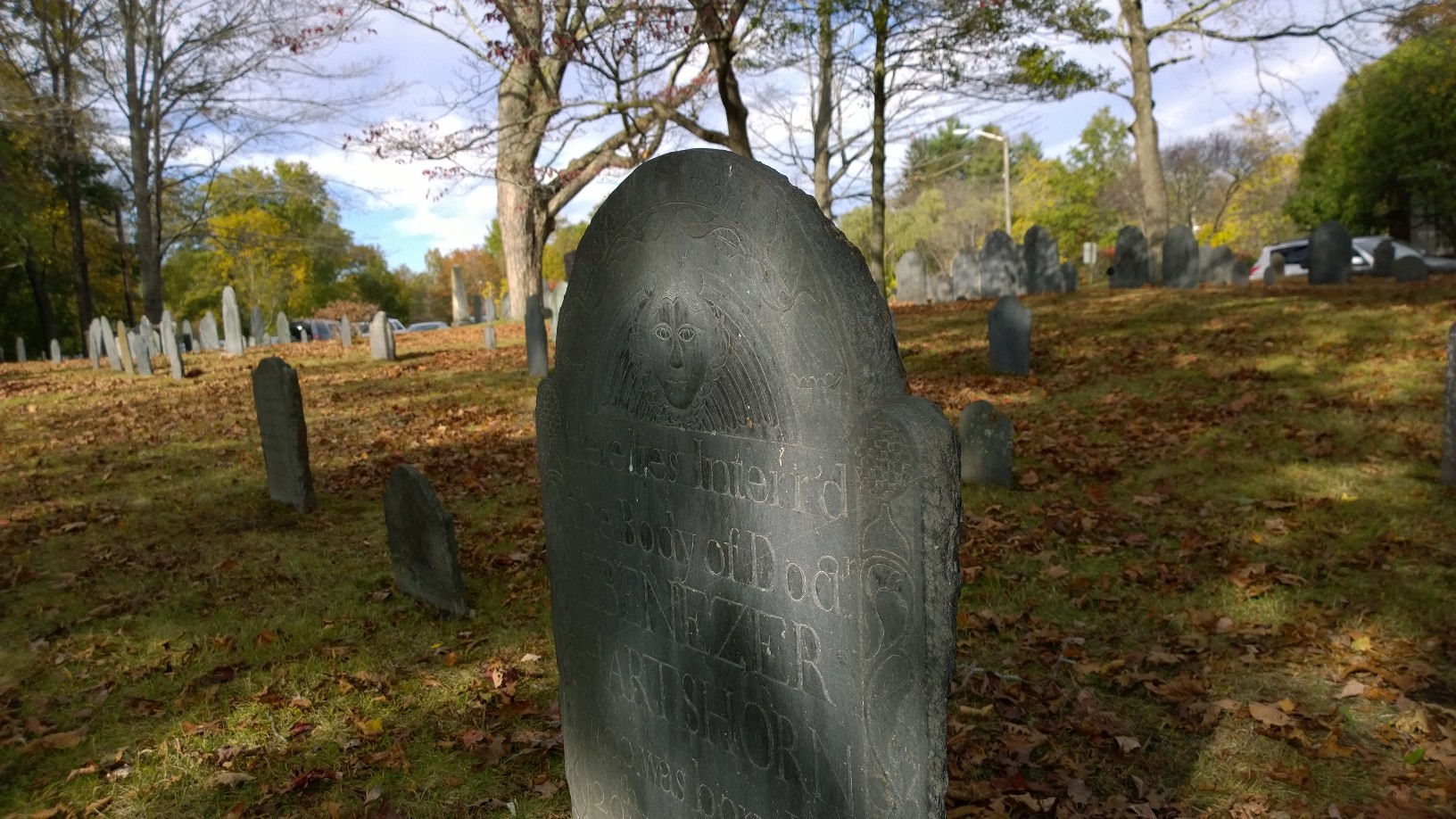
Here are a couple local photos that have been getting me in the mood.

graveyard

Read Full Post »

No matter how bad things get in the great world, there will always be someone who starts a quirky, individualistic project just for the love of it, reassuring us all.

In Providence recently, a few folks got together to resurrect an abandoned natural history museum partly to see what an early museum looked like, partly because it was a shame to throw it all out.

In the NY Times, Henry Founatain wrote,  “If museums are meant to preserve objects forever, then forever ended here in 1945.

“That year, Brown University’s natural history museum, which included multitudes of animal skeletons and specimens among its 50,000 items, as well as anthropological curiosities like rope made from human hair, was thrown away.

“It was a sad end to what had been a labor of love for John Whipple Potter Jenks, a Brown alumnus, taxidermist and naturalist who founded the teaching museum in 1871.

“But Jenks had died in 1894 — on the steps of the museum, no less — and what by then was known as the Jenks Museum fell into disarray. It was shuttered in 1915, and the objects were scattered or stored until most of them were hauled, in 92 truckloads, to a nearby dump in 1945.

“But now the Jenks Museum lives again, at least temporarily, in an exhibition that is as much about art as it is about science.

“A group of Brown graduate students, with help from a faculty adviser and a New York artist, has rounded up a few surviving odds and ends, commissioned artists to recreate some of the vanished objects, and installed it all in Rhode Island Hall, the home of the original museum. The exhibition, which also includes a recreation of Jenks’s office as it might have looked in the year of his death, will be on display until spring.” Read more here.

The Lost Museum will be on display in Rhode Island Hall on the Brown University campus, 60 George Street, the Jenks Museum’s original home, through May 2015.

Photo: Mike Cohea/Brown University
The office of John Whipple Potter Jenks, who founded the natural history museum at Brown University, was recreated for an exhibition called Lost Museum.

Read Full Post »
Providence is engaging in so many entertaining pop-up activities I can’t keep up. Suzanne sent this link about one that happened today. I guess it is what people mean when they talk about “placemaking.”

Chris writes at the blog for Our Backyard Rhode Island, “Where else but Our Backyard could you walk to dozens of parks in just one day? Today 32 temporary parklets have sprung up in Downtown, the West Side, and the East Side of Providence to mark PARK(ing) Day. More than 30 metered parking spaces have been transformed into temporary public parks. Designers worked with local businesses to find creative ways to add green space to the urban environment. They trucked in plants, Astroturf and picnic tables to create alluring stop offs for people out for a walk.

“On Matthewson Street, you can even use frisbees to play checkers on a board as big as a queen-size comforter. Organized locally by the RI chapter of the American Society of Landscape Architects (RIASLA), the RI chapter of the American Institute of Architects (AIAri), and Transport Providence, Park(ing) Day strengthens connections in Our Backyard.”

More here.

Photo: http://ourbackyardri.com/
A Providence parklet today.

Read Full Post »

After a delightful morning with my granddaughter and my older grandson, I went to Providence to hang out with my younger grandson and Suzanne and a good friend.

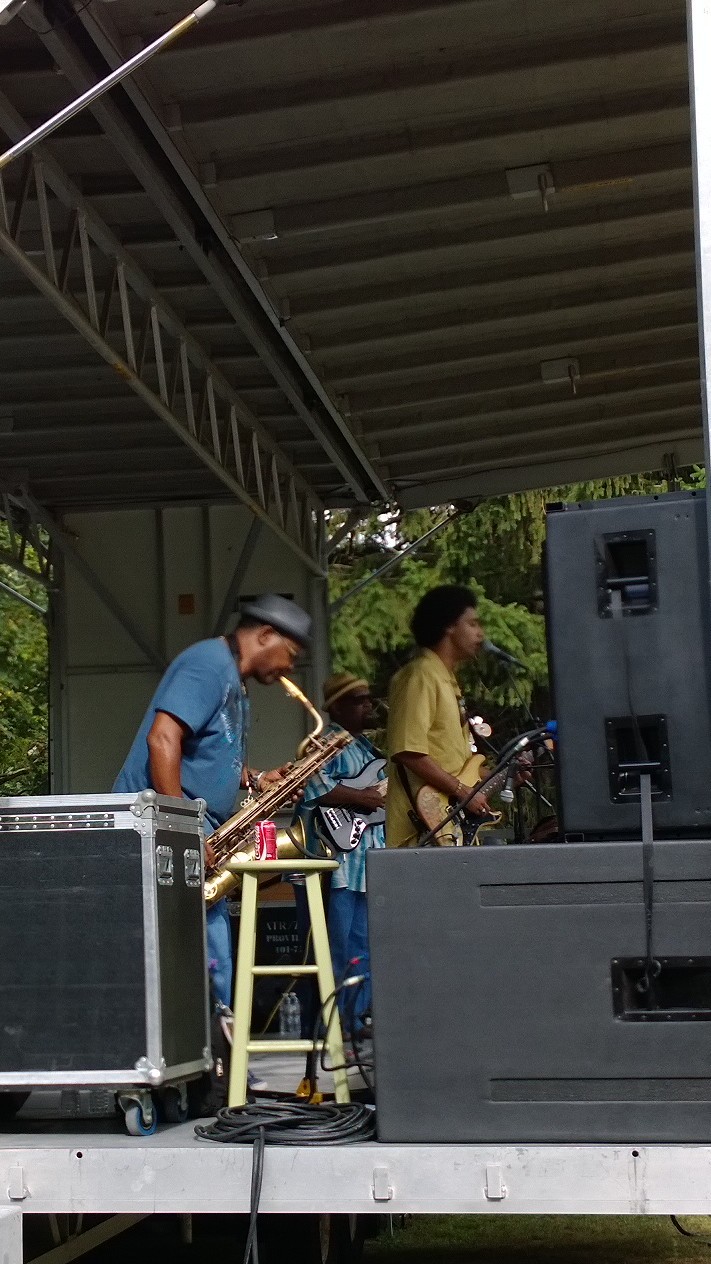
I caught up with them at the park, where the farmers market was winding down and a free summer concert was revving up: the annual Summit Music Festival. (Check it out here.)

The four of us liked a blues group called the Selwyn Birchwood Band (pictured) and another band called Smith and Weeden. The ice cream eater below had reservations about a third performance. Everyone’s a critic.

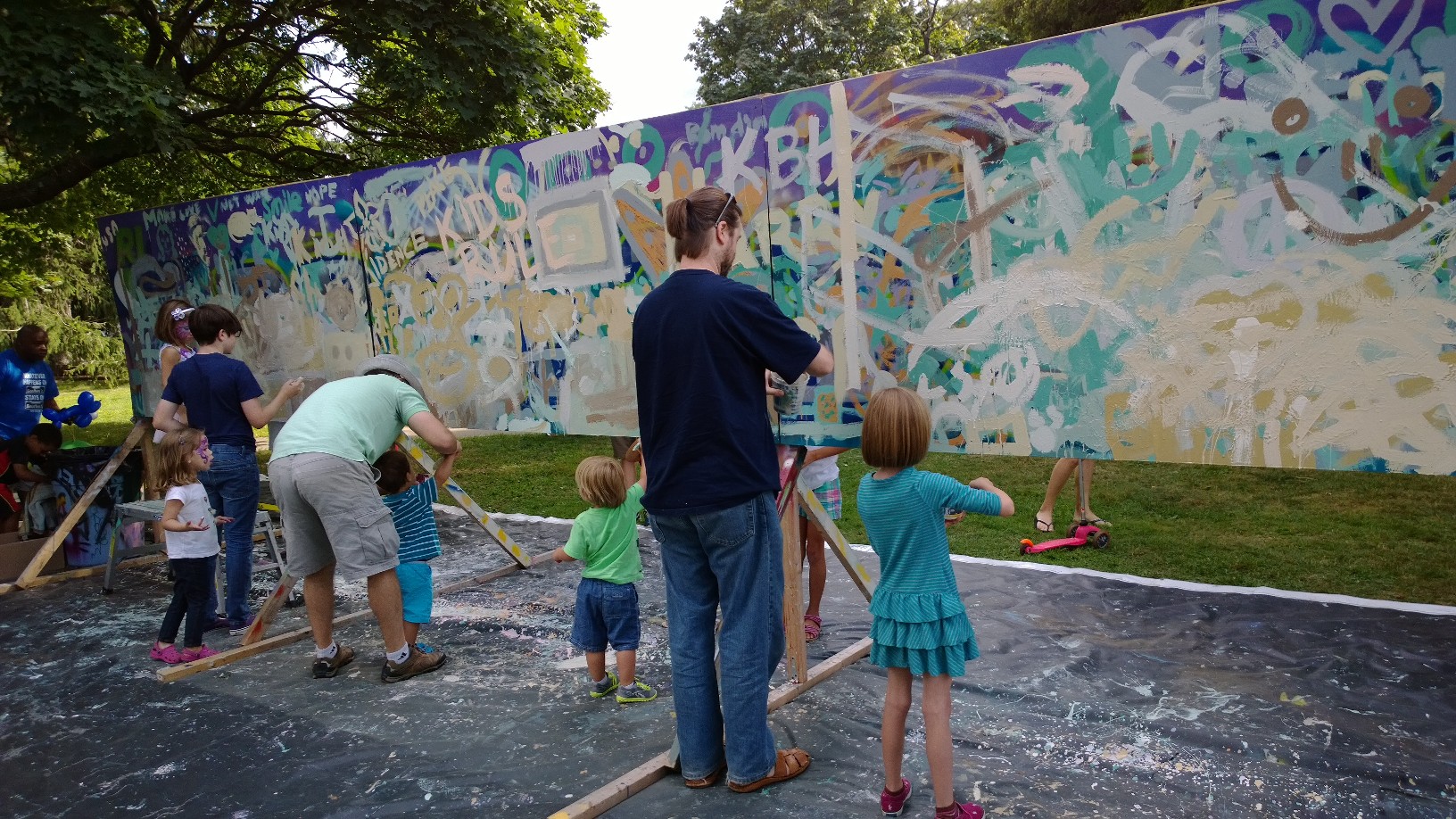
We spent a chunk of time going “higher, higher” on the swing in the playground and watching a multi-ethnic group of small boys kick a soccer ball. (How brave it is to go up to boys you don’t know and ask to play!) We skipped the face painting, which was gorgeous but, to a 2-year-old, kind of pointless. We watched kids and grownups painting a mural wall.

live-music-Providence


concert-critic-with-ice-cream


paint-the-wall-providence

Read Full Post »

Walkability greatly improves the quality of life in a town or city, a precept our country lost track of for many years. I grew up in exurbia, where there were no sidewalks. And although I loved walks in the woods, I always felt a little gypped by the ads in comic books starting, “Be the first on your block …” What was a block? As an adult, I have lived only where there are sidewalks.

One of the most engaging recent developments of today’s walkability movement is Walk[YourCity], which enables you or anyone else to make professional-looking signs to interesting places in walking distance. (I love the stealth aspect of posting them.)

Suzanne and I began noticing signs in Providence a couple months ago, but it was only recently that some folks behind the effort blogged about it.

“Providence, RI, is playing host to two Walk [Your City] campaigns — both intended to activate public space and promote active transport.

PopUp Providence is a placemaking project that ‘introduces interactive, artistic and cultural displays and interventions throughout the City’s 25 neighborhoods.’ W[YC] signage has been incorporated … Other first-season PopUp Providence projects include a pop-up music studio offering teaching and performance spaces, and a parklet adding seating to the streetscape. …

“Providence’s Planning Department mentioned W[YC] to folks from the I-195 Redevelopment District, who thought the signs would be a great way to direct folks to their interim use art installations — soon to include 12 creative installations throughout the I-195 downtown parcels.”

More at the Walk[YourCity] blog, here. (And may I just note that Providence has exactly the kind of creative, entrepreneurial climate that would lead people to embrace something like this.)

Photos: Emily Kish and Kate Holguin

Read Full Post »

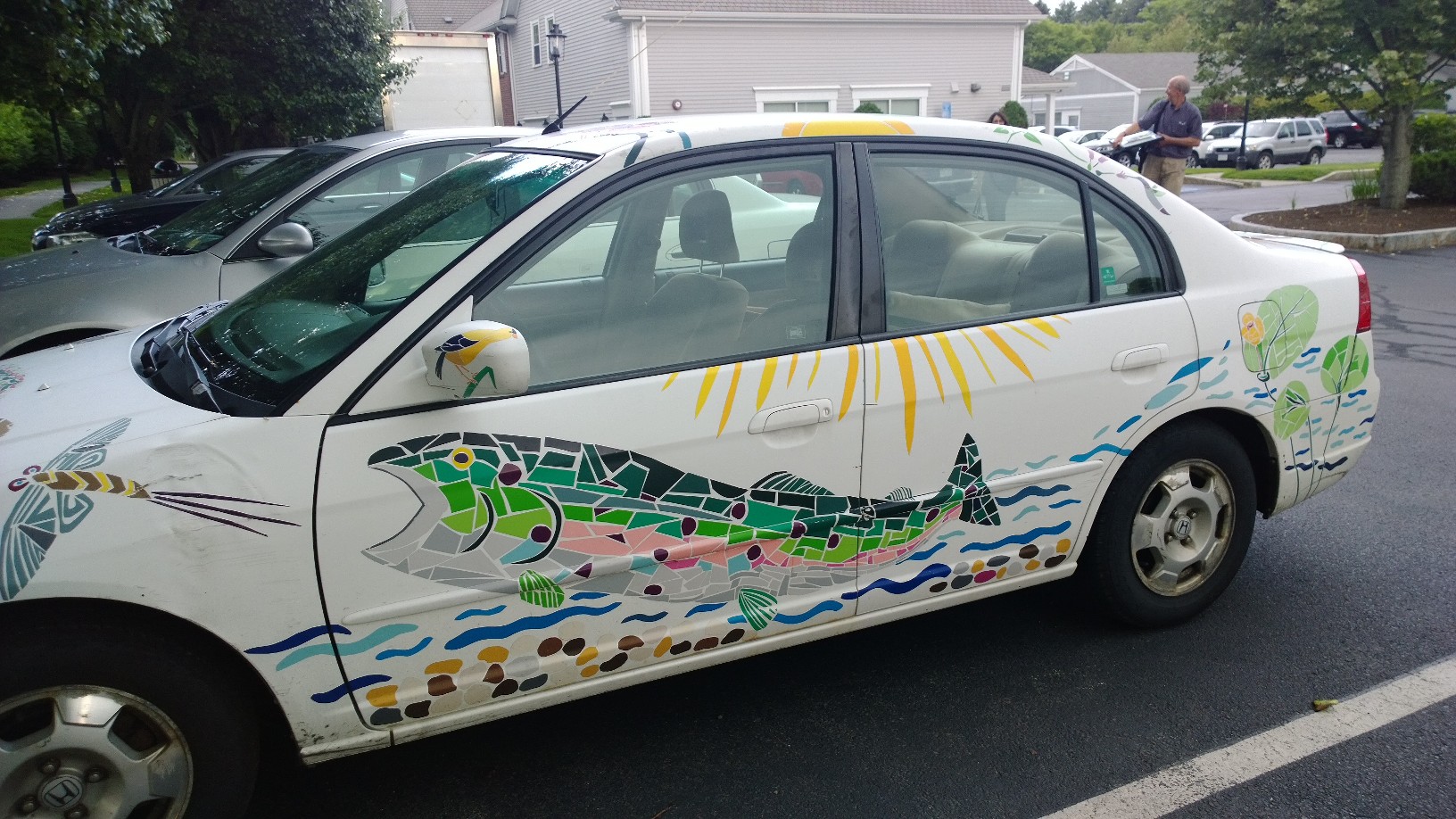
fish-car-made-with-vinyl-stickersHere are a few recent photos. The owner of the fish car showed up as I was taking the picture, so I heard the artist’s story. He threw a party and provided his friends with every shade of adhesive-backed vinyl and pairs of scissors. And they cut small pieces to create a kind of mosaic of the fish, the sea, the goldfinch on the mirror, and so on.

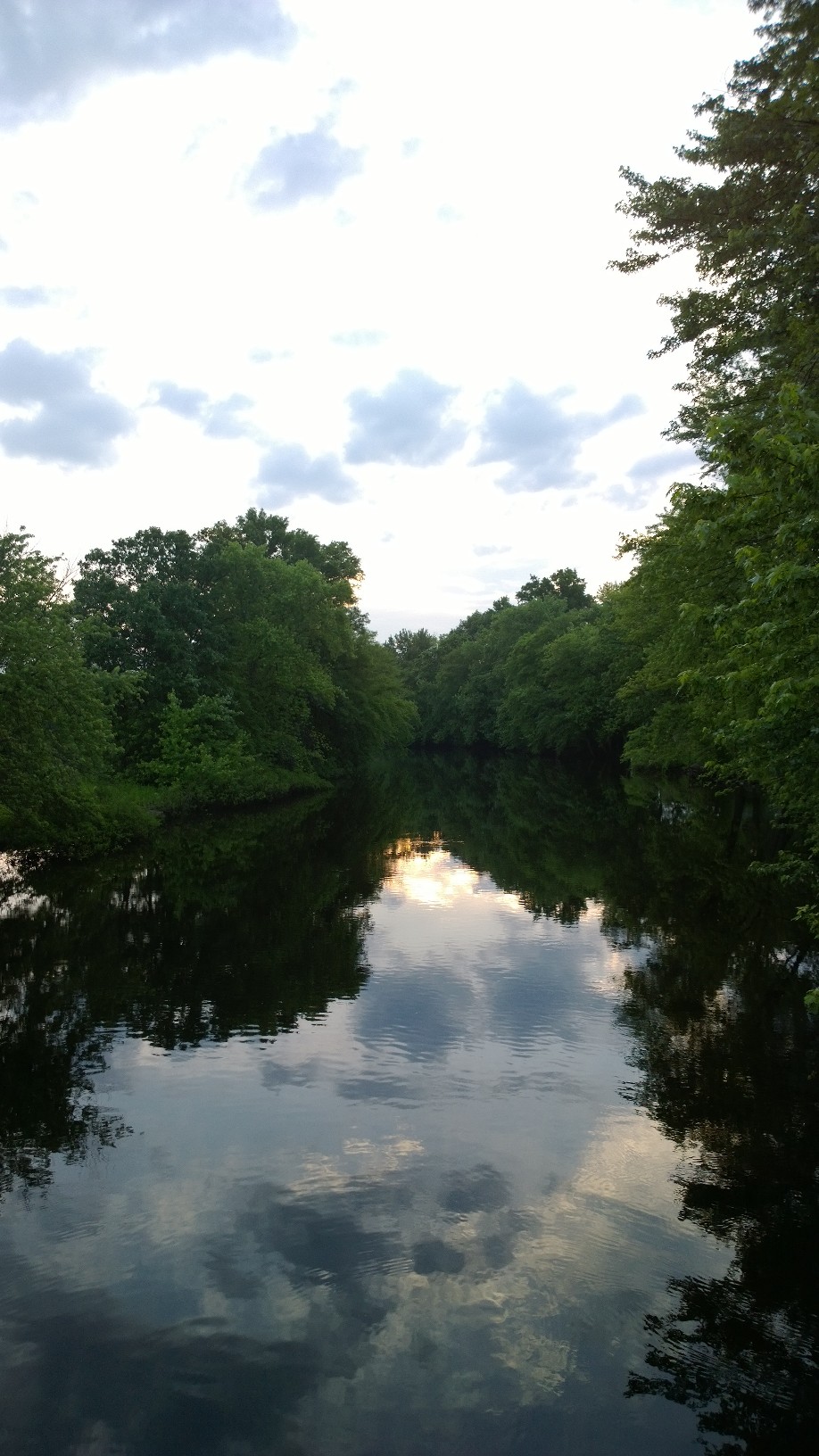
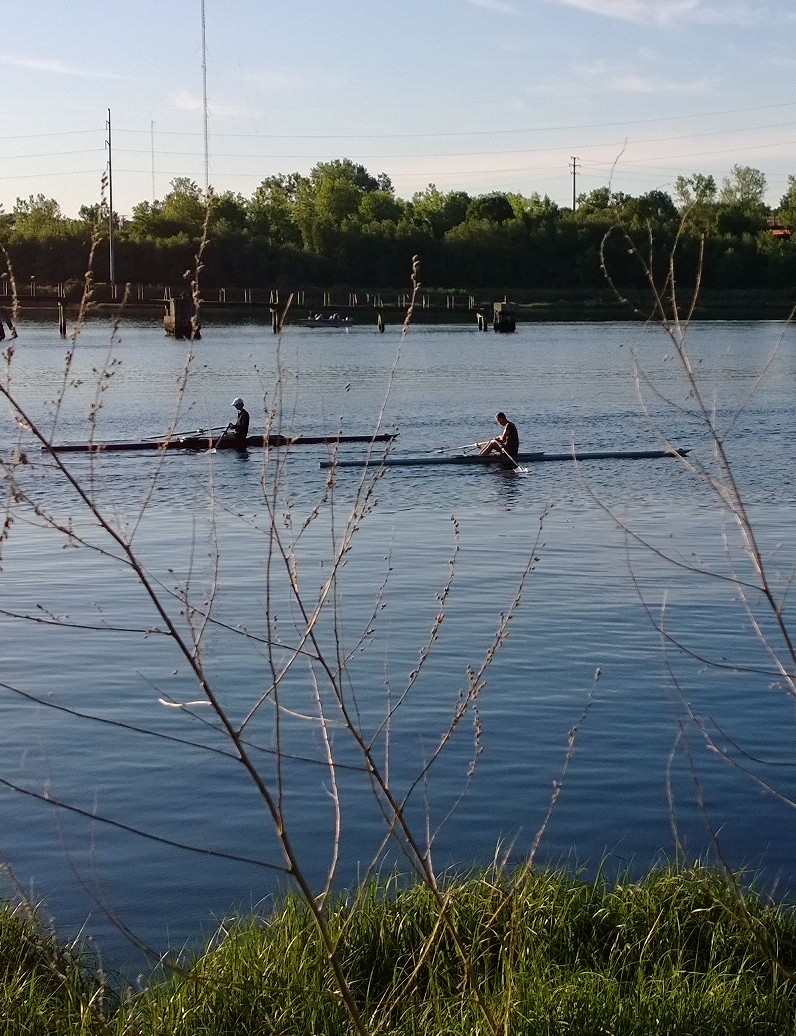
Next we have early morning looking over a river in Concord, then early-morning rowers on the Seekonk in Providence.

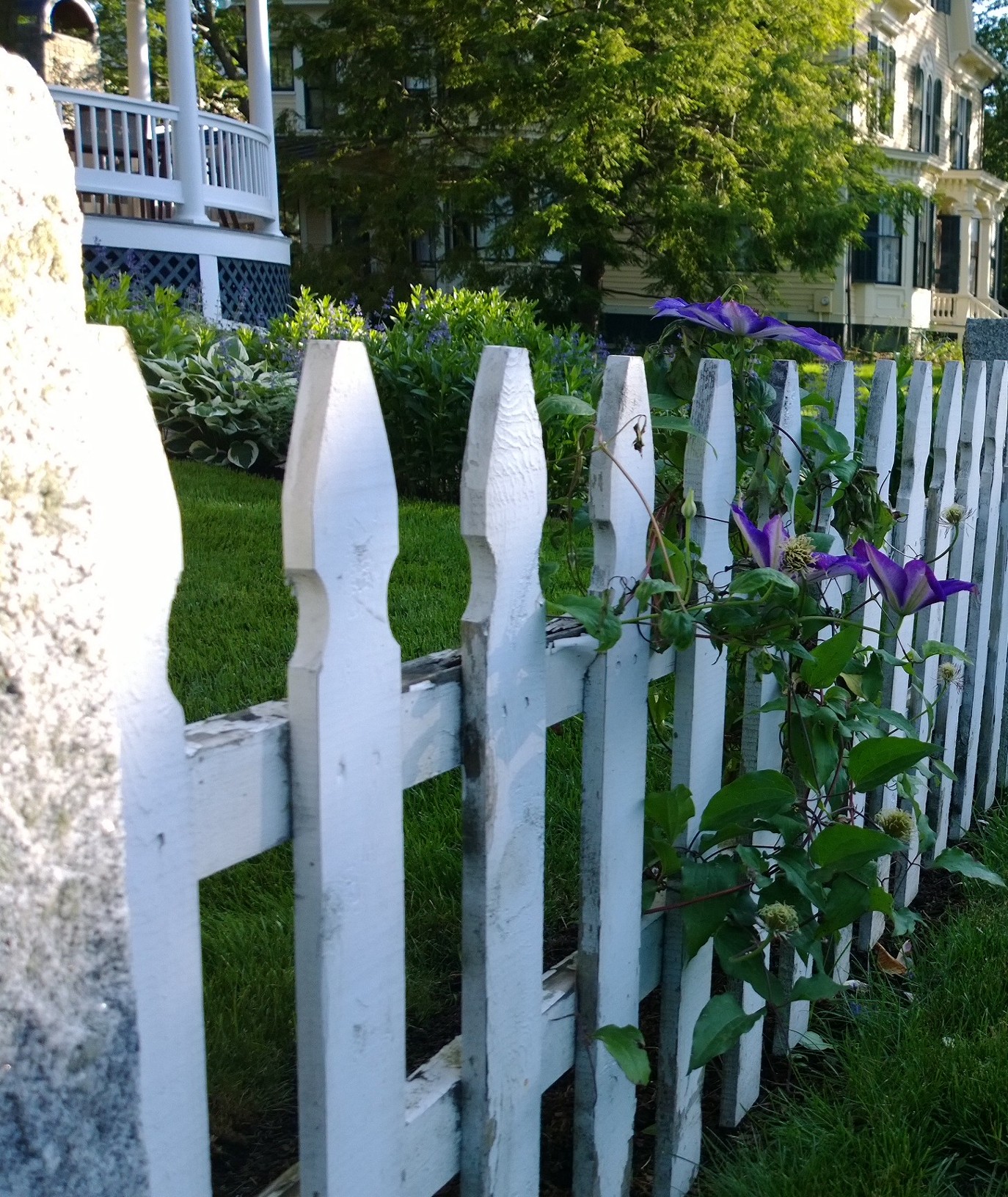
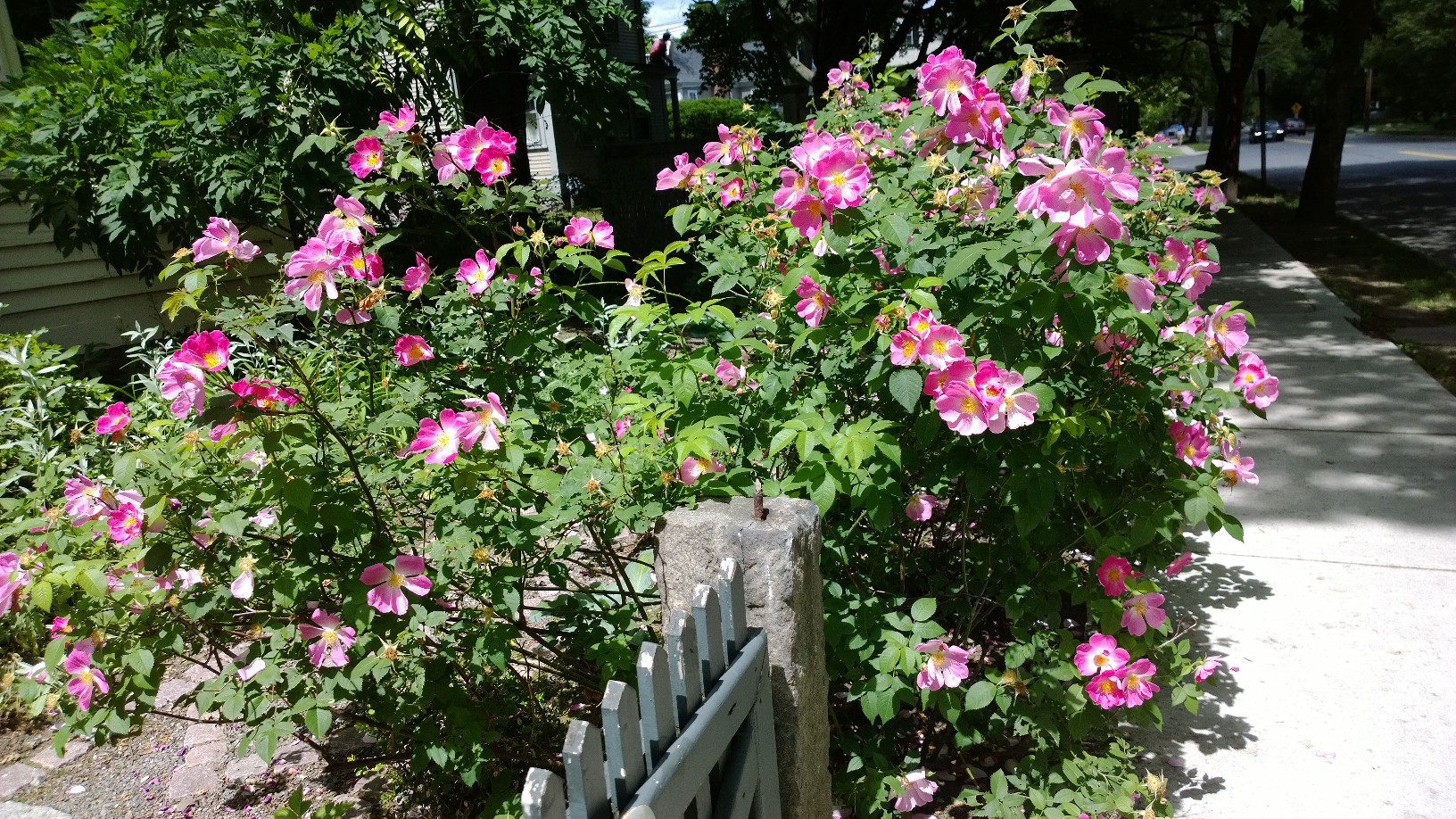
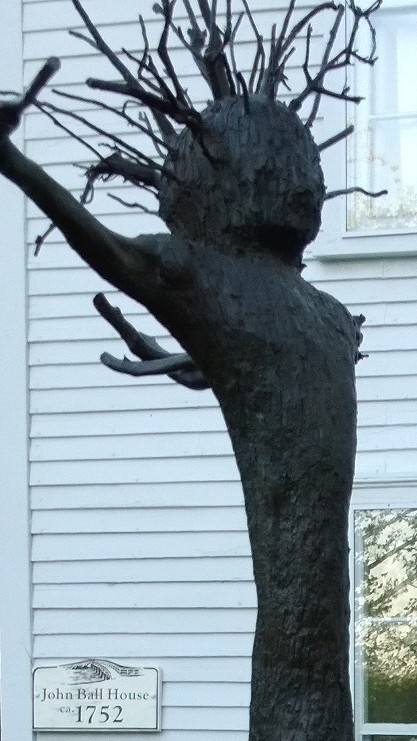
Early-morning roses follow on early-morning clematis. Modern sculpture does an early-morning stretch in front of the historic house that is now an art center.

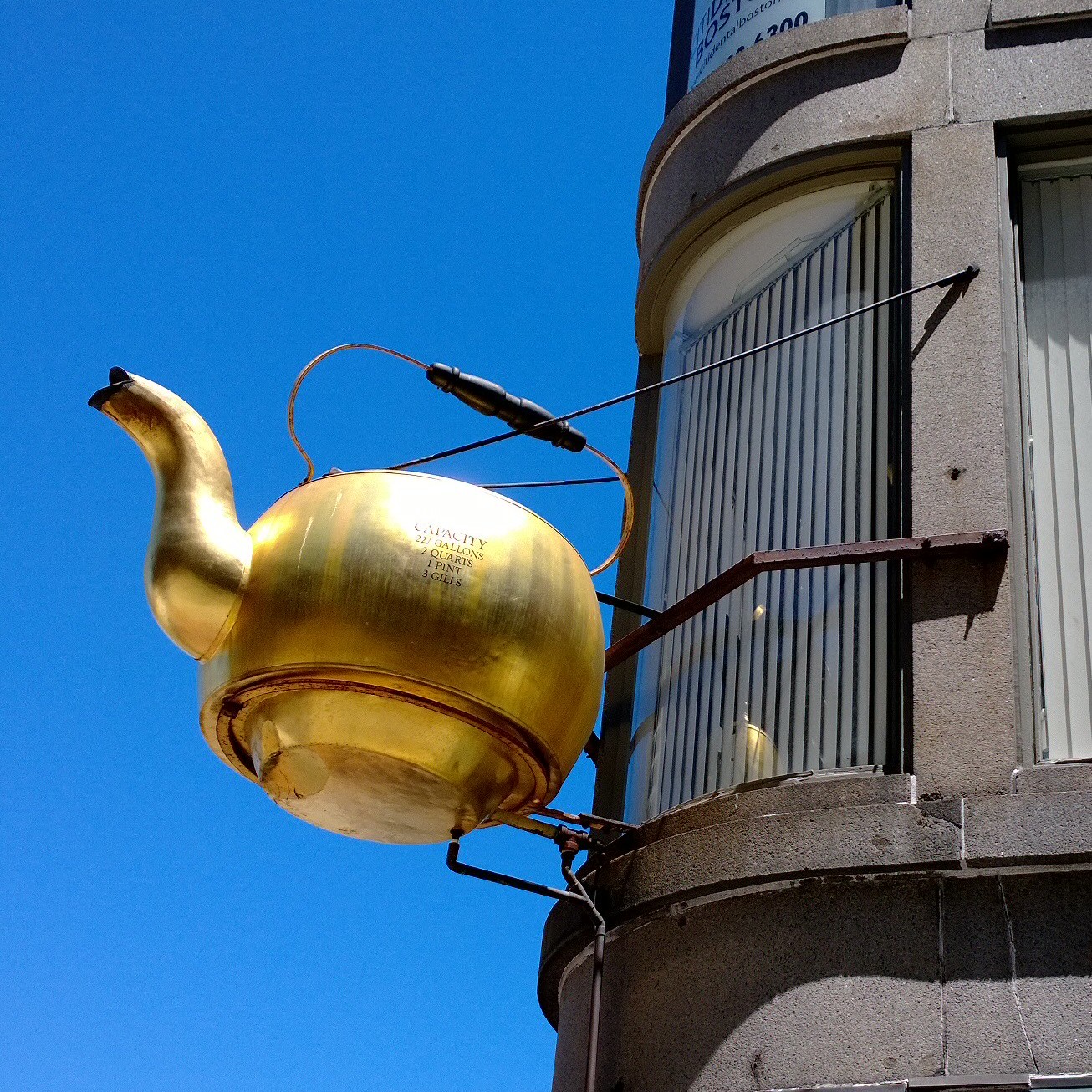
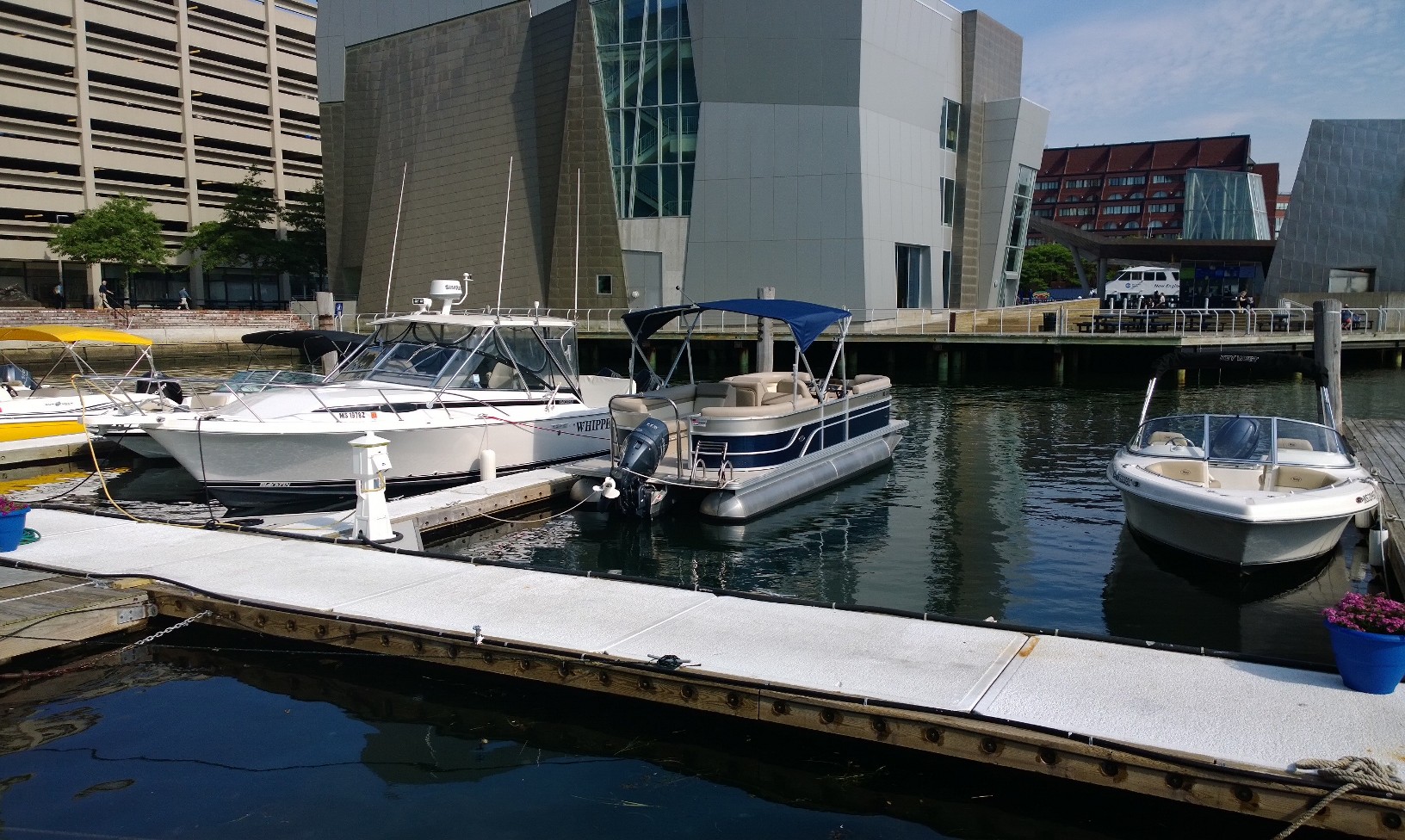
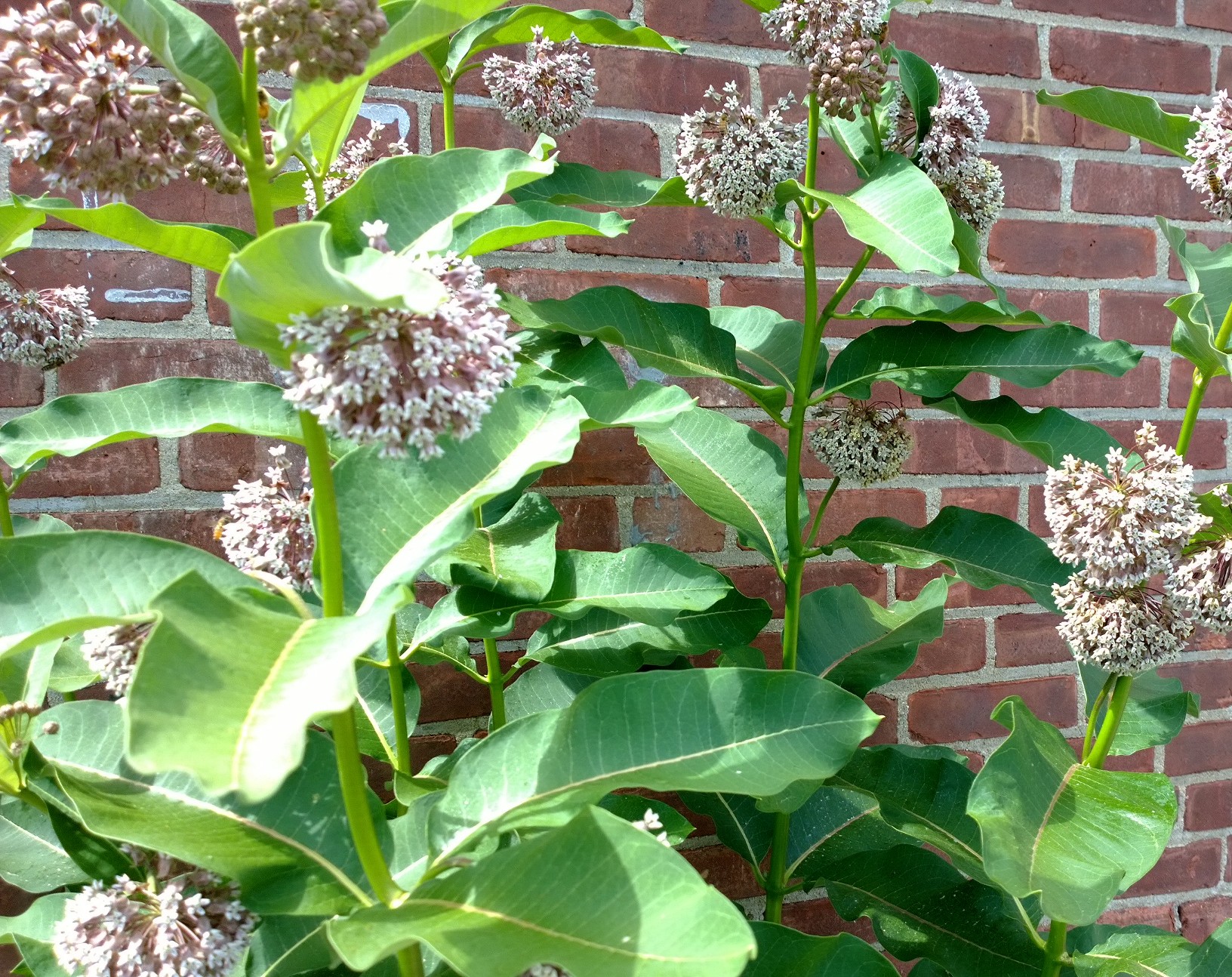
Then there is the teapot near Boston’s Government Center, private boats in Boston Harbor, and milkweed. (You’ll have to take my word for it that the milkweed was full of bees.)

061814-dawn-over-the-river


early-rowing-seekonk-river


061514-clematis

roses-on-fence


art-outside-Concord-Art-Assoc

teapot-near-govt-center-Boston


boat-dock-boston

milkweed-with-bees


Read Full Post »

What’s not to love about Rhode Island? OK, a few shady politicians, high unemployment, low graduation rates — I get it. But Rhode Islanders definitely overdo the “ain’t it awful” schtick.

Architectural Digest has just named Providence the best small city in America for a host of good reasons (thanks for that tip, Suzanne), and if you like “quirky,” Rhode Island has lots of that, too. No one would ever call a big state quirky. For some characteristics, small is better.

Speaking of quirky, this story was passed along by Kate C. It’s about a creative-writing instructor at Brown University who is worried enough about global warming to set up a booth in a public park to commiserate with others about the issue.

Philip Eil writes in the Providence Phoenix,  “It is a crisp Tuesday afternoon in May at Burnside Park in downtown Providence. …

“A few minutes after 2:30 pm, Kate Schapira arrives at the south entrance of the park, pulling a bright red metal hand truck. Over the next few minutes, she unpacks and arranges items from the truck: a small wooden desk; a wooden stool; a rainbow-colored beach umbrella with a white plastic stand; a box containing a stack of homemade cardboard “RI IS MY HOME” cards, each with its own labeled sketch of local flora and fauna (“Eastern Chipmunk/Tamias Striatus,” “House Sparrow/Passer Domesticus”); a glass jar labeled “DONATIONS OF 5¢ FOR ENVIRONMENTAL JUSTICE LEAGUE OF RI”; a pad of poster-sized paper with a hand drawn map of the state of Rhode Island under the words “PUT YOUR WORRIES ON THE MAP”; and two cardboard signs to be affixed to front of the table that read “CLIMATE ANXIETY COUNSELING 5¢” and “THE DOCTOR IS IN.” …

“Today is the first day of Schapira’s Climate Anxiety Counseling. Over the next four weeks, the 35-year-old poet and Brown University creative writing instructor will report to this spot, five days a week, for three hours per shift (two on Saturdays), to talk with passersby about the Earth’s changing climate.” More here.

If you have ever cherished time spent in accommodations overlooking one of Rhode Island’s magnificent beaches, you might like to stop in for a visit with the “doctor” and discuss what might be done to keep the lovely Ocean State from acquiring too much ocean.

Photo: Providence Phoenix

Read Full Post »

Since I like to walk everyday, even going round and round indoors for much of this past winter, I was fascinated to hear about walking as a competitive sport in the 19th century.

At his WBUR radio show yesterday, Only a Game, Bill Littlefield talked to Matthew Algeo, author of Pedestrianism: When Watching People Walk Was America’s Favorite Sport.

Here’s Algeo: “Edward Payson Weston was a door-to-door books salesman from Providence, R.I. In the autumn of 1860, he made a bet with a friend on the outcome of that year’s presidential election. Weston bet that Lincoln would lose, and, of course, Weston lost the bet. The loser had to walk from Boston to Washington in 10 days and arrive in time to witness the inauguration of Lincoln on March 4, 1861.

“So Weston set out and made his way south. Of course, this was a very tense time in American history. Southern states began seceding. There wasn’t a lot of good, uplifting news. And the idea that this guy would walk from Boston to Washington in the middle of winter on terrible roads — it really did capture the imagination of the public, especially along the East Coast. Huge crowds would turn out to see him just walk through their town. Weston didn’t make it in time. He was four hours late to the inauguration. He did meet Lincoln a couple of days later and Lincoln offered to pay his rail fare home, but Weston said he would try to walk home. But the Civil War intervened.”

Littlefield then refers to Weston as one half of “the first great rivalry in the annals of American sports” and asks Algeo who the other half was.

“Daniel O’Leary, an Irish immigrant from Chicago,” says the author. “And what happened was Weston, to capitalize on his fame, decided to take his act indoors. He began walking inside roller rinks, and he would try to walk say 100 miles in 24 hours and charge people a dime for the pleasure of watching him walk in circles all day. This proved immensely popular — thousands of people would do it. Naturally competitors rose up and Daniel O’Leary actually walked 100 miles in 22 hours. And so he bested Weston’s record and so that set up the big showdown in 1875 that you mentioned. It was a 500-mile race over six days between Weston and O’Leary. …

“They would draw a dirt track on the floor of an arena. … The competitors would be sent off, and they would walk continuously day and night for six days right up until midnight the following Saturday night. And the rules were pretty simple: whoever walked the farthest was the winner.” Read more here, where you also can listen to the interview and read Littlefield’s book review.


Read Full Post »

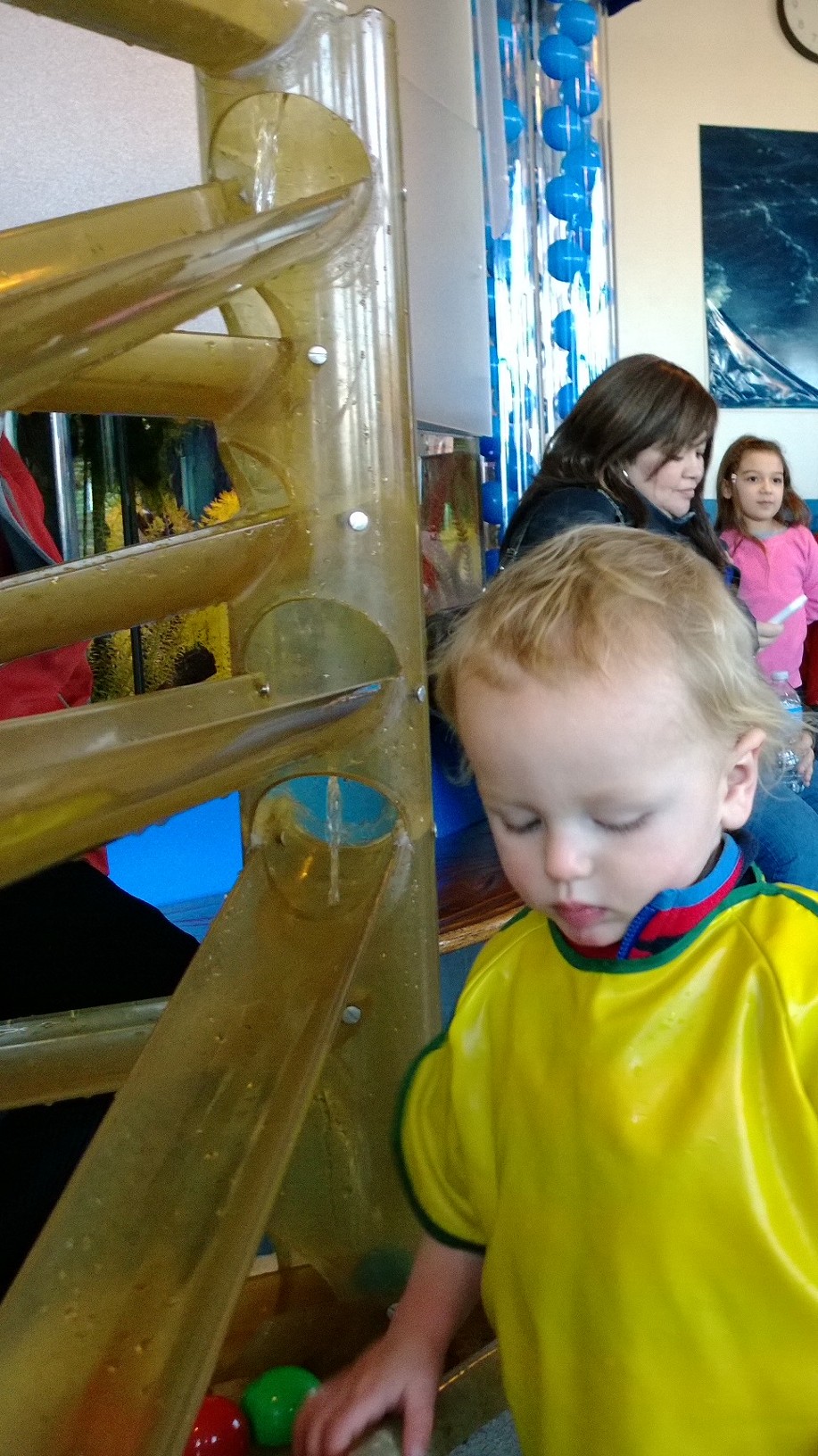
112913-children-museumWhen you take your father’s mother (Farmor) and your mother’s father and mother (Morfar and Mormor) to the Children’s Museum, you start by showing them how the fluffy balls fly through tubes and out the top, and you show them the water room, where you have to wear a smock.

Then you run up and down the ramp to the second floor, up and down, up and down, and up and down some more, laughing and turning your head back to make sure they are all following at a lively pace.

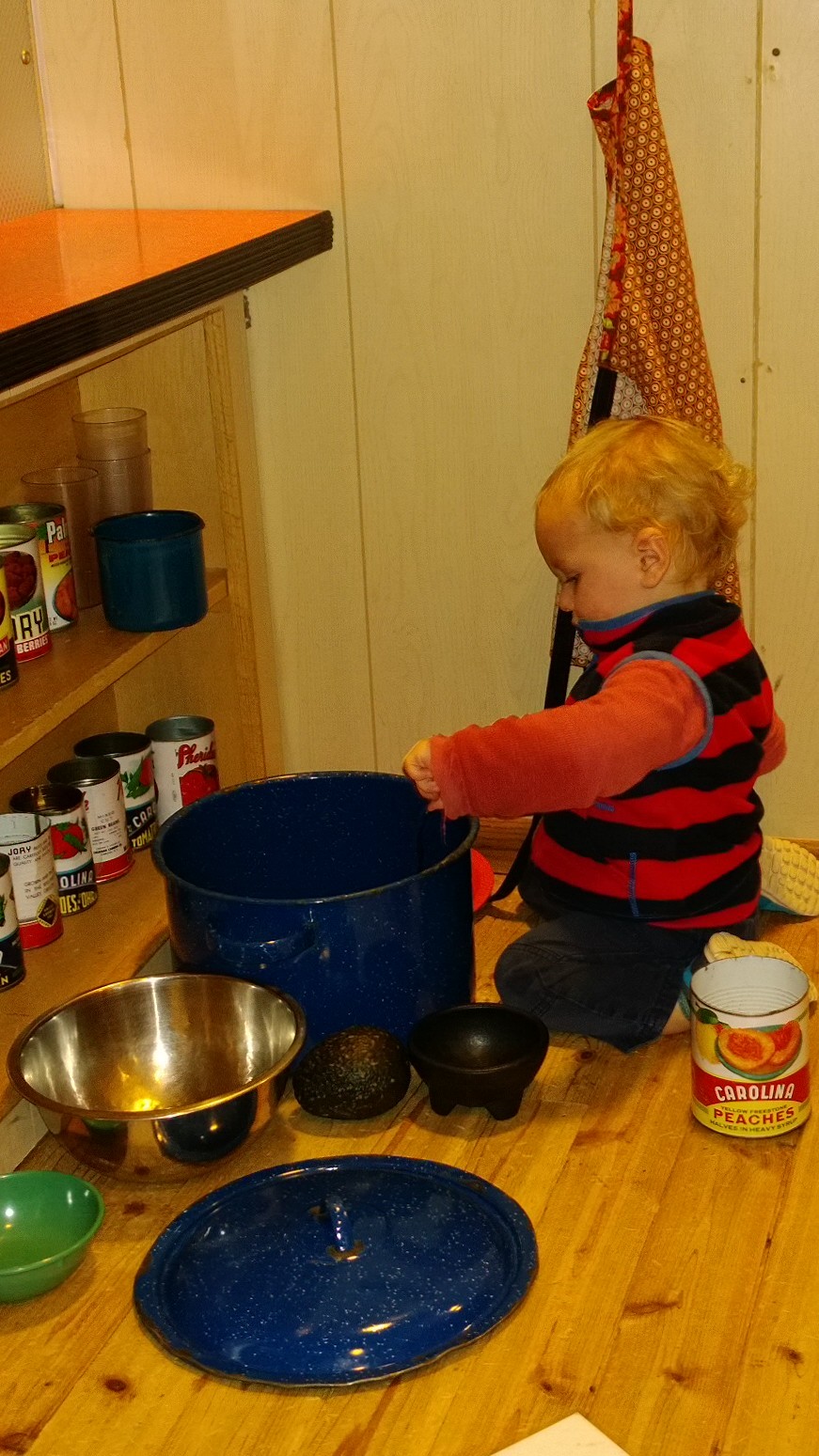
Once you are sure they will behave themselves and not go wandering off when you have work to do, you can settle into the kitchen and concentrate on putting the cheese wedge in the pot and stirring and taking it out and putting it back in and putting the lid on top and taking it out again and putting in a potato and stirring and shaking a can of tomatoes upside down until every last bit is in the pot with the potato and stirring and putting the lid on. Then, you know, you may need to take the stacked dishes and lay them all about on the floor and then restack them and put them neatly on the shelf.

It’s a lot, and you need to be sure the grandparents are sitting still and paying attention so you don’t have to worry about them for a while.

kitchen-things-you-can-touch

Read Full Post »

The-hammering-toy

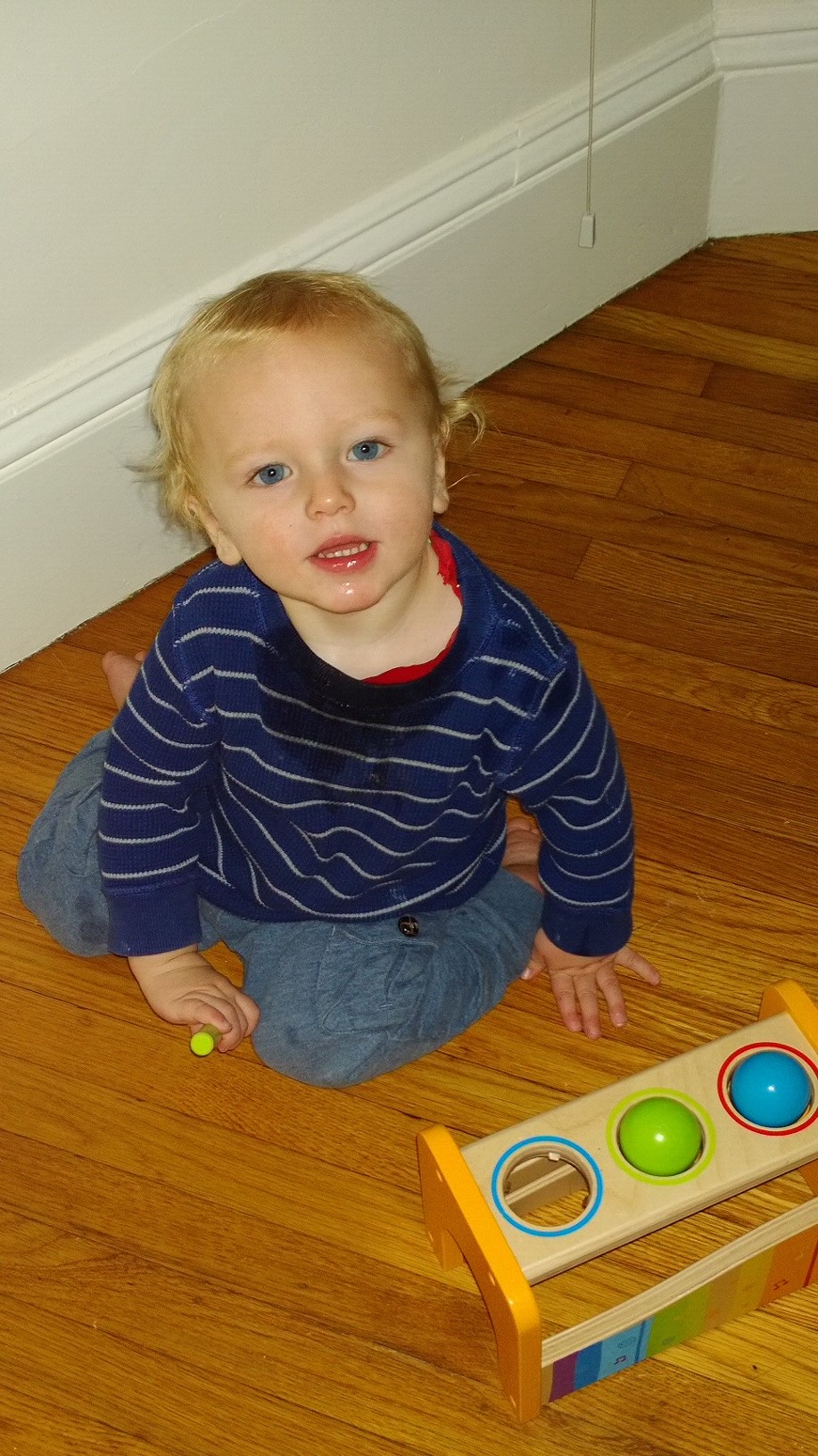
When I arrived at Suzanne’s house after work yesterday, my grandson was having a bath. I hadn’t seen him for a few weeks. I stood in the bathroom doorway and smiled. When he saw me, he stared for a few moments. Then he got a funny little smile on his face and said, “Huh.”

Today we went with Suzanne to the Music Together class. I had decided to take a vacation day. His other three grandparents had already seen music class, and I was determined to get there, especially after hearing that last time he crawled into some unknown grandma’s lap for the lullaby!

Music Together is a great thing for babies and toddlers and their grownups. It’s franchised around the country. My husband and I attended one session a couple years ago with my older grandson in Arlington (where I believe Will McMillan now teaches, and wouldn’t I like to attend that one!)

Today’s class was chaotic and fun, with lots of rhythm and movement activities and little kids running around and banging percussive toys. They were all very good about putting the instruments back in the proper bins. (There’s a special bin called Taster’s Choice. That’s for the instruments that have gone in someone’s mouth during the exercises and thus need extra attention.)

After the little man and I both had a nap, we went to the Children’s Museum. 🙂

Prov-RI-Children-Museum

Read Full Post »

This morning as my almost-three-year-old grandson was “fixing” the downspout with a pair of pliers, I passed along what I like about spring.

You don’t have to put on coats and scarves and boots and hats and mittens every time you go out. It’s warm and sunny. There are lots of flowers. The flowers smell good.

He didn’t say much, probably because he had already gotten me to smell a large, red tulip, and he was focused on his work.

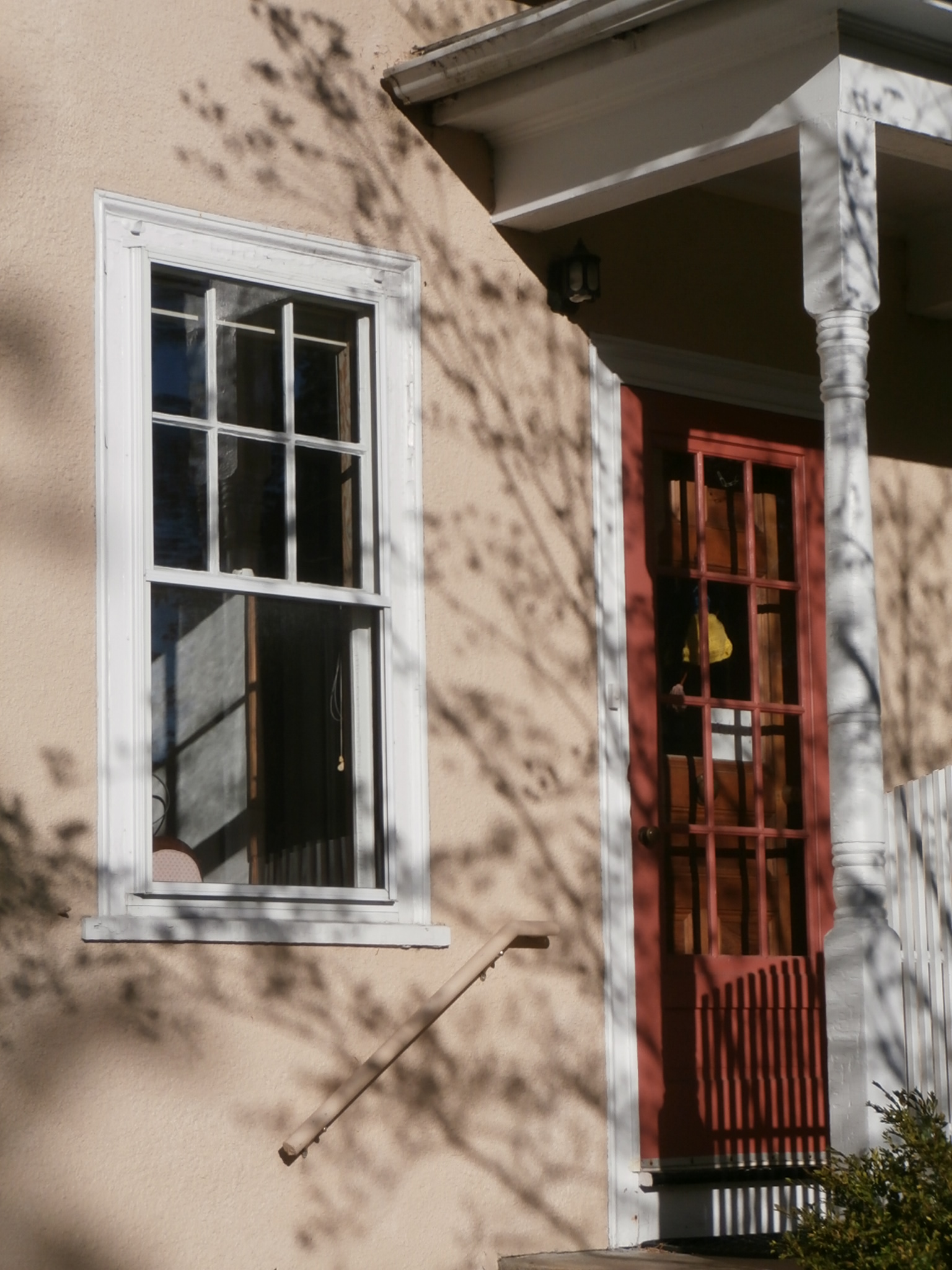
Here are some spring pictures. Look closely to see the mural of a rabbit in the shadows at Olga’s, where our one-year-old grandson escorted us for brunch.

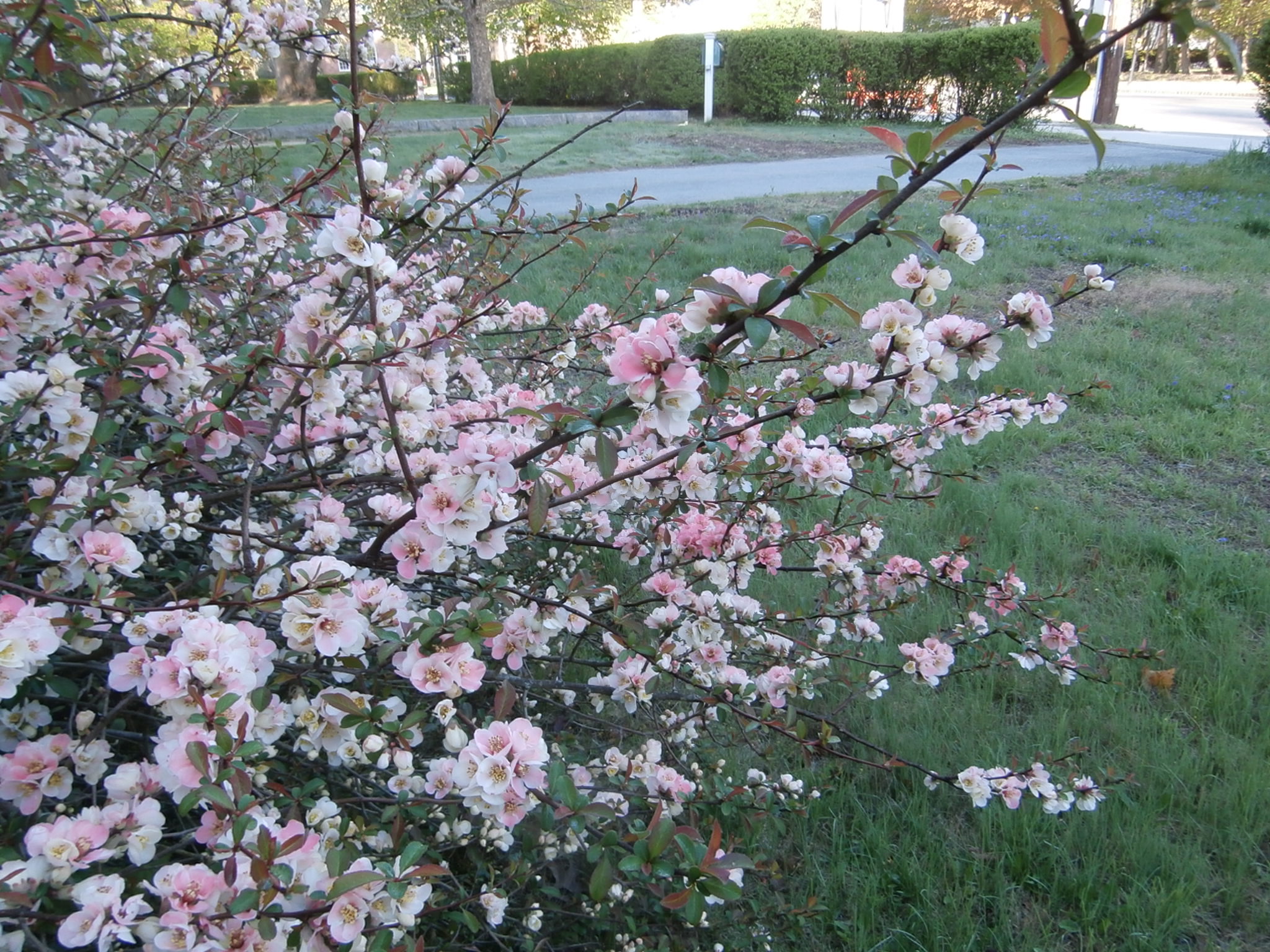
Help me identify the sprays of flowery branches? The only one I can say  for sure is the yellow forsythia. For the others, I will have to upload the photos at the website of the almost-three-year-old’s dad to get a crowd-sourced identification, Mister Smarty Plants. Do you think the pink spray is quince?

rabbit on wall at Olga's

brunch at Olga's

spray of white at bank

forsythia

could it be quince?

shadows on back door

Read Full Post »

In January I blogged here about ForSpaciousSkies.com and a guy who thinks we would all be a lot better off if we looked at the sky more.

I have to say, he has a point. When we lived on the 18th floor in Minneapolis in the ’90s, we were constantly admiring clouds from our balcony. And now, since reading about Jack Borden’s crusade, I’ve begun to pay attention to the sky again.

I find that looking at clouds for a few minutes in the middle of everything else that is going on can really feel good.

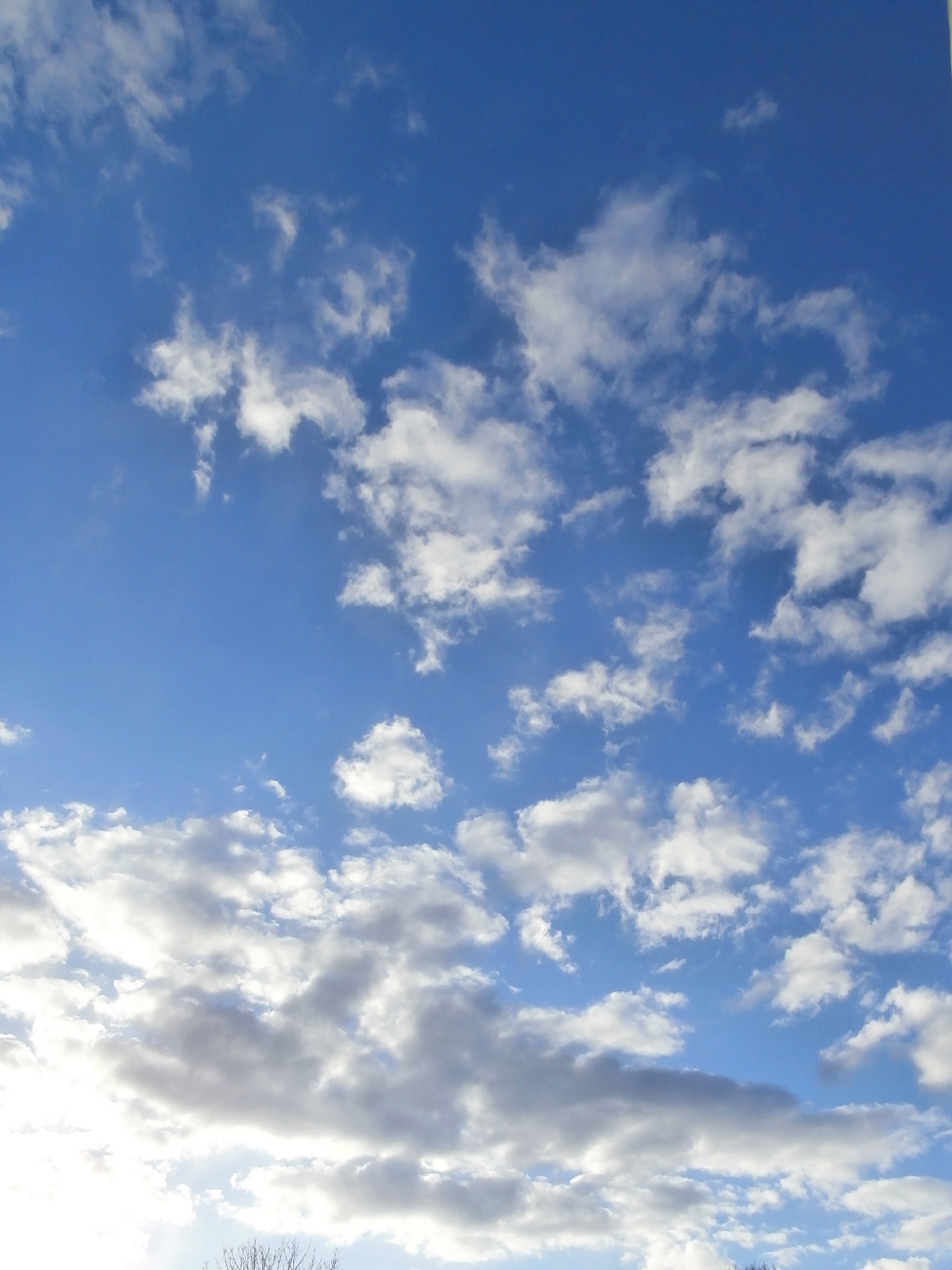
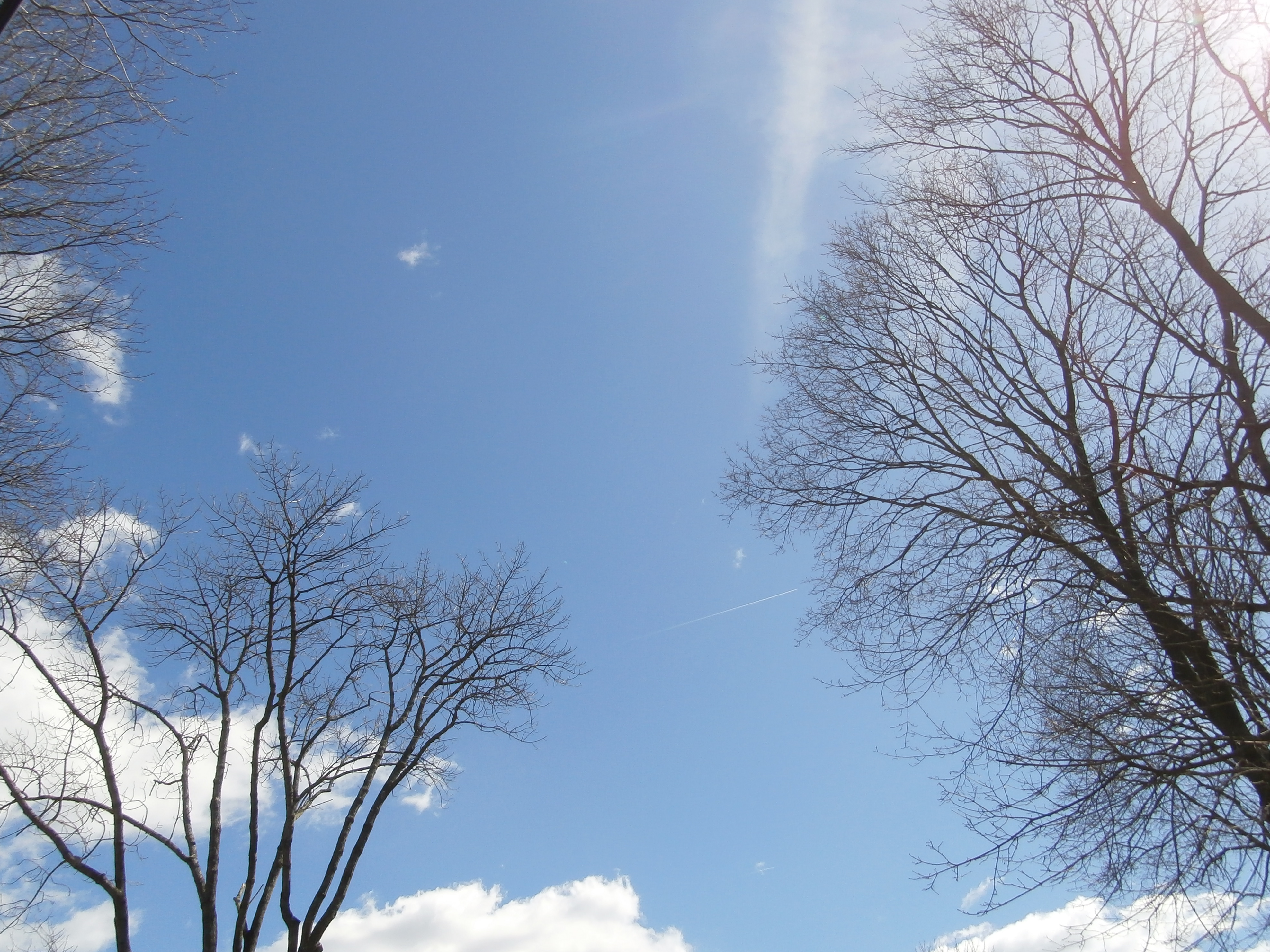
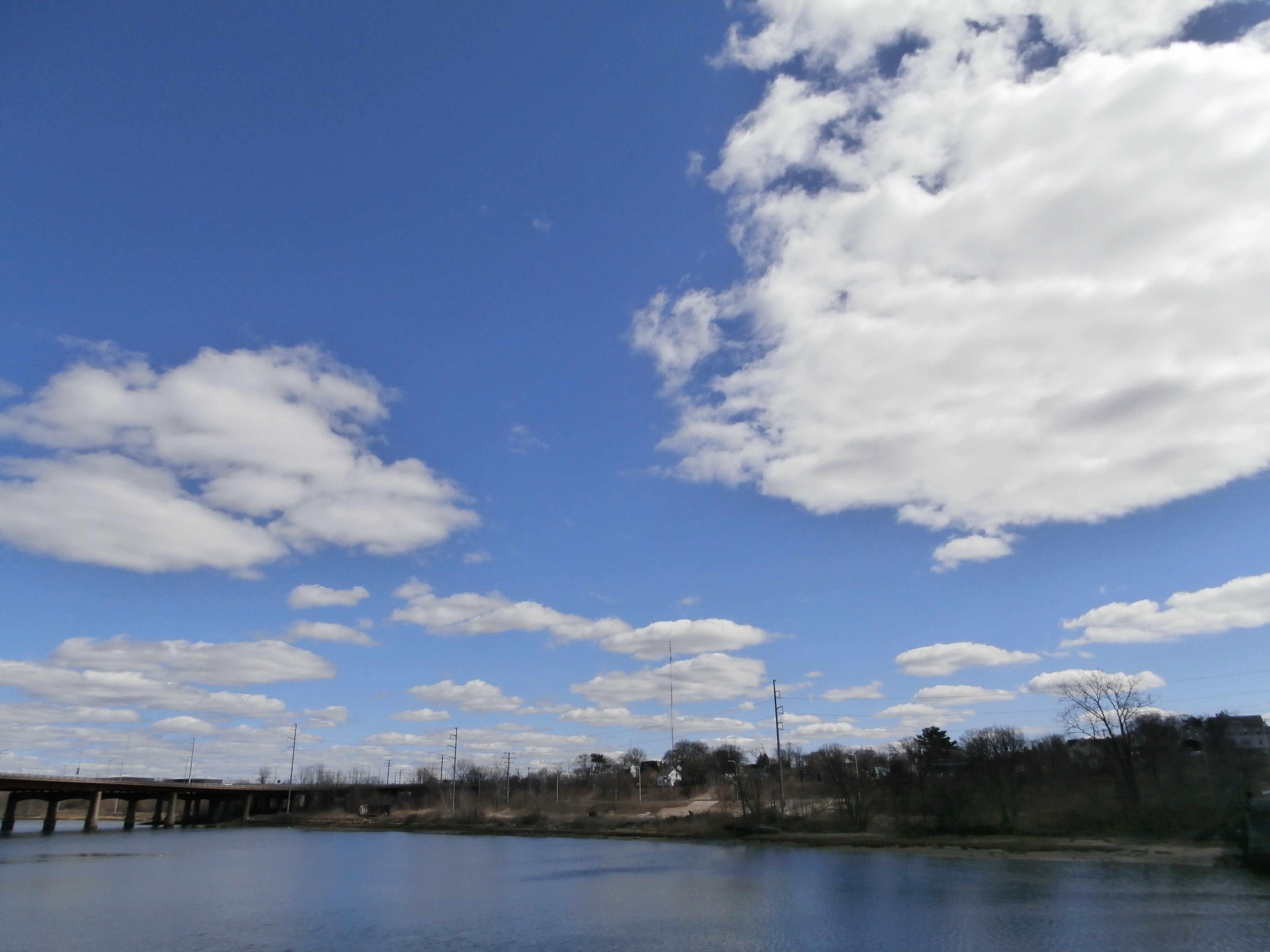
Two of these photos were taken near my house, and one is over the Seekonk River in Providence.

cloud-study

clouds and trees


seekonk river providence


Read Full Post »

I was in Providence for a work event this morning, setting out early to miss the traffic.

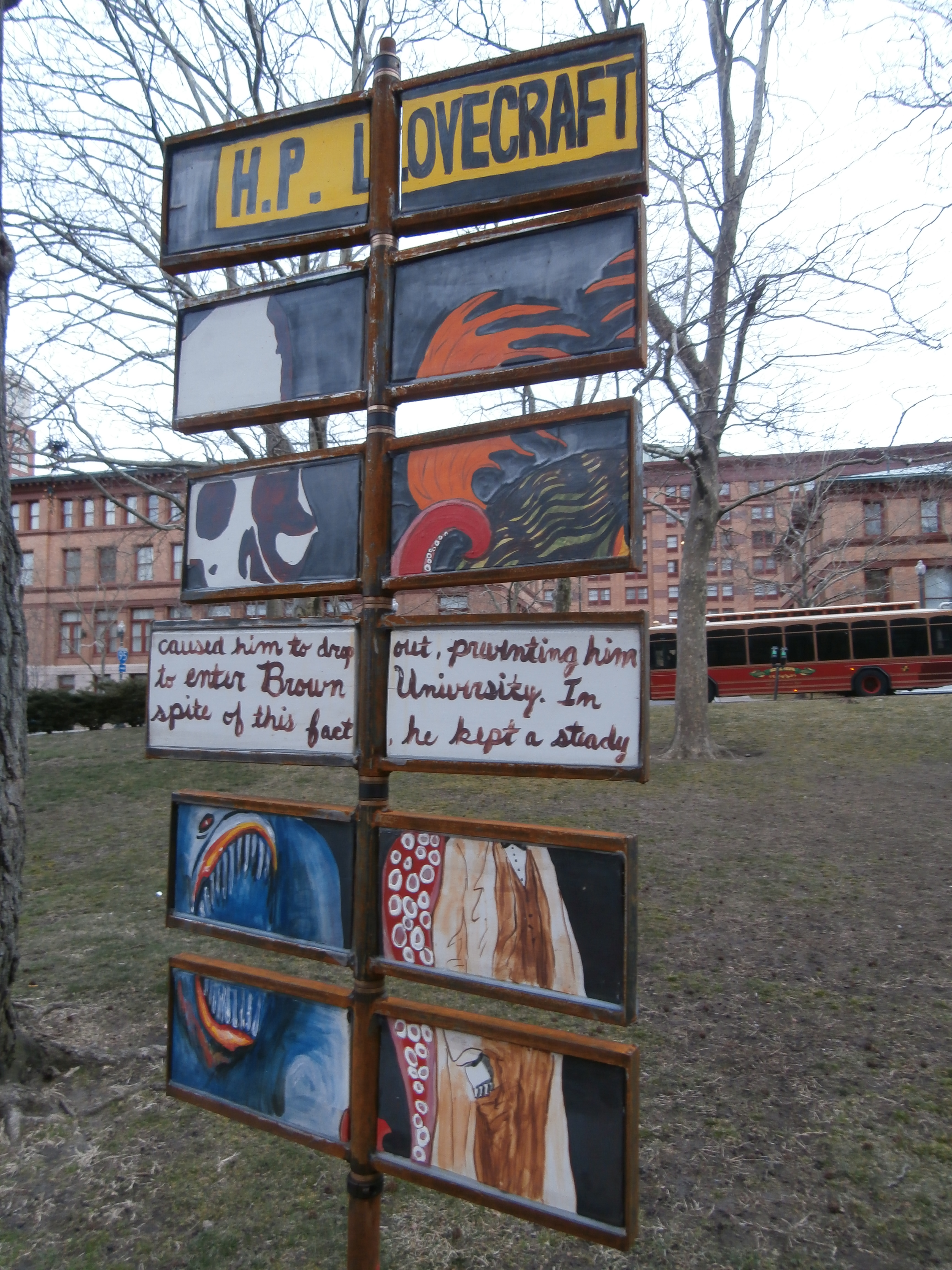
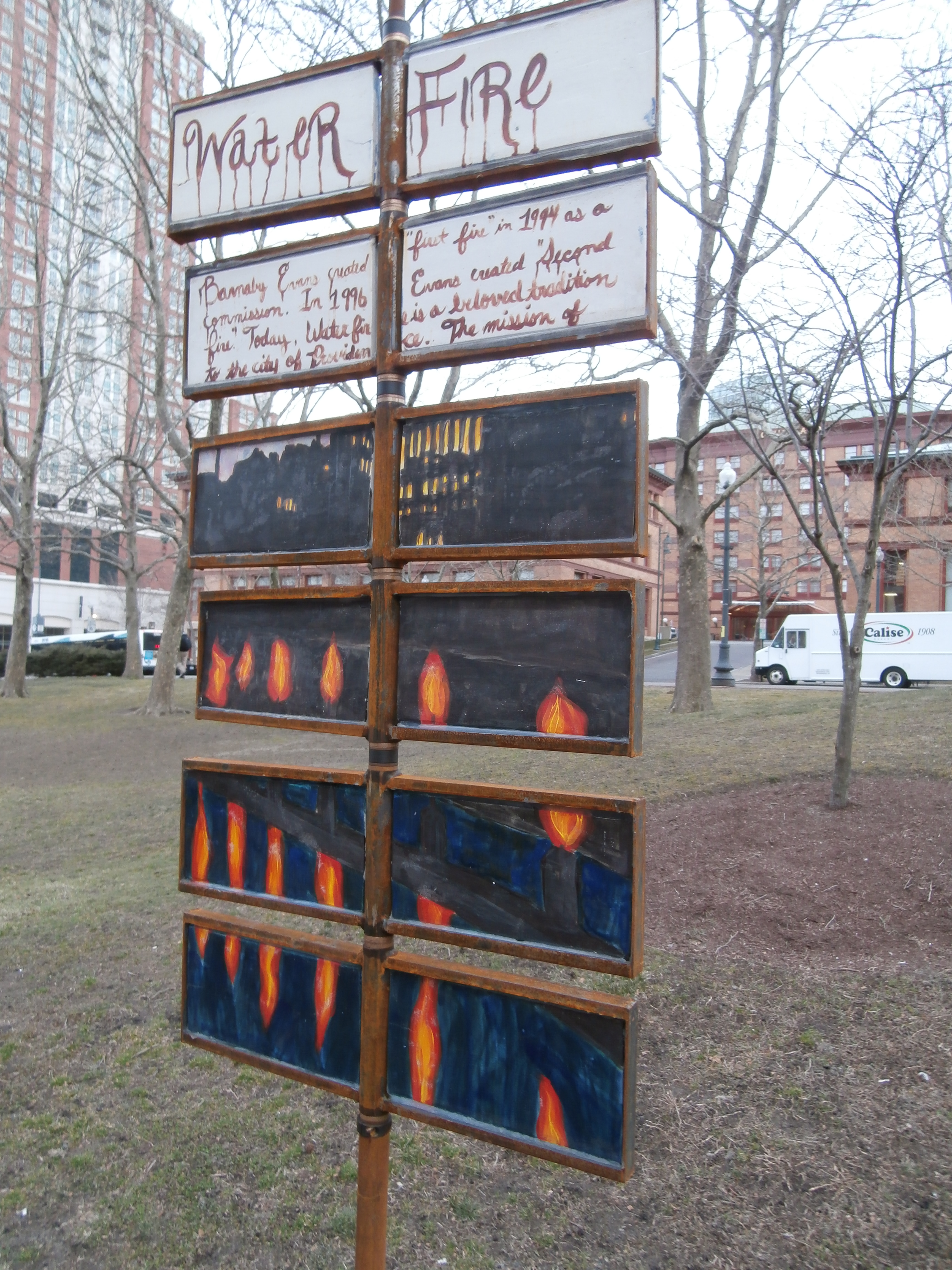
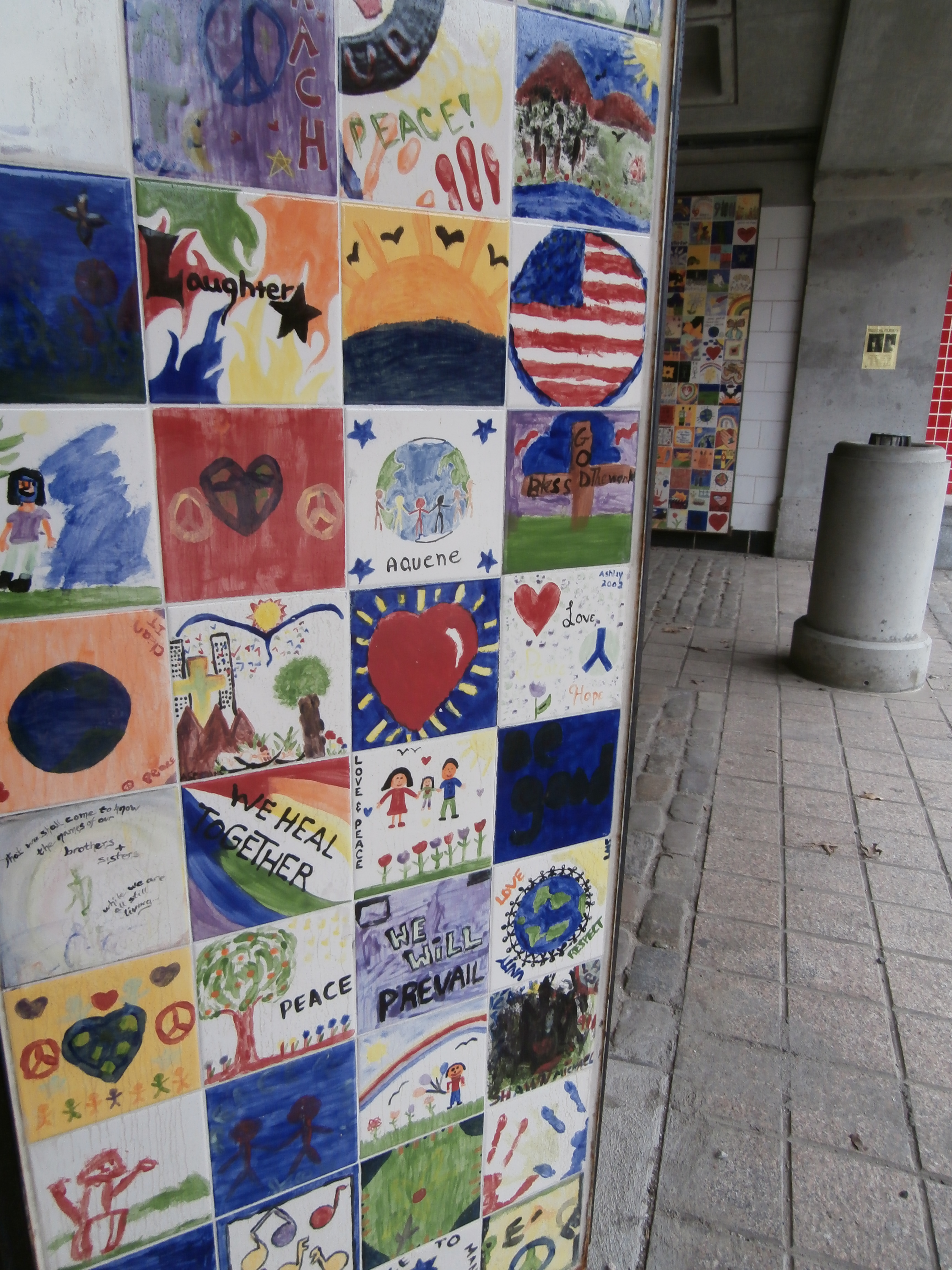
I got to walk around a bit, and I’m going to show you my photos. If you are wondering why I took the first one, it’s because it reminds me of a song in Guys and Dolls, one of my favorite shows. Do you know the “Fugue for Tinhorns,” in which harmonic gamblers bemoan the lack of a location for “the oldest established permanent floating crap game in New York”?

It goes: “So the Biltmore garage is the spot. / But the one thousand bucks we ain’t got.”

biltmore garage

providence signpost

providence author lovecraft

water fire festival sign

tiles near riverwalk


tiles from children


Read Full Post »

snow meter height

I don’t know how to use our television, and the radio has only three channels, so I ended up streaming WPRI out of Providence.

I follow WPRI’s Ted Nesi on twitter, and he kept tweeting useful storm tidbits, so I thought I’d try his tv station. Things were a little chaotic there, which felt real. At one point Ted had his mike on accidentally, and I could hear, “I got stuff! Take me, please!”

Overall, Saturday was a quiet day at the Woebegone Chalet. I caught up on old newspapers (new ones had not been delivered for two days). I made guacamole. Put in a laundry. Did some exercises.

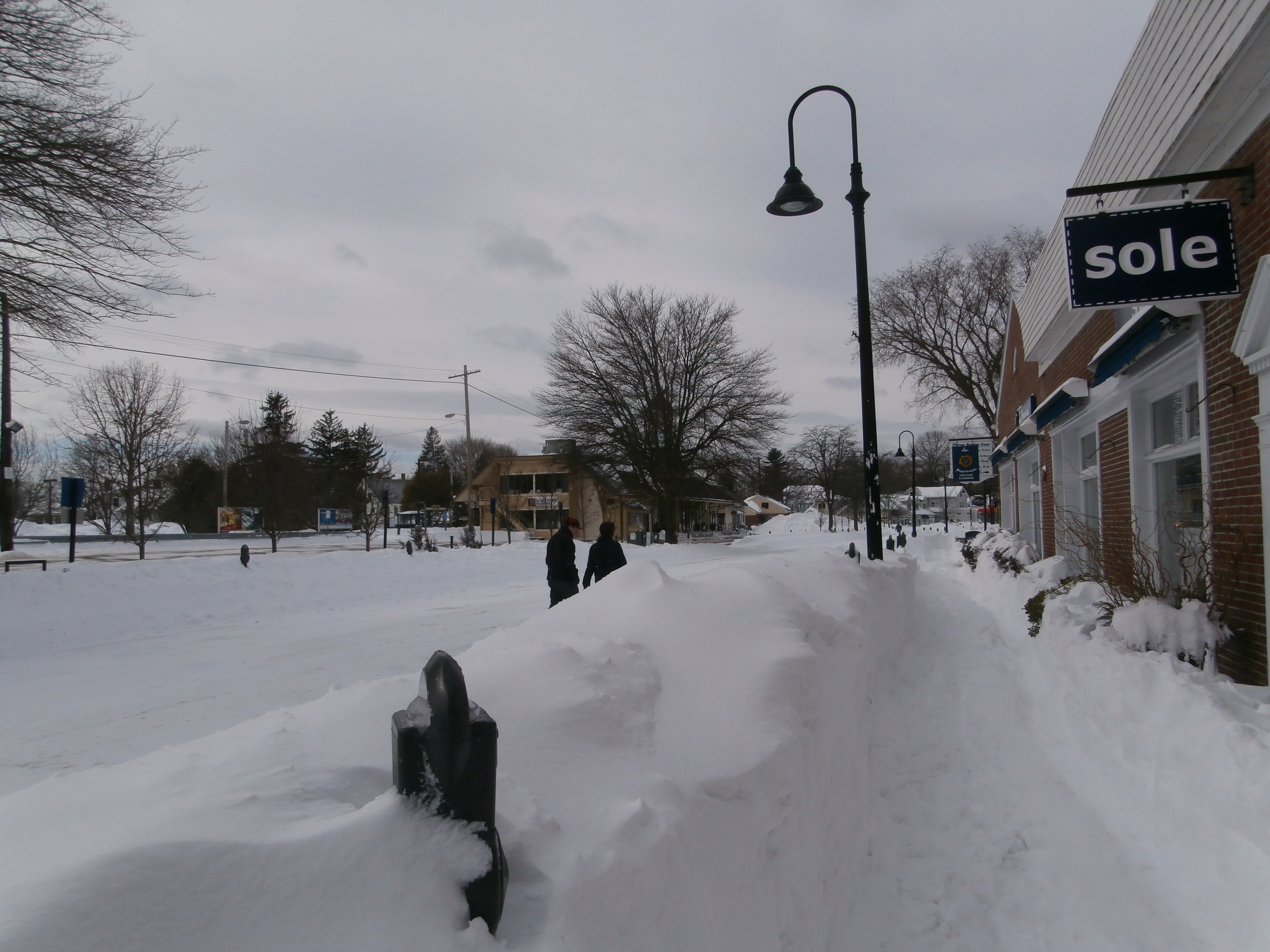
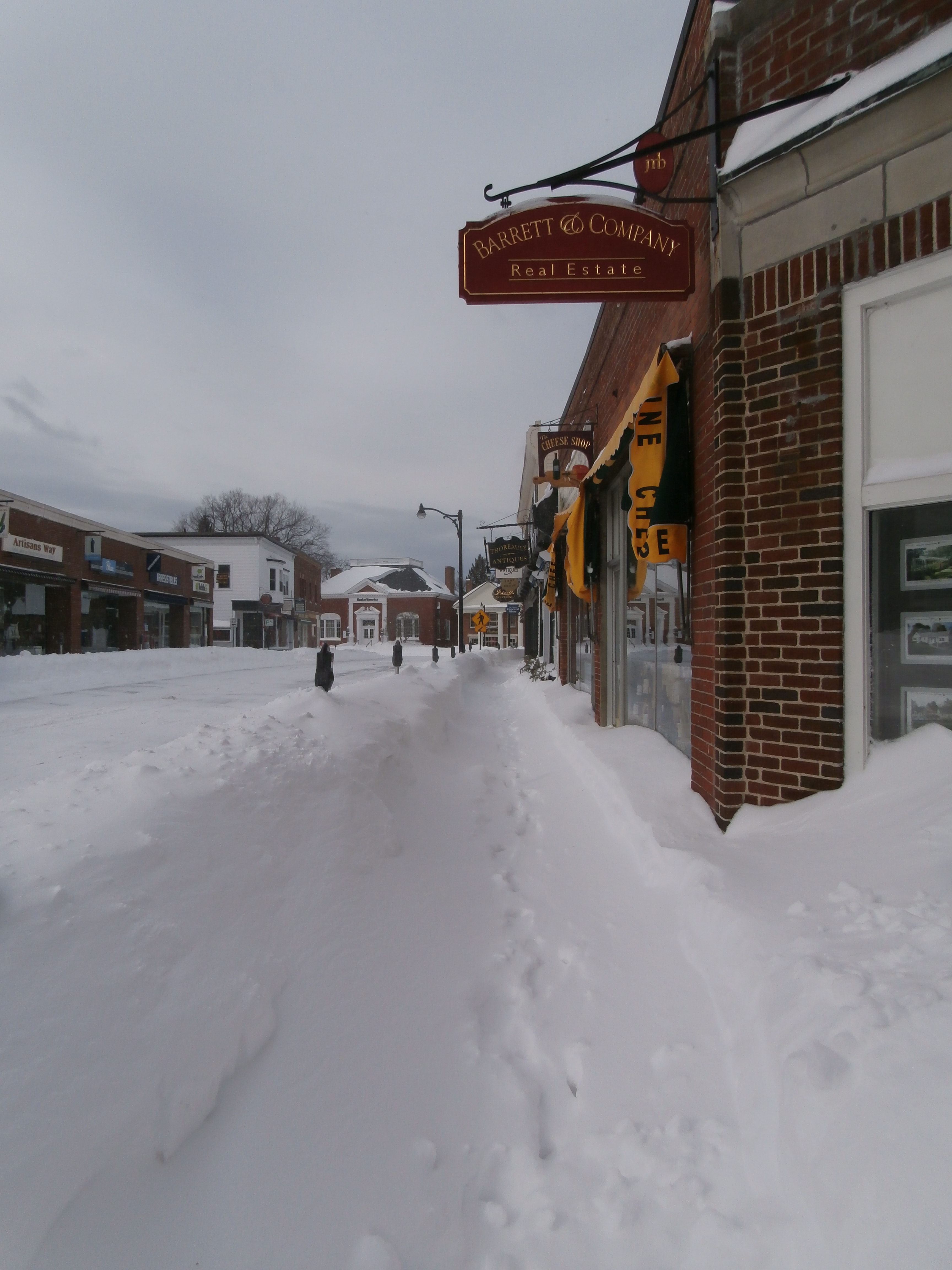
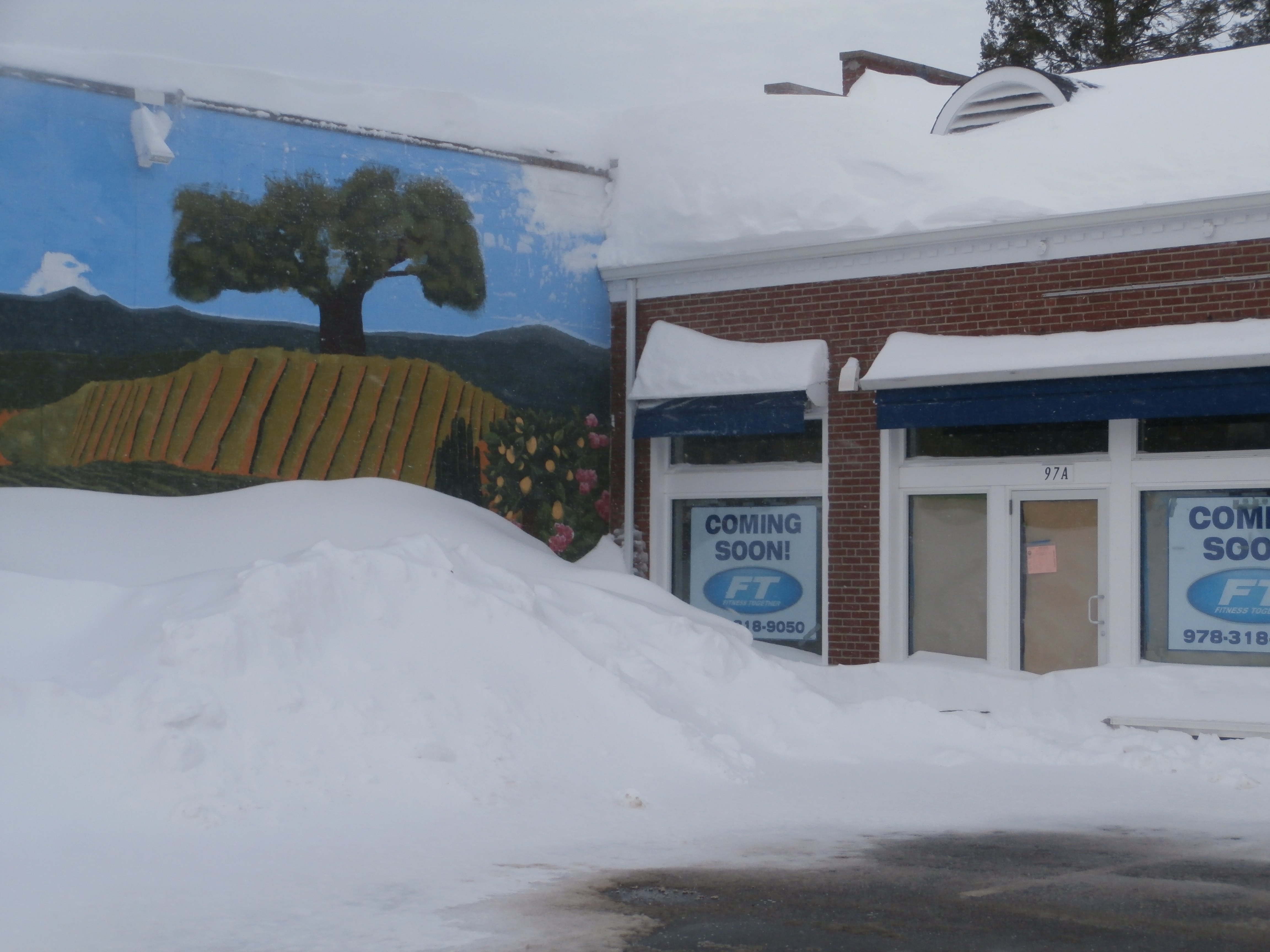
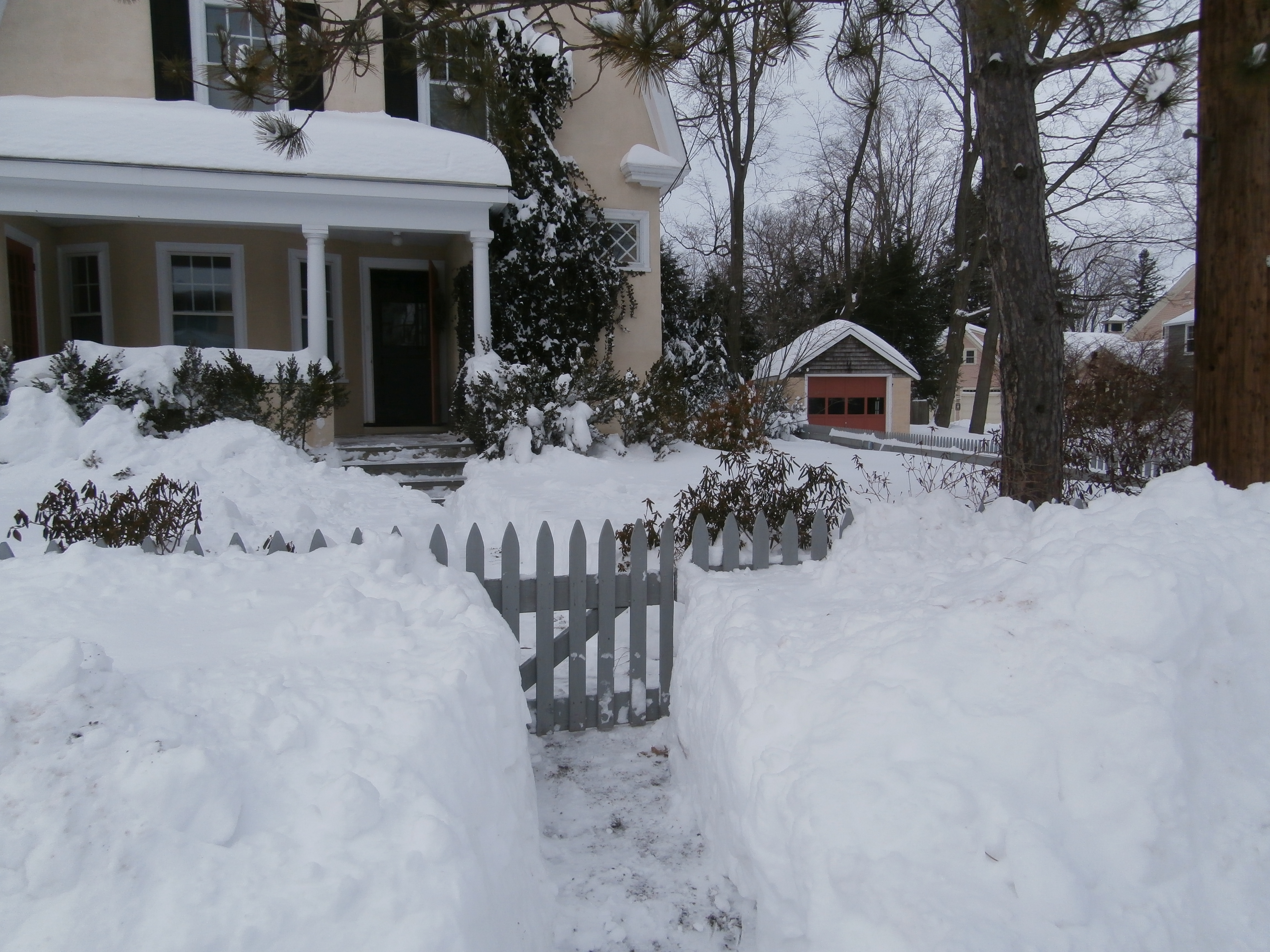
After a while I bundled up and climbed over the front fence, getting my boot stuck and full of snow. I hailed a couple young men from the Academy who were digging out a neighbor’s car. They agreed to shovel my front walk for the price I usually pay for both walks. It was well worth it. I returned from a hike around town (everything closed but Dunkin’ Donuts) to a cleared walk.

long view

coming soon

after

Read Full Post »

Suzanne knows what sorts of stories would be good for this blog. I love one that she passed along at Thanksgiving.

It’s by Elizabeth Rau at East Side Monthly, and it’s about a charitable effort to help refugees acclimate to a new life while working.

“The holidays are upon us. What to do?” asks Rau. “You can drop a ten-spot on useless things … or you can buy a bag of granola made here in Little Rhody.

“This wholesome, mostly organic granola is irresistible: It tastes good and is lovingly whipped up by refugees trying to start over in a country that can be intimidating and tough to figure out.

“The Providence Granola Project was founded by Keith Cooper and Geoff Gordon during a deep talk one night about how to help people who come to America with nothing more than a suitcase.

“Keith, a Yale graduate and former campus minister who lives with his family on the East Side, had one of those aha moments. He’d been making granola for years in his kitchen. Why not turn his hobby into a business and mobilize refugees too? The two friends shook hands. A company was born.

“That was five years ago, and Providence Granola is still going strong. In rented space at the Amos House soup kitchen in South Providence, the company makes 1,000 pounds of granola a month.  …

“For years, Keith worked at the International Institute of Rhode Island, settling refugees here. … Keith was moved by what he saw at the institute — dignified and hard working men and women who want to succeed. With so many obstacles in their way — no money, language barriers, a different culture — you’d expect them to give up. But they don’t.”

Granola has given many of these people a new start. Read more here. And here. Read especially about Zaid Wadia, a 35-year-old Iraqi refugee, determinedly upbeat and grateful despite a very tough past life.

Photograph: image by Ryan T. Conaty

Read Full Post »

« Newer Posts - Older Posts »