As long as health insurance is out of reach for so many, creative approaches to coverage are likely to keep sprouting up.
I knew a doctor 30 years ago who took care of elderly single people for life — and inherited their houses. He ended up with a lot of houses.
More recently, CBSNewYork/AP reported that “a new program lets uninsured New York City artists exchange their art for medical services.
“Tony-Award winning actor Lin-Manuel Miranda and rapper and radio personality Roxanne Shante helped launch the ‘Lincoln Art Exchange’ at Lincoln Hospital in the Bronx” early this year.
“Under the program, artists will earn ‘health credits’ for every creative service they perform. In exchange they’ll be able to obtain doctor’s visits, laboratory tests, hospitalization, emergency care, dental care and prescriptions at Lincoln.” Read more at CBS Local.
I would be interested in other unusual examples of how people are accessing care today.
A musician and his scholar wife have created an unusual show based on their visits to Israel and Palestine and on the music and sounds they absorbed there.
Joel Brown writes in the Boston Globe: “Performer Yuri Lane grew up the son of artists in San Francisco’s then-gritty Haight-Ashbury neighborhood, which he found to be good preparation for traveling the West Bank as a Jew.
“ ‘I learned a lot about tolerance, and seeing people for who they are, not judging them,’ he says. ‘Also, some street smarts.’
“Lane began visiting Israel and the West Bank in the late 1990s, following his girlfriend, now wife, Rachel Havrelock, a religion scholar who studied on both sides of the Green Line that marks Israel’s pre-1967 borders.”
Together they have created “From Tel Aviv to Ramallah: A Beatbox Journey,” which they call a “hip-hop travelogue.”
Lane tells the Globe his travels “just kind of opened me up, just being Jewish in Israel . . . and also traveling across the Green Line and seeing a lot of similarities between Tel Aviv and Ramallah. … The night life and the jazz cafes and places where people can smoke water pipes and hang out, listening to the sounds of music, from sped-up Bedouin music to hip-hop. I really just tried to be a sponge.” More from the Globe.
By the way, you can hear Yuri’s harmonica beatboxing on YouTube. (Had to look up beatboxing: “a form of vocal percussion primarily involving the art of producing drum beats, rhythm, and musical sounds using one’s mouth, lips, tongue, and voice.”)
A website affiliated with Fast Company and called FastCo.Exist has some interesting information on sustainability.
Consider the article showing how Mexico City is promoting several public goods simultaneously. The city’s environmental agency recently launched Mercado de Trueque, a barter market where recyclable materials are exchanged for fresh food to support the city’s farmlands.
Michael Coren reports: ” ‘This innovative program is designed to show citizens directly and tangibly how what we call trash becomes raw materials. If solid waste is properly separated, it still has value,’ writes the Ministry of Environment (in Spanish). The market accepts glass, paper and cardboard, aluminum beverage cans, PET plastic bottles, and returns ‘green points’ redeemable for agricultural products grown in and around Mexico City, including lettuce, prickly pears, spinach, tomatoes, plants, and flowers.” More here.
Co.Exist also has an article by Ariel Schwartz on how you may track where the things you buy come from. For example, your canned tuna. Check it out.
“Elizabeth S. Spelke,” writes Natalie Angier in today’s NY Times, is a “professor of psychology and a pre-eminent researcher of the basic ingredient list from which all human knowledge is constructed.” She studies babies to learn how much knowledge humans start out with. And perhaps not surprising, she finds that babies are intensely focused on … other people.
“Dr. Spelke studies babies not because they’re cute but because they’re root. ‘I’ve always been fascinated by questions about human cognition and the organization of the human mind,’ she said, ‘and why we’re good at some tasks and bad at others.’
“But the adult mind is far too complicated … ‘too stuffed full of facts’ to make sense of it. In her view, the best way to determine what, if anything, humans are born knowing, is to go straight to the source, and consult the recently born. …
“Dr. Spelke is a pioneer in the use of the infant gaze as a key to the infant mind — that is, identifying the inherent expectations of babies as young as a week or two by measuring how long they stare at a scene in which those presumptions are upended or unmet. …
” ‘Why did it take me 30 years to start studying this? … All this time I’ve been giving infants objects to hold, or spinning them around in a room to see how they navigate, when what they really wanted to do was engage with other people!’ ”
When I take my early morning walk, I always go through town because I like looking in shop windows.
The Toy Shop is a never-ending source of entertainment. Today one window featured puzzles that, once finished, can be looked at through some kind of app that adds sound and movement to the picture. It’s called augmented reality — a pretty funny concept for one who has her hands full with ordinary reality.
Gizmag.com is enthusiastic: “Where once we would have had to use our imaginations to bring such scenes to life, the new augmented reality puzzles just need dissectologists to download a free app onto an iPhone or iPad 2 and point the device camera at the completed puzzle. The iDevice user can then take a virtual 360 degree tour of Paris, watch sea creatures swim around and play a bonus game, go on an animated photo safari in Africa, or make their very own Norwegian snow globe onscreen.”
I’m exhausted already. Though intrigued, I’d rather use my imagination.
Many flowering trees are early this year. I associate lilacs with Mother’s Day, the Lilac Festival in Rochester, New York, and Lilac Sunday at the Arnold Arboretum in Boston — events that occur May 13 this year. But here we are in April, and lilacs are delicious everywhere.
The unusually dark red of the Japanese Maple at Dunkin Donuts is hard to capture on film. But as amazing as the color is, even more amazing is the tree’s comeback after March’s unseasonal heat and frost blasted the first leaves to brown. I was sure that was it for this year, but the leaves are richer than ever.
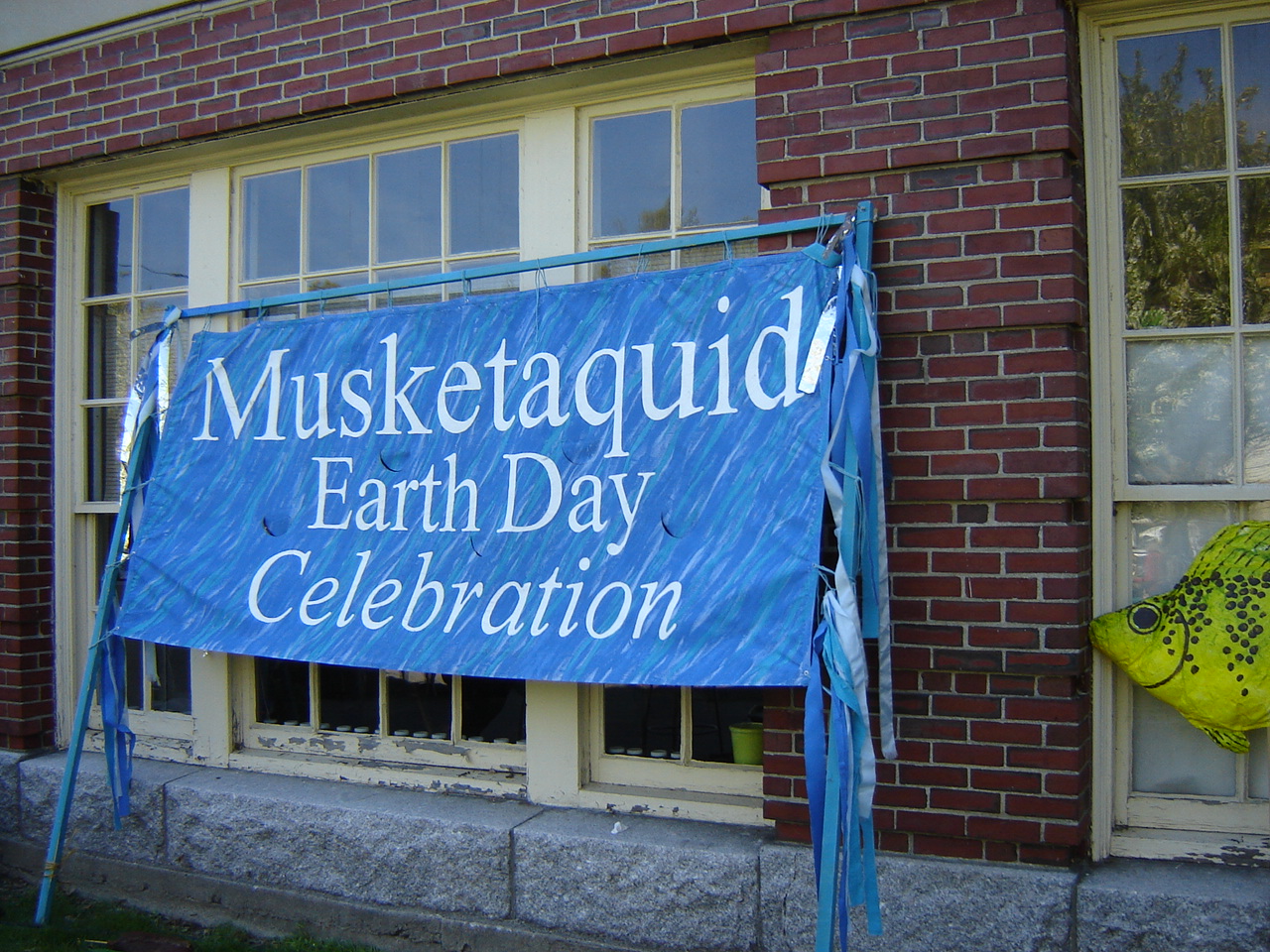
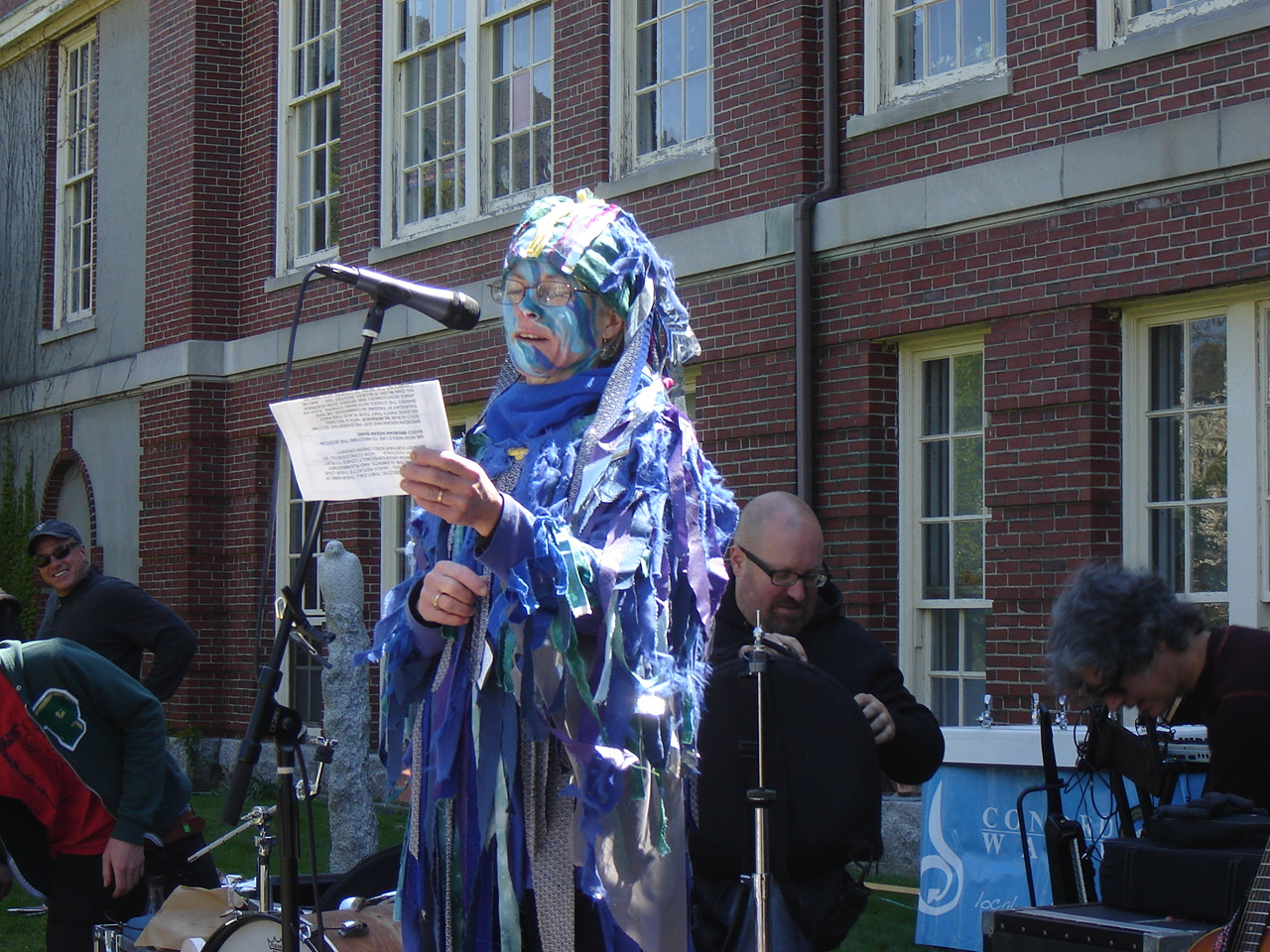
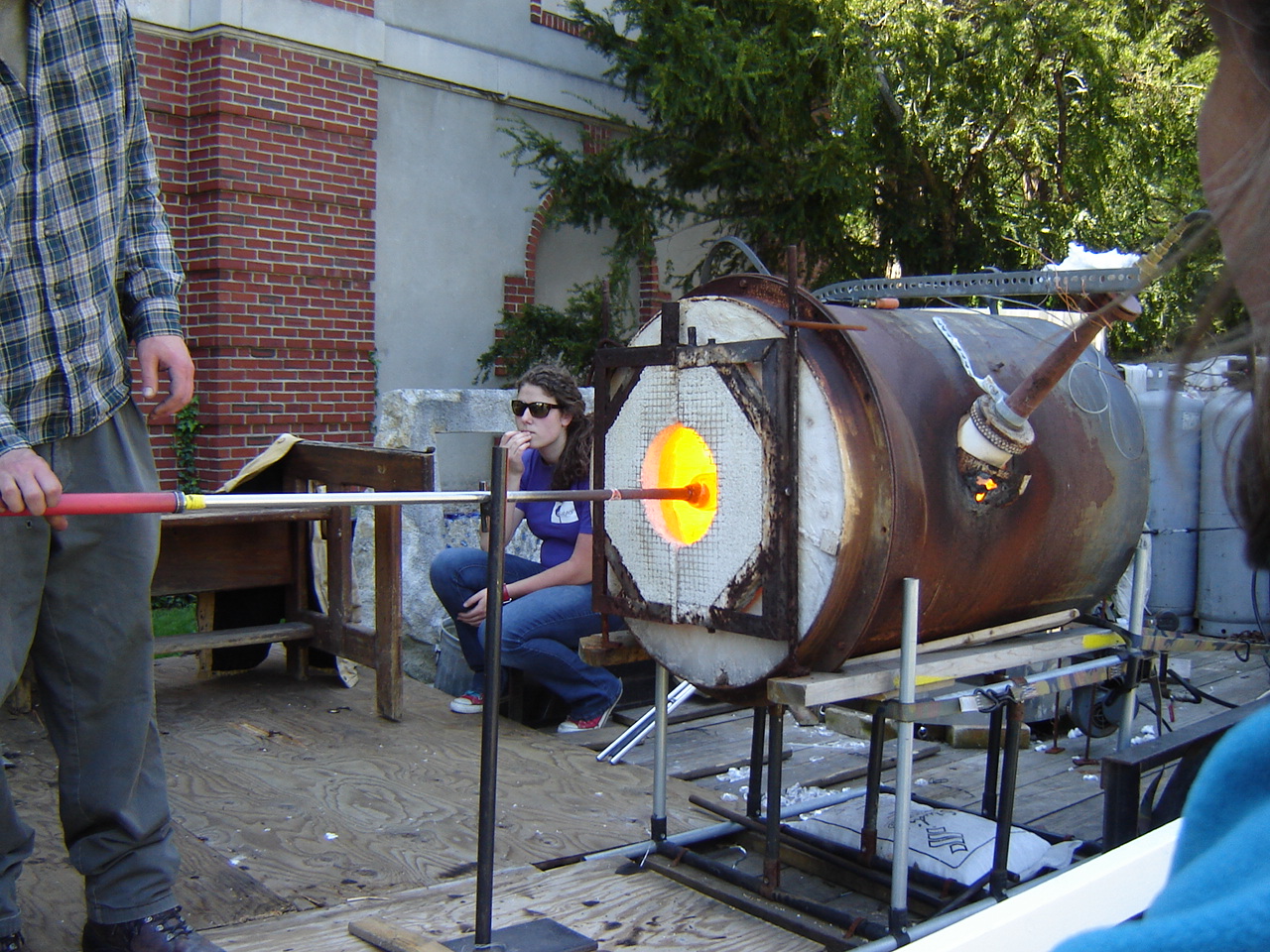
For some years now, Concord has had a fun and funky Earth Day that involves a parade with giant animal and bird puppets and a festival at the Emerson Umbrella Center for the Arts afterward.
The photos: The Blue Person is one of the event’s costumed organizers. Note also the glassblowing demonstration. The faucet made of plastic bottles is meant to remind you that drinking tap water is better for the environment. (Concord Town Meeting just passed a ban on the sale of bottled water — the second attempt to get the legal language right.)
We are gearing up for Mother’s Day around here. It’s an important time of the year for Luna & Stella. For one thing, it gives us a chance to share our enthusiasm for all those who take on the role of mother — whether or not they are actual mothers.
The nurturing person, the rock in someone’s life could be an aunt or a big sister. I have heard of a neighbor playing a mother role for a lonely kid. What about a loving grandpa?
Luna & Stella, as you know, has many birthstone-jewelry offerings, and not just for women. Check out L&S cufflinks if your grandpa was like a mother to you. Why not? Suzanne and Erik may think I’m crazy to suggest cufflinks for May 13, but hey, I’m just the blogger!
It says here, at Pacific Standard, that learning a second language translates into clearer thinking. No surprises there, but good to have evidence.
In Providence this week, a certain baby I know is showing an affinity for more than one language. His mother thinks he finds his father’s Swedish soothing, especially when sung in a low voice.
While the baby is tuning in to Swedish and English, his parents are studying a language called Basic Baby. It’s the world’s oldest language. In its simplest form, it involves crying: “You’re doing this wrong — try a different tack.” Or silence: “You’re doing this right.” At higher levels, it gets more complex. For example, you may be doing something right, but there is still crying: “This digestive business feels totally weird.”
Basic Baby is not too hard to learn if you (a) pay attention, (b) realize that you will figure it out eventually. It was your own first language. If you are rusty, maybe you just need to bone up a bit.
Something fun from the NY Times science section: a creature that looks like a rodent and sings like a bird.
James Gorman writes that the hyrax is reminiscent of a Dr. Seuss character: “It looks something like a rabbit, something like a woodchuck. Its closest living relatives are elephants, manatees and dugongs. And male rock hyraxes have complex songs like those of birds, in the sense that males will go on for 5 or 10 minutes at a stretch, apparently advertising themselves …
“Arik Kershenbaum and colleagues at the University of Haifa and Tel Aviv University have found something more surprising. Hyraxes’ songs have something rarely found in mammals: syntax that varies according to where the hyraxes live, geographical dialects in how they put their songs together.” More here.
I read about this Plainville, Mass., cartoonist a while ago, but didn’t get my hands on a Providence Journal to see his new comic strip, Gil, until today. It’s sweet. I think regular readers of the funny pages are going to like following little Gil.
Taryn Plumb wrote about the glass-is-half-full antihero in the Boston Globe: “Gil is chubby, gap-toothed, not too bright, and his working-class parents are divorced.
“The central character of a new syndicated comic strip penned by Plainville cartoonist Norm Feuti, the 8-year-old bucks the idealized tradition of the comic pages, representing the norm of many 21st-century American families.
“ ‘I always wanted to do a family strip that was more down-to-earth,’ said 41-year-old Feuti, a full-time cartoonist.’’
Plumb notes that Feuti and “his older sister were raised in rural Rhode Island by his mother, who, much like [Gil’s mother], worked in a factory.”
“ ‘Immediately you love this kid,’ said Tom Racine, the San Diego-based host of the entertainment podcast Tall Tale Radio, for which he’s interviewed more than 250 syndicated and Web cartoonists and animators.”
He tells Plumb, “ ‘It’s one of those things where its time has come,’ … calling ‘Gil’ ‘truly one of the best things I’ve seen come along in years.’ ’’
Amusing validation for folks who think standardized testing has gone too far.
“A reading passage included [last] week in one of New York’s standardized English tests,” writes Anemona Hartocollis in the NY Times, “has become the talk of the eighth grade, with students walking around saying, ‘Pineapples don’t have sleeves,’ as if it were the code for admission to a secret society.
“The passage is a parody of the tortoise and the hare story, the Aesop’s fable that almost every child learns in elementary school. Only instead of a tortoise, the hare races a talking pineapple.”
Apparently, the test questions were so nonsensical, the kids are still scratching their heads. “And by Friday afternoon, the state education commissioner had decided that the questions would not count in students’ official scores.”
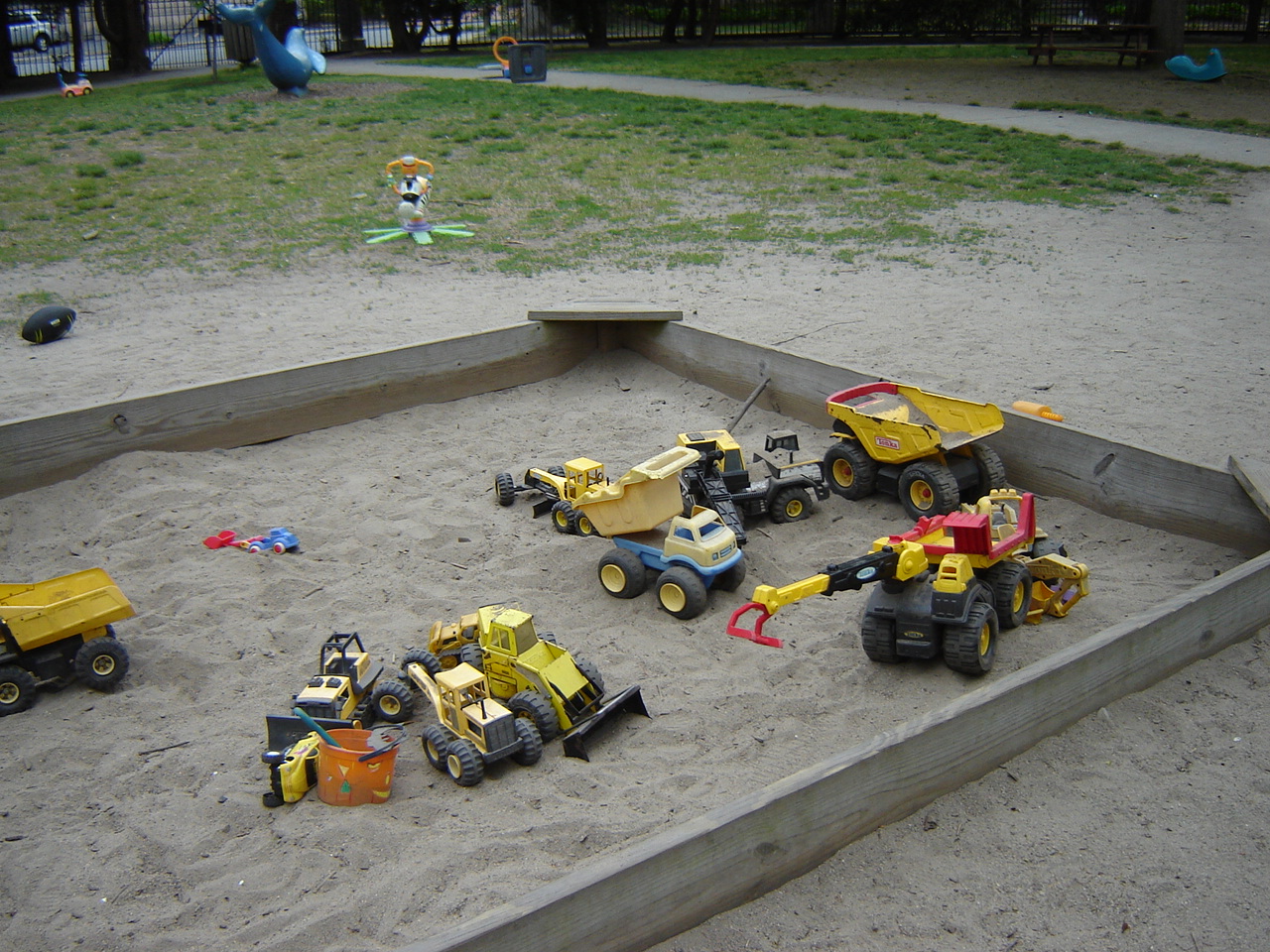
We took a walk and canvassed places where the new baby will play. It will be a while before that, of course. In the meantime, his cousin may be willing to test out the equipment. My husband, who knows this from experience, thinks our two-year-old grandson will be especially keen to try chin-ups on the dangling wheels.
In the hospital waiting room, the Family Liaison is handing out a toy packet (feather included) to a two-year-old with sparkles on her shoes.
The toddler’s father is saying, “Why is my pocket all wet? Oh, it’s the water bottle. I thought my water broke.”
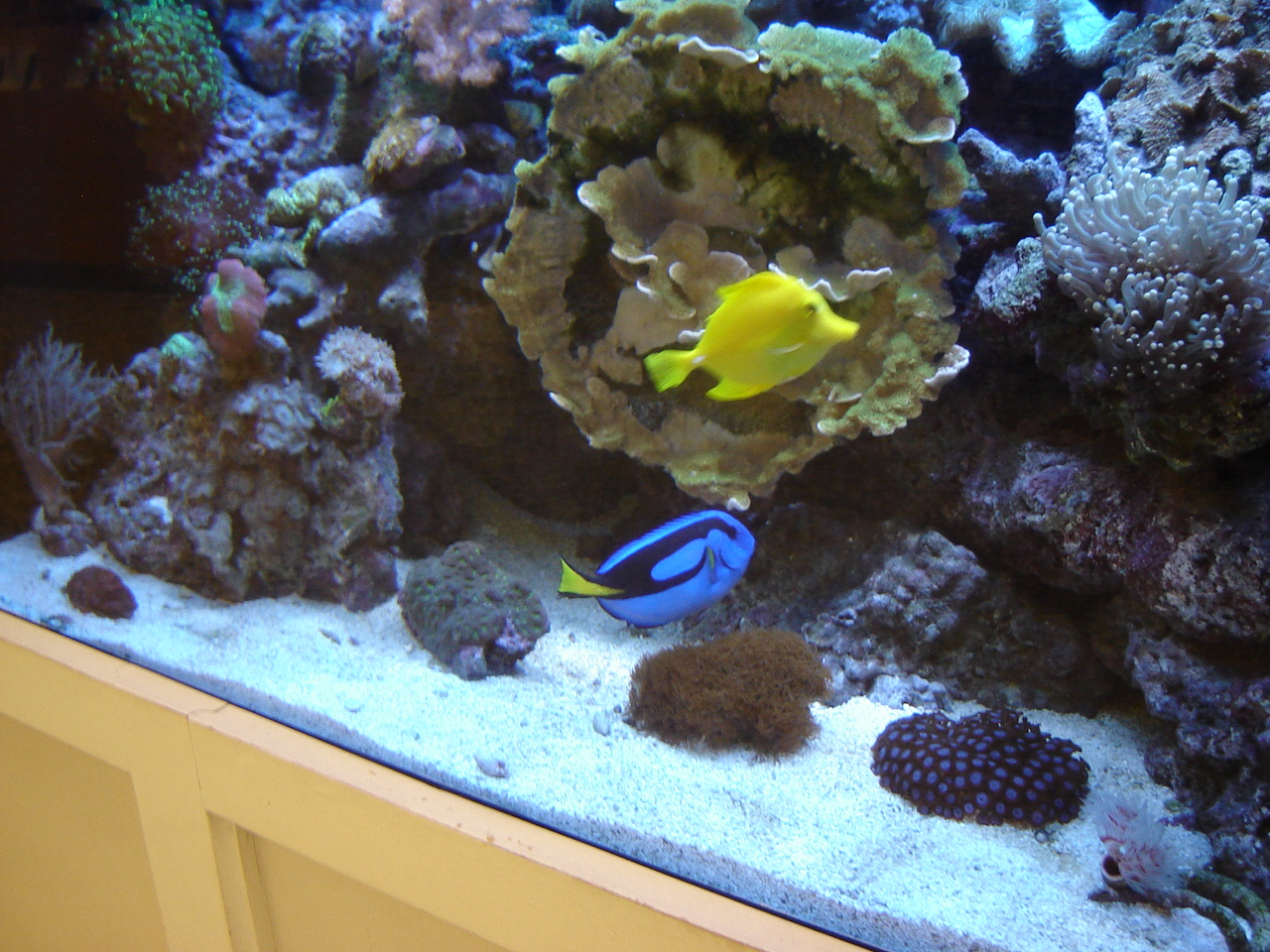
There’s a tank for tropical fish provided for our entertainment by Something Fishy Inc. The Family Liaison shows a little boy where Nemo the Clownfish is hiding and points out his cousin, the Tomato Clownfish.
I wish I had video because the tank is full of waving creatures that look like plants but aren’t. Coral? Anemone? If you know what they might be, please leave a comment.
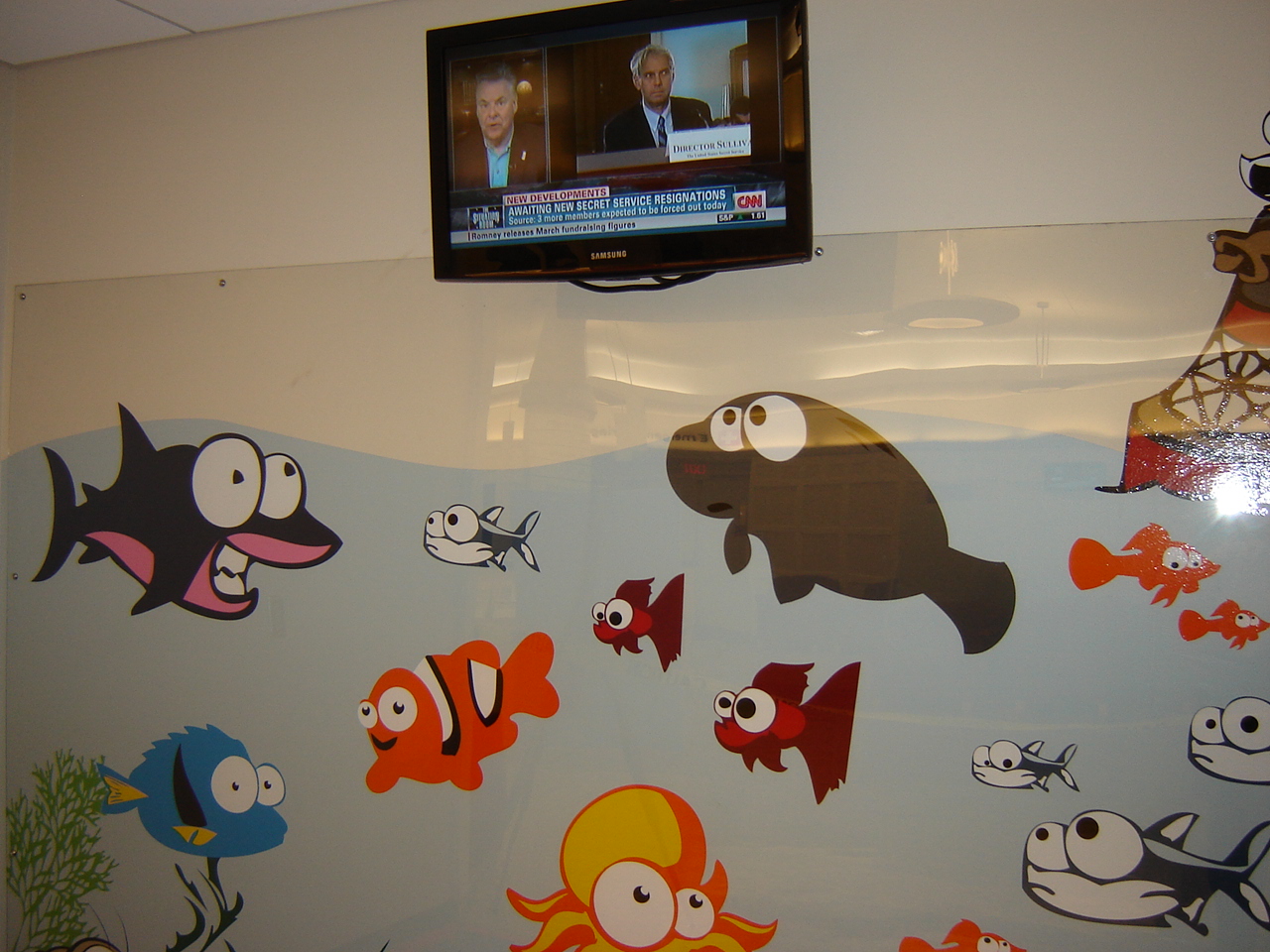
A children’s playroom is in the works. Not sure if Wolf Blitzer on the television is educator-approved, but the nautical theme works nicely with the fish tank.


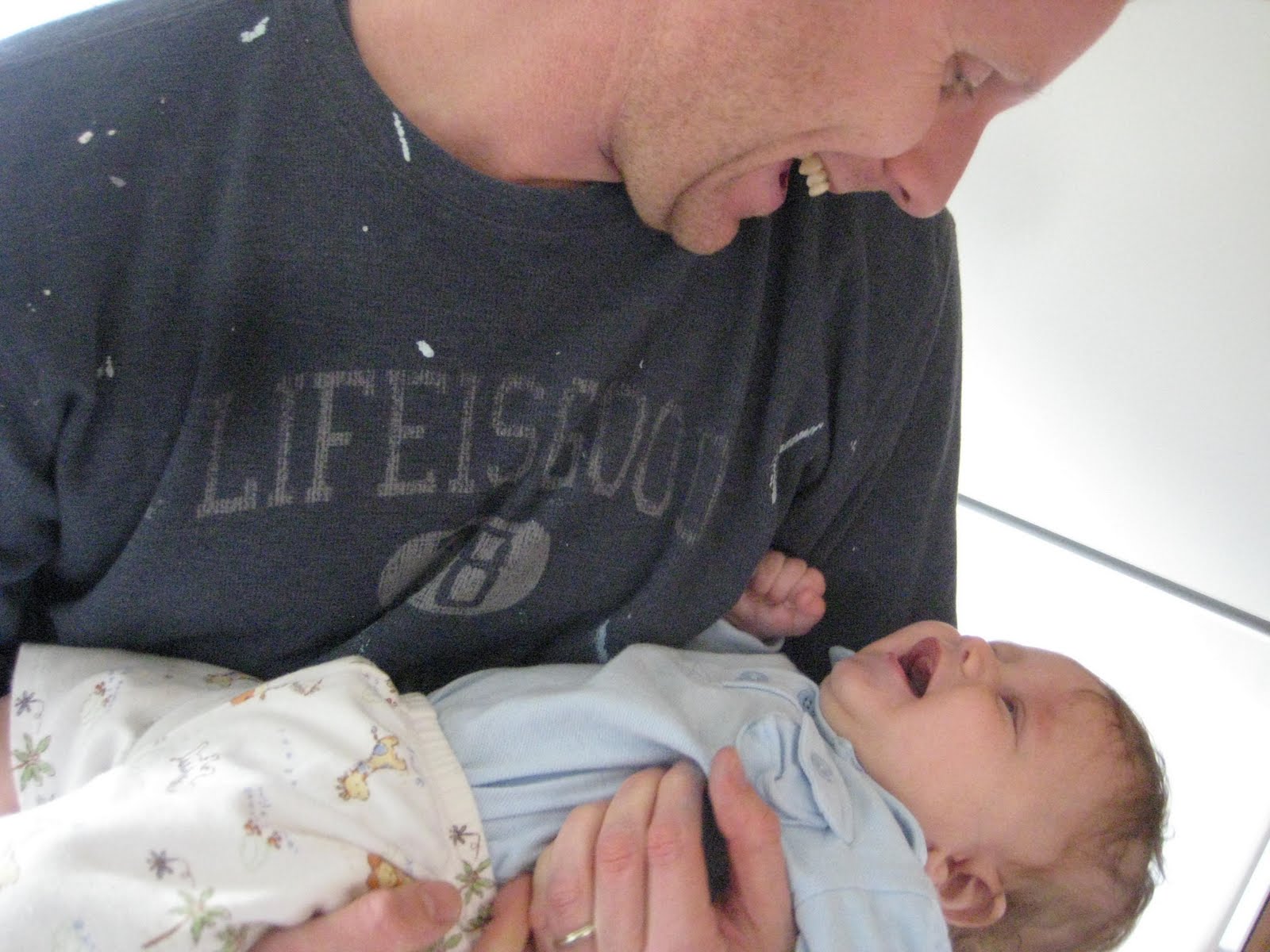










 [We interrupt this broadcast for the baby to chew on my knuckle while his mother tries to get some stuff done,]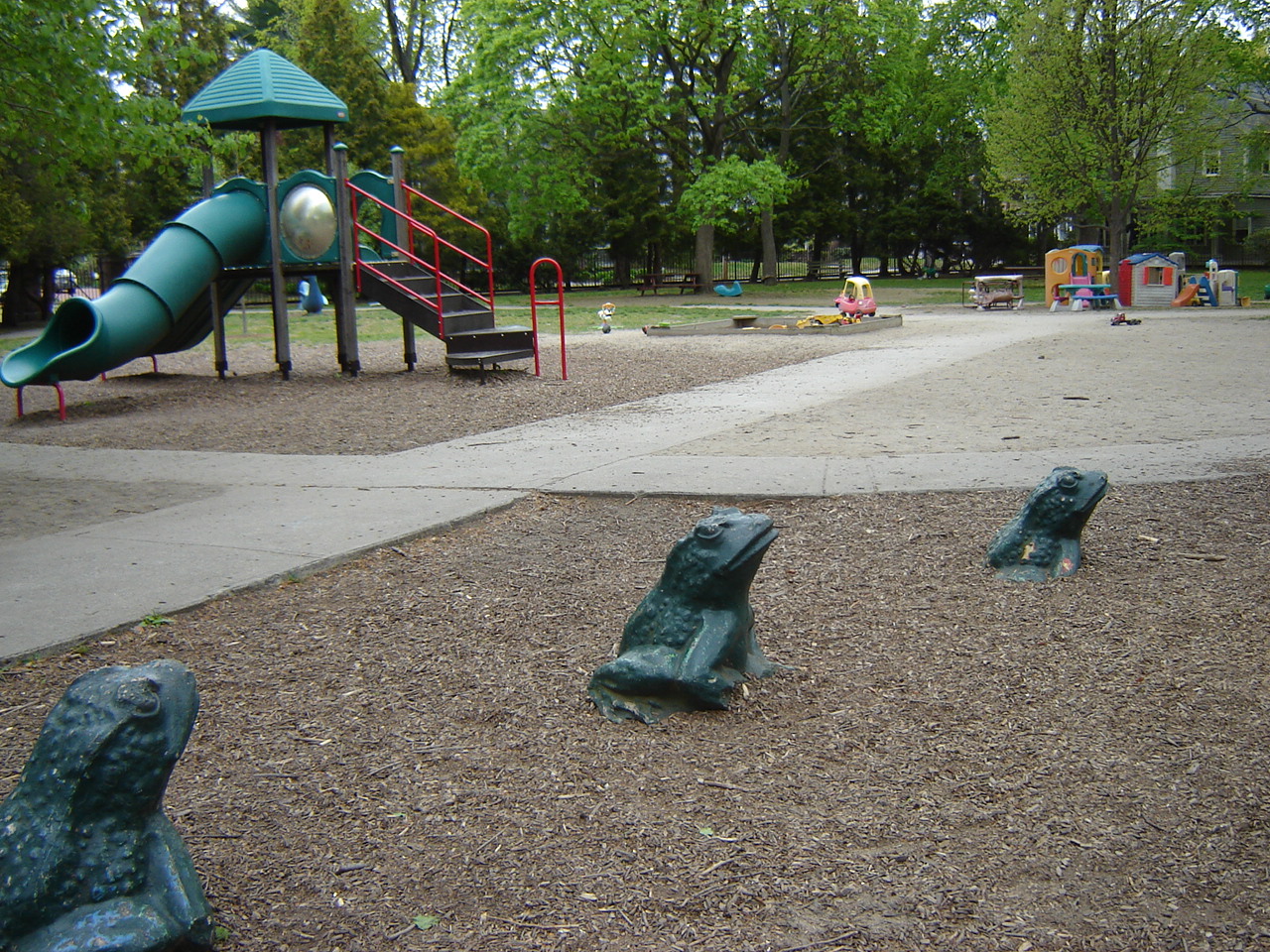






 Suzanne's Mom's Blog
