Feeds:
Posts
Comments

Posts Tagged ‘art’

In 2010, photographer Rose-Lynn Fisher published a book of remarkable images that captured the honeybee in an entirely new light. By using powerful scanning electron microscopes, she magnified a bee’s microscopic structures by hundreds or even thousands of times in size, revealing startling, abstract forms that are far too small to see with the naked eye.

Now, as part of a new project called “Topography of Tears,” she’s using microscopes to give us an unexpected view of another familiar subject: dried human tears.

Read more: http://www.smithsonianmag.com/science-nature/the-microscopic-structures-of-dried-human-tears-180947766/#UBkOIVzILZd8kaLc.99
Give the gift of Smithsonian magazine for only $12! http://bit.ly/1cGUiGv
Follow us: @SmithsonianMag on Twitter

In 2010, photographer Rose-Lynn Fisher published a book of remarkable images that captured the honeybee in an entirely new light. By using powerful scanning electron microscopes, she magnified a bee’s microscopic structures by hundreds or even thousands of times in size, revealing startling, abstract forms that are far too small to see with the naked eye.

Now, as part of a new project called “Topography of Tears,” she’s using microscopes to give us an unexpected view of another familiar subject: dried human tears.

Read more: http://www.smithsonianmag.com/science-nature/the-microscopic-structures-of-dried-human-tears-180947766/#UBkOIVzILZd8kaLc.99
Give the gift of Smithsonian magazine for only $12! http://bit.ly/1cGUiGv
Follow us: @SmithsonianMag on Twitter

A Smithsonian article by Joseph Stromberg about photographs of tears is resonant on so many levels one doesn’t know where to start.

Stromberg writes, “In 2010, photographer Rose-Lynn Fisher published a book of remarkable images that captured the honeybee in an entirely new light. By using powerful scanning electron microscopes, she magnified a bee’s microscopic structures by hundreds or even thousands of times in size, revealing startling, abstract forms that are far too small to see with the naked eye.

“Now, as part of a new project called ‘Topography of Tears,’ she’s using microscopes to give us an unexpected view of another familiar subject: dried human tears….

“Scientifically, tears are divided into three different types, based on their origin. Both tears of grief and joy are psychic tears, triggered by extreme emotions, whether positive or negative. Basal tears are released continuously in tiny quantities (on average, 0.75 to 1.1 grams over a 24-hour period) to keep the cornea lubricated. Reflex tears are secreted in response to an irritant, like dust, onion vapors or tear gas.”

Oh, but I knew that tears from different causes are different. I learned that from a fantasy I was exposed to at age 10, when the future star of stage and screen René Auberjonois, age 13, played the wicked uncle in a production of James Thurber’s The 13 Clocks.

The wicked uncle requires jewels to release his lovely niece, the Princess Saralinda, from captivity.

Although you really will get a kick out of reading the whole book, all you need to know for present purposes is from Wikipedia:  “Zorn and the Golux travel to the home of Hagga, a woman with the ability to weep jewels, only to discover that she was made to weep so much that she is no longer able to cry.

“As the realization that they have failed sets in, Hagga begins to laugh inexplicably until she cries, producing an abundance of jewels. Hagga informs them that the magic spell that let her cry tears was altered, so whereas ‘the tears of sadness shall last without measure, the tears of laughter shall give but little pleasure.’ Jewels from the tears of happiness return to the state of tears a fortnight after they were made.”

(Fortunately, that was enough time to trick the wicked uncle.)

Photo: Rose-Lynn Fisher/Craig Krull Gallery
“Tears of Timeless Reunion”

Read Full Post »
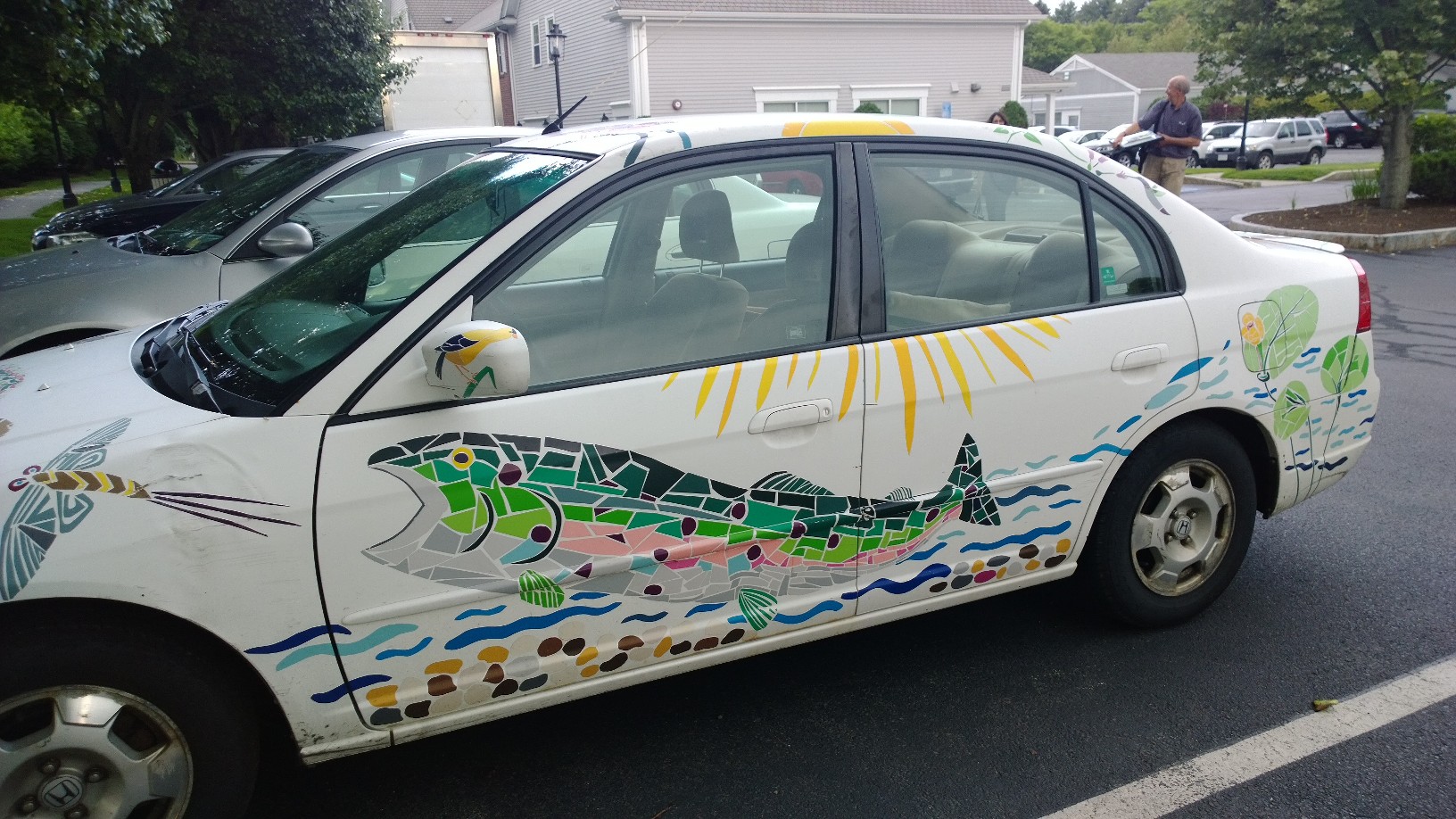
fish-car-made-with-vinyl-stickersHere are a few recent photos. The owner of the fish car showed up as I was taking the picture, so I heard the artist’s story. He threw a party and provided his friends with every shade of adhesive-backed vinyl and pairs of scissors. And they cut small pieces to create a kind of mosaic of the fish, the sea, the goldfinch on the mirror, and so on.

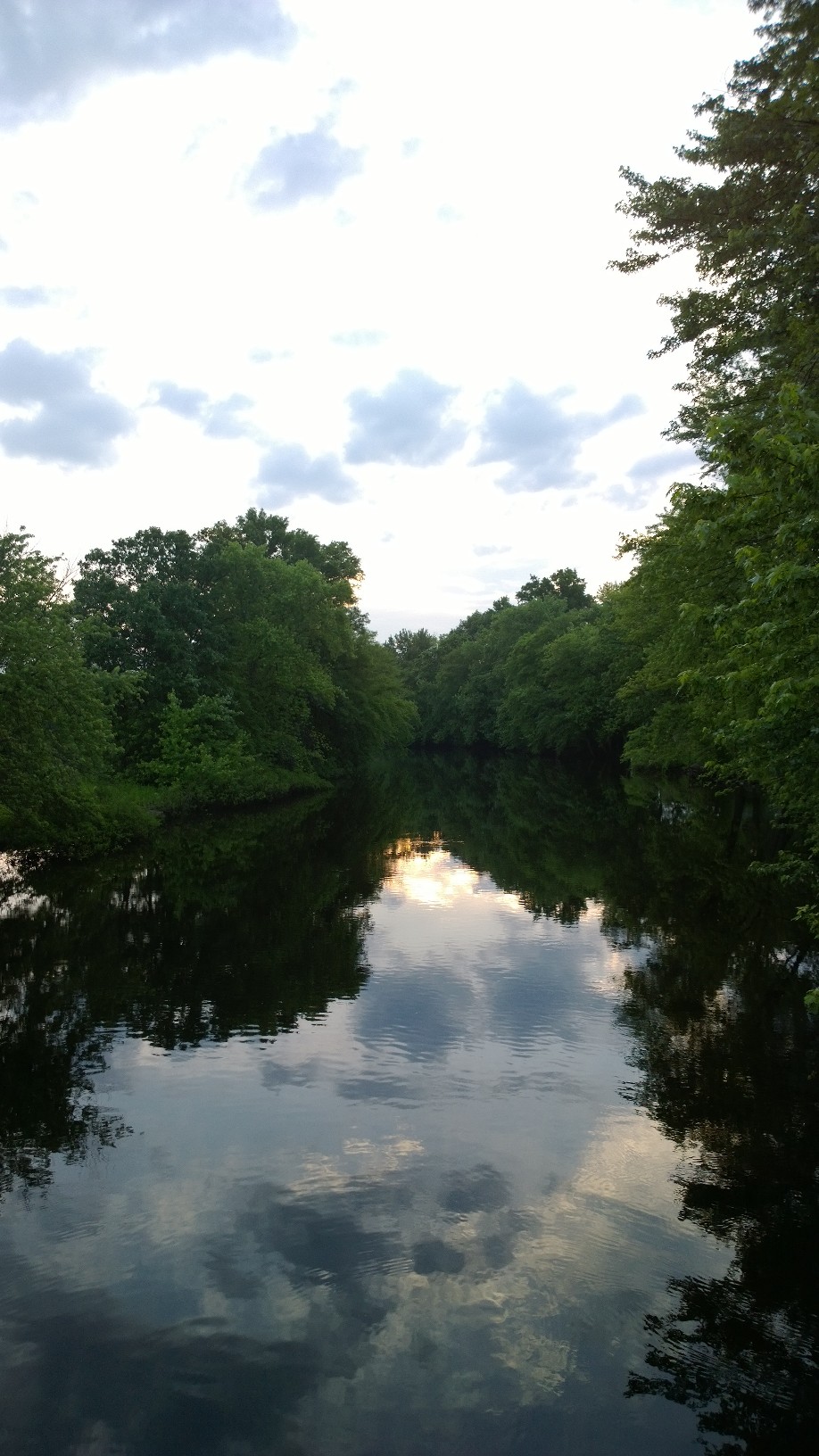
Next we have early morning looking over a river in Concord, then early-morning rowers on the Seekonk in Providence.

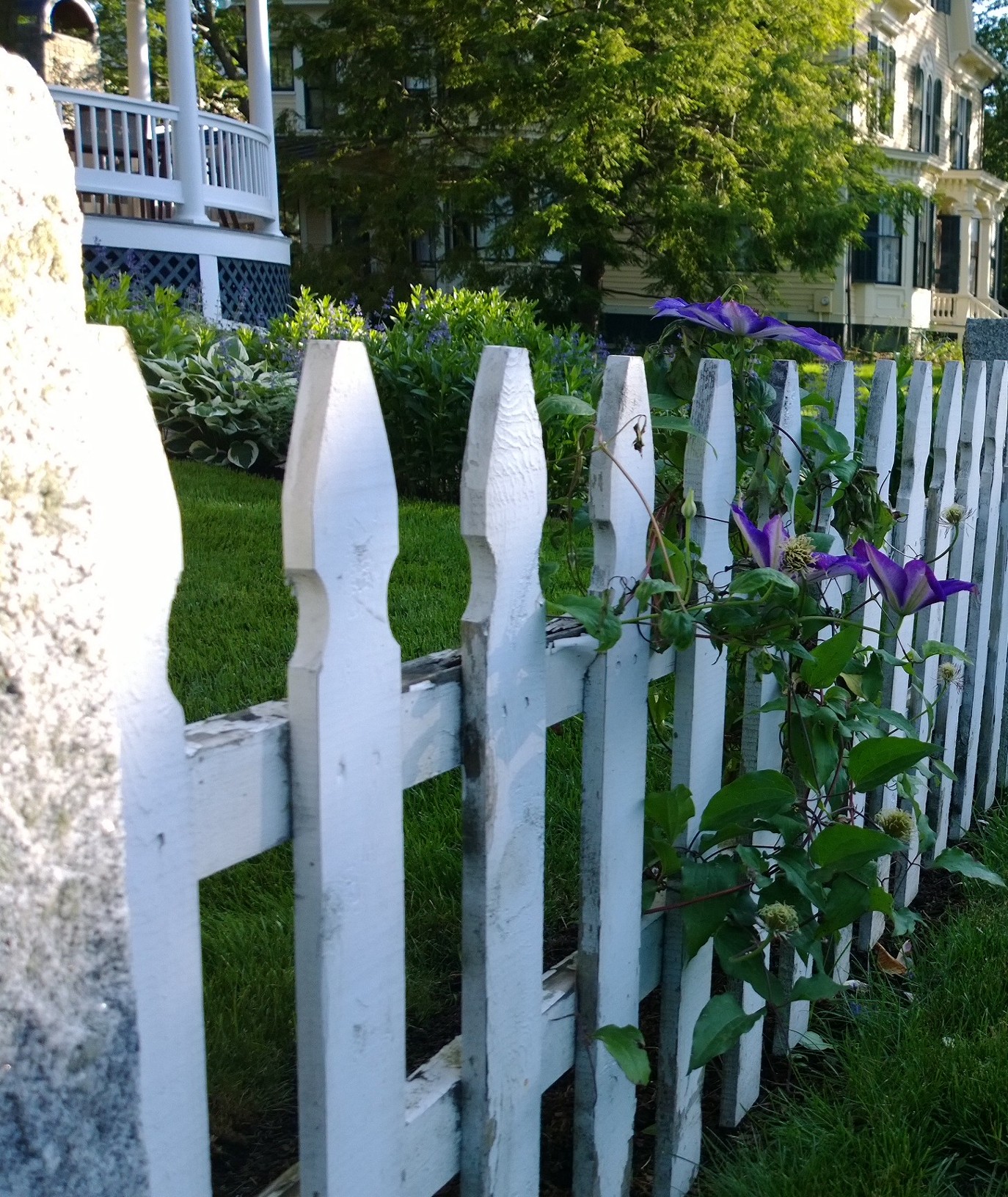
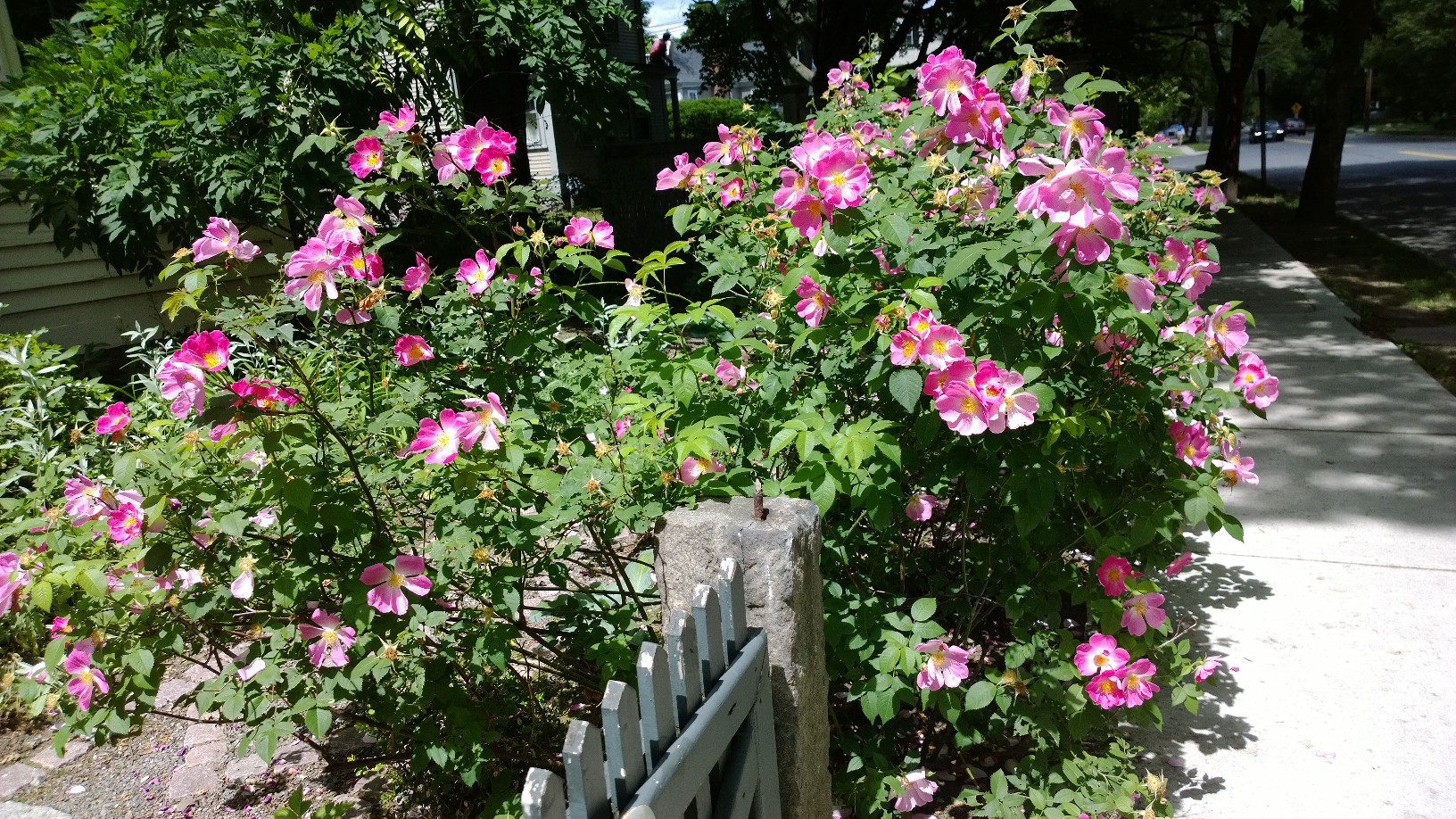
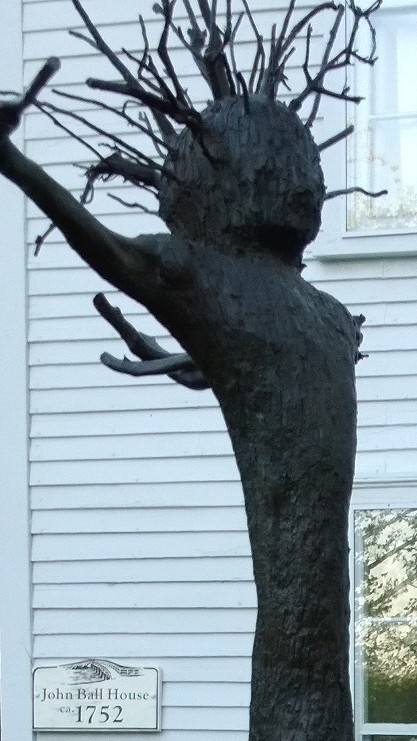
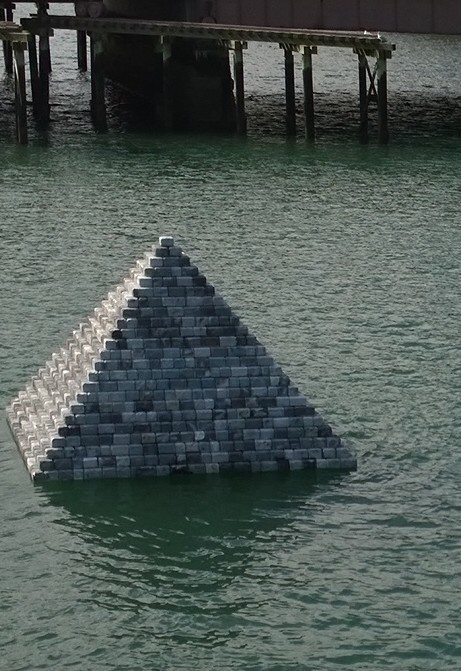
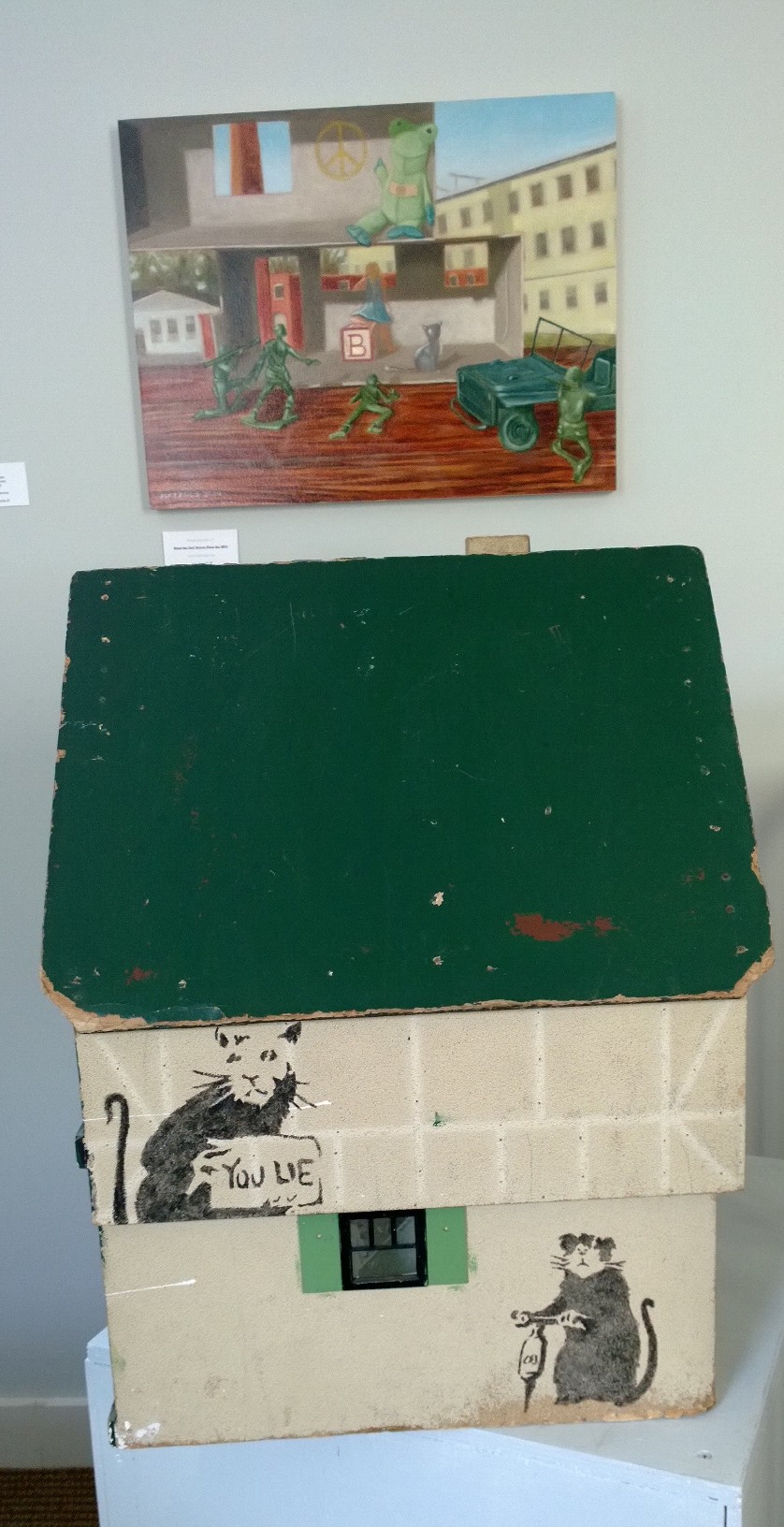
Early-morning roses follow on early-morning clematis. Modern sculpture does an early-morning stretch in front of the historic house that is now an art center.

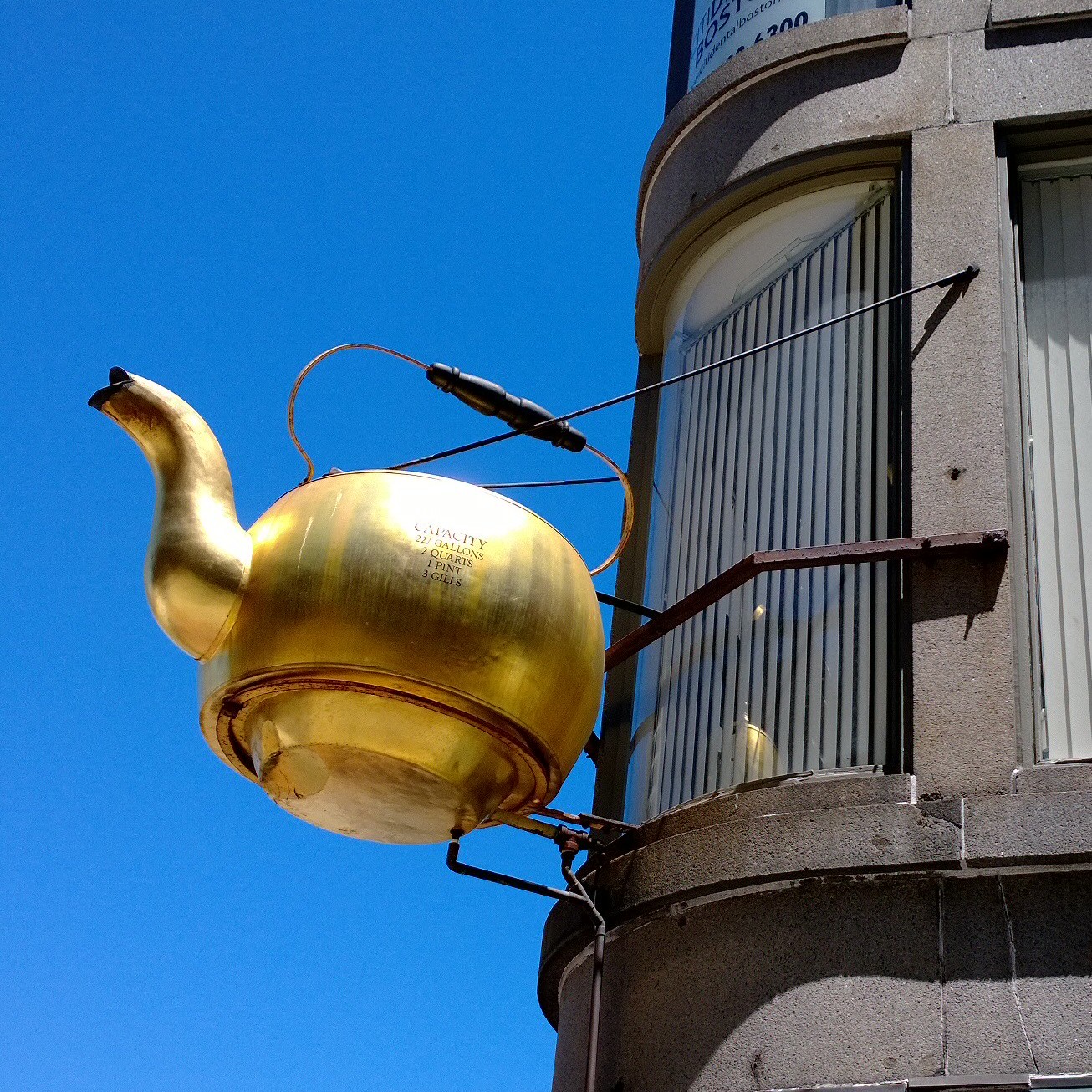
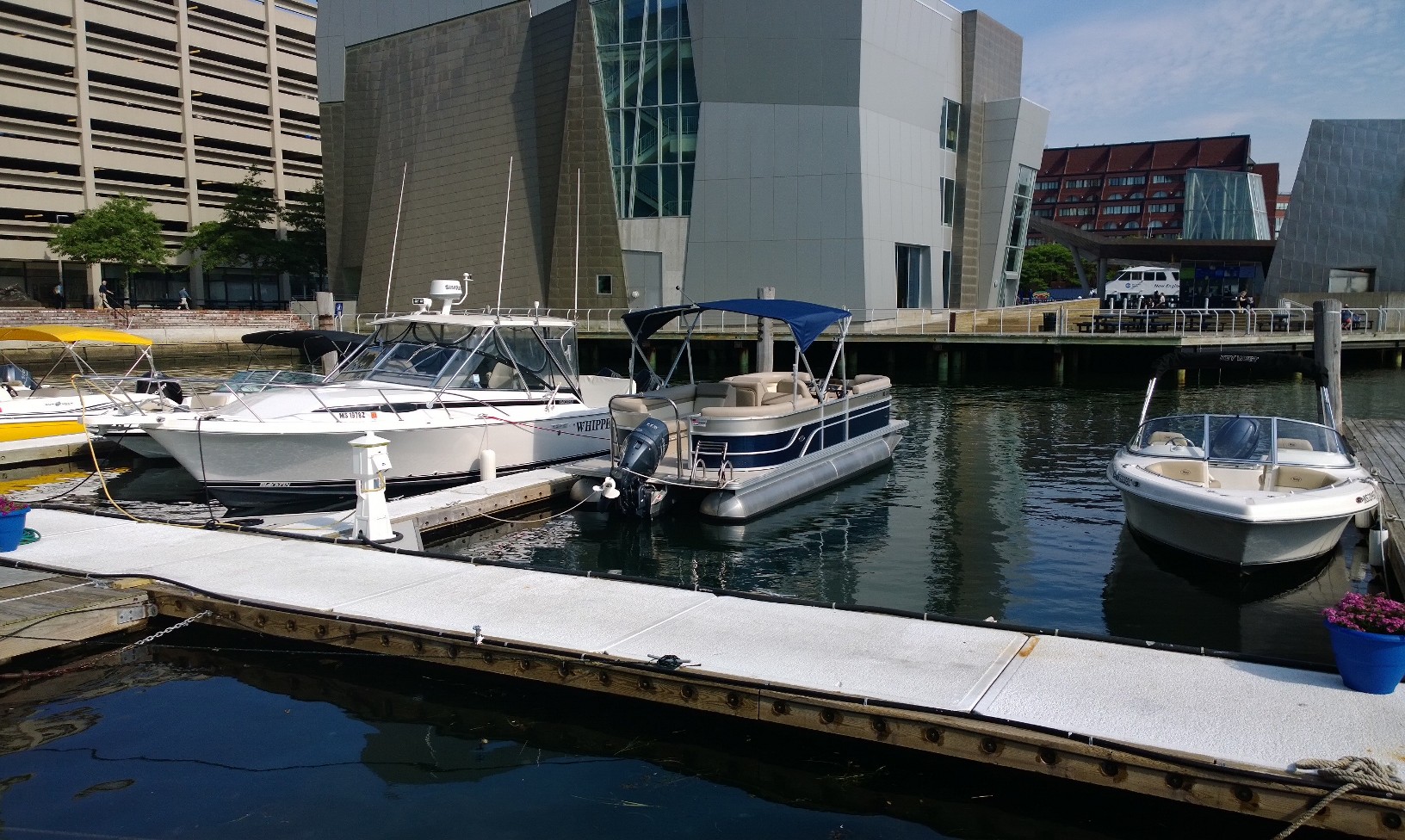
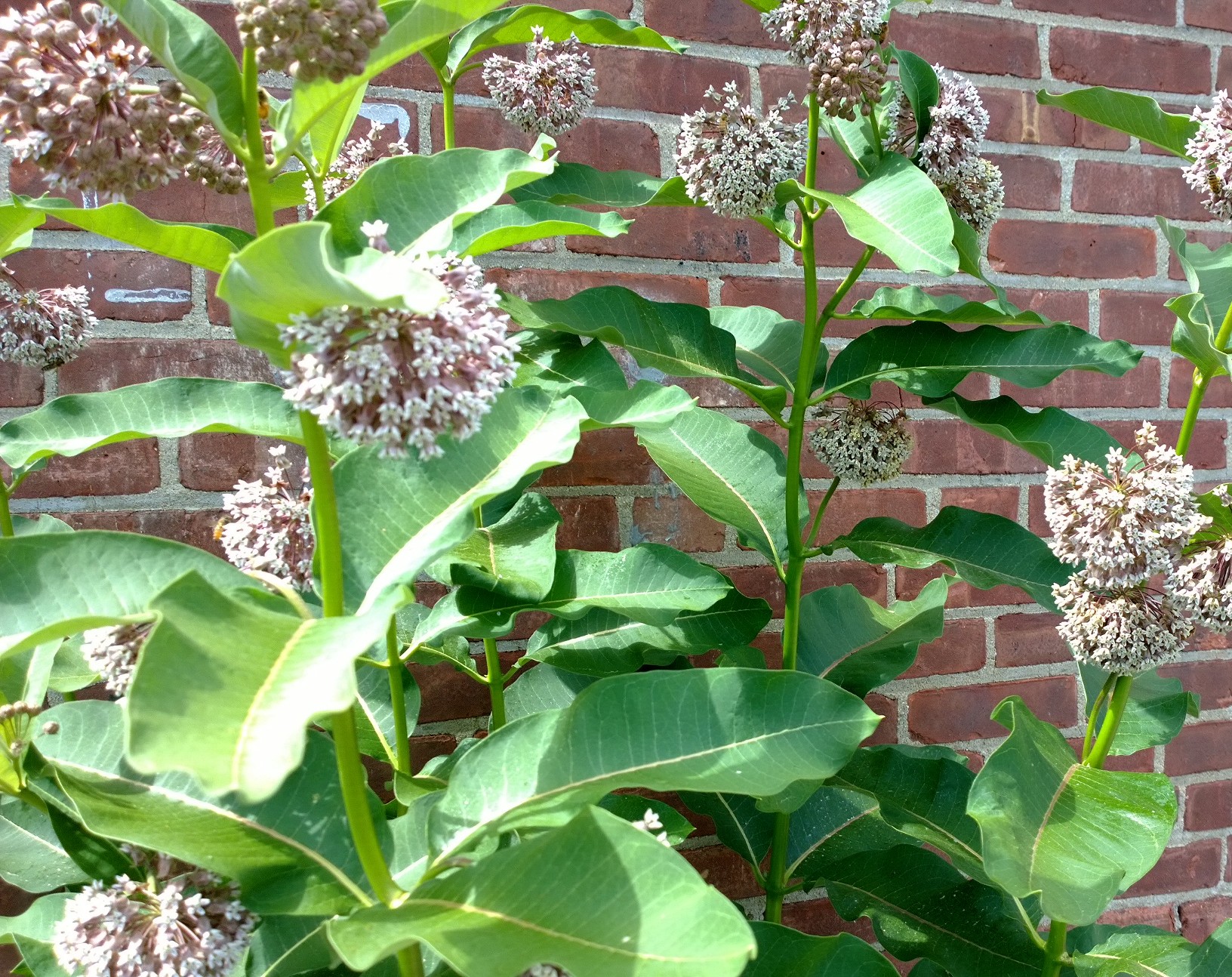
Then there is the teapot near Boston’s Government Center, private boats in Boston Harbor, and milkweed. (You’ll have to take my word for it that the milkweed was full of bees.)

061814-dawn-over-the-river


early-rowing-seekonk-river


061514-clematis

roses-on-fence


art-outside-Concord-Art-Assoc

teapot-near-govt-center-Boston


boat-dock-boston

milkweed-with-bees


Read Full Post »

Judith Ross, who also has a WordPress blog, saw a story she knew I would like. It’s about a Mass College of Art professor who got an idea for a quiet little memorial to Trayvon Martin.

Greg Cook writes at WBUR radio’s The Artery, “For about four years, Matthew Hincman had been eyeing the old stump of a lamppost at the corner of Eliot and Centre streets in Jamaica Plain’s Monument Square. It stood there, with two screws sticking pointing up, as if calling for something to go on top. …

“And he got to thinking about the granite monument tower on the other side of the square to a couple dozen West Roxbury men who died in the Civil War. …

“ ‘Who do we memorialize?’ he began to ask himself. ‘Why do we memorialize them in the public space?’

“And so it happened that a couple Wednesdays ago, right in the middle of the day, the Boston sculptor arrived with an assistant and proceeded, without permission from any official authorities, to attach a small, secret, cylindrical metal thing atop that lamppost.

“On its flat top is a low relief depicting a hoodie sweatshirt cast to the ground. … For Hincman, it’s a street art monument to Trayvon Martin.”

Read about other art projects by Hincman at The Artery, here. I like his stealth approach to many of them.

Photo: Michael Hincman
A street art monument to Trayvon Martin

Read Full Post »

When a do-gooder from the nonprofit Kounkuey Design Initiative told poor farmworkers at a California trailer park she wanted to work with them to build a place to relax and play, they didn’t think much would come of it.

Patricia Leigh Brown writes at the NY Times why the community is happy to have been proved wrong.

“When Chelina Odbert, the 36-year-old co-founder of the nonprofit Kounkuey Design Initiative, based in Los Angeles, showed up two years ago and asked residents to propose ideas for a park that they might design and build collaboratively, most assumed she was yet another do-gooder bearing ‘muchas promesas’ that would come to naught.

“And yet, after more than a year of drawing, debating, hauling rocks and waiting out bureaucratic delays, the residents had a fiesta recently to celebrate the opening of the park, a public space built out of railroad ties and other simple materials. It has a playground, a community garden, an outdoor stage and a shade structure where neighbors can gather and gossip even on 110-plus-degree days.

“The park, which doubles as a zócalo, or traditional town square, exemplifies a new phase for both Kounkuey (KDI for short) and the field of public-interest design, which tries to put design tools into the hands of neighbors who can create local change. …

“Alberto Arredondo, 51, lives across from the garden and has become its keeper. … Before, he said, he would come home after a day in the fields picking grapes and collapse on the sofa. The park, he added, has ‘de-stressed the women.’

“His theory was borne out by Rosa Prado, whose commitment to the park never wavered. ‘It helps with depression,’ she said. ‘You go out your door, and you see a lady in the park and sit next to her.’ She added, ‘Then a few minutes later, you forget what you’re worried about.’ ”

More here.

Photo: Monica Almeida/The New York Times
Residents of all ages turn out for the opening of a new public space, by the Kounkuey Design Initiative, in St. Anthony’s Trailer Park, home to farmworkers east of Palm Springs, Calif. 

Read Full Post »
Here’s an unusual approach to art. Christopher Bollen at Interview magazine has the story.

“Since 2005, the 41-year-old [Marie] Lorenz has been navigating New York Harbor in her handmade plywood-and-fiberglass boat, taking friends, artists, and willing participants on nautical odysseys of the city’s rivers and islands.

“The project, Tide and Current Taxi … has its roots in multiple artistic practices — from traditional Romantic seascape and marine painting to more radical iterations of performance art …

“It helps that the Brooklyn-based artist, who could command a boat by the age of 6, is an adventurer at heart — the kind of avant-garde pioneer more often found on Manhattan’s dry land than in its surrounding waters. Lorenz has extensive knowledge of the city’s waterways. ‘When I got to New York, I realized that the tides were significant,’ she says. …

“Lorenz uses the tides like a motor to propel her boat, as well as the time-trusted manual labor of paddling. She usually sits at the stern, with passengers facing forward at the bow and in the middle.  …

“The boat trips themselves are often captured on video by a waterproof digital camera fixed to a metal pole jutting up from the stern. The camera’s eye is in the position of fellow traveler or a Charon-like ferryman through the derelict metropolis. Perhaps what is most arresting about her work is the way it destabilizes our usual perception of the city itself — specifically the hypnotic rocking of the Manhattan skyline.

” ‘You usually see the city on solid ground,’ Lorenz says. ‘I think when you’re floating, you see differently, your vision expands. You get to see the city from an in-between zone.’ ”

More here.

Sebastian Kim

Read Full Post »
I love the staircases from around the world that are posted at Catraca Livre. Wish I could remember where I got this link. Andrew Sullivan? Twitter? This Is Colossal? It’s been a while since I saw it.

I picked the staircase with the koi fish to show you, but there are 16 other amazing staircases at the site. The website is based in Brazil and run by Gilberto Dimenstein. I can’t read the Portuguese. If you can, let me know what it says?

“Muitas pessoas fazem o possível para fugir do esforço de subir alguns degraus. Mas para alguns artistas de rua, elas são fontes de inspiração para suas criações. O site BoredPanda listou 17 escadas ao redor do mundo que são verdadeiras obras de artes a céu aberto.”

OK. I guess the pictures originated at Bored Panda, a site we blogged about once before. You should check that, too.

More staircases here.

Photo: http://queminova.catracalivre.com

Read Full Post »
Someone has finally recognized seaweed for the artistic creation it is.

That someone is Josie Iselin, whose book An Ocean Garden: The Secret Life of Seaweed was reviewed by Dana Jennings in the NY Times Science section Tuesday.

Jennings begins, “The secret to finding unsuspected beauty, artists and naturalists will tell you, is in knowing how to slow down and really look. The writer and photographer Josie Iselin certainly knows how to do that, as she shows in her beguiling new book, An Ocean Garden.

“In her introduction Ms. Iselin … writes, ‘I fell in love with seaweed at the kitchen counter.’ (She would bring back samples and study them there.) And it vexes her that others don’t share in her tidal pool crush. …

“The 100 color photographs here, though, just might convince some people …  The book focuses on seaweeds found in Maine and California, both states she has lived in; the species names tickle the tongue in the same way that the seaweeds themselves can tingle bare feet: knotweed and bladderwrack, bull kelp and green scrap, pepper dulse and sugar kelp, Turkish towel and Irish moss.” Read more about the book, here.

We’re headed to the beach this weekend with John and his little ones. Maybe we will be able to identify some seaweeds there.

Photos: Josie Iselin
Clockwise from top left, seaweeds from Josie Iselin’s new book: Macrocystis, Ulva lobata, Calliarthron tuberculosum, Egregia menziesii, Gloiosiphonia verticillaris and coralline algae.

Read Full Post »

Barnes-3


Barnes-waterfall

Today I need the Indian goddess with the many arms because I want to say about the Barnes Collection in its new home, “On the one hand, on the other hand, on the third hand …”

After I saw the documentary The Art of the Steal, about how the fabulous art collection that was willed to a historically black college to keep it from art-world experts ended up in the hands of art world experts, I thought a trustee at Lincoln University had sold his patrimony for a mess of pottage. Now I think that receiving untold wealth is a curse and the donor better have a good plan and lots of resources to support the unfortunate recipient. (More about the movie.)

That’s two hands.

On Thursday, having visited the Albert C. Barnes collection in its new Philadelphia Museum of Art building, I needed a few more hands.

On the third hand, the building is gorgeous in its simplicity and displays the art (69 Cezannes, anyone? How about 60 Matisses? 44 Picassos? 178 Renoirs? Do you love Seurat? Van Gogh? Pennsylvania Dutch furniture?) in the quirky layout of the old Merion, Pa., setting and without labels as Barnes did. On the fourth hand, lack of labels is annoying. On the fifth hand, the art experts provide an ipod with lectures on selected works and a booklet to identify all the items exhibited. On the sixth hand, faithful as the layout is, Dr. Barnes, who made his money in pharmaceuticals and wanted ordinary working families to enjoy and study art without the filter of the art establishment — would have had a heart attack about the entry fee and the standard gift shop and coffee shop and other luxurious museum appointments.

The museum is definitely worth seeing, for the building, the art, and the way the roaring controversy was all handled. But it’s the little things I will cherish like finding black and white illustrations that reminded me of Dickens illustrations and turned out to be by the school friend Barnes asked to help form his taste and get him started on collecting (William Glackens).

Giorgio de Chirico, Portrait of Albert C. Barnes, 1926

Read Full Post »

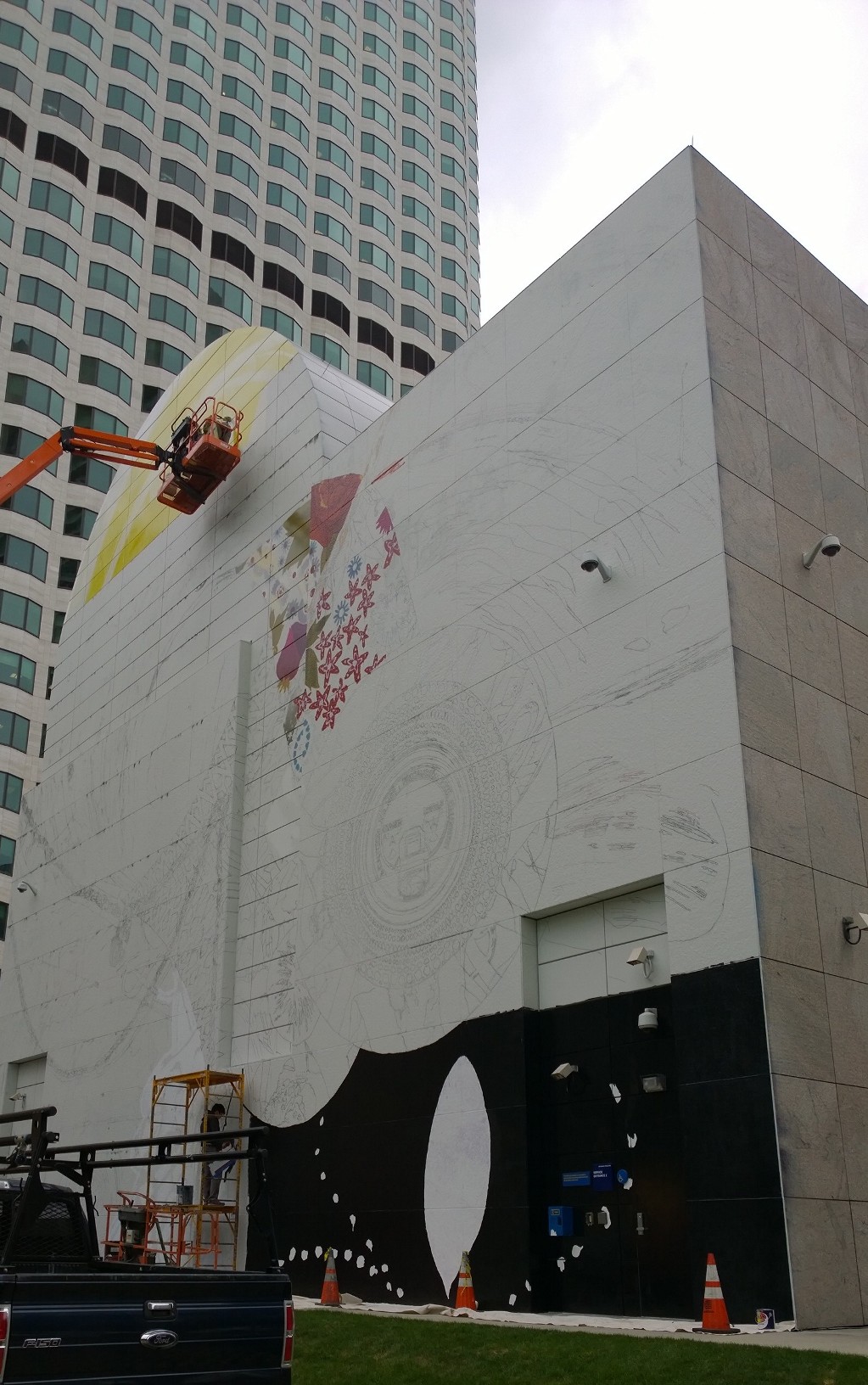
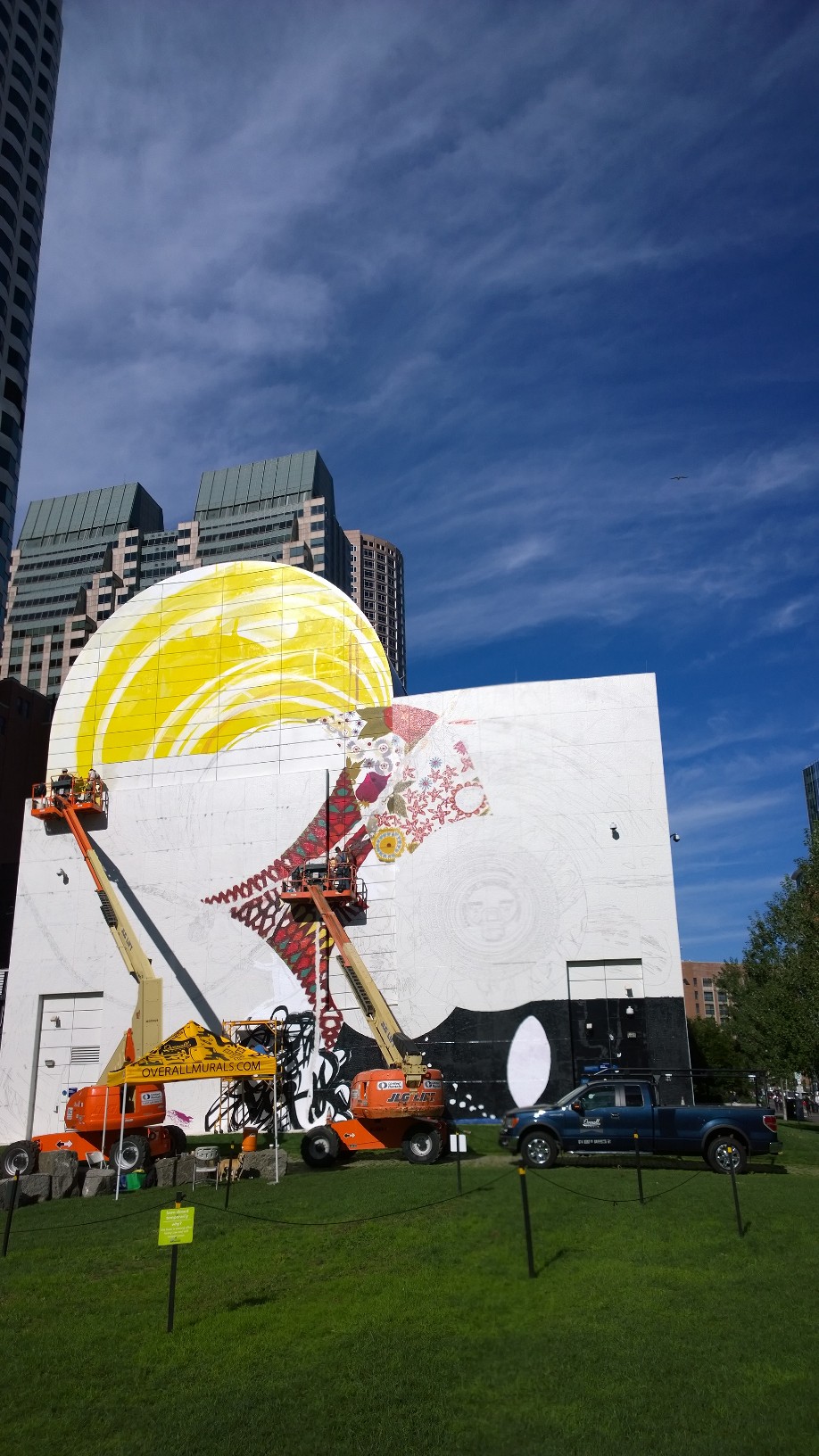
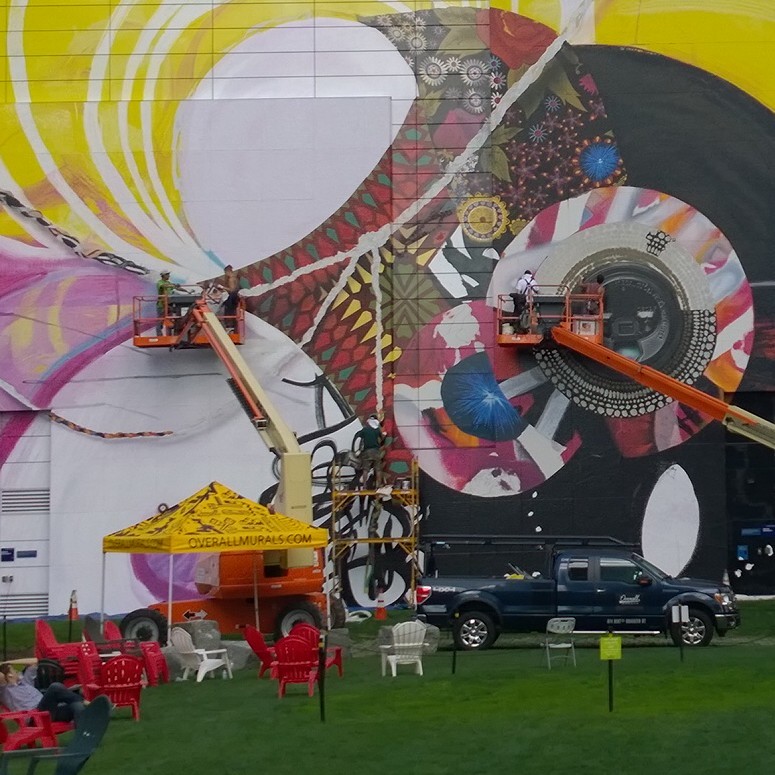
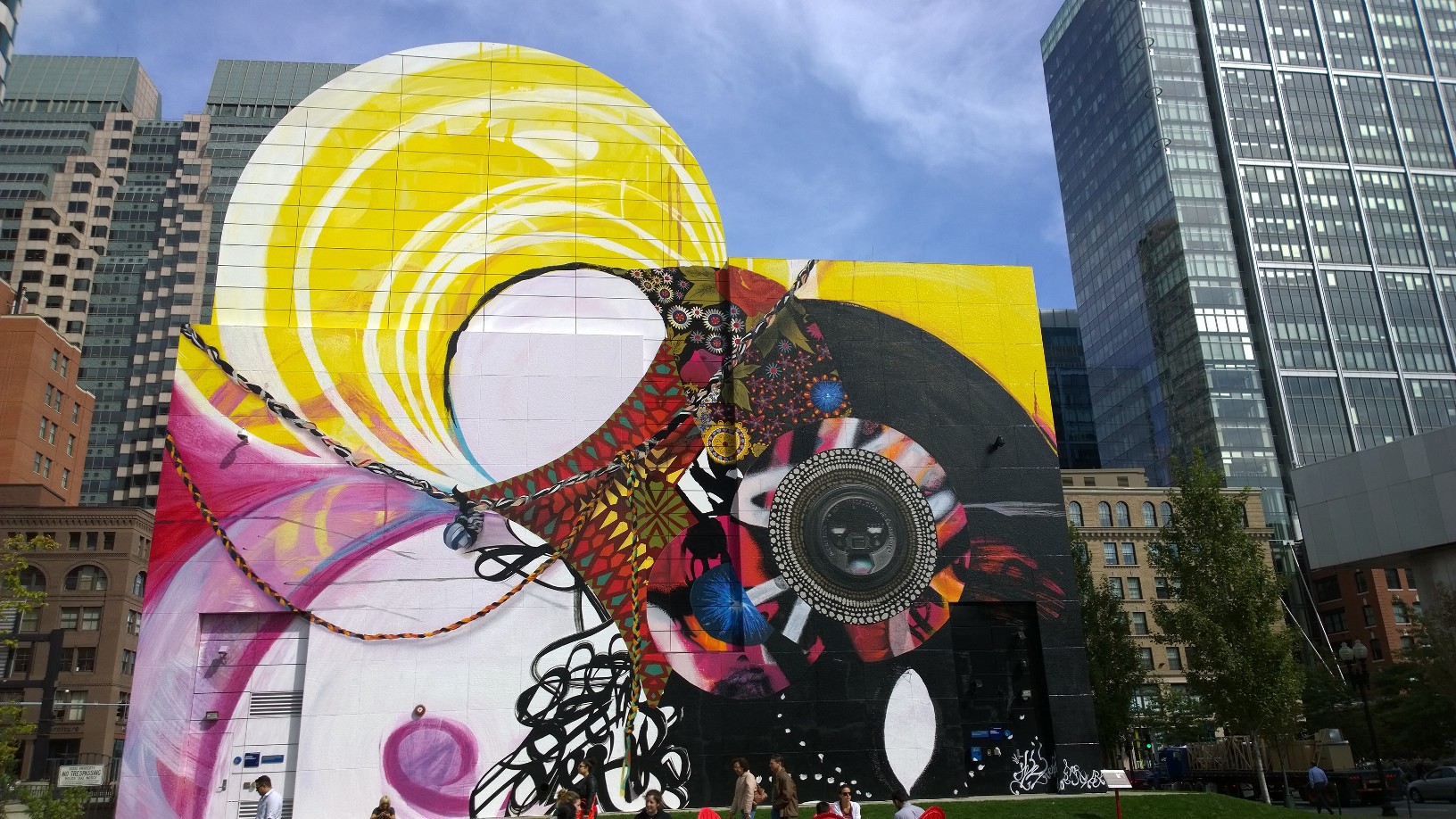
Zachary Sampson has a nice article at the Globe today. It’s about a project in Boston enlisting passersby to help create a mural.

The mural “was created by artist Ernest McKinley English. He joined with ArtLifting — a Boston organization that works with homeless and disabled artists — to organize the project, which he said was meant to foster collaboration. …

“Liz Powers, cofounder of ArtLifting, said English’s vision dovetails with her organization’s purpose. ‘Both Ernest and ArtLifting have the mission of bringing people together through art, building community through art,’ she said.”

The mural “held a hidden message that would be revealed upon completion. …

“The part-in-a-whole ethic resonated with many of the artists who worked on the piece, both amateur and professional.

“ ‘I think the greatest message,’ [artist Randy] Nicholson said, ‘is as a community, we can accomplish what we can’t as individuals.’ ” More here.

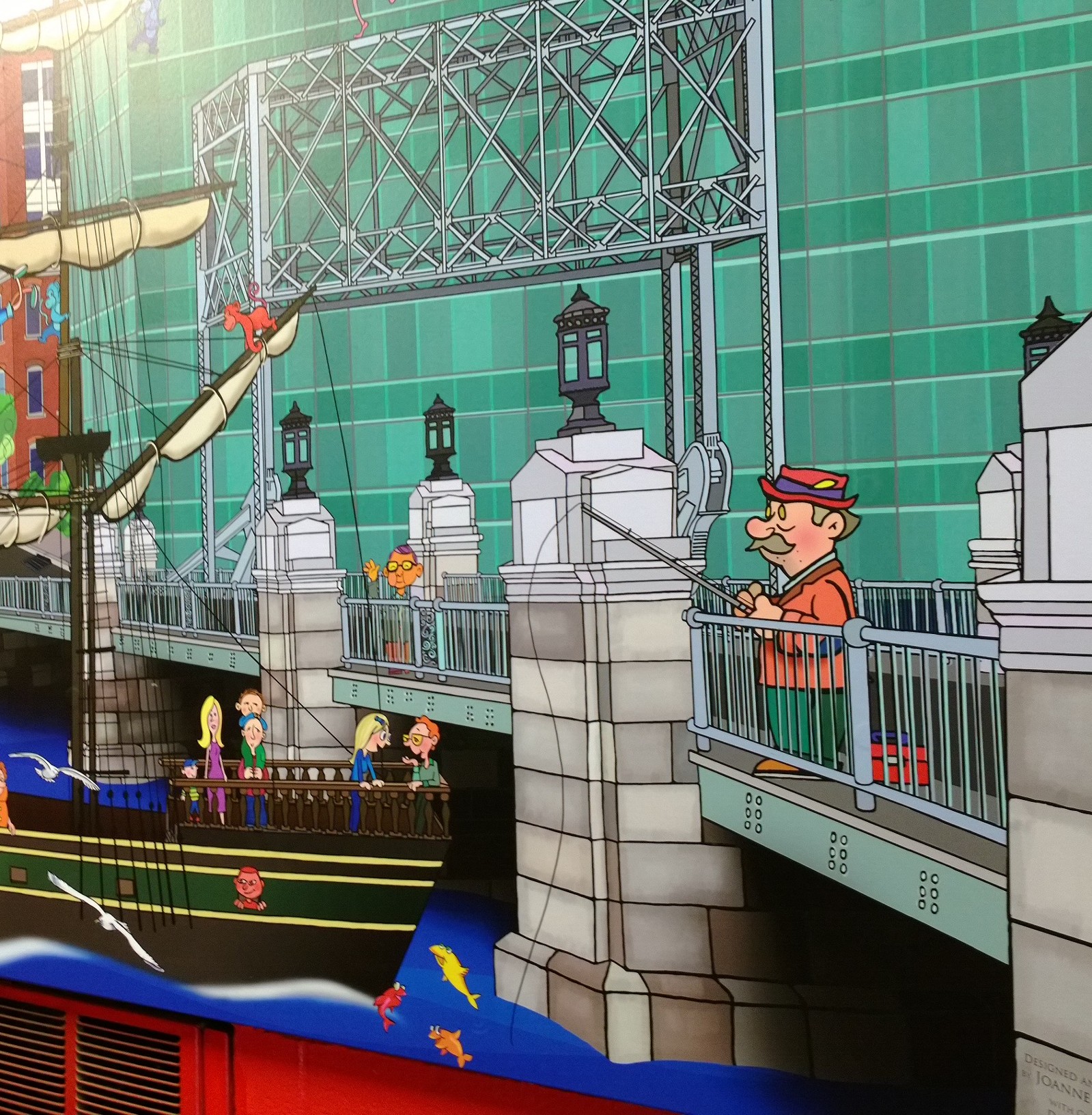
Years ago, Suzanne and John helped paint a beautiful mural about our town for the commuter rail station. Their names were included in the credits and we always felt proud reading them when we passed by.

Photo: Michele McDonald for the Boston Globe
Sisters work on paint-by-numbers mural outside the Prudential Center.

Read Full Post »
If you like trompe l’oeil painting — that sleight of hand that makes you think you are seeing one thing when it’s really another — you will love “invisible” architecture.

Writes Mallika Rao at the Huffington Post, ” ‘Invisible’ architecture isn’t a novel concept … But it’s an evolving one. Given the pace of technological change, an architect is never done finding fresh ways to make a building disappear.”

Consider the picture below.

“The revelation is the technology the architects chose not to use,” says Rao. “No fancy LEDs or futuristic materials are needed to build “Invisible Barn,” as the parallelogram-shaped structure pictured in Socrates Sculpture Park is known. The brainchild of the New York-based architecture firm stpmj, it’s designed to be made of wood and sheeted with mirror film, at a cost of $5,000.

“The idea is to ‘blur the perceptual boundary’ between object and setting, according to a statement sent by the architects to The Huffington Post. Niches built into the structure mean the experience changes the closer you get — up close, you can see where true birch trees turn into reflected ones. …

“If it seems whimsical, that’s because the idea was hatched for the Folly contest, an annual event held by the Architectural League of New York. The name references the age-old concept of the ‘architectural folly,’ a fanciful, small building typically set in a garden as a conversation starter.” More here.

Photo: stpmj, an architecture firm

Read Full Post »

Fyfe-Day-repertoire-with-frame-cardGreeting card of Meredith Fyfe Day’s “Repertoire with Frame.”

Back in the early 1990s, I worked for Meredith Fyfe Day at Harte-Hanks newspapers, where we whipped into shape tottering stacks of press releases of wildly varying literacy.

That was Meredith’s day job. She was also a working artist. My husband and I have long enjoyed her shows, several of which were at the Whistler House Museum of Art in Lowell when Meredith was the artist in residence.

Recently a friend of hers tagged her on Facebook, which was how I learned that the Lowell Sun wrote an article on her latest artistic venture.

Reporter Debbie Hovanasian writes at the Sun, that Meredith “was recently awarded a grant from the Parker Foundation. The result is ‘Making Art with Artists,’ and Fife Day, who teaches painting at Middlesex Community College, couldn’t be more thrilled.

“During her prior experience teaching art to young students,’I could see the kids blossoming, even the tough kids who said they didn’t like art. I would encourage them and it would light a spark. They’d come back with such enthusiasm, and I fell in love with seeing that change in children,’ she said.

” ‘Making Art with Artists’ is a seven-week summer program offered on Tuesdays and Thursdays at no cost at Christ Church United on East Merrimack Street [Lowell, MA] …  with emphasis on fourth- to eighth-graders, she said.

“The program facilitates the teaching of art to under-resourced and under-served children, Fife Day said. The four teachers are experienced, working artists who will make a presentation of their own work to the students in two successive classes. …

“One of the program’s goals is for the children to adapt the techniques of the artists in order to make their own artwork as well as collaborative artwork, using their own and combined imaginations, Fife Day explained. It also aims to give children a positive alternative to high-risk behavior by giving them high quality educational opportunities …

“Fife Day is currently seeking community donors — food or funds — for a lunch program, which she plans to offer free of charge to the budding artists, a cost not covered within the grant.

“The day is structured so that the students work on individual projects in the morning and group projects in the afternoon. There’s also yoga after lunch and free time early morning and late afternoon, during which Fife Day is exploring having musicians and other volunteers willing to donate their time to entertain or supervise the children.

” ‘It’s about giving the children hope and letting them have fun believing in themselves, knowing that the next day can be as much fun as this one,’ she said.” More here.

Photo: Lowell Sun
Art by Meredith Fyfe Day

Read Full Post »

I love the Fort Point area of Boston, across a channel from where I work. But even on a moderately stormy day, the water rises so high it threatens to overflow the banks. So the thinking behind one of the latest art installations there is no joke.

Peter Agoos’s “Tropical Fort Point” ( April 28 – June 15, 2014) is part of the the spring public art series presented by the Fort Point Arts Community Inc. Agoos says about his floating palm trees, “The struggle for quality public open space in the neighborhood and the likelihood of climate change-induced rising sea levels are the conceptual parents of Tropical Fort Point.”

There are several other new presentations around the area. “I Wandered,” by Kate Gilbert and Karen Shanley, “celebrates the joyous arrival of spring and invites you to explore the Fort Point through poetry. Large graphic daffodils and select phrases from ‘I Wandered Lonely As a Cloud,’ William Wordsworth’s 1807 poem about discovering a ‘host of dancing daffodils,’ can be found in five different spots around the neighborhood—encouraging us to … reconnect with the lost art of meditative walking.”

“Silver Lining,” by Elisa Hamilton, “is an inclusive exploration of our relationship with hope that invites the public to engage in the brilliance of possibility.” See photos and artist statements at Fort Point Arts, here.

Agoos-Tropical-Fort-Point

palm-trees-visit-Boston


Read Full Post »

Some posts at Andrew Sullivan I only need to glance at briefly and bells go off: for example, this entry about an artist who works with coral.

Andrew quotes Amelia Urry writing about Courtney Mattison, who became enamored of coral while studying conservation biology at Brown University and moonlighting at the Rhode Island School of Design.

“Mattison’s newest piece, Our Changing Seas III,” says Urry at Grist, “depicts a hurricane-spiral of bleached corals coalescing to a bright center. You can read it as a message of hope or one of impending doom, depending on your disposition …

At the heart of Mattison’s artwork is her desire to inspire real-life changes in how people view and treat the world’s oceans and environments. Similar to the Our Changing Seas series, Courtney Mattison’s Hope Spots collection comprises 18 vignettes, each of which represents a vital marine ecosystem in its ideal form (that is, protected from various threats such as global warming or pollution).” Read more at Grist, here.

Art: Courtney Mattison
“Our Changing Seas III,” a ceramic coral reef

Read Full Post »

Photo of Lugano: Wikimedia Commons

Before Suzanne met Erik, she lived for a few years in Lugano, Switzerland. When I visited her, I took in the art museum and remember being exposed to the work of Austrian painter Egon Schiele for the first time.

Today Andrew Sullivan had a post about Museo d’Arte di Lugano, and naturally I zeroed in.

Andrew quotes Andy Cush on the museum’s latest exhibit: “36 ventilators, 4.7m3 packing chips, a new installation from the Swiss artist Zimoun … The artist filled a space inside Switzerland’s Museo d’Arte di Lugano with lots and lots of polystyrene packing peanuts, and uses 36 fans to whip them into a stormy frenzy.”

Watch the video of crashing packing-popcorn waves at Andrew Sullivan’s blog, here.

Lugano is a charming, Italian-speaking city. I passed through there as a teenager, with no premonition of my future connection to the place, just astonishment at palm trees in snow-capped Switzerland. Funny how things turn out.


Read Full Post »

13Forest is an art and craft gallery in Arlington that invites Opera on Tap singers to perform at openings. Our daughter-in-law sent us an e-mail about this today, and we went. It was charming.

From Mark Adamo’s opera Little Women, the young performers sang Amy’s aria, Prof. Bhaer’s aria, and Beth’s, a gentle farewell. There was also a song based on a letter a soldier wrote to his wife before a battle in the Civil War.

A short and sweet event. Made us wonder why more galleries don’t do this.

Opera on Tap taking a bow at 13Forest Art Gallery. Read about the national organization bringing opera to the people here.

opera-on-tap-13-forest-gallery

Read Full Post »

« Newer Posts - Older Posts »