Feeds:
Posts
Comments

Posts Tagged ‘arts’

This is the story of how a song saved a cultural center in the Catskills.

Dennis Gaffney writes for the NY Times that at a recent celebration of success,  “Jay Ungar, a fiddler wearing a black vest and hiking boots, and his wife, Molly Mason, playing guitar, stood on a stage in a barnlike performance hall that did not exist a year ago. ‘Can you stand to hear this tune one more time?’ he asked the audience. …

“The tune is ‘Ashokan Farewell,’ the bittersweet lament familiar to millions as the theme song that the filmmaker Ken Burns used for the emotional crescendos of his Civil War series. But most do not know that Mr. Ungar’s moving hymn helped save the Catskill place that inspired the song, resulting in the Ashokan Center, a $7.25 million campus here dedicated to traditional music, Catskill history, environmental education, and local arts and crafts. …

“Many still assume that Mr. Ungar wrote ‘Ashokan Farewell’ with the Civil War in mind. But he wrote it on a September morning in 1982, after the end of his third Ashokan summer music and dance camp on this property, which the State University of New York at New Paltz owned and had used since 1967 as a field campus for environmental education.

“ ‘I left on a cloud of utopian euphoria,’ Mr. Ungar said of that summer. ‘You try to keep it alive, but it evaporates.’ ”

The song went on to have a life of its own, and Ungar even performed it at the White House. NY Gov. Pataki had heard it, too, and when a dismayed Unger contacted him about the pending sale of the Ashokan Center in Olivebridge,  the governor took action.

Soon a lot of people were on board, with the wistful song always at the heart of their efforts.

Writes Gaffney, “Mr. Ungar has come to believe that his song, like a traditional hymn, evokes much more than loss. In the mid-1990s, he got an e-mail from a man in Africa who said he was driving in his car when he heard ‘Ashokan Farewell’ on the radio. ‘He started crying uncontrollably and he had to pull off the road,’ Mr. Ungar recalled. ‘He said that in his culture, after the age of 10, men don’t cry, but he needed to cry.’ ”

More.

Photo: Nathaniel Brooks for The New York Times
Jay Ungar and Molly Mason playing “Ashokan Farewell” at the Ashokan Center.

Read Full Post »

Photograph: Julio Cortez/AP
Musician Julio Fernandez during a Voices of Valor music session at Montclair State University.

Today I am returning to the topic of veterans programs that help people overcome post-traumatic stress and reintegrate into civilian life. (Interesting how often these programs involve gardening or the arts — which we always knew were good for us!)

Samantha Henry at the Boston Globe has the story.

“During stressful times as a combat medic in Afghanistan, Mason Sullivan found solace in Vivaldi. New Jersey native Nairobi Cruz was comforted by country music, a genre she had never heard before joining the Army. For Jose Mercedes, it was an eclectic iPod mix that helped him cope with losing an arm during a tour of duty in Iraq.

“These three young veterans all say music played a crucial role in alleviating the stresses of active duty. Now, all three are enrolled in a program that hopes to use music to ease their reintegration into civilian life.

‘‘ ‘It’s a therapy session without the “sit down, lay down, and write notes,” ‘ Mercedes, 26, of Union City, said of the music program. ‘It’s different — it’s an alternative that’s way better.’

“The pilot program, called Voices of Valor, has veterans work as a group to synthesize their experiences into musical lyrics. Guided by musicians and a psychology mentor, they write and record a song, and then hold a CD release party. The program is currently underway at Montclair State University, where students participate through the school’s veteran affairs program.

“Developed by husband and wife team Brian Dallow and Rena Fruchter, it is open to veterans of any age and background. No musical experience is required.” More.

P.S. A word on the power of reddit. John posted my blog entry from yesterday in the Christmas category at reddit and it increased traffic to this site by a factor of 10 so far.

Read Full Post »

When people click “like” at one of my entries, I go look at their site. Often I find that we share interests. Art is one interest.

Katie J. Anderson clicked “like” for the post “Art in the Exurbs.” I think she is an artist in Scotland.

Her WordPress blog, here, led me further, to an artists’ cooperative blog where she volunteers time. The site is the Commonty, which in Scottish law is a “common; a piece of land in which two or more persons have a common right.”

Following Ariadne’s thread from one blog to another can confuse a person. Thus, the Commonty took me to “The Stove,” which the site says emphatically is not the Commonty although TheStove’s home page also seems to be the Commonty’s.

Perhaps confusion is a hazard of a blog run by many people. I dug some more and found this: “an artists collective from SouthWest Scotland, The Stove is occupying a 3 storey building in the heart of Dumfries as the HQ for an adventure that asks useful questions about the role of a southern regional capital in contemporary Scotland.”

Which doesn’t sound that different from this: “The Commonty was formed, and is run entirely, by working creative people on a voluntary basis – we have nobody’s remit or priorities except our own.

“We are committed to the vision of Dumfries and Galloway as a region whose character is significantly shaped by the creative people and projects that are based here — we see a vital spark in the interconnections between our environment and culture, making this the place that we want to live, and a place that we are proud of.”

In a recent post, the Commonty notes with pride: “The Theatre Royal, Lochside Theatre, and The Stove have received funding from Creative Scotland as part of a national programme which helps organisations carry out refurbishments and purchase equipment.”

Does someone from Dumfries or Galloway want to tell me more?

Photograph of Lochside Theatre at http://thecommonty.blogspot.com/

Read Full Post »

My husband and I are often drawn to New England’s older postindustrial cities, with their walkable town centers and their old brick warehouses. They are sometimes called Gateway Cities because for generations they have served as immigrant gateways into the American life. We explored North Adams, Massachusetts, with Suzanne and Erik a couple years ago, and this weekend we went to New Bedford with Suzanne.

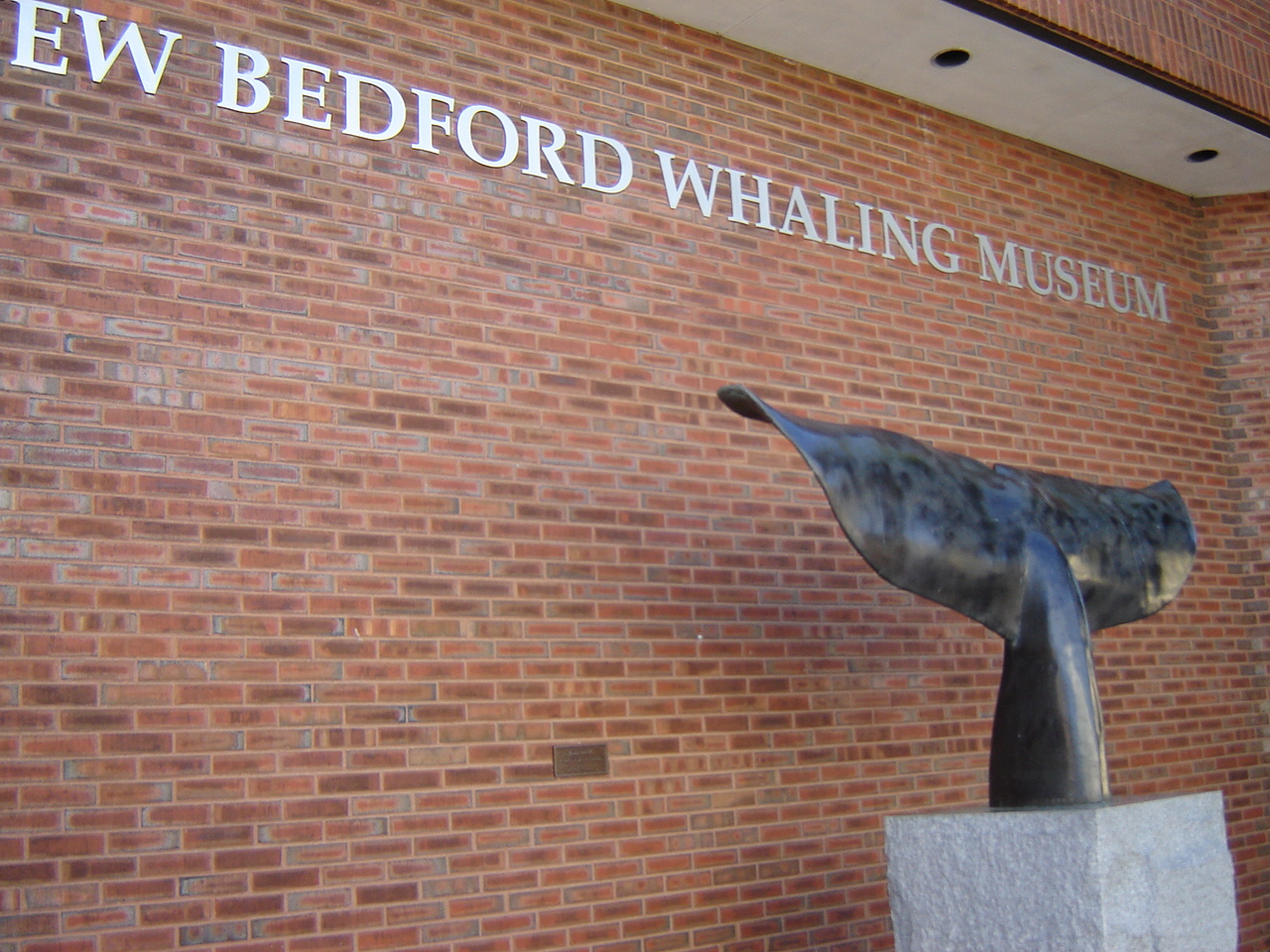
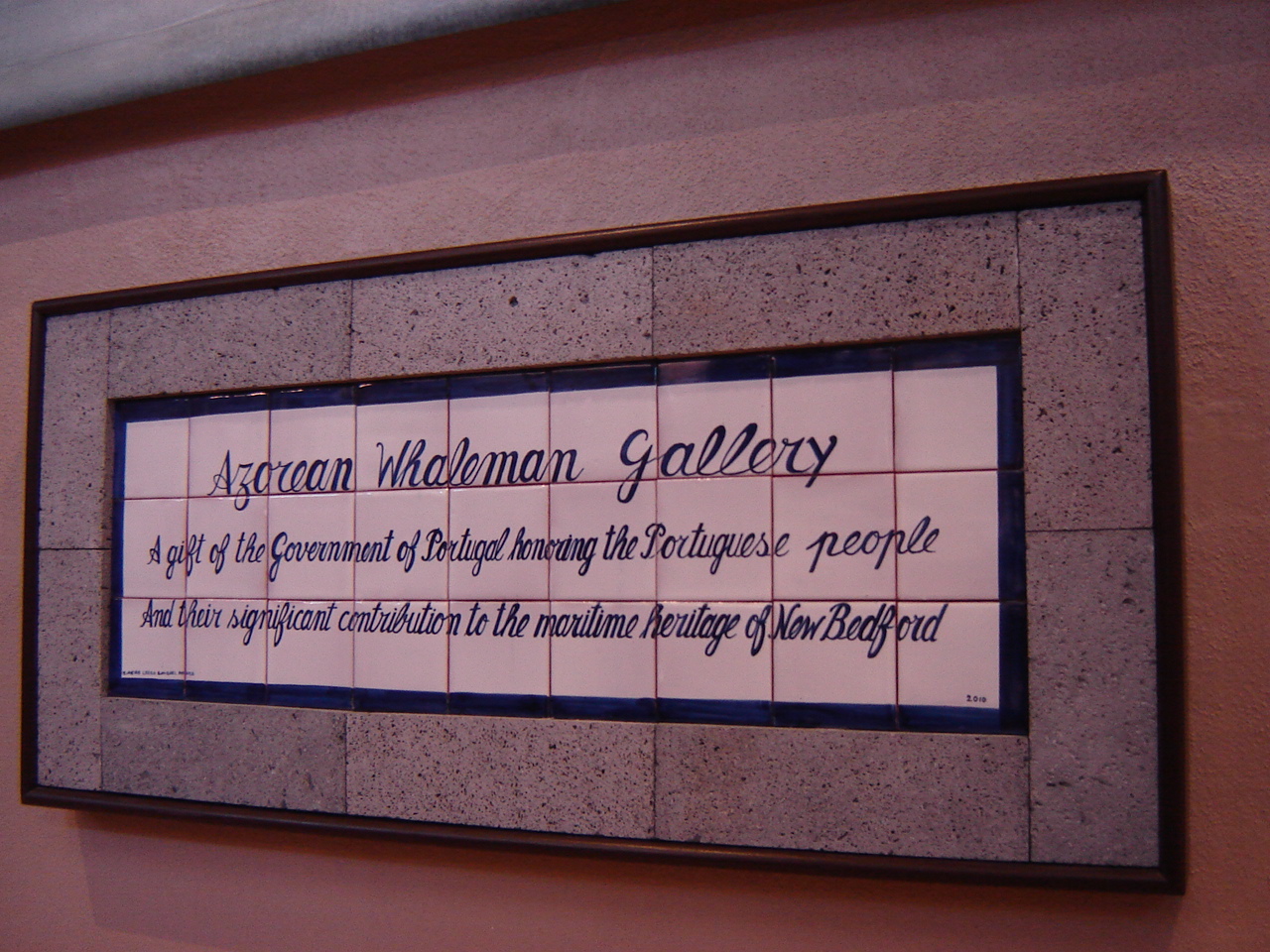
Once the whaling capital of the world, New Bedford today is home to an anxious fishing industry, clothing manufacturing, and tourism. We went to the Whaling Museum and came out feeling glad that most countries are more focused on whale preservation than whale hunting.

We sought out Portuguese restaurants and sat on the patio near an outdoor fireplace at one place. We knew there would be Portuguese restaurants as Portuguese speakers have come to New Bedford for generations — from Portugal, the Azores, Cape Verde, and Brazil.

At our beautiful Bed & Breakfast, the hosts (who have spent most of their working lives doing economic development overseas with US A.I.D.) told us that a large Guatemalan community has grown up in the city. They said that most of the Guatemalans speak an indigenous language, Spanish being a second language for them. That’s a particular challenge when Guatemalans go to the hospital as none of the staff speak that indigenous language.

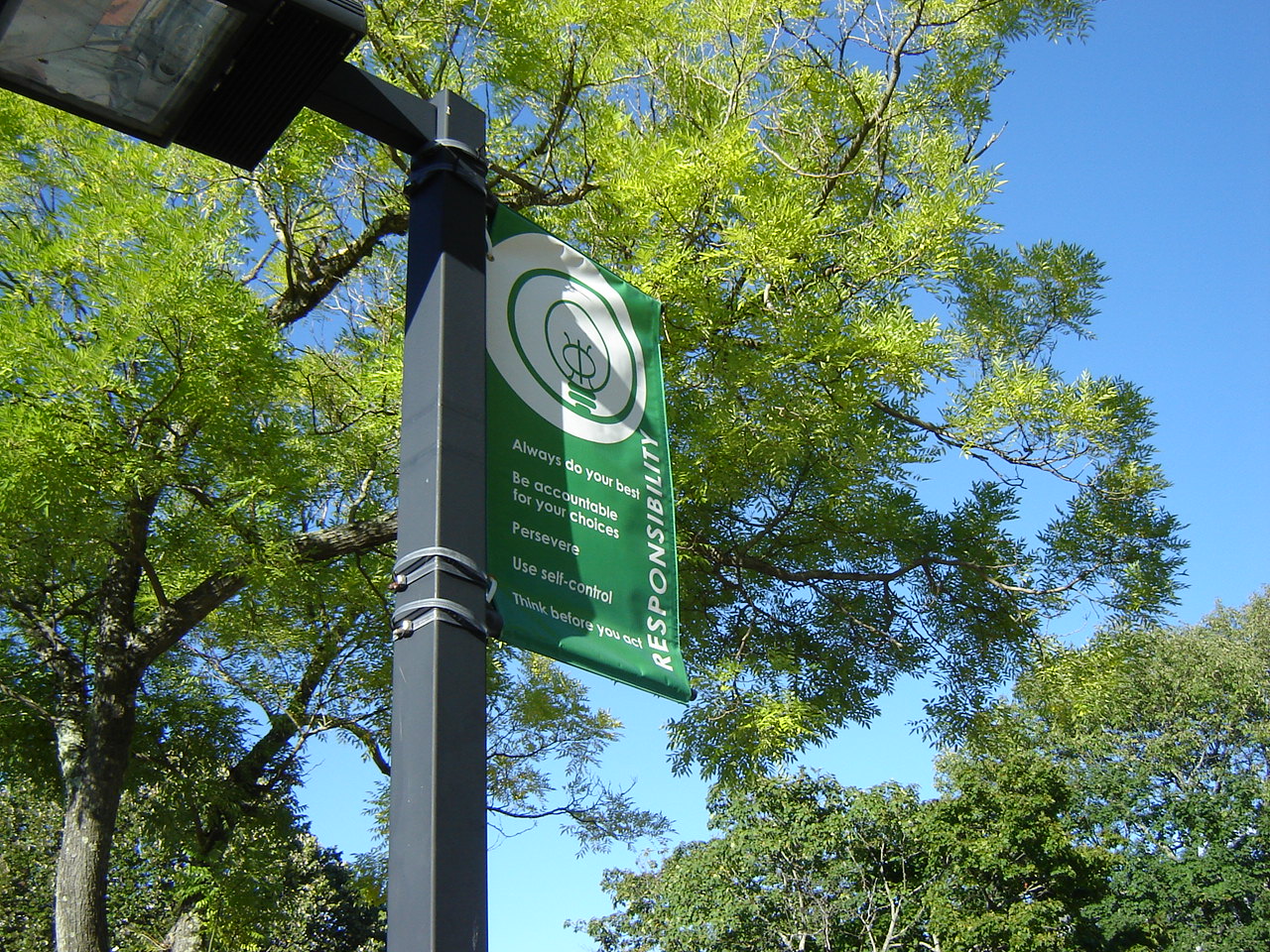
My husband and Suzanne and I walked around. We passed lively Pentecostal churches and a storefront church full of dancers and clowns. We noted lamp posts bearing inspirational banners on how to be a good citizen or how to volunteer. I include one on “Responsibility.”

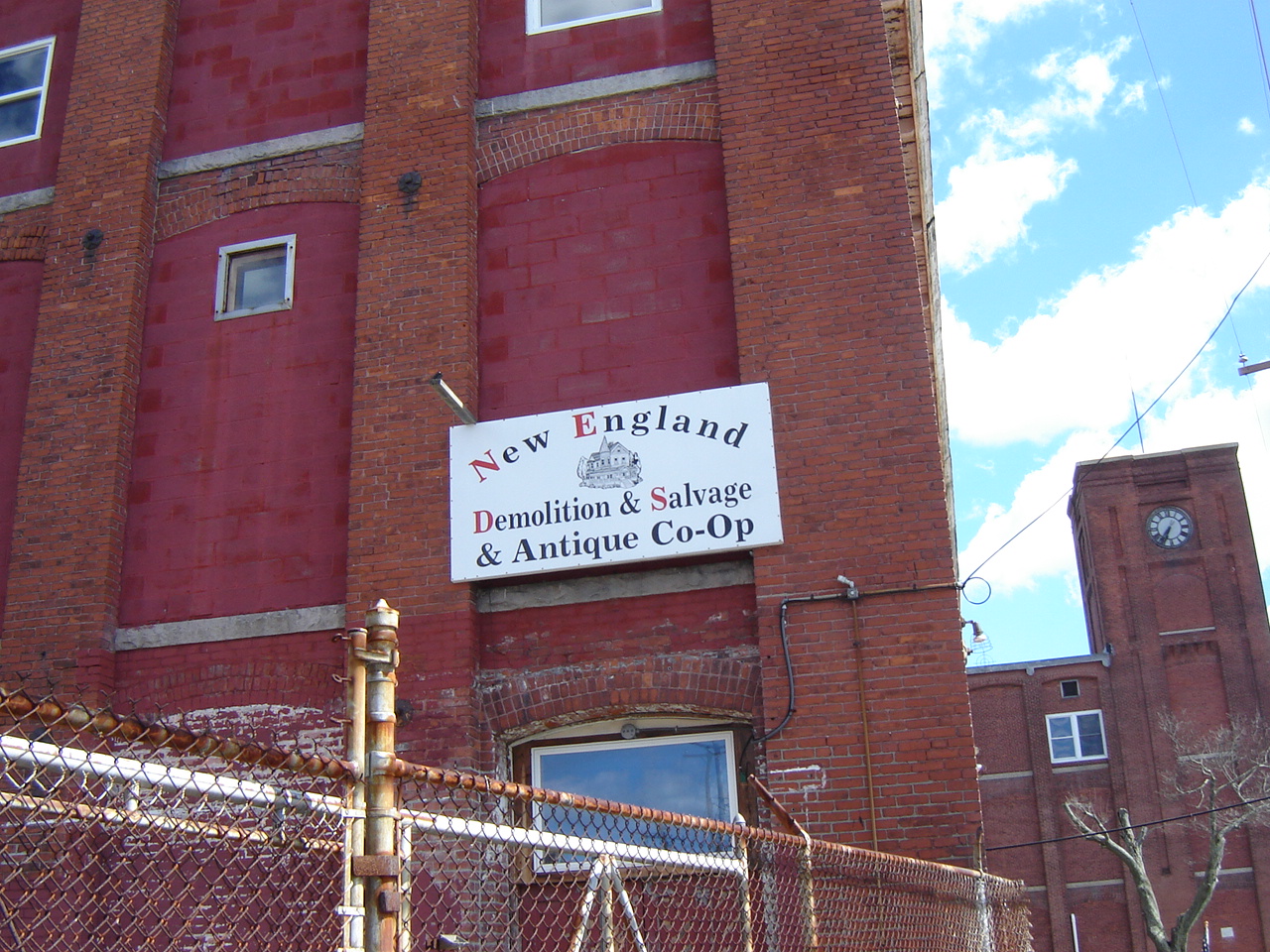
We also liked the cooperative shops run by members of the local arts community. And we had fun checking out a salvage warehouse for cool architectural bits, here. Among other things, it has rather a lot of bathtubs.


Read Full Post »

Gwarlingo pointed me to Time In, an initiative that provides arts experiences for children who might not get such enrichment any other way.

Time In brings some of the youngest, most at-risk public school children OUT of underserved classrooms and INTO the world of the living arts every week of the school year.

“Starting from Pre-K, children {try] hands-on art in our studio one week, with hops to the world’s best galleries and museums the next! Regardless of their backgrounds, children are children. The world of imagination, creativity and fantasy is their most fertile ground. Time In acknowledges children’s phenomenal gifts and innate abilities and is dedicated to developing learning environments that stimulate, rather than stifle.

“We are proud to have changed the lives of more than 1,000 underserved Pre-K-2nd graders since 2006, and look forward to working with over 400 children this year. Time In will continue to foster not only wonderfully conceptual thinkers, but perceptive and aesthetically sensitive children, each of whom will be poised to nourish our society in the days to come.”

Read more. Or vote for the nonprofit on Facebook as Part of Chase Community Giving.

Read Full Post »

On mornings when I don’t walk in my neighborhood or in the Greenway near work, I’m more likely to walk around the emerging waterfront district than the Public Garden, the approach to which involves too much waiting at street lights.

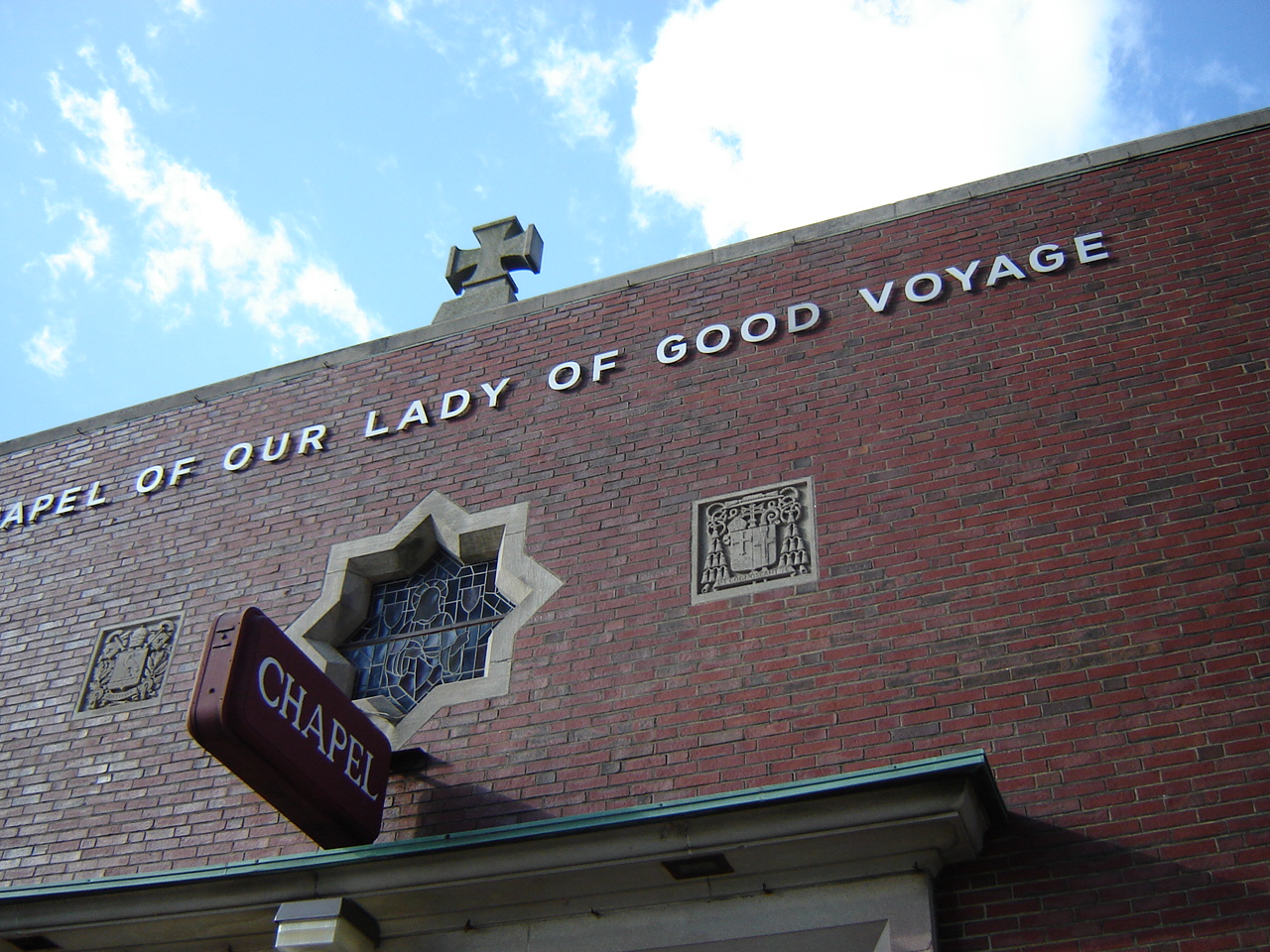
The area near Seaport Boulevard and the harbor, though booming with construction today, still wears the remnants of its formerly neglected status: vistas of pitted parking lots, streets that end ­­­­­­in chain-link fences, highway underpasses filled with brown grass and fast-food wrappers. Then there is the Chapel of Our Lady of Good Voyage.

Unlocked, empty, and trusting, the tiny chapel has a basket for donations to the food pantry. Under a statue of Mary holding her infant in one hand and a ship in the other are votary candles. Someone in charge must think – or know – that no traveler seeking blessings will steal alms for the poor in front of Mary unless desperate. In which case, perhaps he will be welcome to it.

I picture Ishmael coming to a place like this (different denomination and in New Bedford) to hear the sermon on Jonah and the Whale before his ill-fated voyage with the obsessed Captain Ahab.

I wonder if sailors really go to the chapel nowadays and what will happen to it as the area develops at its rapid pace. Along the water, the mayor’s prized Innovation District is gathering steam. In the other direction, the Fort Point Channel area is bursting with restaurants, arts, and artists.

Less than 20 years ago, I visited one artist, the son of friends, who was squatting with other artists in the abandoned Fort Point warehouses where doors had no locks, broken boards and pipes littered the floors, and loose wires hung from the ceilings.

The chapel is part of that earlier world, when lighting a votary candle might have seemed like one’s best chance for making it until tomorrow.

Read Full Post »

We lived in Minneapolis in the late 1990s and thought the theater scene there was super — many small, under-the-radar groups taking on adventurous work.

We also enjoyed going to music and art events, especially open houses in the former Warehouse District, where some of the Twin Cities’ best restaurants had sprung up.

So we weren’t surprised to learn that a national effort to tackle rundown areas in a way that benefits both local economies and artists emanates from Minneapolis.

Emily Badger writes about Artspace in Fast Company.

“The city of Minneapolis’ arts commission founded Artspace in 1979 to help connect local artists to affordable space in the city’s warehouse district. But the same artists kept coming back, priced out of their homes and studios, in need of yet another space. When [Kelley] Lindquist took over a decade later, the local arts community began to focus instead on the only permanent solution: They needed to control the buildings. Since then, Artspace has completed 30 live/work developments in 21 U.S. cities, with two more opening this fall, two more under construction, and another dozen in the pipeline.

“Lindquist recalls that in the ’80s, four other organizations — in Seattle, San Francisco, Washington and New York — were toying with a concept similar to Artspace’s (at the time, the five had been given a grant by the Apple Foundation to network with each other). Artspace is the only one of those original five that has survived to this day.

“ ‘I do honestly think that there is a prairie spirit here,’ Lindquist says, laughing. He sometimes thinks about why this idea got off the ground in Minnesota when it didn’t elsewhere. ‘Living in Minnesota is pretty rough,’ he says. ‘There can be easily six months of the year that would seem pretty hard to live in and intolerable to a lot of people. But I think it forced those of us here to try harder, and to be a little more experimental, a little more risk-taking on how do we keep our culture vibrant?’ ” Read more.

By the way, this lead came from ArtsJournal.com, a reliable source of bloggy inspiration.

Photograph: Warehouse Entertainment District

Read Full Post »

A NY Times article I saved from November 24, 2009, remains as inspirational as when I first read it.

In “Learning His Body, Learning to Dance,” Neil Genzlinger writes that “Gregg Mozgala, a 31-year-old actor with cerebral palsy, had 12 years of physical therapy while he was growing up. But in the last eight months, a determined choreographer with an unconventional résumé has done what all those therapists could not: She has dramatically changed the way Mr. Mozgala walks.

“In the process, she has changed his view of himself and of his possibilities.
Mr. Mozgala and the choreographer, Tamar Rogoff, have been working since last winter on a dance piece called ‘Diagnosis of a Faun.’ It is to have its premiere on Dec. 3 at La MaMa Annex in the East Village, but the more important work of art may be what Ms. Rogoff has done to transform Mr. Mozgala’s body.

“ ‘ I have felt things that I felt were completely closed off to me for the last 30 years,’ he said. ‘The amount of sensation that comes through the work has been totally unexpected and is really quite wonderful.’ ”

Choreographer Rogoff saw Mozgala perform the role of Romeo in a production by Theater Breaking through Barriers in March 2008 and knew she wanted to create a dance piece for him.

“Originally, [Ms. Rogoff] envisioned a simple study, maybe 10 minutes long. Mr. Mozgala’s expectations when he agreed to the project were equally narrow: he said that he thought that she would either merely create a dance that made use of the physical abilities he already had or, after seeing his limitations, tell him, ‘Thanks but no thanks.’ ”

It turned out that their expectations were way too narrow. Read more.

Photograph by Andrea Mohin at The New York Times shows Gregg Mozgala rehearsing with Emily Pope-Blackman.

Read Full Post »

John and two college friends rented a motor boat in Fort Point Channel Friday to see the sights of Boston Harbor. But first they motored near my building so I could wave as they passed under this piece of public art.

The Mystic Scenic Studios site explains the art:

“A designer named Peter Agoos approached Mystic Scenic Studios with the idea of creating two life-sized human figures made of aluminum to hang above the Fort Point Channel in Boston.

“Mystic Metal’s, Mike Onischewski, fabricated the figures from an aluminum sheet; [they] were then covered with refractive dichroic film with the help of David Forshee, also of Mystic Scenic Studios.

“The piece was installed on July 2, 2012, with a team of 12 volunteers who worked from a small boat on the water and a scissor lift on land. The piece was strung from a 300-foot yellow tightrope between the Samson Post structure on Summer Street and the counterweight tower on Congress Street. The life-sized figures were counterbalanced on the rope and inspired by a classic articulated wooden artist’s manikin.”

Photograph: Mystic Scenic Studios

Read Full Post »

Pamela Boykoff at CNN has a nice story about a ballet school in the Philippines and the hope it offers children from very poor families.

“Jessa Balote is 14-years-old and training to be a professional ballerina in Manila,” writes Boykoff.

“It is a task that takes enormous amounts of dedication for even the most determined of young women, but Balote’s challenge is nothing compared to life outside the dance studio where she has to support her entire family.

” ‘I’m the only one they expect to bring the family out of poverty,’ she says.

“Balote is one of 54 students enrolled in ‘Project Ballet Futures,’ a program run by Ballet Manila to provide free ballet training to children from some of the city’s most deprived neighborhoods.

“Balote lives in Tondo, a slum built next to a major waste dump in Manila. Her parents make what little money they have by selling trash. If Balote was not involved in the dance program, she says she wouldn’t be able to eat everyday.

” ‘They want to earn money to be able to survive,’ says Lisa Macuja-Elizalde, founder of the program and the Philippines’ first prima ballerina. She believes in her students, personally paying for their lessons and uniforms.

“Macuja-Elizalde’s goal is to help these children become professional members of the company with incomes to match. They are among her most focused students, she says, not afraid to work hard and to push themselves and their bodies.”

Read more.

Photograph: CNN

Read Full Post »

Thank you ArtsJournal.com for another good link!

Tom Jacobs at Pacific Standard offers new evidence from the National Endowment for the Arts that arts education is associated with better overall student performance.

“Students from the lower end of the socioeconomic ladder,” he writes, “tend to do less well in school than those from more upscale families. But newly published research identifies one sub-group of these youngsters who tend to exceed expectations: those who participate heavily in the arts.

“ ‘At-risk teenagers or young adults with a history of intensive arts experiences show achievement levels closer to, and in some cases exceeding, the levels shown by the general population studied,’ a team of scholars writes in a new National Endowment for the Arts Research Report. ‘These findings suggest that in-school or extracurricular programs offering deep arts involvement may help to narrow the gap in achievement levels among youth.’ ” Read more.

Doesn’t surprise me that the arts can do that. But I think the key word here may be intensive. What do you think?

Photograph: Richard Thornton/Shutterstock

Read Full Post »

It’s amazing how much the arts can help people.

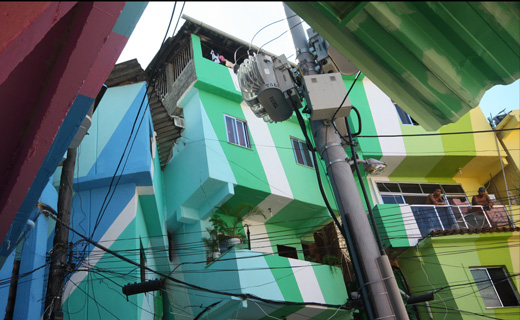
I have blogged about programs that use the arts to turn convicts toward something positive, to build up the self-worth of the homeless, to turn Brazilian slums into more hopeful places. The list goes on.

Recently ArtsJournal.com alerted me to a BBC story on an arts initiative that helps veterans reacclimate to civilian life.

“Many veterans are turning to charities for help. One is using the unlikely weapon of art to help fight the psychological wounds of war, while another organisation is actively encouraging artwork in the army. Outside of the [national health service] the charity Combat Stress is the biggest provider of support to armed forces veterans with conditions such as post-traumatic stress disorder (PTSD), depression and anxiety.

“Art therapy is one of the treatments it uses. Drawing, sculpting and painting are helping patients manage their symptoms with great success.

” ‘Traumatic memories take a different path from our normal memories and tend to be frozen in the body in the central nervous system,’ explains Janice Lobban, who has been a trauma therapist at Combat Stress for the past 10 years. …

“Group sessions typically begin with the therapist giving a one or two word brief to inspire creativity before veterans are given a selection of materials for painting, modelling or writing. After 45 minutes of quick work, the group then get together to talk about and describe what they’ve just created.

” ‘I try to keep a blank mind and just let images and feelings rise out from my unconscious to my hand and things start appearing,’ says Richard Kidgell … who served in the Royal Air Force from 1978 to 1985. ‘What surprises me is that while I’m drawing I don’t know what it is — they’re just images, but by the end of the session I’ve made a complete story. It’s quite enlightening as sometimes I’m not entirely sure what I’ve drawn until I speak to others about it.’ ”

Read more of Genevieve Hassan’s story on arts therapy for veterans here.

Read Full Post »

When playwright Willie Reale started the 52nd Street Project in 1981 it was to meet a need. Children living in poverty in and around the Hell’s Kitchen section of New York City often had little joy in their lives. A group of theater people decided to use the art they knew best to change that.

“The mission of The 52nd Street Project is to bring together kids (ages 9 to 18) from the Hell’s Kitchen neighborhood, with theater professionals to create original theater.  The primary activity of the Project is to present free theater to a general audience. The Project’s deeper purpose is to use the art form of theater to engage the children’s imaginations, broaden their means of expression, and increase their sense of self worth, their literacy skills and their appreciation for the arts. With the addition of our expanded Clubhouse and our own theater, the Project has been able to add programming in various other art forms (such as Photography, Poetry, Theatrical Design and Dance). Additionally, the Project runs a free, after school homework help and academic mentoring program.”

In the early years, I saw some of the plays created when one child and one actor bonded and collaborated. Delightful. As Reale says, “There is no way to fast forward and know how the kids will look back on this, but I have seen the joy in their eyes and have heard it in their voices and I have watched them take a bow and come up taller.”

In this clip, kids work with adult partners on haiku.

Read Full Post »

Miller-McCune.com tweeted today that the National Endowment for the Arts has new data on where artists are finding work.

Four of the six New England states are among the states with the most arts jobs: Vermont, Rhode Island, Massachusetts, and Connecticut.

“The report on artists in the workforce supplements and expands upon a 2008 paper, which found about two million Americans list a job in the arts as their primary source of employment. That comes out to 1.4 percent of American workers.

“New York heads the newly released state-by-state list, with artists making up 2.3 percent of its labor force. California, home to the film and television industry, places second with 2.0 percent.

“Not far behind are Oregon and Vermont, each of which has a workforce in which 1.7 percent of workers are artists. That means they exceed the national average by a substantial 20 percent.

“ ‘Writers and authors are especially prominent [in Oregon and Vermont],’ the NEA report notes.

“Also exceeding the national average: Colorado and Connecticut (where artists make up 1.6 of the labor force), and Hawaii, Rhode Island, Massachusetts, Maryland, Washington, Nevada, and Minnesota (at 1.5 percent).”

Although there likely to be different perceptions of what kind of work constitutes arts employment, I find the report interesting. And since I know anecdotally that there are arts jobs in Maine and New Hampshire (the two New England states not among the top few), I can’t help hoping that some organization will do an in-depth study of the region. Unfortunately, ornery New Englanders don’t often think regionally.

And more generally, what are the reasons some states have more arts jobs? Public policies? Landscape? Accident?

Read more here.

Read Full Post »

I blogged a while back about a prison arts program that seemed to help some offenders discover a more positive, less antisocial side of themselves. Today I have a similar story, this one from England.

“Allowing prisoners to take part in art [projects] can help cut reoffending rates in half, according to a report commissioned by the Arts Alliance. The group of charities has voiced concern that in tough economic times such projects may be cut.” Nick Higham of the BBC reports in a video clip here.

I admire people who have the faith in human nature to try to reach society’s lost souls with arts or yoga or meditation or any other enrichment.

My second cousin, Alex, went to college in Cambridge, Mass., and did an internship teaching meditation techniques to some serious cases at the Suffolk County jail. She loved it and was inspired to go to graduate school and work with others in trouble.

Her mother tells me her latest internship is with a social services agency an hour and 20 minutes away. “She is managing several extremely challenging cases and spends a lot of time making home visits in dismal housing projects. Her days include fighting for housing for her clients, calling the police when bruised and beaten women answer the door, mediating confrontations between single moms who are managing 3-9 children and school officials who won’t let a child ride the bus due to behavioral issues. Her clients have been victims of domestic and other forms of violence and most have substance abuse issues. Her job is to find resources to rehabilitate troubled families. She is learning fast how to be the ultimate problem solver, confidante and counselor.  Most of all, she is extremely happy and energized by the challenge.”

I am in awe that this tough work makes Alex happy and energized. We are lucky to have people like that on the front lines.


Read Full Post »

« Newer Posts - Older Posts »