Feeds:
Posts
Comments

Posts Tagged ‘environment’

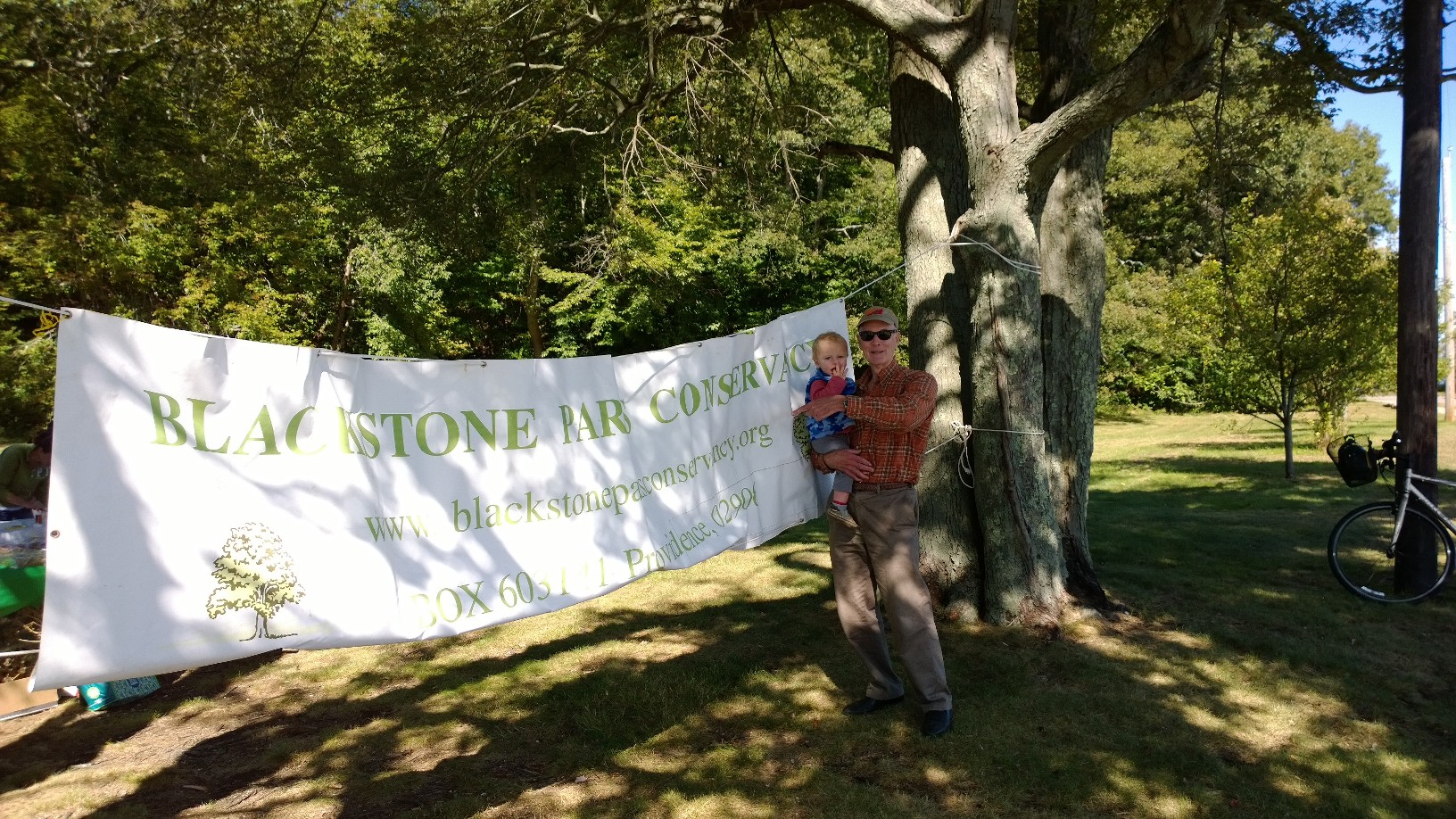
The Blackstone Parks Conservancy sent out this invitation, and we went.

“We invite you to attend the family event: Build your own Fairy House! This event was originally part of the summer series of family programs given by the Blackstone Parks Conservancy. Due to its rousing success, we are offering it again as part of Playful Providence, a citywide event organized by the Partnership for Providence Parks and the Providence Parks Department. Join us at the Field on River Road, across from the Narragansett Boat Club.”

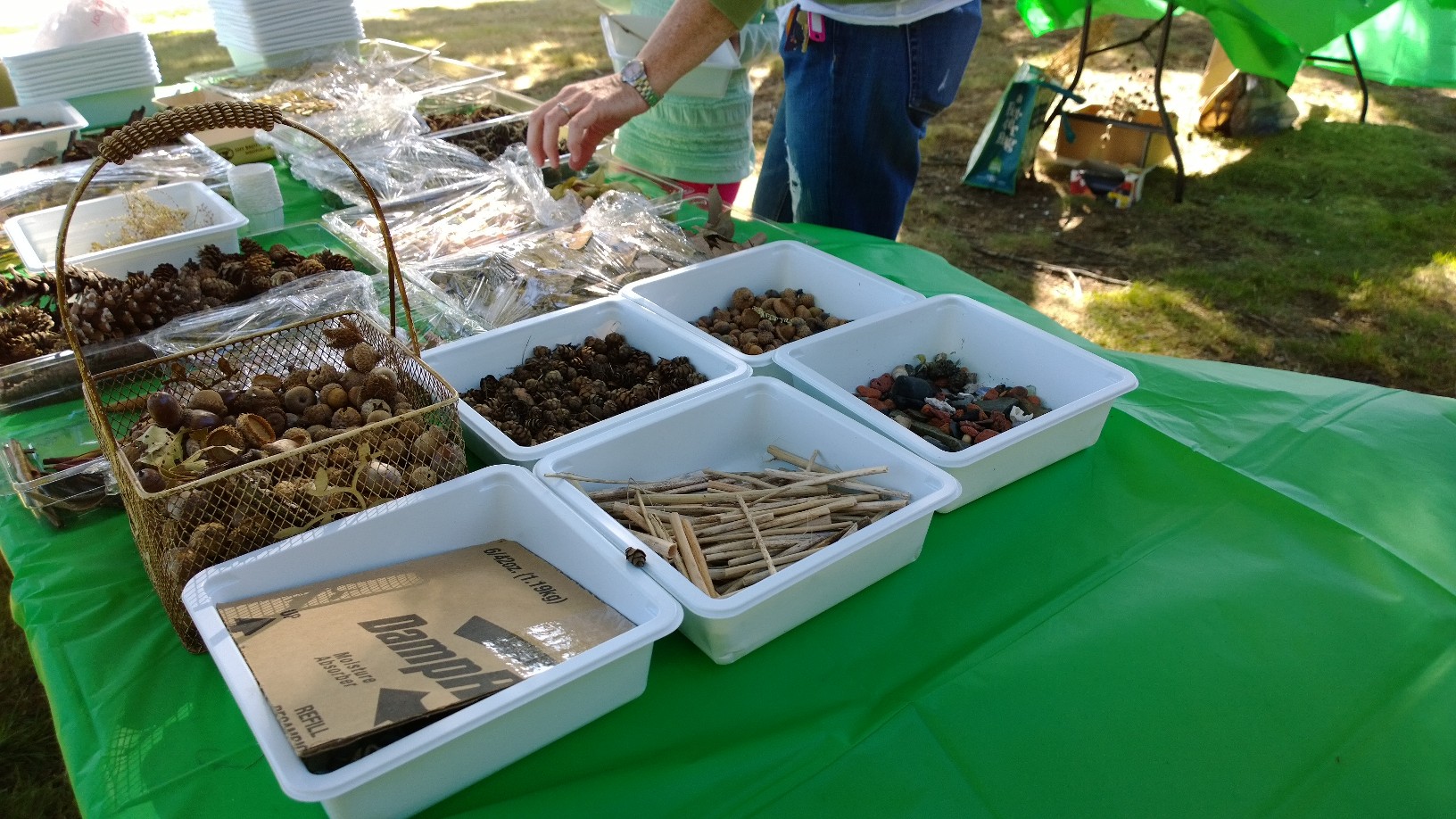
Cardboard forms that you could fold into houses were on hand. On top you could apply a layer of something like sand-colored Play-Doh, with actual sand in it. Next you could choose from a gorgeous array of seedpods, acorns, leaves, twigs, and other fruits of nature — and stick them into the “mortar” — the way a fairy would like them — before the clay dried.

Our middle grandchild was a little young for it, but he liked running around in the park and watching the rowing lessons on the Seekonk nearby.

I would like to try fairy houses again someday soon. Just collecting the pieces of nature to be used would be fun for a child.

Read about the conservancy and future events here.

blackstone-valley-fun

to-make-fairy-castles

Read Full Post »

This is special.

Joe Berkowitz justifiably sprinkles explanation points at his FastCoCreate report on footage shot by an eagle.

“Eagles are praised for their eyes,” he writes. “Now you can basically see through them.

“It’s a moment of extreme cognitive dissonance when the most patriotic thing you have ever seen in your American life is actually super-French.

“A video featuring GoPro footage shot by an eagle (!!!) soared to the top of Reddit’s video page recently, delighting all who laid eyes upon it. Before anyone watching has the opportunity to shed a tear for the purple mountain’s majesty, etc., though, a caption on the video mentions that this was shot in the Chamonix valley of France’s Mer de Glace.”

To see the beautiful video, go to FastCoCreate, here.

Photo: titaniumdoughnut at Reddit
Eagle in flight, unknowingly taking video.

Read Full Post »

Artist Sarah Hall is killing two birds with one stone. Or solving two challenges with one creation. According to Canadian Public Broadcasting, Hall has made stained glass windows that can convert the sun’s rays into energy for the building the stained glass embellishes.

Emily Chung writes, “Lux Gloria by Sarah Hall, at the Cathedral of the Holy Family in Saskatoon, is currently being connected to Saskatoon Light & Power’s electrical distribution network, confirmed Jim Nakoneshny, facilities manager at the cathedral.

“The artwork, which consists of solar panels embedded in brightly coloured, hand-painted art glass, had just been reinstalled and upgraded after breaking and falling into the church last year.

“Once it is connected, the cathedral will be able to use the solar power produced by the art installation to offset its own power consumption from the regular grid, Nakoneshny added.

“According to Kevin Hudson, manager of metering and sustainable electricity for Saskatoon Light & Power, the solar panels are expected to produce about 2,500 kilowatt hours annually or about a third to a quarter of the 8,000 to 10,000 kilowatt hours consumed by a typical home in Saskatoon each year.”

Read all about it at the CBC, here.

Photo: Sarah Hall on Popsci.com website
Lux Gloria: The solar-stained glass installment features dichroic glass and will be connected to the electrical grid in Saskatoon, Saskatechewan.

Read Full Post »

Cate McQuaid, my favorite Boston Globe art critic, who usually covers more esoteric subjects, explains some large artsy globes seen around Boston in recent days.

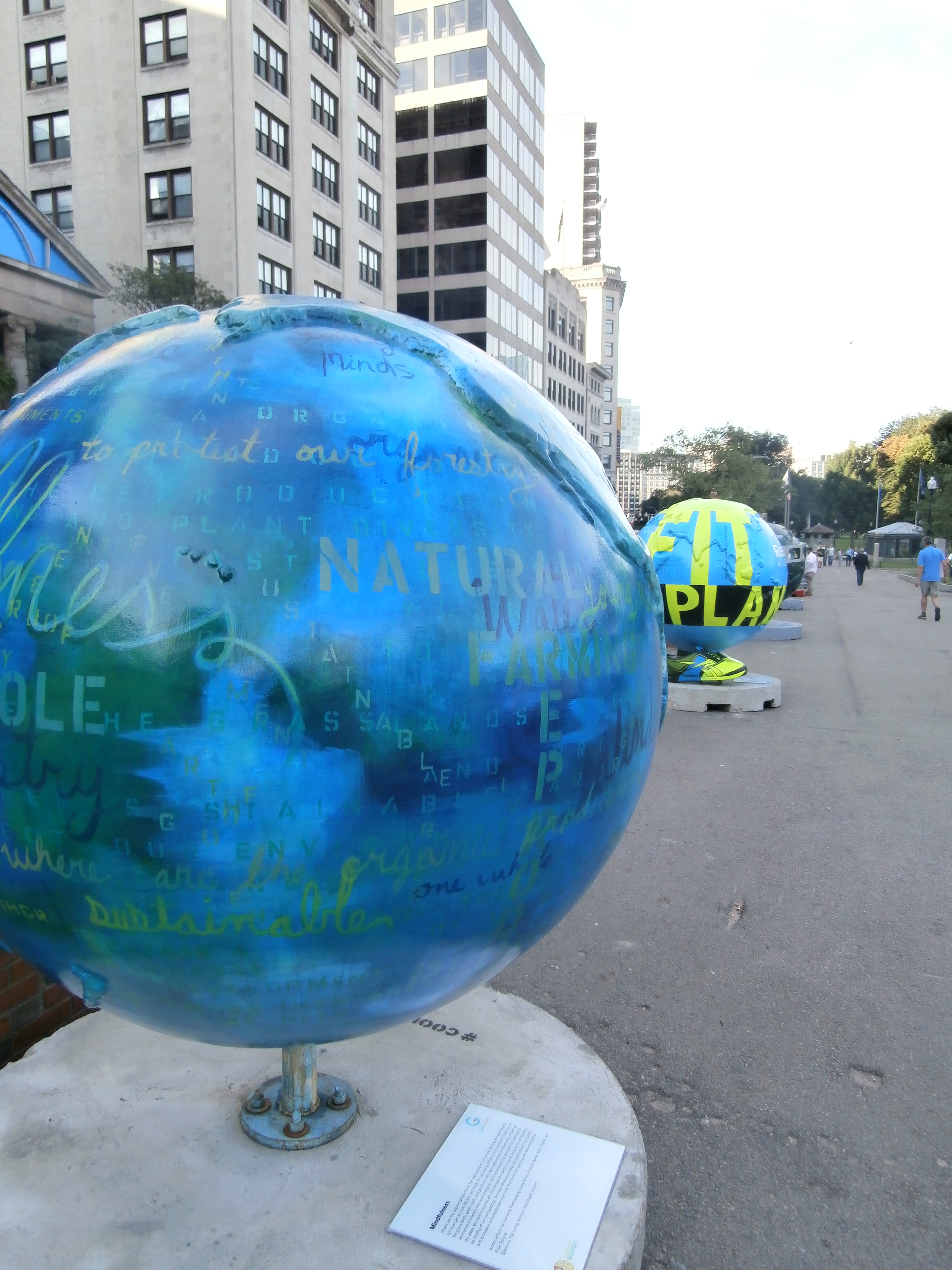
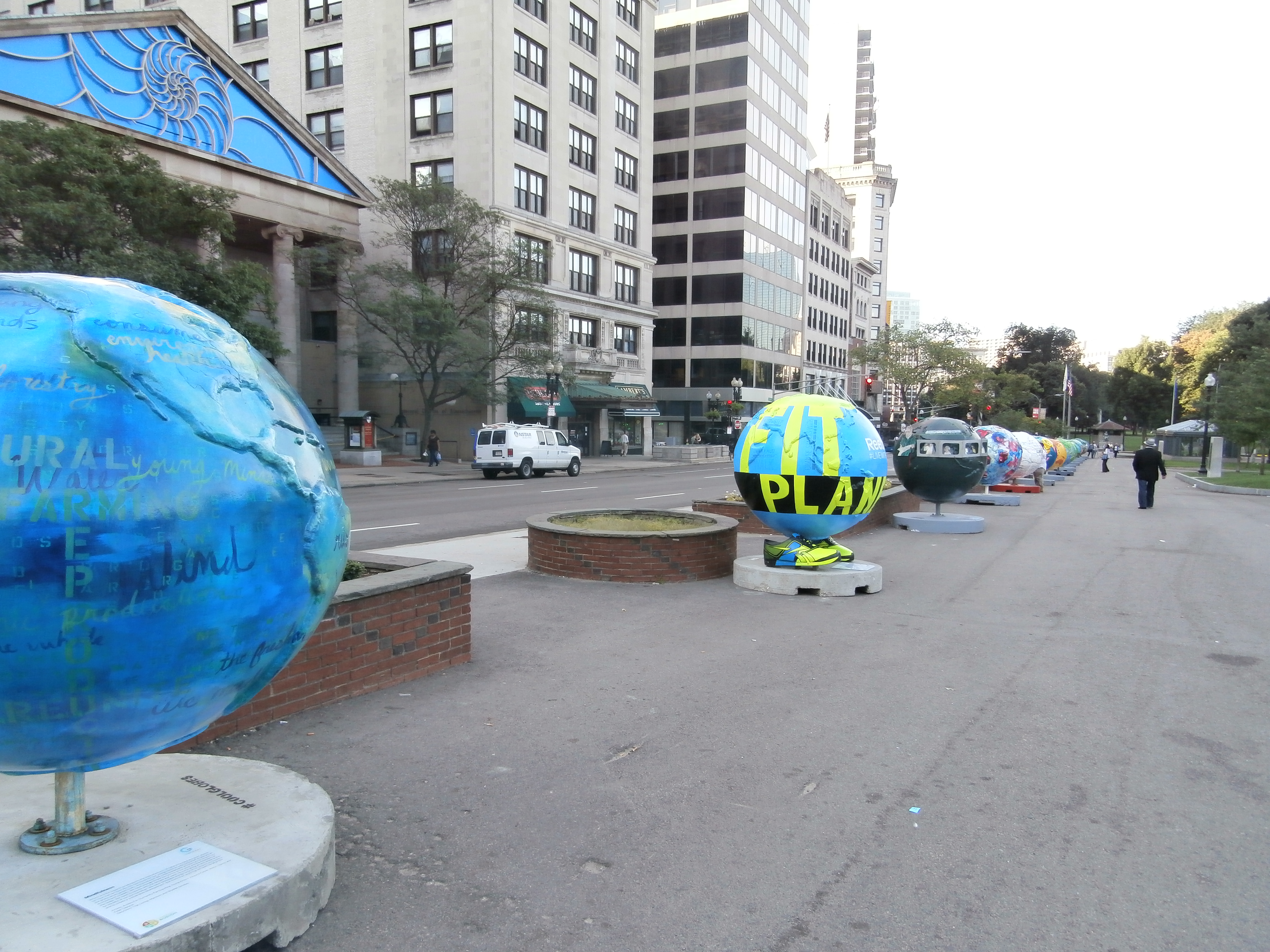
“Huge, colorful orbs line up in a row down the Tremont Street side of Boston Common. It looks like a giant might be marshaling his marbles. Get up close, and you’ll see that the spheres, each 5 feet in diameter, are globes, fancifully decorated and proffering solutions to climate change.

“ ‘Cool Globes: Hot Ideas for a Cooler Planet’ has landed in Boston. The public art project, for which artists designed globes with green strategies to contend with environmental issues, originated in Chicago in 2007 and has traveled the world.”

Environmental activist Wendy Abrams, says McQuaid, is the initiative’s founder.

“Abrams cites two inspirations for the project, the wrecked cars that Mothers Against Drunk Driving pointedly deploy in their Crash Car Program, and the painted cow sculptures that showed up in the streets of Chicago in 1999 — a public art project that prompted Boston to follow suit with painted cod.”

Read about individual artists’ Cool Globe themes, the outreach to students, and more, here.

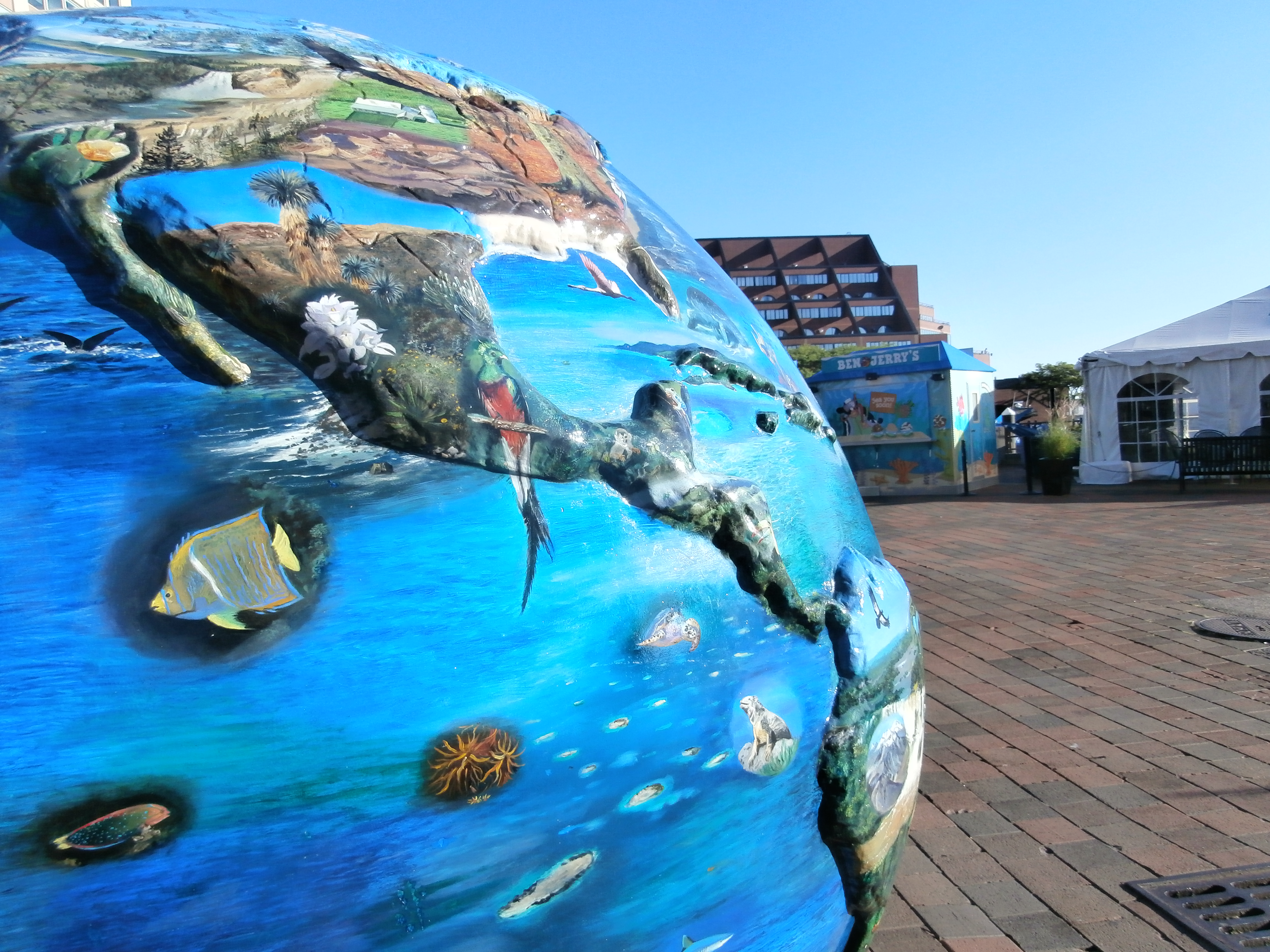
The first two photos below are near the Park Street subway station. The third is in front of the aquarium, and I am not sure if it is part of the traveling series.

cool-globes-boston

globes-for-a-coller-planet

globe-at-aquarium

Read Full Post »

I was reading an article by Kathleen Wolf, a social scientist whose “work is based on principles of environmental psychology and focuses on the human dimensions of urban forests and ecosystems.”

The following words struck me: “Interviewees say that merely looking at trees tends to reduce mental and physical stress. A walkable green environment is also thought to increase life satisfaction in later life and even longevity.” Hmm.

So to borrow some words from local honcho H.D. Thoreau, “I went to the woods to see if I could live” longer.

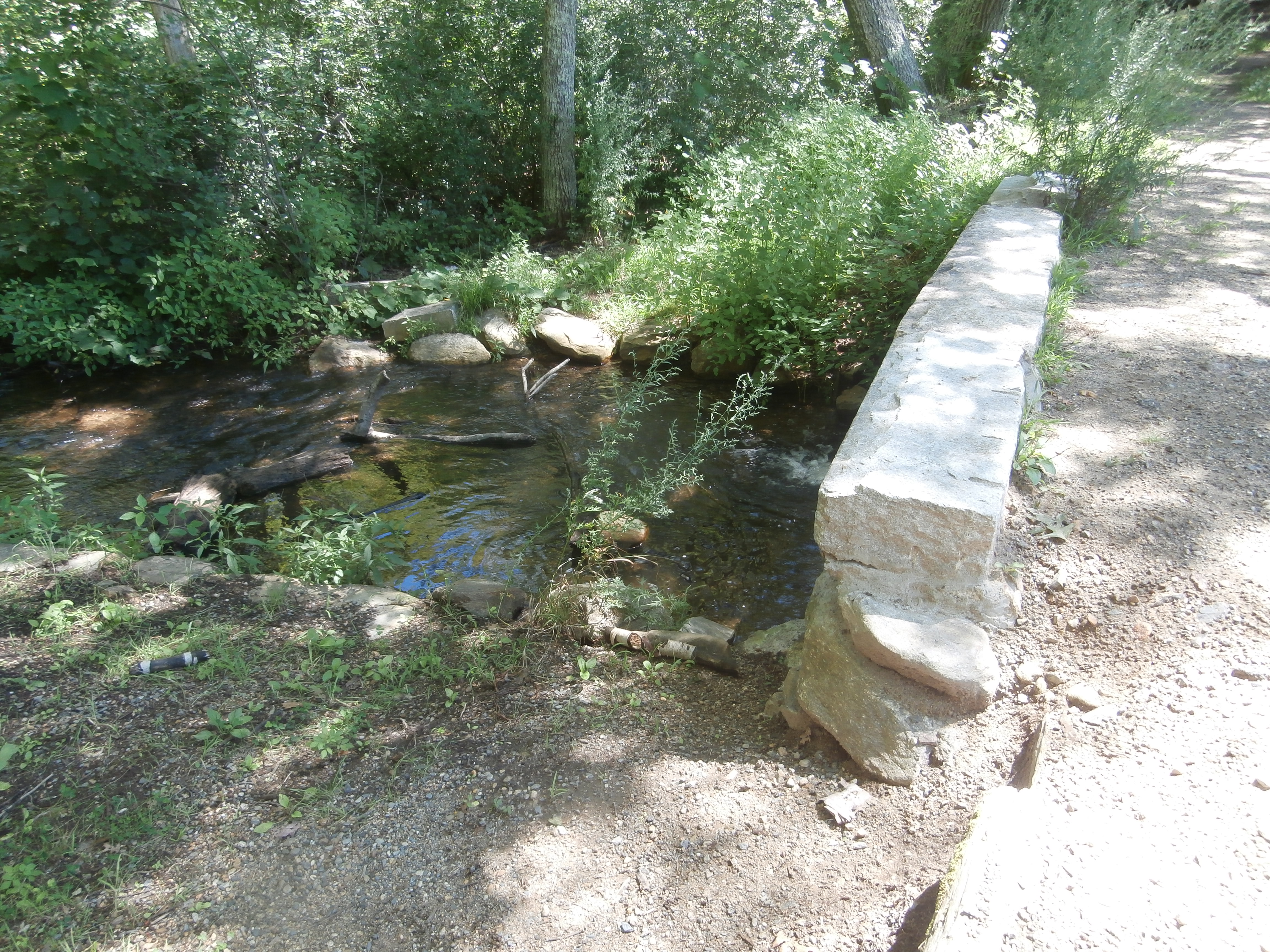
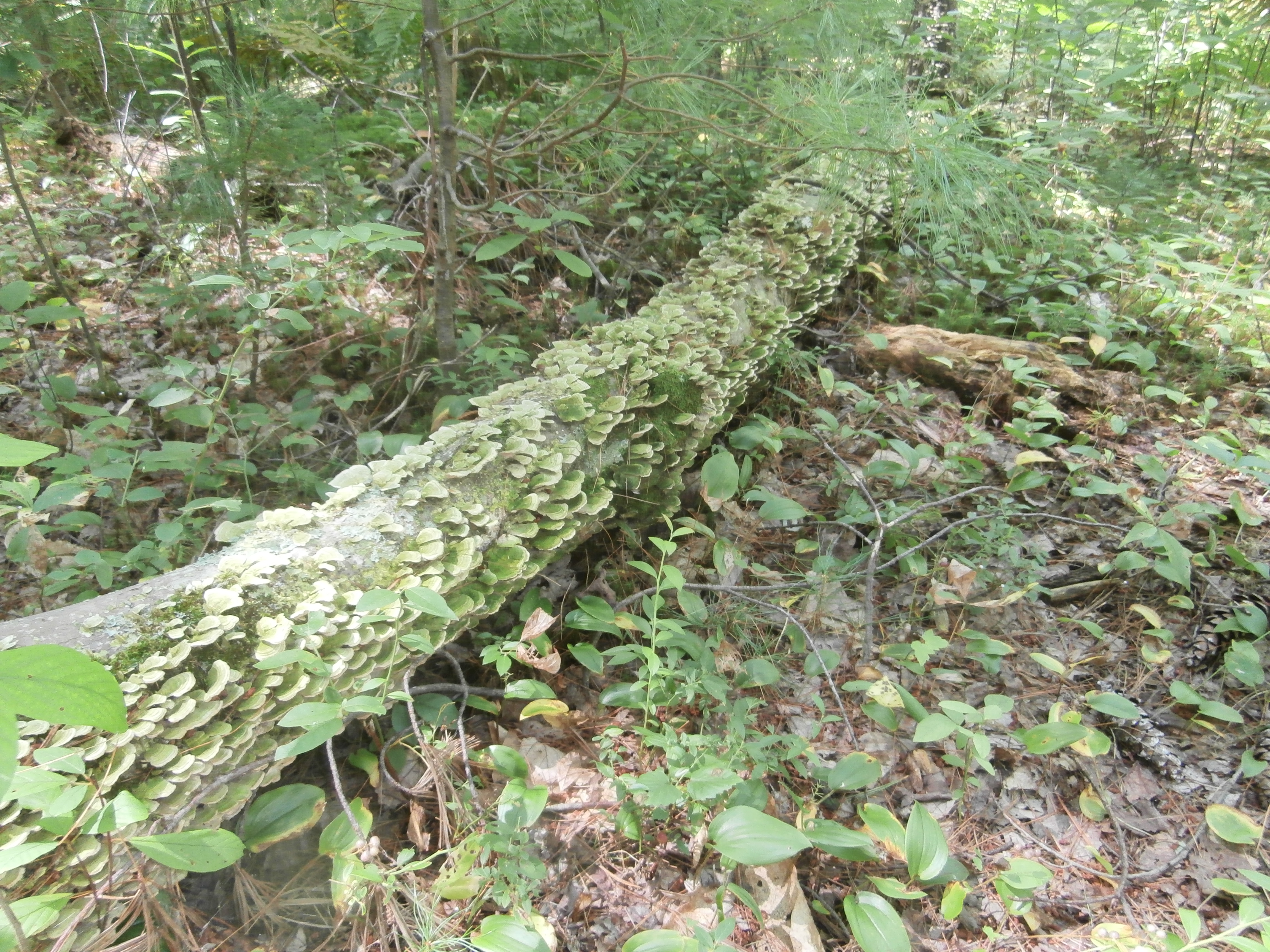
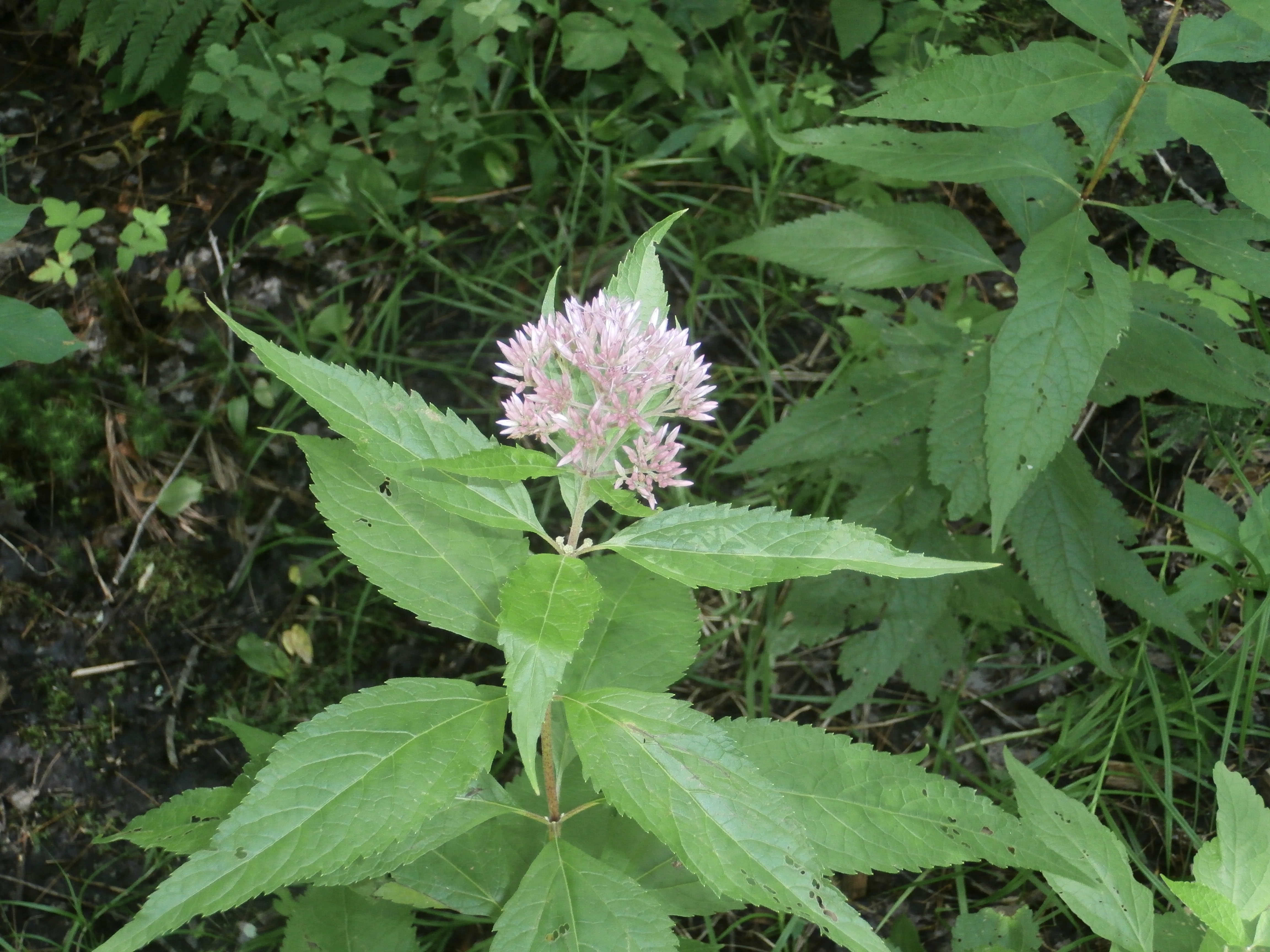
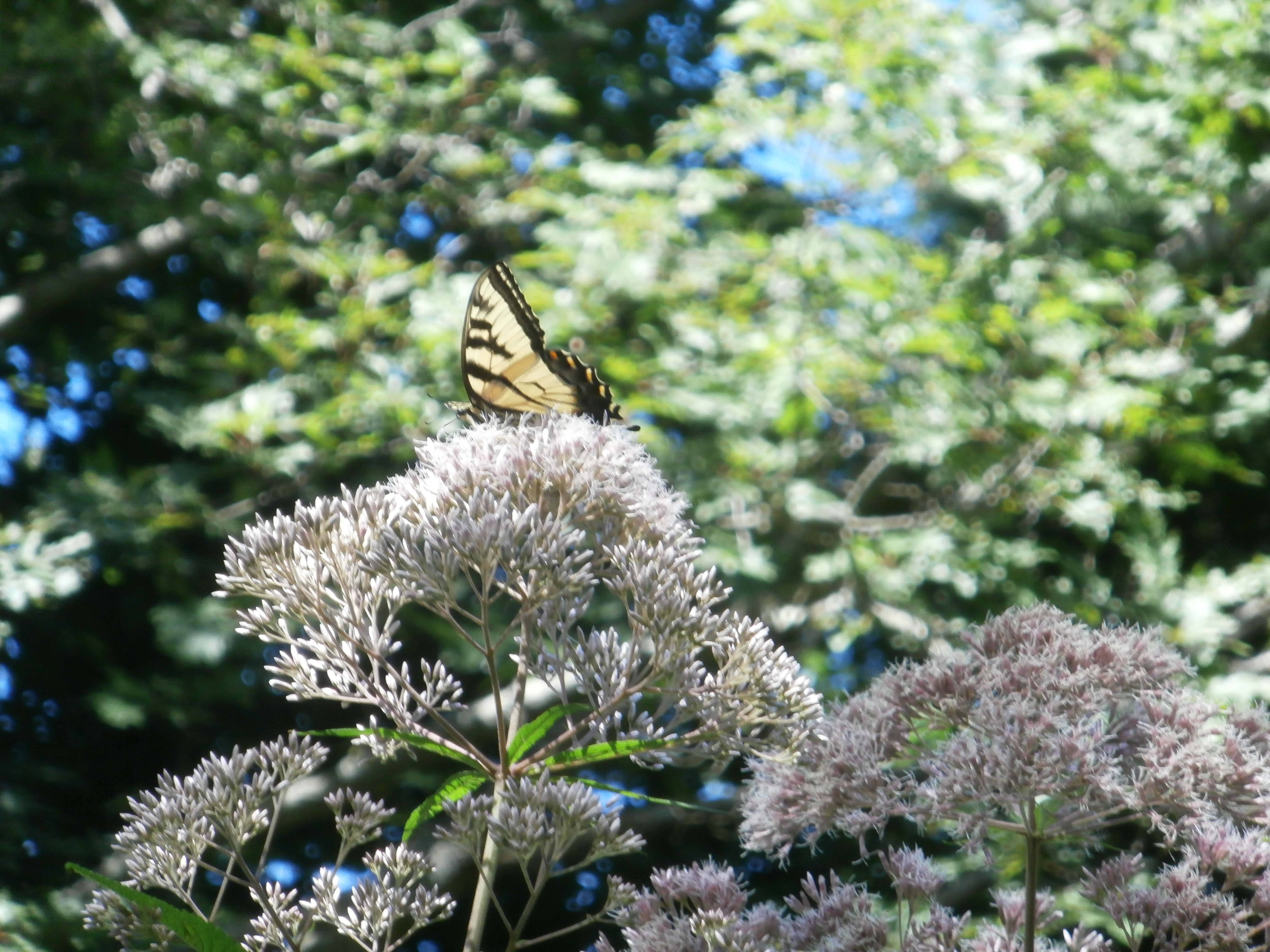
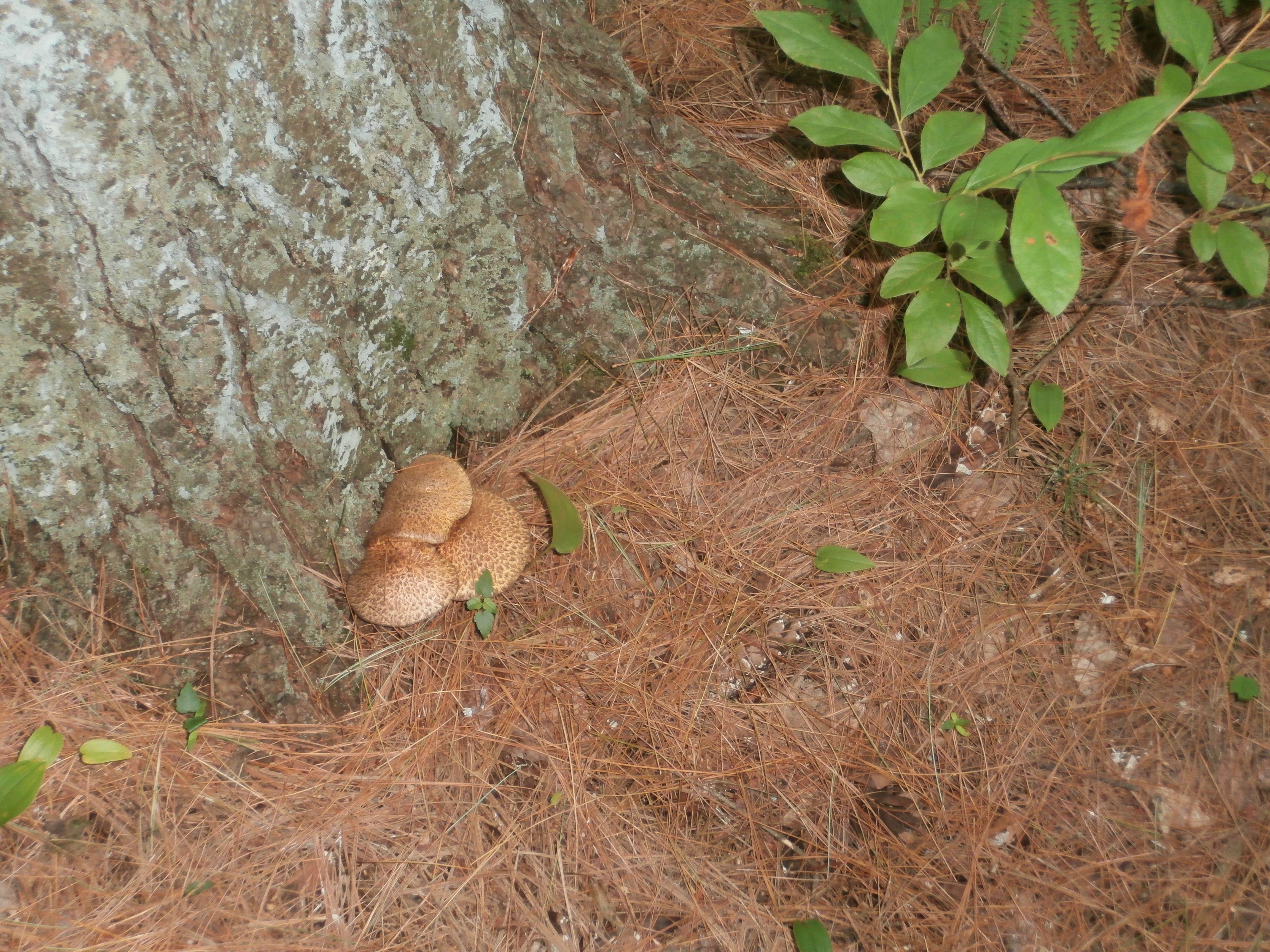
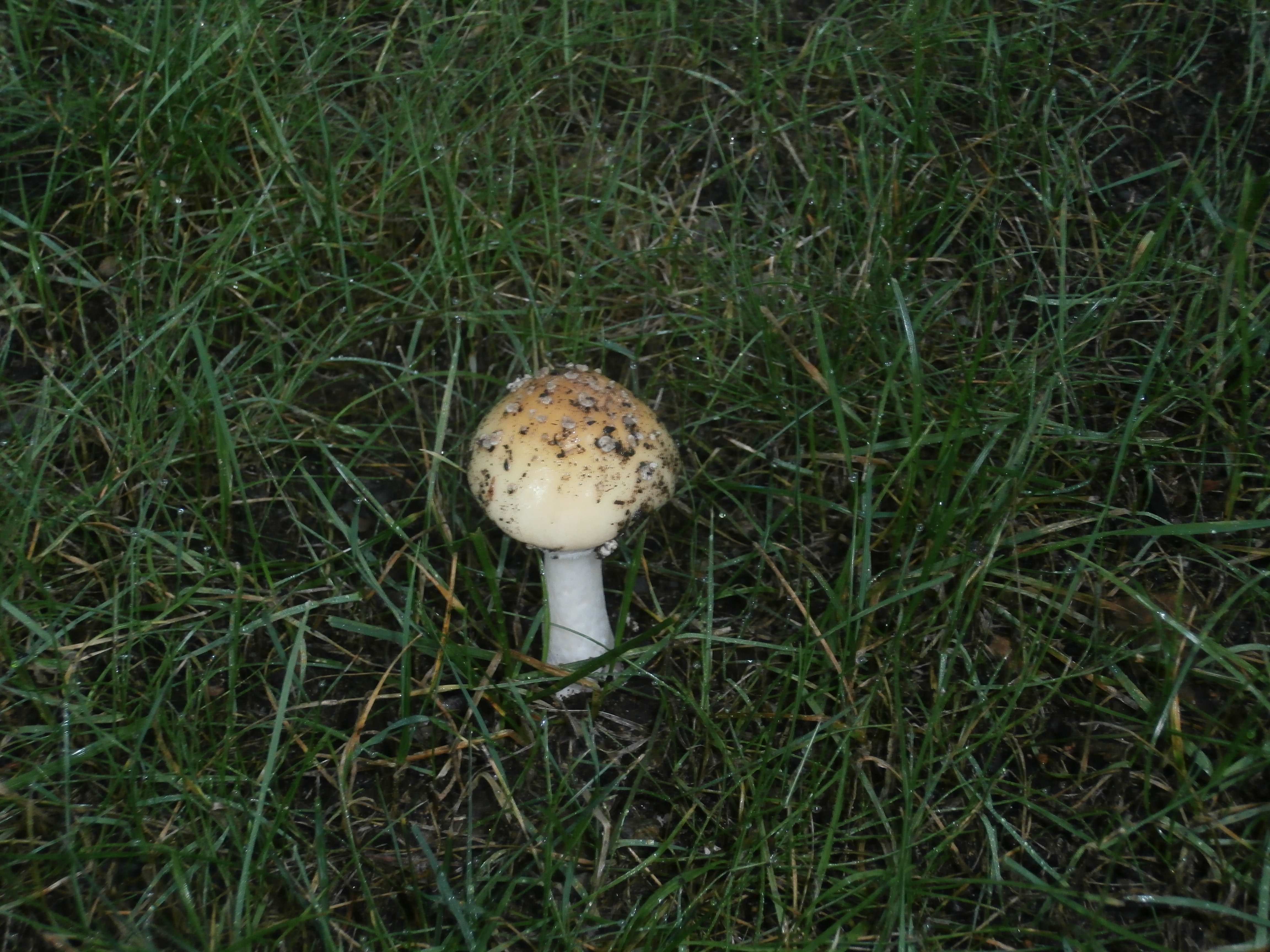
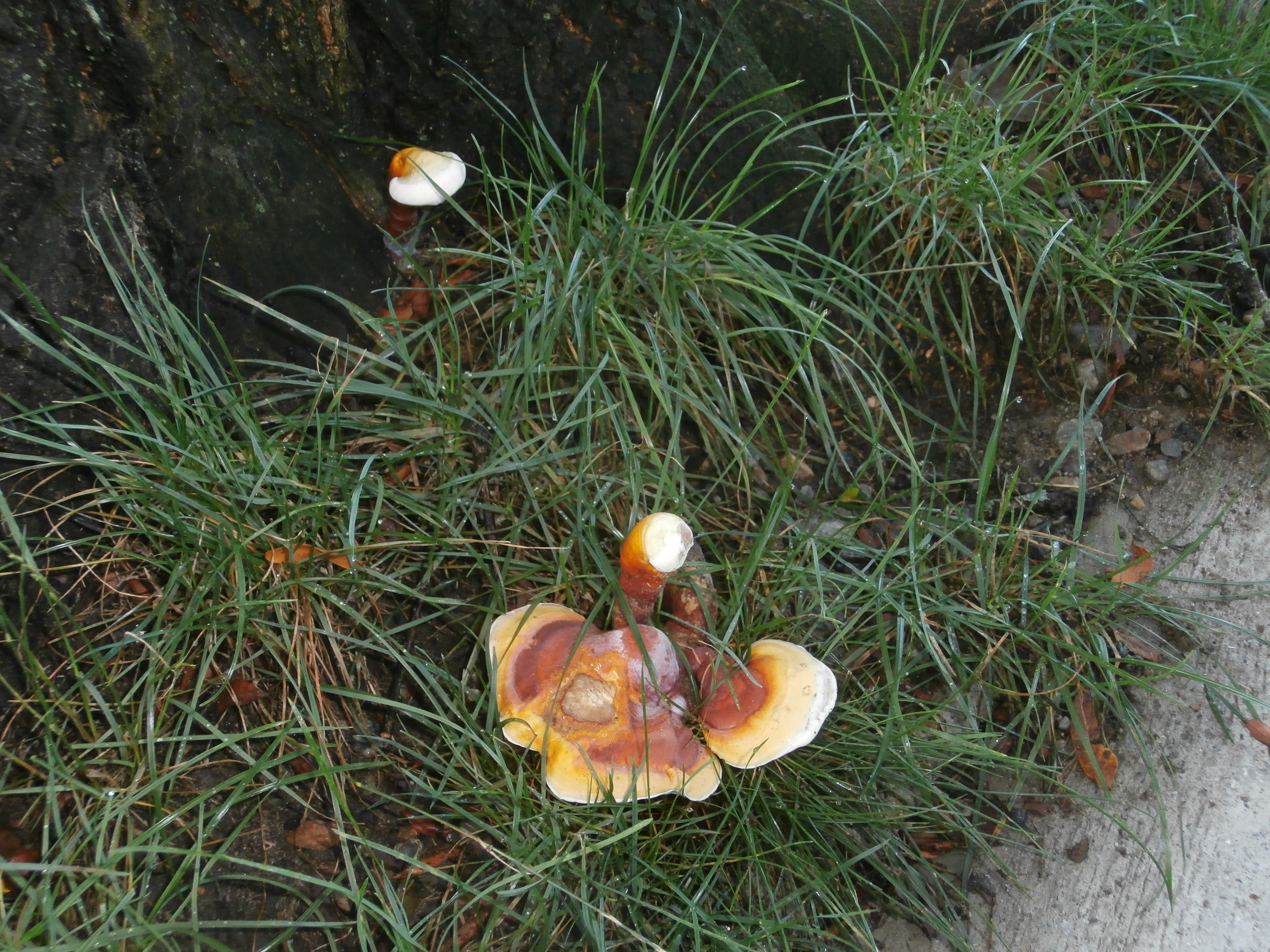
Photos include the Hapgood Wright Town Forest, Joe Pye Weed, an Eastern Tiger Swallowtail, a log like a scaly snake, and various fungi indicating mysteries beneath the surface.

hapgood-wright-town-forest

scaly-snake-log

joe-pye-weed

10-fott-weed-and-swallowtail

fungus

lonely-mushroom

something-is-below-the-surface

Read Full Post »

Some recent grads seem more serious than their predecessors, perhaps the result of having to face tough realities in the Great Recession.

Martha Irvine writes for the Associated Press, “The full effect won’t be known for a while, of course. But a new analysis of a long-term survey of high school students provides an early glimpse at ways their attitudes shifted in the first years of this most recent economic downturn.

“Among the findings: Young people showed signs of being more interested in conserving resources and a bit more concerned about their fellow human beings.

“Compared with youths who were surveyed a few years before the recession hit, more of the Great Recession group also was less interested in big-ticket items such as vacation homes and new cars — though they still placed more importance on them than young people who were surveyed in the latter half of the 1970s, an era with its own economic challenges.

“Either way, it appears this latest recession ‘’has caused a lot of young people to stop in their tracks and think about what’s important in life,’’ says Jean Twenge, a psychology professor at San Diego State University who co-authored the study with researchers from UCLA.

“The analysis, released Thursday, is published in the online edition of the journal Social Psychological and Personality Science.” More.

One would never say that the Great Recession was a good thing. And it may be that some young people are too serious at too early an age. But it never hurts to start thinking early about what matters in life.

Photo: AP/Alex Brandon
Drew Miller at a building under construction in Silver Spring, Md. Miller quit a steady government contract job to take a chance on a company that’s using “smart technologies” to help big corporations cut lighting costs. Though it meant taking a small pay cut, he says having a job that helps the environment was a ‘‘huge’’ motivator.

Read Full Post »

If you can’t photograph the ivory-billed woodpecker in Louisiana or Cuba or wherever it is rumored to have survived, the next best thing is to find a brand new species. That’s what Simon Mahood did in Cambodia.

Thomas Fuller writes about it in the NY Times. “The discovery of new fauna conjures up images of Livingstone-like explorers trekking through malaria-infested jungles. But scientists working in Cambodia have reported a new species of bird in a decidedly less remote environment: the outskirts of Phnom Penh.

“Simon Mahood, the lead author of an article released Wednesday in the Oriental Bird Club’s journal Forktail, says the bird’s primary habitat is about a 30 minutes’ drive from his home in Phnom Penh, ‘allowing for traffic.’

“ ‘I’ve always wanted to discover a bird species, but I never expected it would happen like this,’ Mr. Mahood, who works for the Wildlife Conservation Society in Cambodia, said by telephone from Phnom Penh. ‘I certainly didn’t expect to be standing in flip-flops and shorts a half an hour from home.’

“Roughly the same size as a wren, with white cheeks and a cinnamon cap, the bird was named the Cambodian tailorbird by the team that documented the discovery. Tailorbirds get their name from the way they build their nests, by threading spider silk or other fibers through a leaf, creating a sort of cradle.” More.

Photo: Ashish John/Wildlife Conservation Society
The Cambodian tailorbird was found near Phnom Penh.


Read Full Post »

At Public Radio International’s “The World,” David Leveille has a story on research at Ellesmere Island in northern Canada.  There, University of Alberta biologist Catherine La Farge is finding that some frozen plants are able to begin growing again after 400 years on ice.

“Cold as it may be during the winter,” writes Leveille, “it’s a part of the world where glaciers are melting and ice sheets are breaking up due to climate change.

“One glacier there is called the Tear Drop glacier. As it has melted, some interesting plant life was exposed.”

La Farge’s results, published in the Proceedings of the National Academy of Sciences “suggest that bryophytes, representing the earliest lineages of land plants, may be far more resilient than previously thought, and likely contribute to the establishment, colonization, and maintenance of polar ecosystems.” Who knows what else is under the glacier and about to be thawed out.

More.

Photo: Catherine La Farge
In vitro culture of Aulacomnium turgidum regenerated from emergent Little Ice Age plants beneath the Tear Drop Glacier, Sverdrup Pass, Ellesmere Island, Nunavut.


Read Full Post »

Building energy savings into school design means more money for education.

At Yes! Magazine, Erin L. McCoy describes what planners did for the rural Richardsville Elementary School near Bowling Green, Kentucky.

“When Richardsville opened its doors in fall 2010, it was the first net zero school in the nation, meaning that the school produces more energy on-site than it uses in a year.

“Solar tubes piping sunlight directly into classrooms eliminate much of the school’s demand for electric light, while a combination of geothermal and solar power cut down on the rest of the energy bill. Concrete floors treated with a soy-based stain don’t need buffing. The kitchen, which in most schools contributes to 20 percent of the energy bill, houses a combi-oven that cooks healthier meals and eliminates frying. This means an exhaust fan doesn’t pipe the school’s temperature-controlled air to the outdoors all day long.

“Meanwhile, ‘green screens’ in the front hall track the school’s energy usage so kids can see the impact of turning off a light in real time.

“These and other innovations make Richardsville better than net zero. It actually earns about $2,000 a month selling excess energy to the Tennessee Valley Authority. …

“Three factors are essential to making a green school work: First, you need the participation of the community and the local power company; second, you can’t forget that a school is a dynamic learning environment; and third, you need to speak the language of money.

“Since the economic recession began in 2008, school districts have suffered. Local tax bases were shaken as property values plummeted, and states have cut back on funding to districts, which were pushed to cut funds wherever they were able. Addressing energy use made a lot of financial sense.”

More.

Photograph: Michael Heinz/The Journal & Courier/AP/File
Students gather on the first day of school at Wyandotte Elementary School near Lafayette, Ind., in 2011. Wyandotte is one of many US schools that have made cutting energy use a priority.


Read Full Post »

Pius Sawa at AlertNet (and the Christian Science Monitor) writes, “Residents of Rusinga Island in Kenya [are experimenting] with renewable energy innovations, environmentally friendly farming, tree planting, and other efforts aimed at improving the island’s environment, creating jobs, and overcoming shortages of food and water.

“For the past 16 years, Ester Evelyn Odhiambo has dedicated herself to improving life on one small island. It’s no small task.

“Rusinga Island, in the northeast corner of Lake Victoria in Kenya, is about 16 km (10 miles) long and 5 km (3 miles) wide. About 30,000 people call it home. But the island over the years has become an increasingly inhospitable environment for them.

“ ‘If you plant something, it just dries out,’ says Ms. Odhiabmo, who runs an organization to help people widowed or orphaned by AIDS [Kisibom, or “come and learn”]. ‘You try to irrigate, and the water is too little because the sun comes and dries everything.’

“The changes have come because of poor management of resources – including forests and fishing grounds – and because of increasing climate impacts.

“But now residents are experimenting with renewable energy innovations, environmentally friendly farming, tree planting, and other efforts aimed at improving the island’s environment, building resilience, creating livelihoods, and overcoming shortages of food and water.”

More.

Photograph: Pius Sawa/AlertNet
Ester Evelyn Odhiambo opens a charcoal refrigerator on Rusinga Island, Kenya. It is lined with charcoal, into which water seeps through a hosepipe fed by a bucket. The wet charcoal absorbs heat and keeps the items inside the fridge cool without needing electricity.


Read Full Post »

The big thermometer on the garage may have said 40 degrees when I woke up this morning, but I’m still thinking spring.

My husband has planted an array of annuals and perennials, and both kids are seeding lawns.

Since I am rather a fan of Mass Challenge winners and I also had a heartfelt testimonial from Mimsey, I encouraged both families to try a 2010 Mass Challenge winner, Pearl’s Premium grass seed.

Mimsey said that she had thrown Pearl’s into a wooded area next to her house, expecting nothing. Before she knew it, a lovely velvety carpet had grown there. Sounded to me like the beans Jack’s mother threw away that led to Jack’s adventures at the top of a beanstalk.

And speaking of plants, the plant identification site Mister Smarty Plants, a big supporter of this blog, needs my support tonight. So if you would like to help him get recognition at a Mass Innovation Night on June 10, vote for him here. It took me a while to figure out the voting. You have to vote for four entries in the event and make a comment. But you don’t have to give your name. Thanks!

Read Full Post »

I am happy that the Wall Street Journal kept its front page human-interest stories after all when Murdock took over. Today’s feature opened up a side of the U.S. Marines I knew nothing about — protecting endangered species.

Ben Kesling writes from Twentynine Palms, California, “U.S. Marines are taught to overcome obstacles with a minimum of help. But when some Marines prepared to charge a hill in a training exercise here a few months ago, they were forced to halt and radio the one man who could help them advance: Brian Henen, turtle expert.

“The troops were ‘running up the hill and firing at targets,’ Mr. Henen said. ‘Some of the tortoises like the hill also. The Marines don’t want to hurt the tortoise, so they call us and we go in and move it.’

“Mr. Henen, who has a doctorate in biology, is part of a little-known army of biologists and other scientists who manage the Mojave desert tortoise and about 420 other threatened and endangered species on about 28 million acres of federally managed military land.

” ‘There’s a lot of people who don’t recognize the amount of conservation the Marine Corps does,’ said Martin Husung, a natural-resource specialist on the base. ‘A lot of people think we’re just running over things.’ …

John Brent, base environmental manager at Fort Benning in Georgia, says, “‘It’s a well-kept secret’ that biologists are drawn to work on military bases … There’s a chance to do terrific work.’ ”

More.

Read Full Post »

If you had to guess one church in San Francisco that would be all over the idea of rooftop gardening to feed whoever needs feeding, which one would it be?

Right. Glide. I like its garden’s name: Graze the Rooftop.

“Graze the Roof is an edible, community-produced vegetable garden on the rooftop of Glide Memorial Church, a progressive church and nonprofit located in the Tenderloin district of San Francisco.

“Graze the Roof features lightweight (upcycled) raised garden beds made from milk crates; a worm composting system and an educational mural which ties the whole project together. Glide youth and volunteers from throughout the Bay Area maintain the garden and host monthly tours and workshops.”

Do you live in the San Francisco area? Looks like there are a lot of fun workshops available, such as Designing Sustainable Habitats, Introduction to Permaculture, and Urban Fruit Tree Stewardship. Read more here.

Photo: Graze the Roof

Read Full Post »

On Saturday we watched the documentary Urbanized, about urban planning.

Although there were many discouraging notes (Mumbai slums, Beijing smog, destructive construction in Stuttgart), there were enough positive ones to give hope.

I liked the grassroots gardening efforts in Detroit, pedestrian/bike paths in Bogota (while cars were relegated to mud), miraculous transformations of aging infrastructure (the High Line in Manhattan), lighted paths in Cape Town, and bicycle commuting in Copenhagen.

The point was made that walkability (one of my favorite topics, as readers know) and similar quality-of-life improvements in cities can be hugely beneficial to the planet just because cities are so big and changes there affect so many people.

Doug Foy, who helped get Boston Harbor cleaned up and now consults with New York City’s Mayor Bloomberg, has spoken at my workplace a few times. He likes to talk about how New York avoided buying a whole new water supply simply by partnering with plumbers unions to get standard toilets gradually replaced with low-flush toilets.

Read Full Post »

Planetizen’s Brent Toderian wrote a while back that he attended a book party in Vancouver where Simon Fraser University City Program Director Gordon Price asked “each member of the crowd to state an urban design decision that ‘they loved.’ …

“When it came to my turn, my answer took a big picture and perhaps surprising approach, depending on your definition of urban design. In Vancouver, a city often referred to as ‘a city by design,’ the most important urban design decision we ever made, the decision I loved most, is actually usually referred to as a transportation decision.

“In 1997, the city approved its first influential Transportation Plan.

“It was a game-changer for our city-making model in many ways, most notably in its decision to prioritize the ways we get around, rather than balance them. The active, healthy and green ways of getting around were ranked highest – first walking, our top priority, then biking, and then transit, in that order. The prioritization then went on to goods movement for the purposes of business support and economic development, and lastly, the private vehicle. …

“If you’re a driver who is worried about a ‘war on the car,’ remember this — our model of city building understands the ‘Law of Congestion’ and proves that when you build a multimodal city, it makes getting around better and easier for every mode of transportation, including the car. It makes our city work better in every way.”

Read Toderian’s whole Planetizen post, here.

Photo: Vancouver.ca

Read Full Post »

« Newer Posts - Older Posts »