Feeds:
Posts
Comments

Posts Tagged ‘mural’

Photos: John and Suzanne’s Mom.
Only in New York will you find people who care what happens to pigeons.

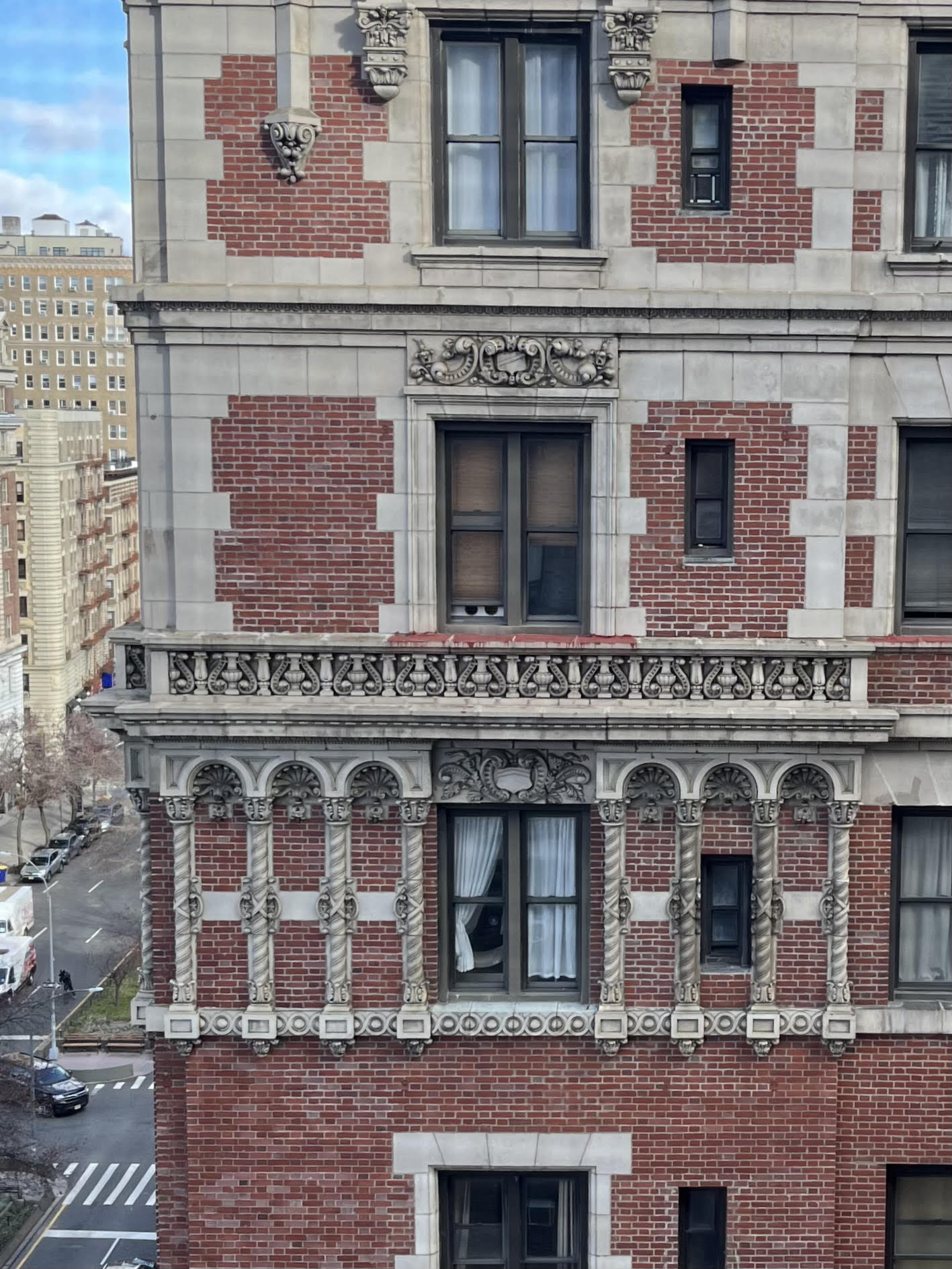
I was in crazy and wonderful New York for a few days. The occasion was the memorial for my friend Manny Kirchheimer, who was, as A.O. Scott of the New York Times once said, “an indispensable New York filmmaker, a noticer and a listener without peer.”

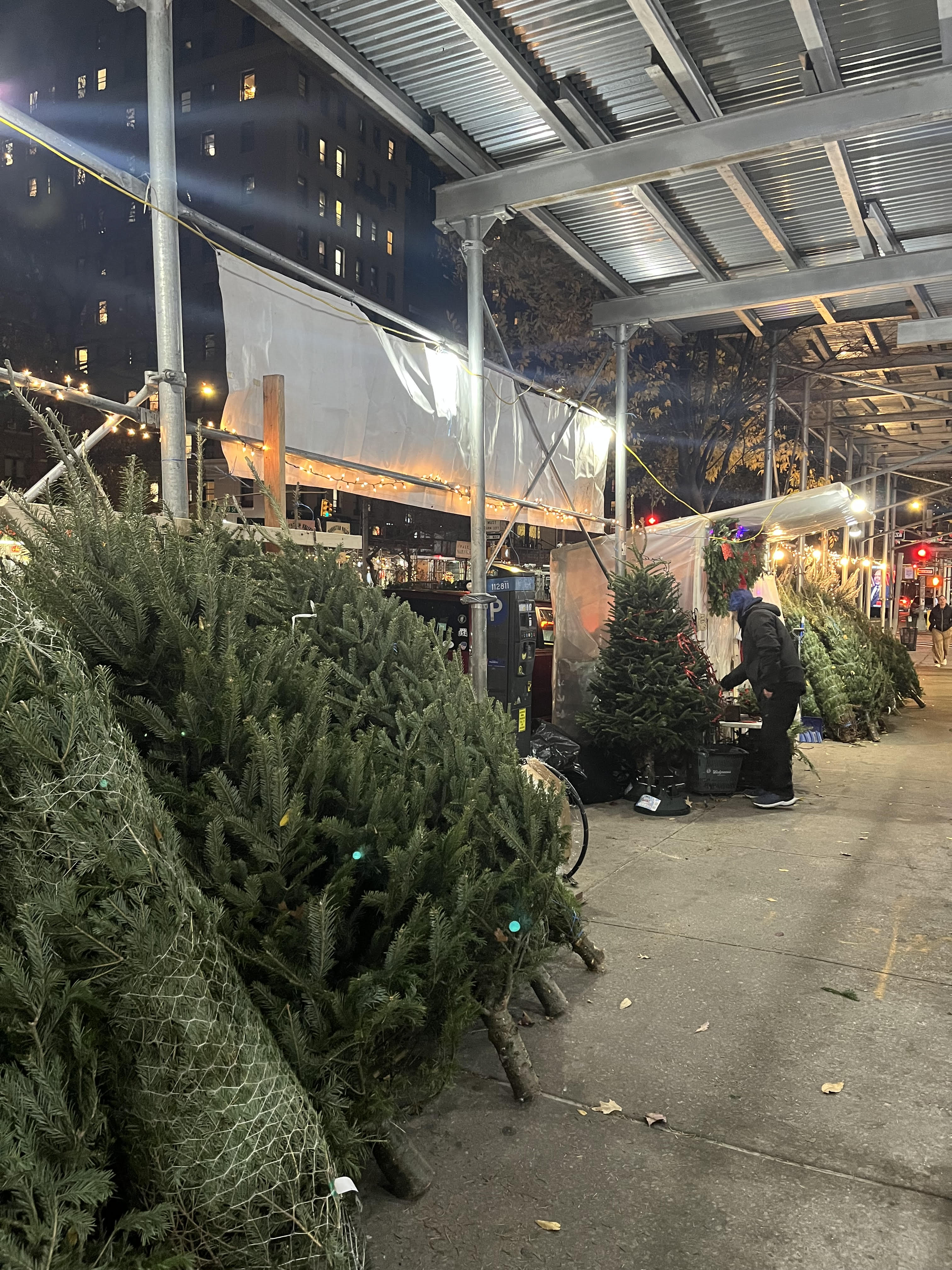
I walked around a lot and took pictures. And since I was in the city, I went to see “Egon Schiele: Living Landscapes” at the Neue Galerie, which was great. I do think New York museums have an awful lot of rules and waiting lines, but if you expect that, it’s easier to accept.

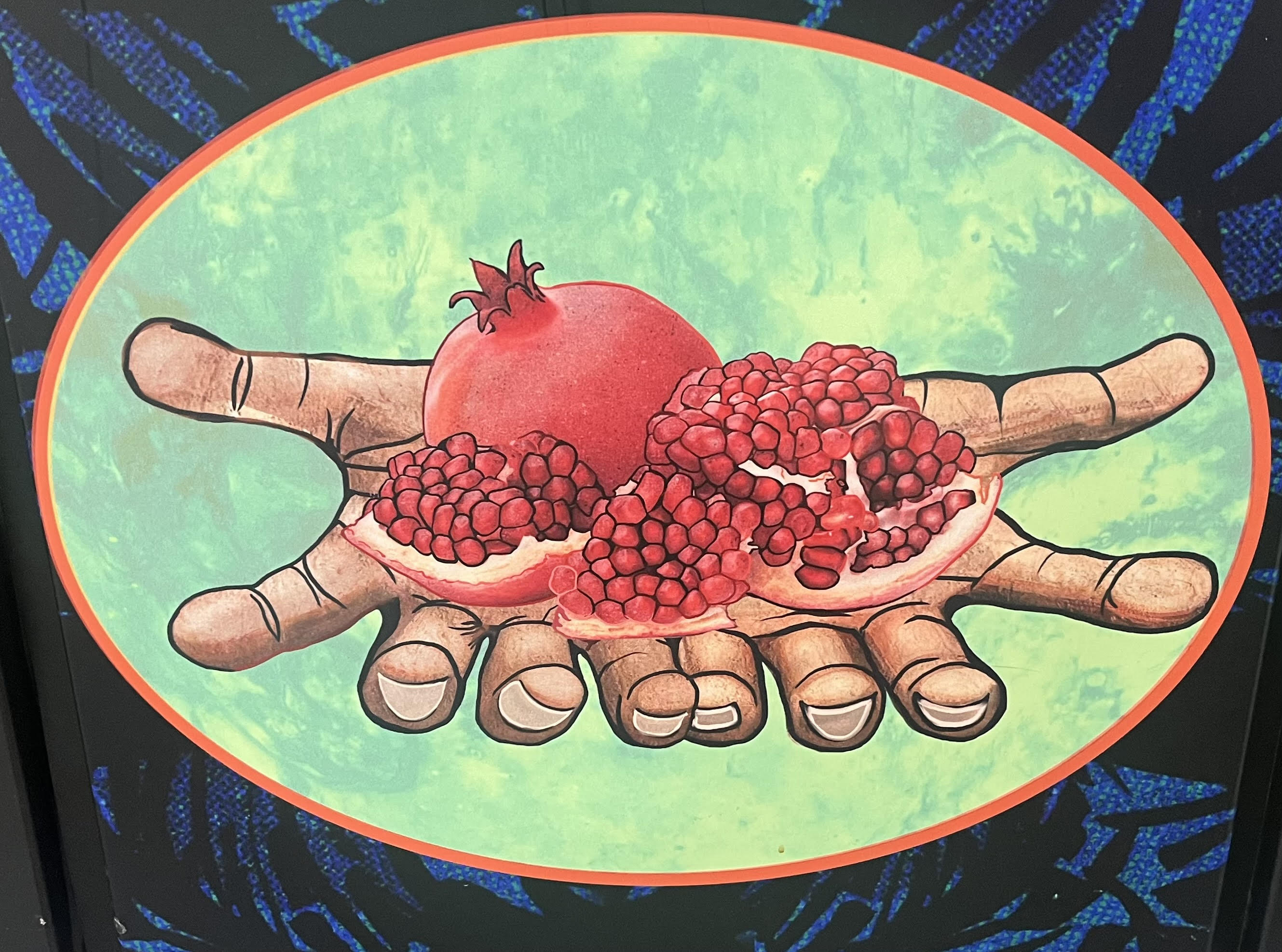
Among sights that caught my eye were giant murals by Chitra Ganesh in Penn Station (see Art at Amtrak). The hands offering pomegranates were on a pillar.

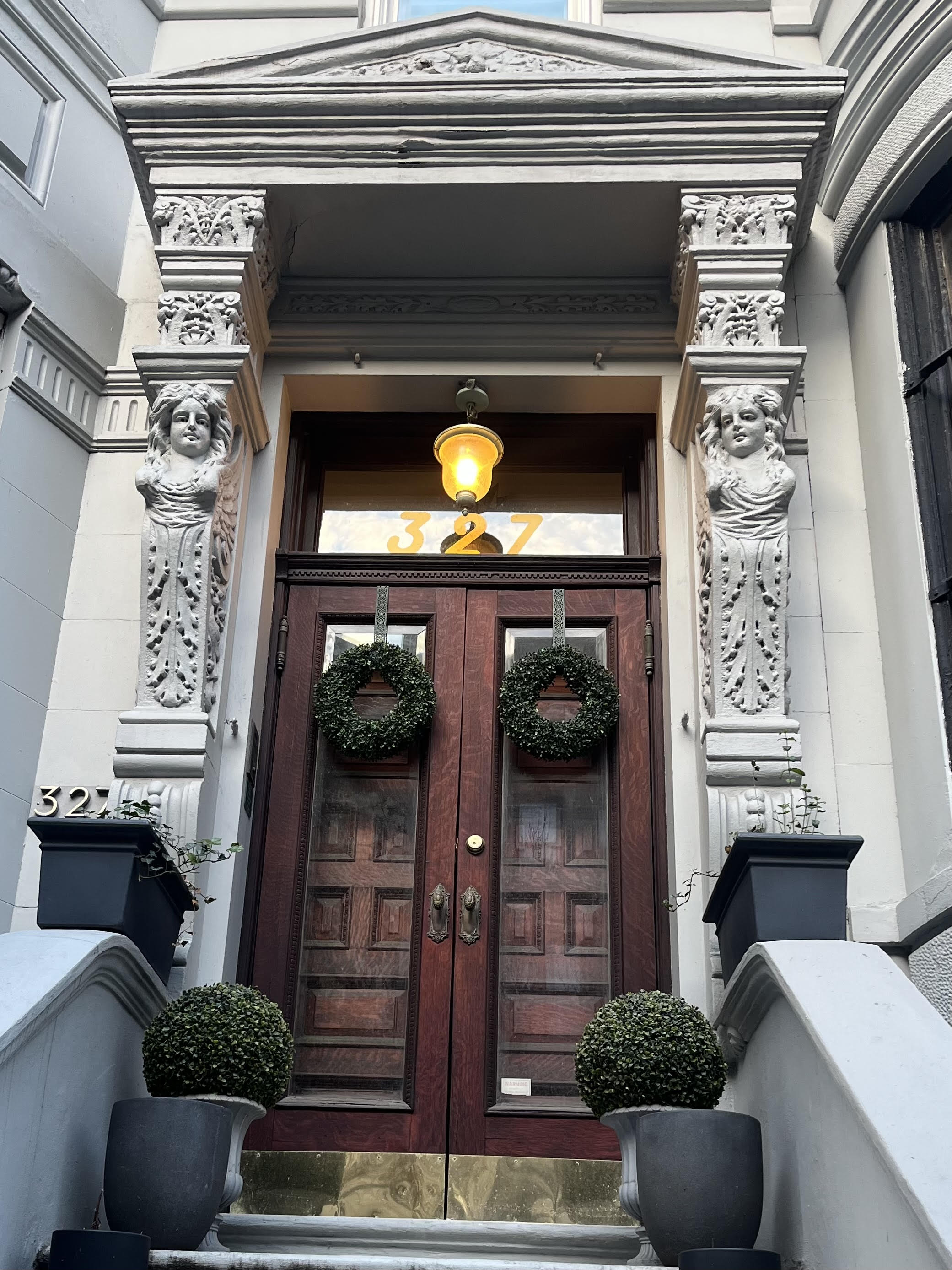
Although I can never compete with blogger Sherry’s Thursday Doors, which she gathers on a continent that really knows doors, I shot a New York one for her.

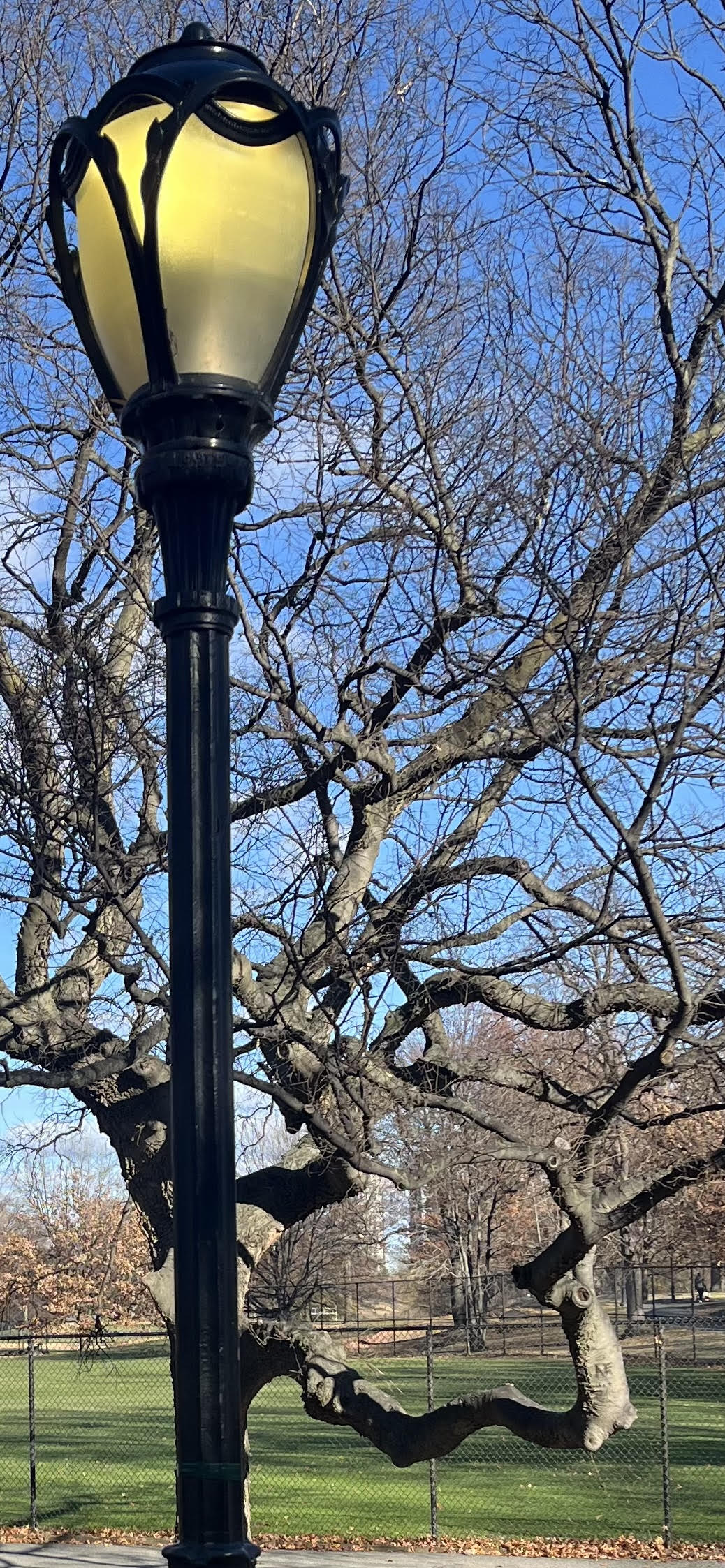
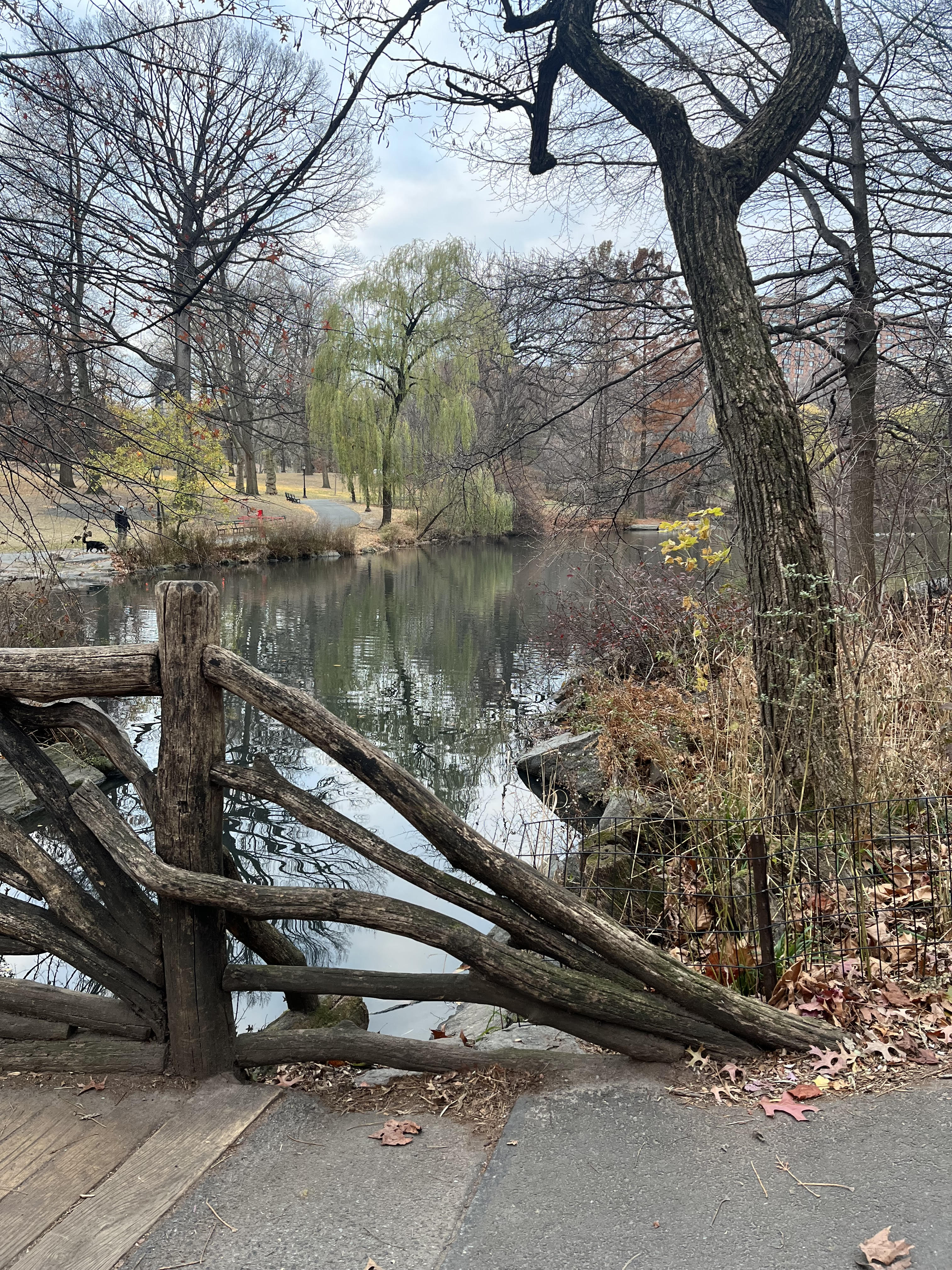
The two shots of Central Park are similar to ones I’ve taken before and shared, but every time I see that fantasy bridge or the Narnia lamp posts, I see them anew.

Read Full Post »

Photo: Tamara Merino/The Guardian.
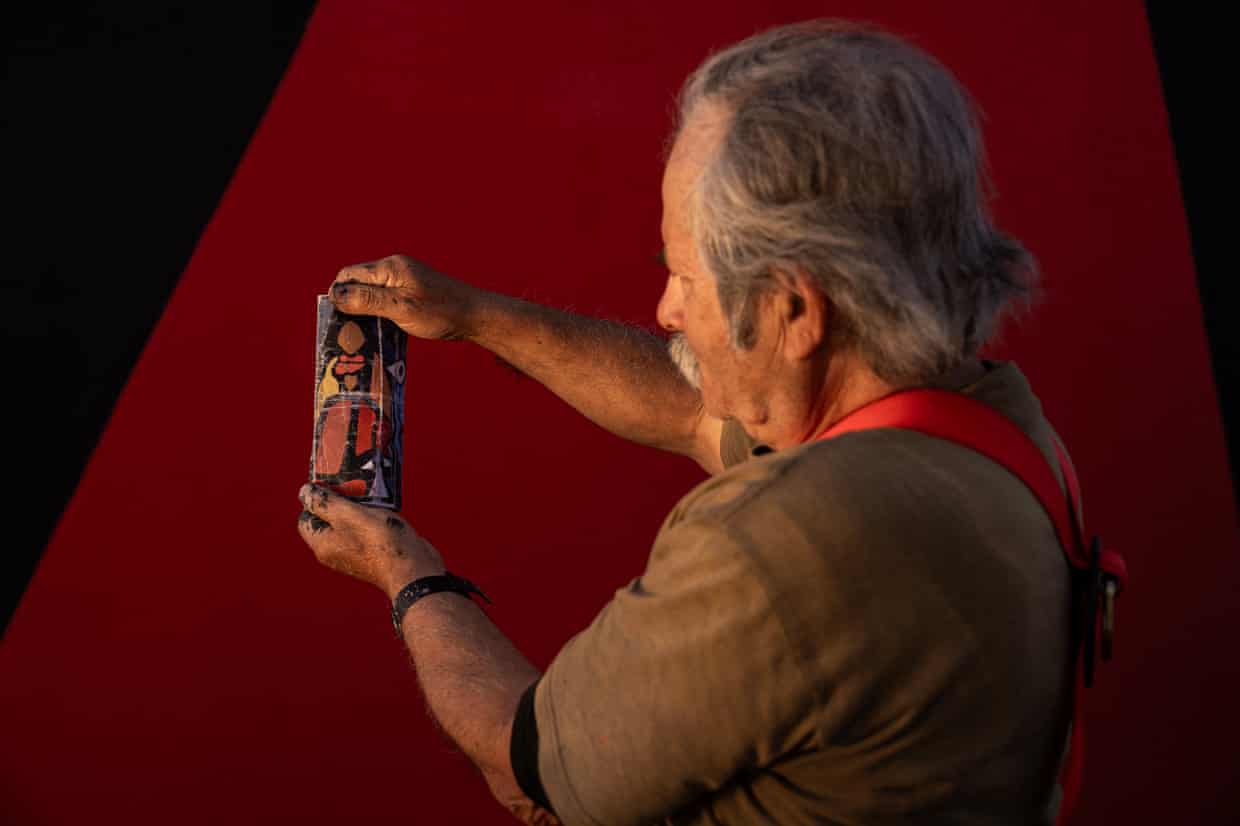
Chilean muralist Alejandro ‘El Mono’ González compares the dimensions between his mock-up and a recent mural. 

For a long time, I’ve been curious about murals and street art. (Search on those terms at the top of this blog if you are interested.) Whether the art is shared openly or under cover of darkness, it seems to convey messages we don’t usually hear from smaller, less public works.

At the Guardian recently, John Bartlett wrote that “in Chile, walls and public buildings are blank canvases to express dissent, frustration and hope.” Blogger and friend of Chile Rebecca will know all about that.

“Bridges across dry riverbeds in the Atacama desert,” Bartlett continues, “are daubed with slogans demanding the equitable distribution of Chile’s water, and graffiti on rural bus stops demand the restitution of Indigenous lands from forestry companies. Every inch of the bohemian port city Valparaíso is plastered with paint and posters. …

“One renowned street artist in paint-spattered jeans spent two weeks transforming a water tower at the country’s national stadium into a powerful symbol of Chile’s battle to remember its past.

“ ‘I have always had a strong social conscience,’ Alejandro ‘Mono’ González exclaims brightly. ‘The fight was born inside me, it just didn’t have an escape. There’s so much you can say with paint and a blank surface.’

“González, 77, has painted across Latin America and Europe, and his murals adorn hotels and public buildings in China, Cuba and Vietnam.

“González’s giant creations combine bright petals of color, separated by thick black lines, and resemble stained-glass windows.

“ ‘I wouldn’t say it’s cheerful, but they’re hopeful colors, which go beyond victimhood, pain and sadness,’ he said.

“The stadium was one of Chile’s most notorious detention centers, where thousands were held after Gen Augusto Pinochet’s 1973 coup d’état. …

“González talks animatedly about how colors vibrate and interact. … His approach reflects a selfless view of the collective.

“ ‘In the streets, anonymity is important,’ he says, ‘The individual isn’t, it’s the message that is interpreted by the viewer that I care about.’

“González was born in the city of Curicó, 120 miles (193km) south of Santiago, in 1947, the son of a laborer and a rural worker. At primary school, his friends named their energetic classmate ‘Mono’ – monkey. …

“After dark, González would go out painting with his parents, both committed members of Chile’s Communist party. In art, he found a release for his burning social conscience. González joined the communist youth ranks in 1965 to develop its propaganda activities, and painted his first mural at the age of 17 during socialist candidate Salvador Allende’s presidential campaign.

“He was among the founders of the Brigada Ramona Parra, a street art and propaganda collective named after a murdered activist, during the heady days of the Allende campaigns. ‘We’d go out every night, sometimes to paint murals, sometimes just to write ‘Allende’ on any blank surface,’ he remembers.

“After Allende won the presidency in 1970, a sinister black spider began to appear on walls, sprayed by the adherents of a fascist paramilitary group. A battle for the streets began, and it has never truly died away.

“In 2019, protesters thronged the streets of Chile’s cities demanding a host of improvements to their lives and an end to the country’s entrenched inequalities. … Those protesters included members of Todas, a collective of more than 100 female muralists who mobilized in a WhatsApp chat.

“ ‘We organized ourselves so we could occupy the walls,’ said Paula Godoy, 34, an artist and muralist from a southern Santiago suburb. ‘We were talking all the time – “Where is there a wall free? Where do we need to get this message across?” – it was a really beautiful period.’ …

“Half a century earlier, González was 24 when Pinochet seized power on 11 September 1973, deposing Allende. … González slipped into the shadows. He stopped wearing his glasses, shaved off his mustache, and went by the name Marcelo as he worked as a set designer in the Municipal Theatre in Santiago.

“When the end of the dictatorship neared, González helped design the most famous campaign in Chile’s political history, the NO campaign against Pinochet’s continued rule in a 1988 plebiscite. …

“ ‘Chile is very conservative and reactionary – we advance, and then we go backwards,’ he says, stepping back from the water tower and shielding his eyes. ‘But memory is the one constant. The most important thing is having a lasting effect. This will still be here in 50 years’ time, and people will still have their memory.’ ”

More at the Guardian, here. No firewall. Donations solicited.
Read Full Post »

Photo: Fareth Fuller, PA.
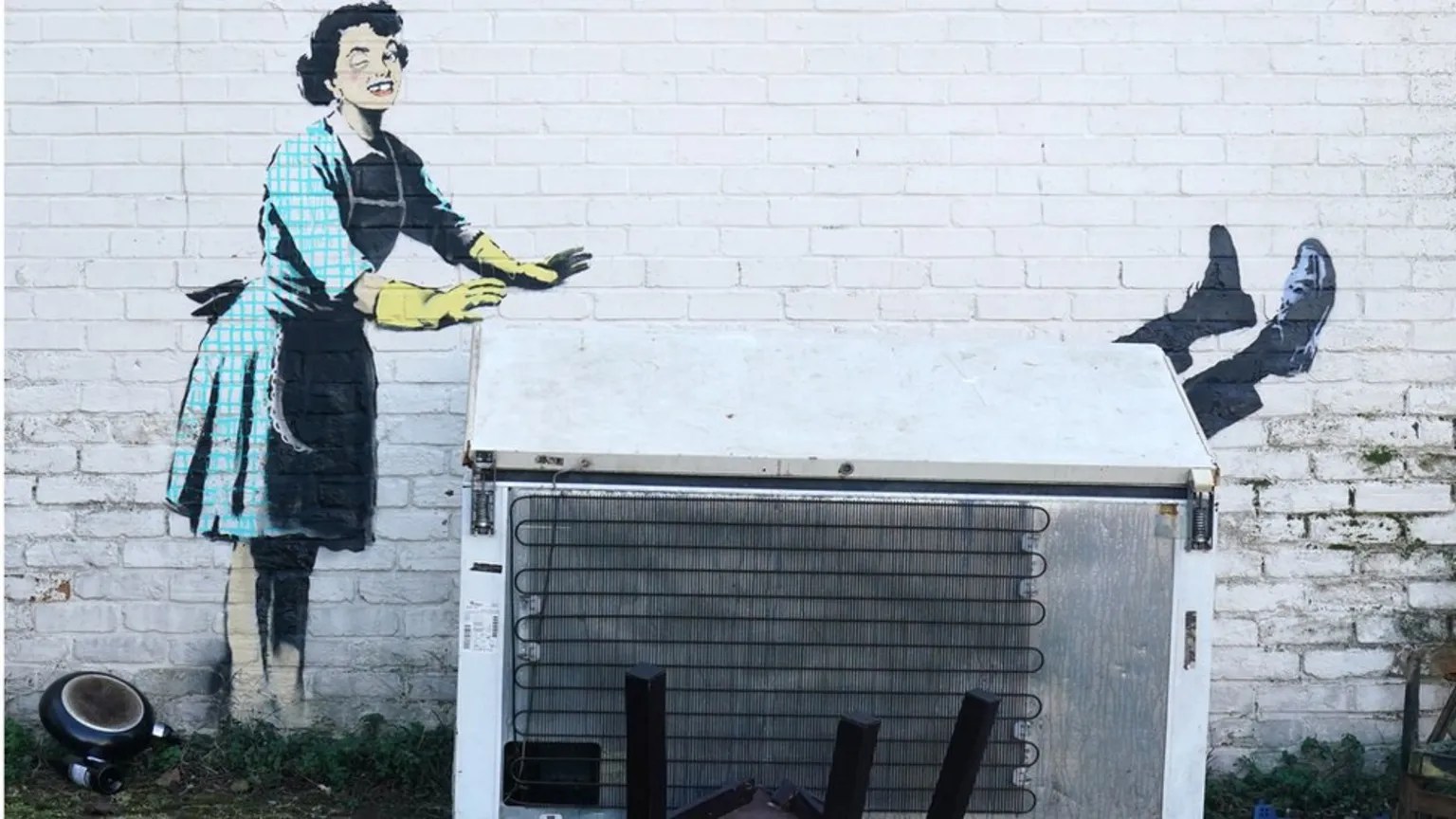
Valentine’s Day Mascara is one of Banksy’s murals in Margate, Kent.

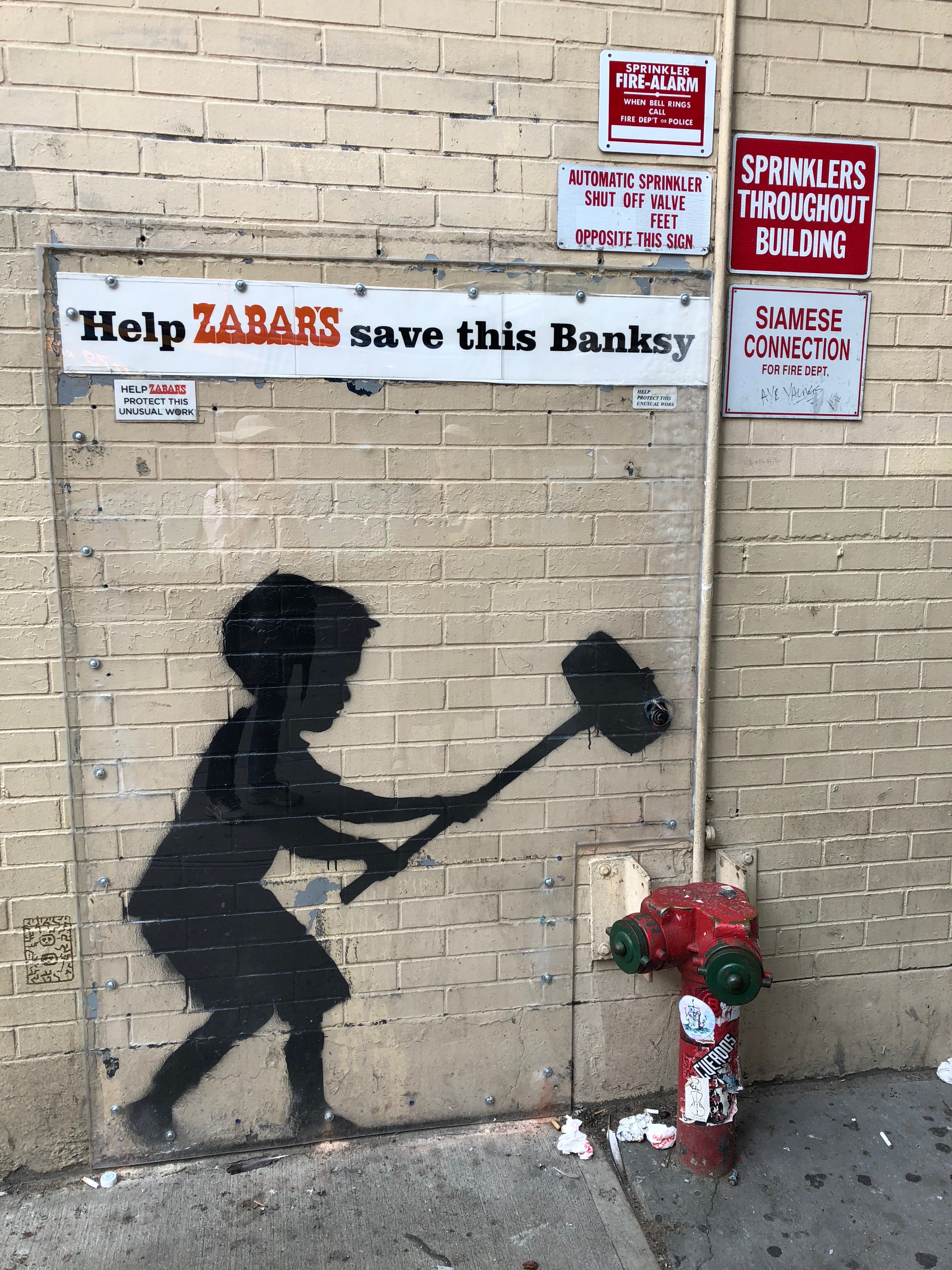
I like Banksy’s stealth art a lot and have seen works — or imagined I’ve seen works — in both Boston and New York. But Loraine Holmes is a super fan, and she really knows what’s what.

Hayley Coyle writes at BBC News, “Rumblings a few weeks ago about a new piece of work by world famous street artist Banksy appearing in London meant it was not long before social media was awash with rumors.

“About 200 miles away in Leeds, one of those caught up in the buzz was Loraine Holmes, a self-confessed Bansky super fan and co-founder of a Facebook group charting the elusive graffiti artist’s work.

“Within an hour of Banksy’s new tree-themed mural in Finsbury Park being ‘claimed,’ Mrs Holmes was already at the spot — one of the first in the world to view the fresh and, as she put it, ‘raw’ mural.

“After being tipped off the night before, Mrs Holmes, 61, had taken an early train from Leeds. …

” ‘I spent a total of about five hours there, just taking it all in and observing people,’ she added.

“Banksy’s latest offering, which he later confirmed on his Instagram account was one of his, was a green spray-painted wall depicting foliage, with a stencil of a person holding a sprayer standing next to it.

“Mrs Holmes was one of the lucky ones who got to see it before it was covered in plastic and surrounded by wooden boards after it was defaced with white paint.

“The self-confessed super fan is such a hardcore Banksy aficionado that she said she also once drove 14 hours from Leeds to Margate and back so she could spend just 10 minutes taking some photos of his mural in the Kent seaside town. …

“Mrs Holmes co-founded a Facebook super fan group called Banksy Locations in 2020 with fellow street art enthusiast Jay Tompkins. The group now has 20,000 members worldwide and covers ‘every single aspect of Banksy’ from the 1990s to today, Mrs Holmes said.

“The group also shares information on what condition Banksy’s works are in and where they can be found. In fact, Mrs Holmes said it was members of the Banksy Locations group who ‘unofficially confirmed’ the new London mural before the artist himself.

“Mrs Holmes, a senior business analyst, said she first discovered Banksy’s works in 2018 after seeing some of them online. Her admiration for the anonymous artist ‘spiraled’ and she said that now he would be her ‘Mastermind specialist subject.’

“She said: ‘It started out with me not knowing much about graffiti, but after I saw some pictures I liked on eBay, I started doing some research, read a few books and joined a few groups.’ …

“Mrs Holmes said other Banksy-related adventures included traveling to Paris while suffering with a broken ankle to see Man with Dog. She had undergone surgery a few weeks before to have screws put in her leg, but that did not put her off the journey.

” ‘I still managed to see six Banksy pieces that weekend,’ she recalled. … Mrs Holmes now has plans to visit San Francisco and Los Angeles in the near future to see more of the artist’s work.”

More at the BBC, here.
Photos below: John and Suzanne’s Mom.

Read Full Post »

Photo: Matthew Healey/Boston Globe.
Jeremy Garcia, 22, of Providence takes a break from working on a mural at “The Avenue Concept” in Providence, Rhode Island.

Kids love contributing to community murals. I know because Suzanne and John helped paint one in our town years ago. But that mural — about local history — was bland compared with the passionate work of self-expression and healing by urban youth in Providence.

Alexa Gagosz writes at the Boston Globe, “After setting down her paint brush, Deborah Ndayisaba gazed up at the purple-colored protestors who spread across a section of a new large-scale mural on the exterior of The Avenue Concept’s headquarters.

“A senior at La Salle Academy in Providence, Ndayisaba, 17, said she had her own ‘advocacy awakening’ when the Black Lives Matter movement took off in 2020. She joined the diversity club at school, became involved in PVD World Music, which looks to celebrate and enrich traditional African music and arts, and researched how many of the racial injustices of the Civil Rights era are now still relevant today.

“The protestors, for her, are symbolic. ‘It’s unfair how racial discrimination can touch everything. And activism isn’t just marching on the streets,’ said Ndayisaba, who is applying to colleges to eventually go into the medical field where she hopes to help women of color.

“It’s those kind of personal elements that scatter this newly finished collage mural by local youth who are involved with the Nonviolence InstituteRhode Island Latino ArtsHaus of Codec, and PVD World Music — all Providence-based organizations. The effort was led by The Avenue Concept, a public arts organization, and international community-based public art organization Artolution. …

“The Avenue Concept, which is the state’s leading public art program, was founded in Providence in 2012. Since then, artists from around the world have been commissioned to paint mammoth-sized murals across downtown that are part of the city’s skyline today. …

“A few of the Concept’s most notable works address longstanding community issues, such as ‘Still Here‘ by muralist Gaia, which depicts Lynsea Montanari, a member of the Narragansett tribe and an educator at the Tomaquag Museum, as they hold a picture of Princess Red Wing, a Narragansett elder who founded the museum. In September, Boston-based artists Josie Morway painted a new mural in Warren that addresses sea level rise.

“This new project, which was completed after 10 painting days on Sept. 30, is a pilot for a larger community participation program that was identified in The Avenue Concept’s latest strategic plan. The goal of the program, Thorne explained, was to address representation, neighborhood voice, unique cultural perspectives, and community needs in their upcoming projects.

“ ‘Over the last year, we’ve really tried to listen and better understand the stories that are intersecting in our own neighborhood,’ [Yarrow Thorne, executive director and founder of The Avenue Concept] said. ‘We are looking to do more than just the giant pieces of beautiful art in downtown, but to serve the community that surrounds us.’

“Thorne said the Concept, which is based in the Upper South neighborhood of Providence, selected the four local organizations because of how their work makes an impact across a diverse set of communities. Each organization brought four to five members of their youth communities to learn, connect, co-create themes, and eventually execute the mural with the help of Artolution’s co-founder Dr. Max Frieder.

“Frieder, a Rhode Island School of Design graduate and former classmate of Thorne’s, brings public art projects around the world — including in refugee camps. Frieder said he trains refugee-artists on how they can work with kids who have been through trauma and teach them to express what’s most important to them through art.

“ ‘With this project, we brought four very different community groups together and it has been remarkable to see them come together and reflect on their similarities,’ said Frieder, who has participated in public art installations on all seven continents. …

“Each participant painted a scene in a ‘memory ball,’ which looked like a golden orb with a scene of their choice inside. Some painted themselves playing basketball, another read ‘stop drug abuse,’ and one painted themselves playing a trumpet.

“One memory ball said, ‘You only get one life. It’s your duty to live it as fully as possible.’ It’s a quote inspired by Jojo Moyes, an English journalist and novelist.

“Each participant talked about the issues they and their families face in South Providence today: their communities getting priced out as the cost of living increases. Others have faced racism and homophobia in school. Some say their family’s generational trauma has prevented their own parents from healing.

“For example, Jeremy Garcia, 22, a self-described ‘proud, Black-Latino,’ described the stereotypes of South Providence being considered an ‘urban hood’ where residents are predominantly people of color. Garcia said many of their neighbors have watched cases of police brutality, such as the killing of George Floyd, and are afraid to call the police.

“ ‘These are the people who are supposed to save us and who we should be able to turn to when we are in danger,’ Garcia said. ‘If you can’t turn to the police, where do you turn?’

“Expressing themselves ‘and letting go of their past is the only way we can can heal and move forward,’ said Cedric Huntley, the executive director of the Nonviolence Institute. ‘We need more of this — in Providence and around the world. We all focus so much on the negative, which certainly impacts all of us, but there’s more to it in these young people’s lives.’ ”

More at the Globe, here. Nice photos. For a no-firewall article on the mural “Still Here,” check the Brown University newspaper.
Read Full Post »

Last month, I pondered the challenges presented over time by public art in the form of statues of historical figures. In the past, art that could last through the ages — Michelangelo’s “David,” for example, and the stone lions on the Greek island of Delos — was highly valued. Even painted frescoes were made to last, with pigments worked into plaster.

Nowadays, murals on buildings are proliferating, and I’m thinking that transitory art like that is a good idea. It’s OK for them to be painted over, worn out, or recreated with a new vision.

Today’s story is about a group of artists in Colorado doing just that.

Shanna Lewis reports for KRCC, “Bright colors have blossomed once again on the concrete face of Pueblo’s Arkansas River levee. Paintings are going up in an effort to reclaim a lost public art space and the title of the world’s largest outdoor mural.

“Muralist Valrie Eisemann of LaVeta is among the first of four artists to work on the new levee wall. Using paint donated by a local recycling company, as well as some that she bought herself, she’s creating a colorful mandala. …

“Muralists have to rope up for safety to work on the steeply sloped concrete. But that isn’t slowing any of them down.

“Each artist will bring their own unique vision and ideas to the project. Celeste Velazquez of Pueblo said her imagery is of a native woman that references the Azteca community, as well as Toltec and Olmec cultures.

“ ‘She’s going to have like four arms, almost like a shaman and there’s going to be the spirit Quetzalcoatl in the back of her in her native tent,’ Velazquez said.

“Puebloan Thomas Garbiso’s piece is a mountain view along I-70. … Aurora artist Kalyn Connolly’s design is of a deer with Colorado flora and fauna on its antlers, including columbines, crows and white butterflies.

“All the artists are excited to be among the first brush paint on the levee since construction to repair it started six years ago. … According to [artist and levee mural coordinator Cynthia Ramu], since the 1970s, hundreds of people helped create the murals that once lined the levee.

“ ‘Eventually, it became like a storybook for a lot of people,’ Ramu said. … Some of [the story] is literally underfoot because the concrete with the old murals was torn off during the repair project and then ground up and used to create a walking trail for the top of the levee. …

“She said, ‘I feel so excited at the possibility. It’s kind of like moving forward. It’s just endless possibility.’

Pueblo Arts Alliance director Karen Fogelsong agreed. … ‘One of my favorite things is to see beautiful art go on yucky cement,’ Fogelsong said. ‘So let’s put beauty on top of it. On viaducts on levees, on the sides of buildings, wherever we can make it beautiful.’

“Fogelsong thinks if Pueblo can regain the world record, it’ll draw tourists to the area to see it. The current record is held by a mural in South Korea that’s more than 254,000 square feet — so a lot of art is needed again to beat that.

“It could happen though. More applications for new murals are rolling in and creative energy is flowing along this part of the Arkansas River.”

More here.
Read Full Post »

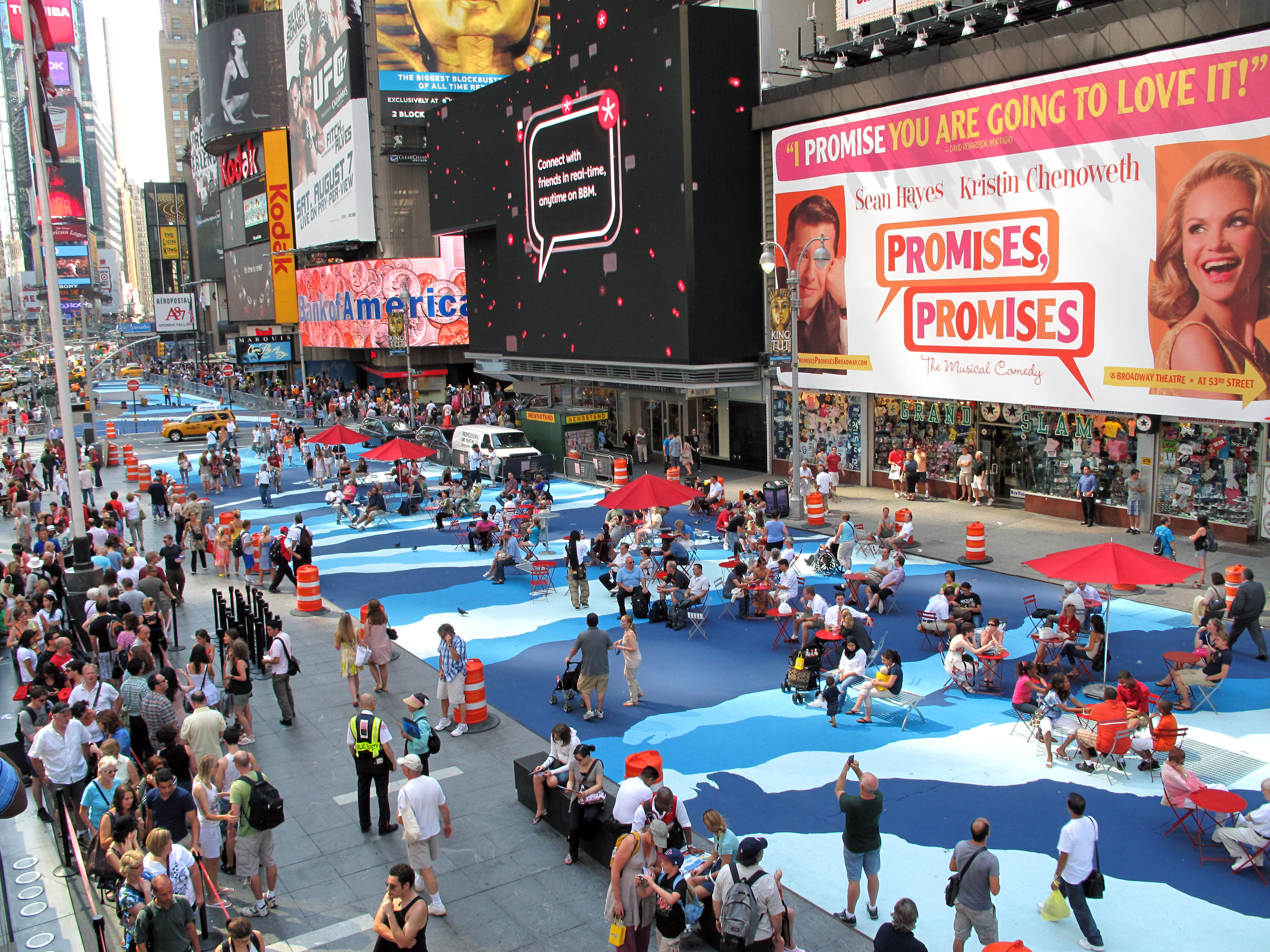
new_york_city___artist_and_photo_credit___molly_dilworth___pg_41

Photo: Molly Dilworth
“Molly Dilworth’s rippling mural helped reimagine Times Square as a car-free place,” says
Curbed. The work was part of an initiative by Bloomberg Philanthropies.

As much as I want to tell folks about anyone’s good works, I’m afraid that the wealthy presidential candidate whose name is on the initiative I’m covering today is getting too much free publicity.

I’m annoyed. I’m sure we all clicked “like” when the former mayor did something positive about, say, gun violence. But as a result, his campaign videos are showing up on Facebook saying they were “liked” by us, which is not the case. So you are just going to have to fill in the blank when I refer to [B] Philanthropies today.

Alissa Walker writes at Curbed, “Over the last decade, U.S. cities have carved out dozens of public plazas from existing streets using little more than paint. A new grant program and guide announced today by [B] Philanthropies will fund the creation of 10 street murals in 10 U.S. cities, as well as track the safety, economic, and civic impact of these projects.

“The Asphalt Art Initiative … will award 10 small or mid-sized cities with grants of up to $25,000 to create colorful murals on streets, intersections, and crosswalks, or vertical surfaces of transportation infrastructure like utility boxes, traffic barriers, and highway underpasses. Cities that apply must have populations ranging from 30,000 to 500,000 and must implement the project by the end of 2020.

“ ‘It’s not just about art — it’s about creating safe spaces for people for pennies on the dollar,’ says Janette Sadik-Khan. …

“As former transportation commissioner for New York City, Sadik-Khan championed the conversion of Times Square into a network of car-free pedestrian plazas. But the project, which included several asphalt murals, also ended up achieving other goals, she says, like ensuring nearby residents lived within a 10-minute walk of a public space, and helping pedestrian injuries in the area plummet by 30 percent.

“ ‘We’re not looking for just pretty pictures, we’re looking for projects that encourage safety benefits and community engagement,’ Sadik-Khan tells Curbed, noting that the selected cities will be gathering data to track the overall impact of their projects. …

“In addition to the grants, [B] Philanthropies, in collaboration with Street Plans Collaborative and public art consultant Renee Piechocki, has created a free publication that provides a how-to guide and dozens of case studies for city leaders wanting to implement these types of projects on their own.

“While the street plazas are intended to be temporary or ‘tactical’ — how long they last depends on the paint material used and how often it’s reapplied — the projects often end up leading to permanent, systemic changes, says Tony Garcia, principal at Street Plans Collaborative. …

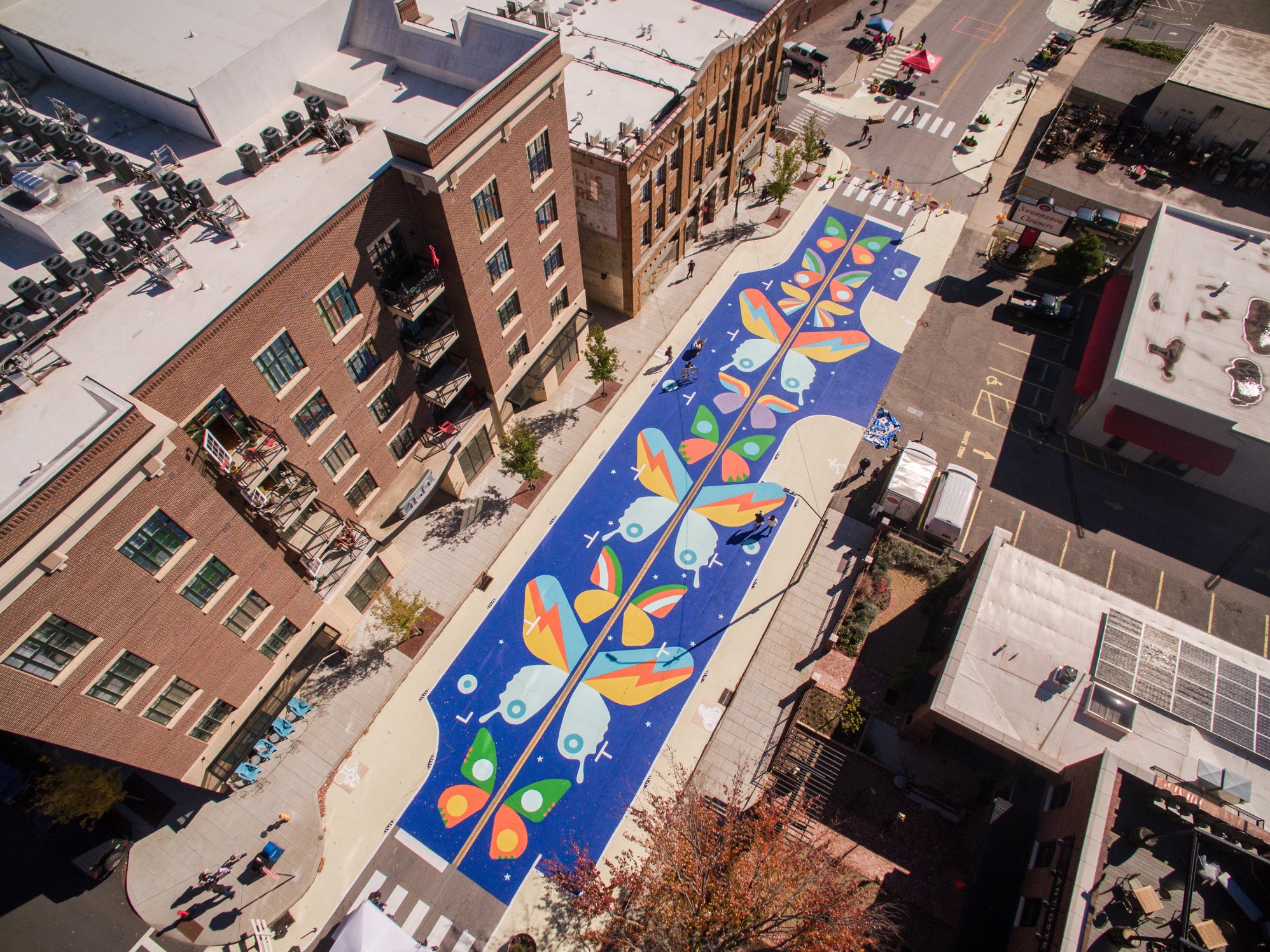
“But even with paint that’s meant to fade away, the impact is lasting. Garcia points to a project in Asheville, North Carolina, which saw retail sales increased by 25 to 30 percent and a 20 to 30 percent drop in vehicular speeds along the corridor. …

“Asphalt art like plazas and crosswalks can help residents realize they don’t have to accept their transportation system’s status quo, says [Kate D. Levin, cultural assets management principal at (B) Associates], who notes that the current design of U.S. streets lends a sense of permanence to cities that isn’t particularly aspirational.

“ ‘People lose a sense that they have a choice. That can lead people to accept a public realm that doesn’t optimize what they want or need,’ she says. ‘These projects are helpful in reminding people to not to take their environment for granted.’ ”

More at Curbed, here. Hat tip: ArtsJournal.com.

Photo: Justin Mitchell via Street Plans
Coxe Avenue in Asheville, North Carolina, was transformed when Street Plans Collaborative used art to help create a safer, more profitable street.

45333824_10218821591639153_3578706341759287296_o

Read Full Post »

unknown

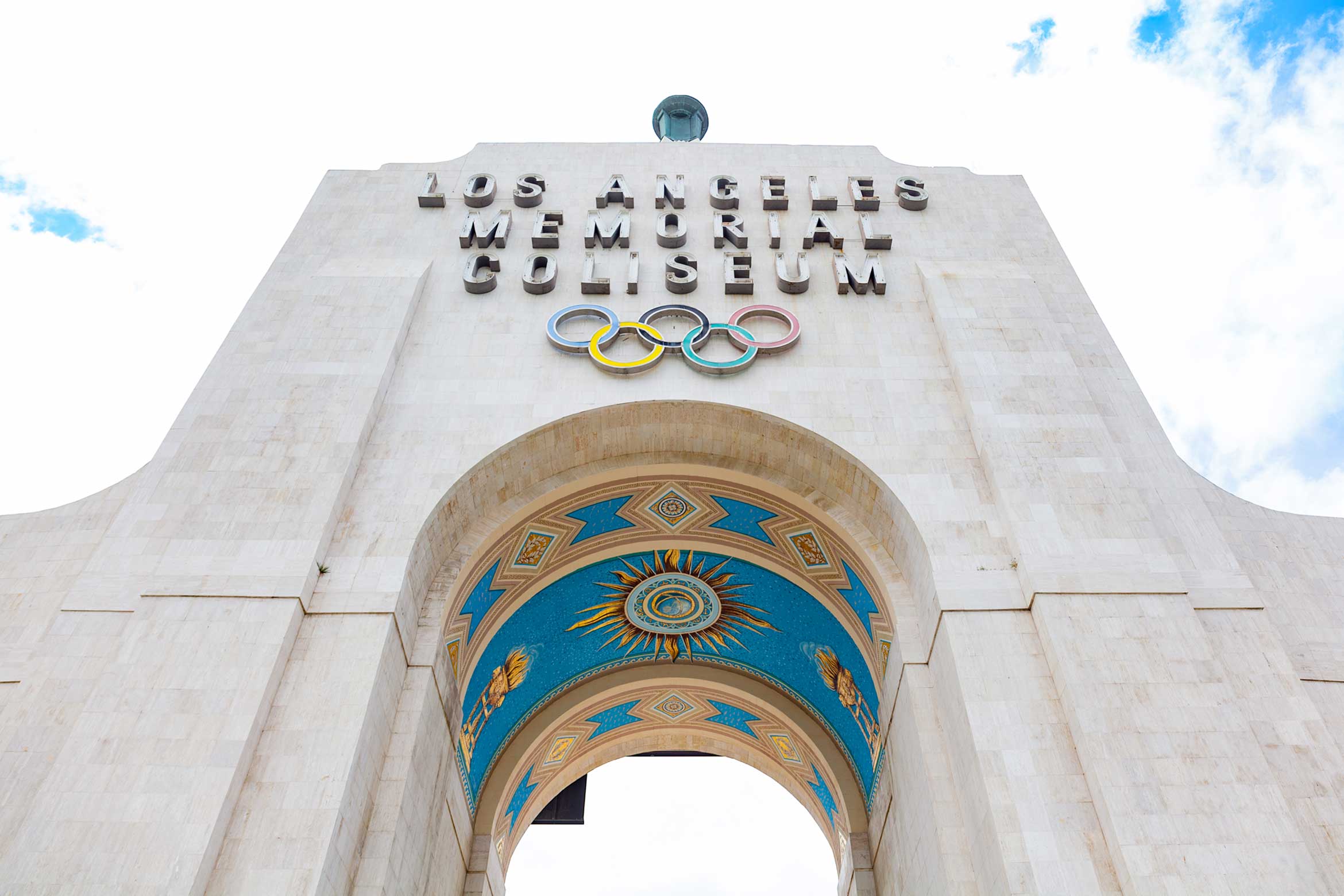
Photo: Los Angeles Coliseum
Until a teenager decided to solve the mystery, the story of the coliseum mural was lost in the mists of time.
I’m pretty sure young people are going to save the planet, and after hearing speakers from one youth organization yesterday, This Is Zero Hour, I know I need to follow where they lead. Never underestimate the power of a teen who gets motivated to solve a problem.
On a lesser scale than saving the planet — but illustrating the point nevertheless — a Los Angeles teenage sleuth managed to solve the mystery of a beautiful, neglected mural and ended up providing critical information to the restoration team. Colleen Shalby has the story at the Los Angles Times.

“For decades, the curving mural depicting a golden sun has greeted visitors to the Los Angeles Memorial Coliseum. Faded by the elements, its once-vibrant blue lost some luster over the years. The gold-leaf paint had chipped away. Still, the image drew eyes upward.

“No one seemed to know who had painted the scene adorning the Coliseum’s main archway — or when. Guides referred to it as a ‘mystery mural,’ the story of its origins as shrouded by time as the artwork itself.

“But after taking a tour of the historic stadium a few years ago, one local teenager became engrossed with its history.

“Dean Gordon estimates he’s been to the Coliseum more than 100 times. But before that day, he’d never given much thought to the mural high above the peristyle entrance. Two golden Olympic torches flanking a flaming sun, its center a depiction of the planet Earth and the 12 signs of the Zodiac. Solving its mystery soon became his mission.

“Two summers ago, at age 17, Gordon began his quest — poring through library books and searching archives, hoping to find a clue that would lead him to the artist.

“ ‘I basically contacted every single person who might have an idea,’ he said, ‘every archivist, historian or professor who might have some connection to the mural,’ rumored to have been painted before the Coliseum hosted the 1932 Olympics.

“After a series of dead ends, Gordon found a clue in the form of a Los Angeles Central Library notecard that read ‘H. Rosien Coliseum.’ Further online digging produced nothing — until he came across a single tweet: ‘Please don’t touch the mural inside the arch that my FIL Heinz Rosien painted prior to the Olympics!!’

“The plea, posted in 2016, was from Mary Lou Rosien in response to the Coliseum’s announcement that parts of the stadium were being overhauled. The mural would be part of renovations, which eventually totaled $315 million, by USC. The university operates and manages the Coliseum. …

“Rosien’s husband, Igor, [and] his father, Heinz Rosien, had worked on the mural together. The Los Angeles Coliseum Commission tasked the elder Rosien with the job in 1969, in hopes of helping the city win a bid for the 1976 Olympics. …

“The archway of the Coliseum proved to be a precarious canvas. The underside of the curved portico stood more than 70 feet off the ground. To reach it, father and son scaled scaffolding without the aid of safety belts, which now are commonplace. They painted upside down. …

“The origins of the mural were all but lost — until Gordon started his detective work. The teen tracked Rosien shortly after spotting his wife’s tweet, shocked to learn that someone directly connected with the artwork was still alive.

‘The entire time I was trying to figure out who painted it, I thought it was from 1932,’ said Gordon, now 19 and a student at Amherst College in Massachusetts. ‘All my research was in that time period.’ …

“The end of Gordon’s search two years ago led to a series of hours-long discussions about the mural — and the start of a friendship between the younger Rosien and the student detective.

“ ‘Thankfully, Dean didn’t take “mystery mural” as an answer,’ Igor Rosien said. …

“Before the mural’s restoration got underway, Gordon and Rosien met outside the Coliseum. There, the artist presented the young detective with one of his dad’s paintings.”

More.


Read Full Post »

060819-Will-McMillan-leads-ukeleles

What is so rare as a day in June? I wish I could capture it all. With photos, one can express delight in terms of light and shadow, but how to convey the way the air feels and the breeze? Or the effect of wraparound birdsong, the smell of white pine and hemlock, warm pavement, and the spicy fragrance of verbena and lilac. So different from even a month ago.

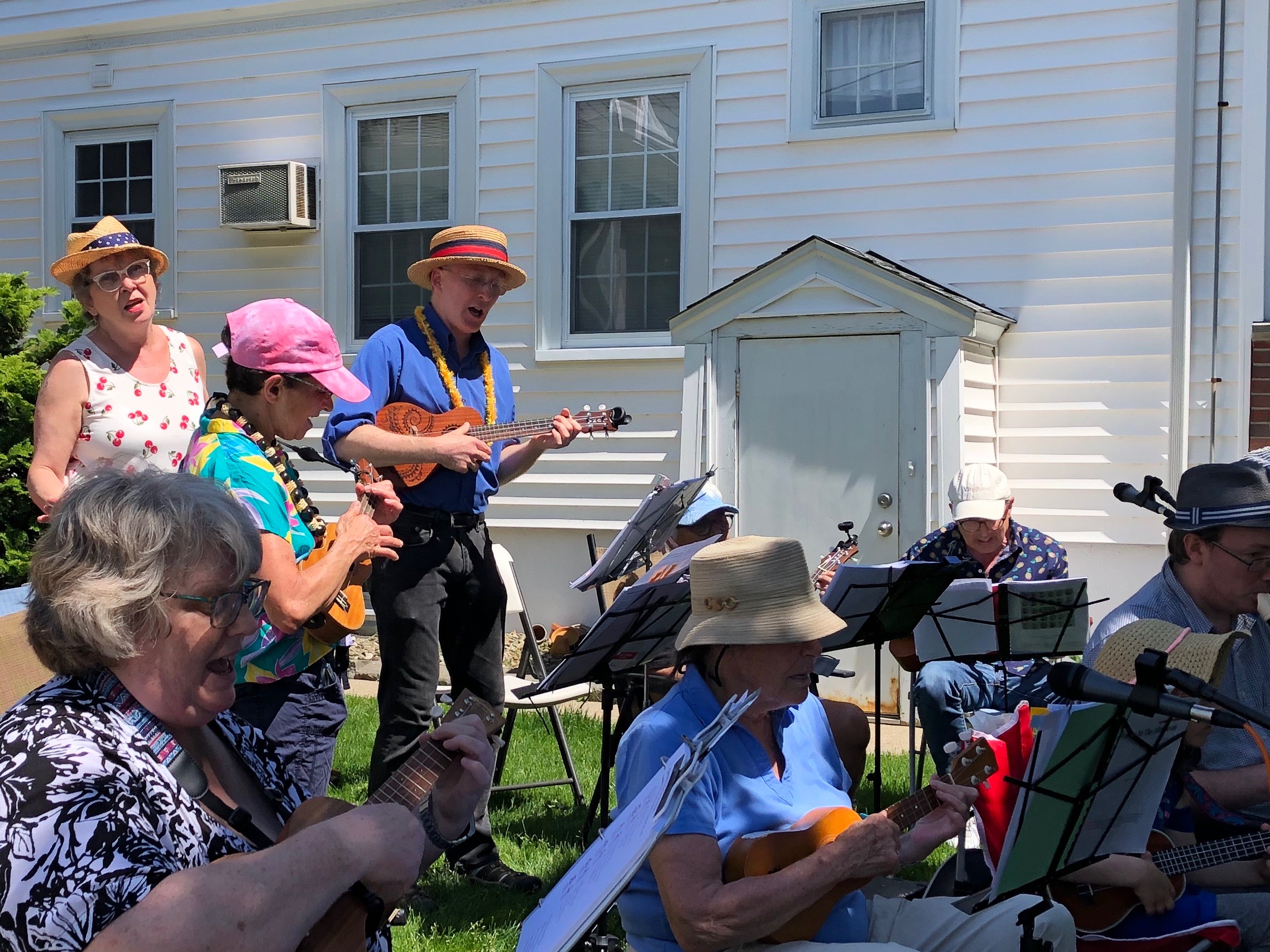
A really fun thing that happens around here in June is the Arlington Porchfest, in which a changing array of local bands perform on residents’ front steps. Above you see the versatile Will McMillan wearing one of his many musical hats. This particular hat is as leader of a pickup ukulele band that meets every week at the library. Wonderful old-time songs. People of all ages singing along under the shade of the trees.

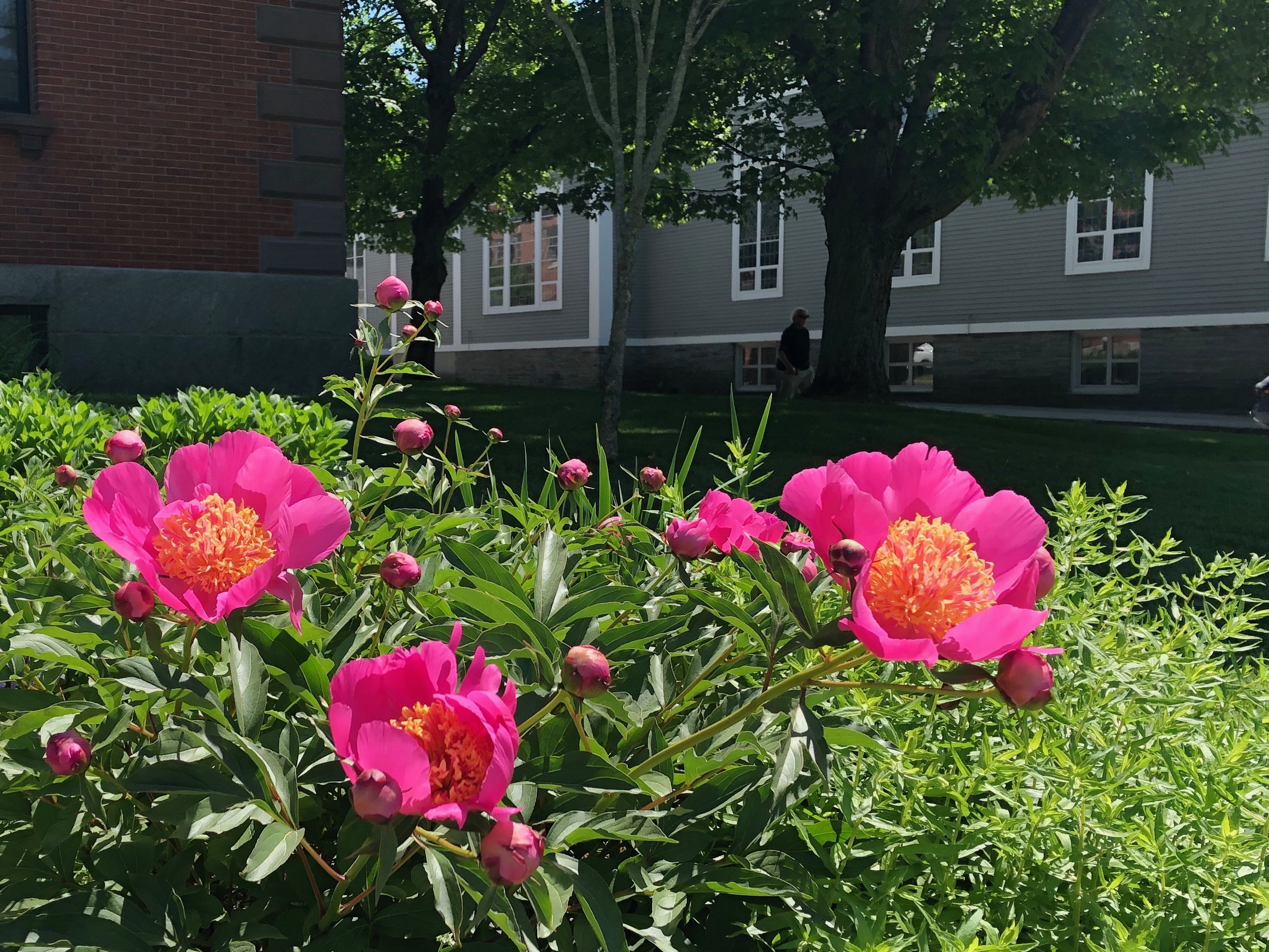
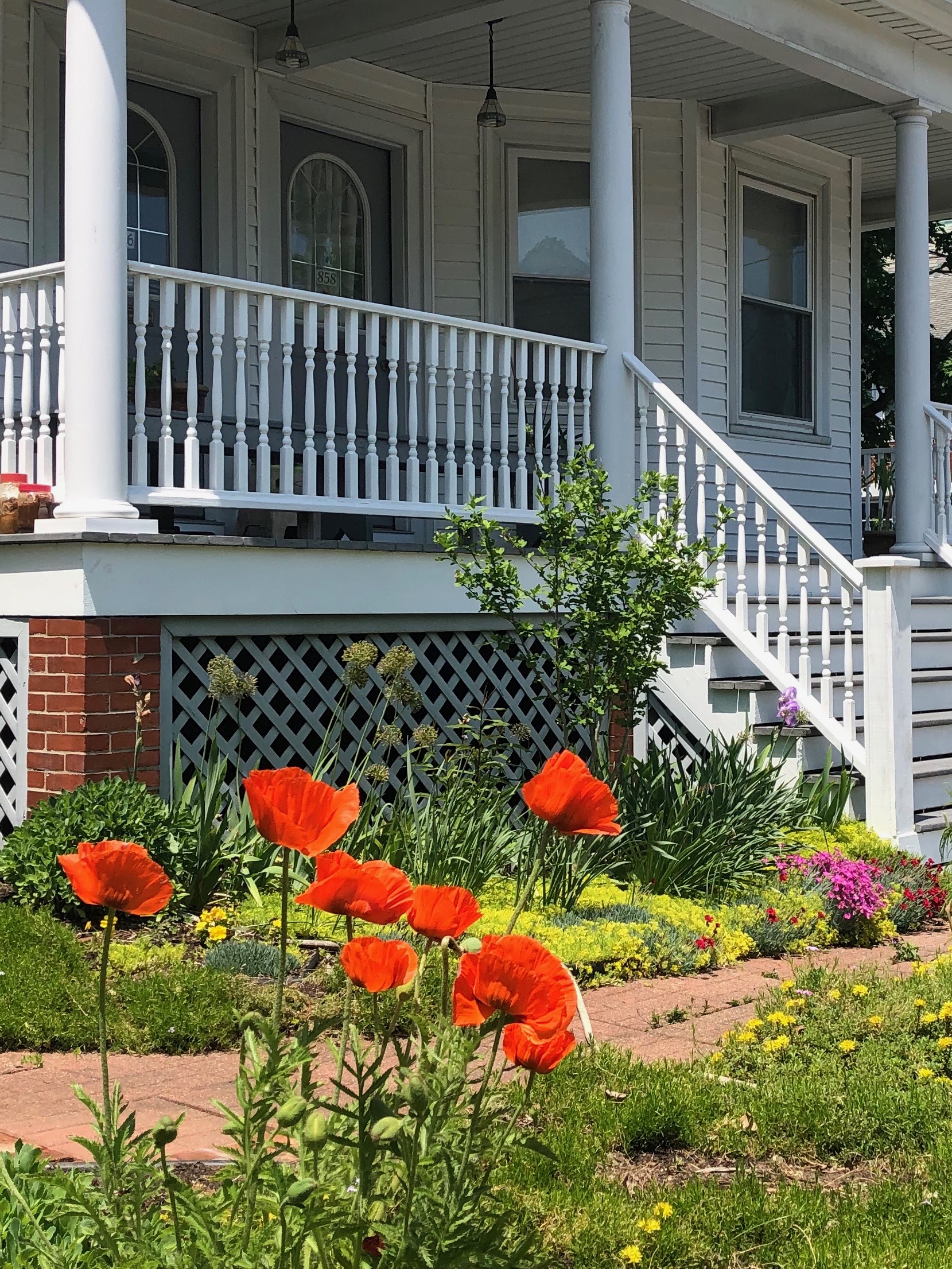
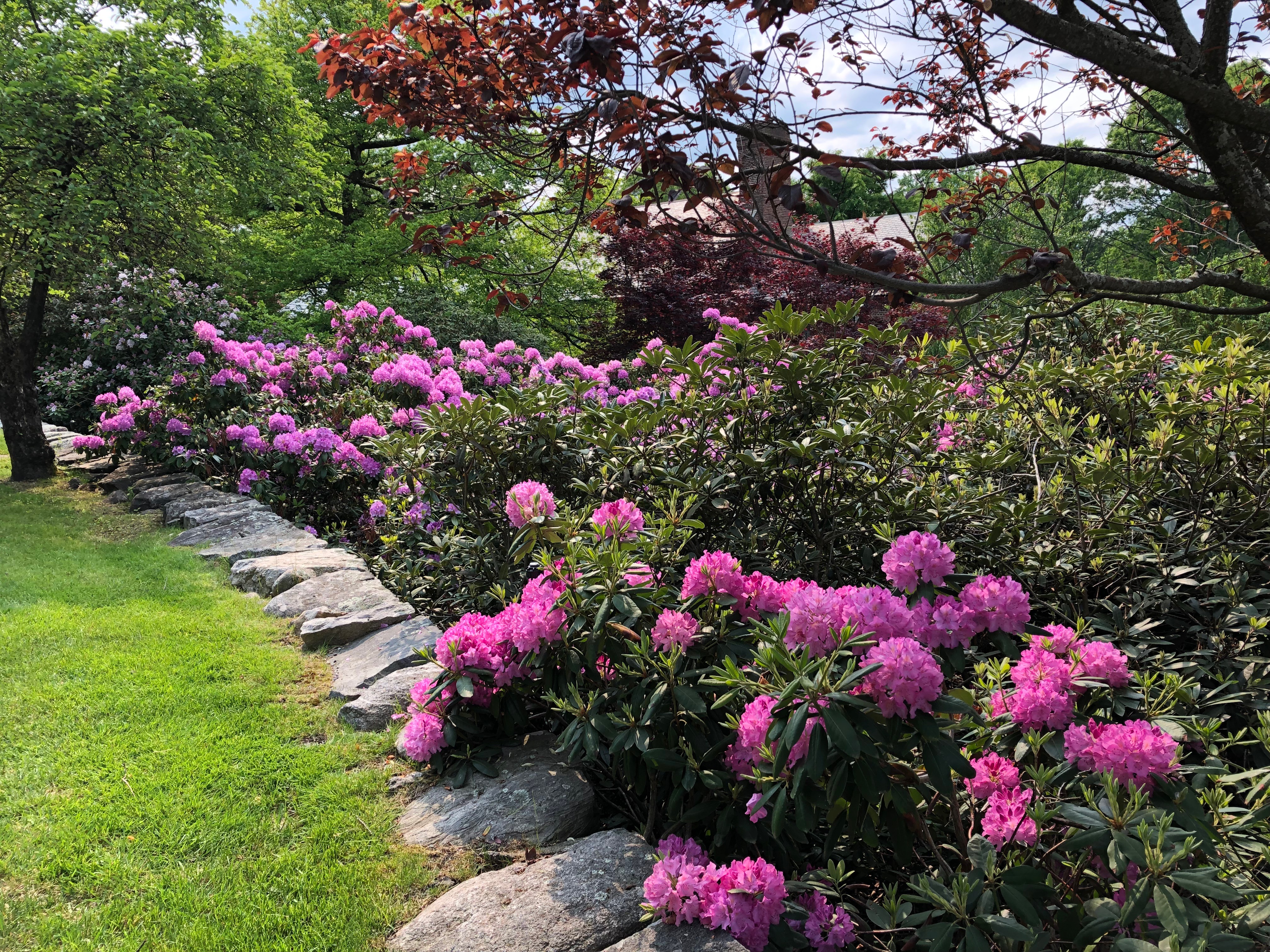
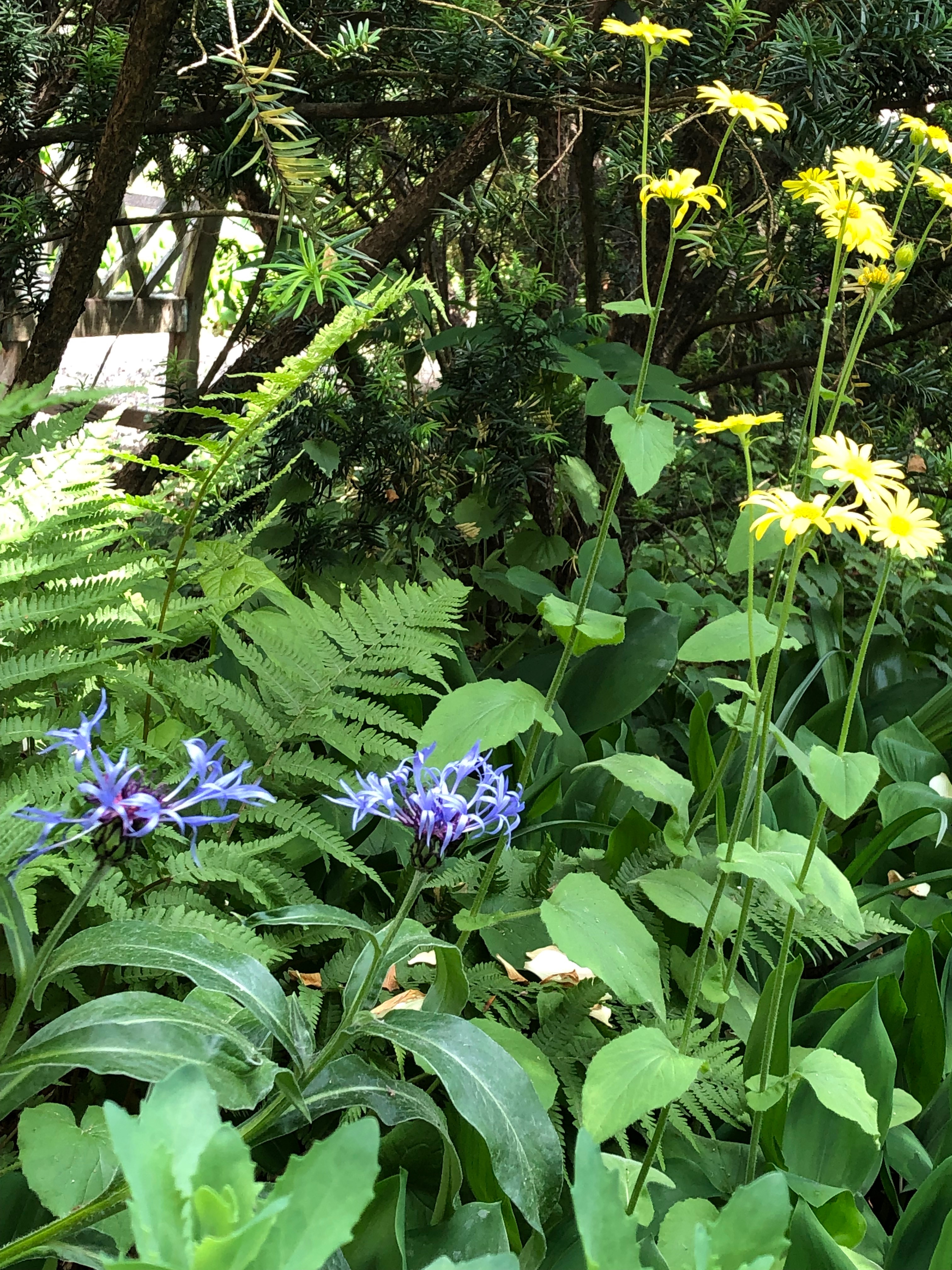
You can see I’m also loving the peonies of June, the poppies, the rhododendrons, and the last of the azaleas. By the way, what is that fuzzy blue star in our yard? We have it such a short time, and it always makes me smile.

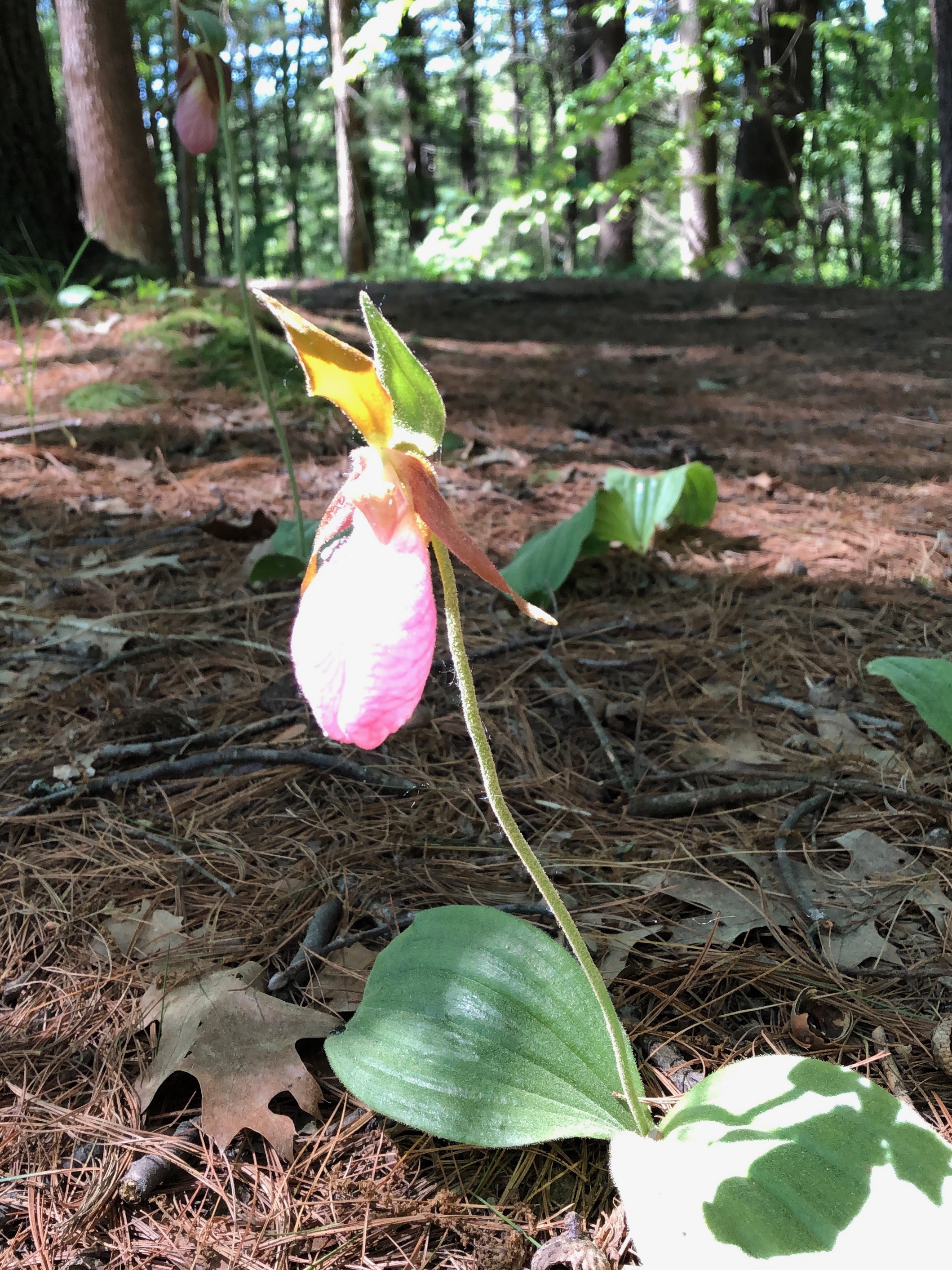
The Pink Lady Slippers, one step away from endangered, collect in small groupings in the conservation woodlands. I’m always thrilled to see them as I know they require very special growing conditions and are becoming increasingly rare.

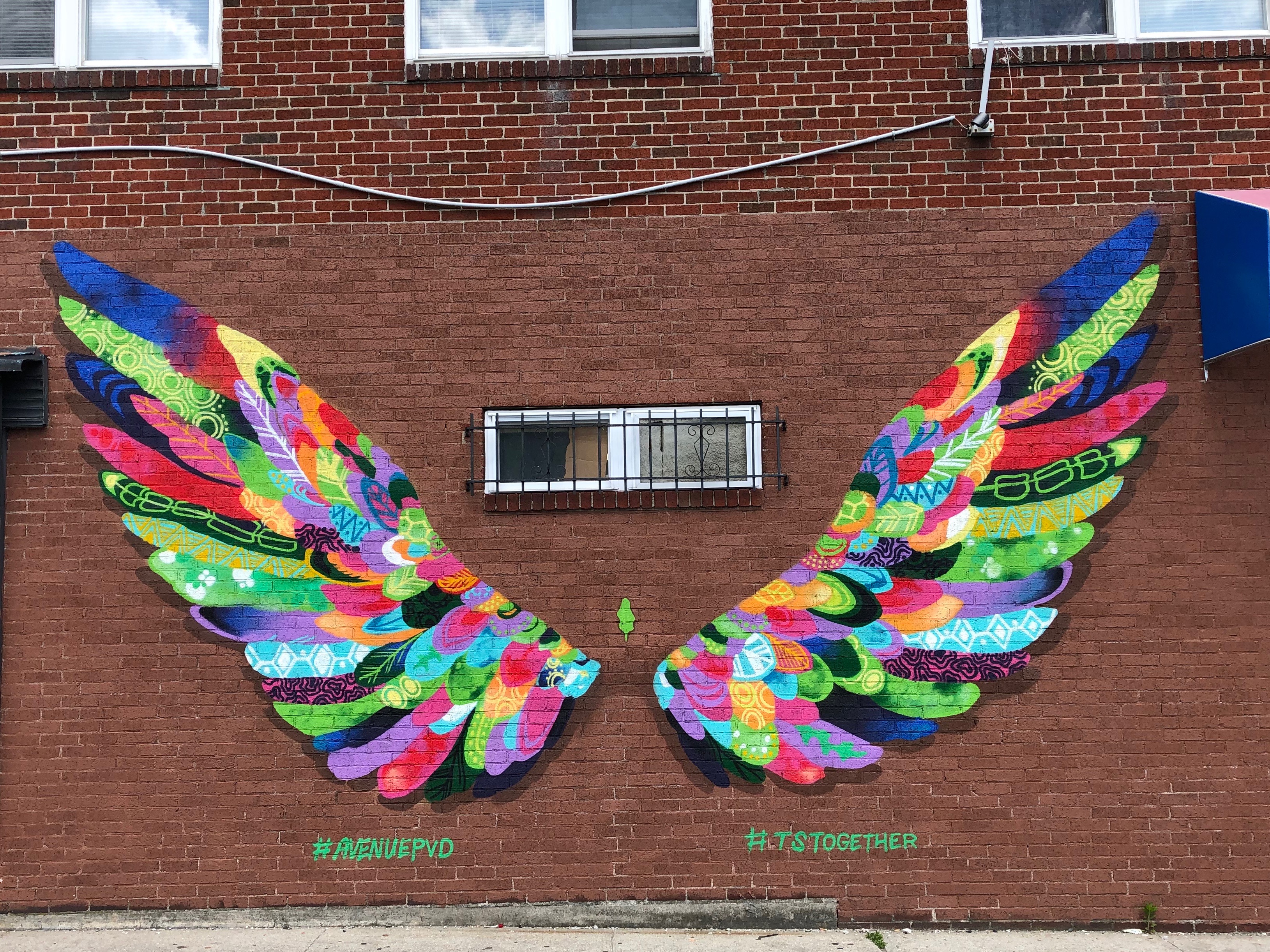
The wonderful mural of wings is in an area sometimes called Upper South Providence, near Classical High School. The colorful art really cheers things up in that neighborhood.

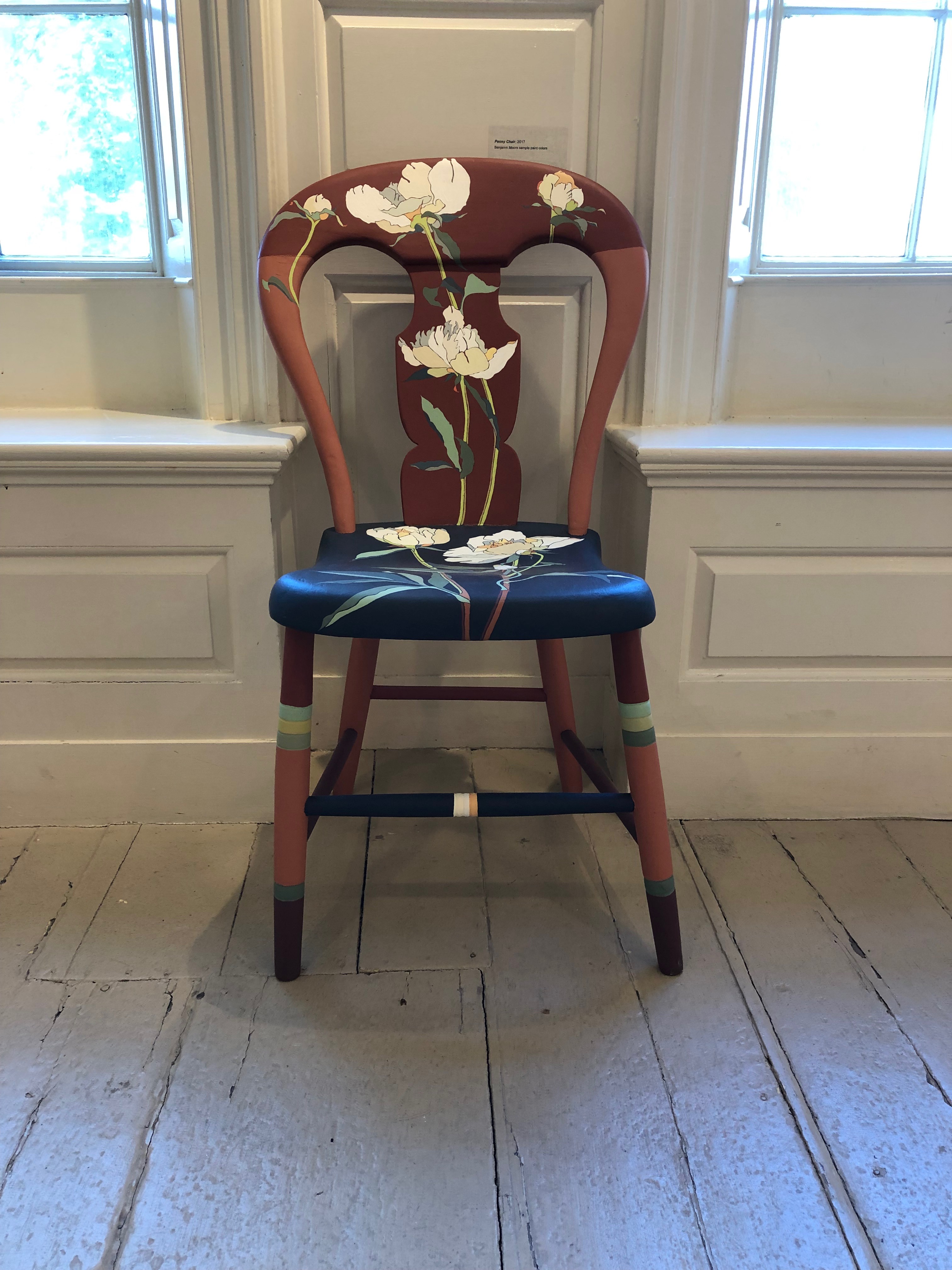
And speaking of art, Concord Art has an excellent retrospective on the oeuvre of Susan Maxfield, who died last month. She worked in an impressive array of media. I especially loved her peonies and teasels, but the only photo I took was of the chair with the amusing title, “Benjamin Moore Sample Paint Colors Peony Chair, 2017.”

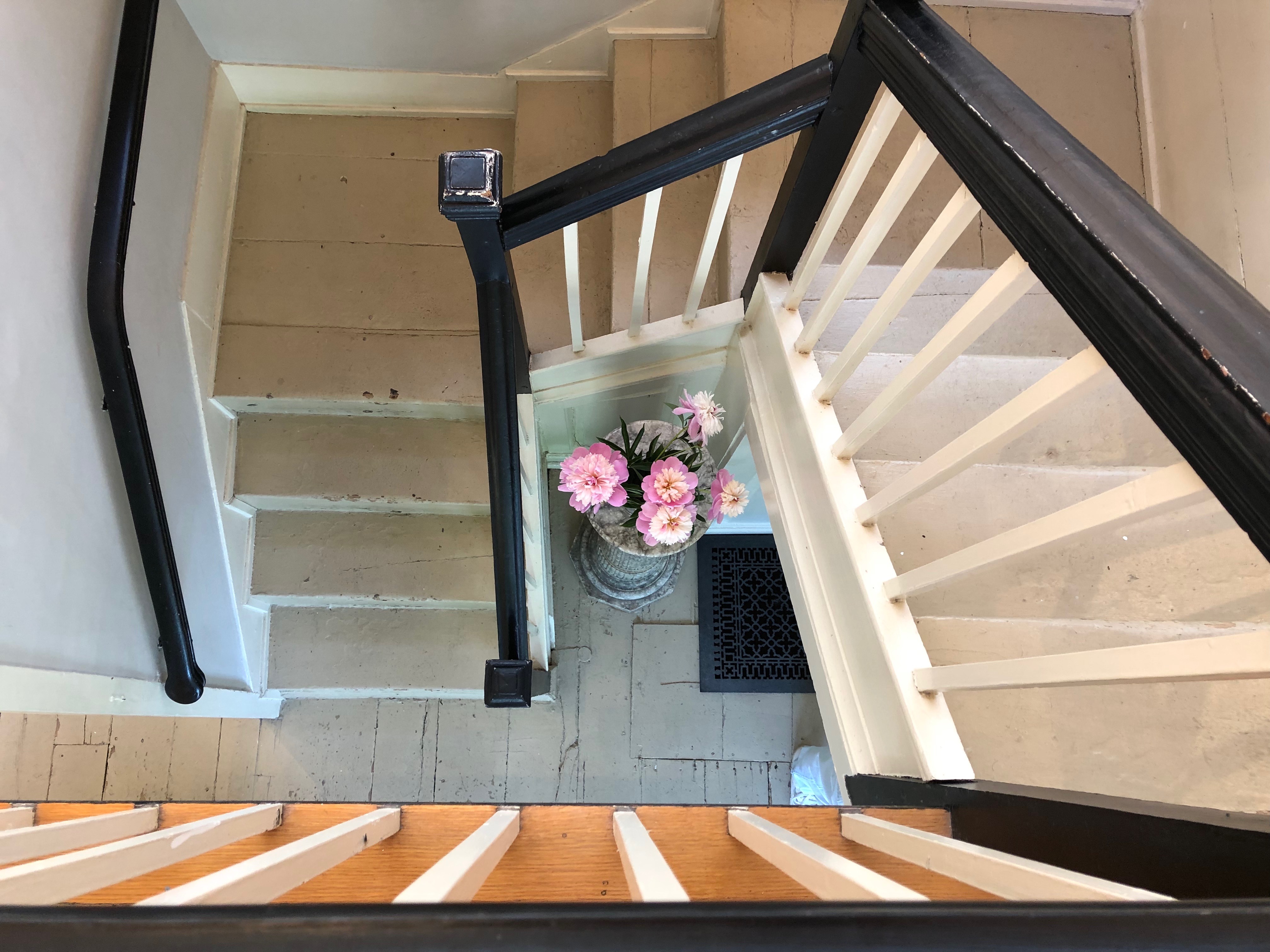
And I shot the museum’s stairwell with its the peony arrangement at the bottom.

060819-.town-hall-peonies

060319-poppies-rhode-island

053119-Rhododendrons-Nashawtuck-Hill

060519-June-in-New-England


053019-fallen-azalea-petals-in-cemetery

060819-Pink-Lady-Slippers-ConcordMa

060419-street-art-wings-Providence

060819-Susan-Maxfield-peony-chair

060819-.peonies-in-stairwell

Read Full Post »

6000

Photo: Daryl Mersom
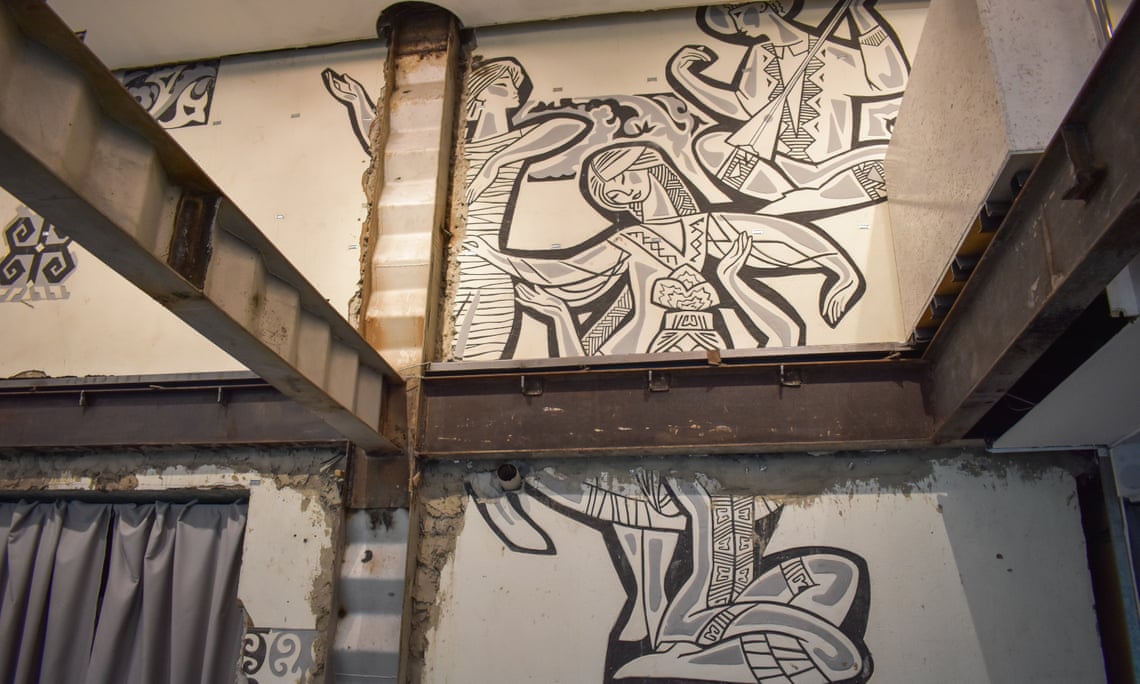
A piece of a sgraffito by the Kazakhstan graphic artist Eugeny Sidorkin (1930-1982) was discovered behind a wall at a cinema in the former Kazakhstan capital. 

Modern art was considered degenerate in the former Soviet Union. It was dangerous to make it, dangerous to own it. Much was destroyed.

But as I wrote in this 2011 post about the wily collector of the “Desert of Forbidden Art” documentary, it could be hidden away in Central Asia without Moscow noticing.

More recently, approved Soviet art, no longer popular, was revealed behind a cinema wall in Almaty, the former capital of Kazakhstan. Nothing is ever completely lost.

Daryl Mersom wrote at the Guardian, “When Jama Nurkalieva and a small group of colleagues conducted a site survey of a disused Soviet-era panoramic cinema in Almaty, the former capital of Kazakhstan, they had no idea what lay behind the internal plasterboard wall that faces out towards the street – until someone spotted a narrow gap.

“As the caretaker shined a light into the darkness behind, the group caught a glimpse of a man’s head. Out came the toolbox and the rest of the artwork was slowly revealed: a Soviet-era sgraffito by the graphic artist Eugeny Sidorkin that had been lost and forgotten for decades.

“From the Italian graffiare, to scratch, sgraffito is a technique that involves placing one layer of plaster or cement over another, and then scratching through the superficial layer to reveal contours or patterns beneath.

“Built to a standardised design in 1964, the cinema was one of the largest in the USSR. It was fronted entirely by large panels of glass that offered an unobstructed view of the sgraffito to passersby. …

“While there is little incentive now to cover or remove Soviet-era artworks depicting folklore and natural landscapes, they were sometimes controversial in their day due to supposed hidden meanings.

“Ekaterina Golovatyuk, curator of an exhibition on Soviet modernist architecture at the Tselinny, recounts an anecdote in which an architect and an artist worked together to create a mosaic for a cafe. It was a straightforward depiction of a lake with a tiger on one side and goats on the other. ‘The [local communist] party was asking them, “What’s the meaning of this?” They were saying, “Nothing, it’s just a natural landscape” – but they couldn’t convince them that there was no hidden political message.’

“Golovatyuk believes Almaty has as many surviving mosaics as it does because Kazakhstan’s president, Nursultan Nazarbayev, changed the country’s capital from Almaty to Astana in 1997.

“With much of the country’s subsequent investment and development directed at this new ‘city of the steppes,’ Almaty escaped relatively unchanged.”

More at the Guardian, here. It’s interesting that although “degenerate” art is now accepted, actual Soviet art is forbidden in former Soviet republics relieved to be free of the yoke of communism. If you want to see the Lenin mosaic in Almaty, hidden behind a curtain, you have to make an appointment.

As the 16th century poet says, “Times Go By Turns.”

Read Full Post »

Photo: David Swanson/Philadelphia Inquirer
Asiaish Lawrence speaks about his involvement in Dreams, Diaspora, and Destiny, an augmented-reality mural that involved students from the Haverford School and Philadelphia’s Mastery Shoemaker Charter School.

At my last job, my very artistic colleague Melita tried to explain augmented reality (AR) to me. It sounded like science fiction. As I recall, she had ideas about using it in one of the exhibits she curated, but I don’t remember what the upshot was. Our workplace appreciated new technology, but not necessarily arts technology.

Schools tend to be more open than that. Recently, I read an article that both explains the AR concept and shows how it was used by students from somewhere I once lived. (Years ago, I lived in a third-floor walk-up directly across from the Haverford School.)

Grace Dickinson wrote the augmented-reality story at the Philadelphia Inquirer in October, but the project she describes is available for at least a year.

“Mural Arts Philadelphia is bringing art to life with the city’s first augmented-reality mural, Dreams, Diaspora, and Destiny. The project invites viewers to experience a large-scale painting completed on a warehouse at 53rd and Media Streets through the lens of a smartphone app that casts holograms and generates a changing soundtrack as you move from left to right. Picture a metaphysical version of Pokémon Go in which the power of a screen momentarily alters reality around you.

‘To see the augmented-reality mural, you’ll need to download the free app, created by the local production firm Blue Design. It’s available in the Apple App store under the name ‘MuralArtsAR.’ ”

The idea was that people who showed up at 53rd and Media would just need to point their phone screens with the app at the mural.

When you do that, Dickinson says, “Immediately, elements such as light beams, colorful orbs, floating crystals, and sculpturelike figures will begin to pop out from the painting, covering a wall the length of a city block. …

” ‘I like making art that the viewer can look at for 15 or 20 minutes and really get lost in,’ says muralist Joshua Mays, who conceptualized the project with Philadelphia DJ and producer King Britt, the mastermind behind the audio component. ‘Both King and I are futurists, so we enjoyed the idea of going deep in order to create further realms to discover.’

“With the yearlong Dreams, Diaspora, and Destiny project, Mays and Britt set out to visualize possible futures for West Philadelphia, involving students from Mastery Shoemaker Charter School, across the street from the mural, as well as from the Haverford School. The collaboration marks the first Mural Arts Philadelphia partnership to connect public and private high school students. …

“Says Mays, who worked with about 30 students, ‘I want them to always remember to aspire for something greater but to also continuously stretch their imaginations — and their imaginations really ran wild with this.’

“Thinking about the destiny of West Philadelphia, the students dreamed up imagery ranging from an undersea world full of squids and water spirits to a landscape where robots intermingle with humans in everyday life.

” ‘I picture clean energy, no smog, with holograms suspending all around us, and a soundtrack of Kanye West’s Graduation album playing on repeat,’ Haverford School senior Garrett Johnson says. …

“Including the students’ ideas in his design, Mays developed a progressive series of abstract images that start with a representation of the African diaspora and end with a portrait of a woman holding a shining seed between her fingers, the focal point of the mural.

” ‘The seed is meant to unveil a world of future possibilities, radiating out to a past that reconnects the main character with her ancestral heritage.’ …

“The audio component, which you can hear through the app, follows the temporal transition of the painting. Drums, chants, and other tribal percussion notes mark the beginning, shifting to trumpet and electric piano tunes inspired by ’70s jazz, and ending with rhythmic, hip-hop-inspired beats mixed with futuristic sounds. …

” ‘I recorded them doing things like riding the elevator up and down, banging on the water cooler, and closing classroom doors,’ says Britt. ‘Then I manipulated the recordings into musical notes — so, for instance, the water cooler became the kick drum, and the elevator was worked into the sound of a keyboard.’ …

” ‘I had the kids come up with a list of questions to ask [neighborhood elders], such as, “How do you think the mural will affect this neighborhood?” and, “What did the neighborhood look like 20 years ago?” and, “What kind of music do you like?” ‘ ” says Britt, who then included snippets of the interviews in the soundtrack.

More here.

Read Full Post »


Photo: Hannah Ellis-Petersen for the Guardian
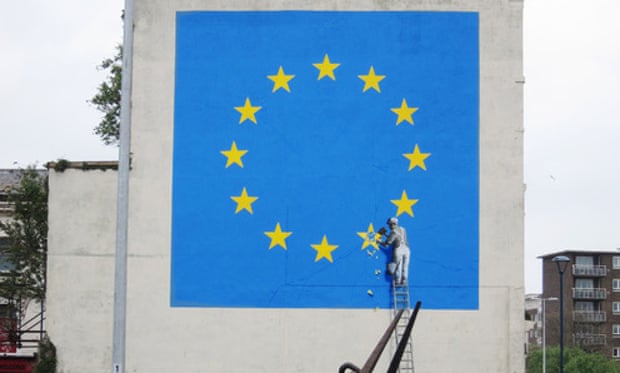
This mural of a worker removing one star from the European Union logo appeared overnight in Dover, Kent. It’s Banksy’s reaction to the Brexit vote.

When I was at the magazine and collecting articles for the next issue, I was sometimes surprised to discover I had a whole issue — or almost a whole issue — on one topic. Suddenly several articles on prisoner issues came together, or maybe immigrant issues, or agriculture issues. It was not planned that way, it just happened.

Today I notice that another United Kingdom topic has popped up after yesterday’s entry on UK election artists. This post is about the street artist Banksy and his stealth reaction to the vote that authorized the UK to leave the European Union and expel many immigrants. Hannah Ellis-Petersen at the Guardian reported the story in May.

“A Brexit-inspired mural by Banksy showing a metalworker chipping away at a star on the EU flag has appeared in Dover. …

“The mural, which was confirmed by Banksy’s representatives to be a genuine work by the elusive artist, is his first comment on the Brexit vote last year.

“The stars of the flag ‘stand for the ideals of unity, solidarity and harmony among the peoples of Europe,’ according to the EU website. …

“The Dover artwork is across the Channel from Calais, where a Banksy mural appeared at the main refugee camp in 2015, showing the Apple founder, Steve Jobs, whose biological father was a Syrian immigrant,” reminding people that immigrants should be valued. More at the Guardian.

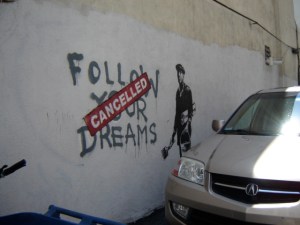
I have posted a few times about this street artist, and once I took a photo of what people said was his work. Check these links to a few of my Banksy posts: herehere, and here.

Banksy appears in Boston. Maybe.

Read Full Post »

How did we get halfway through May already? It’s time to mention I’ll be taking my first break in six years between May 26 and June 6. We’ll be in Sweden. I’ll try to blog, but you never know.

It sure will feel strange not to post. I have put something up on this site every day since May 2011!

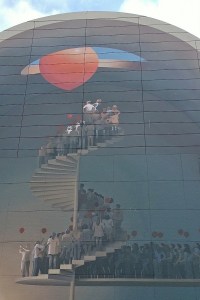
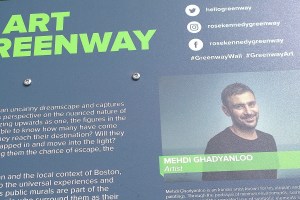
But before I leave, I have other things to share, including today’s photos. The first two are from the giant mural in Dewey Square, Boston — the latest in the Greenway’s ongoing series. The featured artist this time is Mehdi Ghadyanloo from Iran, where he is known for upbeat murals.

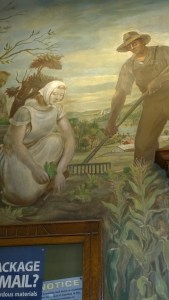
The next photo shows a WPA mural in the Arlington, Mass., post office. John pointed me to it after he saw my recent post “Hunting Down WPA Art.”

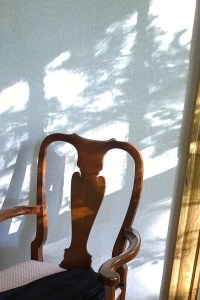
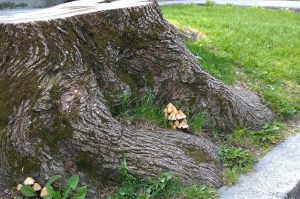
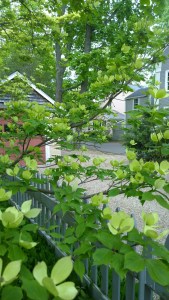
Then comes another of my shadow photos. Can’t resist shadows. That one is followed by tree-stump mushrooms and dogwood. Can’t resist mushrooms either.

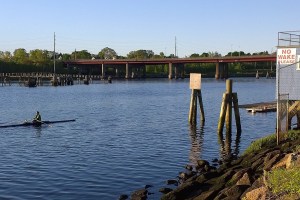
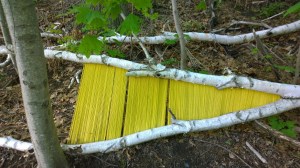
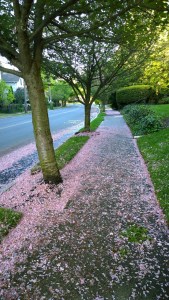
The four Providence photos that follow attest to the fact that the city finally experienced a sunny Tuesday morning (the first since February). Blackstone Park is the location of the Indian shelter and the fallen birch tree with the mysterious yellow plastic strips (art?). Nearby was a wondrous carpet of pink petals and an early rower on the Seekonk River.

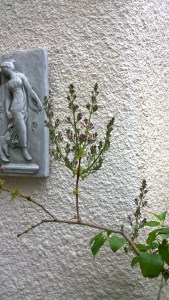
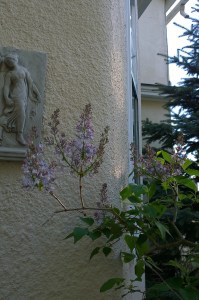
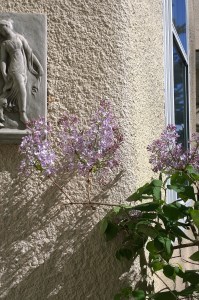
Finally, I wanted to show you my lilac progression. With muse.

042817-Greenway-mural-Boston

042817-Iranian-artist-Mehdi-Ghadyanloo


042917-WPA-mural-in-ArlingtonMA-PO

051117-can't-resist-sun-and-shadow


043017-mushrooms-on-stump

051217-feathery-dogwood-and-garage


051217-feathery-dogwood-and-garage

051617-fallen-birch-art


051617-carpet-of-petals-Providence

051617-sculling-on-the-Seekonk


042617-lilac-and-lady-1

050317-lilac-and-lady-2


050617-lilac-and-lady-


Read Full Post »

The street art in St. Petersburg, Florida, is a selling point for tourism. It started with unwanted tagging on buildings and evolved into murals authorized by building owners and respected by taggers.

Tampa Bay Times art critic Lennie Bennett has the backstory.

“In recent decades, murals have become a way to spruce up bare walls of buildings and to discourage graffiti. St. Petersburg has street murals in many areas but there is a concentration of them along the downtown Central Avenue corridor. To see them at their best, you need to walk through the area. Even if you travel the route regularly by car, you’ll miss many of them because they adorn the once-drab back walls facing alleys.

“An incentive for owners of the buildings, says [Florida CraftArt executive director Diane Shelly], is that they were regularly ‘tagged,’ meaning a graffiti artist would use an exterior wall as a canvas or to scrawl messages with spray paint. ‘It’s illegal and the city has a graffiti removal program,’ so city workers come out and use whatever paint is available to cover up the tags, which led to a different kind of unsightliness, she said. ‘But taggers respect art, and most won’t tag an existing mural.’ …

“Shelly commissioned Derek Donnelly to create a mural that would replace those painted-over areas and discourage future tagging. ‘A Moment to Reflect ‘was created by Donnelly and Sebastian Coolidge, another well-known street painter whose most beloved work is probably the image of a young man with elongated limbs stretching for an orange on the exterior of the clothing store Freshly Squeezed at First Avenue N and Dr. Martin Luther King Jr. Street.

” ‘Reflect’ is the largest of the Central Avenue murals, stretching up four floors. It depicts a businessman wearing a green tie, the color associated with CraftArt’s neighbor and sponsor of the mural, Regions Bank, discovering his creative side. ‘I think it’s the largest free-hand mural in St. Petersburg,’ Shelly says, meaning it wasn’t done using a grid method or projector. …

“Because of the murals’ growing popularity, some business owners rehire the artists to freshen up the works rather than painting over them.

“But in [the experience of Leon Bedore, or Tes One] ‘You end up learning that all murals are temporary art and not intended to stay up forever. (When painting illegally) I felt lucky to have one up for a night. A week was amazing. When an owner didn’t have one removed I thought, ‘” might be on to something if they’re keeping it up.” ‘ ”

The Tampa Bay Times article by Lennie Bennett is here. A comprehensive tour of the murals is here.

Photo: Creative Loafing

Read Full Post »

Our friend Mika is back in Hokkaido these days, after several years in New York working in restaurants and perfecting her “house” dancing. But every once in a while she ventures out to help on a street art project. Here is her friend Florence Blanchard’s mural for CBM Network (Crossing Biological Membranes) at the University of Sheffield in England.

At her WordPress site, Florence explains what the art represents, “I am delighted to present my newest mural here – a collaboration with CBMNet at the University Of Sheffield, in conjunction with Festival Of The Mind 2016 / Fear of the Unseen: Engineering Good Bacteria.

“The ‘Crossing Biological Membranes Network’ is composed of scientists working to understand the mechanisms by which substances are transported into, within, and out of cells. Their ultimate aim is to produce knowledge which will enable the development of new technologies in the Industrial Biotechnology and Bioenergy sector (eg: producing biofuels using E coli bacteria).

“My role in this collaboration has been to translate the CBMNet area of work into a large outdoor mural located within the university campus. For this occasion I have presented my interpretation of a detail of a cell membrane as seen under an electron microscope, having undergone a cryofracture.

“A cryofracture is a procedure in which the sample is frozen quickly and then  broken with a sharp blow so you are able to study its structure in very close detail – Imagine breaking a bar of chocolate with hazelnuts, this way you can see how hazelnuts are positioned inside the bar.”

“For an online animation of a biomembrane cryofracture follow this link: http://www.sciencephoto.com/media/530082/view.”

Check out the WordPress post.

Photo: Florence Ema Blanchard
Blanchard’s street art is tied to a scientific quest: “Engineering Good Bacteria.”

Read Full Post »

Street art is not just for stationary walls any more. According to Kate Essig at WNYC radio, some pretty amazing specimens are now on the move.

“Art in Spain got a sweet new set of wheels thanks to the Truck Art Project,” she writes. “In this collaboration between a transport company and the local art community,  street art takes the form of stunning mobile murals on  — you guessed it —  trucks.

“The project works with popular urban artists like Javier Arce, Suso33, and Marina Vargas to take their works off the wall and put them in motion. …

“The goal of the project is to make contemporary artwork accessible to all, even if it’s just a surprise sighting at a stoplight — so those in Spain who aren’t frequent gallery go-ers can still glimpse this art on the go.” An inspiring array of truck-art photos can be seen here.

And be sure to check out the project website, which reads in part, “Truck Art Project is an original art patronage project launched by the entrepreneur and collector Jaime Colsa, and curated by Fer Francés in contemporary art and Óscar Sanz in urban art. …

“The trucks working with the project will be the gigantic backdrops for the artworks. The initiative thereby becomes a living display of the most current tendencies in the country’s painting, drawing, and urban art (although the ambitious program intends to be even more multidisciplinary, involving other art forms such as photography, music, or cinema), away from the confines of a museum and aimed at non-traditional spectators and contexts that don’t usually lend themselves to contemporary art.”

Read Full Post »

Older Posts »