Feeds:
Posts
Comments

Posts Tagged ‘massachusetts’

I was hoping to have a factory tour to write about this fall, but when I went to the MeetUp page to register, it turned out New England Factory Tours was taking a break.

I like factory tours. I remember a tour of a lima bean packaging factory on Shelter Island, NY, when I was a kid, and a Kodak tour when Suzanne and John were little.

I have often referred to the lima bean factory when trying to explain to colleagues why a good publishing process involves doing things at the right time. You wouldn’t try to put the lima beans in the package after you had pasted the wrapper around it, and you shouldn’t make lots of changes to your original paper after it has been copyedited, laid out, and readied for press.

What I gleaned from Kodak was mainly how much got thrown away. It seemed wasteful, but the guide said it was cheaper to toss things. I’d like to see the lean manufacturing that’s more common today.

The Boston Globe‘s Jon Christian wrote about a trip to manufacturer Built-Rite, which makes automation systems for industrial tasks.It’s in Lancaster, Mass.

“Built-Rite is the fourth plant visited by the group of manufacturing enthusiasts known as New England Factory Tours. Inspired by a similar group in San Francisco, it is indicative of the cachet manufacturing has gained in recent years as a new generation of entrepreneurs known as makers turn their attention from software and services toward tangible products — from hardware to drones to smartwatches.

“The growth of this movement is underscored by the emergence of shared workspaces such as Artisan’s Asylum in Somerville, the home of startups such as 3Doodler, the maker of a 3-D printing pen, and Greentown Labs, also in Somerville, a hardware incubator that houses wind turbine developer Altaeros Energies, weather sensor maker Understory, and other firms. …

“In Massachusetts, manufacturing still employs about 250,000 people, paying average wages of about $80,000 a year compared with about $60,000 for all industries, according to state labor statistics. Most manufacturing in the state is so-called advanced manufacturing that uses sophisticated processes, makes sophisticated products, and requires highly skilled workers.” More.

I’m hoping the MeetUp organizer gets going again. A factory tour is something fun to do with kids and can make a lasting impression.

Photo: Kieran Kesner for The Boston Globe
During a tour of Built-Rite Tool & Die, president Craig A. Bovaird (center) spoke with tour organizer Chris Denney and visitor Erik Sobel, a principal at Technology Research Laboratories.

Read Full Post »

You may have heard tell of the town that banned single-serving plastic water bottles. The Huffington Post was one of the many news outlets that reported on the law when it took effect in early 2013.

“Concord, Massachusetts, has become one of the first communities in the U.S. to ban the sale of single-serving plastic water bottles. According to the Associated Press, the plastic bottle ban resulted from a three-year campaign by local activists. The activists pushed to reduce waste and fossil fuel use. …

“The campaign Ban the Bottle claims that ‘It takes 17 million barrels of oil per year to make all the plastic water bottles used in the U.S. alone. That’s enough oil to fuel 1.3 million cars for a year.’ Their website also states: ‘In 2007, Americans consumed over 50 billion single serve bottles of water. With a recycling rate of only 23%, over 38 billion bottles end up in landfills.’ According to the EPA, in 2010, the U.S. generated 31 million tons of plastic waste. …

“Not everyone is happy with the ban. WHDH reports that some businesses are also working around it by selling larger bottles, since the rule only focuses on smaller ones. Local Jenny Fioretti voiced one concern to the news group: “Towns are close enough that people can walk two minutes and go get it from Acton or Bedford. It doesn’t really help I don’t think.” More here.

Many bikers and runners were not happy either. What to do?

Crosby’s supermarket began selling water in cardboard cartons instead of plastic. And it put a faucet on the outside wall of the store so that thirsty people could refill their reusable bottles even when the market was closed. And now, after 2-1/2 years, the town has installed a water fountain near the train station.

So if you were afraid of fainting from dehydration after you took the train to Concord for the long hike to Walden Pond, fear no longer.

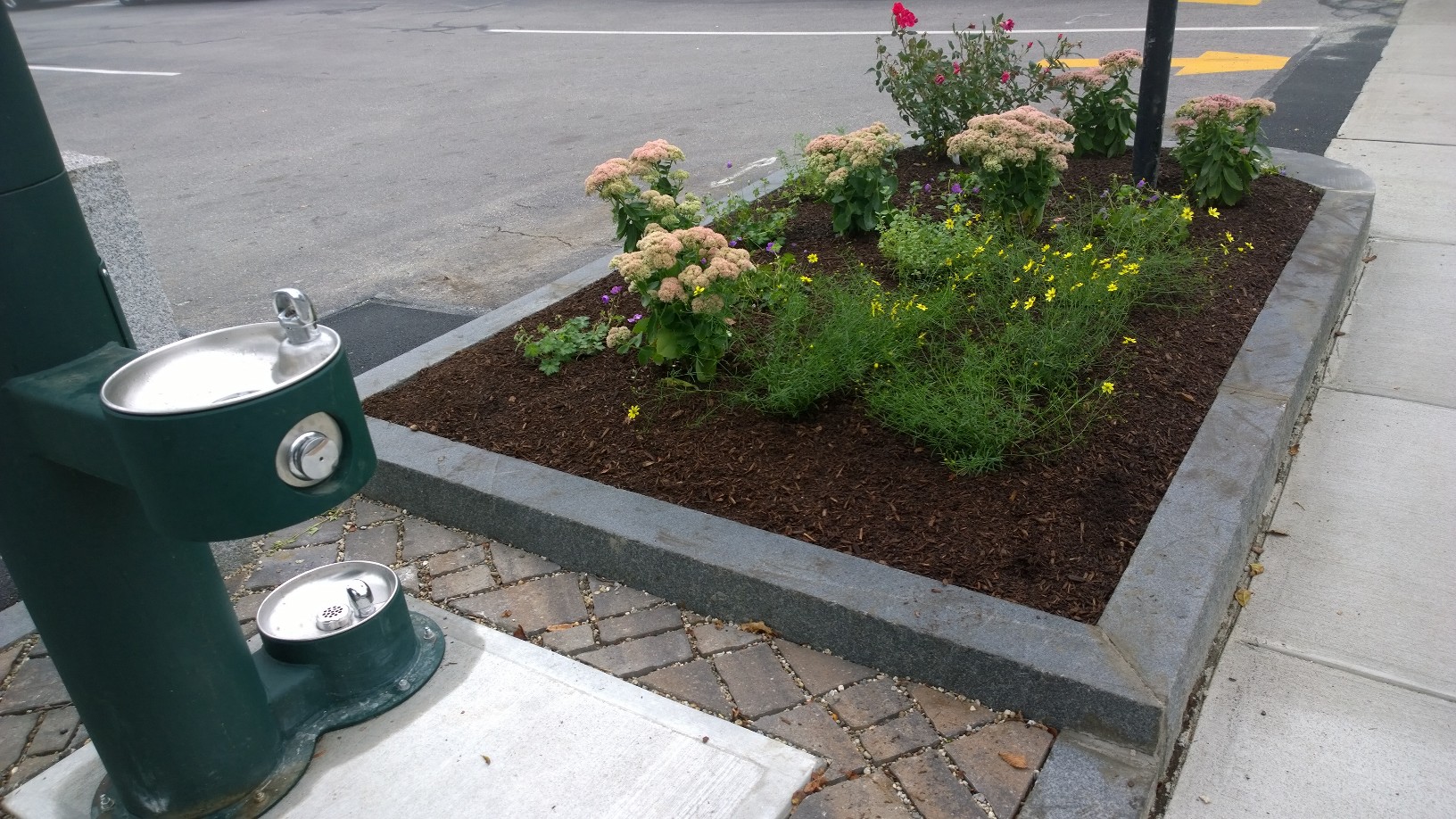
Water fountain as a work in progress, left. Finished fountain, right, offers three opportunities for quenching thirst: water to refill your reusable bottle, water to drink directly, water for your dog. All working well.

081015-fountain-to-be

080415-town-with-no-plastic-water-bottles

091215-fountain-gets-flowerss

Read Full Post »

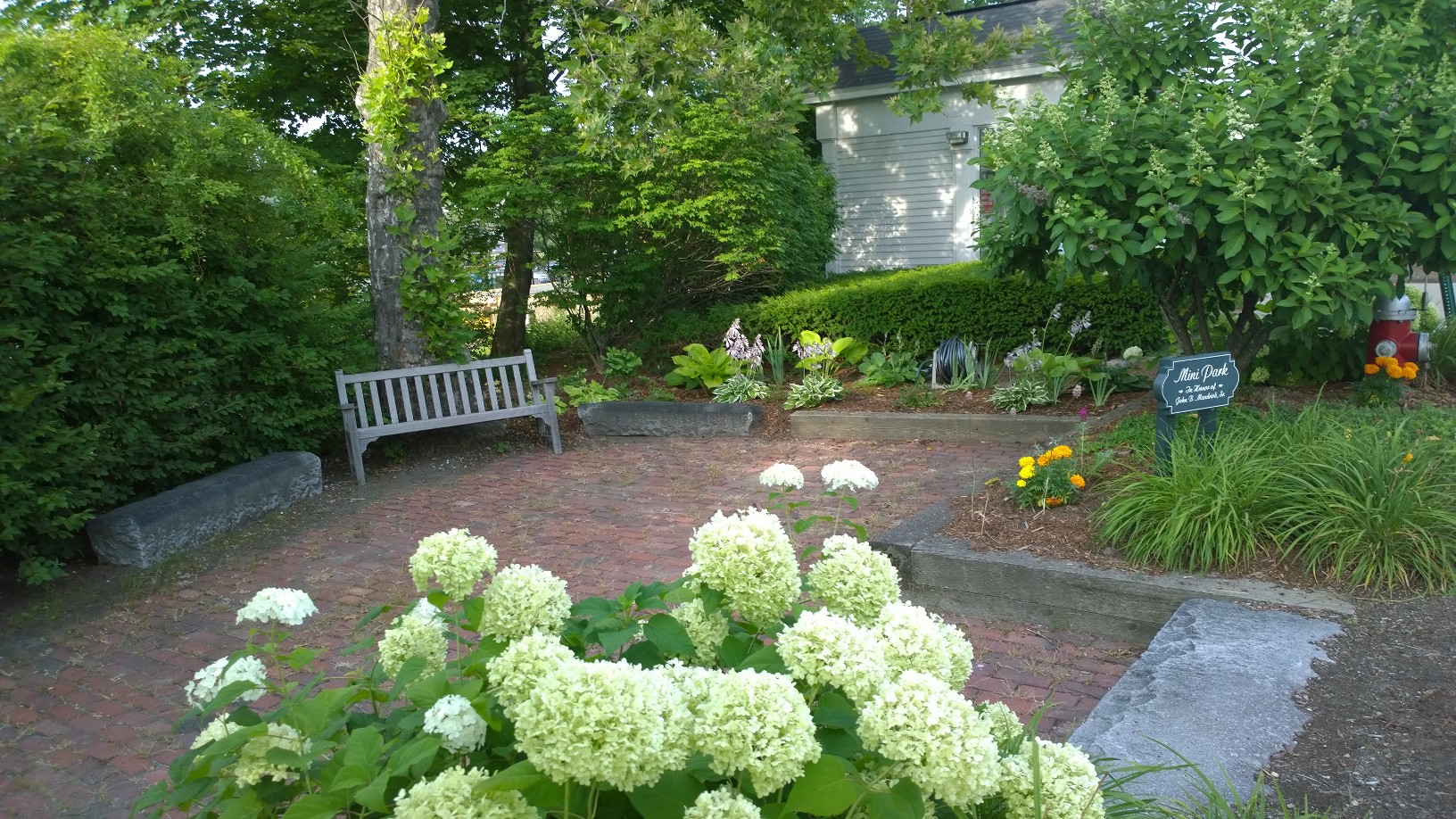
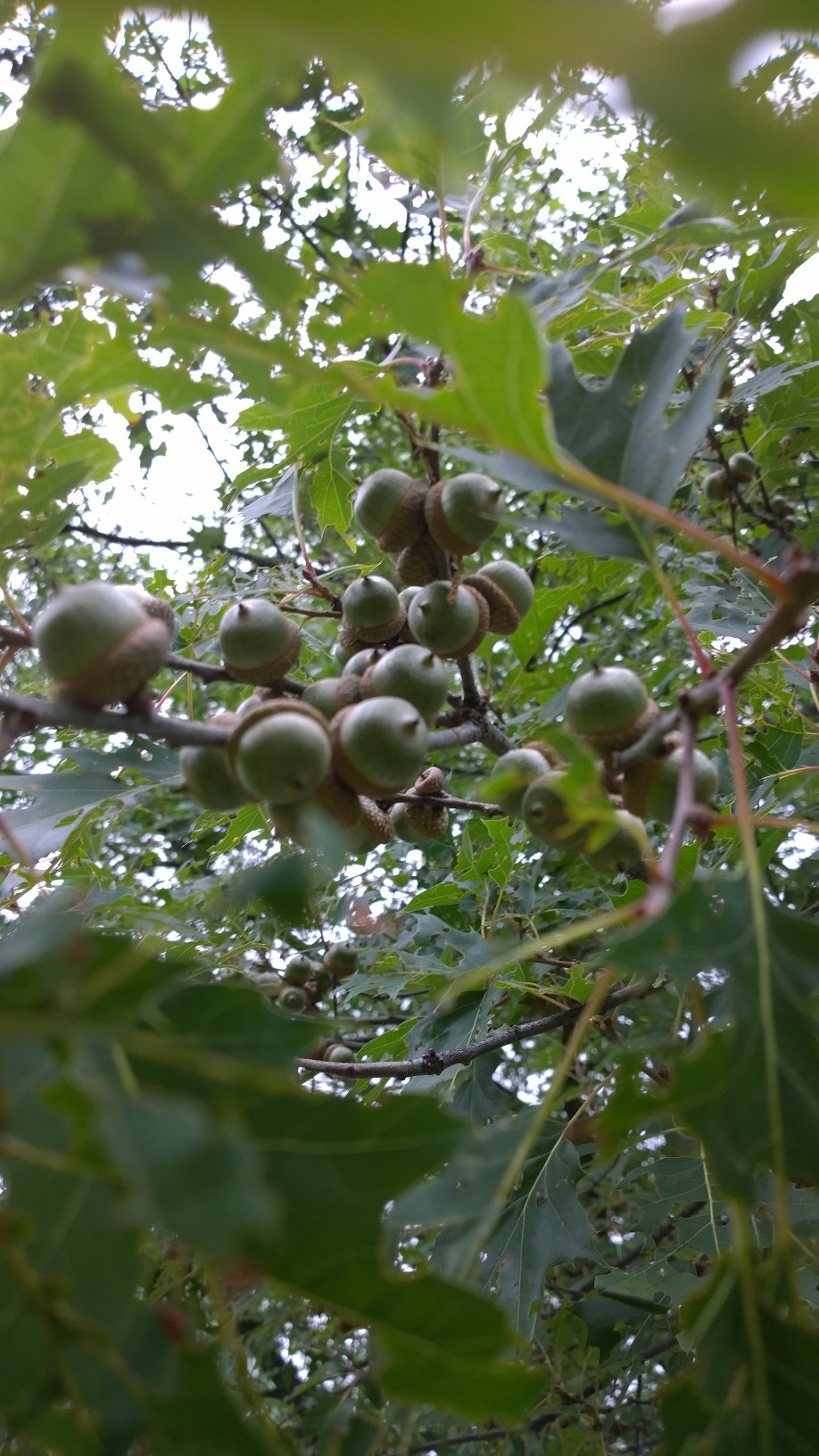
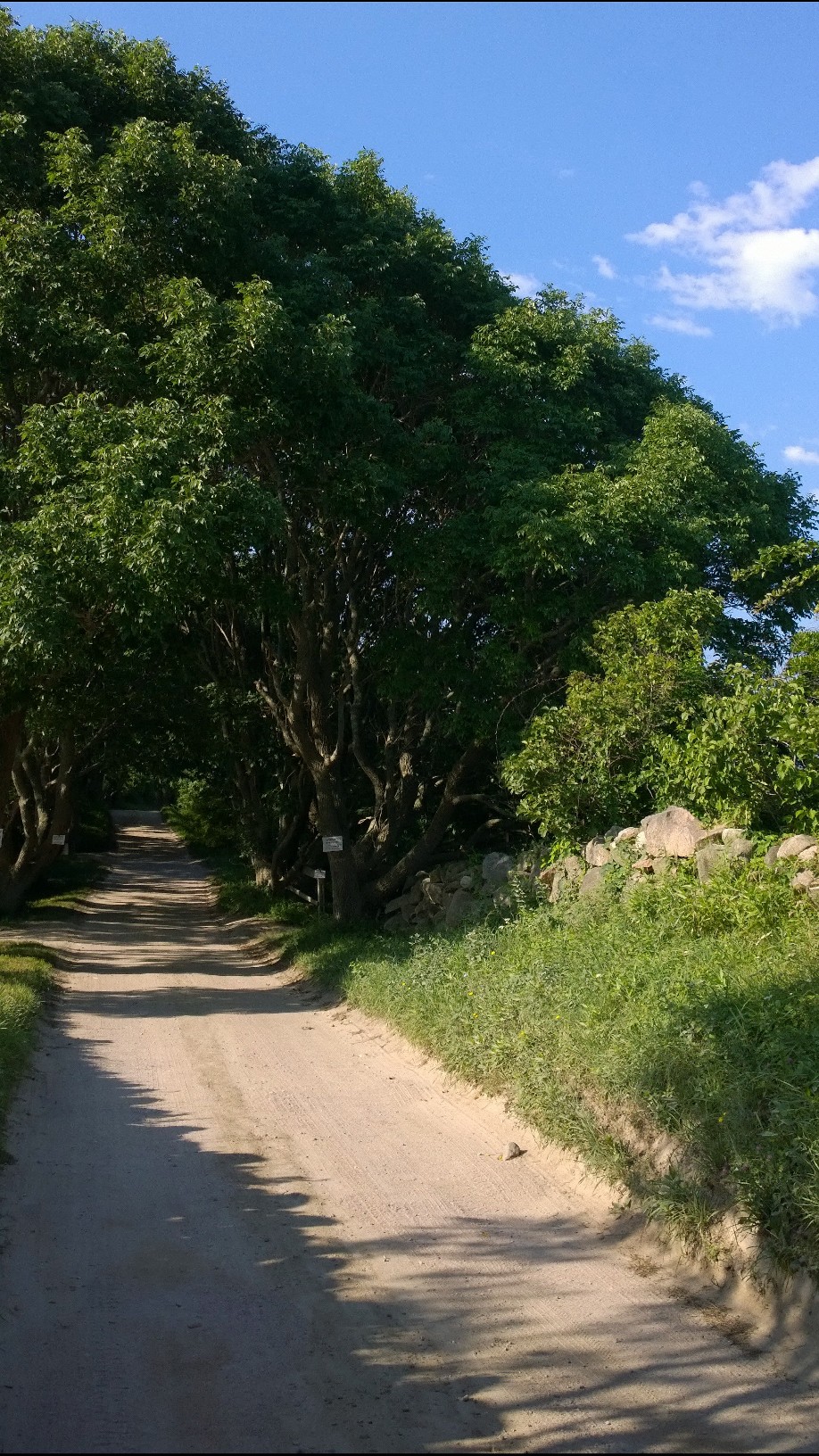
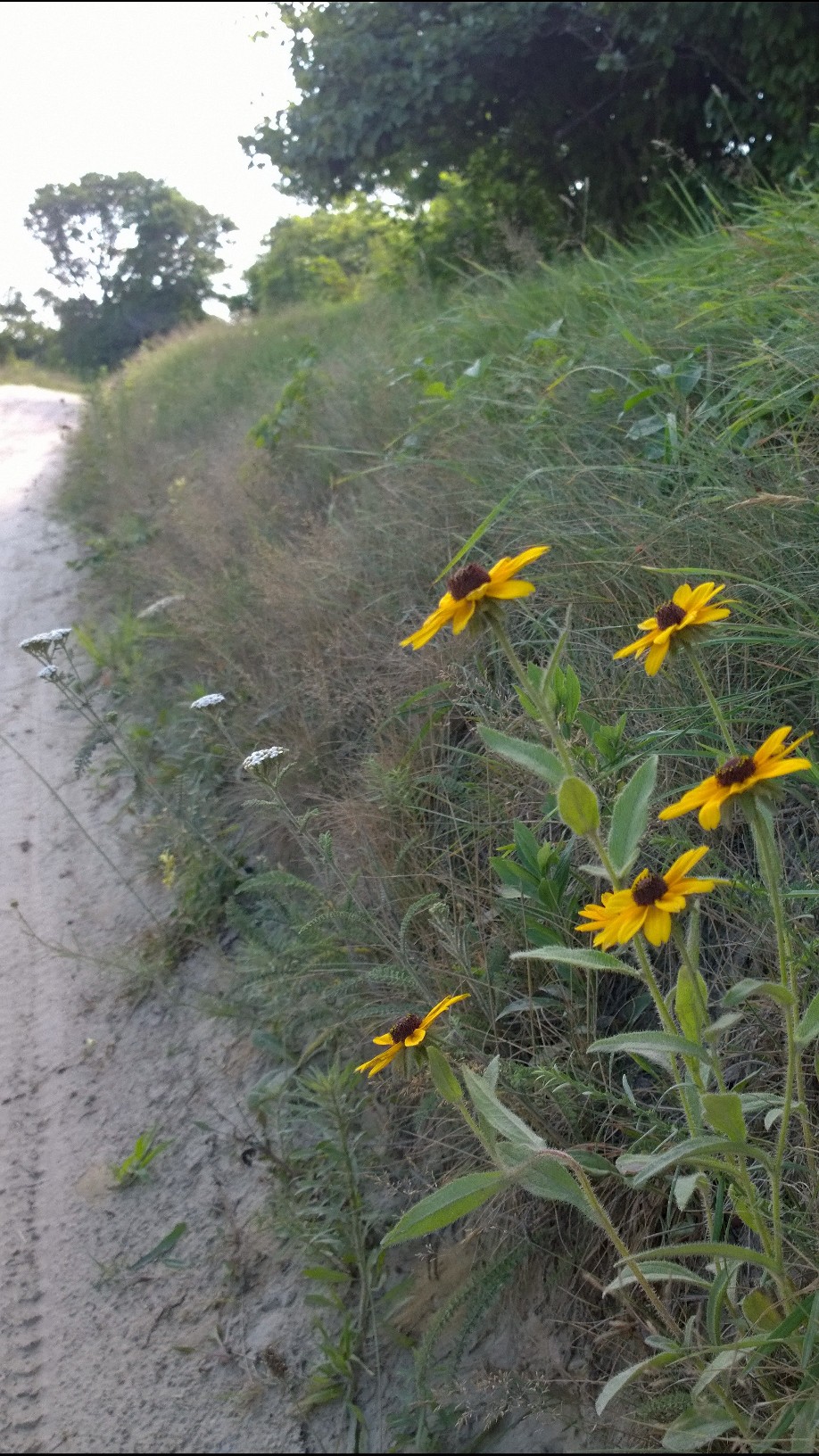
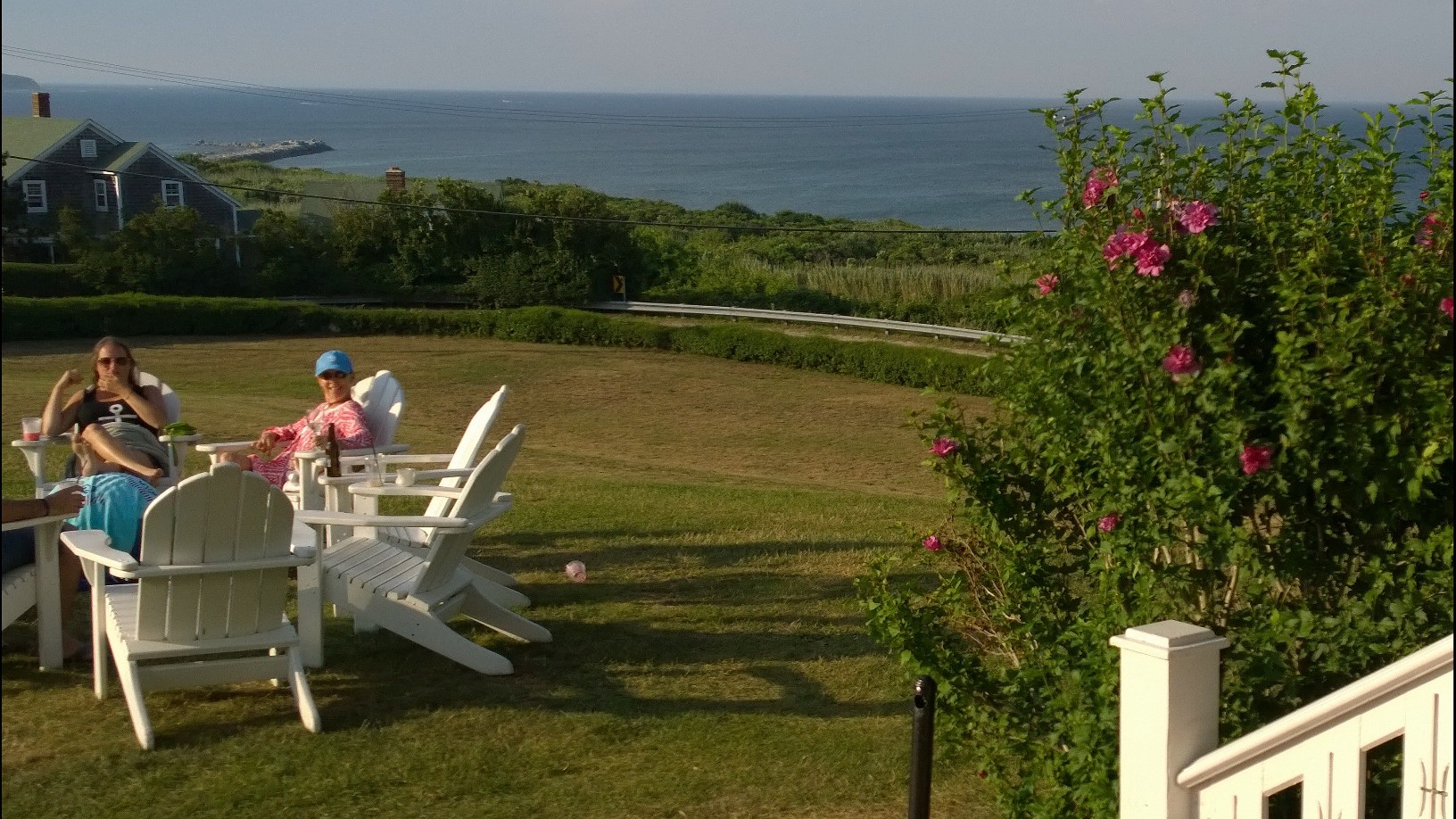
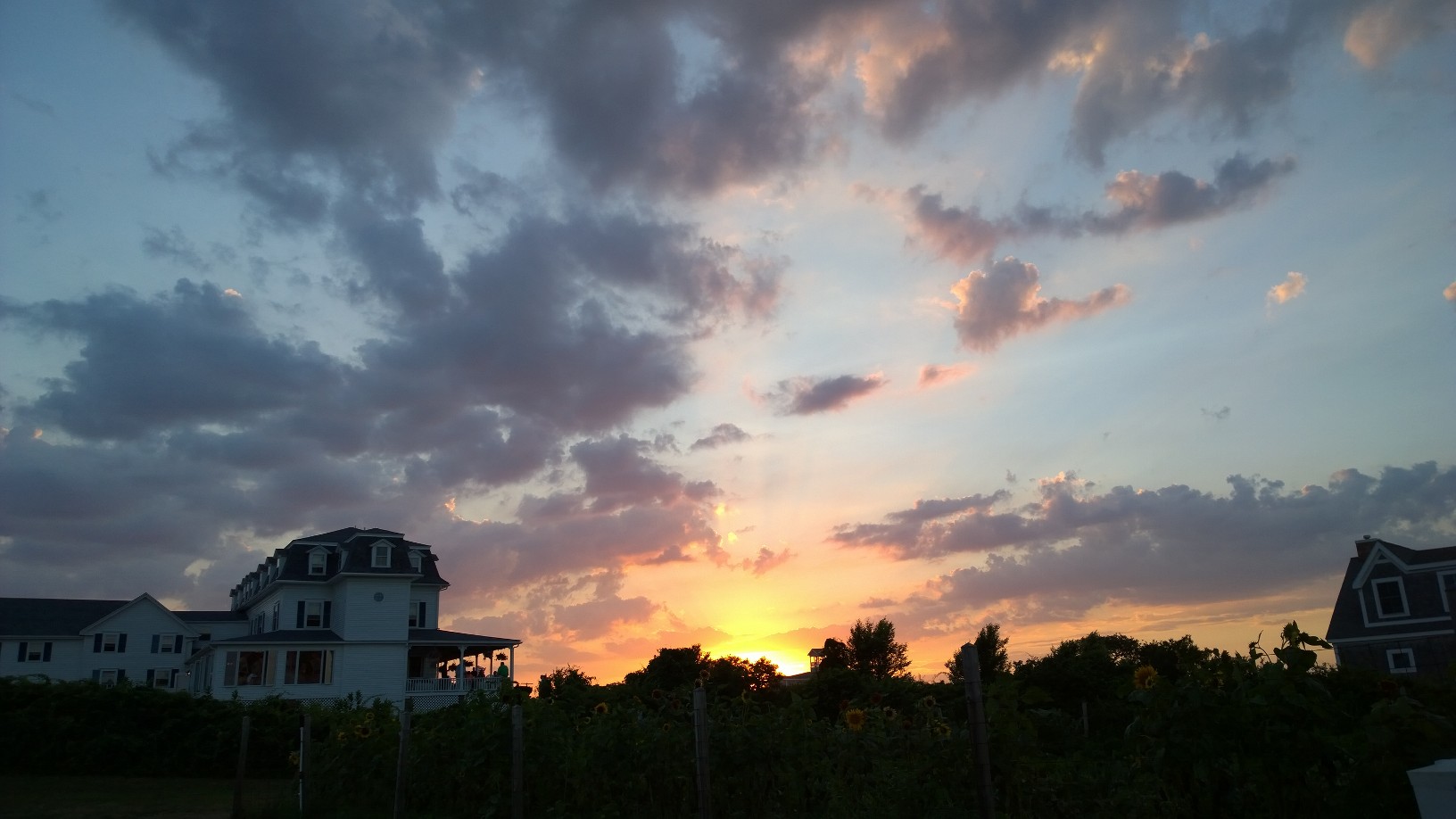
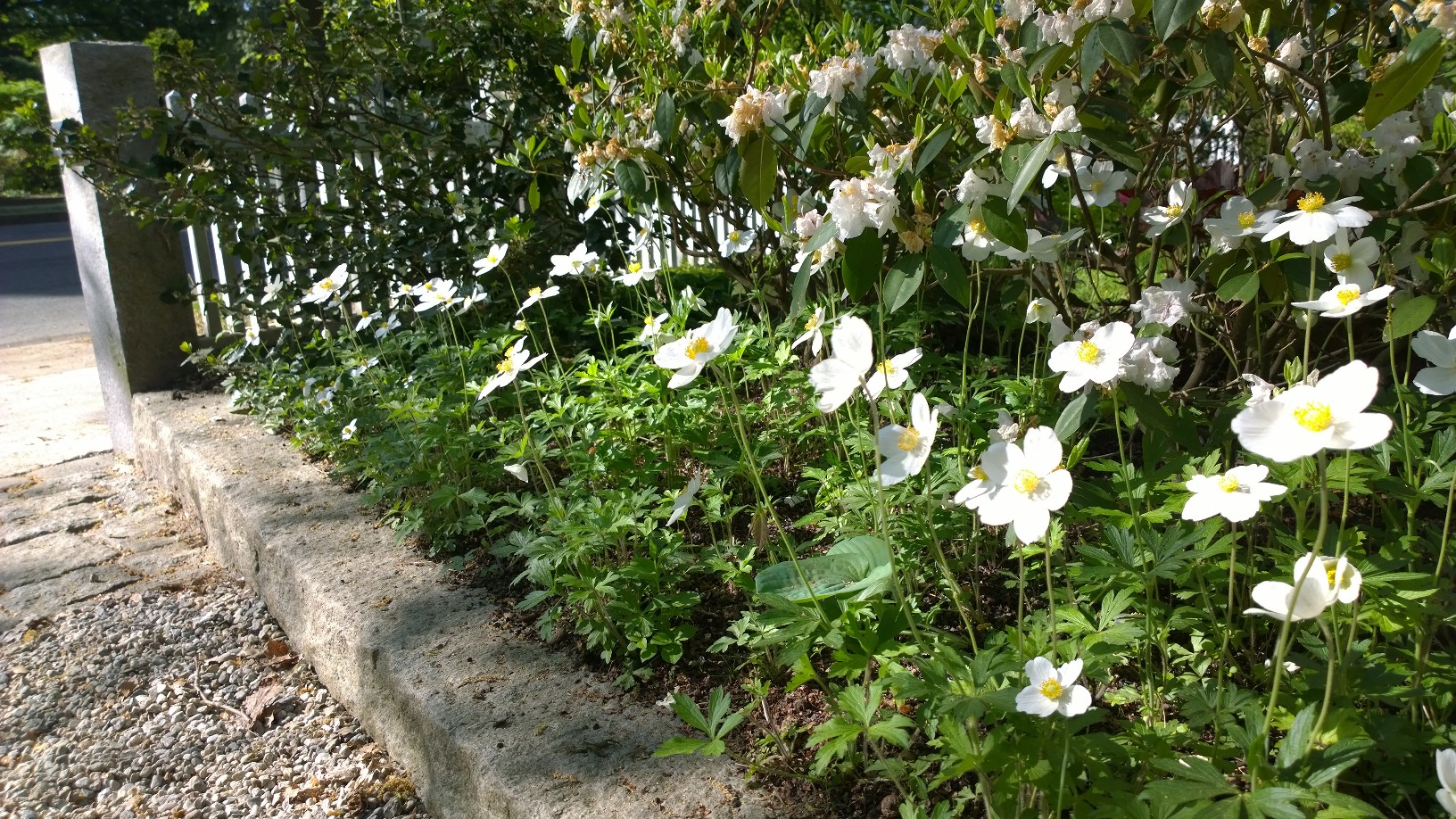
Here are new photos from Massachusetts and Rhode Island. The weather has been hot but beautiful, especially by the sea.

On the island, the blue flowers you see below are called Ragged Sailors, but elsewhere, the weed is called chicory.

The variation in plants’ common names is the reason a landscaper I know uses only Latin names (one name per plant). When we identify plants at John’s website MisterSmartyPlants, we use common names. That can get confusing, but it’s nice how common names tell something about the people that use local names.

Wikipedia says chicory is called by all these names: blue daisy, blue dandelion, blue sailor, blue weed, bunk (bunk?), coffeeweed, cornflower, hendibeh, horseweed, ragged sailor, succory, wild bachelor’s buttons, and wild endive. And those are only the English names.

072515-mini-park

072515-acorns

080115-roads-traveled-days-gone-by

080115-ragged-sailors

080115-black-eyed-susans

080115-seaside-Spring-House

080215-someone-made-sandcastle

080215-boogie-board

080115-above-us-only-sky

080115-sunset-new-shoreham

Read Full Post »

If I had known how to get to the shuttle at the Wonderland dog track or if the other shuttle had been at Suffolk Downs when I arrived too early, I might have made it all the way to Revere and taken my own photos of the Revere Beach International Sand Sculpting Festival.

I probably should have waited, but oh, my! How sad Suffolk Downs has become since the horse racing ended! Acres of haunted parking lots. No sign of human life. No one to ask about the shuttle.

John and Suzanne and I went to the racetrack on its 40th birthday (1984). I got a visor that said “40 Years on the Right Track.” John tells me he won a few dollars, but I’ve forgotten. Quoth the Raven, Nevermore.

Fortunately, the Boston Globe took pictures on Friday as the competitors got to work at Revere Beach. Monica Disare interviewed contestants from has far away as Russia.

The Globe also offered the following tips from the Travel Channel on making a good sandcastle, here.

* Find good sand
Look for sand that sticks together. ​This makes it fit for building and carving.
* Form a castle foundation
With a shovel, create a sand pile to serve a base. Pat it down ​and ​soak with plenty of water.
* Create towers​
Use​ a plastic bottomless, 5-gallon bucket​ and place it atop base. Fill it halfway with sand and the other half with water. Slowly lift the bucket letting the water drain out.
* Pack and shape rough forms
Fill another 5-gallon bucket (with a bottom) with sand and water. Scoop the sloppy, wet mixture out and pat it down on your tower bases to form steeper towers. Rough form walls or other features around castle.
* Carve and smooth
With plastic shovel or mortar trowel, ​s​lice sand away from ​your rough forms, adding shape details like stairs, windows, doorways,​ and parapets​.​ Add more detail to castle, working from top down. Smooth out details and moisten your castle with water if it begins to dry out.

Photo: Craig F. Walker/Globe Staff
Deborah Barrett-Cutulle, of Saugus, worked on her sculpture on Friday.

Read Full Post »

Somerville, Massachusetts, is adding another innovation to its roster: bubble soccer. Sports don’t get much wackier than this.

Steve Annear writes at the Boston Globe, “A new form of entertainment is set to bounce into Somerville this fall, bringing a unique twist on conventional team sporting events.

“Beginning in September, the city will host a ‘bubble soccer’ league, a sport in which participants cram themselves into massive, inflatable balls and then use the air-filled bubbles to knock their opponents off their feet.

“Participants can’t move their arms while inside of the see-through plastic bubbles, and rely solely on their lower bodies to move a soccer ball into a goal.

“ ‘It’s a silly sport,’ said Matthew Aronian, co-director of MA Sports Leagues, the company bringing the team sport to Somerville. ‘But it’s getting bigger and bigger and more popular.’

“Bubble soccer is already being played in Norway, Italy, Austria, and other countries. There’s also a league in Chicago, which is believed to be the first of its kind in the United States.

“Aronian said the game is fun to watch and play, as opponents send each other flying through the air. The bubble-wrap encasings are intended to prevent serious injuries during contact. …

“The game aligns with Mayor Joe Curtatone’s ‘bump factor’ theory that the community thrives when innovative people, ideas, and activities collide.

“ ‘While bubble soccer isn’t exactly the type of bump factor he means, folks bouncing off one another in giant, inflatable orbs fits right into Somerville,’ said Somerville spokeswoman Denise Taylor in an e-mail.” More here.

Photo: Stan Grossfeld/Globe Staff
What does it look like? Here, players compete in the Chicago Bubble Soccer league.

Read Full Post »

It rained hard at noon, but the stalwarts opening booths for the first farmers market of the season hung on and before long the weather cleared, and it was sunny and warm.

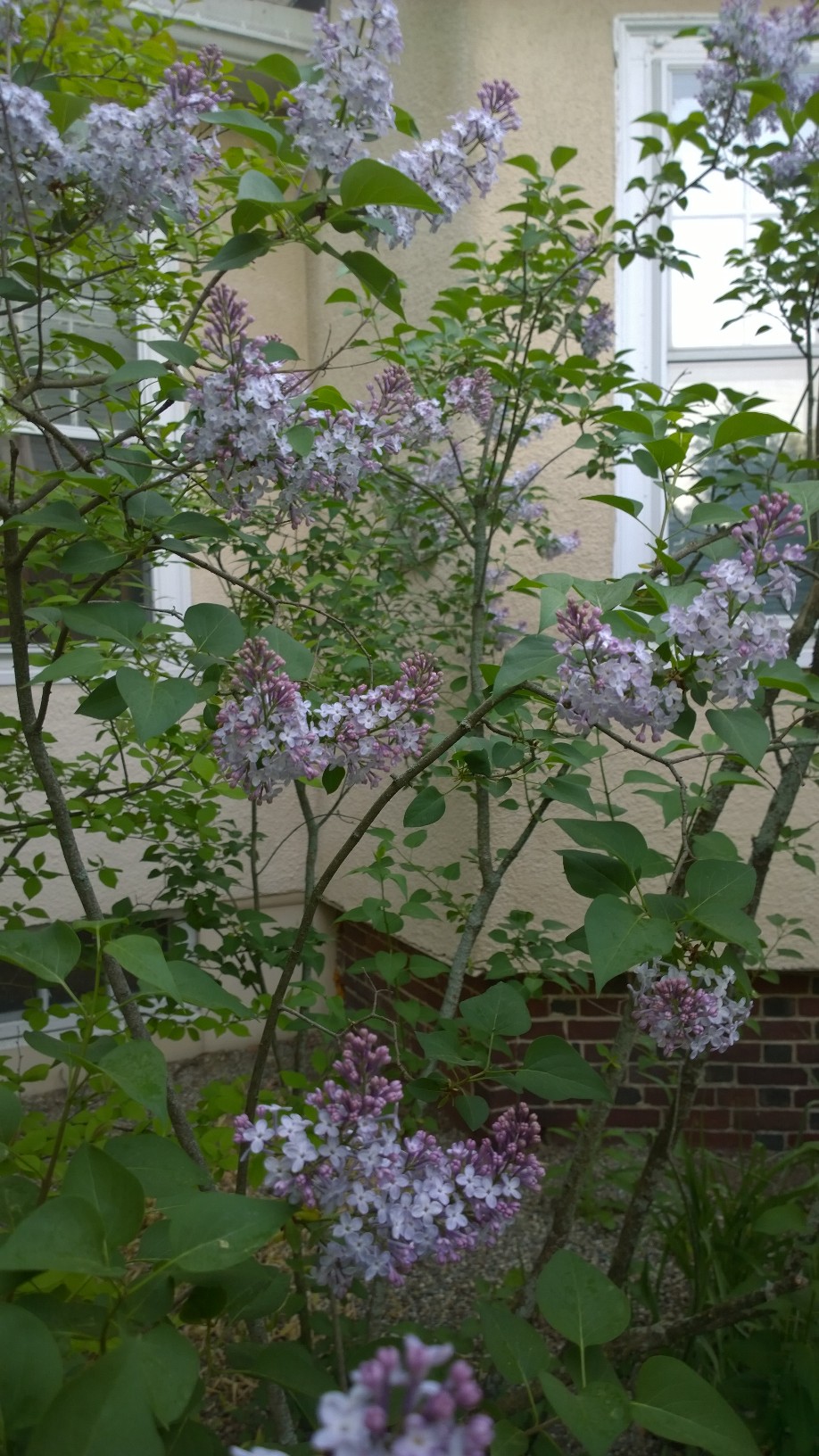
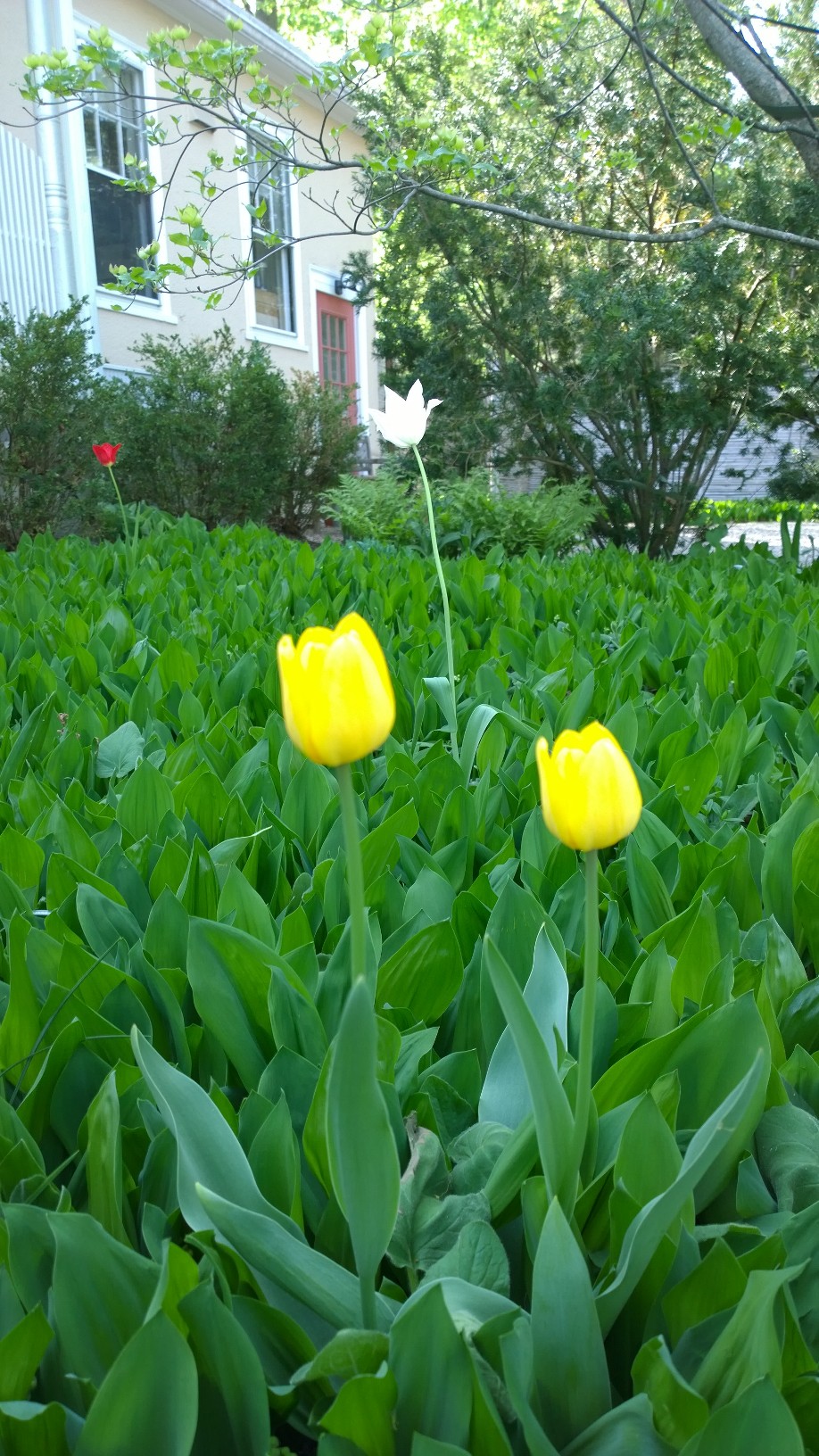
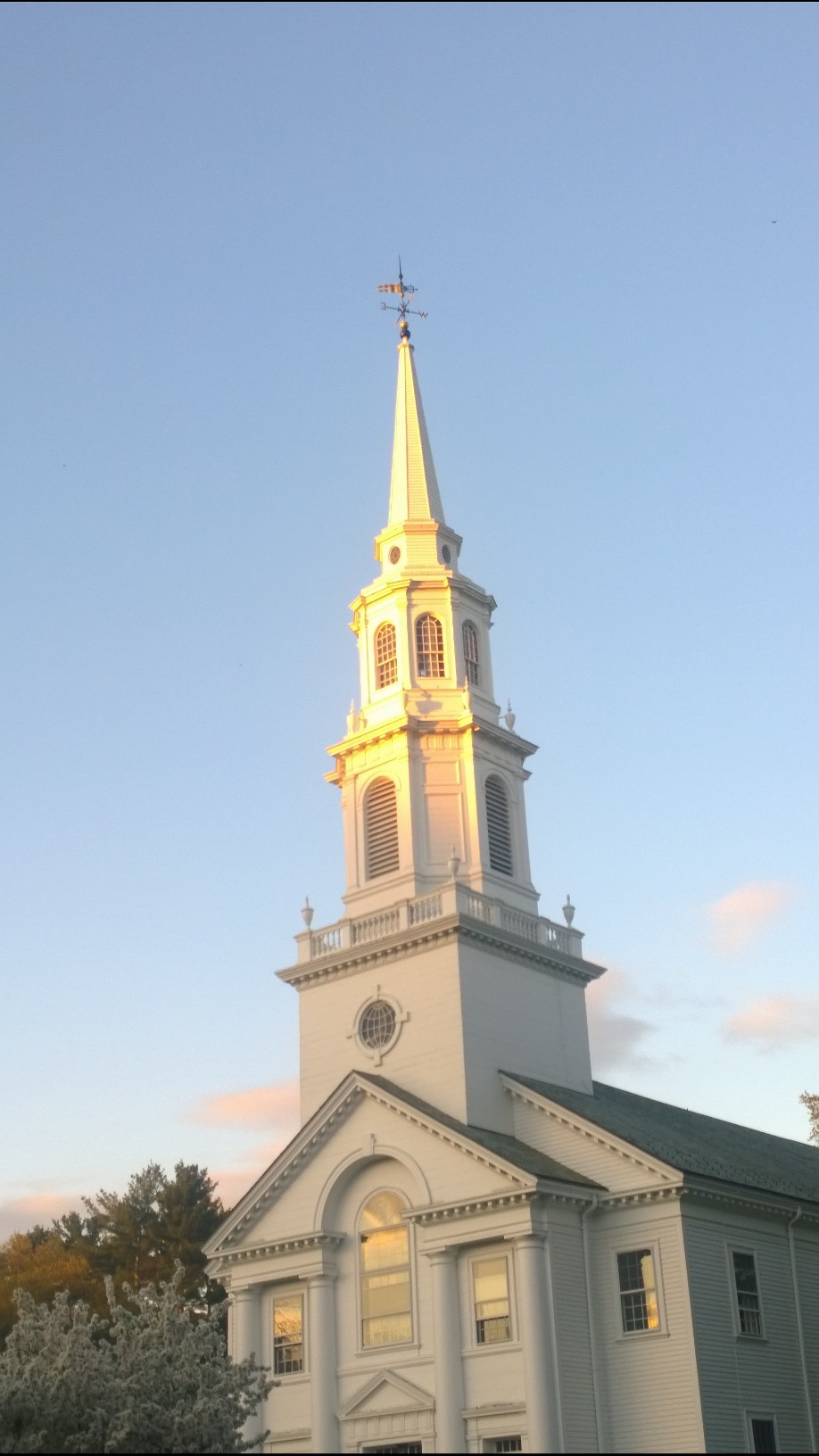
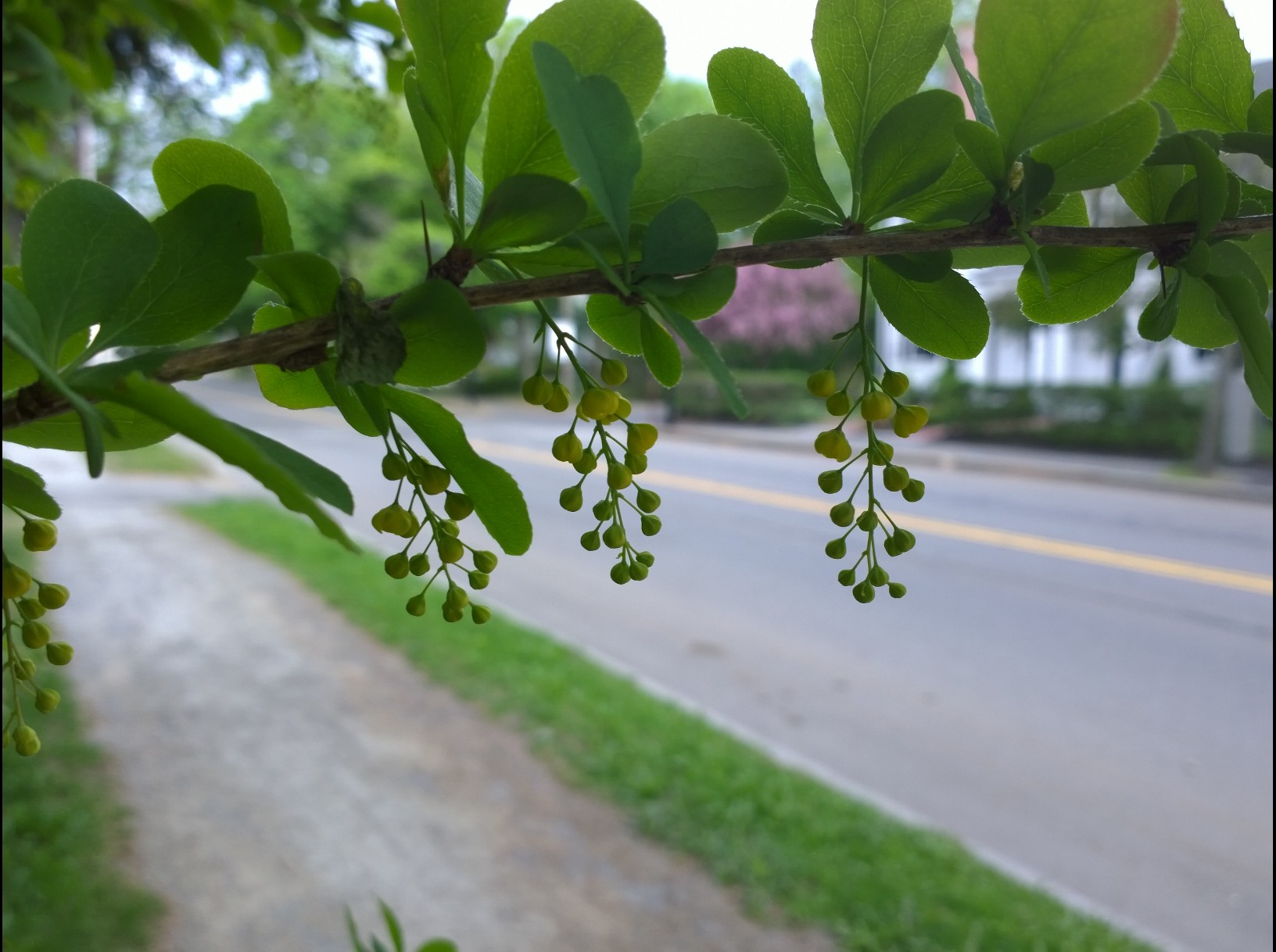
Today I’m posting some recent outdoor photos from Massachusetts and Rhode Island and thinking particularly how seed pods, the smell of lilacs, and small landscapers make me happy.

twisted-tree

early-blooms

more-lilacs

rhododendren-and-lichen

tulips

steeple

more-pods

pods

landscaping-truck

Read Full Post »

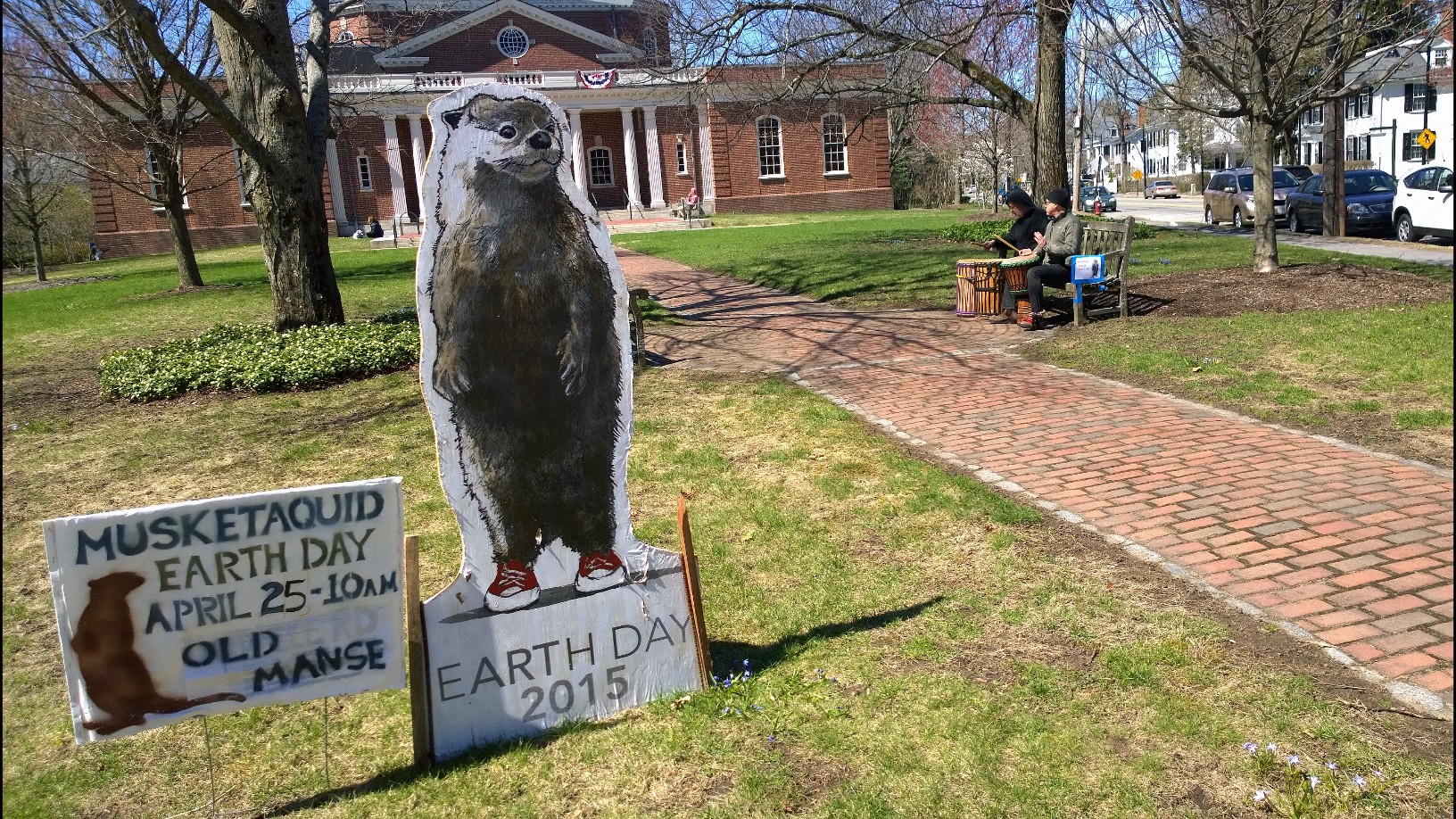
otter-welcome

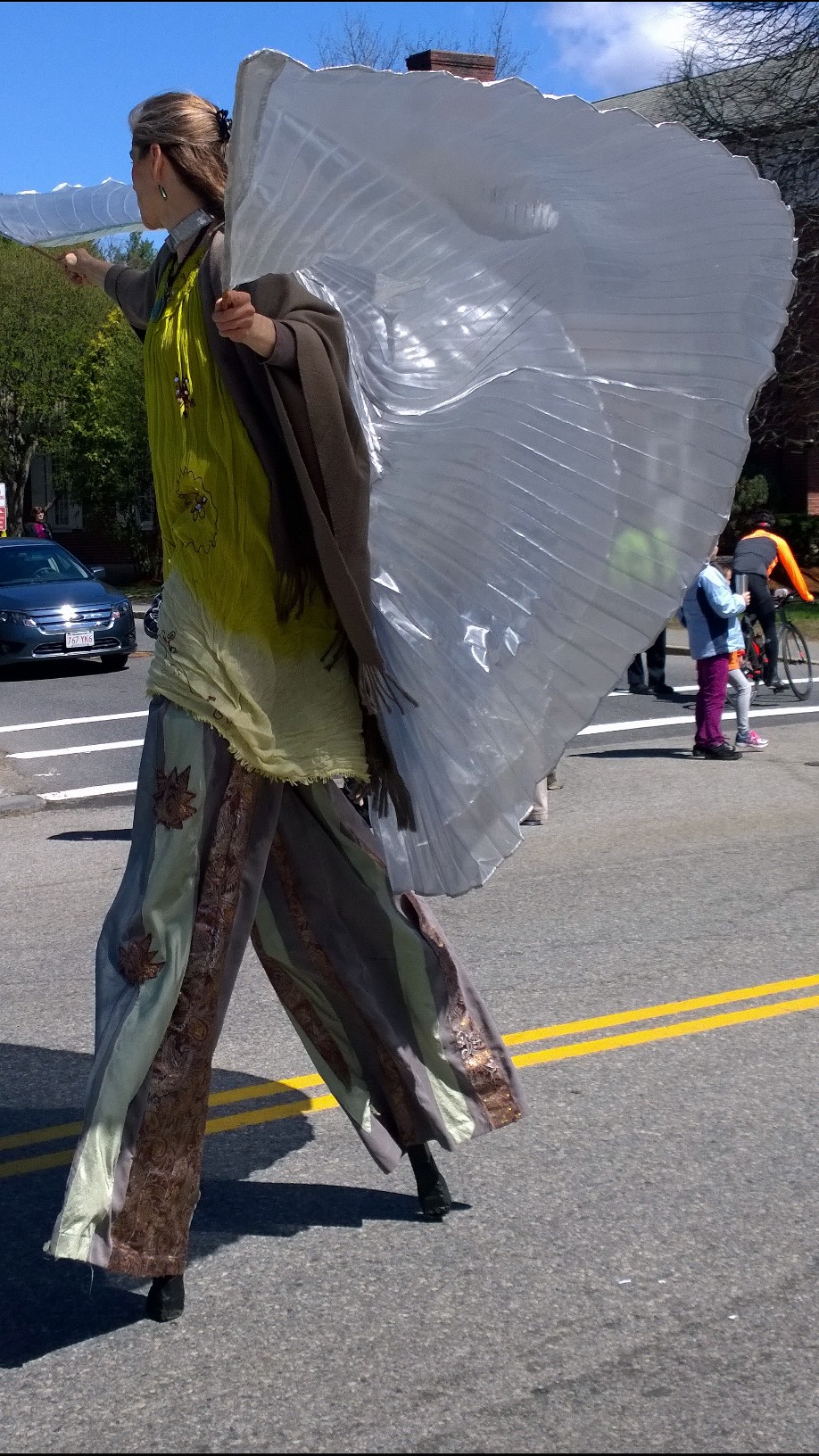
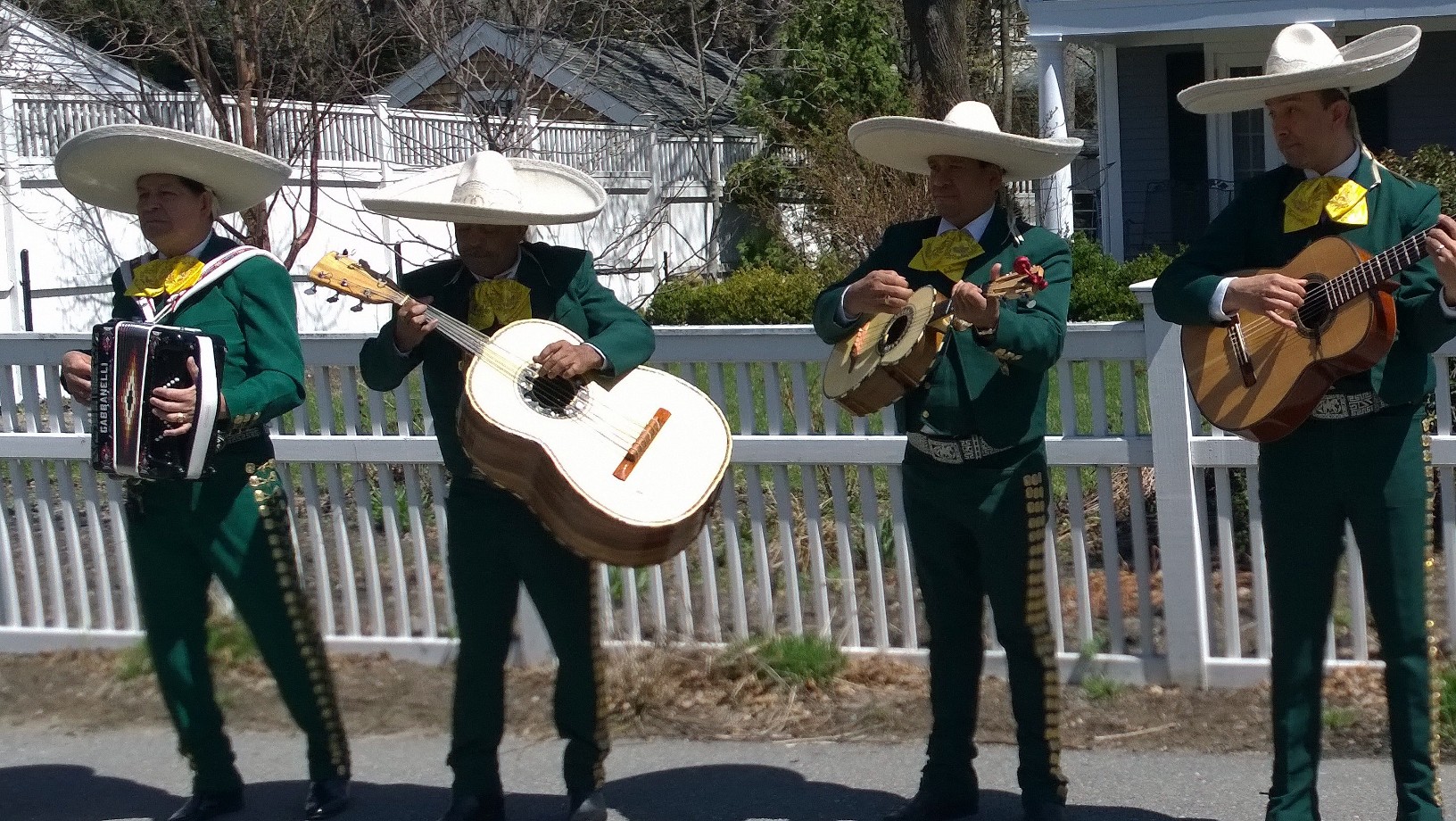
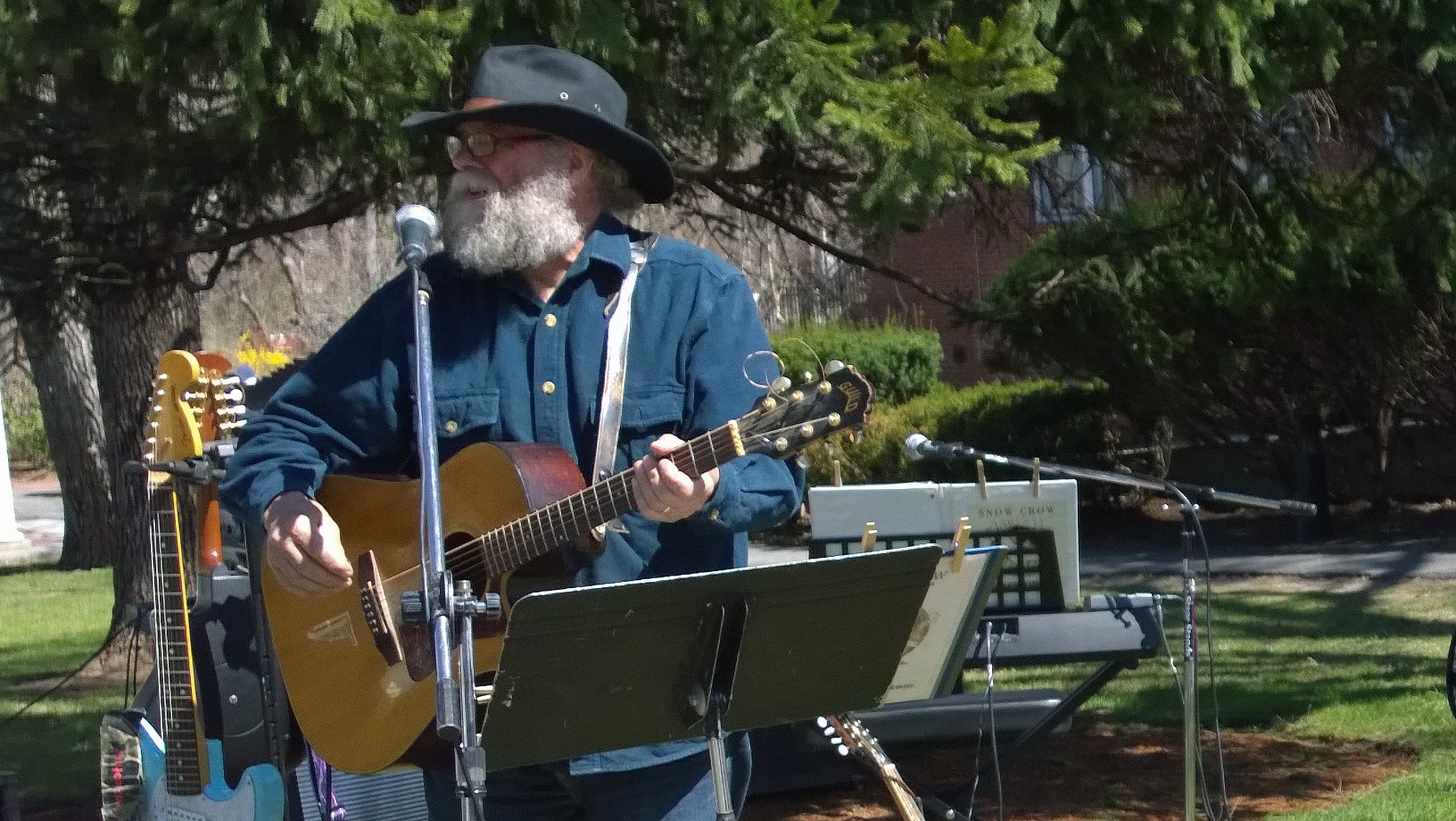
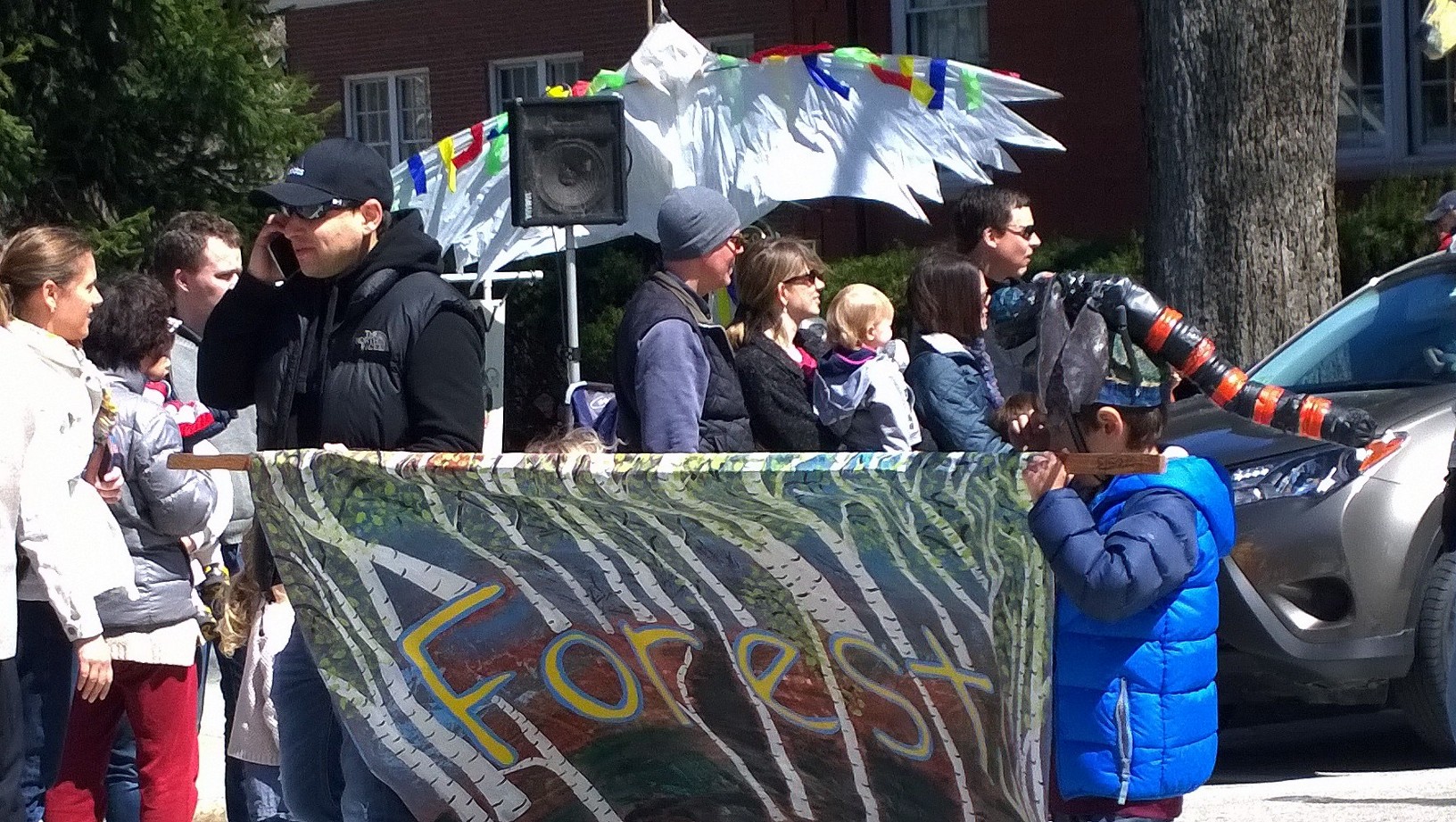
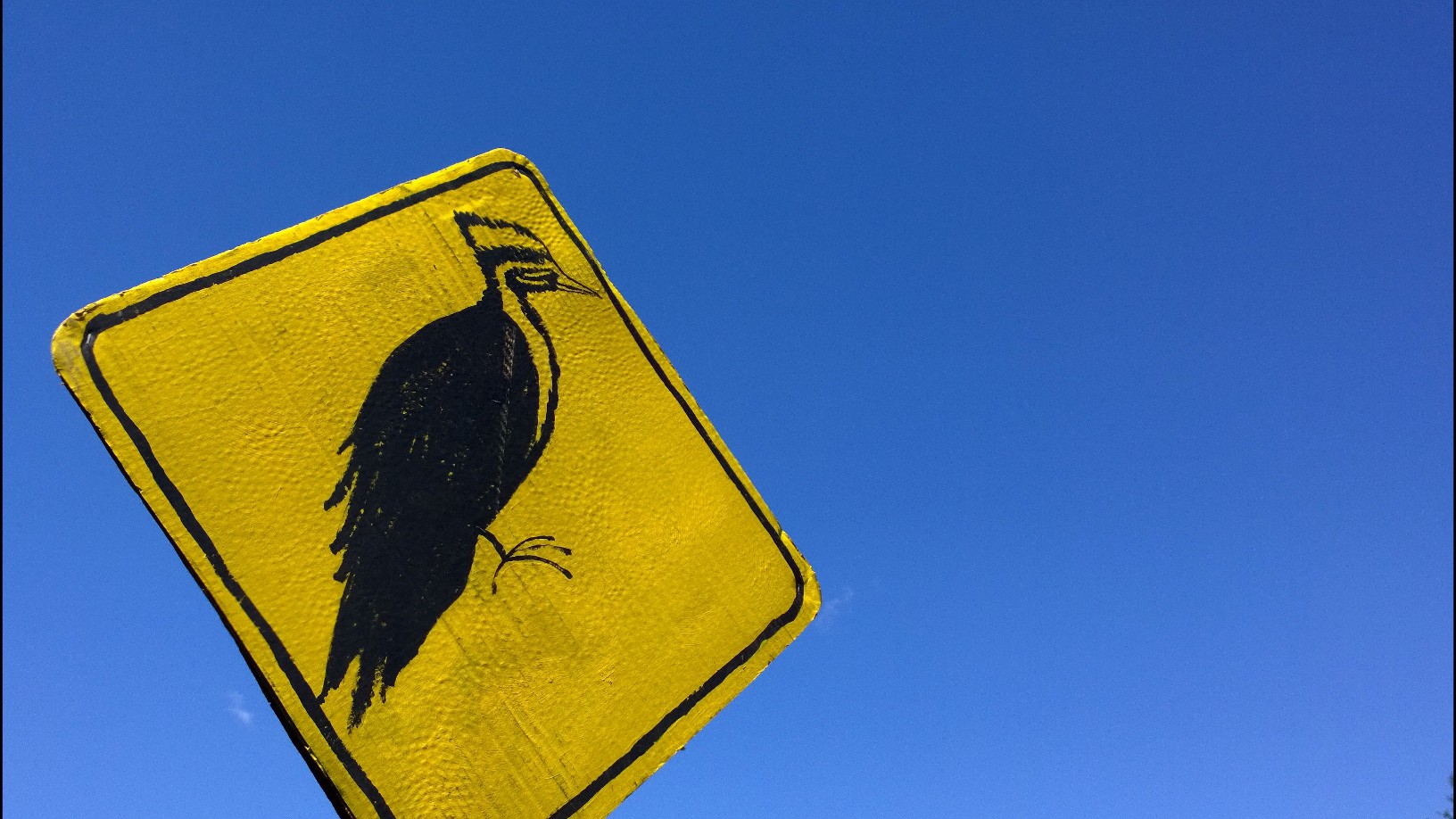
It was still chilly on Saturday, but a great day for the Musketaquid Parade celebrating the Earth. Bands, stilt walkers, homemade floats, drummers, tables for environmental advocates of all kinds.

Does the boy with the “forest” banner whose dad is on a cellphone remind you of the picture book Sidewalk Flowers?

In the afternoon, I helped my 3-year-old grandson dig holes for strawberry plants. (“It’s gonna be a flower. It’s gonna be beautiful!”)

joyous-drummers

perhaps-a-fox

stilts-and-wings

mariachi-band

Earth_Day-guitar

forest-and-cellphone

woodpecker-for-Earth-Day

Read Full Post »

After work yesterday, I went with a colleague to observe a parent-engagement program organized by Lawrence Community Works (LCW) at the Oliver Partnership School, in Lawrence, Mass. I had long been interested in LCW’s use of circles to build a sense of community among strangers of very different backgrounds.

Lawrence is what is sometimes called a Gateway City, meaning it’s always been a gateway to the U.S. culture and experience for new waves of immigrants. It currently has a large Spanish-speaking Dominican population and foreign-born and native-born residents from all over.

The parent night was the third in a series. In the first two, facilitators had helped the participants to come up with agreed-upon ground rules (come on time, no cellphones, respectful attention to one another) and to choose an “obstacle” that they would like to address related to their children’s life at the school. They had selected recess, which is only 10 minutes. (Lunch is 15 minutes.)

Everything was conducted in both Spanish and English.

As the evening was getting going, Tony told me his children love school. He believes a good education is vital. He wishes he had more. He did learn Spanish and English in addition to his native Portuguese. The languages help him in his job working with troubled youth, a job he loves to go to every day.

In a warm-up exercise, we stood in a circle and stated our name, followed by our favorite fruit and the name and favorite fruit of everyone who spoke previously. It was fun and a great equalizing experience as anyone can be good at that and anyone can struggle with it. The people who went last had about 20 names and fruits to report and did really well despite language differences.

To discuss the recess issue, we separated into two groups — those who felt comfortable speaking English (which included the two teachers in attendance) and those who felt comfortable speaking Spanish. At the end we came together with the results of our investigation of three questions: why having a longer recess is important, why it might have been set up that way, and what parents themselves could do about it. (Asking the administration’s help was to wait for a joint meeting in June.)

I won’t make this post much longer, but I do want to say that I thought the way this was handled was very good. Parents appeared to feel that their opinions were welcome and that they could accomplish something. Continued engagement with them will be important as the work is a piece of a much bigger project by LCW that aims to help parents get skills for jobs. Unemployment is a serious issue in a city where many of the people are poor, have not had good educational opportunities, and are still learning English.

Photo: Family literacy night at the Oliver Partnership School in Lawrence, Mass.

Read Full Post »

While we’re on the subject, here are two more poetry events scheduled for spring.

Nancy writes, “Some of your readers may also be interested in the Massachusetts Poetry Festival, in Salem, May 1 – 3. Marge Piercy and Richard Blanco will be among the many well-known poets reading.”

She also notes that if you are near Providence in March, you may want to attend the Poetry Out Loud recitation competition for high school students. The statewide competition will be held at Rhode Island School of Design in Providence, with 15 students from schools across Rhode Island reciting poems (by such people as Shakespeare, Mary Oliver, Robert Frost, etc.) in hopes of qualifying for nationals. Info here.

Another inspiring poetry competition for youth is the one depicted by the movie Louder than a Bomb, in which students compose their own poems and perform them. My husband and I were impressed by what the creative opportunity and the discipline did for some at-risk kids. You can get the movie from Netflix, which describes it thus: “Capturing the combined creative spirit of more than 600 Chicago-area teenagers who are participating in what’s billed as the world’s largest youth poetry slam, this documentary highlights the joy of language and the power of collaboration.”

Read Full Post »

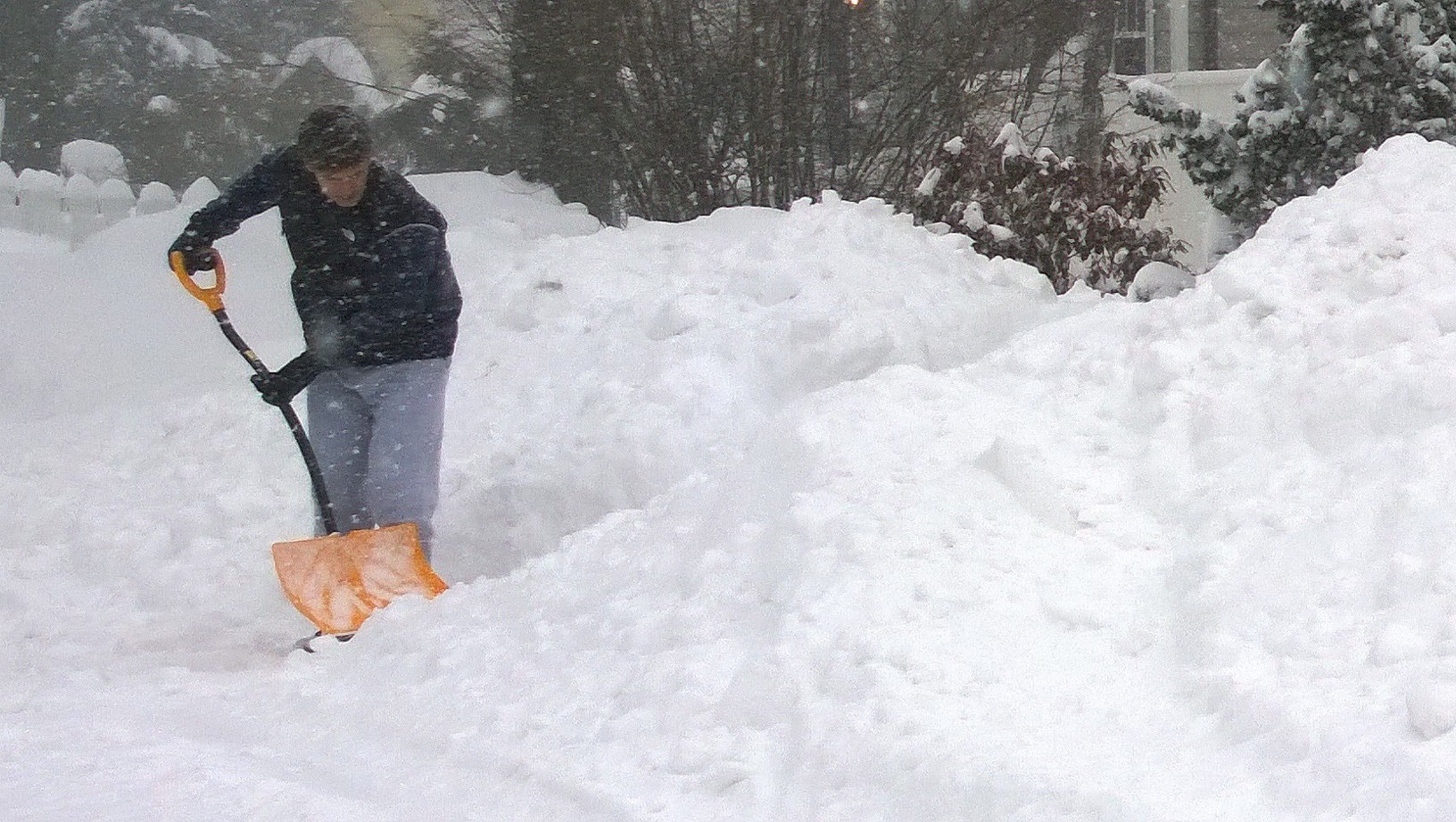
Always recognizing that people in Finland, Minnesota, and Buffalo, New York, deal with this sort of thing all the time, I’m going to give it as my opinion that the storm of January 27, 2015, in New England was a pretty big storm. We were told to work at home for two days.

I went out at lunch to see what I could see. I saw one truck and one stand-up snowplow, a few workers trying to clear the commuter rail platform, three walkers, and one neighbor.

The trees and bushes in the yard were bent over. The car’s window wipers were reaching out for help. My husband had shoveled the front walk, but the gate was blocked by a snow bank. A mailbox was barely visible. My neighbor was hard at work with a shovel.

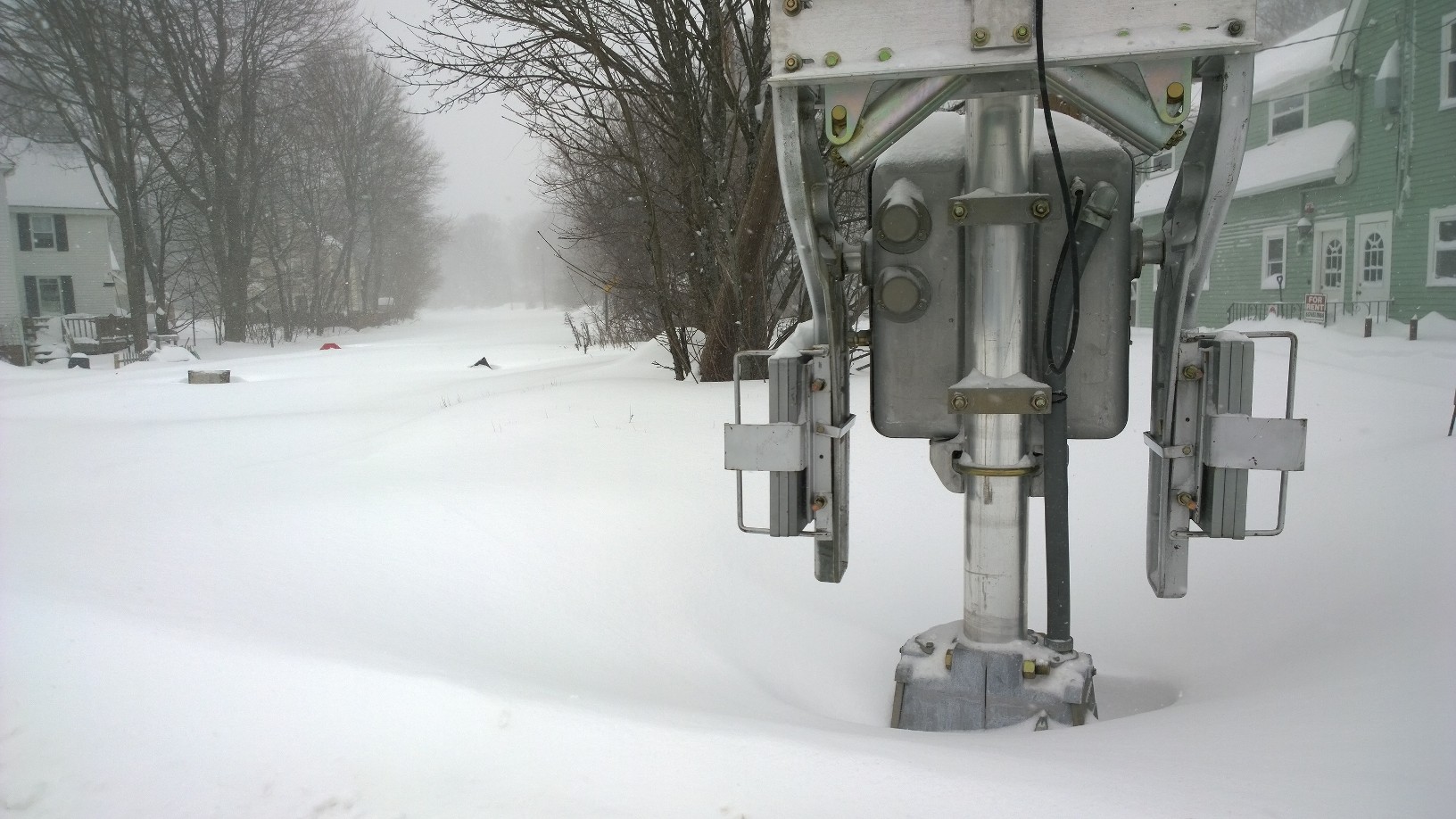
The picture that intrigues me the most, given that I take the train to work, is the picture of the buried train track. I don’t see how a train can get through there. And where will the commuters park? I can walk from my house. Not everyone has it that easy.

012715-snowy-bushes

012715-family-car-in-snow


012715-snow-bank-blocks-gate012715-mailbox-in-snow


012715-neighbor-shovels-snow

012715-train-track-in-snow

Read Full Post »

hmong-church-providence


New-Shoreham-plunge-010115-Sandra-M-Kelly


Here are a few recent photos from Rhode Island and Massachusetts. I took all but the shivery January 1 New Shoreham plunge, which is the work of Sandra M. Kelly. I doubt I would have been brave enough even to go watch these hardy souls freeze on such a cold day.

What can I tell you about the other photos? The Hmong church near my grandson’s play school was a surprise. I knew about Hmong refugees in California, Minnesota, and Central Massachusetts. Didn’t know they were in Providence. A wonderful book about the Hmong immigrant experience is The Late Homecomer, by Kao Kalia Yang, who grew up in St. Paul.

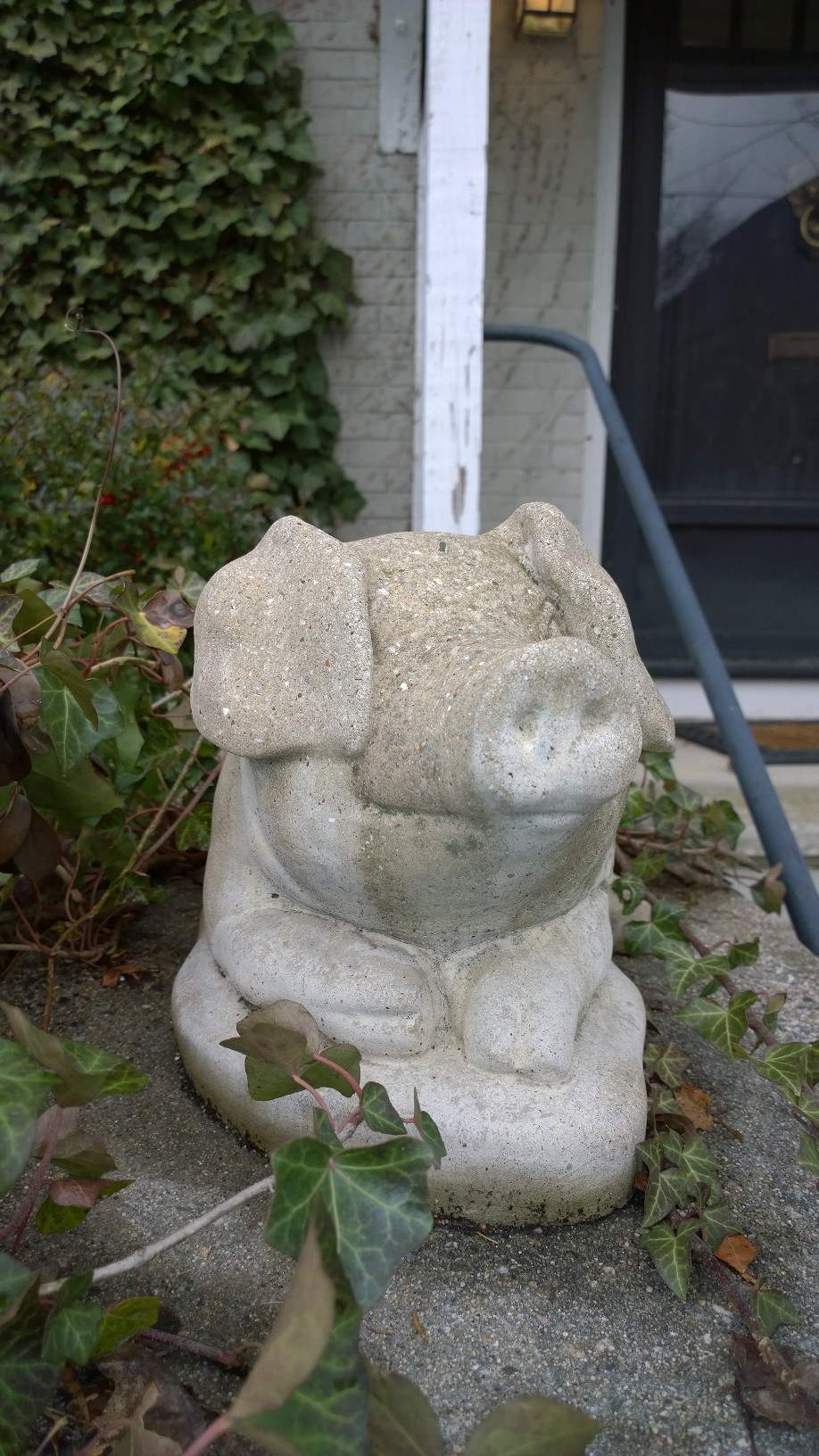
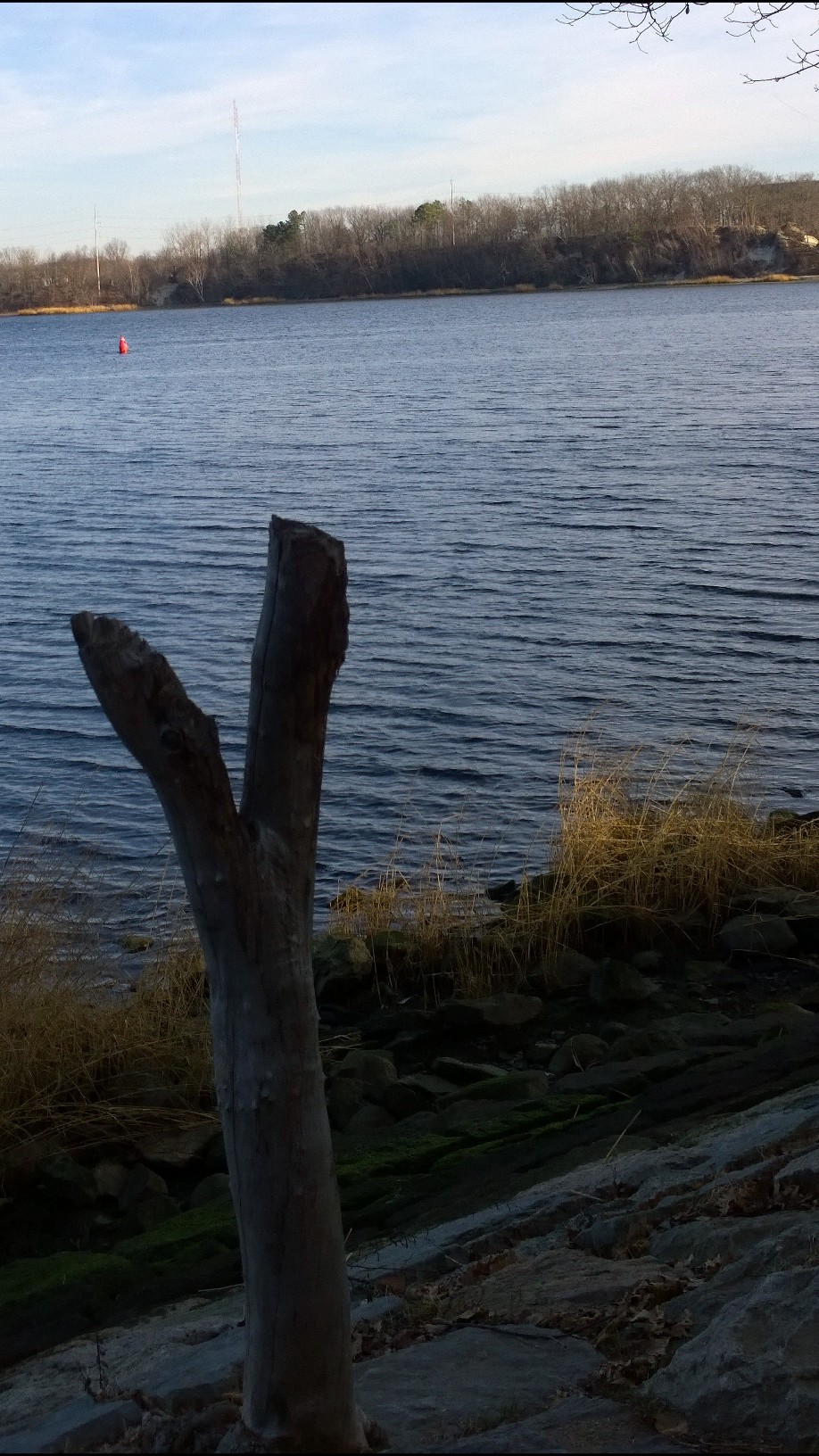
I include a porcine household god from Providence, a bathrobe in the guest room where I awaited the arrival of my new granddaughter in December, and two aspects of the Seekonk River on January 1.

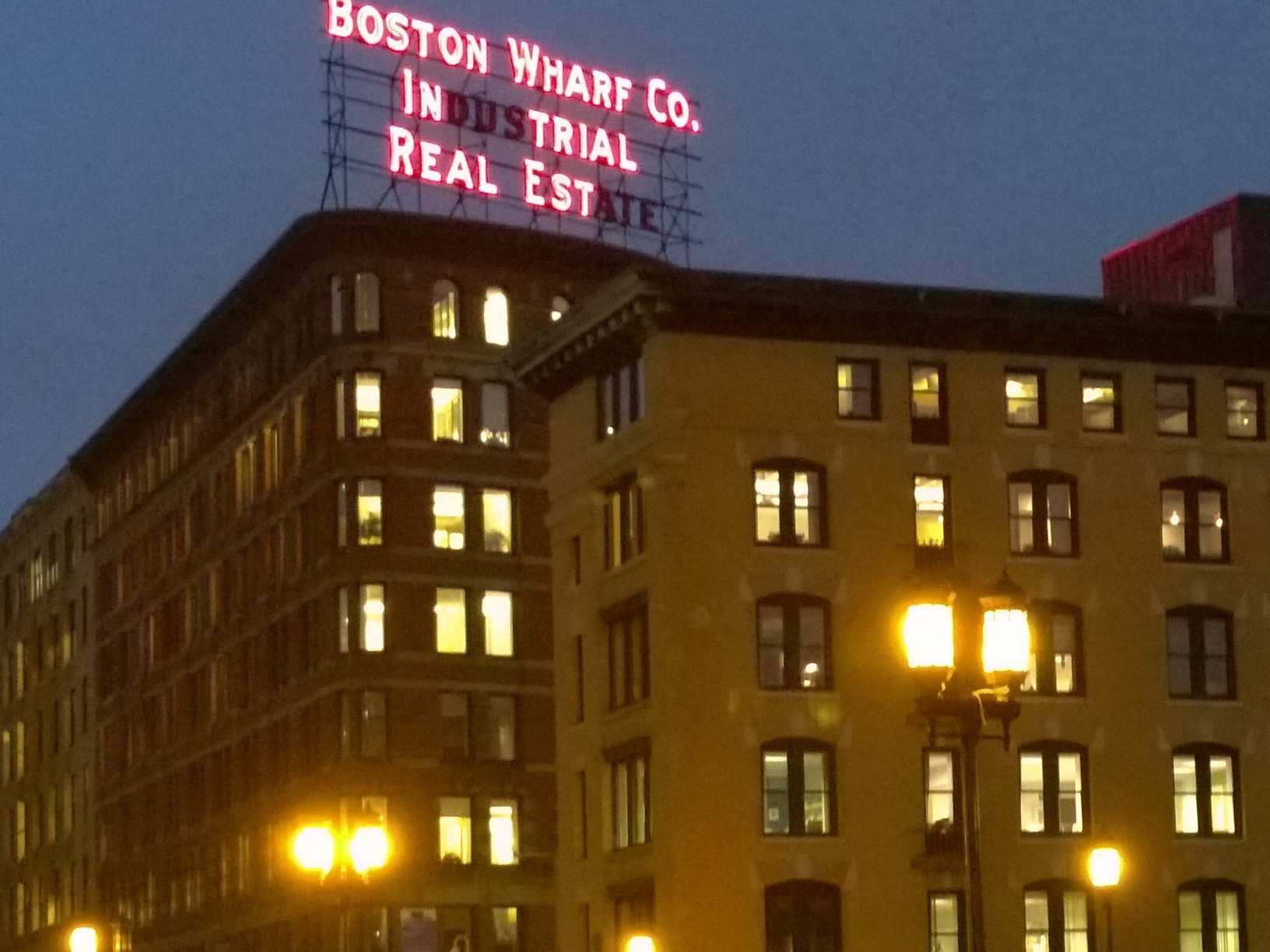
The photo I call “In Trial Realest, a Message from Beyond,” is one I was determined to capture while the sign was broken. It called to me from my office window as it lit up at dusk. I’m glad I caught it when I did, because the neon letters are now all working, and its message is no longer as interesting.

household-god


room-on-third-floor

Jan1-on-the-Seekonk


010115-Seekonk-River

in-trial-realest

Read Full Post »

With increasing numbers of Americans experiencing food insecurity, it seems like an appropriate time of year to be grateful that at least there are many goodhearted people managing food banks and community meals and doing what they can.

If you know of anyone in New England who could use the help just now, or if you want to volunteer or donate, this partial list may be a good starting place.

Rhode Island

http://www.rifoodbank.org
“The Rhode Island Community Food Bank works to end hunger in our state by providing food to people in need. We envision a day when all Rhode Islanders have access to nutritious food and a healthy lifestyle.

Massachusetts

East
http://Gbfb.org
“The Greater Boston Food Bank’s mission is to End Hunger Here. Our objective is to distribute enough food to provide at least one meal a day to those in need.”

West
https://www.foodbankwma.org/
“We are fortunate to live in such a special part of the country, allowing for the growth and harvest of a multitude of fresh fruits and vegetables. As this harvest season comes to an end, we have received more than 266,800 pounds of fresh produce — including potatoes, lettuce, carrots, apples and squash — donated by local farms this year.”

Vermont

http://www.vtfoodbank.org/FindFoodShelf.aspx
“If you are looking for a place to have a Thanksgiving meal or to volunteer to help cook, serve or clean-up, download our list of Thanksgiving meals.”

New Hampshire

http://www.nhfoodbank.org/
“Need Food? We Can Help. If you are in need of assistance, use our search to locate the nearest food pantry or soup kitchen to you. Search by your town or county, or view all of our partner agencies.”

Maine

http://www.foodpantries.org/st/maine
“There are several food pantries and food banks in the Maine. With help from users like you we have compiled a list of some. If you know of a listing that is not included here please submit new food pantries to our database.”

Connecticut

http://www.ctfoodbank.org/
“The mission of Connecticut Food Bank is to provide nutritious food to people in need. We distribute food and other resources to nearly 700 local emergency food assistance programs in six of Connecticut’s eight counties: Fairfield, Litchfield, Middlesex, New Haven, New London and Windham.”

harvest


Read Full Post »

Here’s a story about how a city counterintuitively addressed its graffiti problem by offering a place to do graffiti.

Jeremy Fox writes at the Boston Globe that the graffiti mural began as a response to the growing problem of offensive messages sprayed on a wall facing the train track. That wall, he reports, “has become a local institution with a national and even international following.

“In the process, this wall at the Clemenzi Industrial Park has also become one of just a few spaces in the region where graffiti is officially sanctioned, which may help protect nearby walls from unwanted images and messages.”

(Don’t you love words like “sanctioned,” which means one thing and also its opposite?)

“John Clemenzi, who manages the property that his family has owned for four decades, said that when he began allowing artists to paint on the building’s rear wall, Beverly was in the midst of ‘a horrible graffiti problem.’ But in recent years, he said, ‘I rarely if at all see any graffiti elsewhere in the city.’ …

“The change began about a dozen years ago, when two Montserrat College of Art students approached Clemenzi with a proposal to decorate the wall, which faces the tracks for the Newburyport/Rockport commuter rail line. …

“He agreed to let the young artists decorate a small section, 40 feet of what he estimates is a total length of about 800 feet.

“He set three ground rules: Clean up after yourselves, no offensive messages, and don’t paint on the building’s brick faces. The students agreed to follow those rules and to help police the area, and over time, the sanctioned graffiti grew to cover the wall.” Read the rest of the story here.

Photo: John Blanding/Globe Staff
Artists worked at the Clemenzi Industrial Park in Beverly. Since people began spraypainting the wall a decade ago, the drawing of graffiti has fallen elsewhere in the city.

Read Full Post »

A few years ago Amy Wyeth wrote an article about Massachusetts veterans services for a magazine I edit. As I was thinking about what I could post here for Veterans Day, I remembered how much I appreciated learning from Amy about an organization for homeless veterans in Leeds, Massachusetts. It has since expanded to other locations.

The emphatic gentleman in the video below (“The Mission Continues”) really moved me. I got the points he made about not telling grownups what to do — instead being there to support them, one by one, in what they need. He advocates decriminalizing substance abuse so that veterans who need treatment can get it.

He notes that all the Solider On staff work directly with the veterans. Even if their job doesn’t entail social services, they all need to understand what the veterans are going through. At the end of the video, he says that the 90 percent of us who didn’t offer to give our lives for our country owe it to the 10 percent who did that, after their service, they can have a place to live and adequate support for what they want to do with the rest of their lives.

Soldier On now serves Mississippi, New York, Western Massachusetts, Pennsylvania, and New Jersey. And it offers a separate program for women veterans, run by women veterans.

More here.

Read Full Post »

Martha Bebinger had a great story at WBUR recently. It’s about an immigrant from Burundi with a mission.

“There were still drops of dew on the stalks of thick, spear-shaped leaves Fabiola Nizigiyimana slashed and tossed into a box one early morning.

“ ‘We call them lenga lenga, in our language,’ she said, laughing the words. “They are [a] green.’

“The 40-year-old single mother of five farms a one-acre plot in Lancaster. She’s one of 232 farmers who share the 40-acre Flats Mentor Farm. Last year, Nizigiyimana helped found a co-op that teaches farmers, many of whom can’t read or write in English or their native tongue, how to turn their plots into a business.

“They get help with packaging and selling their goods to local restaurants, ethnic food stores and farmers’ markets, many of them creating budgets and balance sheets for the first time.

“Nizigiyimana [was] honored for her work … at a White House ceremony after being selected as one of 15 USDA Champions of Change, who represent the next generation of farmers and ranchers.”

Read about all that this optimistic, cheerful woman has overcome and what challenges lie ahead for her business here.

Photo: Martha Bebinger/WBUR
Fabiola Nizigiyimana helped found a co-op that teaches farmers how to turn their plots into a business.

Read Full Post »

« Newer Posts - Older Posts »