Feeds:
Posts
Comments

The radio show “On the Media” had a great story Saturday. It was about a guy who made movies using ordinary people who wanted to be in the movies. He had only one script, and for 40 years, in small towns across America, he rounded up locals who thought they had the next Shirley Temple in their midst and shot The Kidnapper’s Foil.

As soon as his newest cast dealt with the kidnappers, the film launched into a talent show. And that was as close as any small-town girl got to being the next Shirley Temple.

From the radio show: “The practice of itinerant filmmaking — traveling from town to town, charging a fee for residents to become the stars of a film — mostly died out in the early 50’s. But one man continued the practice for nearly 40 years, filming the same movie over and over again. [Brooke Gladstone] talks to Caroline Frick, Executive Director of the The Texas Archive of the Moving Image about her decade-long fixation on filmmaker Melton Barker and his oft-filmed movie The Kidnapper’s Foil.”

Read all about it.

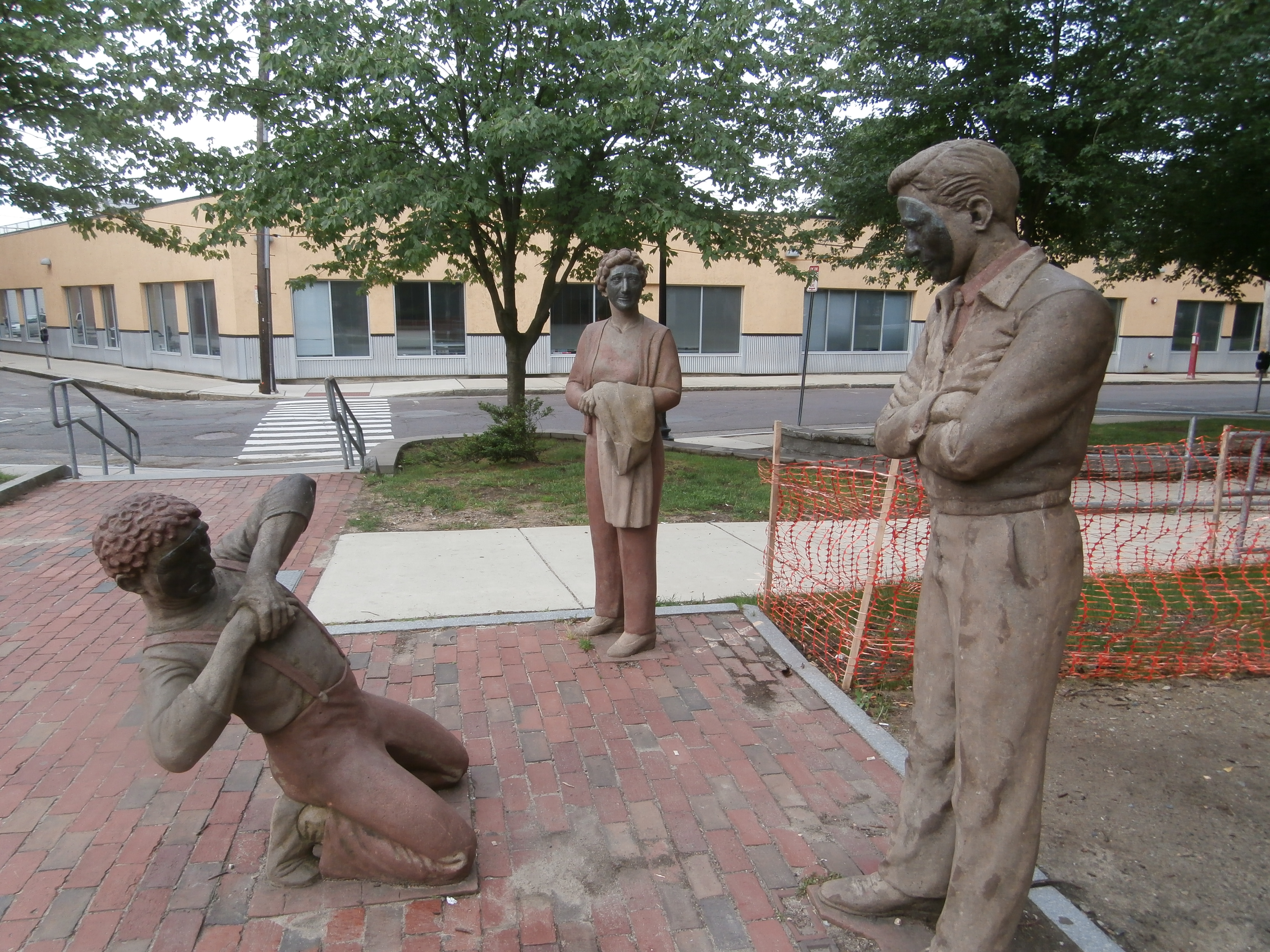
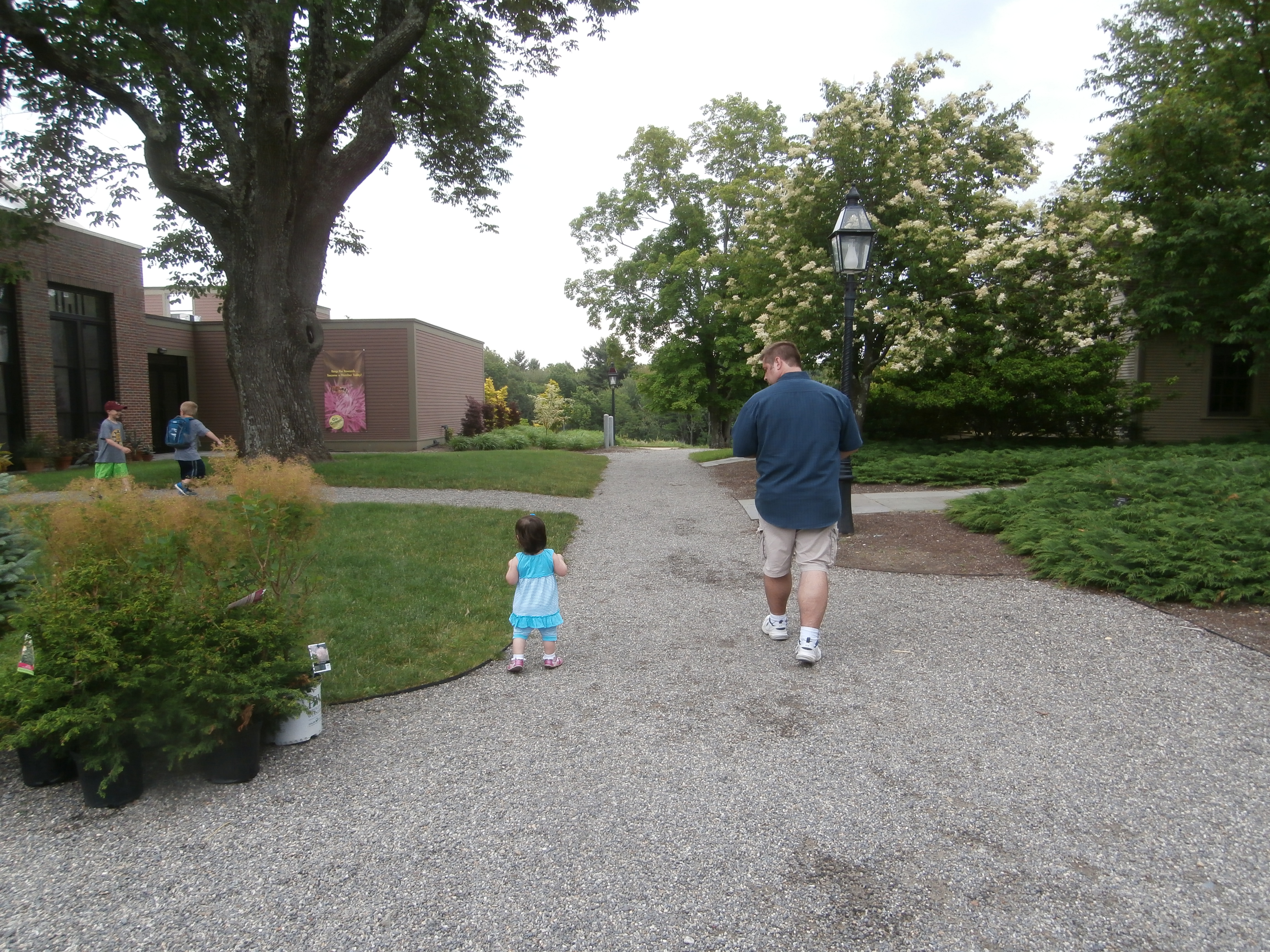
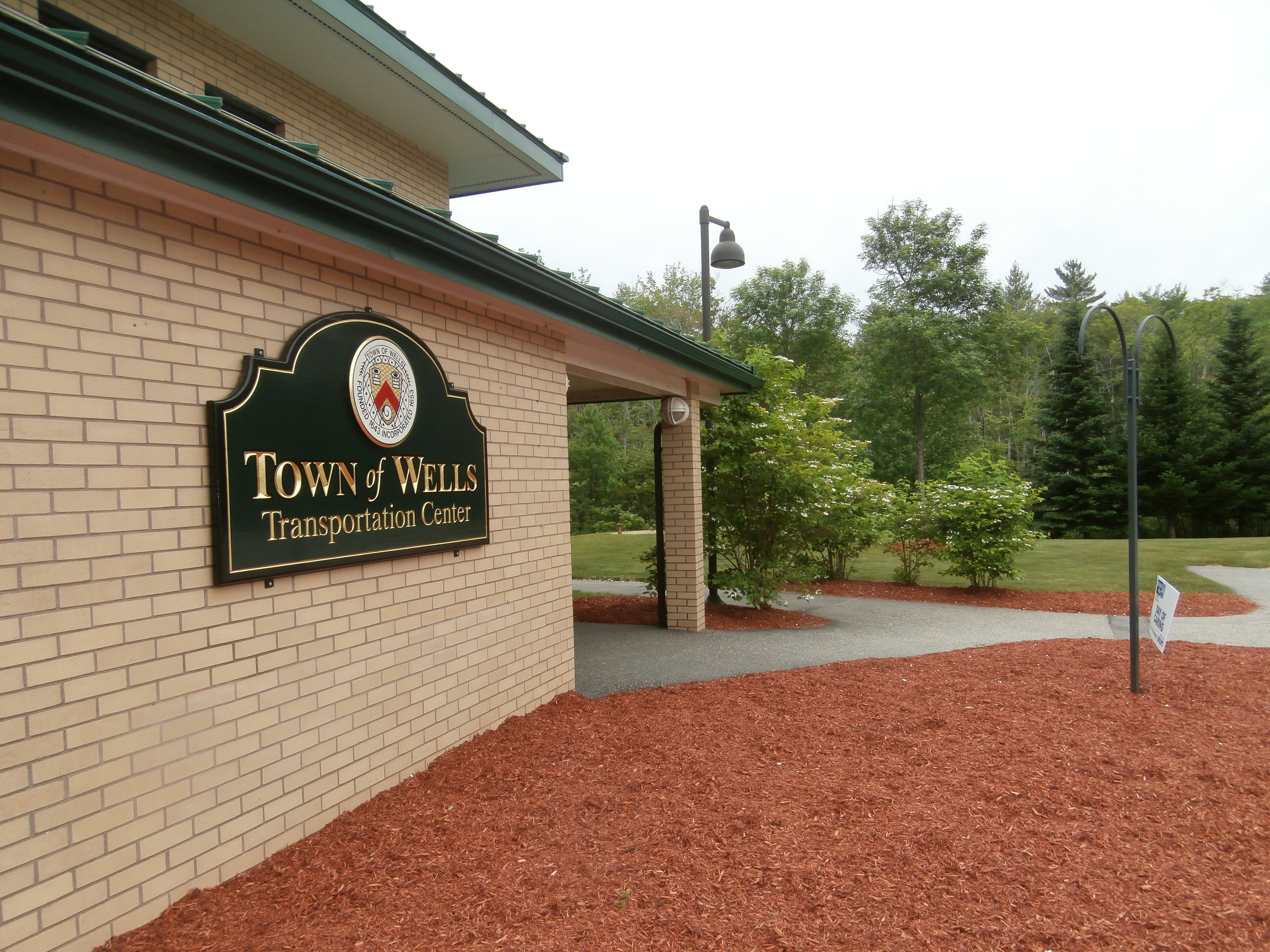
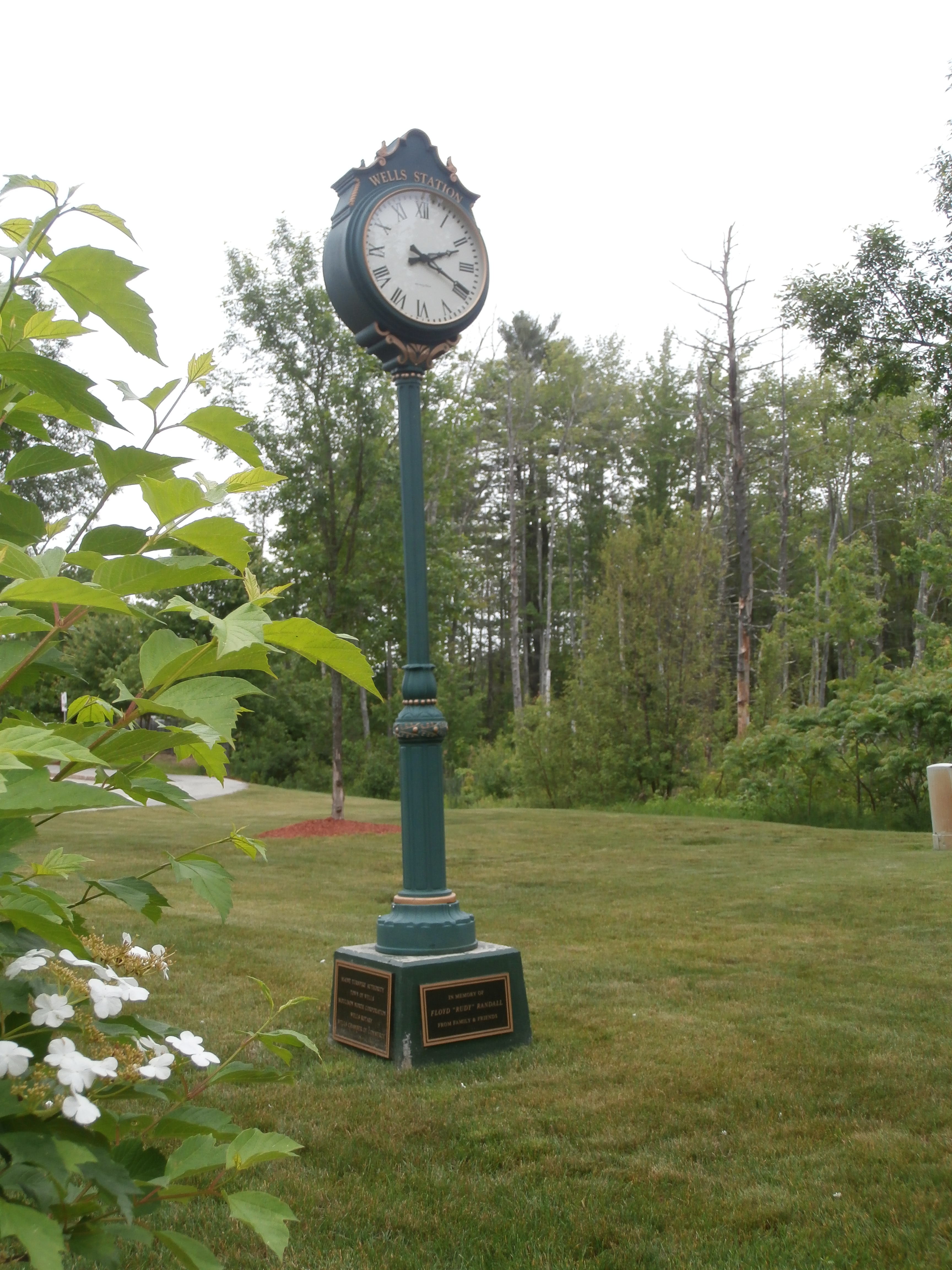
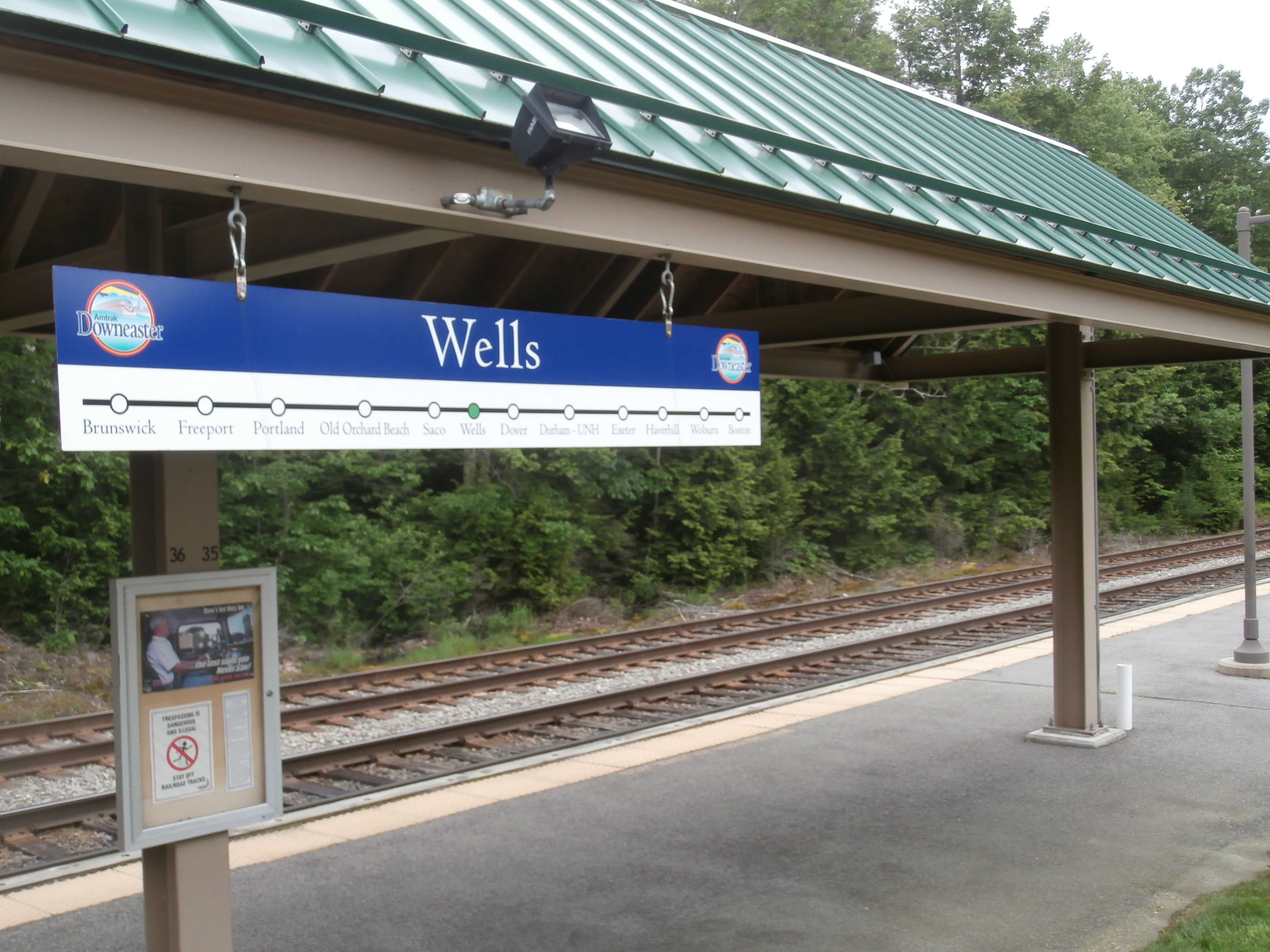
A few random pictures from my window, from walks, from train travel.

I am struggling to understand my new camera. It speaks in code.

wintry angles

MBTA geometry

Chas St Jail luxury

Concord Art Assoc

reach higher

antique shop

Mammoths in Our Midst

On Wednesday, according to Todd Feathers in the Boston Globe, a New Hampshire scallop fisherman found something unusual in his catch.

“As Mike and Padi Anderson sold their catch of scallops on the dock Wednesday night in Rye Harbor, N.H., it was not just their shellfish that drew people’s interest. It was an ­object that looks like a 6-inch-long tooth that Mike had dredged up from the ocean earlier that day. …

“A crew member e-mailed a picture to a geologist from the University of New Hampshire, and a short while later the verdict came back: The tooth almost certainly belonged to a woolly mammoth. …

“The tooth weighs about 5 pounds and still has remnants of the root that connected it to the mammoth’s gums, Mike Anderson said in a phone interview from the deck of his boat, the F/V Rimrack. …

“The Andersons, who are married, will have to wait until William Clyde, the geologist, ­returns from a trip to South America before they can confirm that the tooth once belonged to a mammoth, but for them, the preliminary ruling is enough.”

Anderson seems excited to head back out for more archaeology. More.

Reminds me of John Hanson Mitchell and his book Ceremonial Time, which describes his attempts to sense and experience 15,000 years of life around his home in Massachusetts.

Finding a woolly mammoth tooth must really make one pause and think about big things.

Photograph of scallop fisherman Mike Anderson: Ionna Raptis/ Portsmouth Herald via AP

Festival!

I find lots of great links at Andrew Sullivan’s blog. Besides having an excellent staff, he seems to have half the world forwarding cool stuff to him. Otherwise, I probably would never have stumbled on Feature Shoot, which showcases work from up-and-coming and established photographers.

In one article, Amanda Gorence writes, “Photographer Fernando Decillis traveled to Pasto, Colombia for the elaborate Carnaval de Negros y Blancos, a five day festival celebrating the Epiphany that has been a tradition since 1912. …

“El Desfile Magno [the great parade] is a mind-blowing display of immaculately crafted floats made by incredibly talented artists. The artists are usually honored with this task through family ties and only after years of studying the traditional craft. … Decillis gives us a front row spot to the festivities, the artists and the giant masterpieces of Pasto’s celebrated tradition.

“Decillis was born in Montevideo, Uruguay. He is based in Atlanta mixing it up with a variety of advertising, editorial and conceptual work.” More, here.

Photograph: Fernando Decillis

There was a nice article in the NY Times last week about people aging in place and inadvertently creating a retirement community. My husband sent me the link.

“When the co-op conversion wave began in New York City in the 1960s,” writes Constance Rosenblum, “singles and young married couples flocked to the Upper West Side hoping to get a piece of the action. Some of those people, now in their 70s, are still there, cemented in place by apartments bought for a song or equally treasured rent-stabilized units.

“As the neighborhood’s population has grayed, some apartment houses have morphed into what social scientists call NORCs — naturally occurring retirement communities. The most recent census estimates indicate that 22 percent of Upper West Siders, or 46,000 people, are 60 or older, compared with the citywide average of 17 percent. Attracted by convenient shopping, abundant mass transit and a wealth of cultural activities, many older residents hope to remain in their apartments the rest of their lives.”

I am a huge fan of walkable communities for people of any age, and I have often wondered why retirement communities are built in the middle of nowhere. Cost of land, I suppose. But if I couldn’t walk (or wheel myself) to shops, public transportation, the library, and so on, I would be very unhappy.

Perhaps it is the generation now nearing retirement that will make so-called Smart Growth a reality at last — simply because they don’t want to be out in the middle of nowhere.

More from the Times.

Photograph: Marcus Yam for The New York Times
The walking group of Bloomingdale Aging in Place doesn’t let snow interfere with a constitutional in Central Park.

Toys Go High Tech

Gregg, an inventor who works with John, tweeted today about a mega toy fair in New York City. (He didn’t say if he and John have any skin in the game, although I know that at least one toy is among their recent techy projects.)

Dante D’Orazio describes the trade show at The Verge (a website that covers “the intersection of technology, science, art, and culture”).

“Toy Fair isn’t what you would expect. The New York-based toy trade show is the largest in the Western hemisphere — it had nearly 30,000 attendees last year — but there are no children. Hundreds of thousands of square feet are dedicated to the things children love, like action figures, dolls, model cars, board games, arts and crafts, sports equipment, and video games, but there’s a strict rule: no admittance to anyone under 18 years of age. …

“The tech world has affected these toy companies greatly. We saw the beginnings of it last year, but at Toy Fair 2013 the largest companies are all integrating iPads and iPhones in some way into their product lines. Entire toys built around iPads were very popular; we saw everything from an iPad-enabled farm set for pre-schoolers to a magic Barbie mirror that takes advantage of Apple’s tablet. It’s no longer just ‘batteries not included’ — you’ll need to buy an iPad if you want to play with some of these toys.”

More.

Photographs: The Verge, which offers a lush array of toy fair pictures, here. Of course, not all toys need to be high tech to attract kids.

Happy President’s Day! Why are you working?

​According to Mother Jones, economist David Rosnick has “found that dialing back the amount of time the average person works by 0.5 percent per year would mean a significant reduction in greenhouse gas emissions. If you work 40 hours a week, that would mean shaving about 12 minutes off the average work week per year. Working one minute less per month seems pretty doable. Basically, we’re using a whole lot more of everything when we’re working – electricity, gasoline, heating, air conditioning, etc. Leisure requires less greenhouse-gas-producing activity.”

I forget were I found this story first, but you can read more at Mother Jones, here.

Photograph: http://yasmincolemanportraits.wordpress.com/
“Lazy Bones, sleeping in the shade. How you ‘spect to get your corn meal made?”
(Hoagy Carmichael)

As Jane once observed, Suzanne’s Mom’s blog likes making connections between random unconnected matters.

This entry makes at least three connections, starting with a Malian colleague at work and ending with a biographer friend who was mentioned in a murder mystery.

To begin at the beginning, I joined my current organization about seven years ago and was “onboarded” with a young guy from Mali. Although he moved back to Africa after five years, we keep in touch, and naturally I have been distressed by the recent trouble in his homeland.

That is why an article by music critic Jim Fusilli in the the Wall Street Journal caught my eye. “To the musicians from Mali [in Paris], the attempt by terrorists associated with al Qaeda in the Islamic Maghreb (AQIM) to suppress music in their country’s north goes beyond politics and religion: It’s an offense to the soul of the nation, where music is more than entertainment, it’s essential to life.”

Fusilli says the musicians are “leveraging their international reputations as creators of the country’s often-inspired music, which ranges from brooding, spiritually minded tunes played on traditional African instruments to a fiery fusion of Afrobeat, rock, R&B and indigenous sounds. It’s a melting pot that absorbs the music of other cultures without losing its native identity.

“On her next album, ‘Beautiful Africa’ (Nonesuch), out in the U.S. on April 9, the singer-songwriter Rokia Traoré sends a message of support to Mali’s women. In Bambara, English and French, she sings: ‘I want to hear your laughter. I admire your courage. I miss your smile.’ ” More.

Now, as it happens, Jim Fusilli, in addition to being a music critic, wrote a mystery series that I gobbled up, and in one novel I noted that the hero was reading a biography by a friend of mine. The biography was of John Quincy Adams, and when I told author Paul C. Nagel, he was delighted that JQA had made it into a mystery story.

So when I read that Fusilli would be at Kate’s Mystery Books, I squeezed through the holiday mystery-buying crowd and gave him Paul’s e-mail. And thus they were in touch.

And thus a colleague from Mali connects to the biographer of John Quincy Adams.

Photograph of Rokia Traoré:  http://www.africanmusiciansprofiles.com/

Music for the Deaf

“Good good good good vibrations.”

I wonder if the Beach Boys ever thought about this aspect of good vibrations — how they can bring the joy of music to those who can’t hear.

According to Gramophone magazine, “The BBC National Orchestra of Wales will perform a series of free concerts in Cardiff on February 26 and 27, which aim to make orchestral music accessible to deaf and hard of hearing adults and children. …

“The events will feature sign language and live subtitles, and will allow audience members to sit within the orchestra, in order to feel the vibrations from instruments as the musicians play. The five concerts will demonstrate concepts including pitch, tempo and dynamics through music including ‘Hoe-Down’ from Copland’s Rodeo, ‘In the Hall of the Mountain King’ from Grieg’s Peer Gynt and the theme tune to Doctor Who. Four of the concerts will be aimed at students from primary and specialist schools, and adults in care homes and day centres. The fifth concert will be open to the public, allowing deaf and hard of hearing children and adults to take part alongside friends and family.”

More.

Photograph: Betina Skovbro
BBC NOW presented a pilot event for the deaf and hard of hearing in October 2012

A library seed program, described by Luke Runyon at National Public Radio,  reminds me of the sharing concept behind Heifer Project International (if you are given a chicken or a rabbit or a calf, you must give some of the offspring to another person in need).

“In a corner of the library, Stephanie Syson and her 4-year-old daughter, Gray, are just finishing a book with a white rabbit on the cover.

“When Gray approaches the knee-high shelves filled with seed packets, she zeroes in on a pack labeled ‘rainbow carrots.’

” ‘We just read two books with bunnies in them, so we’ve got bunnies on the brain,’ Syson says.

“Syson flips through a wicker bin labeled ‘carrots’ and offers other varieties to Gray, like ‘atomic red’ and ‘cosmic purple.’

“Here’s how it works: A library card gets you a packet of seeds. You then grow the fruits and vegetables, harvest the new seeds from the biggest and best, and return those seeds so the library can lend them out to others. …

“The library’s director, Barbara Milnor, says in the age of digital, downloadable books and magazines, the tangible seed packets are another way to draw people in.

” ‘You have to be fleet of foot if you’re going to stay relevant, and that’s what the big problem is with a lot of libraries, is relevancy,’ she says.

“Milnor says that while a library may seem like an odd location for a project like this, seeds and plants should be open to everyone. That makes a public library the perfect home for a seed collection.” More.

The sharing aspect is what stands out to me. Remember the post about Hebden Bridge in England and how people were planting in random bits of land and making the produce to free to anyone? Check that out, too.

4/7/13 Update: A similar effort in Concord, http://www.concordseedlendinglibrary.org.

Photograph: Dylan Johns
The seed library is a partnership between the Basalt Public Library and the Central Rocky Mountain Permaculture Institute. Seed packets encourage gardeners to write their names and take credit for their harvested seeds.

Asakiyume’s Lent Season

Last year my friend Asakiyume, whose family is Catholic but who admires Ramadan, decided to fast for Lent the way people do for Ramadan — all day until sunset. She saw the fasting as a way to connect to people who have no choice about hunger.

Some members of my extended family observe Ramadan, but it’s their religion. And I knew a Somalian in Minneapolis to whom I once, in my ignorance, said, “Happy Ramadan.” He laughed and told me patiently that Ramadan wasn’t about “happy,” rather it was a time of reflection and sacrifice. I realized my blooper was a bit like saying “Happy Good Friday” or “Happy Yom Kippur.” One doesn’t say “Happy Lent” either. “Happy” is for the day before Lent and Mardi Gras.

Read about Asakiyume’s thought process and why she once borrowed another religion’s custom here. She writes a wonderfully eclectic blog full of deep thoughts and photos from her walks that suggest mythical vistas and fantasy characters to her.

light and shadow

(Today, of course, it is perfectly fine to say Happy Valentine’s Day! And if you missed getting birthstone-jewelry hearts for your Valentine at Luna & Stella, here, fear not! Mother’s Day is just around the corner, May 12.)

Astronaut Food

I am currently reading one of the many delightful Colin Cotterill mysteries about Laos (Slash and Burn). Because the Laotian/American MIA search team seems always to be eating tasteless “astronaut food” provided by the Americans, this story at Andrew Sullivan’s blog the other day caught my attention.

Andrew points to Adam Mann, who writes at Wired, “Several decades from now, an astronaut in a Mars colony might feel a bit hungry. Rather than reach for a vacuum-sealed food packet or cook up some simple greenhouse vegetables in a tiny kitchen, the astronaut would visit a microwave-sized box, punch a few settings, and receive a delicious and nutritious meal tailored to his or her exact tastes. …

“With 3-D printers coming of age, engineers are starting to expand the possible list of materials they might work with. The early work in food has been in making desserts – a Japanese company lets you order your sweetheart a creepy chocolate 3-D model of their head – but some researchers are already thinking of what comes next. The Fab@Home team at Cornell University has developed gel-like substances called hydrocolloids that can be extruded and built up into different shapes. By mixing in flavoring agents, they can produce a range of tastes and textures.”

Don’t you love the word “extrude”? Well, maybe not. But I do because when my husband, my older grandson, and I were waiting for the baby sister to be born a couple weeks ago, we spent an inordinate amount of time extruding Play-Doh snakes from special Play-Doh extruders. (“Don’t be scared, Grandma. It’s not a real snake, Grandma.”)

Come to think of it, I might rather eat a Play-Doh snake than some of this astronaut food.

More from Wired.

More from Andrew Sullivan’s blog.

Photograph: Fab@Home
A deep-fried space shuttle scallop built using Cornell’s Fab@Home 3-D food printer, below.

Photograph: Feb@Home
A 3-D food printer building turkey paste into blocks, below.

I don’t know what it is about stories like this, but they really float my boat.

Here is an ordinary woman, a hairdresser who loves hairdressing, who tried to recreate an ancient hairstyle and ended up making a discovery that got published in a scholarly journal. What it took was being openminded, curious, and persistent.

As Abigail Pesta writes in the Wall Street Journal, Janet Stephens tried to re-create on a mannequin a hairdo she had seen on a bust of the Roman empress Julia Domna at the Walters Art Museum in Baltimore.

” ‘I couldn’t get it to hold together,’ she says. Turning to the history books for clues, she learned that scholars widely believed the elaborately teased, towering and braided styles of the day were wigs.

“She didn’t buy that. Through trial and error she found that she could achieve the hairstyle by sewing the braids and bits together, using a needle. She dug deeper into art and fashion history books, looking for references to stitching.

“In 2005, she had a breakthrough. Studying translations of Roman literature, Ms. Stephens says, she realized the Latin term ‘acus’ was probably being misunderstood in the context of hairdressing. Acus has several meanings including a ‘single-prong hairpin’ or ‘needle and thread,’ she says. Translators generally went with ‘hairpin.’

“The single-prong pins couldn’t have held the intricate styles in place. But a needle and thread could. It backed up her hair hypothesis.

“In 2007, she sent her findings to the Journal of Roman Archaeology. ‘It’s amazing how much chutzpah you have when you have no idea what you’re doing,’ she says. ‘I don’t write scholarly material. I’m a hairdresser.’

“John Humphrey, the journal’s editor, was intrigued. ‘I could tell even from the first version that it was a very serious piece of experimental archaeology which no scholar who was not a hairdresser—in other words, no scholar—would have been able to write,’ he says.

“He showed it to an expert, who found the needle-and-thread theory ‘entirely original,’ says Mr. Humphrey, whose own scholarly work has examined arenas for Roman chariot racing.

“Ms. Stephens’ article was edited and published in 2008, under the headline ‘Ancient Roman Hairdressing: On (Hair)Pins and Needles.’ ”

More.

Photographs: Janet Stephens

Photograph: James Montague for The New York Times
Outside the Vakar Lajos rink, where the Hungarian name of the Romanian ice hockey team, Hoki Sport Club Csikszereda, is printed on the ice.

I don’t follow ice hockey, but a recent article on ethnic Hungarians playing for the Romanian ice hockey team caught my eye.

I already knew that a chunk of Romania is like a little Hungary because my church and a church in Transylvania (20 percent ethnic Hungarian) have a longstanding relationship. Exchanges back and forth occur nearly every year.

So in flipping past the sports section the other day, I couldn’t ignore an article by James Montague on the irony of Romania, a country that under communism repressed ethnic Hungarians, having so many of them on their national ice hockey team. A feeder team in Miercurea Ciuc, Romania, calls itself Szekely Land, after a former province of the Kingdom of Hungary.

“The Szekely Land, named for a warrior tribe that dates to the Middle Ages, is a Hungarian-dominated area of Romania, covering three counties in the center of the country. The roughly 1.2 million Hungarians represent Romania’s largest ethnic minority, about 6 percent of the country’s population. The fall of the Austro-Hungarian empire after World War I marooned millions of Hungarians in what is now Romania, Slovakia, Ukraine and Serbia. The Szekely found themselves cut off and subject to a policy of assimilation, including heavy restrictions on the use of their language, under the former communist leader Nicolae Ceausescu.”

Sometimes having so many ethnic Hungarians on the Romania team can lead to unhockeylike situations. The “anomaly reached a critical point during a 2011 game between Romania and Hungary in Miercurea Ciuc,” writes Montague. “After the game, almost all of Romania’s players joined with their opponents to sing the Hungarian anthem.

“ ‘Some of the paparazzi caught it, and it was a big scandal,’ said Attila Goga … who has played for the Romanian national team for a decade but holds dual Romanian-Hungarian citizenship. ‘It’s a little bit strange, but I can see that, too. They don’t understand our situation here.’ ” More.

My advice to autocrats: Don’t try to change people’s language. It always ends badly.

snow meter height

I don’t know how to use our television, and the radio has only three channels, so I ended up streaming WPRI out of Providence.

I follow WPRI’s Ted Nesi on twitter, and he kept tweeting useful storm tidbits, so I thought I’d try his tv station. Things were a little chaotic there, which felt real. At one point Ted had his mike on accidentally, and I could hear, “I got stuff! Take me, please!”

Overall, Saturday was a quiet day at the Woebegone Chalet. I caught up on old newspapers (new ones had not been delivered for two days). I made guacamole. Put in a laundry. Did some exercises.

After a while I bundled up and climbed over the front fence, getting my boot stuck and full of snow. I hailed a couple young men from the Academy who were digging out a neighbor’s car. They agreed to shovel my front walk for the price I usually pay for both walks. It was well worth it. I returned from a hike around town (everything closed but Dunkin’ Donuts) to a cleared walk.

long view

coming soon

after